
Peter Zumthor
Z House
- ArchitectPeter Zumthor
- PhotographerWalter Mair
Linda Korndal I have always found something endearingly ambiguous about this house. Part of me feels that it shies away from people – yet it draws me back with its immense poetic views and profound stillness.

The Origins: Studio and Timber Beginnings
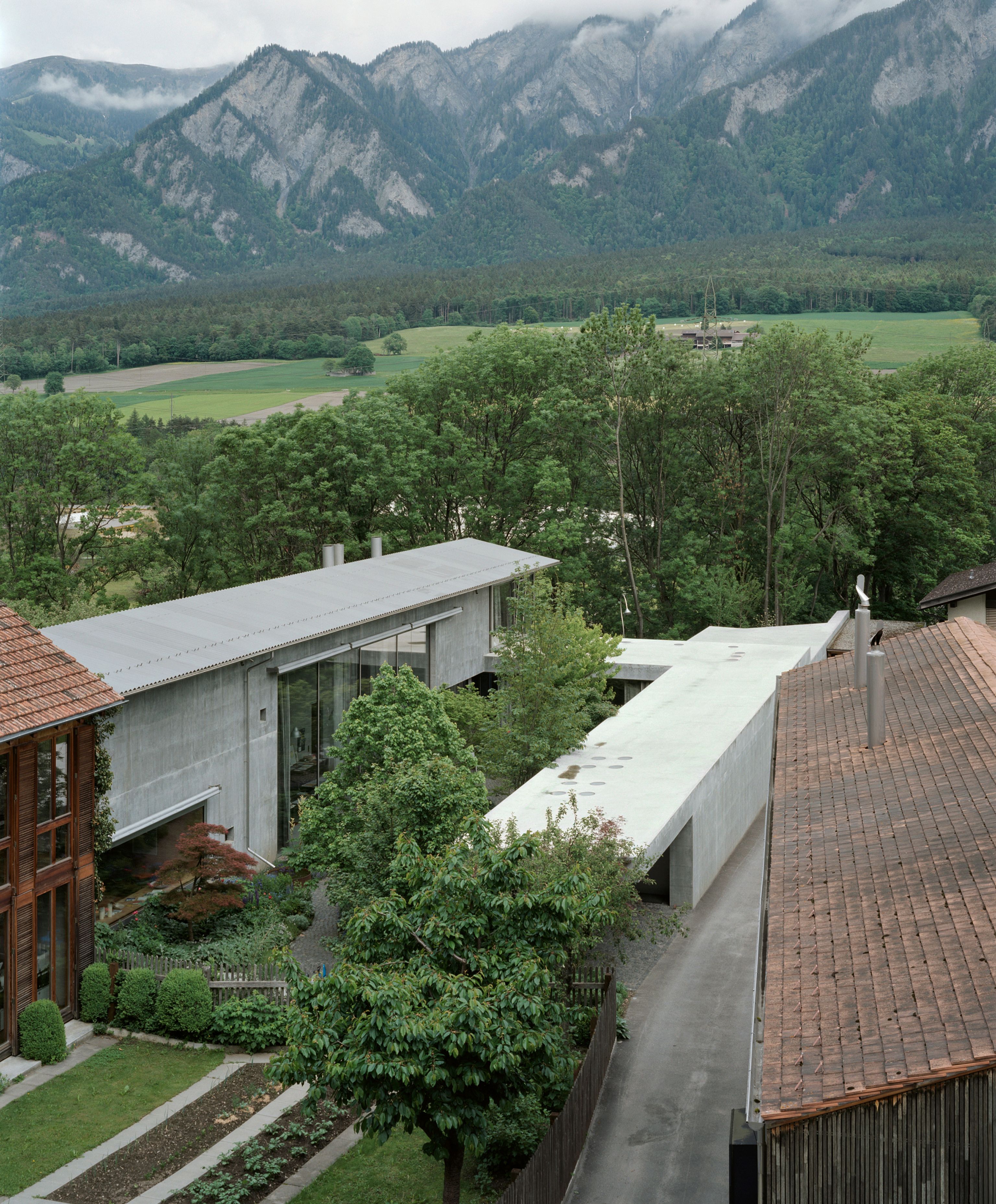
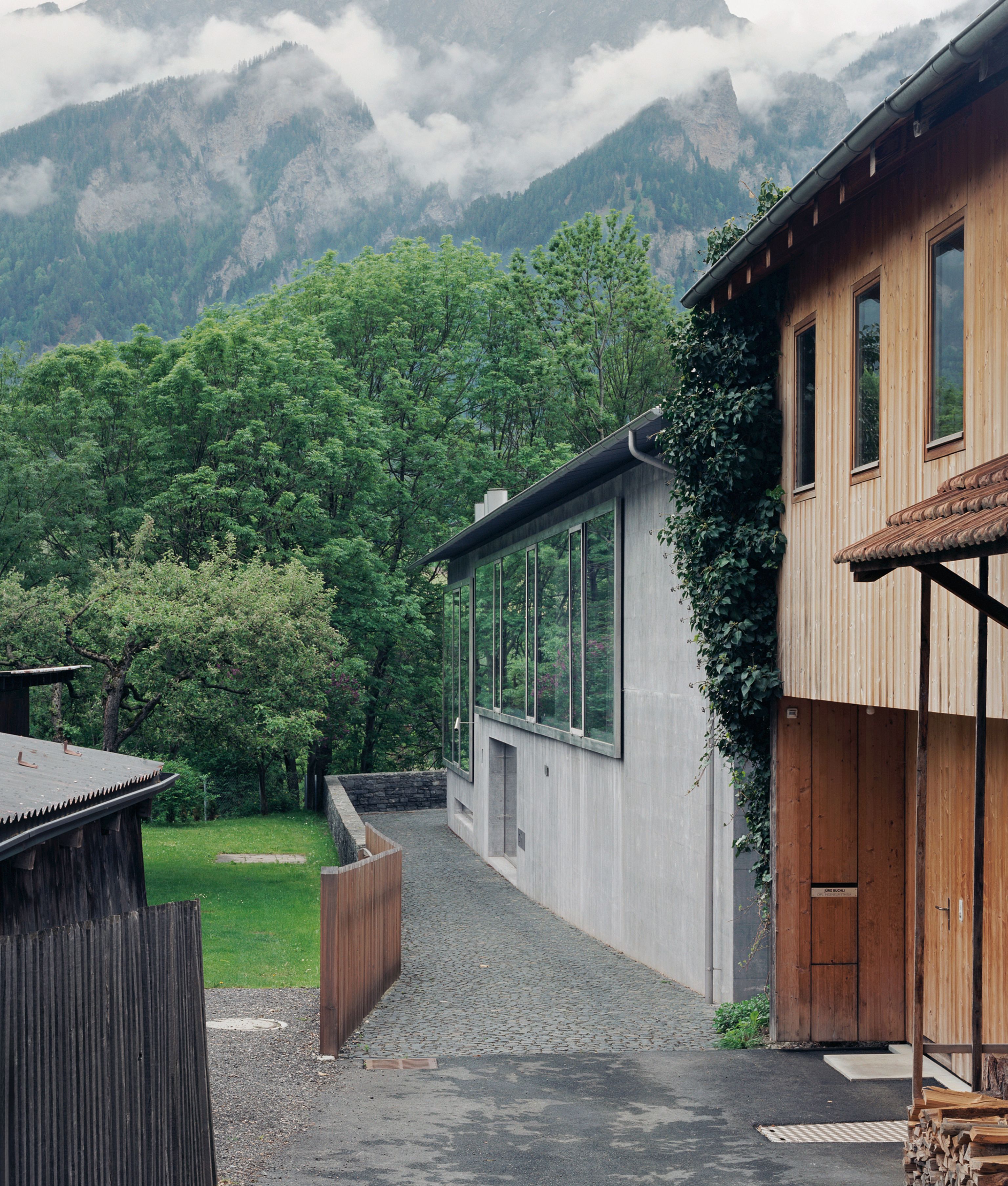
In the early 1980s, Peter Zumthor purchased an old country house in the village of Haldenstein, Graubünden, with the intention of creating a personal atelier. The site, perched on a gentle slope and surrounded by Alpine forests, faced challenges of low natural light due to the positioning north of a neighboring house. Zumthor initially considered remodeling the existing structure but eventually opted for demolition, envisioning a new studio in timber that would harmonize with the landscape while paying homage to local agricultural architecture, referencing granaries, stables, and workshops. Completed in 1986, the timber building was oriented to maximize sunlight in south-facing rooms, integrating a direct visual connection to the garden.

Within the timber volume, every detail, from oak pergolas and finely wrought ironwork to fabric awnings and red-tiled roofing, was conceived to create a sense of warmth and domestic intimacy, while maintaining the precision and restraint characteristic of Zumthor’s early works. The atelier established a template for the architect’s lifelong concern with material presence, light, and the interplay of work and domestic life.

The Z House: Concrete, Glass, and Spatial Fluidity
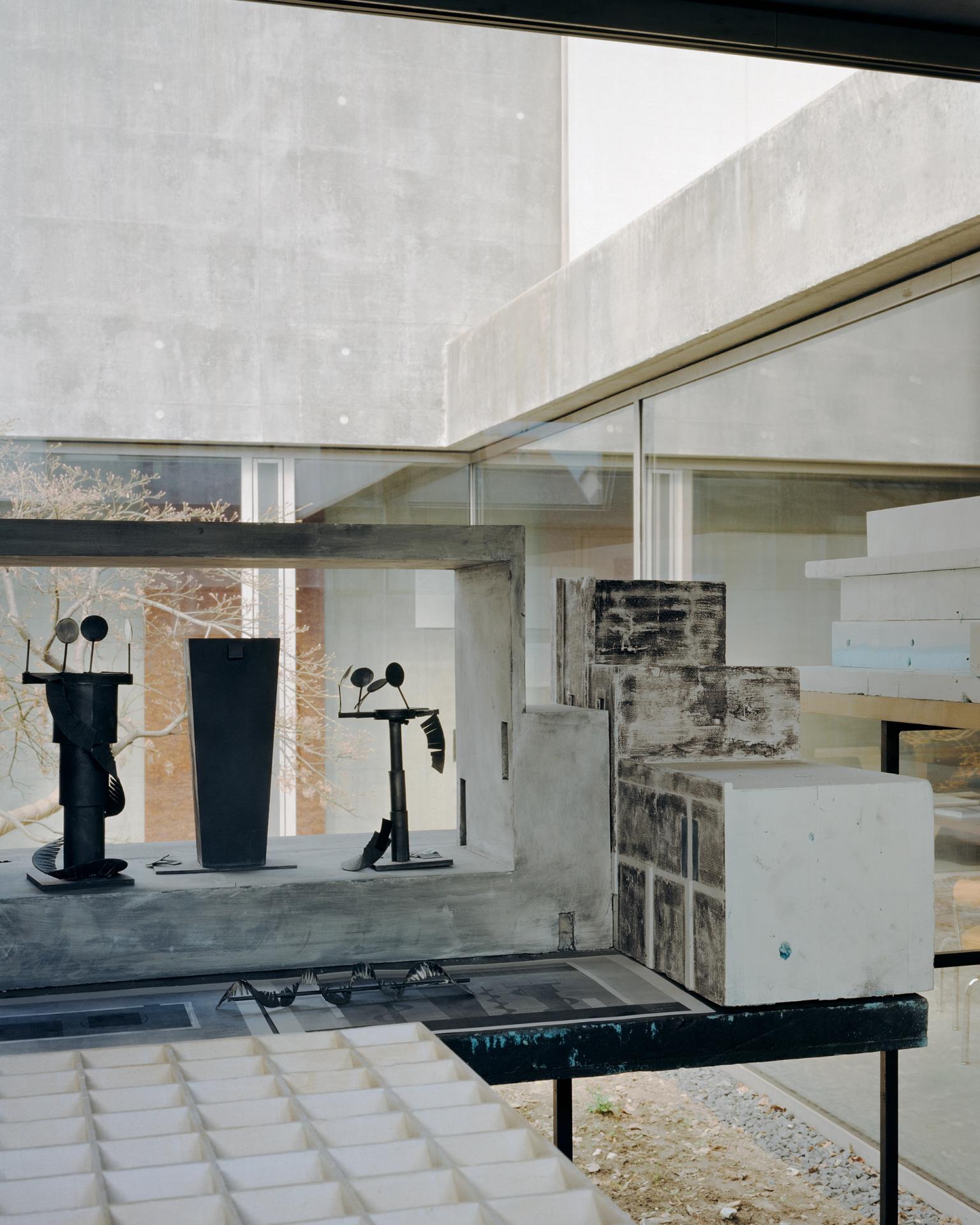
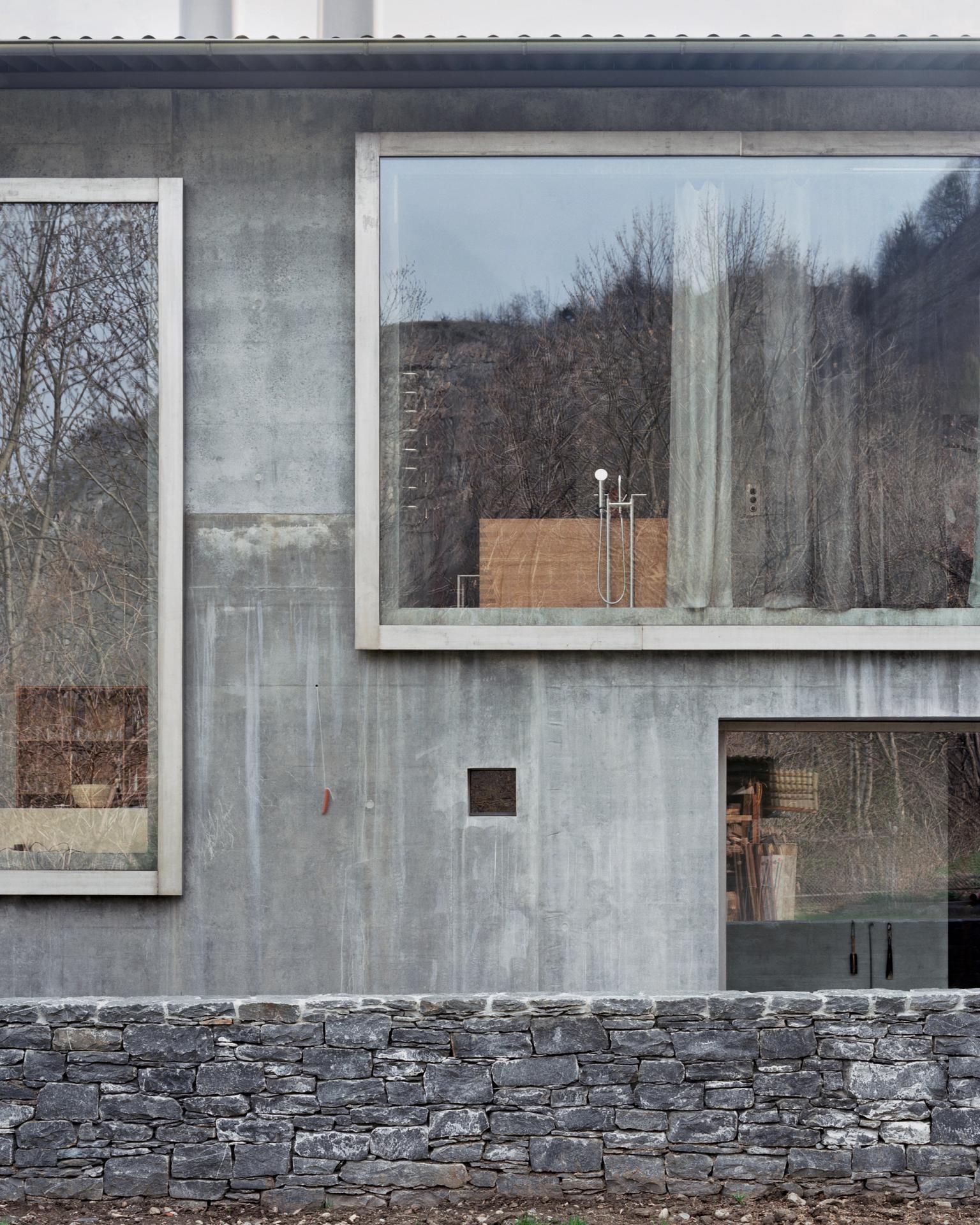
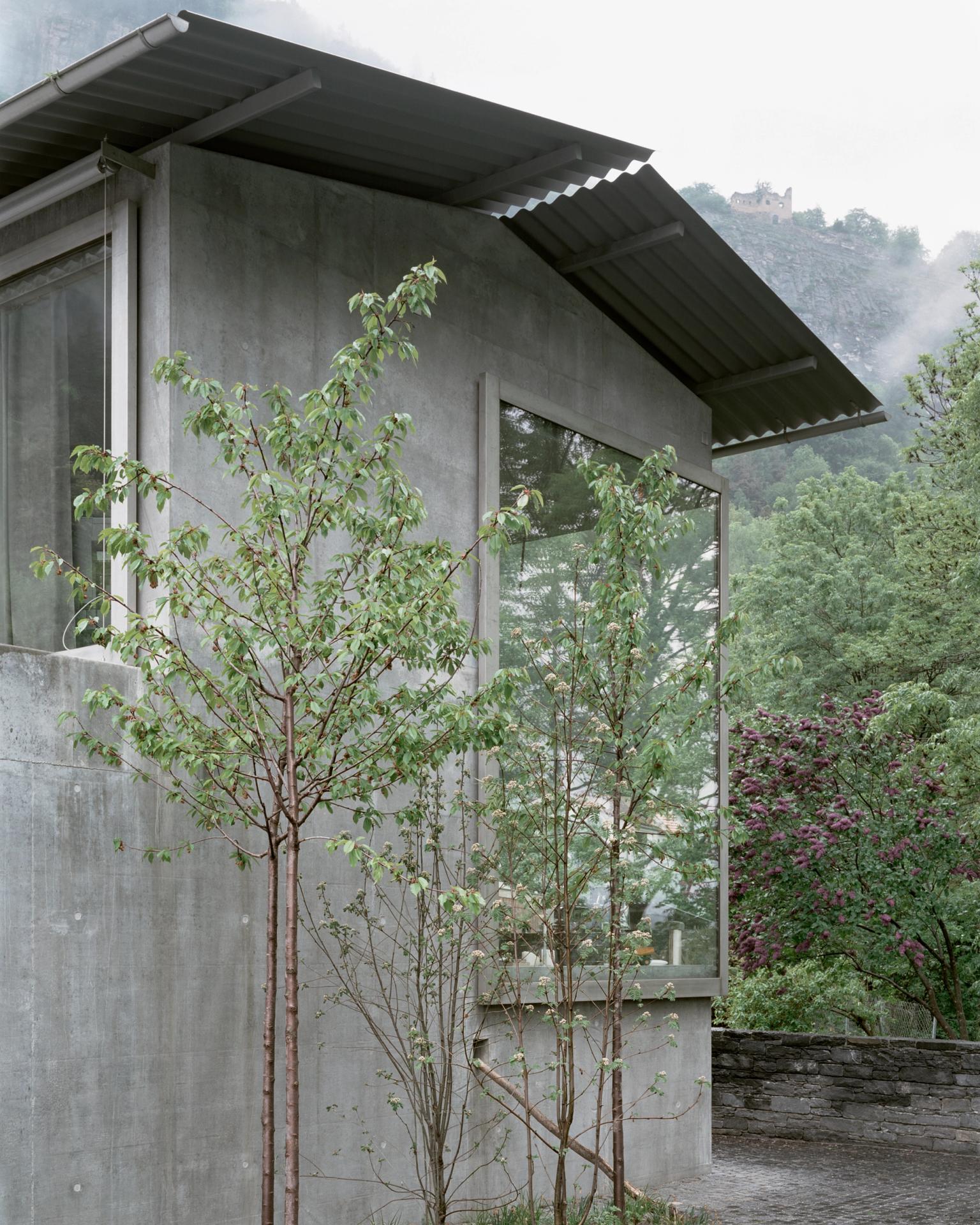
Nearly two decades later, Zumthor expanded the site with the construction of a new residence, completed in 2005, situated just meters from the original atelier. Unlike the timber studio, this house was conceived as a permanent home, built in reinforced concrete and glass, embracing a U-shaped plan that frames a central courtyard and a generous garden. The design articulates a deliberate journey from the most private spaces to those intended for work or public interaction. The basement functions as a workshop for model-making and architectural experimentation, its subdued lighting fostering focus and contemplation.
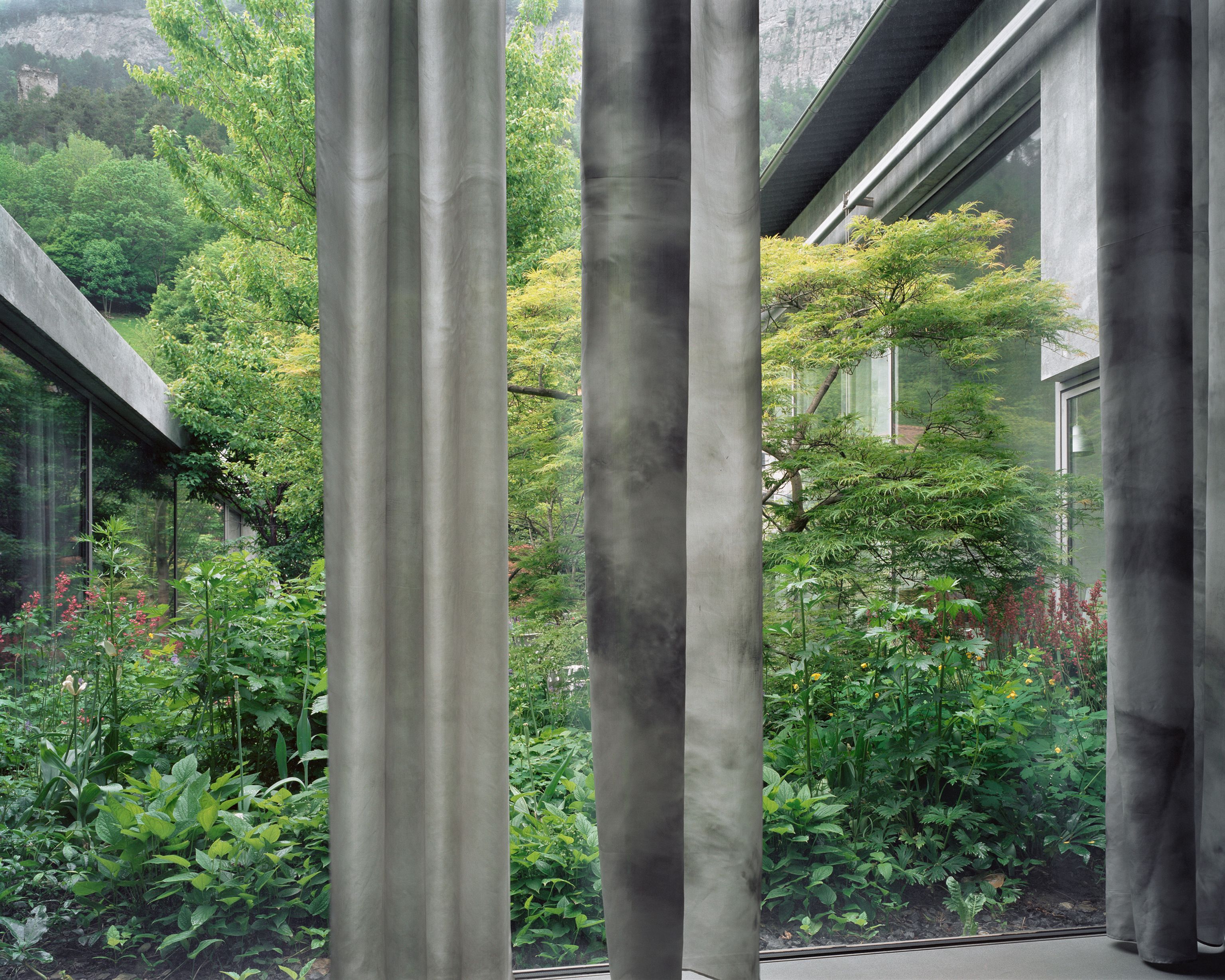

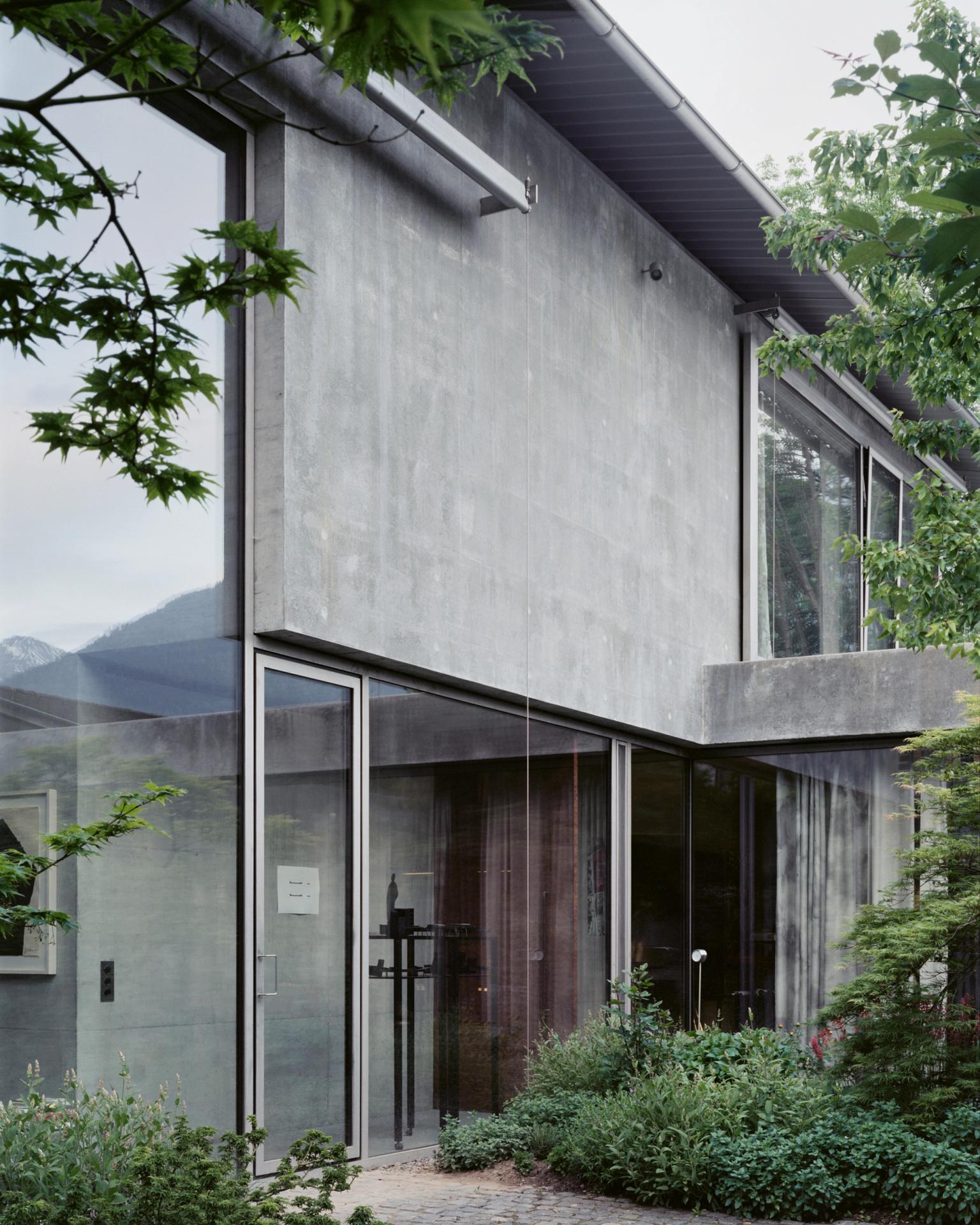
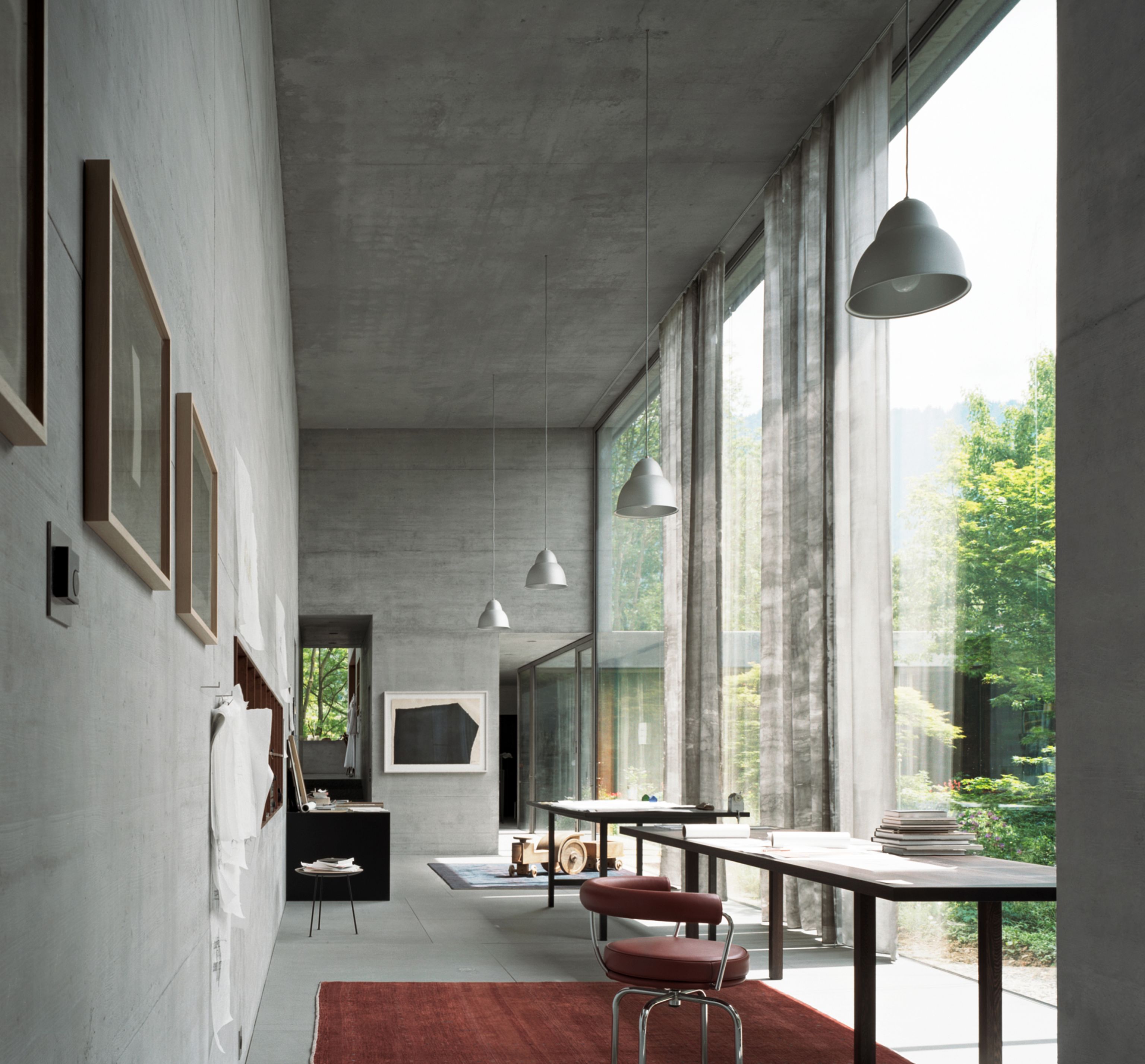
The ground floor opens seamlessly to the garden, blurring the boundary between interior and exterior through expansive glazing, while maintaining privacy with carefully positioned screens and terraces. On the first floor, the sleeping quarters provide intimacy and retreat, elevated above the activity below. This vertical and horizontal layering reflects Zumthor’s masterful control of Raumsequenz, the orchestration of spatial experience through movement, sequence, and light. The interplay of opaque and transparent surfaces, low ceilings that give way to double-height volumes, and carefully articulated thresholds create a choreographed promenade through the house, ensuring that each area has a distinct character while remaining part of a unified whole.

Light and Material: A Sensorial Architecture
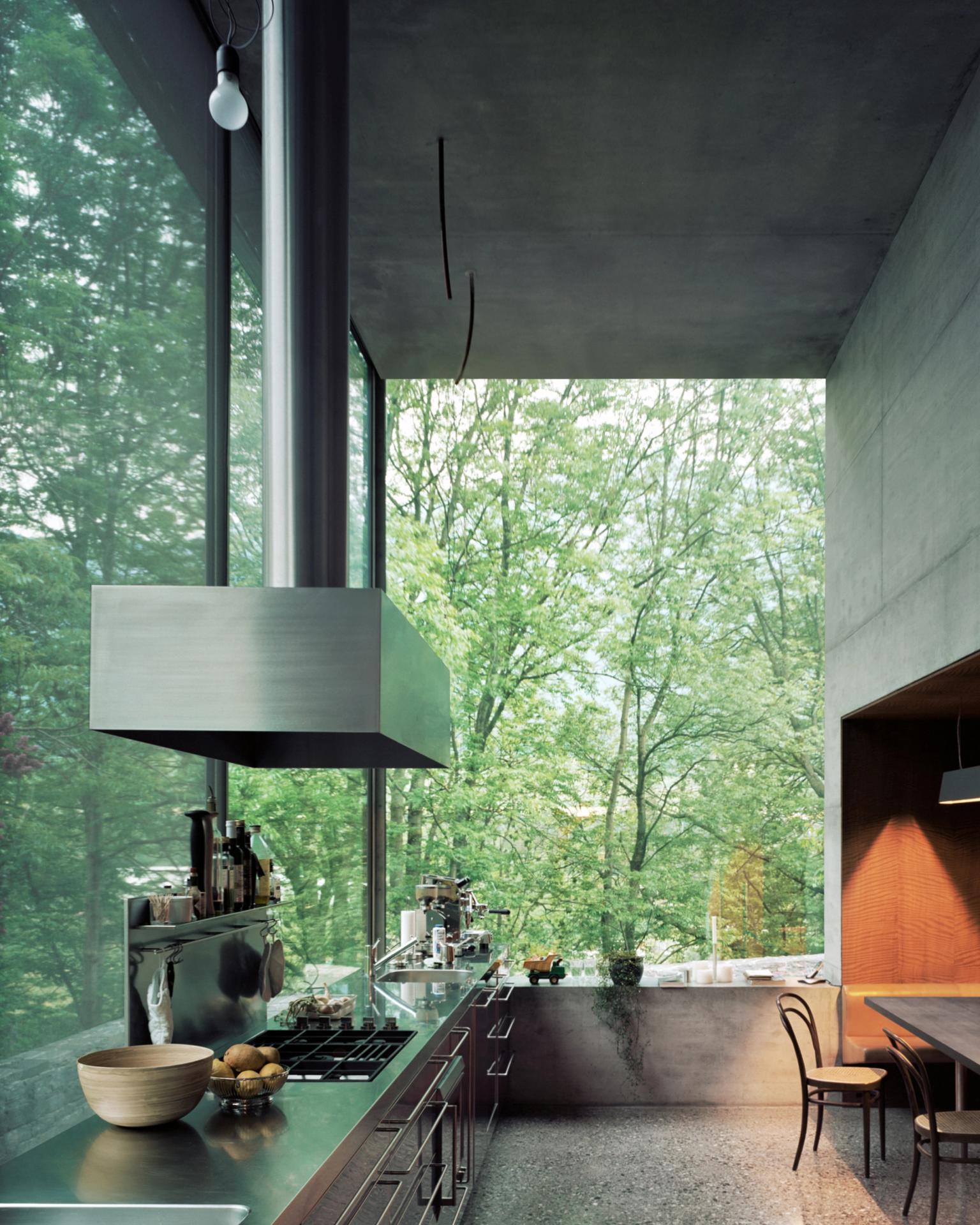
Central to the Z House is Zumthor’s meticulous treatment of materials and light, which transform the building into a sensorial instrument. Concrete is left in its natural grey, rough and tactile, contrasted with the warm textures of timber, the reflective sheen of metal, and the softness of textiles and silk curtains chosen specifically for the house. Natural light pours in from oversized windows, shifting over the course of the day to animate surfaces, emphasize architectural geometry, and reveal textures.
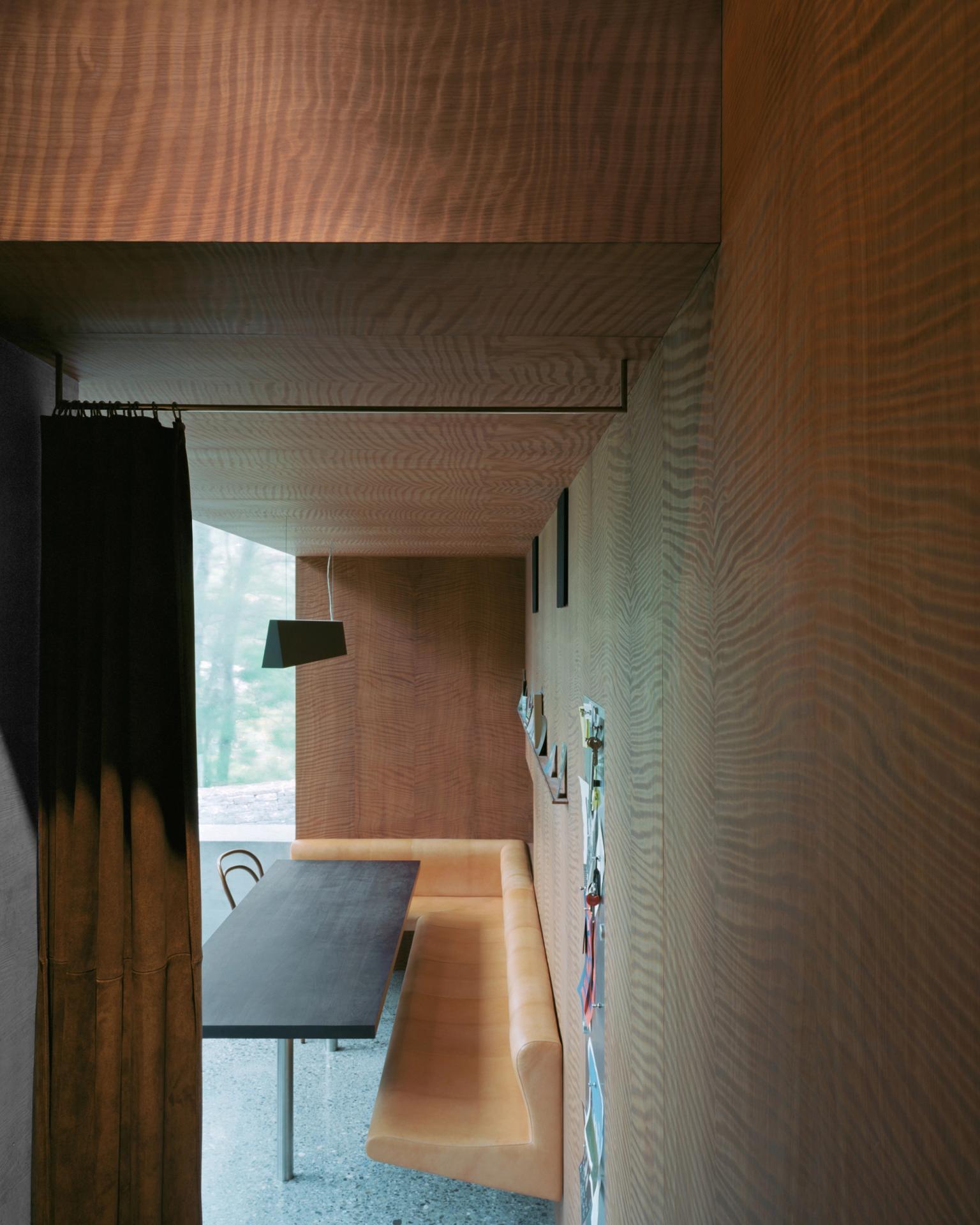

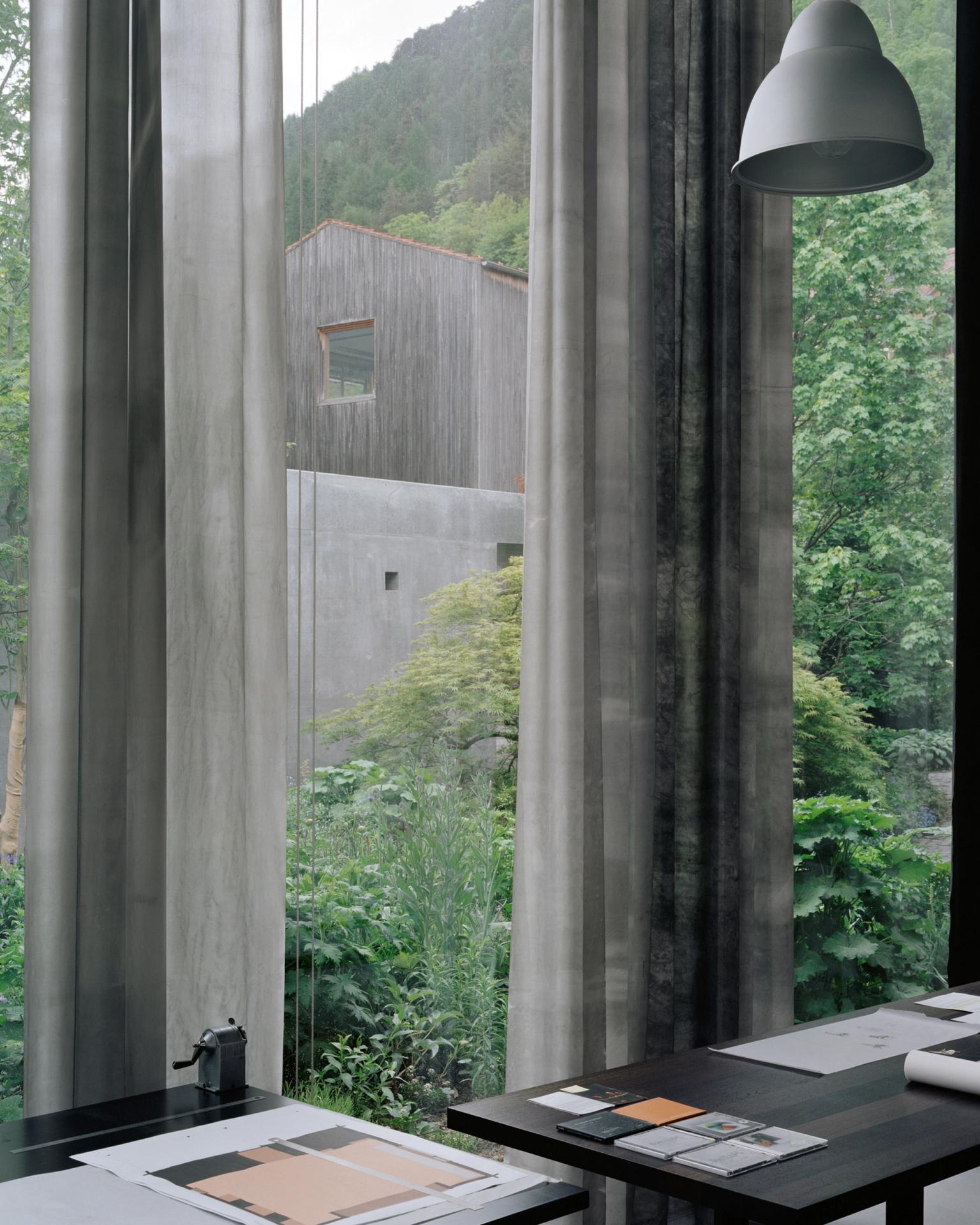

Artificial lighting is integrated as a subtle, precise extension of daylight, with custom fixtures such as the “barra d’oro” illuminating work surfaces while maintaining warmth and intimacy, and the “linee” fittings designed to highlight reflective surfaces and architectural details. Even small details, untreated metal frames for doors and windows, brass fittings, and lamps designed by Japanese artisans, are orchestrated to enhance the perception of space. Light here is not merely functional; it becomes a building material, a vehicle for memory, emotion, and spatial understanding, guiding movement, marking transitions, and accentuating the dialogue between interior and exterior.
Through this careful choreography, the Z House embodies Zumthor’s philosophy that architecture is experienced through the body, memory, and senses rather than as abstract form.

Context, Memory, and Everyday Life
The Z House is inseparable from its Alpine context, situated in the quiet village of Haldenstein, where mountain slopes, meadows, and the Rhine valley converge. Zumthor’s work mediates between built and natural environments: the house, studio, and garden respond to topography, existing vegetation, and seasonal light, achieving a dialogue that is simultaneously subtle and powerful. Spatial organization emphasizes multiplicity and silence, with the sequence of rooms, corridors, terraces, and courtyards creating moments of pause, reflection, and discovery. Objects, furnishings, and tools are carefully considered to inhabit these spaces meaningfully, reinforcing the relationship between human activity, memory, and architectural form.
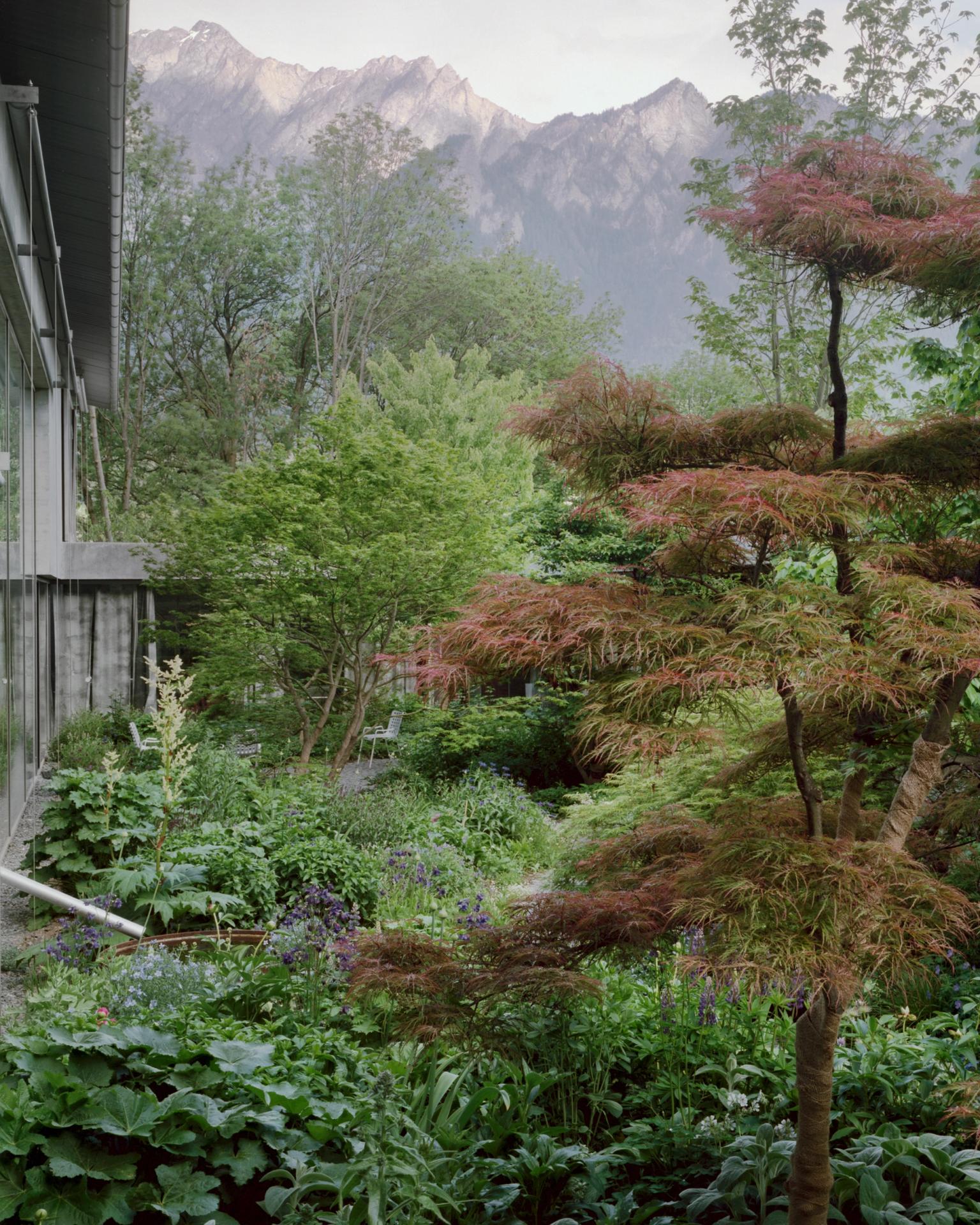

The house embodies both domestic life and professional work: the family lives in close dialogue with the atelier, while the garden functions as an extension of interior space, connecting human presence with nature. Here, Zumthor explores a “metaphysical silence,” where emptiness, light, and materiality converge to create spaces that are perceptible, tangible, and emotionally resonant. In essence, the Z House is not a monument to display but a living instrument, architecture as a tool to perceive, remember, and interact with the world in time, sensorially rich, deeply personal, and inseparable from the life of its inhabitants.