
Mónica Arreola
Valle San Pedro
- PhotographerMónica Arreola
Onnis Luque In Valle San Pedro (Tijuana, Baja California), Mónica Arreola uses photography to delve into the violence produced by a system marked by recurring economic crises. Her images reveal how this violence materializes in the mass production of low-quality housing.

A New City on the Border
In the early 2000s, Tijuana was experiencing a major construction boom. Mexico’s second-largest city, located directly across the border from San Diego, was expanding rapidly as a centre for manufacturing, migration and economic activity connected to the United States. Under President Felipe Calderón, the National Housing Program 2007–2012 aimed to build six million homes across Mexico. Among its key initiatives were the DUIS, Desarrollos Urbanos Integrales Sustentables, or Sustainable Integral Urban Developments, large-scale neighbourhoods planned with housing, infrastructure and social services such as schools, healthcare, commerce and leisure.
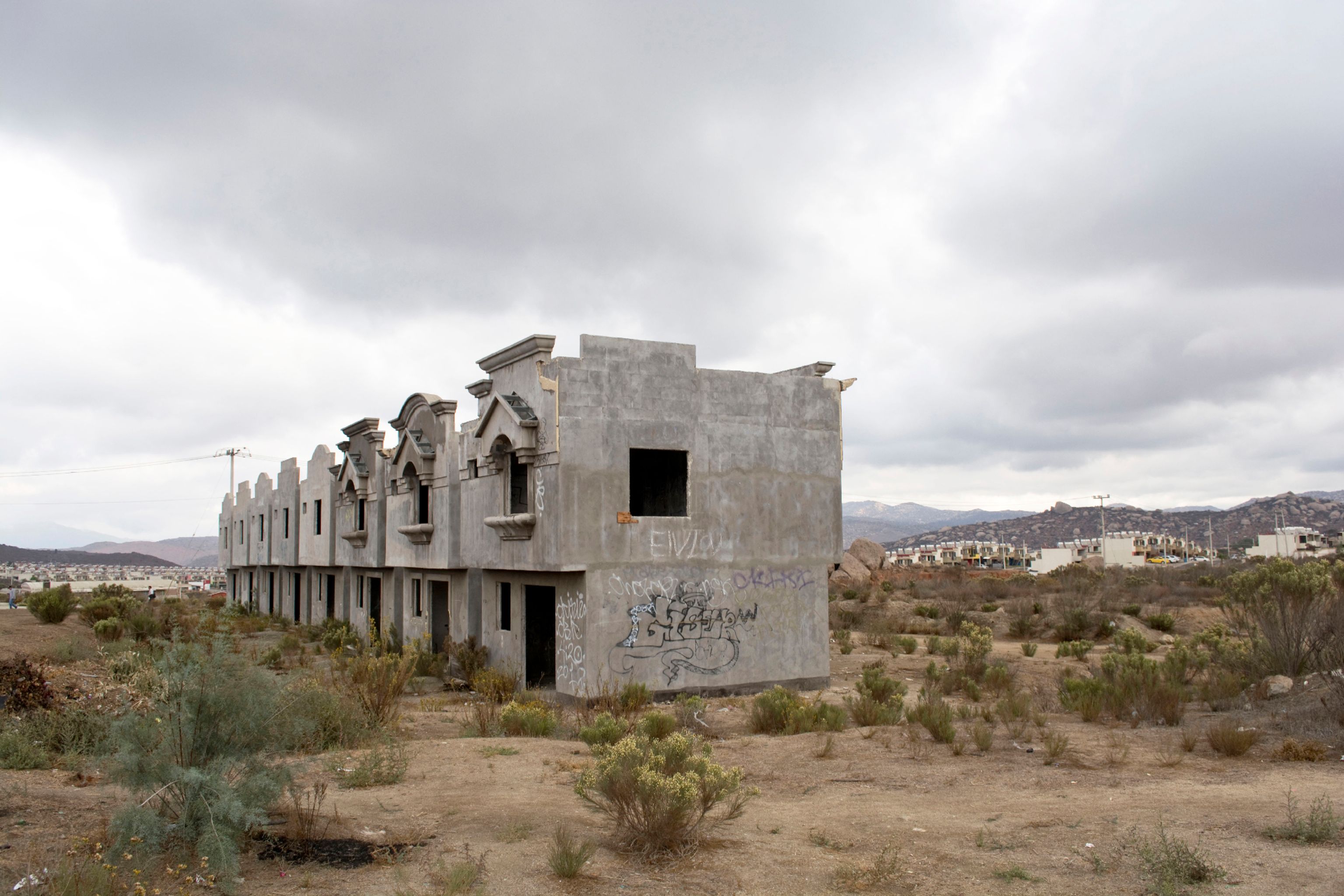
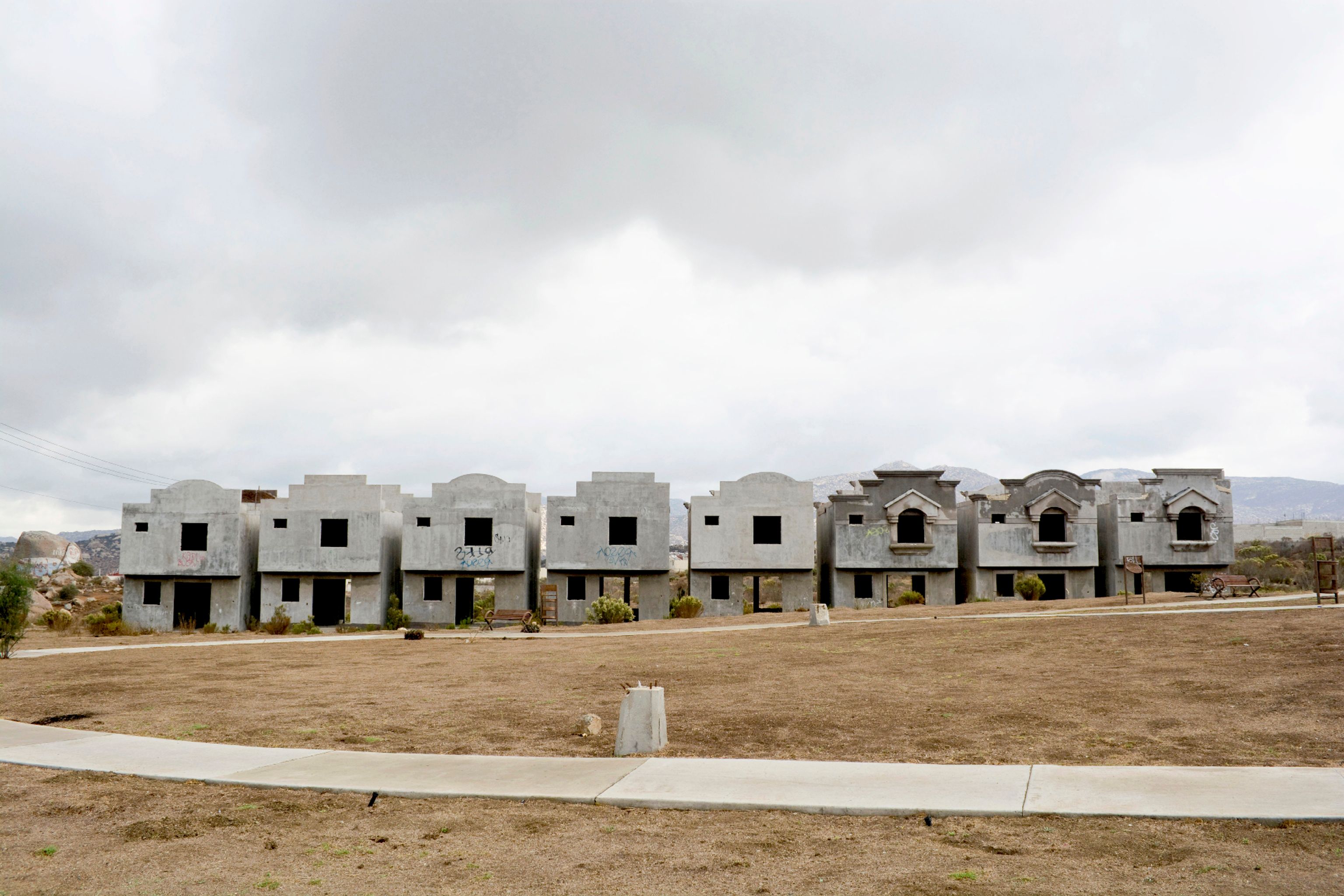
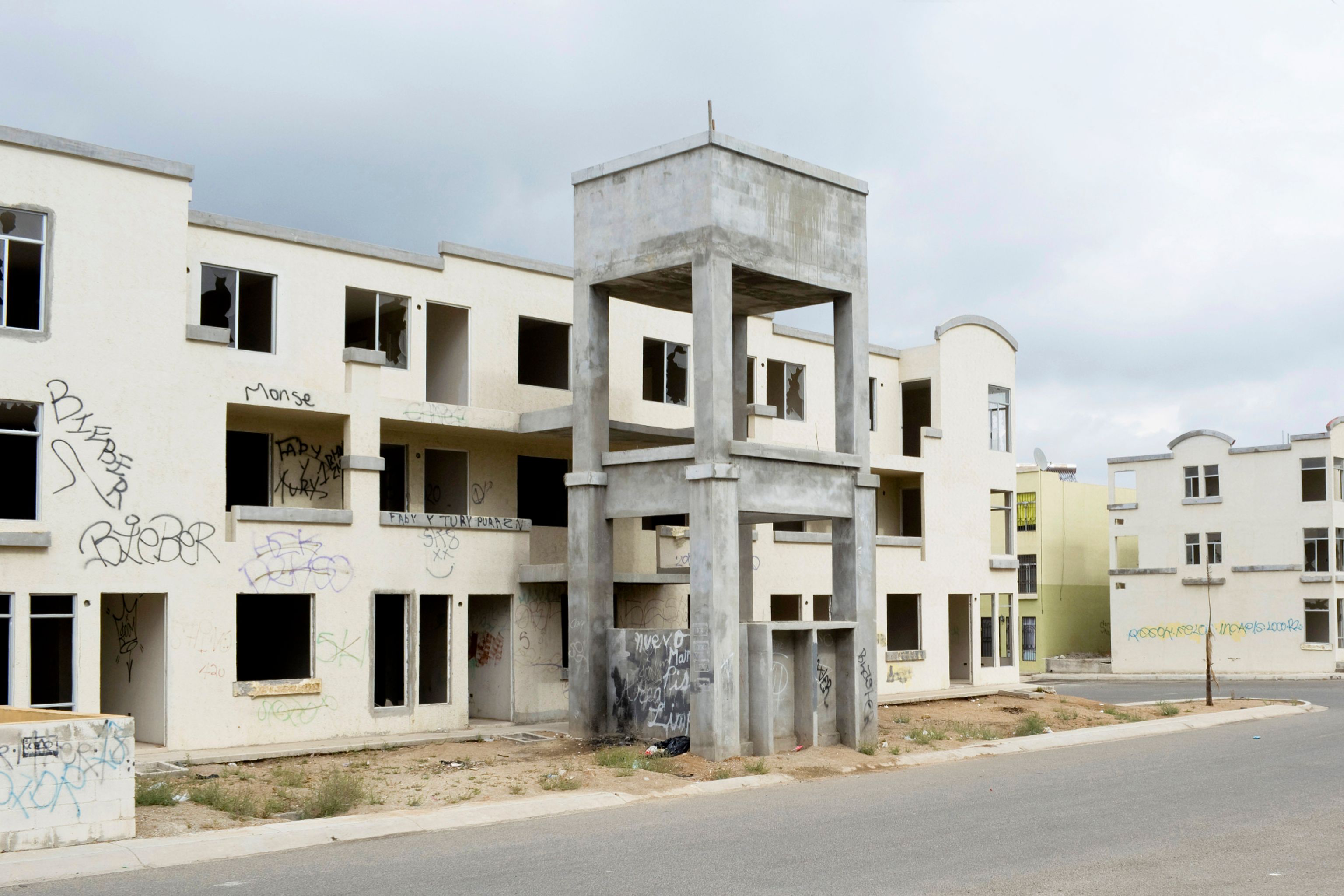
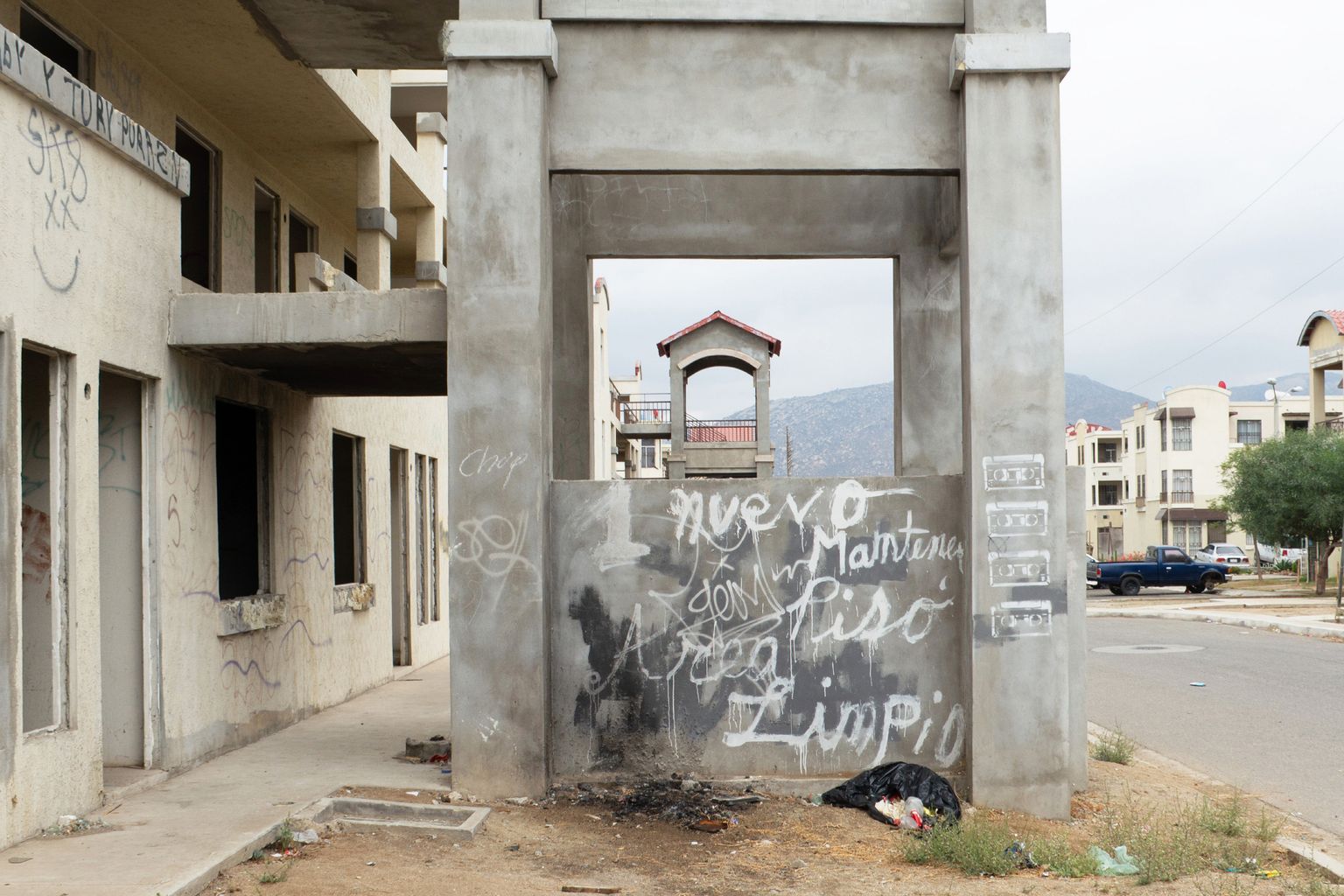
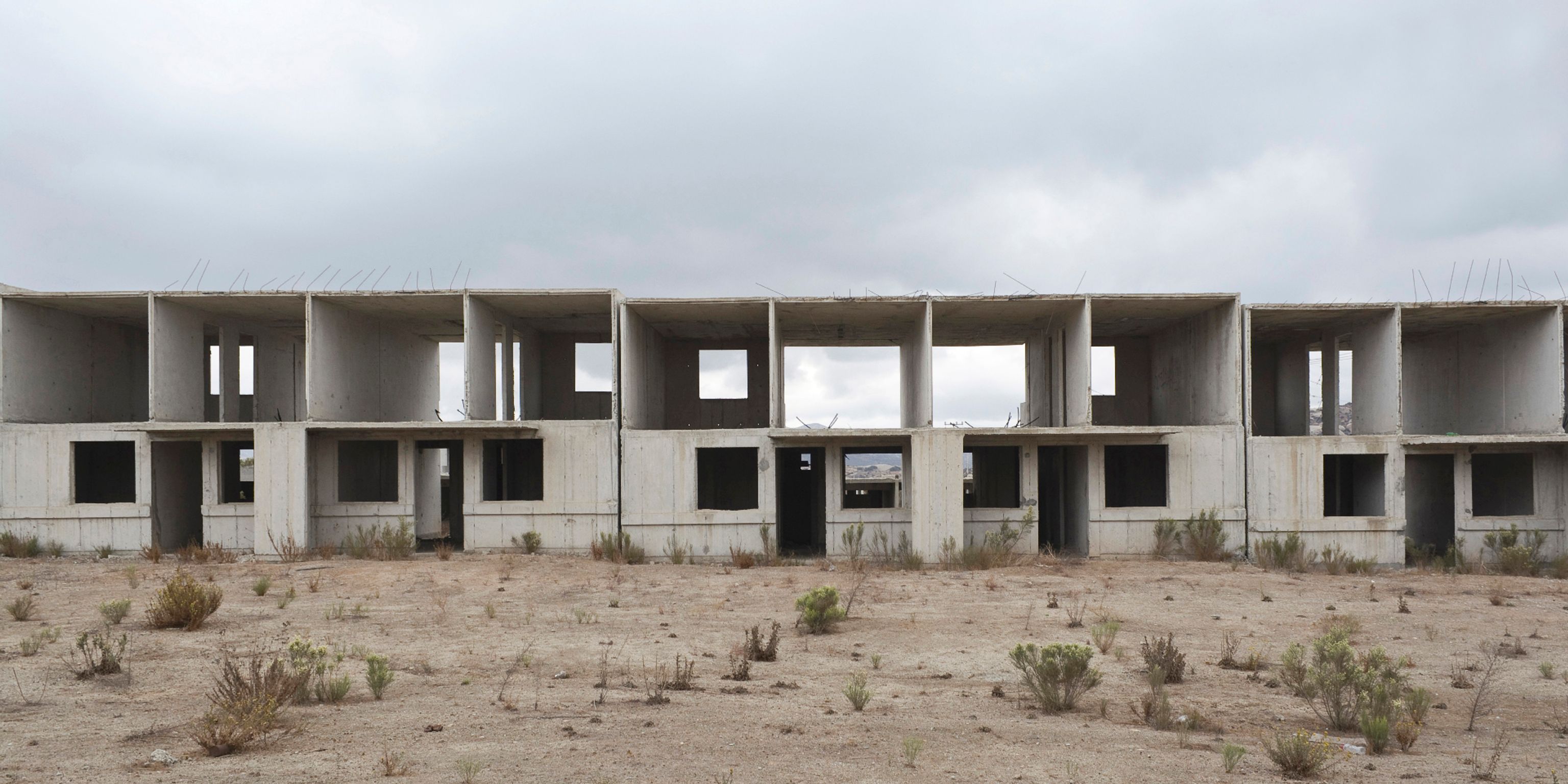
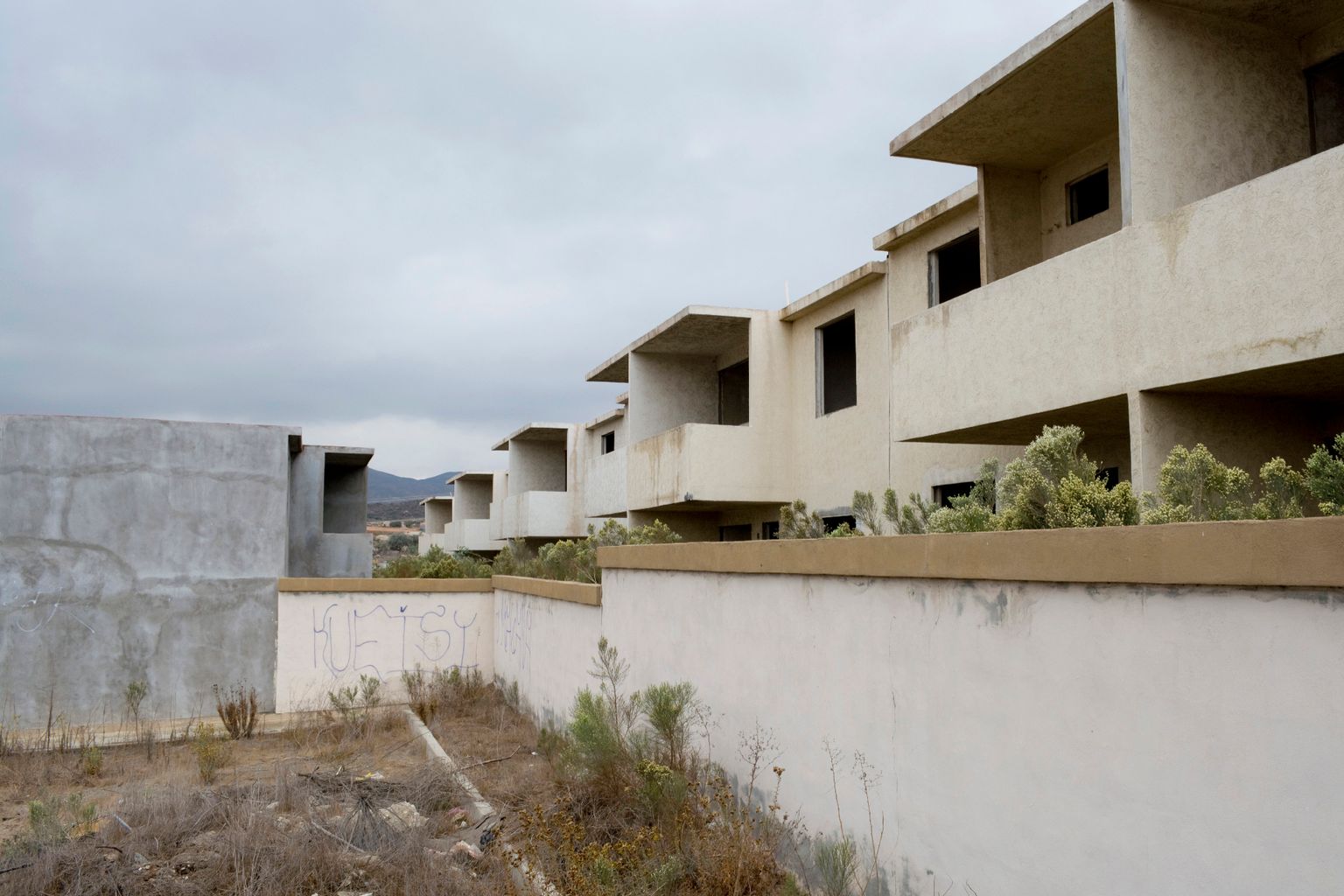
Valle San Pedro was one of the most ambitious of these developments. Built on the outskirts of Tijuana, it was planned as a new city for up to one million residents, promising a modernised future and a new way of living on the border. But the financial crisis of 2008 brought the expansion to a halt. Construction was abandoned across much of the site, and only around 2,000 homes were ultimately built. What remained was a vast development of unfinished houses, empty streets and incomplete infrastructure.

Mónica Arreola
Mexican architect and visual artist Mónica Arreola began photographing Valle San Pedro in 2013. Her interest in Tijuana’s housing developments was closely connected to her earlier work. While working for the government, she developed a database documenting housing in the city, giving her an unusually detailed understanding of its rapid residential expansion. When construction projects began to be abandoned, she returned to these places with a camera.
The resulting photographs became part of Desinterés Social (Social Disinterest), a wider body of work examining abandoned and neglected spaces around Tijuana. Arreola’s architectural background is evident in the way she observes the developments. Rather than treating them simply as ruins, she looks at their structures, repetitions and typologies, the things that make these buildings recognisable as planned residential environments. Her work sits between architectural documentation, landscape photography and an investigation into the social and economic forces behind the built environment.

Looking at What Remains
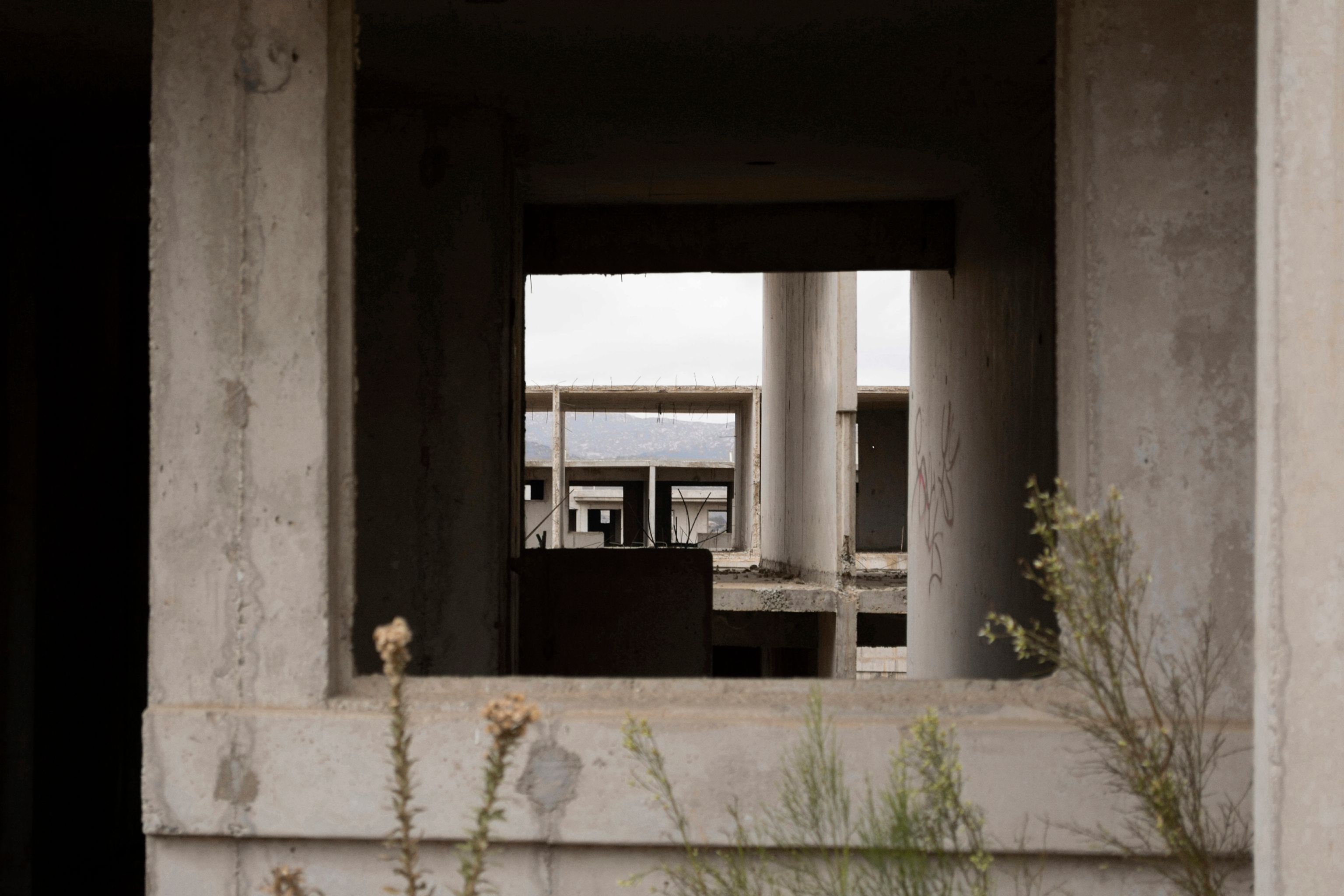
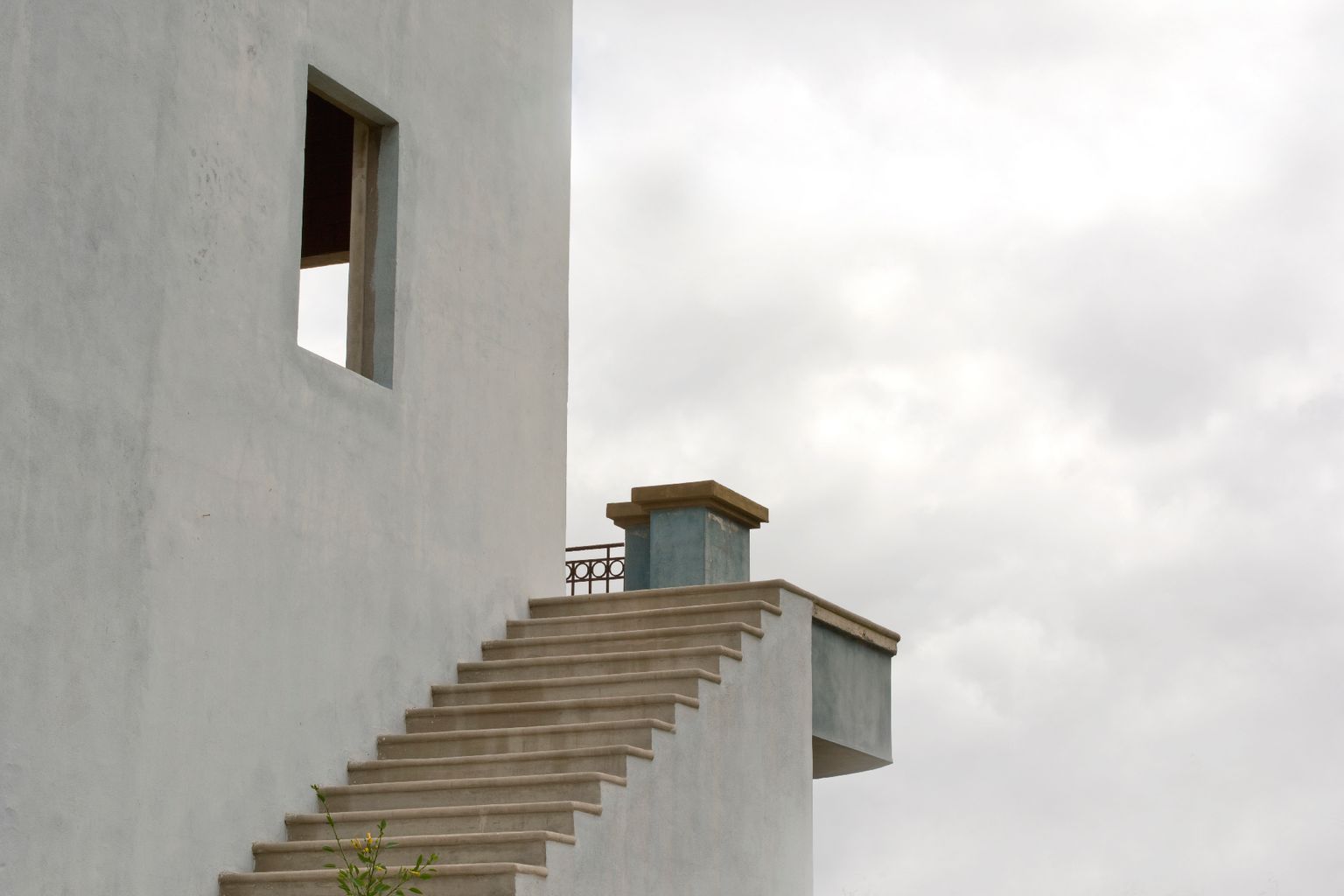
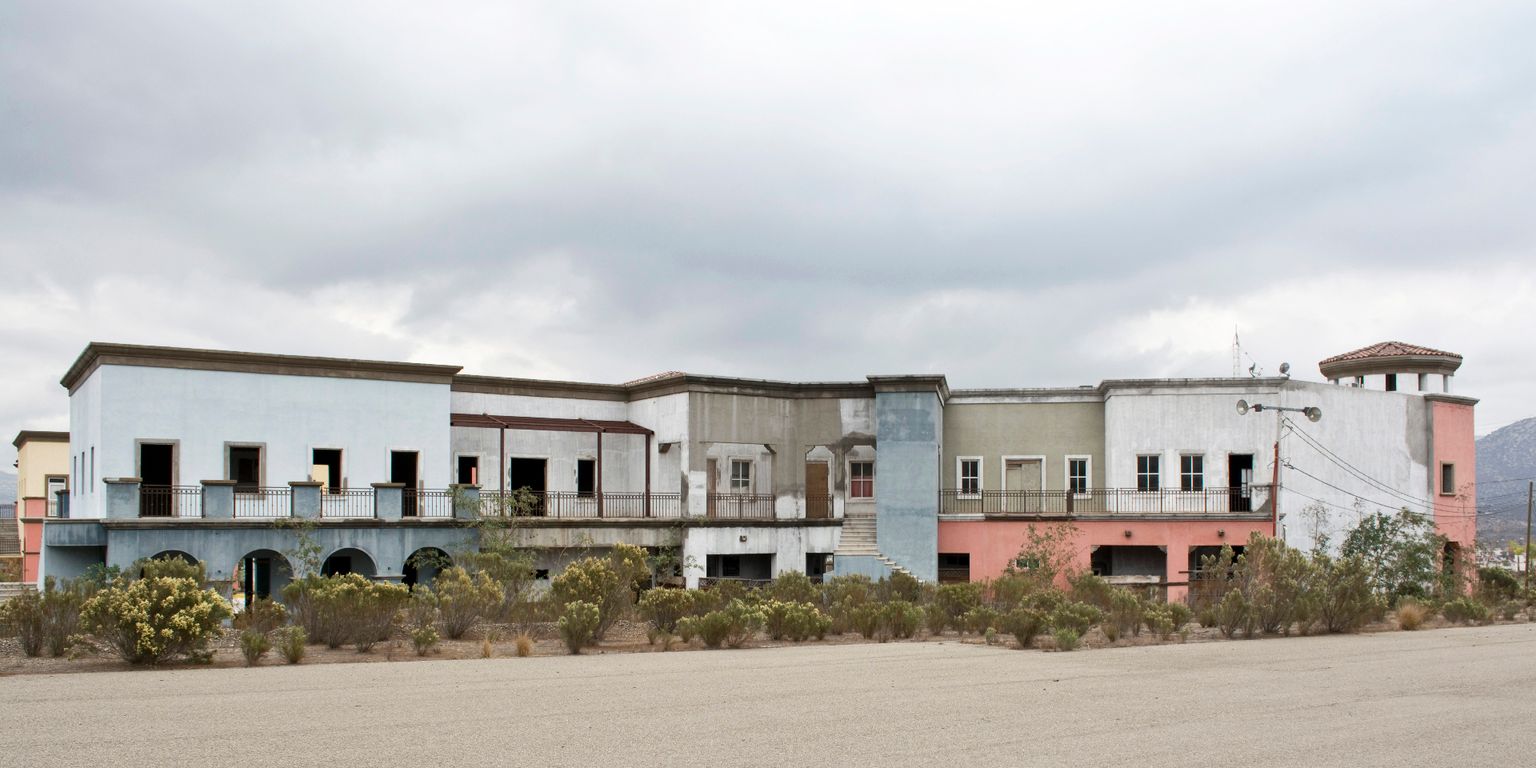
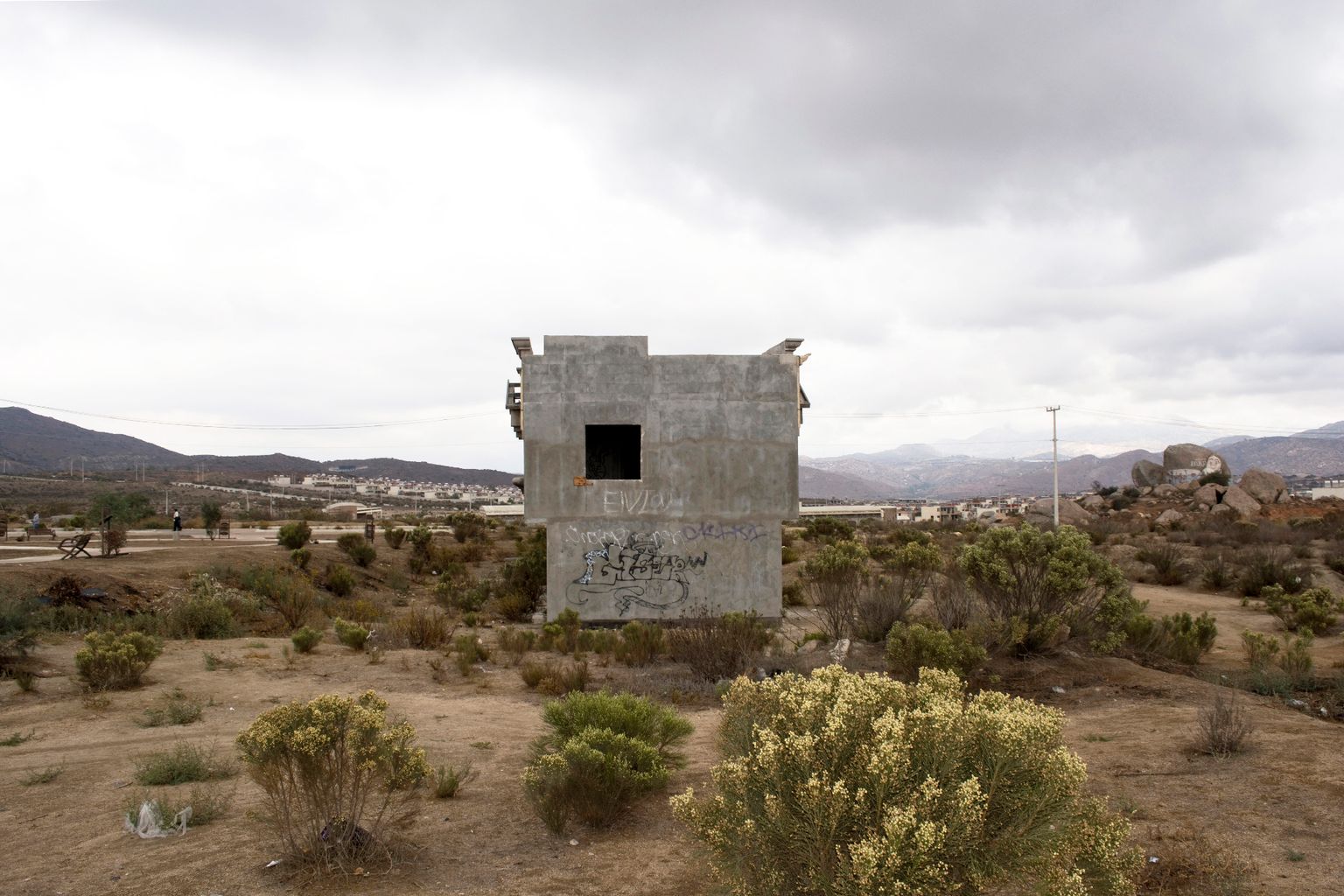
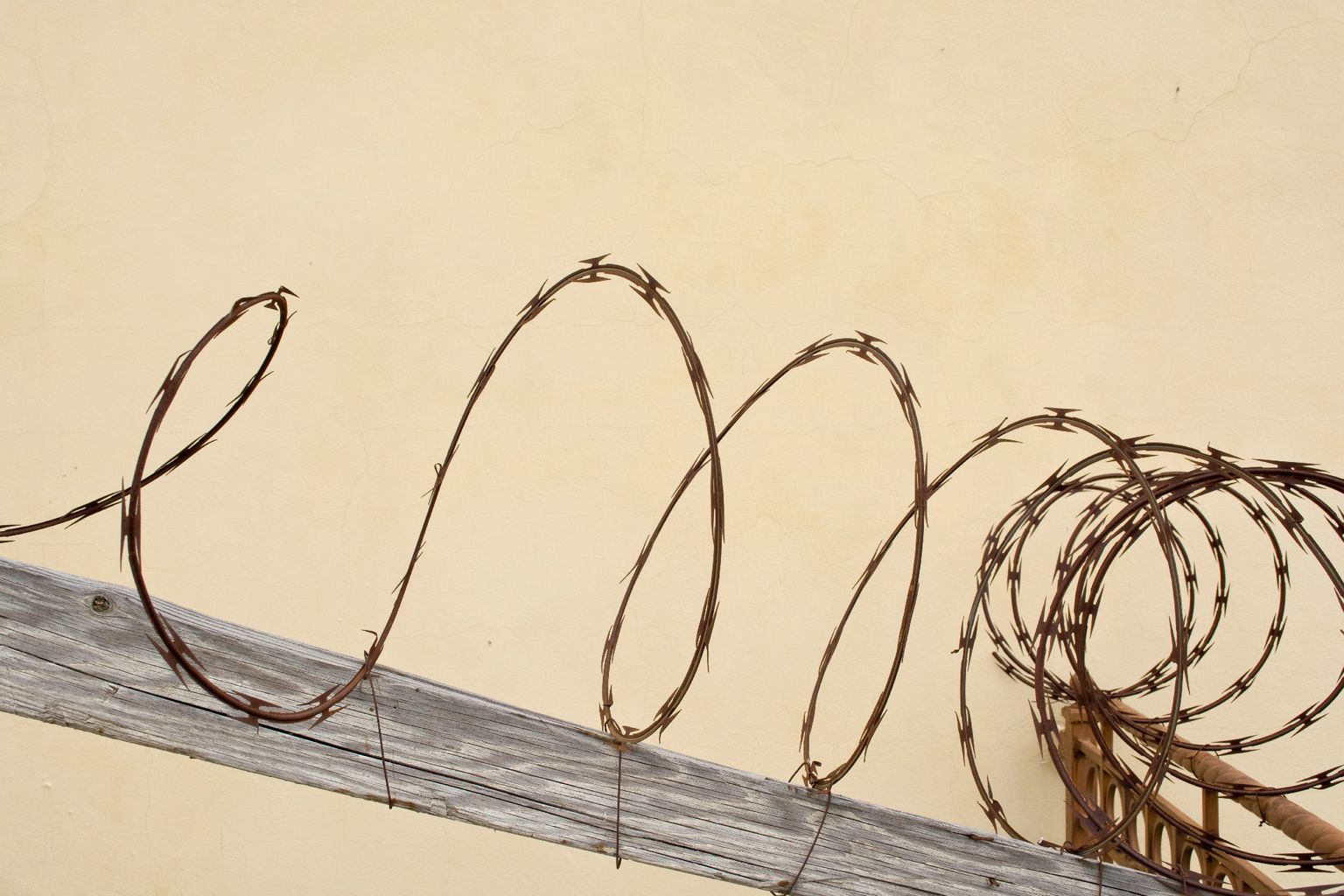
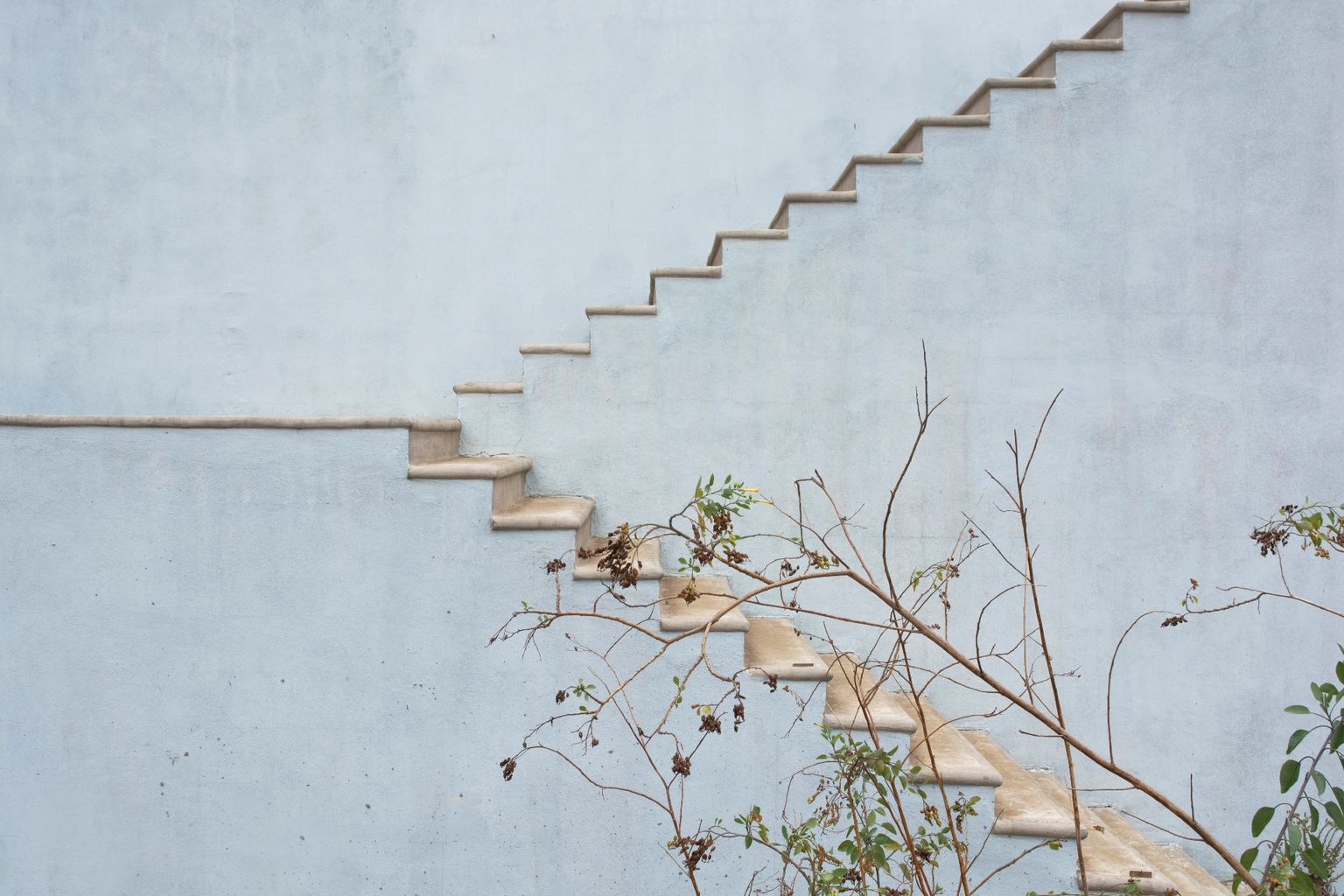
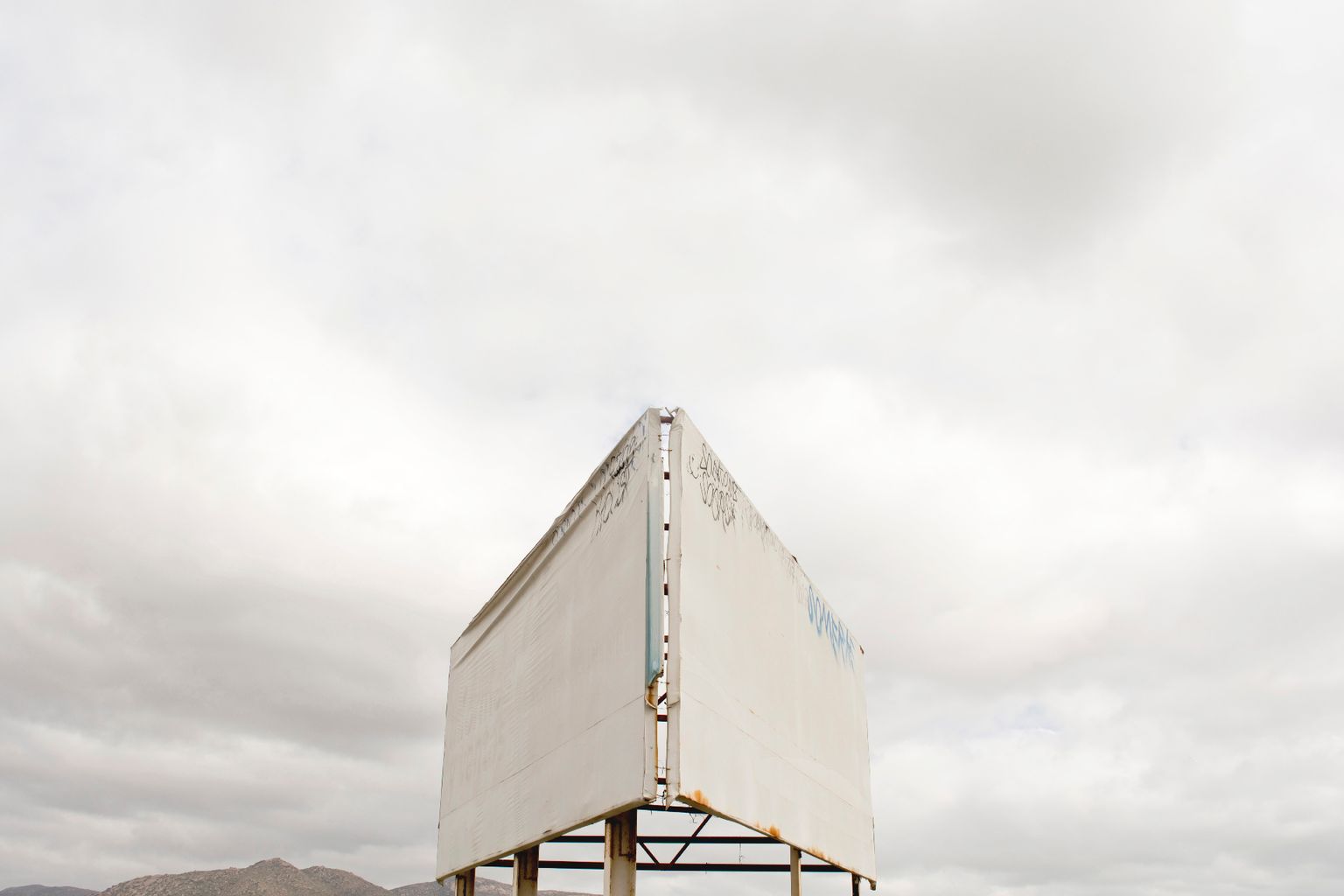
Arreola’s photographs are deliberately straightforward. She only photographed the sites on overcast days, avoiding dramatic light that could make the unfinished buildings appear picturesque or romantic. There are almost no people, leaving rows of houses, concrete walls, roads and open spaces to define the images. Some photographs take in the development as a whole, while others concentrate on small architectural details: a staircase rising towards a blank wall, a solitary window, or an unfinished facade.
The absence of residents changes the way these familiar structures are perceived. They were designed as homes and neighbourhoods, but without the people and everyday activity they were intended to support, they become records of an incomplete process. In some images, vegetation has begun to grow around the concrete, including small yellow flowers at the base of unfinished structures. The contrast between the carefully planned architecture and the landscape developing around it is a recurring element throughout the series.


The Third Landscape
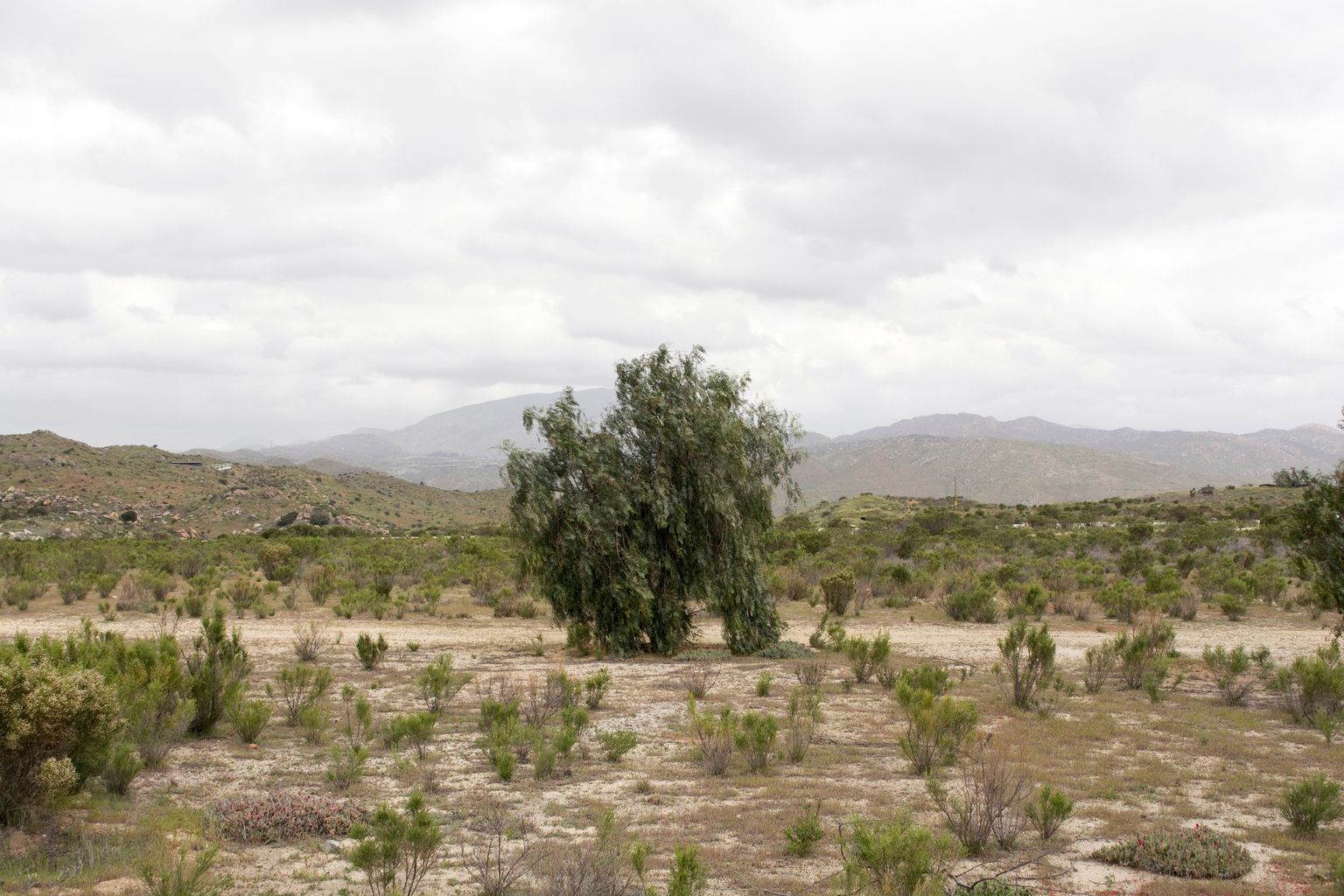
This relationship between construction and nature connects Valle San Pedro to the idea of the “third landscape”, developed by French gardener and writer Gilles Clément. The term describes spaces that emerge when land previously shaped for industrial, agricultural, tourist or urban use is abandoned and left to develop without regular human intervention.
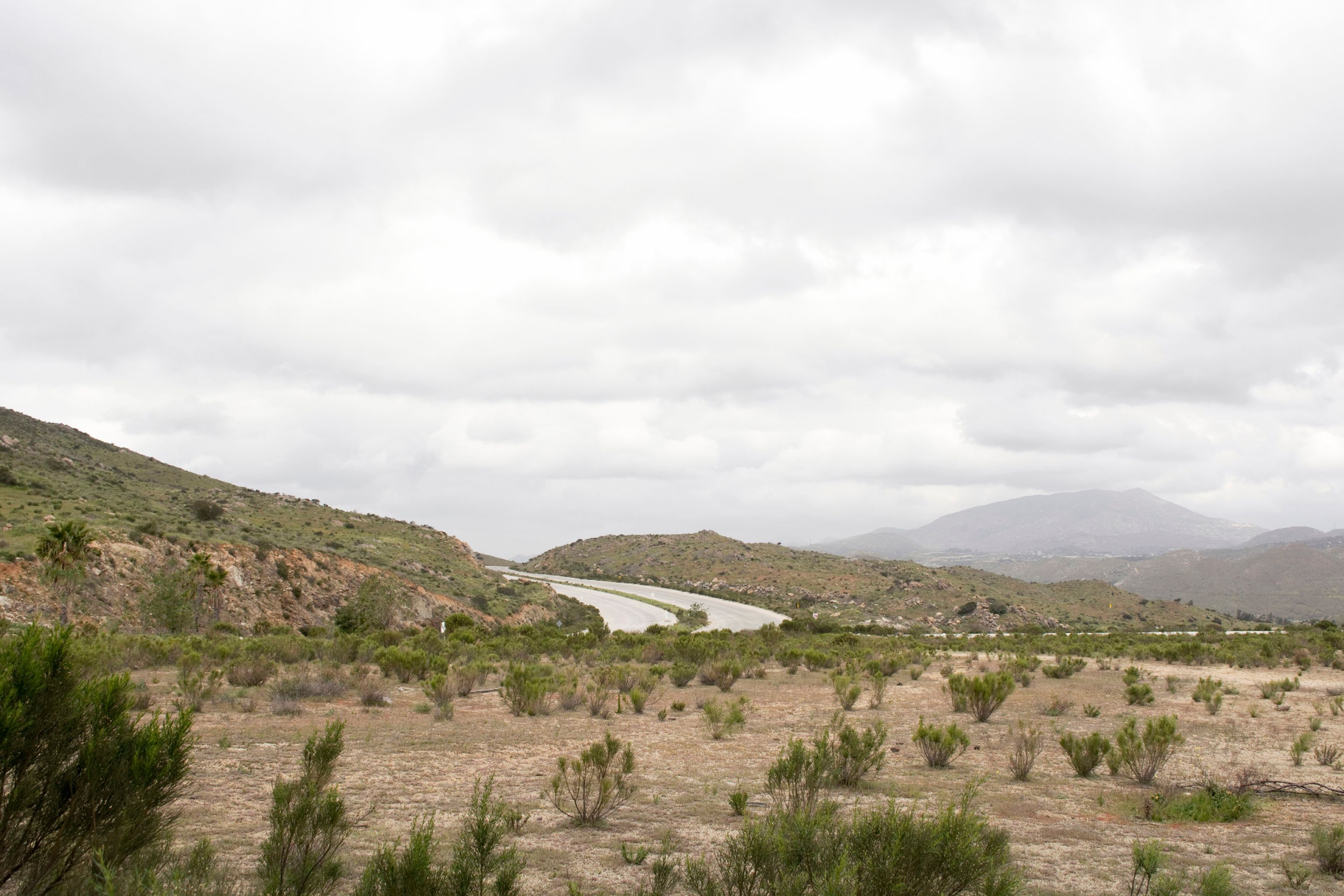
At Valle San Pedro, this can be seen in the areas where unfinished buildings meet scrubland and the dry landscape surrounding Tijuana. The houses were part of a highly organised plan, but the interruption of construction left parts of the site outside that system. Plants grow through neglected spaces while the architecture remains frozen in an unfinished state. Arreola’s seasonal autumn and winter photographs emphasise this stillness through pale light, open horizons and large areas of sky.








A Portrait of a Changing Tijuana
The project also reflects the particular pressures that have shaped Tijuana. Its position on the US–Mexico border has made it a major destination for migrants and a place of transit for people hoping to cross into the United States. At the same time, its economy is strongly connected to American manufacturing. The rapid development of housing on the city’s outskirts therefore formed part of a much larger transformation, shaped by population growth, government policy, private development and financial speculation.
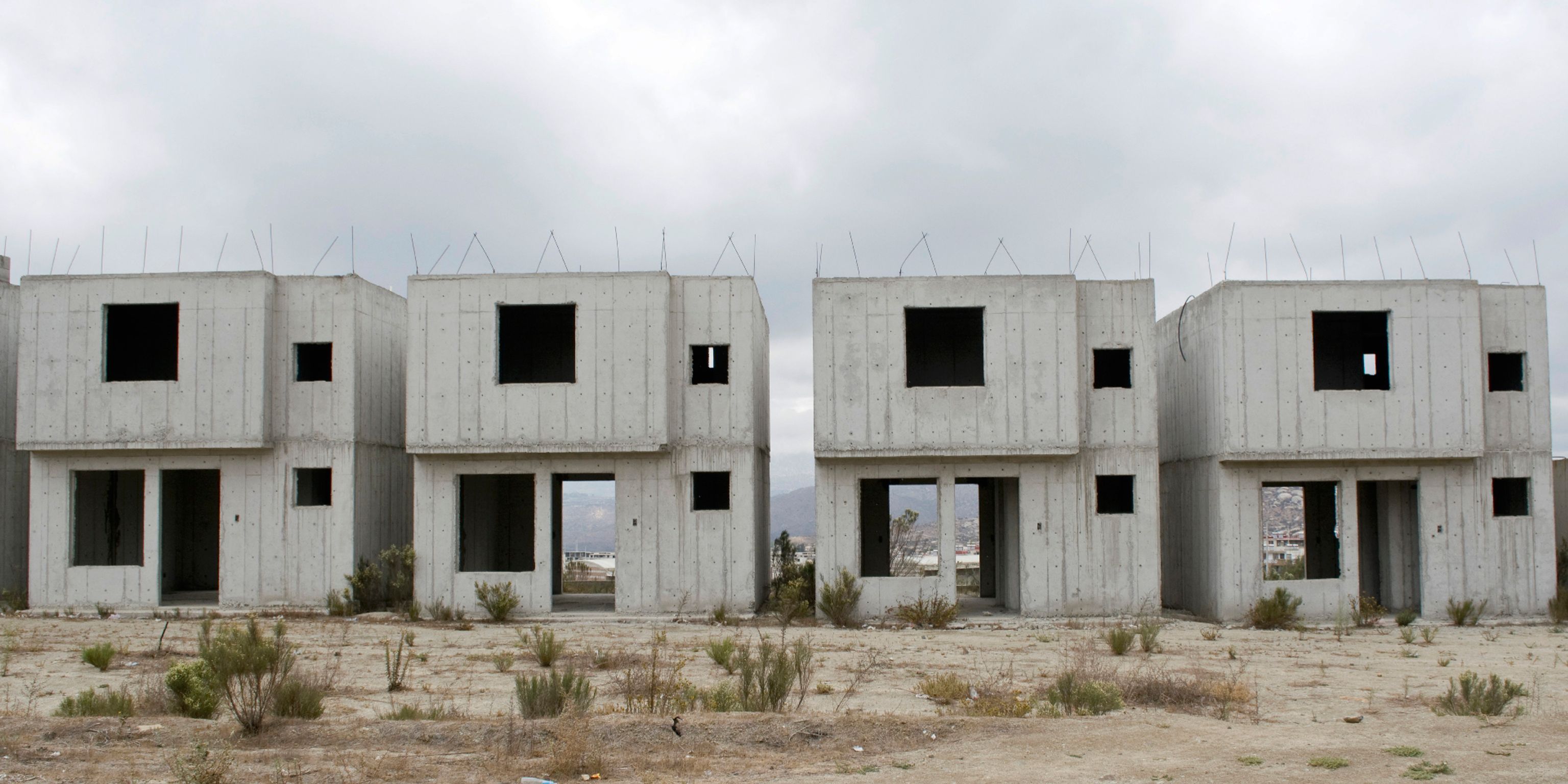

Arreola has described the places she photographed as “very silent” but also “violent”. The violence is not represented through an obvious event, but through the consequences of the economic and political systems that produced these spaces and then left them unfinished. For Arreola, the photographs are also documents of a particular period in Tijuana, a landscape that can change, disappear or be absorbed into the city over time. This archival quality is central to her wider practice, which explores the social, cultural, political, economic and aesthetic effects of housing and urban development.
Arreola is also a cultural manager and directs 206 Arte Contemporáneo in Tijuana, which she co-founded with her architect twin sister. She has exhibited widely, including in the Whitney Biennial 2022: Quiet as It’s Kept, and was selected for PHotoESPAÑA Discoveries in 2022. Through Valle San Pedro, her hometown becomes both the subject and the setting for an ongoing study of how ambitious plans for a city can leave physical traces long after the original vision has been abandoned.