
Nick Meek
Unreliable Memories
- PhotographerNick Meek
EDMUND SUMNER Nick Meek’s work also sits within this territory. He draws on the language of architectural photography – precision, structure, control – but combines it with a distinctly cinematic sensitivity to colour and atmosphere, often leaning into the commercial dreamscapes of advertising. Through his lens, landscape becomes more than a physical setting; it becomes a canvas for asking questions as much as answering them…

Edmund Sumner´s perspective on Nick Meek
…What I find compelling is how the work operates on multiple levels: formally composed, visually seductive, yet quietly loaded with narrative, a kind of curated, visual playful insanity. And again, it connects back to Traces. Because these landscapes are not neutral, they are shaped by human presence, by history. They become less about what is seen… and more about what is felt, remembered, and implied.
And perhaps most provocatively, they are not entirely real. But then… we live in an age of post-truth.
So what is truth what is reality ? And perhaps more importantly – do we even care?

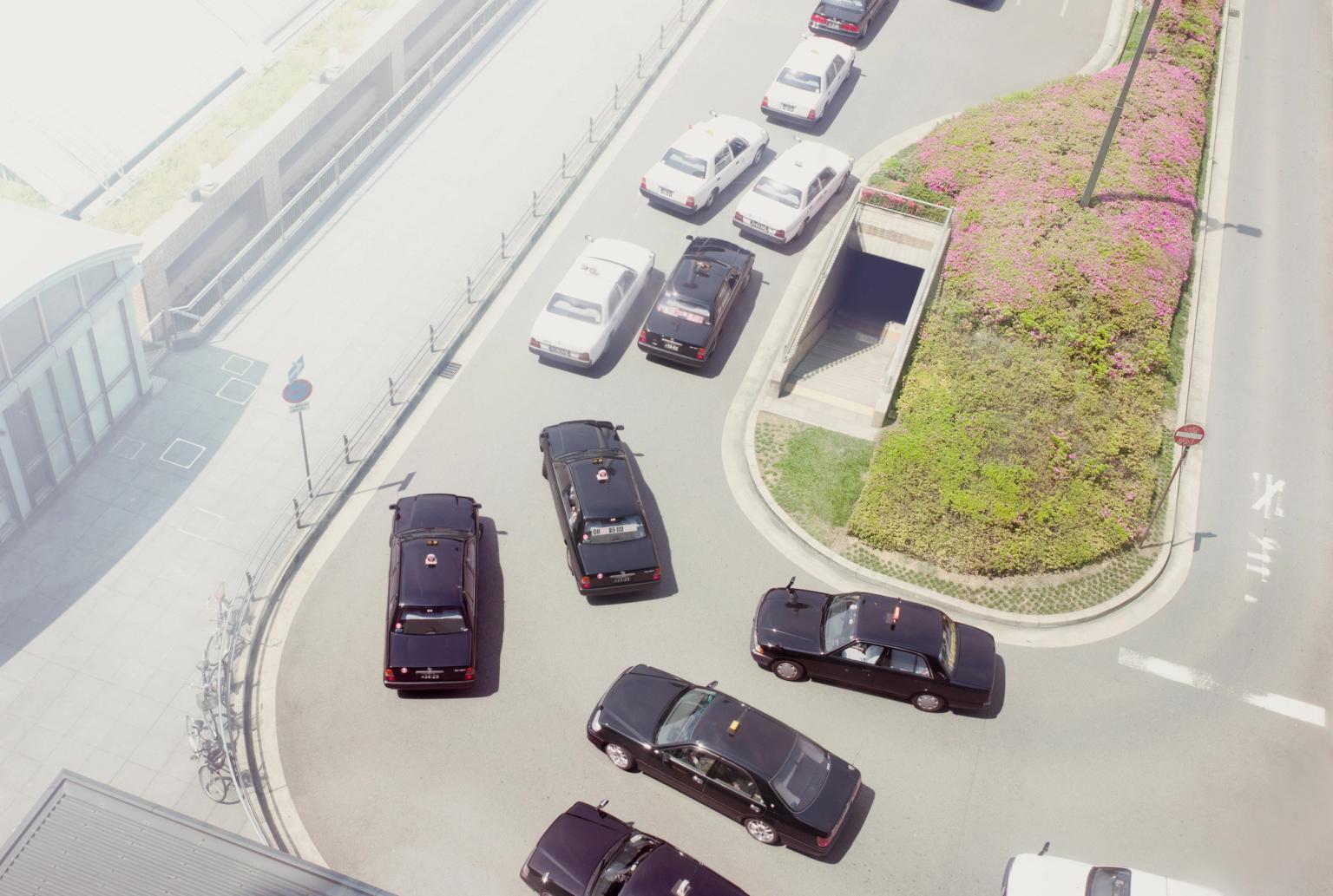

Unreliable Memories As Visual Fiction
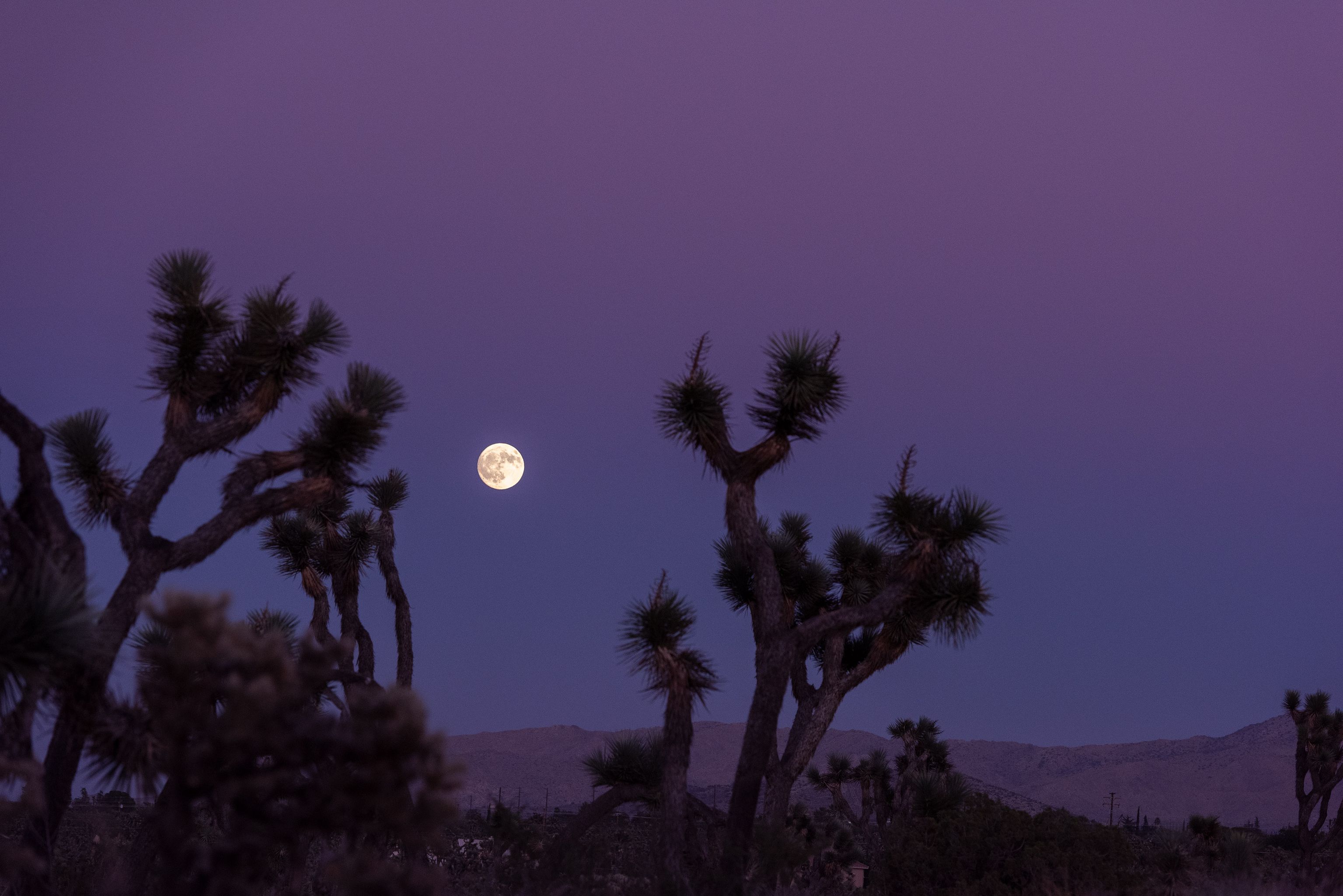
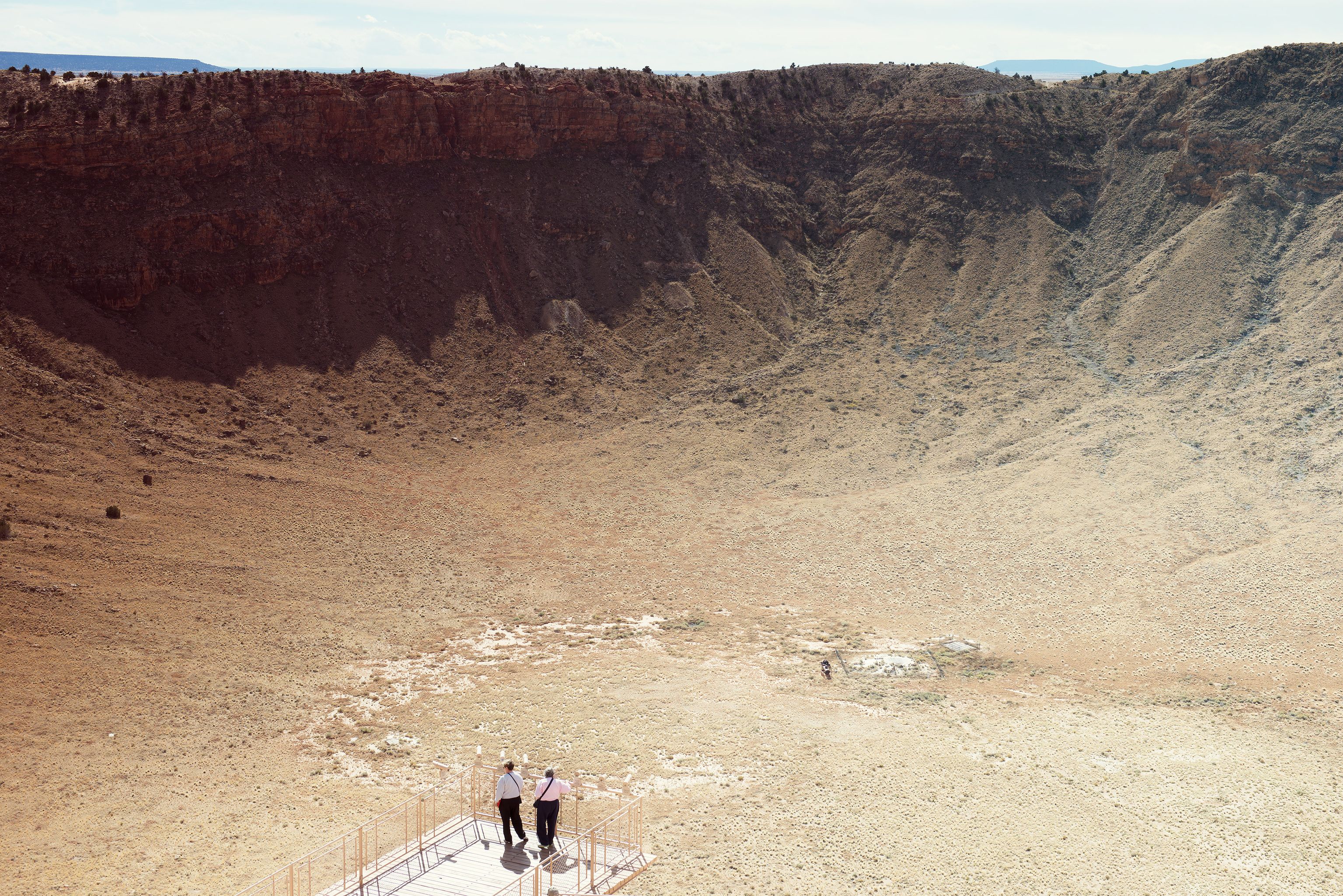
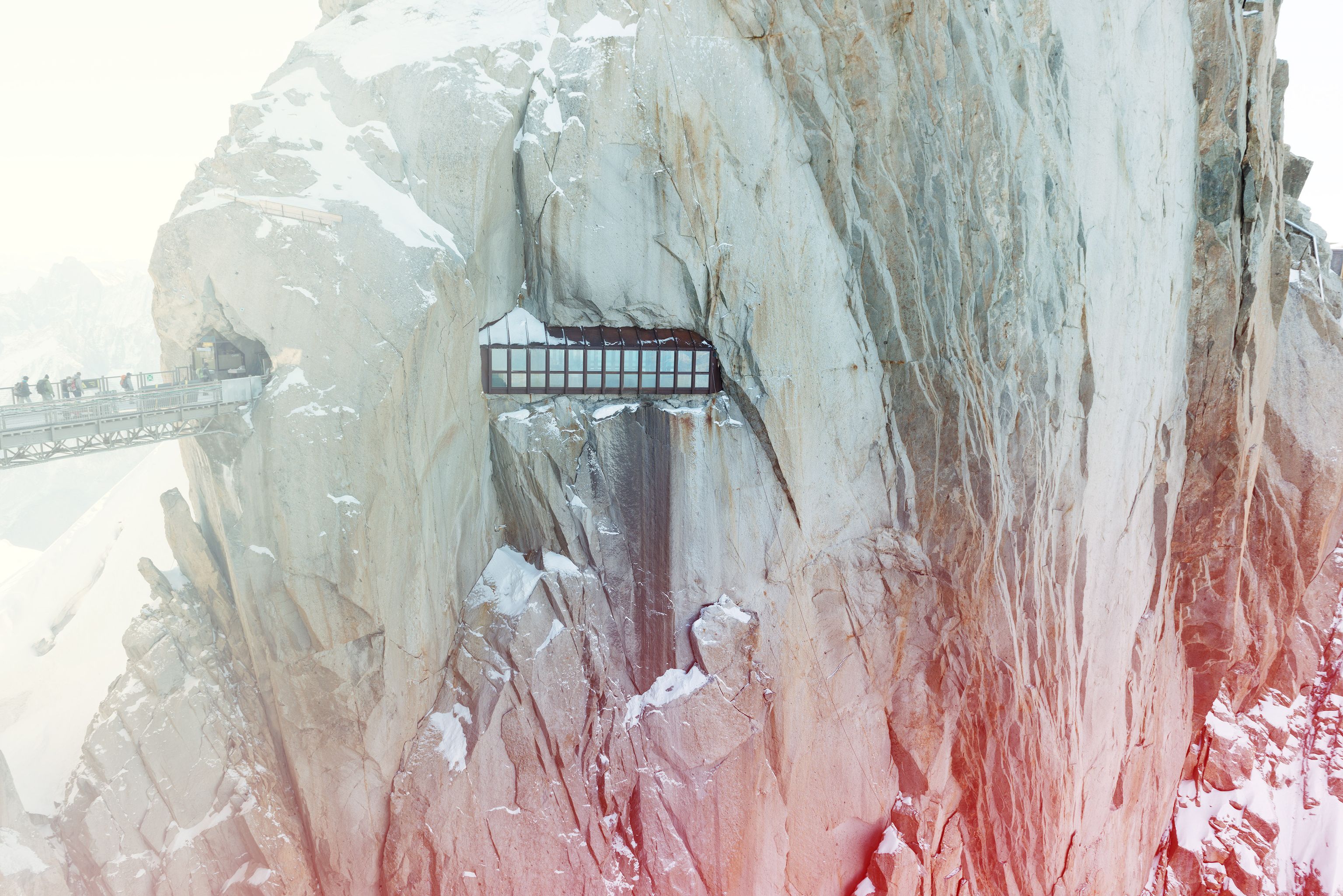
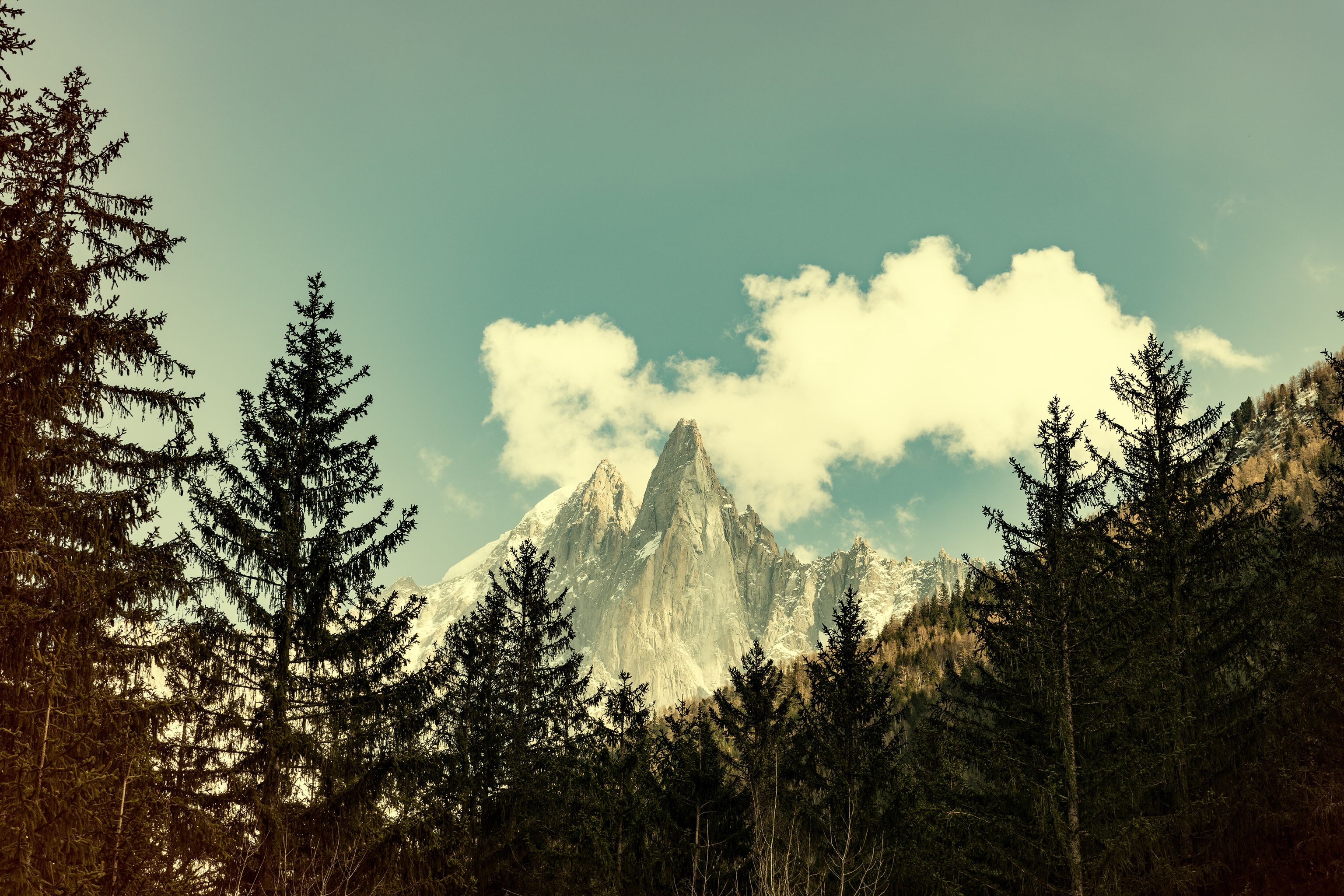
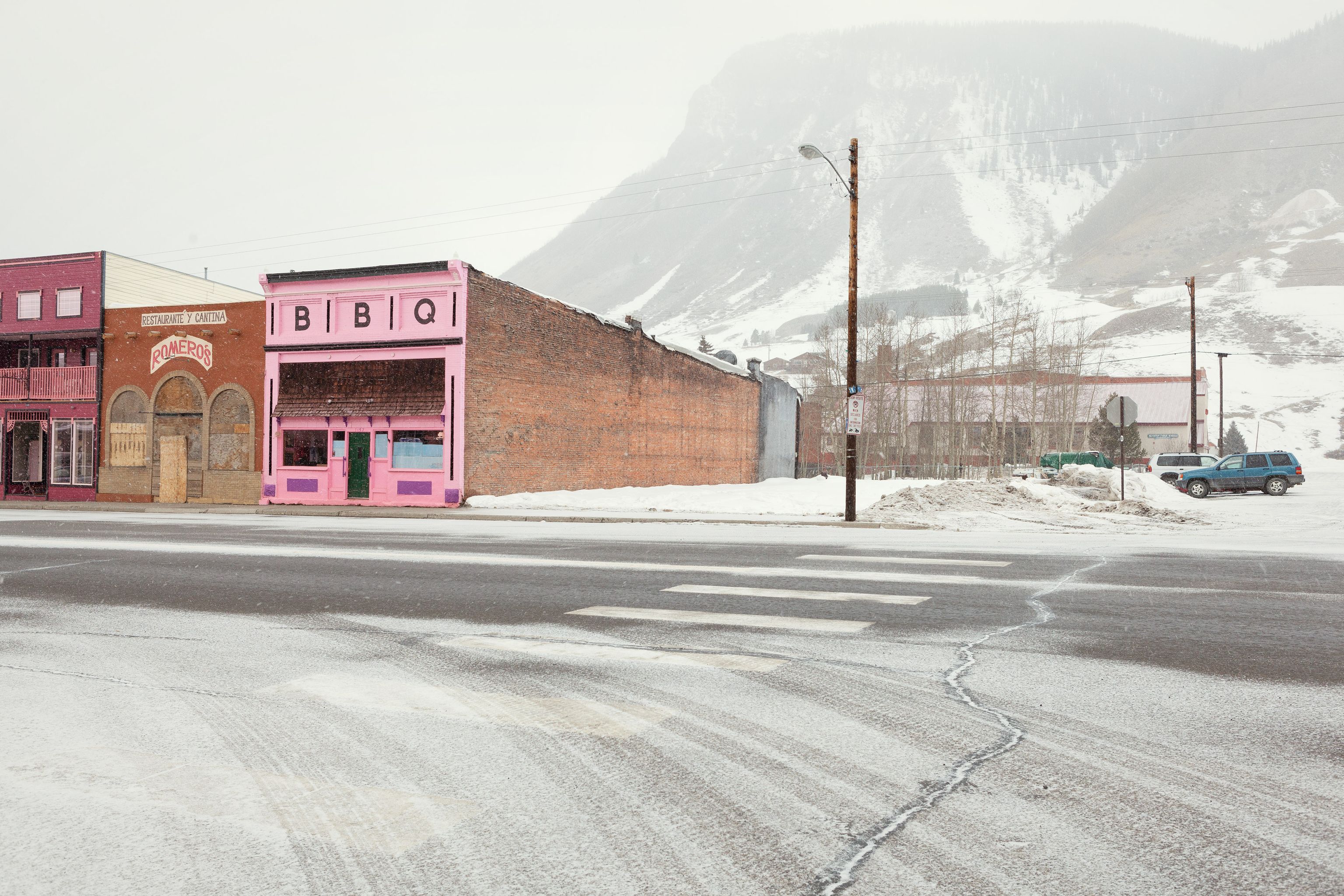
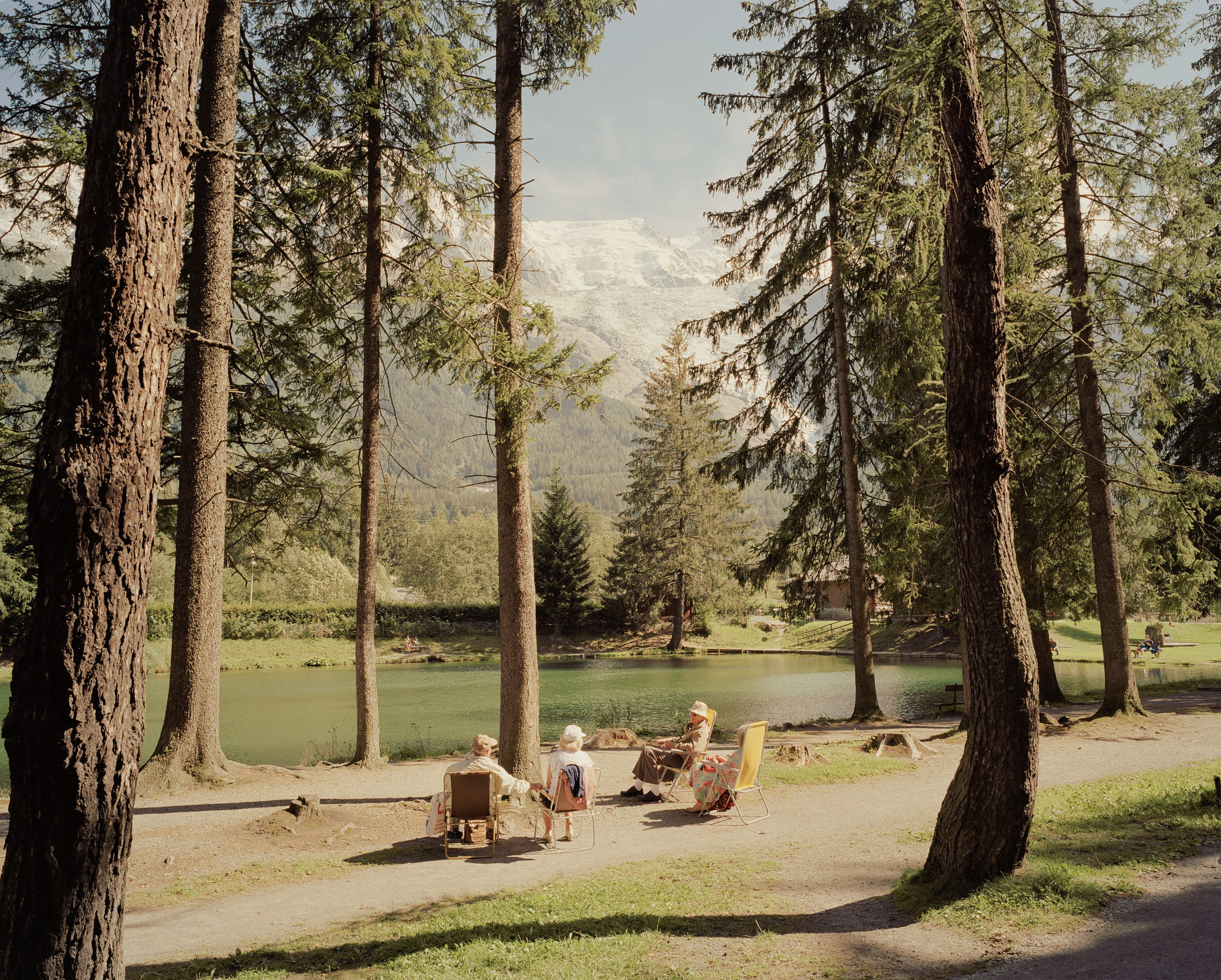
Unreliable Memories is a photographic series by British photographer Nick Meek, created between 2002 and 2017. Meek, born in Leeds in 1969 and now working between London and Chamonix, has built a career that moves between commercial photography, directing, and personal long-term image-making. This series is his most defined body of personal work, a visual investigation into how memory, film culture, and place merge into something unstable and imagined. Meek reconstructs reality through fragments of cinematic influence, emotional recall, and staged environments that feel both familiar and slightly unreal.
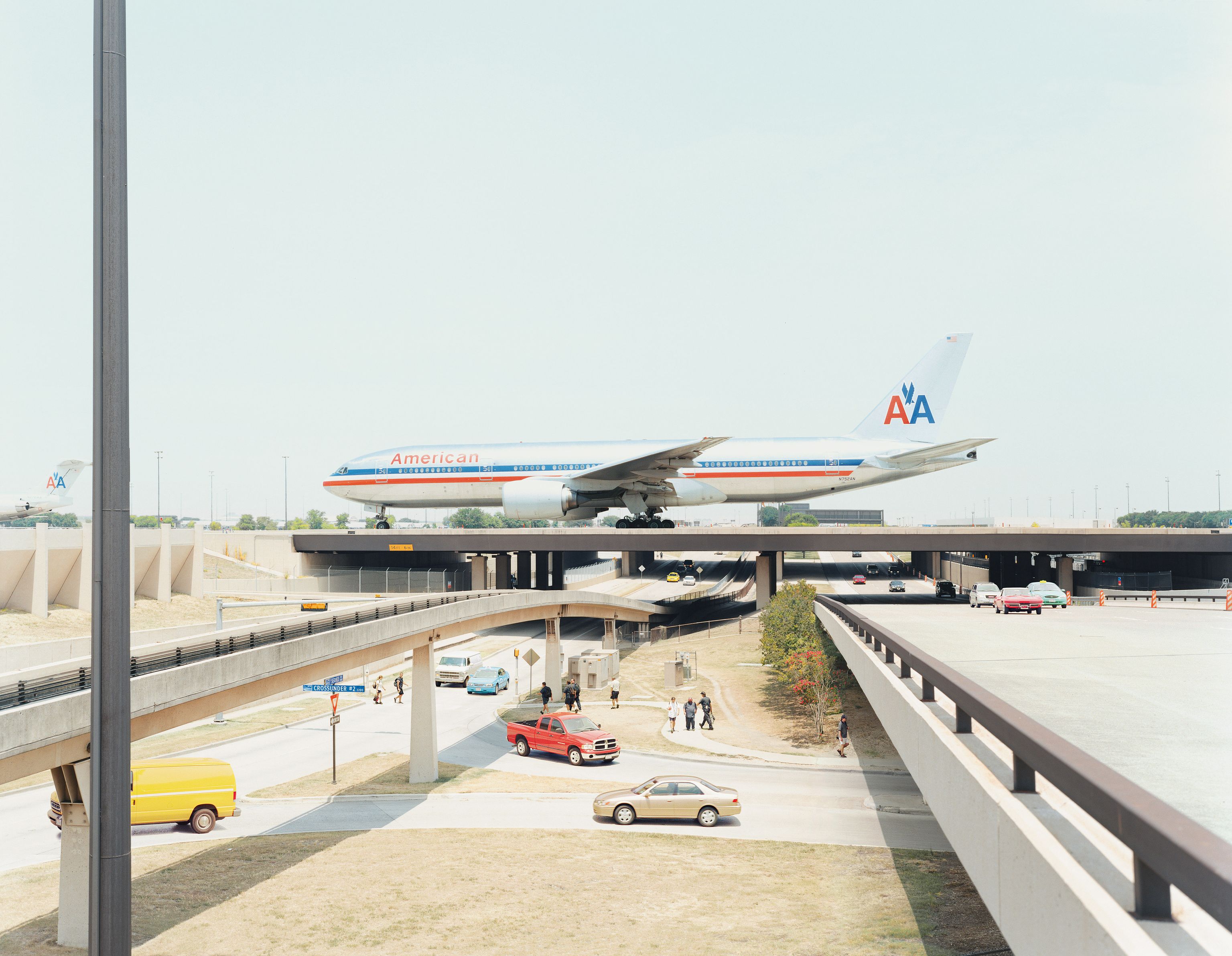

A Photographer Shaped By Fictional Landscapes
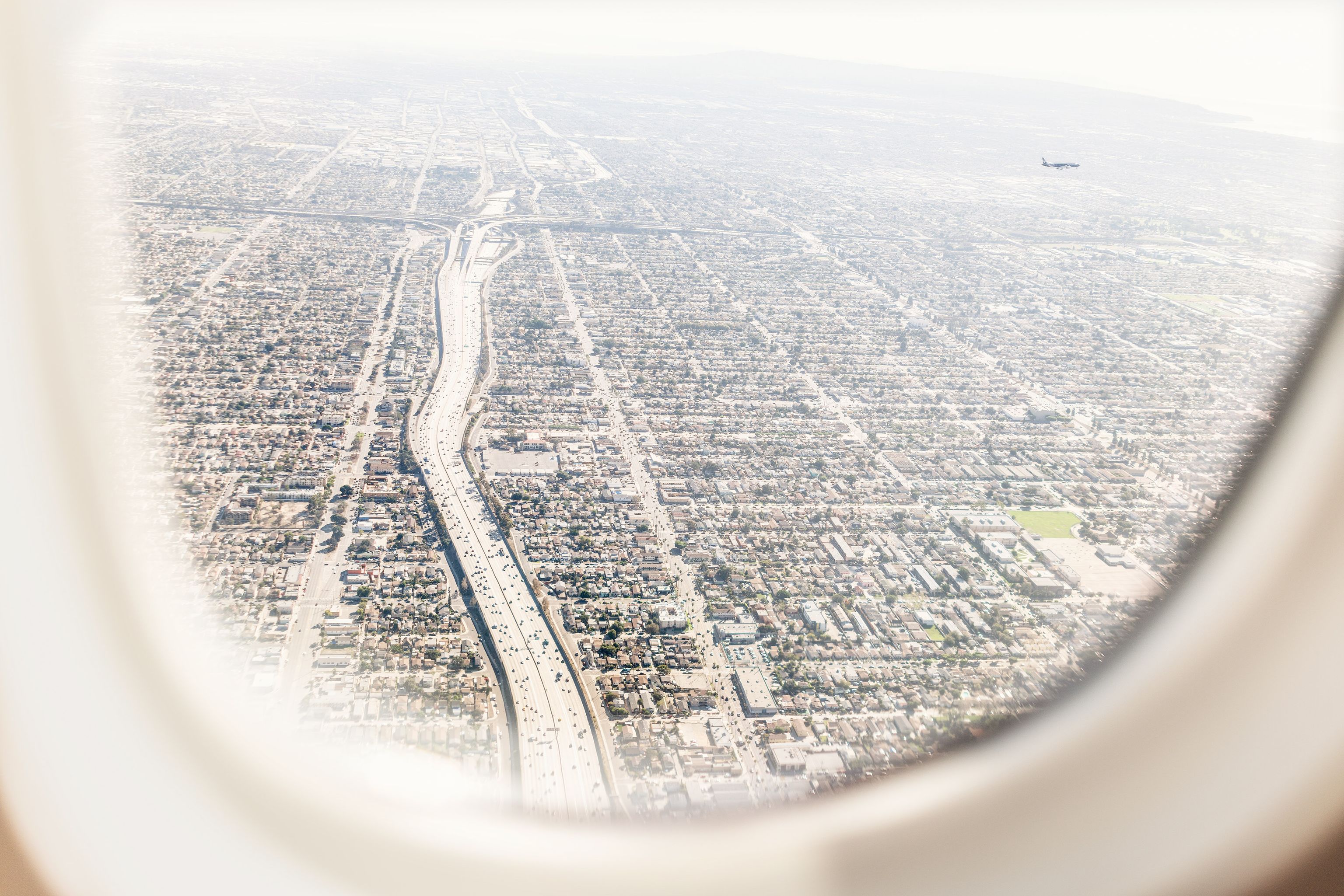
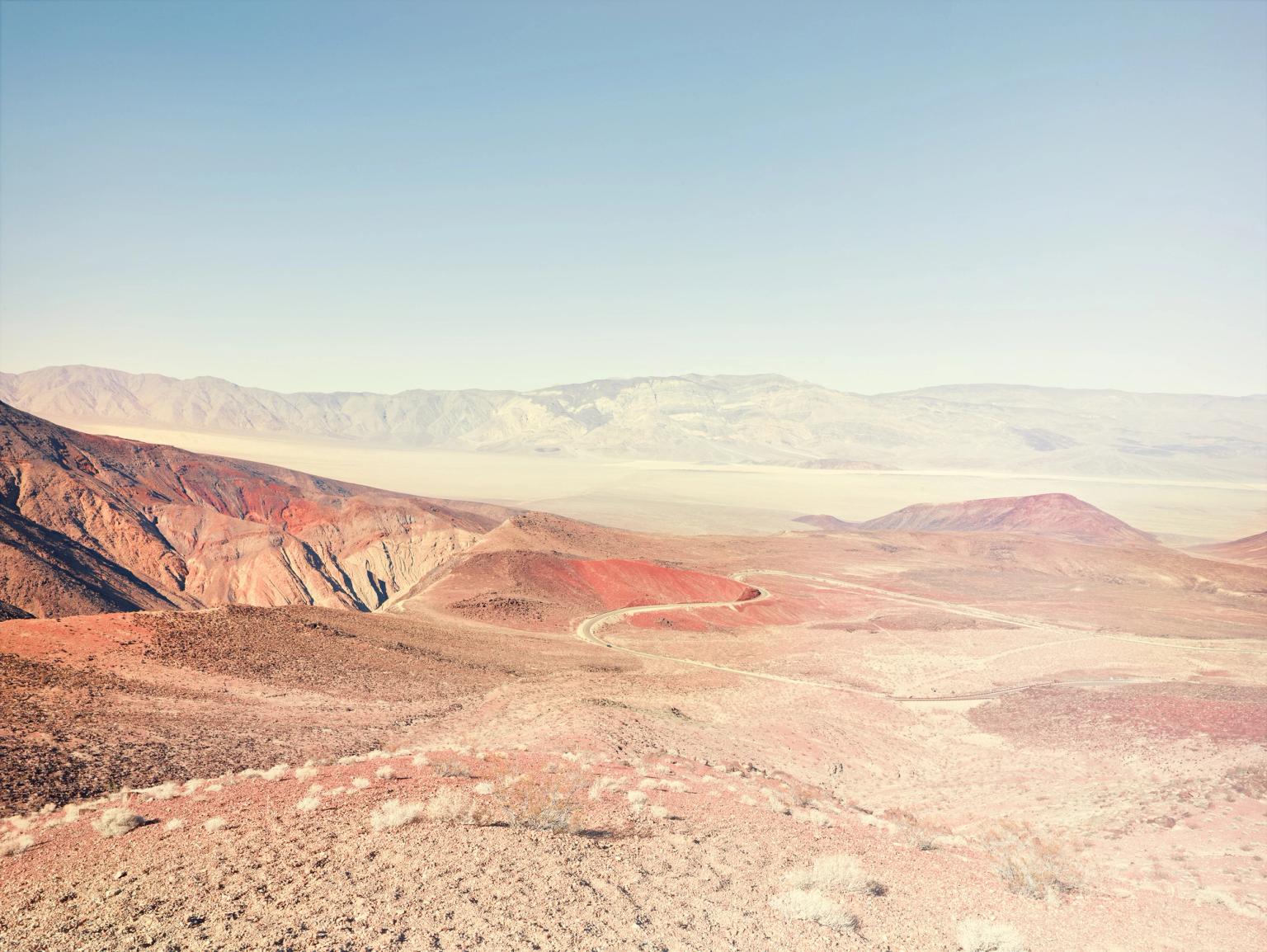
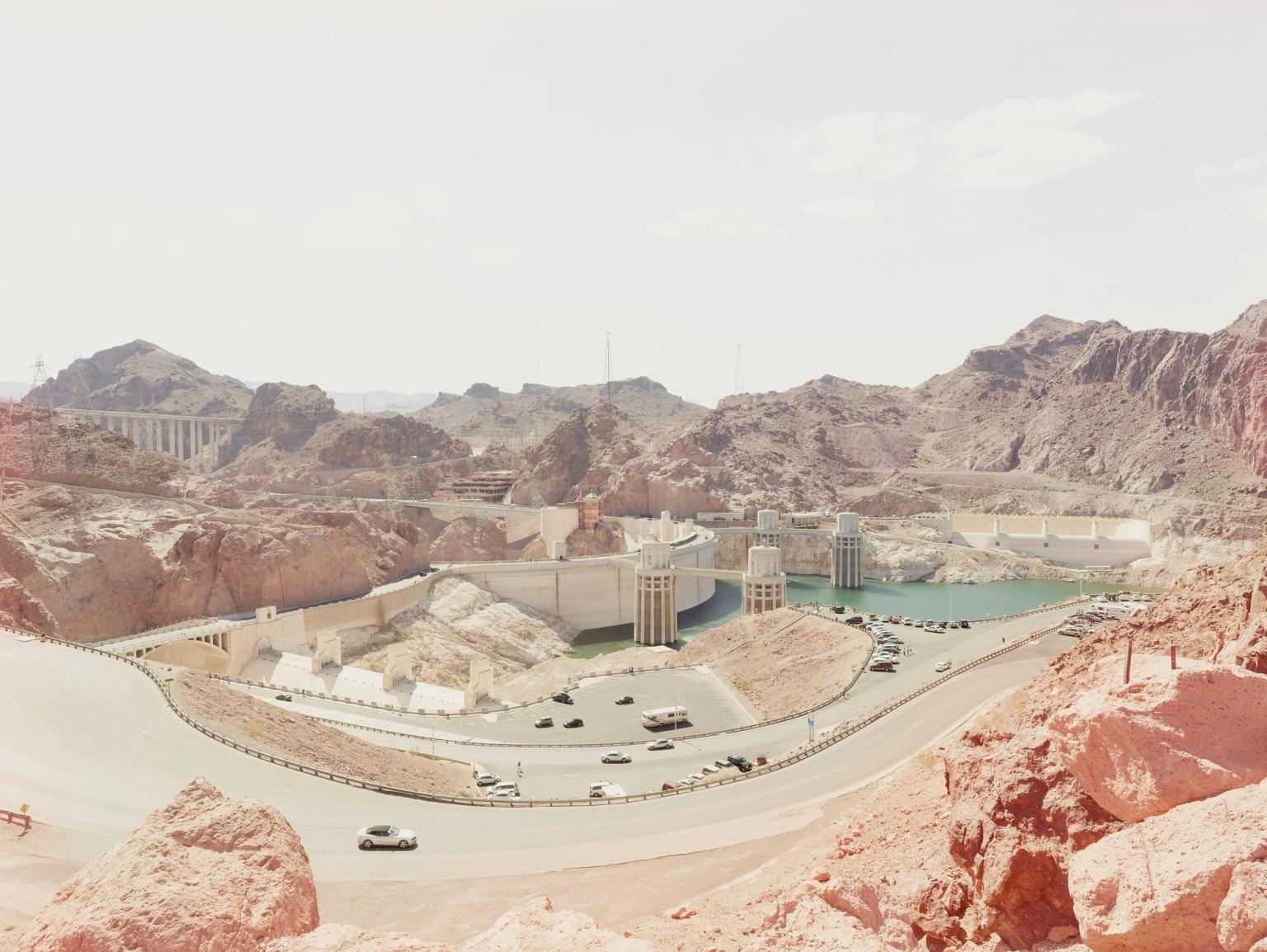
Meek’s visual language is deeply rooted in growing up with American cinema and television while living in the North of England. The contrast between grey everyday surroundings and the saturated promise of Hollywood became a foundational influence in his work. In Unreliable Memories, this tension is translated into landscapes that feel like borrowed scenes – highways, motels, deserts, beaches, airports, and roadside architecture that appear lifted from collective imagination rather than direct observation. Across the series, geography becomes secondary to emotion. Places are not shown as they are, but as they are remembered, imagined, or half-remembered through cultural repetition.
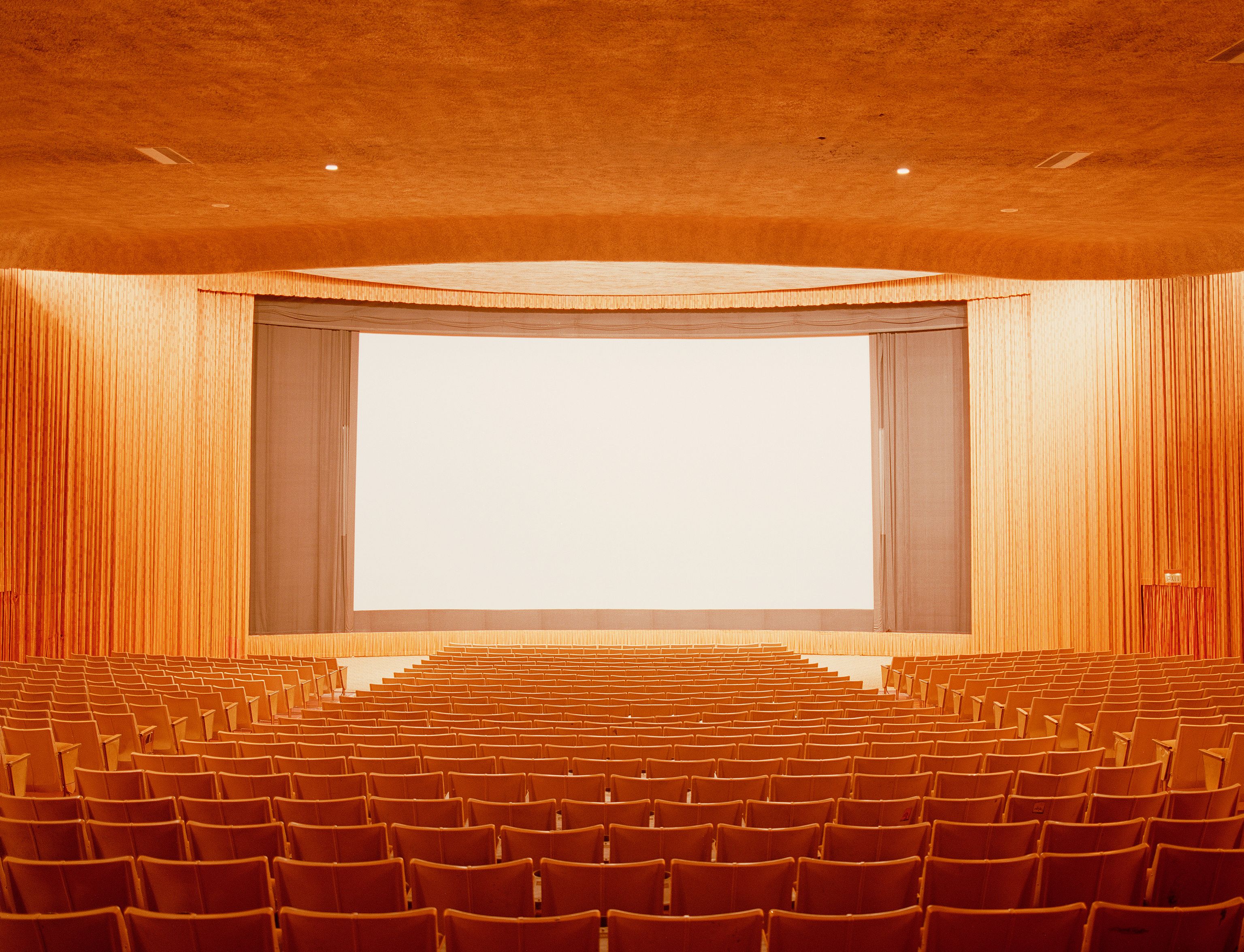

Colour, Staging, And The Construction Of Atmosphere
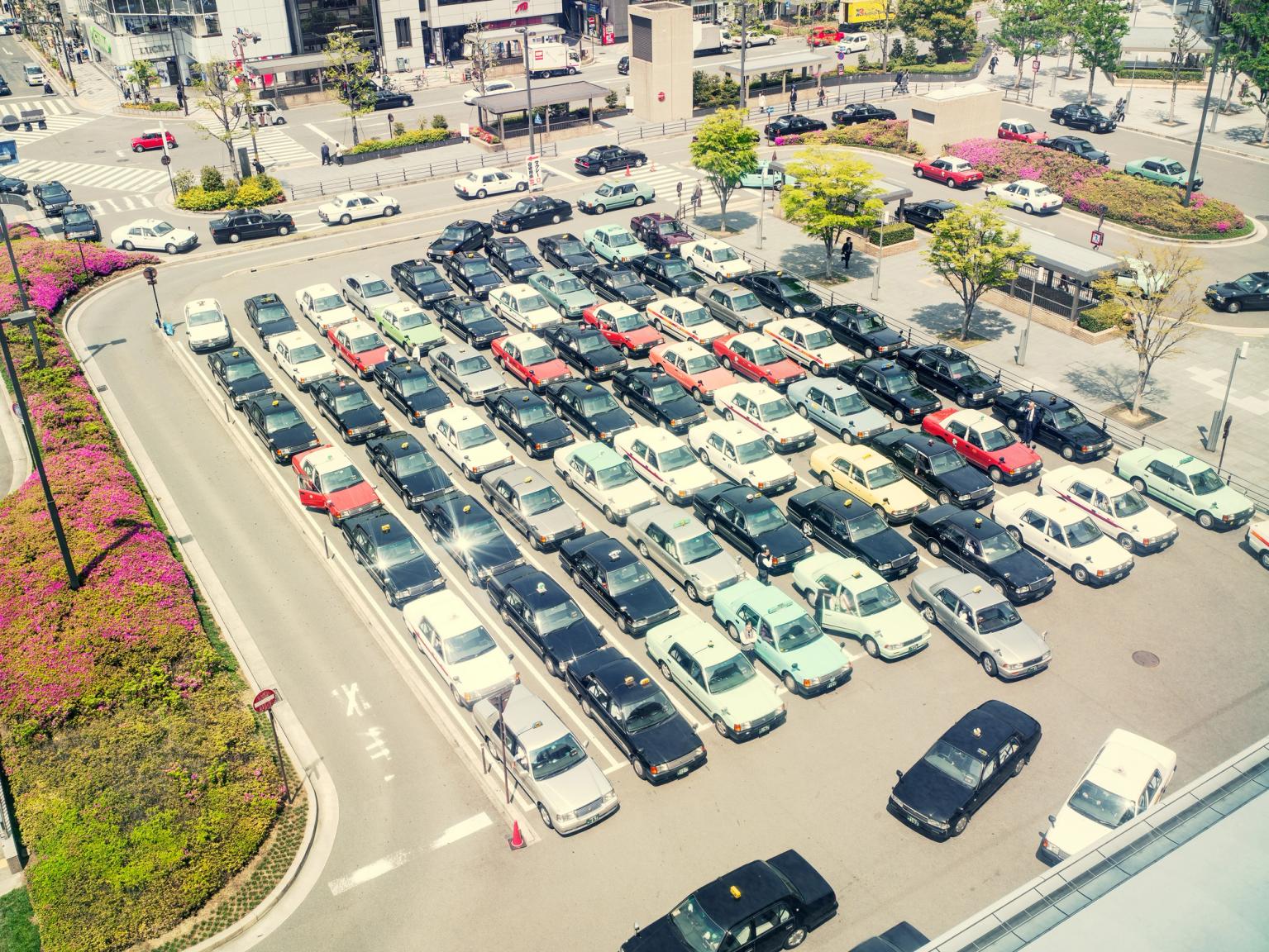
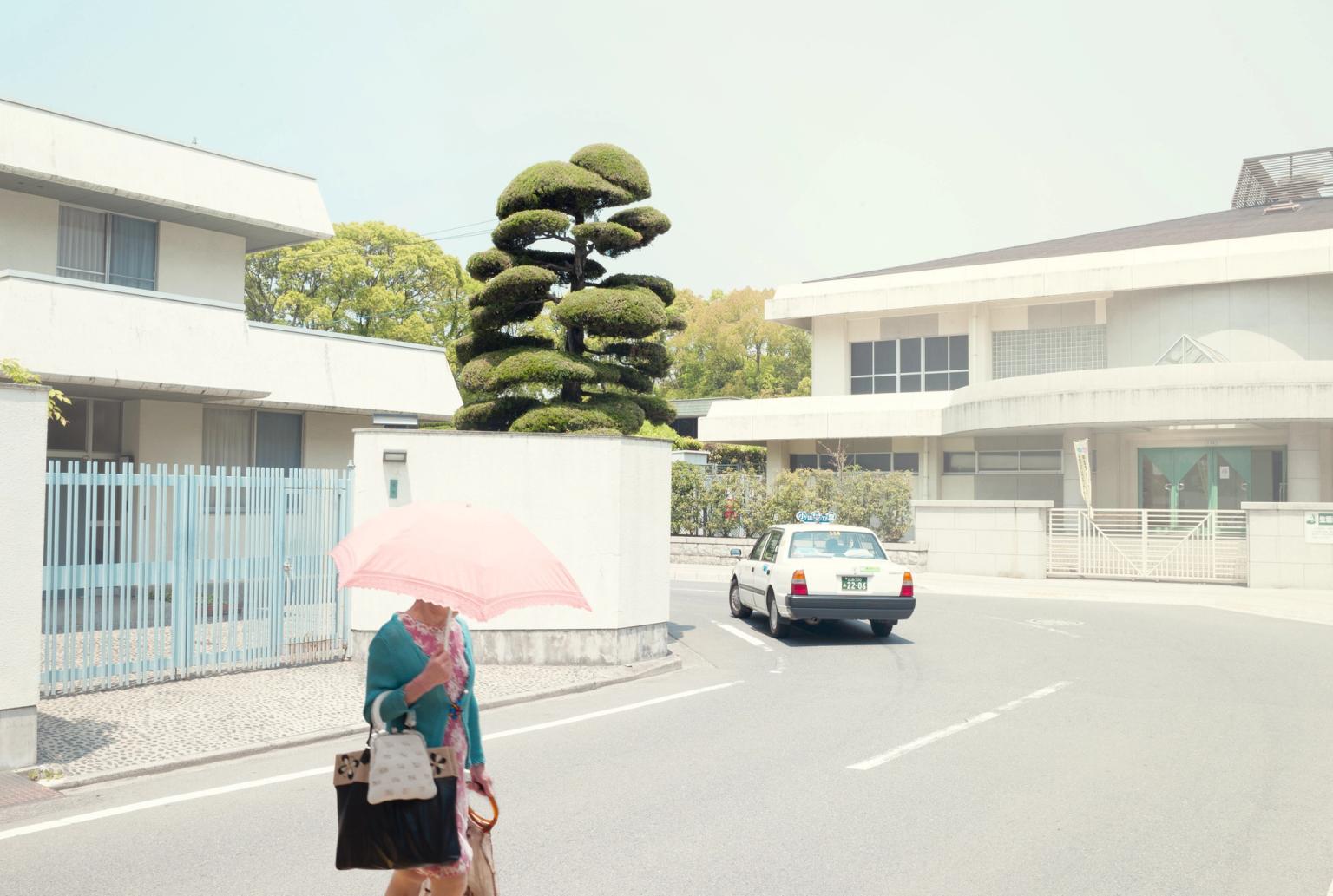
A defining element of the series is its controlled use of colour and composition. Meek works with a palette that feels sun-bleached and cinematic at the same time, washed oranges, pale blues, and softened yellows that suggest both nostalgia and artificiality. Many of the images are carefully staged or subtly directed, not to recreate reality, but to heighten its emotional distortion. Light becomes a narrative tool, often shifting scenes into a suspended time where nothing feels fully present or fully past. This deliberate construction creates a photographic space where atmosphere takes priority over information, allowing each image to operate like a memory that has been edited over time.
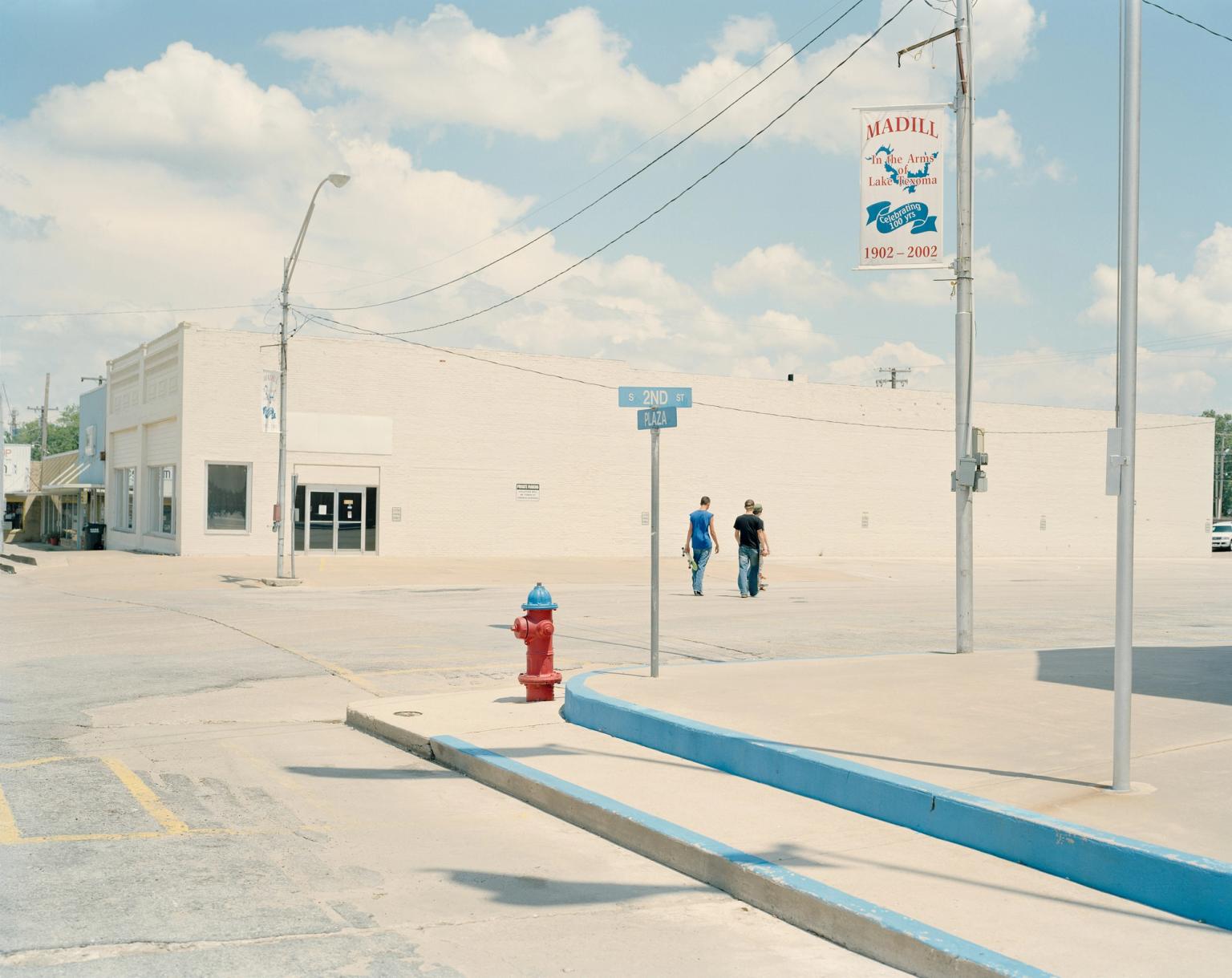


Memory As An Unstable System
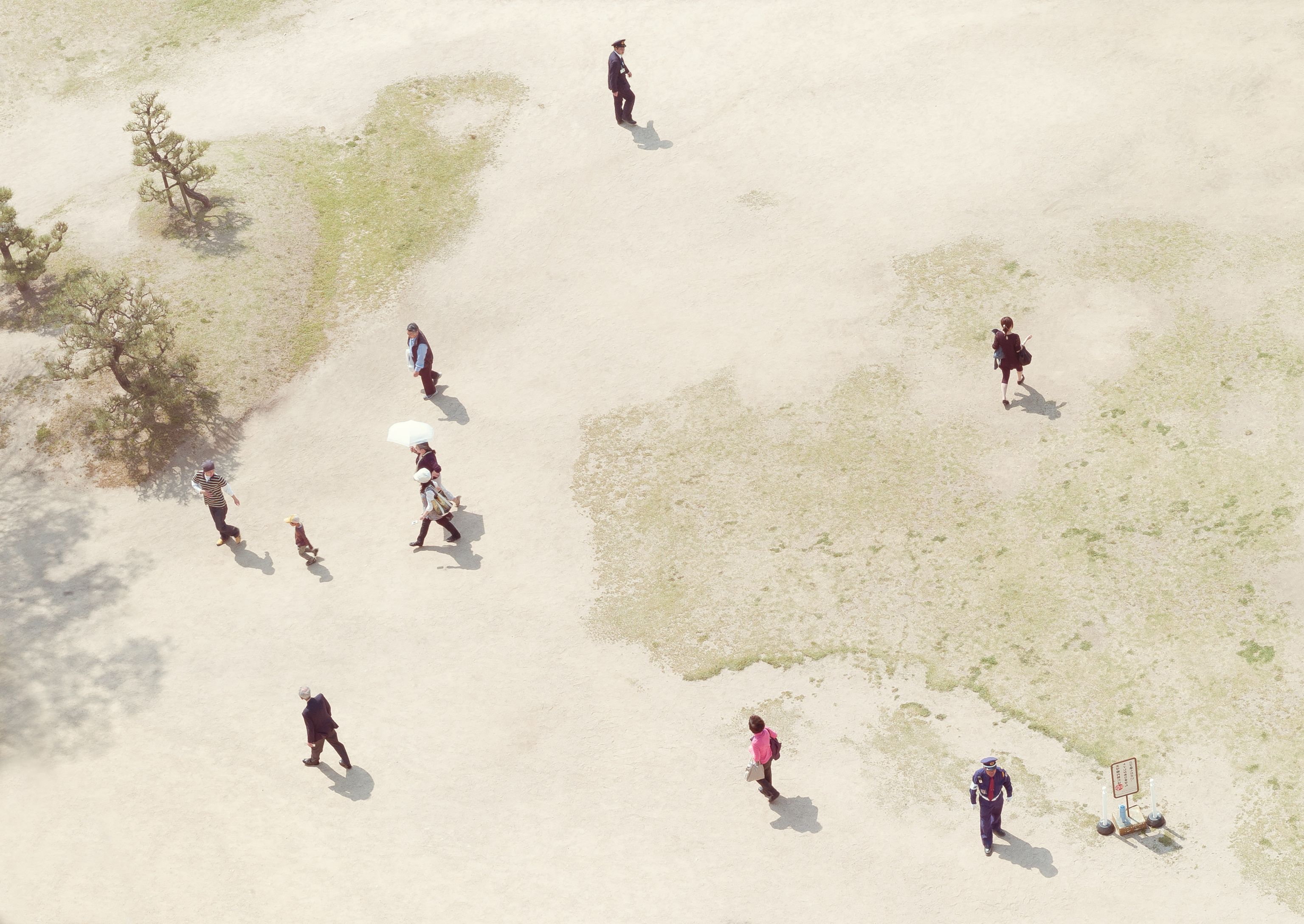
At the core of Unreliable Memories is a question about how memory actually works. Rather than treating memory as a fixed archive, Meek approaches it as something continuously rewritten. His photographs reflect this instability: they feel simultaneously sharp and blurred, real and constructed, immediate and distant. The series suggests that remembering is not about preservation, but selection, a process where forgetting plays an active role in shaping what remains. In this way, the images become less about specific locations and more about the emotional residue of looking back, where meaning is constantly in motion and never fully resolved.

A Global Landscape Of Familiar Imaginaries
While early parts of the project focus on the American West as a symbolic terrain, later works expand across Japan, South America, Europe, and South-East Asia. Despite the geographic shift, the visual language remains consistent: every place is filtered through the same lens of cinematic memory and constructed nostalgia. A Japanese street, a European coastline, or a South American desert are not presented as cultural documents, but as variations of the same internal landscape. Meek builds a global continuity of feeling, where different regions become part of one shared visual mythology shaped by media, travel, and imagination.


Between Reality And Reinvention
Unreliable Memories ultimately exists in a space between documentation and invention. The photographs do not aim to clarify what is real, but to explore why reality is always partially rewritten in the act of remembering. In doing so, Meek creates a visual system where landscapes become psychological spaces, layered with fiction, emotion, and cultural residue. The series becomes a reflection on how images shape belief, and how belief, in turn, reshapes what we think we remember. What remains is not a stable archive of places, but a fluid interpretation of them, constantly shifting, always slightly out of reach.