
Alastair Philip Wiper
Unintended Beauty
- PhotographerAlastair Philip Wiper
EDMUND SUMNER Occasionally, you come across a photographer who subverts a genre to such an extent that they almost create a new one. For me, Alastair Philip Wiper is one such figure. Through his exploration of industry and science, he reveals a world that is at once extraordinary and deeply strange – spaces and processes that most of us will never encounter, let alone truly understand. There’s a tension in his work that I find compelling: it is heroic, comical, and, at times, faintly petrifying.


Inside the Machine: The Origins of Unintended Beauty
At first glance, factories, laboratories, and industrial plants rarely invite admiration. They are places of function, efficiency, and often pollution. Yet for Alastair Philip Wiper, these spaces became the unlikely subject of a long-term photographic journey that would evolve into Unintended Beauty - a project that reframes the visual language of modern industry.
The story begins not with industry, but with curiosity. Wiper did not initially set out to photograph machines or scientific facilities. A turning point came when he encountered mid twentieth century industrial photography, where factories were depicted with the same care and aesthetic attention as landscapes or portraits. That discovery reshaped his perspective and set him on a path toward exploring what he would later describe as the accidental aesthetics of industry and science.

A World Behind Closed Doors
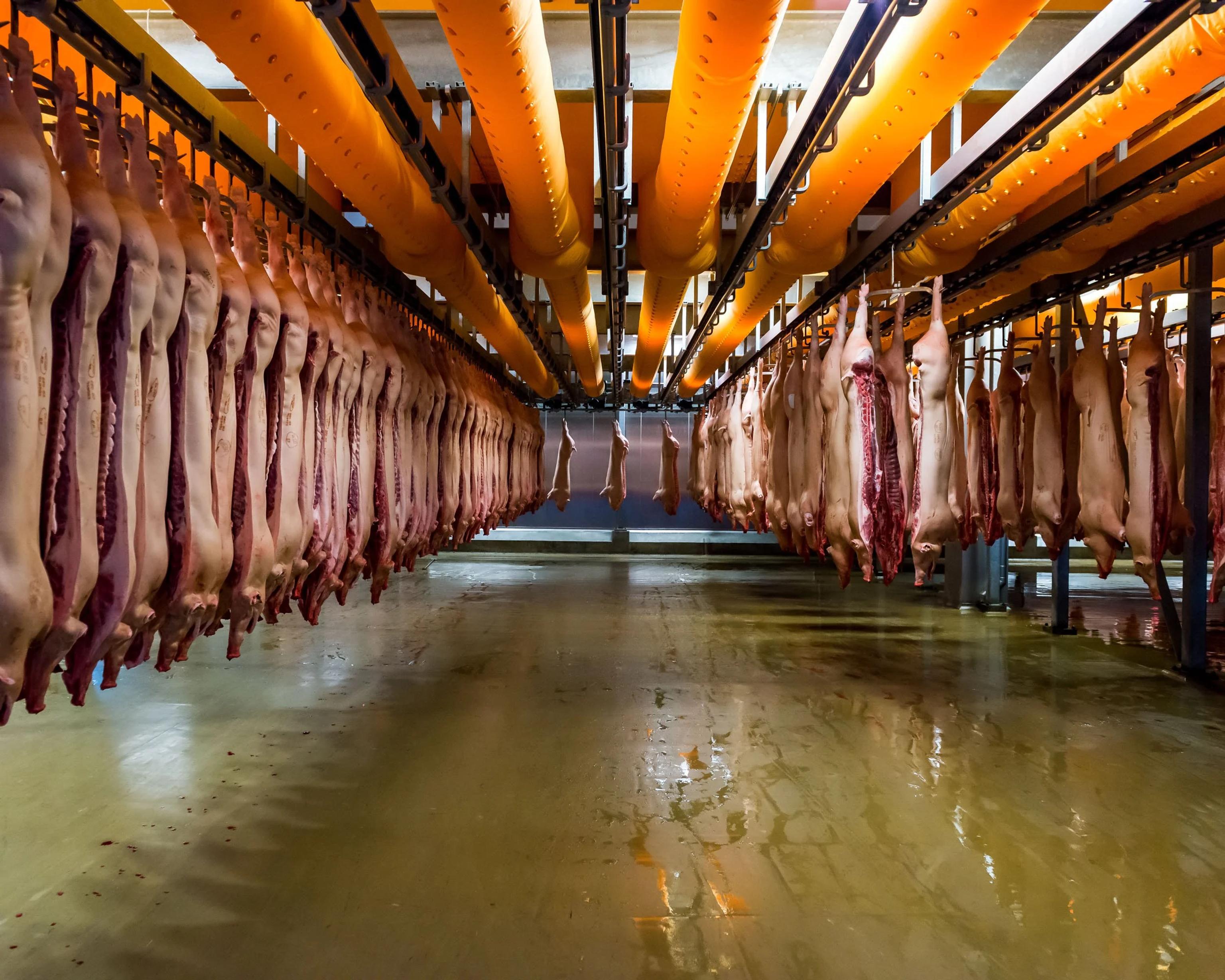
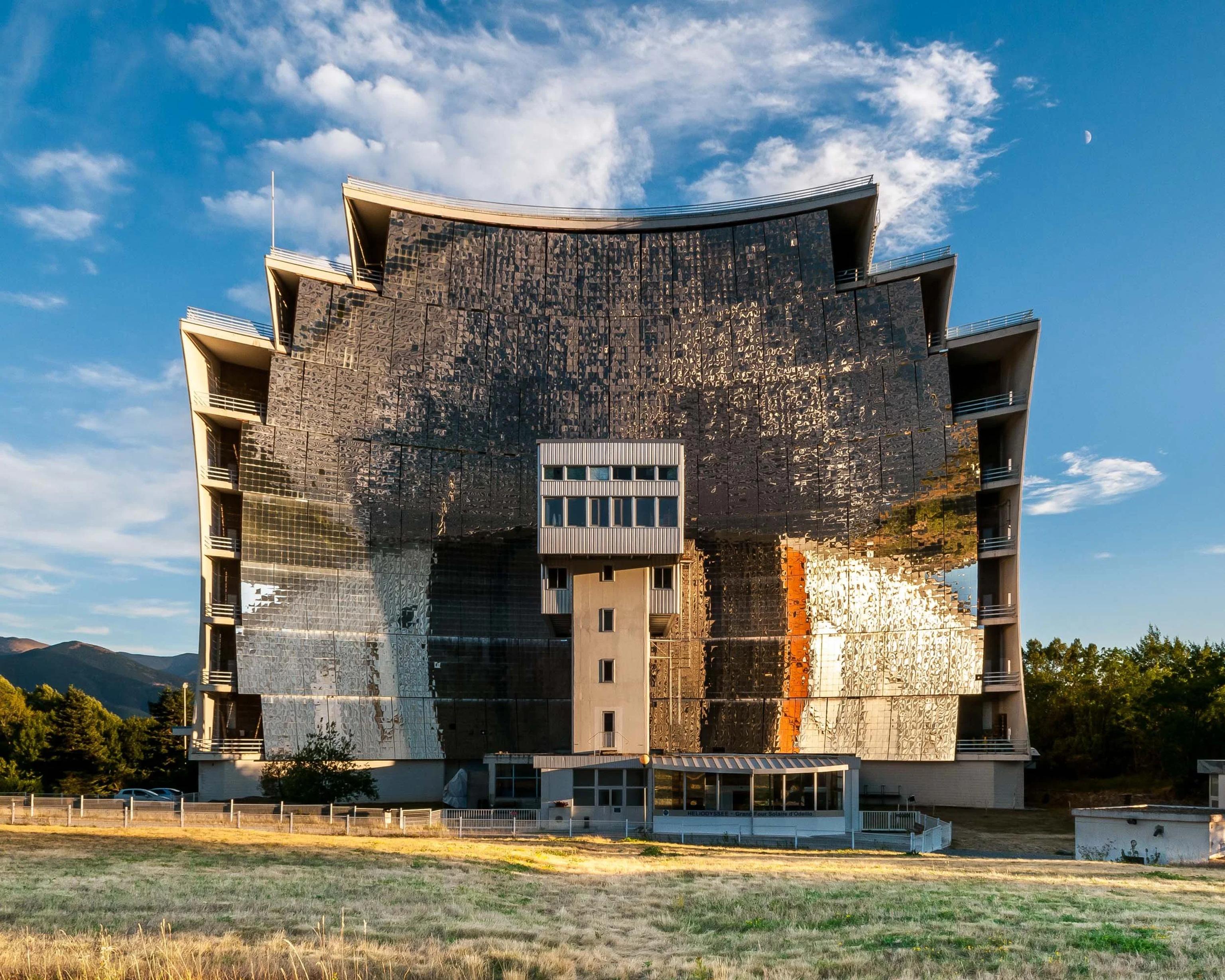
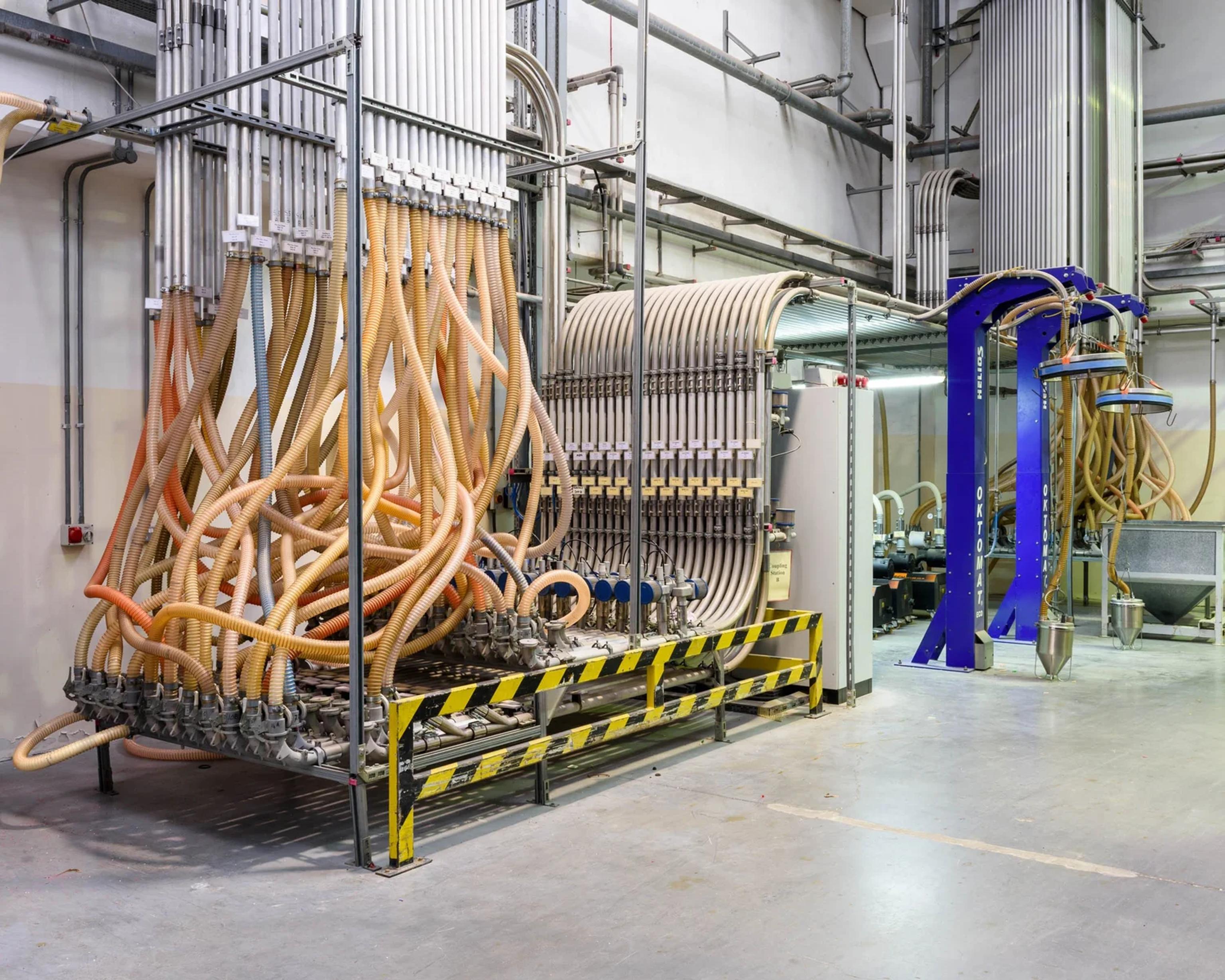
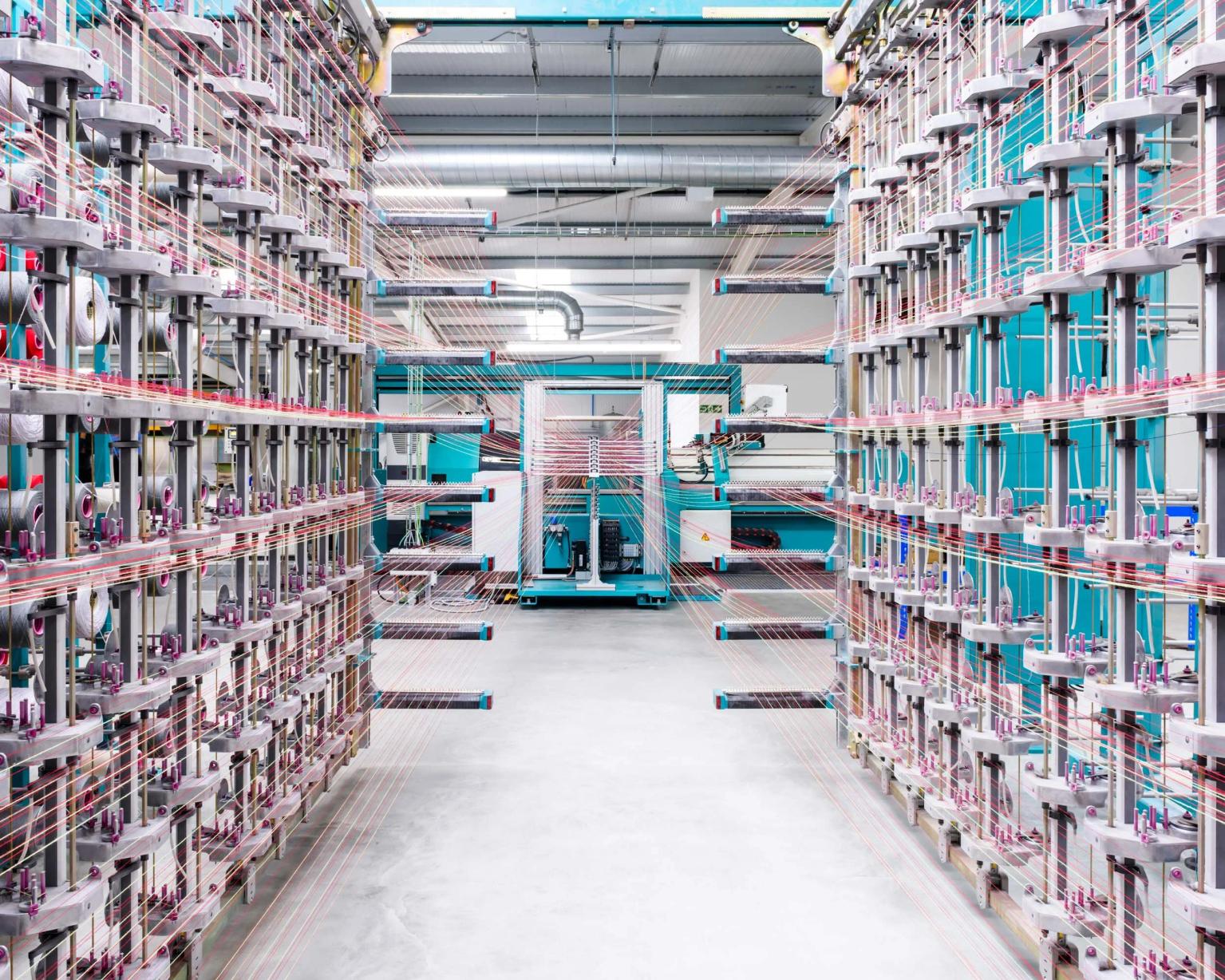
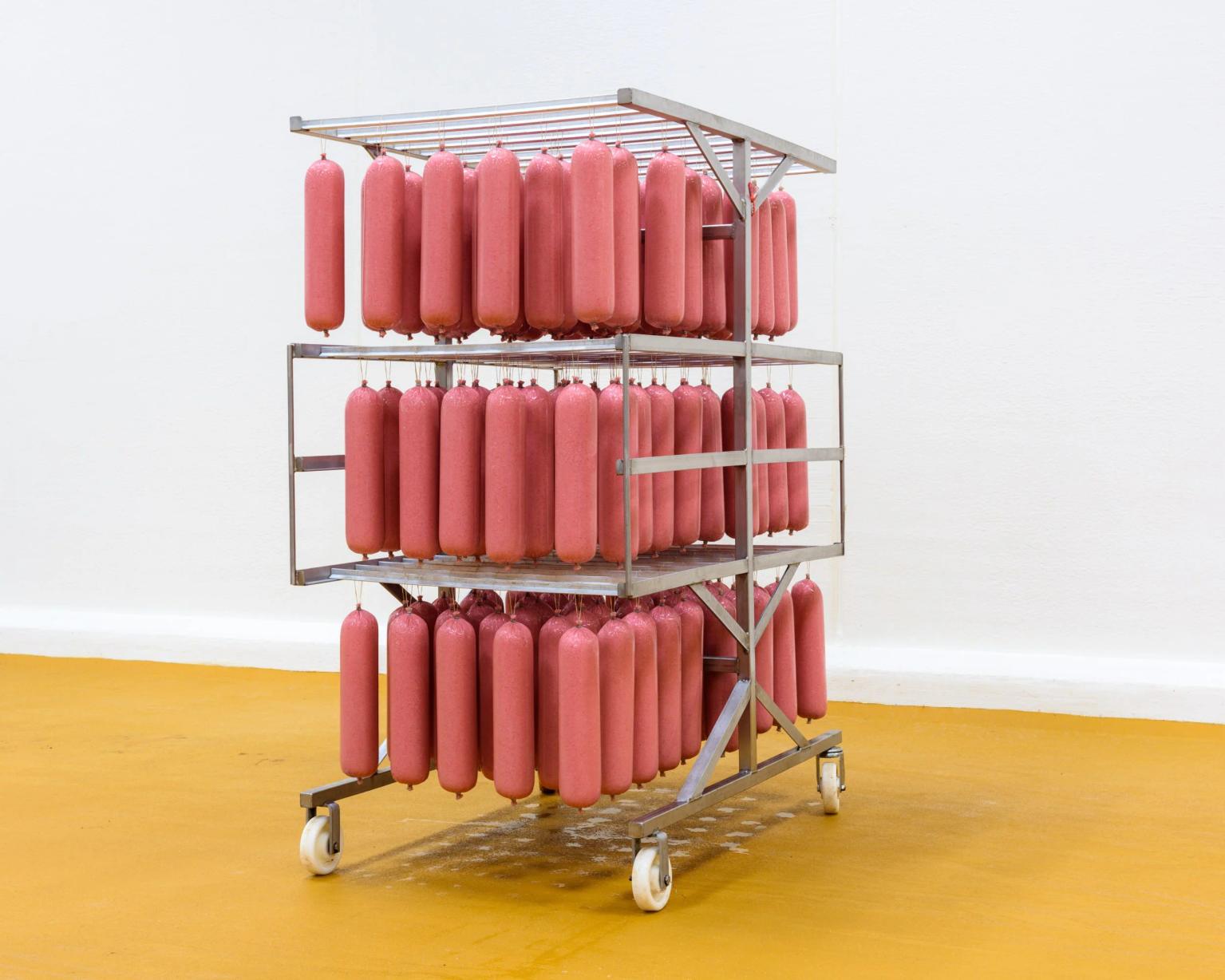
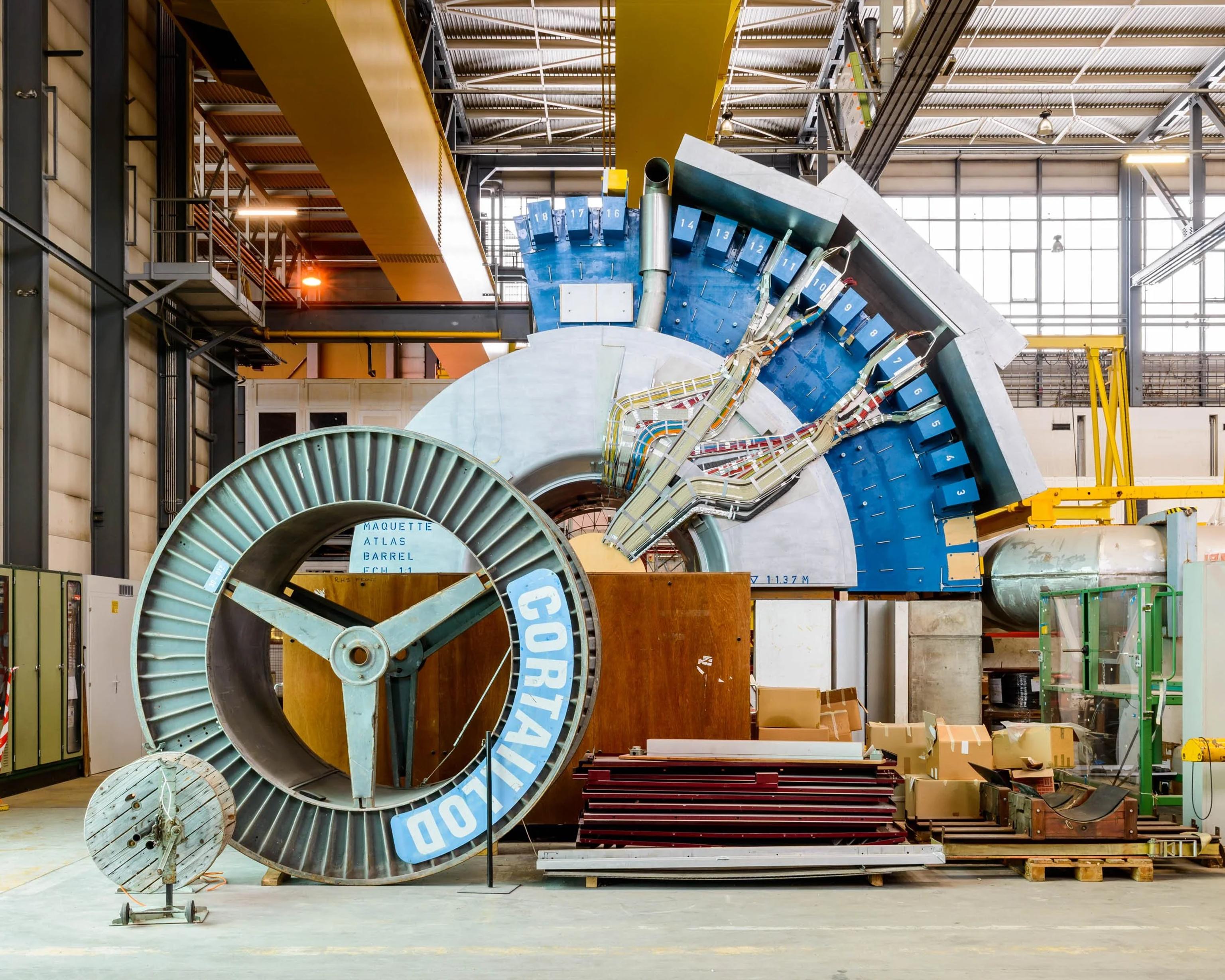
Over the course of nearly a decade, Wiper gained access to more than a hundred sites across the globe, from shipyards and textile mills to particle physics laboratories and food processing plants. These are environments most people never see, yet they quietly underpin everyday life.
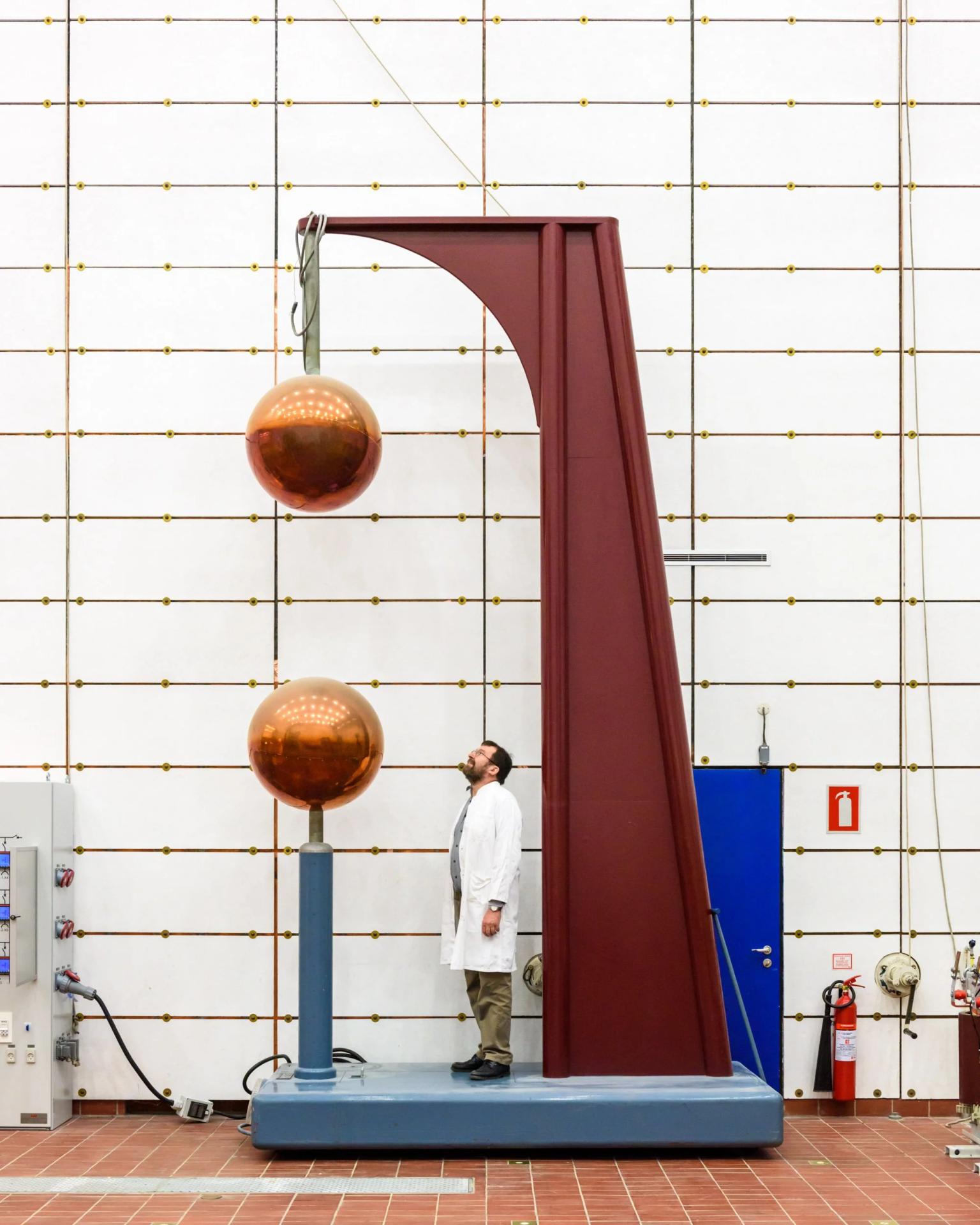

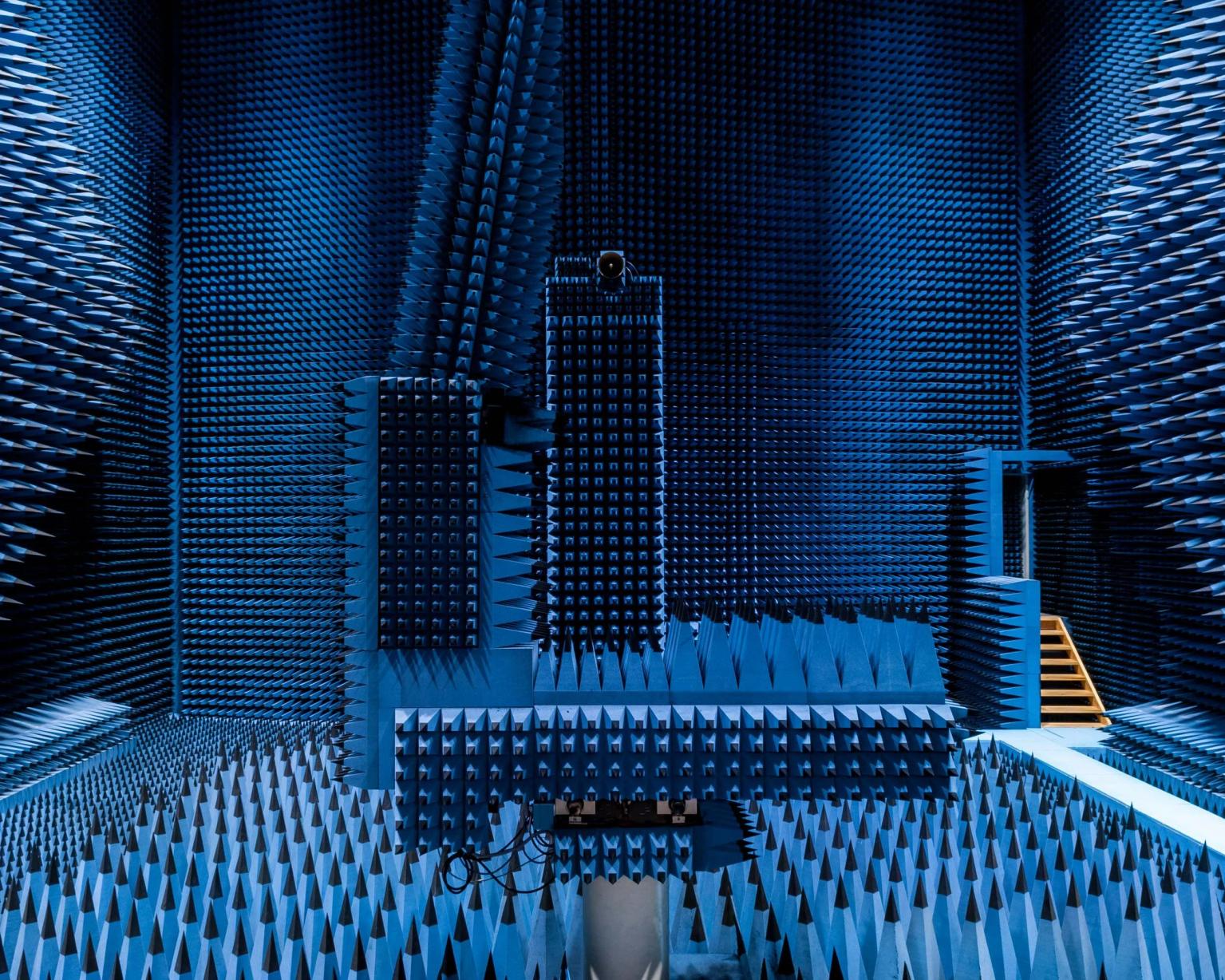
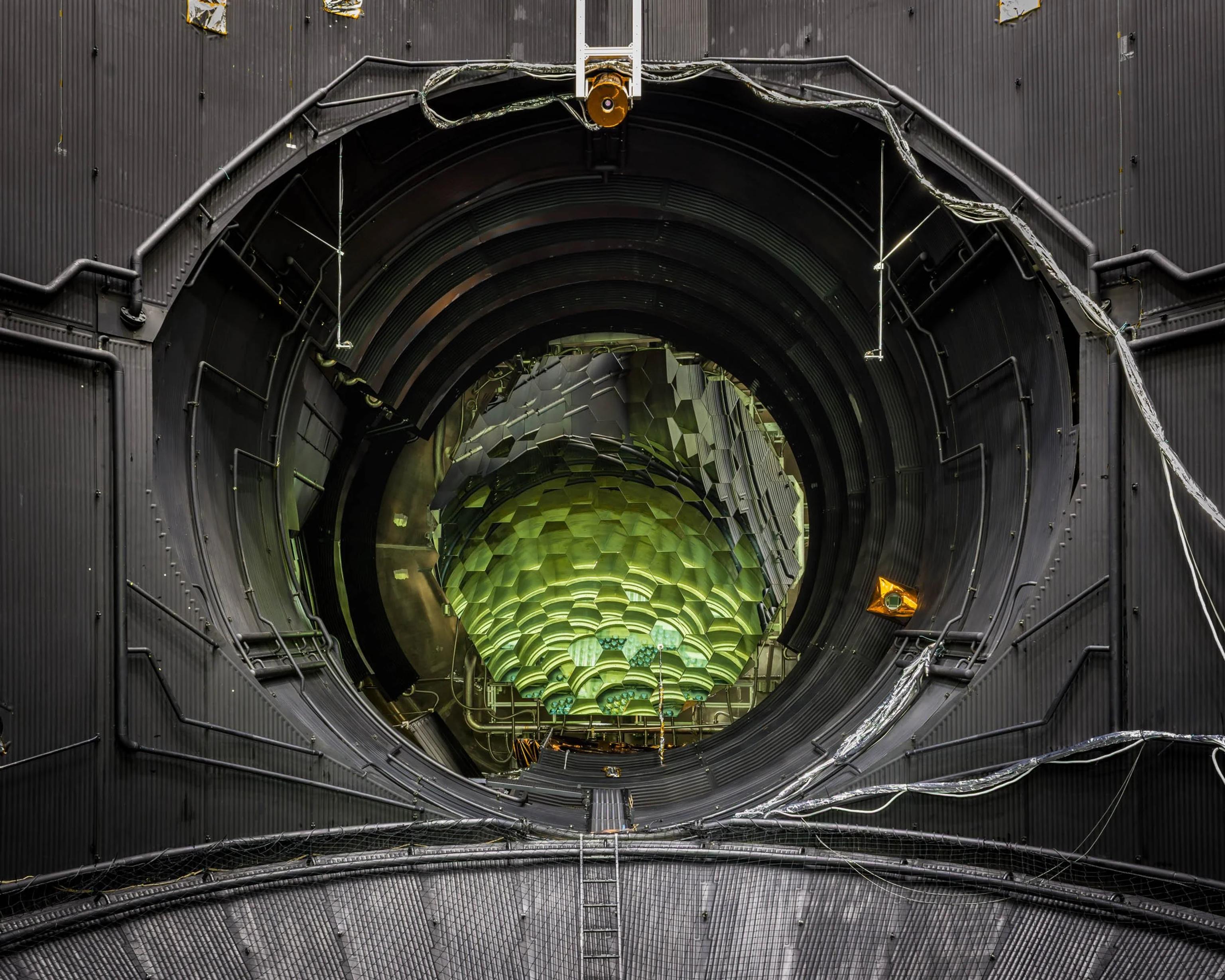
Inside, he found not just machinery, but a strange and compelling visual order. Conveyor belts, cables, turbines, and assembly lines revealed patterns of symmetry, repetition, and color that were never designed to be beautiful, yet often are. His images transform production lines, aircraft assembly, and even controversial manufacturing into compositions that feel almost abstract.
This rare access became central to the project’s narrative. Wiper was not simply documenting industry. He was revealing hidden systems and infrastructures that shape modern existence but remain largely invisible. The work suggests that these places belong as much to our shared culture as galleries or city streets.


Beauty, Contradiction, and Unease
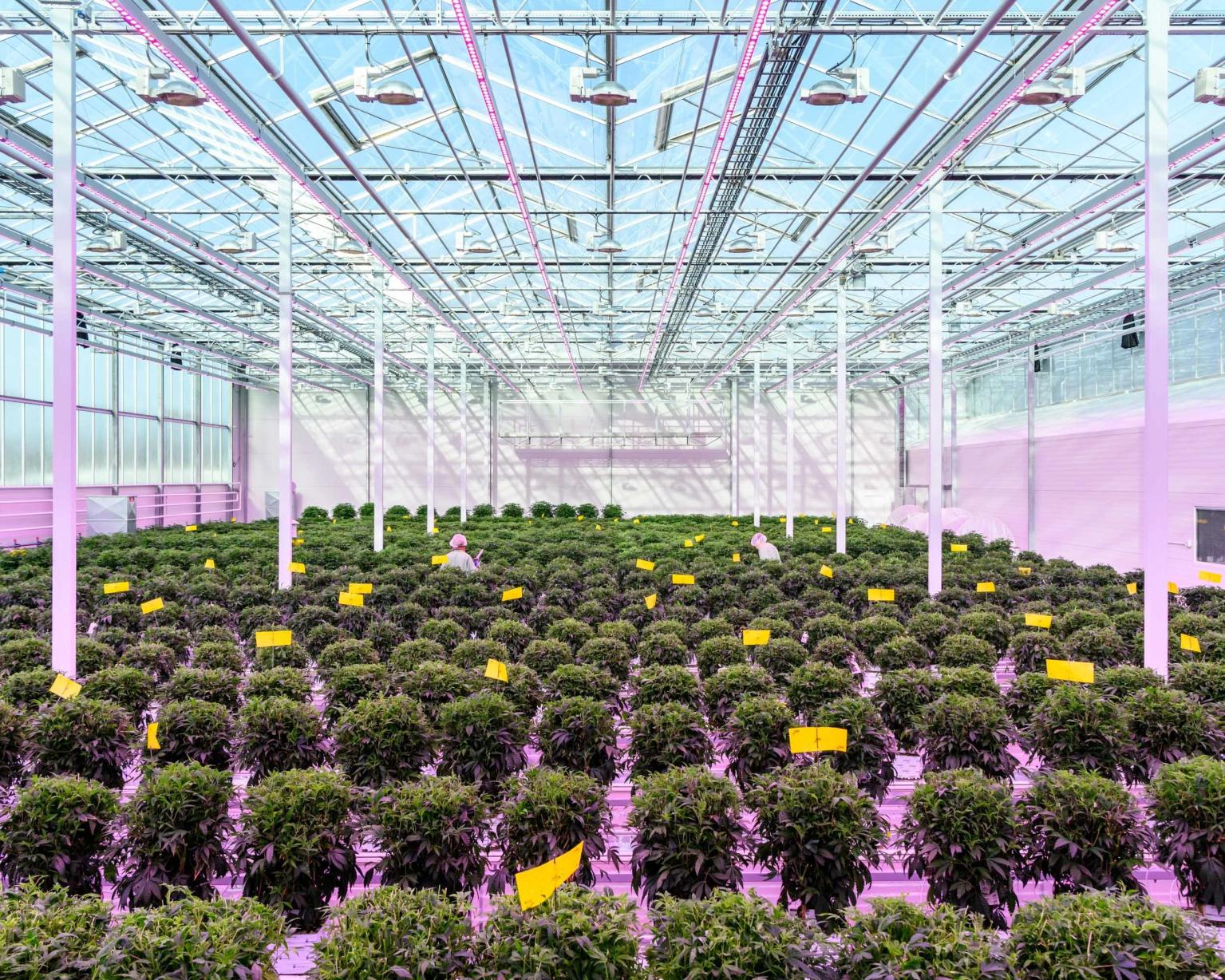
As the project developed, its meaning grew more complex. What began as a fascination with form and structure gradually became a reflection on modern life itself. Wiper’s photographs celebrate human ingenuity, the ability to build machines that can manufacture, transport, and explore. At the same time, they raise questions about overproduction, consumption, and environmental cost.
This tension sits at the core of Unintended Beauty. The images are seductive, even mesmerizing, yet they depict systems that may also be unsustainable. There is a quiet conflict running through the work, admiration for what humanity can create paired with uncertainty about where that creativity is leading.
The title is therefore more than descriptive. It challenges the idea that beauty must be intentional and suggests instead that it can emerge from necessity, complexity, or even excess. In these photographs, ugliness and beauty are not opposites but coexist in the same frame.

Reframing the Industrial Eye
Ultimately, Unintended Beauty is less about machines than about perception. By isolating form, color, and structure, Wiper encourages viewers to reconsider what they overlook. A factory floor, a laboratory, or a production line becomes something else entirely when seen without preconception.
The deeper story is not only how the project was made, but what it reveals. The infrastructures shaping our world are not just functional. They are expressive. They reflect human ambition, priorities, and imagination.
In that sense, the beauty Wiper captures is not accidental at all. It is a byproduct of human invention, visible only once someone decides to truly look.