James Benning
Twenty Cigarettes
- DirectorJames Benning
Luis Rojo How could you not love each and every one of them? Sometimes that cigarette break is enough to get to know someone – or to care for them properly. Big love to James, and to his friends.


Twenty Cigarettes
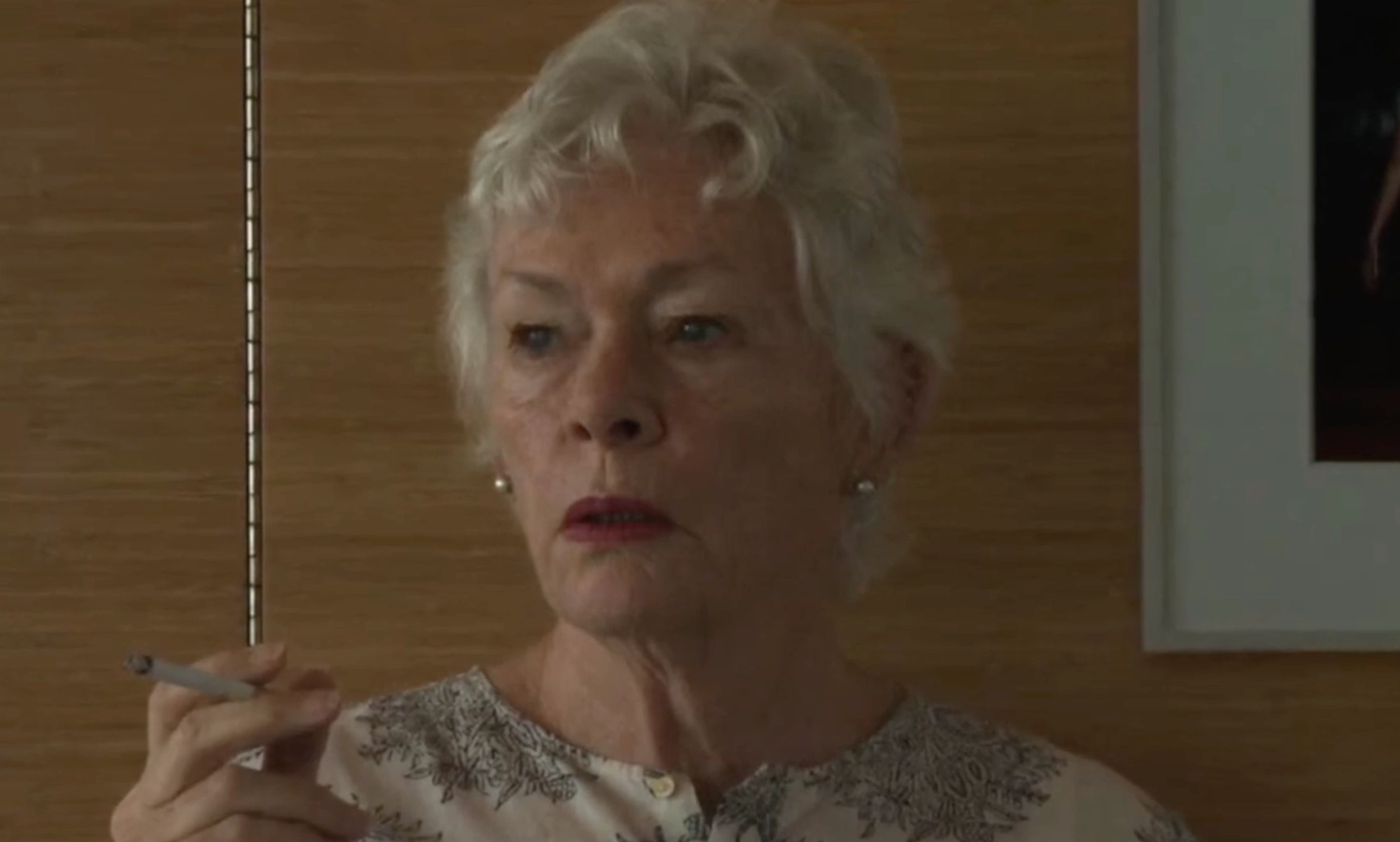
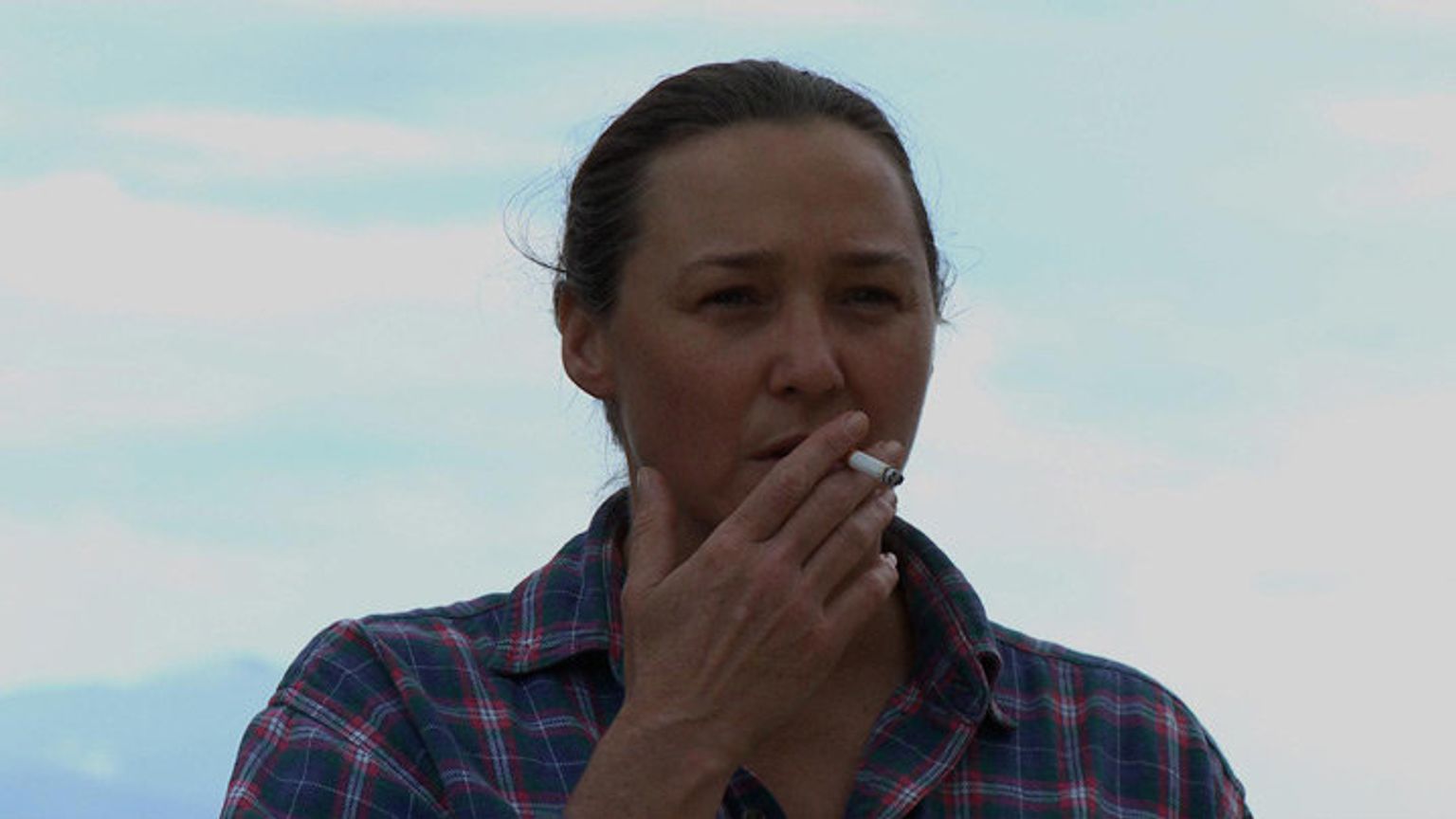
James Benning’s Twenty Cigarettes (2011) is an intimate, durational portrait project that captures twenty individuals, each smoking a single cigarette. The concept is deceptively simple: each shot begins when the cigarette is lit and ends when it is stubbed out, with the duration entirely determined by the smoker. While some participants are familiar figures in avant-garde film circles, including Sharon Lockhart and Thom Andersen, most are ordinary individuals encountered by Benning on his travels.
Over the course of nearly 100 minutes, the film observes the subtle gestures, idiosyncrasies, and rhythms of its subjects, offering a meditation on time, attention, and the human body. The act of smoking, often associated with ritual, pause, and reflection, becomes a vehicle for exploring presence, individuality, and cinematic observation.




Cinematography and Formal Approach
True to Benning’s structuralist and minimalist style, Twenty Cigarettes employs fixed, static camera setups that foreground the subject while stripping away extraneous distractions. Each frame situates the smoker within a controlled environment – walls, shelves, parks, urban spaces, and interiors – with attention paid to how smoke moves unpredictably, contrasting the deliberate posture of the individual. Lighting is natural and even, and sound, while subtle, often anchors the viewer in the environment.
The film emphasizes duration as a structural element, echoing Benning’s earlier works such as RR (2008) and Ten Skies, where external phenomena – trains, landscapes, skies – dictated shot length. Here, human participants assume that temporal authority, turning the mundane act of smoking into an experiment in cinematic temporality. Occasional deviations, like an offbeat cut or incidental off-screen sound, demonstrate Benning’s playful subversion of his own rules, keeping the viewer engaged in a subtle tension between expectation and observation.
Benning as Educator and Filmmaker
James Benning, born 1942, is an American independent filmmaker celebrated for his precise and contemplative explorations of landscape, time, and social space. Over a career spanning four decades, he has made more than twenty-five feature-length films, often blurring the boundary between documentary and experimental cinema. At CalArts, where he has taught since 1987, Benning has influenced generations of avant-garde filmmakers, instilling a rigorous awareness of rhythm, composition, and temporality.
Twenty Cigarettes exemplifies his pedagogical principles: by turning control over shot duration to his subjects, Benning encourages an improvisational collaboration that respects their agency while maintaining his overarching conceptual framework. The film’s inclusion of colleagues and friends underscores Benning’s dual roles as both mentor and peer in the experimental film community.








Cultural Resonance
While minimal in action, Twenty Cigarettes expands the boundaries of portraiture and durational cinema. Critics have noted its affinities with Warhol’s Screen Tests and the Hollywood iconography of smoking, yet the film avoids nostalgia, instead situating its subjects within a quiet, contemporary observational mode. By emphasizing human presence over narrative, Benning creates an anti-portraiture that foregrounds subtle gestures, facial expressions, and bodily rhythms as sites of cinematic attention.
The film’s international scope, from Montreal to Seoul, Bangkok to Mexico City, marks a shift toward a globally resonant practice, and its accessibility makes it an entry point for audiences less familiar with his more challenging industrial or landscape-focused works. Twenty Cigarettes stands as a meditation on time, presence, and the cinematic gaze – a quietly revolutionary work that transforms ordinary acts into a reflective, almost ritualistic study of being.