
Kata Geibl
There is Nothing New Under the Sun
- PhotographerKata Geibl
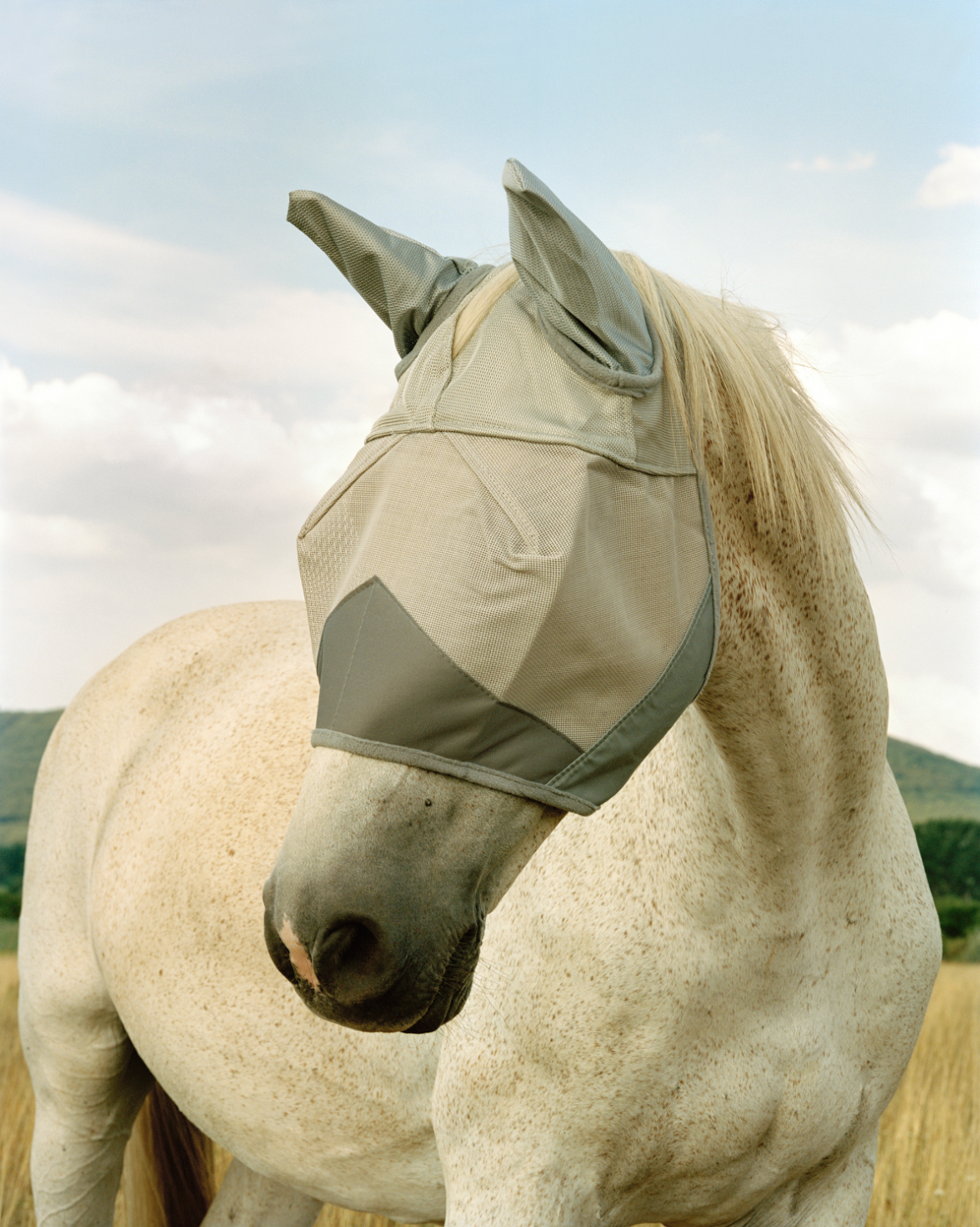
CURIN Paris Photo Highlight - Love these two images by Hungarian photographer Kata Geibl, from her book project There Is Nothing New Under the Sun. The beautiful light, atmosphe and the carefully arranged compositions giving even the most unsettling subjects an almost dreamlike quality.


There Is Nothing New Under the Sun
Hungarian photographer Kata Geibl creates carefully constructed images that explore the contradictions of contemporary life. Drawing on her background in liberal arts, philosophy and cultural studies, she approaches photography as a way of questioning the systems and narratives that shape our understanding of the world. Her work moves between documentary, staged imagery and visual allegory, creating scenes that often appear idyllic or familiar at first glance, but gradually reveal something more unsettling. With a distinctive cinematic quality, Geibl uses photography to address subjects that are difficult to grasp directly, from capitalism and individualism to humanity's relationship with the natural world.
Published by VOID in 2022, There Is Nothing New Under the Sun is her first monograph and an ambitious visual examination of the ideology underpinning contemporary capitalism. Through an unexpected collection of images, Geibl juxtaposes melting glaciers, controlled animals, monumental architecture, financial districts and almost classical representations of athletic bodies. Each photograph functions as a visual metaphor, creating connections between seemingly unrelated subjects and exposing the values hidden beneath our everyday understanding of progress, achievement and abundance.
The book combines meticulously composed photographs with personal texts, short stories and image pairings, allowing a narrative to emerge without following a conventional documentary structure. There is a peculiar beauty to the imagery, with warm pastel colours, soft natural light and carefully arranged compositions giving even the most unsettling subjects an almost dreamlike quality. This visual seduction is intentional. Beneath the beautiful surfaces lies a more ambiguous world, shaped by competition, exploitation and the environmental consequences of human ambition. Rather than offering clear conclusions, Geibl leaves the viewer to navigate the contradictions, inviting us to question the systems we have inherited and our own place within them.