
Mamma Andersson
The work of
- ArtistMamma Andersson
- PublisherStudio Atlant
TROELS CARLSEN So melancholic and undeniably Scandinavian - as important as the well-known great 20th-century European artists. This book is a beauty, made by the great Studio Atlant.


A Painter in Conversation with Space
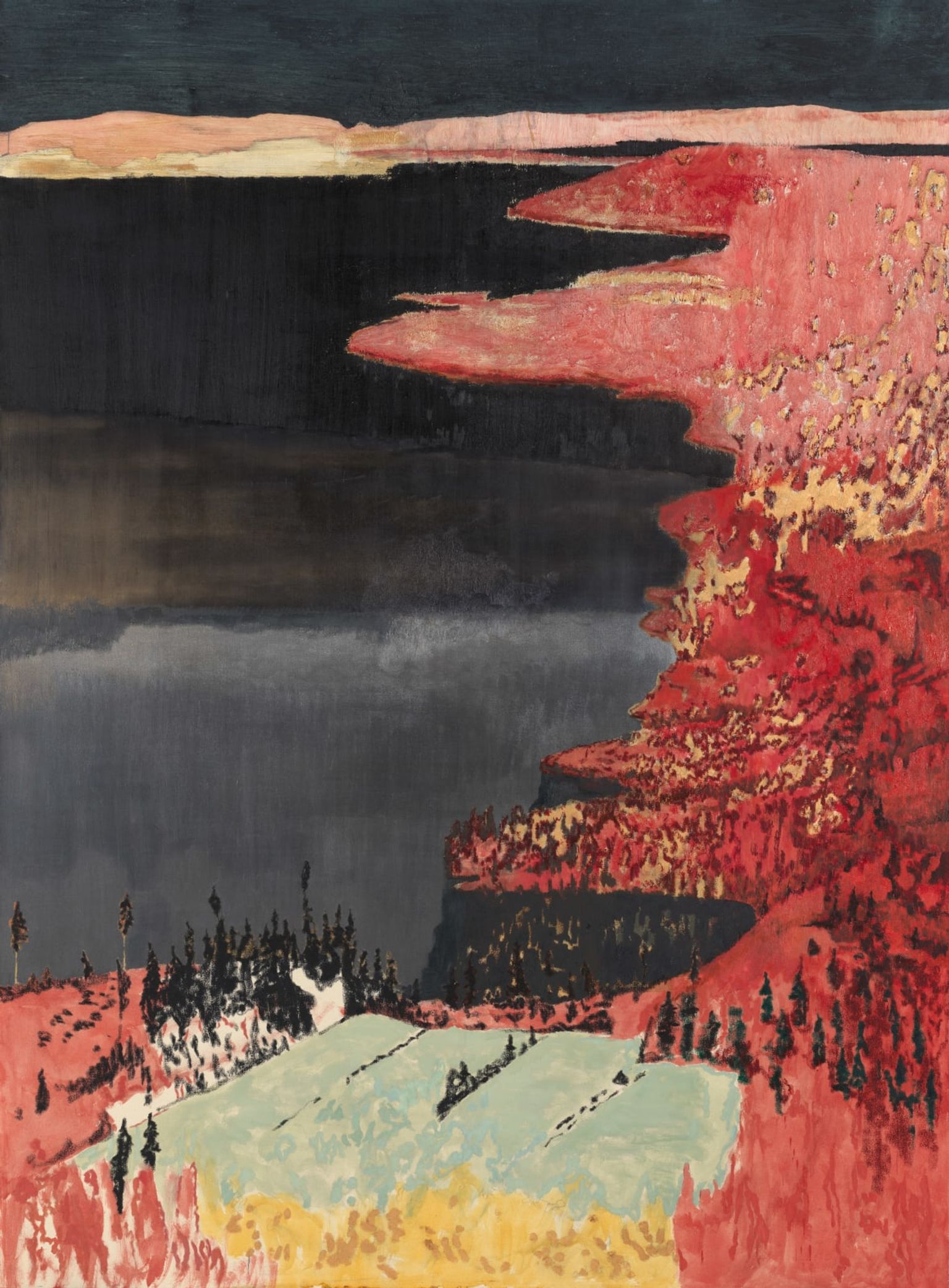
When Mamma Andersson’s work entered the galleries of Louisiana Museum of Modern Art, it did not arrive as a simple retrospective. The exhibition was conceived as a dialogue between her paintings and the museum’s distinctive architecture, where light, landscape, and interior space constantly interact. Andersson’s images of rooms, forests, and stages seemed to extend naturally into Louisiana’s glass corridors and views of the sea.
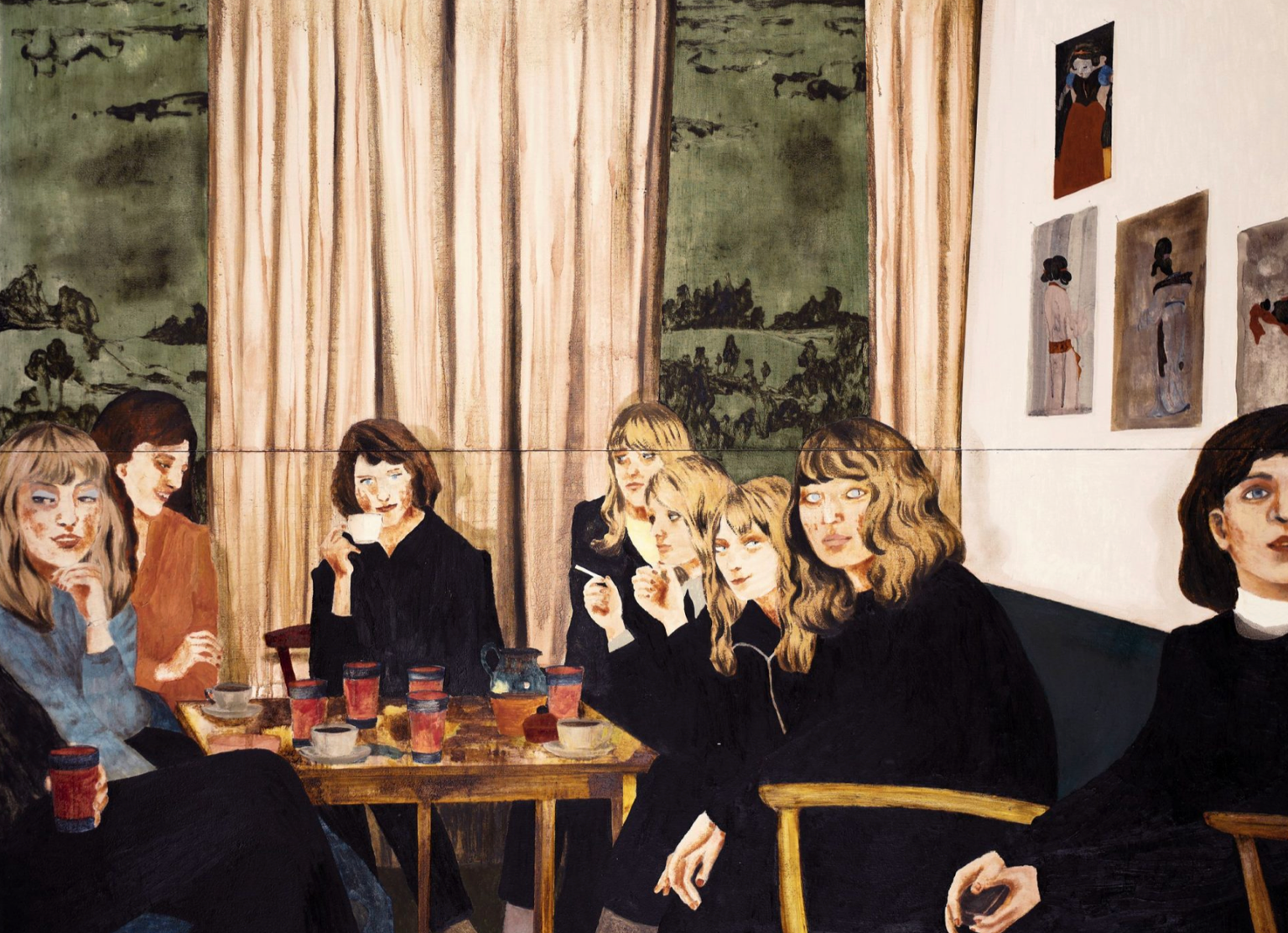
The idea behind the exhibition was to emphasize how her paintings already behave like spaces you can step into. Curtains, doorways, and empty chairs recur in her work, suggesting scenes that are paused rather than finished. At Louisiana, these motifs gained a physical counterpart in the museum itself, turning the visit into a slow walk through painted and real rooms at once.

Images Built from Memory and Theatre
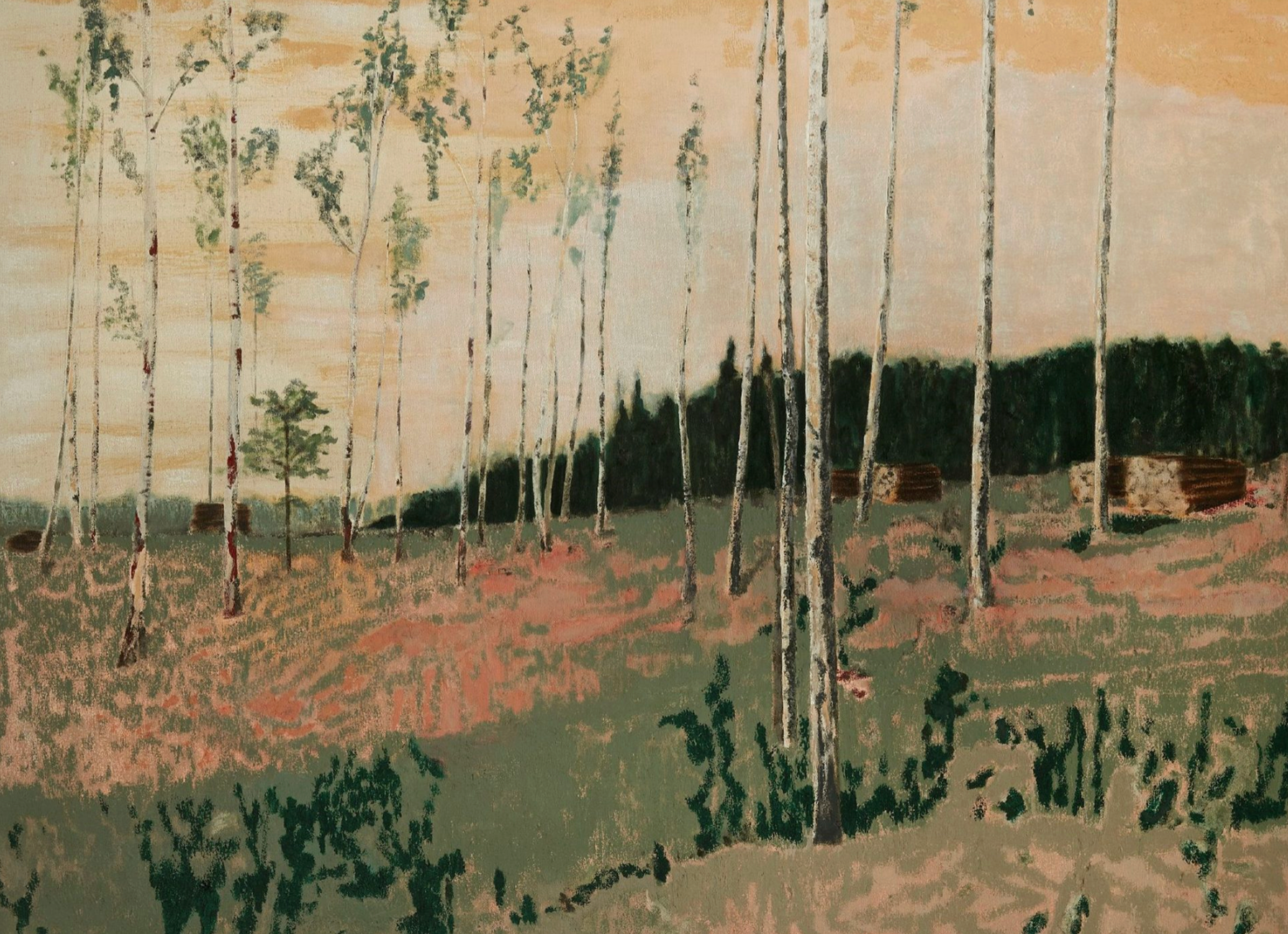
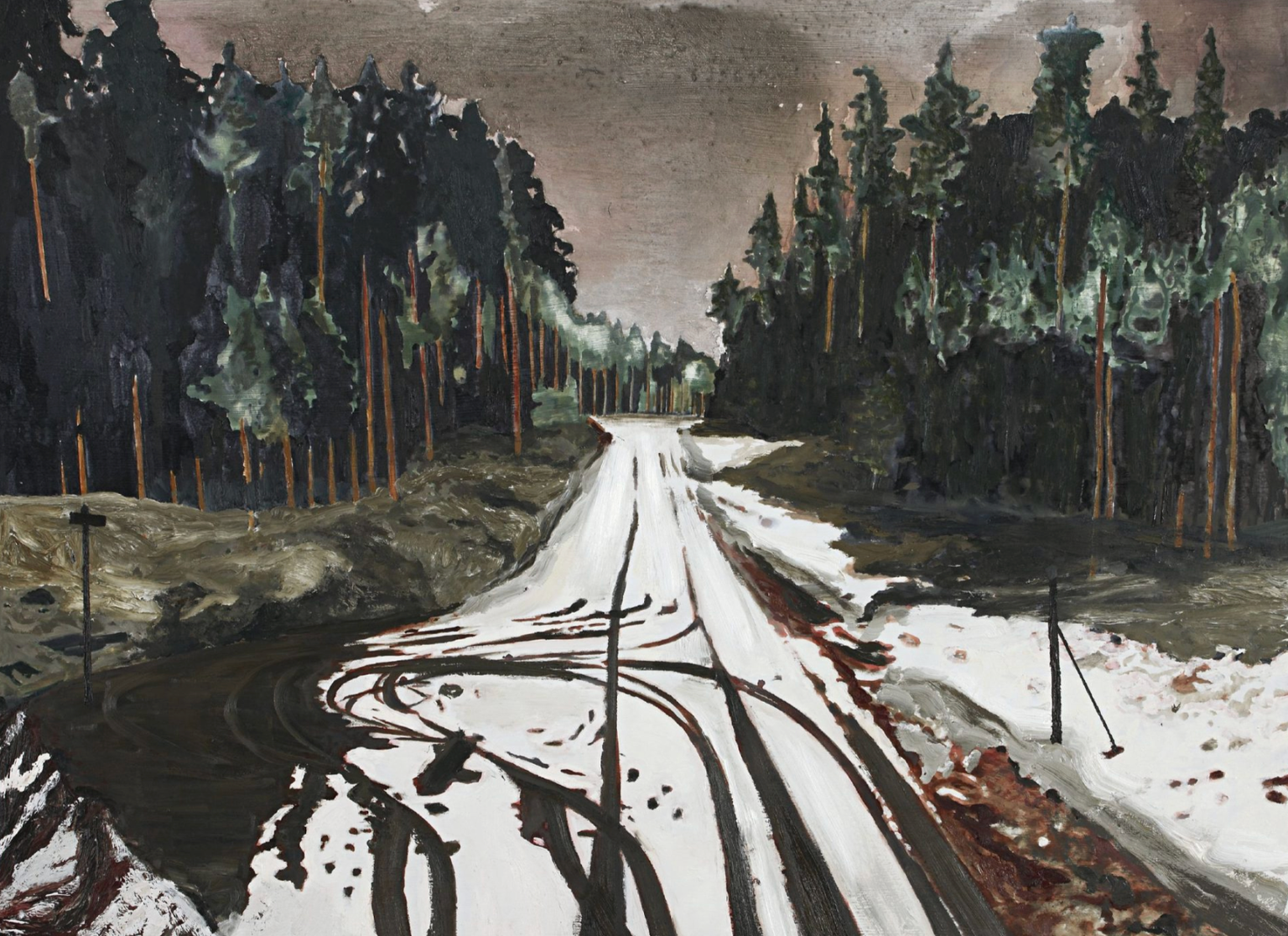
Andersson’s paintings often look like fragments from plays or old films. They draw on Scandinavian folk imagery, modernist stage design, and art history, especially Romantic and Symbolist traditions. For the Louisiana exhibition, the selection focused on this theatrical quality. The curators highlighted how her landscapes resemble sets and how her interiors feel staged for something that never quite happens.
The story behind the exhibition lies in Andersson’s long interest in how we remember places. None of her spaces are direct portraits of real locations. They are assembled from sketches, photographs, and reproductions, filtered through time and imagination. At Louisiana, this method was mirrored by hanging works from different periods together, allowing motifs to echo across years and rooms.


A Catalogue as an Extension of the Exhibition
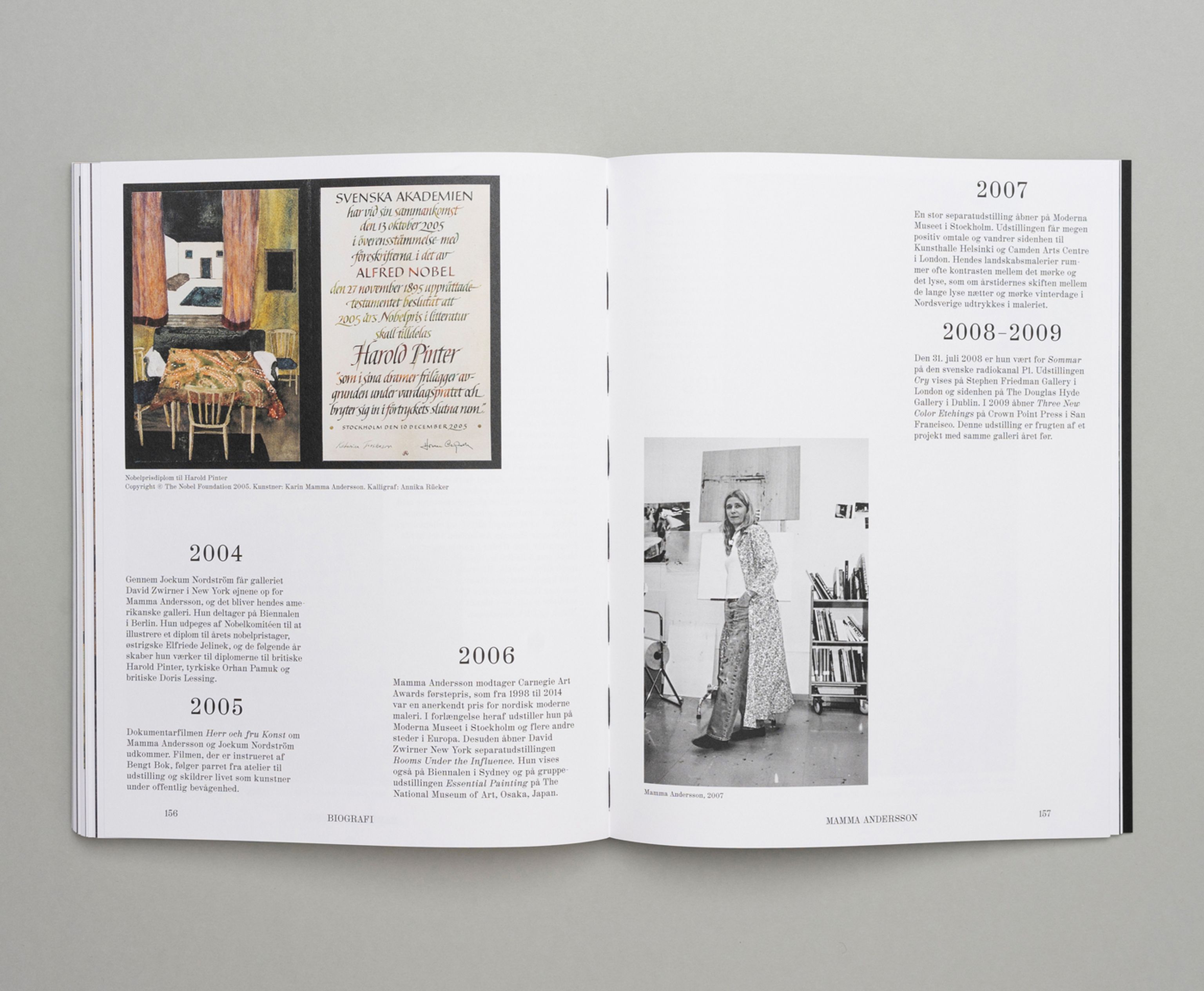
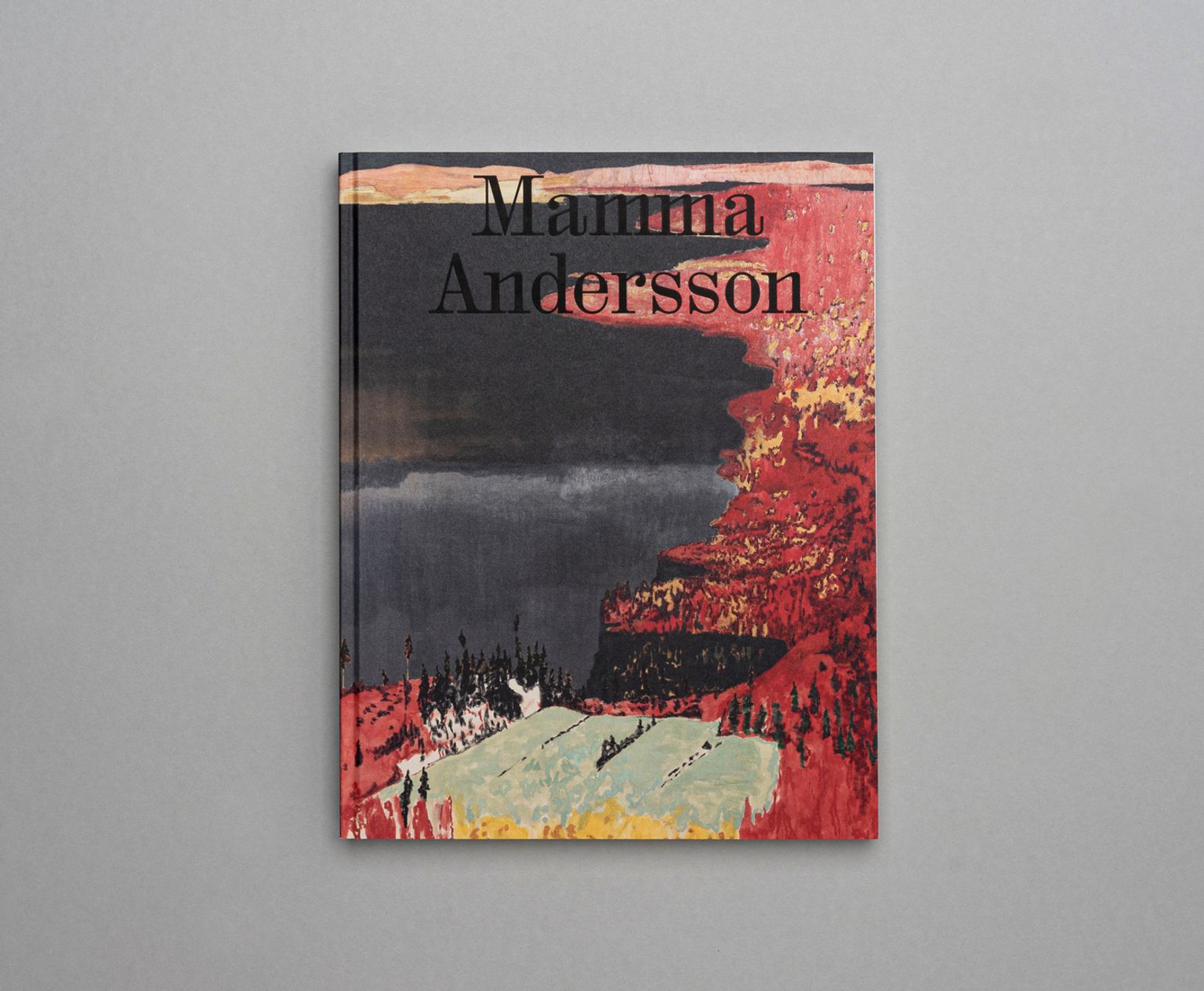
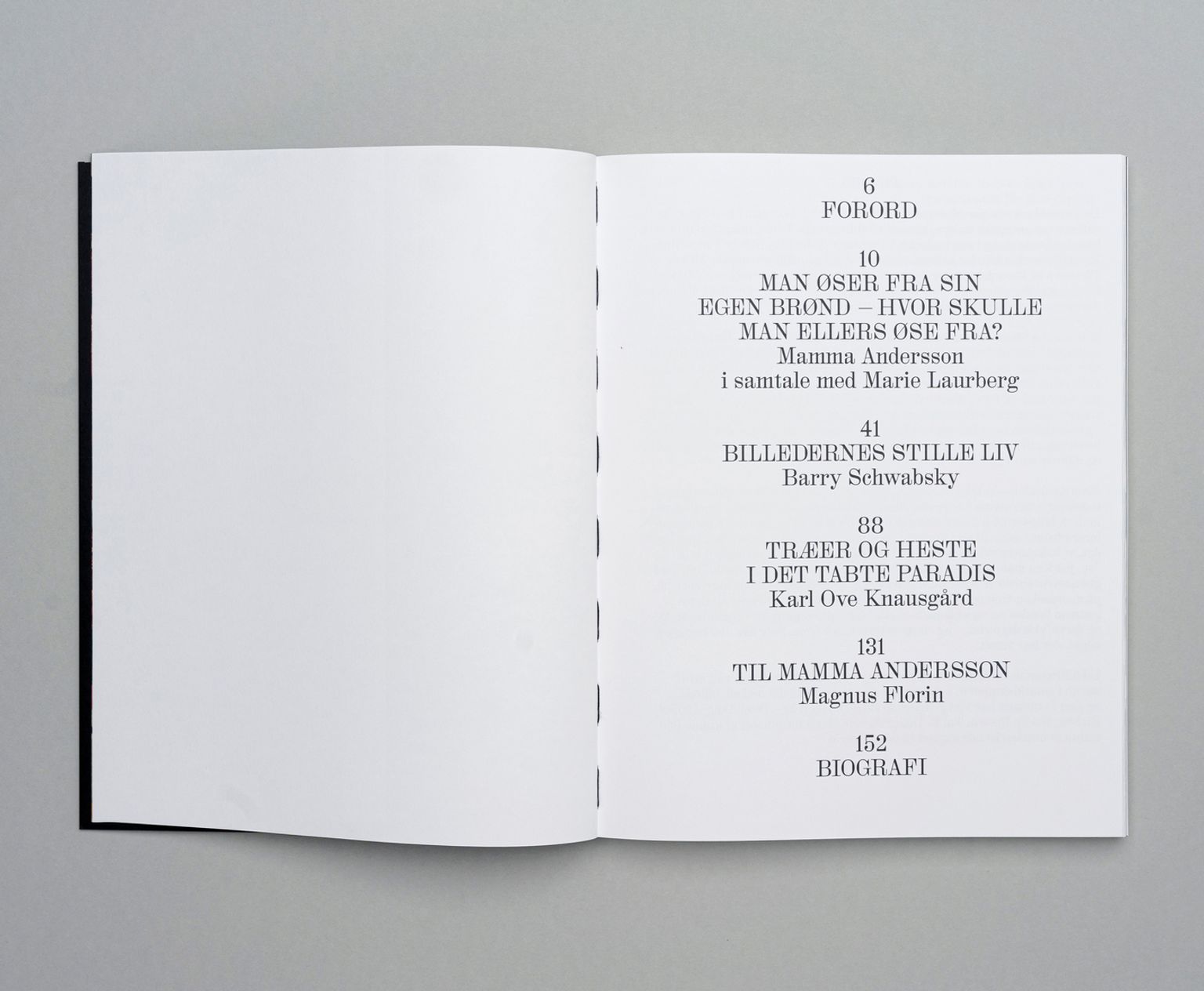
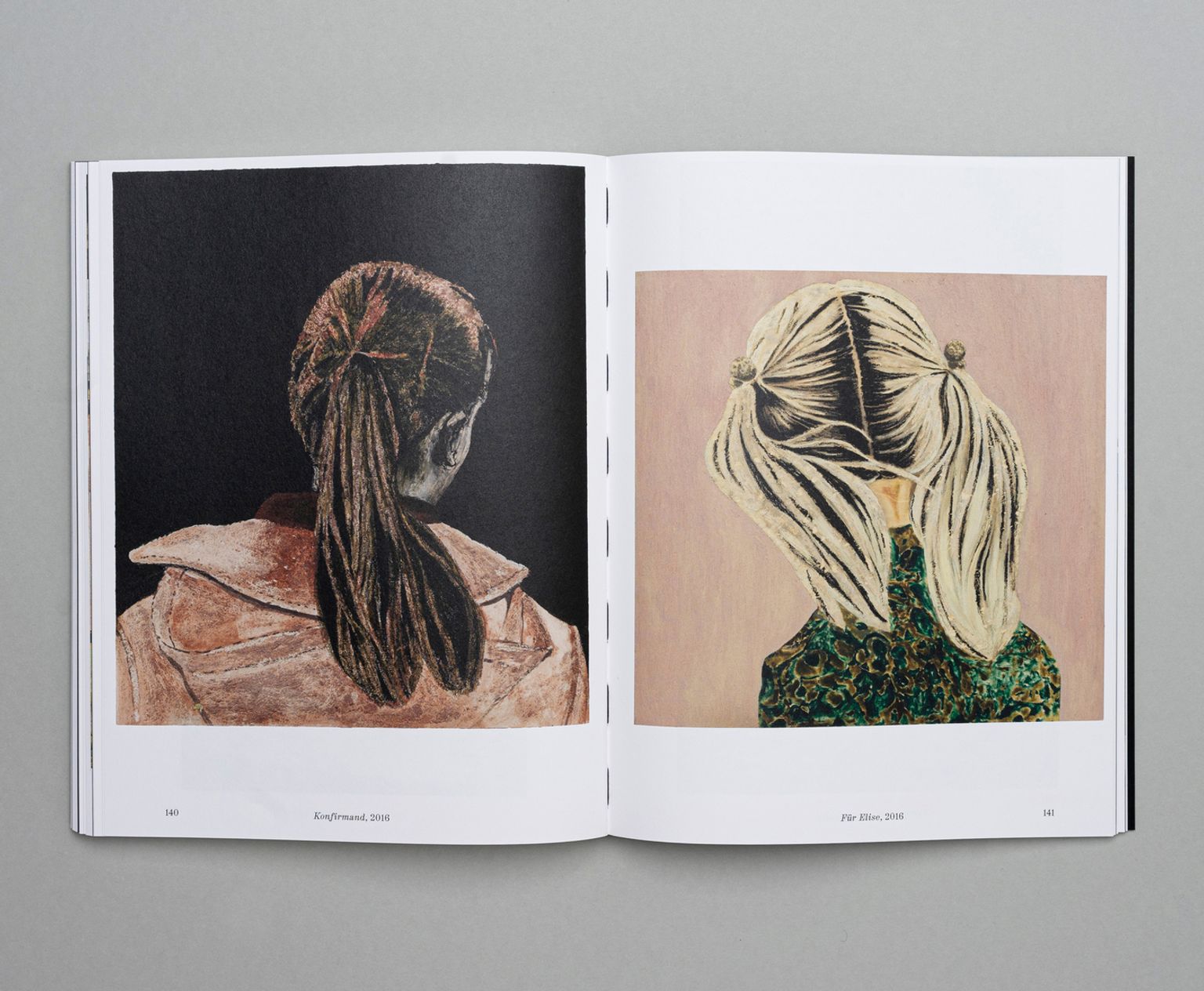
Rather than functioning only as documentation, the catalogue produced by Studio Atlant was designed as a parallel experience to the show. Studio Atlant treated the book not as an archive but as a space in its own right. The pacing of images, the scale of reproductions, and the use of blank pages were meant to recreate the rhythm of walking through the galleries.
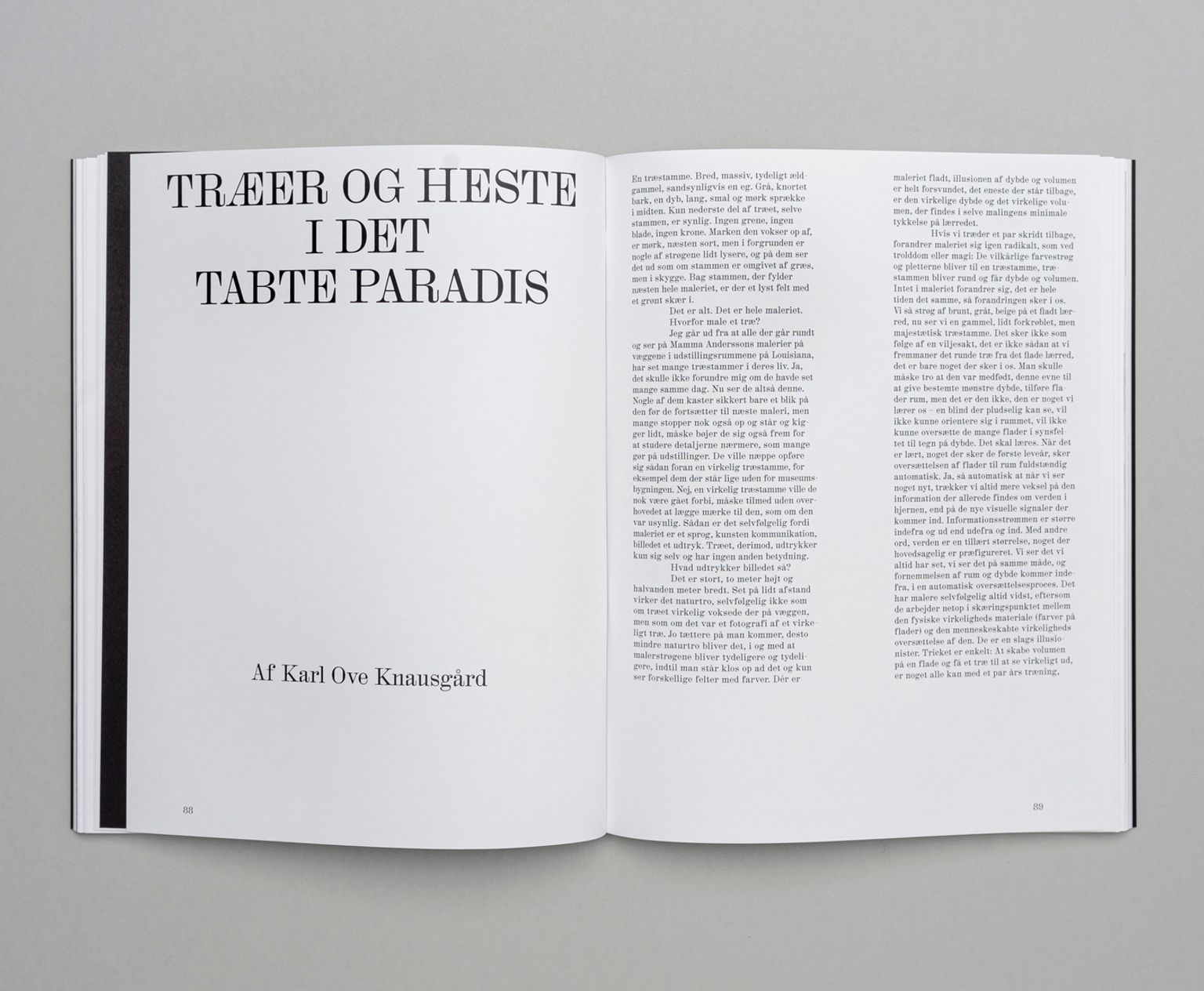
The catalogue emphasizes atmosphere over chronology. Paintings appear in unexpected sequences, sometimes grouped by color or mood rather than by year. This approach reflects Andersson’s own way of working, where images emerge from associations rather than linear plans. Essays and visual sections are given equal weight, allowing theory and sensation to coexist.


Design as Interpretation
Studio Atlant’s role was not only technical but interpretive. The designers responded to Andersson’s muted palette and layered surfaces with restrained typography and careful spacing. The paper and printing choices were meant to echo the density of paint and the softness of her tones.
In this way, the catalogue becomes part of the artistic project. It does not explain the paintings so much as slow the reader down, encouraging looking rather than reading quickly. The book shares the same quiet tension as the exhibition itself, between narrative and stillness.
Why This Collaboration Matters
The story behind Mamma Andersson’s Louisiana exhibition and the Studio Atlant catalogue is ultimately about translation. Paintings were translated into architectural experience, and that experience was translated into a book. Each step added another layer of interpretation without fixing meaning.
Like Andersson’s images, both exhibition and catalogue resist clear conclusions. They offer scenes without answers and spaces without occupants. Together, they form a portrait of an artist who paints not what is seen, but what lingers.