
Pieter Bruegel
The Tower of Babel
- ArtistPieter Bruegel
DUSTIN YELLIN Sci-fi ladder to the cosmos


The Tower of Babel
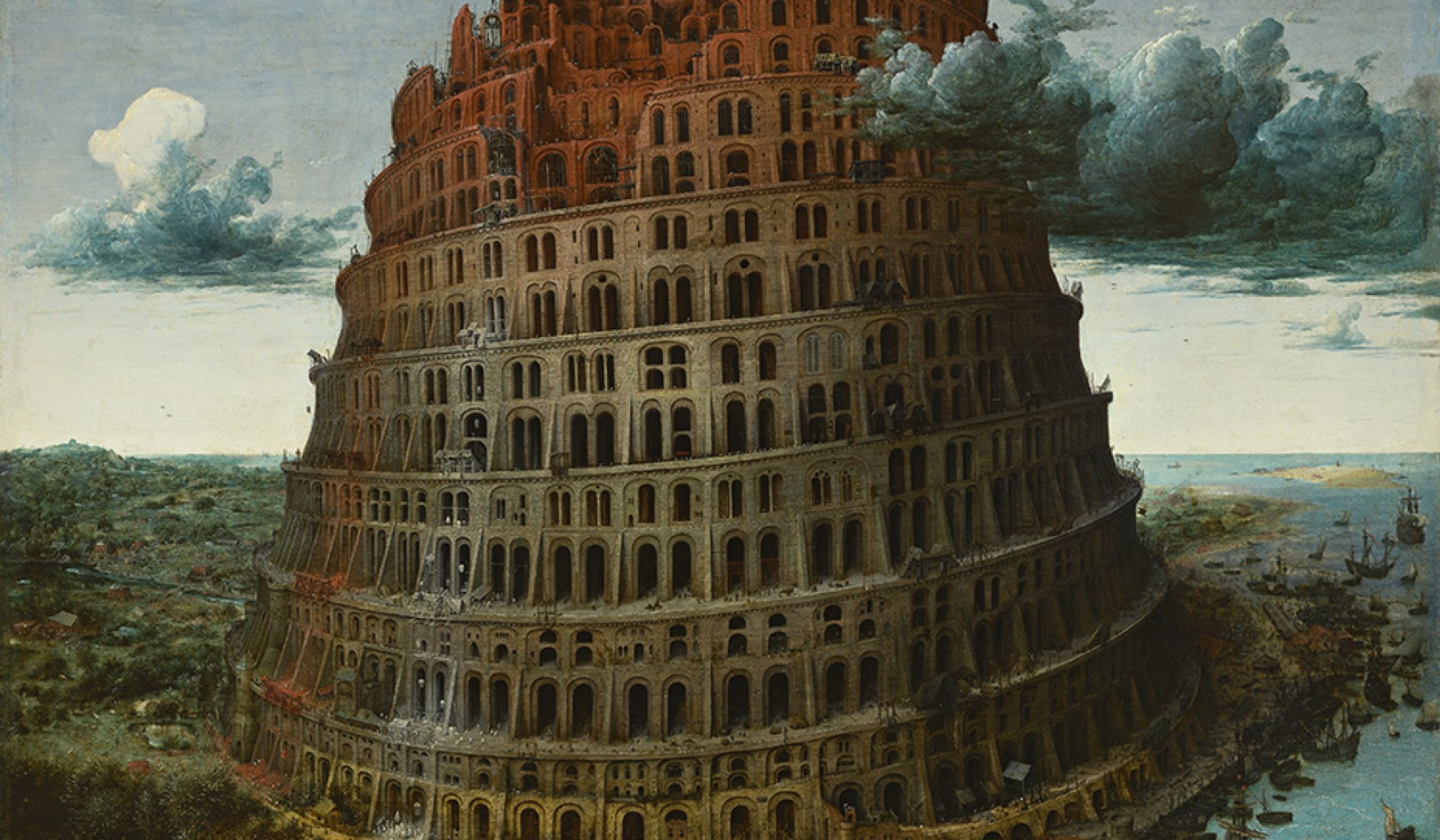
The Tower of Babel, painted in 1563 by Pieter Bruegel the Elder, is a remarkable and deeply symbolic work that brings the biblical story of human ambition and divine intervention vividly to life. Rather than simply illustrating the tale from Genesis, Bruegel transforms it into a complex reflection on society, power, and the limits of human achievement.
A Monument of Ambition and Power
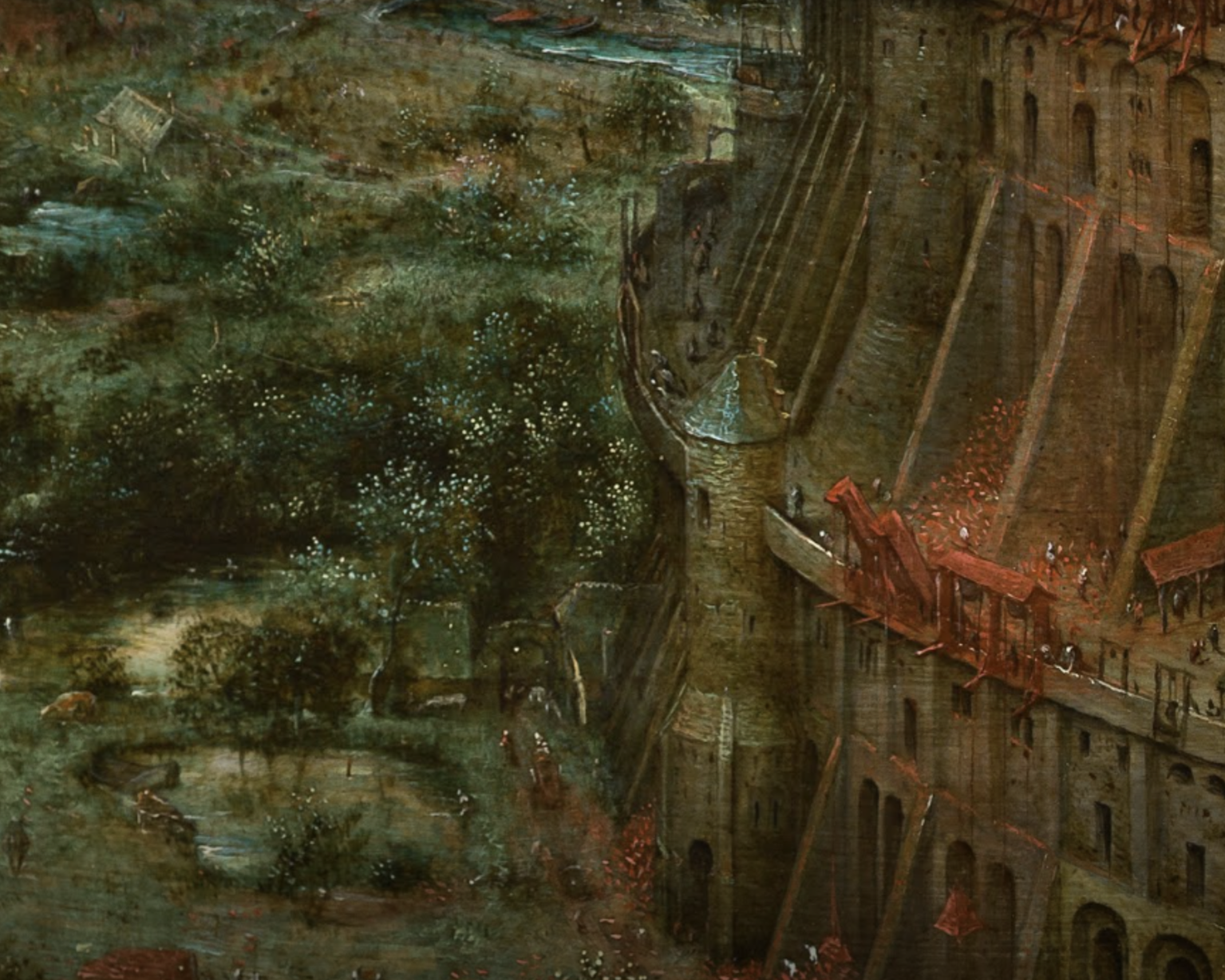
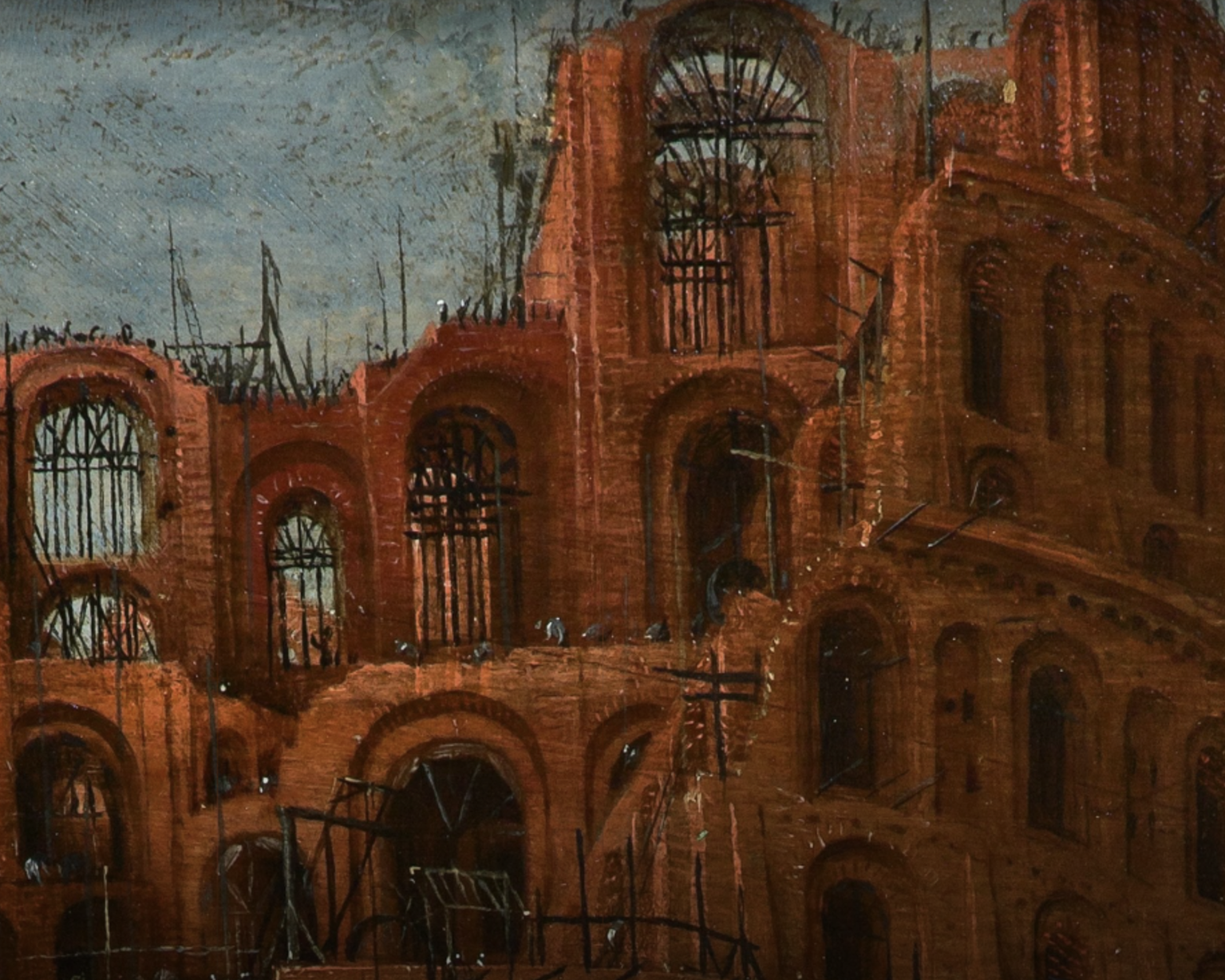
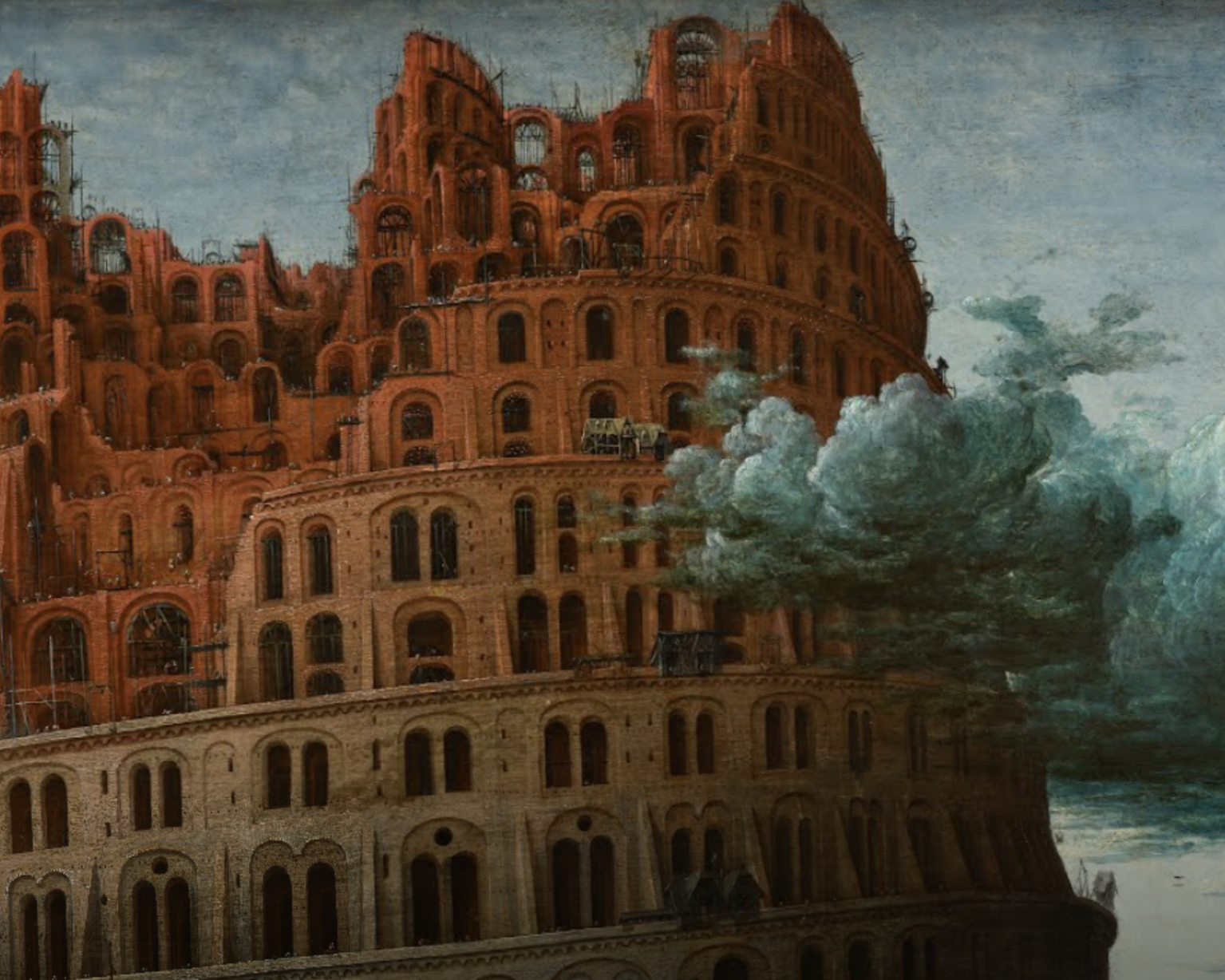
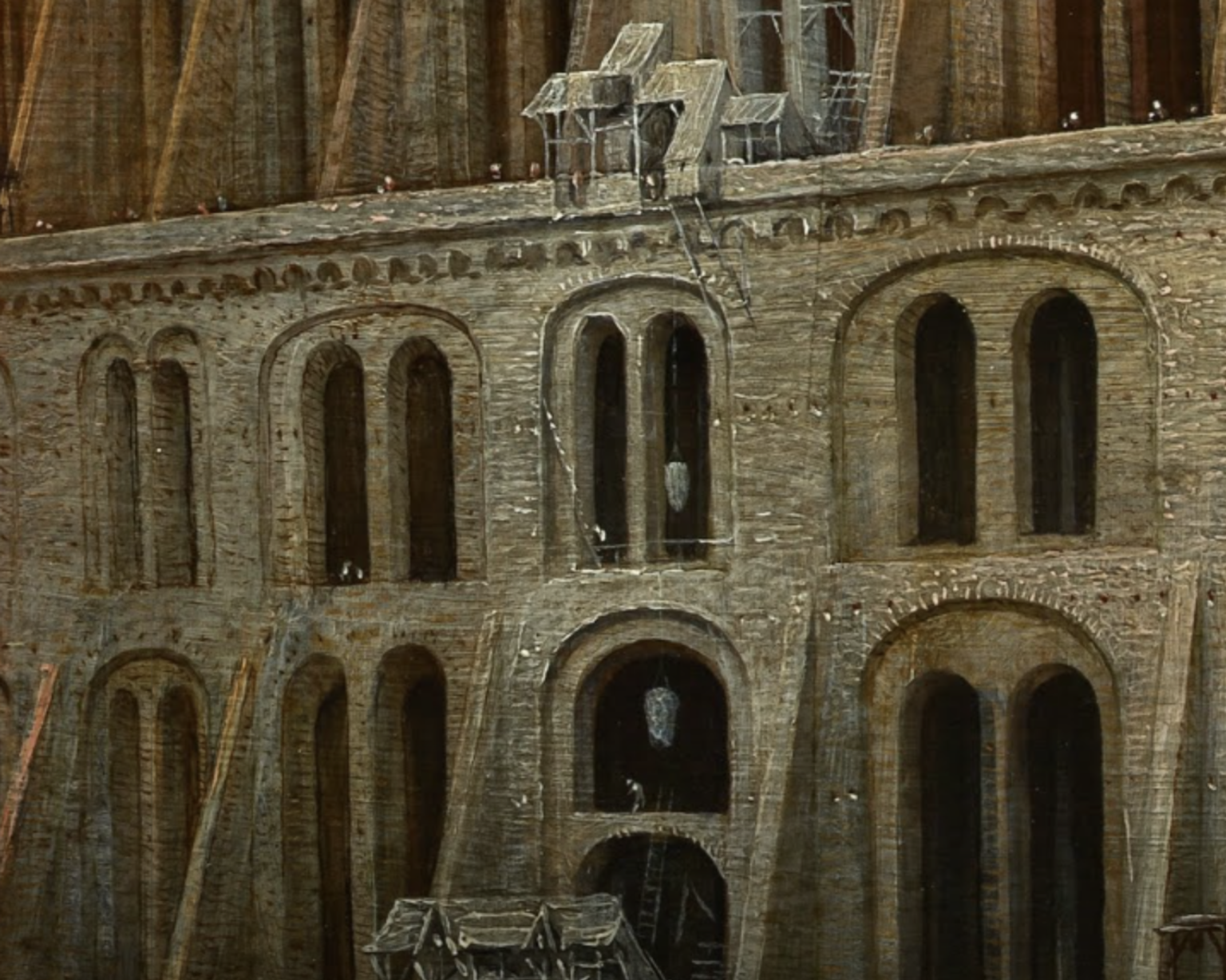
At the center of the painting stands the enormous tower, rising in spiraling layers that seem to stretch endlessly into the sky. Its design is reminiscent of the Roman Colosseum, linking the biblical narrative to the grandeur and hubris of the Roman Empire. The scale is overwhelming, dwarfing the surrounding city and landscape. Hundreds of tiny figures are scattered across the structure, each engaged in labor, from hauling materials to constructing arches. This meticulous attention to detail emphasizes both the collective effort behind the tower and the almost obsessive drive to complete it. The inclusion of a ruler, often interpreted as King Nimrod, adds a political dimension, suggesting that ambition is not only human but also tied to authority and control.
Fragility Beneath the Surface
Despite its impressive scale, the tower reveals clear signs of instability. Some sections appear unfinished, while others seem poorly supported, hinting that the structure is already doomed. Bruegel subtly shows that the foundation itself may be flawed, an architectural metaphor for the moral weakness underlying the project. The workers continue their tasks, seemingly unaware of the impending failure, which adds a sense of dramatic irony. In contrast, the town below appears calm and functional, with ships in the harbor and daily life continuing as normal. This juxtaposition highlights the difference between sustainable human activity and reckless overreach.
A Reflection on Human Limits
Bruegel’s interpretation goes beyond a simple religious message. The painting becomes a broader commentary on communication, cooperation, and the consequences of pride. According to the biblical story, God confuses the languages of the builders, bringing the project to a halt. Although this moment is not directly depicted, its presence is strongly implied in the tension of the scene. The tower stands as both an achievement and a warning, illustrating how human ingenuity can be undermined by its own excess.
In the end, the painting invites viewers to reflect on their own societies and ambitions. The Tower of Babel is not just a story from the past, but a timeless symbol of humanity’s desire to surpass its limits and the risks that come with it.