Frederick Wiseman
The Store
- DirectorFrederick Wiseman
- Cinematographer John Davey
- StarringArt Buchwald and Lady Bird Johnson
AMANDA KRASS Documentarians who peddle true crime smut and talking head torture should be forced to sit through this exquisite observation as they feel the deepest humility and self-loathing while watching. wiseman was IT - he was simply IT - and his secret boldness always lied in his complete confidence that the rhythm of reality will hypnotize and fascinate you. he was fucking right! no voiceover, no interviews, just shoppers and sellers, boardroom brains and salesfloor skill-building at the dallas neiman marcus. luxury as lifestyle, retail as therapy, it's all here; gorgeously displayed in a department store lost to time and the online. i cry at the everyday doings of this immaculate dignity.
Inside the World of The Store
Released in 1983, The Store is Frederick Wiseman’s landmark documentary set inside the flagship Neiman Marcus department store and its corporate headquarters in Dallas, Texas. Filmed during the four weeks between Thanksgiving and Christmas 1982, the film captures one of the busiest periods in the retail calendar. Rather than following a central character or storyline, Wiseman maps the rhythms of an entire institution, revealing the people, processes, and decisions that sustain a world built around luxury. Through its patient observation of everyday operations, the film becomes a revealing portrait of American consumer culture at work.

A Portrait of Consumption
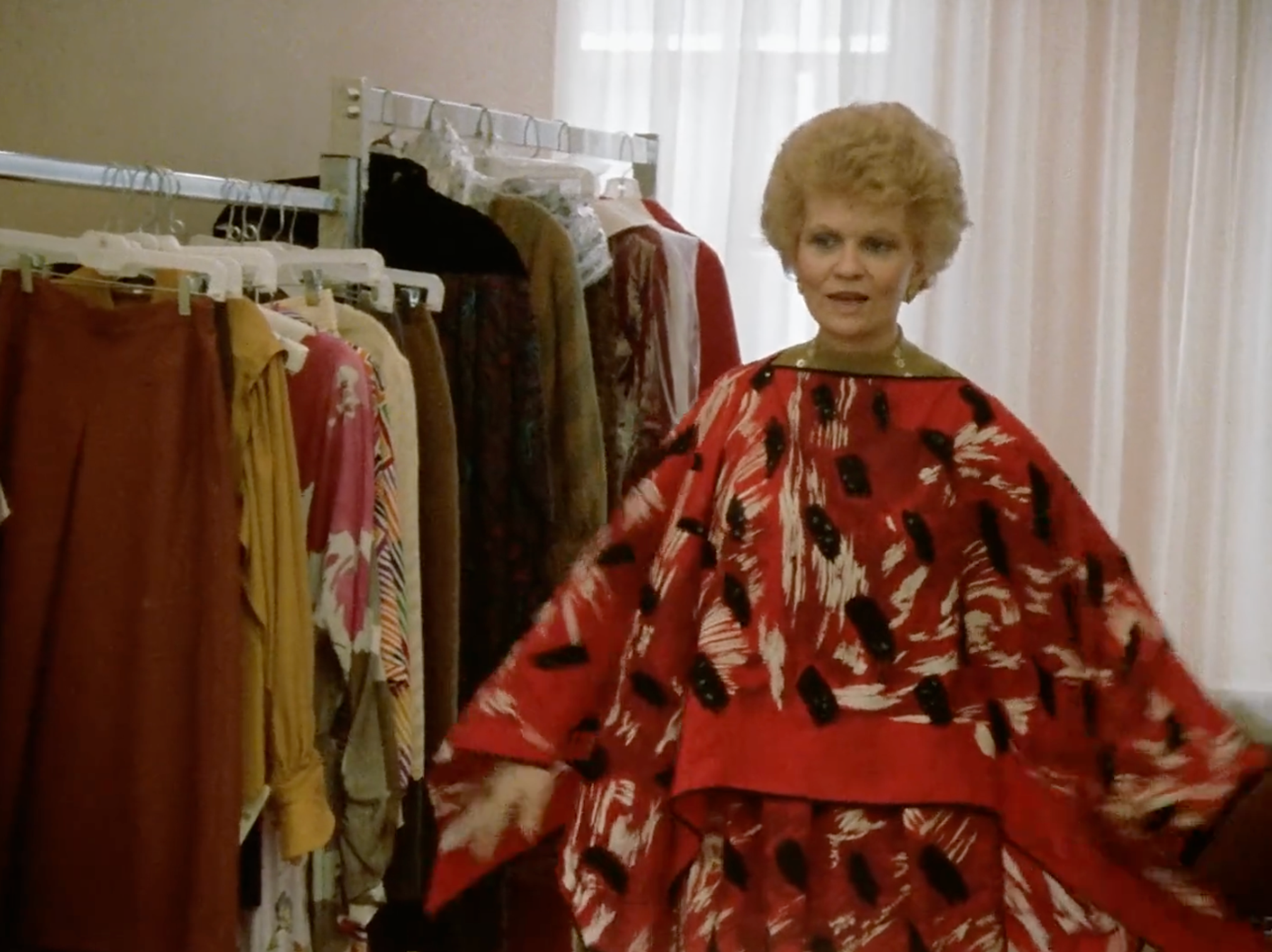
At the heart of The Store is an exploration of how desire is created and transformed into commerce. The film moves between sales floors, fitting rooms, advertising discussions, executive meetings, and customer interactions, exposing the intricate systems behind the sale of luxury goods. Whether showcasing designer fashion, jewellery, cosmetics, or fur coats, Wiseman demonstrates how products acquire meaning through presentation, marketing, and performance. What emerges is a study of aspiration itself, revealing the relationship between wealth, image, and consumption in contemporary America.

Frederick Wiseman
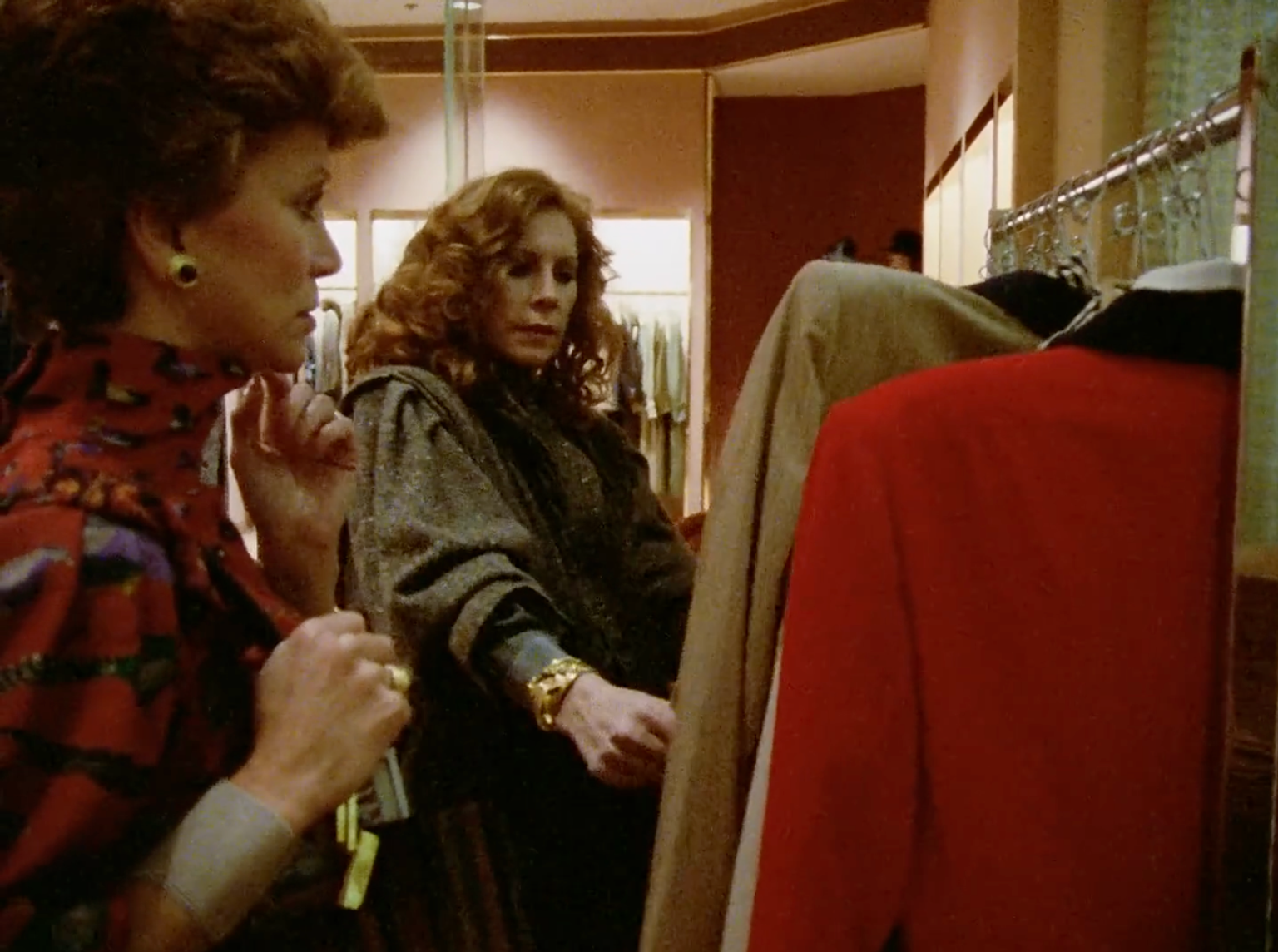
Few filmmakers have had a greater impact on documentary cinema than Frederick Wiseman. Born in Boston in 1930, he spent more than fifty years documenting the institutions that shape public and private life. His films examine schools, hospitals, welfare offices, libraries, museums, government bodies, and cultural organisations, creating a vast portrait of modern society. Widely regarded as one of the most influential documentary filmmakers of all time, Wiseman was celebrated for his ability to uncover complex social dynamics through observation alone. His work remains a defining reference point for generations of filmmakers interested in the relationship between individuals and the systems that surround them.
An Unscripted Approach
A defining feature of Wiseman’s practice is his refusal to use interviews, narration, title cards, or explanatory commentary. Instead, he places viewers directly within the environments he films, allowing events to unfold in real time. This observational approach creates an unusual sense of intimacy, granting access to conversations and situations that would normally remain unseen. In The Store, meetings about marketing strategies sit alongside sales demonstrations, employee training sessions, and spontaneous interactions between staff and customers. Through careful editing, these seemingly separate moments gradually form a larger picture of how the institution functions.

Behind the Scenes
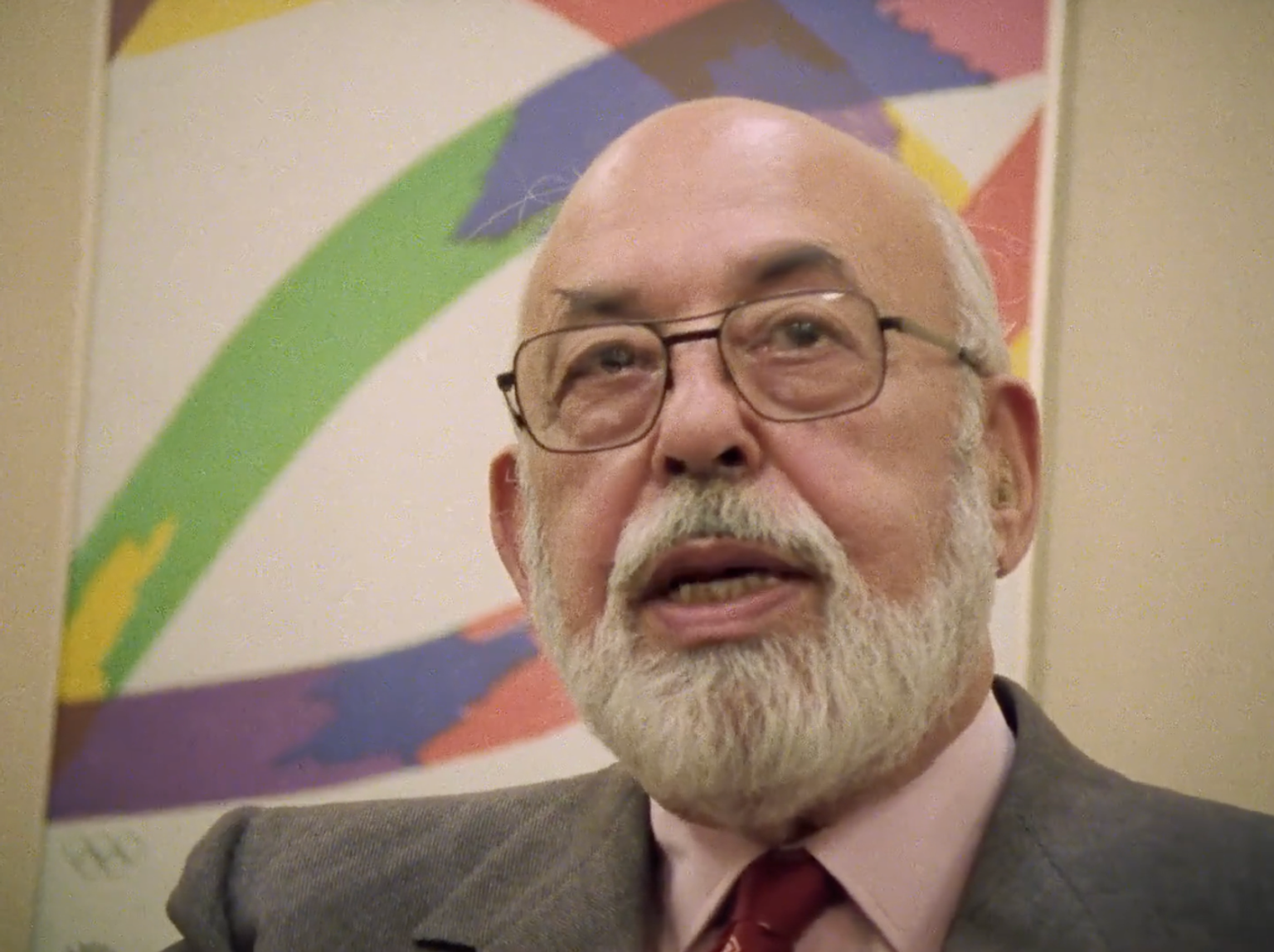
The making of The Store followed Wiseman’s longstanding interest in examining the structures that organise everyday life. The project grew out of ideas he had explored in his earlier documentary Model (1981), which investigated the fashion and advertising industries. Here, he expanded that inquiry to focus on the mechanisms of retail itself. The film also marked an important moment in his career as his first feature-length documentary shot in colour. With remarkable access to both the public and private spaces of Neiman Marcus, Wiseman was able to document everything from executive decision-making to the smallest details of customer service, revealing the many layers involved in creating a luxury shopping experience.

Form, Space, and Performance
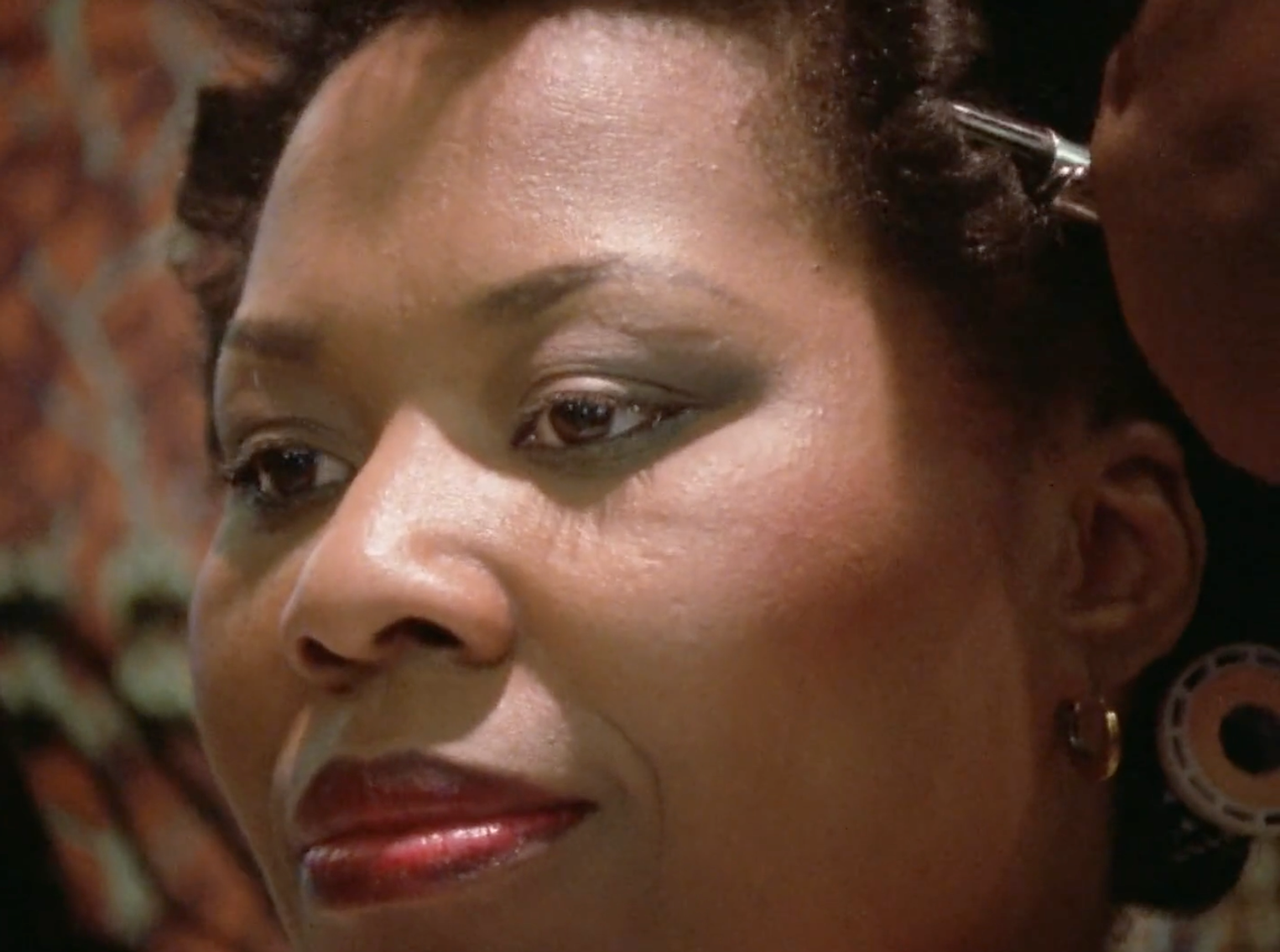
Throughout the film, the department store becomes a stage where countless forms of performance take place. Employees rehearse sales techniques, executives refine marketing campaigns, and customers navigate carefully designed displays intended to attract attention and encourage spending. Wiseman’s camera pays close attention not only to people but also to the architecture and atmosphere of the store itself. Escalators, display windows, mirrors, and showrooms become recurring visual motifs, reinforcing the sense that every aspect of the environment has been designed to influence behaviour. The result is both a sociological study and a richly detailed portrait of a particular place and moment in time.
Legacy
More than forty years after its release, The Store remains one of Wiseman’s most insightful examinations of American life. Beyond its depiction of luxury retail, the film offers a broader reflection on capitalism, image-making, labour, and social aspiration. Its observations feel especially resonant today, as contemporary shopping increasingly takes place online and many of the rituals captured in the film have become less visible. As part of Wiseman’s extraordinary body of work, The Store continues to be celebrated for its clarity, complexity, and enduring ability to reveal the structures that shape everyday experience.