Roy Andersson
The Stillness of Humanity
- DirectorRoy Andersson
LIONEL GOLDSTEIN The godfather of us all. An example for many aesthetic, yet humor-driven filmmakers. I'm not exaggerating when I say that almost every filmmaker who works with humor has been influenced by him and his work.
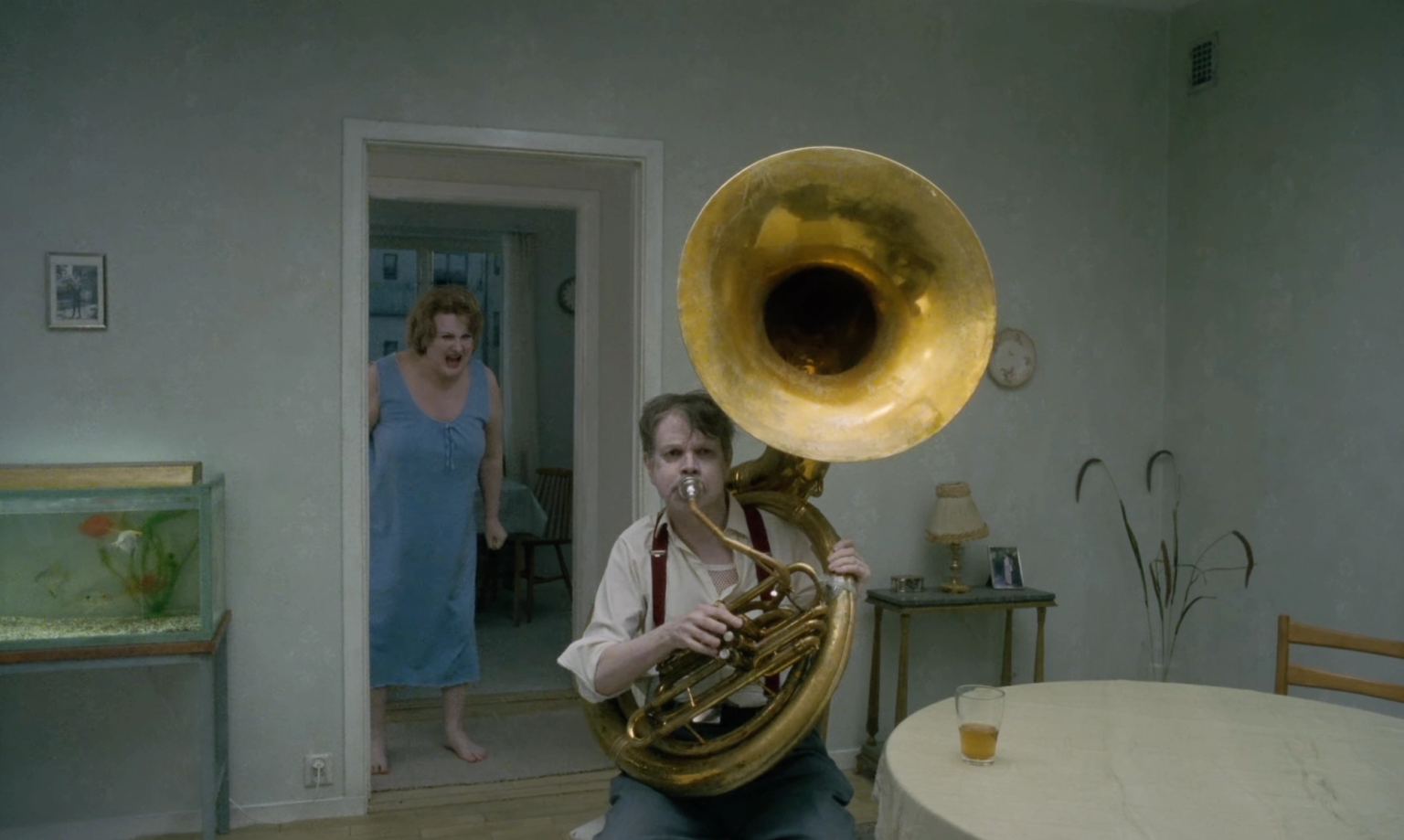

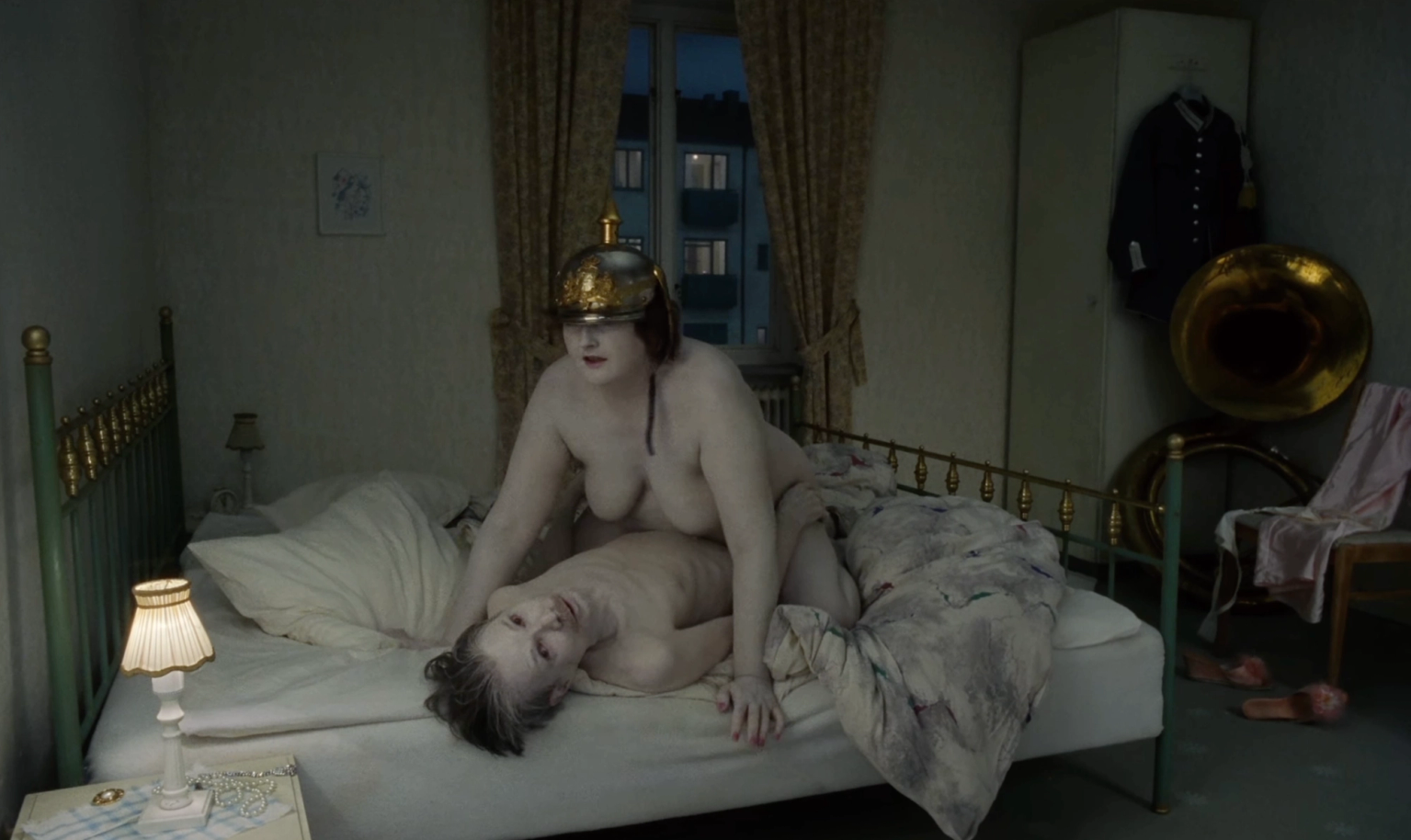

Roy Andersson and the Art of Looking at Ourselves
Few filmmakers have constructed a world as unmistakable - and as morally charged - as Roy Andersson. His cinema, instantly identifiable by its static frames, pale faces, and architectural precision, does not rush to entertain or persuade. Instead, it waits. It watches. And in that waiting, it confronts the viewer with something unsettling: a reflection of modern humanity stripped of distraction, narrative urgency, and illusion.
Yet Andersson’s artistic identity cannot be separated from a seemingly unlikely parallel career. Alongside his films, he is also one of the most influential commercial directors in European advertising. Rather than diluting his artistic voice, this commercial work sharpened it - funding, refining, and ultimately defining the cinema he would become known for worldwide.
Painting with People
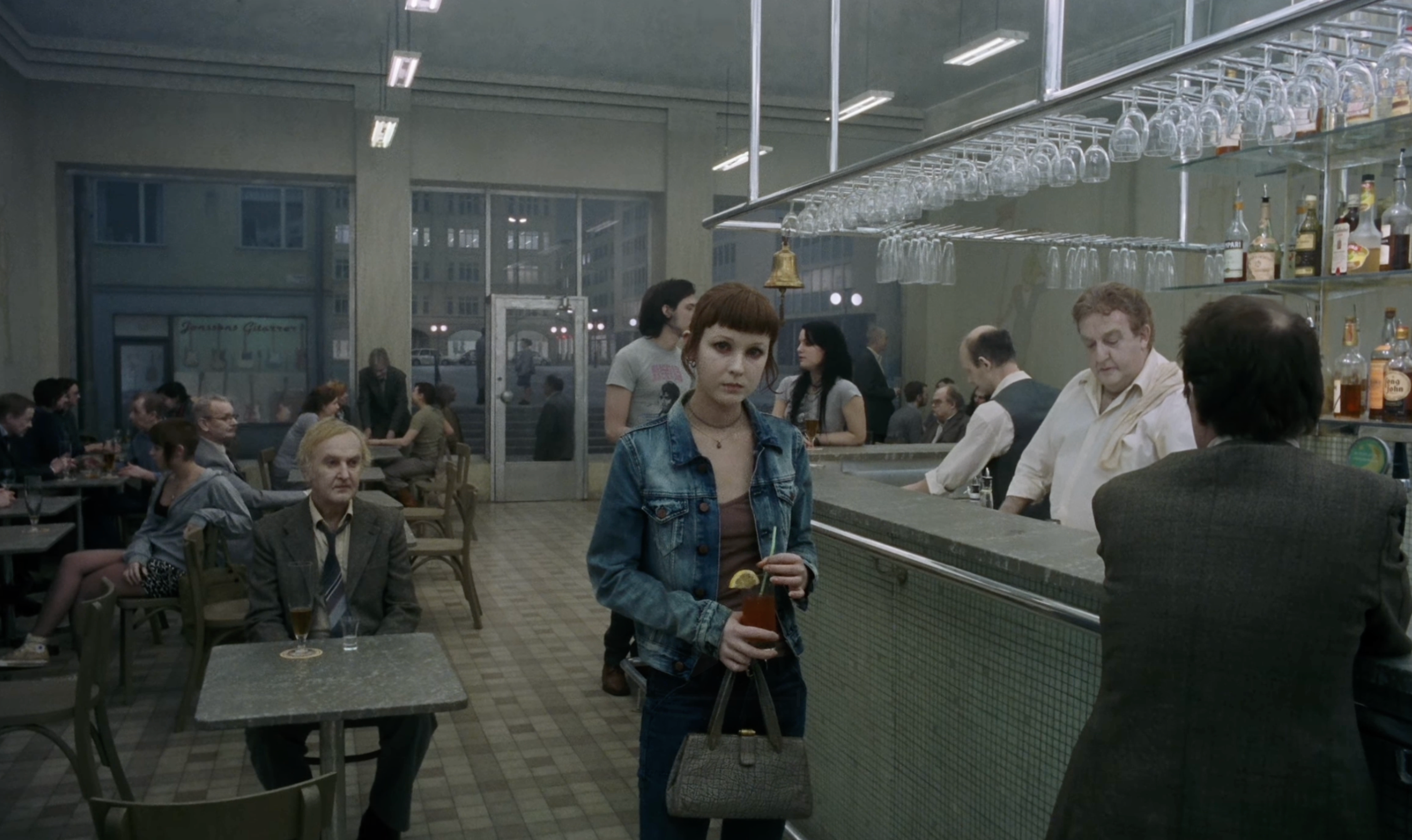
Andersson’s films are built like paintings rather than stories. The camera never moves. Cuts are rare. Each shot is a complete world, staged with obsessive care inside studio-built environments. The result is a cinema of tableaux: figures frozen in moments of embarrassment, grief, longing, or quiet resignation.
By denying cinematic dynamism - close-ups, dramatic editing, musical cues - Andersson refuses emotional manipulation. We are not told how to feel. We are left alone with the image. This distance creates an ethical space: viewers are asked not to consume suffering as drama, but to recognize it as ordinary, systemic, and deeply familiar.
His visual language owes as much to Bruegel and Edward Hopper as to film history. People appear small, overwhelmed by interiors, offices, bars, or anonymous streets. The joke, when it comes, is never punchline-driven. It arrives slowly, painfully, and often with a sting of recognition.

Advertising as Artistic Laboratory
After the commercial failure of his early feature work, Andersson stepped away from cinema for years and turned to advertising. What could have been a detour became a laboratory.
His commercials - many of them iconic in Scandinavia - contain the DNA of his later films: static framing, deadpan performances, social awkwardness, and moral irony compressed into 30 or 60 seconds. Unlike conventional advertising, which flatters desire, Andersson’s ads often expose discomfort, vanity, and absurdity. They sell products while quietly critiquing the society that consumes them.
Crucially, advertising gave Andersson two things cinema rarely offers: financial independence and total control. By founding his own studio, he was able to fund his films without compromise. The meticulous craftsmanship of his features - the hand-painted sets, controlled lighting, and architectural precision - owes much to the discipline and resources of commercial production.
In Andersson’s case, commerce did not corrupt art. It sustained it.
A Cinema of Collective Guilt
When Andersson returned to feature filmmaking, his mature style emerged fully formed in Songs from the Second Floor. The film depicts a society collapsing under moral and spiritual exhaustion: businessmen whipped for profit failures, immigrants scapegoated, poets ignored, fathers unable to comfort sons. It is not about individuals failing, but about systems eroding humanity from the inside.
This vision continues through You, the Living and reaches a bitterly comic apex in A Pigeon Sat on a Branch Reflecting on Existence, where colonial violence, capitalist spectacle, and historical amnesia coexist as casual entertainment. History is not past in Andersson’s world - it lingers in the room, unacknowledged, like an unpaid debt.
His later film About Endlessness softens the tone without abandoning the vision. It observes humanity “with all its beauty and cruelty,” offering moments of grace: lovers floating above a ruined city, a woman tying her shoes, a man pausing to listen. The despair remains, but so does tenderness.
Humor Without Mercy, Compassion Without Sentiment
Andersson’s humor is inseparable from his ethics. People slip, fail, humiliate themselves - and the camera does not look away. But the laughter his films provoke is uneasy. We laugh because we recognize ourselves. The cruelty is not directed outward; it is shared.
This balance - between ridicule and compassion, irony and mourning - is what keeps Andersson’s cinema from cynicism. His characters are not heroes, but neither are they monsters. They are simply human, navigating systems that rarely reward decency or reflection.
Legacy of a Reluctant Moraliste
Roy Andersson’s legacy is not defined by narrative innovation or technical bravura, but by moral insistence. He proved that cinema can slow down without becoming inert, that comedy can confront history, and that advertising and art need not be enemies.
In an era dominated by speed, personalization, and spectacle, Andersson built a body of work that resists consumption. His films do not ask for empathy through identification; they ask for recognition through distance.
They pose a quiet, persistent question—one that echoes from his commercials to his final features:
Is this how we live? And if so, why do we accept it?
That question, unresolved and uncomfortably familiar, may be his most enduring contribution to cinema.