John Ford
The Man Who Shot Liberty Valance
- DirectorJohn Ford
Nono Ayuso I don’t think I’ve ever seen surpassed in terms of legendary quotes. A timeless classic that remains deeply relevant today, reflecting on the fragile line between myth and truth.
The Man Who Shot Liberty Valance
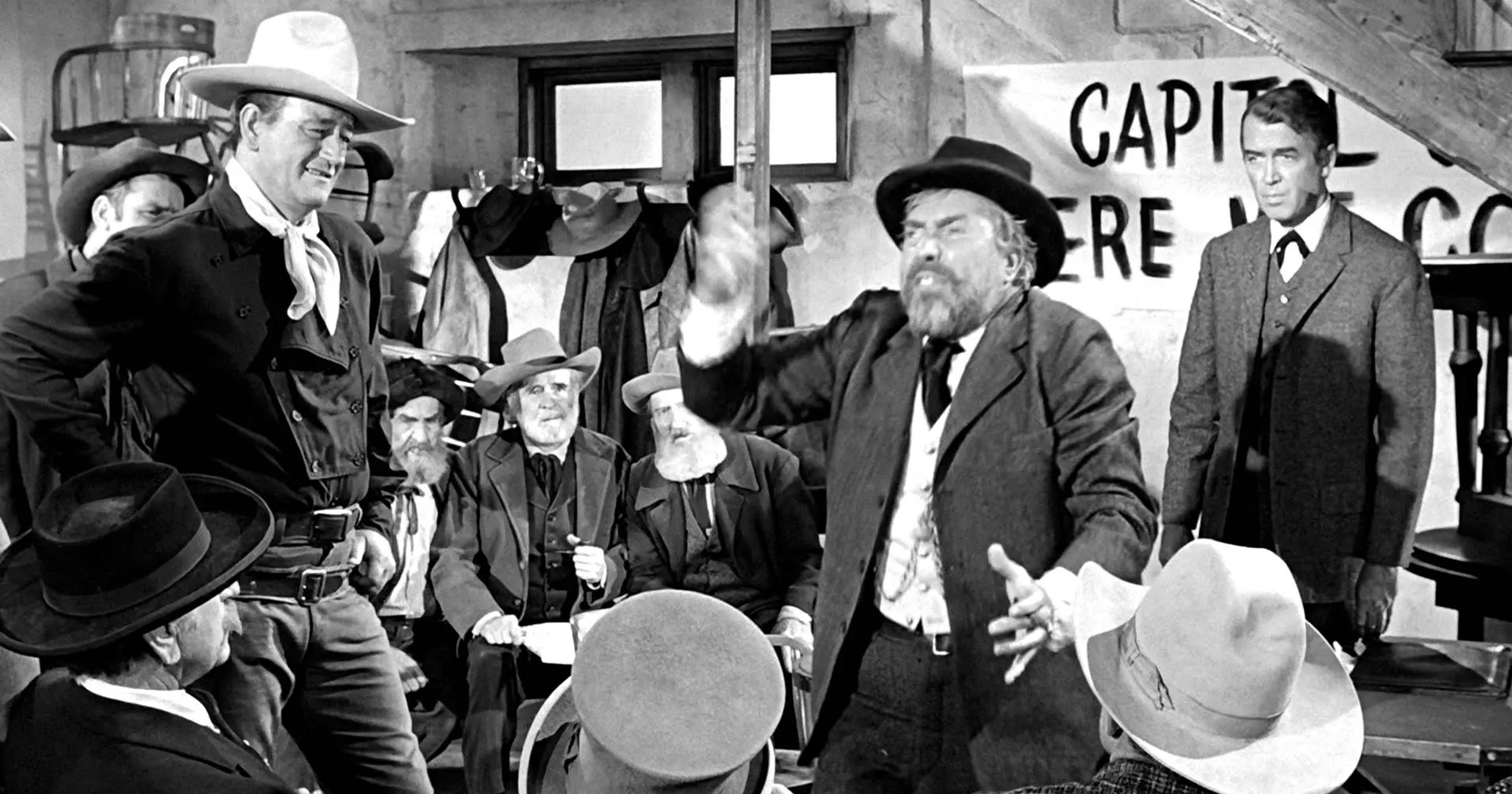
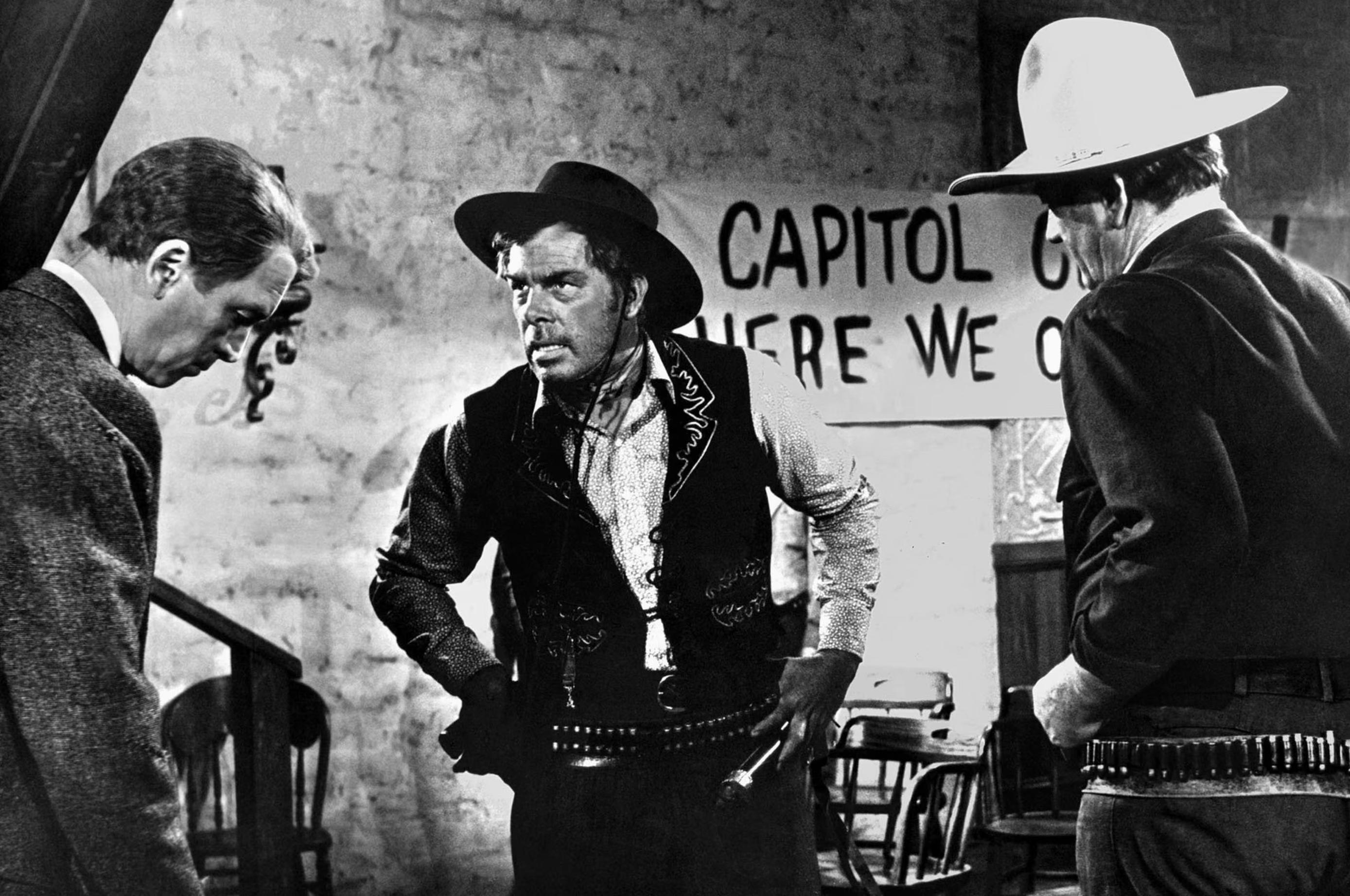
The Man Who Shot Liberty Valance (1962) stands as John Ford’s elegiac meditation on the twilight of the Old West. James Stewart and John Wayne, working together for the first time, anchor a narrative that balances legend, law, and the uneasy transition from frontier justice to political order. The story unfolds as Stewart’s Senator Ransom “Ranse” Stoddard returns to the town of Shinbone for the funeral of John Wayne’s Tom Doniphon. Through an extended flashback, Stoddard recounts arriving as a naive lawyer only to confront the ruthless outlaw Liberty Valance, played with ferocious intensity by Lee Marvin.
Against this backdrop of violence and moral ambiguity, Stoddard seeks justice through law, while Doniphon represents the self-reliant, moral code of the fading West. The film’s plot weaves together statehood debates, the brutality of lawlessness, and a subtle, complex love triangle between Stoddard, Doniphon, and Hallie (Vera Miles). Themes of truth versus legend and the cost of heroism pervade every scene, culminating in the iconic line: “This is the West, sir. When the legend becomes fact, print the legend.”

Cinematography and Style
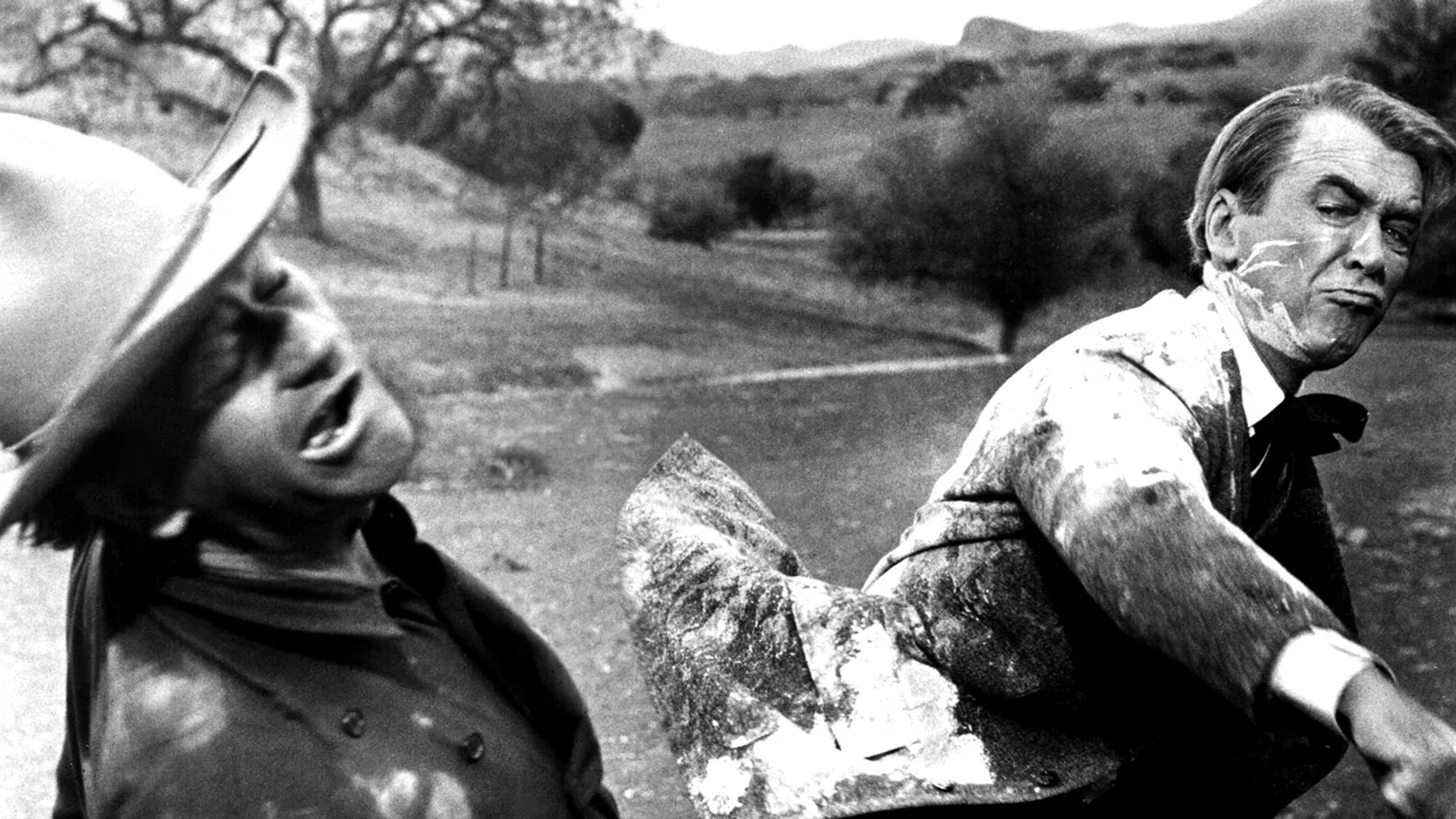
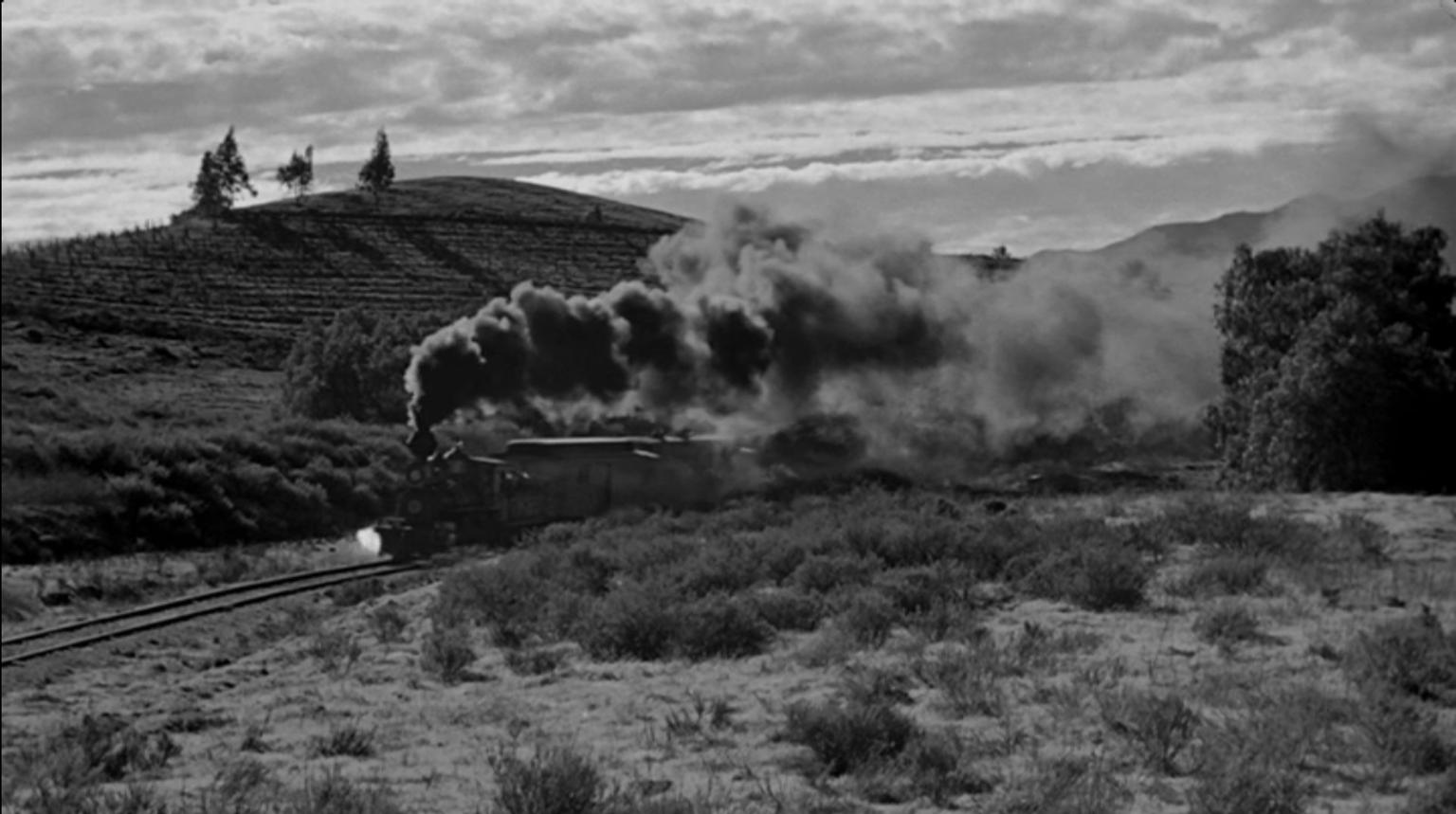
Ford’s decision to shoot in black and white was both pragmatic and poetic. Without the distraction of Monument Valley’s sweeping vistas, the focus shifts to shadow, composition, and the psychological depth of his characters. Cinematographer William H. Clothier crafts a visual language of intimacy and tension: Doniphon is frequently framed in shadow, reflecting his brooding, violent philosophy, while small, indoor spaces intensify the drama of the town and its inhabitants. Even the sparse landscapes evoke a sense of melancholy and historical weight - the deserted stagecoach, the dusty streets, the cactus rose on Doniphon’s coffin all become visual symbols of a disappearing era.
Ford’s lighting and framing accentuate both narrative and moral nuance, creating a world where legend and reality collide. The absence of color amplifies the generational gap between the actors and their roles, subtly acknowledging the act of memory and retrospection that frames the story.

Performance and Character
Stewart embodies Stoddard’s idealism, intellectual rigor, and moral steadfastness, capturing the charm and subtle humor of a man navigating a violent world. Wayne, in contrast, conveys the physical authority and unspoken heroism of Doniphon, a man whose sacrifices shape the fate of Shinbone yet remain unrecognized. Lee Marvin’s Liberty Valance is unforgettable - a raw, menacing force that embodies the lawlessness Stoddard seeks to counter.
Supporting performances by Edmond O’Brien, Woody Strode, Andy Devine, and Vera Miles enrich the texture of the community, highlighting both the human cost of violence and the complexity of small-town society. The interplay between Stewart and Wayne underscores a generational and philosophical shift: law and civilization versus raw strength and moral independence. The subtle tensions in their performances elevate the film beyond conventional Western archetypes, exploring the emotional and ethical costs of heroism and legend.
Legacy
The Man Who Shot Liberty Valance is widely recognized as one of Ford’s final masterpieces and a defining moment in the evolution of the Western. By turning the genre inward, favoring introspection over spectacle, Ford challenges mythmaking, presenting a West governed by chance, memory, and moral ambiguity. The film’s enduring influence is reflected in the praise of directors like Sergio Leone, who called it his favorite Ford film, noting its rare meditation on pessimism.
Its preservation in the United States National Film Registry attests to its cultural and historical significance. Themes of justice, legend, and moral compromise continue to resonate, while the film’s sophisticated handling of narrative perspective and character study prefigures the revisionist Westerns of the decades to follow. In combining intimate performances, symbolic cinematography, and a reflective narrative, Ford achieves a meditation not only on the Old West but on the making of America itself.