
William Eggleston
The Last Dyes
- ArtistWilliam Eggleston
- PhotographerWilliam Eggleston © Eggleston Artistic Trust Courtesy Eggleston Artistic Trust and David Zwirner
Derek Henderson William Eggleston, who’s work i first saw in the 80’s and has always inspired me.

The Final Dye-Transfer Prints
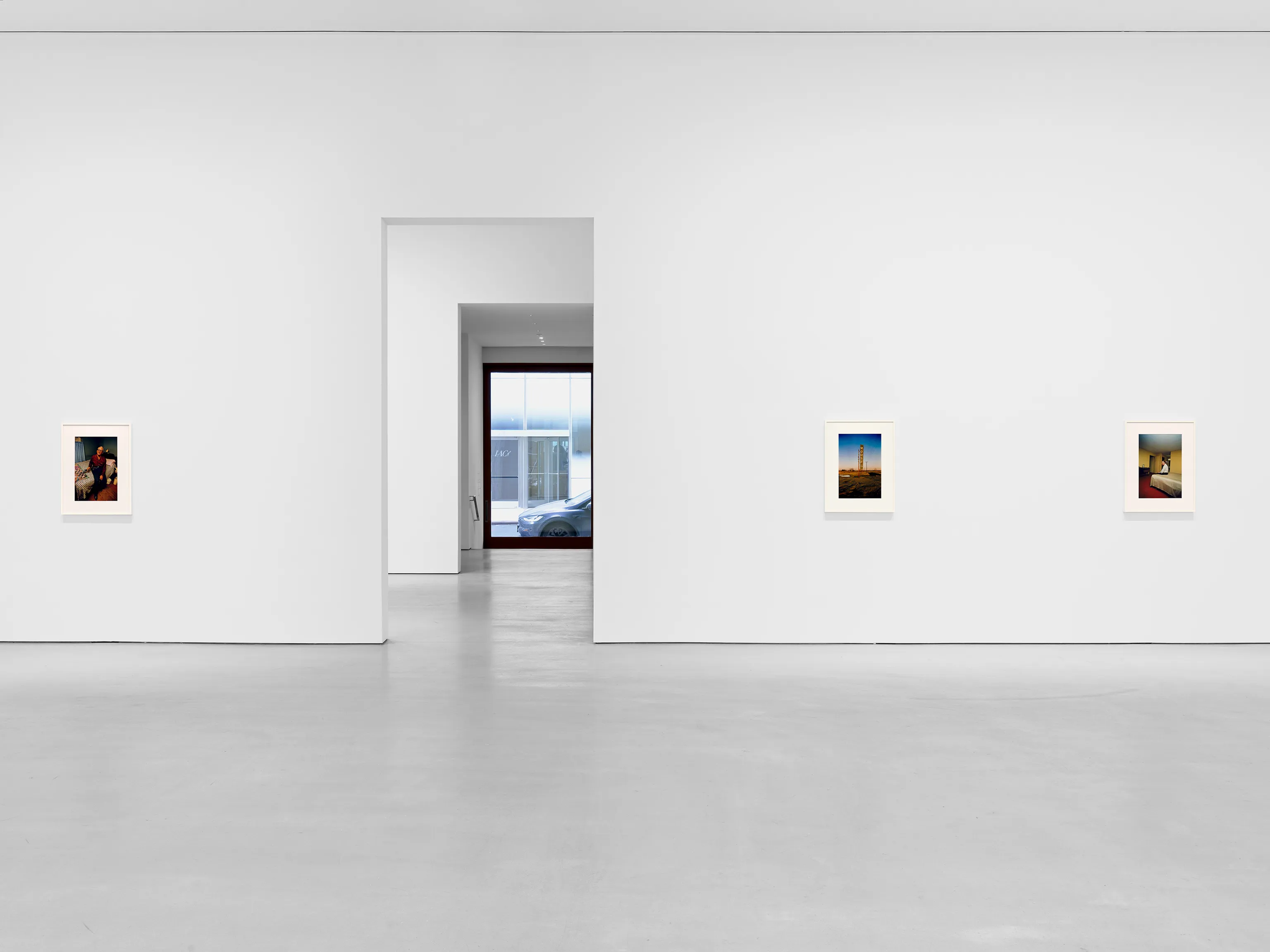
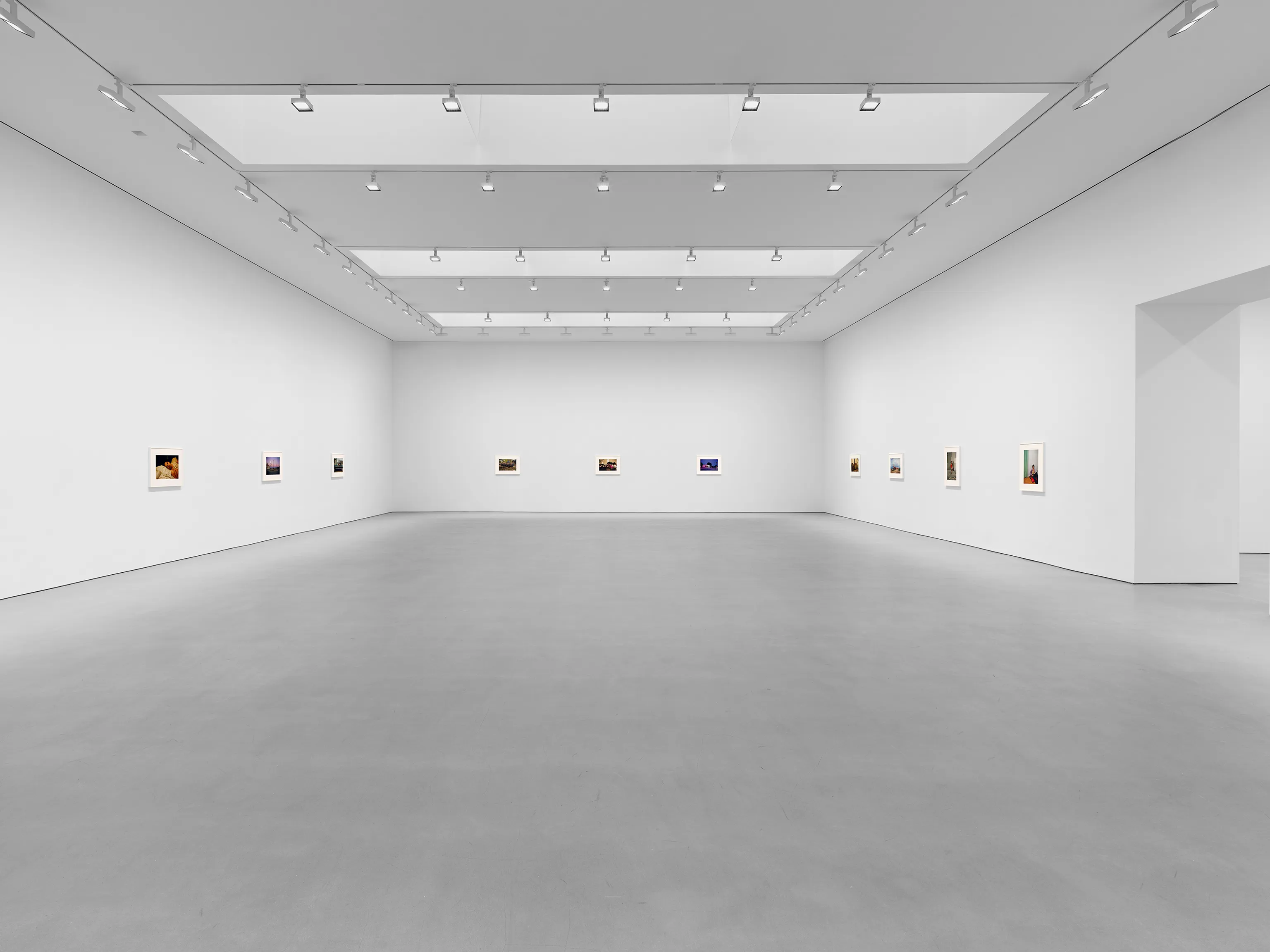
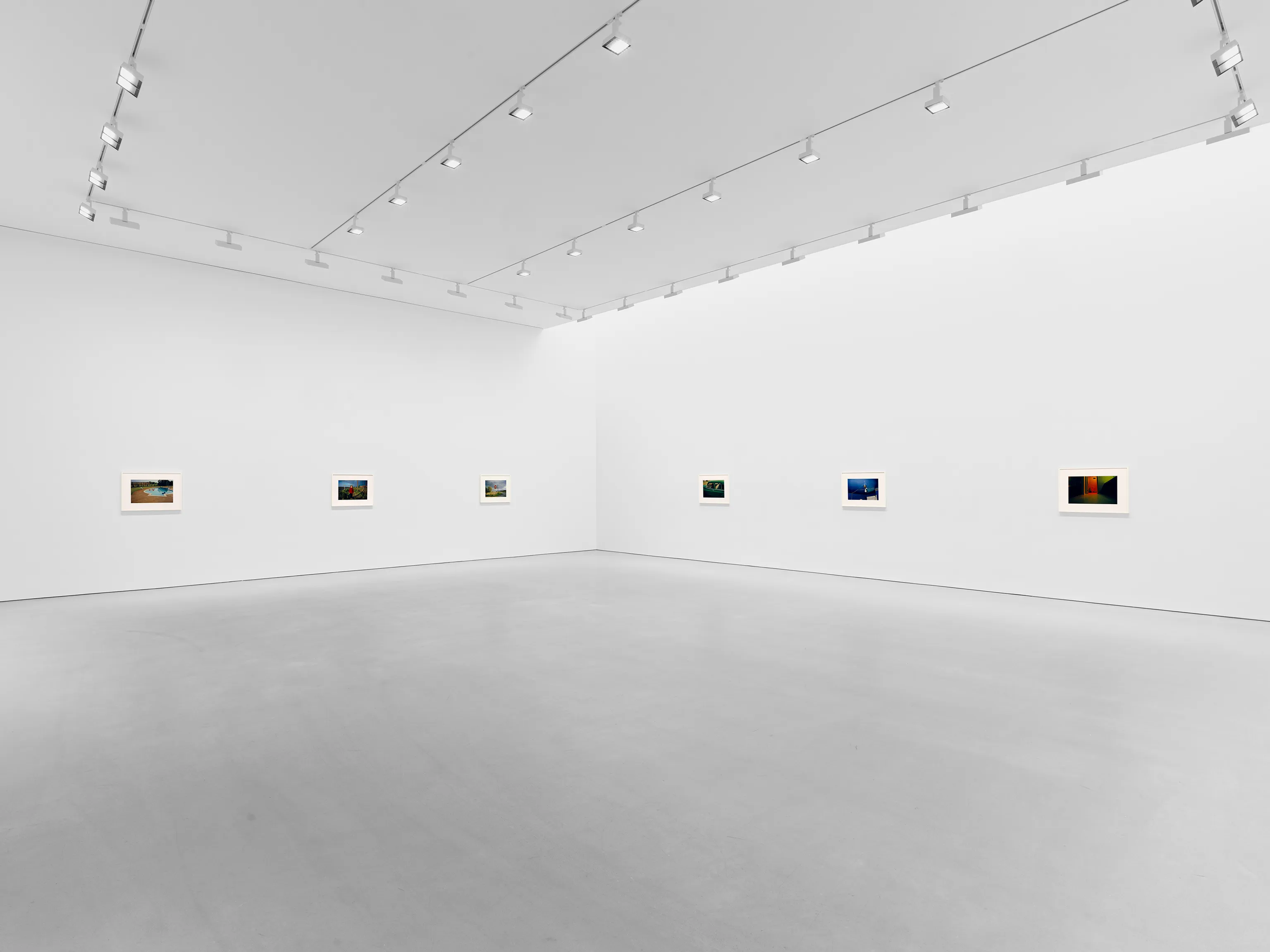
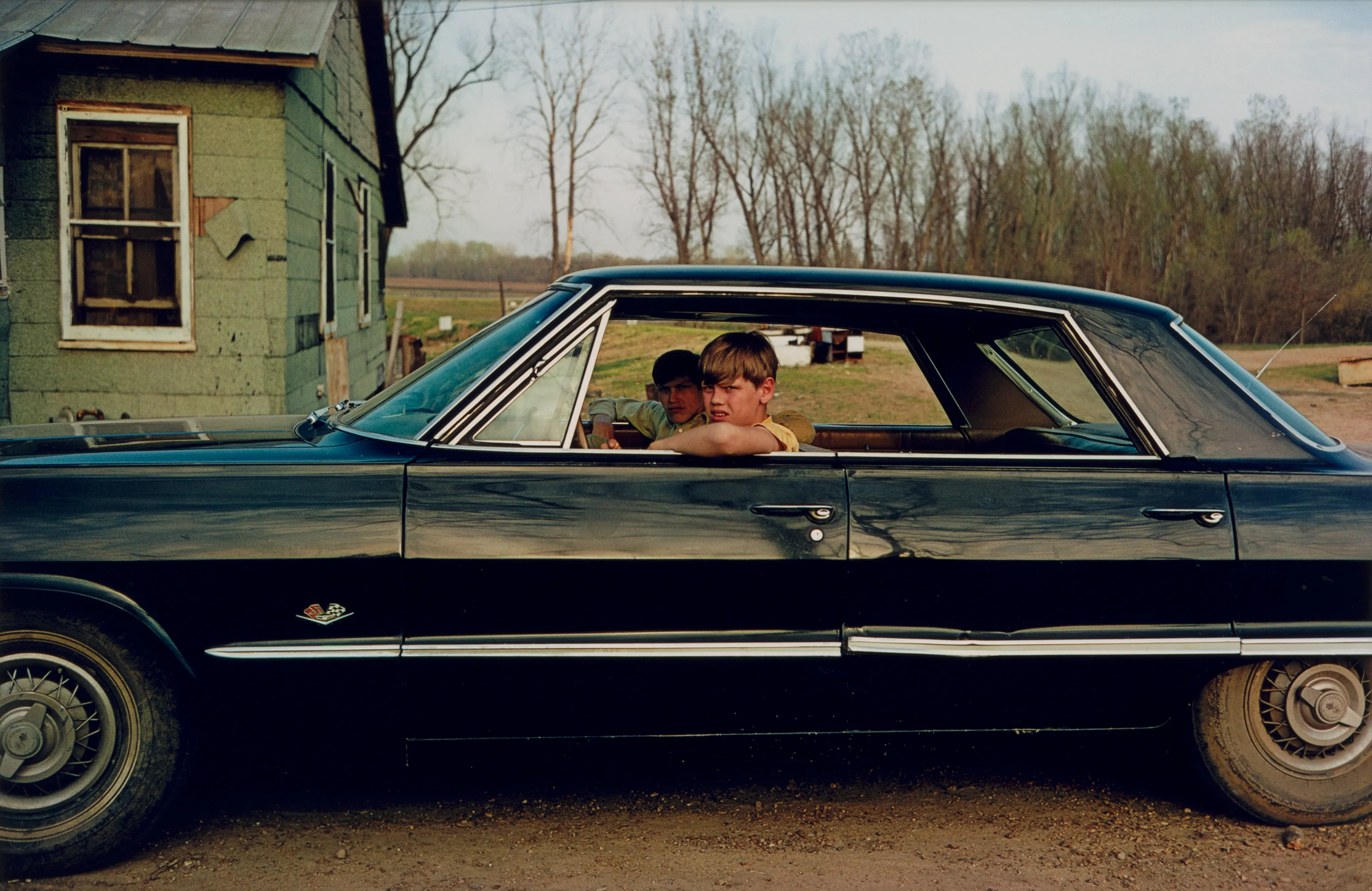
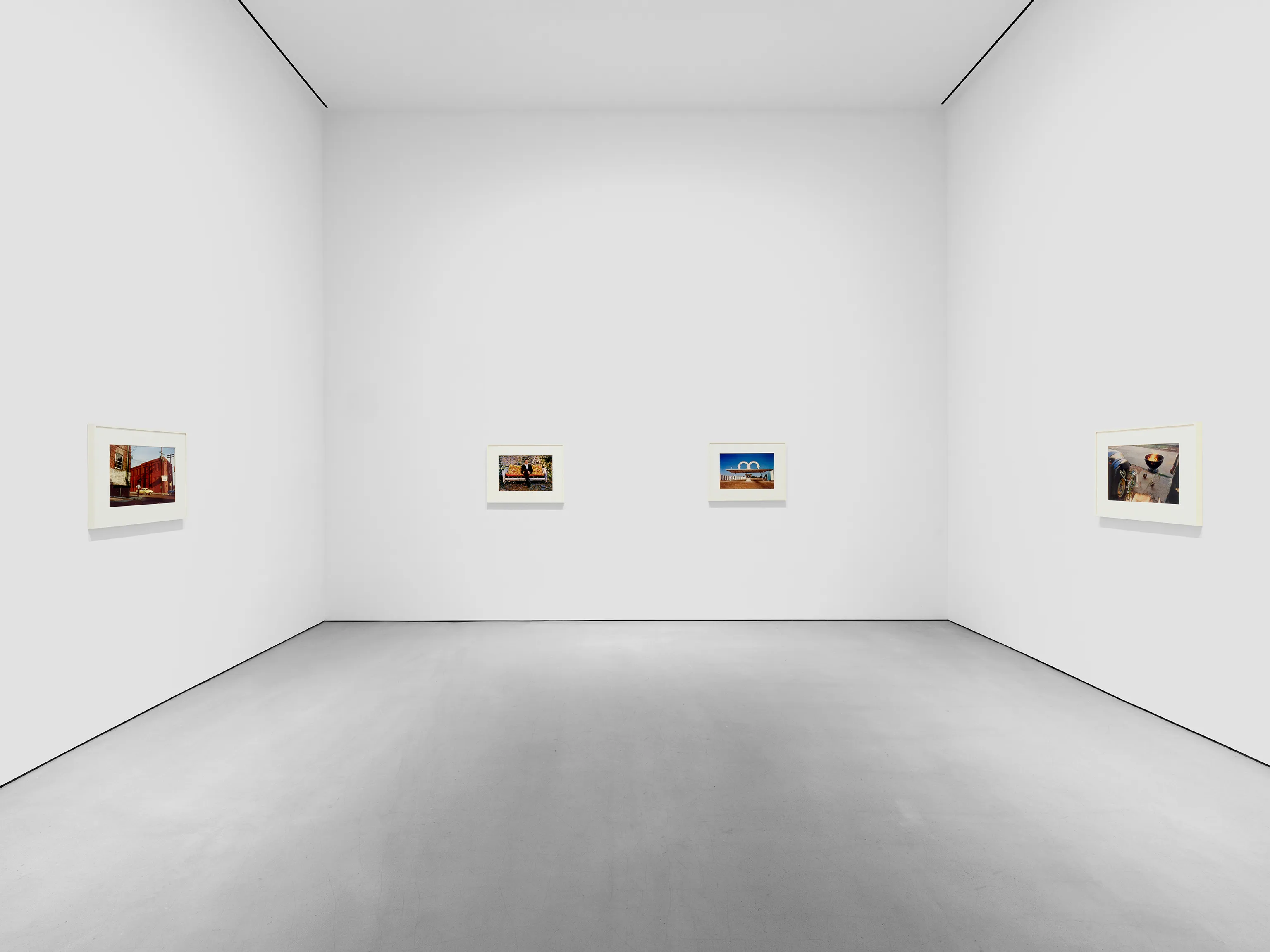
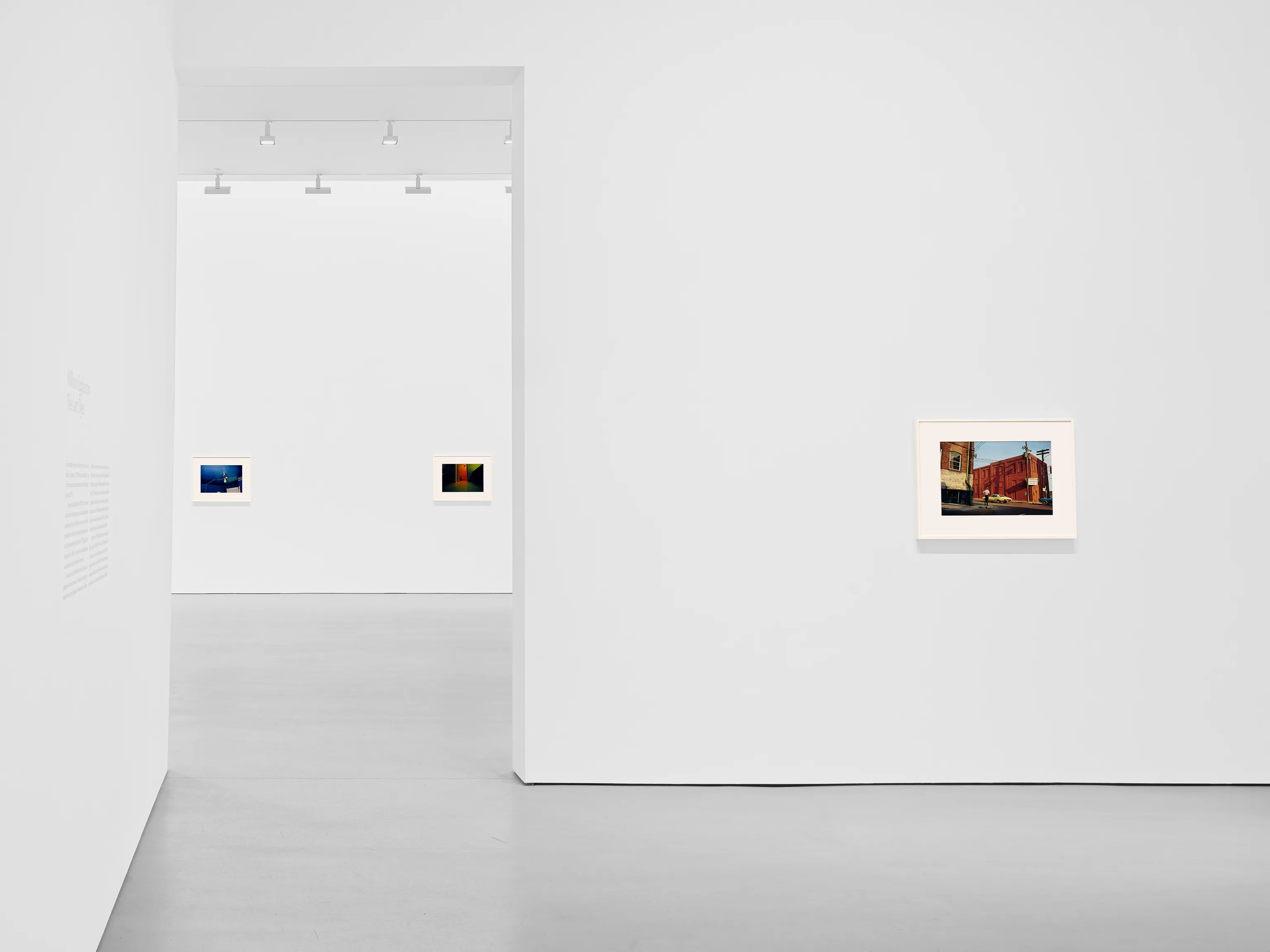
In The Last Dyes, photographer William Eggleston returns to images made during a defining period of his career: his travels through the American South between 1969 and 1974. Presented at David Zwirner in New York in 2026, the exhibition brings together the final dye-transfer prints ever made from his photographs. Selected by Eggleston in consultation with his sons, William and Winston, the works include images from his celebrated Outlands and Chromes series, alongside photographs first shown in his groundbreaking 1976 exhibition at the Museum of Modern Art. The presentation offers a rare opportunity to see these images in the distinctive printing process through which Eggleston first introduced much of his colour photography to the art world.


Seeing the Ordinary Differently
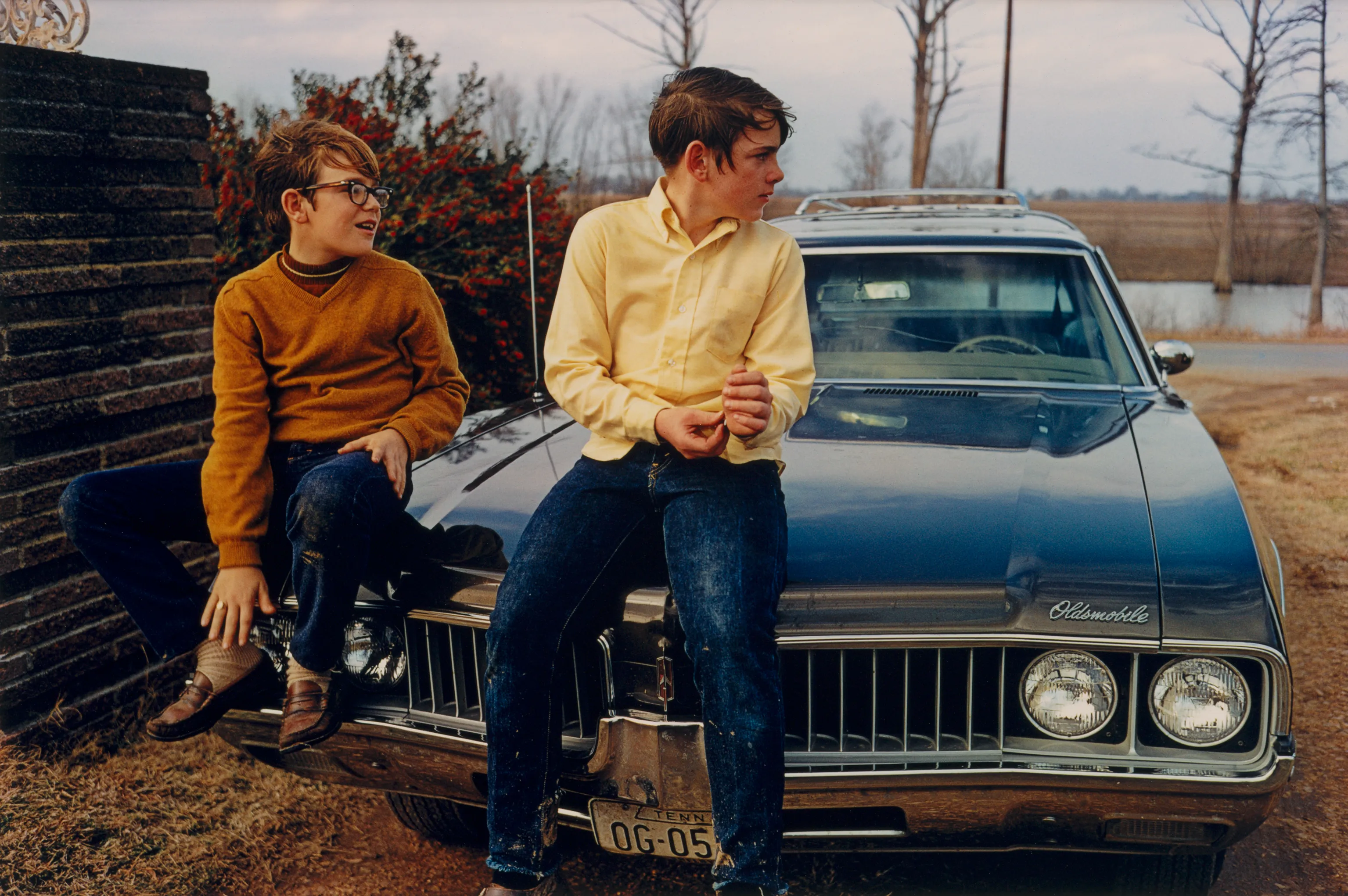
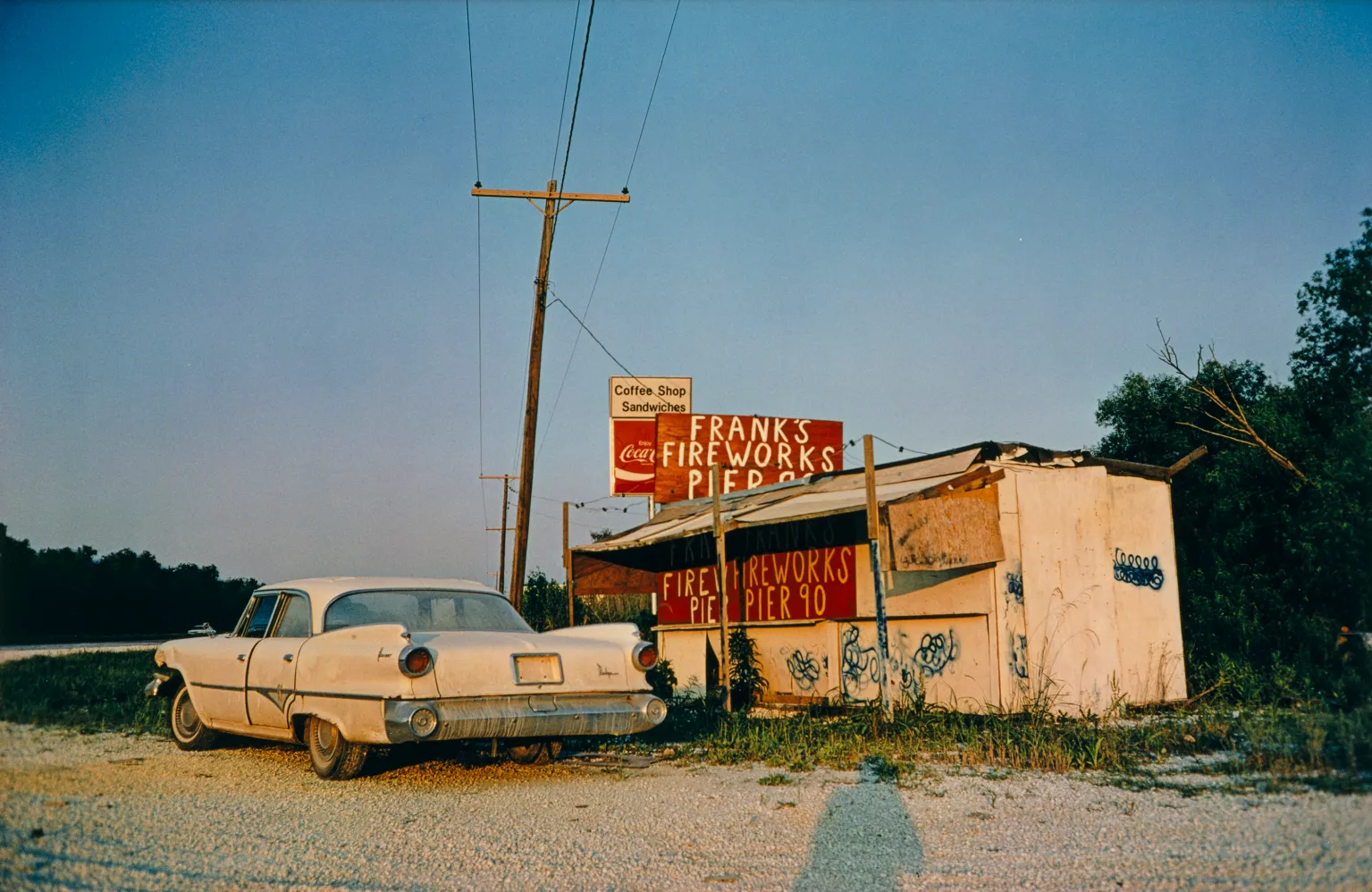
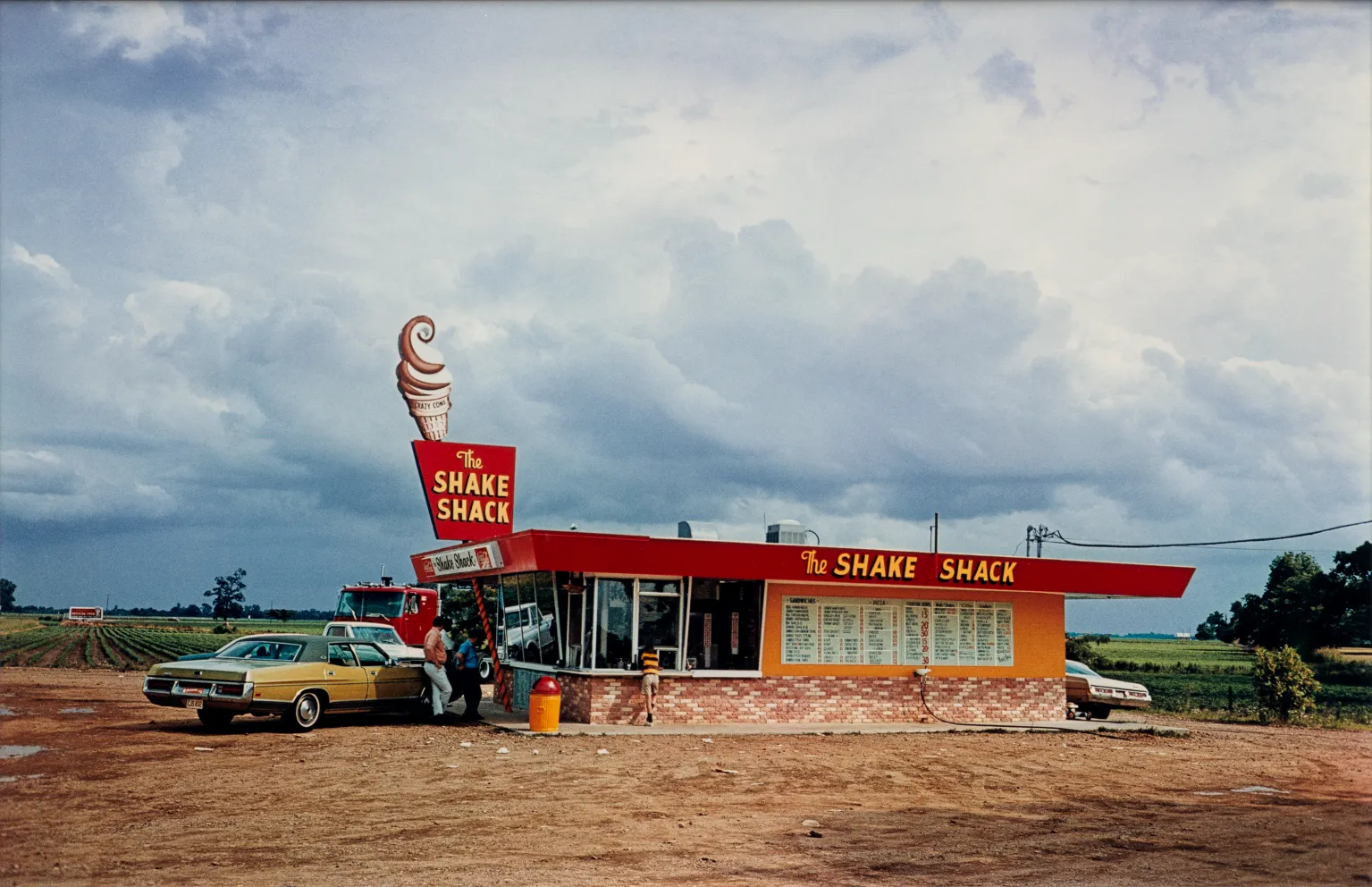
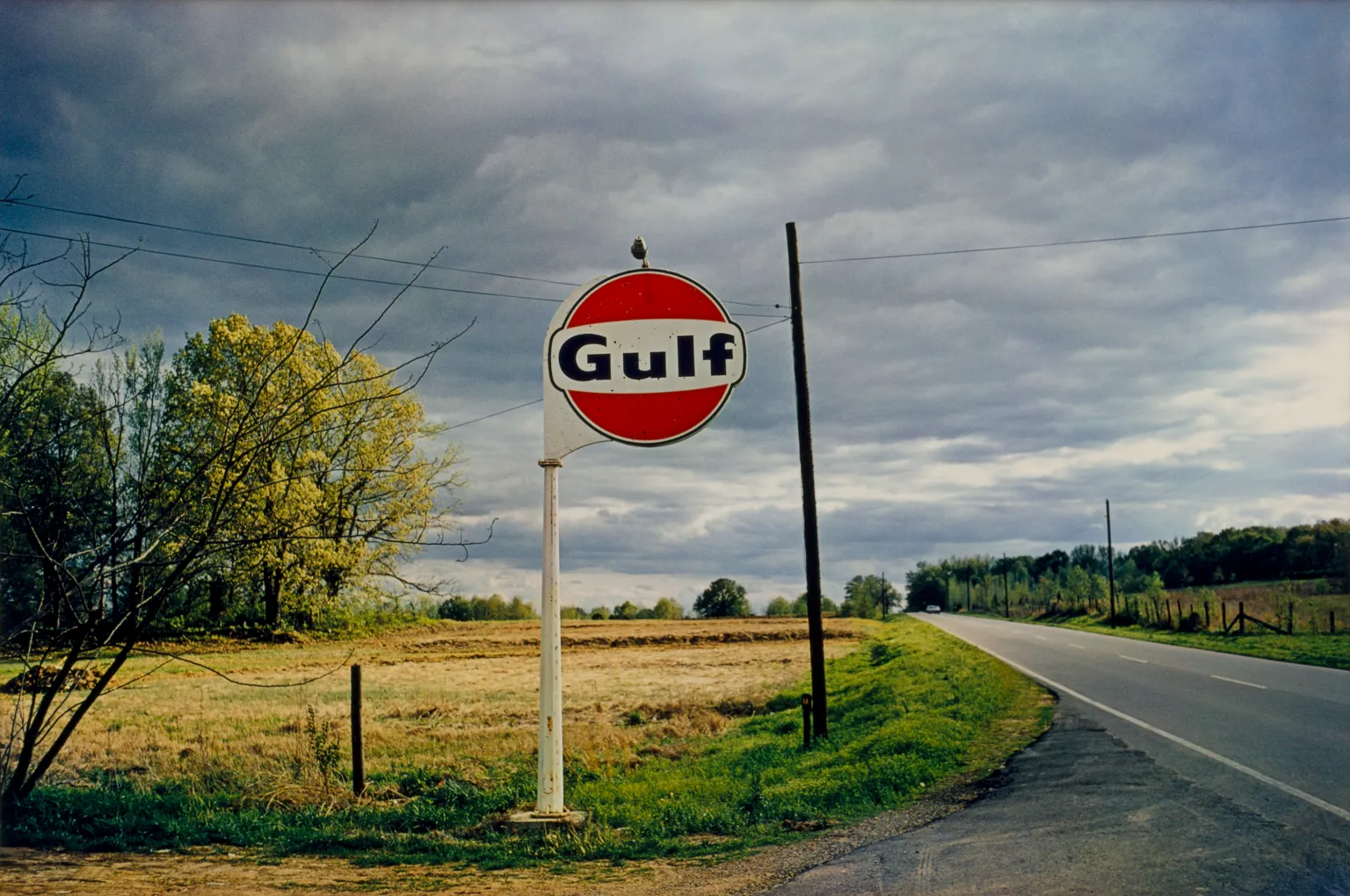
Eggleston’s photographs often begin with familiar scenes: a parked car, a roadside building, a supermarket shelf or an ordinary room. Yet his way of framing these subjects makes them feel unexpectedly vivid, sometimes strange or almost surreal. Working primarily across Memphis, Mississippi and the wider American South, he photographed the everyday environments and people around him, finding visual interest in details that might otherwise go unnoticed. A freezer filled with packaged food becomes a carefully arranged study of colour and form; a lone house or gas station stands against an expansive sky. Rather than turning these places into idealised portraits of America, Eggleston captures their particular atmosphere, allowing colour, light and composition to shape how we see them.

The Power of Colour
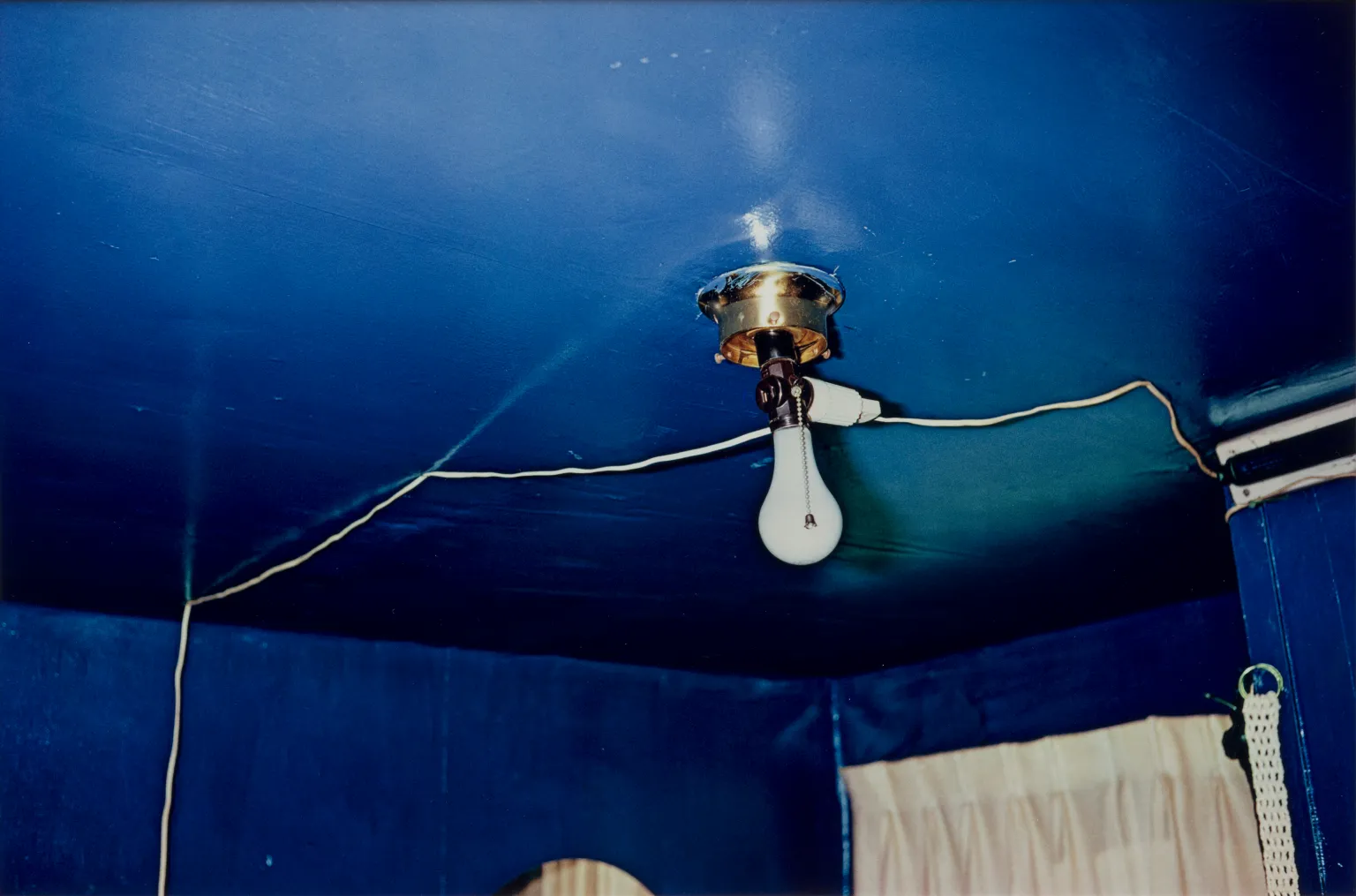
When Eggleston began exhibiting colour photography in the 1970s, it was still unusual to see colour photographs presented as fine art. His 1976 MoMA exhibition, curated by John Szarkowski, challenged that expectation and initially met with criticism from some reviewers, who considered the images too ordinary or their colours too intense. For Eggleston, however, colour was never simply an added effect. It was central to the way a photograph worked, a means of organising the image and conveying the feeling of a place. In The Last Dyes, saturated blues, vivid reds and deep shadows give familiar objects and settings an intensity that can feel both immediate and dreamlike. The images remain rooted in everyday life, but their colours invite a closer, more considered look.

A Process That Cannot Be Repeated
The exhibition’s title refers to the end of the dye-transfer printing process used to produce these works. Developed by Kodak in the 1940s, the technique was originally used mainly for commercial and fashion photography. Eggleston began experimenting with it in the early 1970s and found that it gave him the rich tonal depth and precise colour saturation he had been seeking. The process is complex and carried out by hand: the image is separated into three colour components, cyan, magenta and yellow, which are transferred individually onto special paper to create the final print. When Kodak discontinued the materials needed for dye-transfer printing in the 1990s, Eggleston and his printers, Guy Stricherz and Irene Malli, acquired remaining supplies. Using these increasingly scarce materials, they continued making prints for decades, until the stock was finally exhausted.


The Last of a Long Collaboration
The photographs in The Last Dyes are not new scenes captured for the exhibition, but final prints made from Eggleston’s existing images. The selection brings together familiar photographs and works that had not previously received the same attention, offering a fresh look at a body of work made around half a century ago. Some images focus on the Southern landscape, open skies, roads, cars and buildings, while others draw the viewer into interiors where brightly lit objects and figures emerge from near-black shadows.
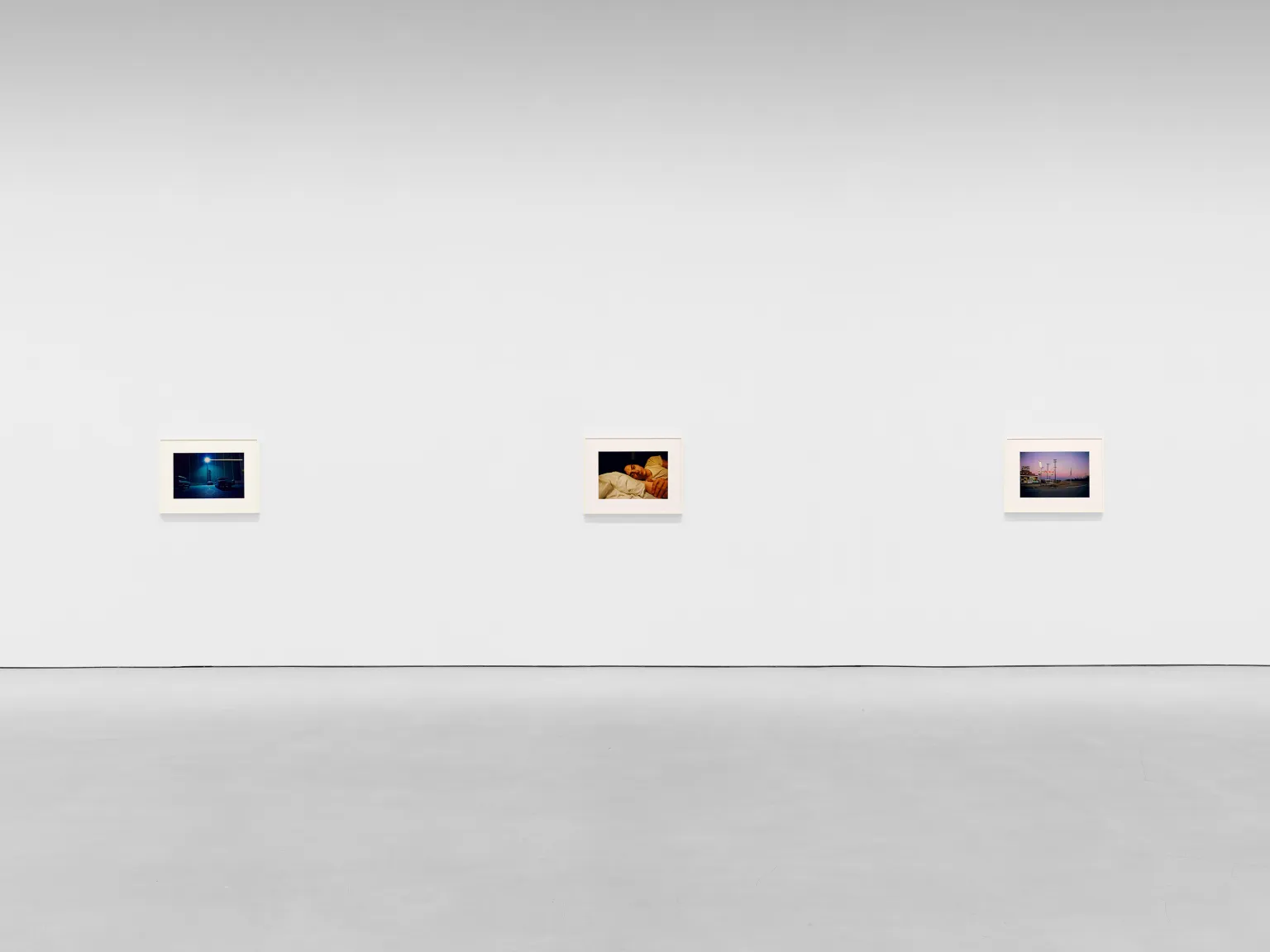

In one self-portrait, Eggleston lies in a darkened room with his head resting on a white pillow, his face and hand appearing almost sculptural. The final prints also mark the culmination of a long working relationship between the photographer and the specialists who helped realise his vision. Presented at David Zwirner, The Last Dyes brings this chapter of Eggleston’s practice to a close, while showing how powerfully his photographs continue to hold colour, light and everyday life in view.