
Droga5
The Last Da Vinci
- ClientChristie’s
- AgencyDroga5 New York
TOMÀS OSTIGLIA A masterclass in launch strategy: creating global anticipation without ever showing the product.

The Painting That Became a Global Event
In 2017, the art world was preparing for what looked like a historic but relatively niche auction. A painting attributed to Leonardo Da Vinci, known as Salvator Mundi, was going up for sale at Christie's in New York. Only around fifteen paintings are widely accepted as works by Da Vinci. This one was the last in private hands. It had been lost for centuries, rediscovered, restored, debated and authenticated. For collectors, it was important. For historians, it was extraordinary.
For the broader public, however, it was just another old painting.
That was the challenge handed to Droga5.
Rather than promote the sale as an Old Masters auction, the agency reframed the moment as something much larger. The campaign was given a name that felt less like a listing and more like a prophecy. The Last Da Vinci. Three words that turned an artwork into a once in a lifetime cultural event.

Selling History, Not a Painting
The strategic leap was simple and bold. Do not sell the object. Sell the moment.
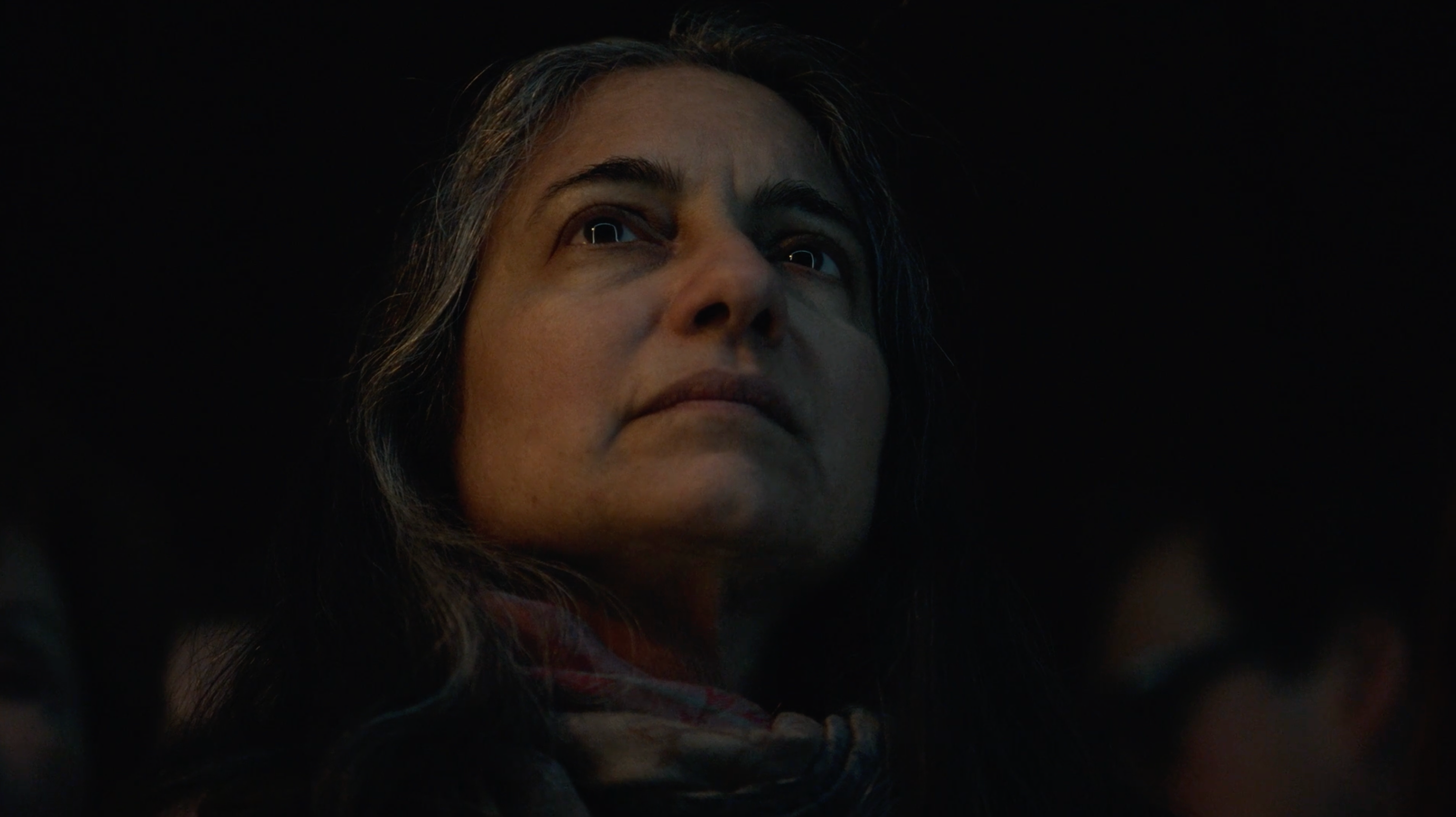
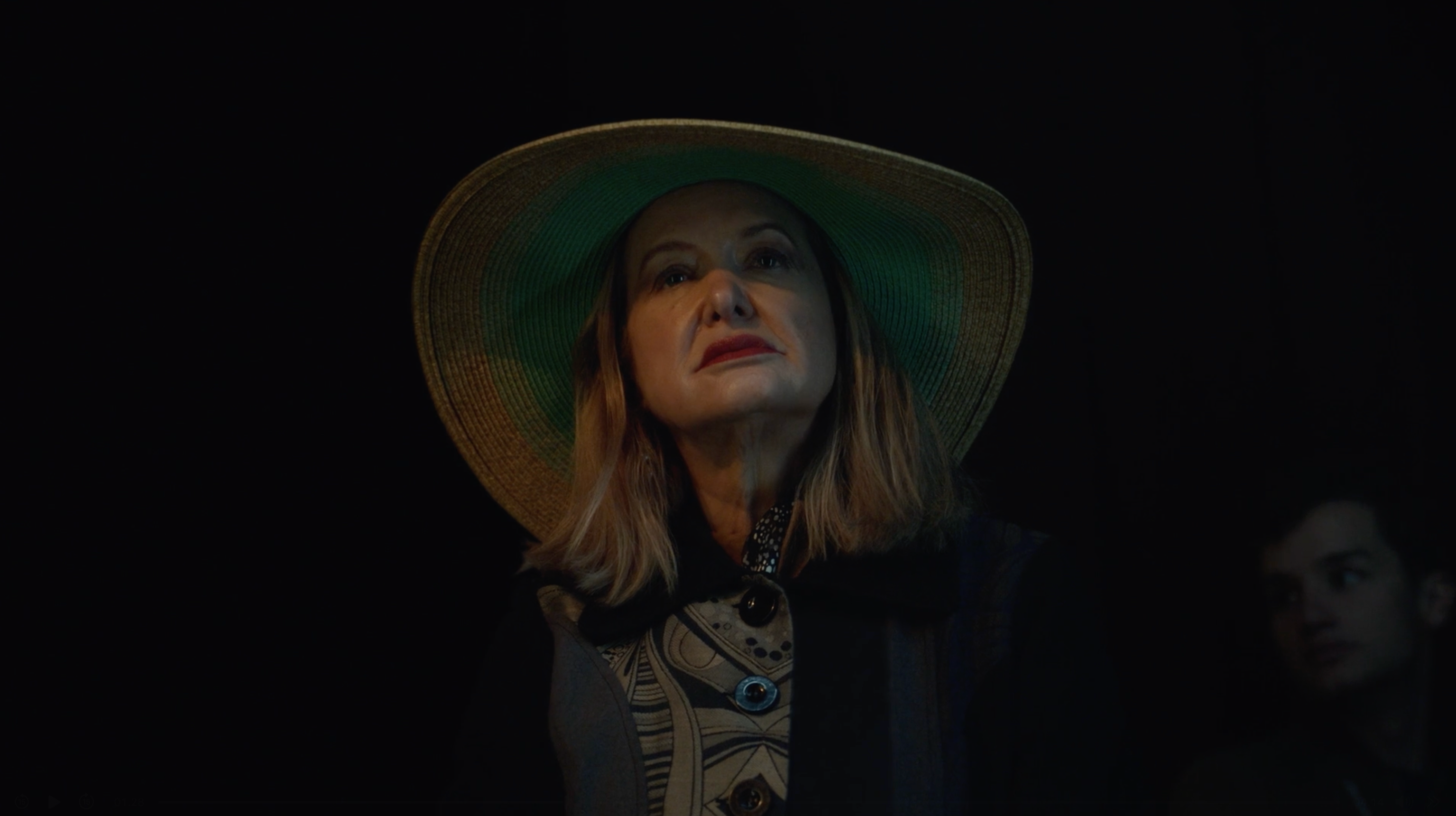
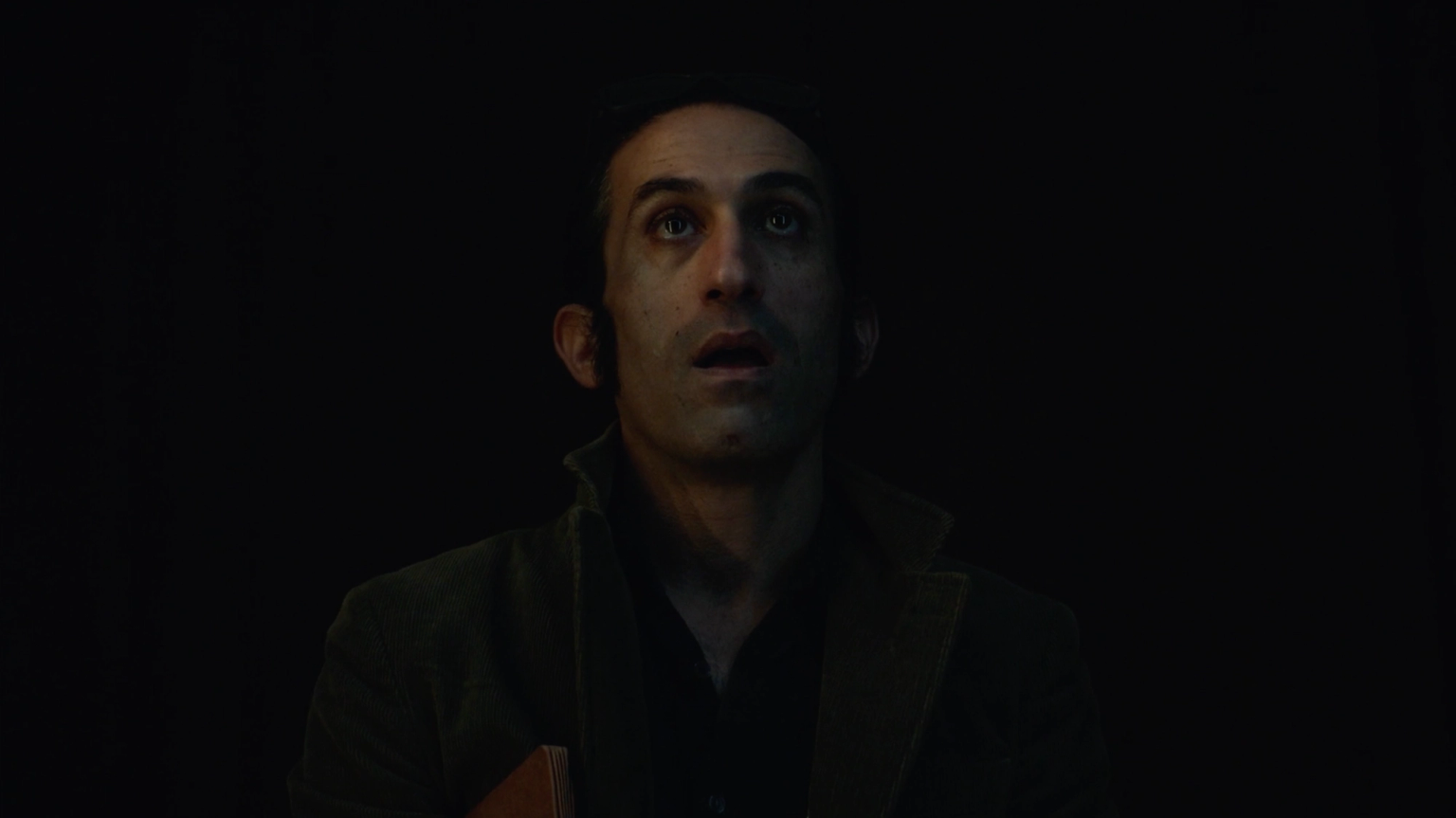
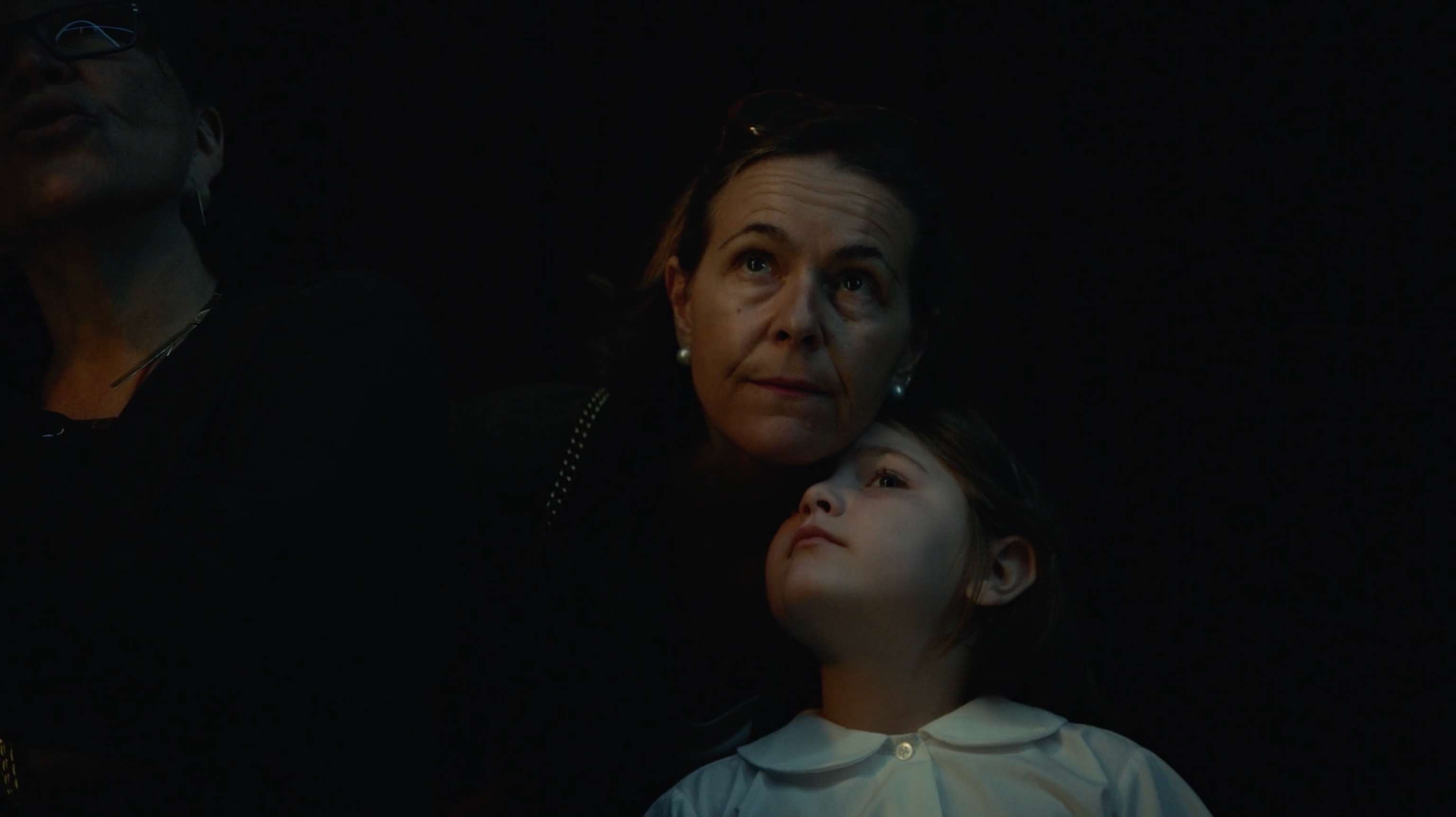
Instead of speaking only to seasoned collectors, the campaign addressed the entire world. The painting embarked on a global tour through Hong Kong, London, San Francisco and New York. Thousands queued to see it. Droga5 filmed their reactions rather than the painting itself. Viewers stared, leaned closer, wiped away tears. The camera lingered on faces in quiet awe. There was little explanation and almost no sales language.
The message was clear without being spoken outright. This is not just art. This is history standing in front of you.
The visual identity followed the same philosophy. Stark typography. Monumental scale. Minimalist layouts that treated the name like a headline from the past echoing into the present. By positioning the work alongside contemporary masterpieces and marketing it within a postwar and contemporary sale, Christie’s further disrupted expectations and expanded the pool of potential bidders.
What could have been a discreet transaction among elite collectors became a global spectacle covered by mainstream media across continents.

The Night the Hammer Fell
On November 15, 2017, the spectacle culminated inside the packed Rockefeller Center saleroom. After a tense bidding battle that lasted nearly twenty minutes, the hammer came down at 450.3 million dollars. At the time, it was the highest price ever paid for a work of art at auction.
The campaign had done more than generate awareness. It had reshaped perception. It reframed a Renaissance painting as the ultimate trophy of our era, as culturally significant as any modern icon. In doing so, it demonstrated the power of narrative to create value at the highest level imaginable.
The Last Da Vinci is now frequently cited in advertising circles as a masterclass in positioning. It showed how scarcity, storytelling and restraint can elevate an object into an event. A five hundred year old painting became the most talked about cultural moment of 2017 not because it changed, but because the story around it did.