
Hieronymus Bosch
The Garden of Earthly Delights
- ArtistHieronymus Bosch
DUSTIN YELLIN There are no words for this five hundred year old painting


A World Before and Beyond Reason
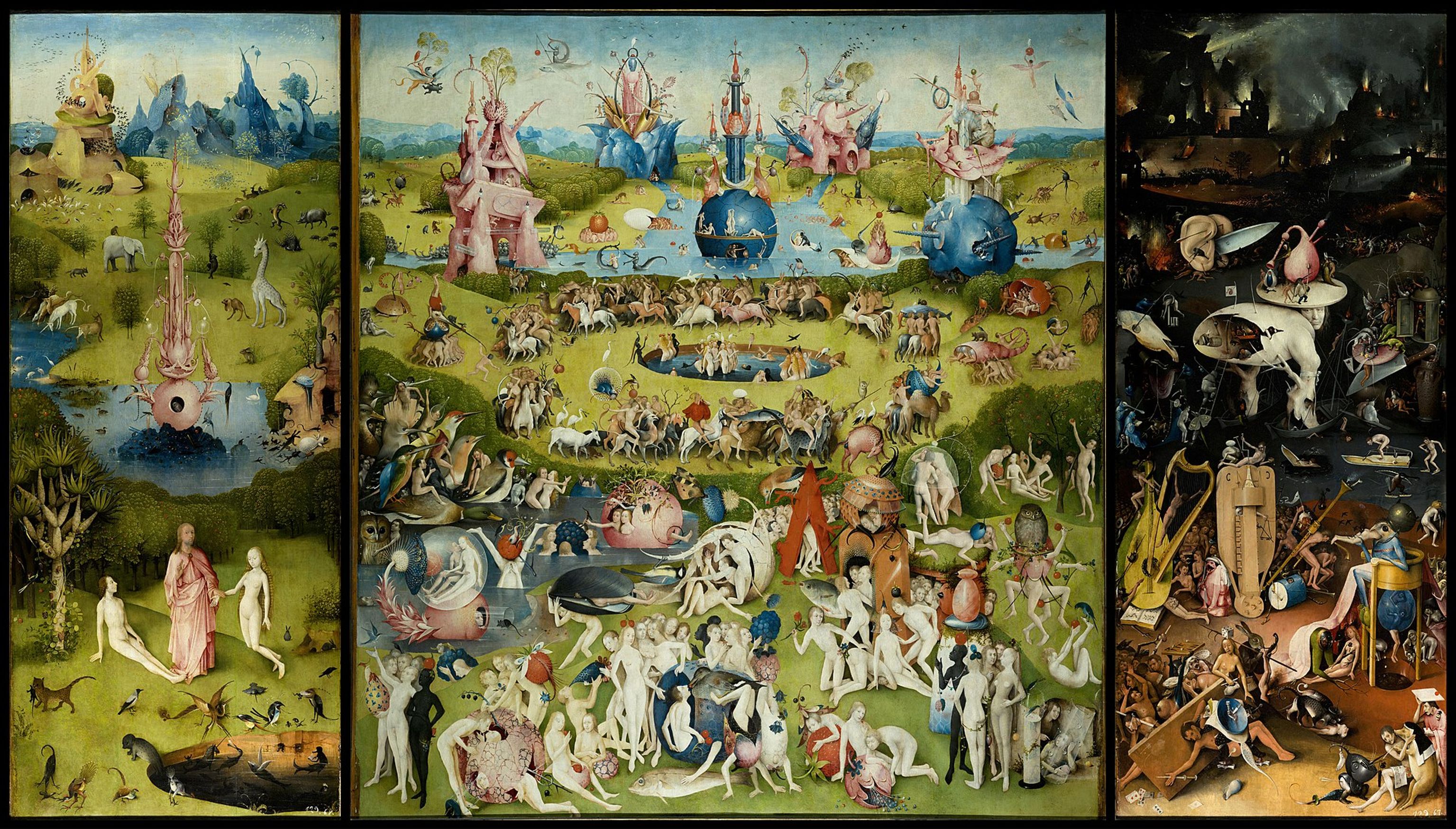
The Garden of Earthly Delights by Hieronymus Bosch remains one of the most enigmatic and visually overwhelming paintings in Western art. Created around the turn of the 16th century, the triptych invites viewers into a surreal universe that feels at once fantastical and deeply moralizing. At first glance, it appears as a chaotic parade of human pleasure and strange creatures, but beneath its intricate surface lies a meditation on temptation, innocence, and the consequences of indulgence.
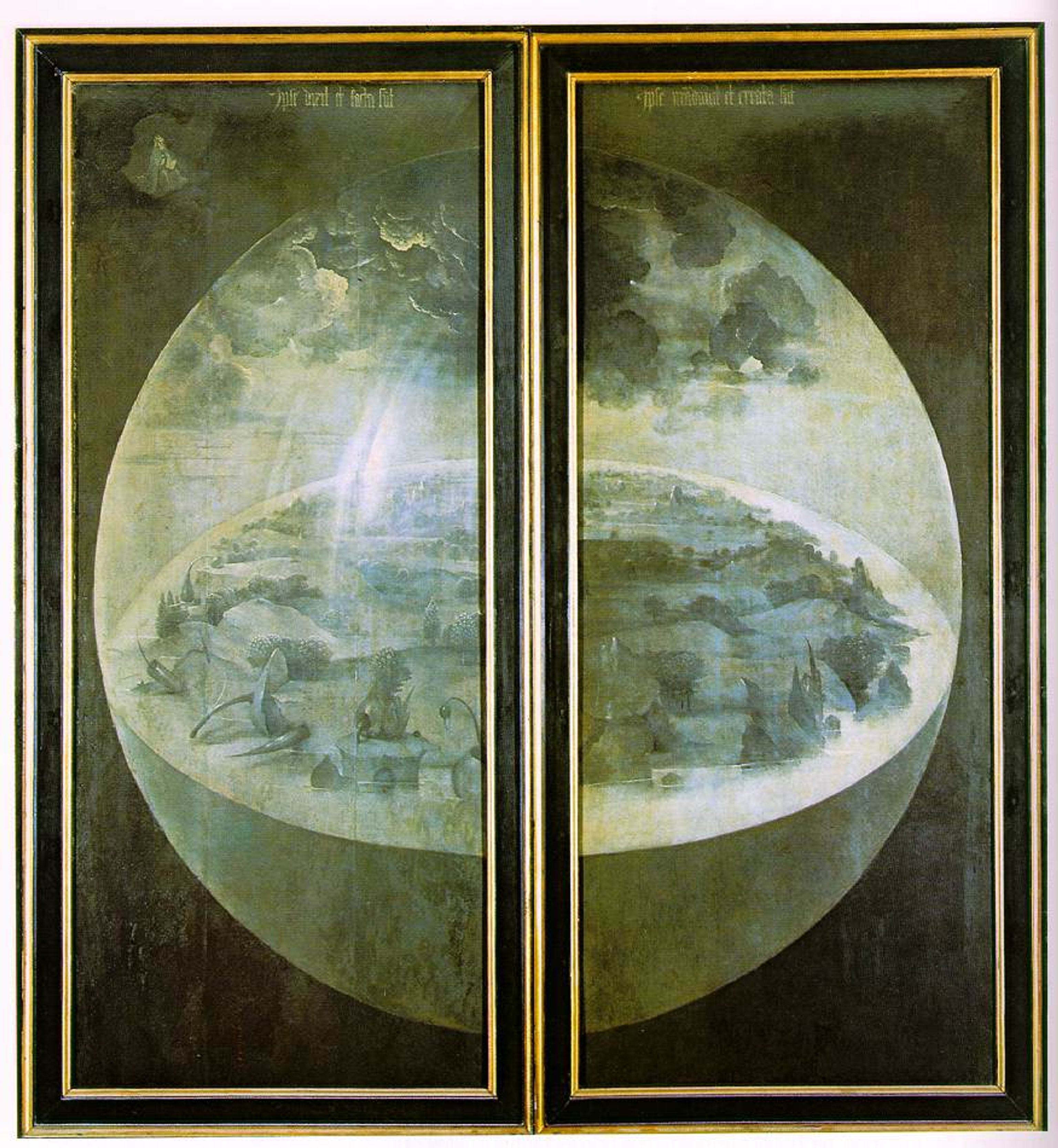
The painting unfolds across three panels, each offering a distinct yet interconnected vision. When closed, the outer panels depict a muted, almost monochrome image of the world during creation, serene and untouched. Once opened, however, the viewer is confronted with a vivid explosion of color and detail that shifts dramatically from panel to panel.

Paradise and the First Temptation
The left panel presents a version of the Garden of Eden. Here, Bosch depicts God introducing Eve to Adam in a tranquil, luminous landscape. Exotic animals wander through the scene, some real and some entirely imagined. Despite the calm atmosphere, subtle tensions are already present. Odd creatures and unusual formations hint that this paradise is not as stable as it seems. Bosch’s Eden is less a perfect beginning than a fragile moment before inevitable change.
The imagery suggests that temptation and disorder are already embedded within creation. Even in this peaceful setting, the seeds of what will follow are quietly planted.

The Illusion of Endless Pleasure
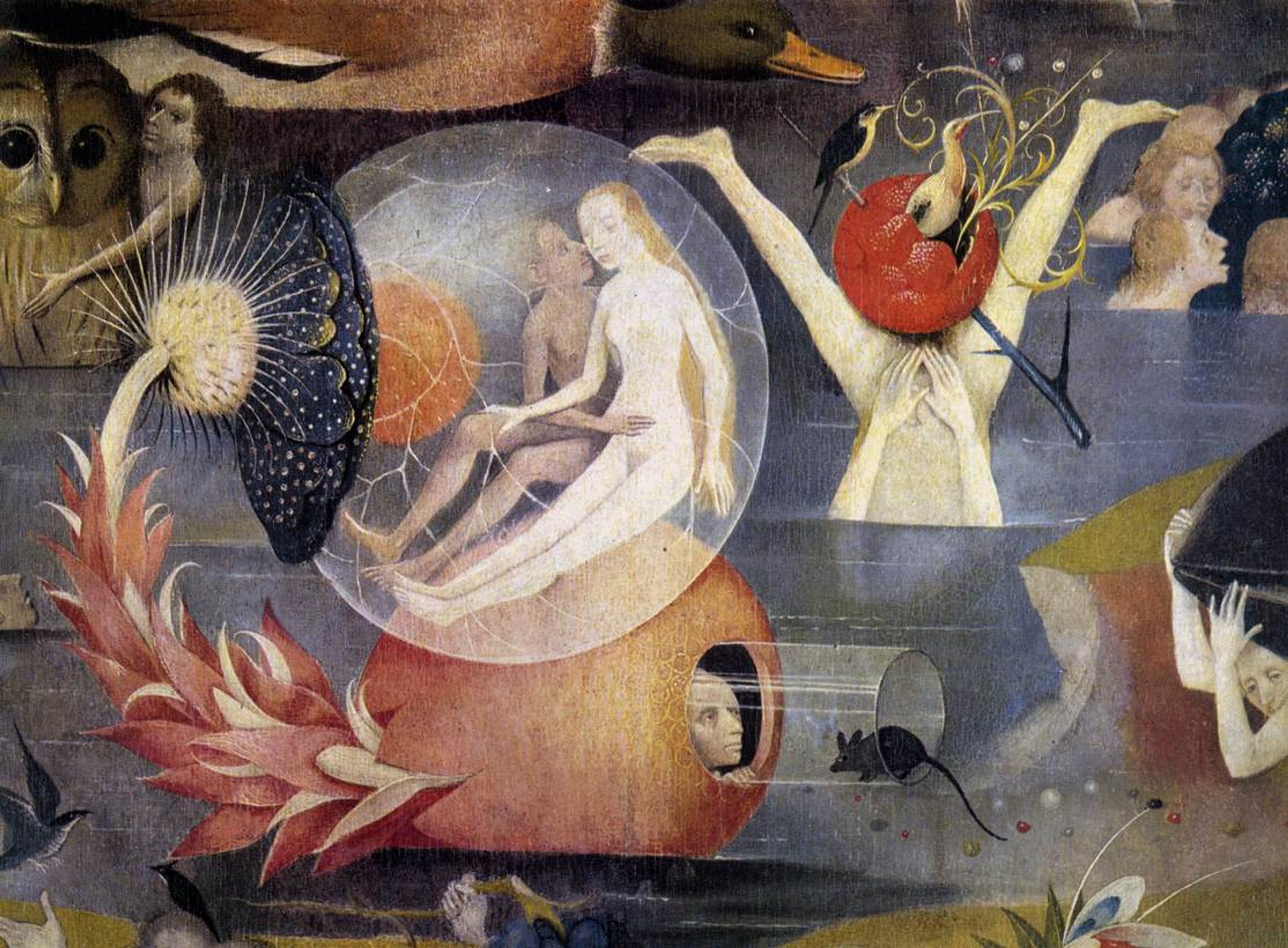
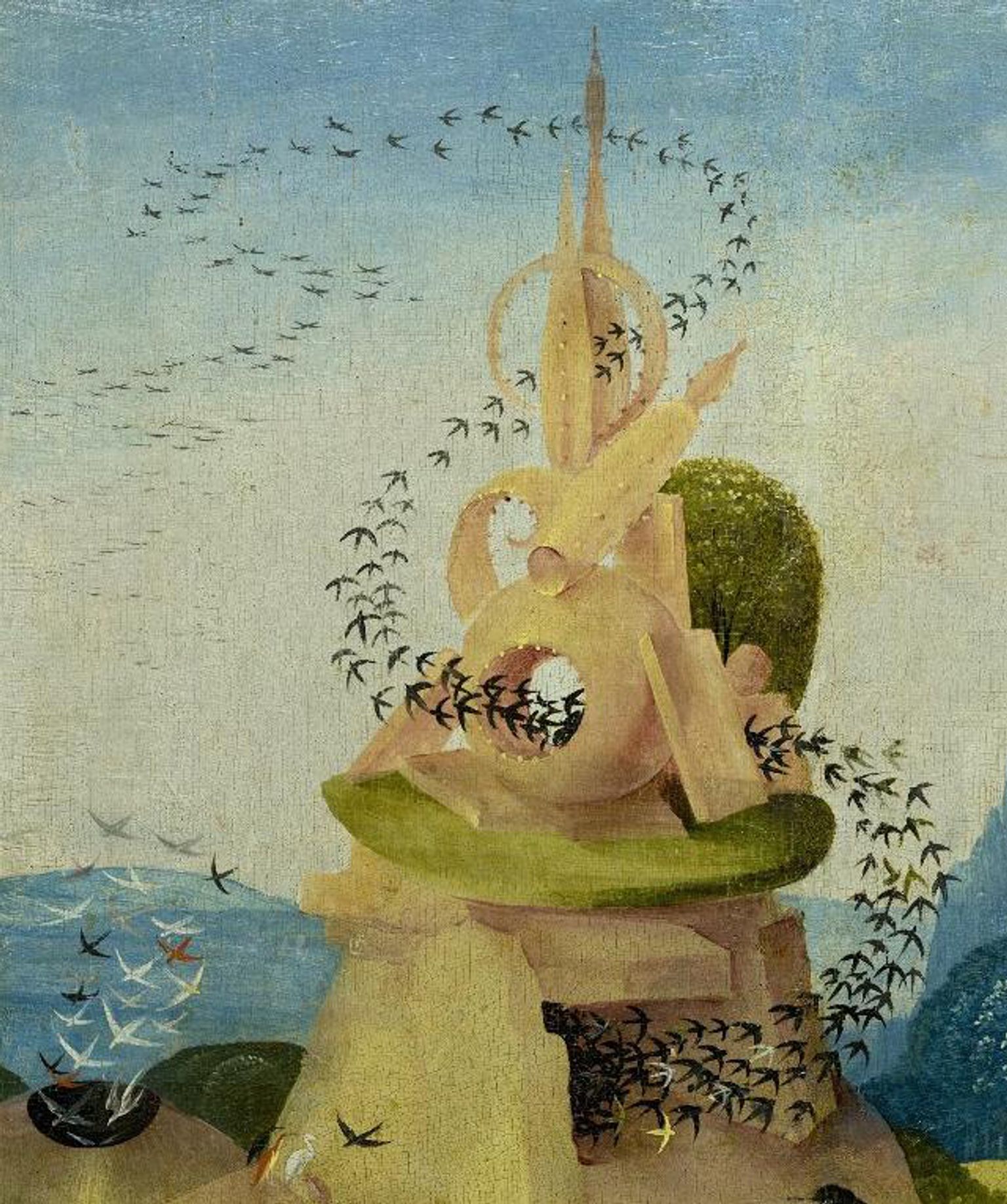
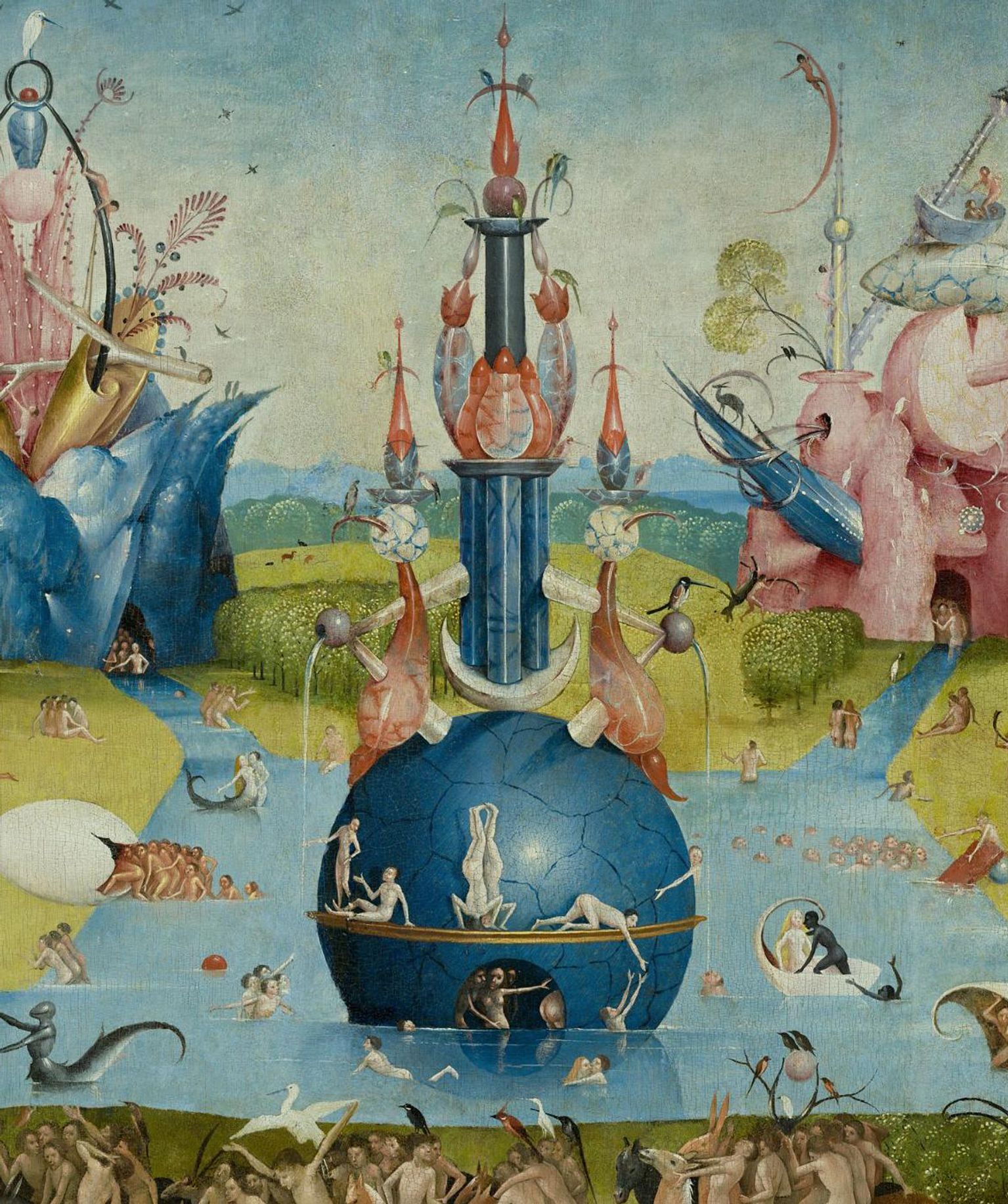
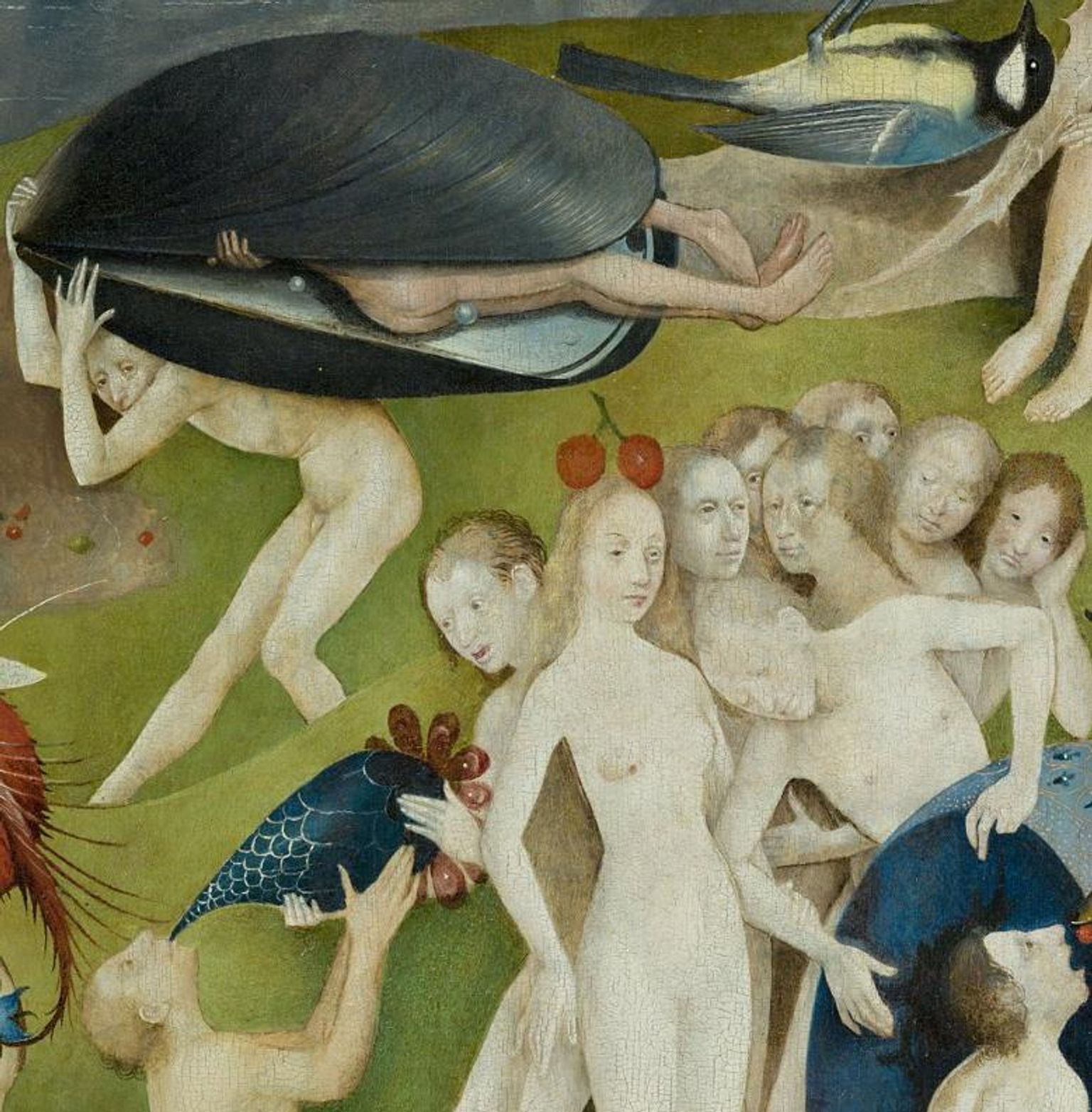
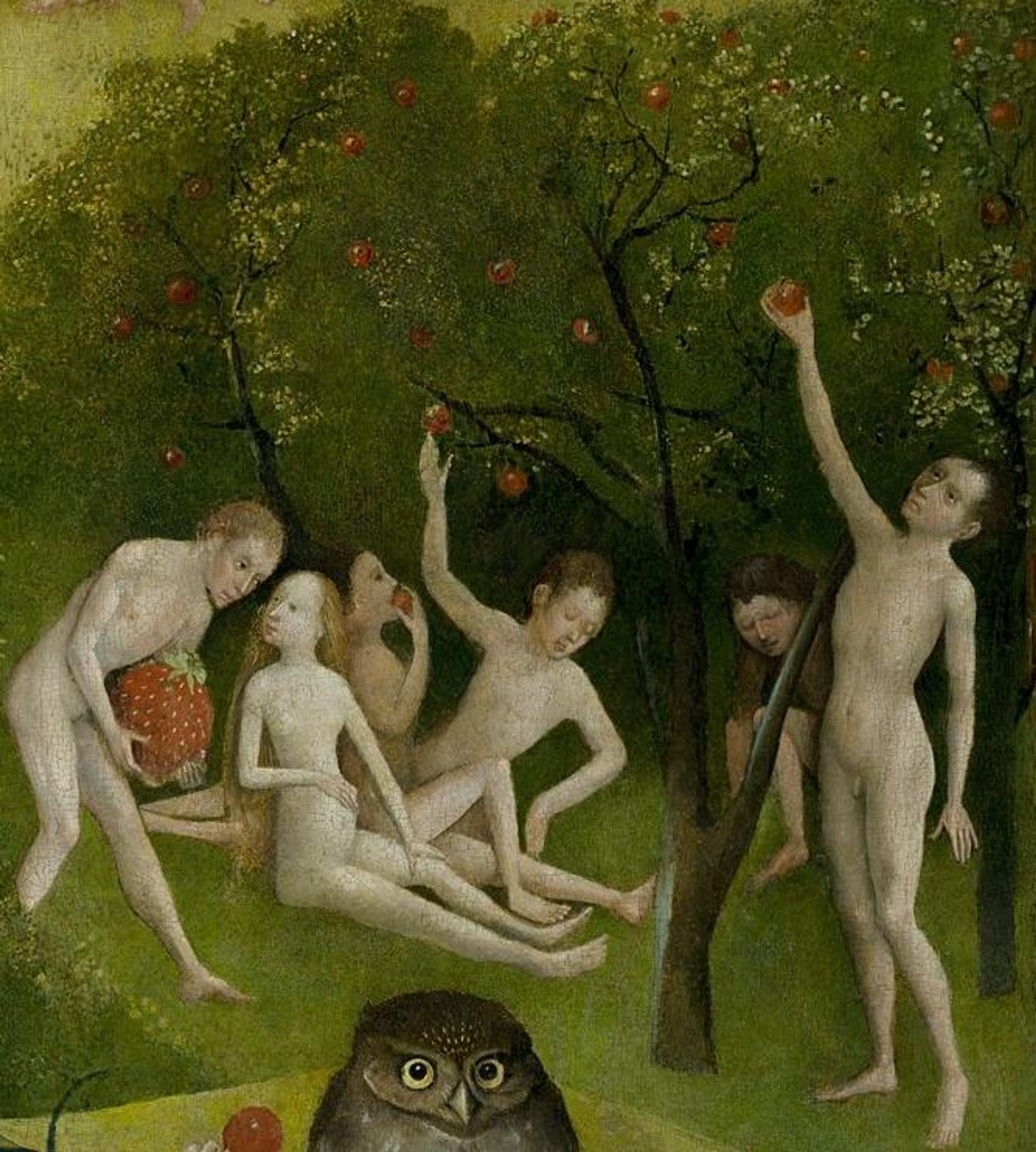
At the center of the triptych lies the most famous and perplexing scene. A vast landscape filled with nude figures engaged in playful, sensual, and often bizarre activities stretches endlessly across the panel. Giant fruits, oversized birds, and fantastical structures dominate the environment, creating a dreamlike world where conventional rules no longer apply.
This central panel is often interpreted as a vision of humanity surrendered to earthly pleasures. There is joy and curiosity, but also a sense of aimlessness and excess. The figures seem absorbed in fleeting experiences, disconnected from consequence or reflection. Bosch does not present clear judgment here, but the sheer density of activity suggests a loss of balance, as if pleasure itself has become overwhelming.

A Descent into Chaos and Punishment
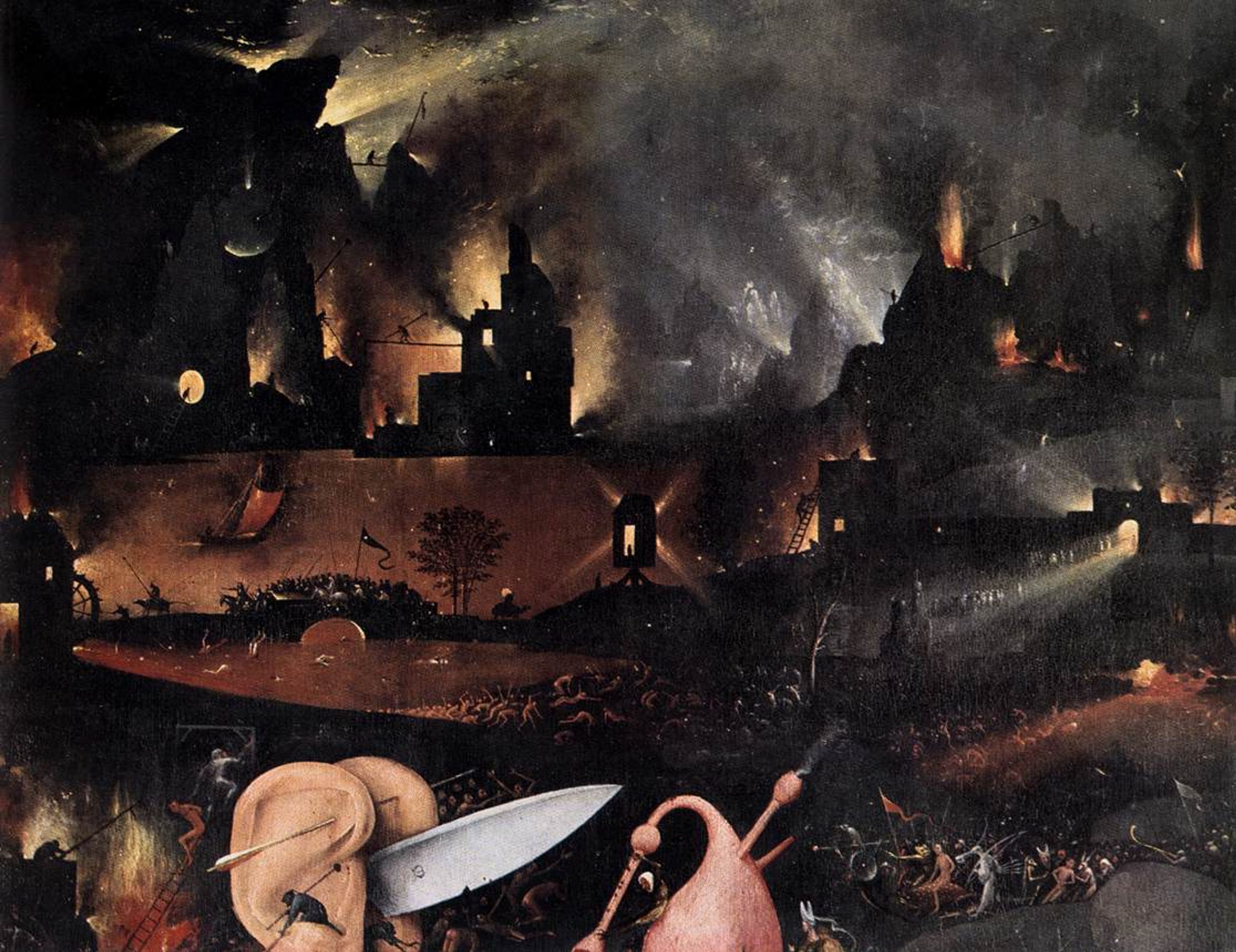
The right panel offers a stark contrast. Darkness replaces light, and the playful scenes give way to a nightmarish vision of hell. Here, the consequences of indulgence unfold in grotesque and often terrifying ways. Musical instruments become tools of torture, and familiar objects are transformed into symbols of suffering.
Bosch’s hell is not merely a place of punishment but a distorted mirror of the pleasures seen in the central panel. What once seemed joyful now appears absurd and destructive. The transition from delight to despair feels almost inevitable, reinforcing the idea that excess leads to ruin.

A Timeless Puzzle
What makes The Garden of Earthly Delights so compelling is its refusal to settle into a single interpretation. Scholars have debated its meaning for centuries. Some see it as a moral warning rooted in religious doctrine, while others interpret it as a more ambiguous exploration of human nature and imagination.
Bosch’s work resists easy explanation because it operates on multiple levels at once. It is both deeply symbolic and wildly inventive, grounded in the beliefs of its time yet strangely modern in its surreal imagery. Even today, viewers find themselves drawn into its intricate world, searching for meaning among its countless details.
In the end, the painting endures not because it provides answers, but because it continually raises questions about desire, consequence, and the fragile boundary between paradise and chaos.