
Carlo Mollino
The Carlo Mollino Refuge – Casa Capriata
- ArchitectCarlo Mollino
- Photographer© Federico Covre
Isaac Michan and Alexandra Bové The project somehow manages to be deeply rooted in regional architecture while still carrying Mollino’s sensual and futuristic language. It becomes a blend of architecture that belongs to a specific context while simultaneously proposing new realities.

An Ideal House That Refused to Stay on Paper
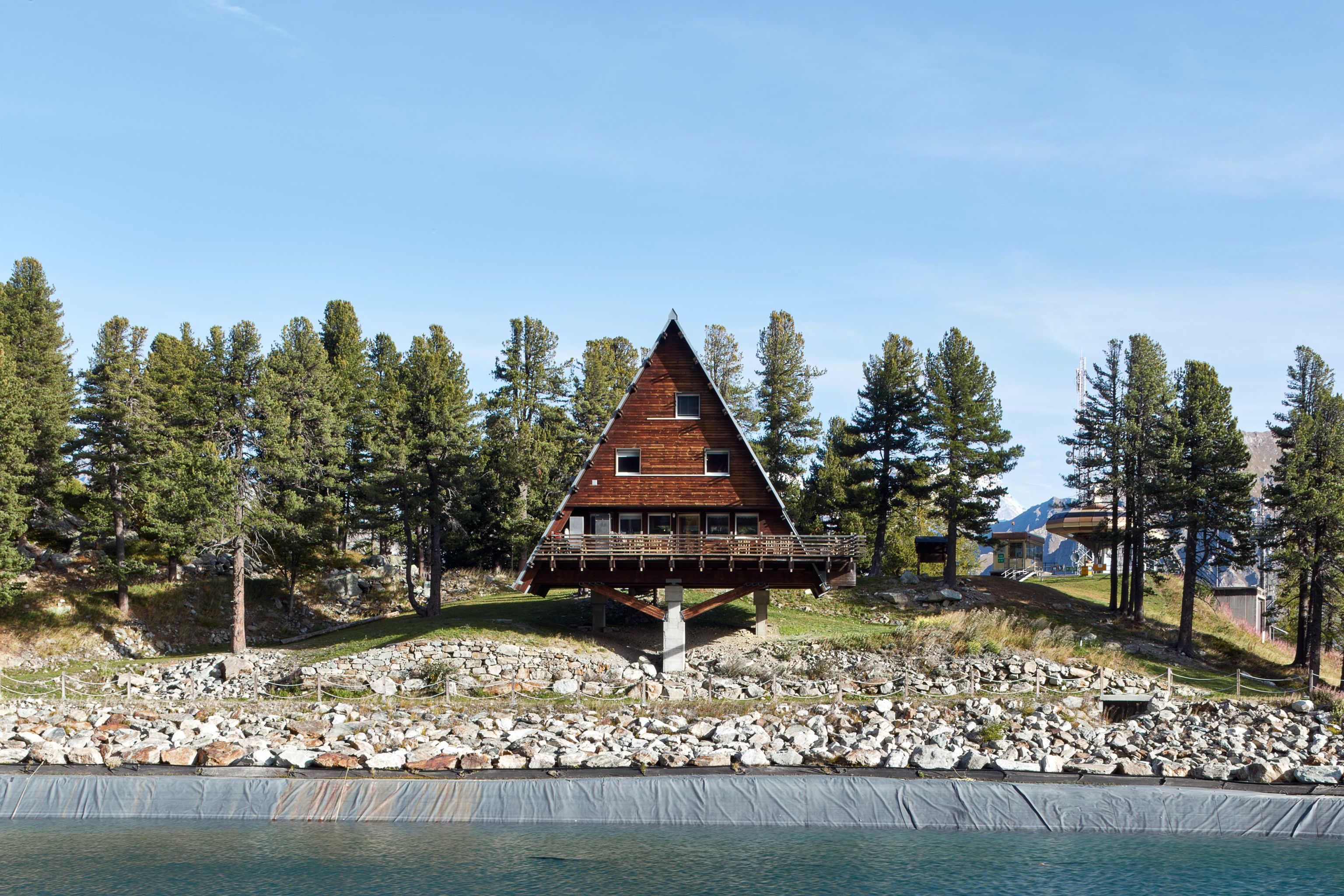
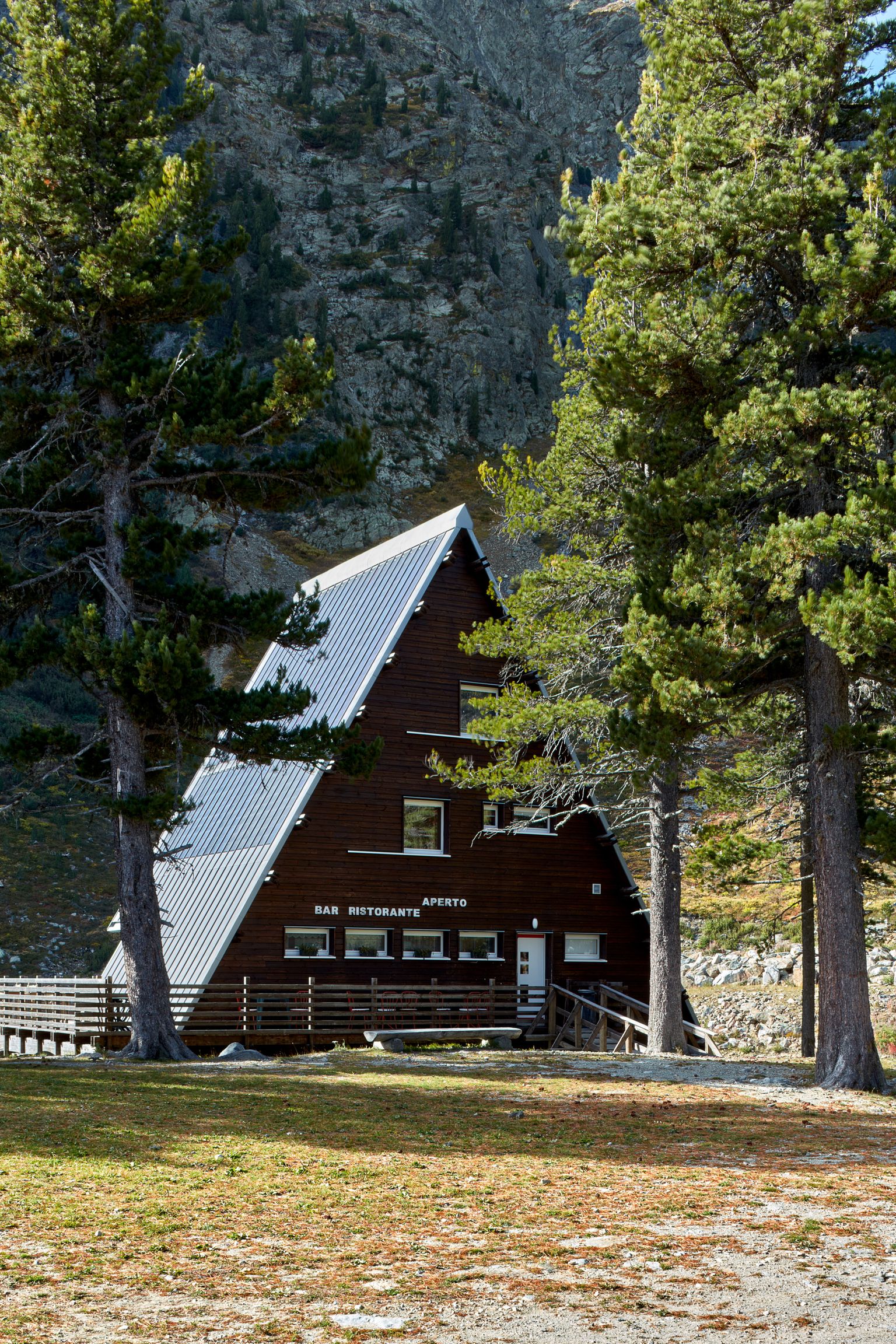
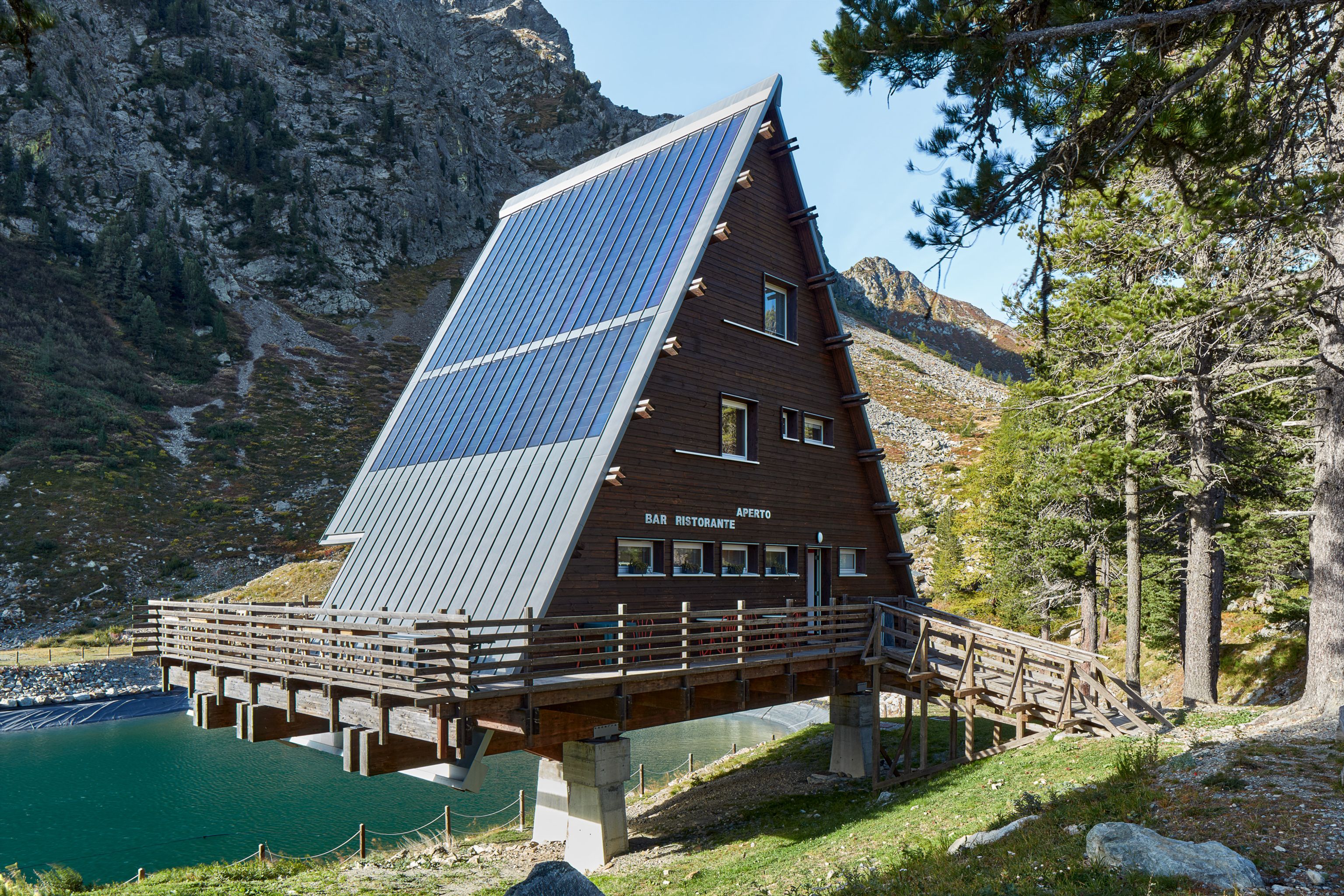
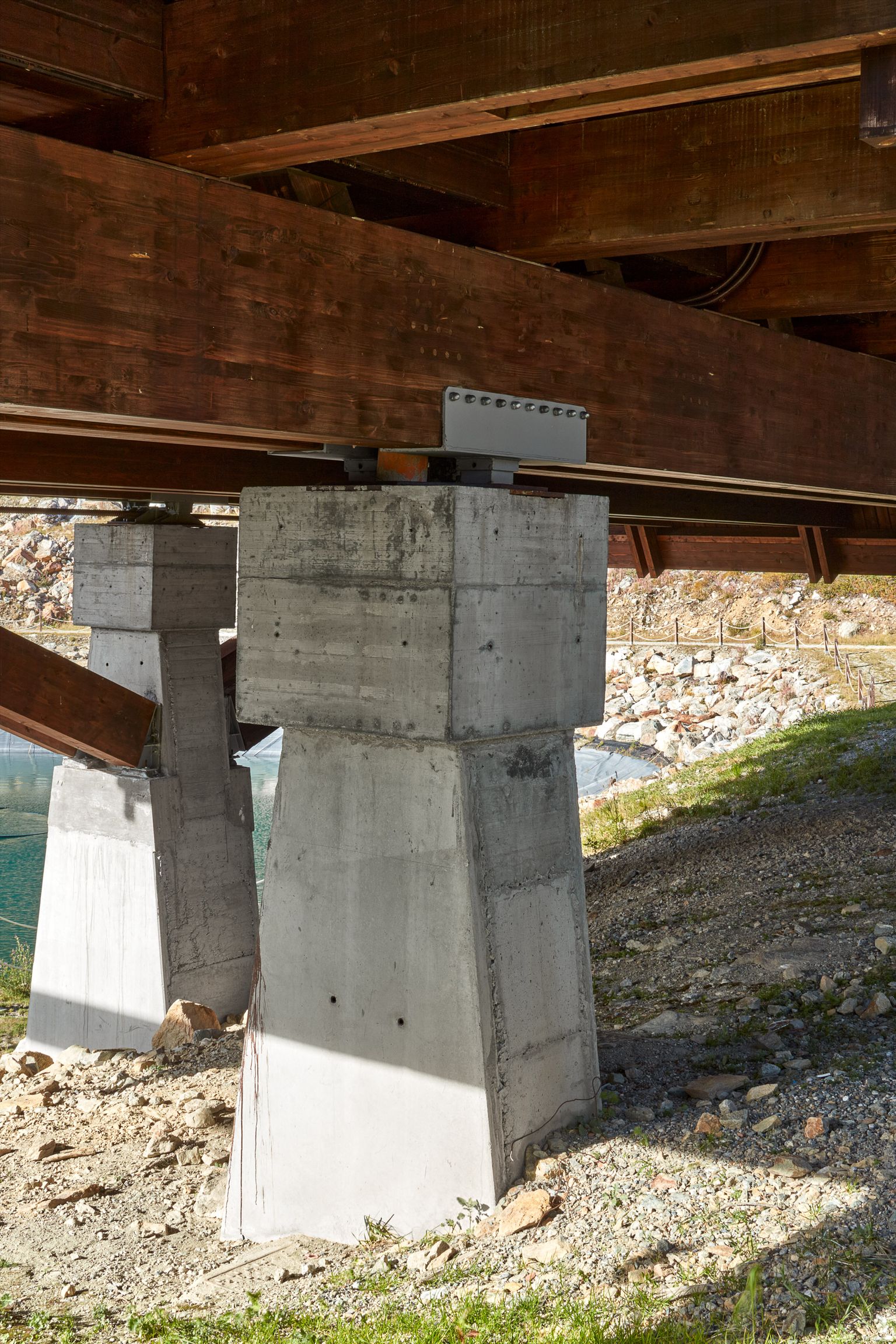
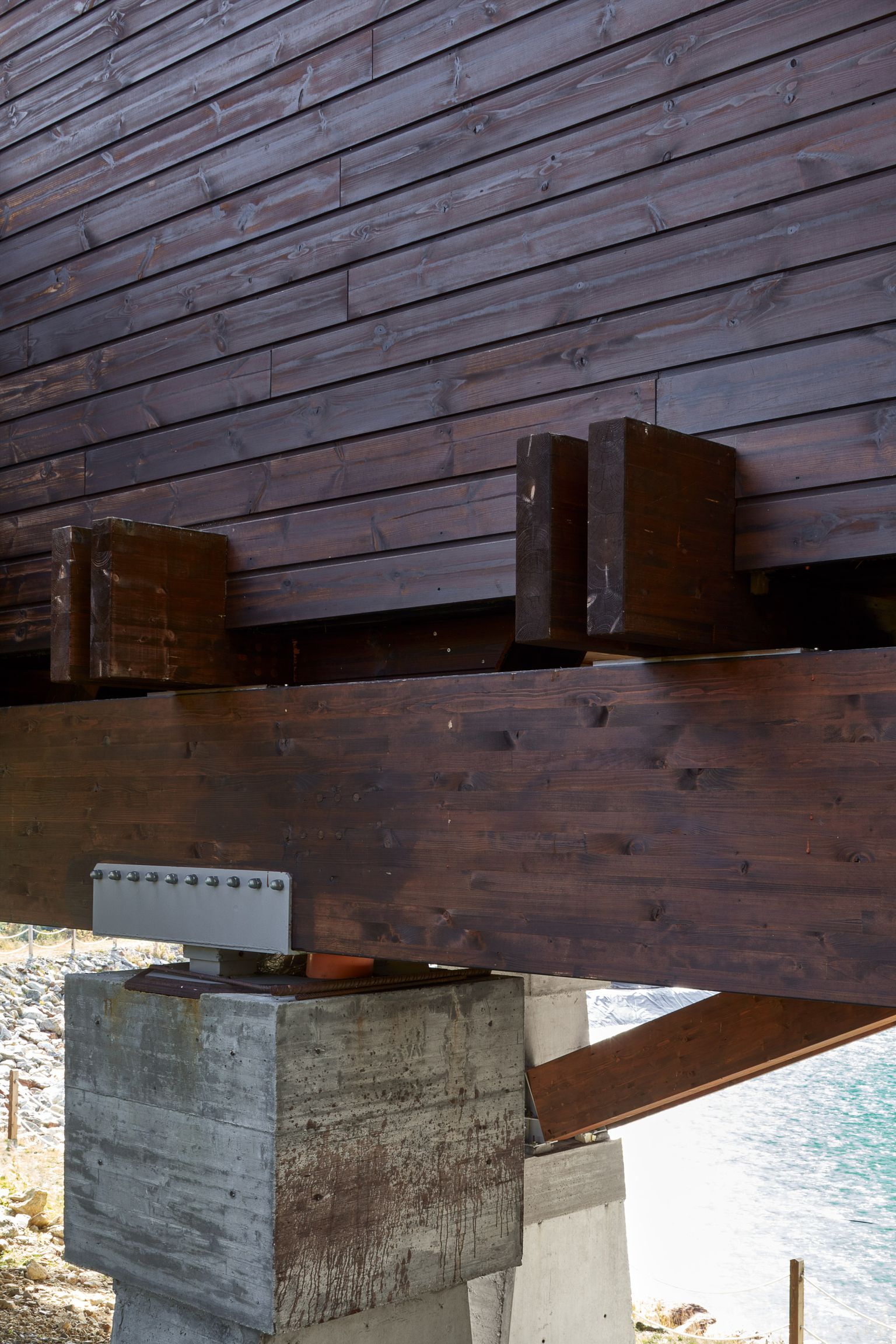
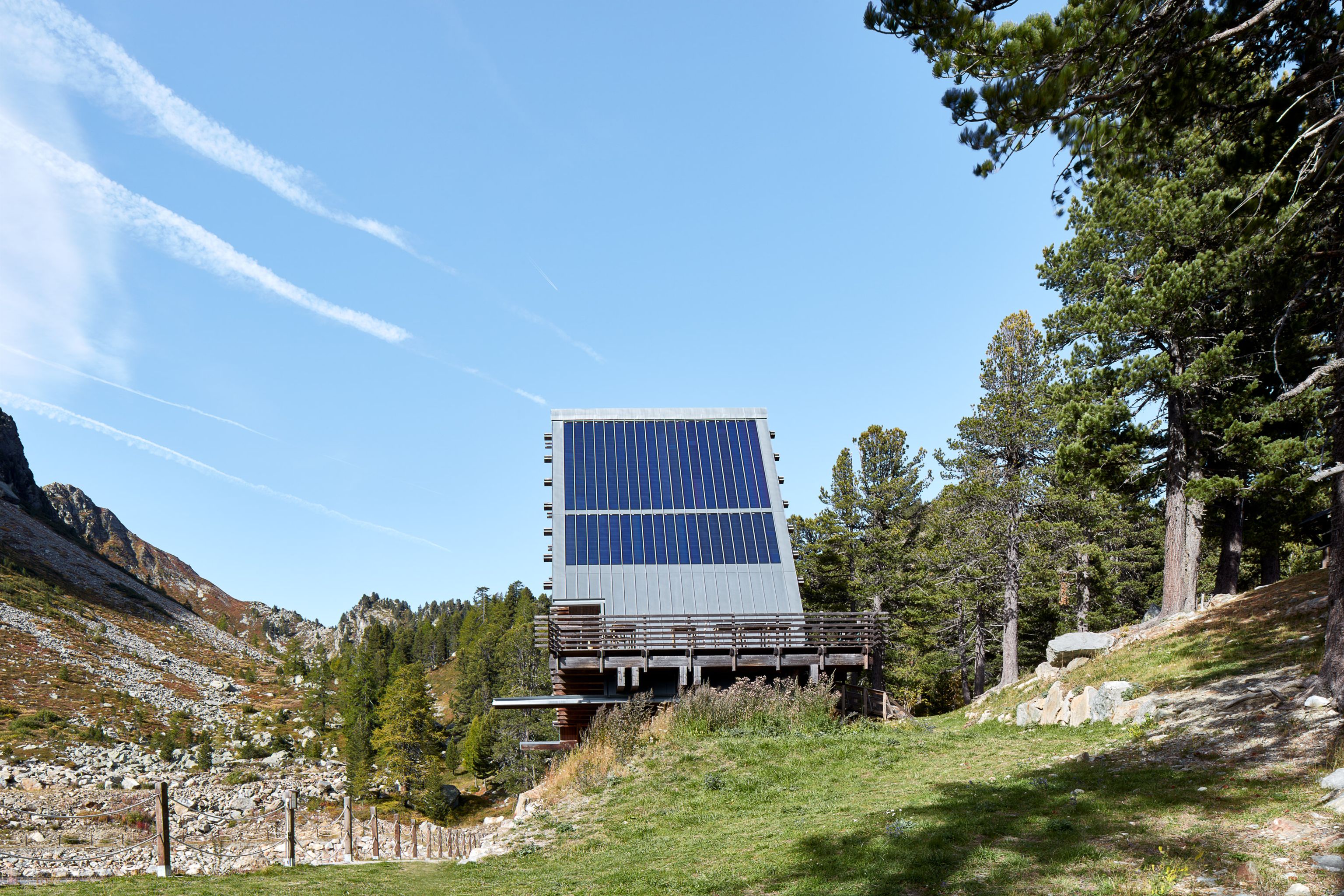
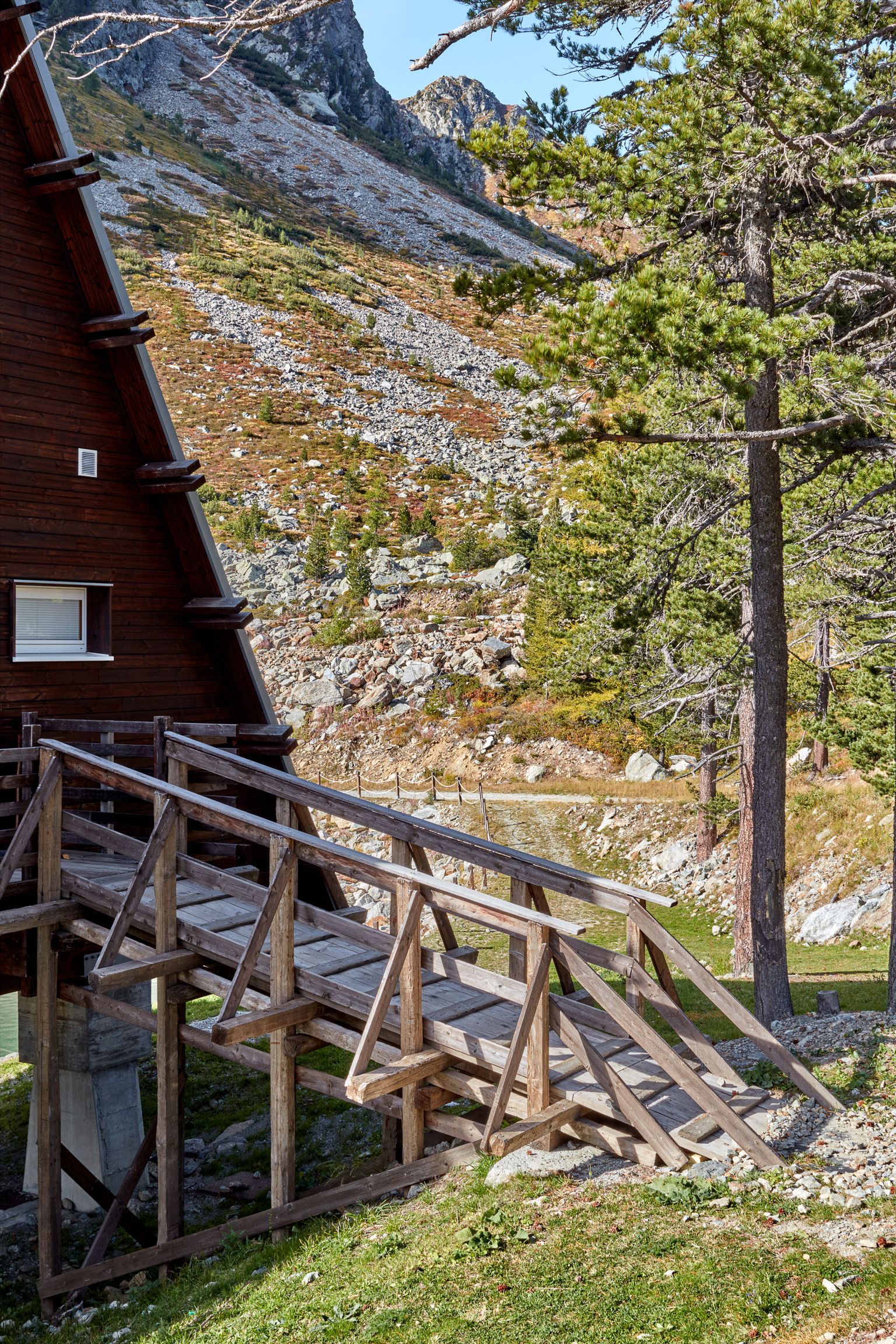
Casa Capriata – later realized as the Carlo Mollino Refuge – begins as one of those architectural ideas that almost feels complete the moment it is drawn. In 1954, Carlo Mollino presented the project at the 10th Milan Triennale as part of a broader investigation into prefabrication, alpine living, and technical innovation. It was never intended as a nostalgic mountain hut, but as a prototype for how architecture could operate in extreme environments: light, elevated, efficient, and entirely detached from fossil-fuel dependency. The structure sits on three levels and is lifted above the ground, a deliberate gesture that reinterprets the Walser building tradition of the Gressoney valley, where houses were raised to adapt to snow, terrain, and seasonal change.
What Mollino proposed, however, was not imitation but transformation, taking a vernacular logic and pushing it into a modern system of engineering and modular construction. The project was shown alongside other experimental works of the period, functioning almost as a manifesto: architecture as a laboratory, not a fixed language.

Carlo Mollino – The Architect Who Never Worked in One Discipline
To understand Casa Capriata, you have to understand Carlo Mollino not as a conventional architect, but as a figure constantly operating across multiple realities at once. Born in Turin in 1905, he trained formally in architecture, but never limited himself to it. His practice unfolded across photography, interior design, writing, furniture, skiing, aviation, and even race car design – each discipline approached with the same precision and intensity as architecture itself. For Mollino, there was no hierarchy between designing a chair, a building, or a photographic composition. Everything was construction: of space, of narrative, of experience. He once described architecture as something that should not only solve functional problems, but create an atmosphere of controlled imagination.

This is why his work often feels difficult to categorize. He was deeply technical, obsessed with structure, joints, materials, and engineering detail, yet simultaneously drawn to surrealism, theatrical composition, and symbolic spatial experiences. His interiors, for example, were never neutral; they were choreographed environments where furniture, light, and objects formed a kind of staged domestic landscape. Even his alpine projects, like Casa Capriata, reflect this duality: rigorously engineered systems wrapped in an almost poetic reading of terrain and elevation. Mollino’s architecture is never just about shelter – it is about how a place can heighten perception.

The Alpine Landscape as Construction System
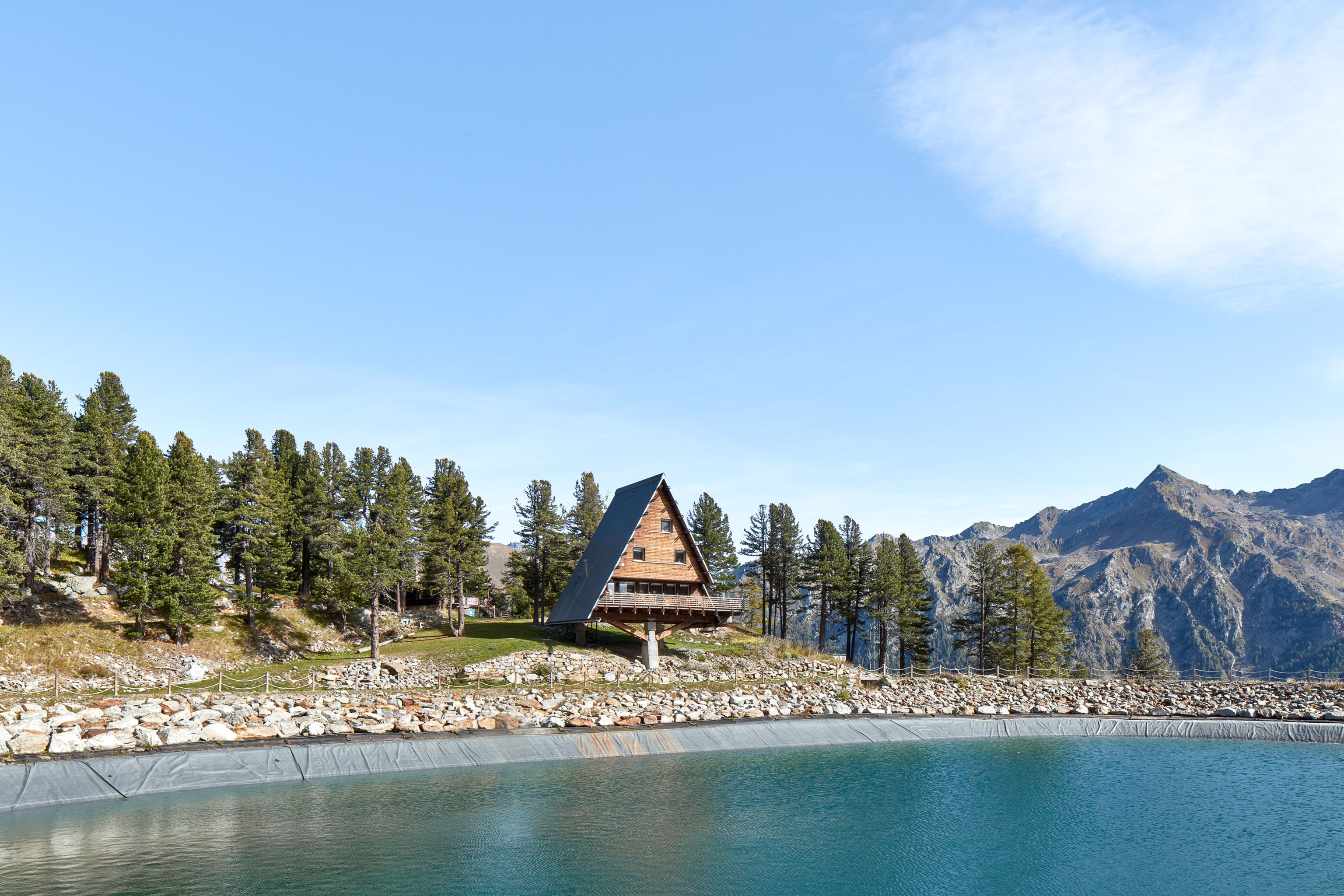
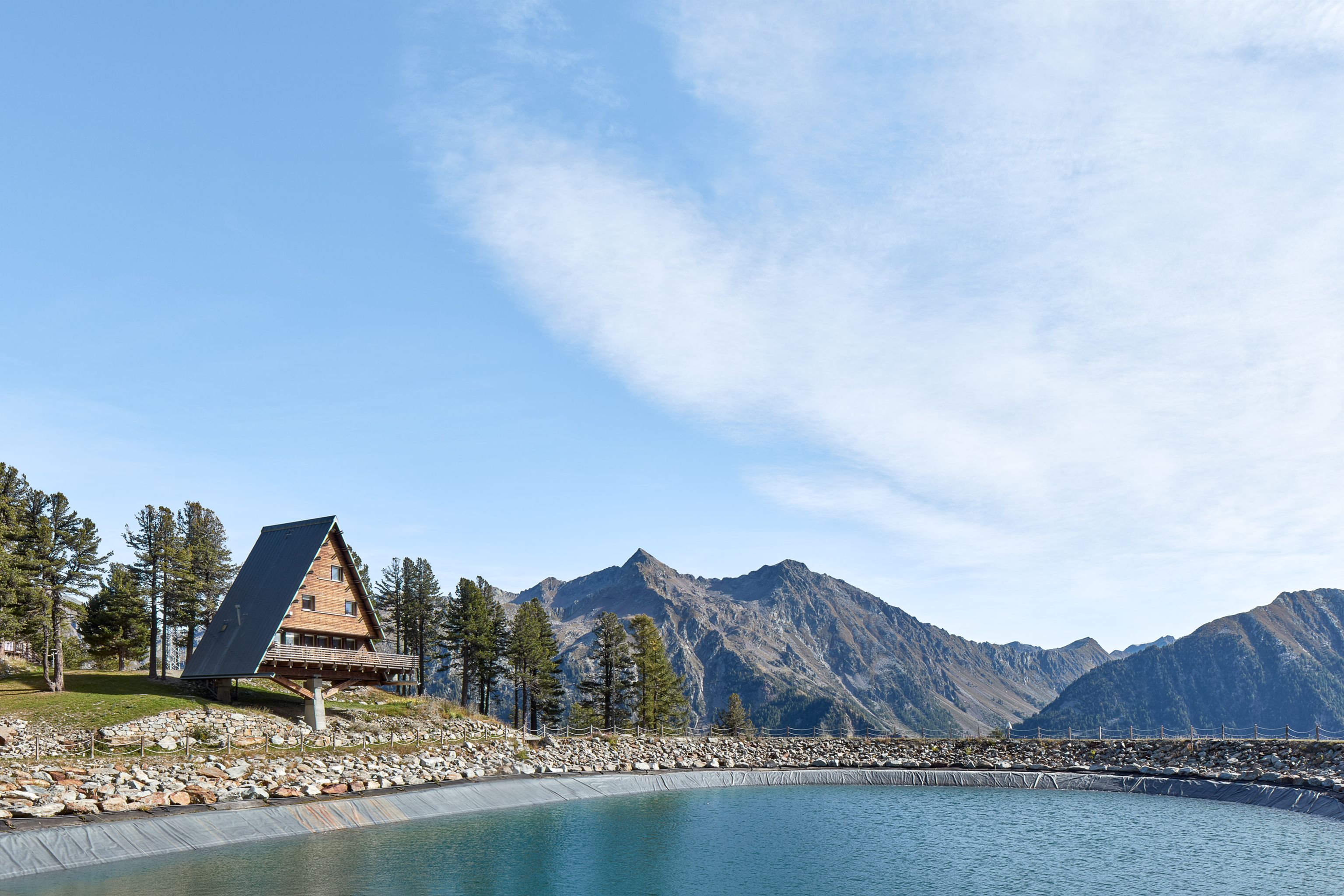
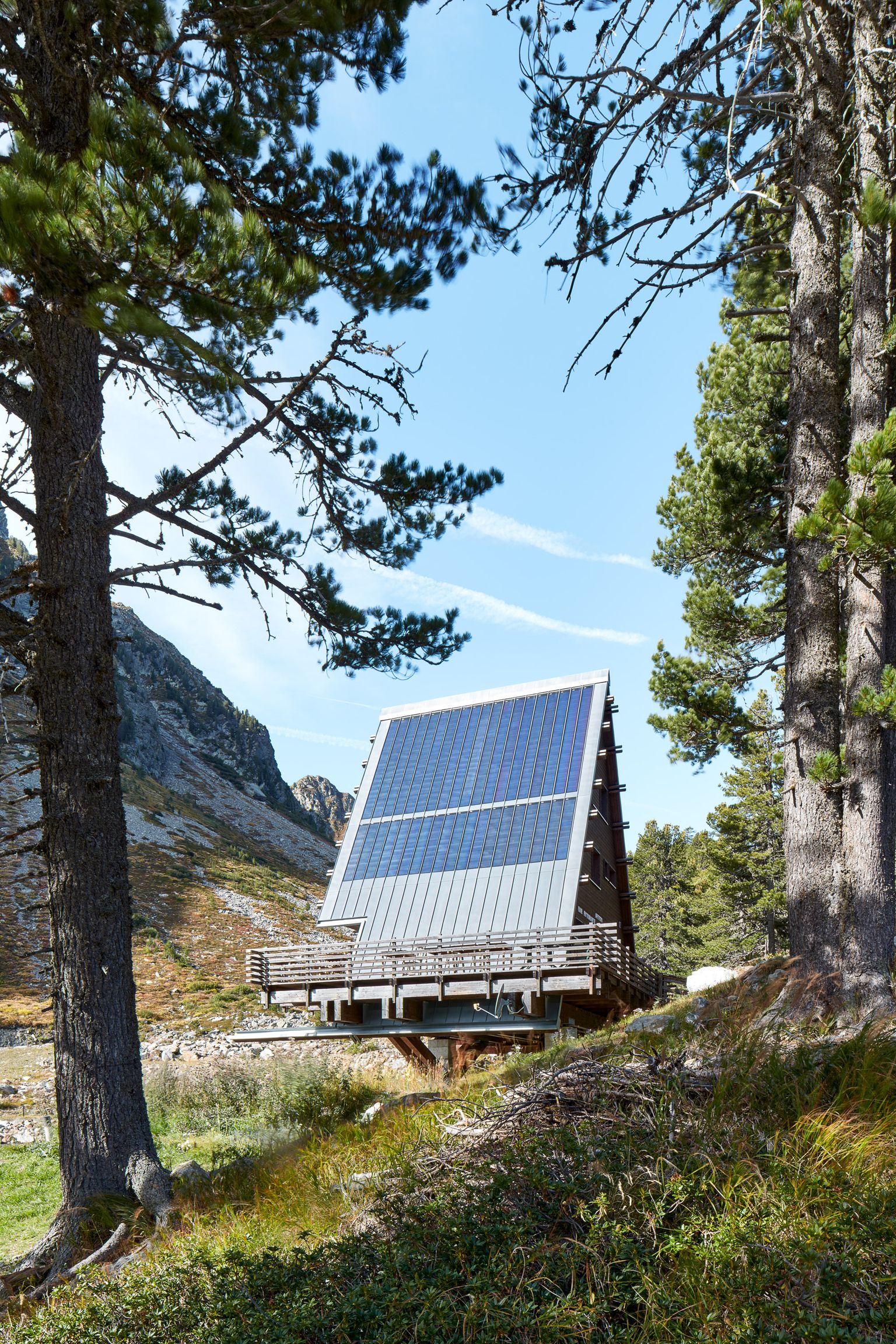
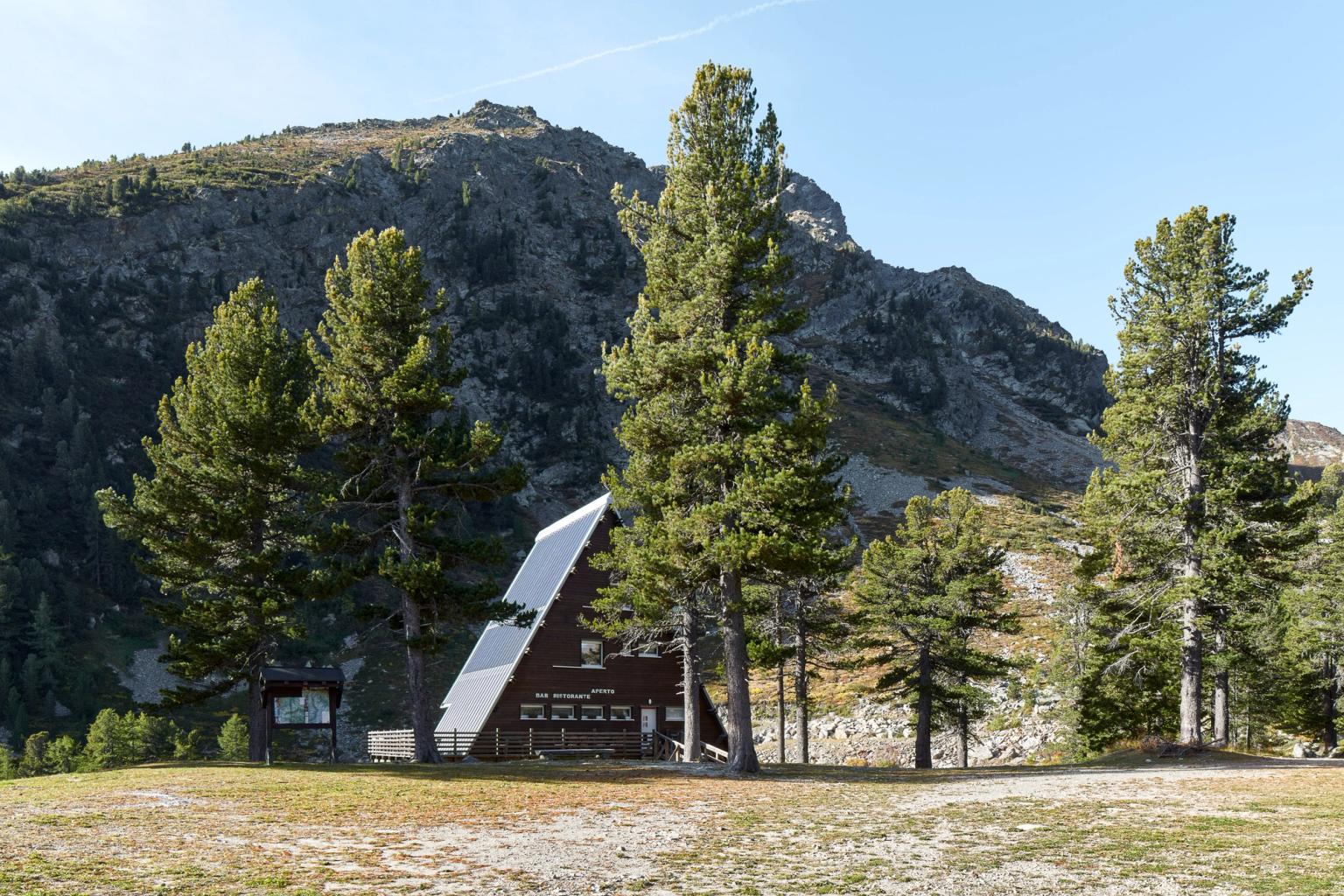
Casa Capriata is inseparable from the environment it was designed for. Today, it stands at 2,100 meters above sea level in Gressoney-Saint-Jean, within the Weissmatten ski area, but its logic belongs to a much wider alpine context that Mollino studied throughout his career. He was fascinated by mountain architecture not as rustic tradition, but as an intelligent response to extreme conditions. The Walser typology, raised wooden structures adapted to snow loads, ventilation, and seasonal occupation, became a starting point, not an endpoint.
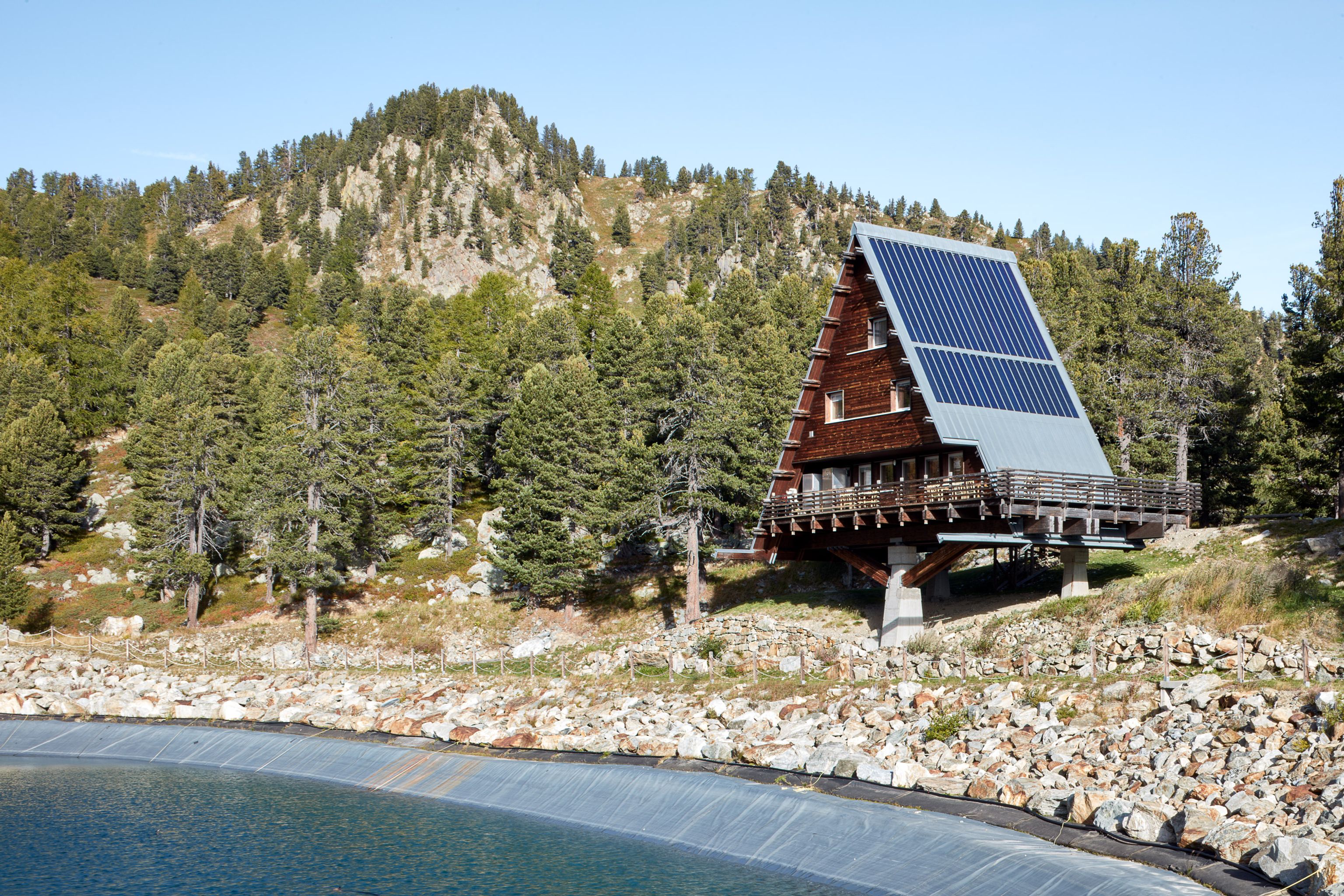
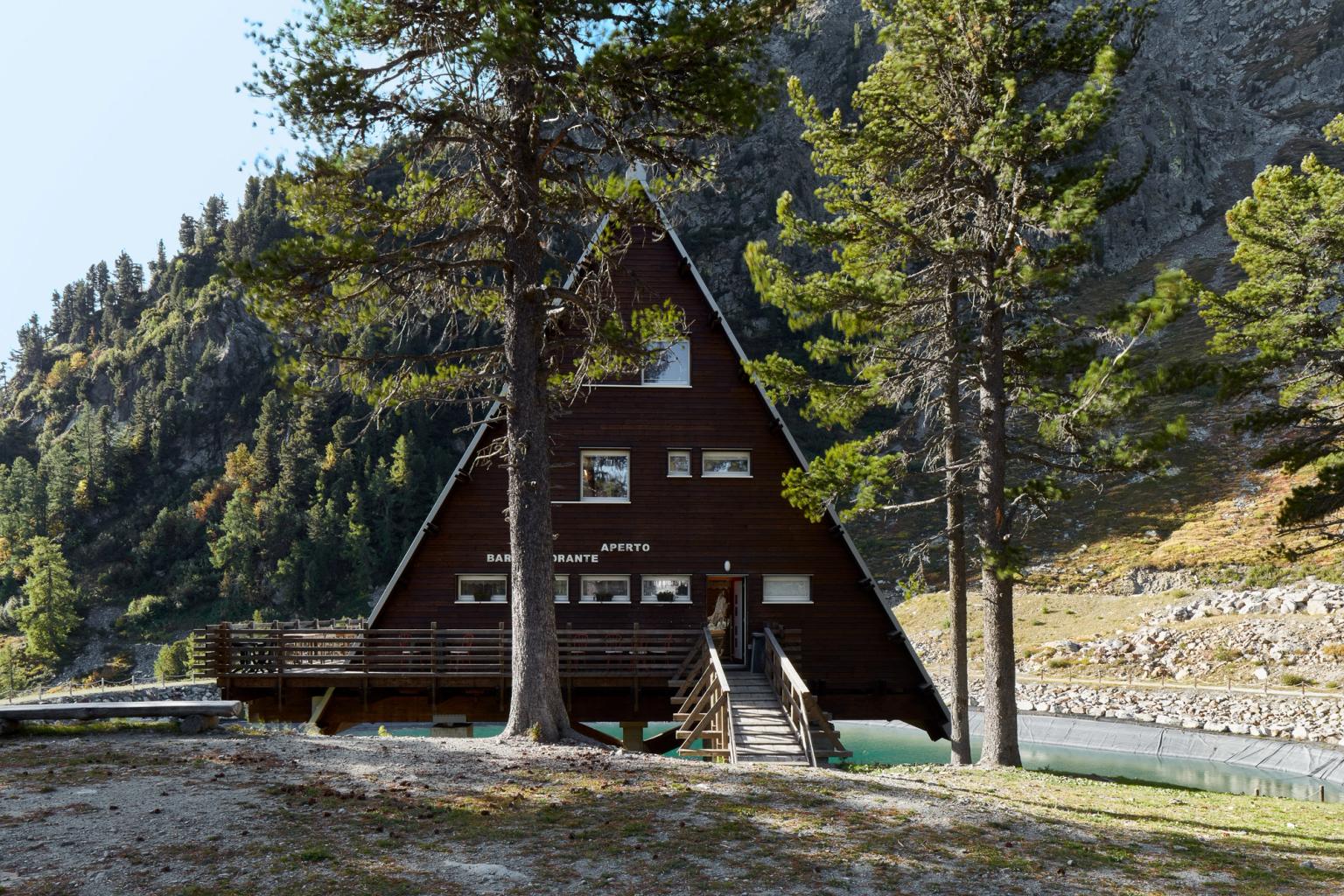
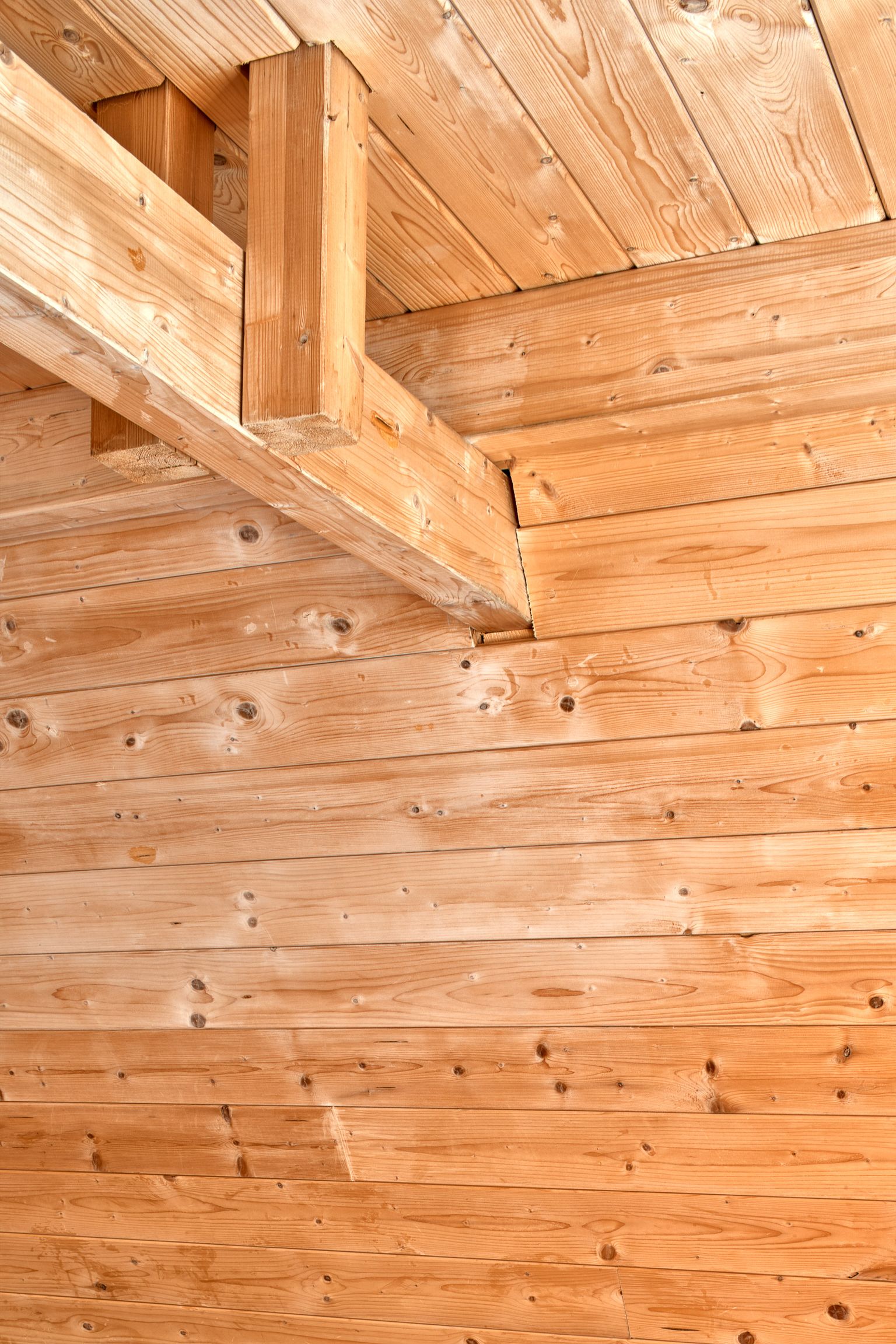
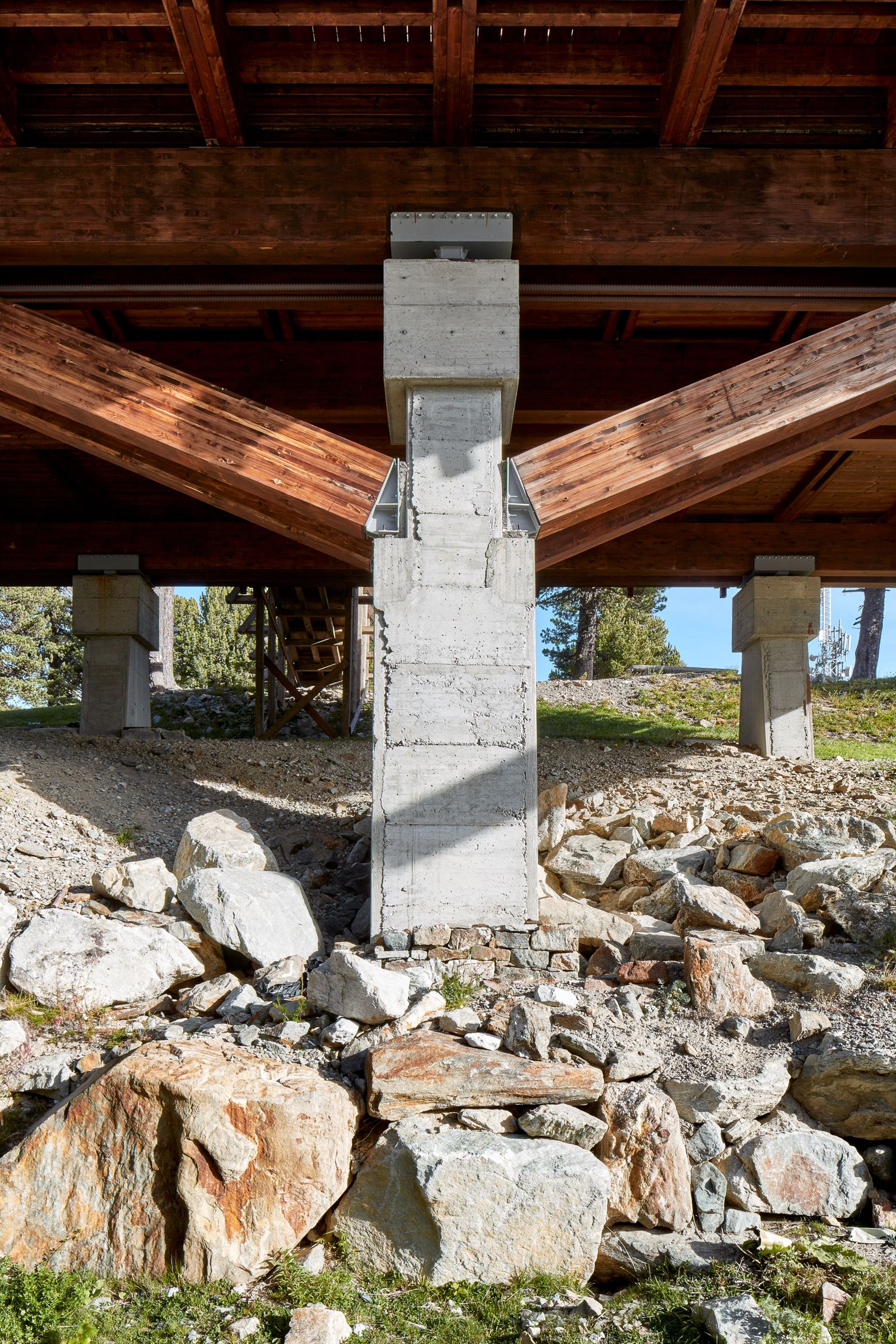
In Casa Capriata, this logic is abstracted and reassembled. The building is lifted from the ground, reducing contact with snow accumulation and moisture while visually detaching it from the terrain. Its three-level structure organizes program vertically, responding to slope conditions and views across the valley. Timber construction dominates, but not as decoration, rather as a structural and environmental system, chosen for its adaptability, thermal properties, and availability. Mollino’s vision was that alpine architecture should not resist nature, but align with it through intelligence. The building becomes a kind of instrument tuned to altitude, weather, and light.







From Vision to Reconstruction
Unlike many unrealized modernist projects, Casa Capriata did not disappear, it waited. After Mollino’s death in 1973, the design remained an archival idea, studied but not built. It was only in 2006 that researchers from the Polytechnic University of Turin, Mollino’s own academic institution, began to revisit the drawings. What they found was not an outdated concept, but a surprisingly relevant system of thinking: prefabrication strategies, energy efficiency considerations, and structural clarity that aligned closely with contemporary architectural concerns.


The reconstruction process was not about interpretation in a loose sense, but about technical translation. Original drawings were analyzed alongside modern building standards, materials, and engineering tools. The goal was to remain faithful to the conceptual structure while allowing the project to operate in today’s environmental and technical reality. In 2014, Casa Capriata was finally completed and inaugurated, 60 years after its first appearance. The result is unusual in architecture: a building that is simultaneously historical and contemporary, authored and re-authored, fixed in concept but fluid in time.

A Refuge That Functions as Both Infrastructure and Idea
Today, the Carlo Mollino Refuge – Casa Capriata operates as a mountain bar and restaurant, accessible by foot, ski, or chairlift, embedded within the ski landscape rather than isolated from it. Its function is simple, but its conceptual weight is complex. It is not a museum reconstruction of Mollino’s work, but a functioning space that continues his original ambition: to merge utility with experimentation.
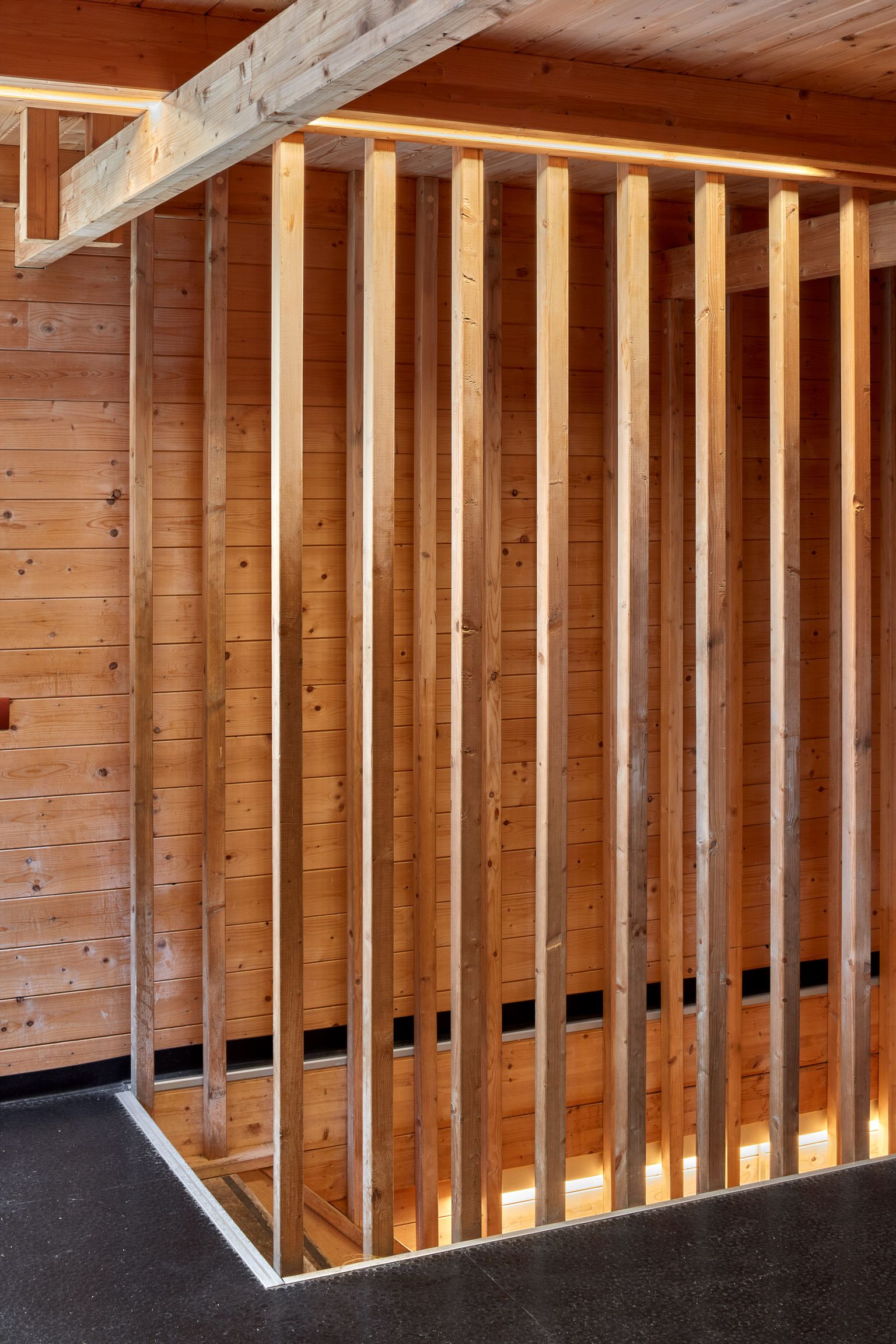
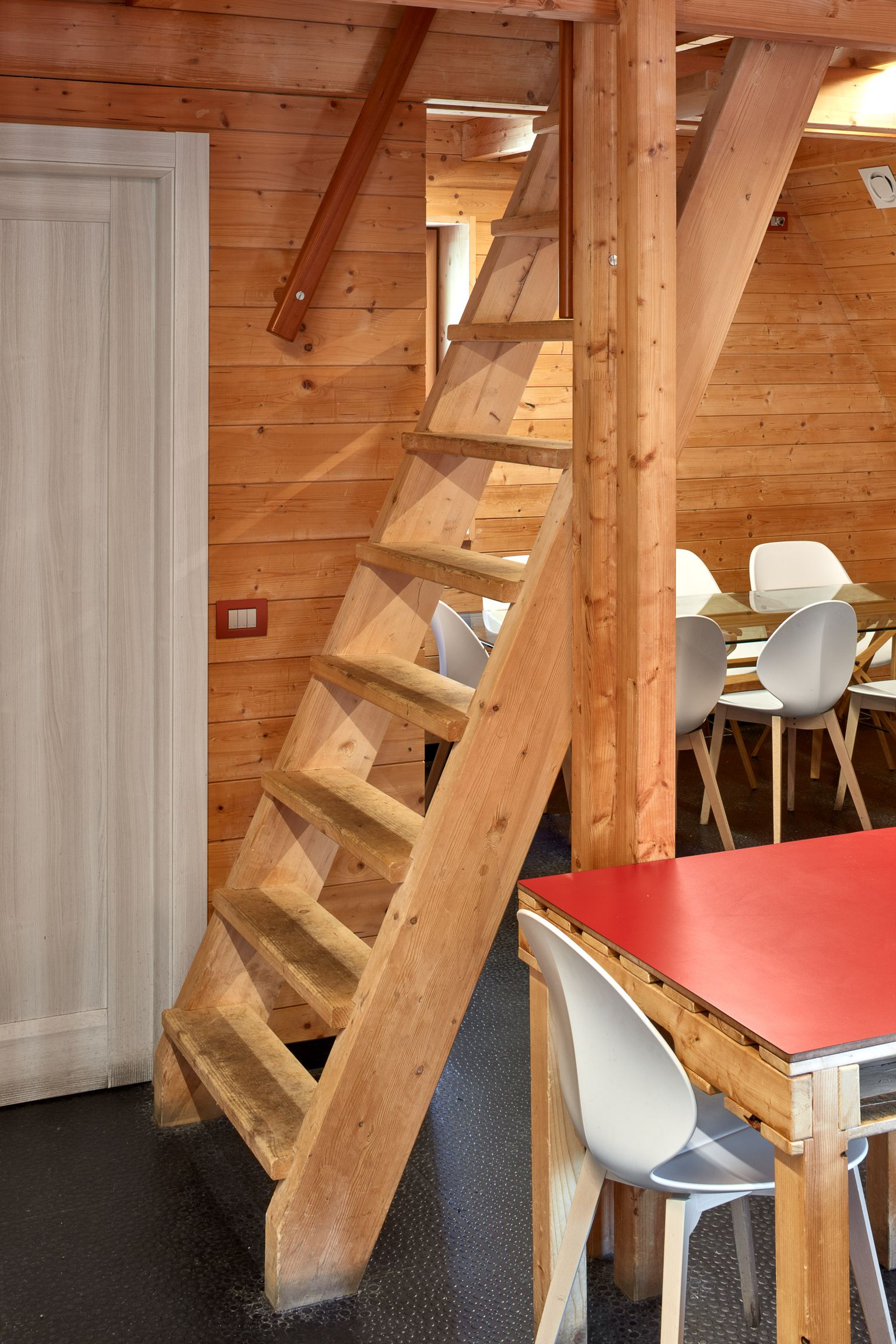
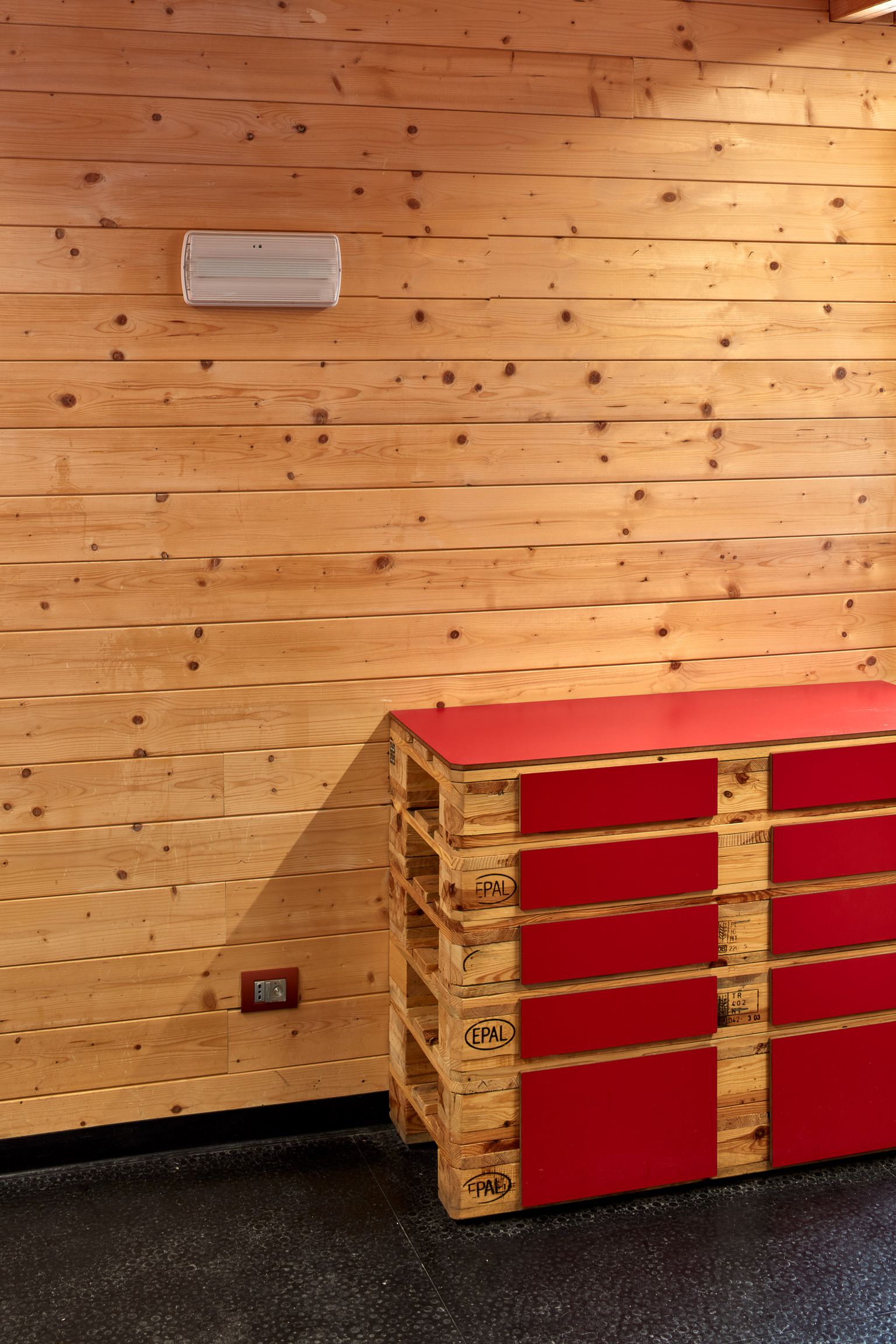
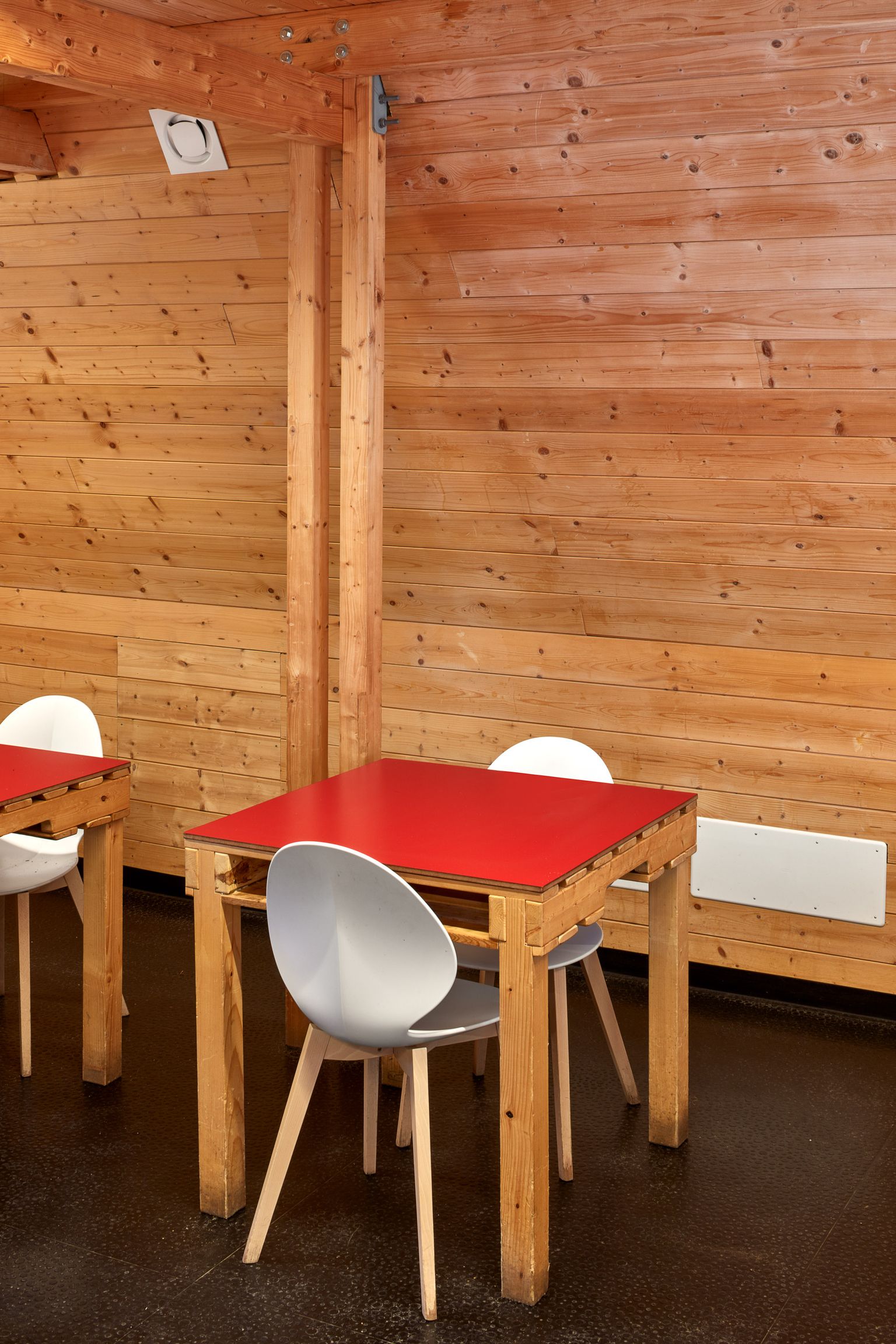
Inside, the structure expresses a balance between warmth and technical clarity. The timber surfaces, modular construction logic, and spatial openness create a sense of continuity between exterior landscape and interior use. Nothing is ornamental in the traditional sense; every element is part of a system designed to operate in harsh climatic conditions while remaining open and social. Mollino often argued that architecture should be understood through experience rather than explanation, and Casa Capriata reflects exactly that principle: it is a building that is meant to be used first, understood later.


Architecture as Continuous Reinvention
What makes Casa Capriata more than a reconstructed project is its position within Mollino’s broader legacy. Throughout his life, he resisted fixed definitions of architecture, instead treating it as a continuous act of reinvention. His buildings, interiors, and objects were never isolated works, they were parts of a larger system of thinking about how humans inhabit space. Even when he turned away from architecture in the mid-1950s to focus on photography, aviation, and other pursuits, the logic of construction never disappeared from his work.
Casa Capriata therefore reads as a distillation of his ideas: elevation, experimentation, material intelligence, and a refusal to separate function from imagination. It also reflects his belief that the most meaningful architecture does not need constant explanation. As he once suggested, the work itself should be enough. In the alpine silence of Gressoney, the refuge stands exactly like that, less as a finished statement, and more as a living continuation of an idea that was never meant to end.