
Christian+Jade for Karimoku Research
The Age of Wood
- DesignerChristian + Jade
- PartnerKarimoku Research
- PhotographerMasaaki Inoue, Bouillon
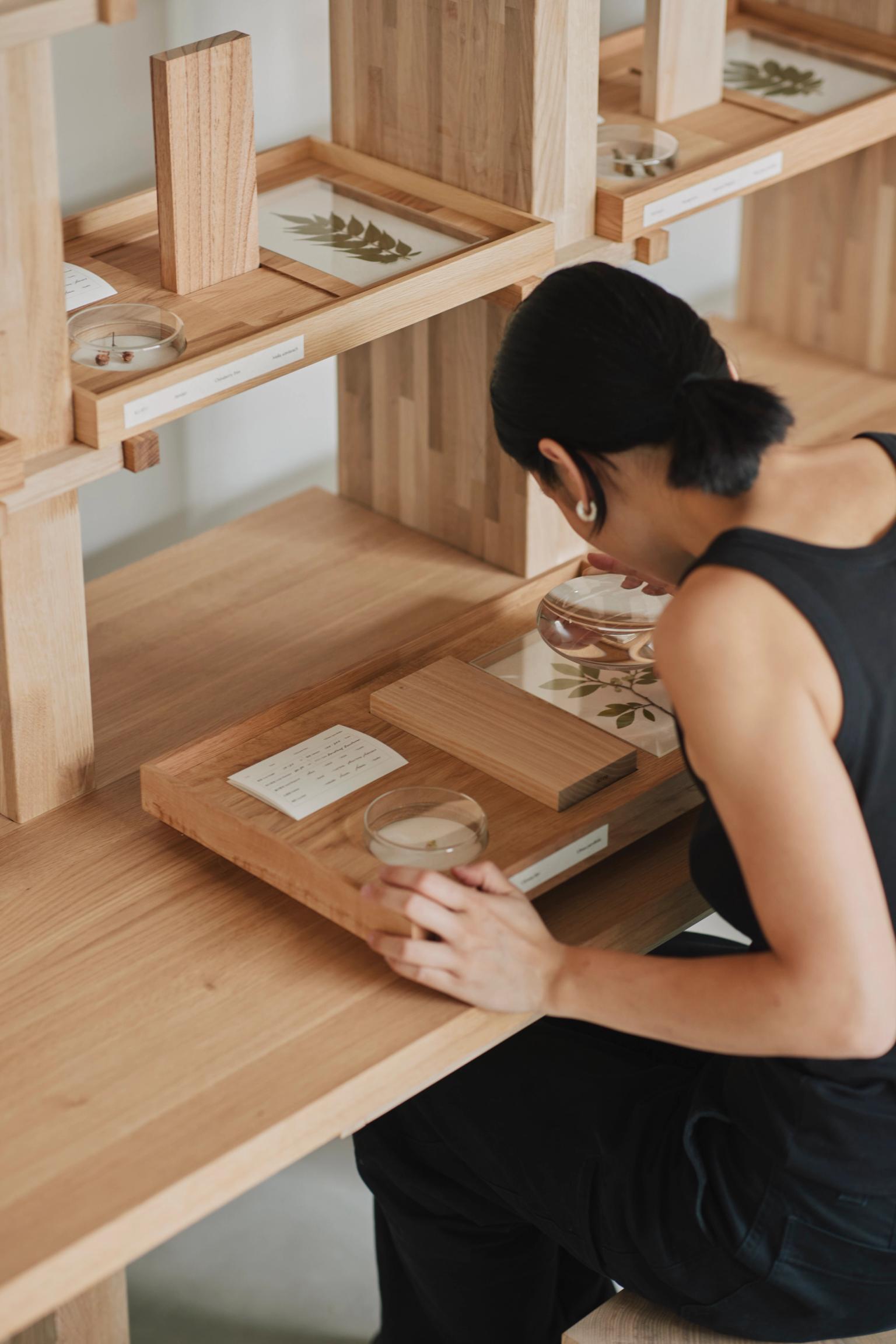
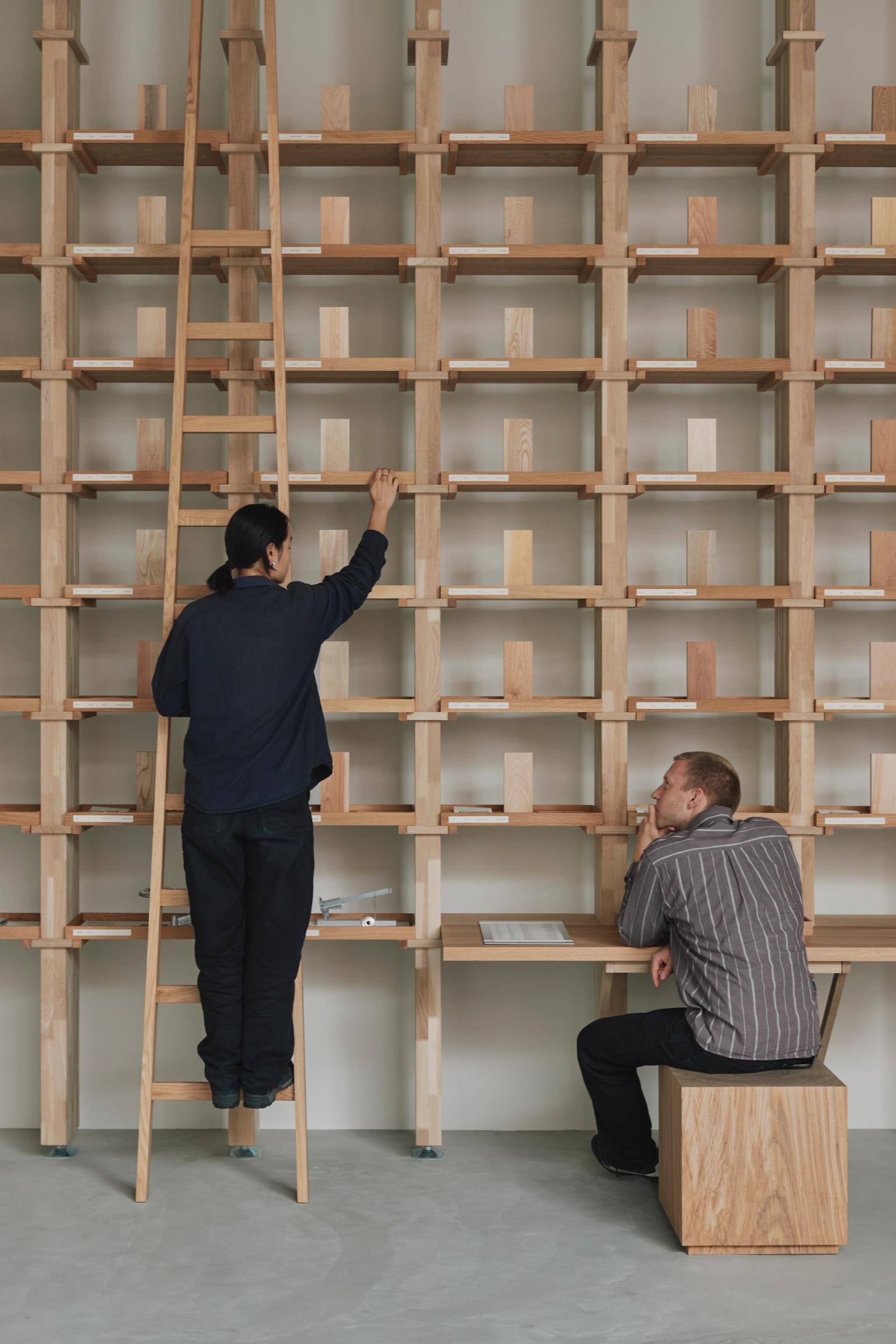
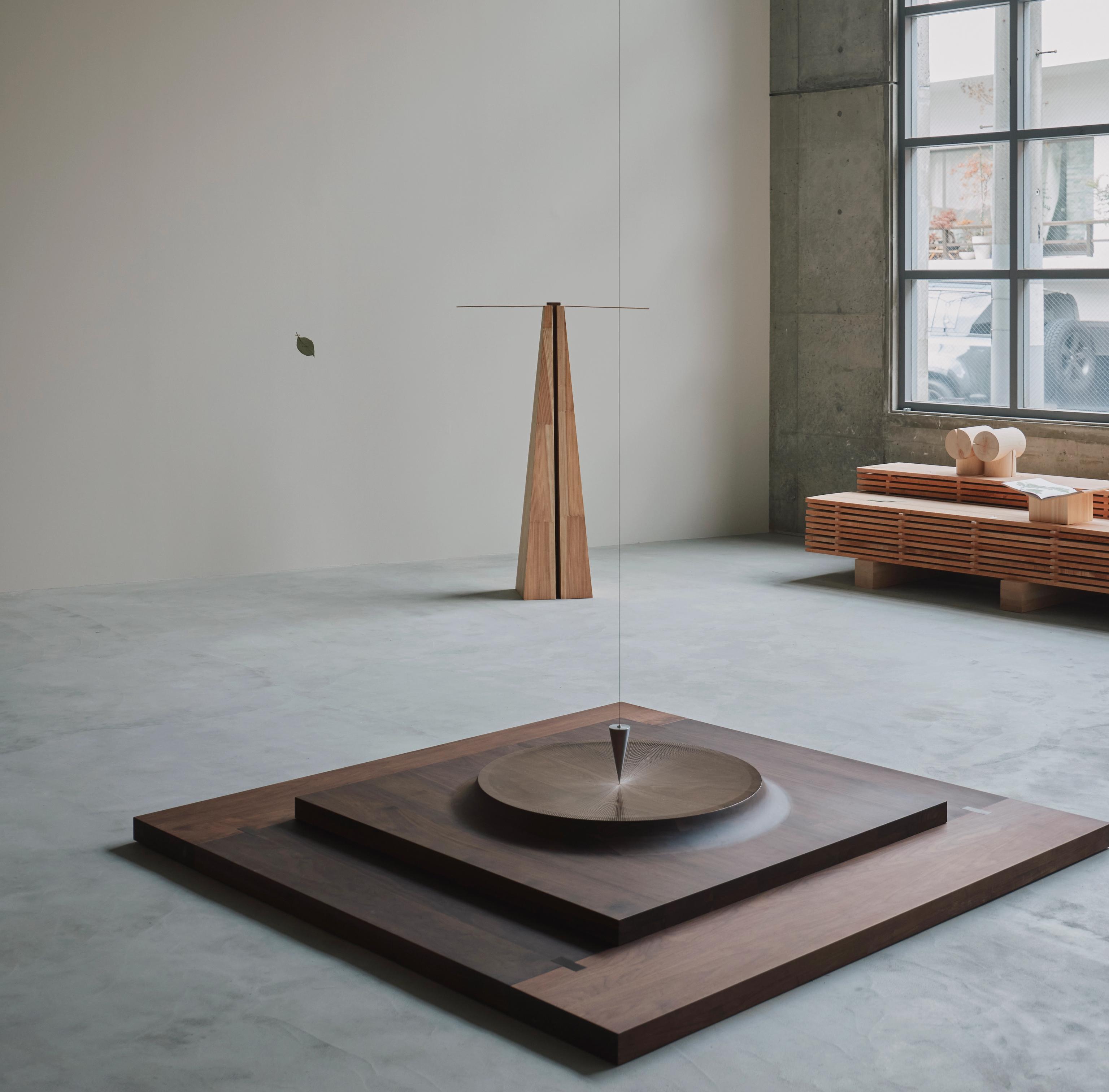
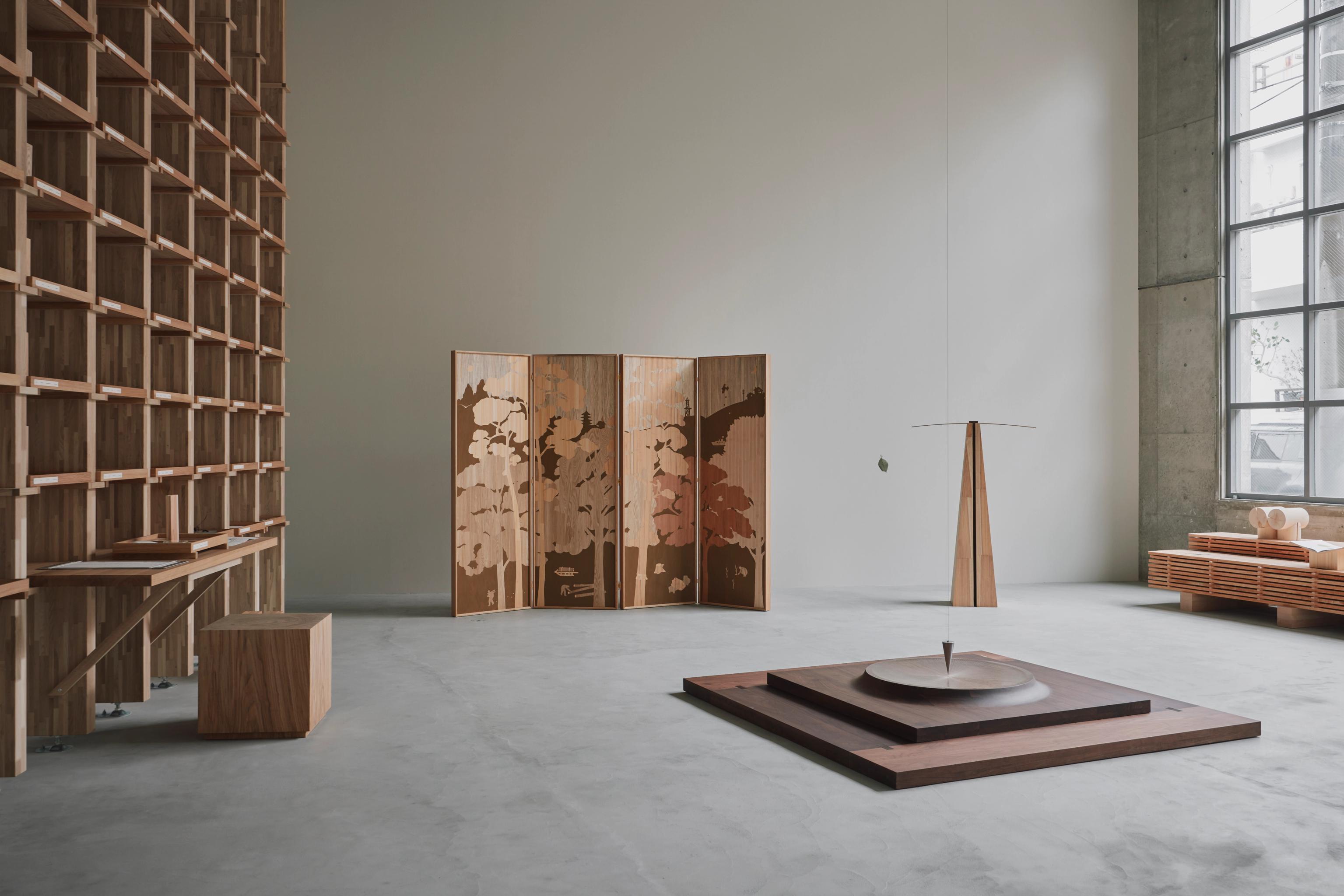
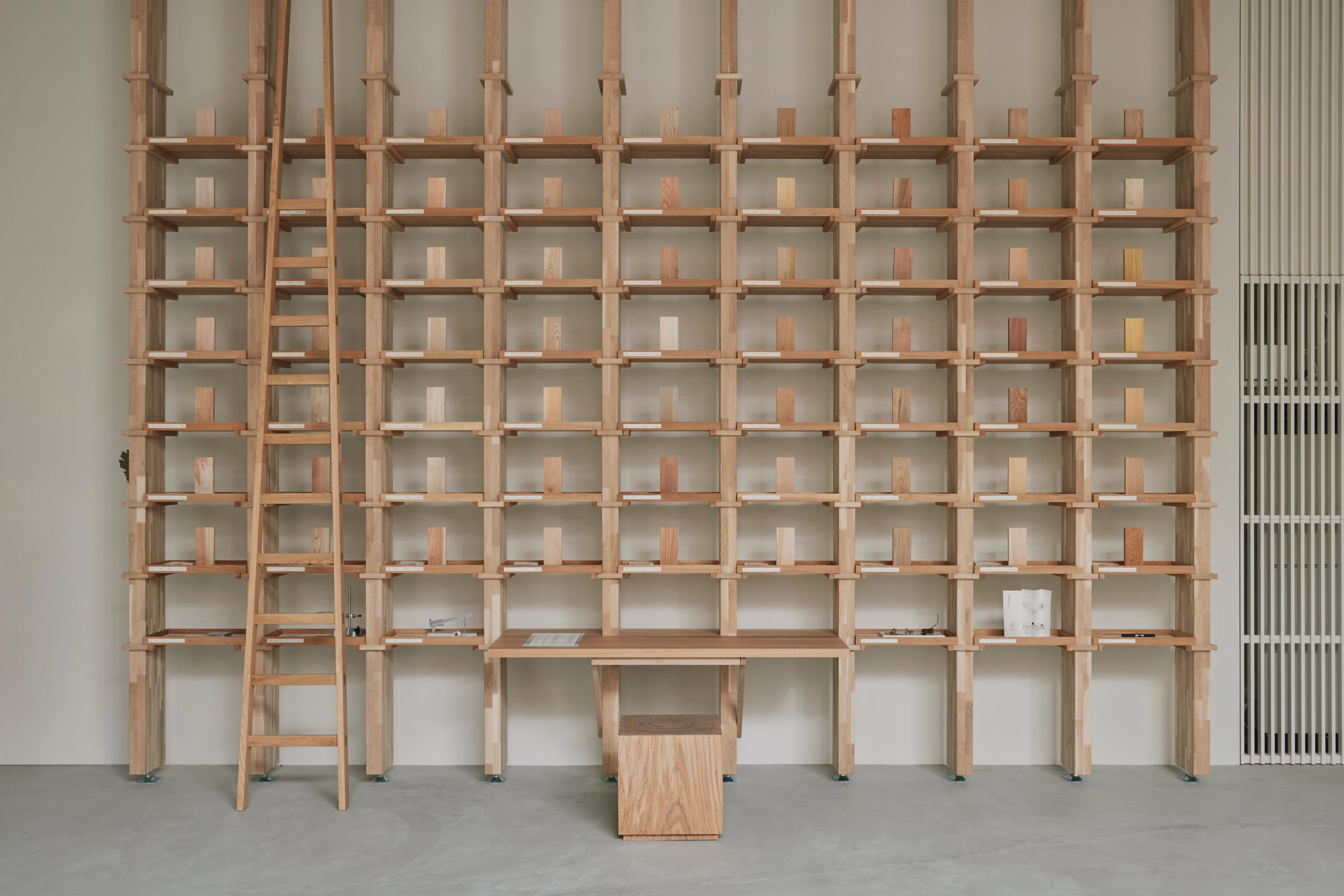
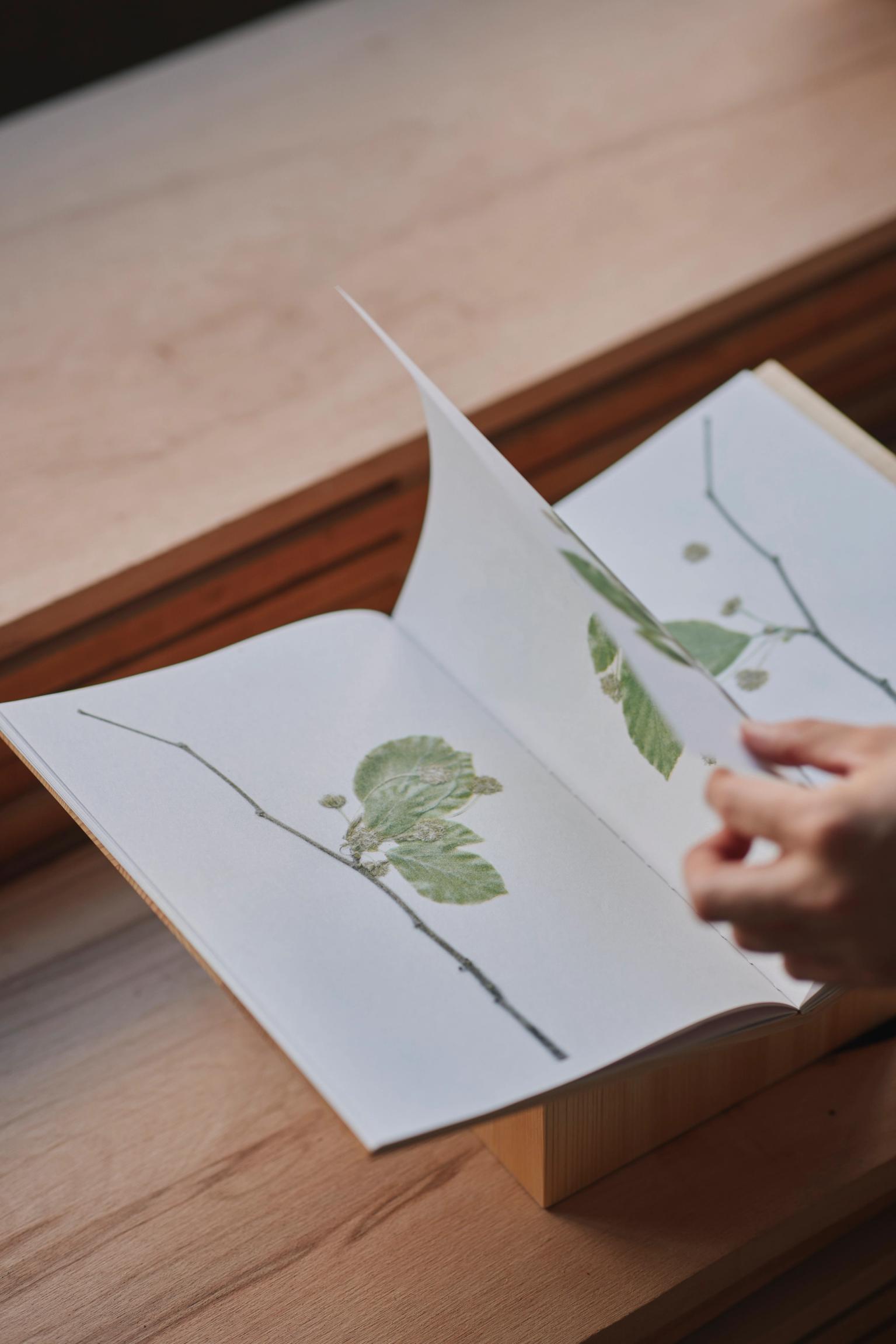
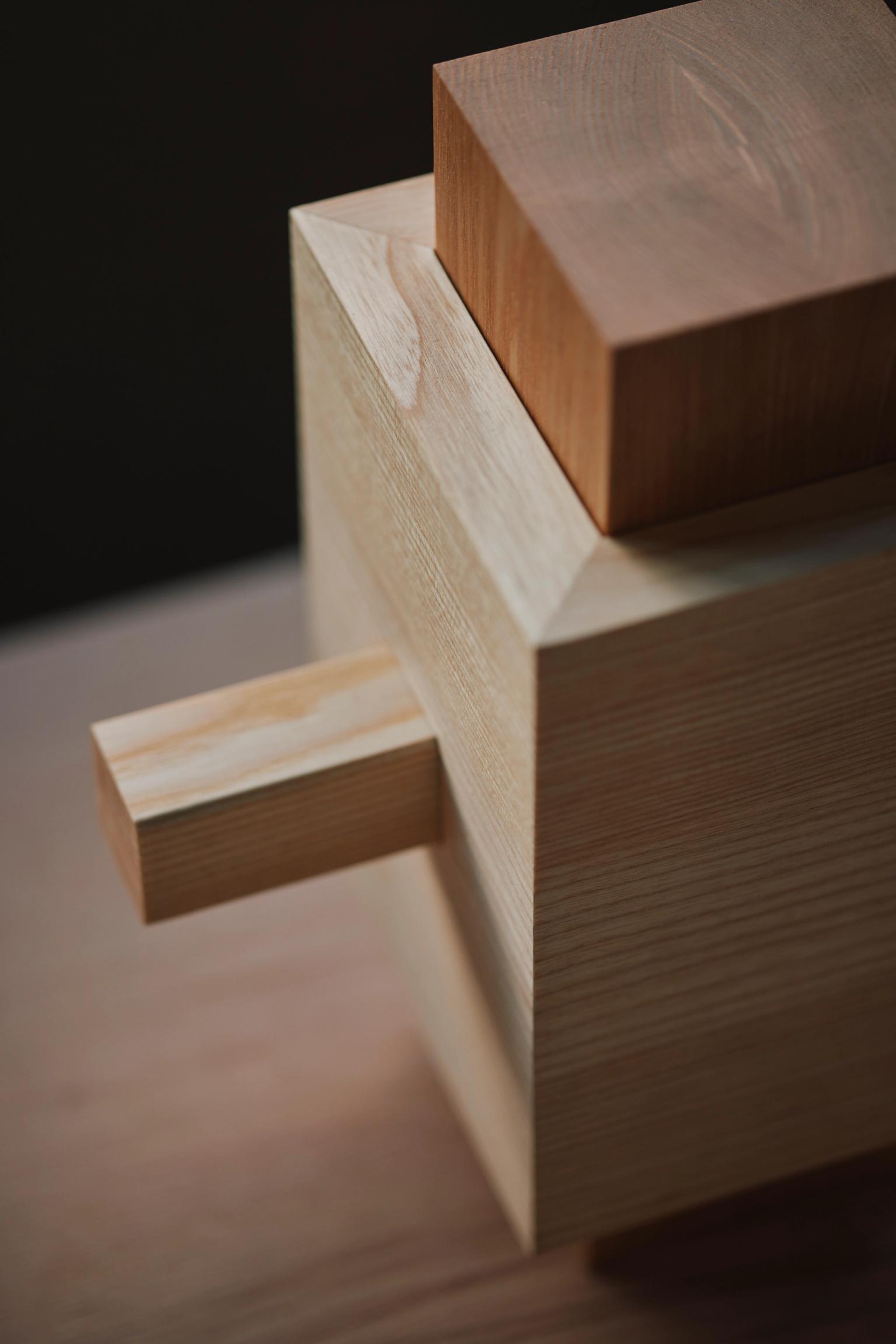
Lara Joy I admire how this exhibition brings together nature and design through an exploration of the diversity of trees found in Japanese forests. A library of bark, leaves, and seeds, along with a series of sculptural objects, invites visitors to engage directly with the materials. The designs examine the qualities of wood, revealing its living nature and reframing it as a dynamic rather than static material.

Entangled With The Forest
The Age of Wood is an exhibition curated by the design duo Christian+Jade for the launch of Karimoku Research in Tokyo, built around a simple but far-reaching idea: human life has never been separate from the life of trees. In a dense urban world, wood often appears as furniture, flooring, or architectural surface, but its origin remains deeply embedded in forest systems that have grown over centuries.
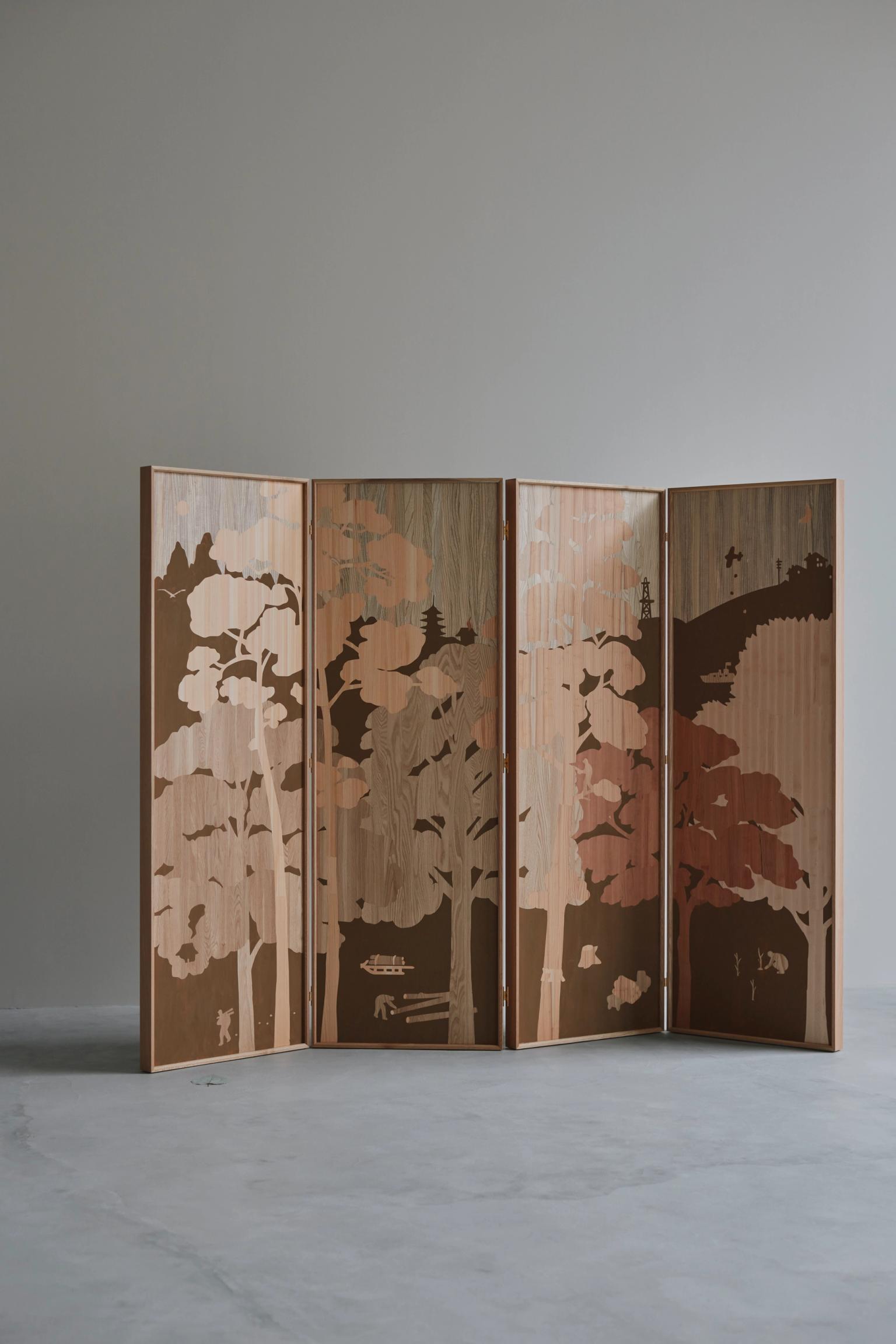

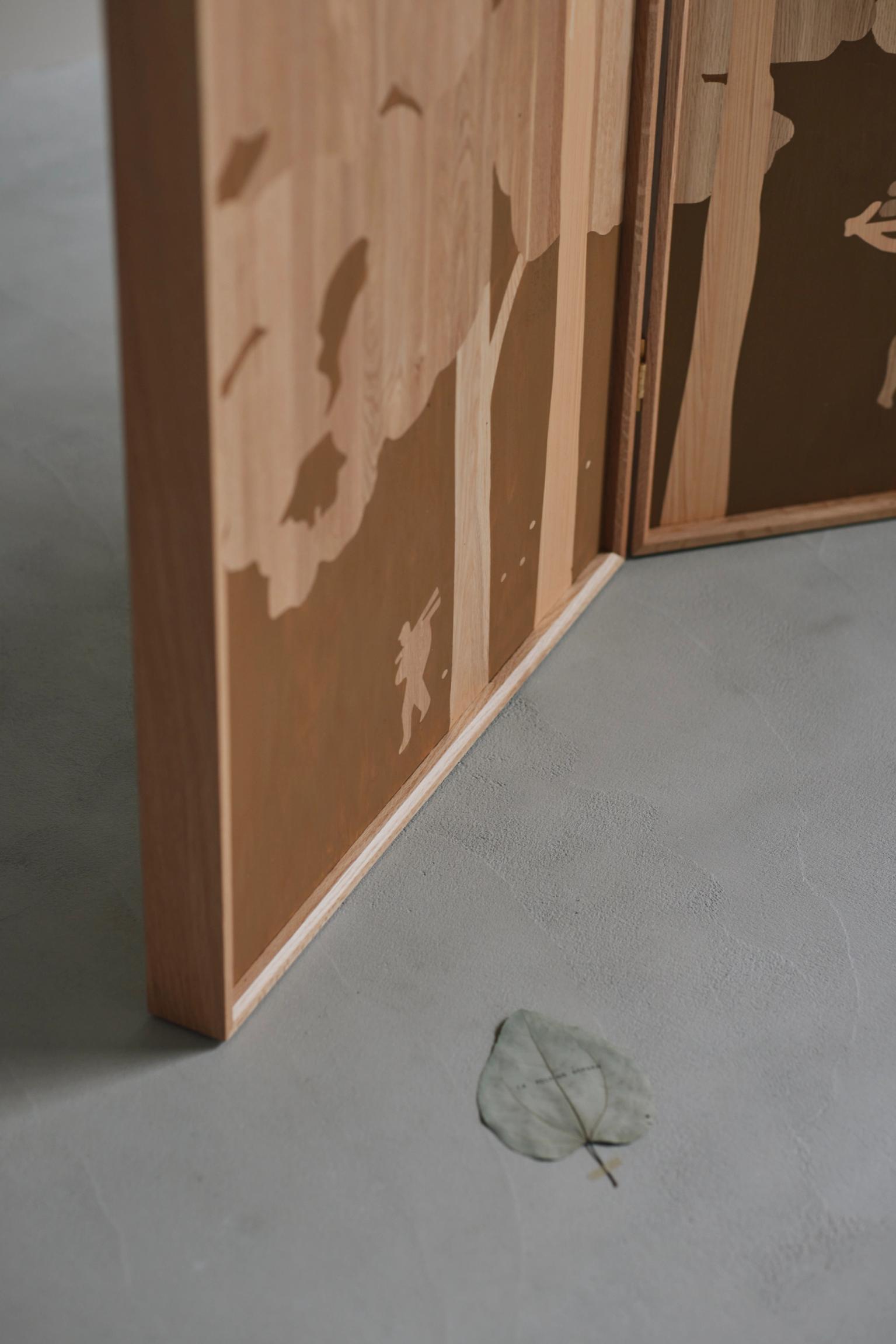
The exhibition begins from this overlooked entanglement, suggesting that wood is not just a material we use, but a time-based companion that has shaped how we live, build, and evolve. From early toolmaking to contemporary interiors, it positions wood as something that has continuously expanded human possibility while remaining rooted in natural cycles far older than us.







Time Inside The Material
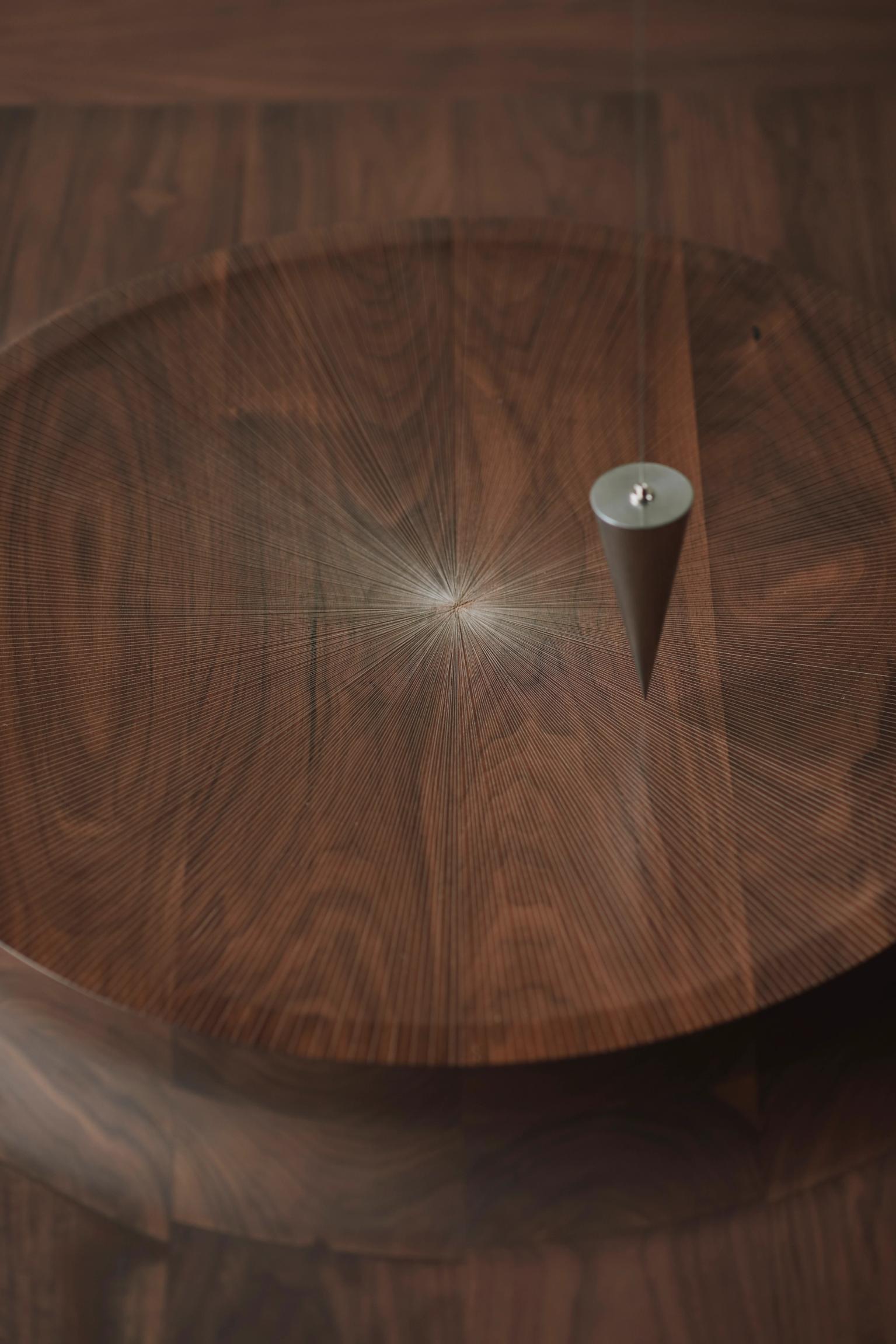
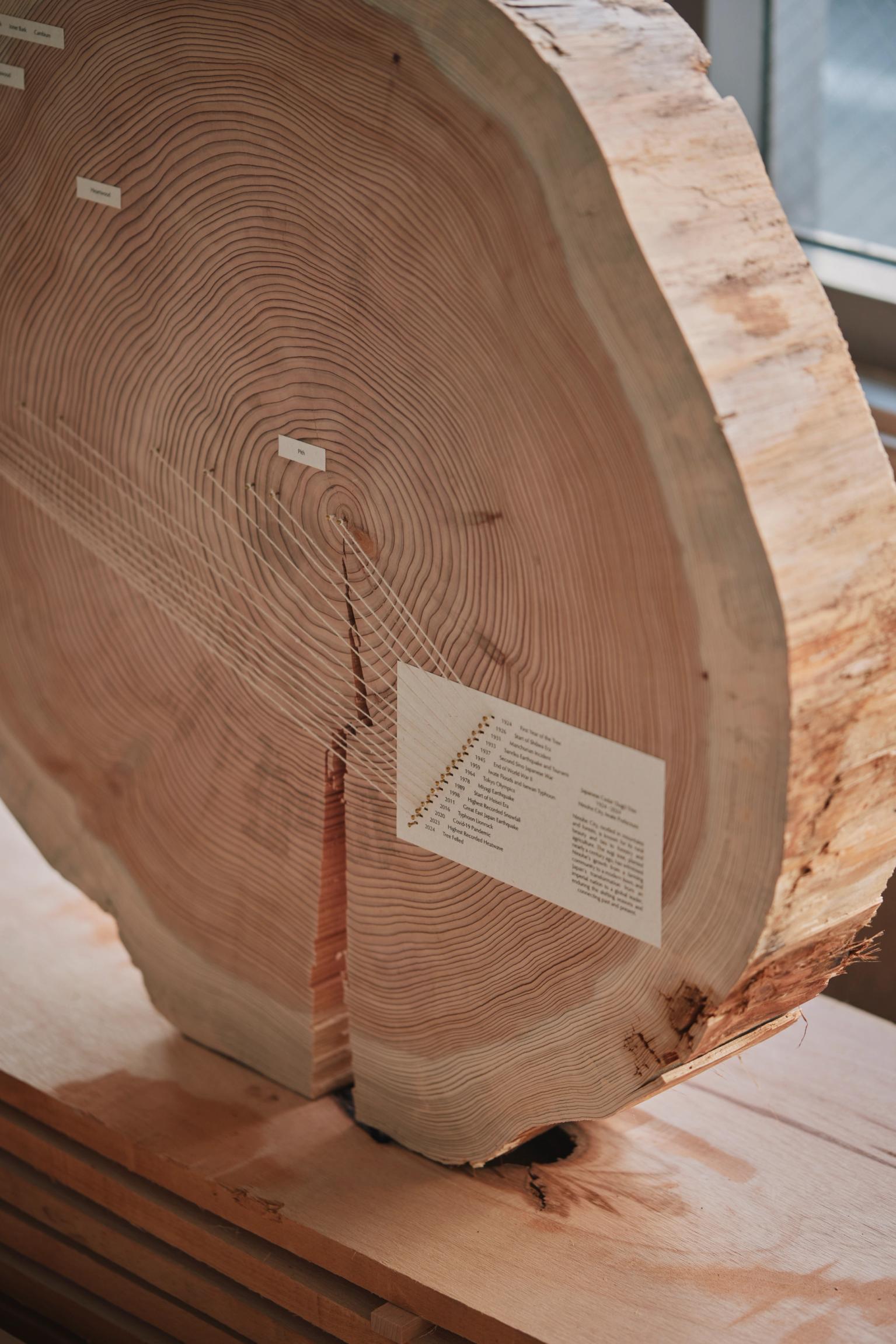
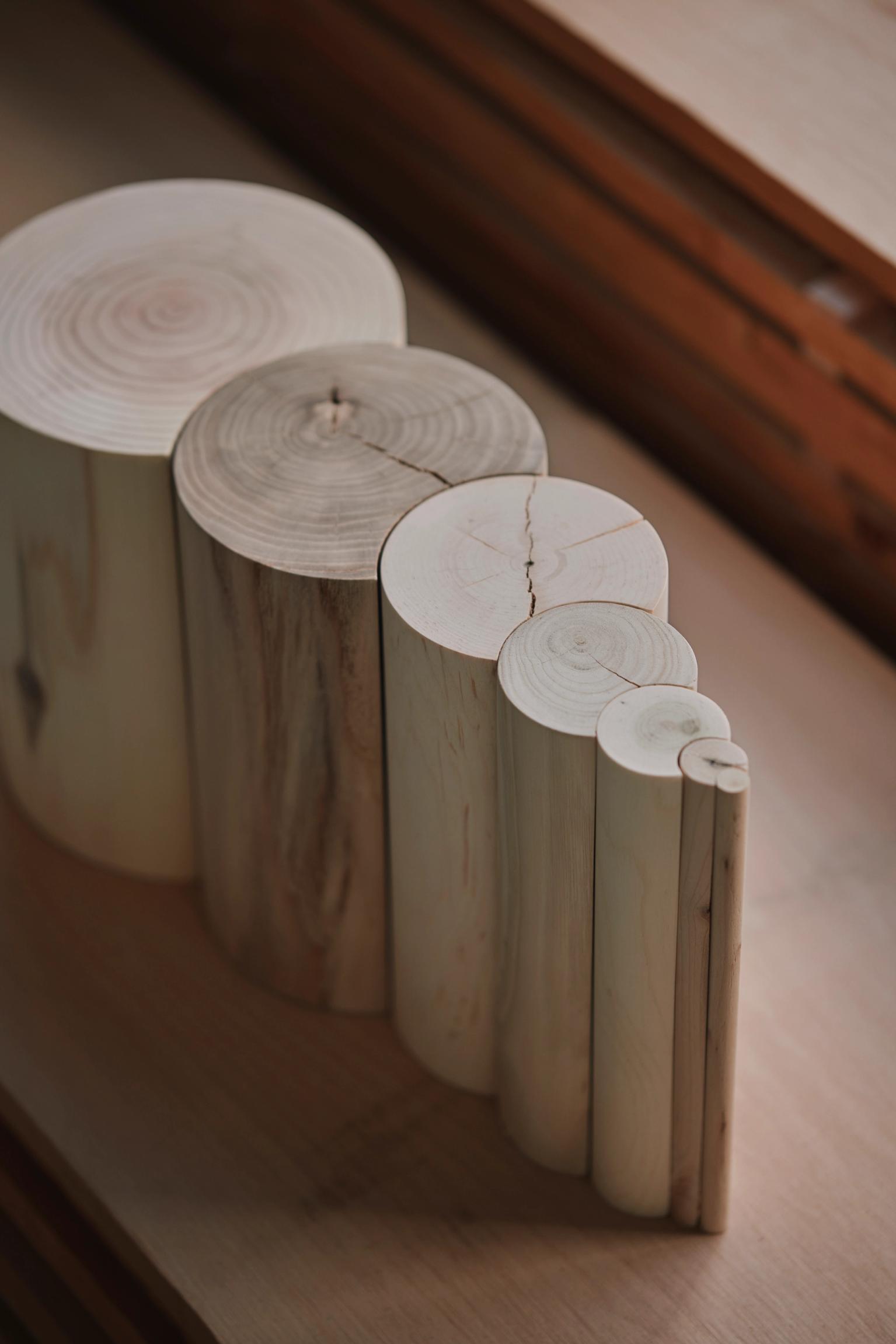
At the core of the exhibition is the idea that wood is essentially a record of time made visible. Trees grow by layering new life around old structure, forming rings that hold years, climate, and environmental change within their body. Christian+Jade approach this not as metaphor, but as a design principle: every wooden surface carries a timeline that extends far beyond its use in interiors. Within the context of Karimoku Research, the exhibition explores Japanese forests as a living archive of species, growth conditions, and generational knowledge. By slowing down the way we read material, The Age of Wood reframes furniture and objects as fragments of long biological histories rather than static design outcomes.


Centuries, Years, And Ageing
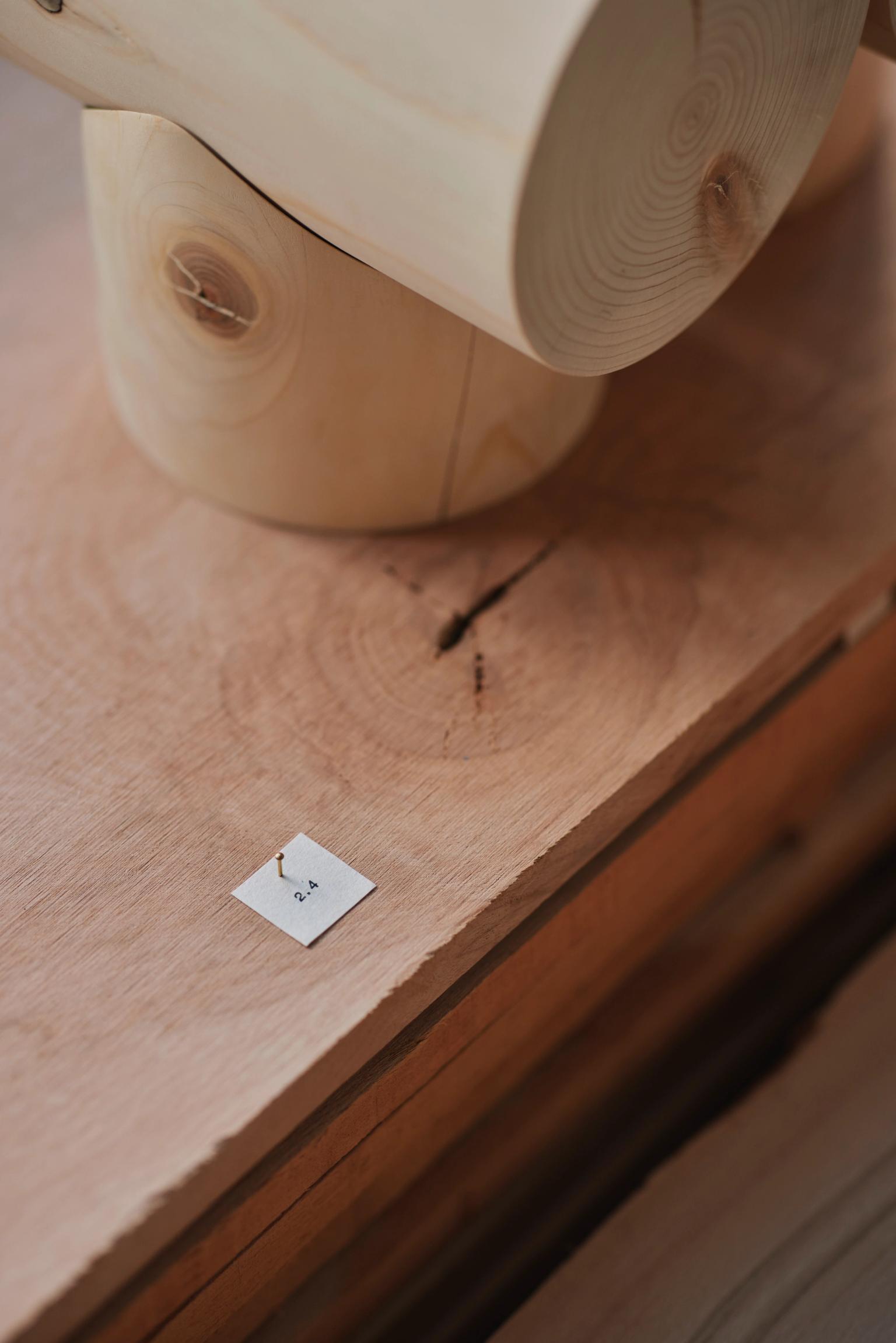
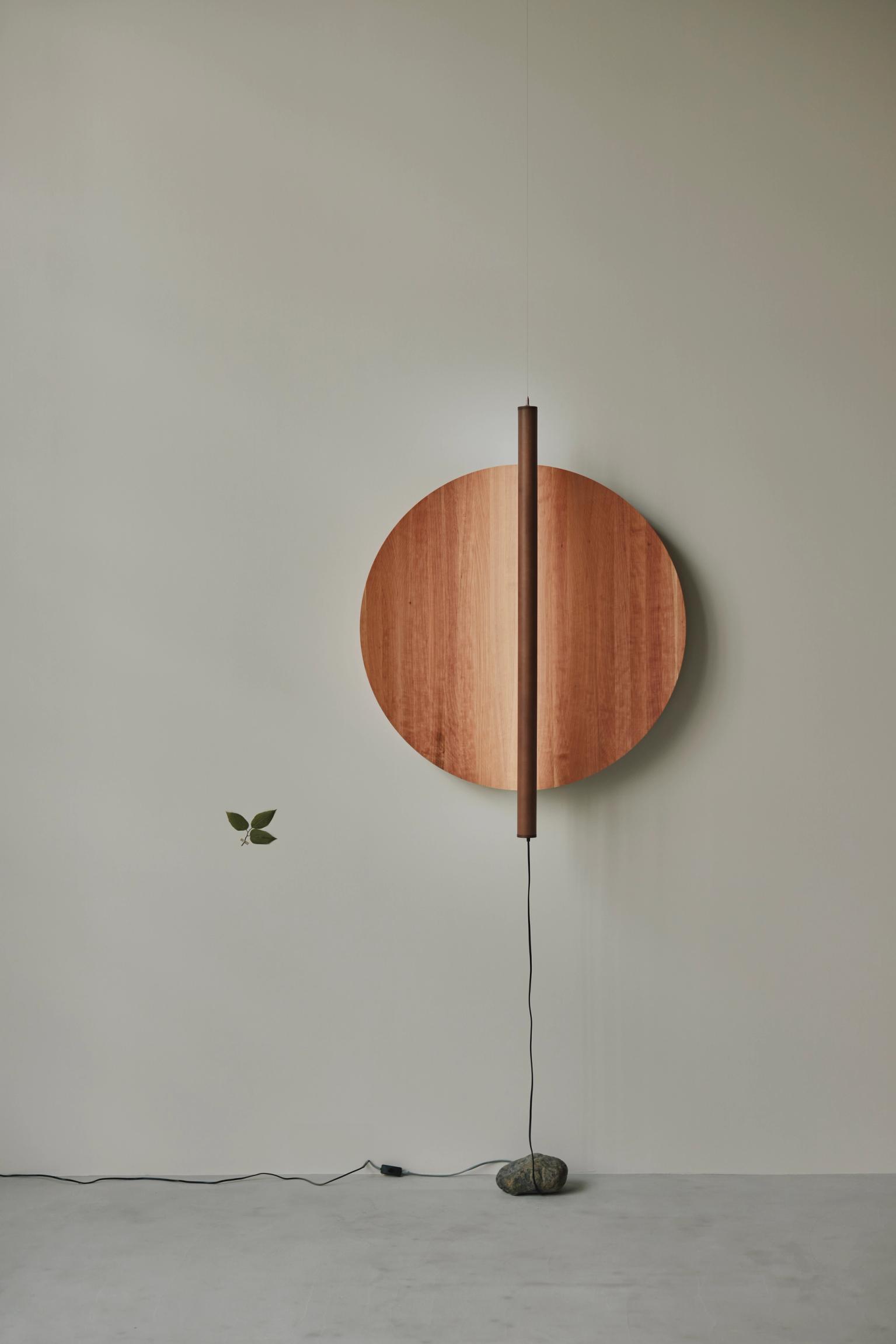
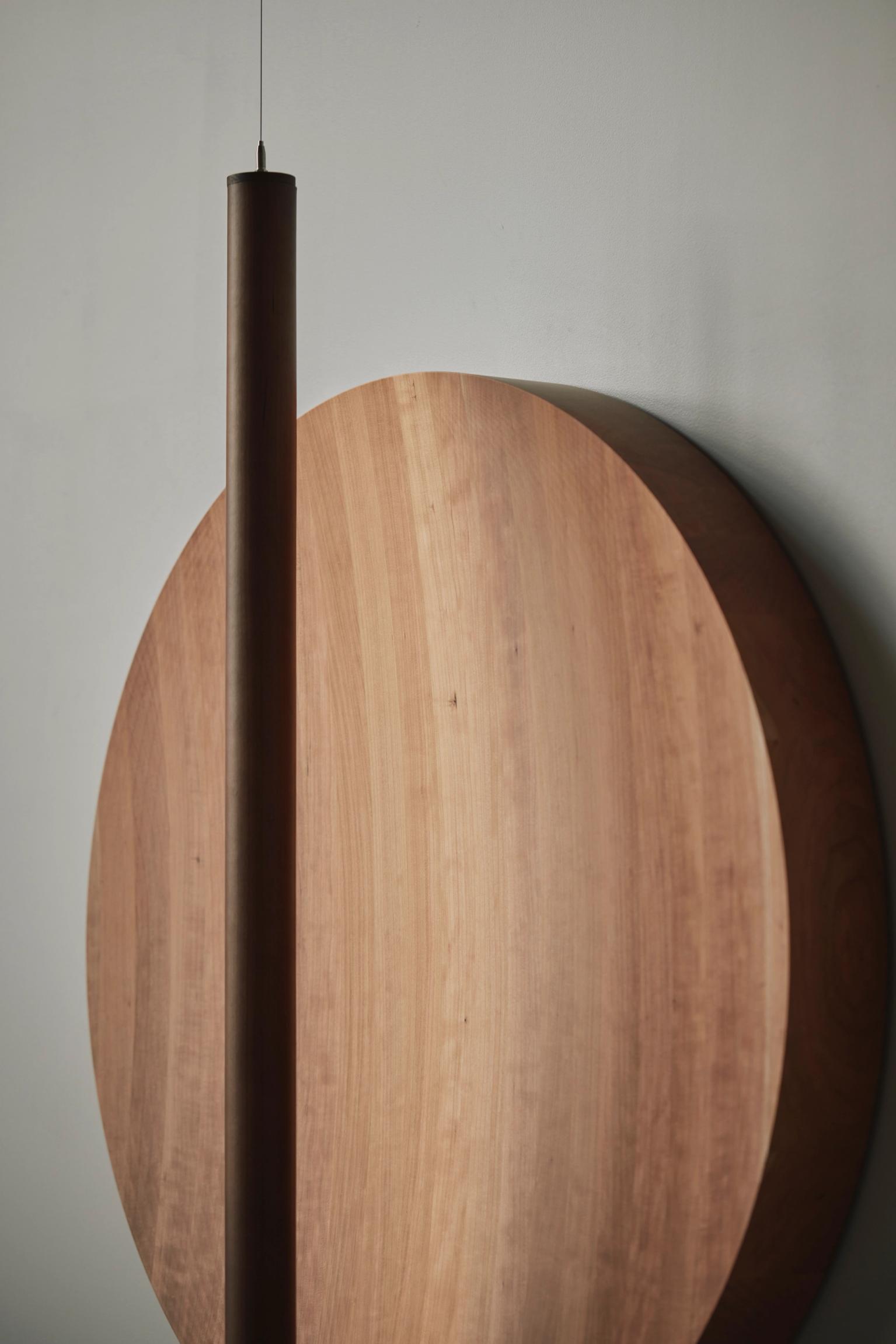
The exhibition is structured as a progression through different scales of time. Centuries of a Forest traces the diversity of Japanese tree species and the layered histories embedded in forest ecosystems that have evolved over hundreds of years. Years of a Tree shifts attention closer, focusing on the individual trunk and its physical language – grain, density, marks, and irregularities that reveal growth, resistance, and environmental influence. Finally, Ageing with Wood extends beyond the moment of harvest, showing how wood continues to change after it enters human spaces. It expands and contracts with humidity, collects marks through use, and slowly transforms through touch and exposure, reminding us that it never becomes fully still.

Craft, Observation, And Material Intelligence
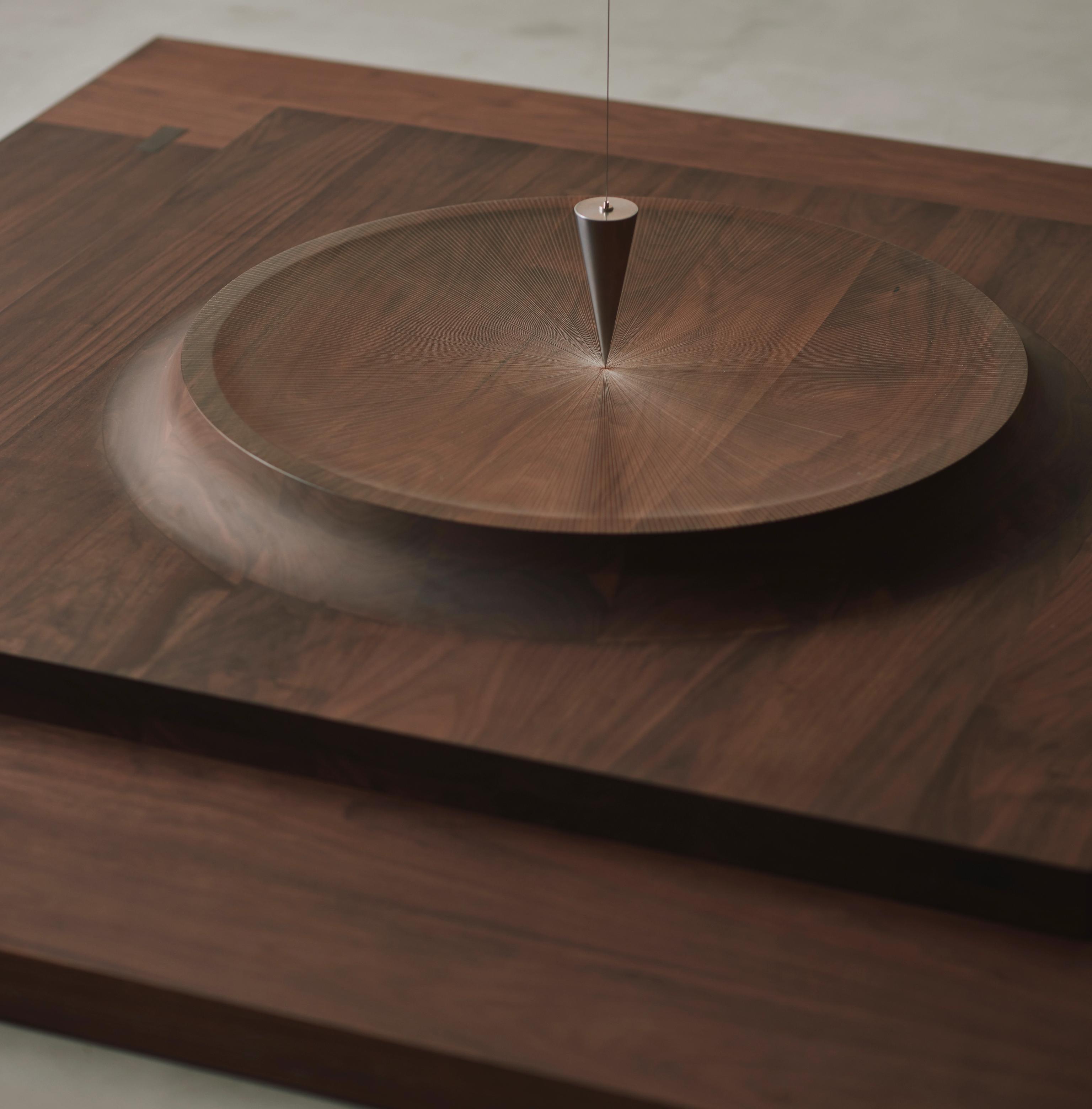
Rather than presenting wood as a passive resource, the exhibition positions it as an active and responsive material with its own intelligence. Through close collaboration with Karimoku, Christian+Jade highlight the knowledge embedded in woodworking traditions and the quiet precision of Japanese craft. The installations and objects presented are less about finished form and more about observation, how wood reacts to light, pressure, and time, and how these reactions can be read as part of its identity. In this sense, design becomes a way of listening rather than controlling, allowing material behaviour to guide form and understanding.


A Shared Future With Wood
Ultimately, The Age of Wood is not only about material history, but about recalibrating our relationship with time itself. By recognising wood as something that carries centuries within its structure, the exhibition asks us to reconsider scale, both ecological and human. It positions the forest as a witness to past and future simultaneously, and suggests that living with wood is also a way of living with continuity, patience, and change. Within Karimoku Research’s broader ambition to study how design can support everyday life, the project becomes a quiet proposal: that to understand wood is also to understand our own place within longer, ongoing systems of growth.