
Ryue Nishizawa and Rei Naito
Teshima Art Museum
- ArchitectRyue Nishizawa
- ArtistRei Naito
- PhotographerKen'ichi Suzuki and Noboru Morikawa
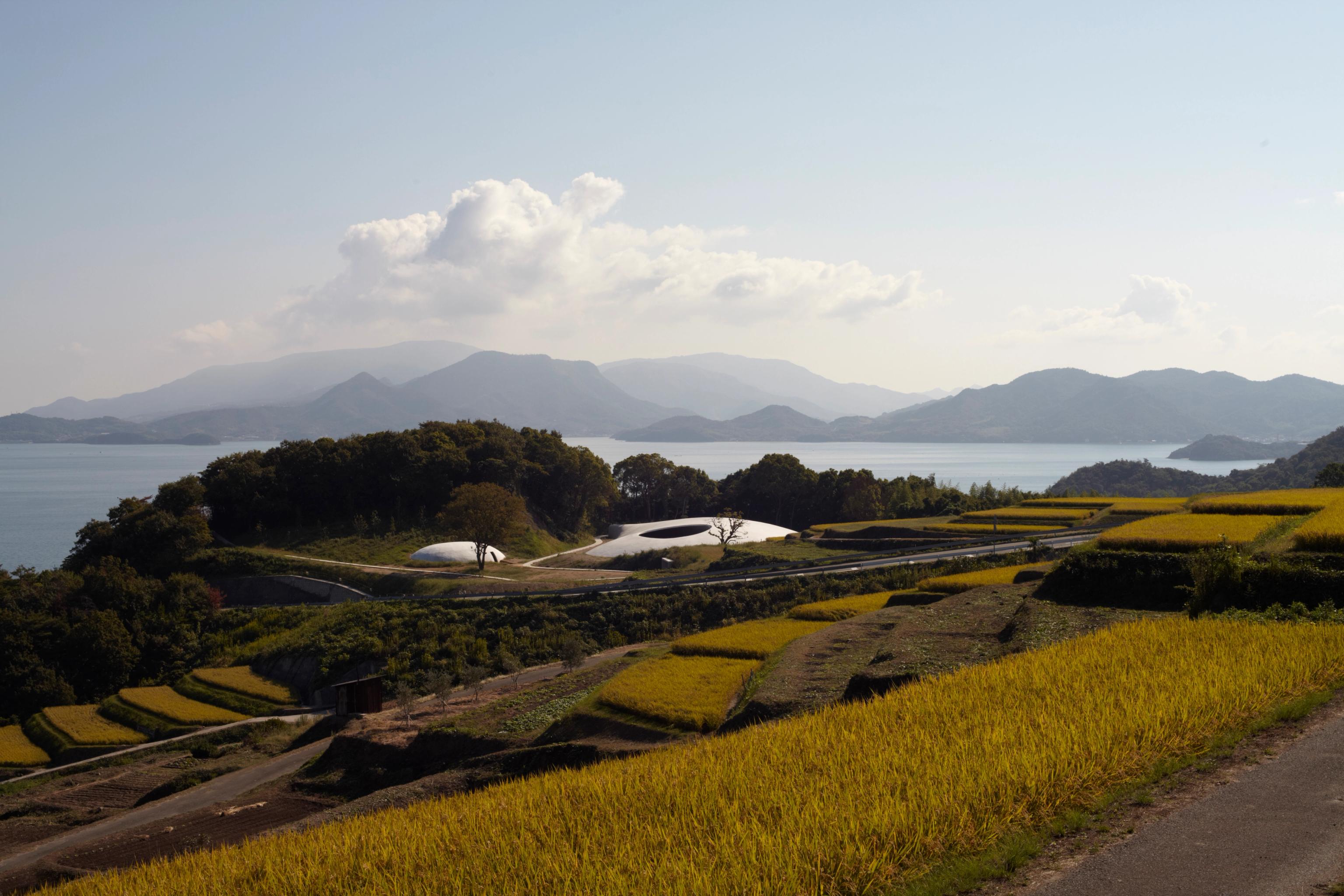
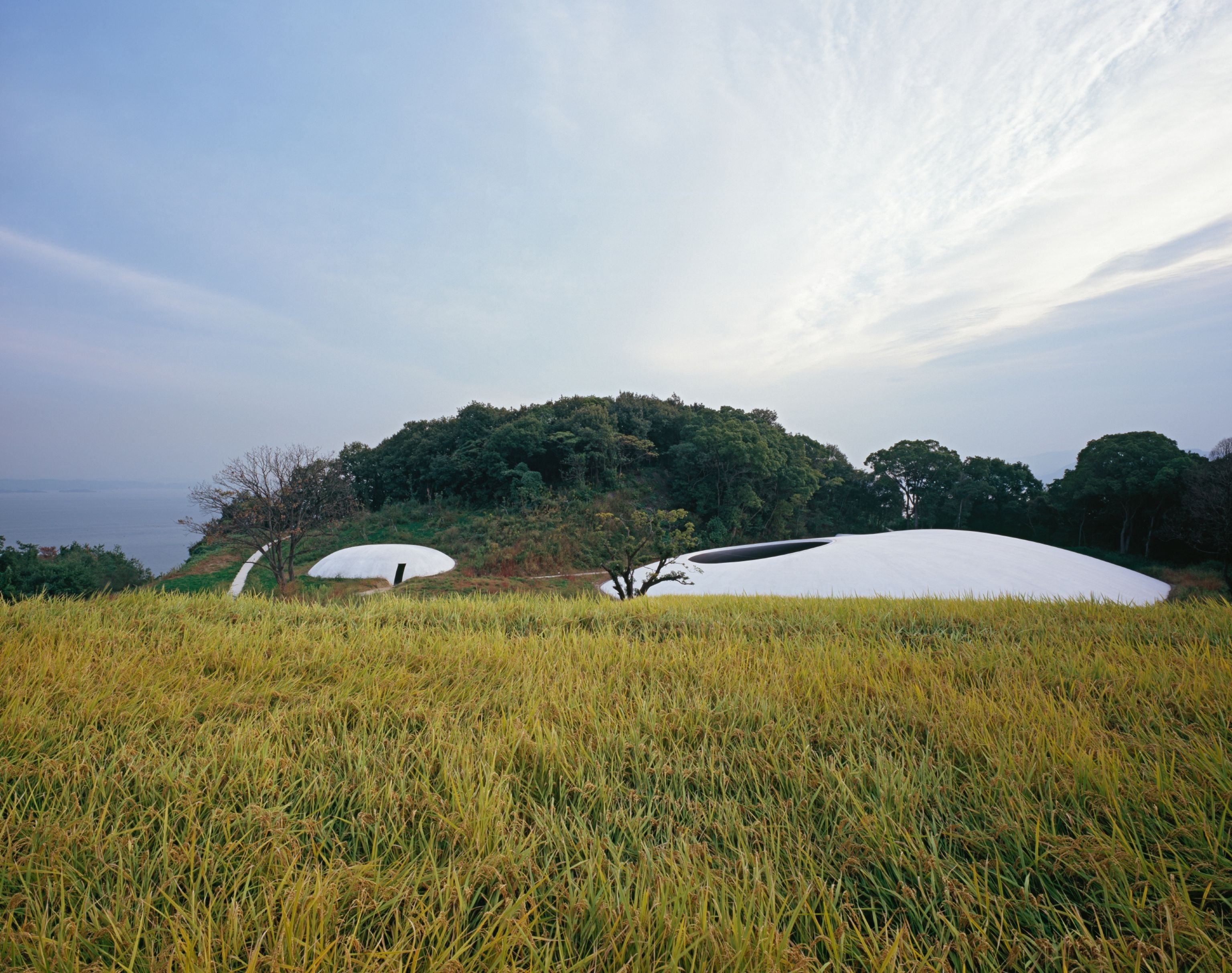
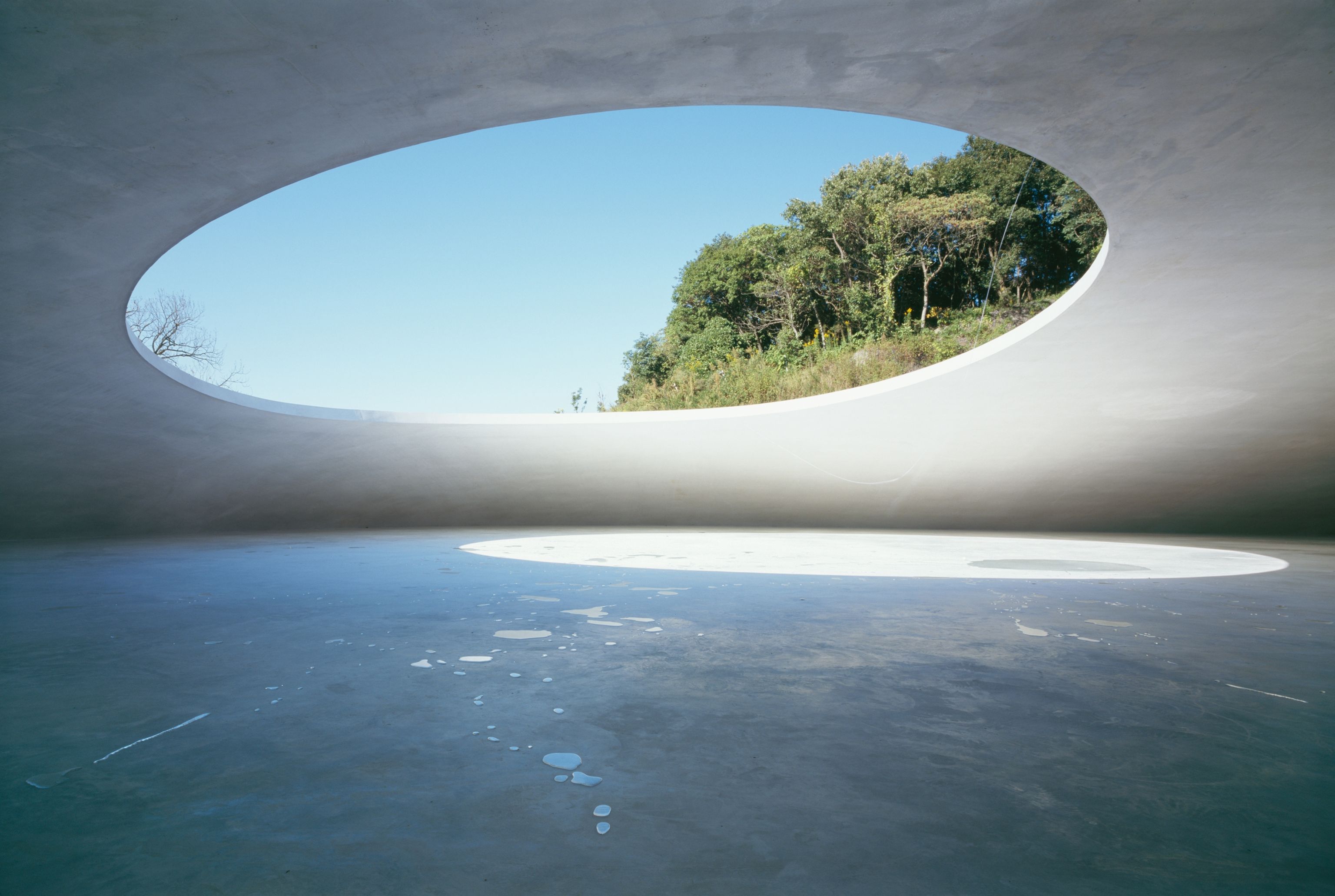
SHOHEI SHIGEMATSU The building seems at once soft and hard, massive and impossibly light, ancient and futuristic. It gently swells from the landscape like an otherworldly entity or geological formation. Rain and wind enter through two apertures, blurring the distinction between enclosure and environment. As if the structure is respiring, groundwater also seeps up through the floor as part of an installation by Rei Naito.

A Drop of Architecture in the Landscape
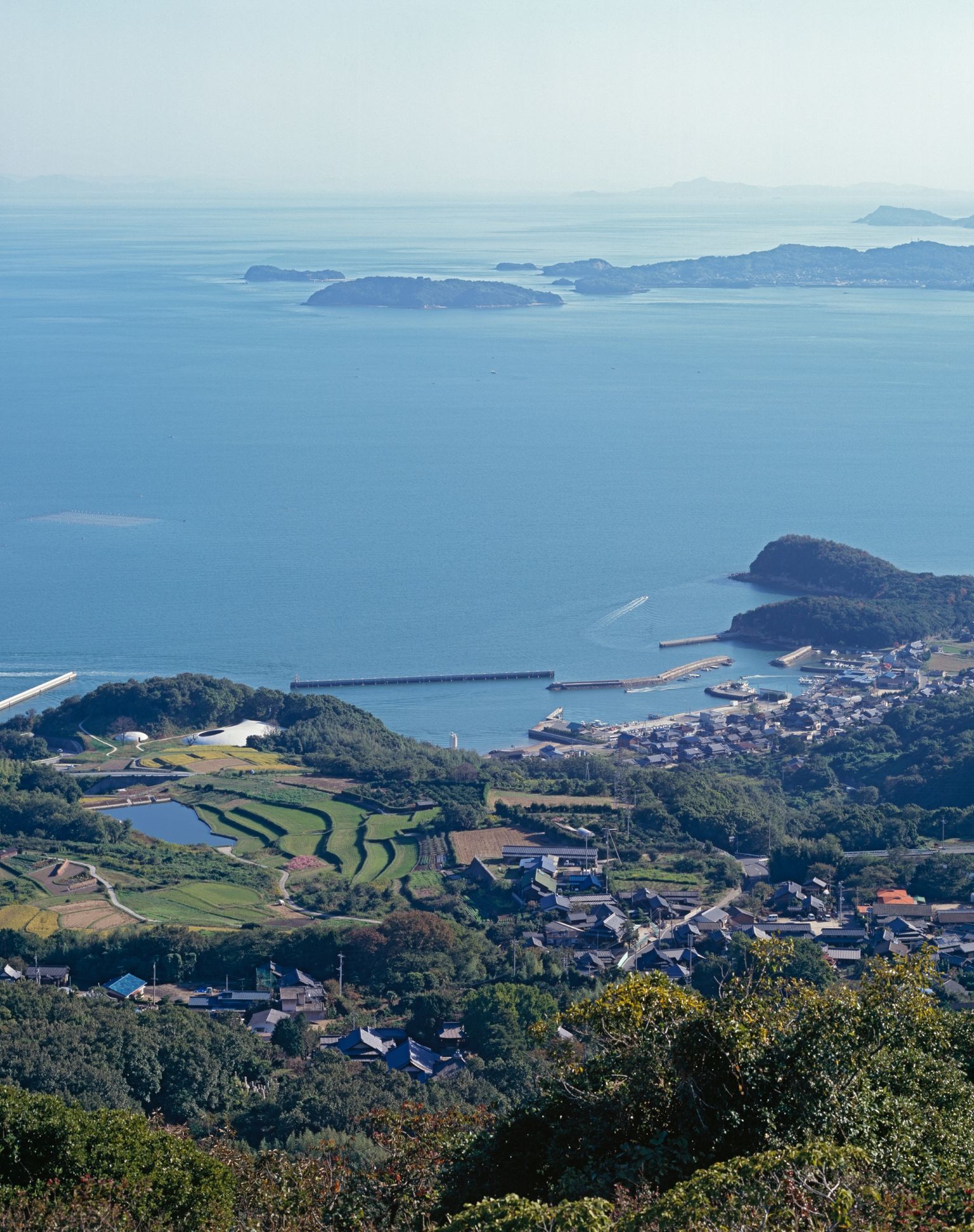
On the quiet island of Teshima, where terraced rice fields meet the inland sea, the Teshima Art Museum appears less like a building and more like a moment of land gently lifted. Conceived by architect Ryue Nishizawa and artist Rei Naito, the museum resists the usual expectations of walls, objects, and thresholds. It is a space that does not contain art but becomes it.
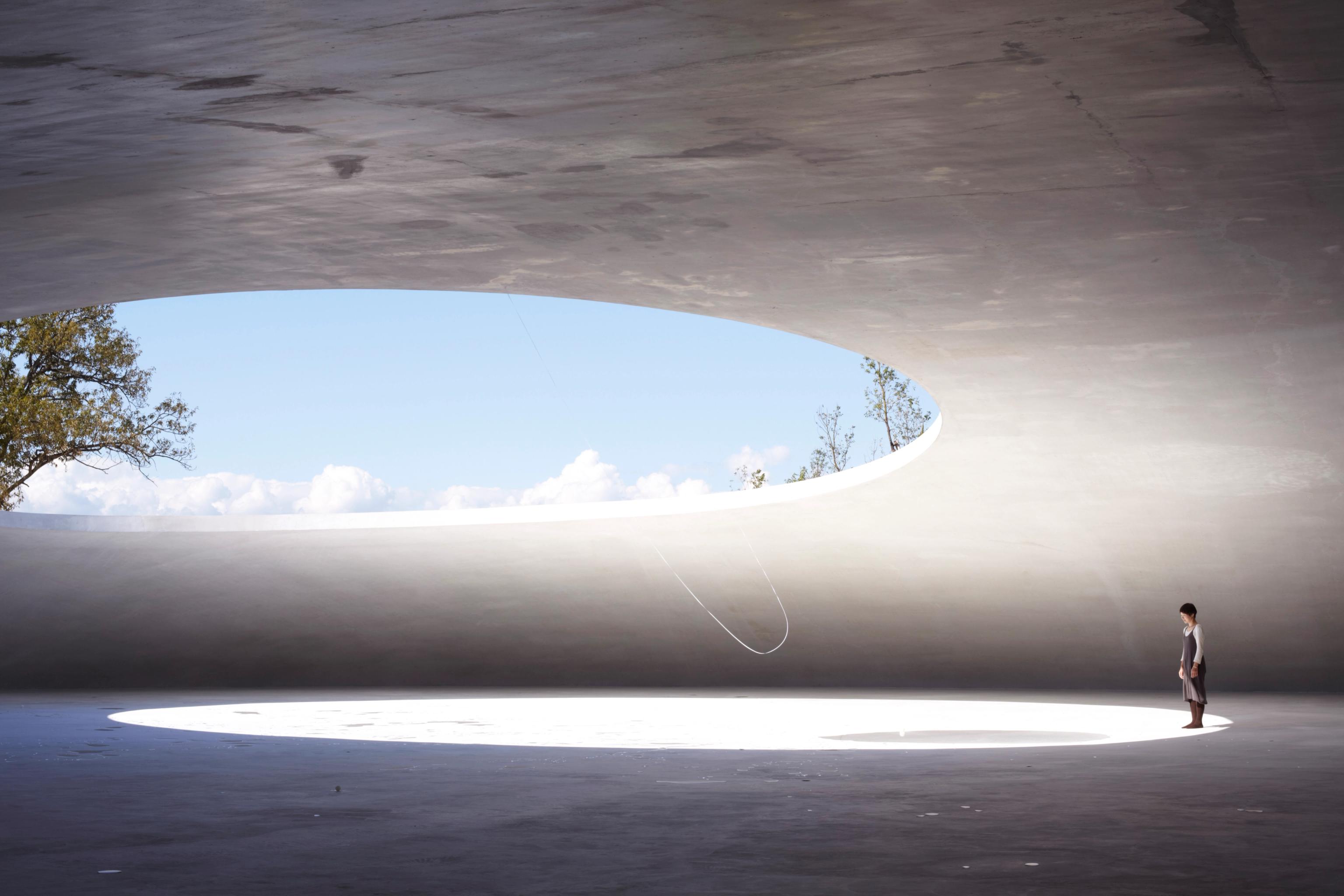
The structure rests low against the hillside, a thin concrete shell shaped like a water droplet. Two oval openings puncture the surface, allowing wind, light, and sound to pass freely. Visitors enter barefoot, stepping into an environment where the distinction between interior and exterior dissolves. There are no frames, no pedestals, no separation between observer and work. Instead, the architecture becomes a vessel for perception itself.

Where Water Becomes Thought
Inside, Rei Naito’s installation unfolds almost imperceptibly. Tiny droplets of water emerge from hidden pores in the floor, gathering, drifting, and merging across the smooth surface. This quiet choreography transforms the museum into a living system, where time slows and attention sharpens. The work is not static but continuously forming, echoing natural cycles of emergence and disappearance.
Nishizawa’s architecture does not impose itself on this process. It acts more like a membrane than a structure, a condition rather than an object. The thinness of the concrete shell, only a few centimeters thick, gives the space a sense of fragility, as if it could dissolve into the landscape at any moment. The openings frame fragments of sky that shift throughout the day, making light an active participant in the experience.
The collaboration recalls ideas often explored in experimental architectural thinking, including references to systems and networks such as Matrix, where relationships matter more than fixed forms. Here, architecture, art, environment, and visitor form an interconnected field rather than separate entities.

An Architecture That Listens
What makes the Teshima Art Museum remarkable is not only its form but its restraint. It does not seek to dominate the site or to declare itself as a landmark. Instead, it listens to the rhythms of wind, water, and human presence. The building’s openness invites unpredictability, making each visit unique. Rain may enter, shadows may stretch, and sounds from the surrounding landscape may drift inside.
This approach reflects a broader shift in contemporary architecture toward experiences that are less about spectacle and more about awareness. Nishizawa and Naito create a space that asks for patience, for stillness, for a different kind of attention. It is an architecture that does not explain itself but reveals itself slowly, like the movement of water across its floor.
In the end, the Teshima Art Museum is not easily captured in photographs or descriptions. It is felt rather than seen, understood through presence rather than analysis. It reminds us that architecture can be as subtle as a drop of water and as expansive as the sky it reflects.