
Alfredo Esparza
Terra Nullius
- PhotographerAlfredo Esparza
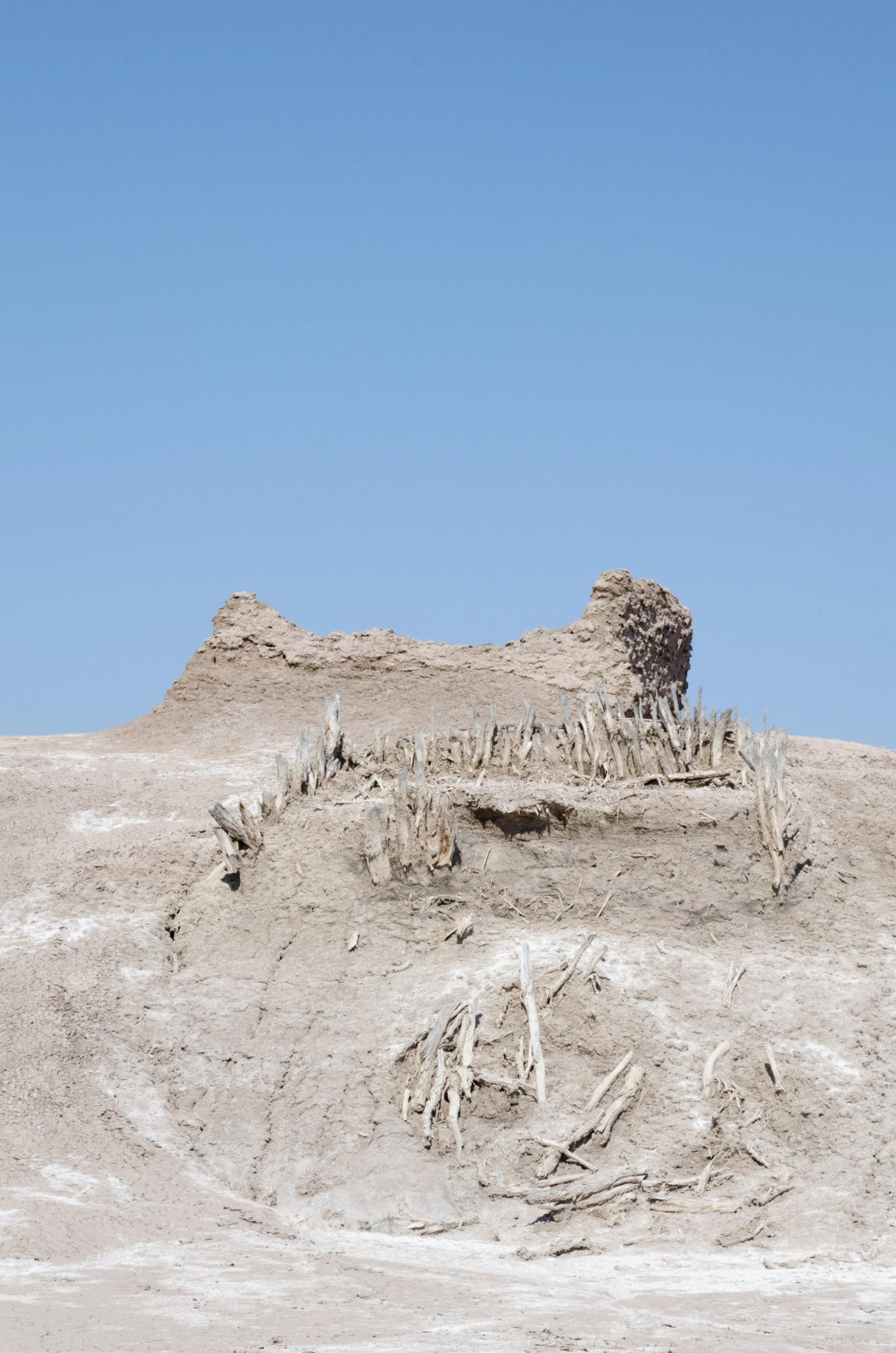
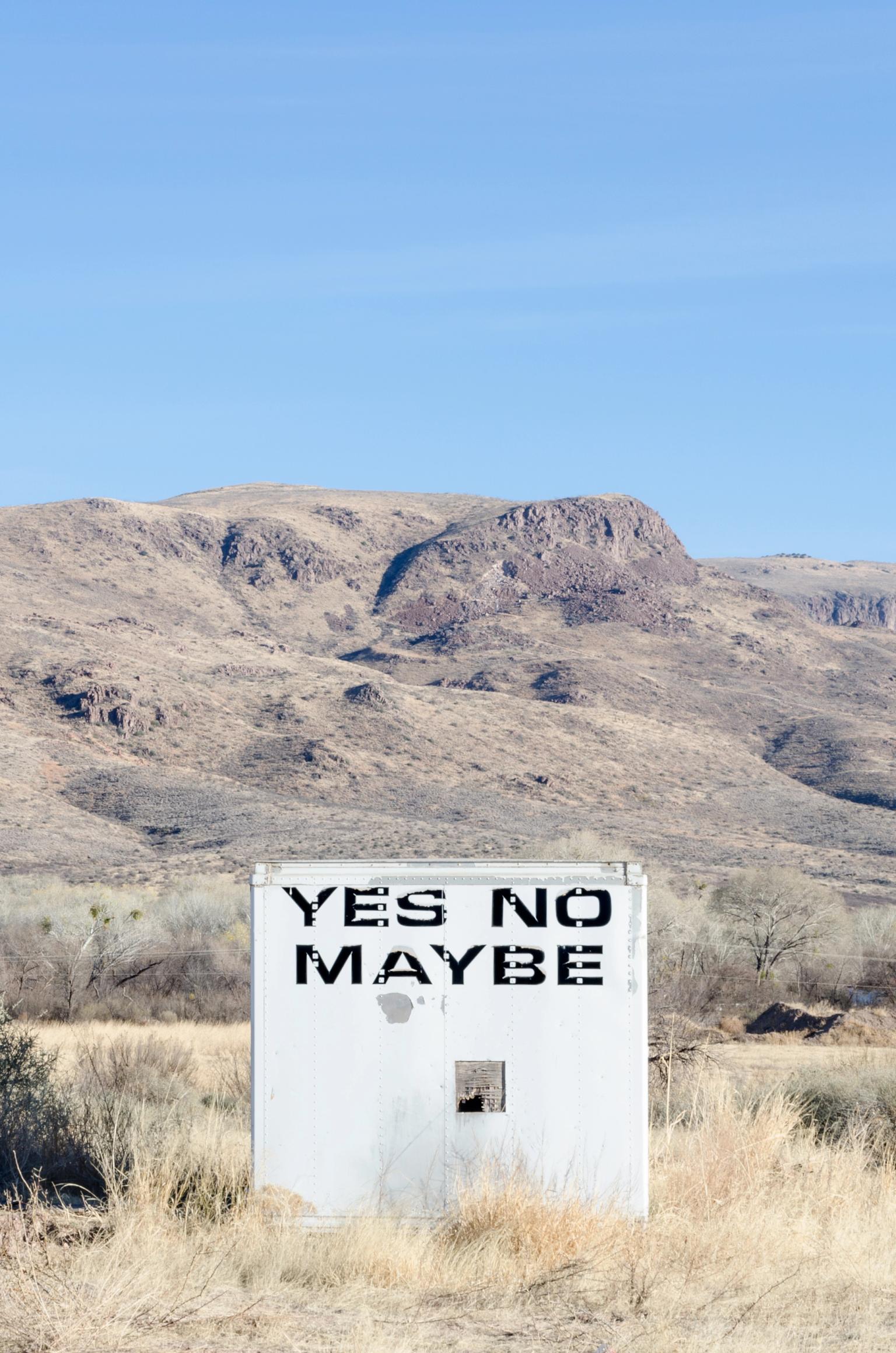
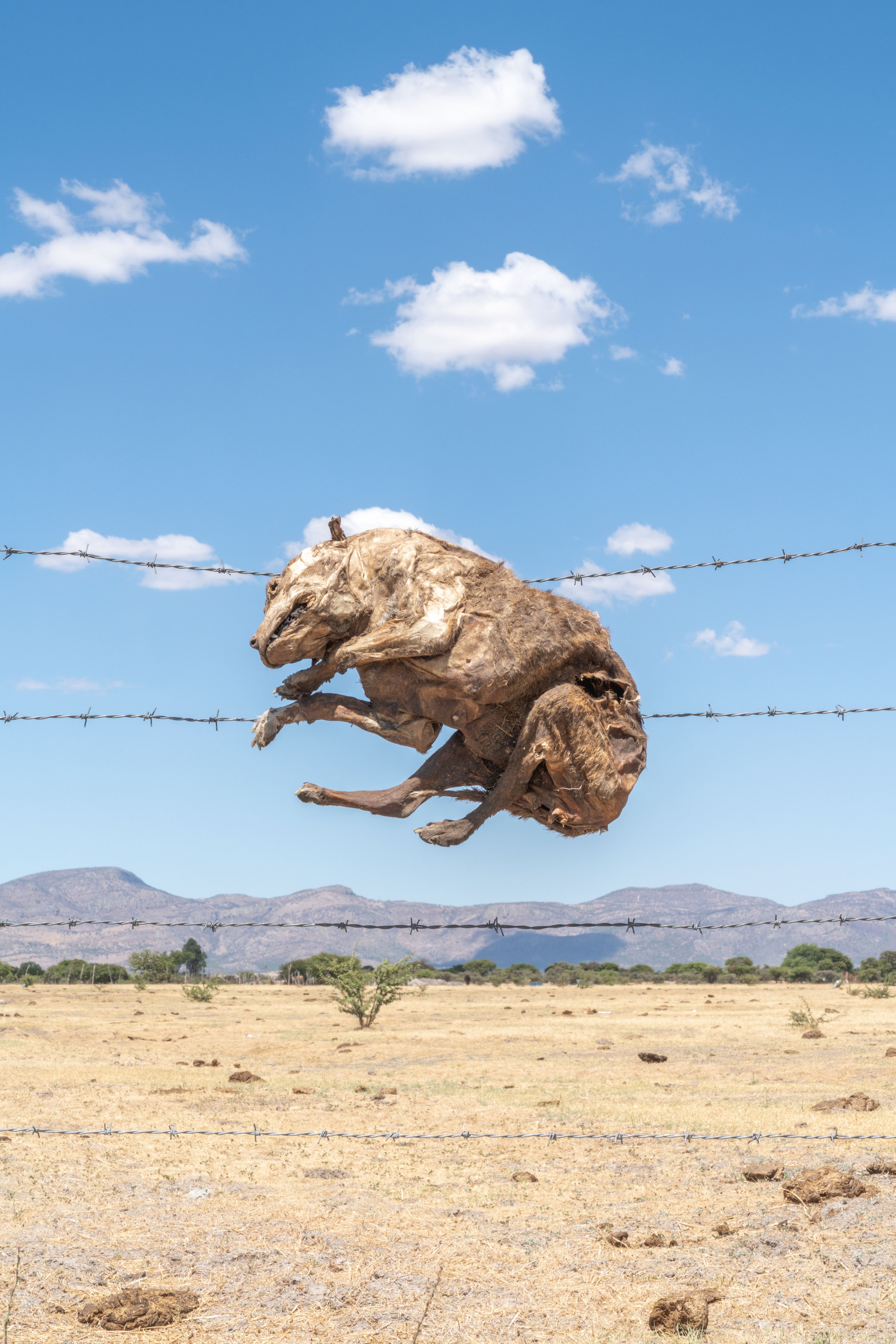
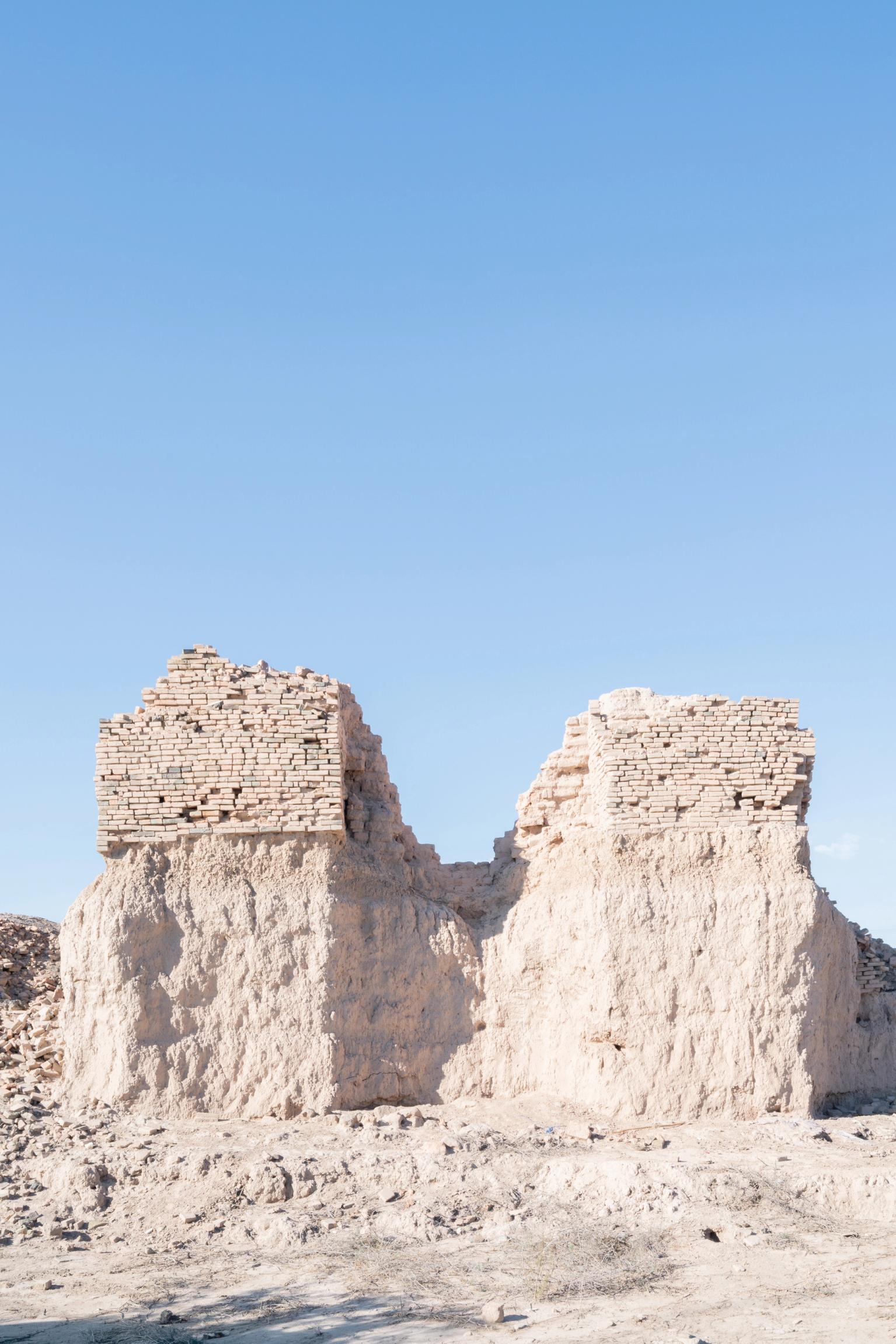
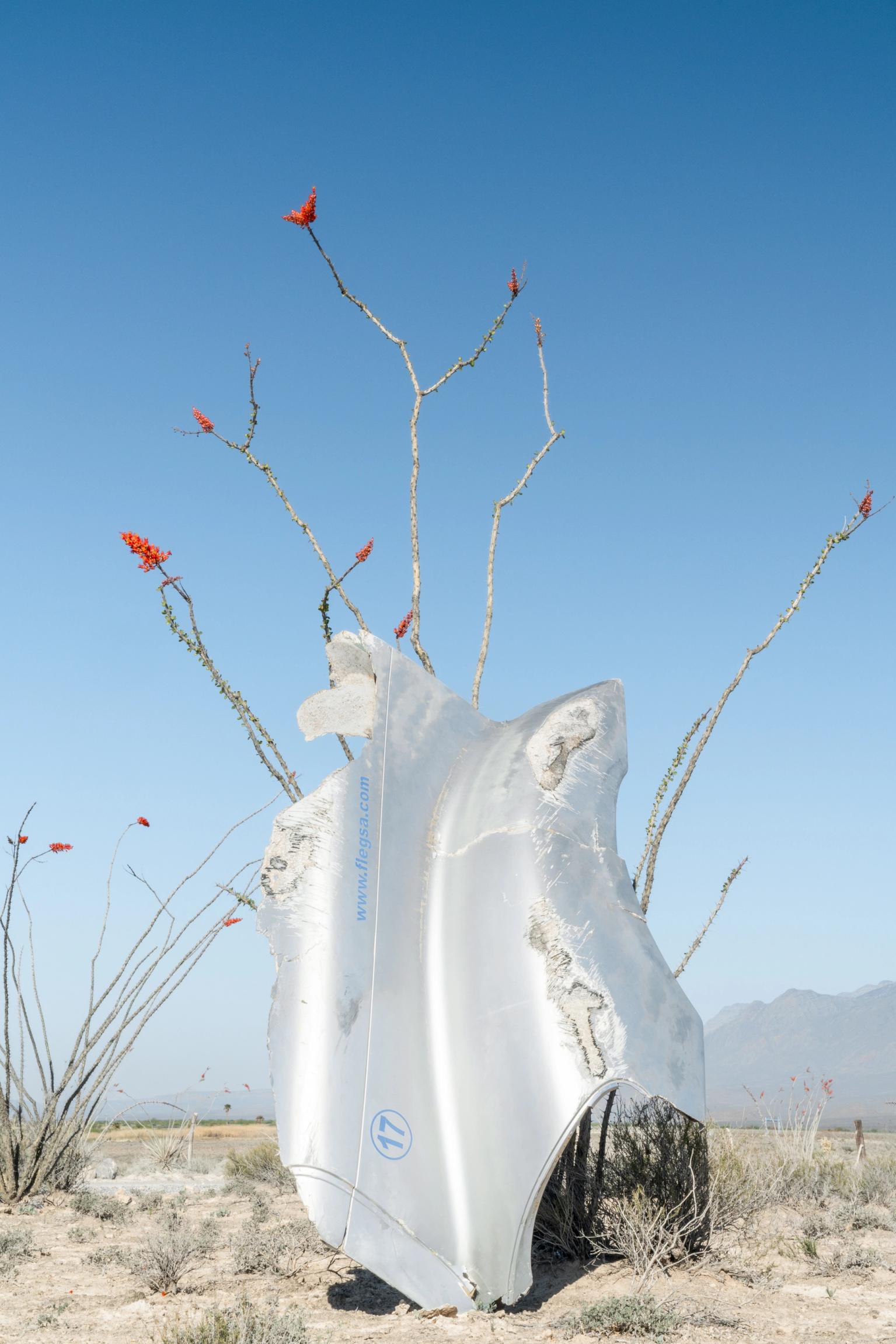
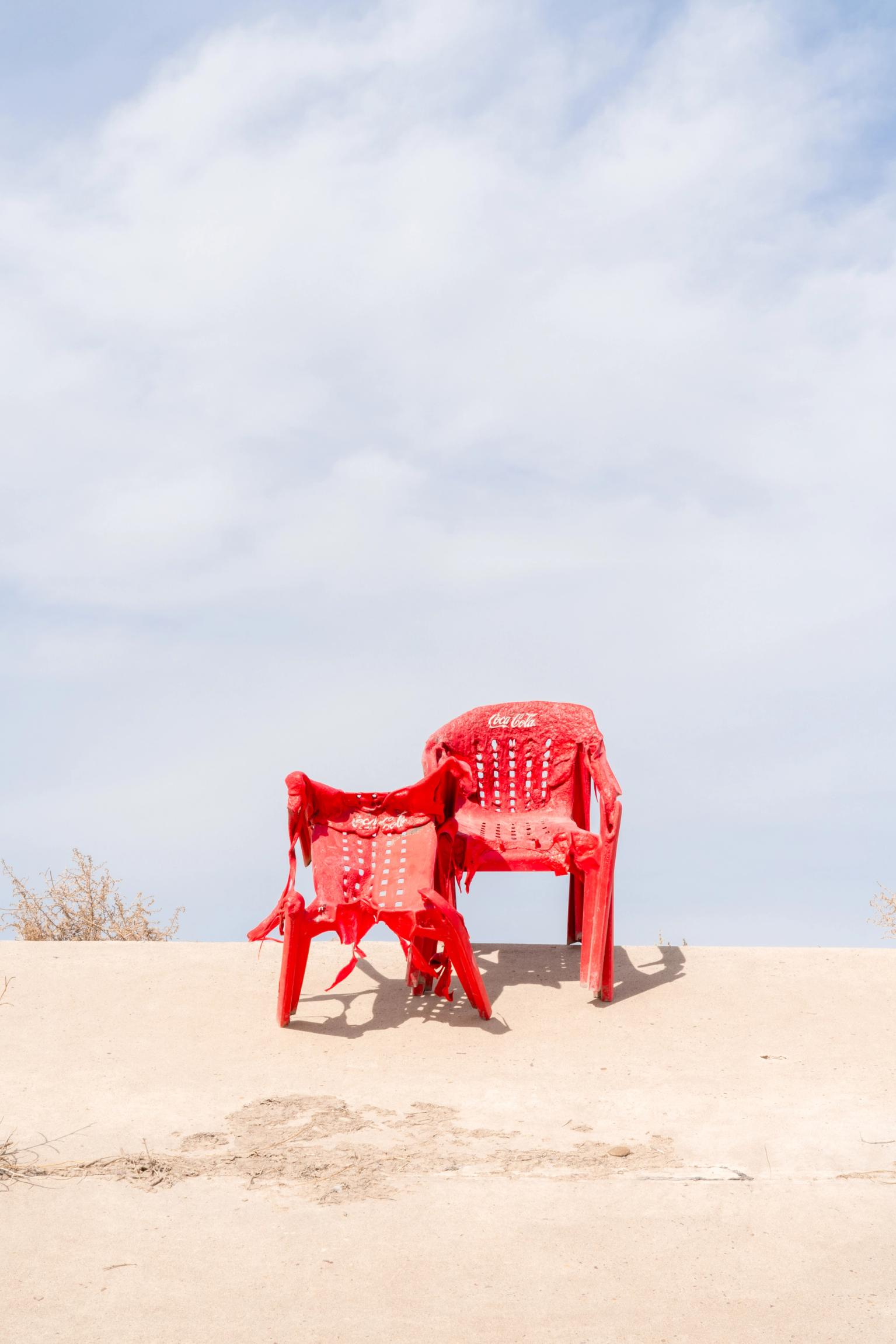
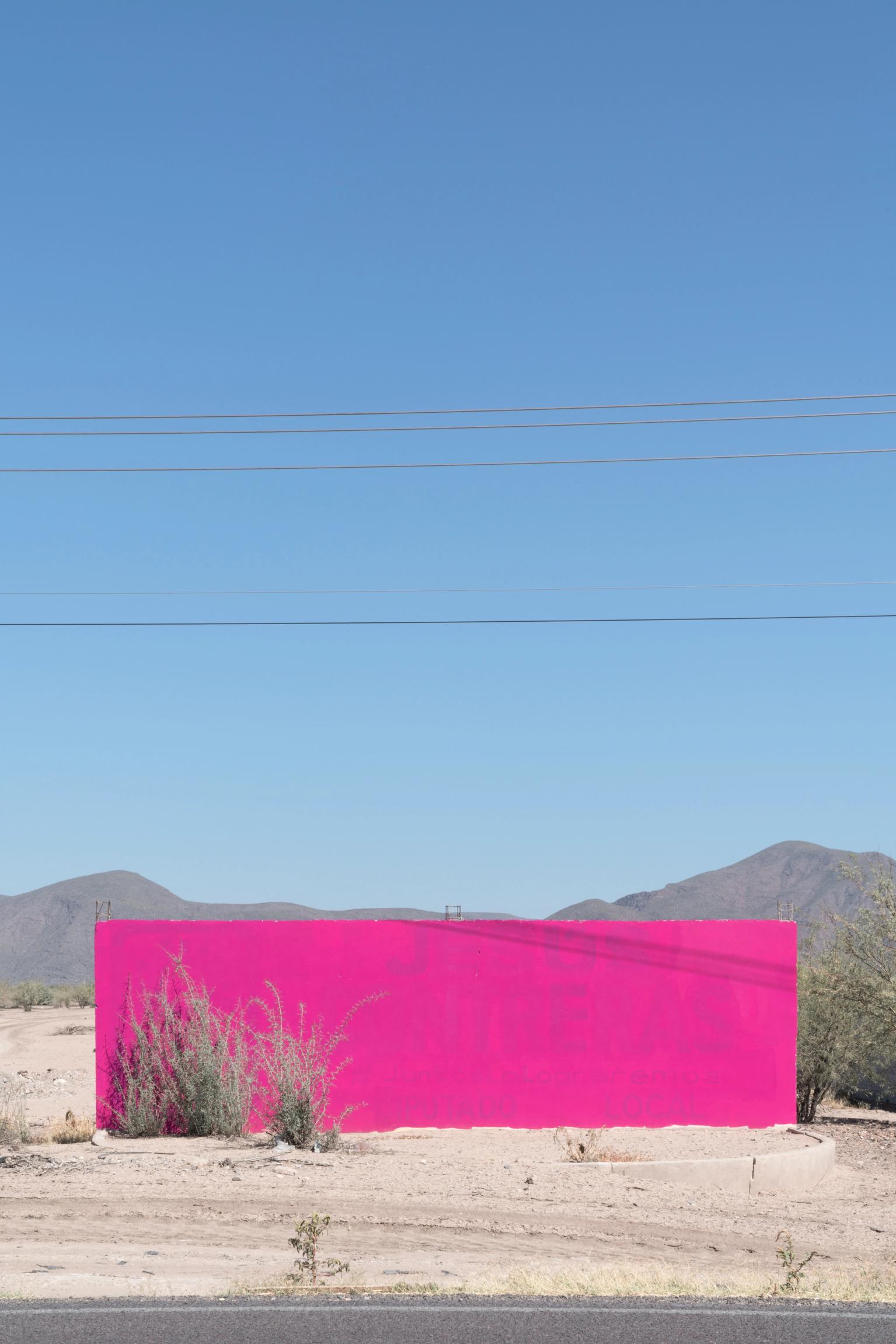
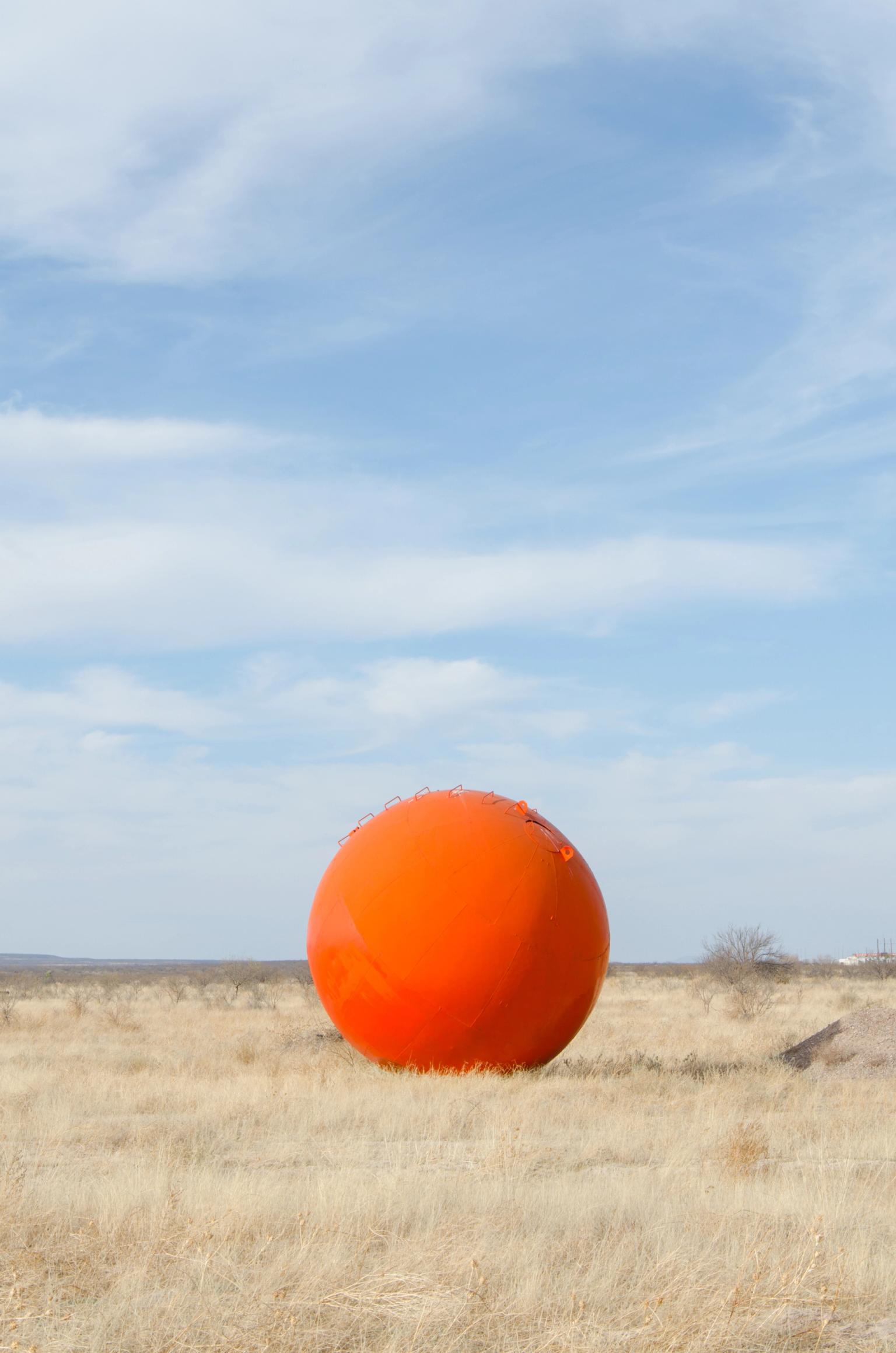
Onnis Luque The modern civilizational model imposed a dichotomy between civilization and Nature, enabling the exploitation, and overexploitation, and domination of everything considered non-human. The images in Alfredo´s Terra Nullius evoke the extractive and colonial presence of capital across territories now abandoned by the system, leaving behind ecosystems so deeply damaged that they have become uninhabitable for humans and seemingly impossible to restore.

A Land Without People
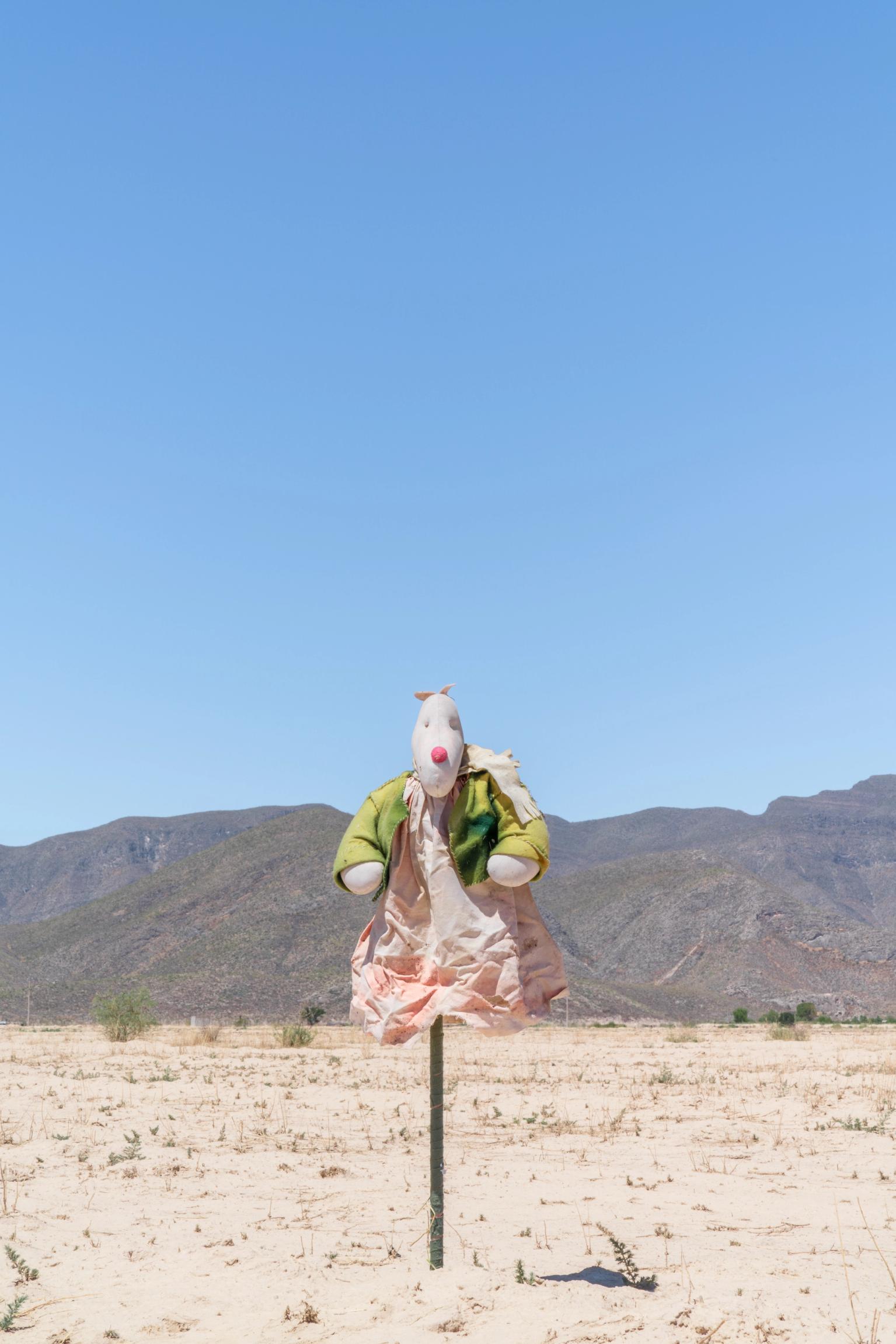
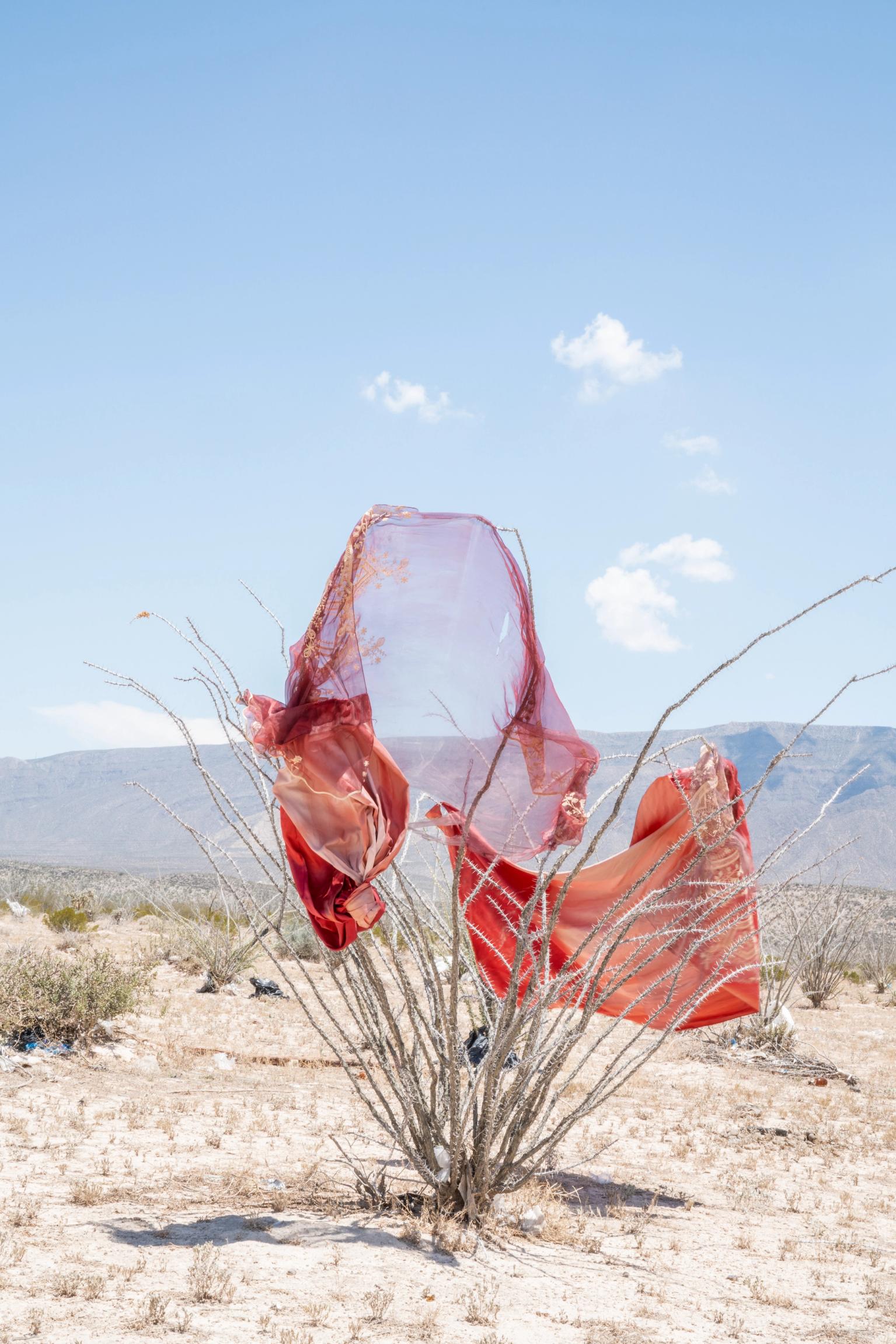
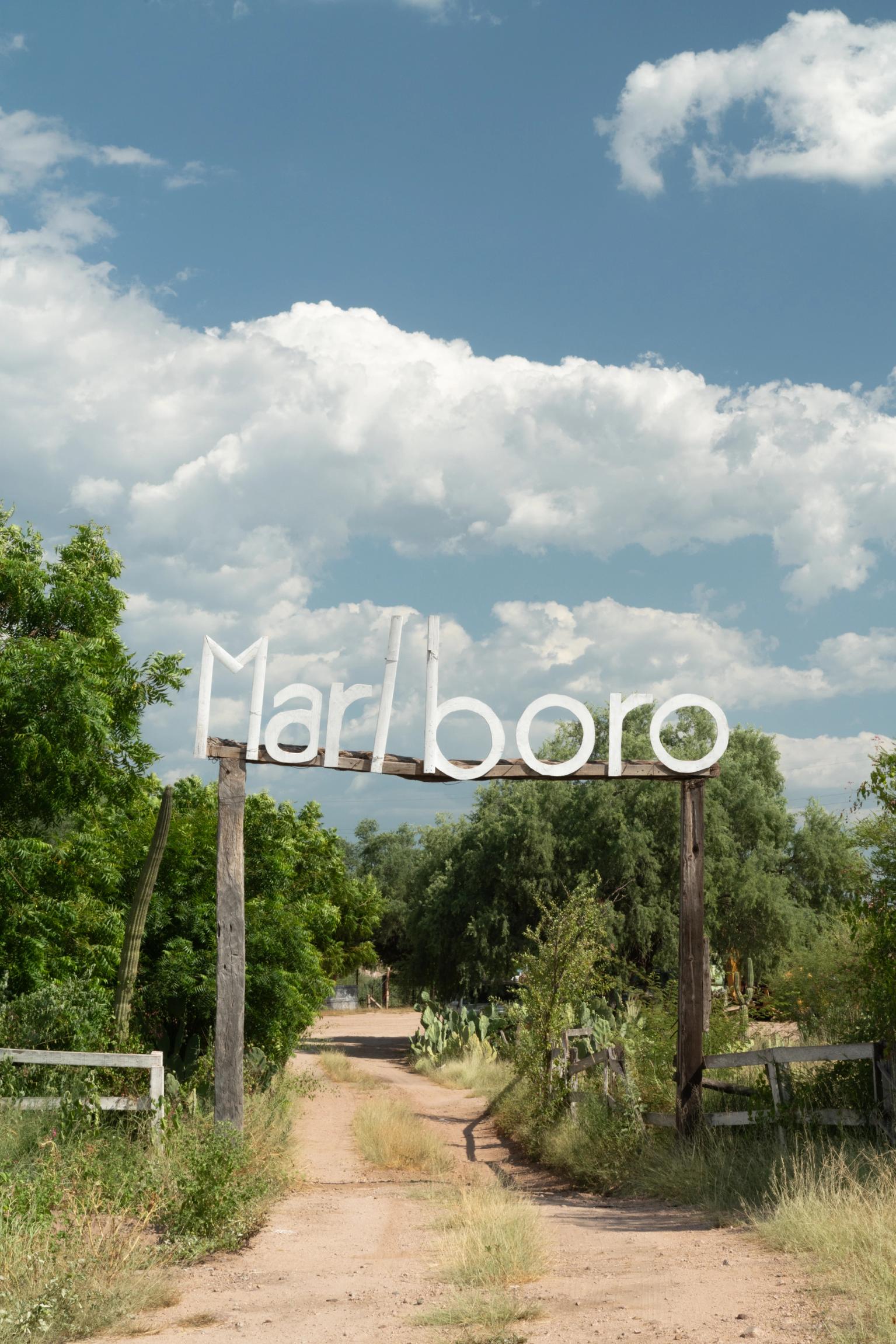
Terra Nullius, now titled Void & Permanence, is a photographic project by Mexican artist Alfredo Esparza that looks at what remains after human intervention has pushed a landscape beyond use. The project began in 2017 and was completed in 2024, documenting different areas of northern Mexico where land and water have been heavily exploited. The title Terra Nullius comes from the Latin expression meaning “nobody’s land”, a legal concept used during European colonial expansion to claim territories as unoccupied and therefore available for colonisation. Esparza uses the term to look at a different kind of dispossession: landscapes that were once occupied and exploited by humans, but have since been left behind.


Landscapes in Limbo
Since 2016, Esparza has been interested in the desert as more than a geographical setting. His work considers the ways these landscapes are represented, used and appropriated, while examining the relationship between human activity and the environment in the context of the Anthropocene. In northern Mexico, he focuses on places that sit somewhere between what we think of as civilisation and nature, landscapes visibly shaped by human activity, yet gradually returning to another state.
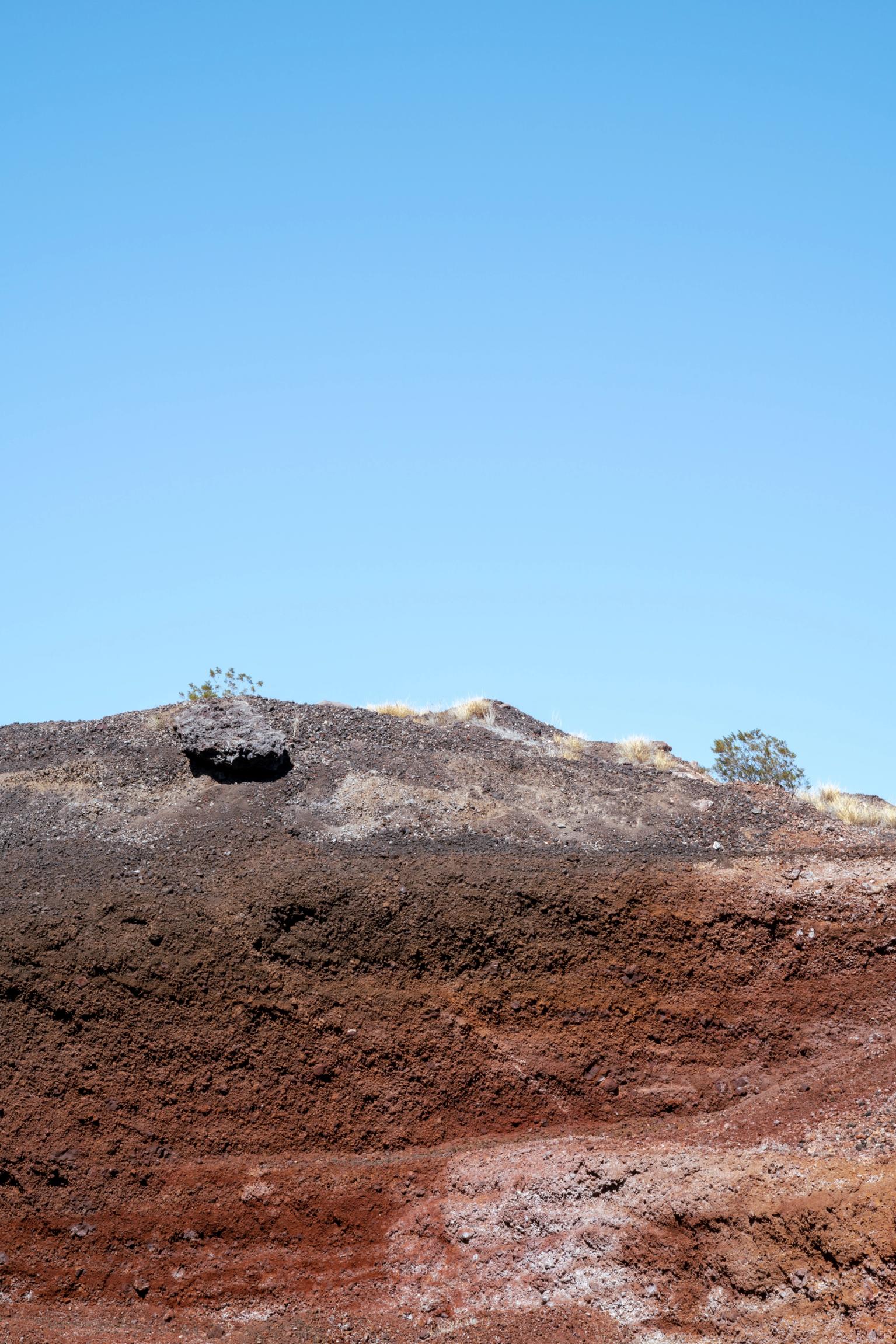

Overgrazing, depleted aquifers, unregulated land clearing and the excessive use of natural resources have altered entire ecosystems. What remains are spaces caught in between: no longer useful for human occupation, but too damaged for the environment to simply return to what it was before.






Finding the Sites
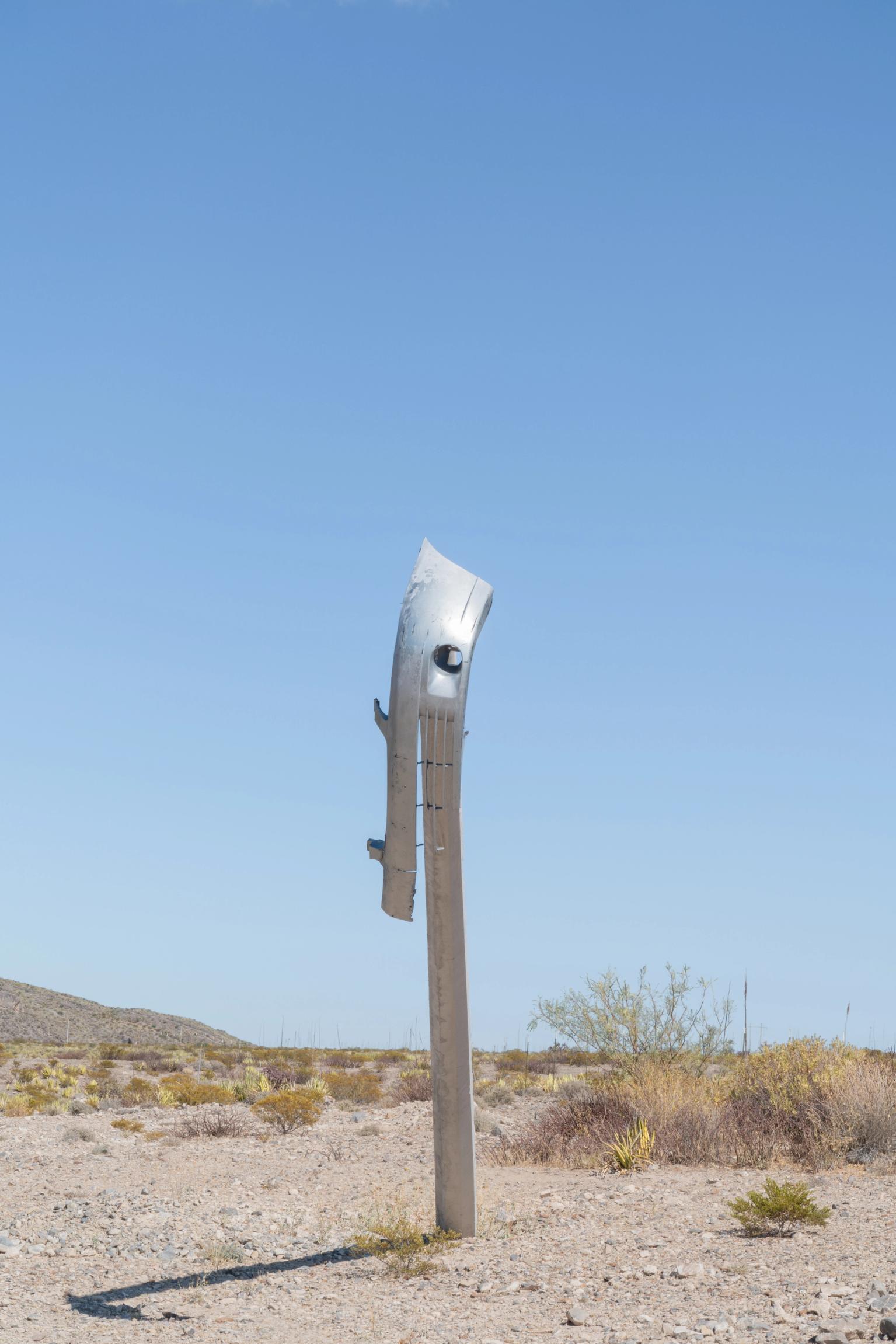
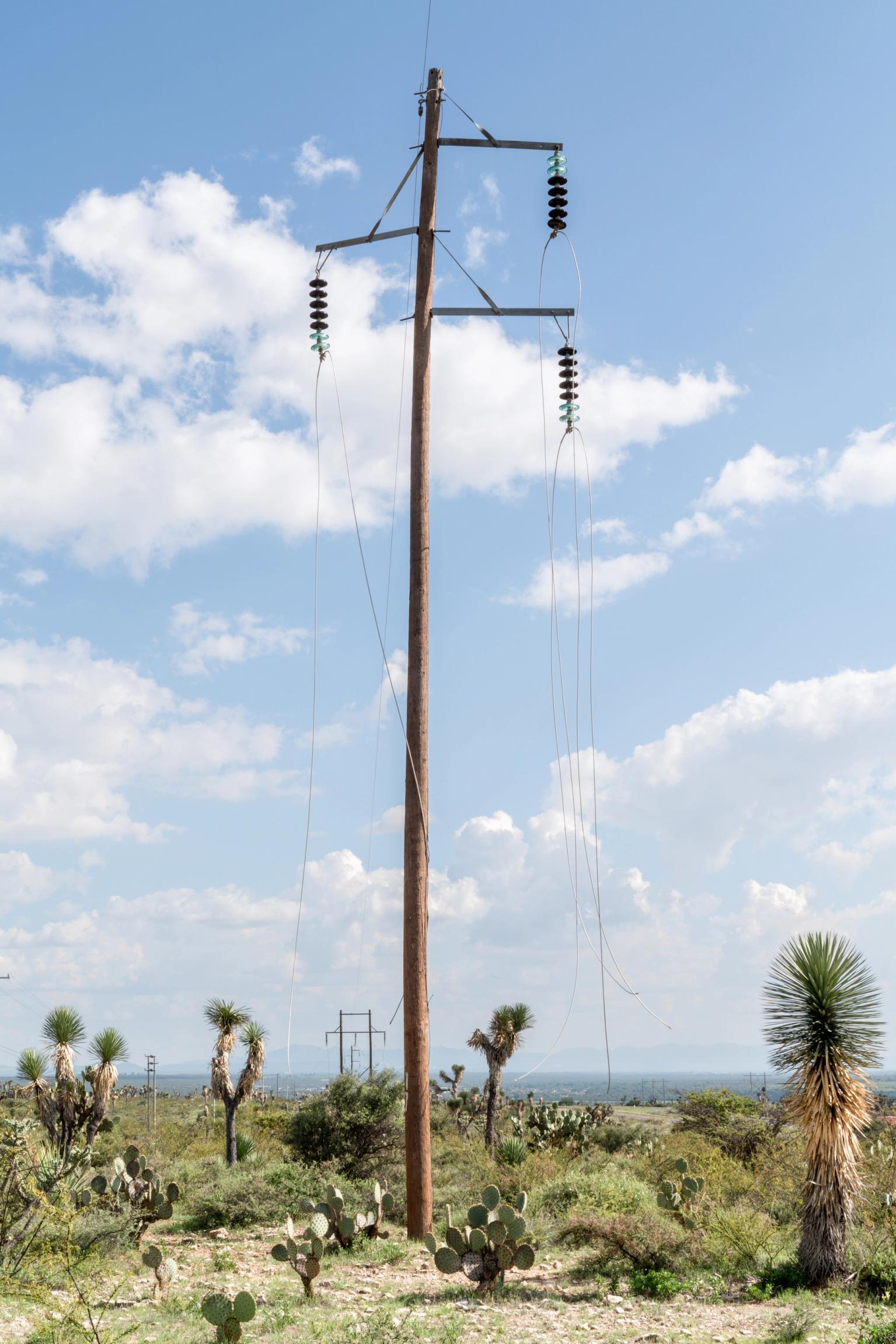
Esparza’s process begins from a distance. Using Google Maps and Google Earth, he searches for areas that appear abandoned or in decline, identifies possible locations and then maps out routes to reach them. Once on the ground, he often discovers forms of human impact that could not be seen from the satellite images, traces of extraction, construction, abandonment and environmental change that reveal how extensively the land has been altered. This method gives the photographs a sense of investigation. Rather than photographing the desert as an untouched or picturesque landscape, Esparza approaches it as a record of what has happened there, allowing seemingly ordinary details to point towards much larger processes.

Between Absence and Permanence
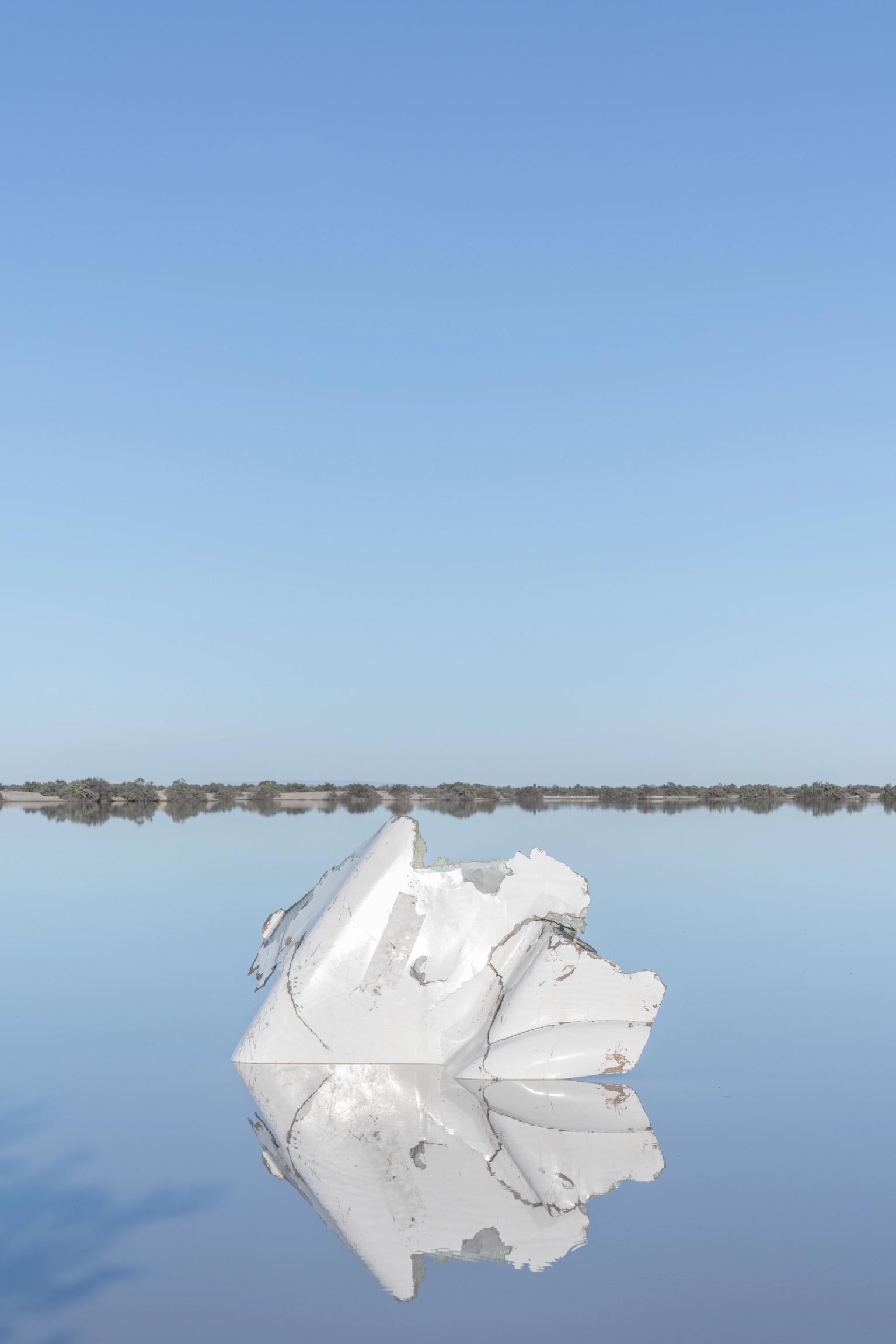
The photographs often centre on structures and objects left behind: a fallen water tank, remnants of infrastructure, industrial traces or other signs of human presence. Their emptiness is part of what makes them compelling. Without people in the frame, these remains suggest the scale of the activity that once surrounded them while also showing its limits. This tension is reflected in the project’s evolution from Terra Nullius to Void & Permanence. The new title shifts the focus from the idea of “nobody’s land” towards the coexistence of absence and what remains, landscapes that have been transformed, abandoned and yet continue to exist.

Alfredo Esparza
Born in Torreón, Mexico, in 1980, Alfredo Esparza Cárdenas works primarily with photography and video. He holds a Master’s degree in Humanistic Studies with a specialisation in History and graduated from the Contemporary Photography Seminar at Centro de la Imagen in Mexico City. His practice often brings together photography, research and questions around territory, memory and human intervention. He has exhibited in Mexico, the United States, Spain, Italy, Colombia, Argentina and Iceland, and was a winner of the VII edition of AI-AP Latin America Photography in 2018. Esparza has also worked extensively within the cultural field, including as head of exhibitions at Mexico City’s National Museum of Popular Cultures. He lives and works between Torreón and Mexico City.