Jonathan Glazer
Sony Bravia - Colour like no other
- DirectorJonathan Glazer
- AgencyFallon London
- Production CompanyAcademy Films
NICKLAS HULTMAN When brands dare to push the limits visually, the result can transcend advertising and earn a place in pop-culture. Released on 17 October 2006, “Paint” - a follow-up to the 2005 “Balls” campaign - was created for Sony Bravia by Fallon Worldwide and directed by Jonathan Glazer.
Nicklas Hultman on Sony´s Colour like no other
When brands dare to push the limits visually, the result can transcend advertising and earn a place in pop-culture. Released on 17 October 2006, “Paint” - a follow-up to the 2005 “Balls” campaign - was created for Sony Bravia by Fallon Worldwide and directed by Jonathan Glazer.
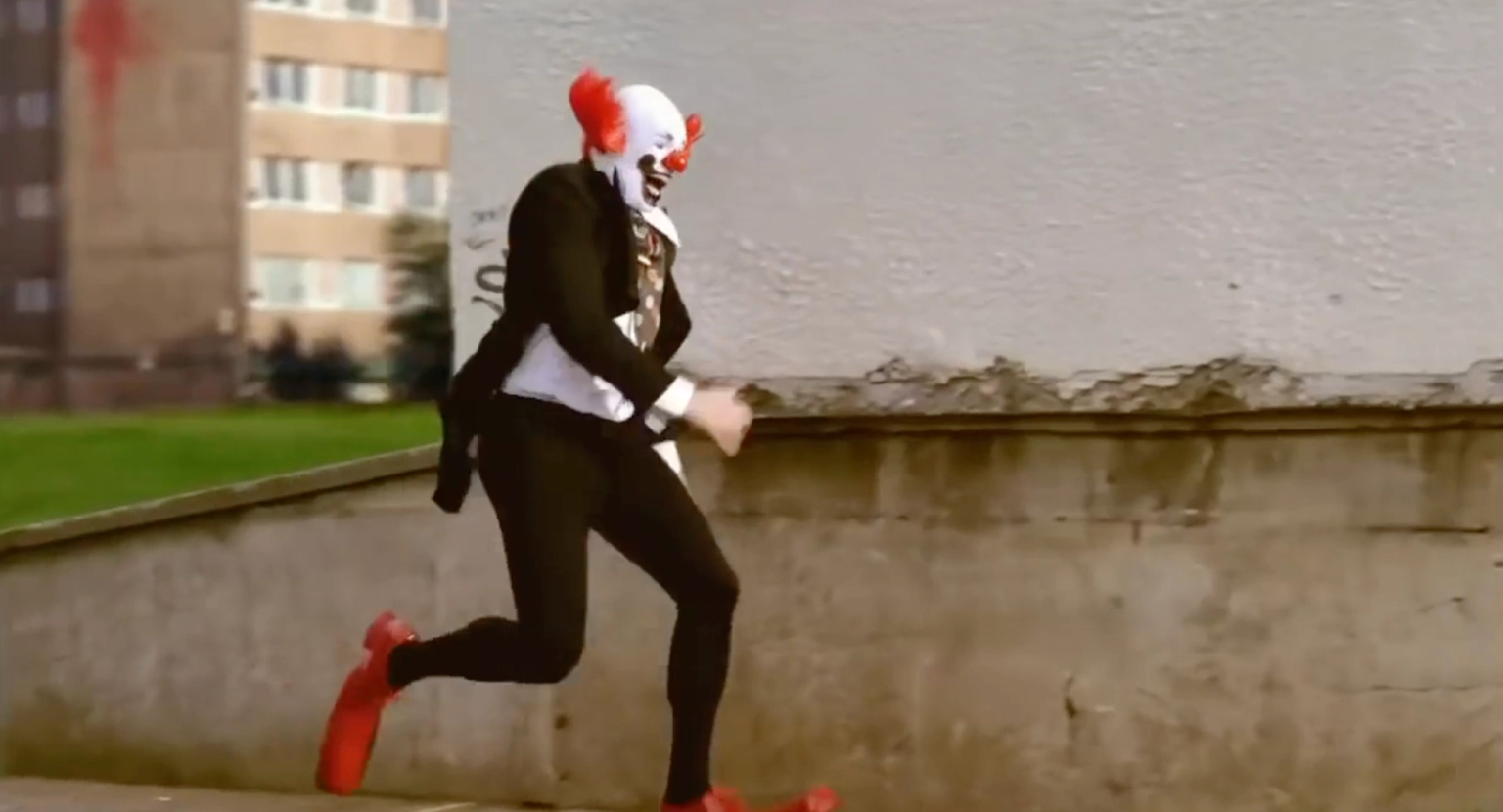
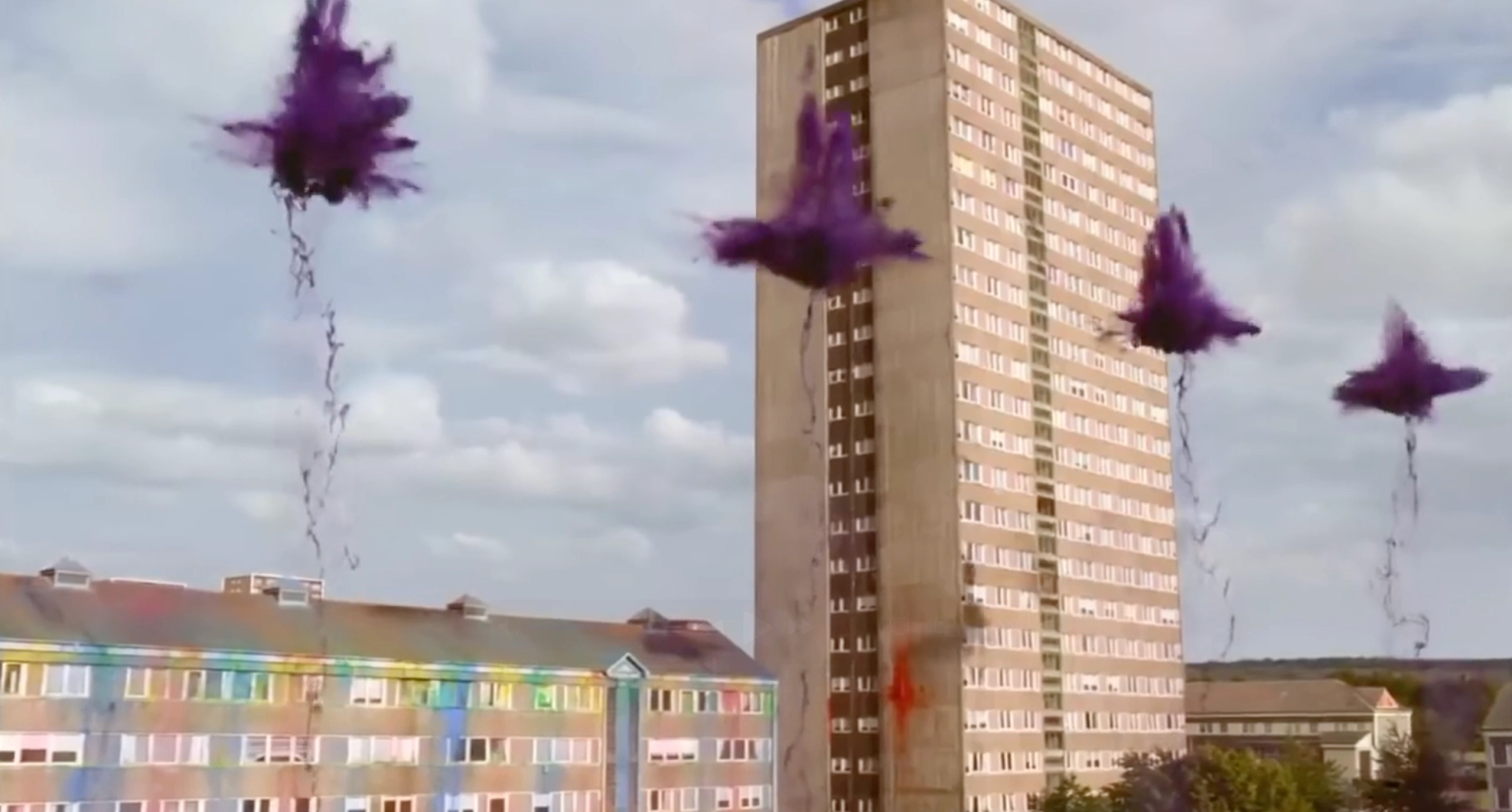
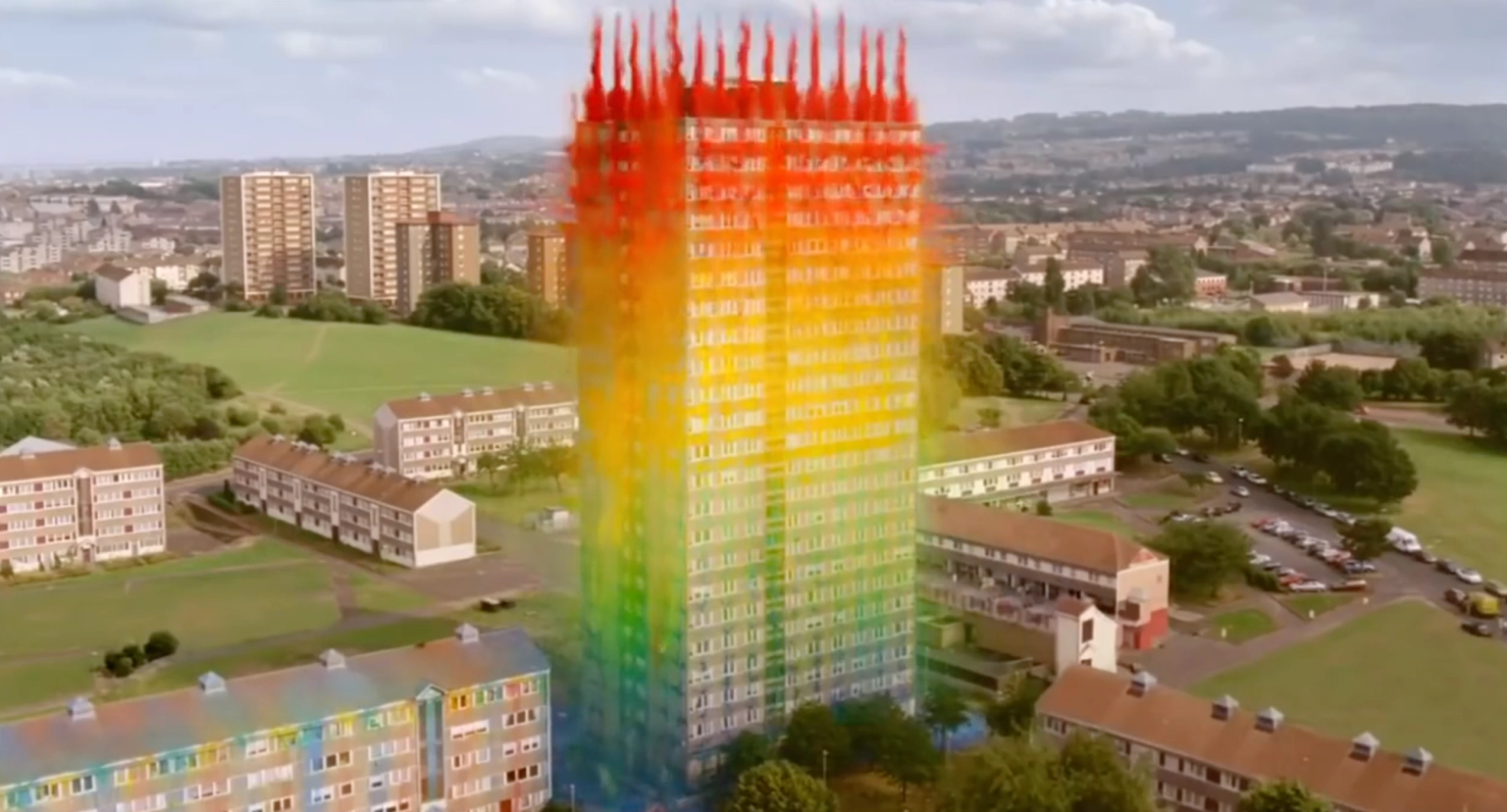
The ad drenches a Glasgow tower block in 70 000 litres of eco-friendly paint - explosions of colour choreographed like fireworks, set to Rossini’s “The Thieving Magpie”. Visually stunning… story, grading, sound, and the clown… I can only imagine that the client thought “Wtf… why the clown?! Are we clowns?!”
It’s all in the details and by creating something unexpected you create something that linger in your memory.


Colour Like No Other
How Sony Turned Colour Into Culture.
In 2006, Sony set out to sell televisions by doing something radically different. Instead of listing specifications, it chose to communicate a feeling. The result was the Bravia campaign, built around a simple, confident promise. Colour like no other.
From Balls to Paint
The paint film did not appear out of nowhere. It was conceived as a follow up to Balls, the campaign’s breakout moment a year earlier. In that spot, thousands of brightly coloured bouncy balls cascaded down the steep streets of San Francisco, turning an everyday cityscape into a joyful explosion of colour and movement.
Balls proved that audiences would engage emotionally with a technology brand if the idea was strong enough. Paint took that philosophy further, scaling it up and stripping it back at the same time.
A Building Becomes a Canvas
For Paint, a condemned tower block in Glasgow was transformed into a monumental artwork. Thousands of litres of vividly coloured paint were blasted across the building’s facade using precisely timed detonations. Clouds of colour bloomed against grey concrete in slow motion, set to the operatic drama of Rossini.
Nothing was simulated. What viewers saw was real paint, real explosions and real gravity. The absence of digital effects became part of the message. This was colour with weight, texture and force.
The film was directed by Jonathan Glazer, whose background in music videos and feature films brought a rare sense of scale and restraint to the commercial. He treated the spot like a short film rather than an advert, allowing the action to unfold with patience and confidence.
The Bravia campaign was created by Fallon London, an agency that helped redefine how brands spoke to audiences in the mid 2000s. Their work for Sony moved technology advertising away from rational persuasion and toward emotional storytelling, setting a new benchmark for the category.

A Lasting Legacy
Together, Balls and Paint reshaped expectations of what advertising could be. They proved that spectacle could be physical, that branding could feel like art, and that a single idea, executed with conviction, could leave a lasting cultural mark.
Nearly two decades later, Colour like no other remains one of the most influential campaigns of its era, and Paint stands as its boldest, most visceral expression.