
Gunnar Asplund and Sigurd Lewerentz
Skogskyrkogården
- ArchitectGunnar Asplund and Sigurd Lewerentz
- PhotographerSusanne Hallmann, Alexander Assal, Mattias Ek, Ioana Marinescu, and C G Rosenberg
Mads Bryld With my backgrounds as a landscape architect i have to recommend this place. Sometimes art is not a physical thing that you place in your home, but a place that can put you in a higher state and Skogskyrkogården in Stocholm is a truly magical place.


Skogskyrkogården – Origins and Vision
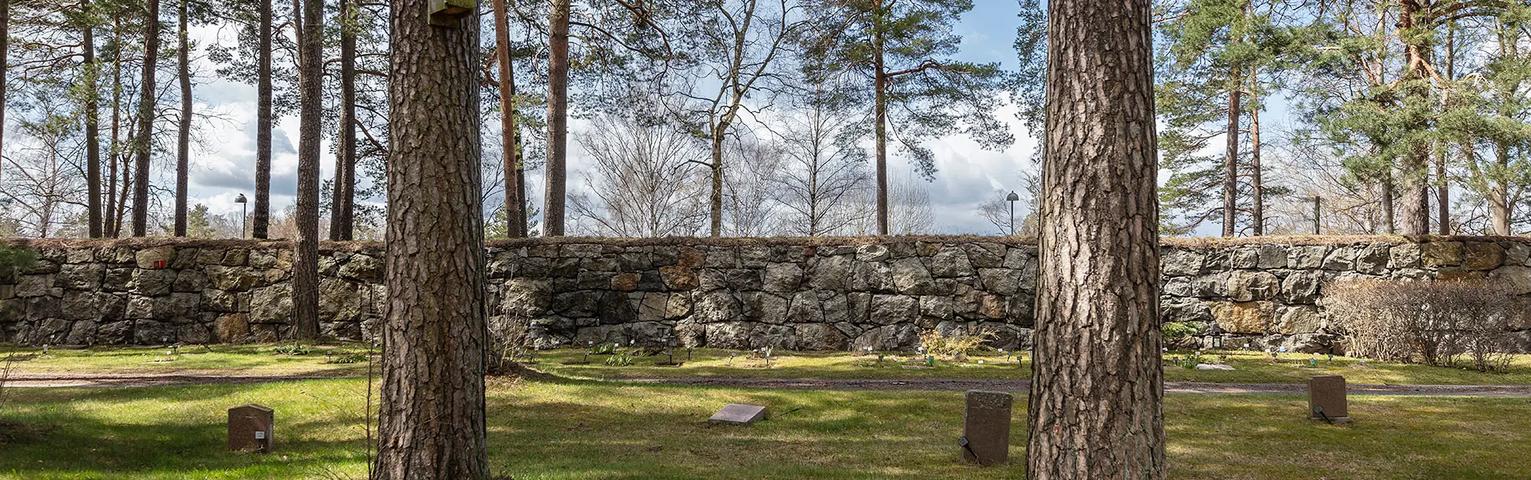
Skogskyrkogården, the Woodland Cemetery in Stockholm, emerged from a 1914 design competition intended to expand the city’s burial capacity with dignity and aesthetic care. Two young Swedish architects who would become leading figures of modernist architecture, Gunnar Asplund and Sigurd Lewerentz, both in their early 30s, won the commission with their proposal “Tallum,” emphasizing a seamless integration of architecture and nature. Between 1917 and 1940, they transformed former gravel pits overgrown with pine into a cemetery that blends topography, forest, and built form.
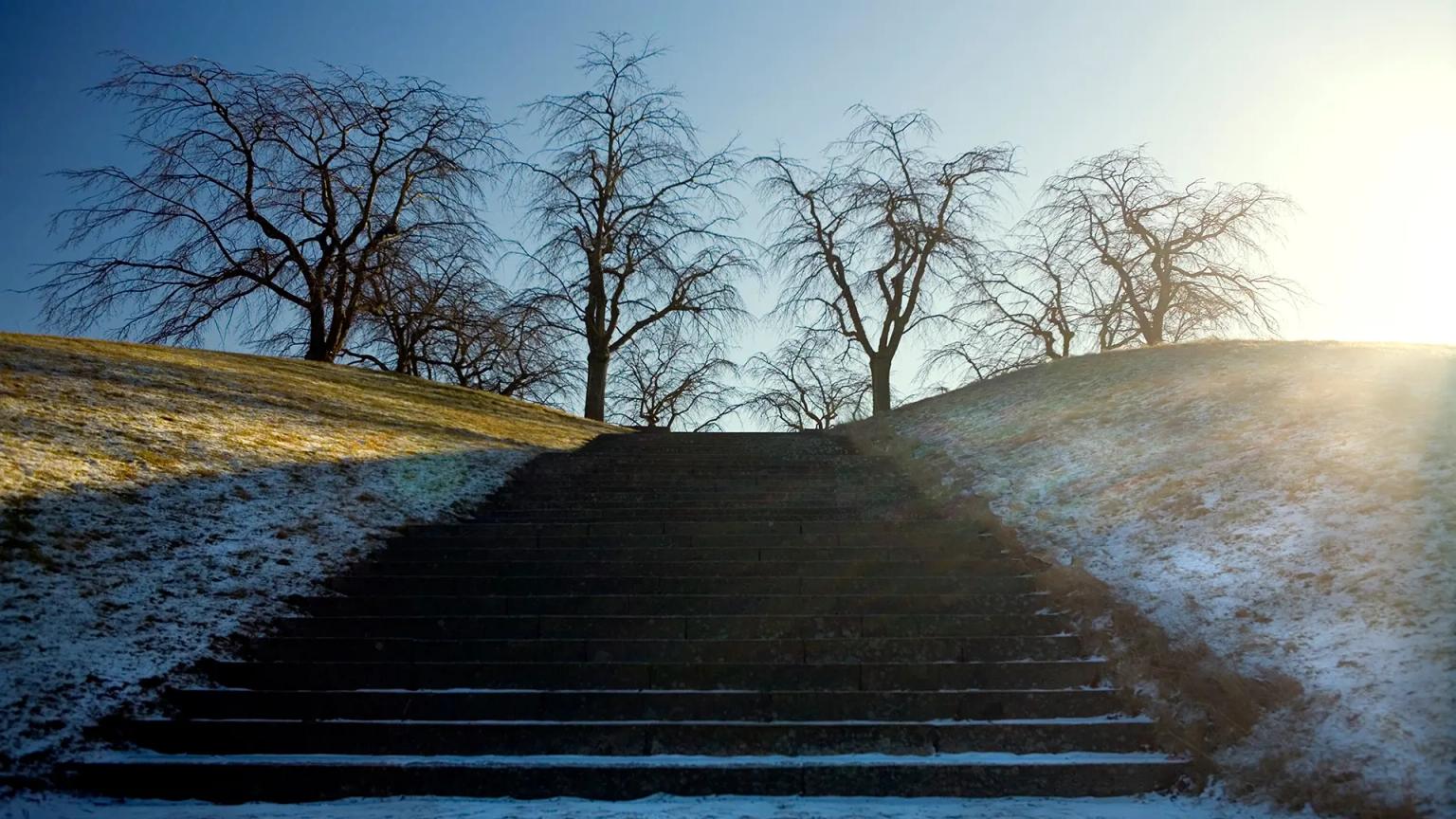

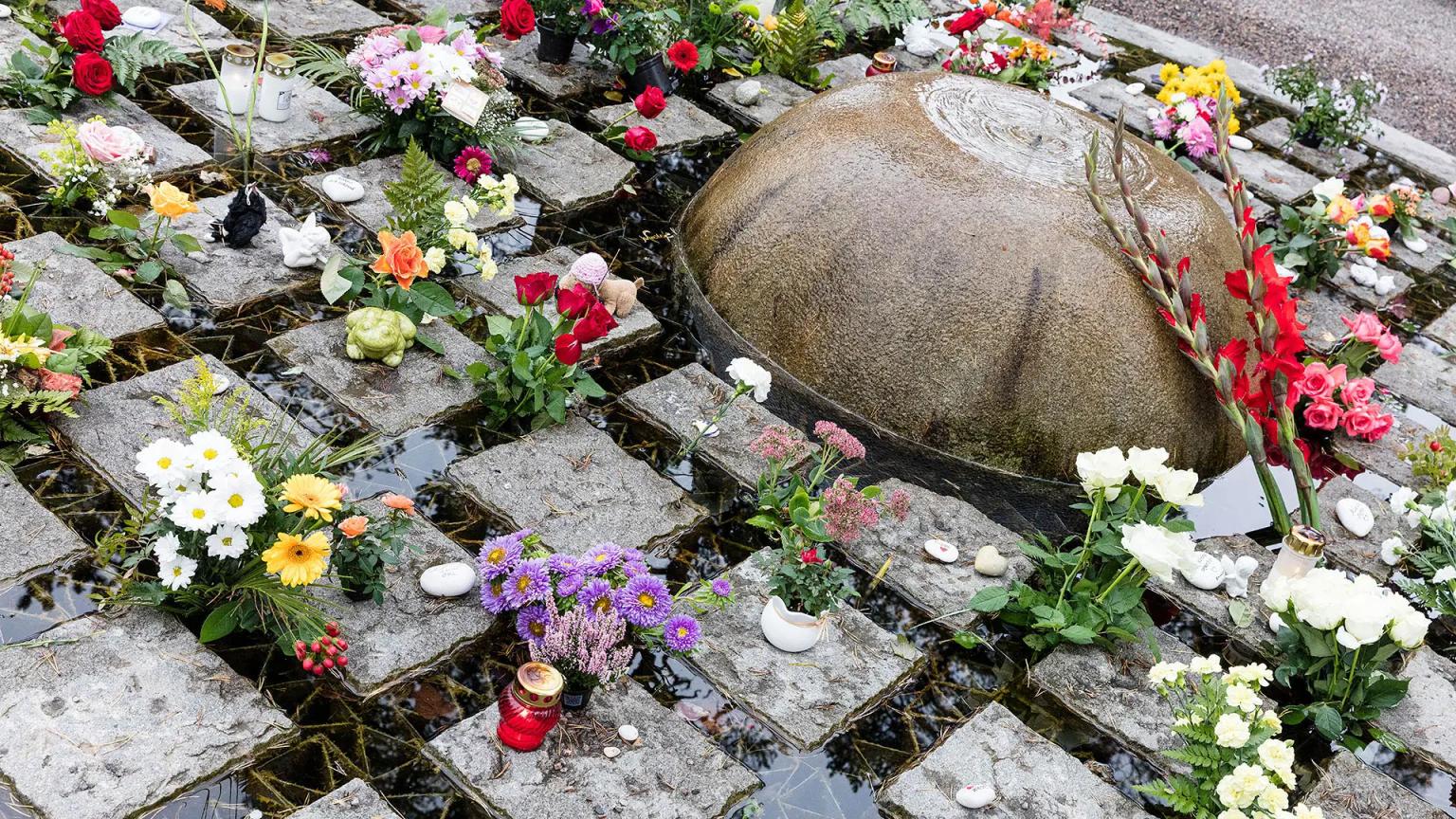





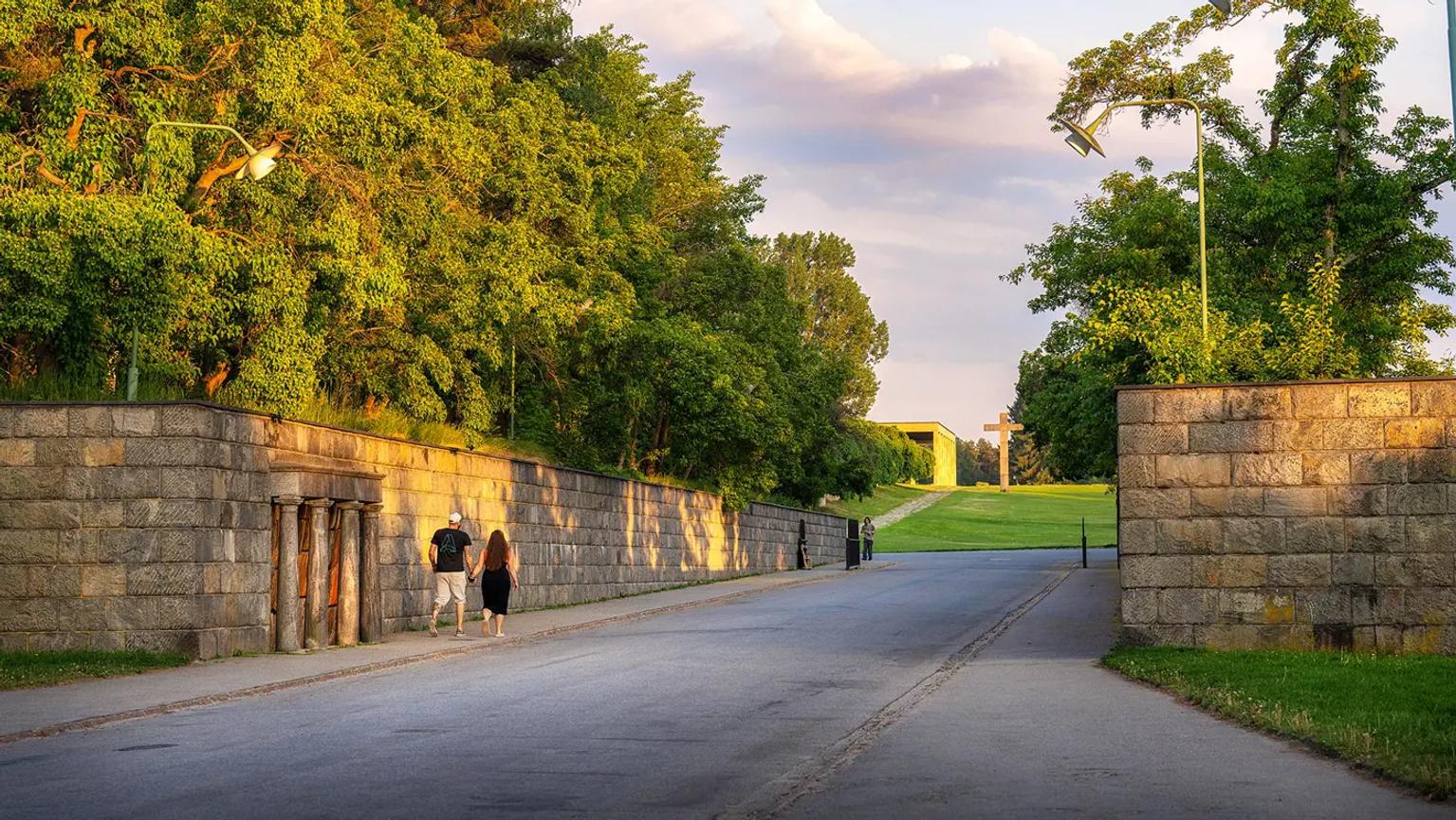

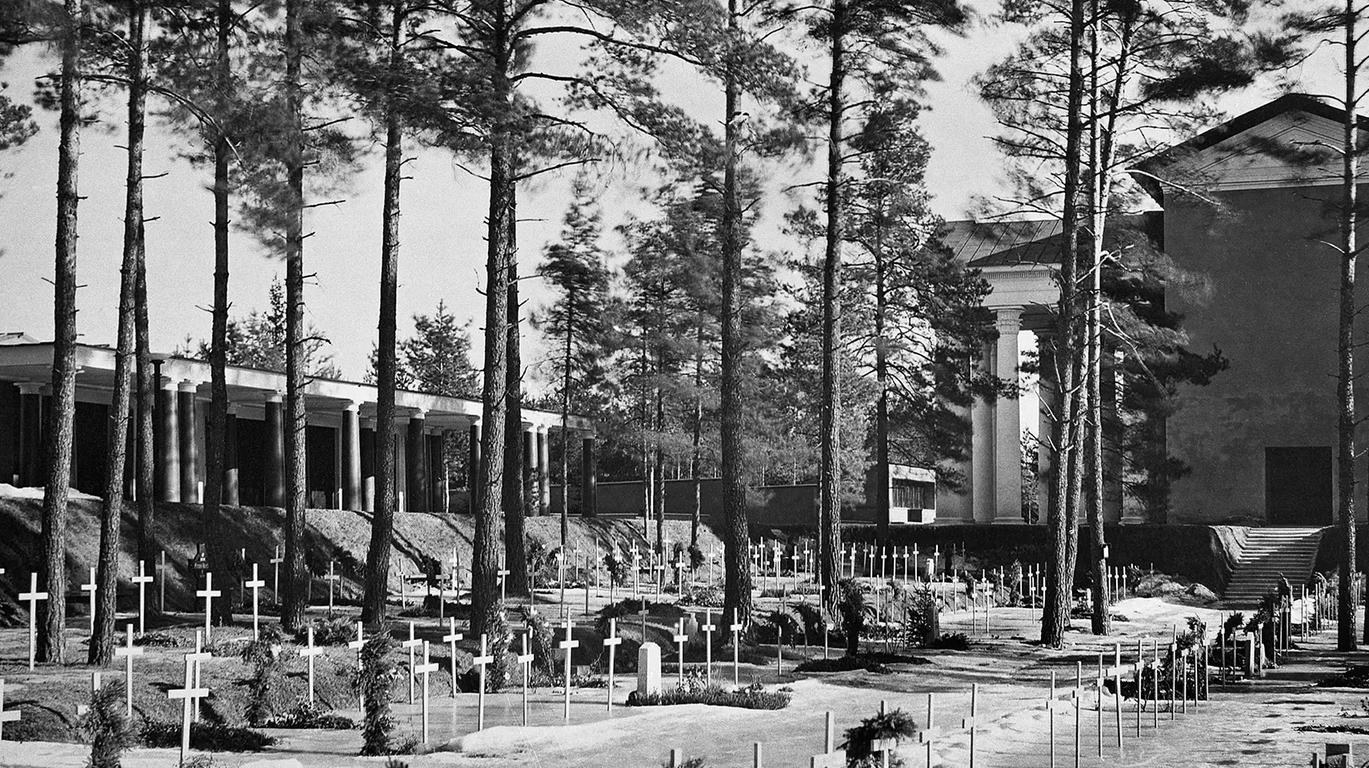
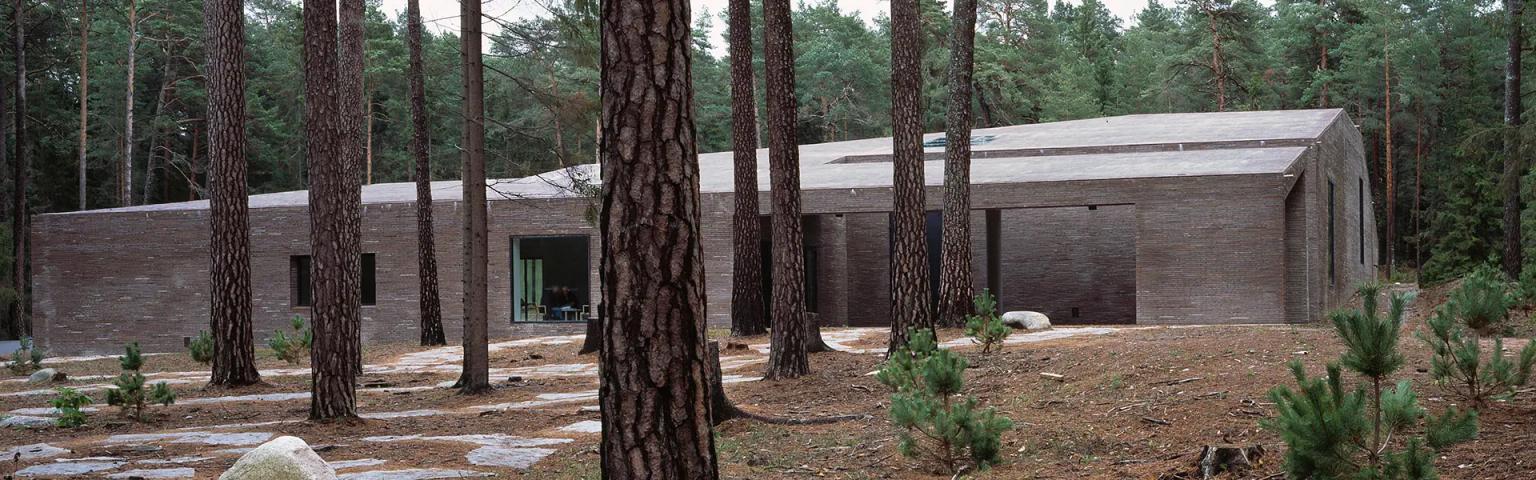
The project began with the Woodland Chapel in 1920 and expanded to include service buildings, the Resurrection Chapel, and the group of Faith, Hope, and Holy Cross chapels. The architects’ approach was deeply innovative: rather than imposing strict alignment, they allowed meandering paths, irregular terrain, and minimal intervention to create a contemplative landscape that invites reflection on life, death, and the passage of time.


Landscape and Living Nature
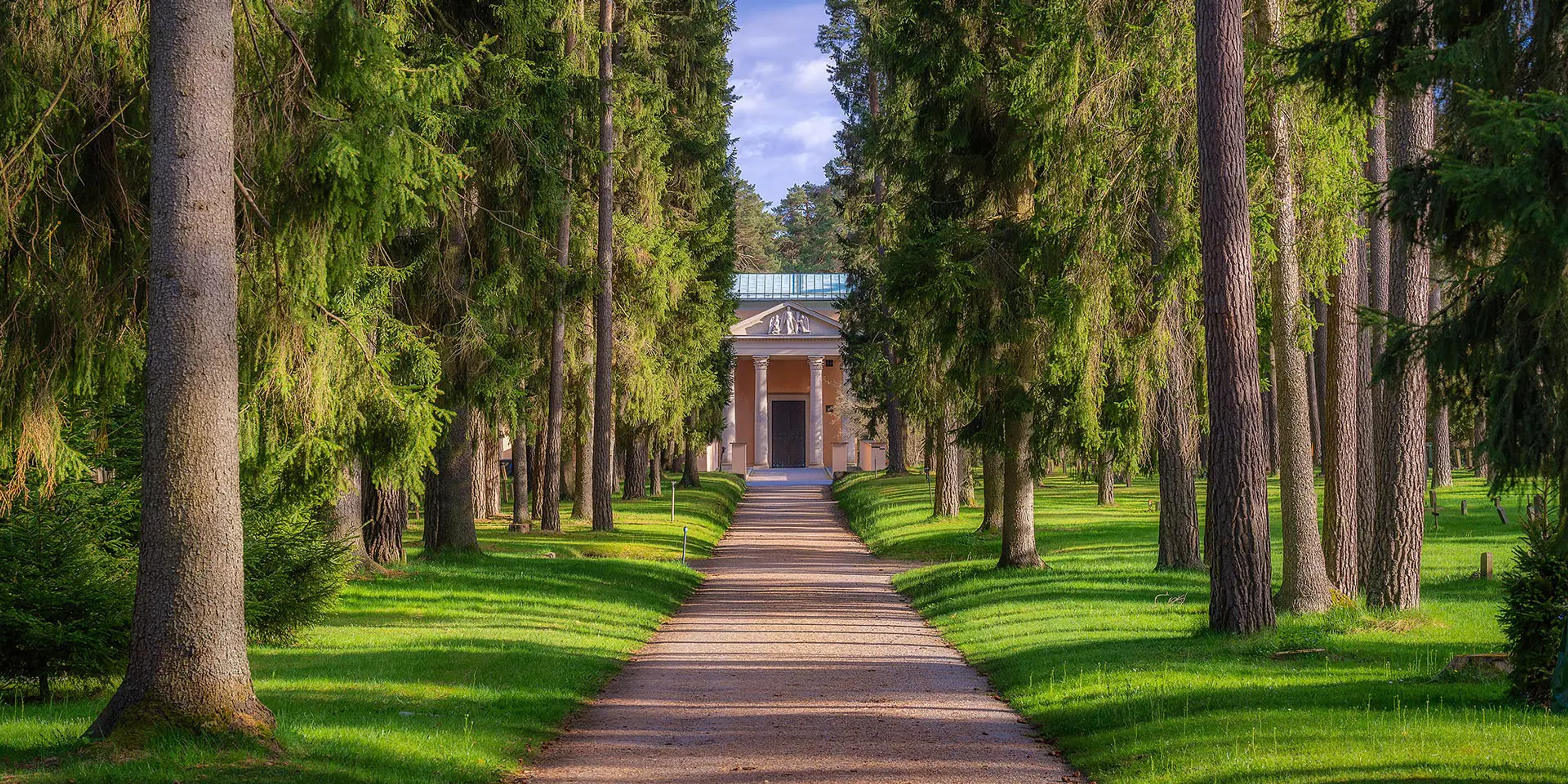
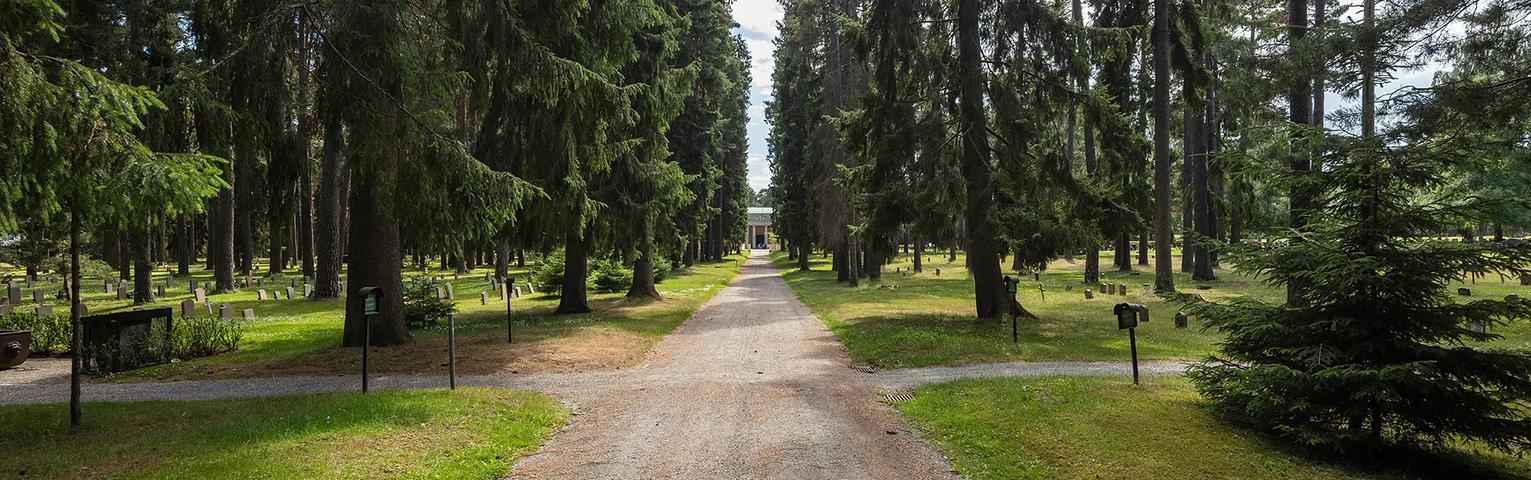
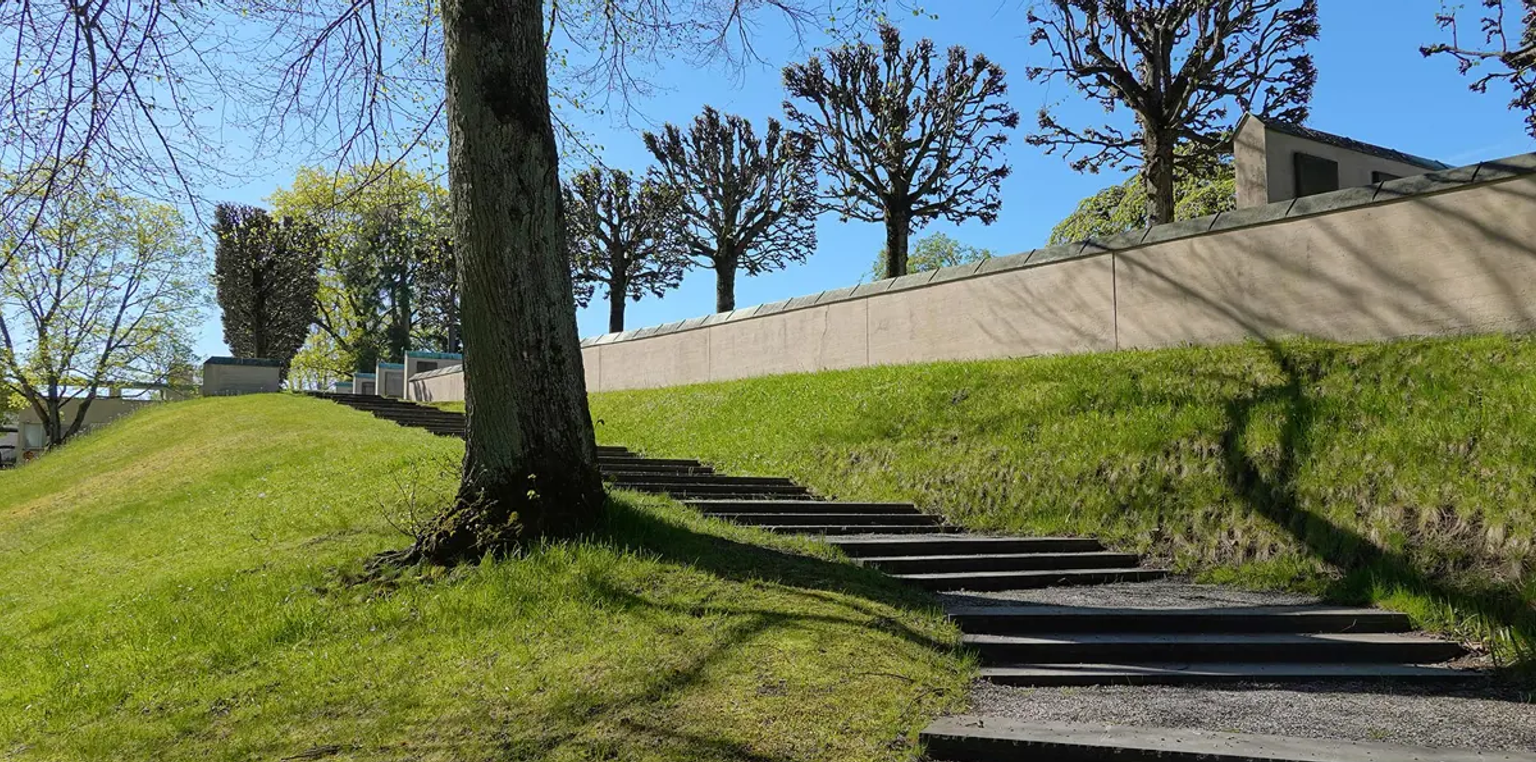
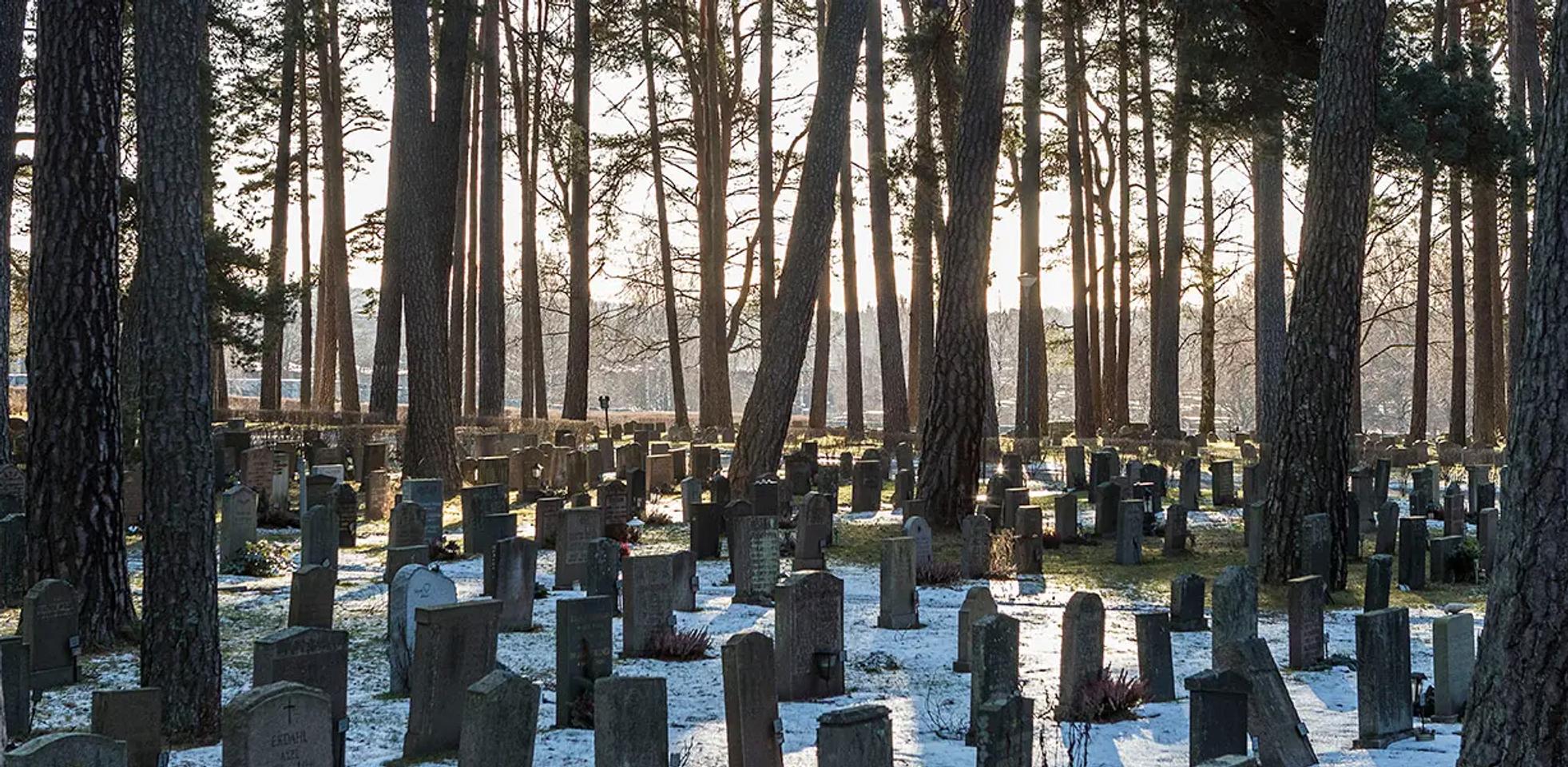
At the heart of Skogskyrkogården is the pine forest, carefully maintained and continuously renewed. Many trees date back to the 19th century, with new pines cultivated from seeds of the healthiest specimens to preserve the cemetery’s characteristic vertical rhythm. Beyond pines, the site includes elm groves, open meadows, and a pond that supports salamanders and other wildlife, reinforcing the sense of a living ecosystem. Paths like Almhöjden, a ridge with stairs and groves, and the Path of Seven Wells, guide visitors through contemplative spaces, where the forest, hills, and meadows shape the experience. Wildlife, from deer and foxes to nesting birds, further animates the grounds. The careful interplay of natural and man-made elements ensures that visitors encounter a seamless narrative of life cycles, growth, decay, and renewal.


Architecture and Artistic Integration
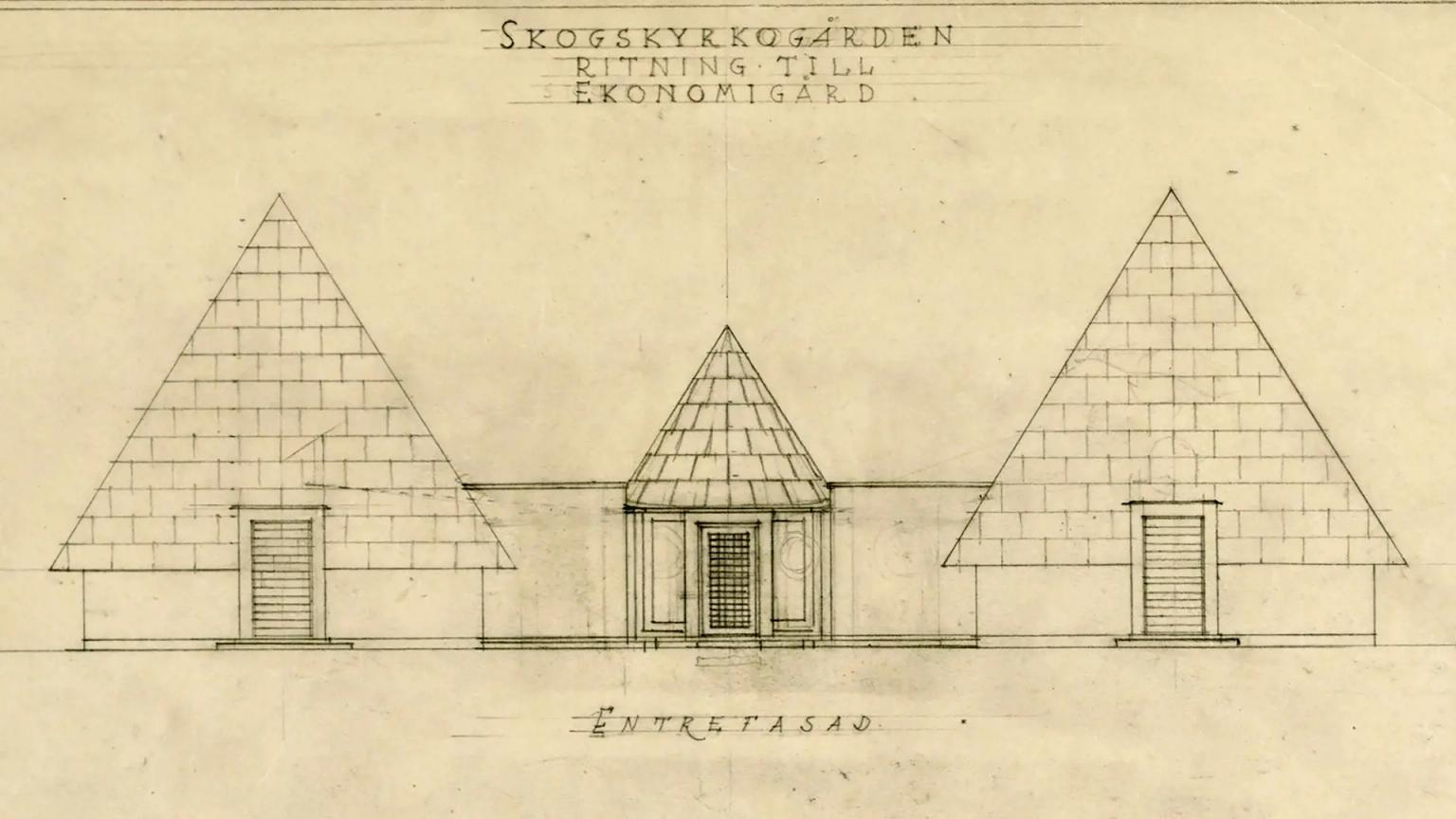
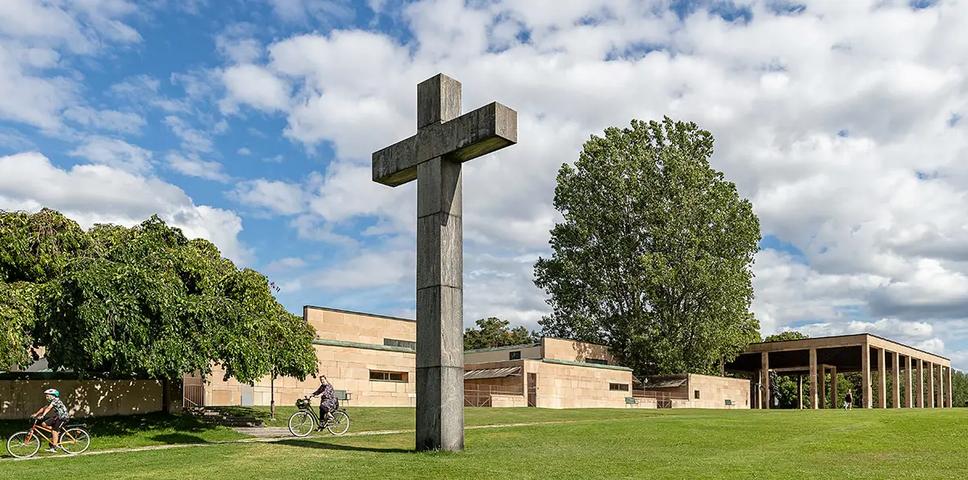
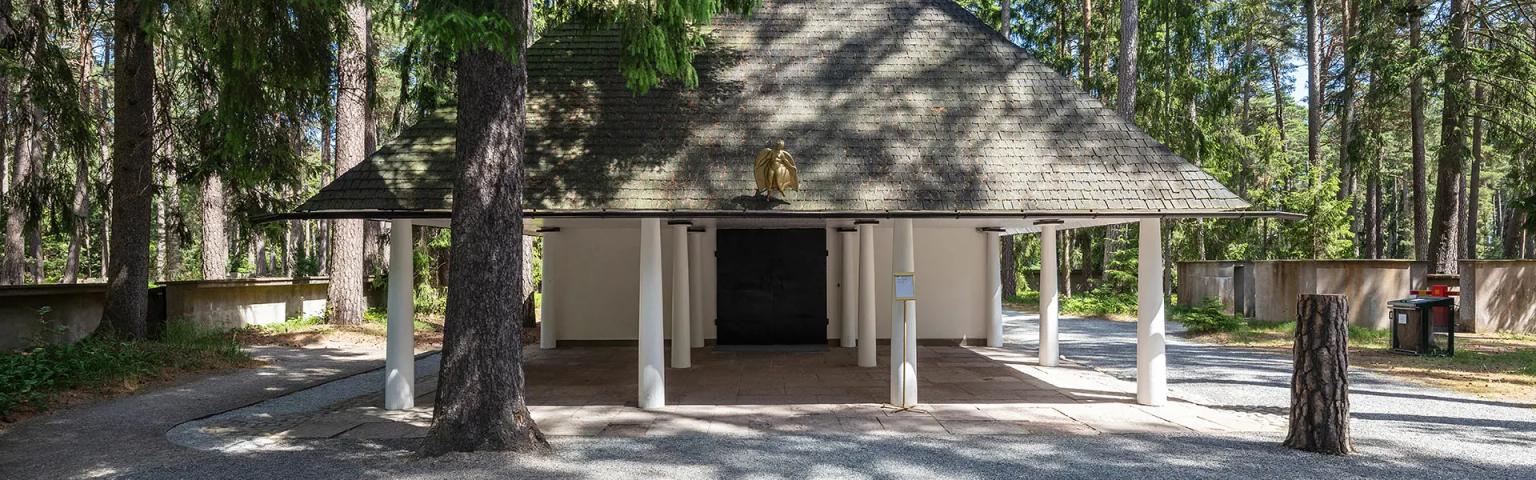
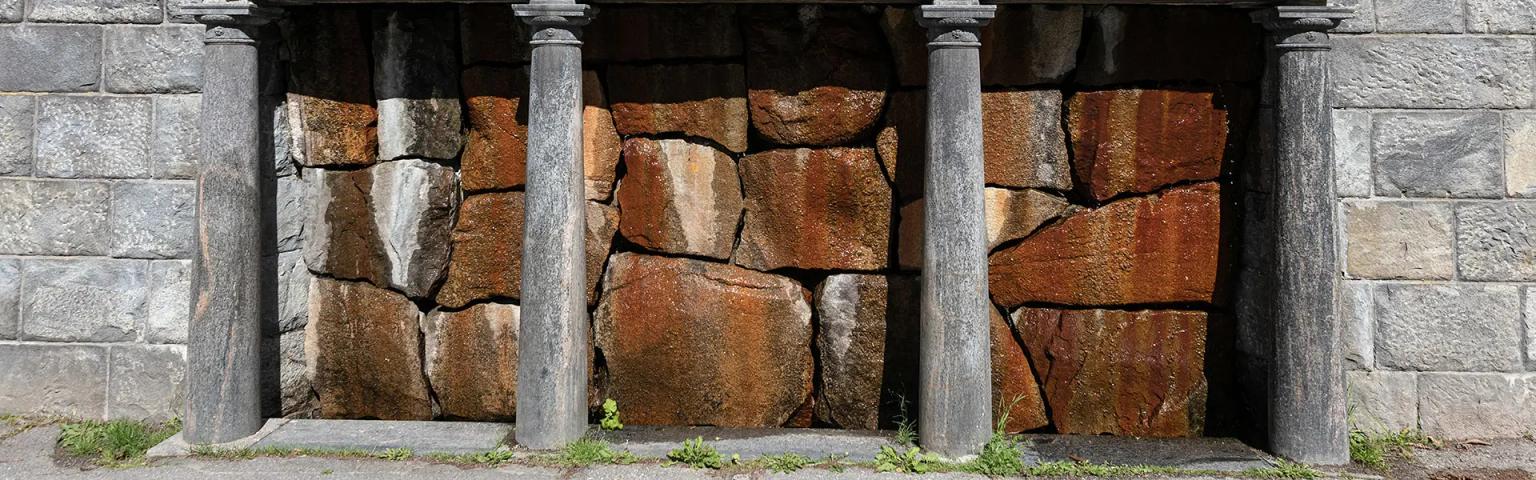
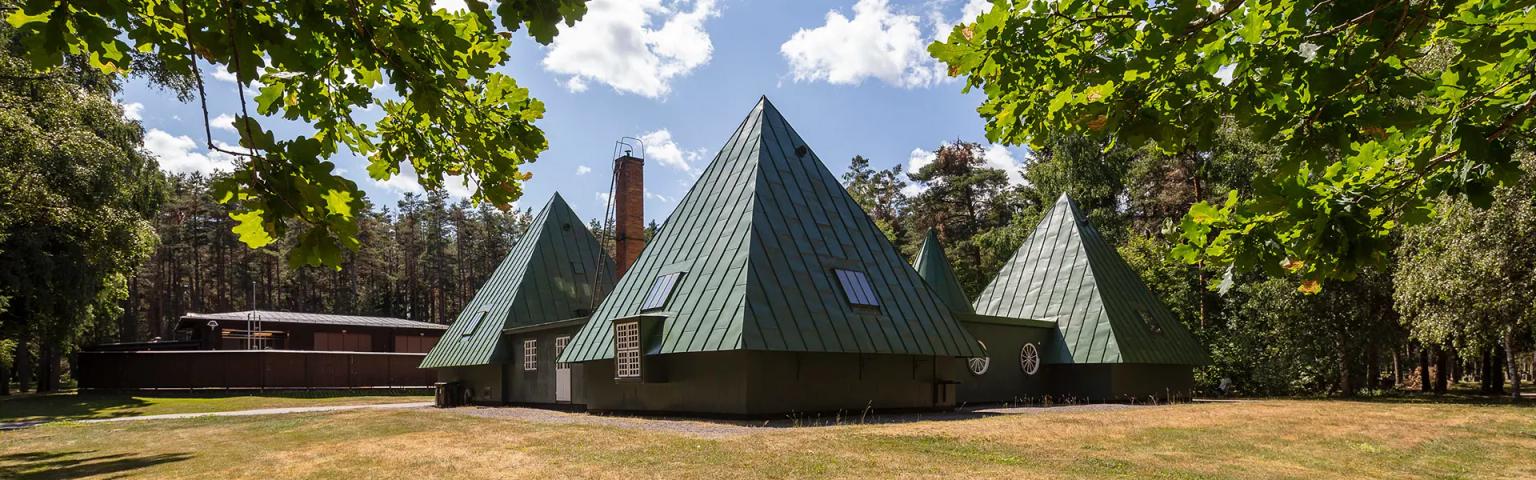
The cemetery’s buildings are designed to harmonize with the landscape, achieving a modernist austerity appropriate to their purpose. The Woodland Chapel, a small wooden structure without windows, channels light through a circular skylight, while Carl Milles’ Angel of Death sculpture on the roof adds contemplative symbolism. The Resurrection Chapel and the subsequent group of chapels reflect similar restraint, using materiality, scale, and siting to complement the forest setting. The granite cross, erected in 1939, and the surrounding 4.2 km wall, constructed by hand during a period of high unemployment, demonstrate civic ambition, labor, and craft. Even the Tallum Pavilion, originally a staff facility, has been repurposed as a Visitors Center, linking functional architecture with public engagement and educational interpretation.

Heritage, Experience, and Global Influence
Recognized as a UNESCO World Heritage site in 1994, Skogskyrkogården is celebrated for its pioneering integration of architecture, landscape, and human experience. Its design has profoundly influenced cemetery planning worldwide. The site accommodates modern burial practices while preserving authenticity through careful forest management, conservation of historic buildings, and sensitive visitor access. Prominent individuals such as Greta Garbo are interred here, adding cultural resonance.


Visiting the cemetery is a contemplative journey: from the winding forest paths to the open lawns, chapels, and memorial groves, each element encourages reflection on mortality, memory, and the rhythm of life. Skogskyrkogården remains not only a place of rest but a testament to the enduring power of design to merge landscape, architecture, and human experience into a unified, poetic whole.