
Ryue Nishizawa
Shochikucho House
- ArchitectRyue Nishizawa
- PhotographerOffice of Ryue Nishizawa
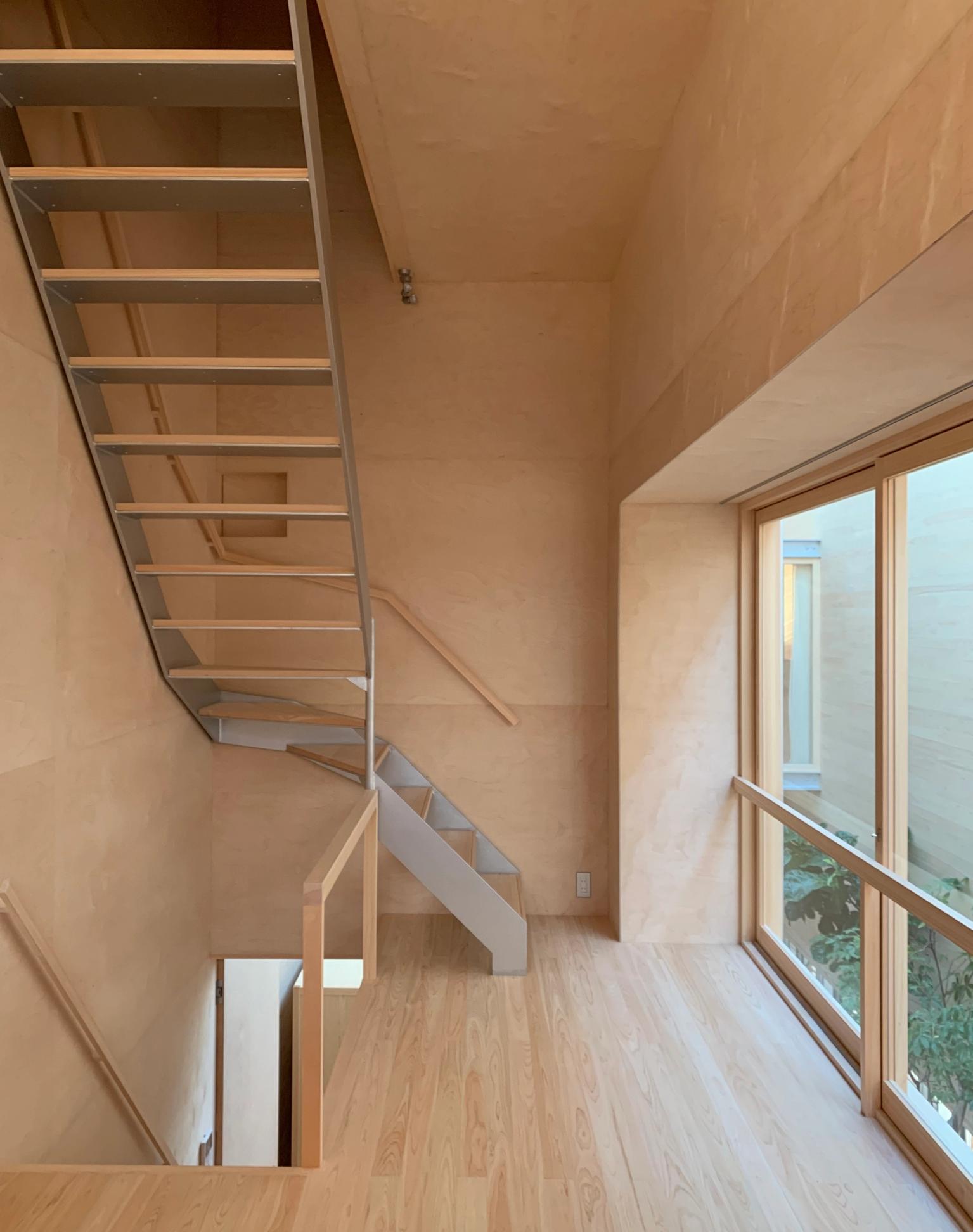
Linda Korndal Nishizawa has always been an inspiration to me. I admire how his architecture feels fluid, dissolving the classical distinction between plan and section. Small thresholds constantly and gently lead from one room to the next.

A House Drawn Long
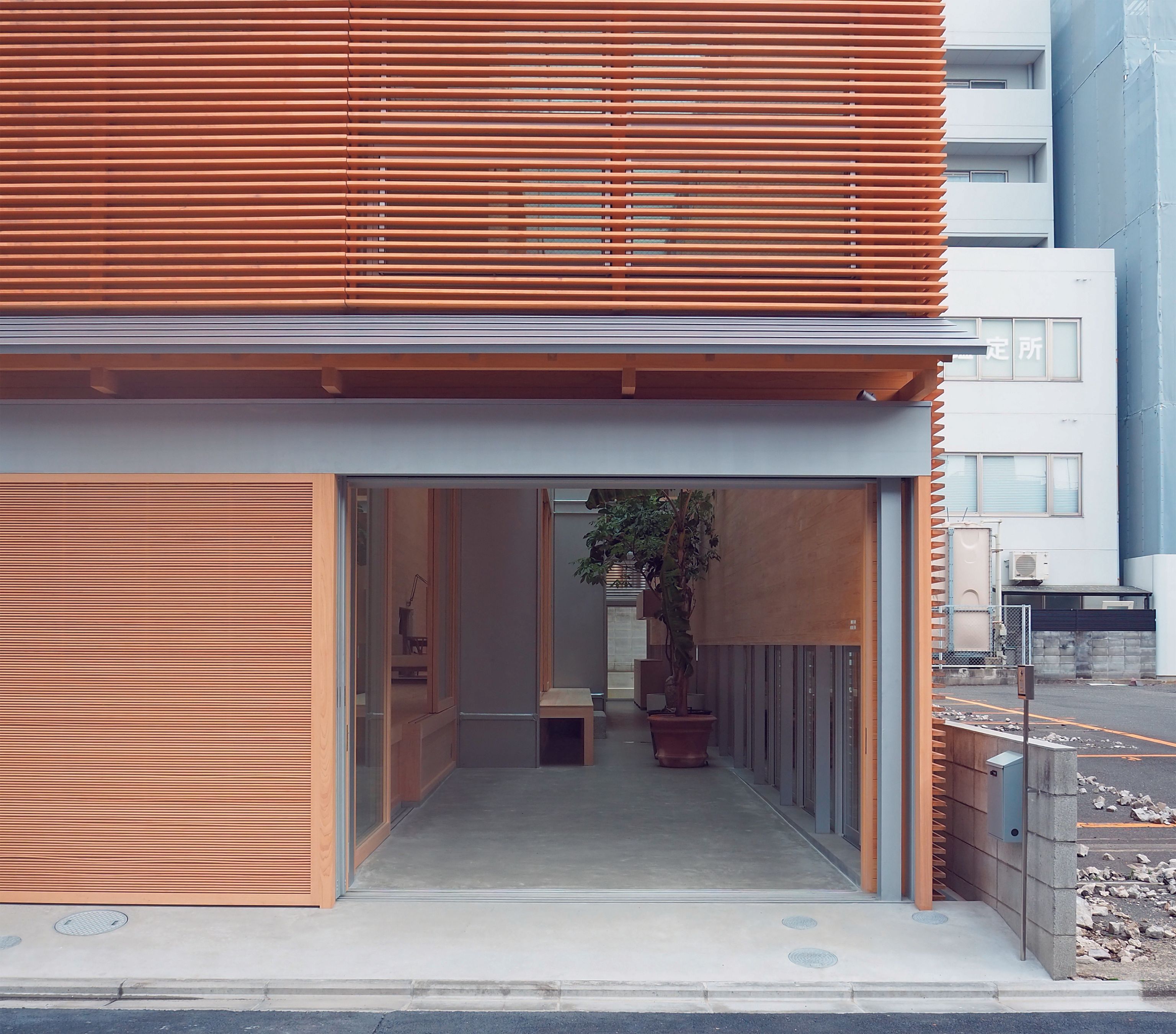
Shochikucho House is a slim, almost drawn-out presence in the dense fabric of central Kyoto. Designed by Japanese architect Ryue Nishizawa, it sits on a narrow east–west plot that once held a traditional townhouse. Instead of erasing that memory, the project builds on it. The house stretches across the entire site like a continuation of the city’s historic “machiya” typology, keeping its edge directly on the street without setback. This decision is not just formal, it anchors the building into the rhythm of Kyoto’s urban life, where homes and streets often blur into each other. The result is a residence that feels less like a standalone object and more like a careful extension of the block itself.

Ryue Nishizawa – Quiet Precision, Shared Practice
Behind Shochikucho House is Ryue Nishizawa, a key figure in contemporary Japanese architecture and co-founder of SANAA alongside Kazuyo Sejima. Nishizawa’s work is known for its quiet clarity, spaces that are minimal but deeply responsive to context, light, and daily life. He also runs his own practice, the Office of Ryue Nishizawa, where he explores more intimate and experimental residential projects like this one. Across his career, including his Pritzker Prize recognition, his focus has consistently been on dissolving the boundary between building, environment, and human routine. Shochikucho House continues this approach, treating architecture not as an isolated form, but as a lived, continuous condition.

A Narrow Plot, Expanded Thinking
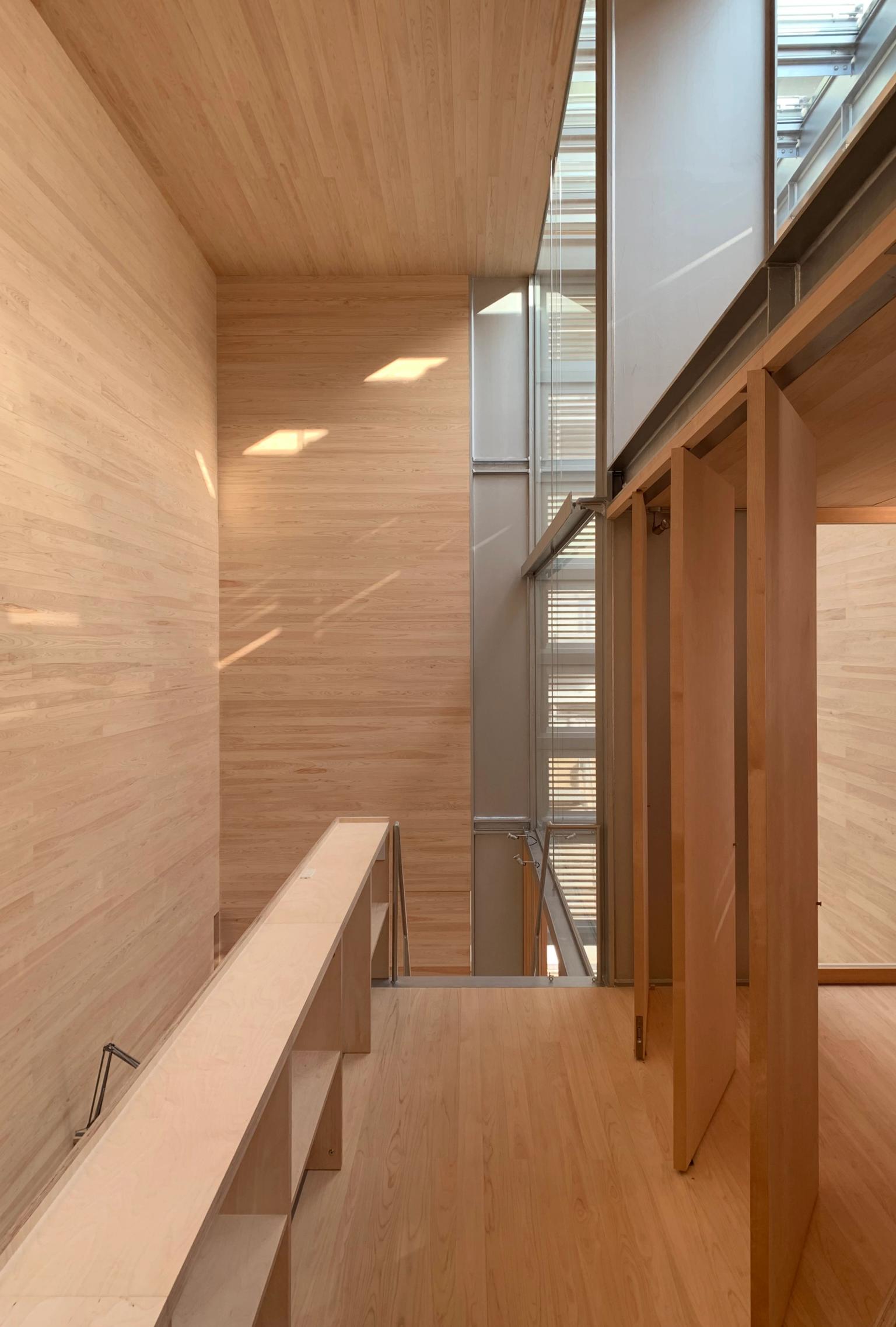
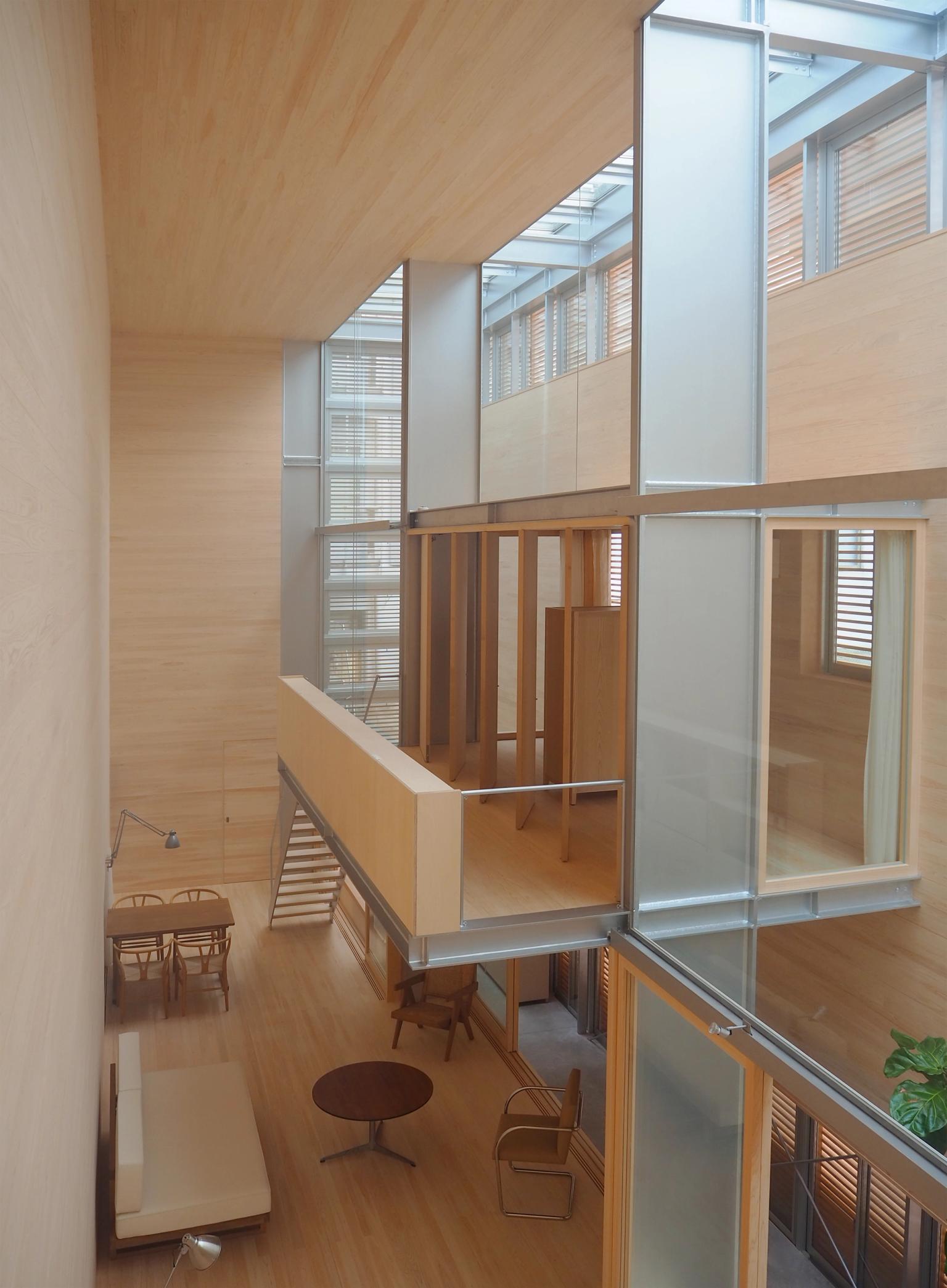
The site itself is extremely constrained: roughly 5.5 meters wide and about 25 meters deep. Instead of seeing this as a limitation, Nishizawa turns it into the main generator of space. The building is stretched to almost the maximum allowable floor area, with only a small garden left at the far end. A series of five T-shaped structural frames run through the centre of the house, acting like a backbone. These elements do not just support the building, they actively divide it, shaping two long parallel worlds inside. One is quieter and more enclosed, the other more open and transitional, creating a constant tension between compression and release within the same volume.

Two Parallel Lives Under One Roof
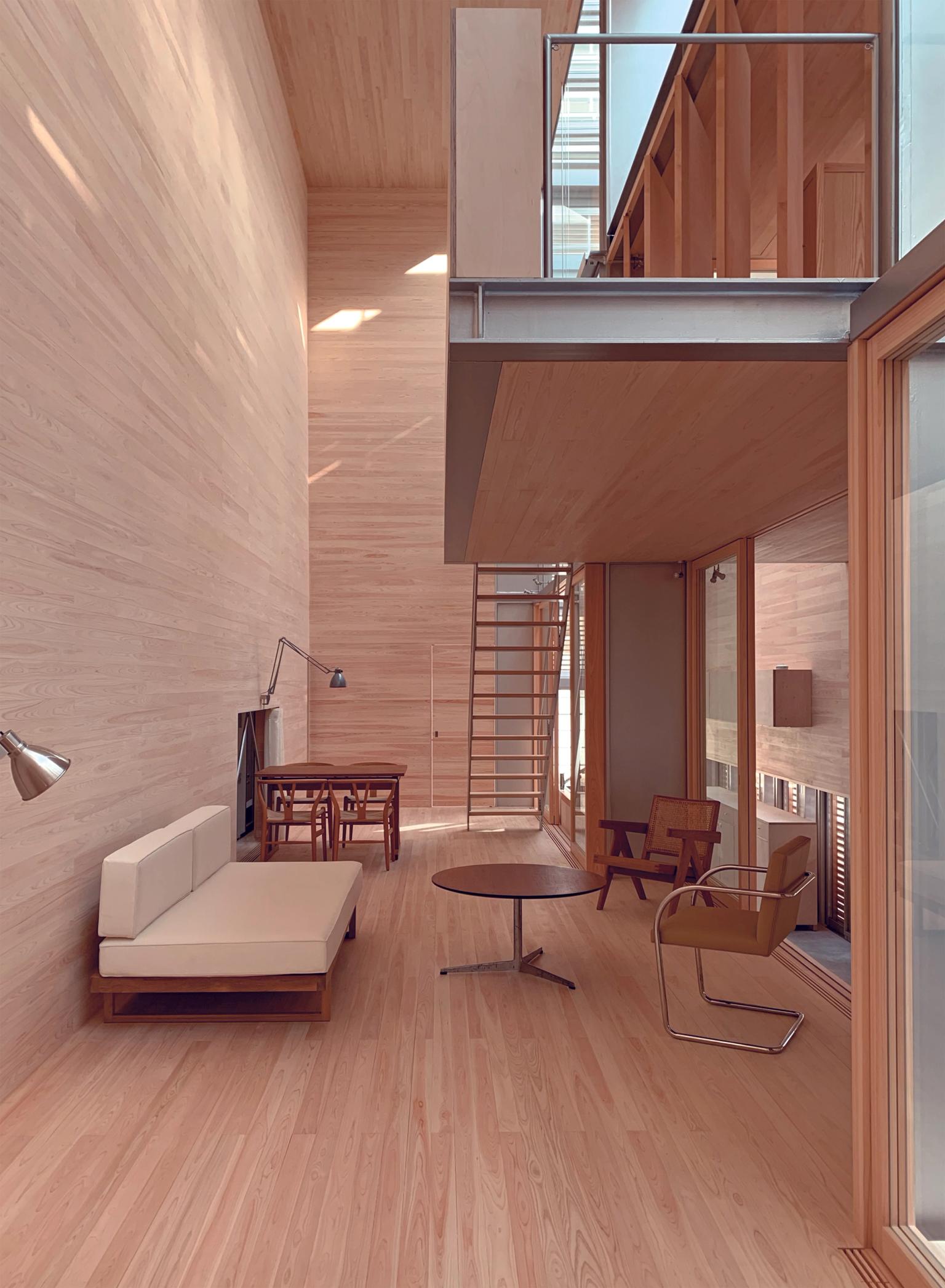
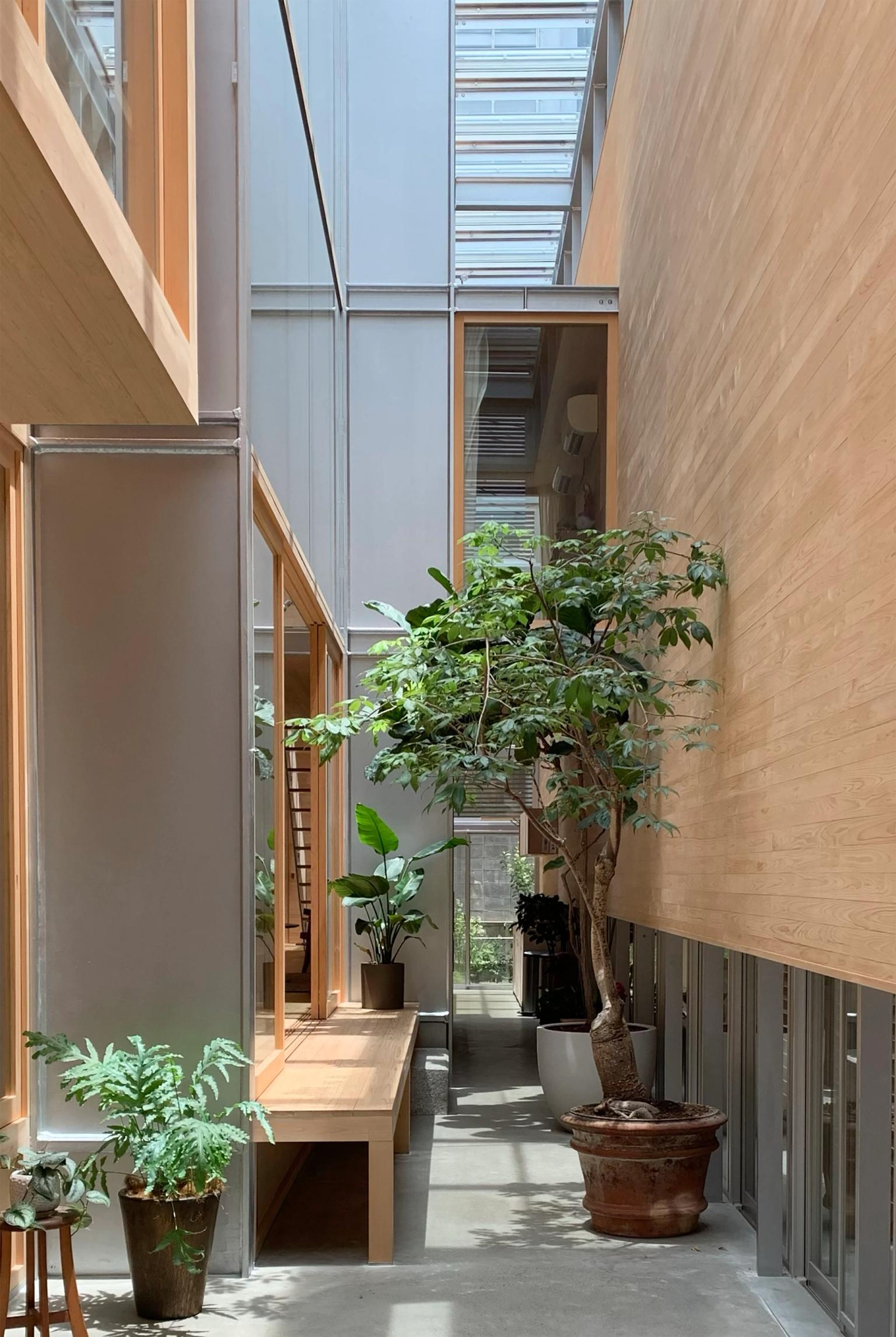
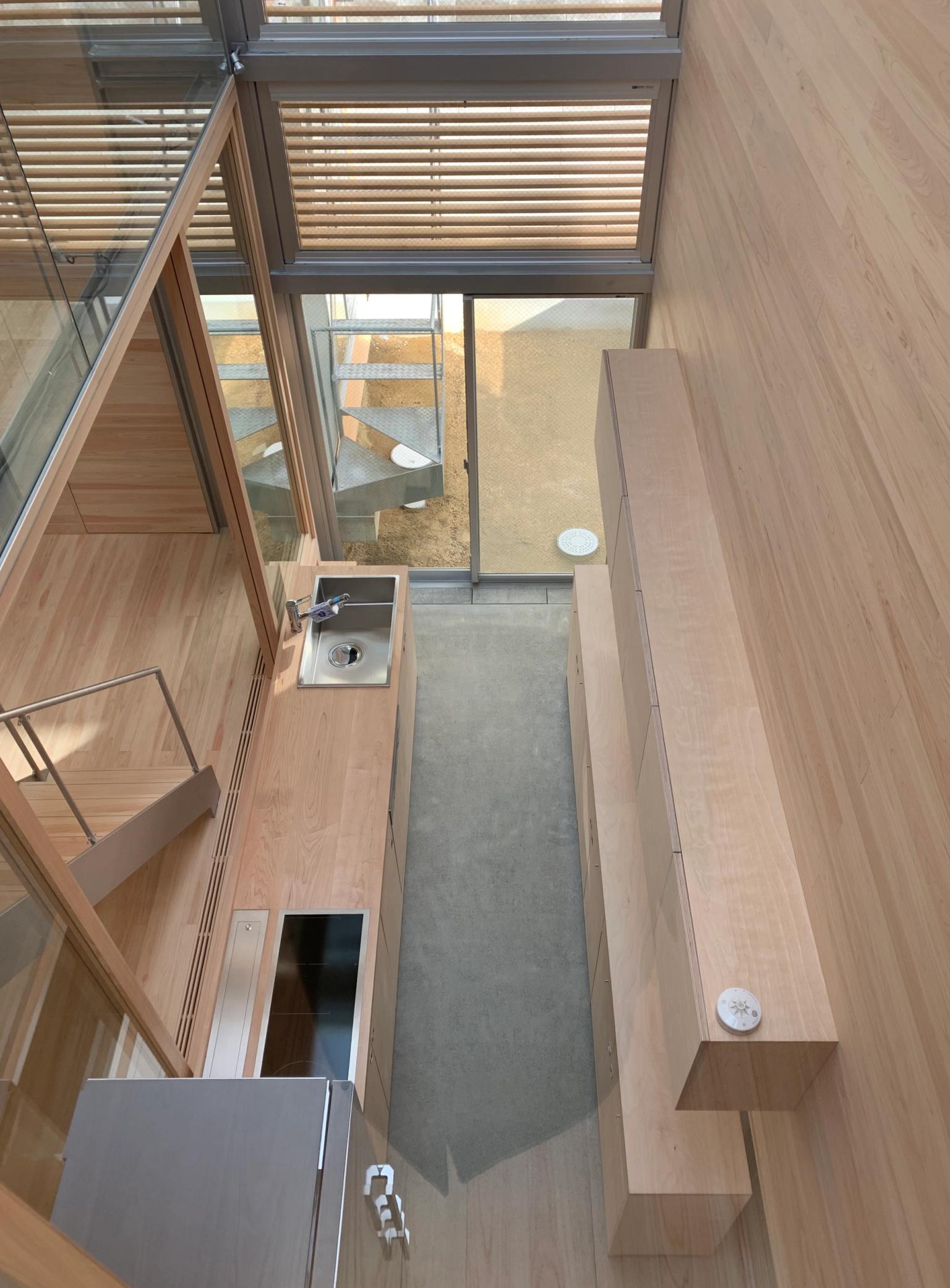
Inside, the house is organised as two contrasting strips that run the full length of the site. On the south side is the “tori-niwa,” a semi-outdoor earthen passage. It acts like a threshold space, used for movement, bicycles, plants, and daily in-between activities. Light and air flow freely here, making it feel closer to a courtyard than a room.
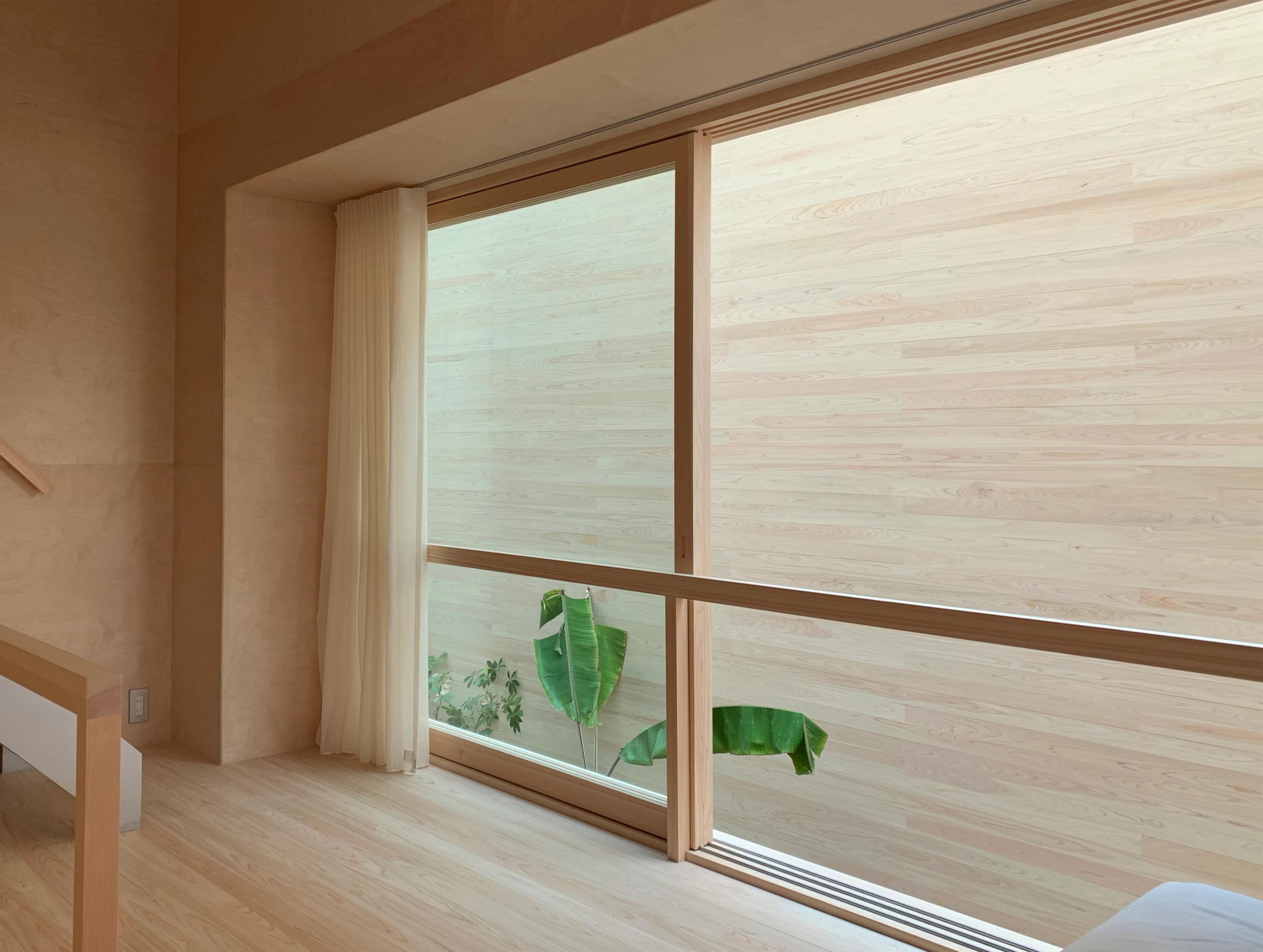

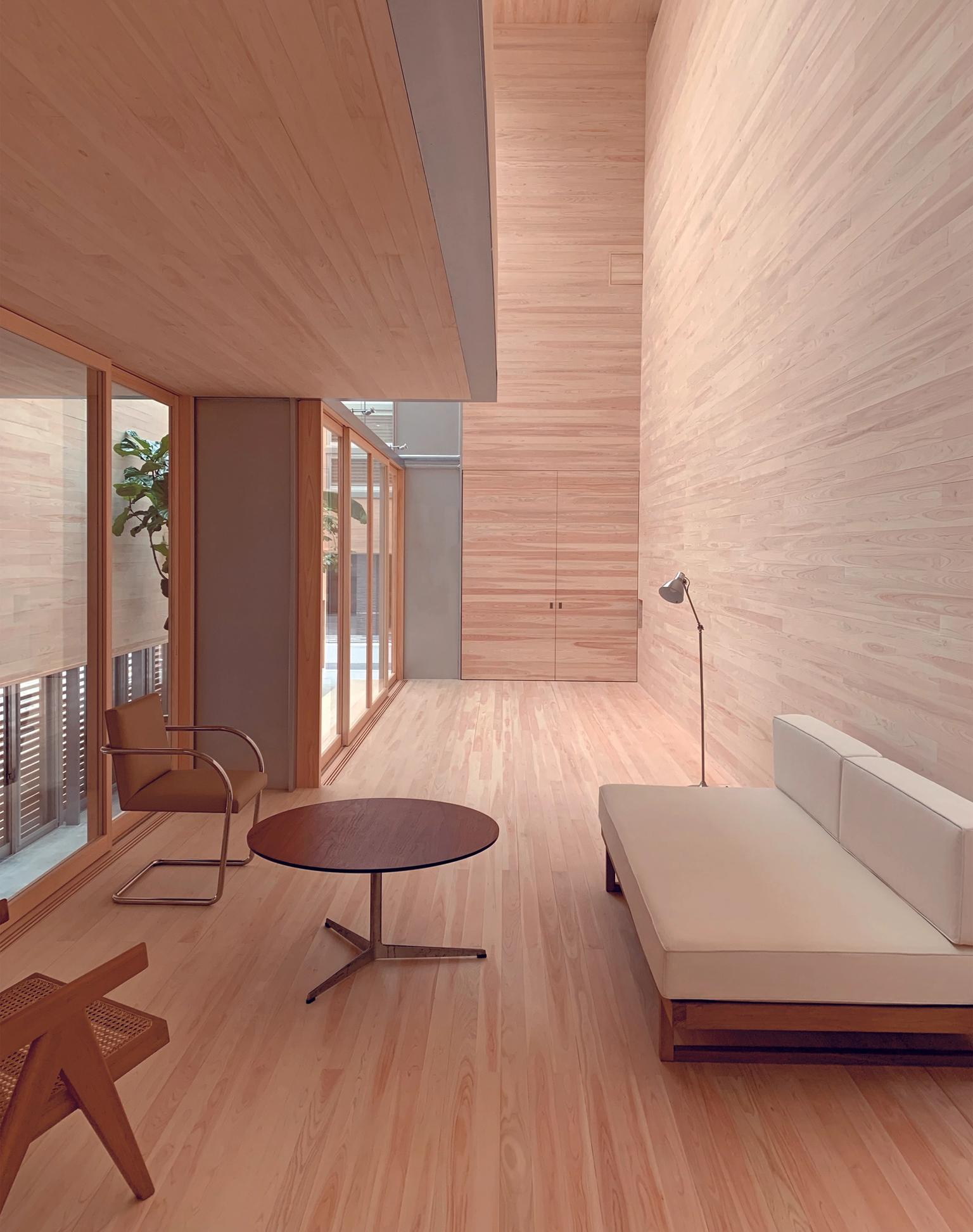
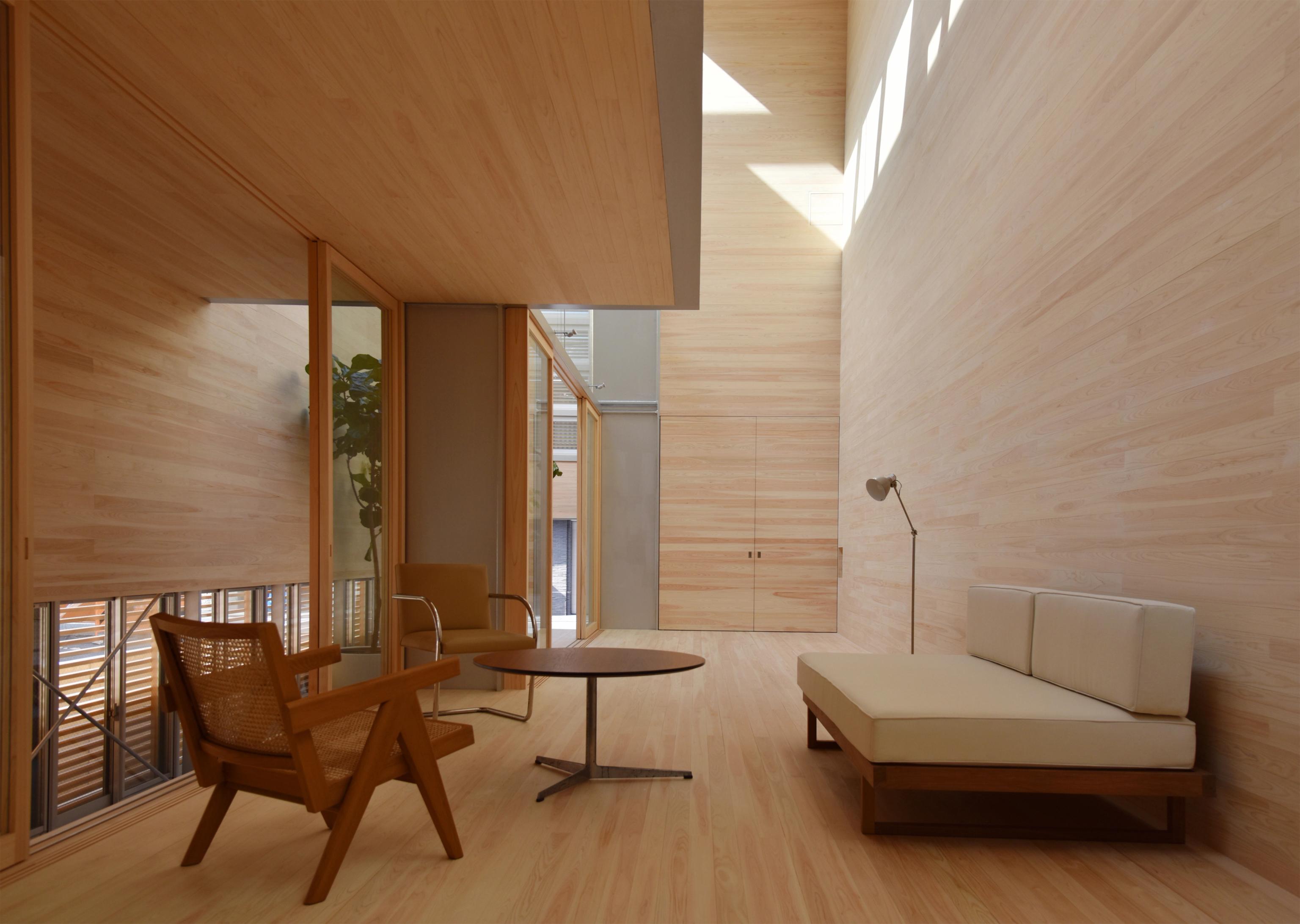
On the north side, the living spaces are lifted slightly, finished in wood, and feel more protected and calm. This part of the house becomes the main interior zone, with higher comfort and a more defined domestic atmosphere. The contrast between these two sides is deliberate: wet and dry, open and closed, grounded and elevated, together forming a rhythm of everyday life rather than a fixed plan.

Light, Height and Urban Pressure
One of the most striking decisions in Shochikucho House is its vertical generosity. Despite its narrow footprint, the interior reaches up to around nine metres in height, allowing light and air to move deeply through the structure. This becomes especially important in Kyoto’s dense urban fabric, where surrounding buildings often rise close and limit openness. The flat roof and absence of eaves also respond to this context, keeping the silhouette simple and low-impact within a streetscape of varied heights. Rather than competing with its neighbours, the house aligns with them quietly, maintaining a presence that is restrained but confident.

A House as Everyday Negotiation
Shochikucho House is not designed as a fixed composition, but as a flexible system for living. The contrasts built into it are not symbolic, they are practical tools for everyday adaptation. Spaces shift between indoor and outdoor conditions, between communal and private use, between movement and rest. This allows the house to support different routines over time, from family gatherings to quiet individual moments. In that sense, Nishizawa’s architecture is less about defining how life should look, and more about leaving room for how life actually unfolds, continuously, slightly unpredictably, and always connected to the city outside.