
Dan Erickson
Severance
- DirectorDan Erickson
- CinematographerJessica Lee Gagné
- Production DesignerJeremy Hindle
Lara Joy A TV show that stood out to me by intertwining storytelling and design in an intriguing, familiar yet eerie way. Its use of color, symmetry, retro references, and minimalism, combined with subtle hints of fantasy, creates a world that is both immersive and visually captivating.

Severance – Split Identities Inside A Built World
Severance is an American television series created by Dan Erickson, and primarily directed and executive produced by Ben Stiller. It premiered in 2022, with a second season released in 2025. The series stars Adam Scott, Britt Lower, Patricia Arquette, John Turturro, and Christopher Walken, among others. Cinematography is led by Jessica Lee Gagné, and production design is developed by Jeremy Hindle, both of whom are central to the show’s distinctive visual identity.
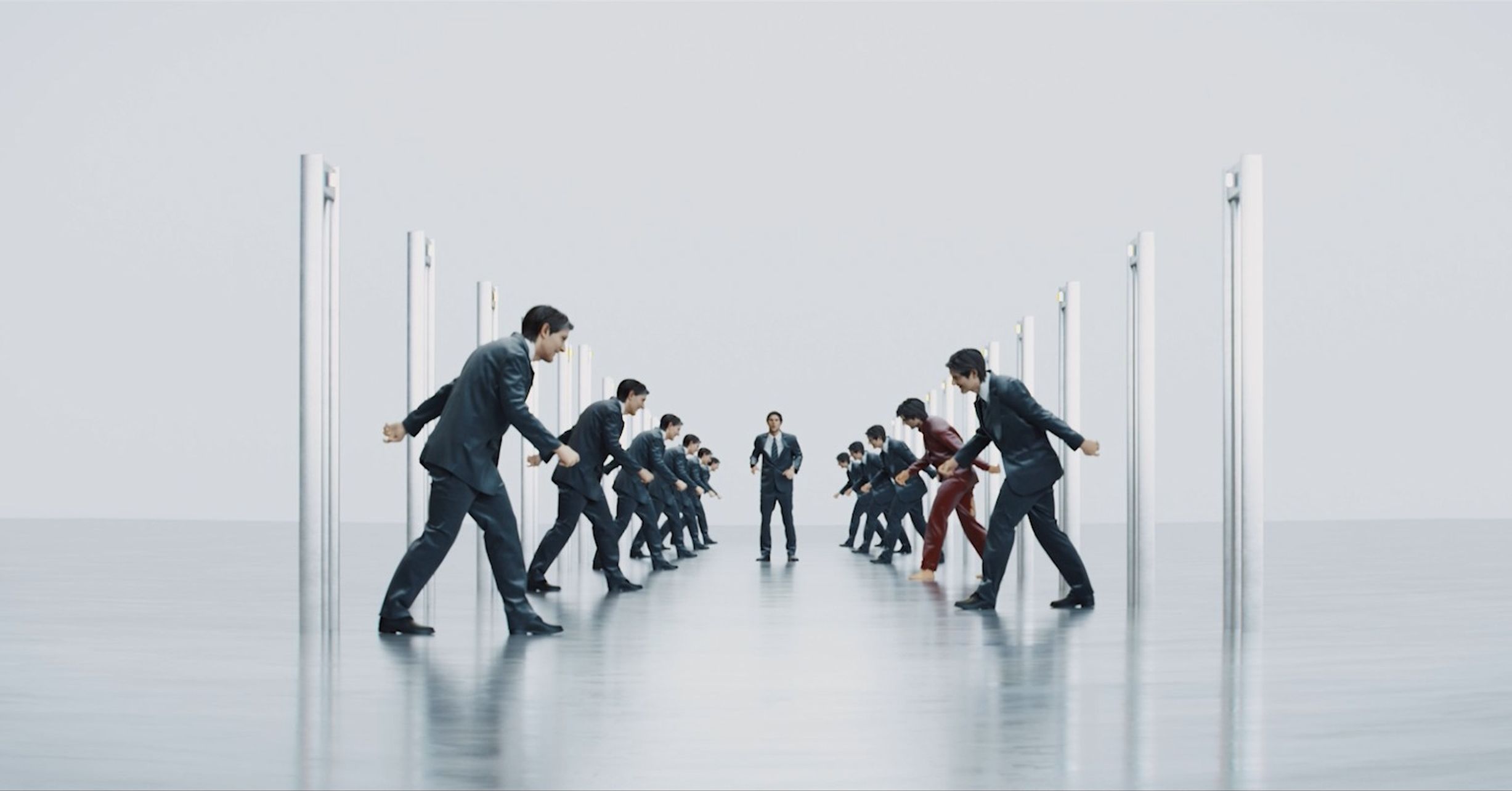
The story takes place inside Lumon Industries, a biotechnology corporation where employees undergo a procedure called “severance,” which splits their memory into two separate consciousnesses: an “innie,” who exists only at work, and an “outie,” who exists outside without any knowledge of their job. This creates a system where a single human life is physically divided into two non-communicating realities. The series explores this condition not through exposition, but through how space, architecture, and behavior operate under that division.


Lumon Industries – A Corporate World Built As Total System
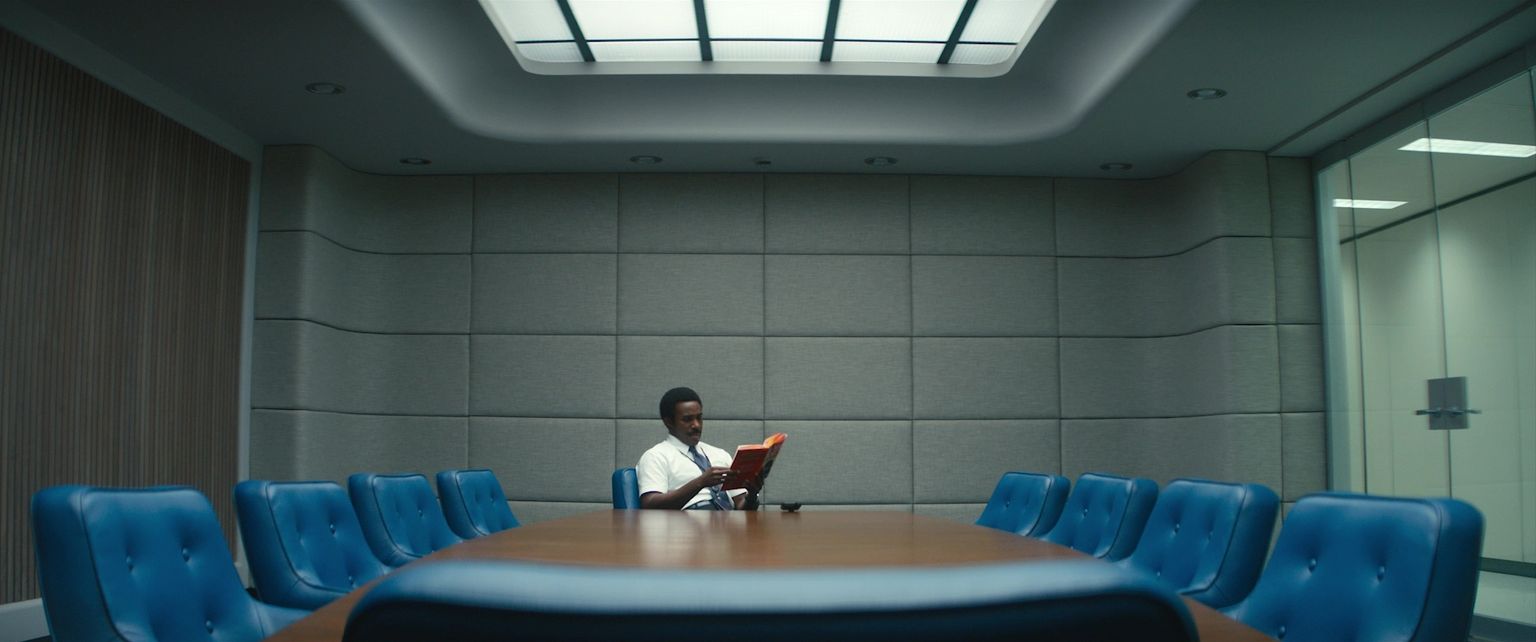
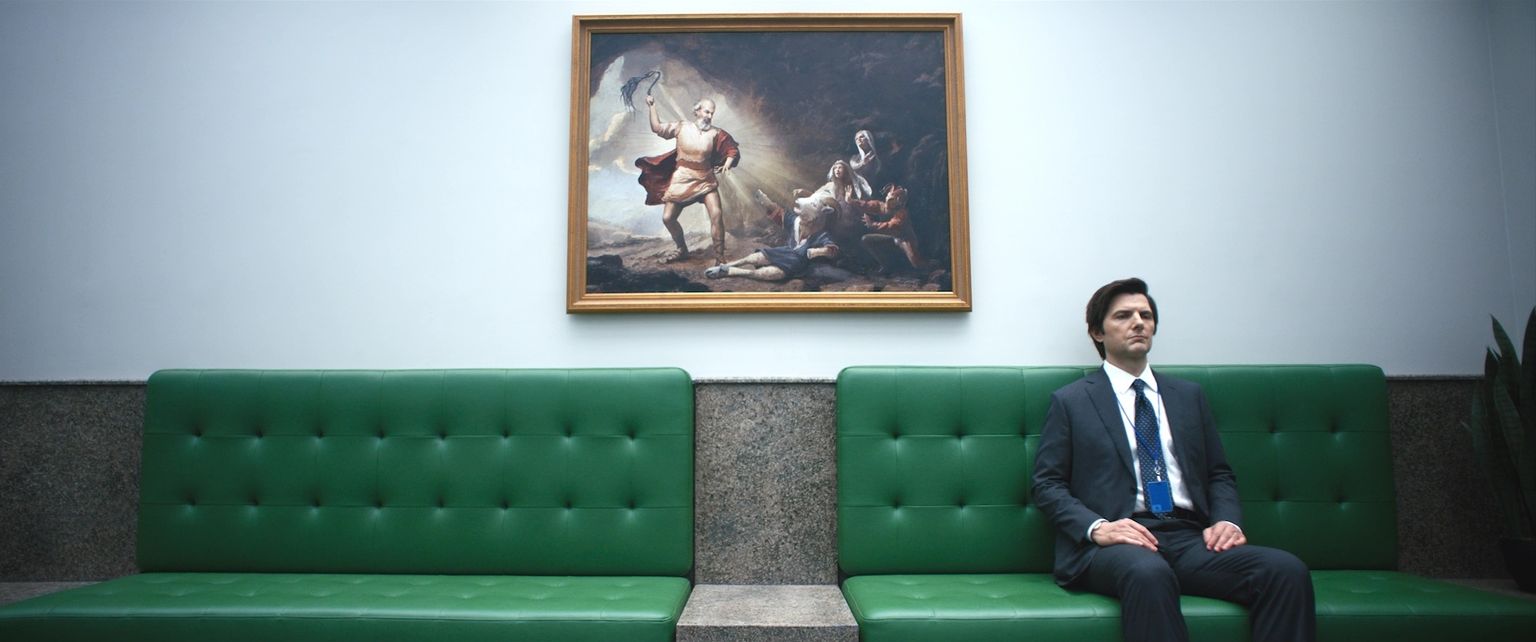
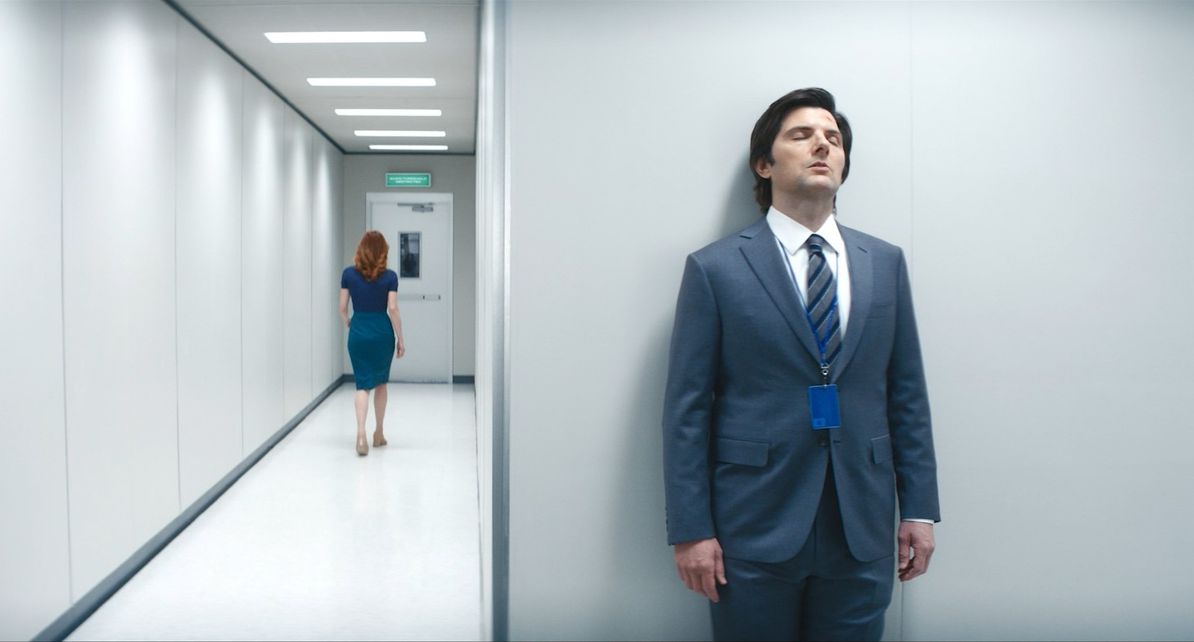
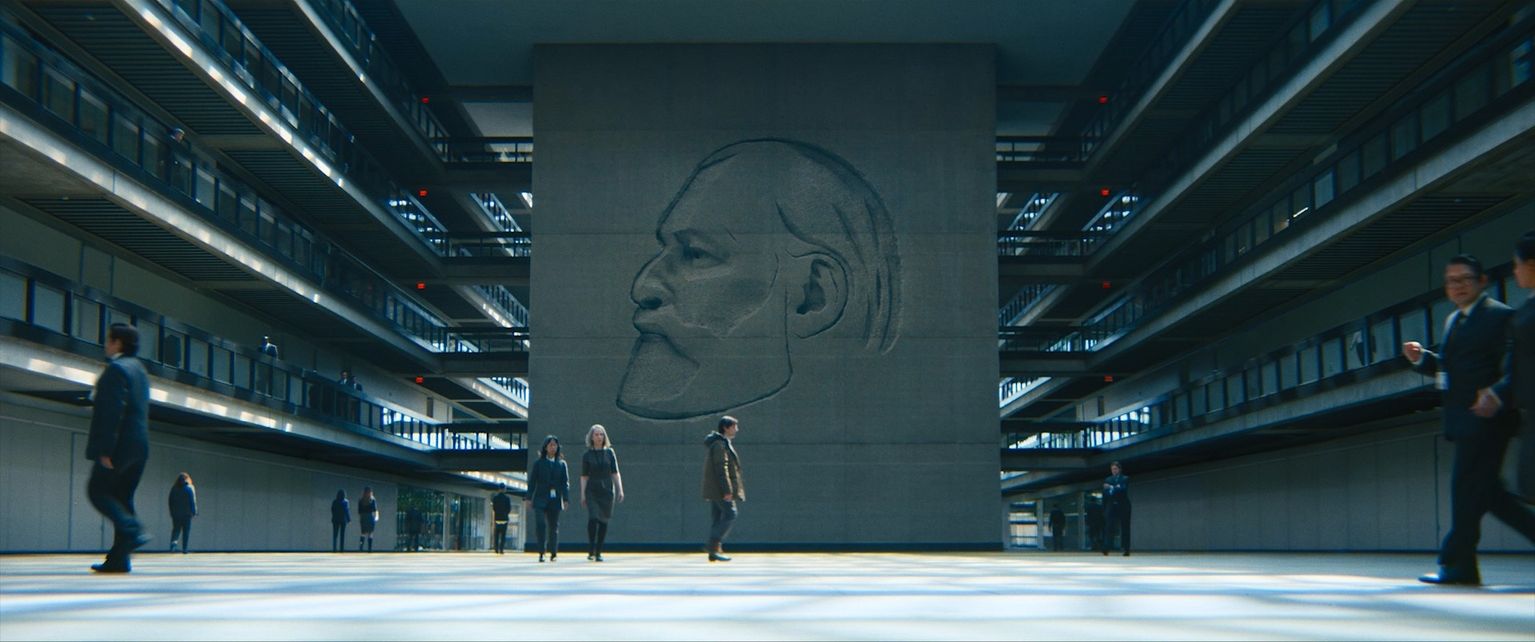
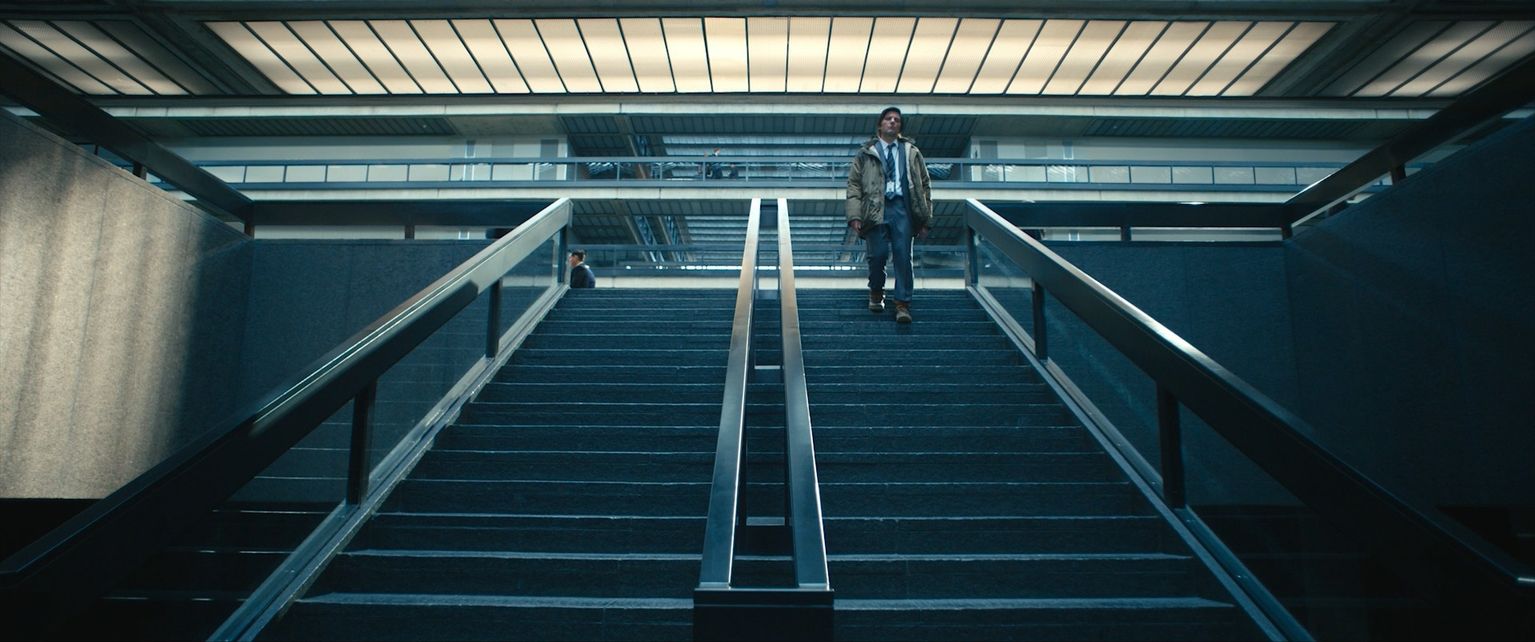
Lumon is designed as a self-contained corporate universe where architecture functions as governance. Influenced by mid-century institutional modernism and large-scale corporate campuses such as those by Eero Saarinen and Kevin Roche, the building is structured around repetition, hierarchy, and spatial control. Interiors are composed of long corridors, uniform materials, and symmetrical geometries that eliminate orientation outside of the system itself.
Rather than presenting a traditional office environment, Lumon behaves like a closed circuit. Spaces do not reveal external context, and transitions between rooms feel artificially smooth, as if the building is actively removing friction. The result is an environment that appears rational but resists emotional readability, a place where order is absolute, yet meaning is absent.







The MDR Floor – Minimalism As Controlled Experience
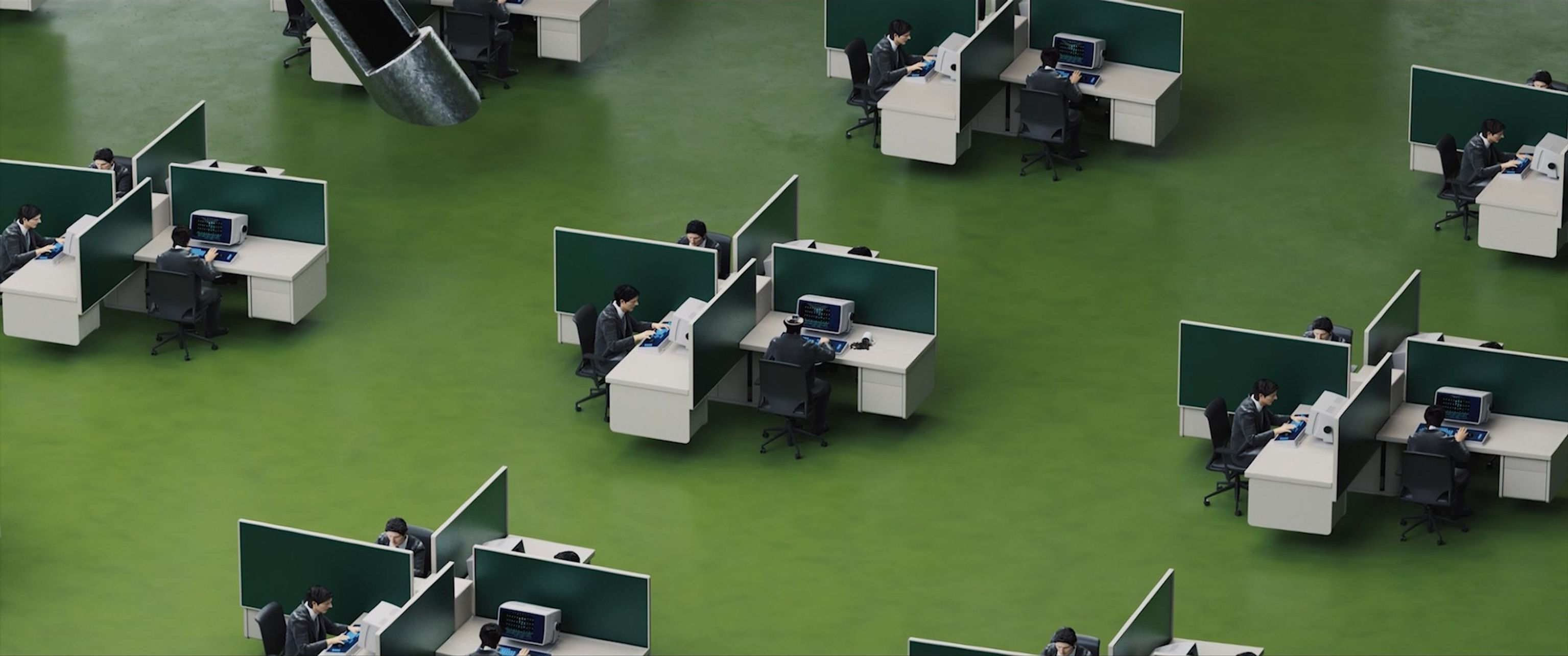
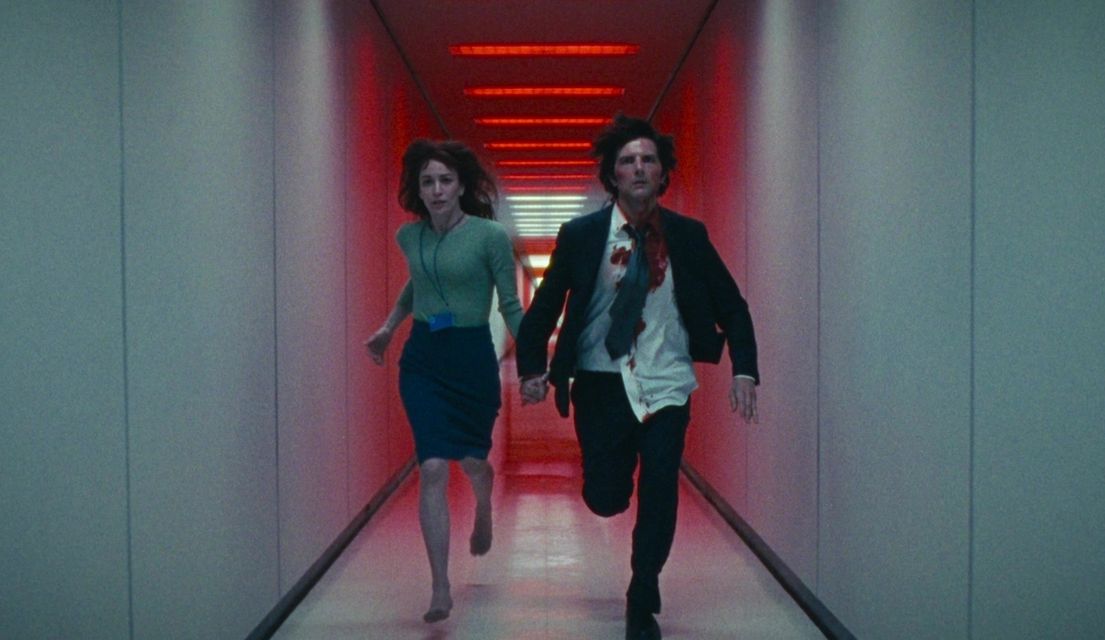
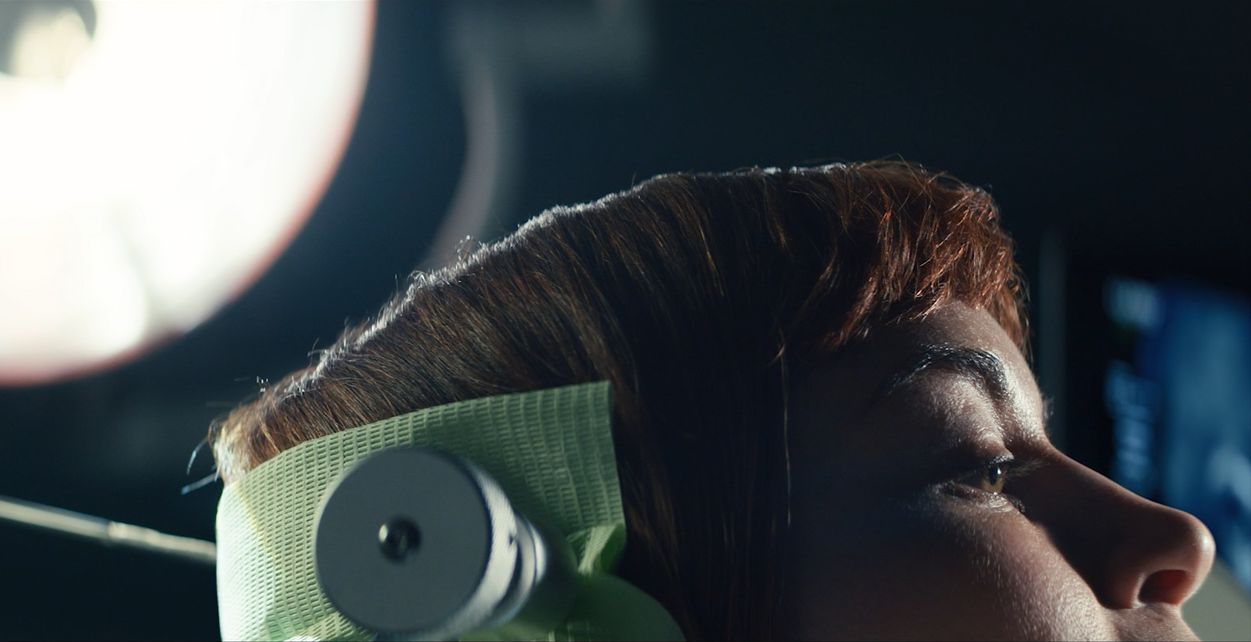
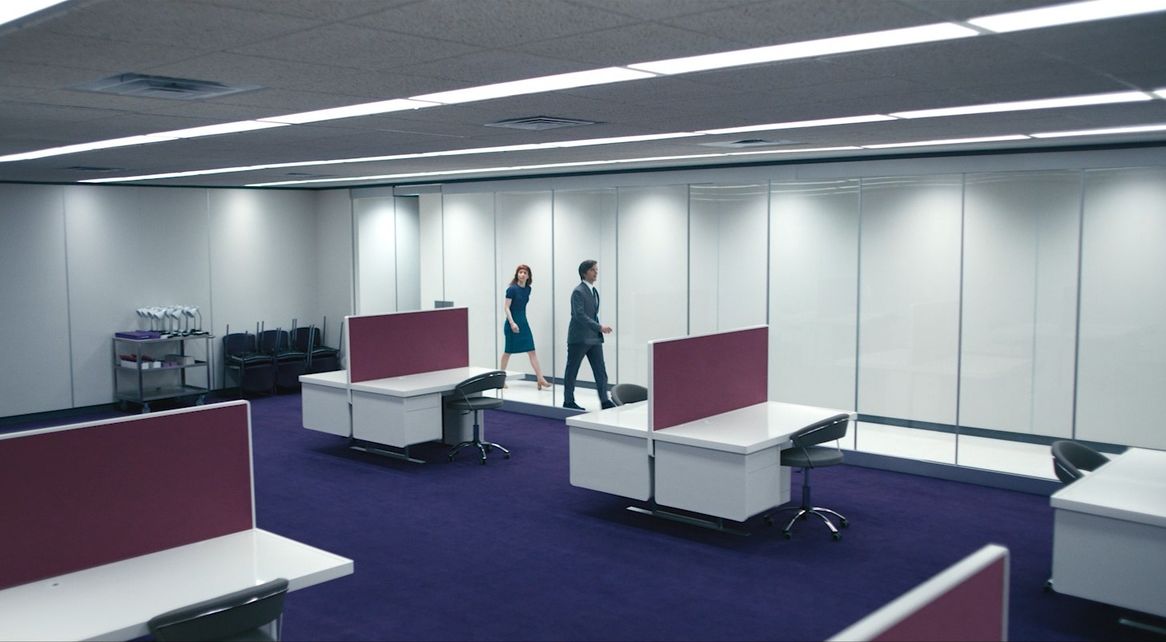
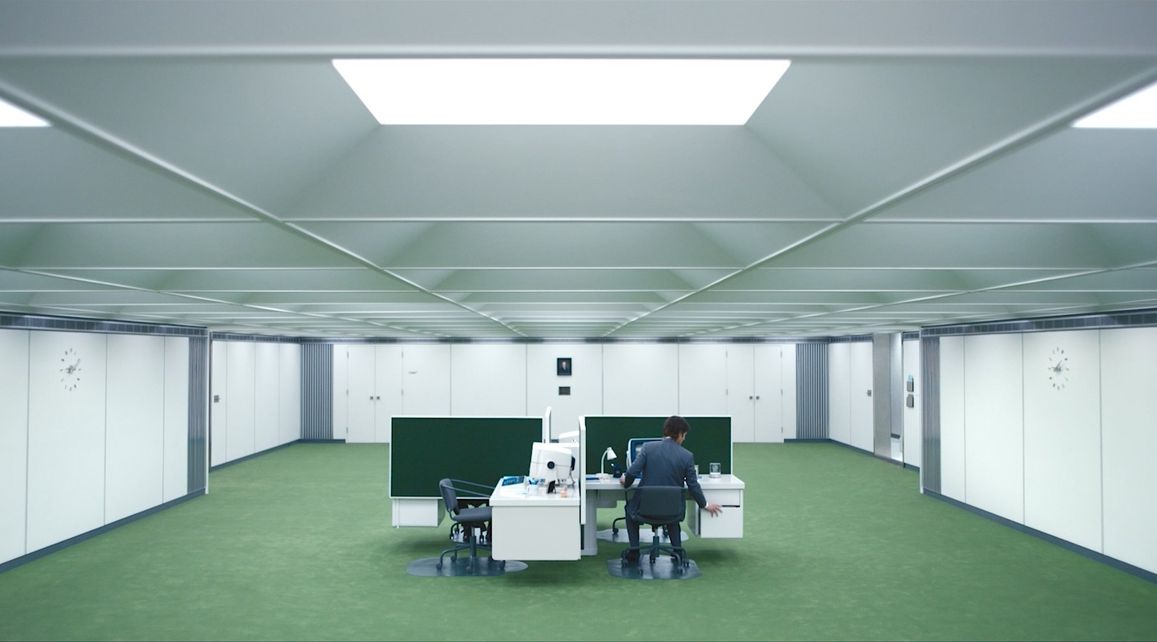
The Macrodata Refinement (MDR) floor is the central working environment of the series and one of its most carefully constructed sets. Designed by production designer Jeremy Hindle, it consists of a single vast room where four employees sit at identical workstations arranged with precise spacing. The room is defined by white walls, low ceilings, and a highly saturated green carpet that creates a strange tension between artificial calm and institutional control.
This green surface is not decorative but functional in its psychological effect, acting as a visual stabilizer within an otherwise sterile environment. The space avoids hierarchy entirely – there are no visible status markers, no personalization, and no variation in furniture design. Yet this absence of distinction becomes its own form of structure. The MDR room is not empty; it is carefully stripped of anything that could interrupt behavioral consistency, turning work into a looped, contained activity with no external reference point.


Cinematography – Controlled Framing And Spatial Detachment
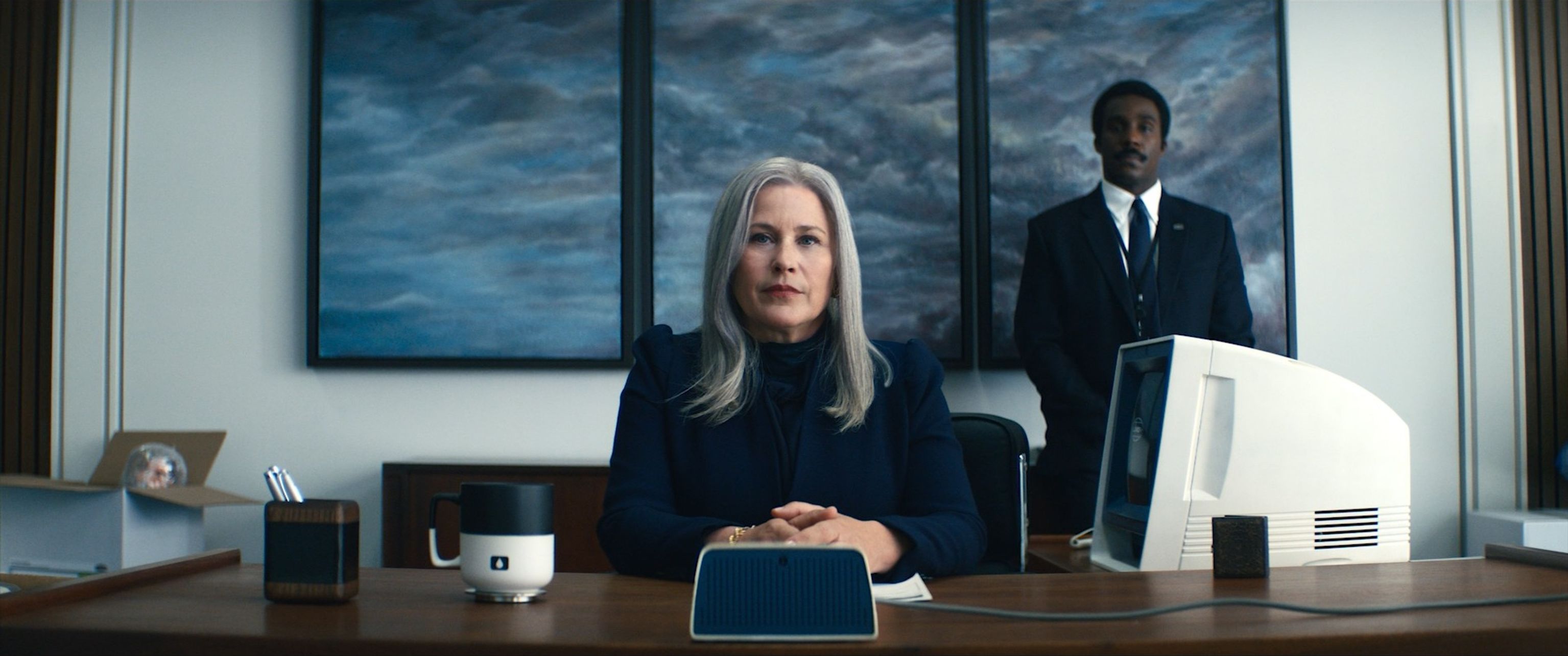
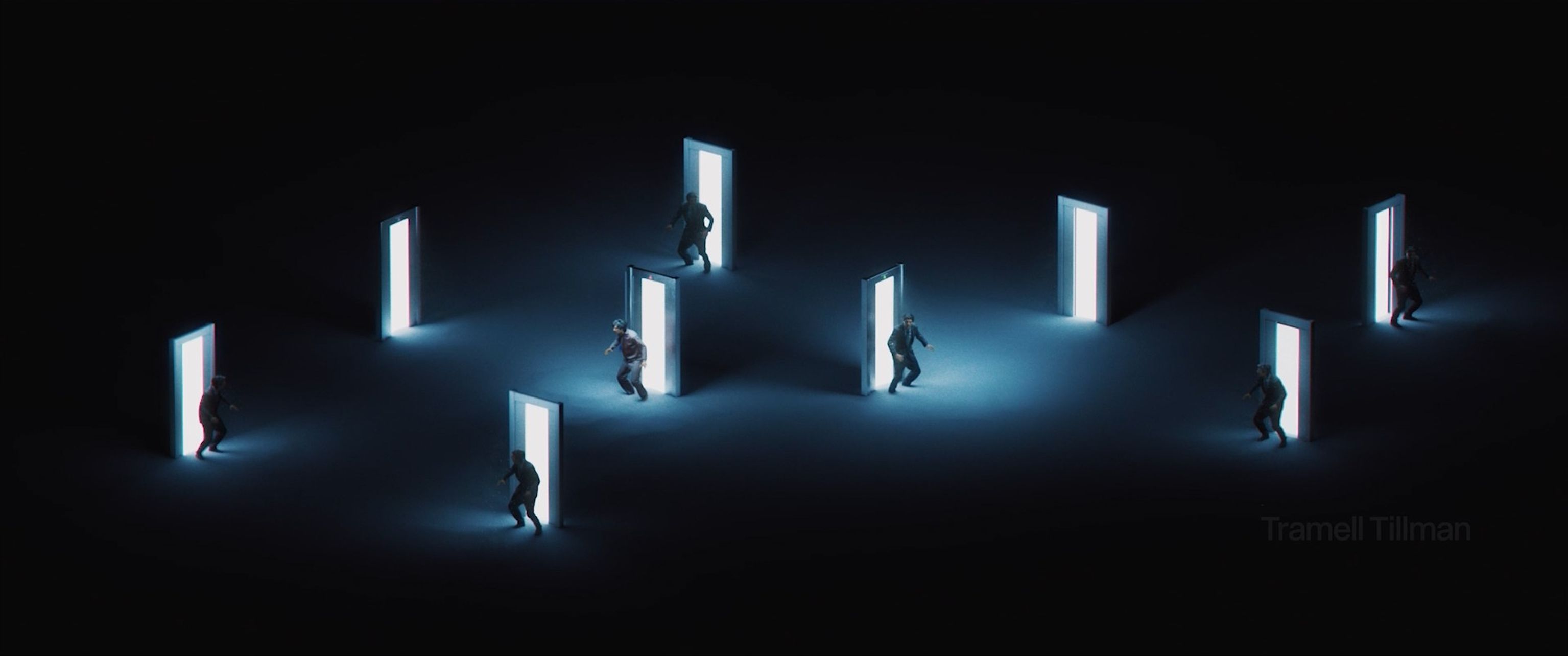
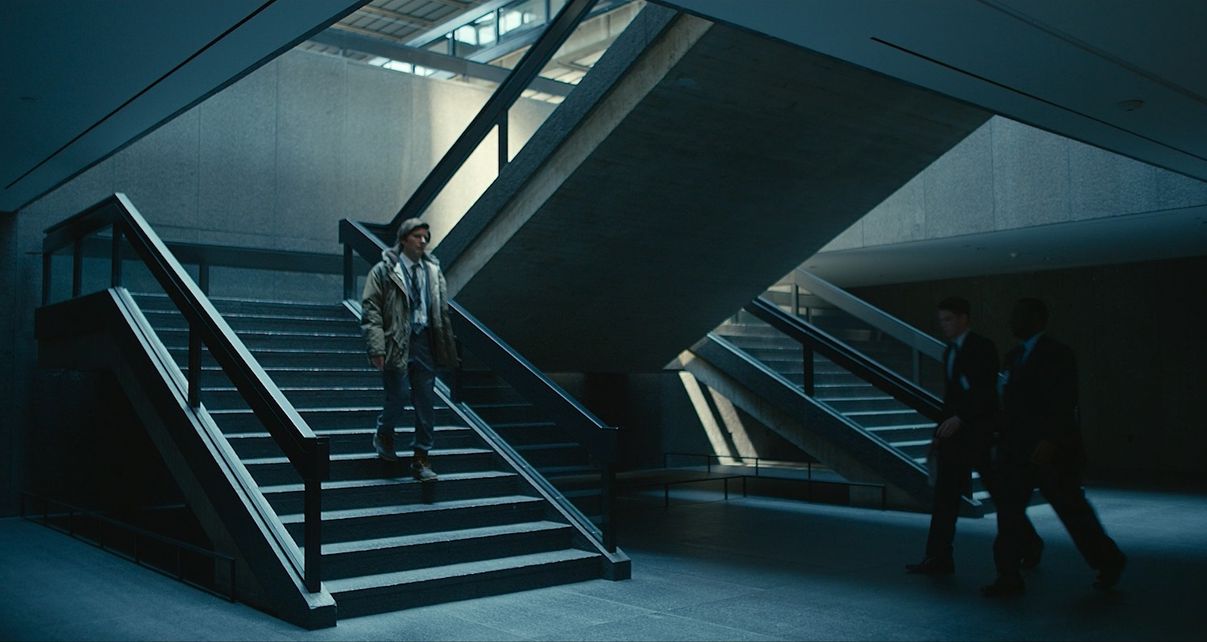
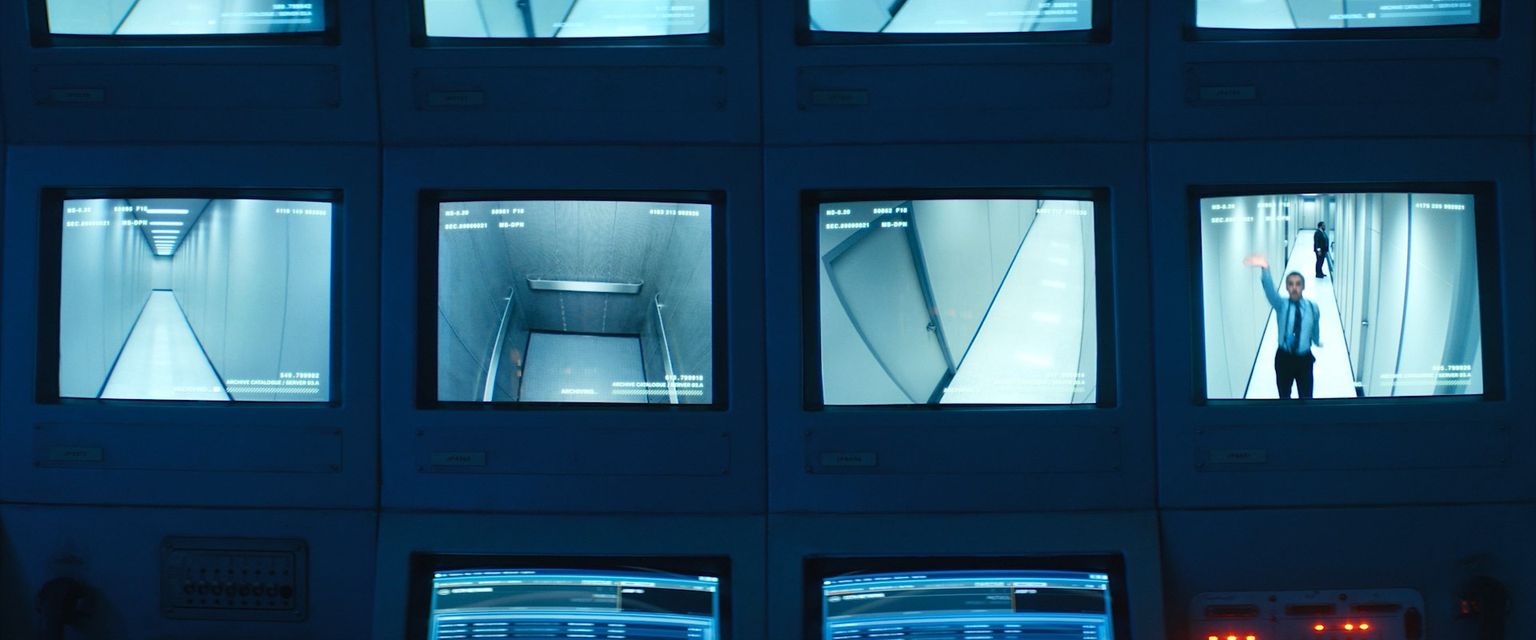
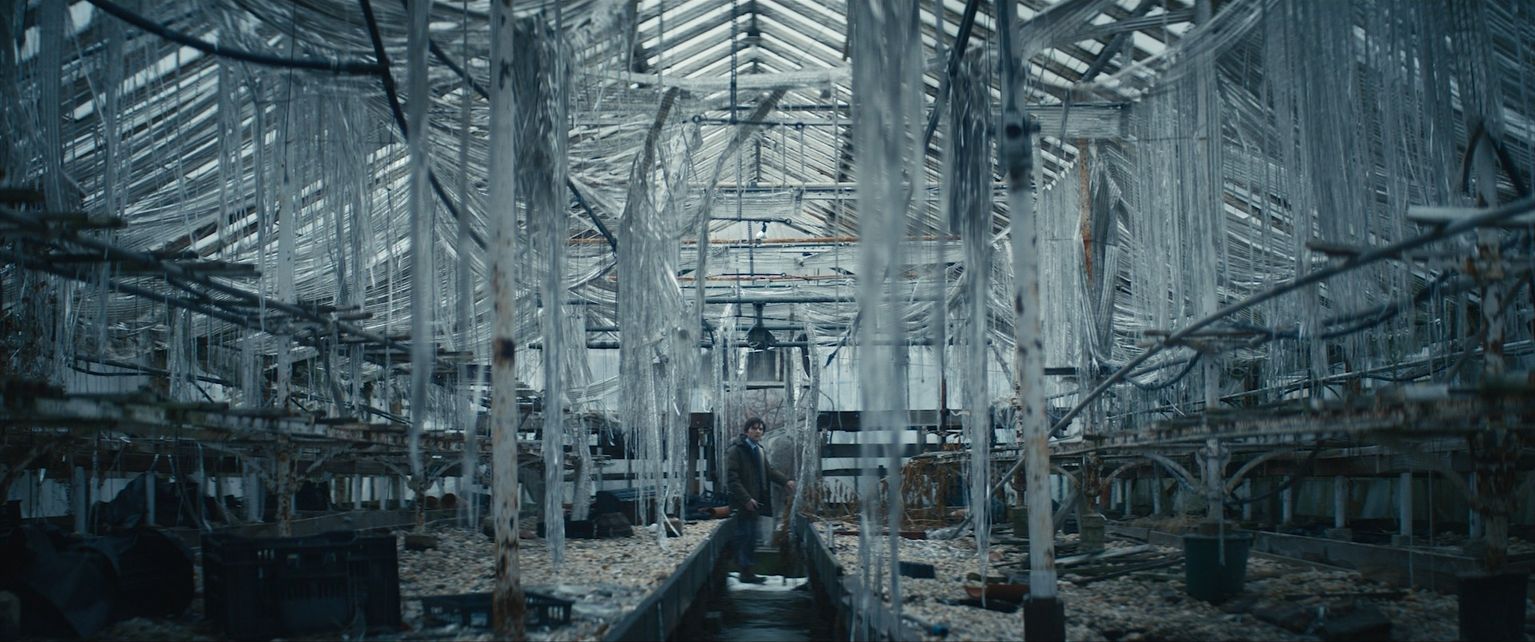
The cinematography of Severance, led by Jessica Lee Gagné, constructs meaning through distance, framing, and restraint. Inside Lumon, wide lenses are used to emphasize the scale of architectural space in relation to the human body, often positioning characters as small elements within rigid compositions. Outside the office, longer lenses compress depth, isolating individuals within suburban or natural environments, reinforcing emotional separation even in open space.
Lighting is predominantly overhead and diffused, eliminating naturalistic shadow behavior and flattening the perception of time. This creates an environment that feels visually consistent but emotionally suspended. Camera movement is minimal and often geometrically constrained, avoiding expressive motion in favor of controlled observation. The visual system does not guide emotion directly – instead, it reinforces the feeling of being situated inside a monitored structure where perception is always mediated.

Visual References – From Modernism To Corporate Anxiety
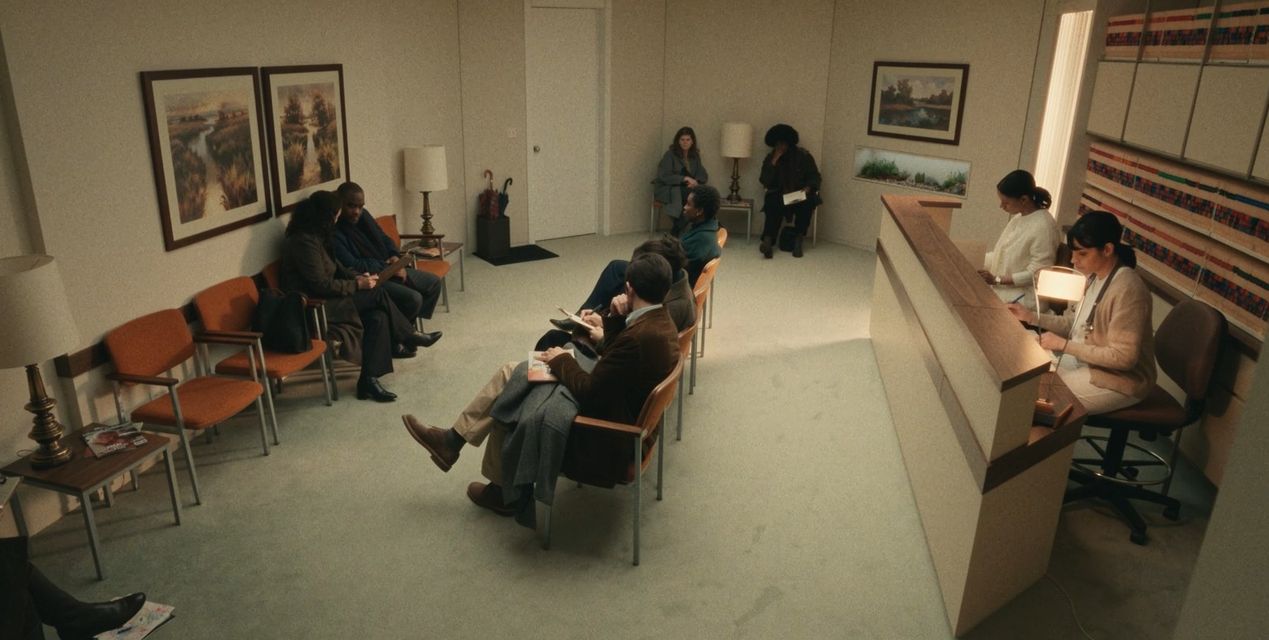
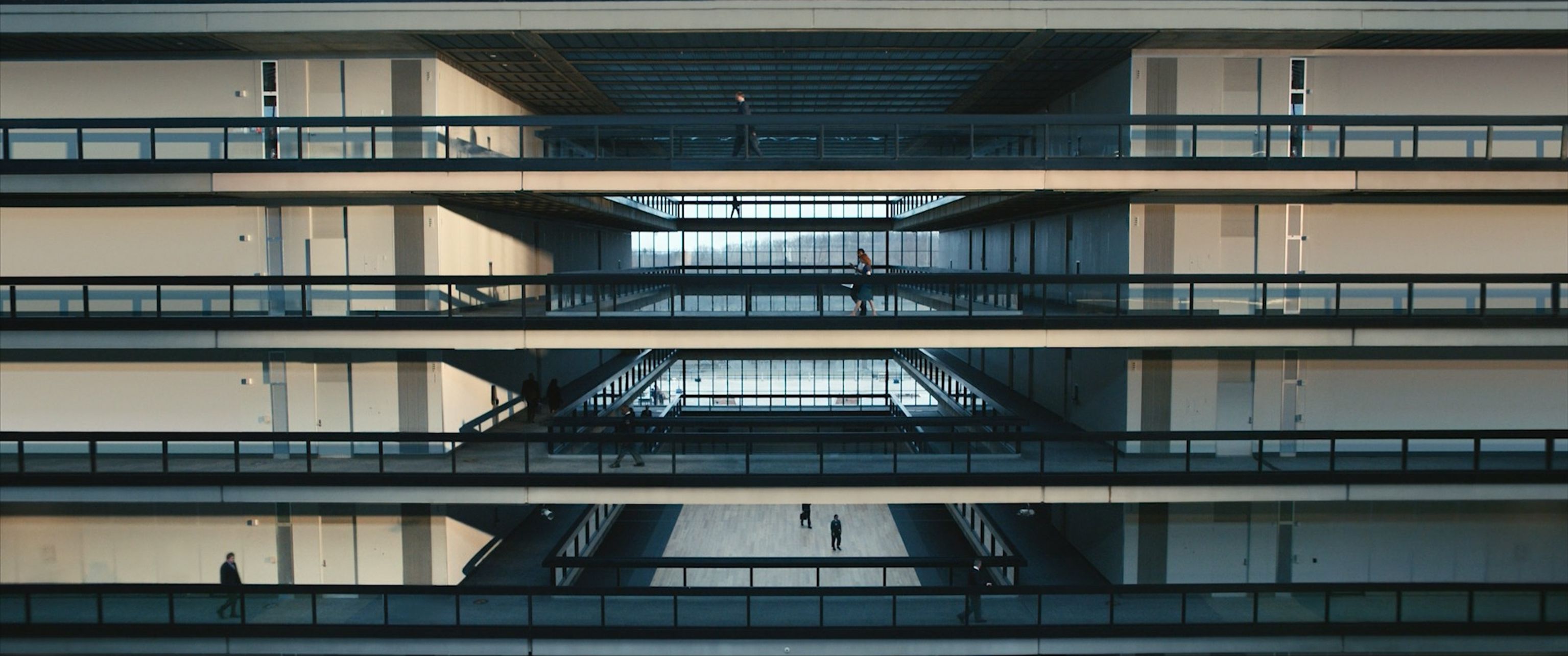
The visual identity of Severance is constructed from a wide set of architectural, cinematic, and photographic references that reshape familiar environments into controlled abstraction. Jacques Tati’s Playtime is a key influence, particularly in its portrayal of humans navigating over-designed systems that no longer respond to intuition or scale. Industrial photography by Lars Tunbjörk and Lewis Baltz informs the emotional neutrality of office environments, where everyday spaces are rendered quietly unsettling through repetition and composition.
Mid-century design principles, especially those associated with Dieter Rams, introduce a tension between functional clarity and emotional distance. Objects and interfaces are designed with precision, but in the context of Lumon, this precision becomes restrictive rather than liberating. These references are not used as stylistic decoration, but as structural logic, they determine how space behaves, how it is perceived, and how it shapes human presence within it.


A System Where Space Replaces Narrative Exposition
Ultimately, Severance operates by shifting storytelling from dialogue to environment. Architecture, cinematography, and production design collectively replace traditional exposition by constructing a world where behavior is dictated by spatial conditions. The series does not rely on explaining control, it demonstrates it through repetition, scale, and absence of variation.
Lumon is not presented as chaotic or dystopian in an overt sense, but as perfectly organized to the point of emotional erasure. Every design decision contributes to a system where deviation is visually minimized, and where identity is shaped by containment rather than expression. In this world, space is not neutral, it is the primary mechanism of influence, quietly determining how reality is experienced from moment to moment.