
Max Doyle
Scrap Doyle
- PhotographerMax Doyle
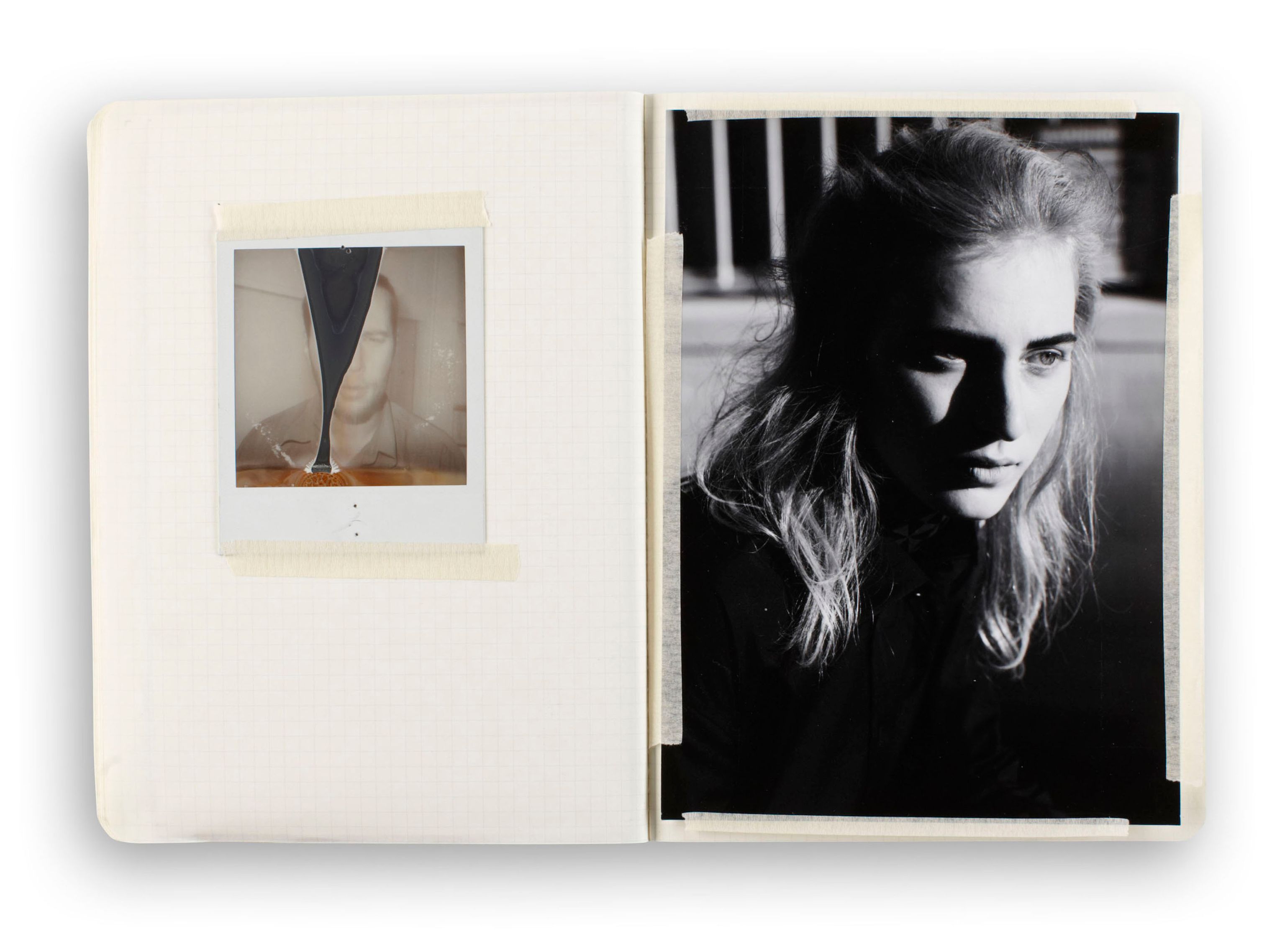
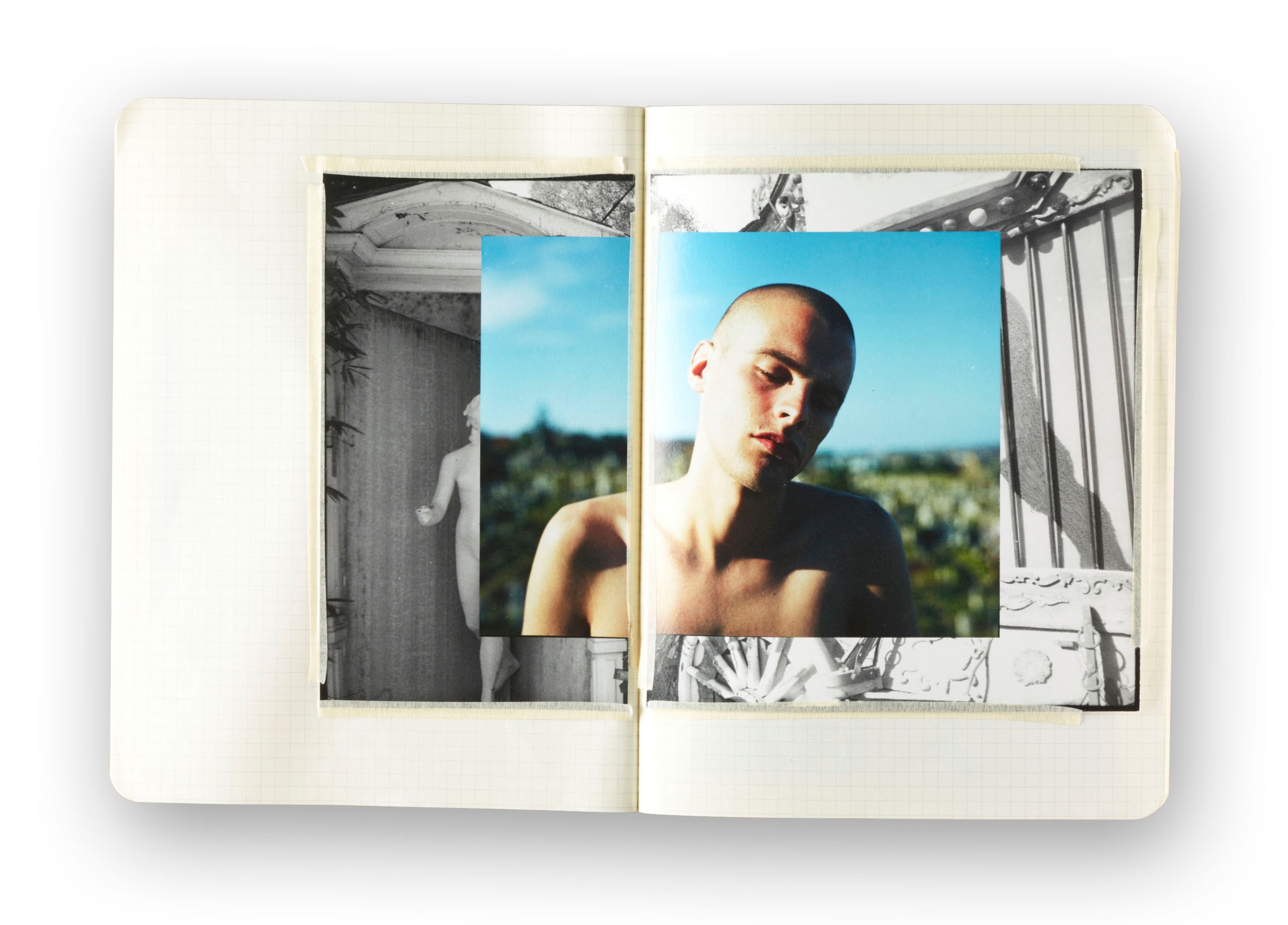
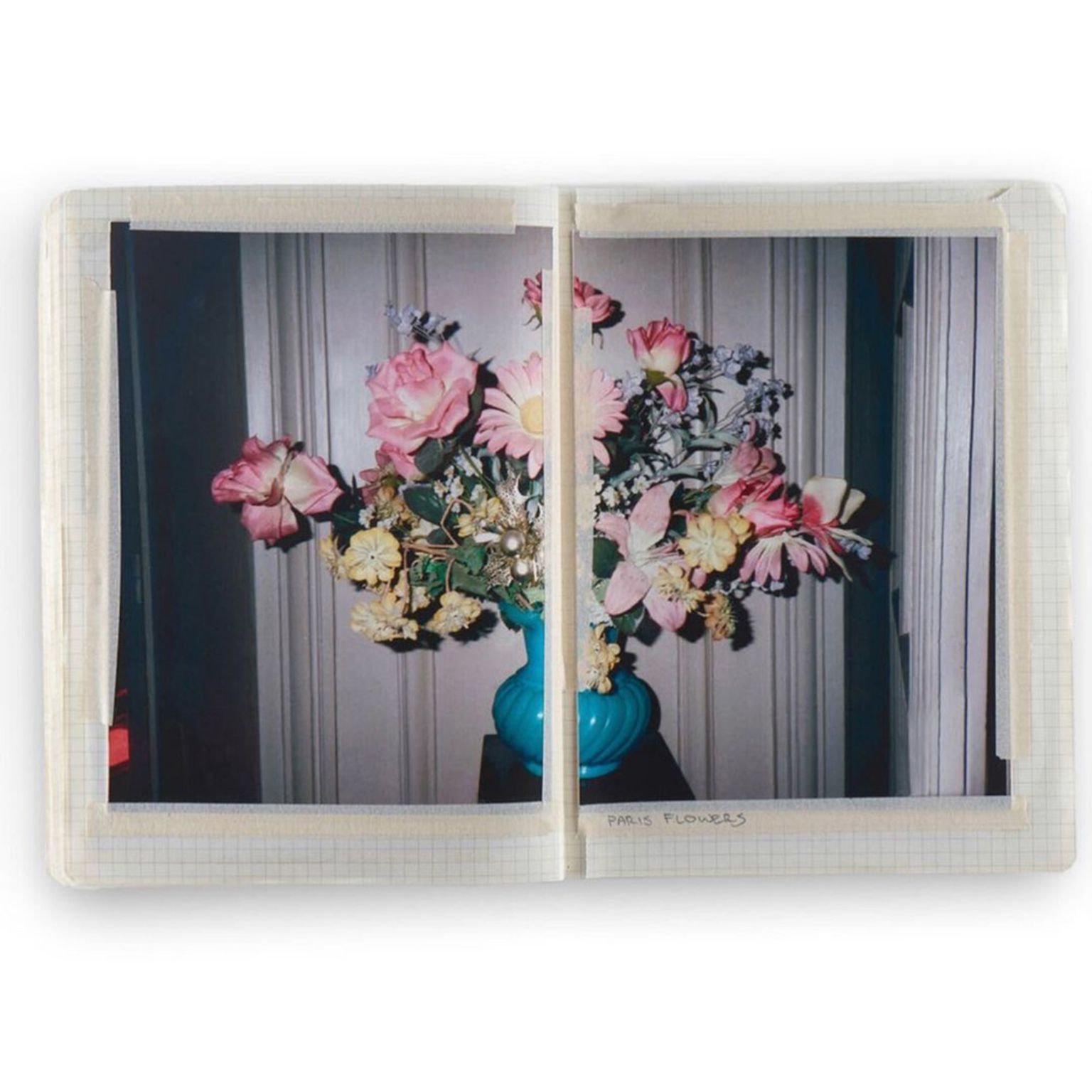
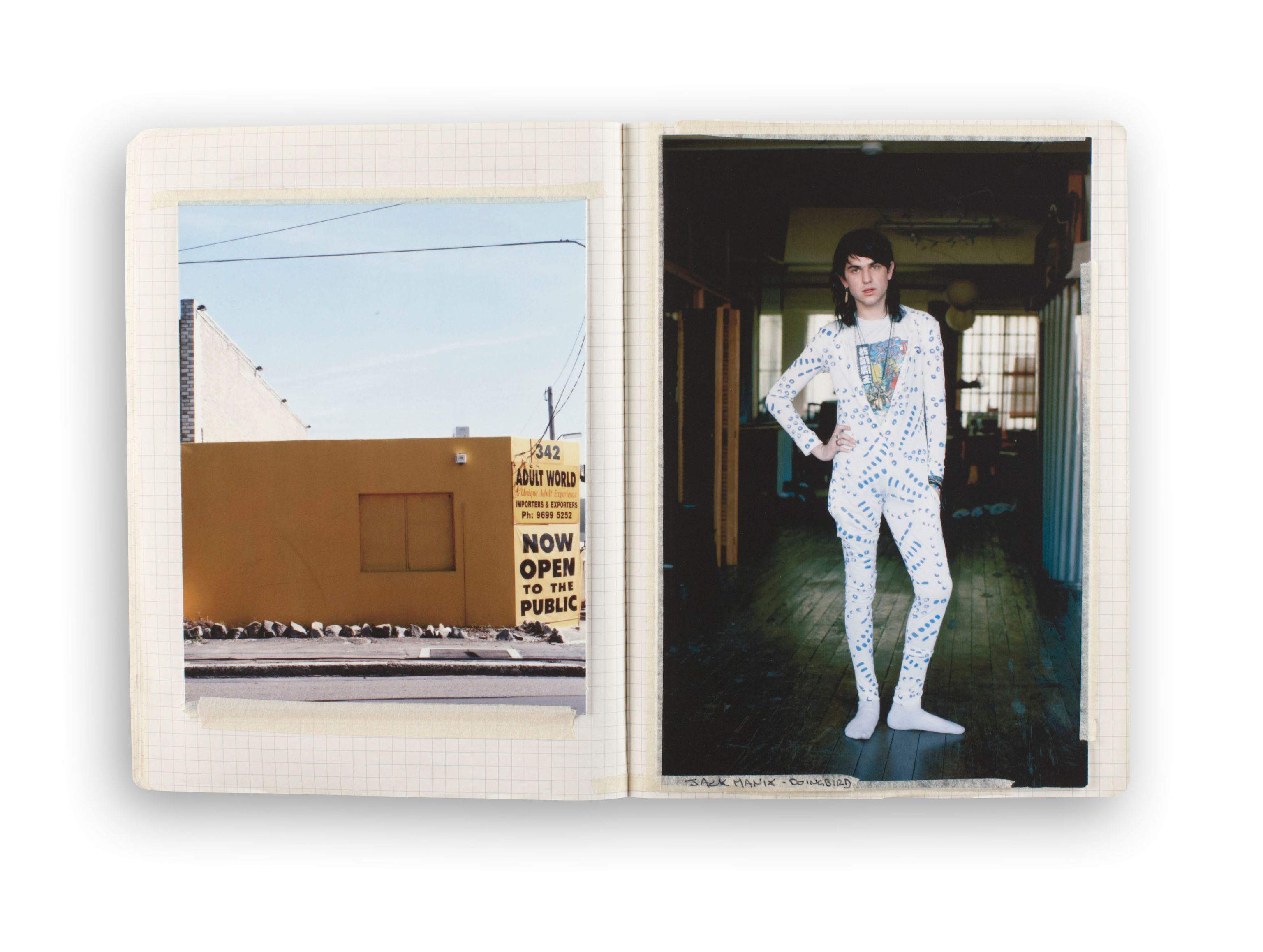
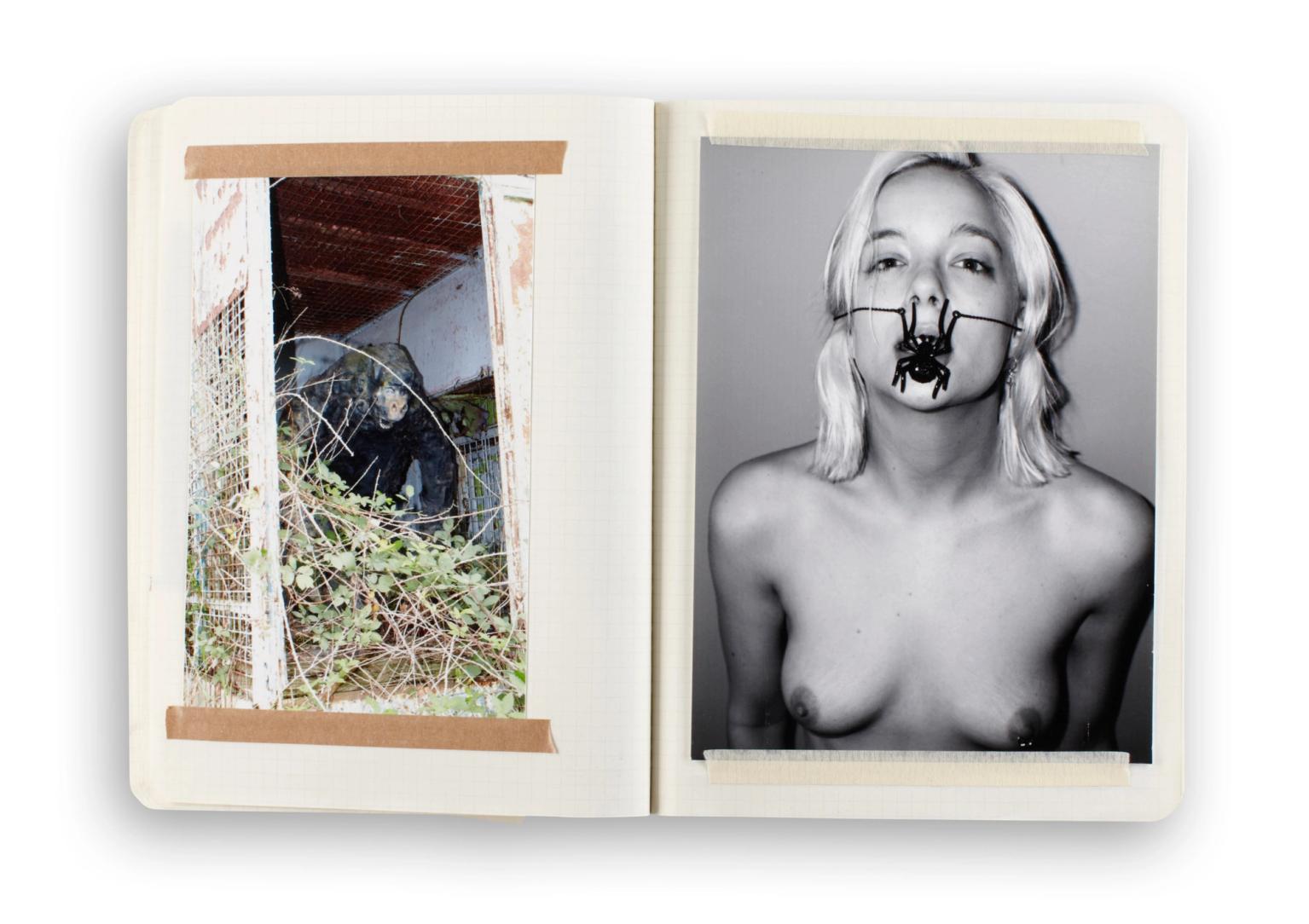
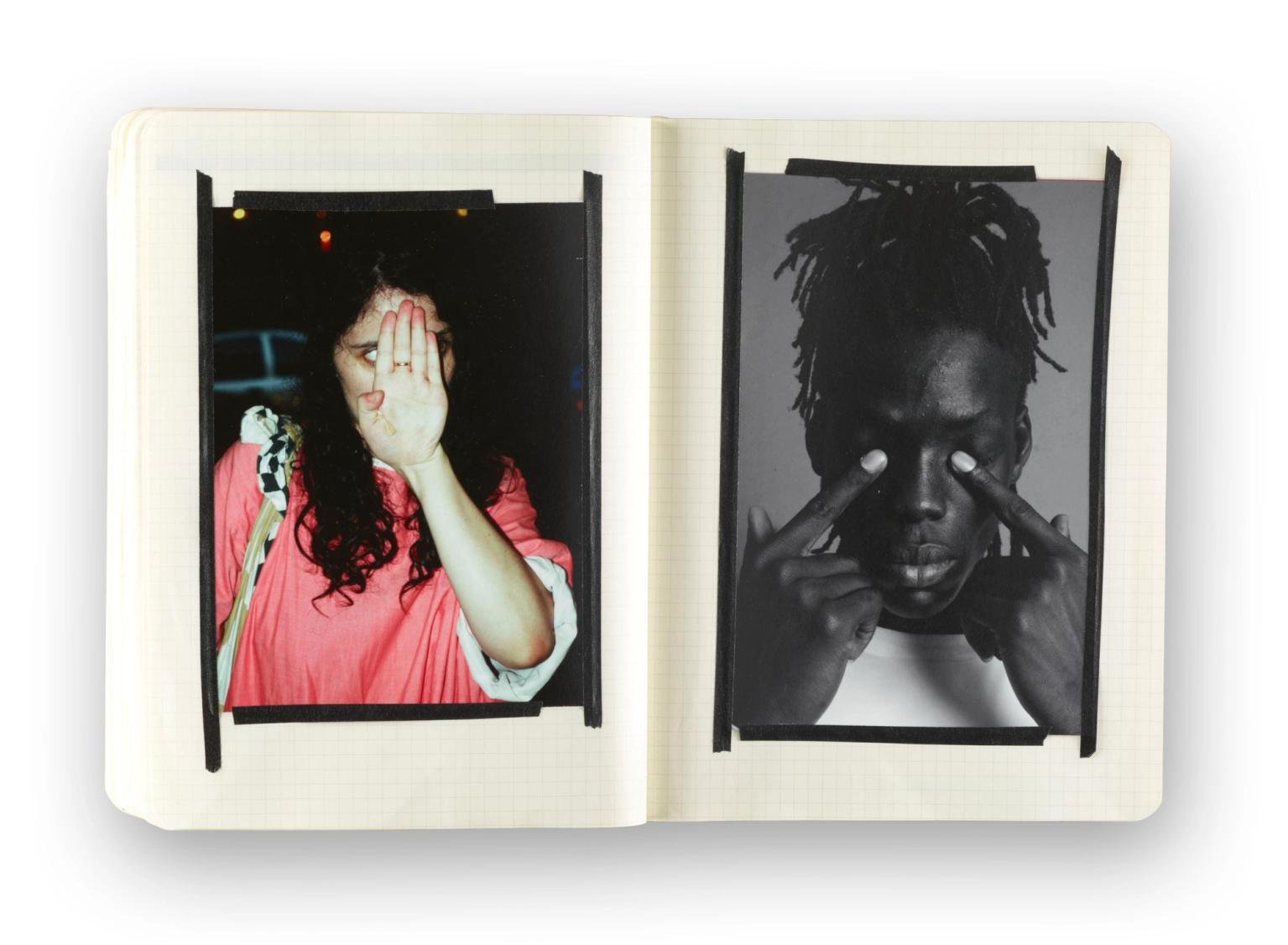
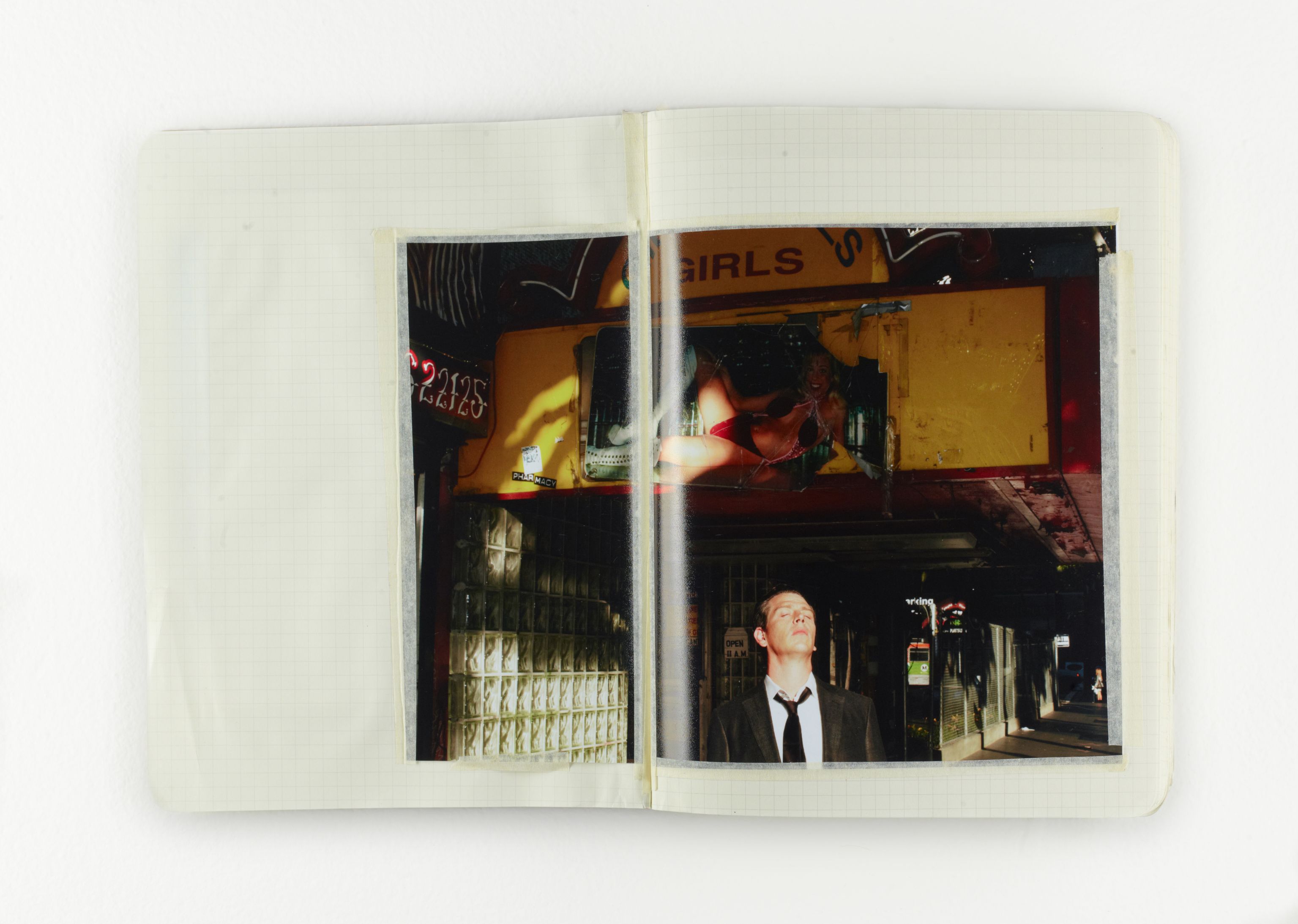
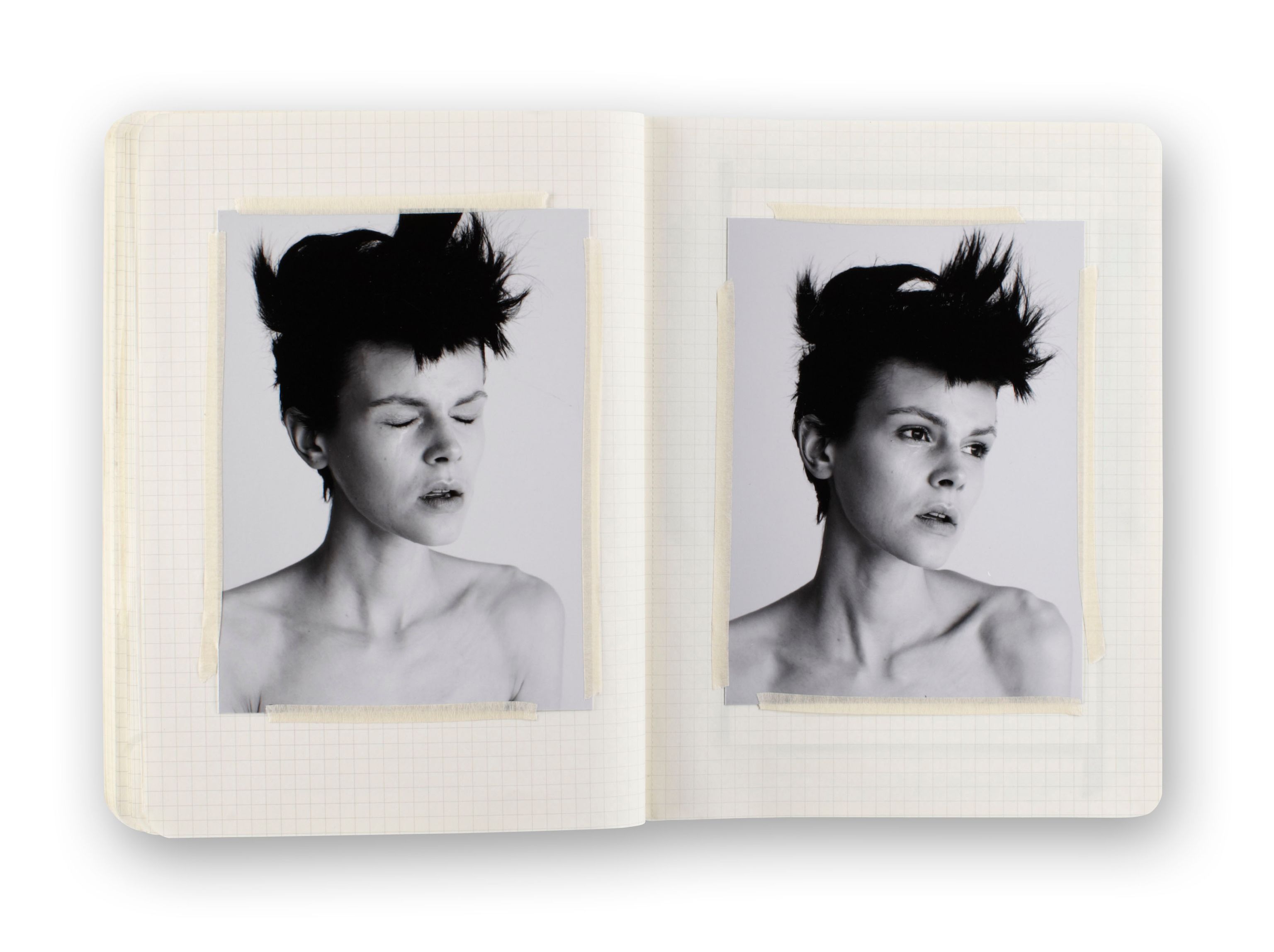
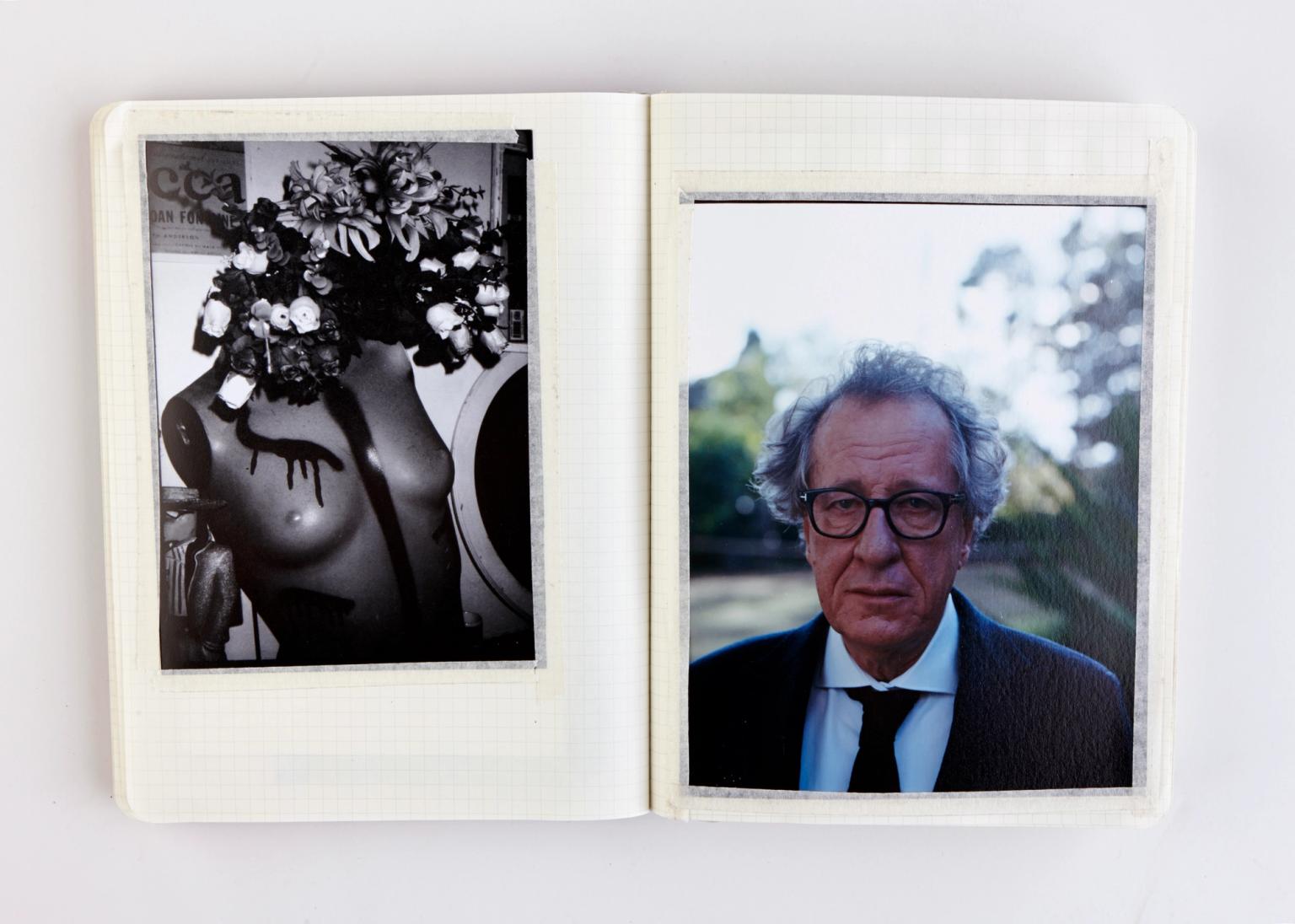
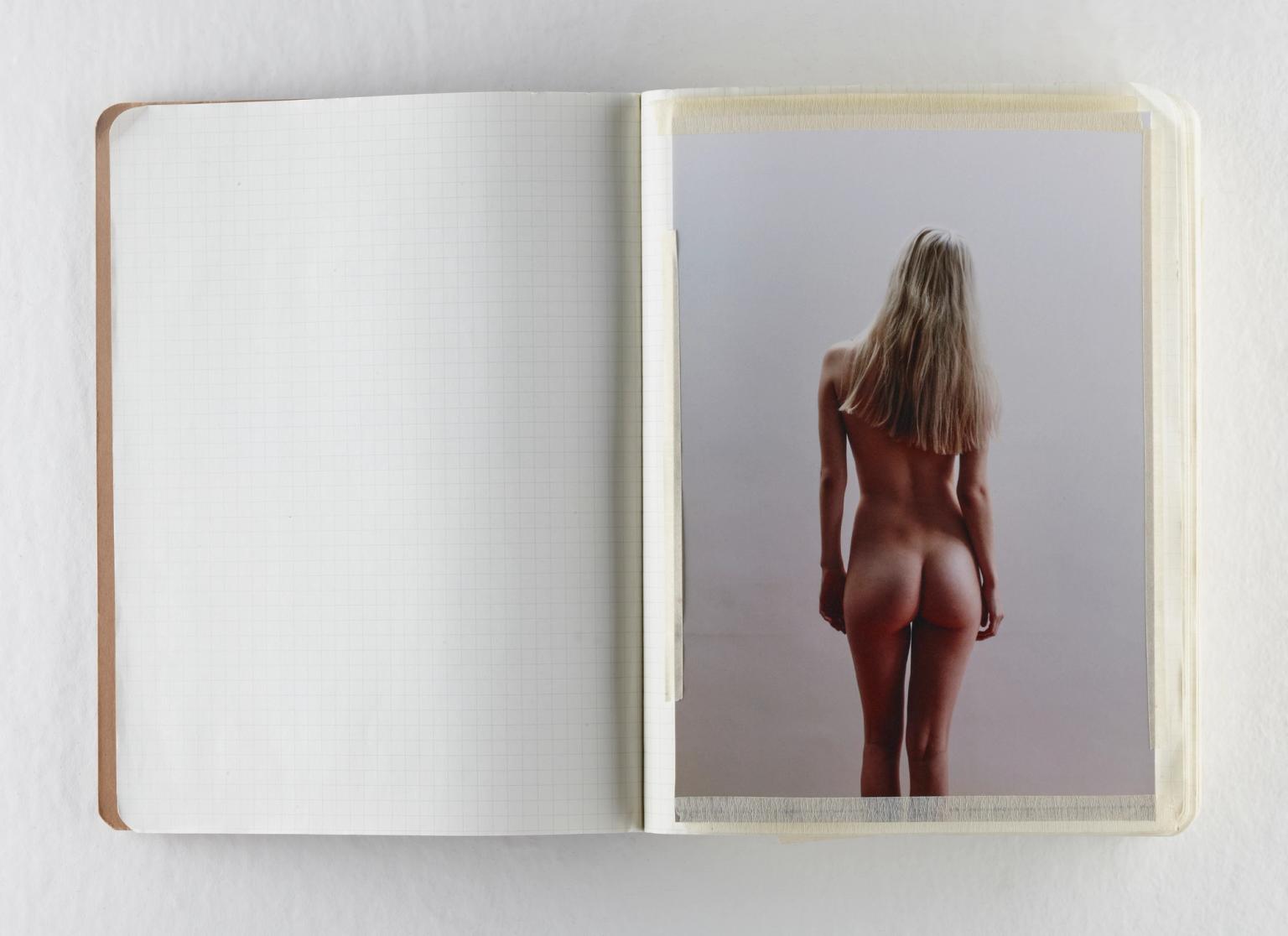
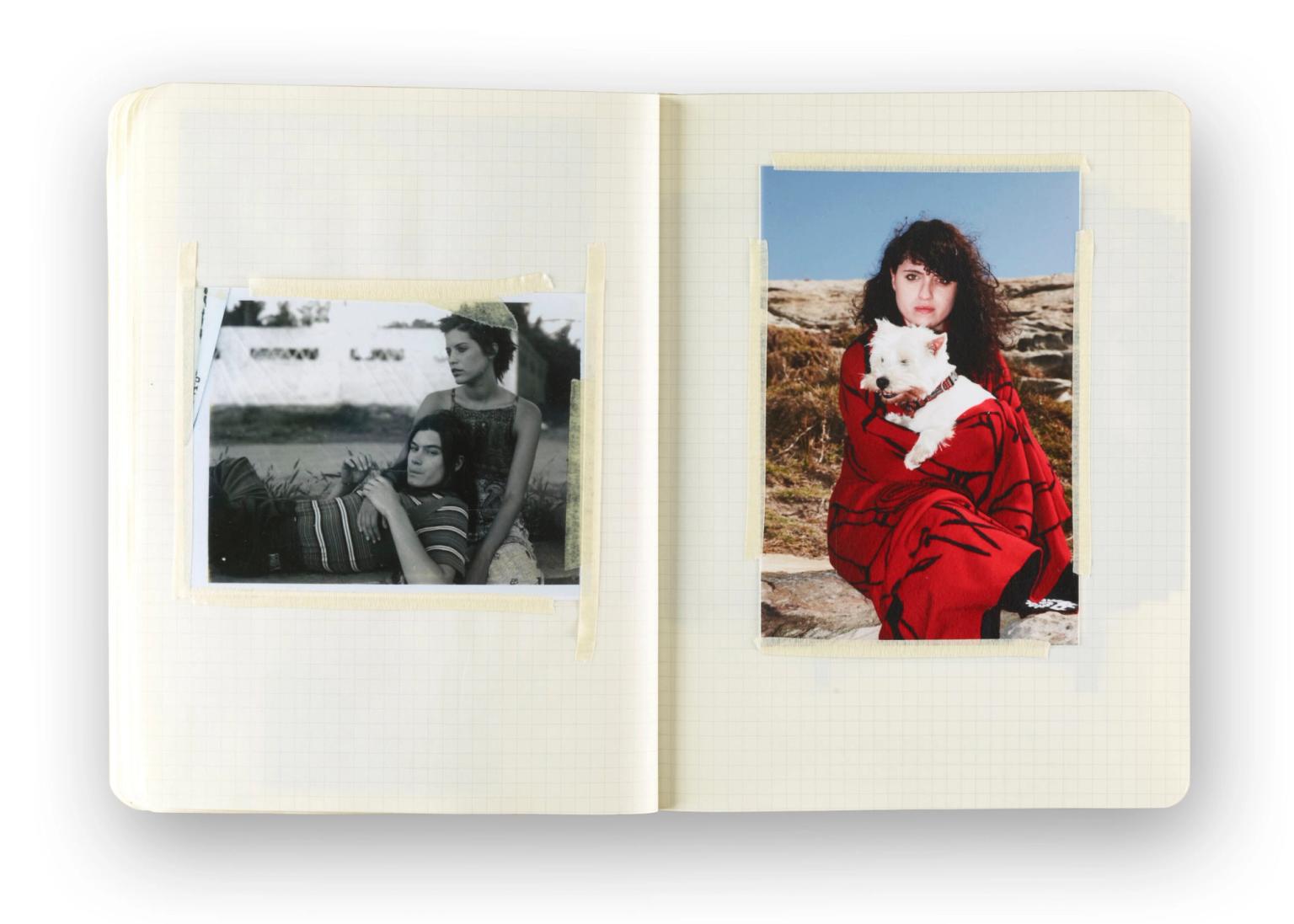
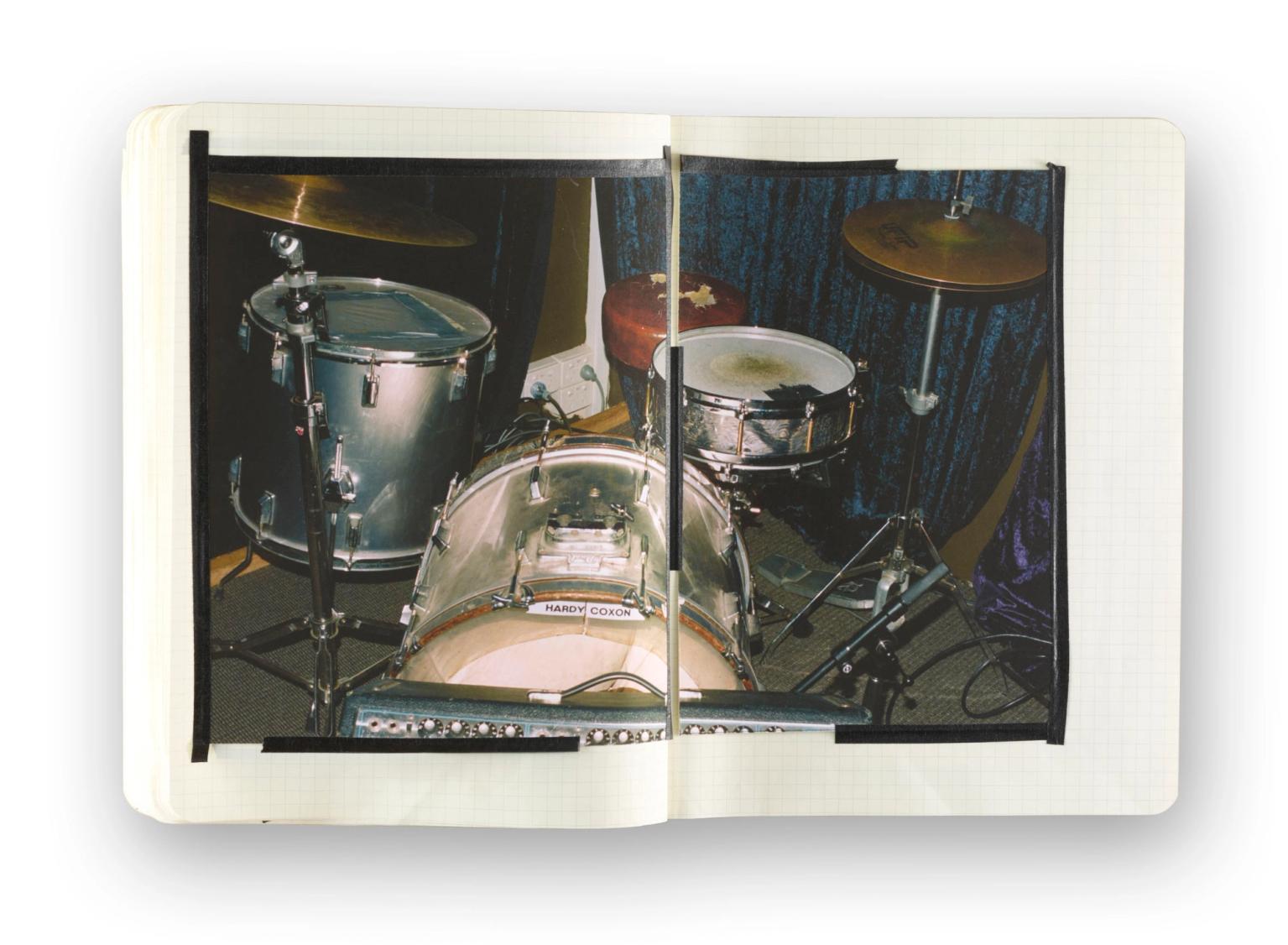
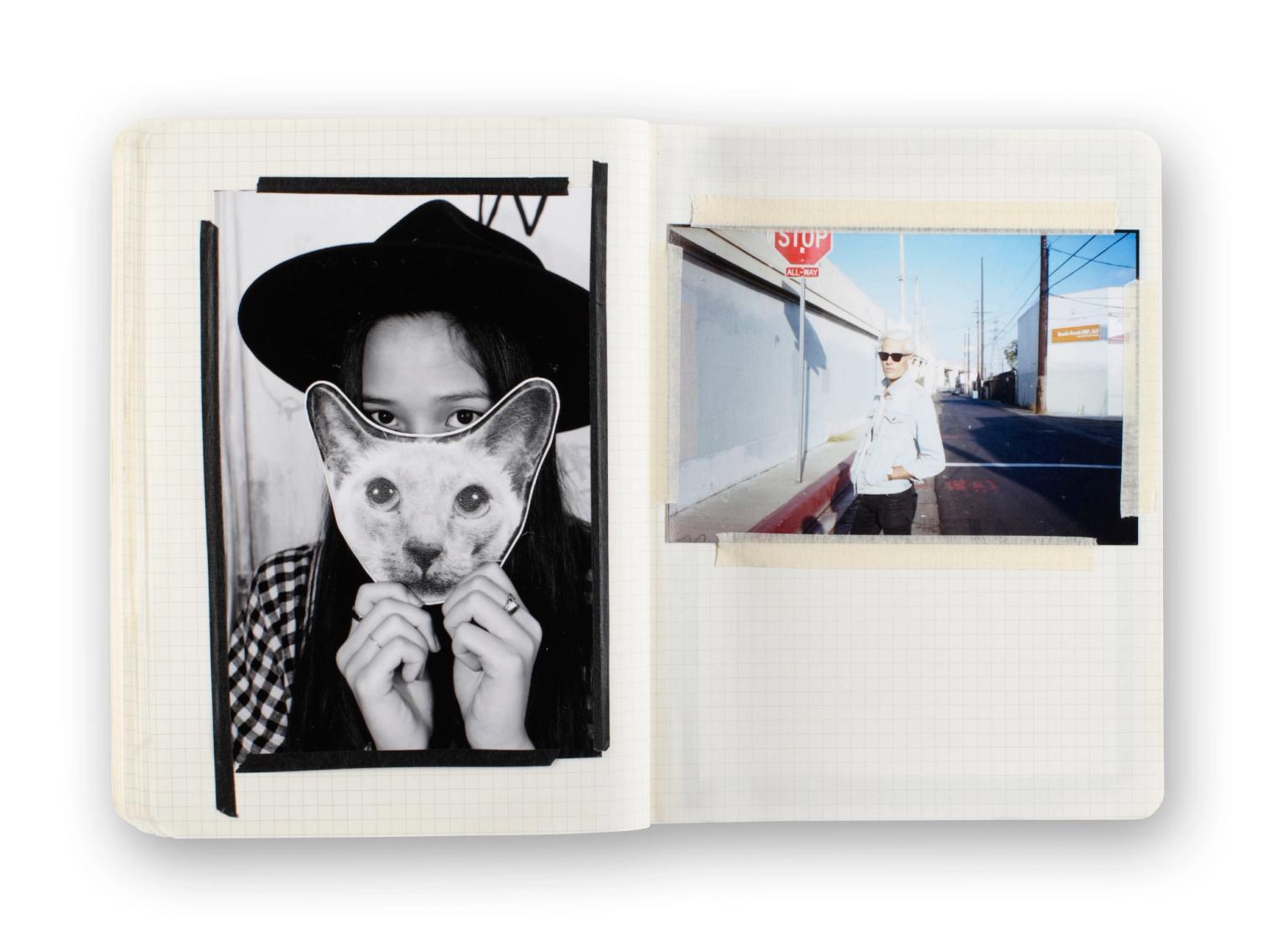
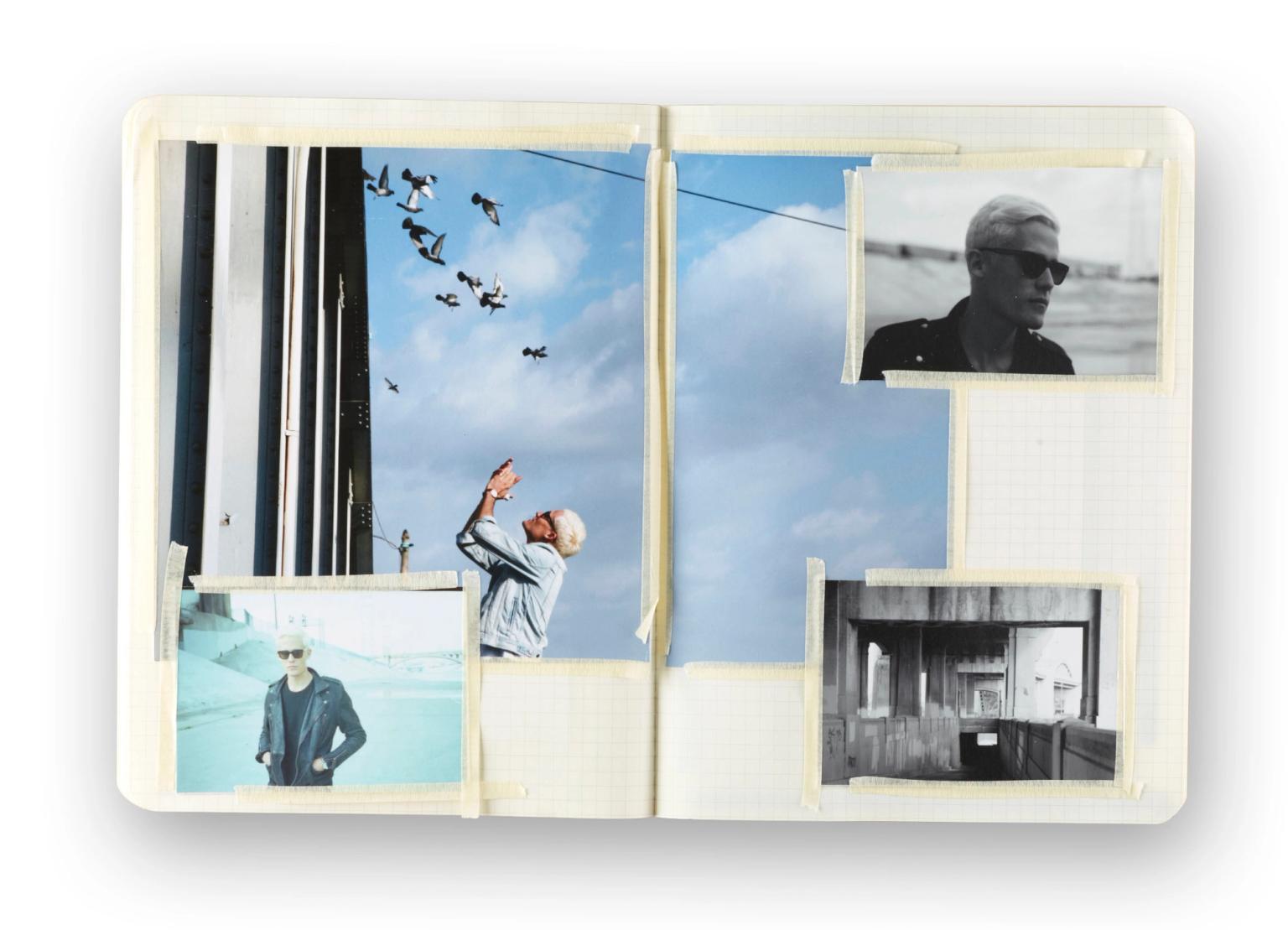
Jessica Bellef I love collage and artists’ visual process journals, so I was excited to hear that the preeminent fashion and portraiture photographer Max Doyle was exhibiting the scrapbooks he had been making in private since the 1980s. His many A5 notebooks are filled with polaroids, negatives, sketches and test shots, effortlessly assembled. For the exhibition at Sydney’s Saint Cloche gallery, selected double-page spreads were blown up into prints. I love all things analogue, so this DIY scrapbook approach really appeals to me. The scrappier the better.

A Personal Archive
In Scrap Doyle, Australian photographer Max Doyle opens up a collection of personal scrapbooks built over more than 30 years. Known for his fashion photography and striking portraits, Doyle has spent much of his career photographing people, fashion and contemporary culture. These books offer a different perspective on his practice, bringing together fragments of his professional work and personal life in a more informal, intimate format.

From the Beginning
Doyle began collecting and scrapbooking early in his career, during the 1990s, when he was living in London at a time of significant change in fashion and photography. The emergence of grunge and the influence of counterculture shaped the creative environment around him, informing an approach that brought fashion imagery together with a sense of rebellion and experimentation.
His own route into photography was somewhat unexpected. After moving to London with his girlfriend, a fashion stylist, Doyle was working in casual labouring jobs when photographer Derek Henderson asked him to help on a shoot. He went on to assist photographers for several years before getting the opportunity to develop his own work.


What the Scrapbooks Hold
The notebooks began as a place to keep Polaroids taken during fashion shoots in the 1990s. Over time, Doyle added developed photographs, contact prints, negatives and sketches. Rather than serving as a formal record of completed projects, the pages preserve the material that accumulated along the way: images, experiments and details that might otherwise have been left behind.
Together, these elements reveal a more personal side of a photographer whose published work is often made in collaboration with models, stylists and other creatives. The scrapbooks show what he chose to hold on to, offering a glimpse into the references and moments that have stayed with him throughout his career.

From Notebook to Exhibition
For Scrap Doyle, selected pages from the original notebooks have been enlarged into large photographic prints, allowing the details of the scrapbook pages to be seen on a different scale. The project retains the loose, handmade quality of the source material, including its mixture of photographs, sketches and other collected fragments. Presented by Sydney gallery Saint Cloche, the exhibition brought Doyle’s private archive into public view. Alongside the larger works, it also featured 36 one-off edition mini prints drawn from his treasured scrapbooks. What began as a personal way of preserving images became a body of work in its own right.

Fashion, Photography and doingbird
Doyle’s career has continued to move between fashion, portraiture and wider cultural interests. His photographs have appeared in publications including Vogue, Interview and Nylon, and he has photographed figures from the worlds of fashion, music and art. His work is known for bringing a distinct visual sensibility to the people and culture in front of his lens.





In 1999, after working extensively in London and New York, Doyle returned to Sydney and launched doingbird with creative director Malcolm Watt. The independent biannual magazine explored fashion, art and culture through an open approach to style and image-making, featuring photographers including Terry Richardson and Alasdair McLellan, as well as cover stars such as Liya Kebede, Anja Rubik and Natasha Poly.

Keeping the Fragments
Spanning decades of work, Scrap Doyle is less a conventional retrospective than an intimate record of a life spent making and collecting images. Its pages bring together professional photographs and personal fragments without separating them into distinct categories. The result offers another way to look at Doyle’s practice: not only through the finished images that made his name, but through the material he kept along the way.