
Rudolf M. Schindler
Schindler House
- ArchitectRudolph M. Schindler
- PhotographerPhotography by Tag Christof, 2021
- Credit Schindler House, 1922. Courtesy of the MAK Center for Art and Architecture, Los Angeles.
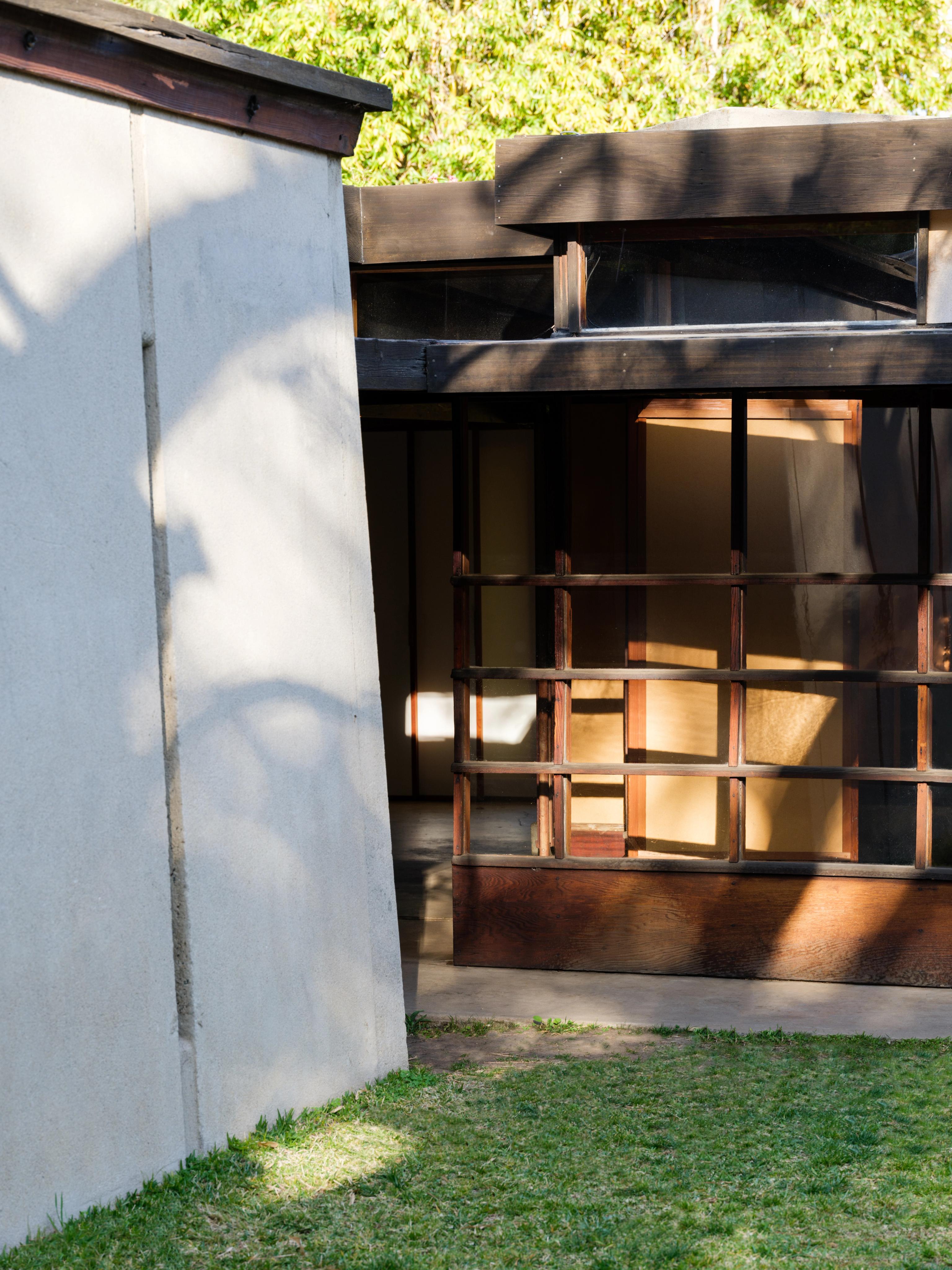
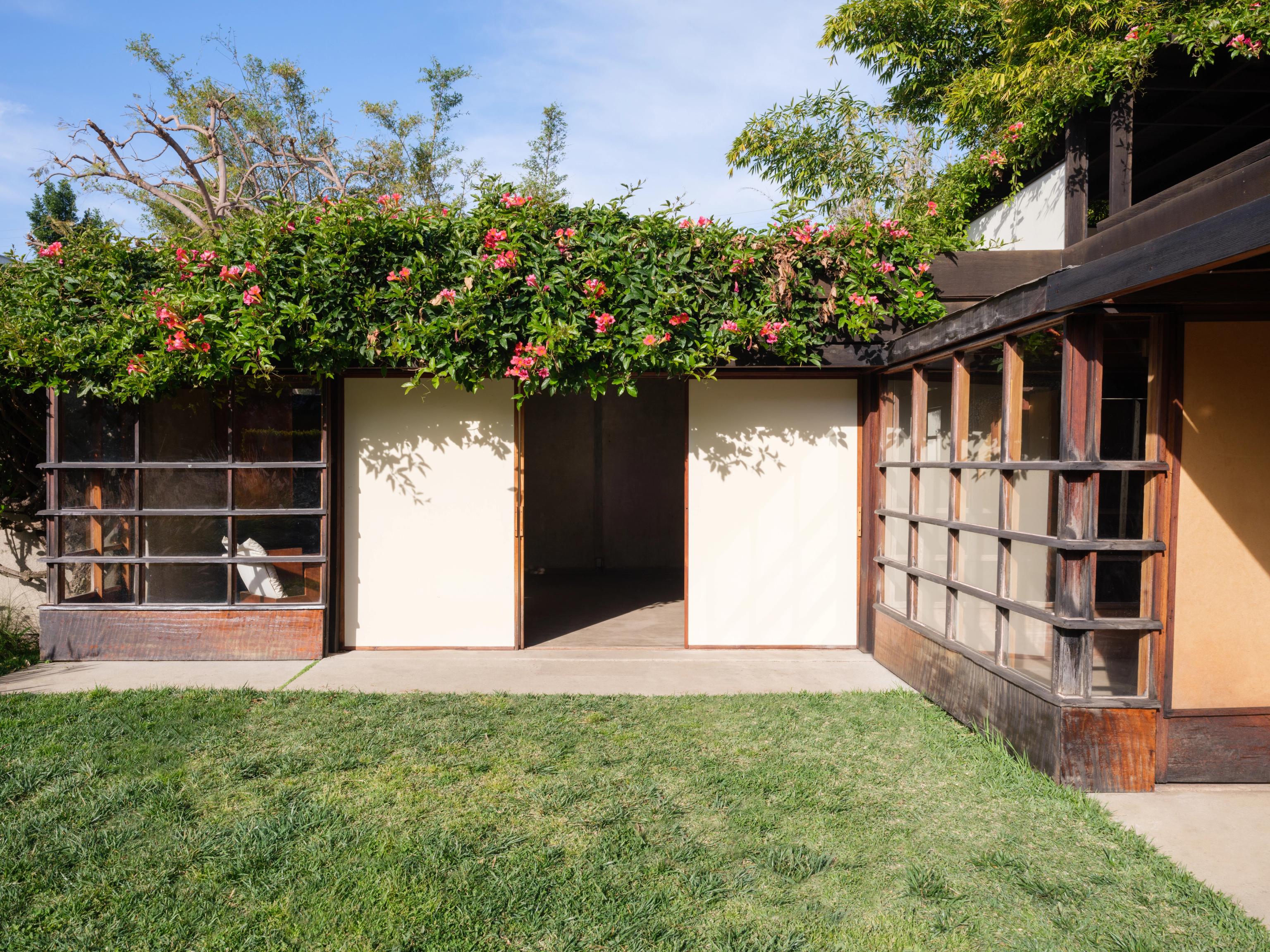
Atelier Axo The Schindler House is significant as an experimental domestic architecture that rethinks living through space, material, and climate. Combining concrete, wood, and sliding panels, the house blurs boundaries between inside and outside and proposes a new, communal way of inhabiting the modern home.

The Kings Road House
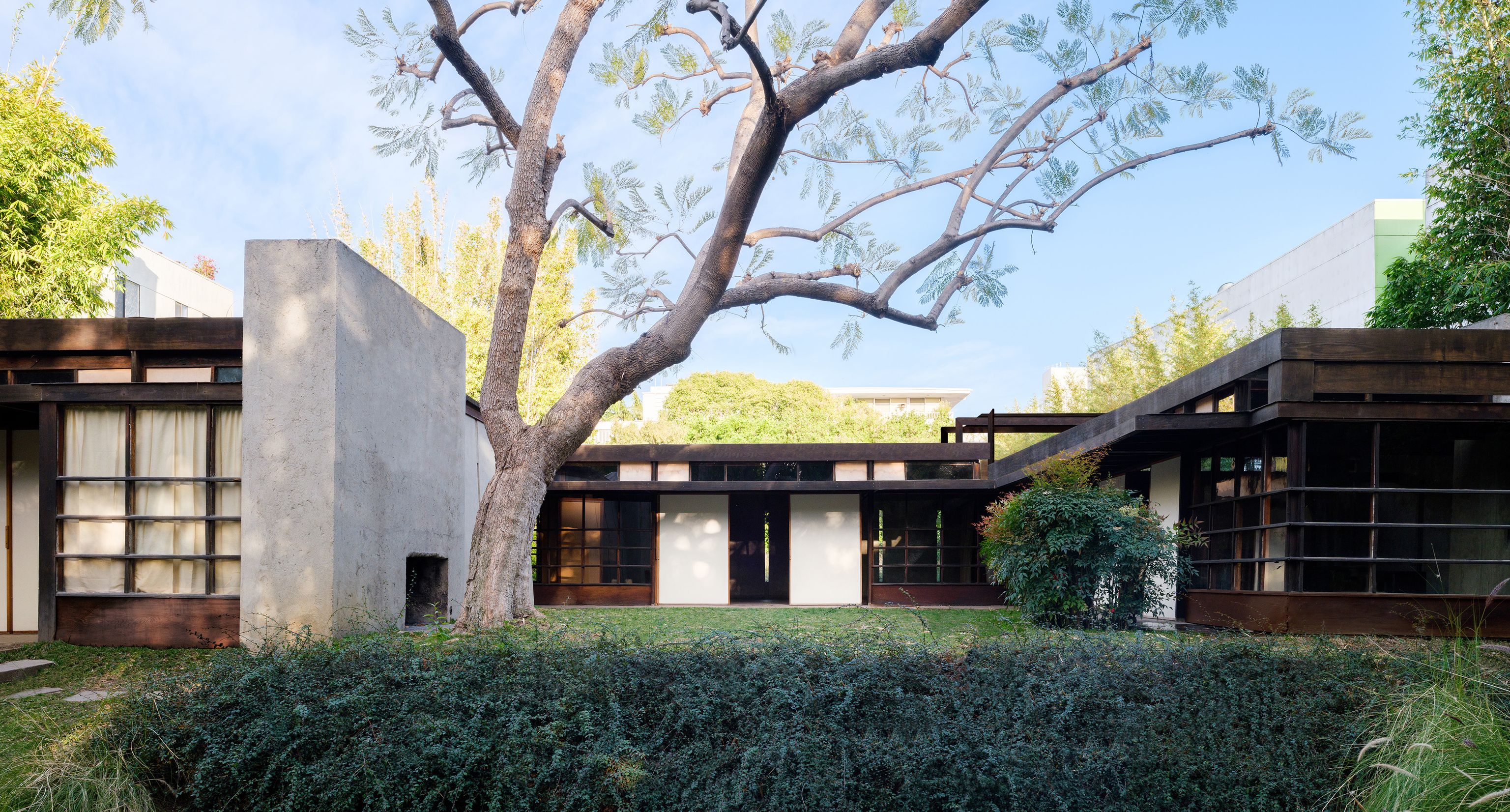
Tucked into a quiet street in West Hollywood, the Schindler House – also known as the Kings Road House – is widely regarded as one of the first truly modern houses built in the United States. Completed in 1922 by Austrian-born architect Rudolph M. Schindler, the house functioned not simply as a residence but as a built manifesto for cooperative living. Schindler envisioned a shared live/work environment for two couples, himself and his wife Pauline, and their friends Clyde and Marian Chace, organised into four equal studios, one for each individual.
Traditional hierarchies of domestic space dissolve: there is no formal living room or dining room, only shared patios, utility zones, and open studio areas that encourage collective life while preserving individual privacy. The design reflects Schindler’s fascination with Mesoamerican spatial logic, particularly the sculptural massing and shadow-oriented surfaces of ancient architecture, where enclosure was shaped more by climate and light than by ornament.

From Vienna to California
Schindler’s architectural thinking was shaped by two major influences before his relocation to Los Angeles. He trained under Otto Wagner, whose Vienna Secession philosophy promoted functional modern architecture rather than historical imitation. Later he worked in Chicago under Frank Lloyd Wright, absorbing ideas of open spatial planning and continuity between building and landscape. However, Schindler extended these principles into a distinctly Californian modernism rooted in climate, informality, and social experimentation. Inspired by a 1921 Yosemite camping trip, he imagined a permanent architectural “camp” – a domestic environment structured like outdoor life, where sun, air, and communal ritual replace the enclosed conventions of European housing.

Concrete, Landscape, and Climate Logic
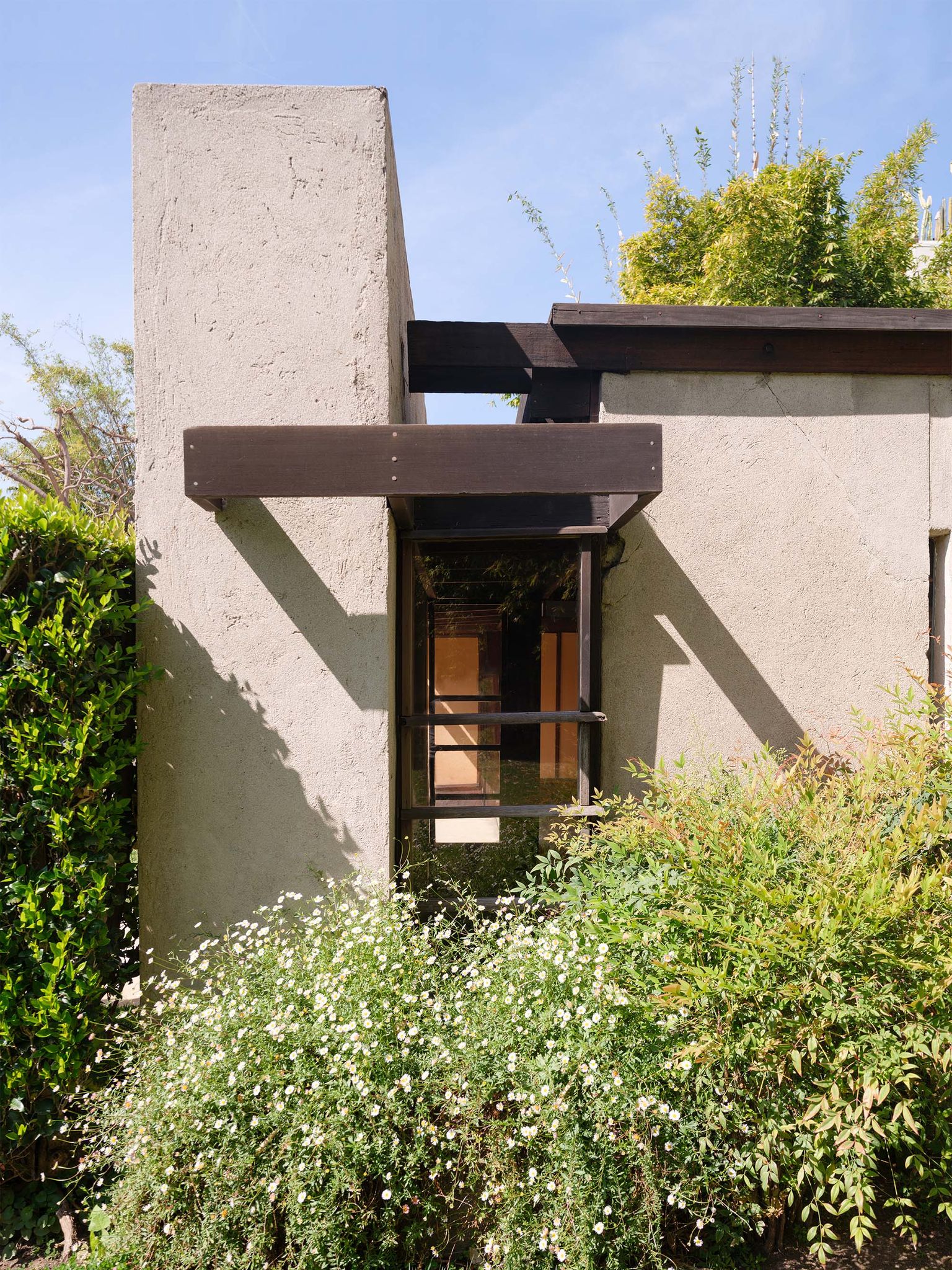
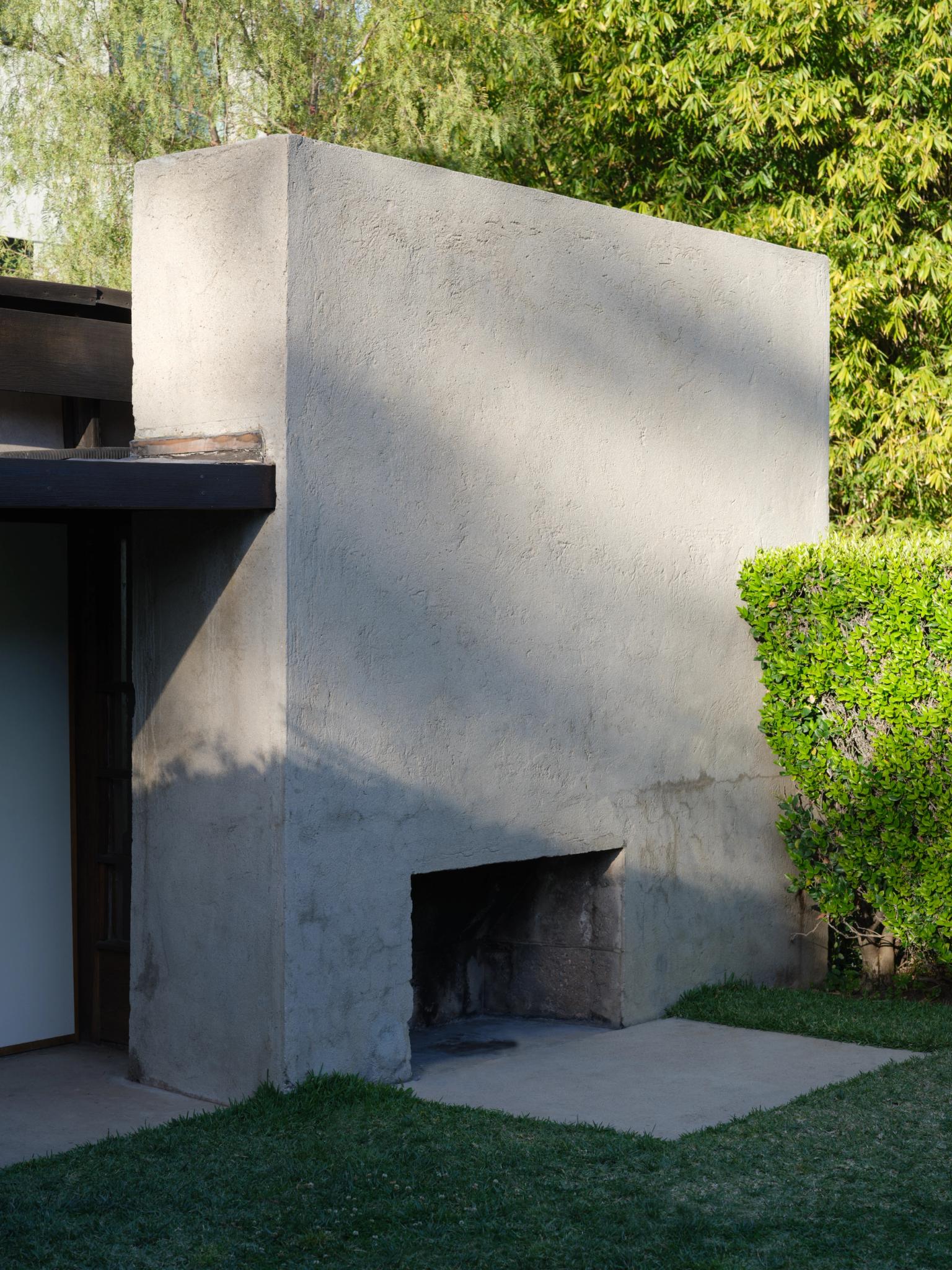
Constructed between February and June 1922, the house was technologically radical for its time. It employs tilt-up concrete slab construction, where walls were cast horizontally and lifted into position, a method that initially met resistance from local authorities, who issued only a temporary building permit. The concrete panels are separated by narrow joints filled with glass or additional concrete, forming slit windows that subtly modulate daylight. A flat roof replaces the traditional pitched form, reinforcing the horizontal relationship between structure and landscape.
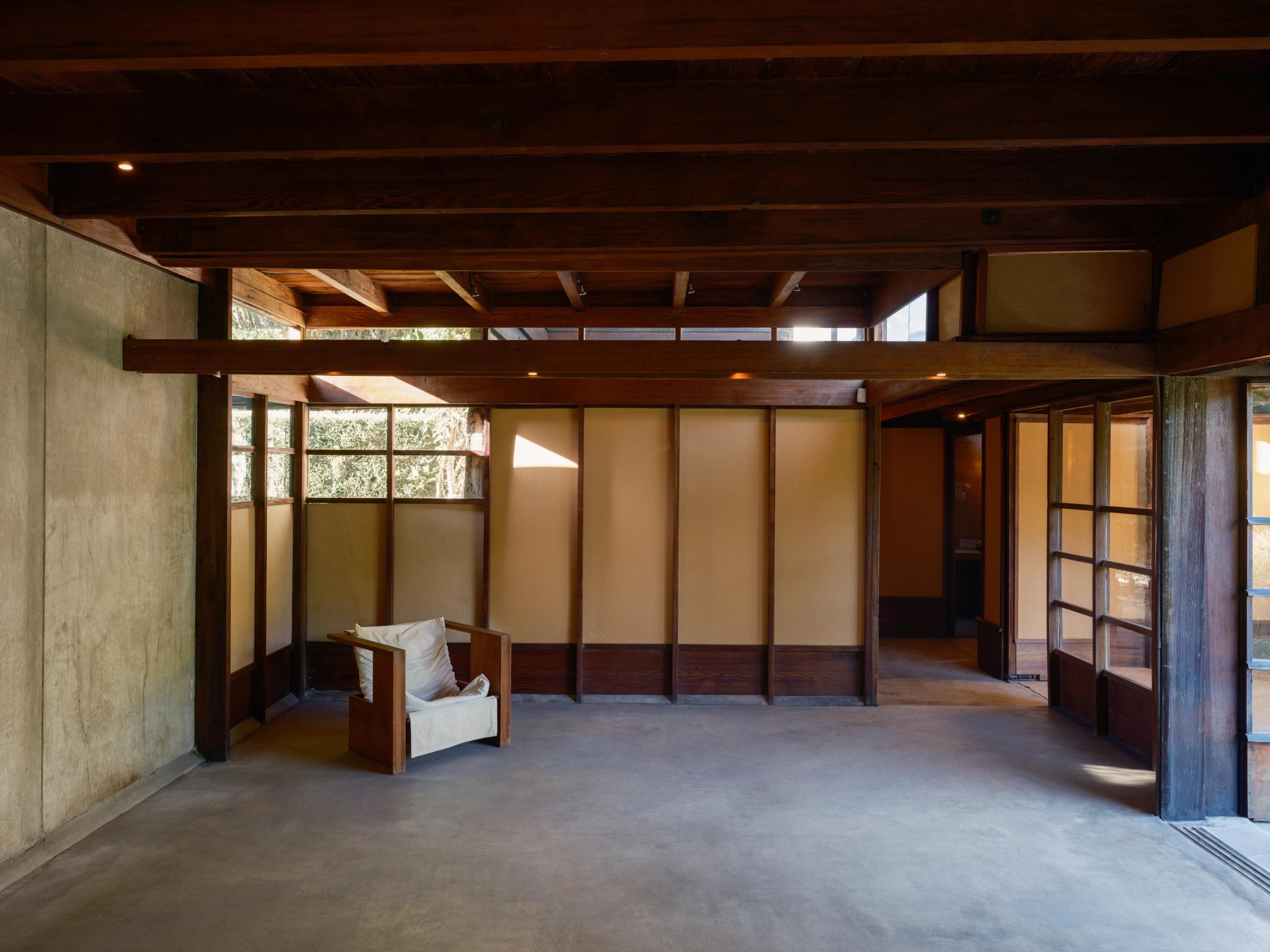
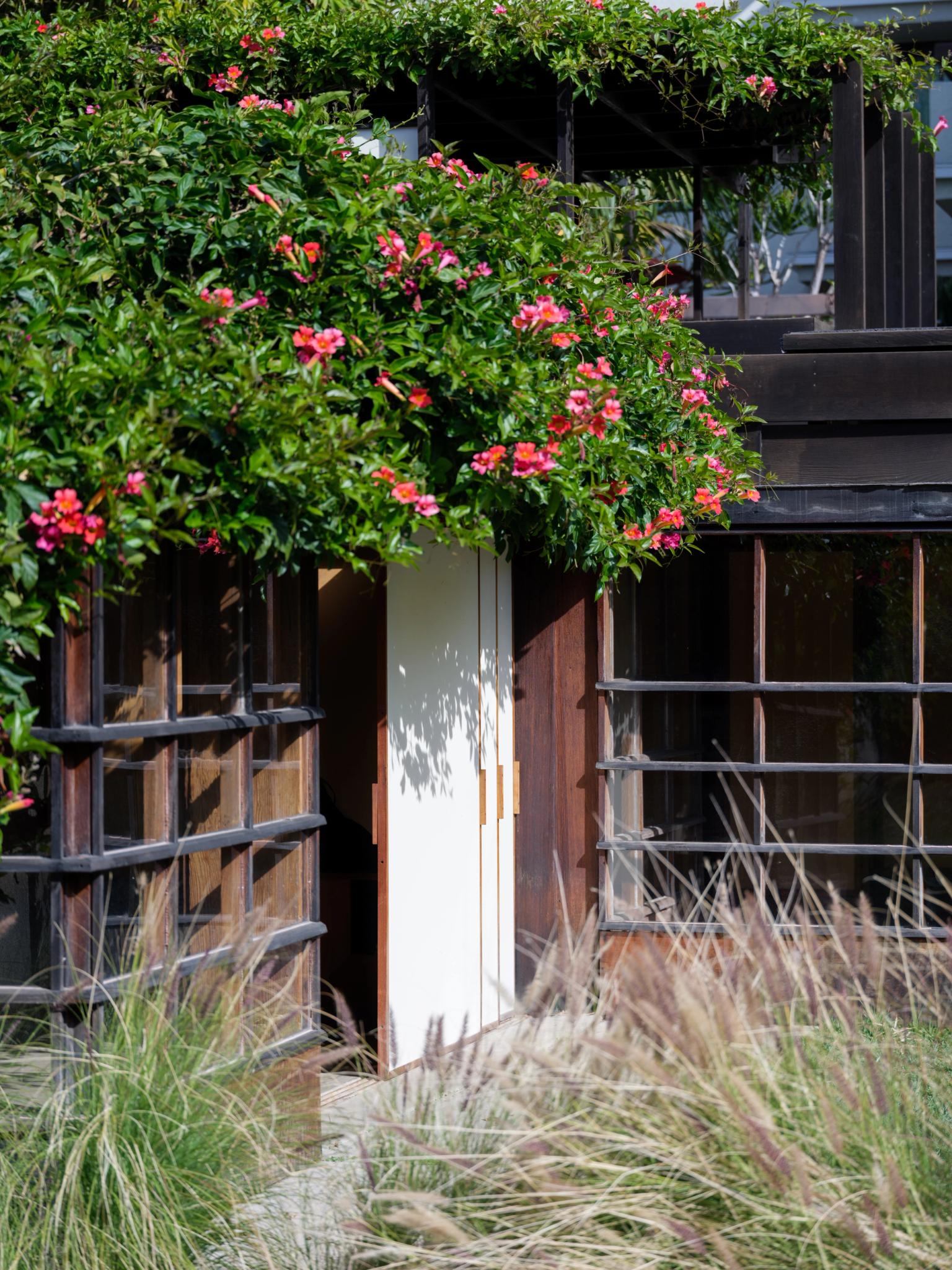
Interior spaces are softened by redwood beams, built-in furniture, and sliding wood-and-glass panels that erase rigid boundaries between garden patios and studio rooms. Instead of enclosed bedrooms, Schindler placed open-air sleeping platforms on the roof, framed in redwood and originally protected by canvas screens that could be lowered during rain. The building operates as a passive environmental system: clerestory openings, cross-ventilation, and garden permeability reduce reliance on mechanical conditioning, allowing architecture itself to function as climate mediator.

Cultural Laboratory and Living Legacy
Throughout the 1920s and 1930s, the house became a cultural nexus for artists and intellectuals. Architect Richard Neutra lived in the Chace apartment for several years, while figures such as Edward Weston and John Cage visited the studios. Pauline Schindler cultivated the house as a progressive salon and political gathering space, reflecting the couple’s broader interest in social reform and artistic dialogue.
After Pauline Schindler’s death in 1977, preservation efforts were led by the Friends of the Schindler House, who acquired the property in 1980 and used 1922, the year of completion, as the restoration reference point. Since 1994, the site has operated in collaboration with the MAK – Museum of Applied Arts, forming the MAK Center for Art and Architecture, which hosts exhibitions, residencies, and experimental programming. Surrounding urban densification has intensified debates about preservation and context, including exhibition projects exploring alternative futures for the site. Today the low, porous concrete volumes stand as both historic artifact and active cultural platform – a century-old experiment that continues to question how architecture can support collective life, climate responsiveness, and creative freedom.

After Pauline Schindler’s death in 1977, preservation efforts were led by the Friends of the Schindler House, who acquired the property in 1980 and used 1922, the year of completion, as the restoration reference point. Since 1994, the site has operated in collaboration with the MAK – Museum of Applied Arts, forming the MAK Center for Art and Architecture, which hosts exhibitions, residencies, and experimental programming. Surrounding urban densification has intensified debates about preservation and context, including exhibition projects exploring alternative futures for the site. Today the low, porous concrete volumes stand as both historic artifact and active cultural platform – a century-old experiment that continues to question how architecture can support collective life, climate responsiveness, and creative freedom.