
Rudolph Tegner
Rudolph Tegner Museum and Statue Park
- Sculptor and PainterRudolph Tegner
- PhotographerHenrik Sylvest, David Stjernholm and Malle Madsen
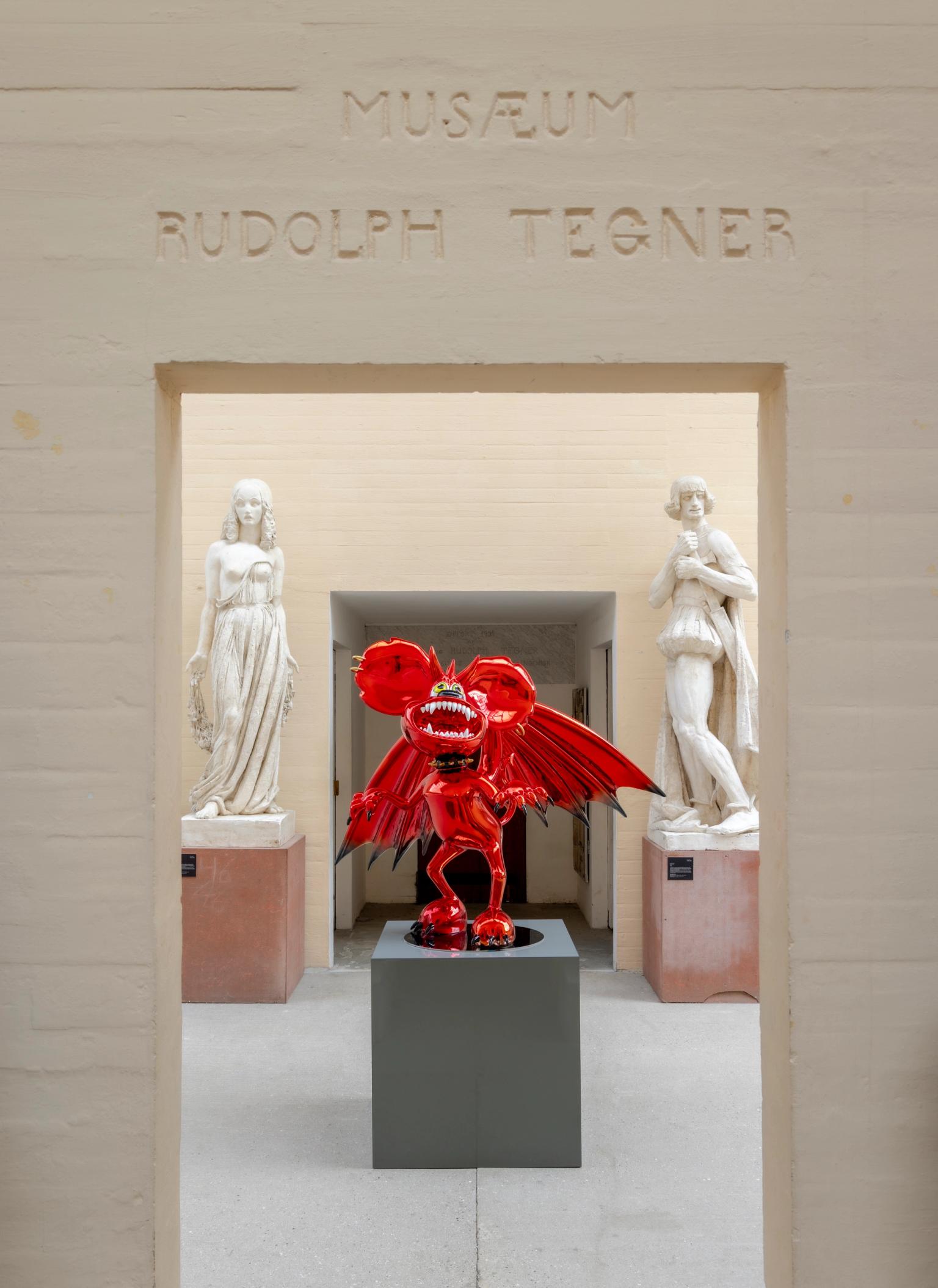
Mads Bryld The museum that used to be Tegners’ workshop and the very barren landscape in which the sculptures are placed has a very raw and monumental energy that i always enjoy visiting.

A Monument in Nature
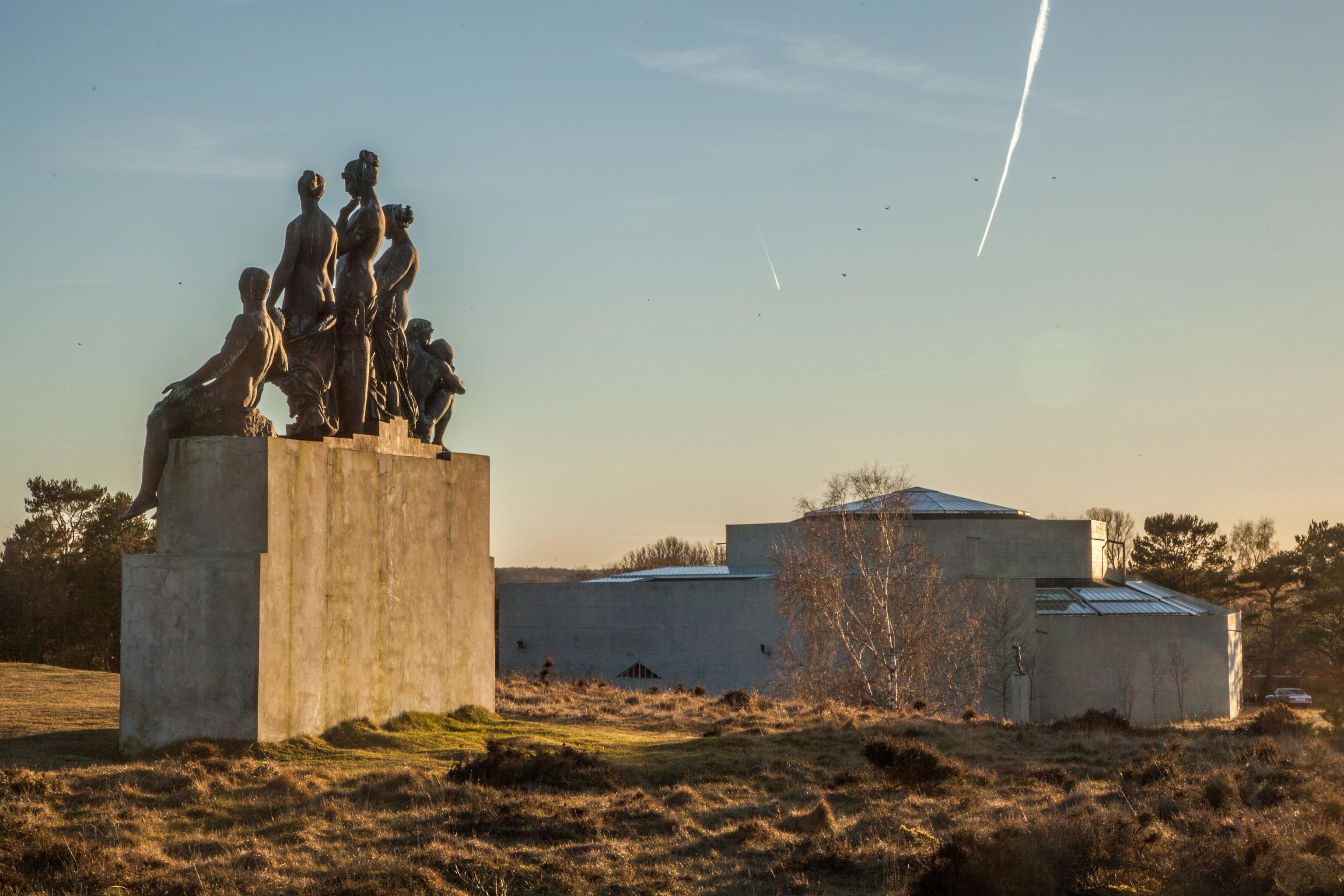
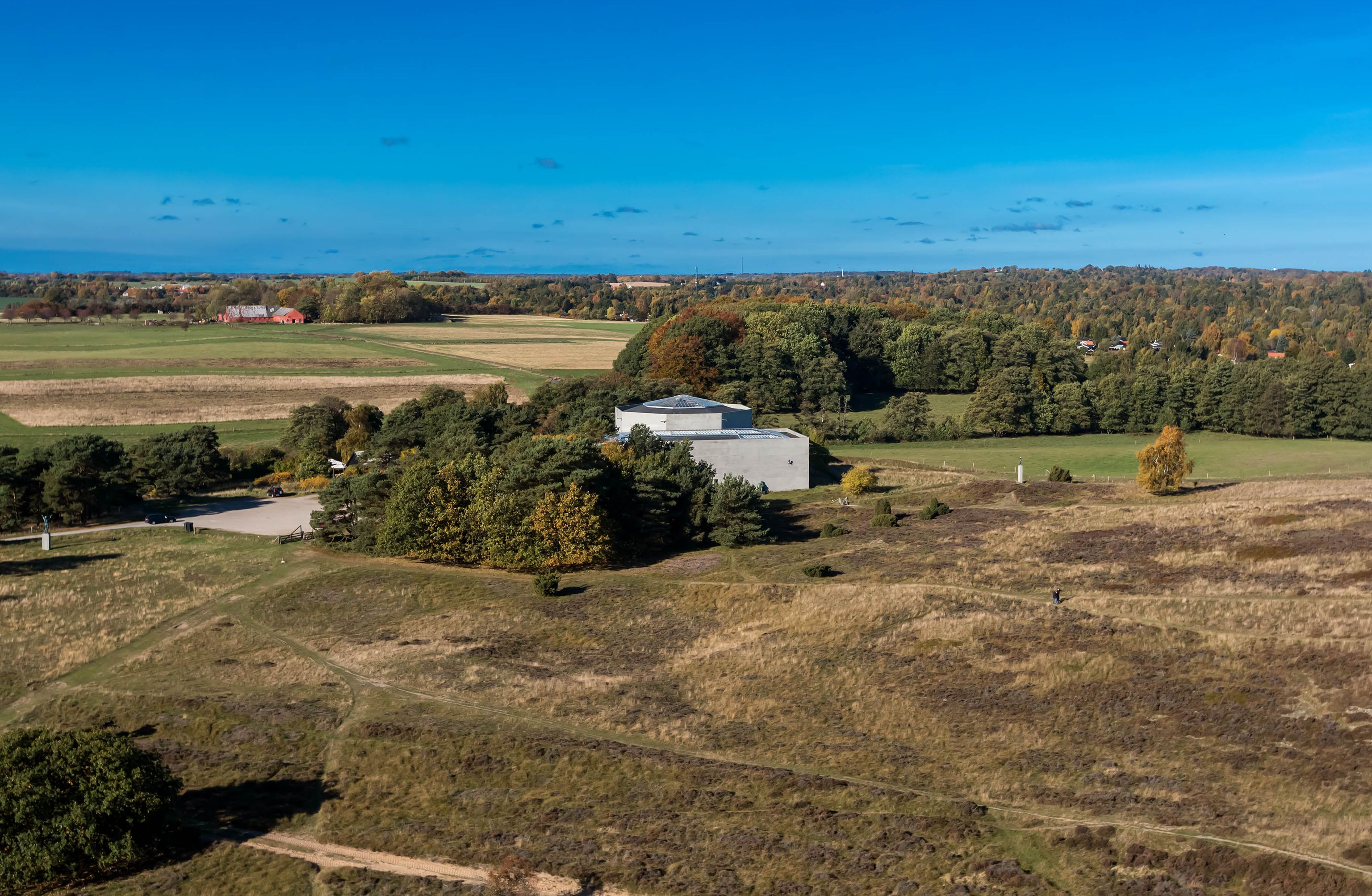
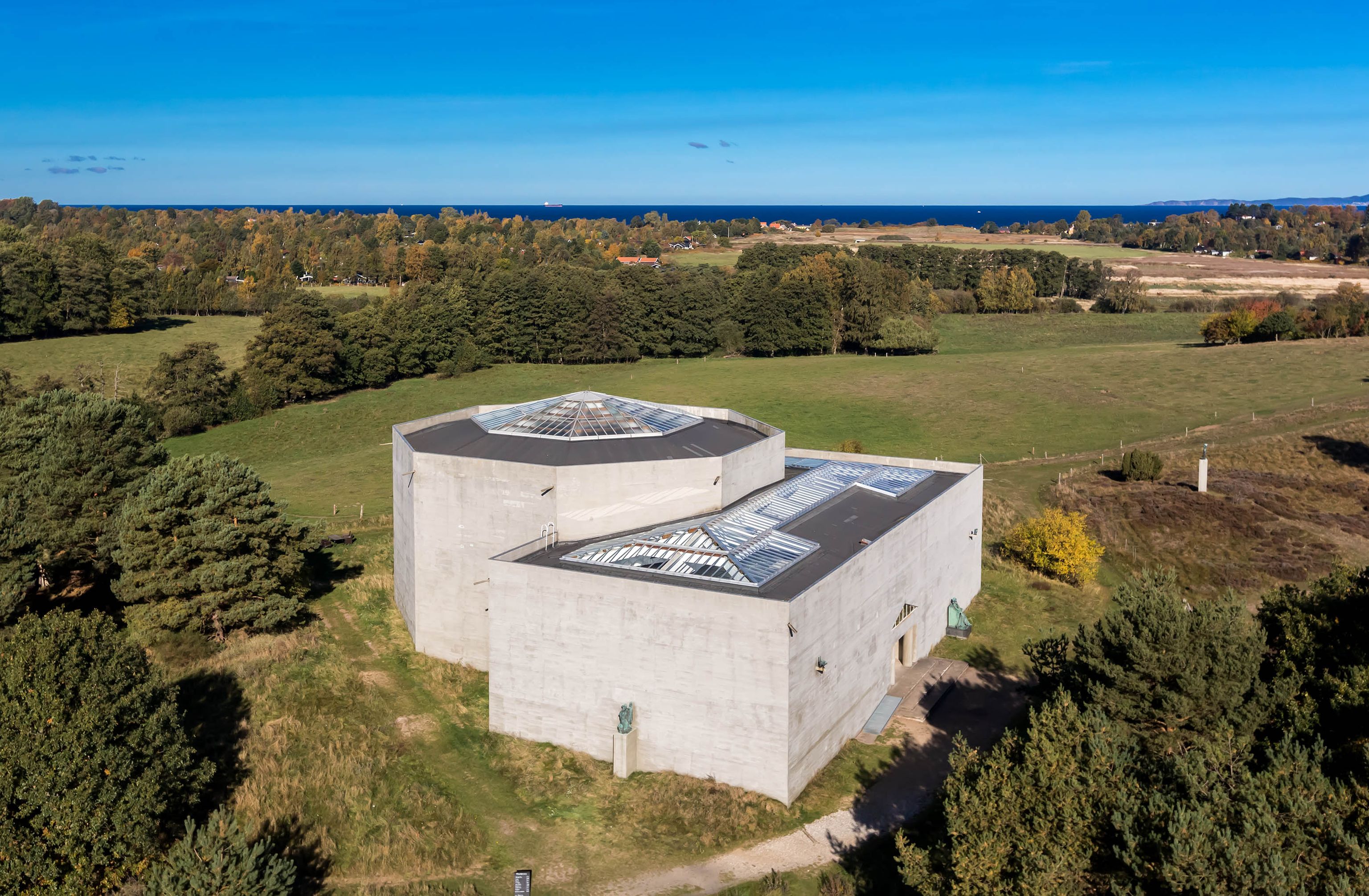
Located in the protected heathland of “Rusland” near Dronningmølle in North Zealand, Denmark, Rudolph Tegners Museum and Statue Park stands as a singular testament to a sculptor’s vision. Conceived and built by Rudolph Tegner himself in 1937–38, the museum rises as an octagonal concrete structure with a lower entrance hall, its austere form blending monumental modernism with the surrounding natural landscape. Inside, the space is cathedral-like, with soaring ceilings, hard concrete walls, and carefully controlled light that echoes between sculptures, enhancing the dramatic effect of each work.
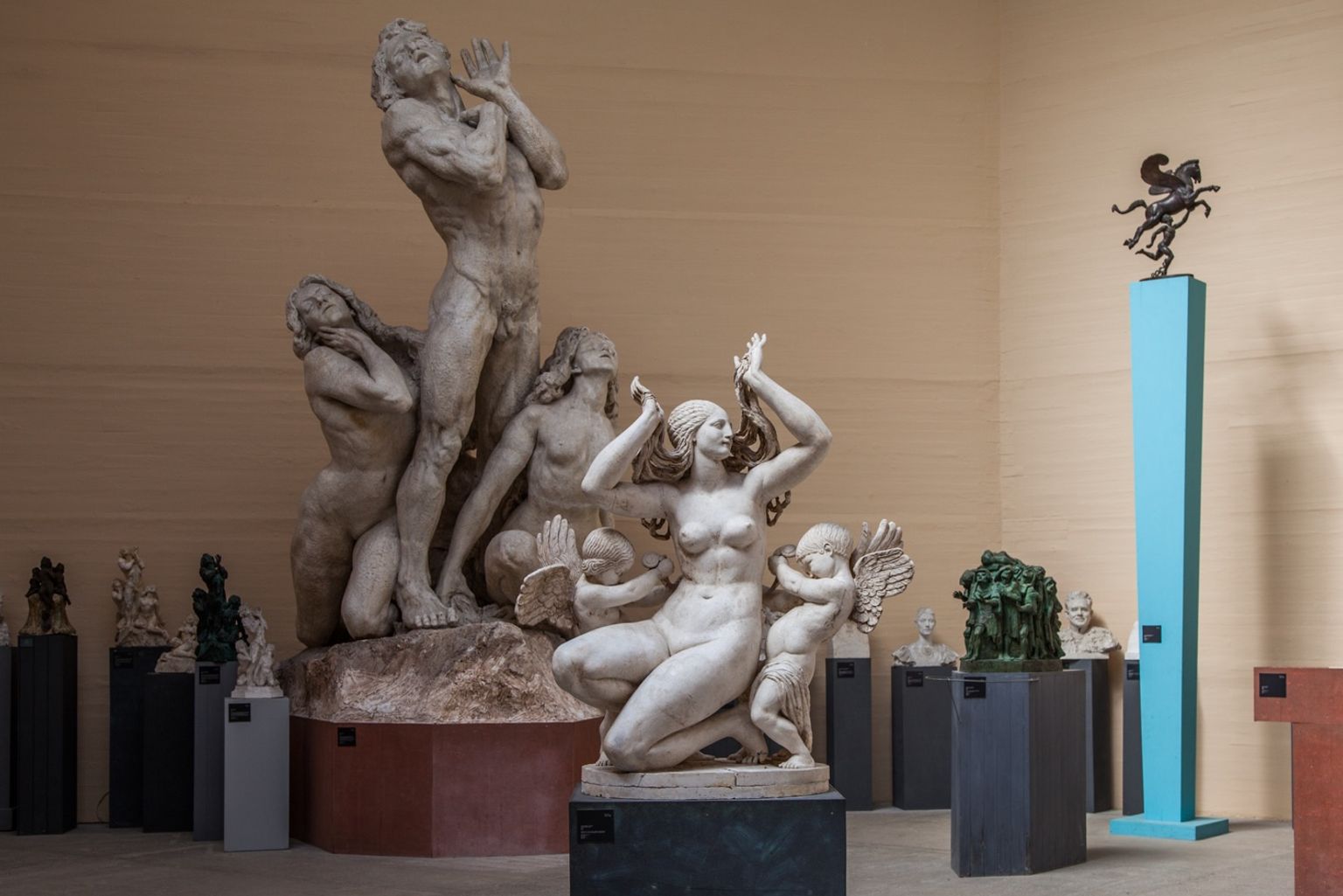

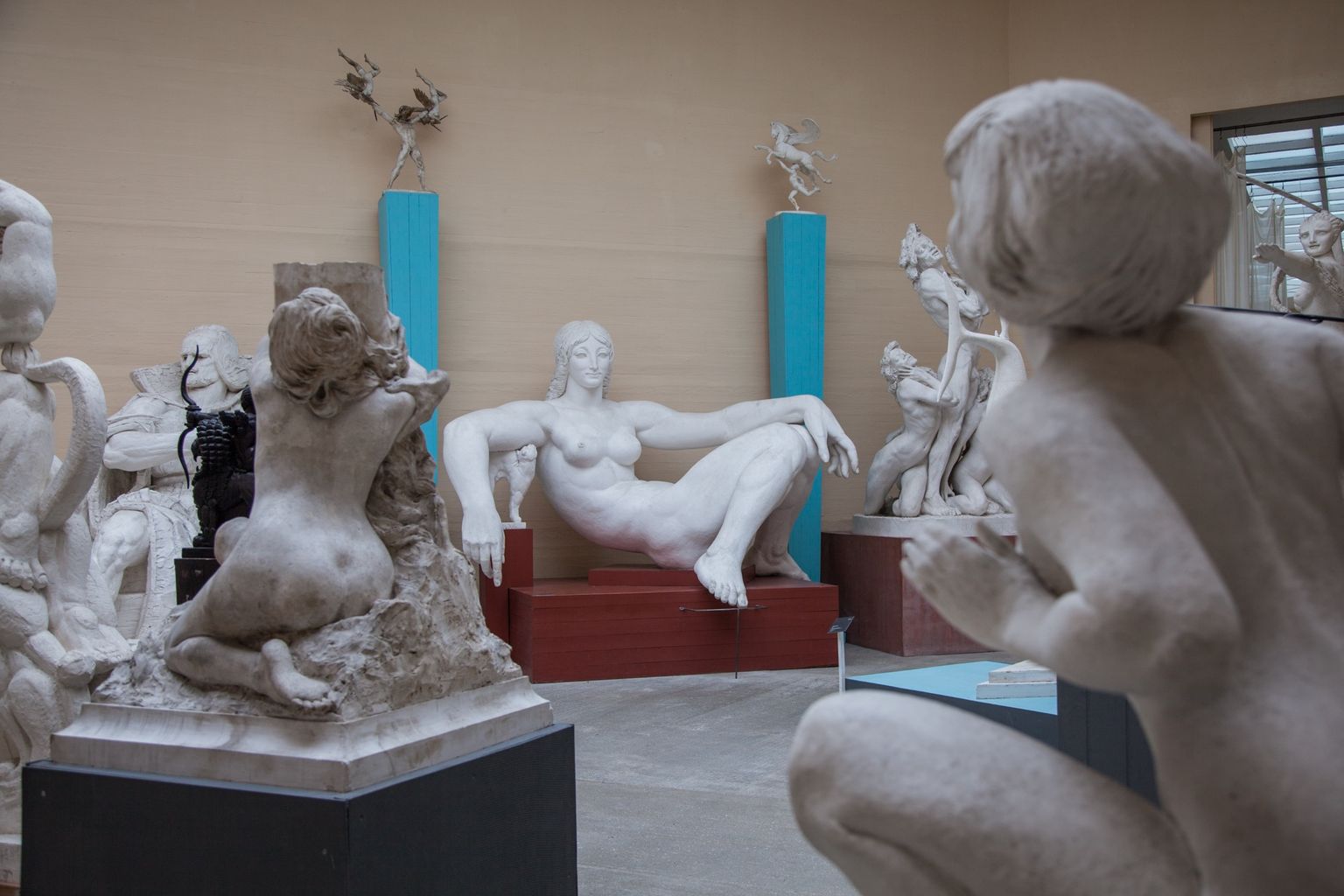

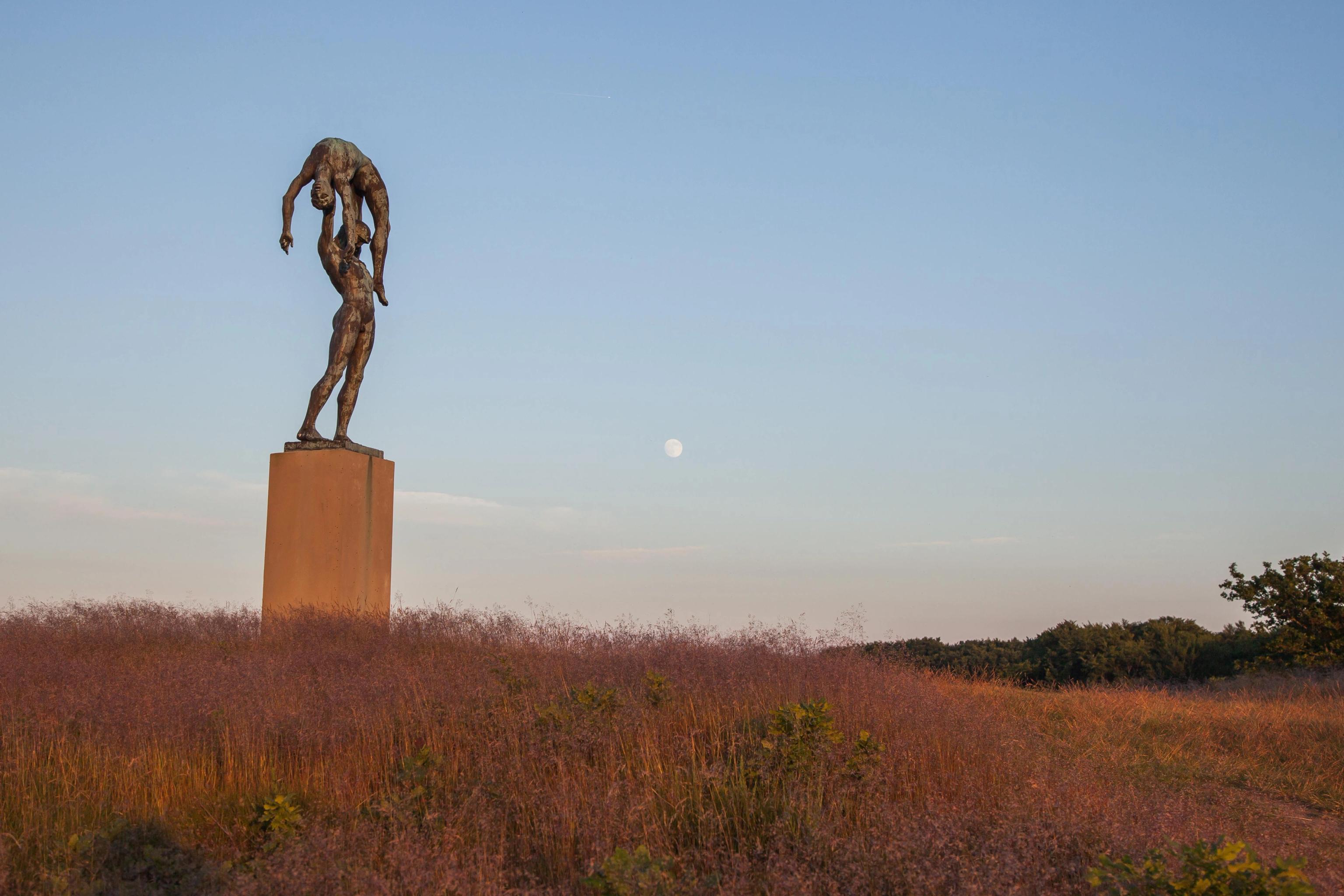
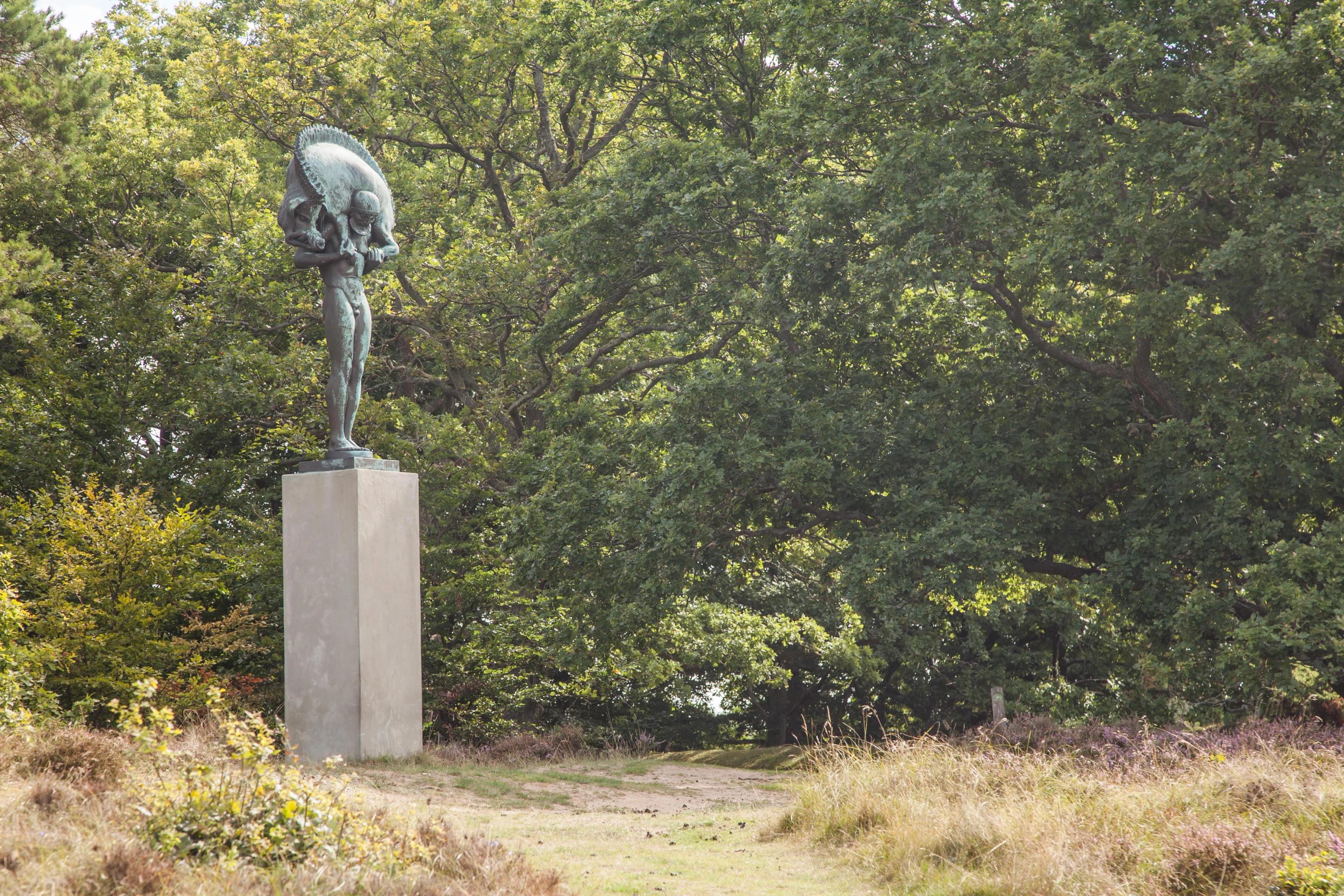
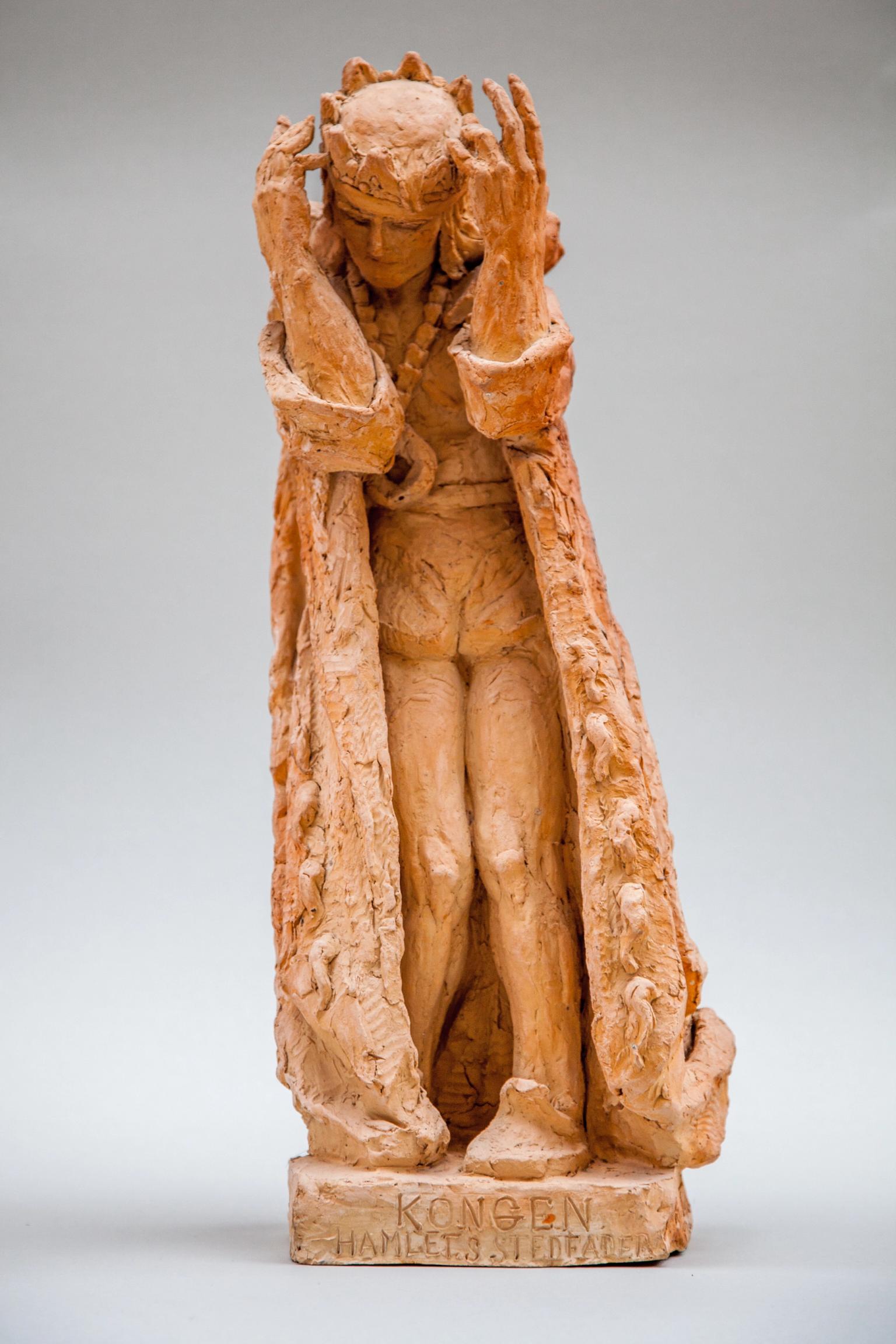
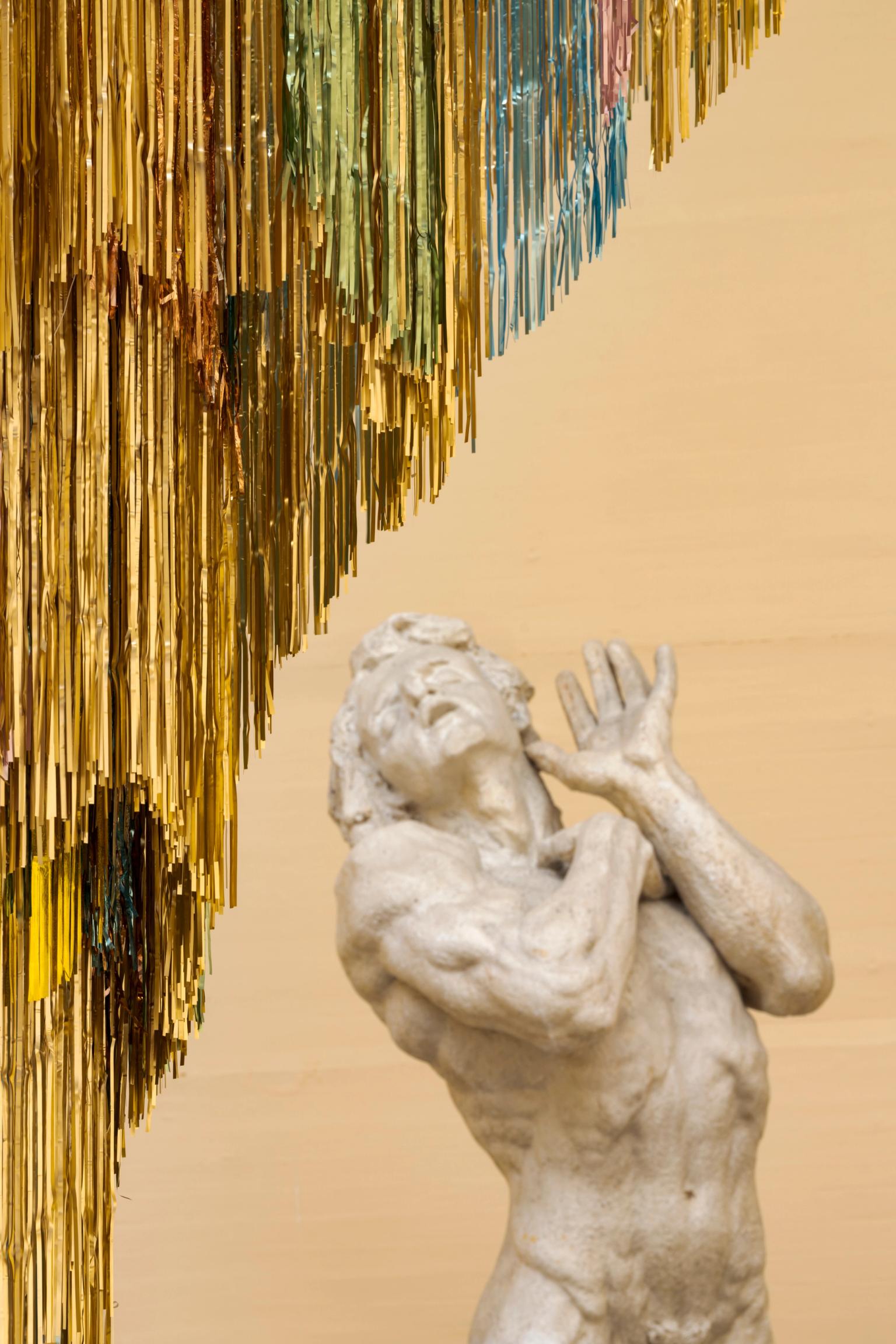
The museum houses over 300 of Tegner’s sculptures, ranging from early small clay models to monumental bronze and marble pieces, providing visitors with an immersive encounter with his evolving artistic language. Outside, 14 of his large bronze sculptures inhabit the heather-covered hills, interacting with the undulating terrain and sky to create a striking dialogue between art and nature.
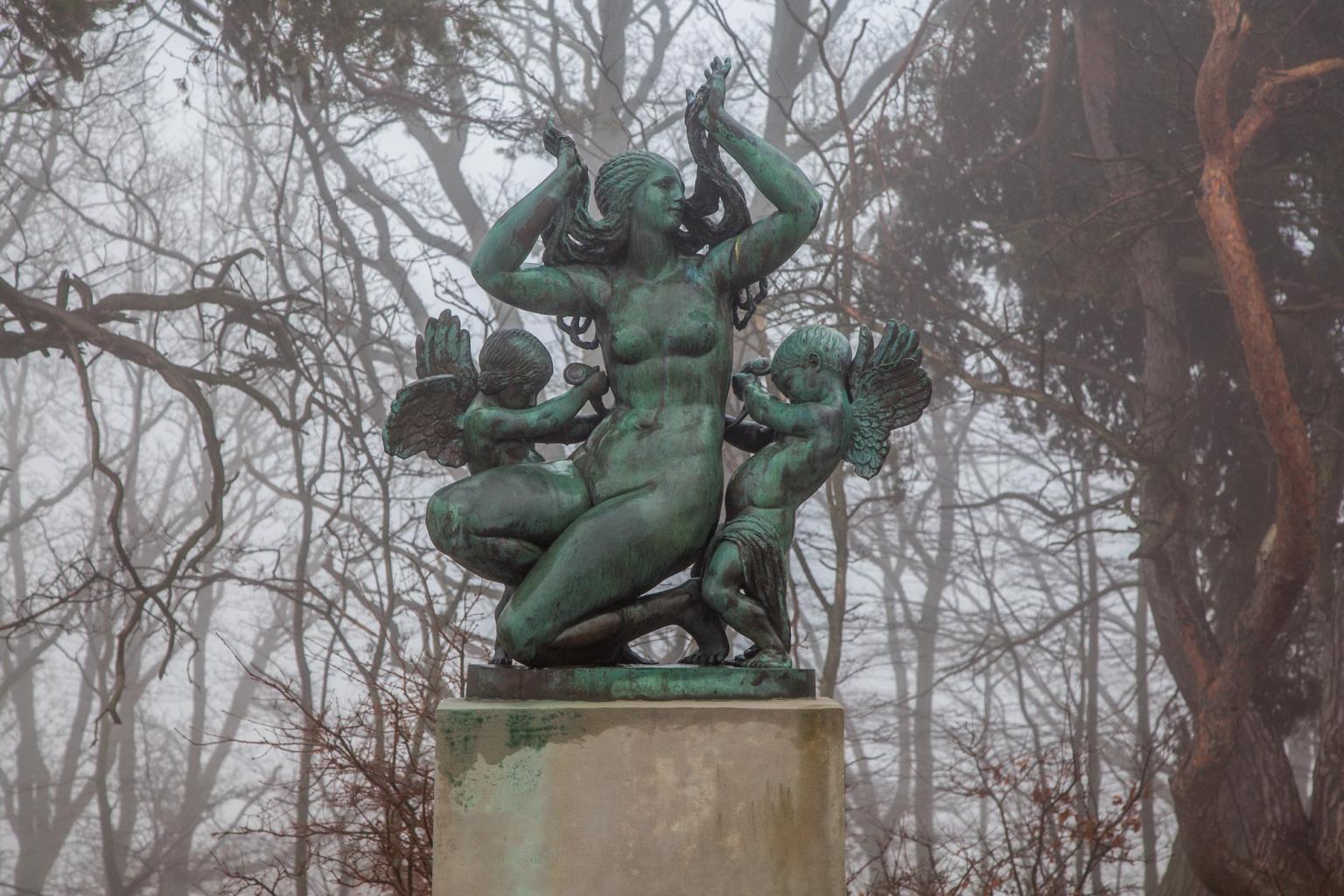


Sculpture in Motion: The Statue Park
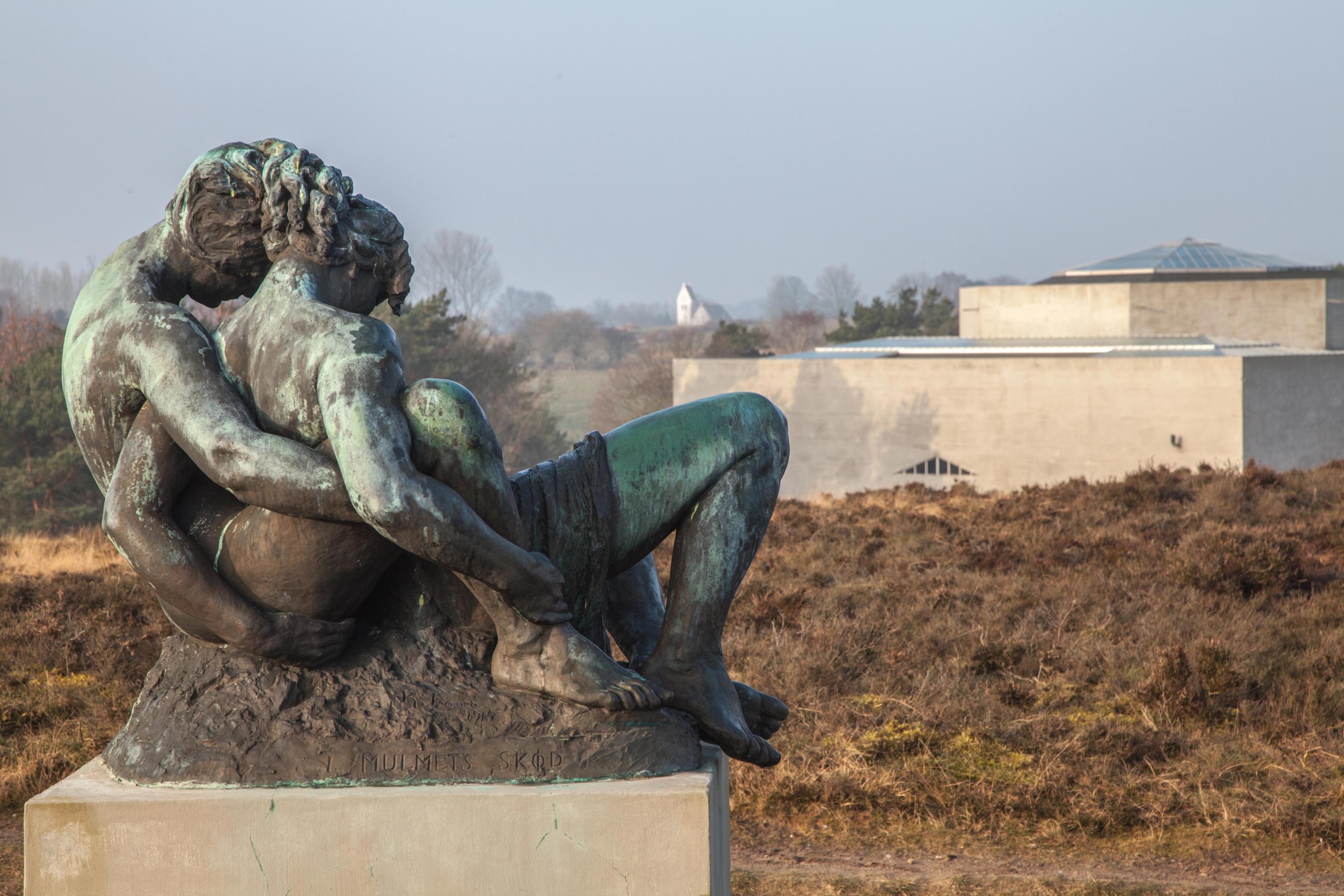
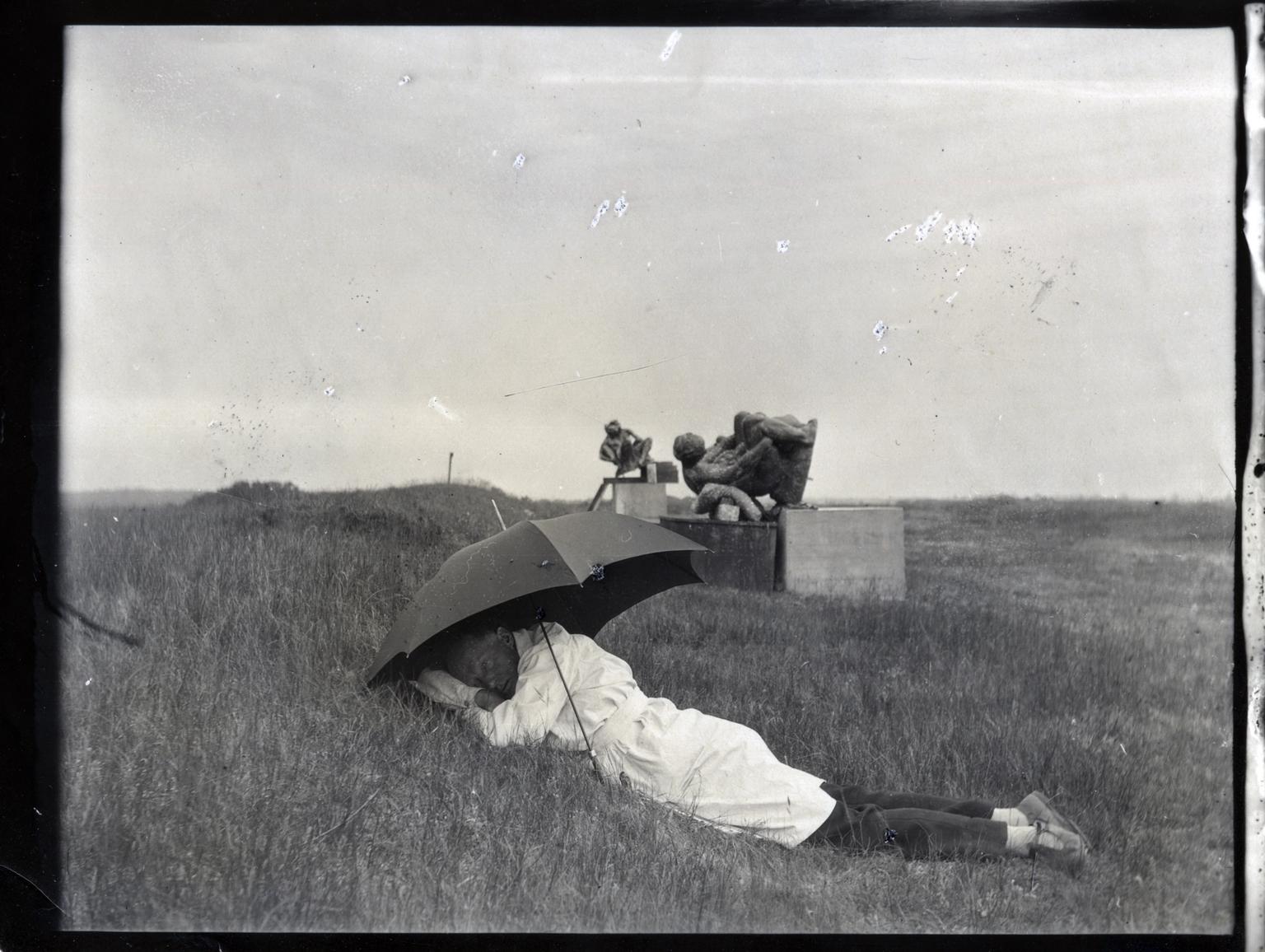
The sculpture park was born from Tegner’s own fascination with the landscape, which he and his wife, Elna, discovered in 1916. The open, windswept heath and juniper-covered hills became the setting for his monumental works, many originally intended for unrealized projects such as Livets Port (The Gate of Life).


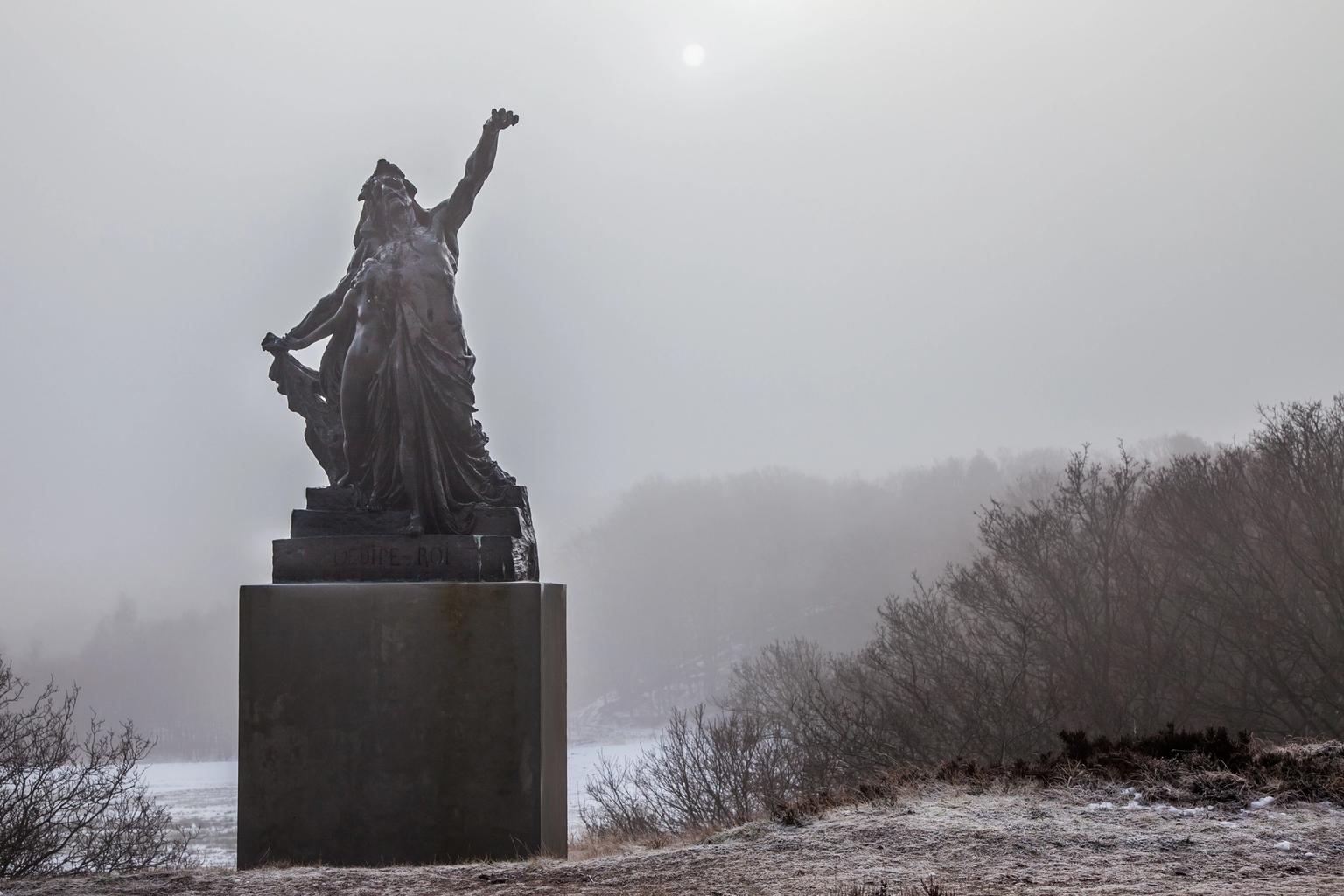
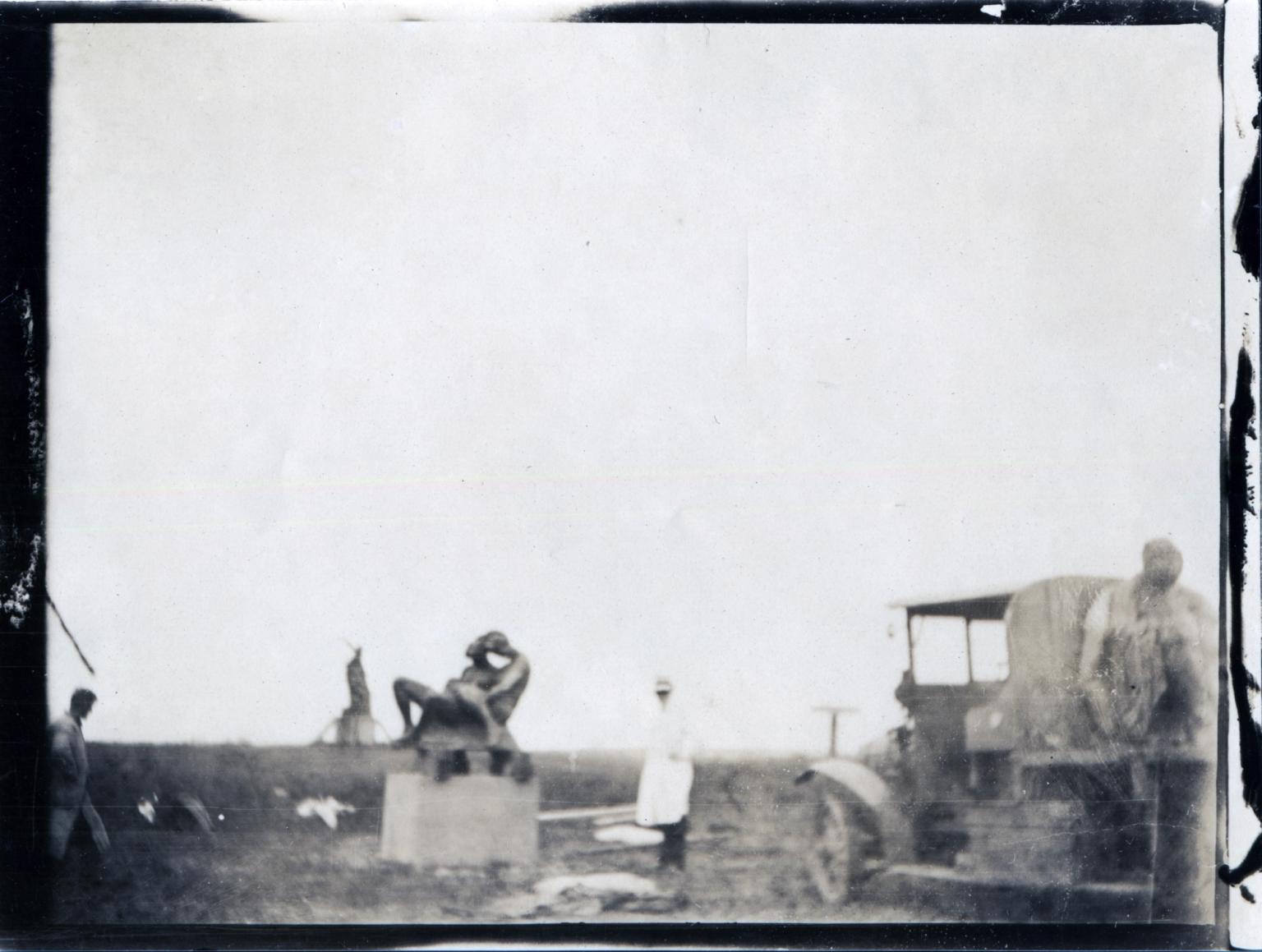
Sculptures like King Oedipus and Antigone (1903) and Sejren (1925) reach dramatically into space, their forms both expressive and vital, capturing dynamic moments of struggle, triumph, and human emotion. The placement of each piece in the natural landscape allows the contours of the land to frame the figures, creating a shifting experience with the seasons. The park remains publicly accessible year-round, offering a contemplative yet visually charged environment where visitors can experience art integrated into nature.

A Bold Visionary: Rudolph Tegner
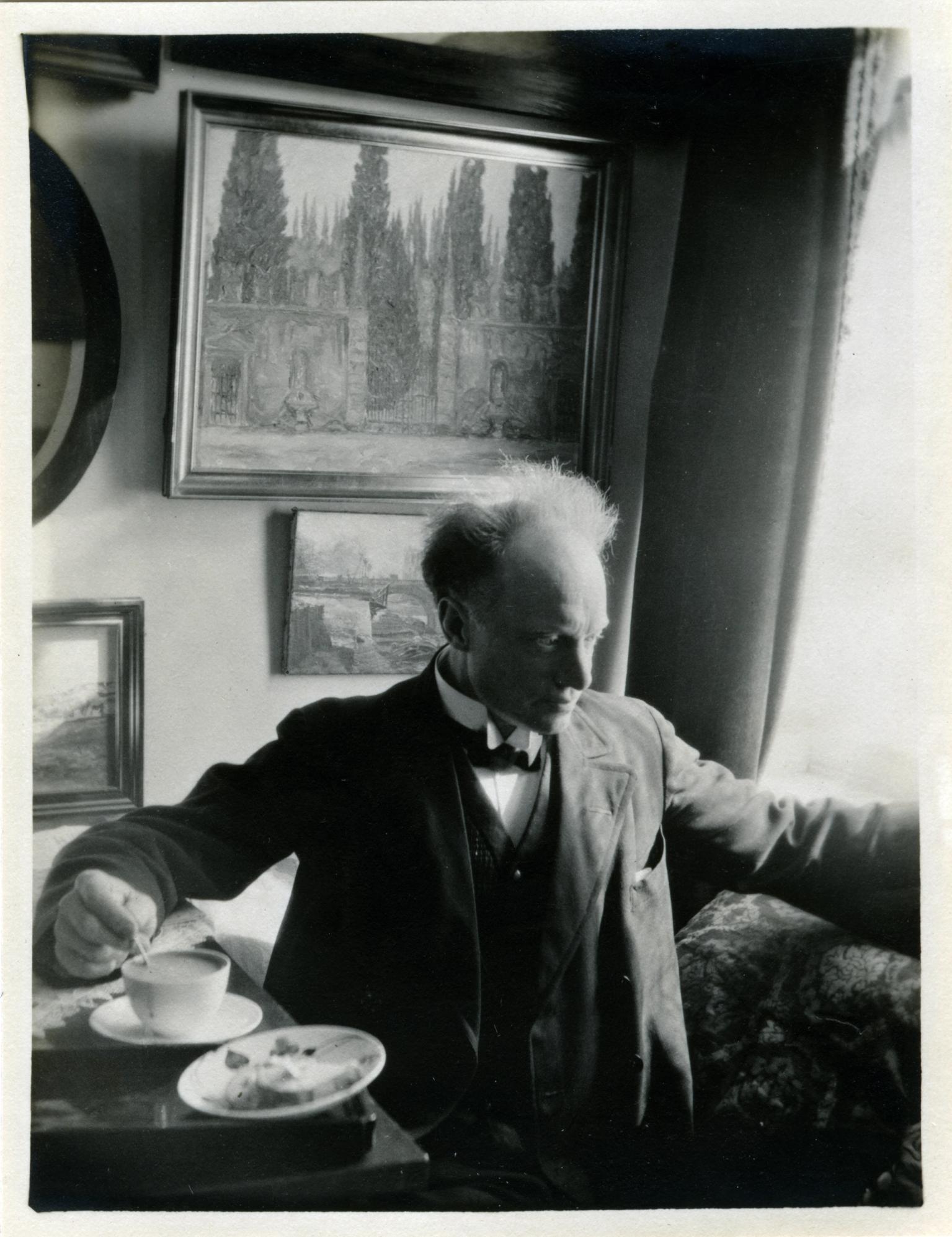
Rudolph Tegner (1873–1950) was a Danish sculptor whose work defied the restrained neo-classicism of his time, drawing on influences from Auguste Rodin, Michelangelo, and the Symbolist movement. Trained at the Royal Danish Academy of Fine Arts, he spent formative years in Italy, Greece, and Paris, developing a style that combined Art Nouveau’s elegance with a raw, erotic realism. His sculptures are characterized by monumental scale, theatrical gestures, and a vitality that often provoked his contemporaries. He was deeply influenced by Friedrich Nietzsche and the writings of Georg Brandes, exploring human struggle, heroism, and existential themes through exaggerated, expressive forms.

Controversy and Recognition
Tegner’s bold aesthetic was not without its detractors. In Denmark, the size and intensity of his works sparked debate, particularly when contrasted with the restrained classicism of Bertel Thorvaldsen. Monuments such as Towards the Light (Mod Lyset) challenged public sensibilities with their stark nudity and dynamic compositions. Despite limited recognition at home, Tegner found international acclaim, particularly in France, where he received a gold medal at the 1933 Paris Salon for Heracles and the Hydra. His uncompromising approach, both in the expressive power of his sculptures and the design of his museum, ensured a lasting legacy that continues to intrigue and inspire.


A Singular Legacy
Today, Rudolph Tegners Museum and Statue Park offers a rare, holistic experience of a single artist’s universe. The interplay of bold concrete architecture, expansive natural landscape, and monumental sculptures allows visitors to engage with Tegner’s work as a total environment. Seasonal changes, light, and shadow transform both museum and park, emphasizing the temporal and enduring qualities of his art. Tegner himself, alongside his wife Elna, is buried on site, completing the intimate connection between life, death, and artistic creation. With ongoing exhibitions and educational programs, the museum remains a vibrant space for both reflection and discovery, celebrating one of Denmark’s most provocative and visionary sculptors.