
Thomas Ruff
Porträts
- PhotographerThomas Ruff
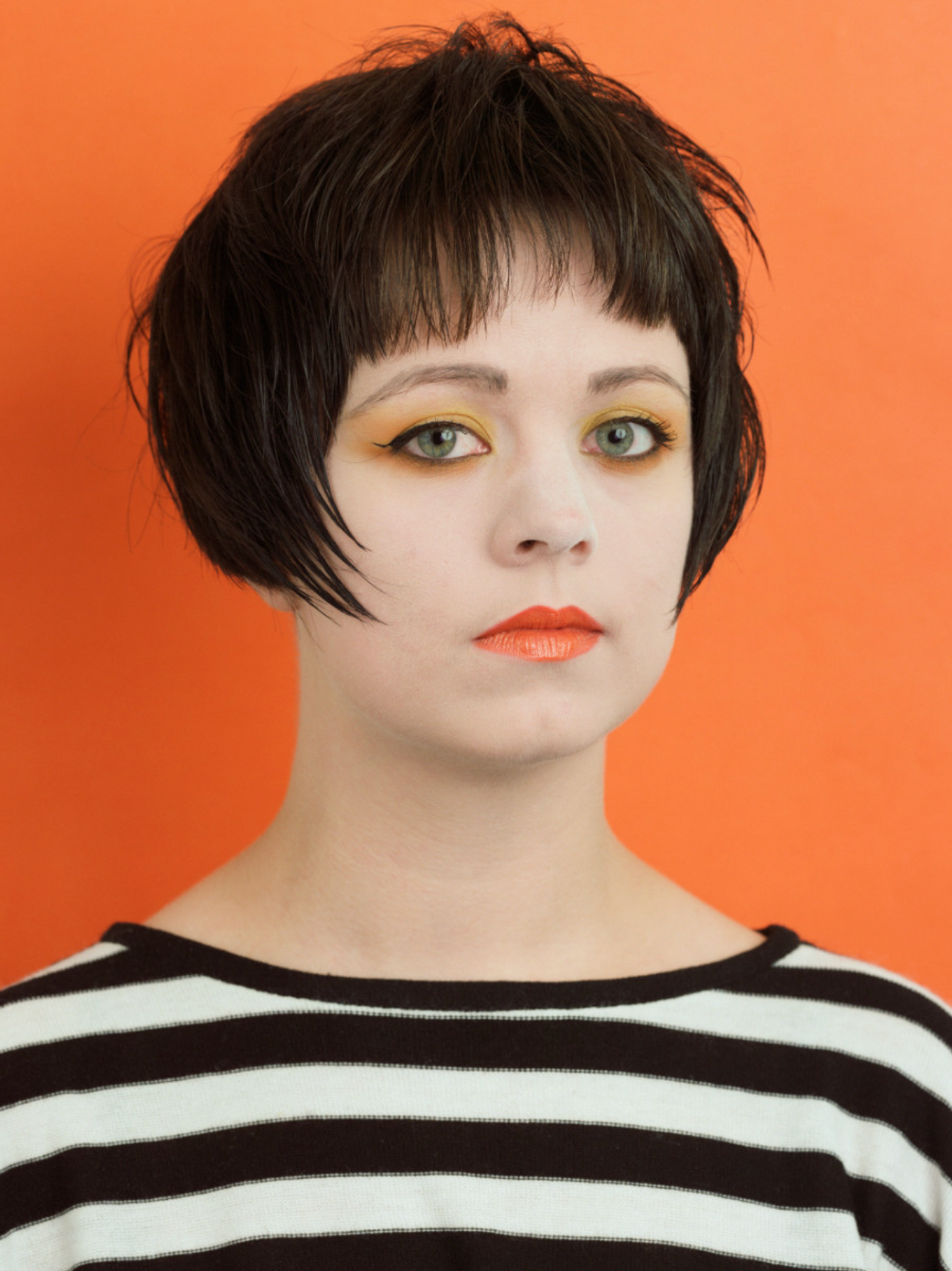
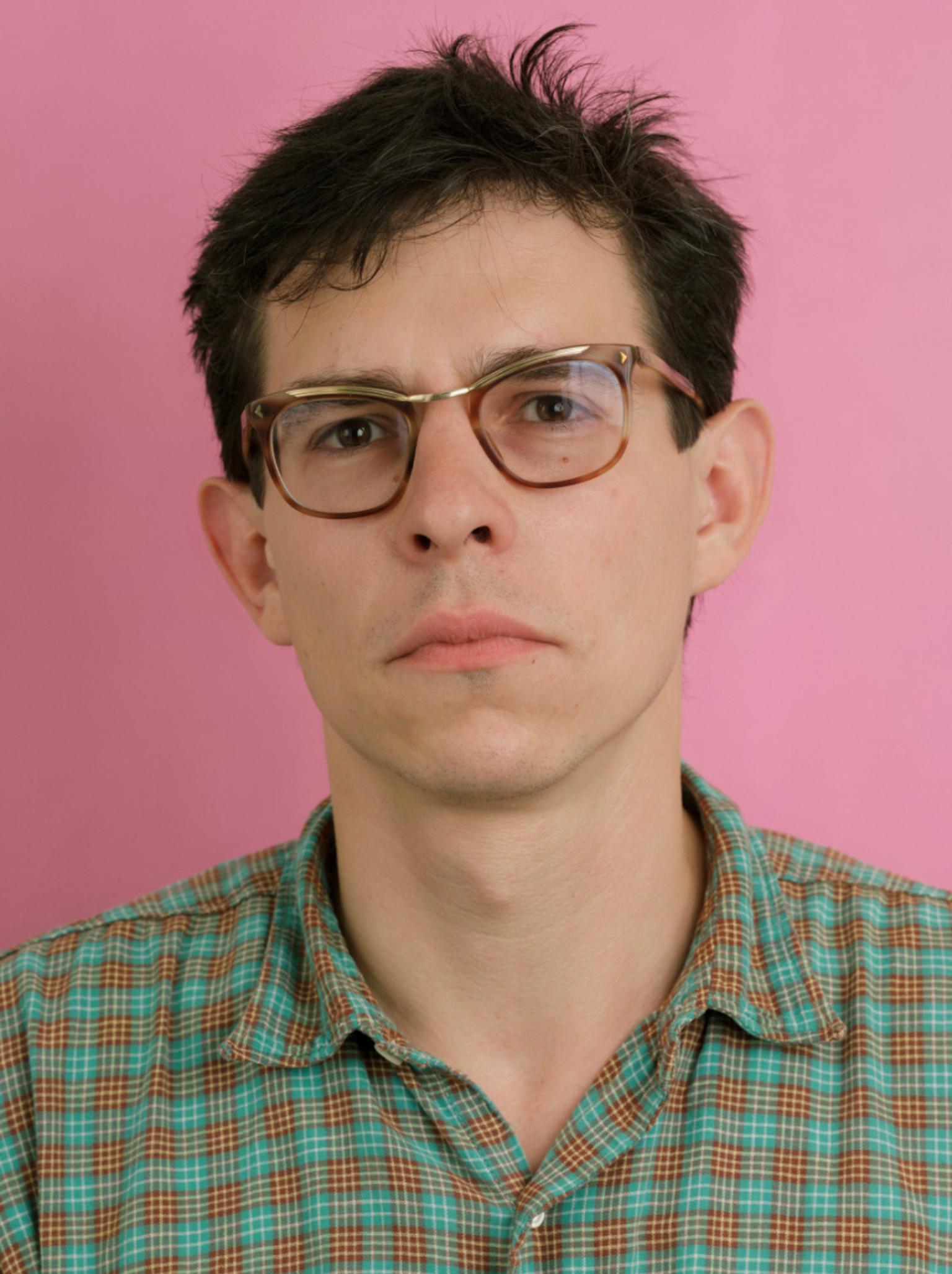
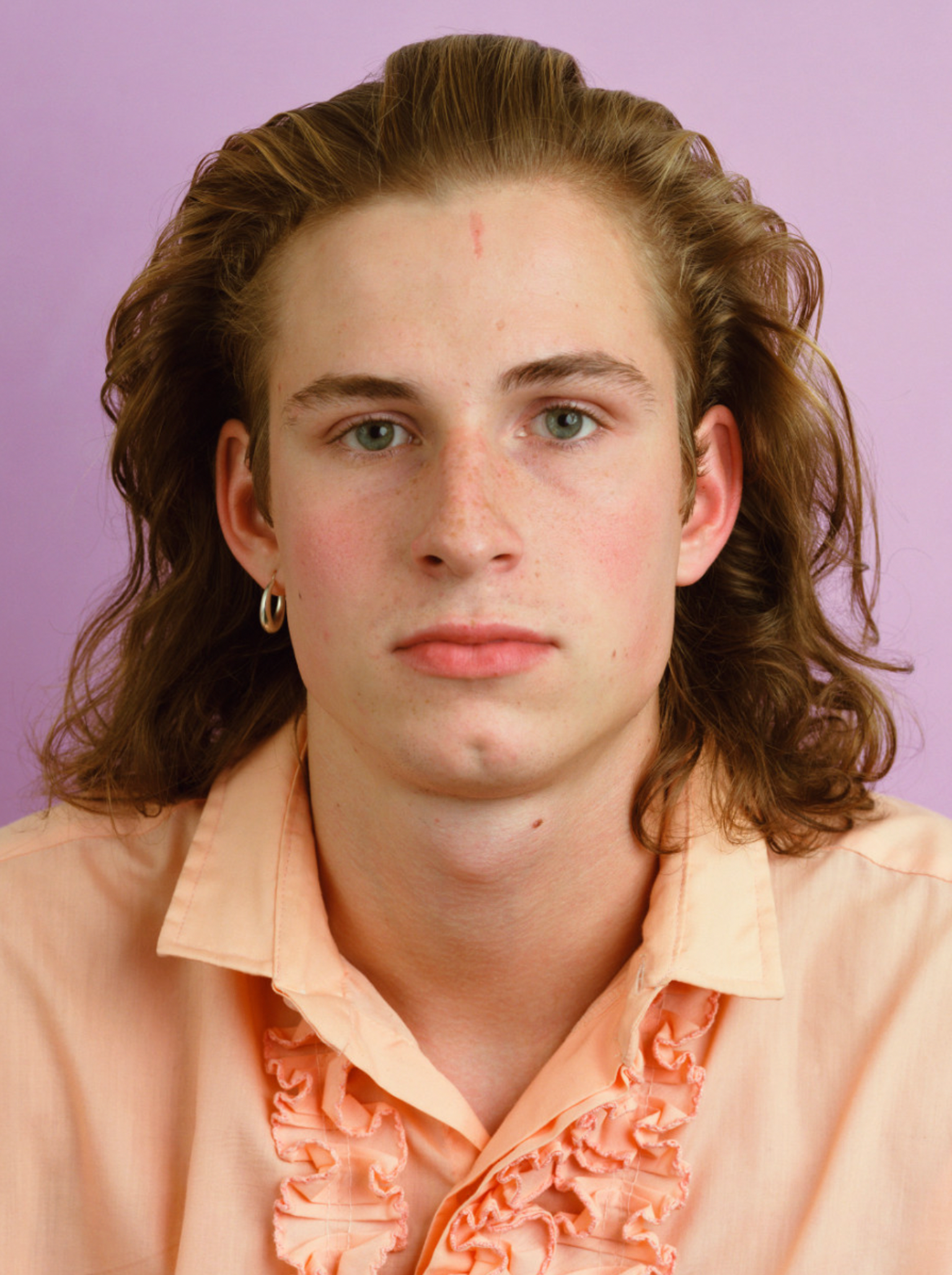
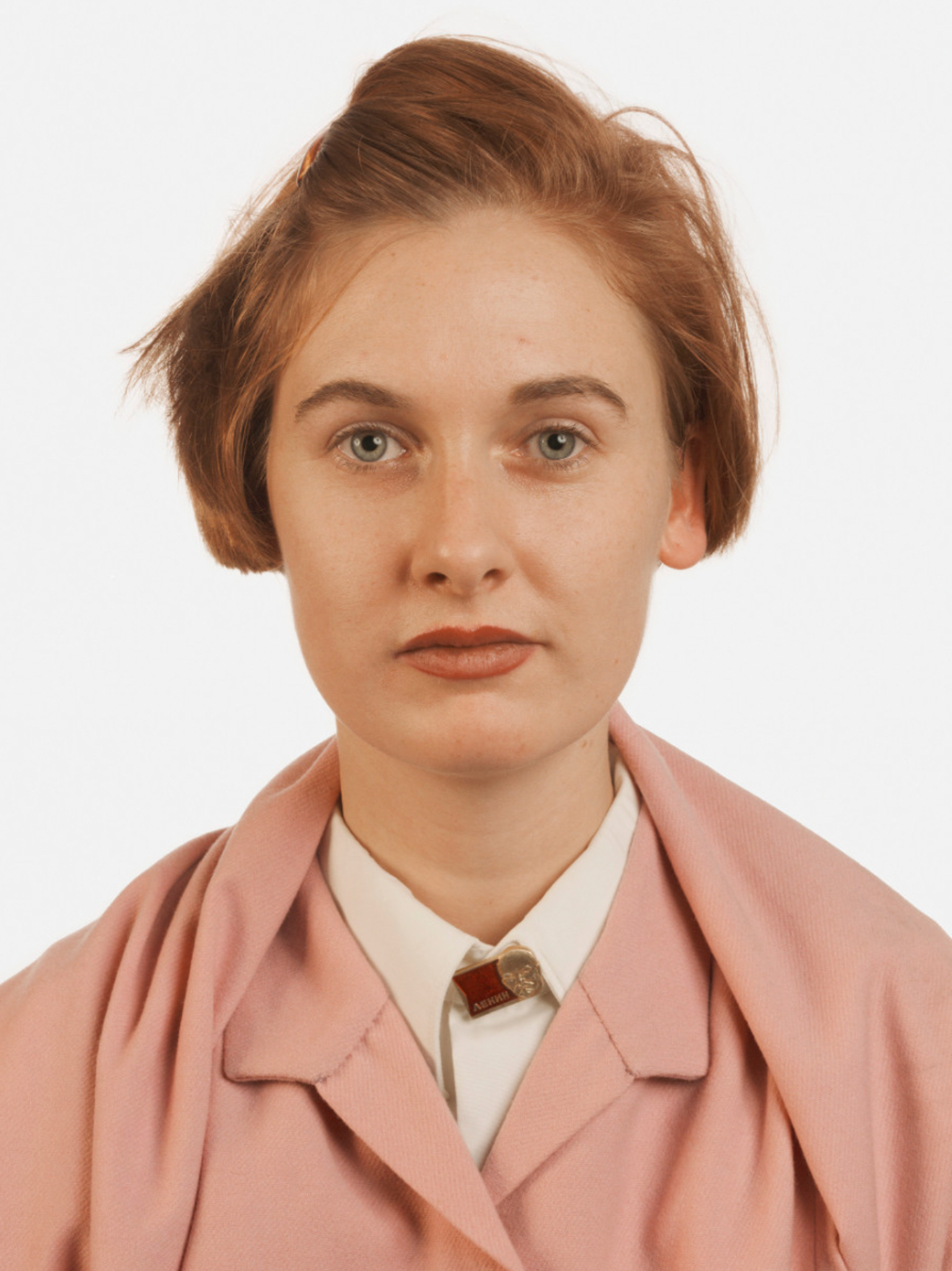
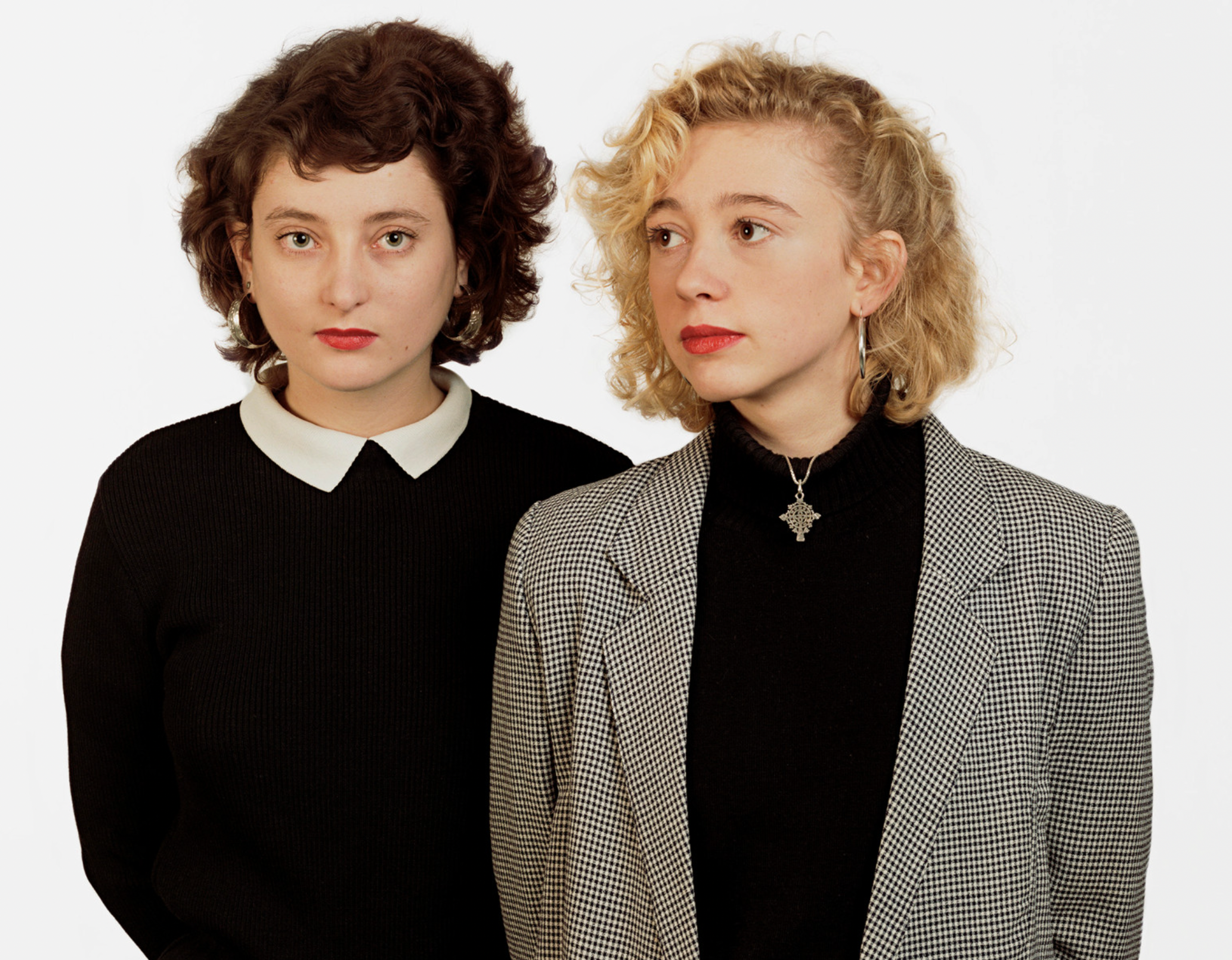
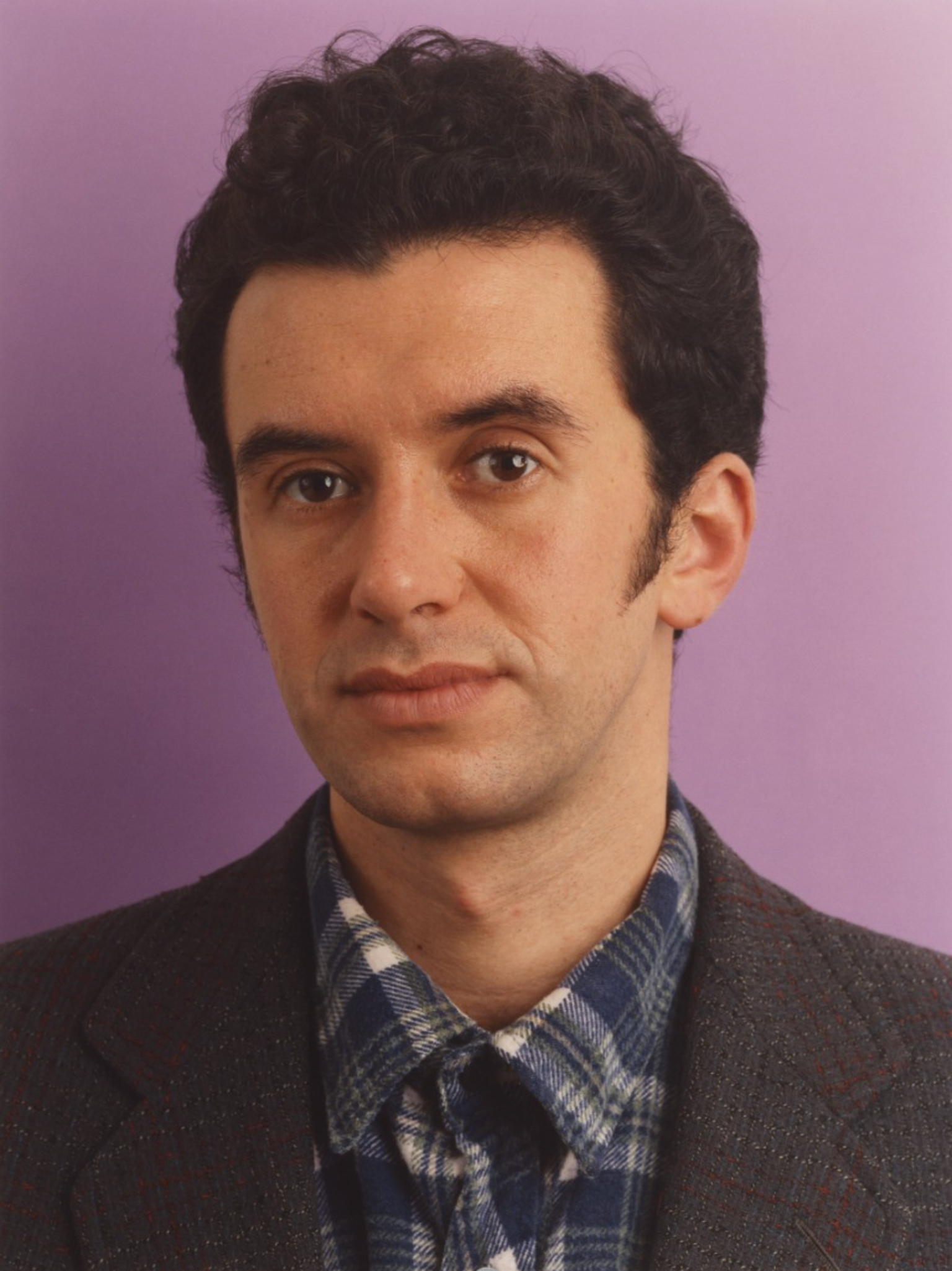
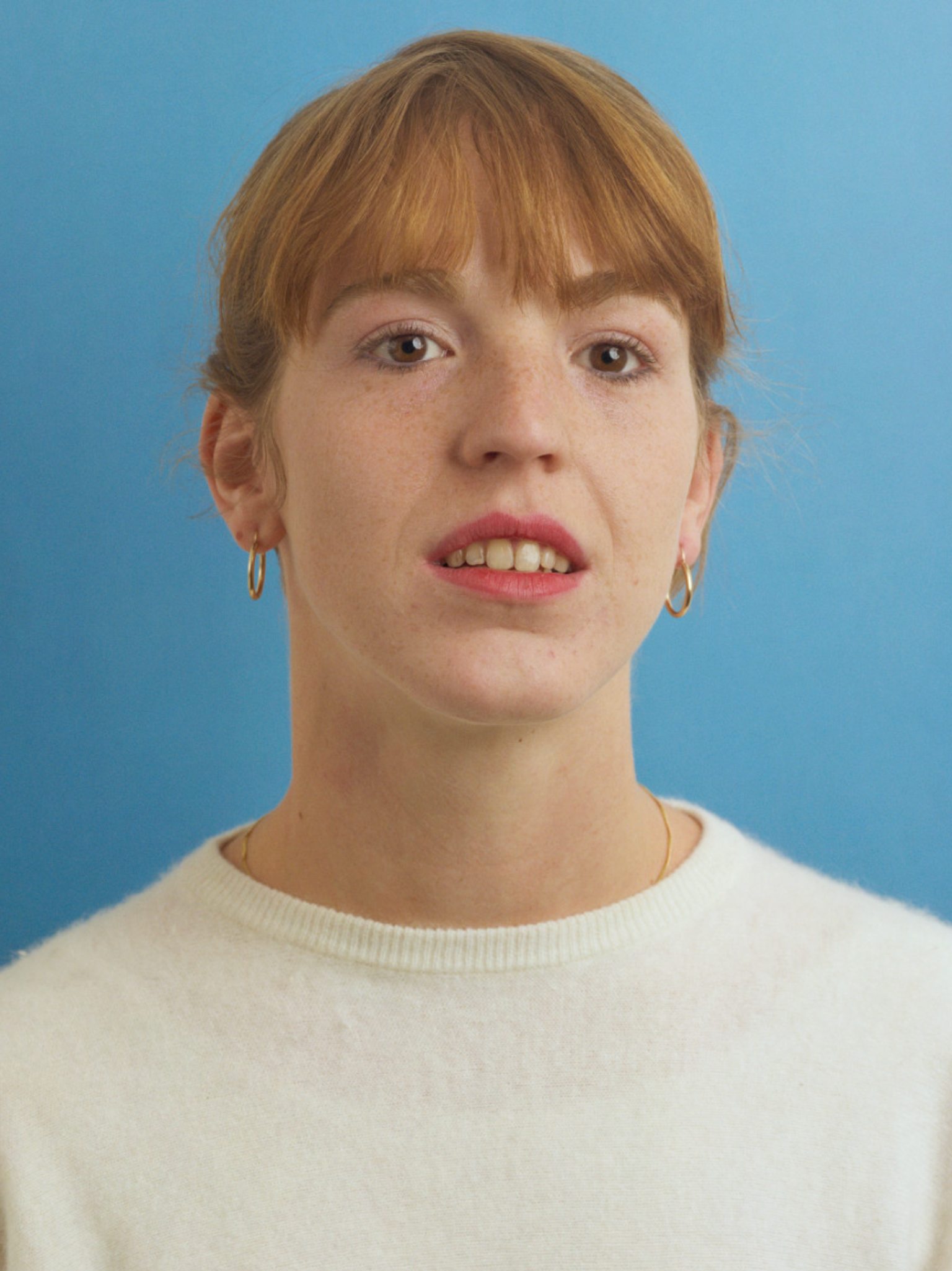
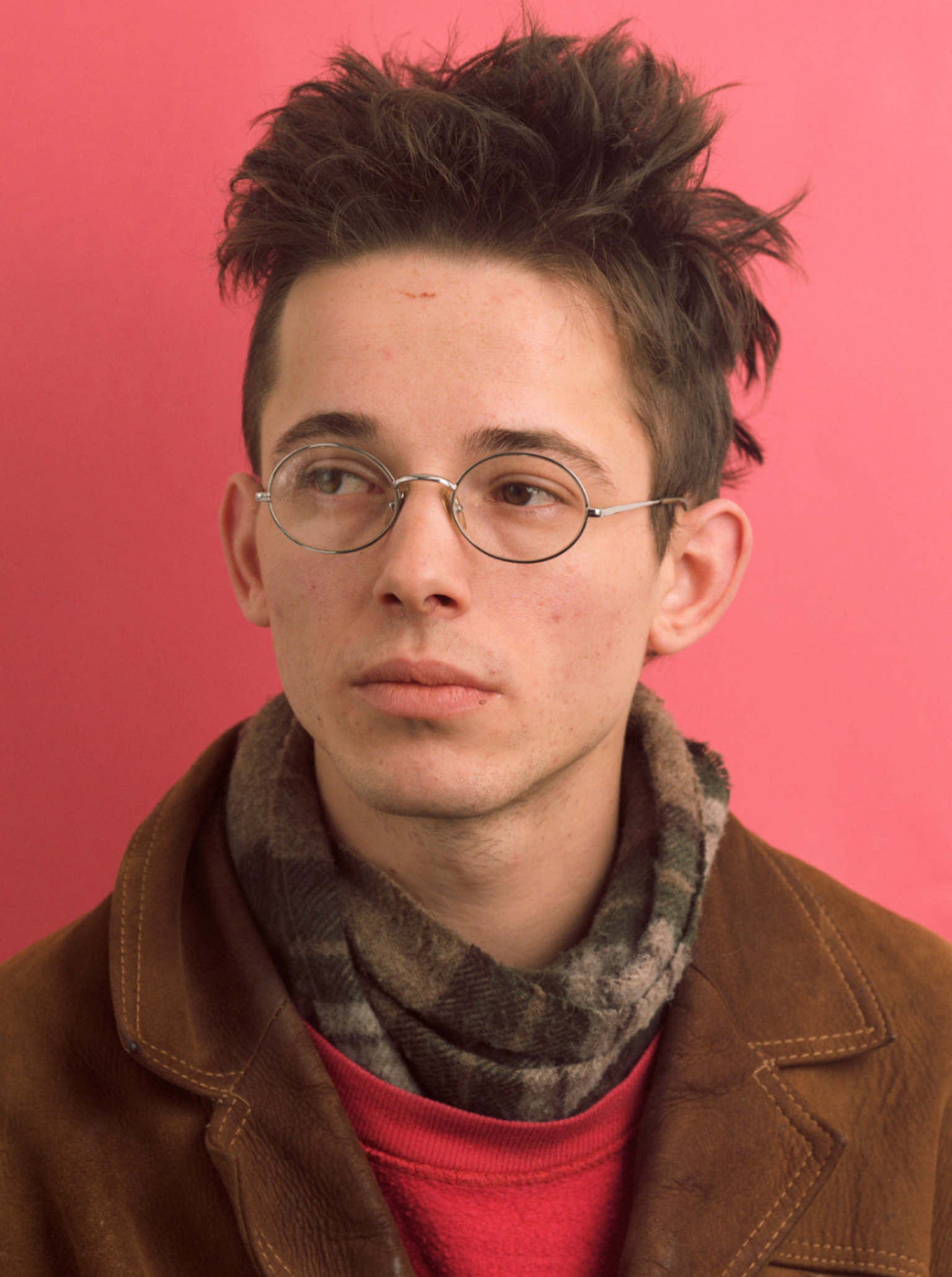
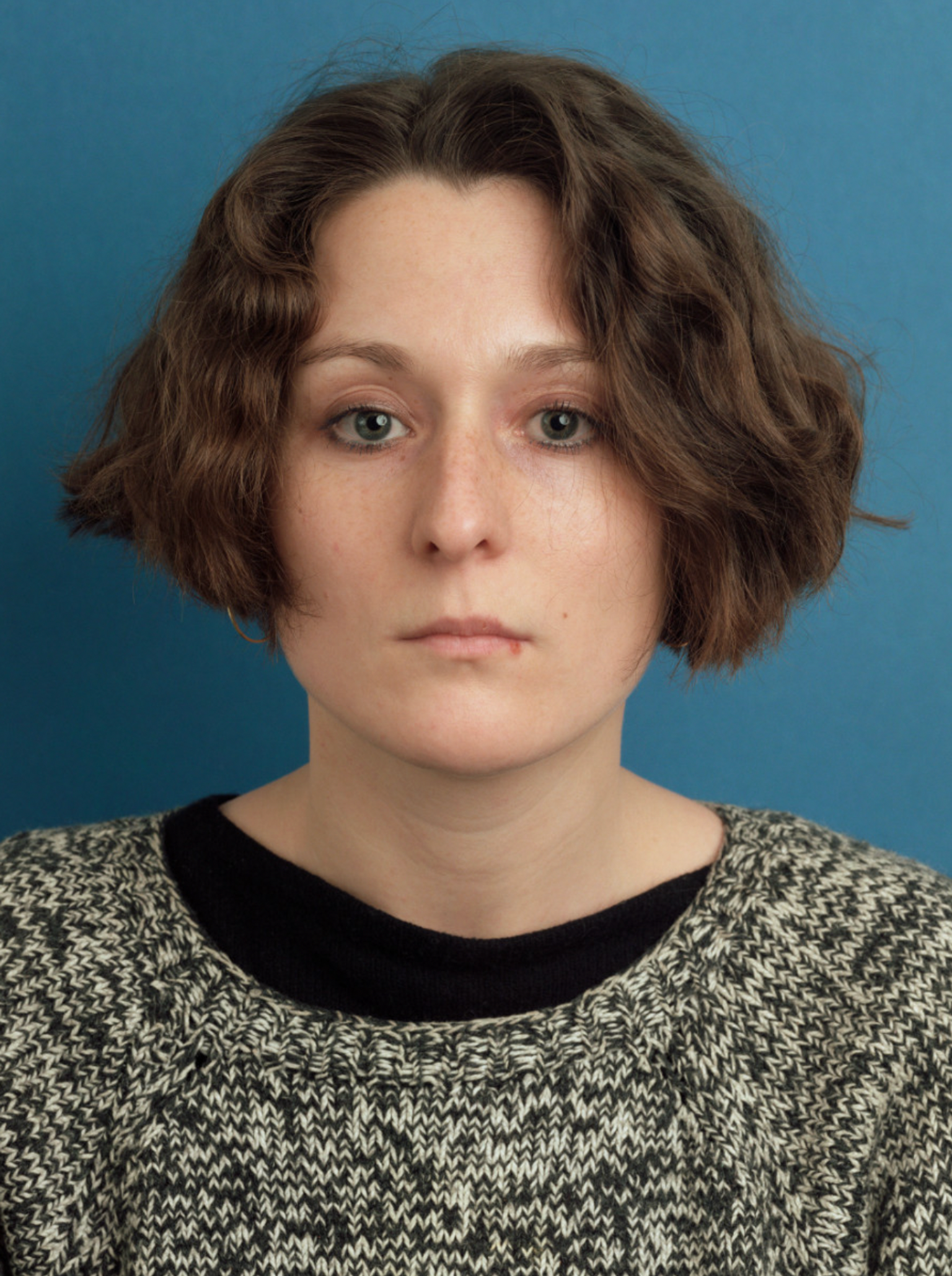
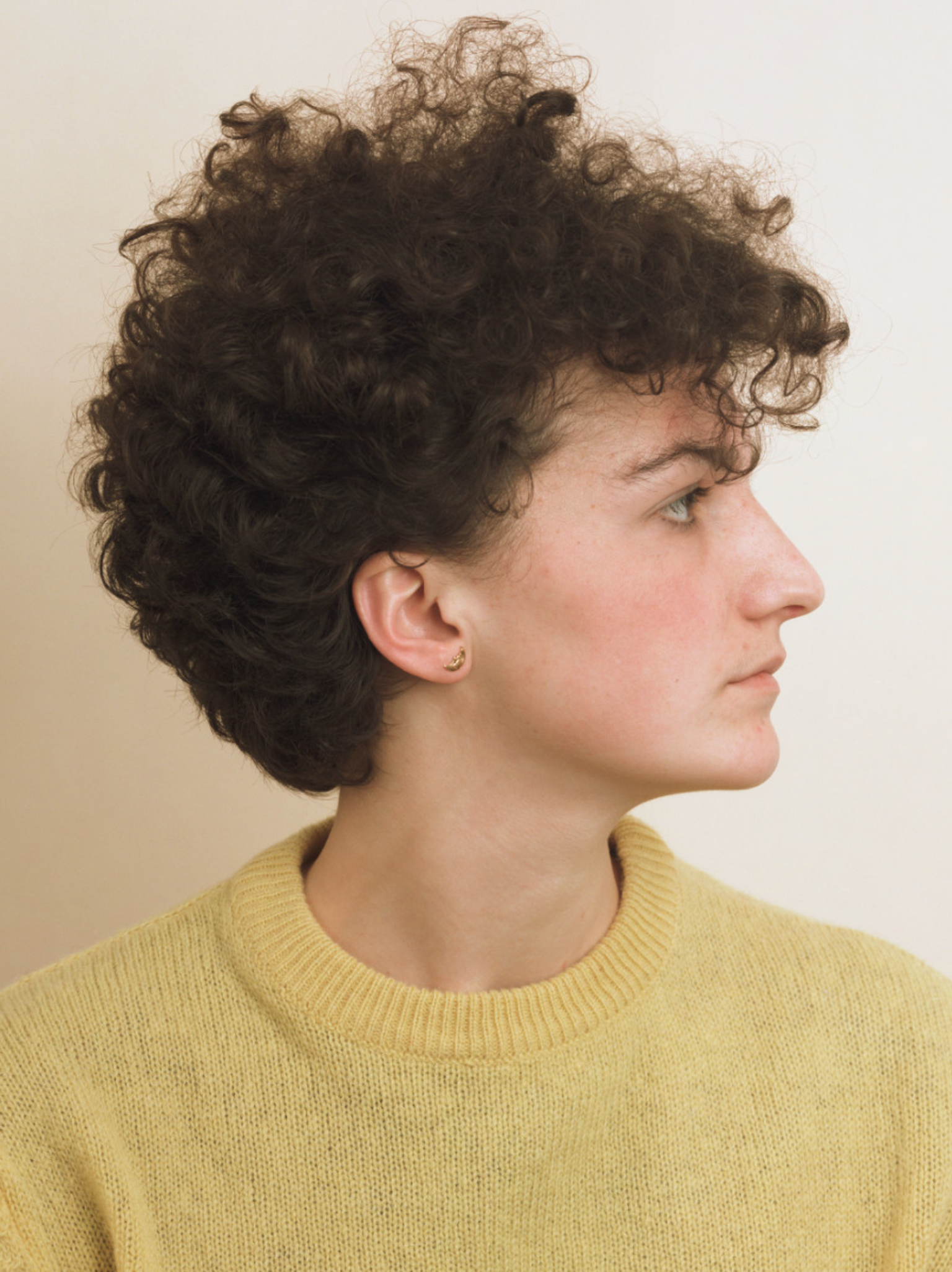
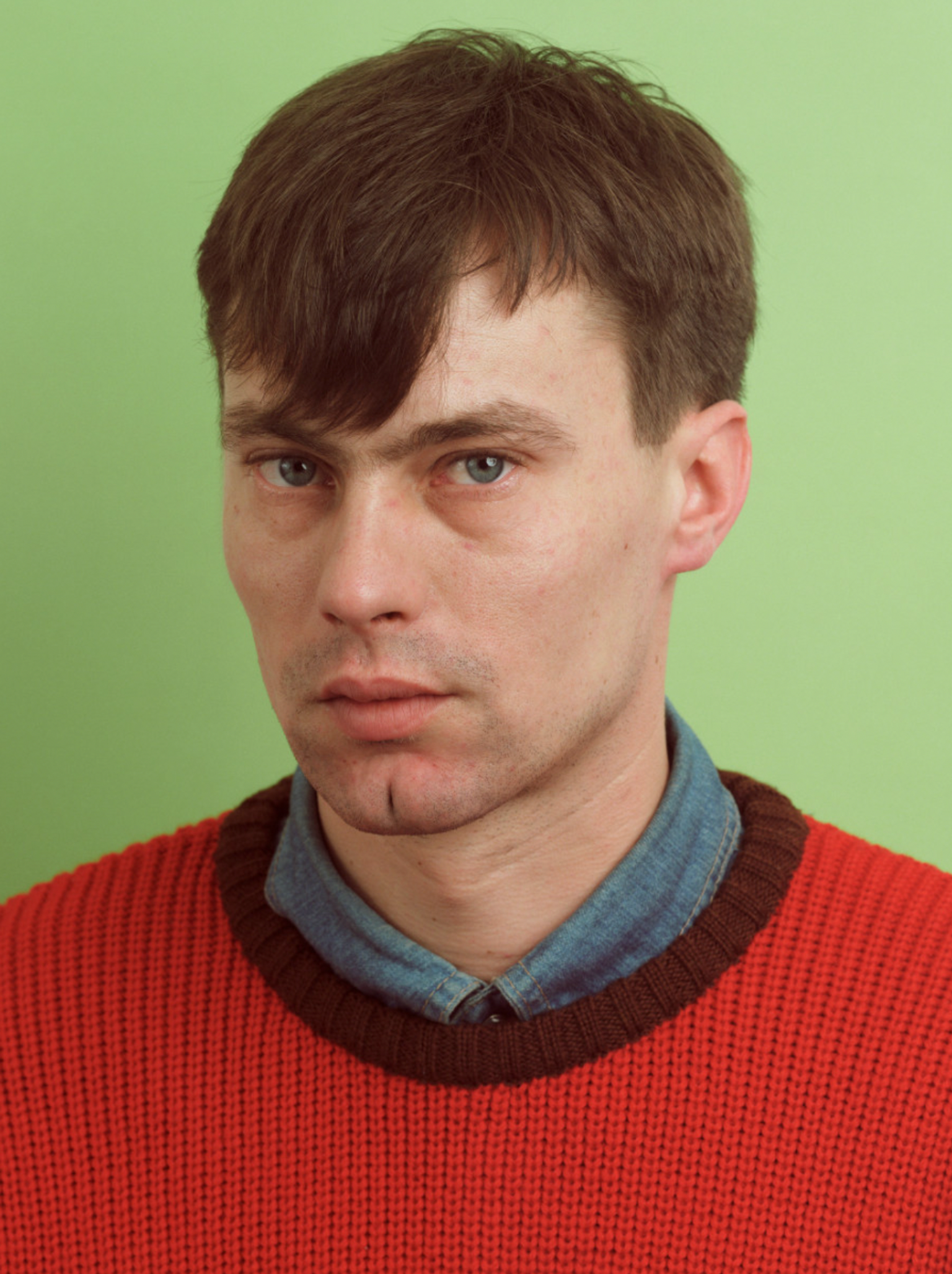
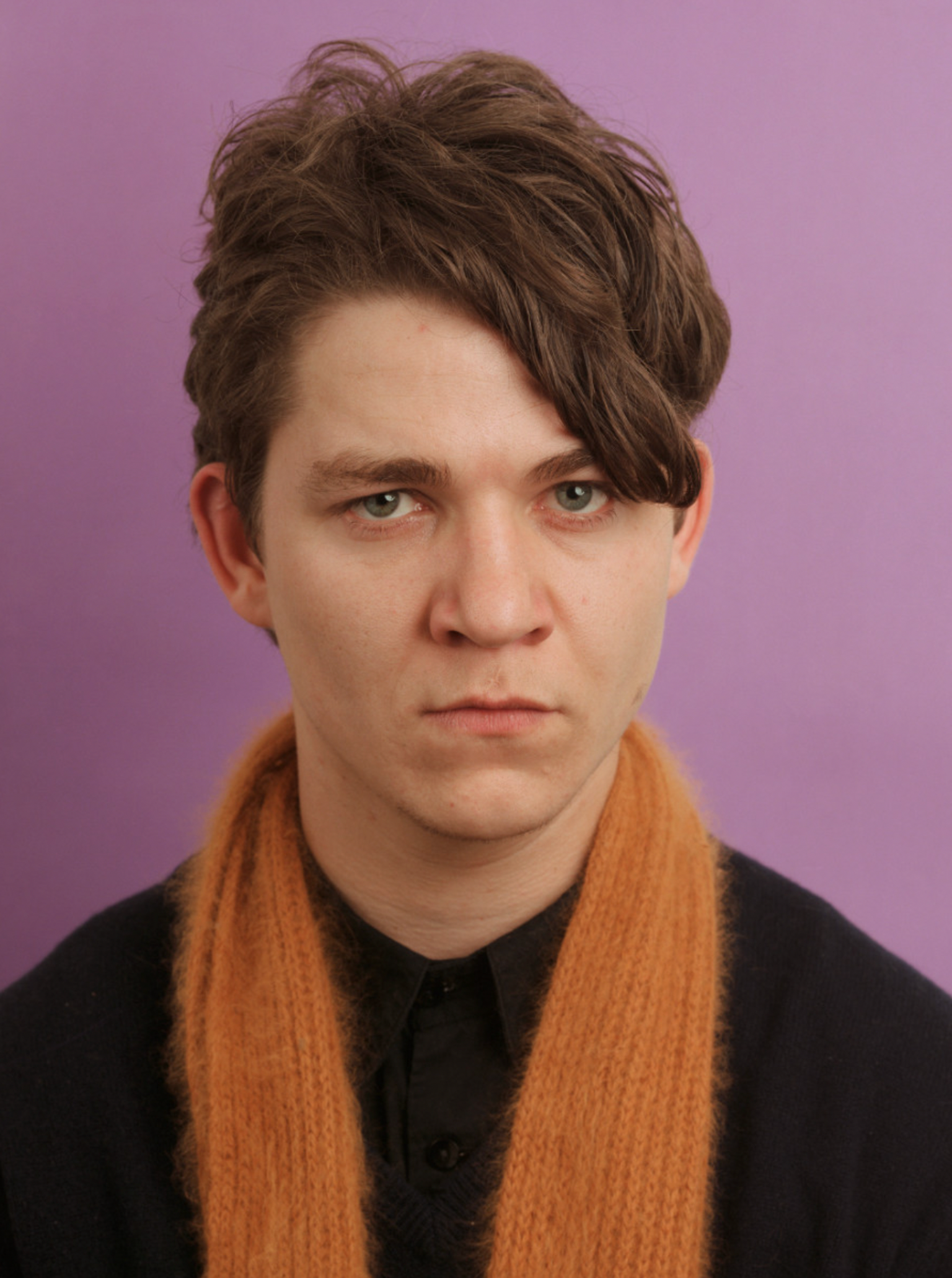
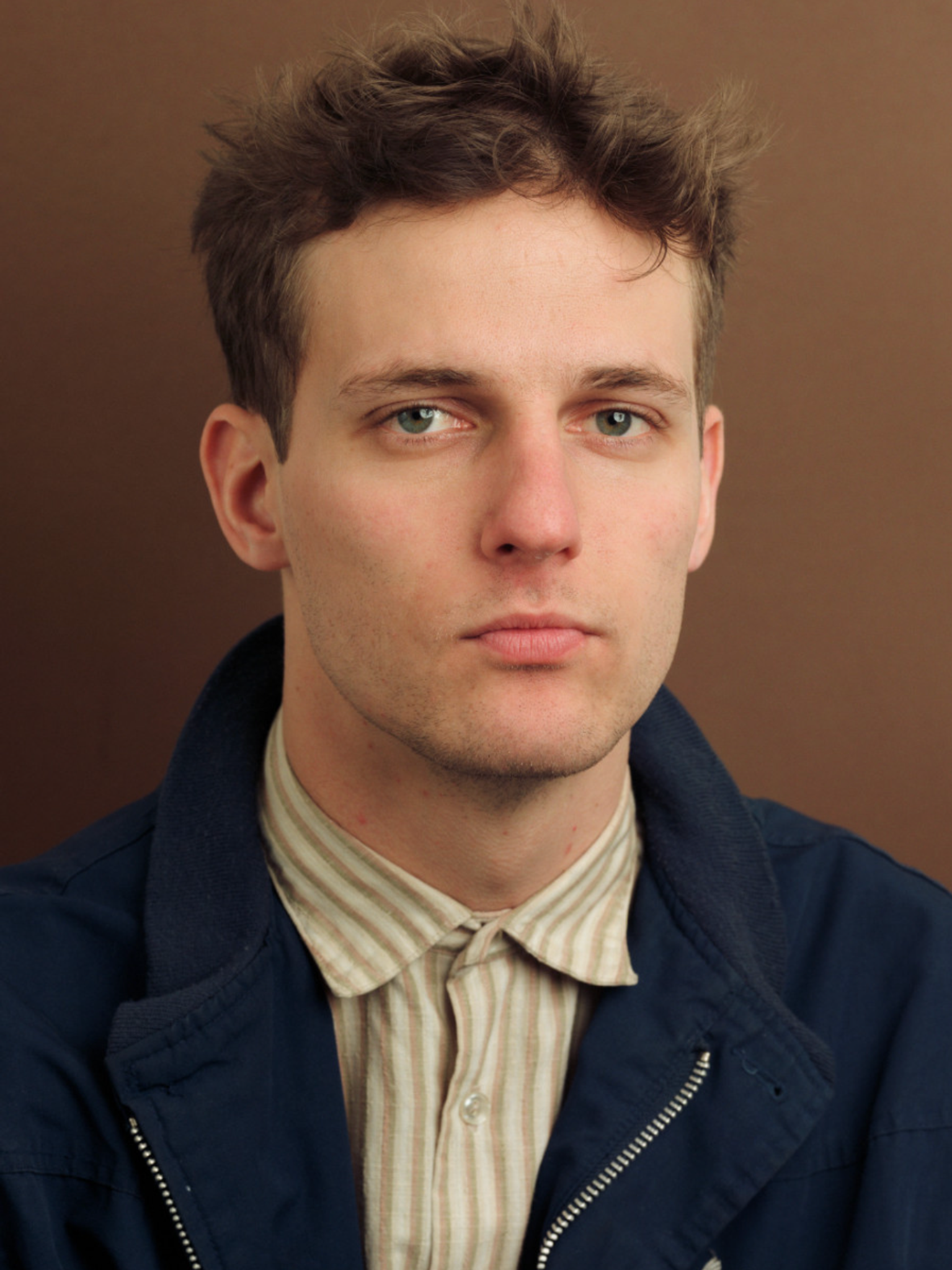
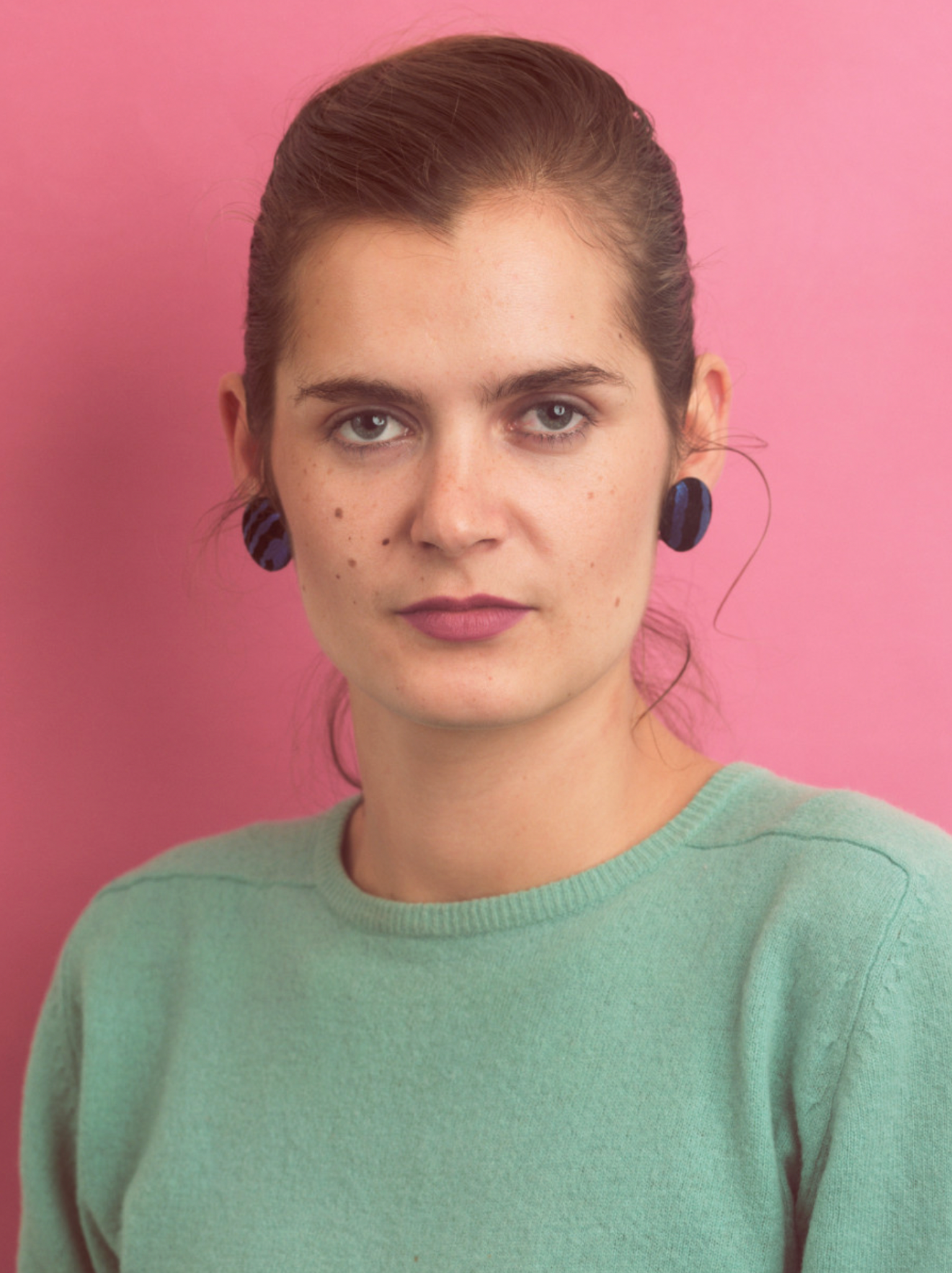
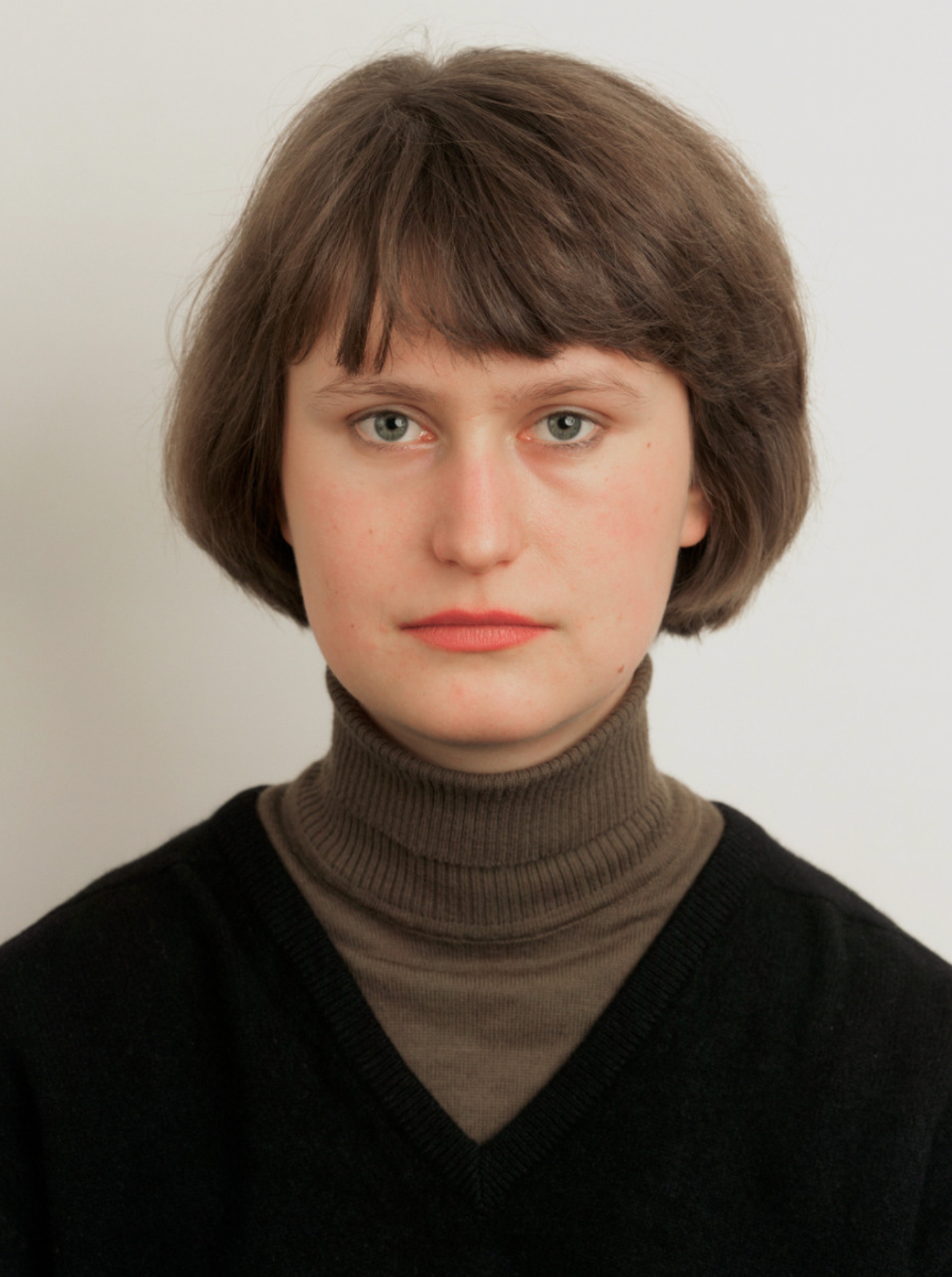
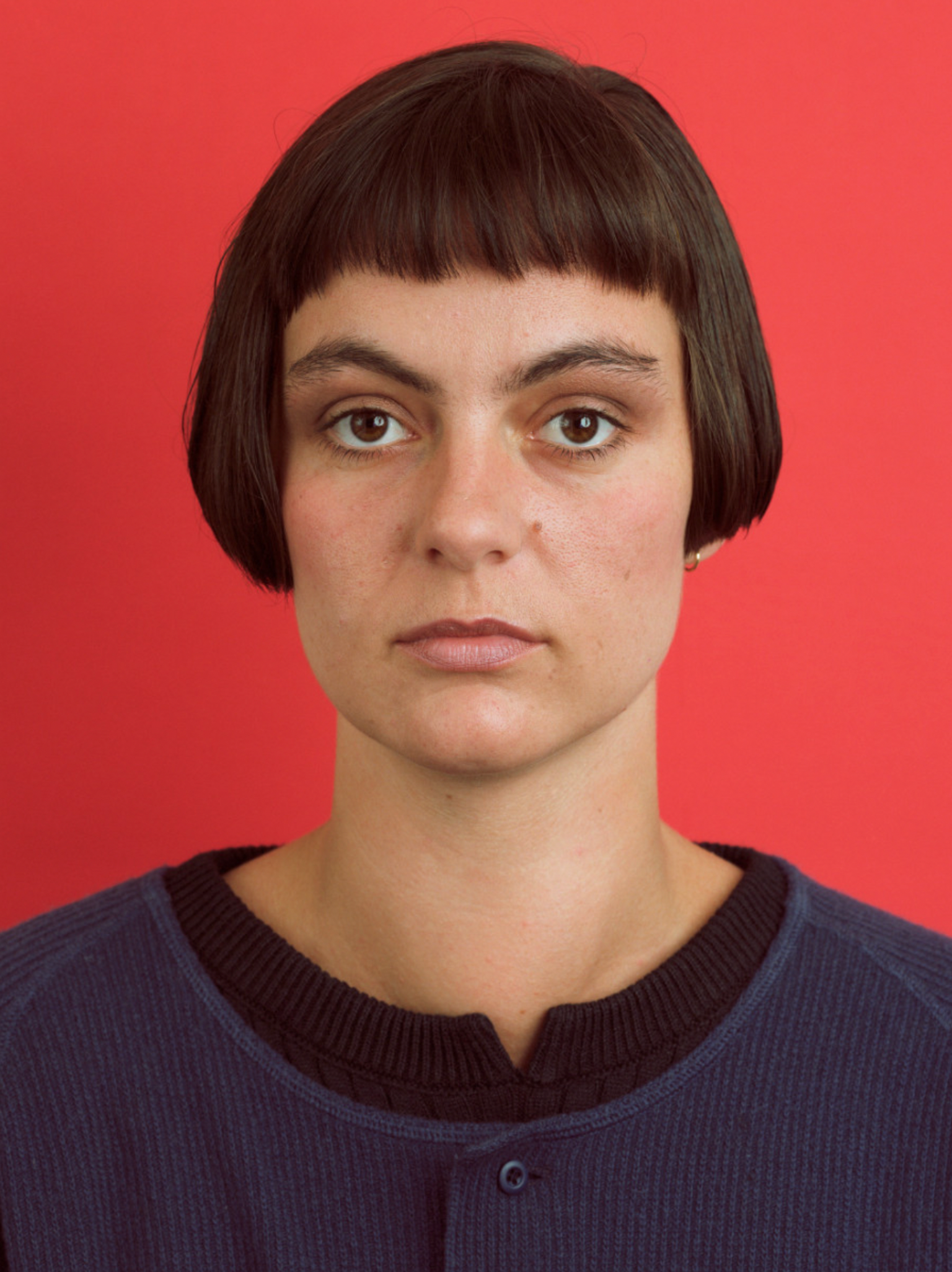
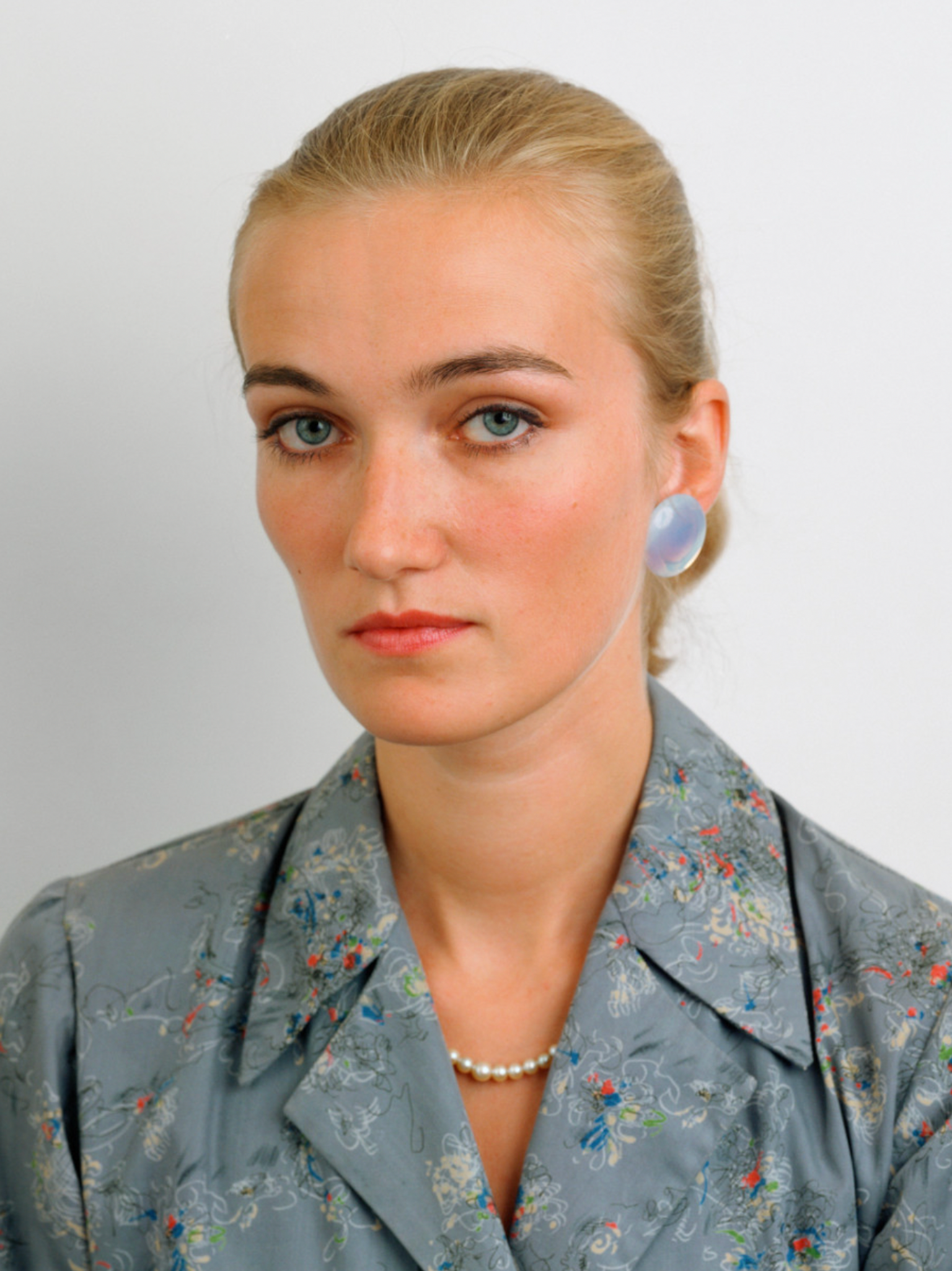
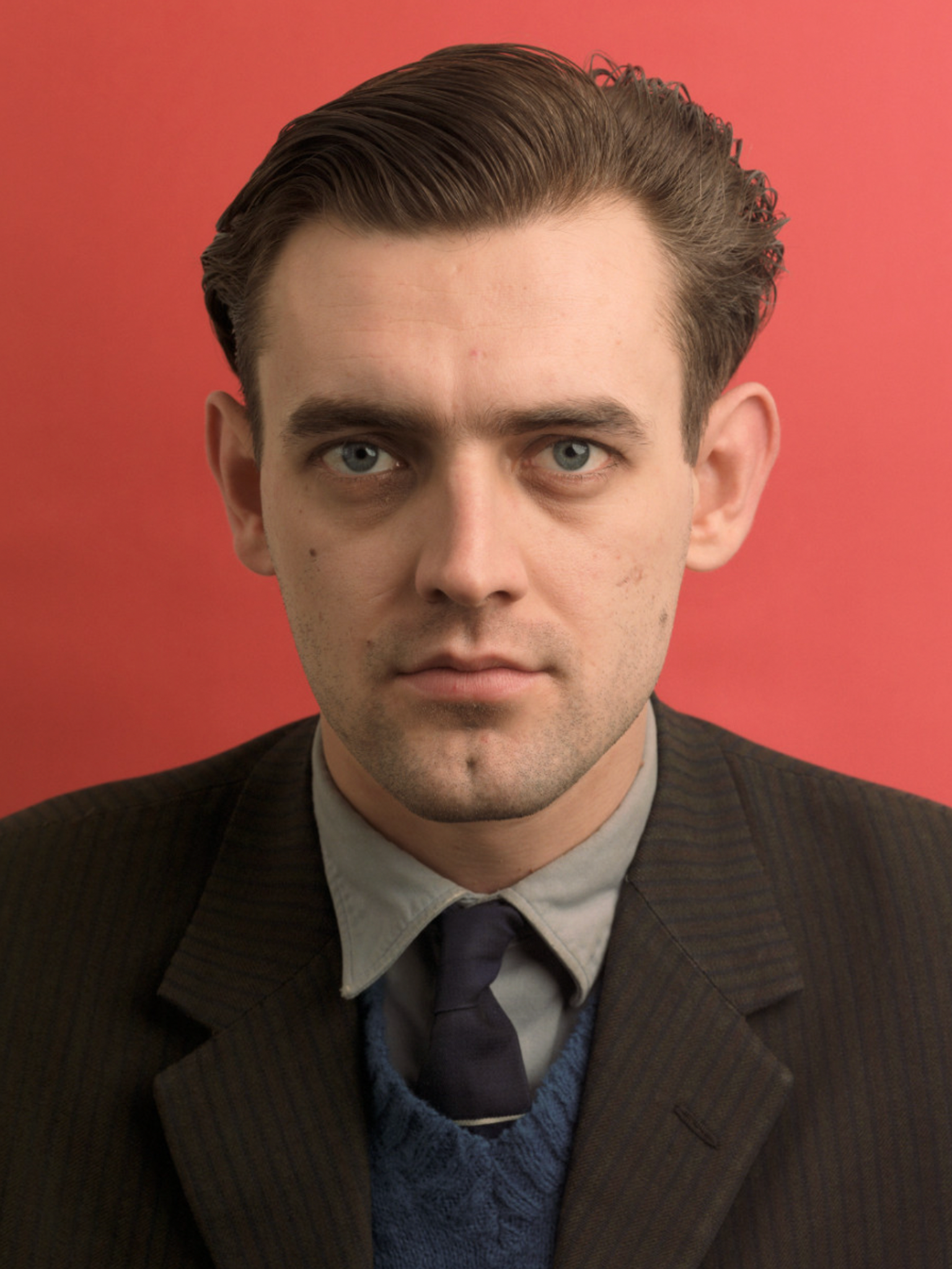
GREGORI CIVERA Setting the portraits as you would for a passport phtograph, Ruff tried to let peolple and objects speak for themselves, avoiding any interpretation, in the tradition of the New Objectivity of the 1920’s. First shown as 18X24 cms. prints, they latter became larger than life prints, prompting the viewers to ask themselves what are we looking at.


Thomas Ruff and the silent faces of the Porträts series
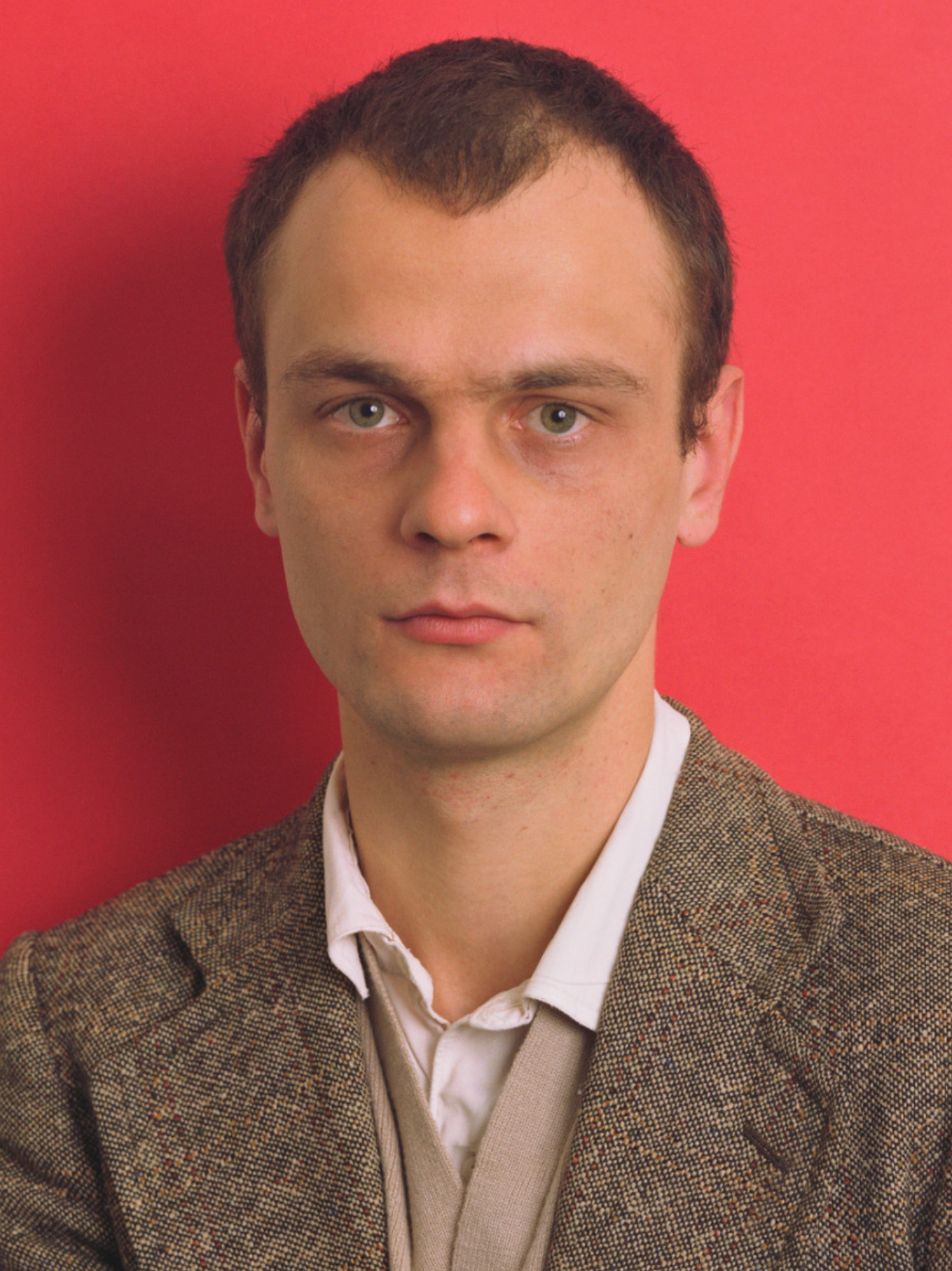
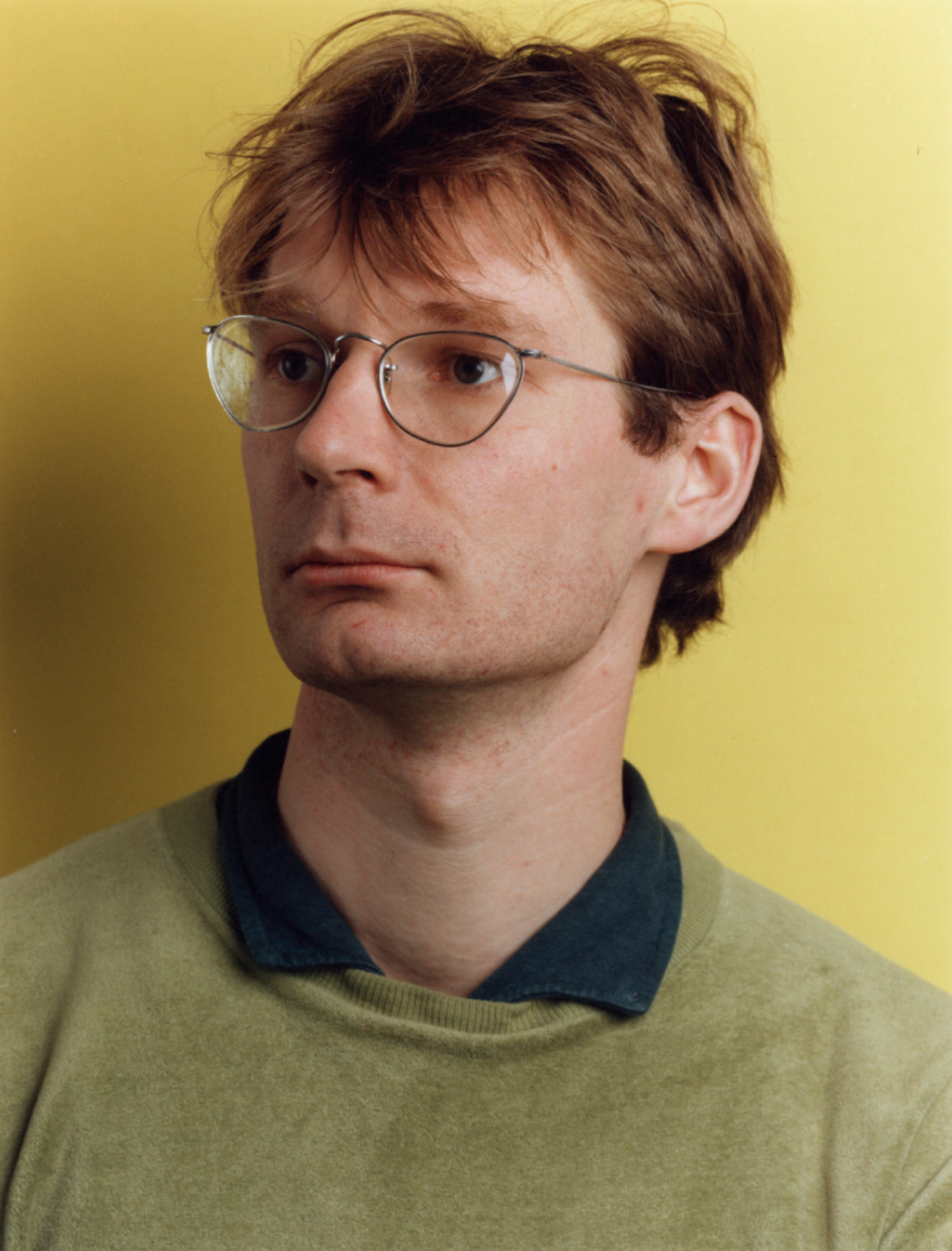
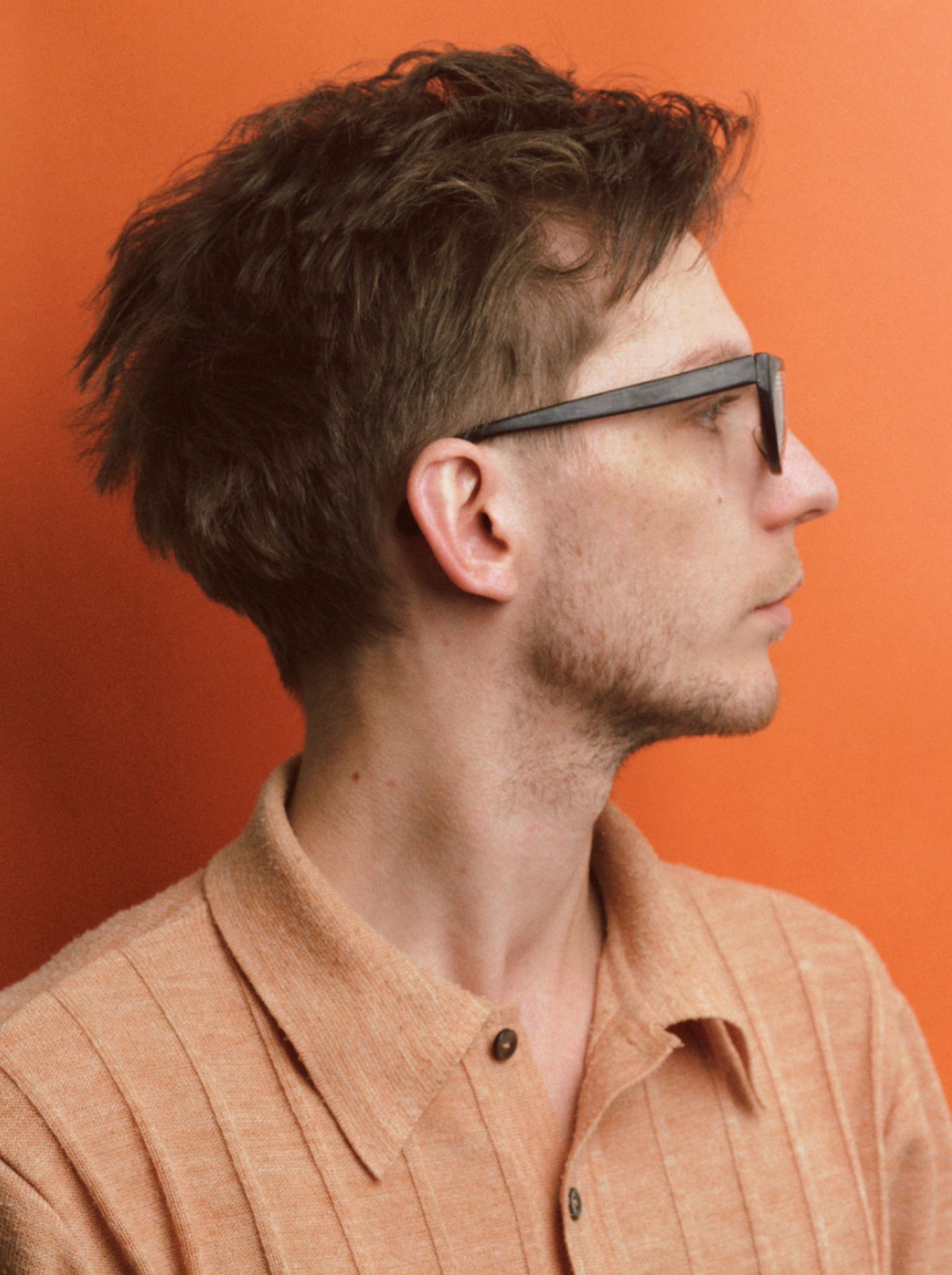
In 1986, German artist Thomas Ruff began a portrait series that would quietly transform contemporary photography. At first glance, the images appear disarmingly simple. Each subject faces the camera directly, framed from the shoulders up, against a plain, softly colored background. Their expressions are neutral, almost blank. The lighting is even and shadowless. There are no personal objects, no gestures, and no visible context. The photographs resemble passport or identification pictures, the kind produced not to express individuality but to confirm it administratively. Yet Ruff enlarged these images to monumental scale, sometimes over two meters tall, forcing viewers into an intimate confrontation with faces that reveal almost nothing.






The influence of Düsseldorf and photographic objectivity
Ruff developed the Porträts while studying at the Kunstakademie Düsseldorf under Bernd and Hilla Becher, whose teaching emphasized systematic observation and emotional restraint. Their influence encouraged a generation of photographers to approach the medium with conceptual clarity rather than expressive spontaneity. Ruff also drew inspiration from August Sander, the early twentieth century photographer who attempted to catalogue German society through carefully structured portraits. Like Sander, Ruff treated the human face as a document. However, where Sander sought to represent social identity, Ruff stripped identity down to its most minimal visual form. His subjects were often friends and fellow students, but he removed any trace of personal relationship, presenting them instead as anonymous figures within a visual system.


Enlarging the ordinary and confronting the viewer
Scale plays a crucial role in the series. Passport photographs are designed to be small, functional, and easily filed away. Ruff reversed this logic by printing his portraits at a size normally reserved for historical paintings. This enlargement transforms an everyday bureaucratic image into something imposing and unsettling. The viewer can see every pore, every subtle variation in skin tone, yet the emotional distance remains intact. The expected connection between seeing and knowing breaks down. The photographs suggest clarity and precision, but they withhold psychological depth, reminding us that visual information alone cannot fully define a person.






Questioning identity in an age of systems and surveillance
The Porträts series ultimately reflects broader cultural concerns about identity, authority, and the role of photography in modern society. Identification photographs are tools of institutions, used by governments, schools, and workplaces to classify individuals. By adopting this visual language and relocating it into the art context, Ruff exposes how photography can both individualize and anonymize at the same time. His portraits show real people, yet they resist storytelling and emotional interpretation. The result is a powerful paradox. The viewer is placed face to face with another human being, seeing them in extraordinary detail, while remaining fundamentally unable to know who they are.