
Joseph Beuys
Plight
- ArtistJoseph Beuys
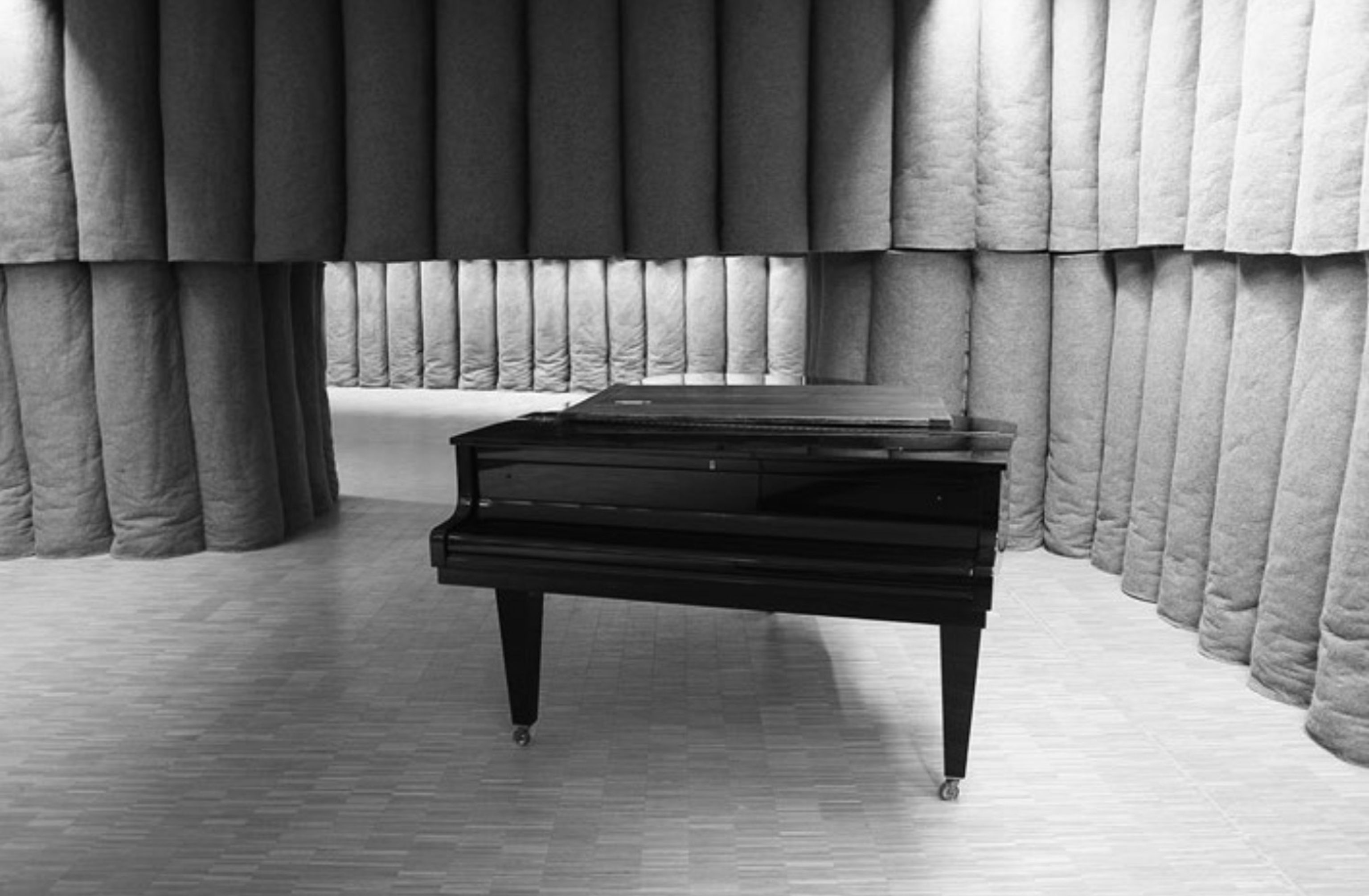
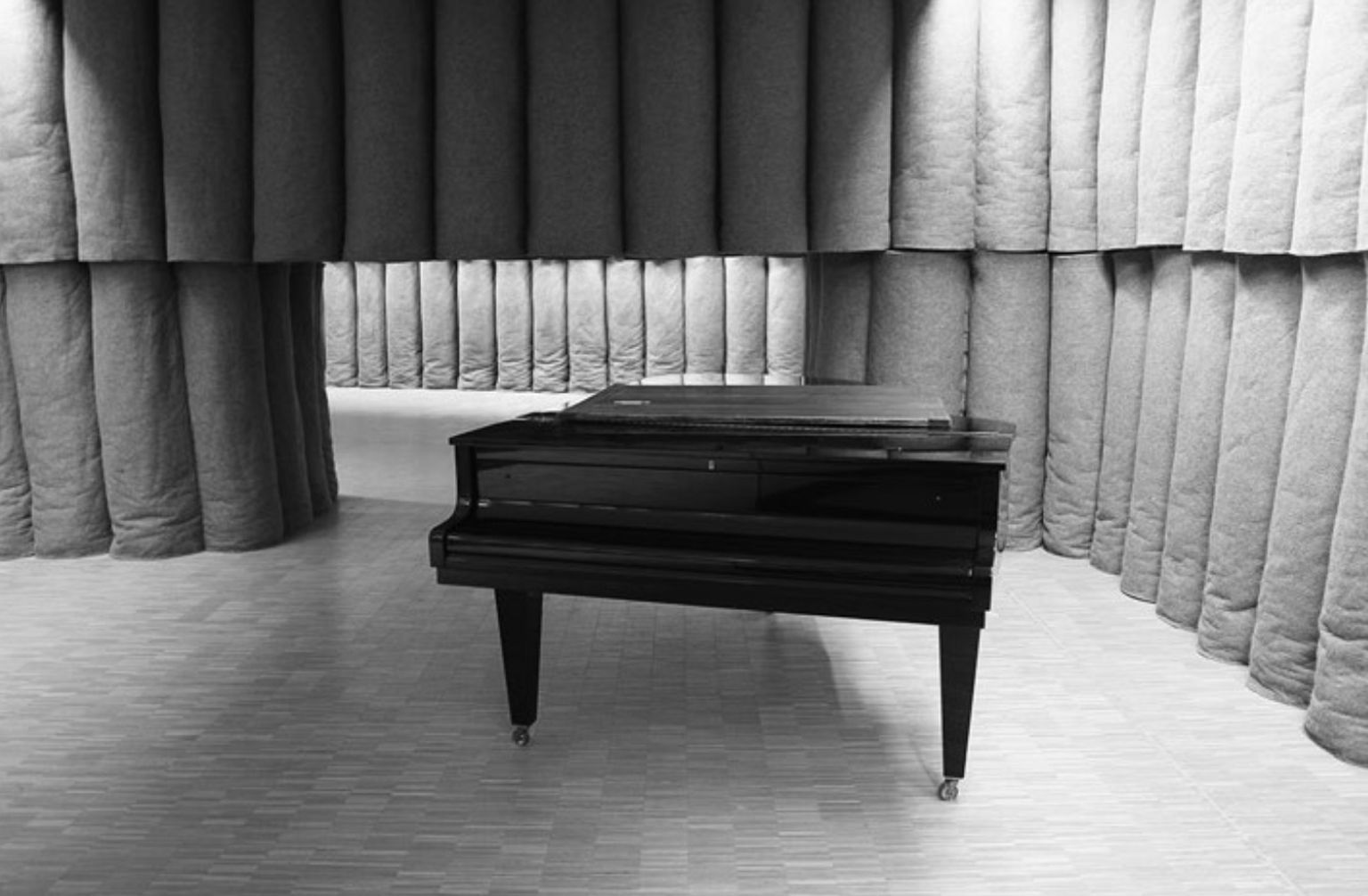
Carsten in der Elst As one of his final works, Beuys created this installation of overwhelming psychological presence. What still inspires me today is the heaviness and tactile quality of the felt. The locked piano creates such a strong contrast within the installation that you can almost physically sense the silence of the room.

Plight – A Condition of Duty and Pressure
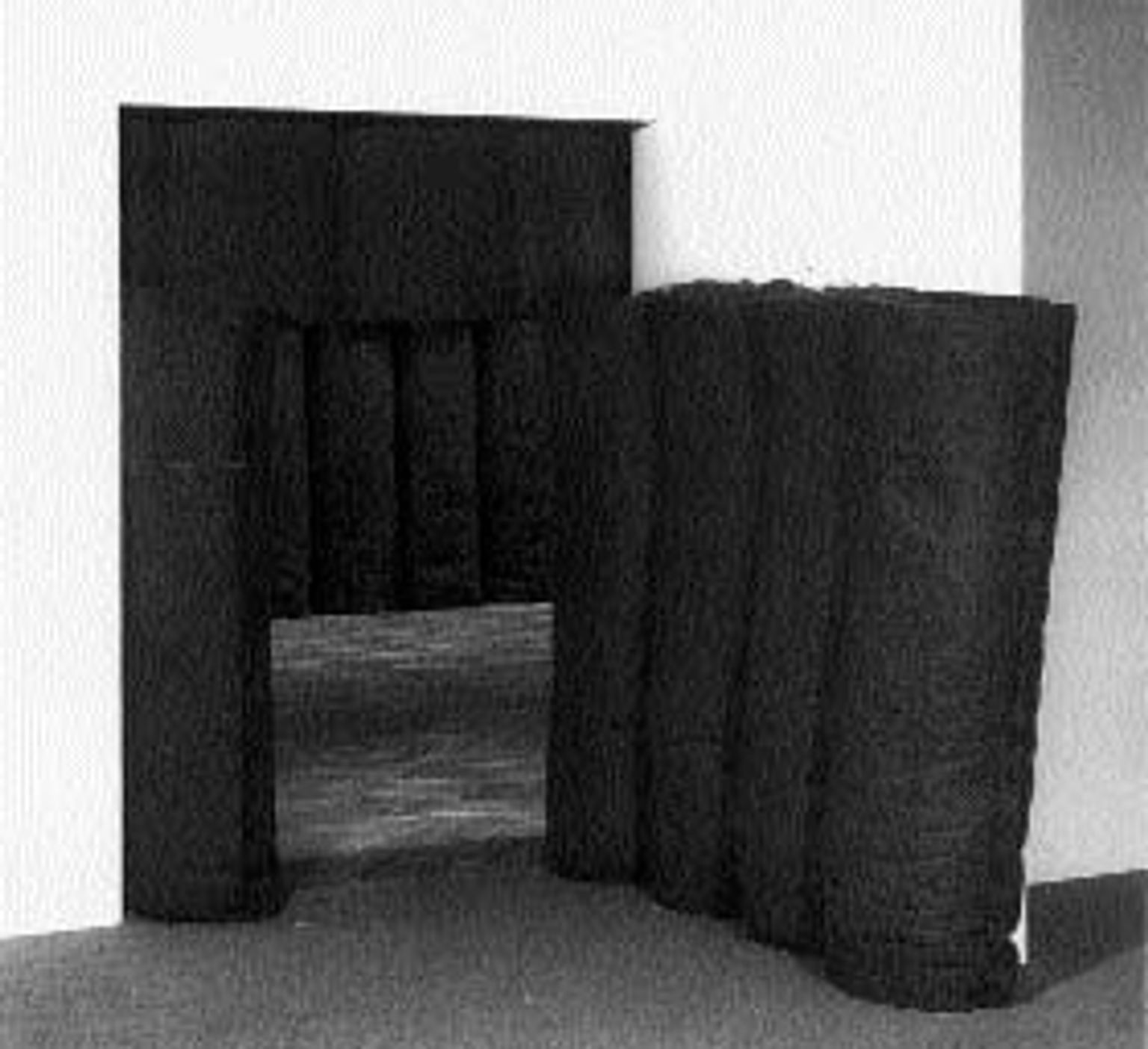
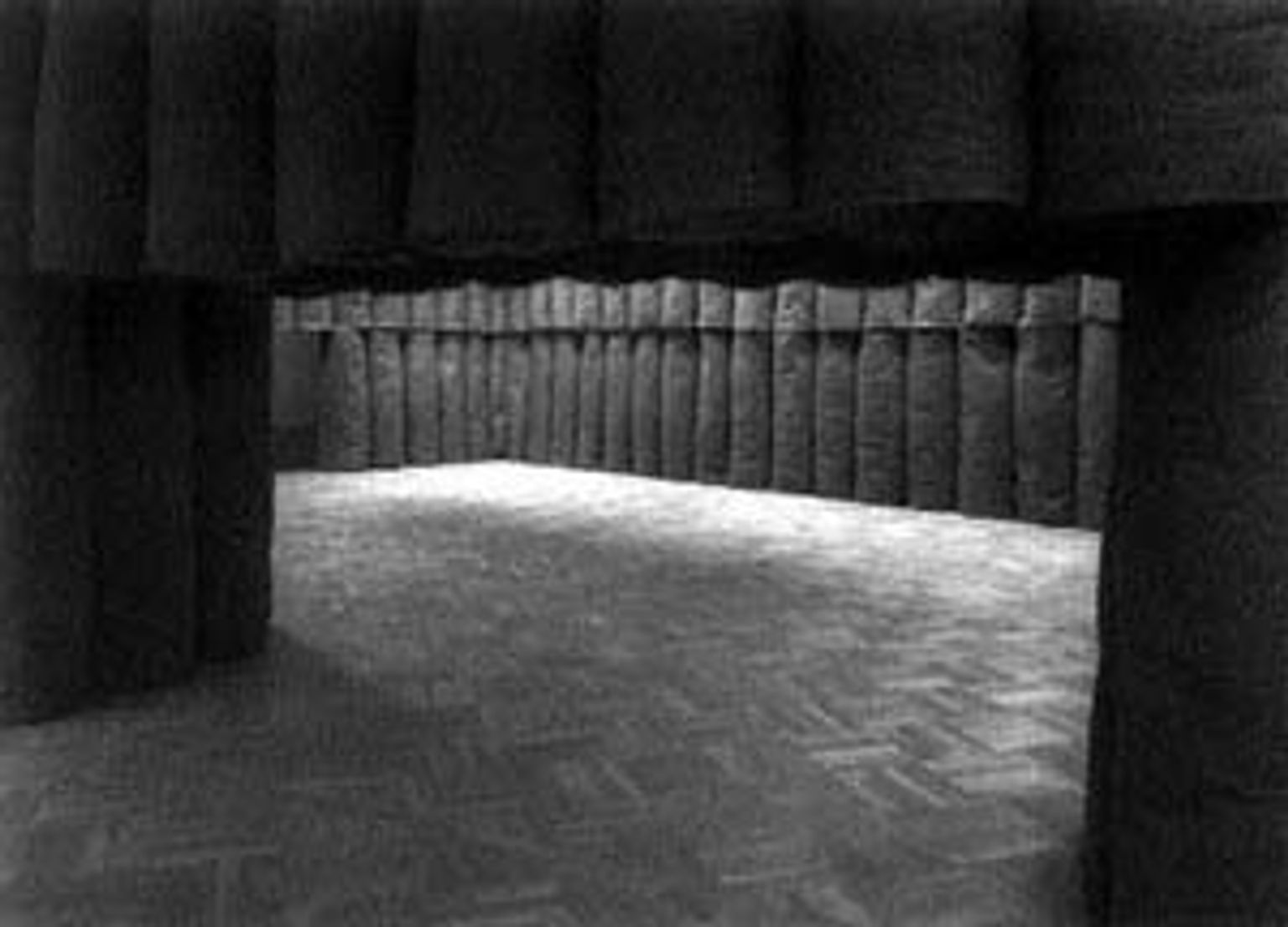
Joseph Beuys’ Plight (1985) is an immersive installation built as a sequence of two connected rooms entirely lined with thick grey felt. It was first presented at the Anthony d’Offay Gallery in London and later reconstructed at the Centre Pompidou in Paris. The work is not an exhibition in the traditional sense, but a constructed situation that the visitor physically enters. From the very beginning, the experience is shaped by restriction: a low entrance forces the body to bend, sound is immediately absorbed, and the space feels cut off from the outside world. The title Plight is central here. It refers both to a condition you are placed in and to a sense of duty or obligation, close to the German Pflicht. Beuys uses this double meaning to frame the work as a space where external pressure and internal responsibility exist at the same time.

Joseph Beuys
Joseph Beuys (1921–1986) was one of the key figures in post-war European art, and his work cannot be separated from the historical context of World War II and its aftermath. Having lived through the war himself, he was deeply shaped by the question of how culture can continue after events like Auschwitz, and how responsibility is carried forward. Rather than treating art as image-making or representation, Beuys expanded it into what he called “social sculpture”: the idea that society itself is formed through human thought, communication, and action. Within this framework, Plight becomes part of a larger investigation into how individuals experience autonomy, limitation, and awareness inside systems shaped by history and collective trauma.




A space built from silence
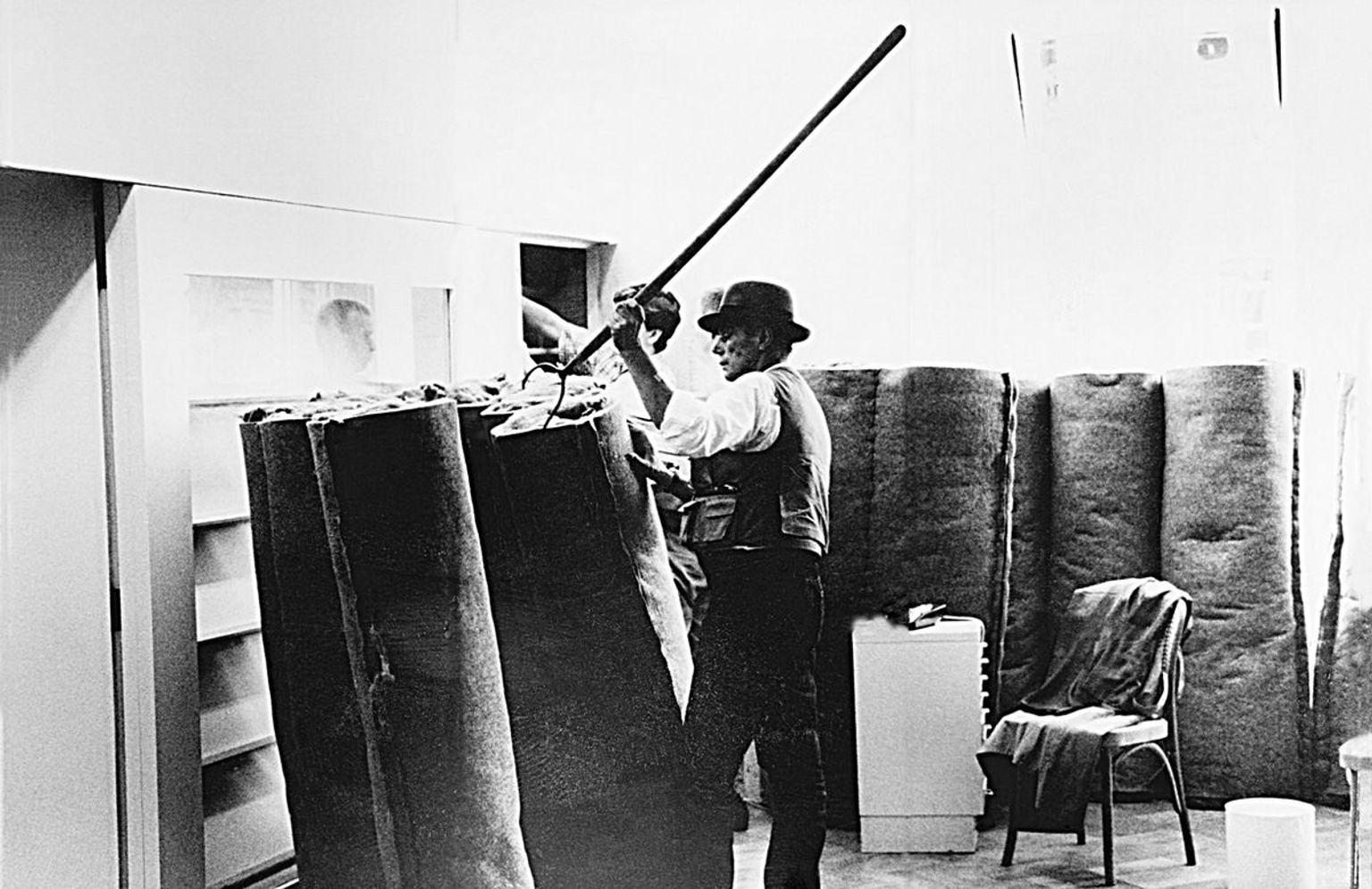
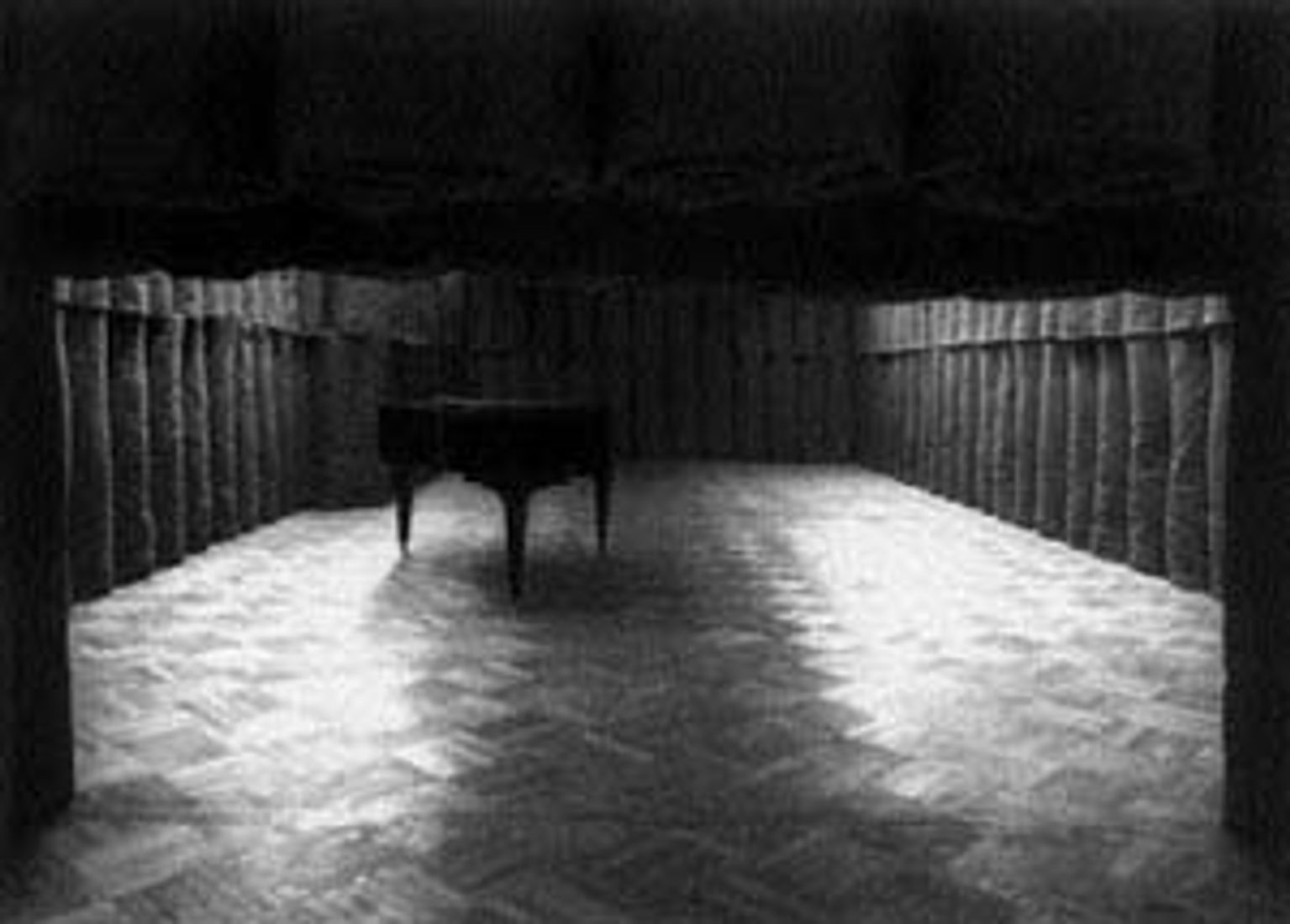
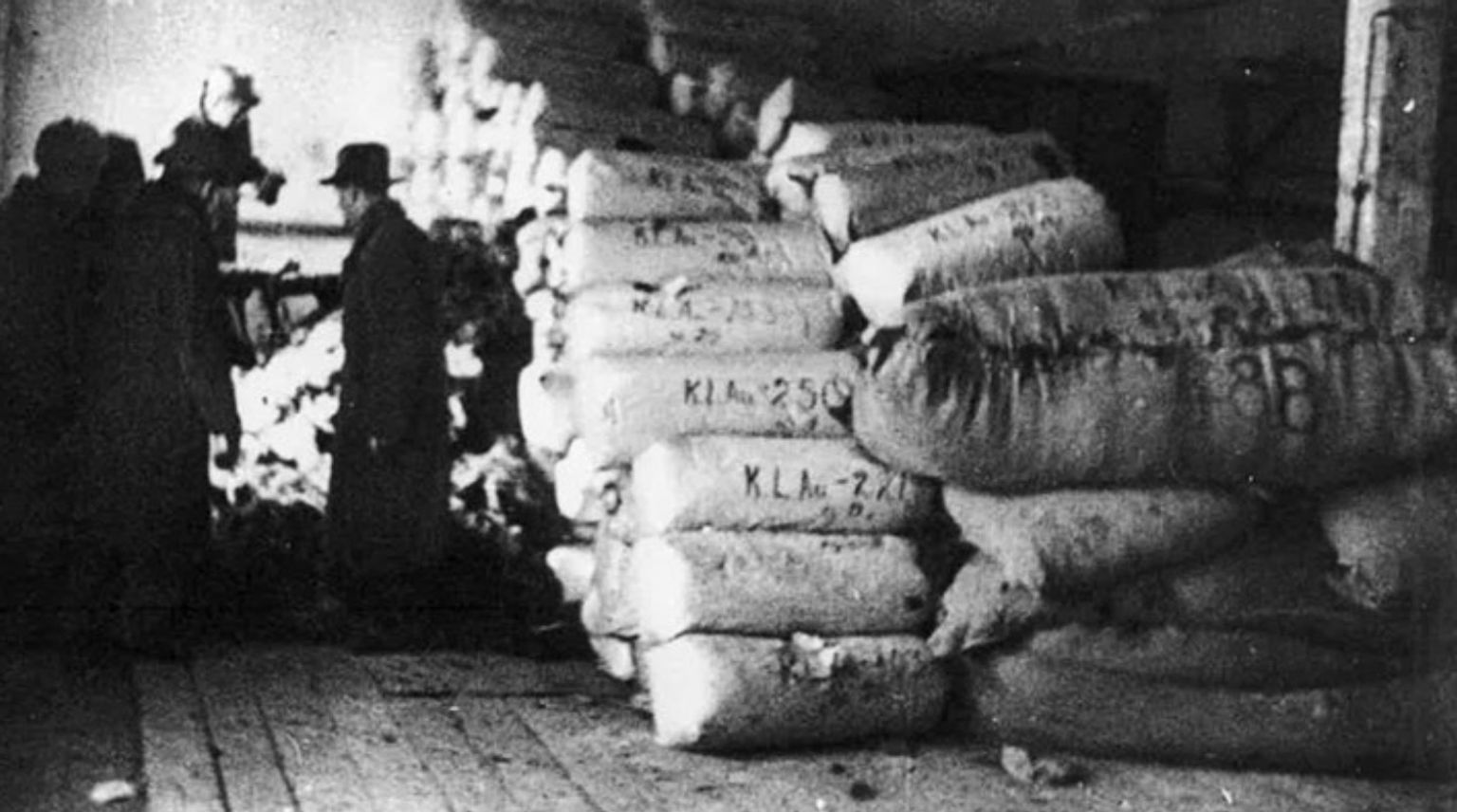
In Plight, felt is not decoration but structure. Every surface is covered, turning the rooms into a dense, insulated environment where sound is heavily reduced and spatial orientation becomes uncertain. Felt is a material Beuys used repeatedly because of its ability to absorb noise and retain heat, but also because it creates a strong sense of separation between inside and outside. In this installation, it produces a silence that feels physical rather than empty. The environment becomes slow and controlled, and even small movements become noticeable. This shifts attention away from external stimuli and toward perception itself, how the body registers space, pressure, and presence when normal reference points are removed.

Objects that interrupt meaning
The first room contains a small group of objects: a closed grand piano, a blackboard with empty musical notation, and a thermometer. Each of them refers to systems of communication or measurement, music, language, and the body, but none of them are allowed to function. The piano cannot be played, the notation remains unwritten, and the thermometer provides no clear reading of the space. Instead of producing meaning, the objects hold it in suspension. Beuys reduces function to potential, creating a situation where action is constantly implied but never realised. What remains is a sense of paused systems, where expression exists only as possibility.
Passage, isolation and attention
The structure of Plight is based on progression through thresholds. Entry requires a physical adjustment, as the body bends under a low felt barrier that marks the shift from outside to inside. This gesture is simple but important, because it turns movement into awareness. Inside, the second room removes objects entirely, leaving only enclosed space and silence. With fewer references to interpret, attention turns inward, toward the basic experience of being present in a controlled environment. The installation holds this condition without resolution. In today’s reading, Plight is often understood as a reflection on how perception changes when external systems are reduced to a minimum, and how awareness itself becomes the central experience of the work.