
Lacaton & Vassal
Place Léon Aucoc
- ArchitectLacaton & Vassal
Søren Pihlmann Place Léon Aucoc is important to me for its deliberate refusal to intervene. By choosing maintenance over redesign, the project demonstrates how architectural judgement can reside in care and restraint rather than visible change.

Place Léon Aucoc
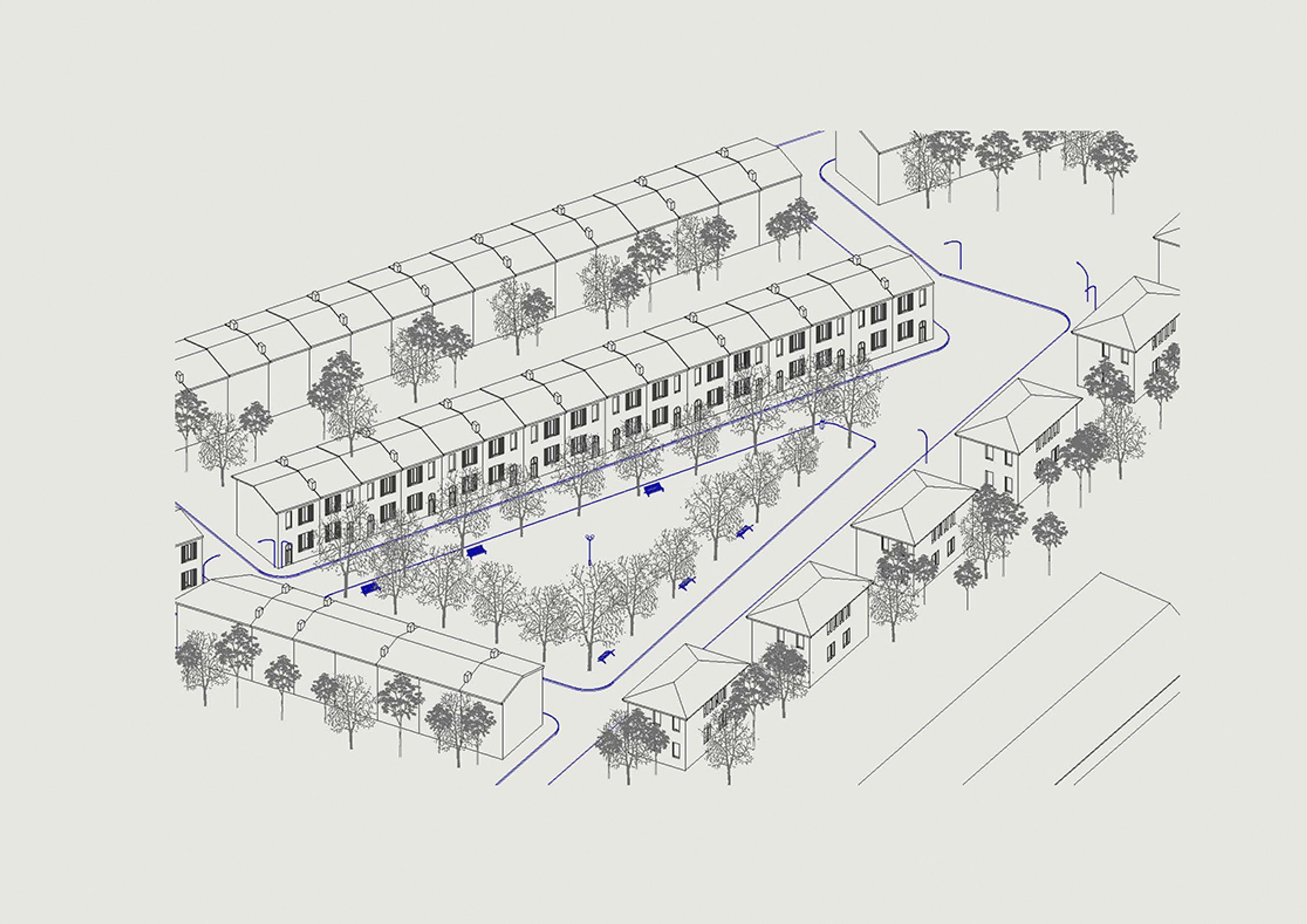
Lacaton & Vassal’s Place Léon Aucoc in Bordeaux proposes a radical architectural position: that design can sometimes mean designing nothing. Commissioned in 1996 as part of a citywide beautification program, the project emerged from a deep engagement with social context rather than formal ambition. Lacaton & Vassal challenge the assumption that creativity must manifest as visible transformation, arguing instead that excessive design can hinder a true understanding of space. Their approach reframes architecture as an ethical practice - one that considers sustainability, social impact, and long-term usefulness over aesthetic display.

The Park Was Already Beautiful
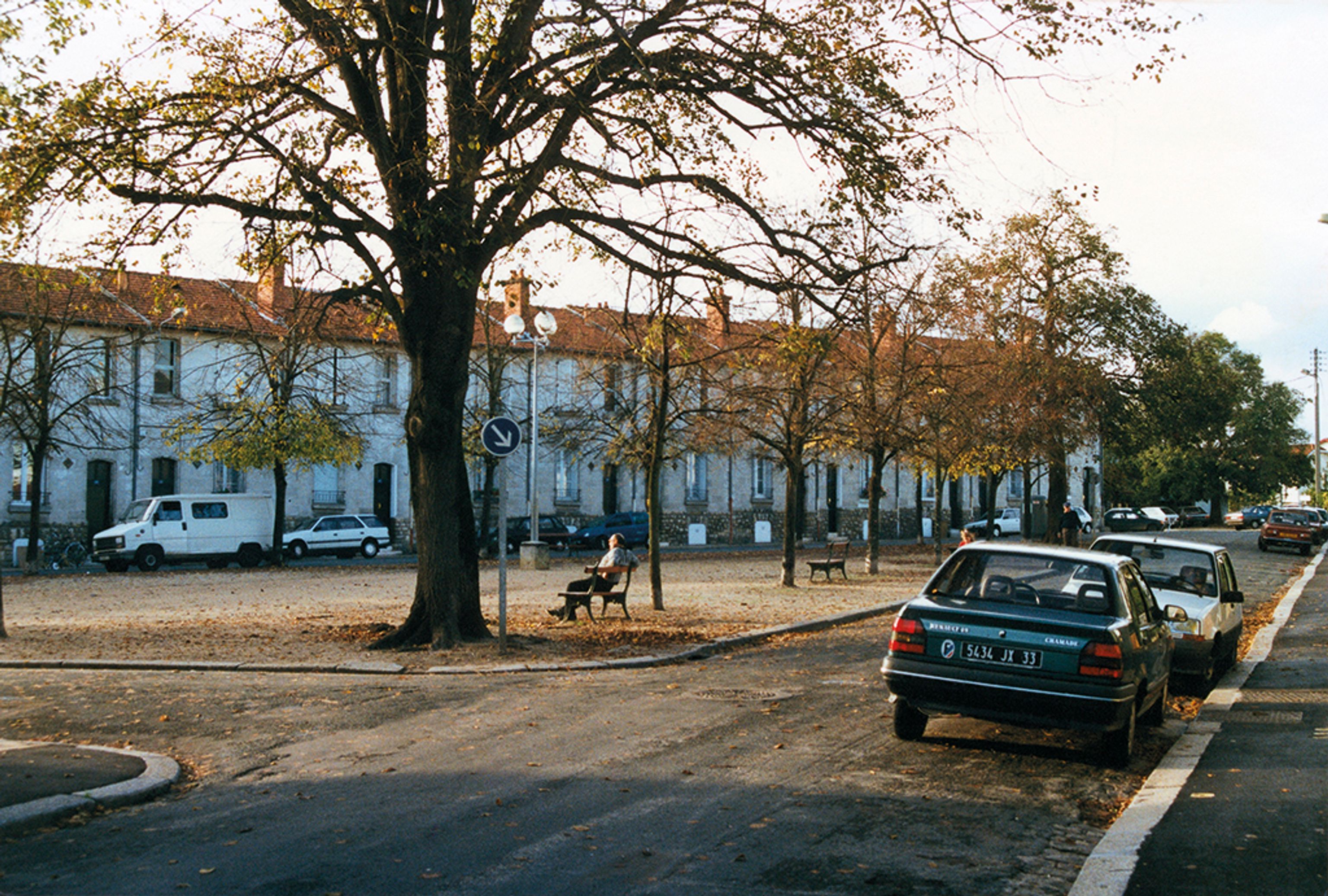
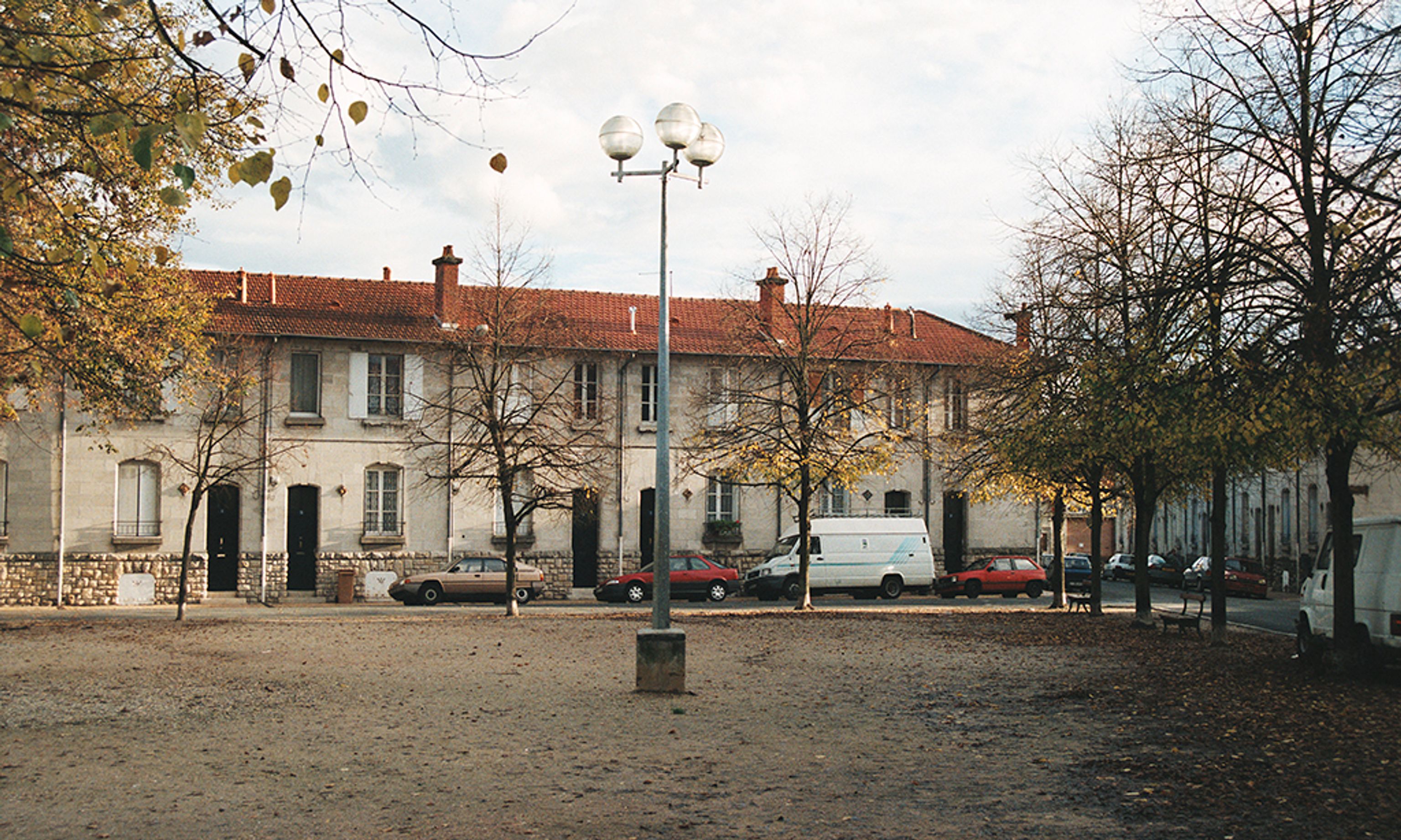
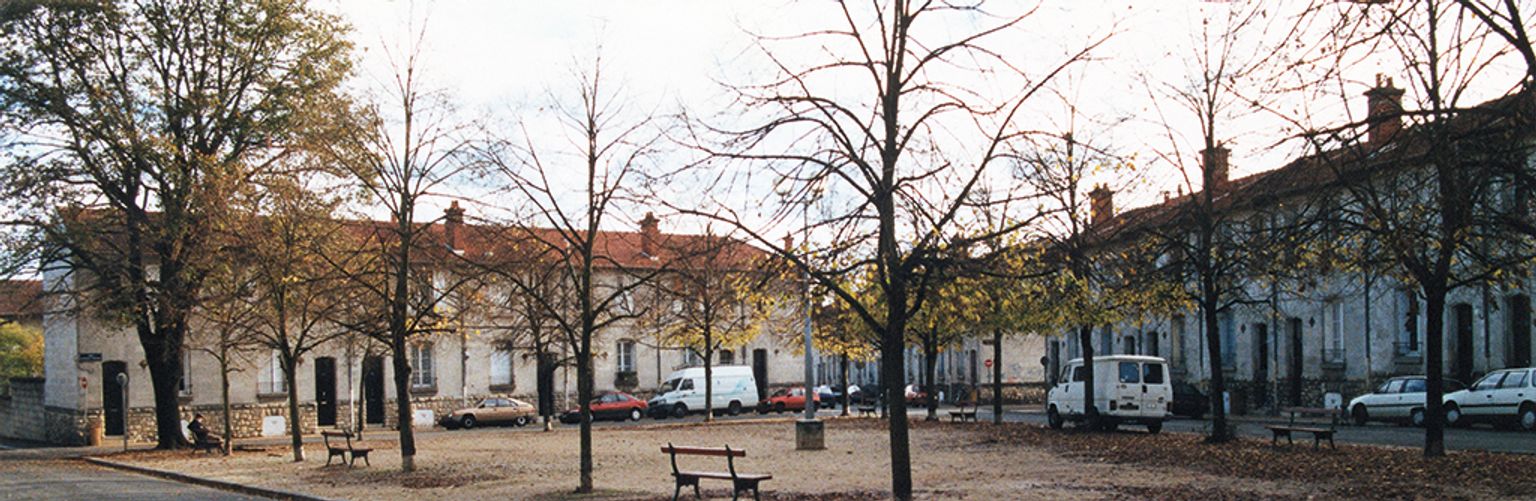
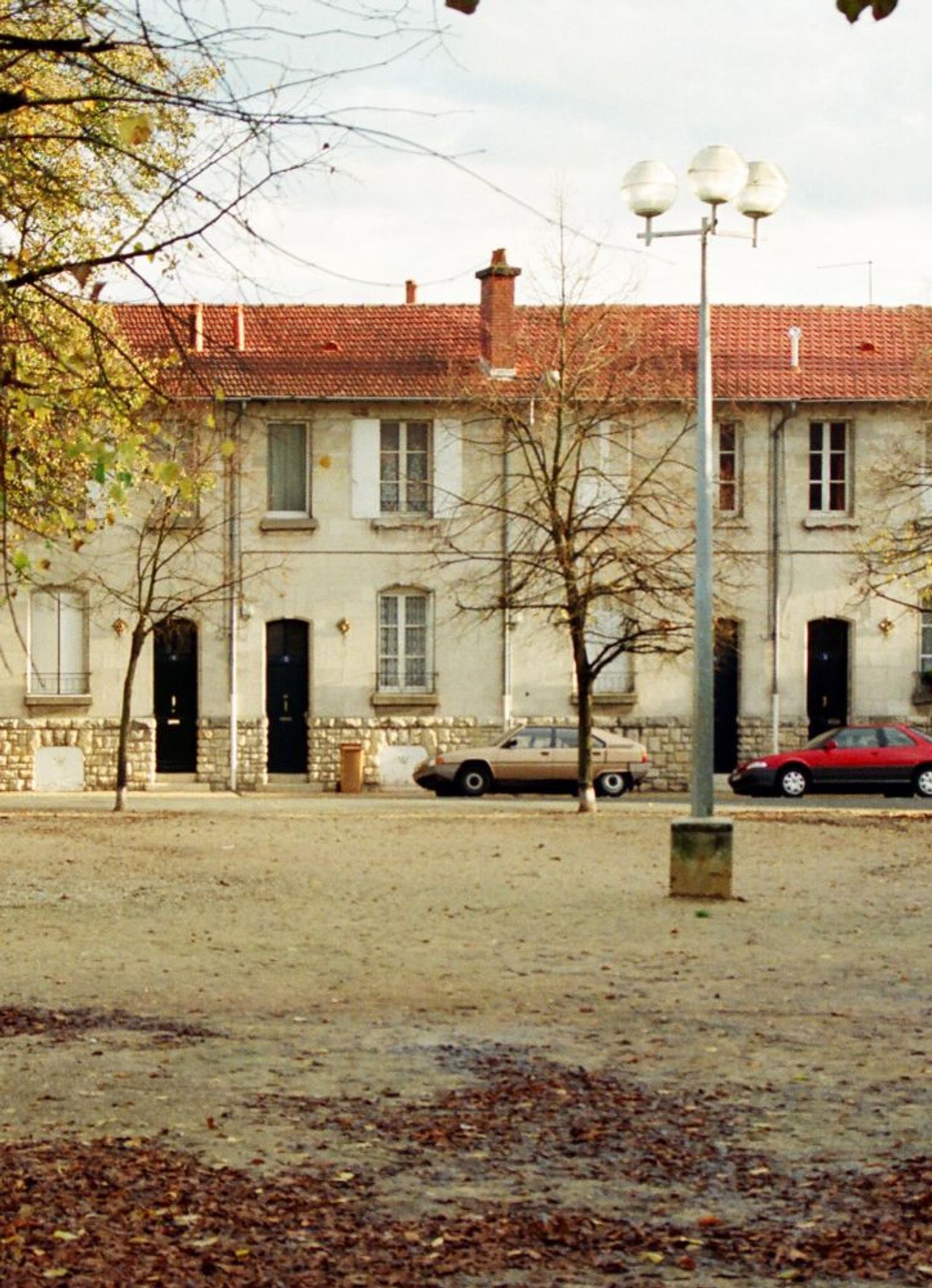
After a period of close observation and research into how the park functioned and who used it, the architects concluded that Place Léon Aucoc required no redesign. The space already supported everyday social life across class, gender, and age. Their proposal focused solely on improved maintenance: replacing gravel, caring for trees, and cleaning more frequently. This conclusion destabilized dominant architectural ideologies of the time, challenging the expectation that public space must be “fixed” through new objects or programs.
City officials initially resisted the idea, equating improvement with visual change and fearing that leaving the park untouched would underperform its urban surroundings. Lacaton & Vassal responded analytically, presenting surveys of local residents and cost comparisons that demonstrated how perceptual renewal could itself become architecture.

Architecture as Social Intelligence
Rather than denying architecture, the project questioned the architect’s role. Lacaton & Vassal positioned themselves not as authors imposing form, but as collaborators working within an existing social and environmental system. The park became a site of co-authorship, shaped by its users and sustained through minimal intervention. This approach foregrounds space as a facilitator of social relations, whether enclosed by walls or defined by trees and benches. By resisting tabula rasa thinking, the project preserved both historical continuity and economic resources, while redefining public parks as more than aesthetic ornaments - as infrastructures for everyday life and collective well-being.
Place Léon Aucoc remains largely unchanged today, maintained according to the architects’ original recommendations. Yet its continued ranking among Bordeaux’s less successful parks reveals a critical tension: architecture alone cannot guarantee social vitality. Maintenance, labor, and adaptation over time are essential, and minimal intervention must be continuously renegotiated as populations and needs shift.
What began as a manifesto and an inventory of public space ultimately demonstrates that the success of “designing nothing” depends on long-term commitment from institutions and users alike. The project endures as both a landmark and a provocation - reminding us that architecture’s most radical gesture may be knowing when not to act.