
Emmanuel Marre and Julie Lecoustre
Notre Salut
- DirectorEmmanuel Marre
- WriterEmmanuel Marre and Julie Lecoustre
- Producer Alexandre Perrier, Sébastien Andres, and Alice Lemaire
Luna Paiva Emmanuel Marre and Julie Lecoustre are filmmakers I had the chance to meet them last weekend, Emmanuel is Pablo´s childhood friend. They came to visit us right after they won the Prix de la mise en scène at Cannes for Notre Salut. Besides the quality of the film, the creation of a new visual language, and a sustainable way of filming, it was a joy to witness this couple's generous and creative relationship, supporting each other's work, thriving together for the past 10 years. To me, the definition of love.

Notre Salut
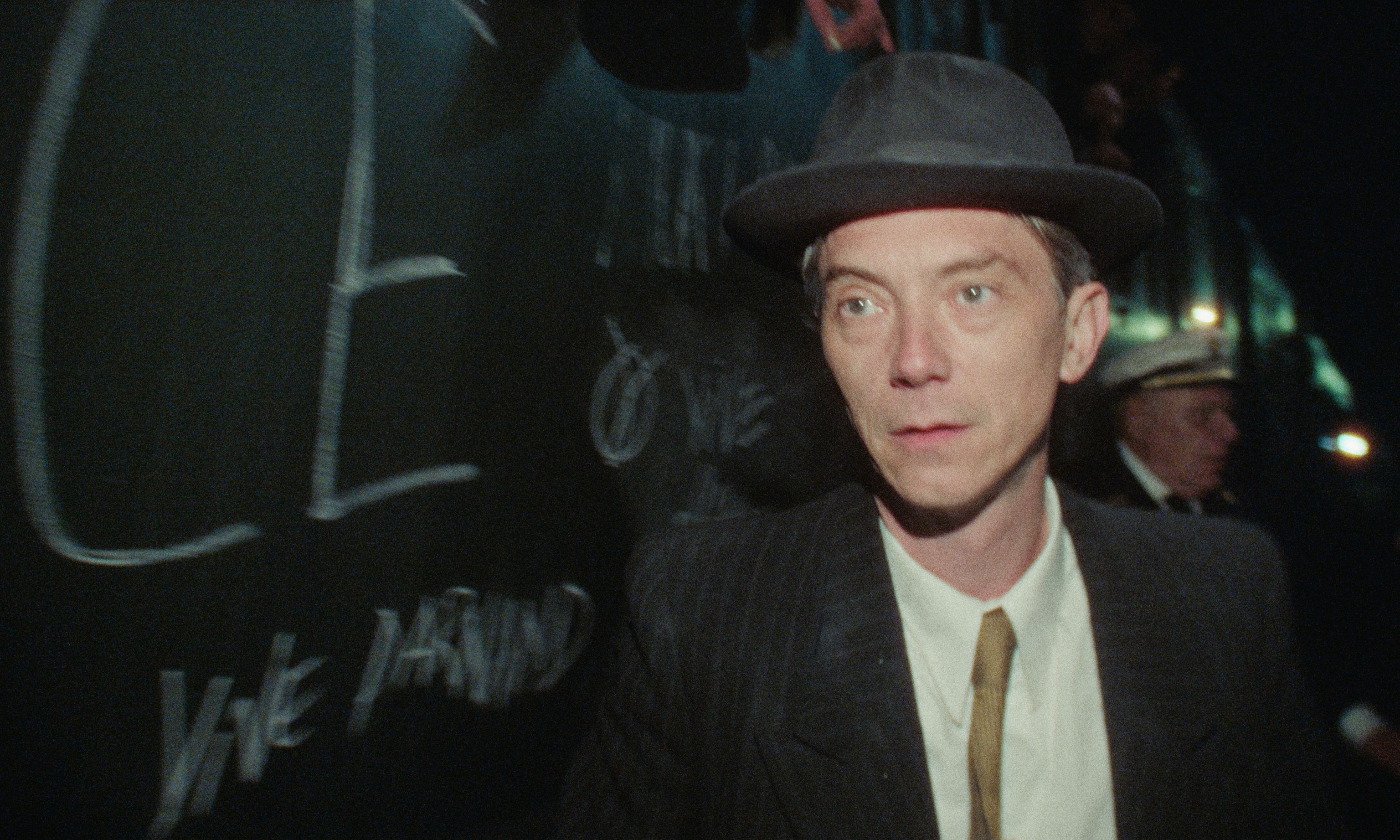
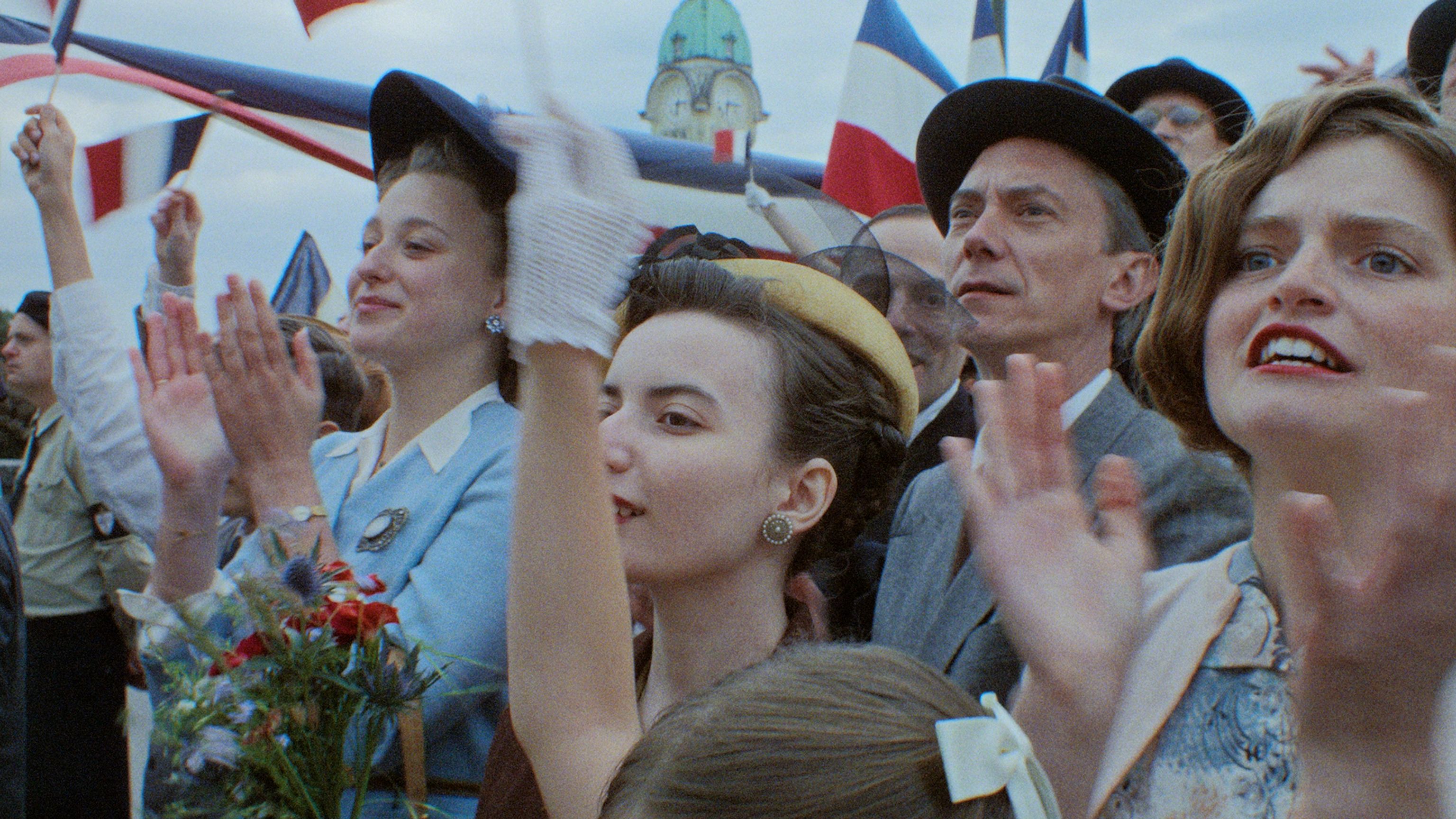
Emmanuel Marre’s Notre Salut with the international title: A Man of His Time, is a 2026 Franco-Belgian drama that moves between intimate portrait and political history. The film is inspired by Marre’s own family archives and traces a fictionalized version of his great-grandfather, Henri Marre, a man arriving in Vichy in 1940 with a manuscript and a belief in systems, efficiency, and personal redemption. Rather than building a traditional historical narrative, the film stays close to the texture of everyday administration, where ideology slowly becomes routine.
The project was produced as a co-production between France and Belgium, with Condor Distribution handling theatrical release. It premiered on 20 May 2026 in the main competition at the Cannes Film Festival, positioning itself immediately within a contemporary European cinema context that revisits history through personal and fractured perspectives.
Story – A Man Caught Between Failure and System
At the center of the story is Henri Marre, played by Swann Arlaud. He arrives in Vichy with little more than his self-published political treatise, Notre Salut, convinced that administrative order and “efficiency” can rebuild both France and his own fractured life. What begins as a search for stability gradually turns into complicity, as he integrates himself into the machinery of the Vichy administration.
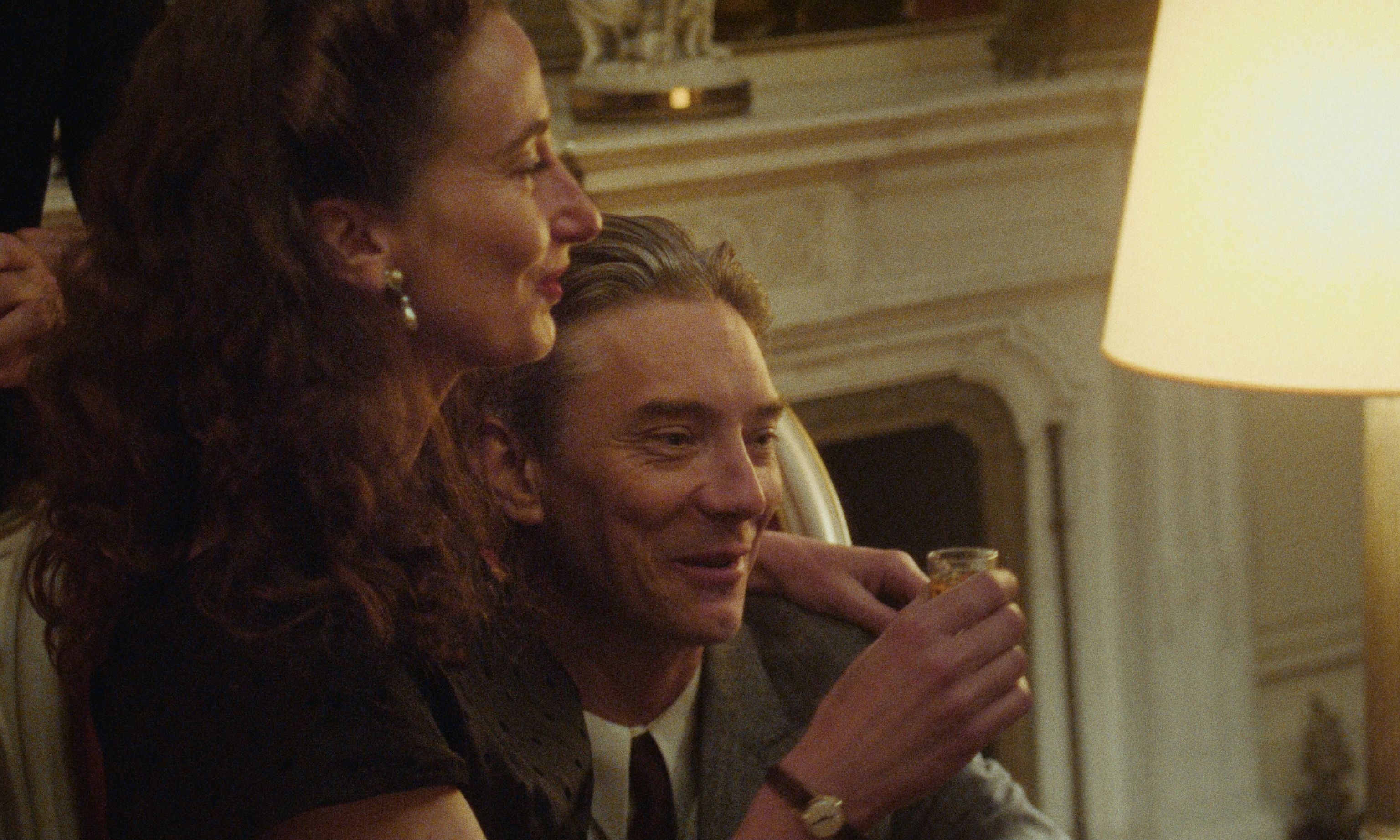
The film does not frame Henri as a clear antagonist or victim. Instead, it follows his slow absorption into a system where personal frustration, ambition, and ideology overlap. Around him, characters like Paulette Marre, played by Sandrine Blancke, anchor the emotional distance between private life and political commitment, showing how intimacy is reshaped by historical pressure.

Direction and Creative Collaboration
The film is shaped by a long-standing collaboration between Emmanuel Marre and Julie Lecoustre, whose previous joint work includes Rien à foutre (2021). Although Notre Salut is directed solely by Marre, Lecoustre’s influence remains present in the film’s development process, its casting approach, and its attention to behavioral realism.
Their shared method is built around openness rather than fixed interpretation. Scenes are often structured as situations rather than scripted dialogues, allowing actors and non-professionals to contribute directly to the rhythm of the film. This collaborative framework produces a sense of instability that mirrors the moral uncertainty at the heart of the narrative.
Visual Language and Cinematic Approach
The cinematography of Notre Salut avoids the polished aesthetic of classical historical reconstruction. Instead, it leans into a restrained, observational style that recalls archival footage and workplace documentation. The camera often stays close to bodies in motion, through offices, corridors, and meeting rooms, where political decisions appear as administrative gestures rather than dramatic turning points.
Improvisation plays a central role in shaping performance, creating moments where language feels unfinished or tentative. This approach reflects the film’s interest in how ideology spreads through repetition and procedure, rather than through spectacle. Even moments of tension are handled with restraint, keeping the viewer inside the logic of the system rather than outside it.
Production, Release and Festival Life
Notre Salut was shot in 2025 across locations in Vichy, Limoges, Bordeaux, and Brussels, blending historical sites with functional institutional spaces. The production was intentionally kept small, maintaining a close working distance between cast and crew to preserve flexibility during filming.
The film completed post-production in early 2026 and premiered in May at the Cannes Film Festival, where it competed for the Palme d’Or. Its selection marked it as one of the key European auteur films of the year, positioning it within a broader resurgence of politically reflective cinema. Following Cannes, the film entered international circulation through Condor Distribution in France and Cinéart in Belgium.

Contemporary Resonance
Rather than offering closure on the historical period it depicts, Notre Salut leaves space for reflection on how systems of belief form in ordinary lives. Its focus on administration, language, and small decisions connects the past to present-day questions about bureaucracy, responsibility, and moral distance.
In this sense, the film extends beyond historical reconstruction. It becomes a study of how ambition and ideology can merge quietly within institutional frameworks. The collaboration between Marre and Lecoustre, along with the film’s restrained visual language, positions Notre Salut as part of a contemporary European cinema that is less interested in judging history than in understanding how it is lived from within.