
HENRYTIMI
Nomos Hotel
- DesignerHENRYTIMI
- PhotographerHENRYTIMI and Dario Borruto
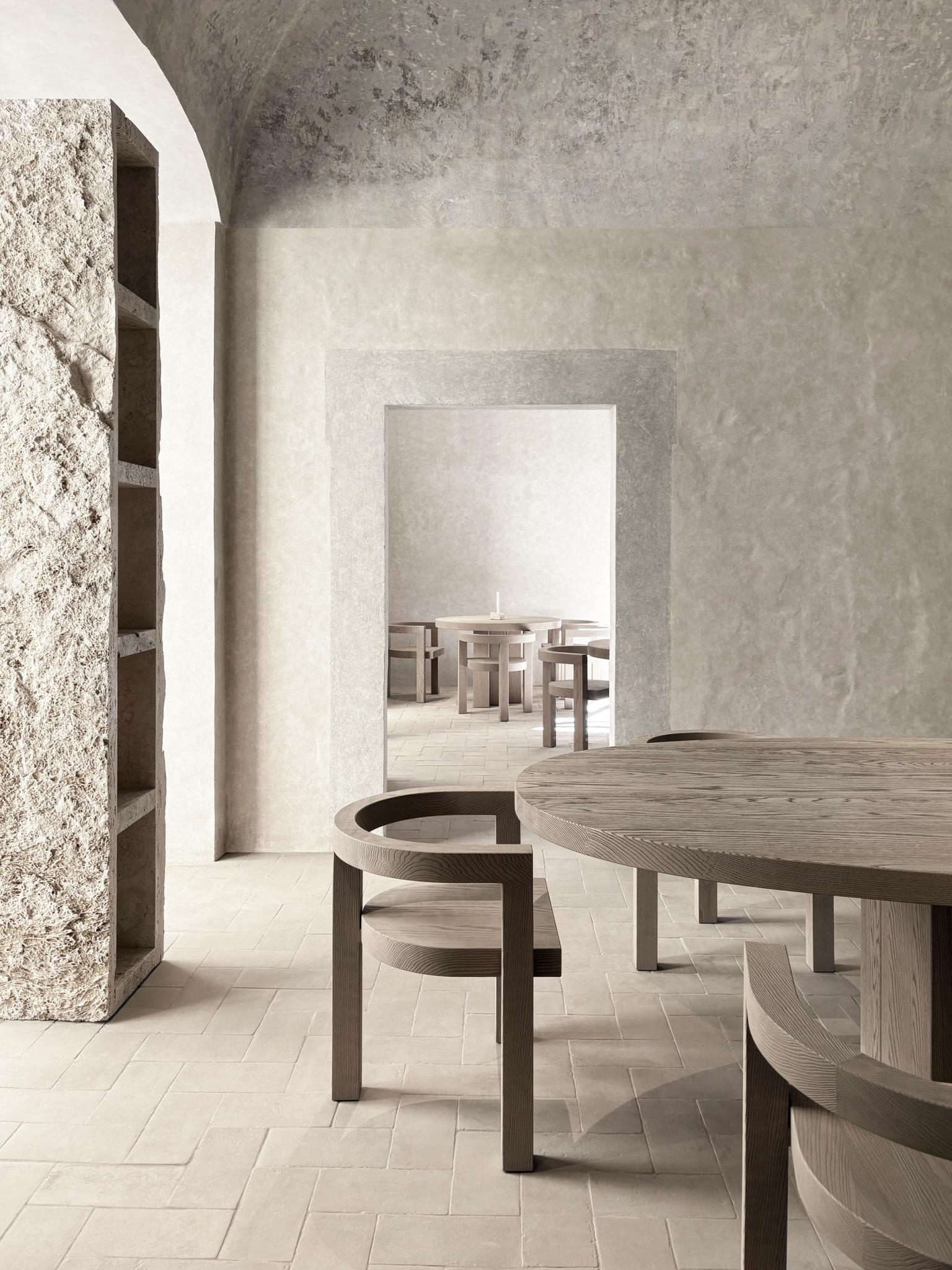
JACOB BRINTH This is one of the ultimate shrines of minimalism. There is so much purity to the rythmes and volumes of the spaces, yet it feels so warm. The raw materiality comes into the primary position, the stone, clay, wood, ceramics. It feels like an homage to nature.

The Beauty of What Remains
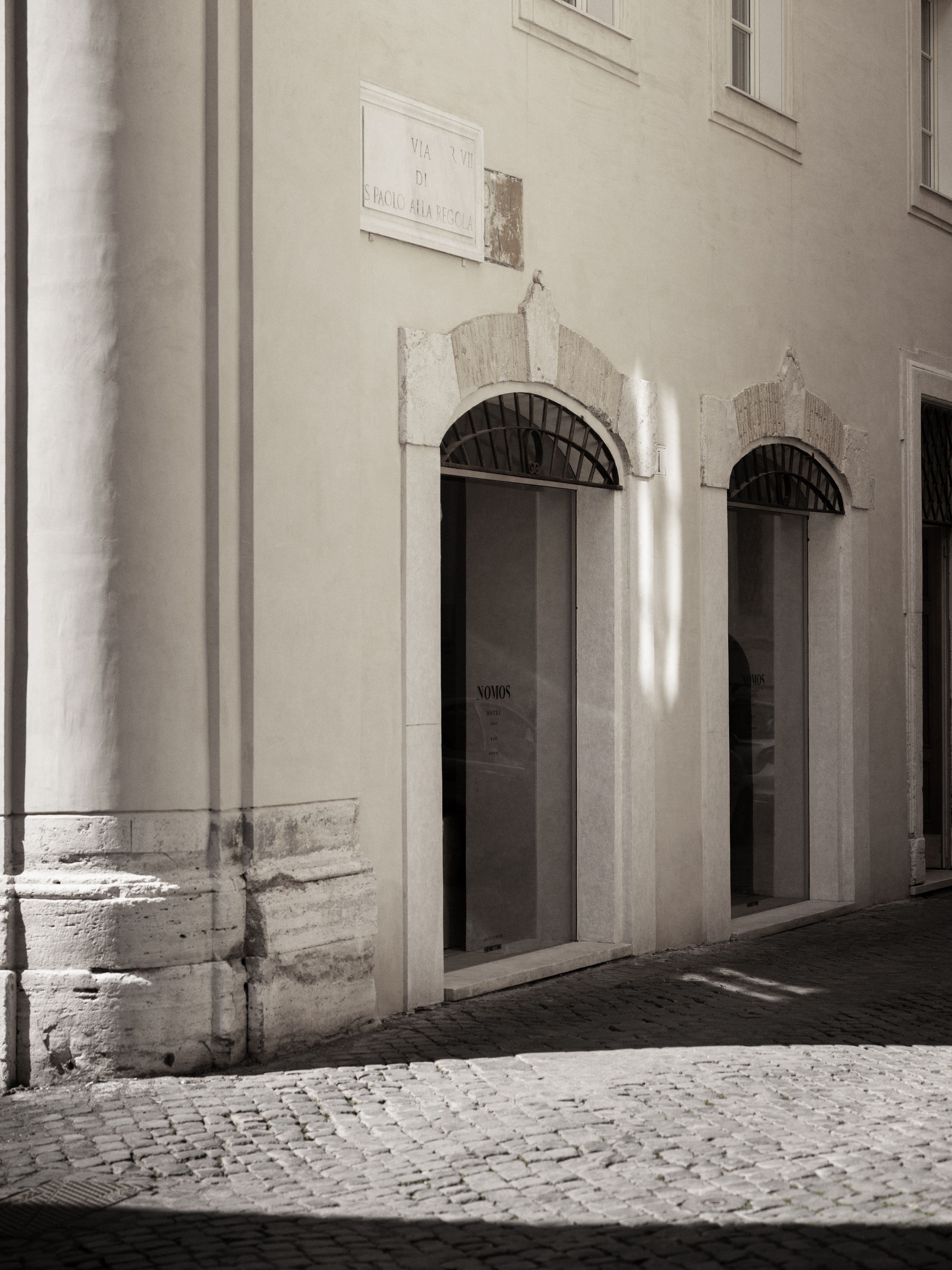
In the historic Regola district of Rome, where narrow streets reveal centuries of architectural history, NOMOS Hotel offers a different interpretation of contemporary luxury. Conceived by Italian designer, artist and craftsman Henry Timi, the hotel occupies a former Franciscan monastery dating back to the seventeenth and eighteenth centuries. Rather than imposing a new identity on the historic building, Timi approaches the project as an exercise in subtraction, stripping away the superfluous to reveal the character of the place itself. The result is an intimate world where history, craftsmanship and materiality converge, creating a sense of calm that feels almost monastic in its restraint.
For Timi, luxury is not a question of abundance or visual spectacle, but of authenticity, precision and the experience of being surrounded by natural materials. Stone, wood, metal, clay and linen form the foundation of an interior language that resists passing trends. The atmosphere is quiet and contemplative, offering a counterpoint to the energy and visual richness of Rome outside. Here, the past is not recreated through nostalgic references or decorative gestures. Instead, it is allowed to emerge through the textures, proportions and enduring presence of the architecture.






An Architecture of the Senses
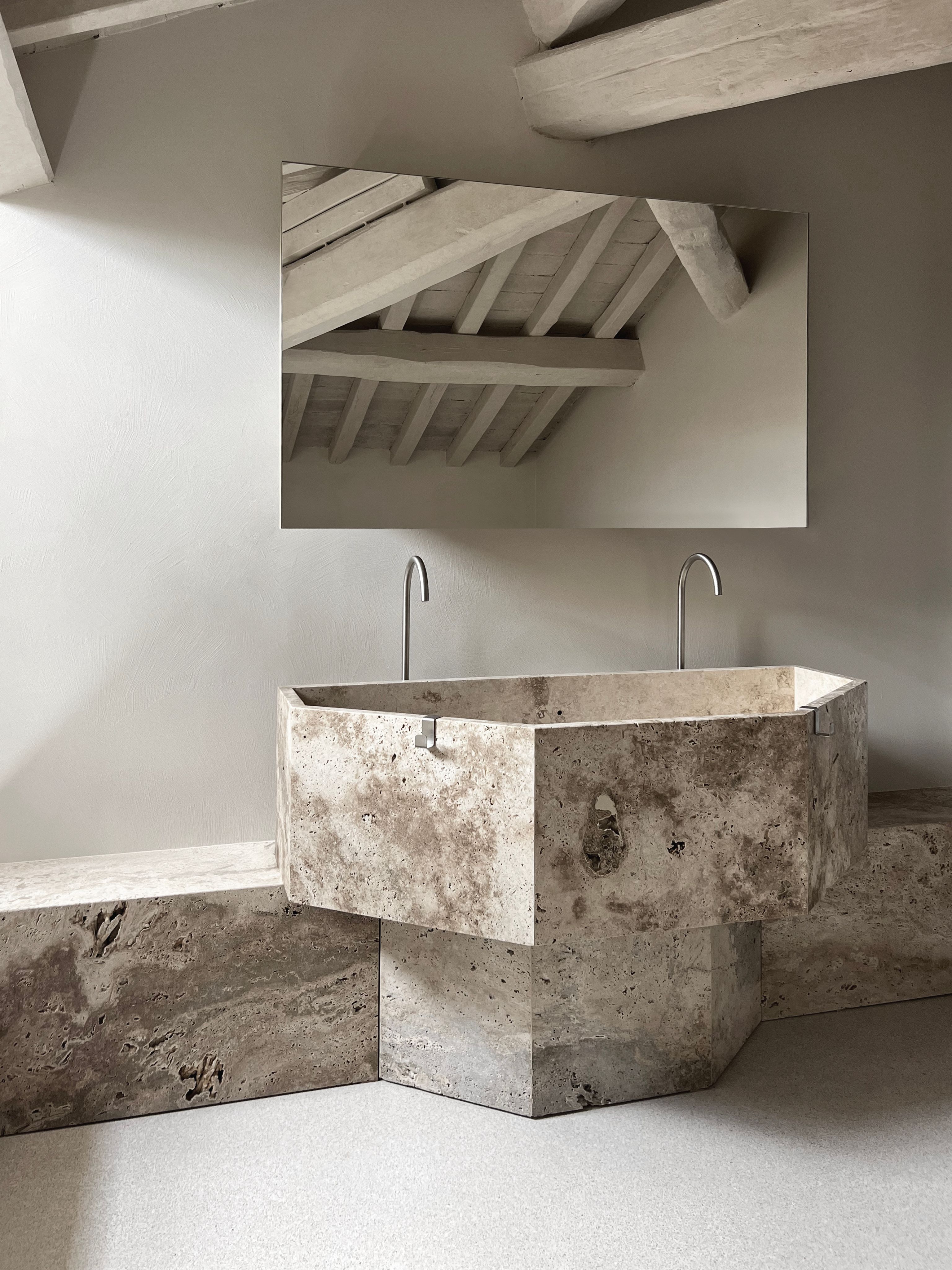
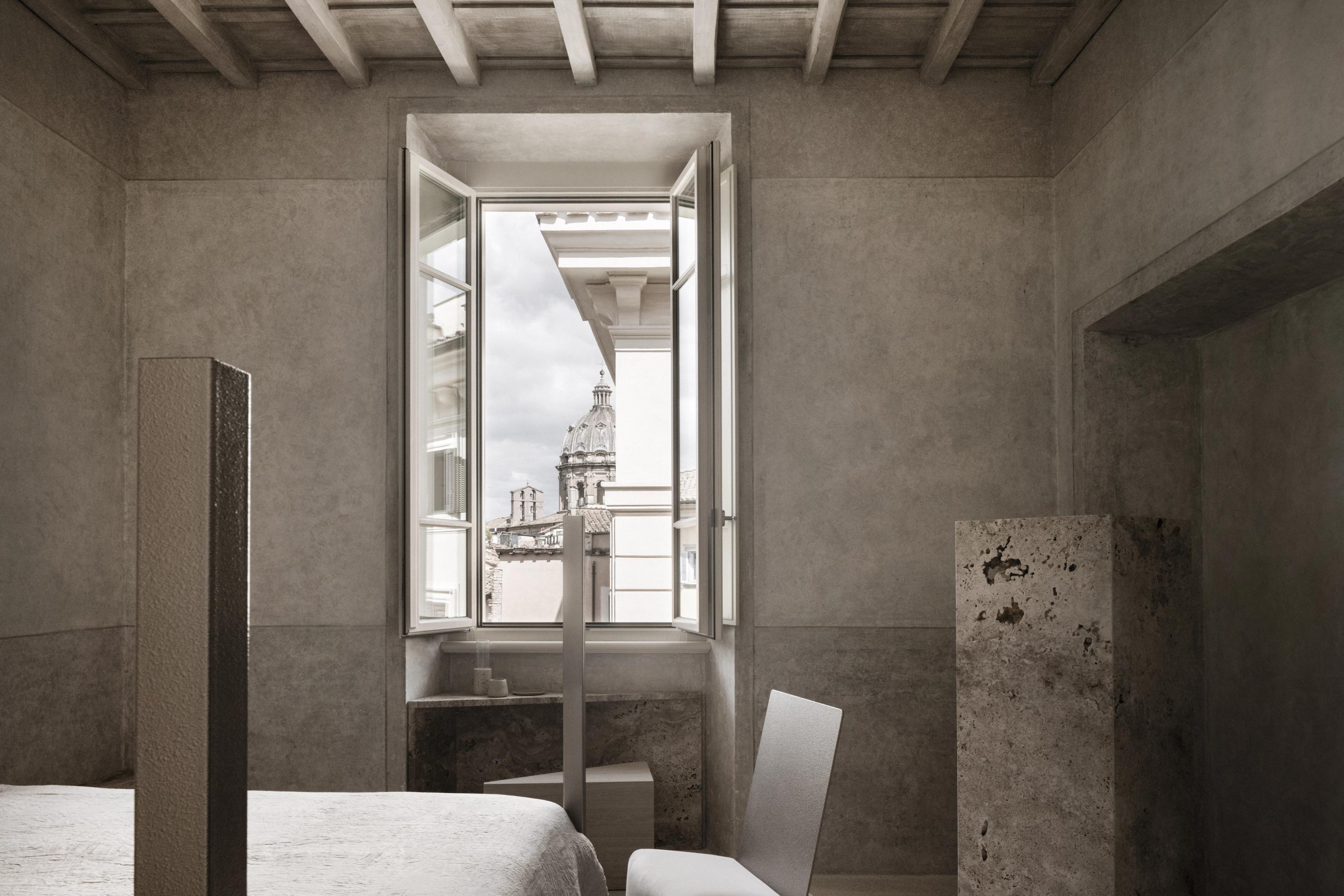
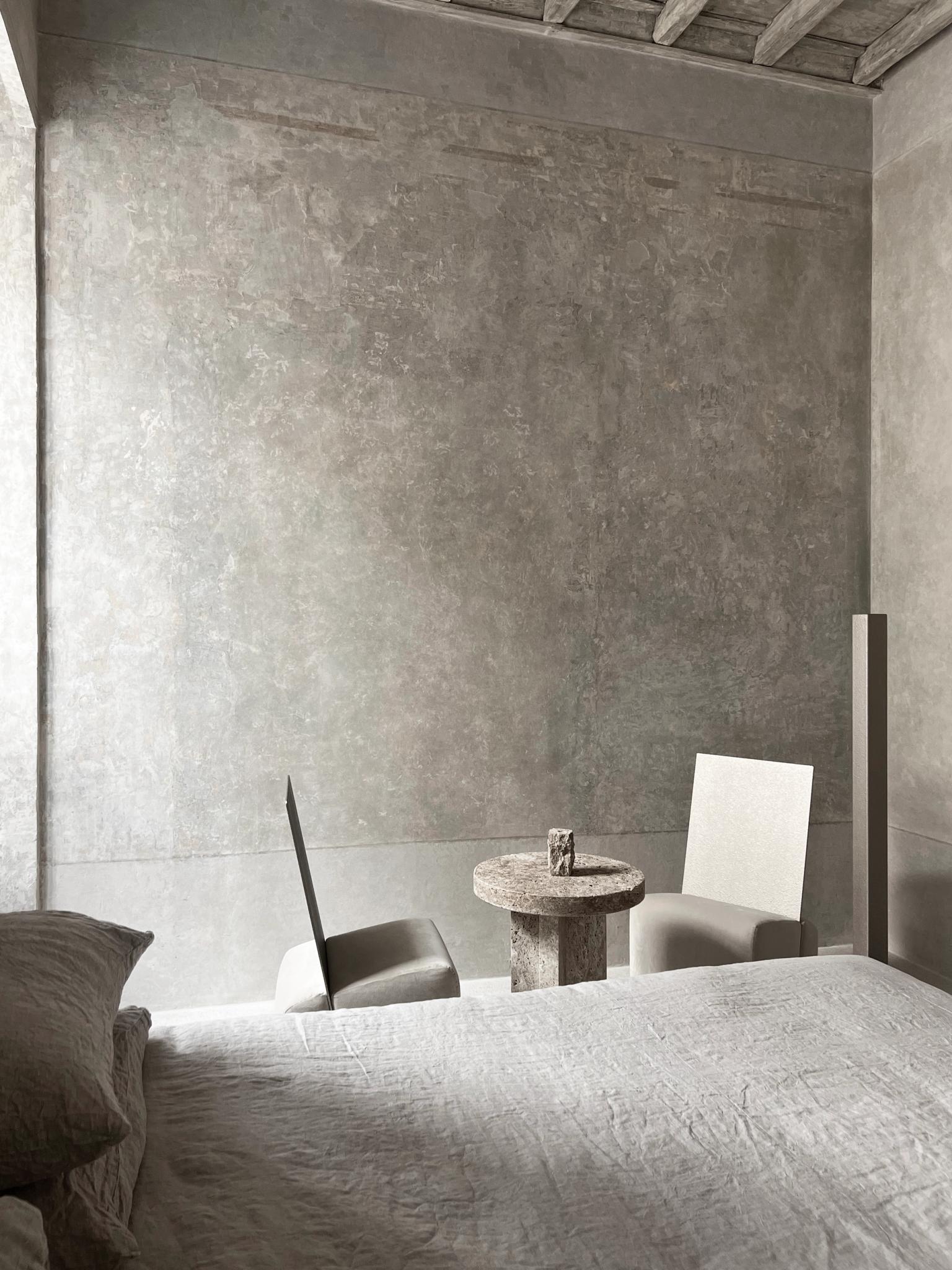
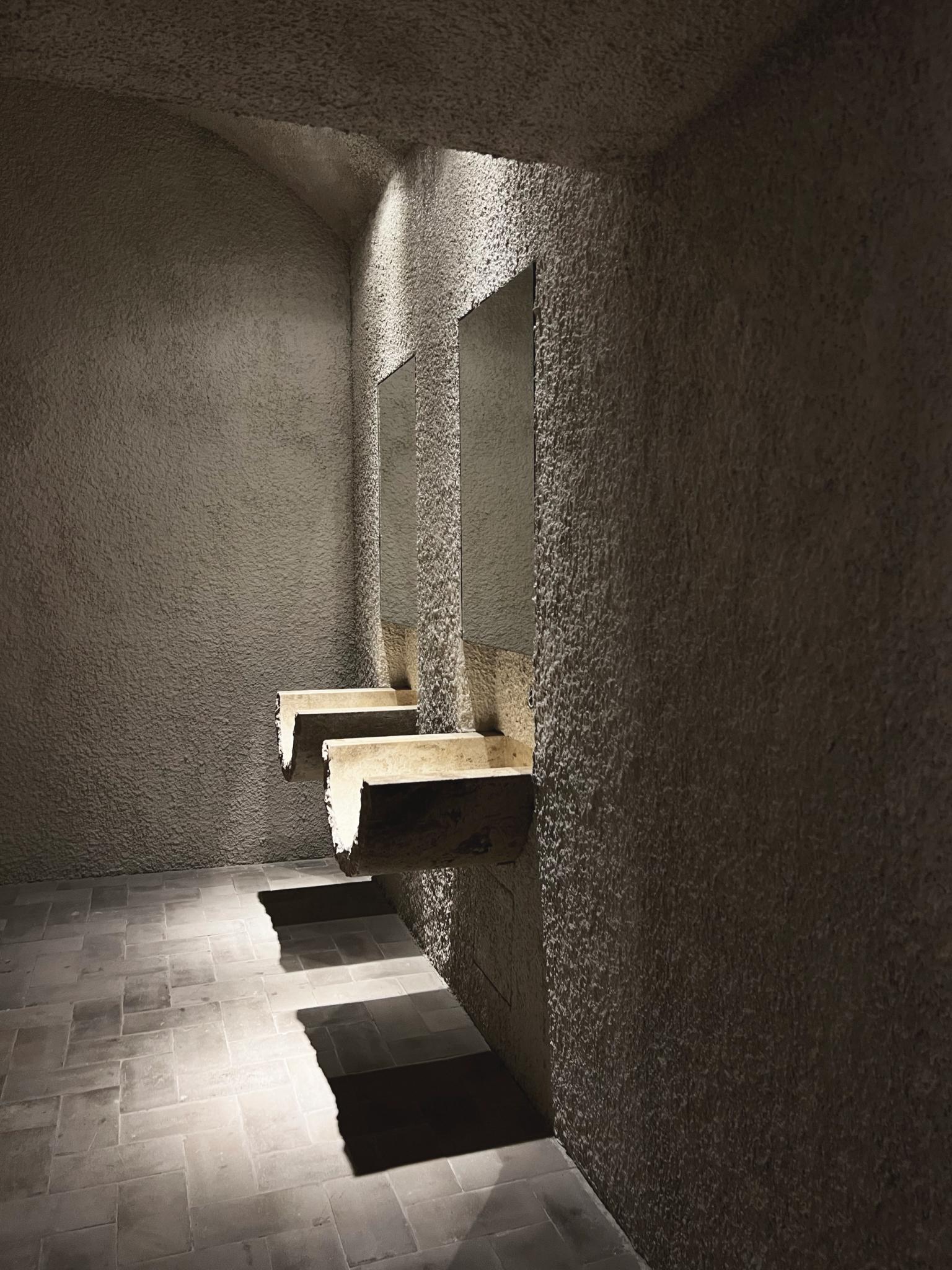
Across five floors, approximately thirty rooms are conceived as what Timi calls “Raw Rooms”. Each is an exercise in material honesty, where rough travertine, natural linen, handmade finishes and sculptural furniture create an environment that engages the senses as much as the eye. Travertine, a stone deeply embedded in Rome’s architectural identity, becomes a defining element throughout the hotel. Its weight and texture evoke the monumental language of the ancient city, while its restrained use gives the interiors an unexpectedly intimate quality.
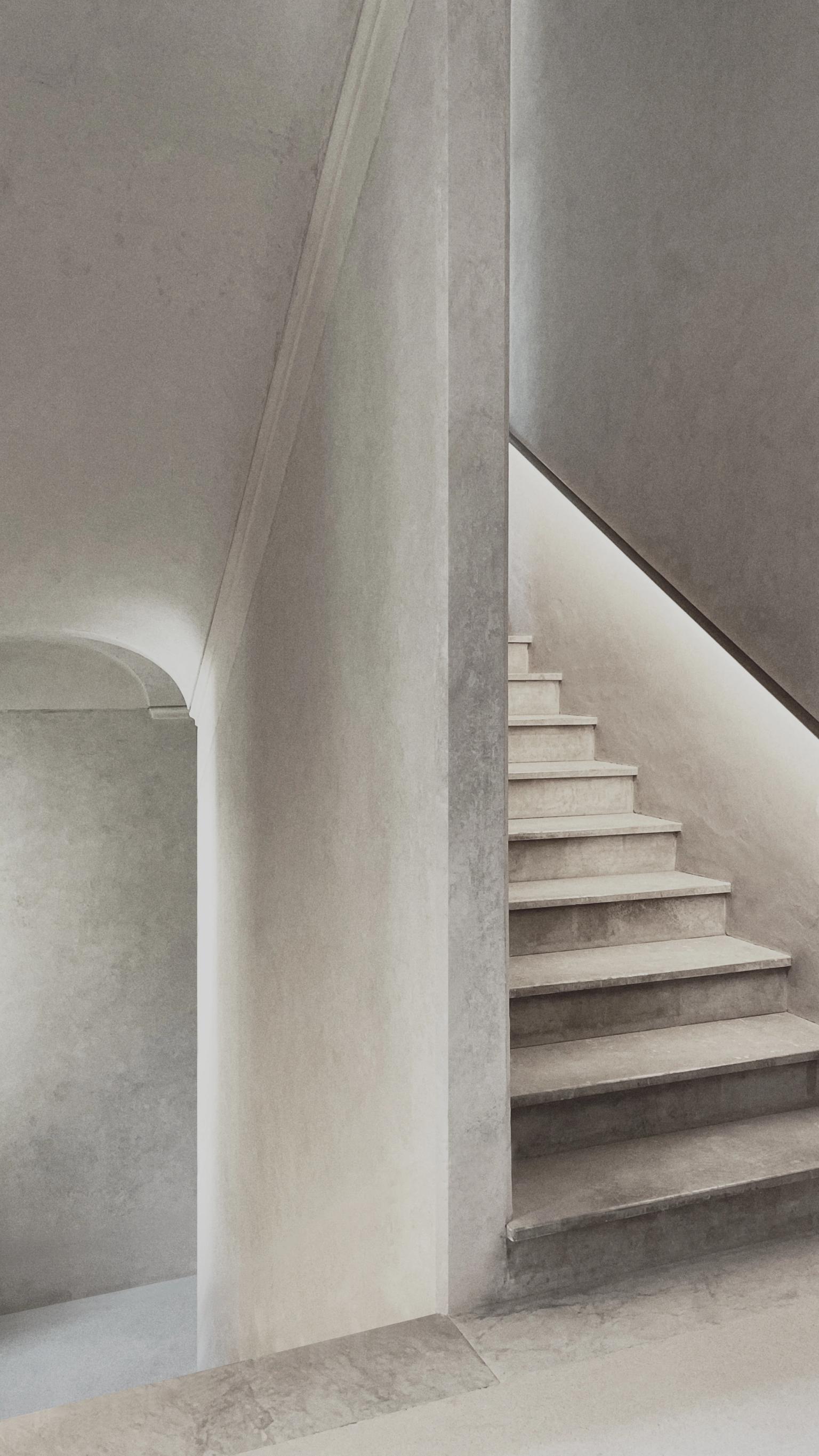

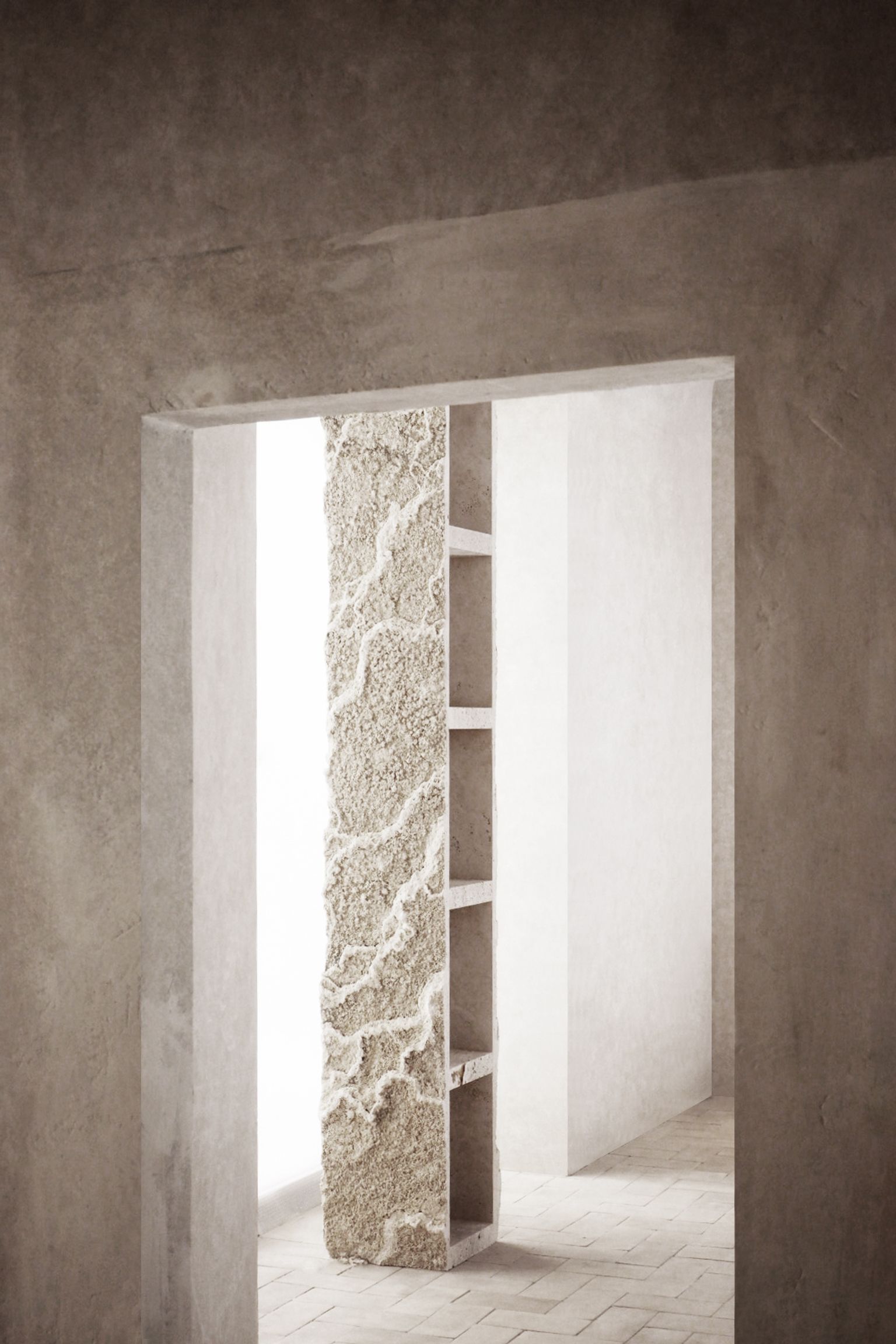
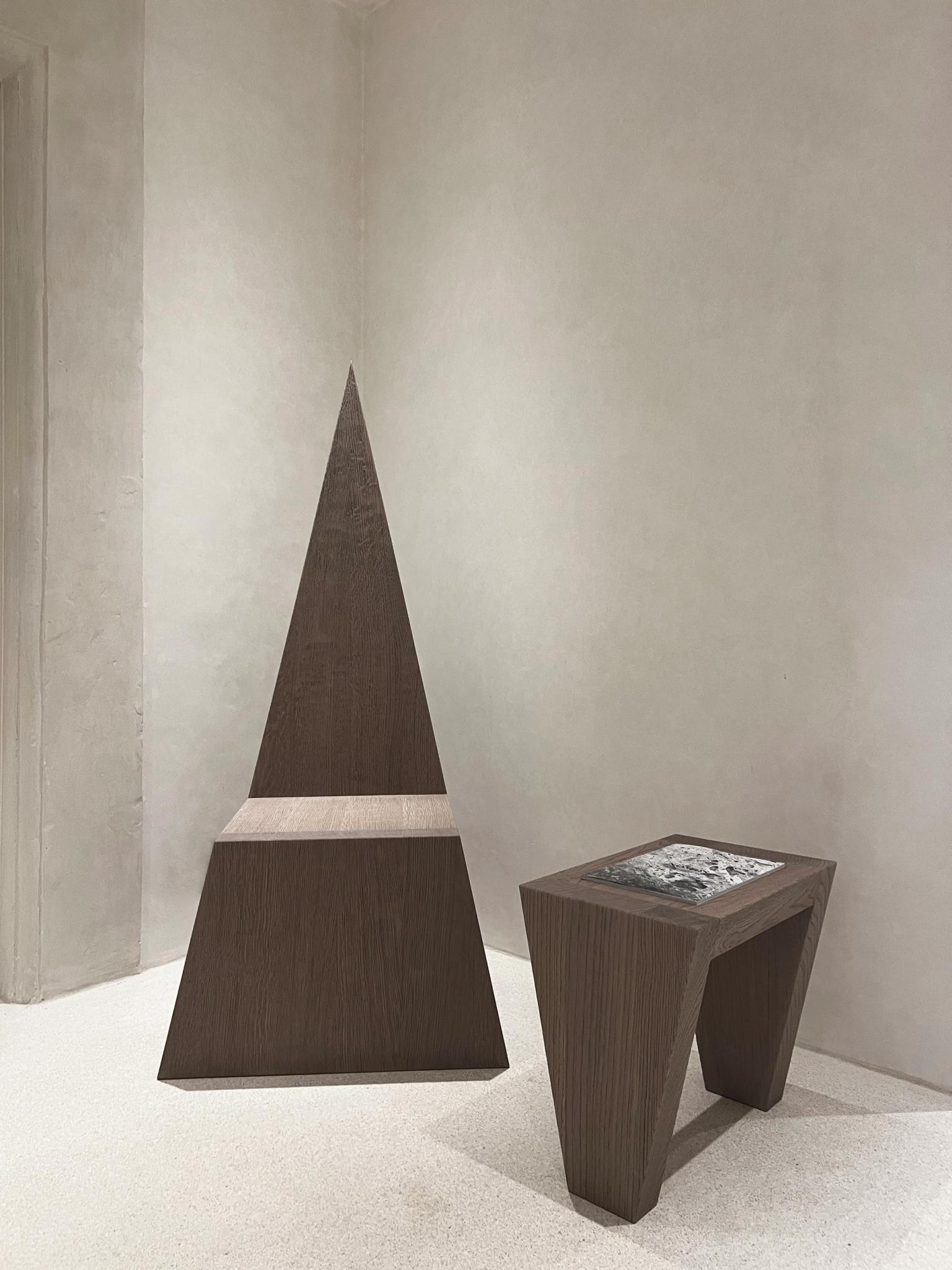
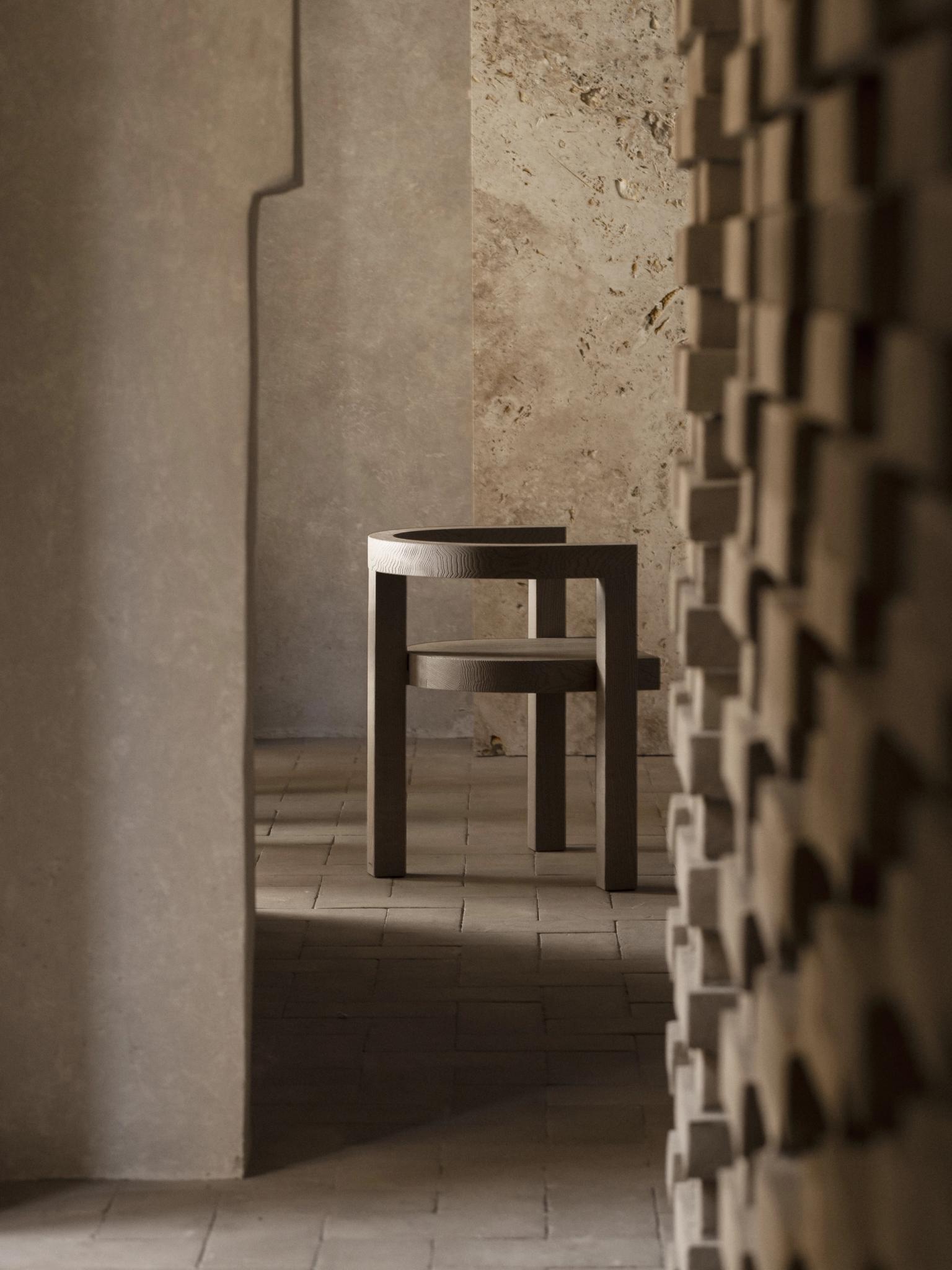
Furniture and functional objects are integral to the architectural experience. Stone desks, sculptural volumes and carefully considered storage elements are designed specifically for the spaces, blurring the distinction between architecture, furniture and art. Everyday necessities are incorporated into these objects rather than allowed to interrupt the visual harmony of the rooms. Nothing feels incidental, yet nothing competes for attention. Light moves across raw surfaces, revealing subtle variations in colour and texture, while mirrors and carefully framed views establish a dialogue between the interior and the city beyond.
The design is not minimalism for its own sake. It is an attempt to reduce visual noise and restore attention to the physical experience of a place. By limiting decoration, Timi gives greater significance to the materials themselves and to the people who inhabit the spaces. The rooms become less like conventional hotel interiors and more like intimate architectural compositions, inviting guests to slow down and experience their surroundings with renewed awareness.


A Contemporary Ritual of Hospitality
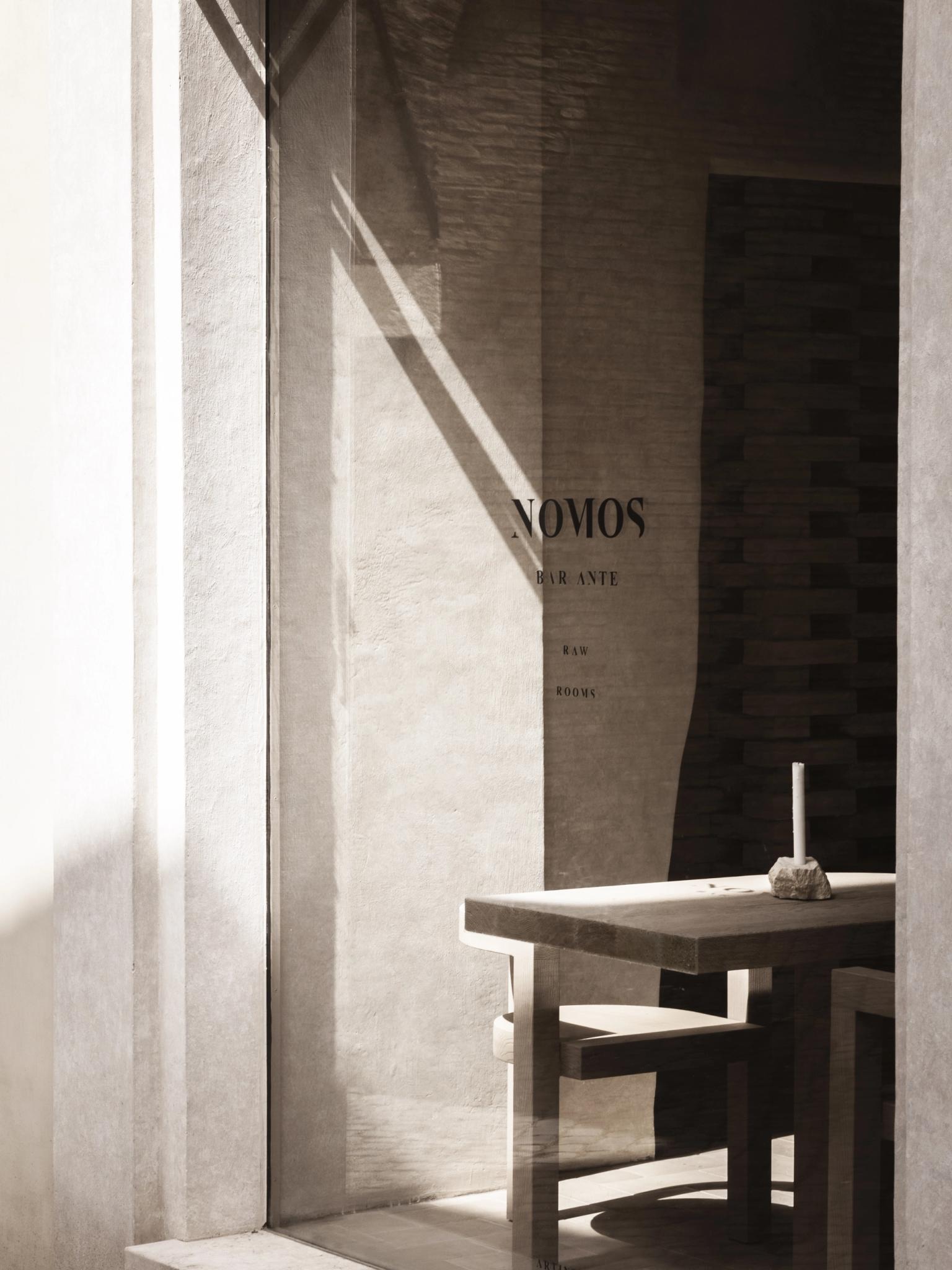
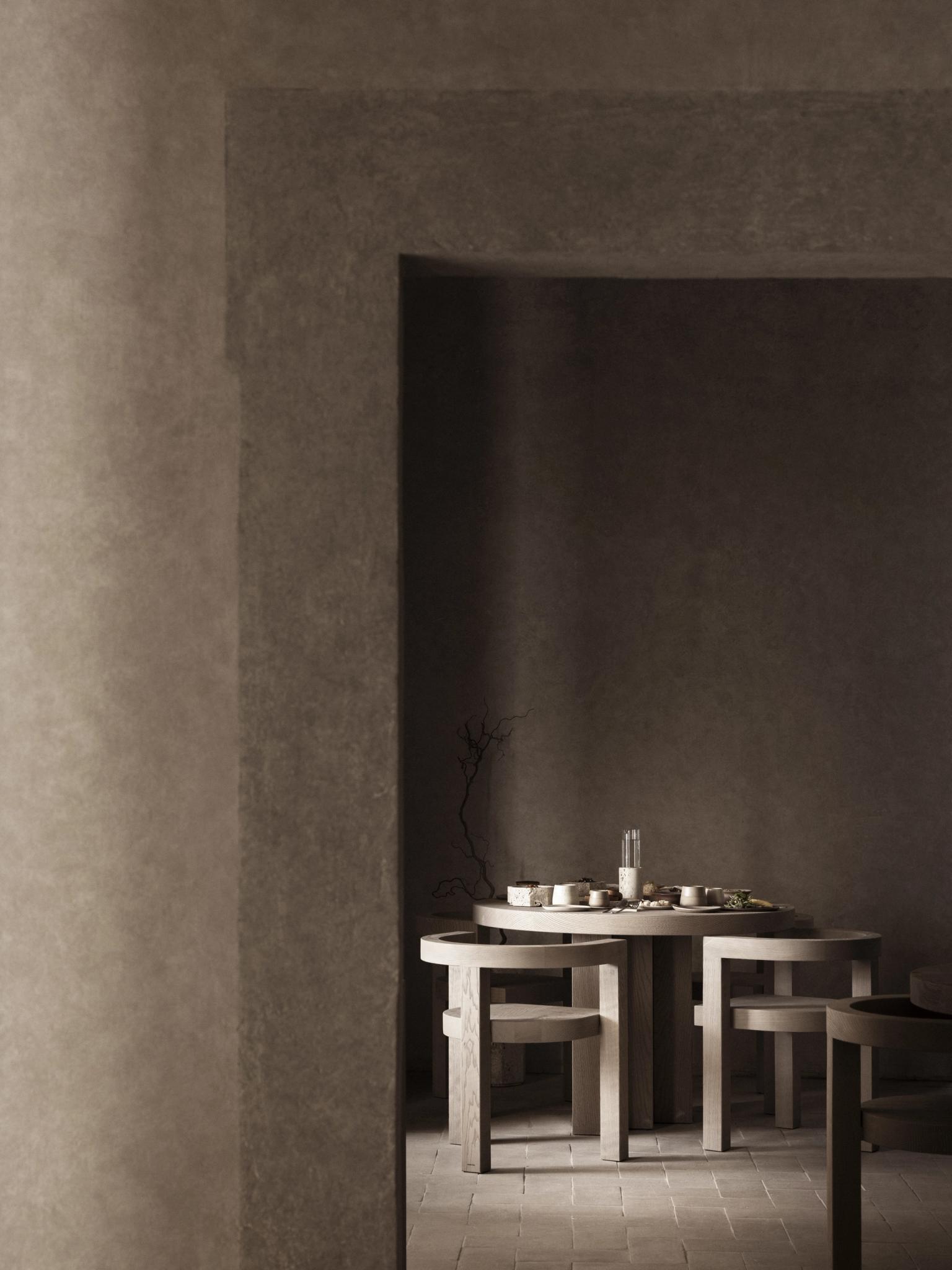
The hotel's public spaces extend this philosophy into a more social setting. At its heart, a courtyard provides a moment of openness within the dense urban fabric, while BAR ANTE brings together dining, conversation and the rituals of gathering. Sculptural stone elements and carefully selected furnishings establish continuity with the private rooms, allowing the entire building to be understood as a single, coherent composition. Below ground, dedicated wellness spaces offer another dimension of retreat, reinforcing the hotel's emphasis on quietness and sensory experience.
The name NOMOS, derived from the ancient Greek concept associated with law, order and convention, suggests an underlying structure or principle. In Timi's hands, however, that order is expressed through freedom from excess rather than strict formality. His approach to what he describes as art interior dissolves the boundaries between design disciplines, treating architecture, objects and materials as parts of one continuous language.
NOMOS ultimately proposes a more personal idea of hospitality. It does not seek to overwhelm guests with spectacle or provide a familiar image of luxury. Instead, it creates the conditions for a meaningful encounter between a person, a building and a city. Rooted in Rome's history yet unmistakably contemporary, the hotel demonstrates how restraint can become a form of richness, and how the most memorable spaces are sometimes those that leave room for silence, discovery and the imagination.