
Isamu Noguchi
Noguchi Museum
- ArtistIsamu Noguchi. The Isamu Noguchi Foundation and Garden Museum, 2016.
- PhotographerNicholas Knight. © The Isamu Noguchi Foundation and Garden Museum, New York / Artists Rights Society (ARS), New York / Sabam
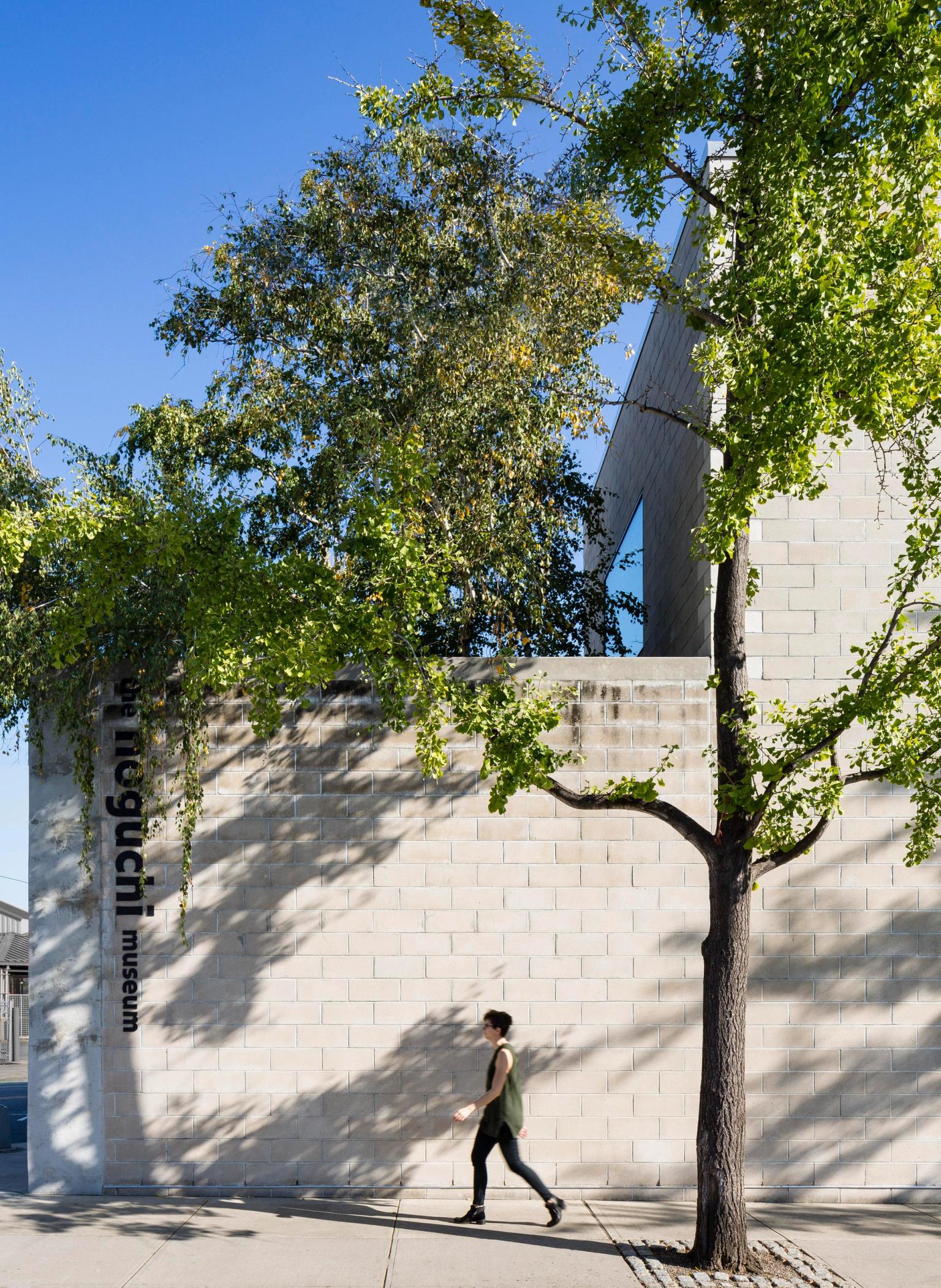
Nicolas Schuybroek More garden than museum. Sculpture, architecture, and landscape dissolve into one experience. The spaces encourage slowness and attention. It feels like a place for quiet observation.

Origin and Intent
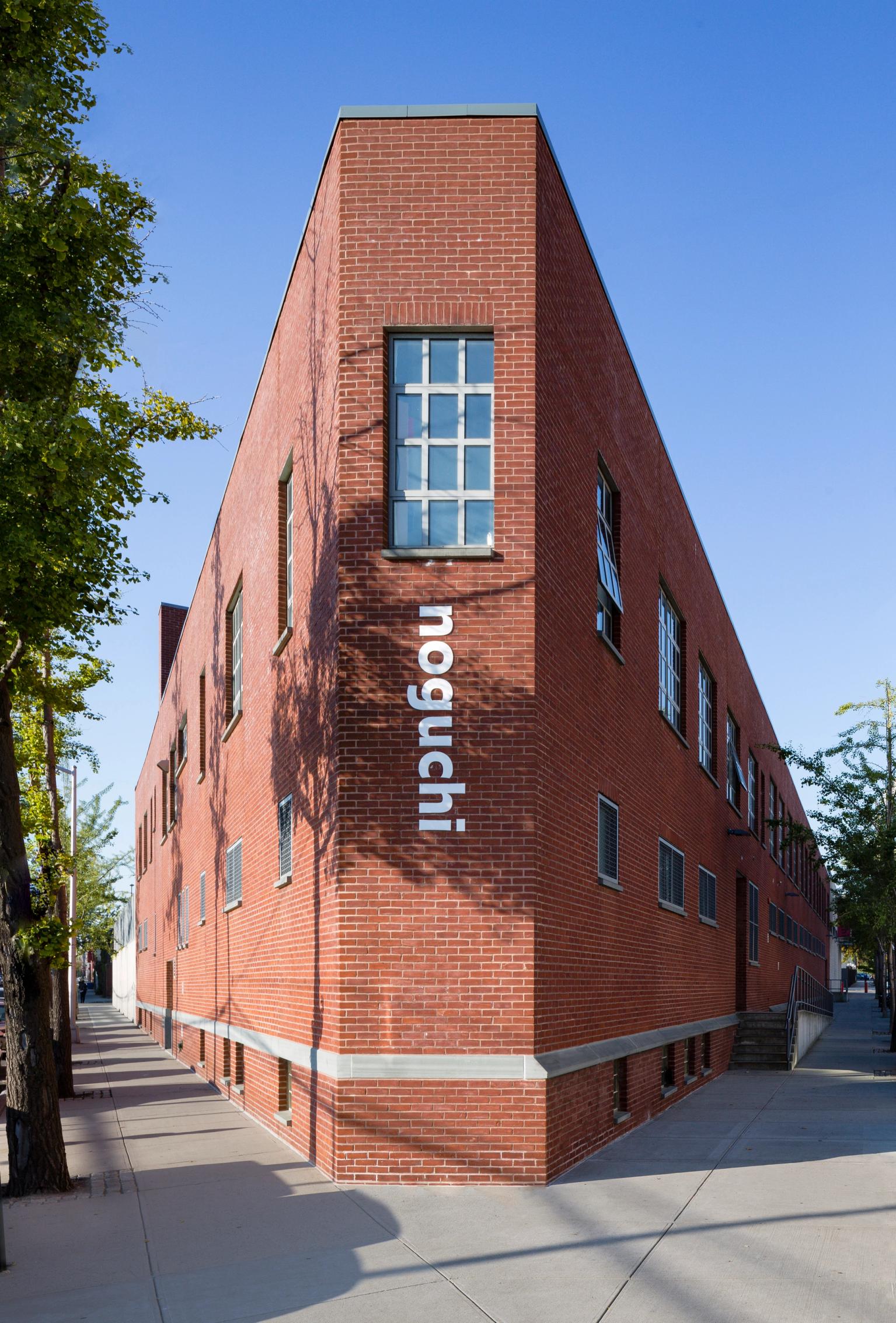
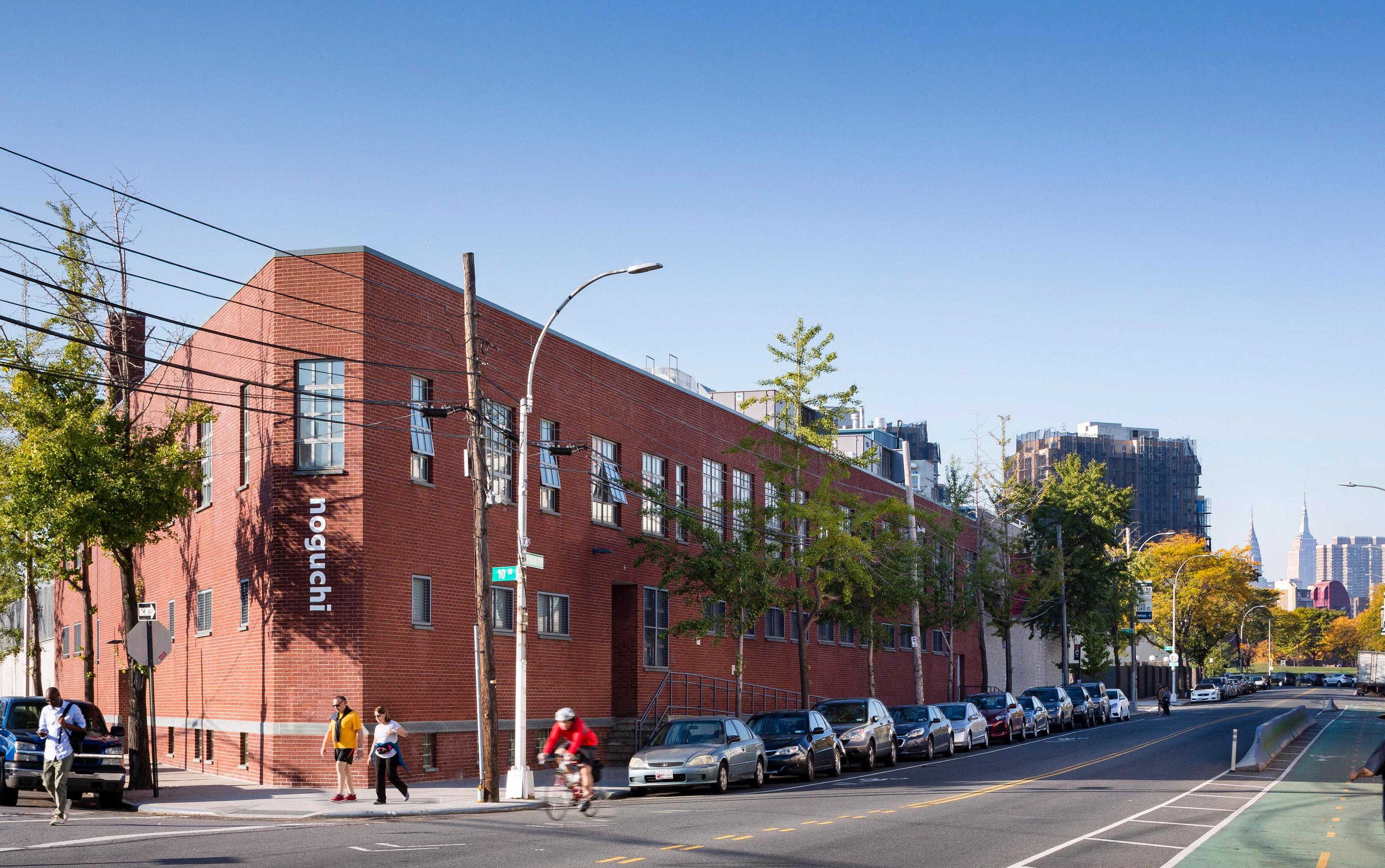
Located in Long Island City, Queens, New York, the The Noguchi Museum was founded and shaped by Japanese-American sculptor Isamu Noguchi as a dedicated environment for his own work. Established in 1985 after he acquired a former photogravure plant and gas station near his studio, the museum emerged directly from his desire to control how his practice would be preserved, presented, and experienced. At the time, it was one of the first museums in the United States founded by a living artist to exhibit their own work.
The building, modest in scale at around 24,000 square feet, was not designed as a neutral exhibition container, but rather as a spatial extension of Noguchi’s studio thinking. Combined with the adjacent outdoor garden, the project forms a continuous setting where architecture and sculpture are closely intertwined, reflecting Noguchi’s interest in blurring the boundaries between making, displaying, and inhabiting space.

Collection and Multidisciplinary Practice
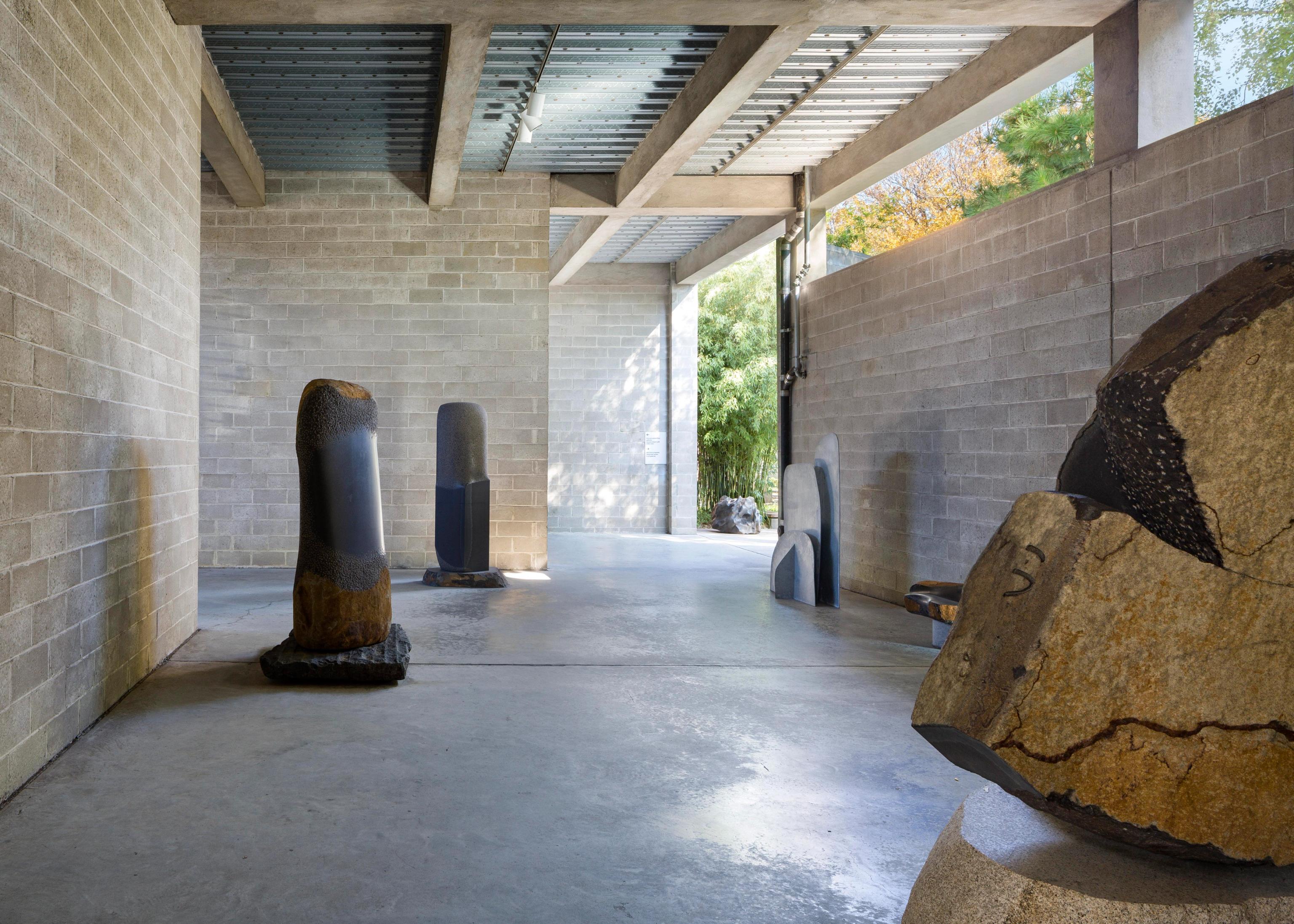
The museum presents a wide-ranging body of work that spans sculpture, design, and spatial experimentation, reflecting the breadth of Noguchi’s practice across disciplines. His work includes abstract sculptures in stone, metal, and wood, as well as architectural models, stage designs, drawings, and furniture. Alongside these, the museum preserves his Akari light sculptures, paper-based lighting objects that merge craftsmanship with industrial production and everyday function. This diversity highlights Noguchi’s refusal to be confined to a single category of art or design, instead working fluidly between contexts and scales.
The collection is supported by extensive archival material, including models and documentation that reveal how ideas developed over time. Installations within the museum are regularly reconfigured, allowing different aspects of the collection to come forward rather than presenting a fixed, permanent narrative. In this way, the museum acts not only as a repository of finished works, but also as a framework for understanding process, experimentation, and the continuity between objects, ideas, and environments within Noguchi’s practice.

Sculpture Garden and Spatial Conditions
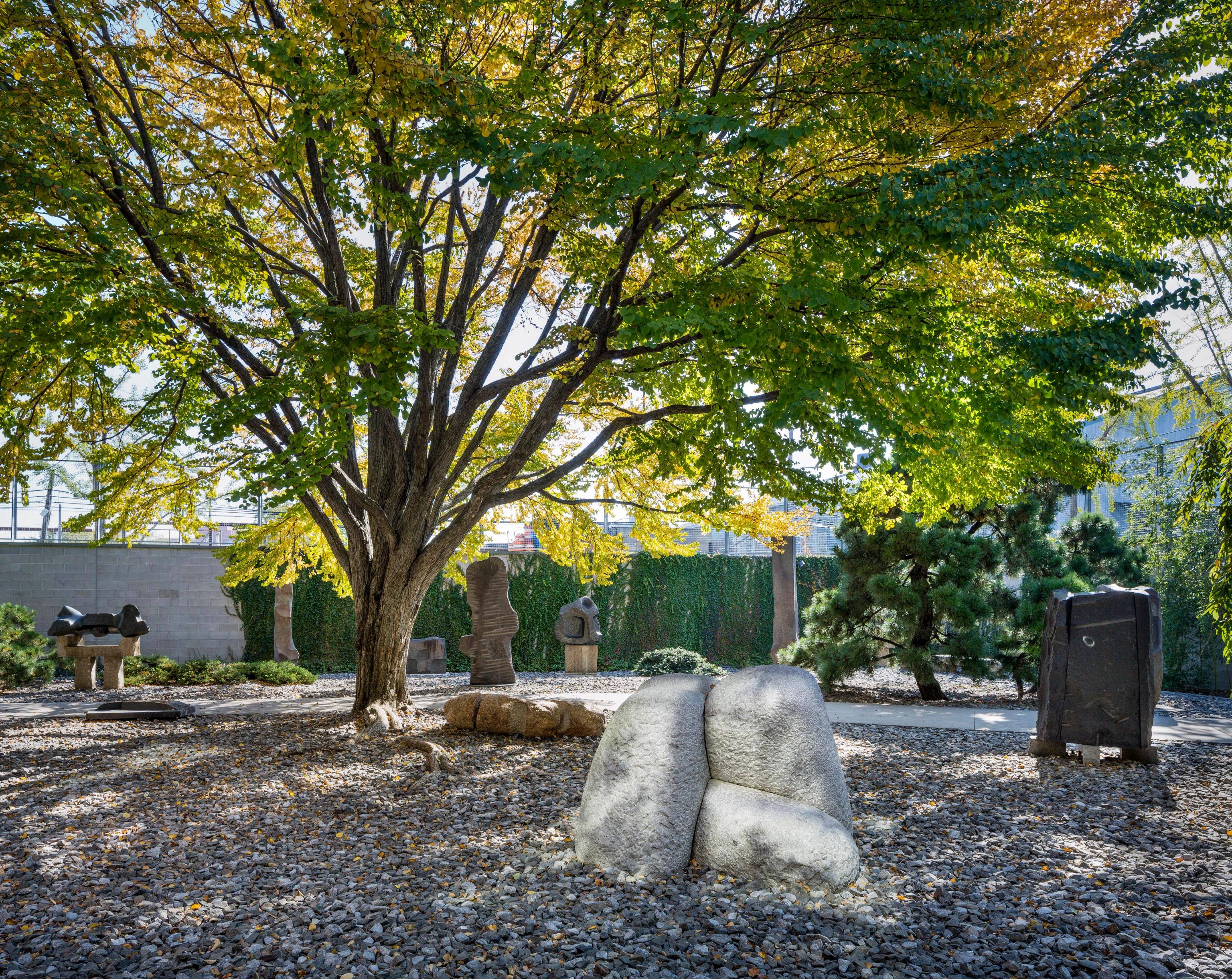
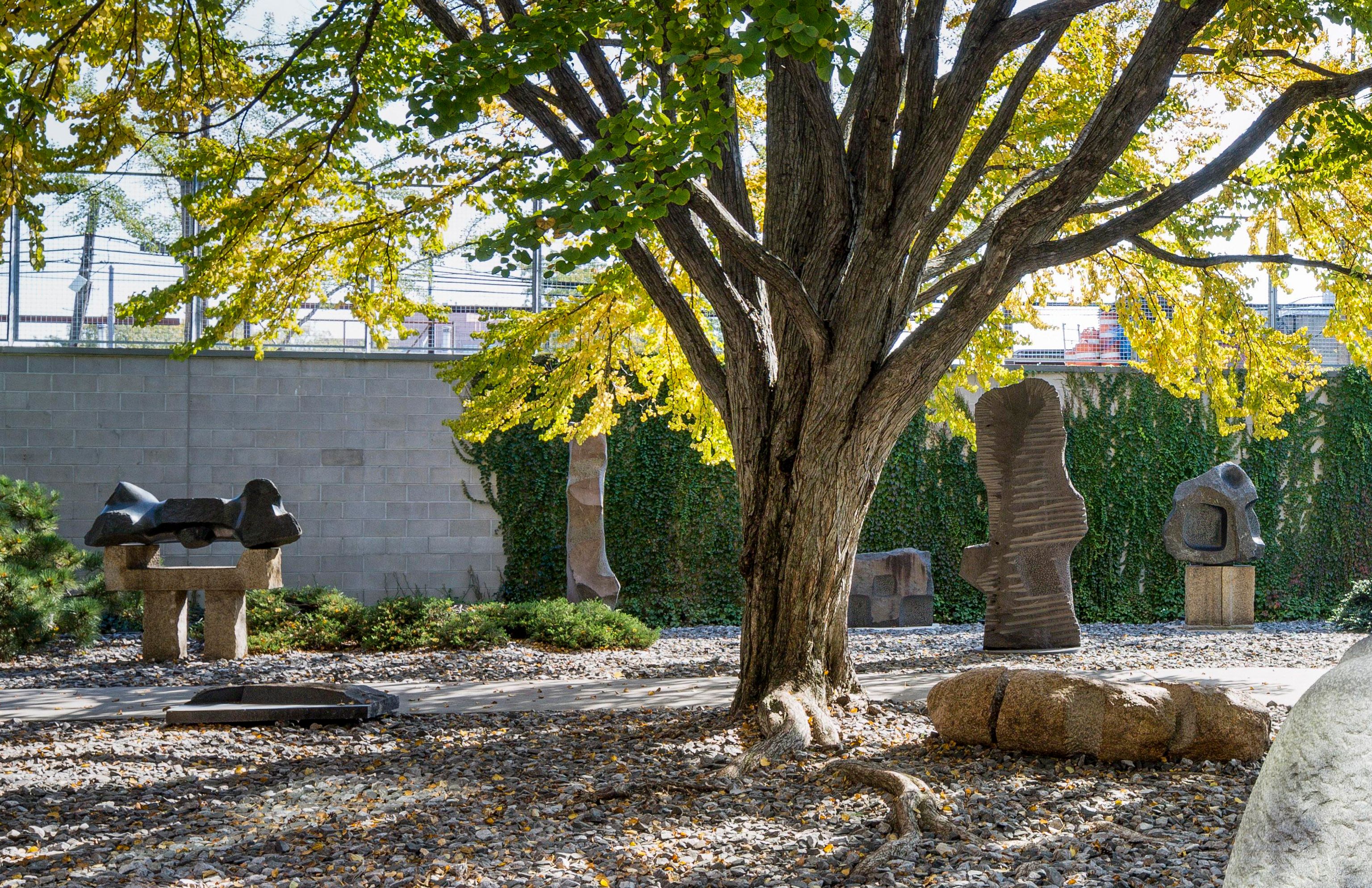
The outdoor sculpture garden extends the museum beyond its interior galleries, creating an open-air environment where works are experienced in relation to natural elements such as light, weather, and vegetation. Paths and clearings guide movement through the space, allowing visitors to encounter sculptures from multiple perspectives rather than along a fixed route. The placement of works is intentionally relational, responding to scale, distance, and surrounding context rather than being isolated as standalone objects.
A significant aspect of the garden’s history is Noguchi’s decision to incorporate an existing Tree of Heaven into the design of the site. Rather than removing it, he organized the composition of the garden around this tree, treating it as a central element within the spatial layout. Even after the tree was later removed due to structural concerns, its influence remains part of the site’s memory and development. The garden therefore reflects Noguchi’s broader interest in integrating natural and constructed elements, allowing the environment itself to participate in the experience of the work.
Institutional Role and Continuing Legacy
Beyond its role as a place for display, the Noguchi Museum operates as an active institution engaged in research, education, and contemporary discourse. It maintains Noguchi’s archives and supports ongoing study of his work, while also presenting rotating exhibitions that situate his practice within wider artistic and historical contexts. Educational programs, including initiatives for families and young children, extend the museum’s engagement to the public and contribute to its role as a cultural resource within the community.
Since 2014, the museum has presented the annual Isamu Noguchi Award, given to individuals whose work reflects Noguchi’s interest in innovation, cross-cultural exchange, and interdisciplinary thinking. Recipients have included figures such as Norman Foster, Tadao Ando, and Rei Kawakubo, among others. Through both its programming and its recognition of contemporary practitioners, the museum positions Noguchi’s legacy as an ongoing influence rather than a fixed historical reference, connecting his ideas to present-day architectural, artistic, and design practices.