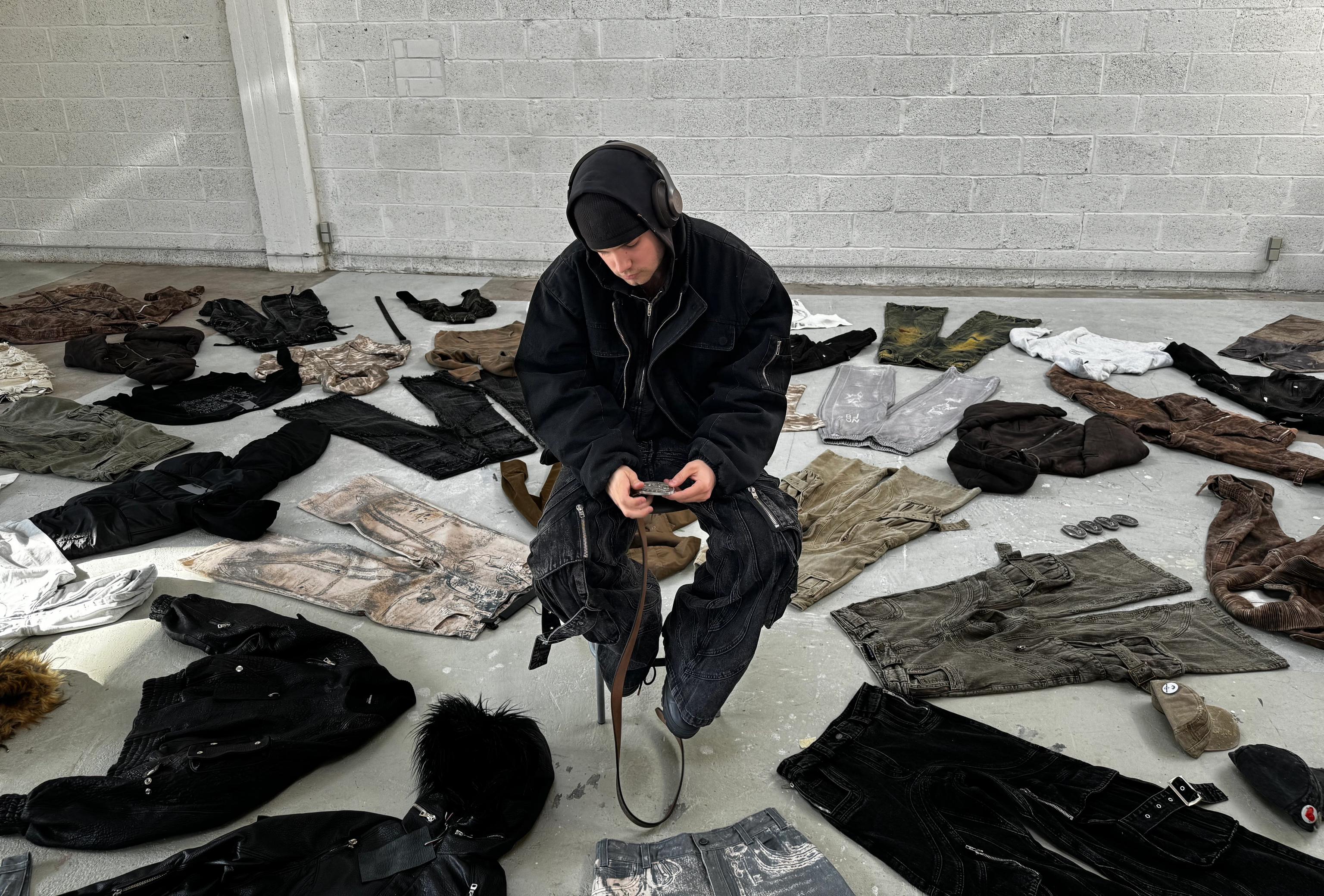

Luis Dobbelgarten
No/Faith Studios
- Founder & Creative DirectorLuis Dobbelgarten
- PhotographerCourtesy of NO/FAITH STUDIOS
Kristoffer Alexander Holtermann A kid from a small village in rural western Germany who built a world so specific, so consistent, and so visually undeniable that the biggest names in the game came to him. The PUMA collaboration confirmed he’s not a moment. The Yeezy connection confirmed something harder to quantify, that a strong enough aesthetic universe creates its own gravity. You don’t chase culture. You build something real, and culture finds you.
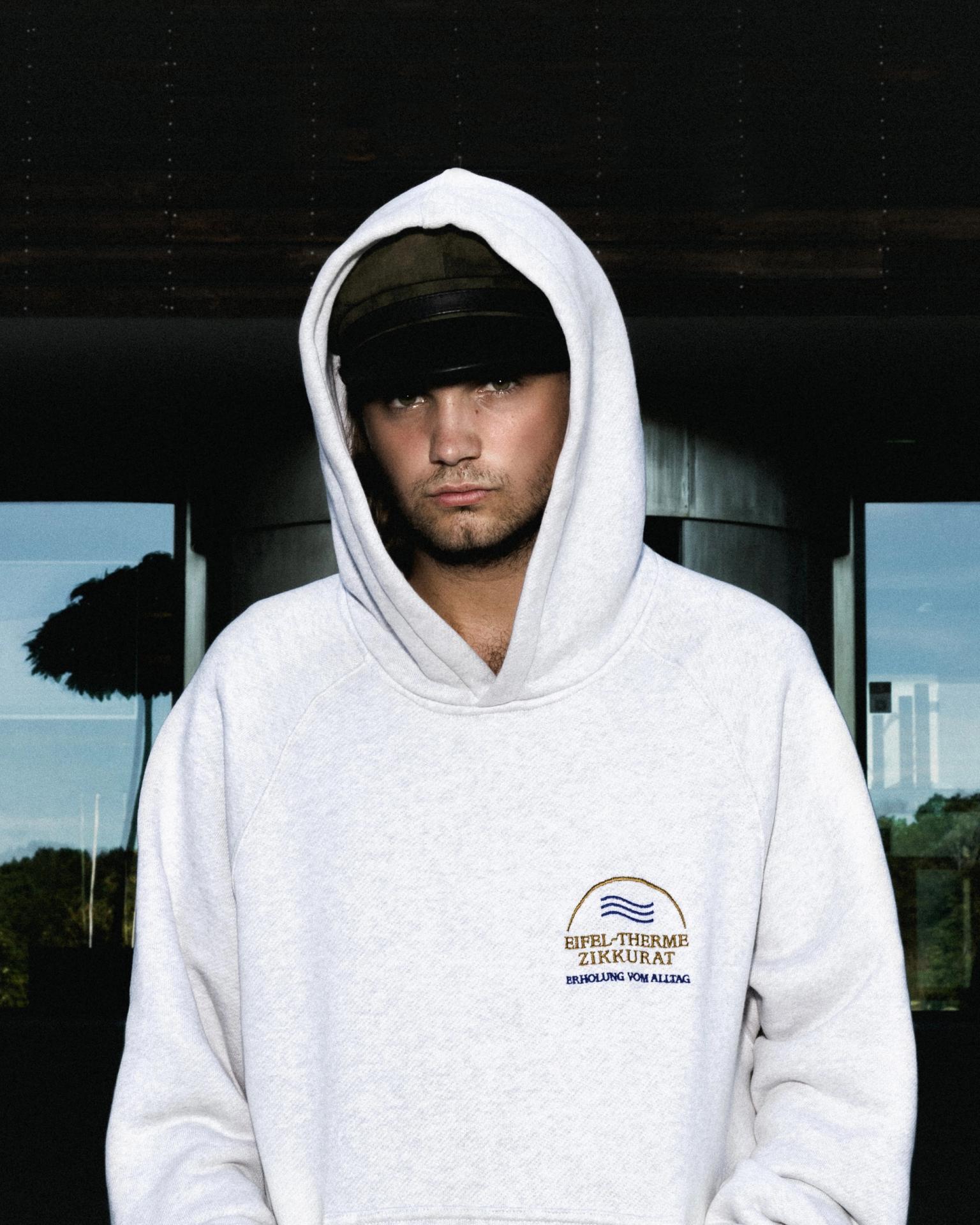

Built in the Eifel
NO/FAITH STUDIOS was founded by Luis Dobbelgarten in the Eifel region of western Germany, an environment far removed from the traditional centers of fashion. Before the brand became internationally recognized, it existed as a small personal project built through skate culture, experimentation, and self-teaching. Luis began by screen printing T-shirts as a teenager after discovering the process at a skate camp, later moving into customized Carhartt jackets, Converse sneakers, and reconstructed garments.
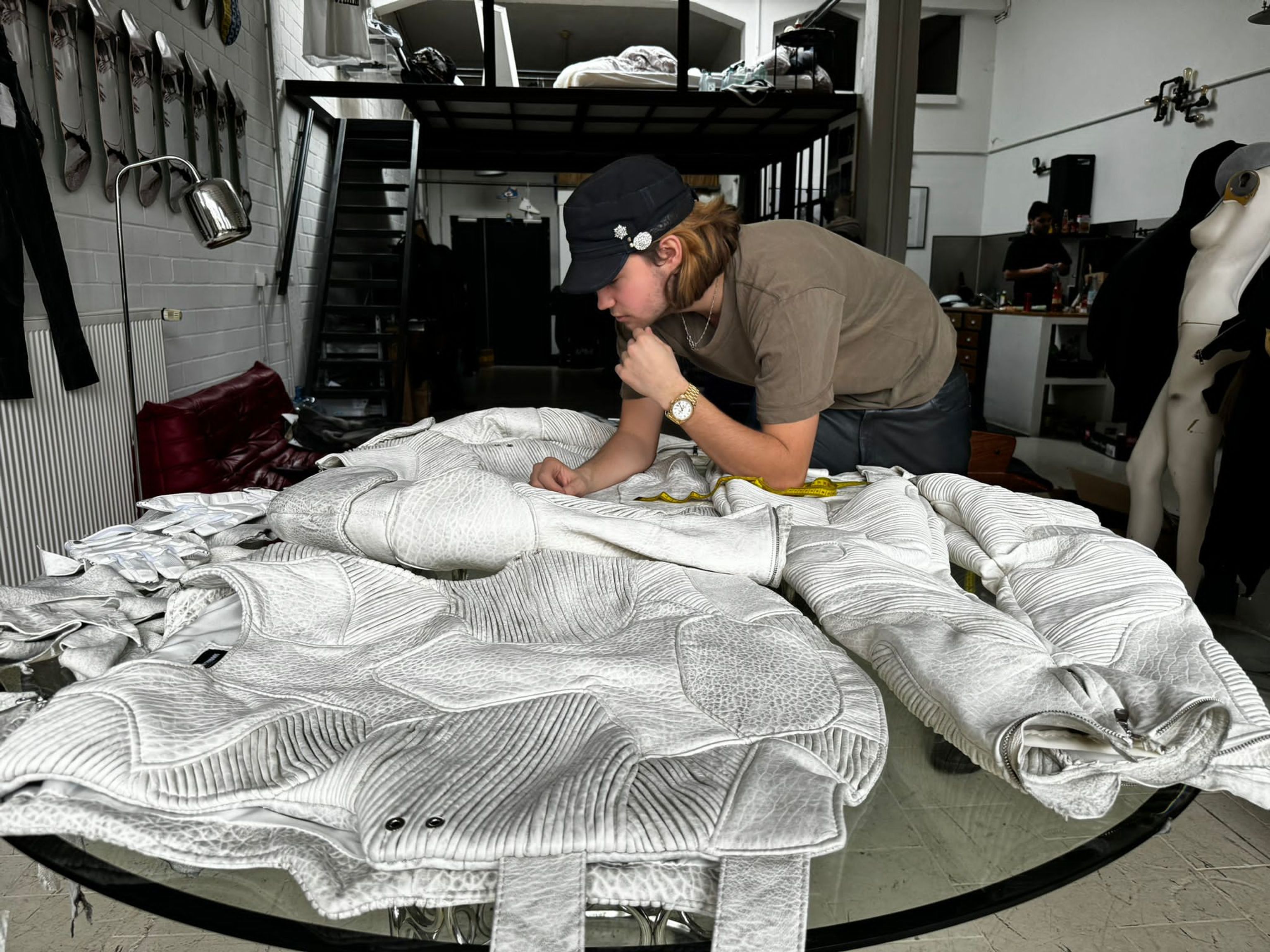

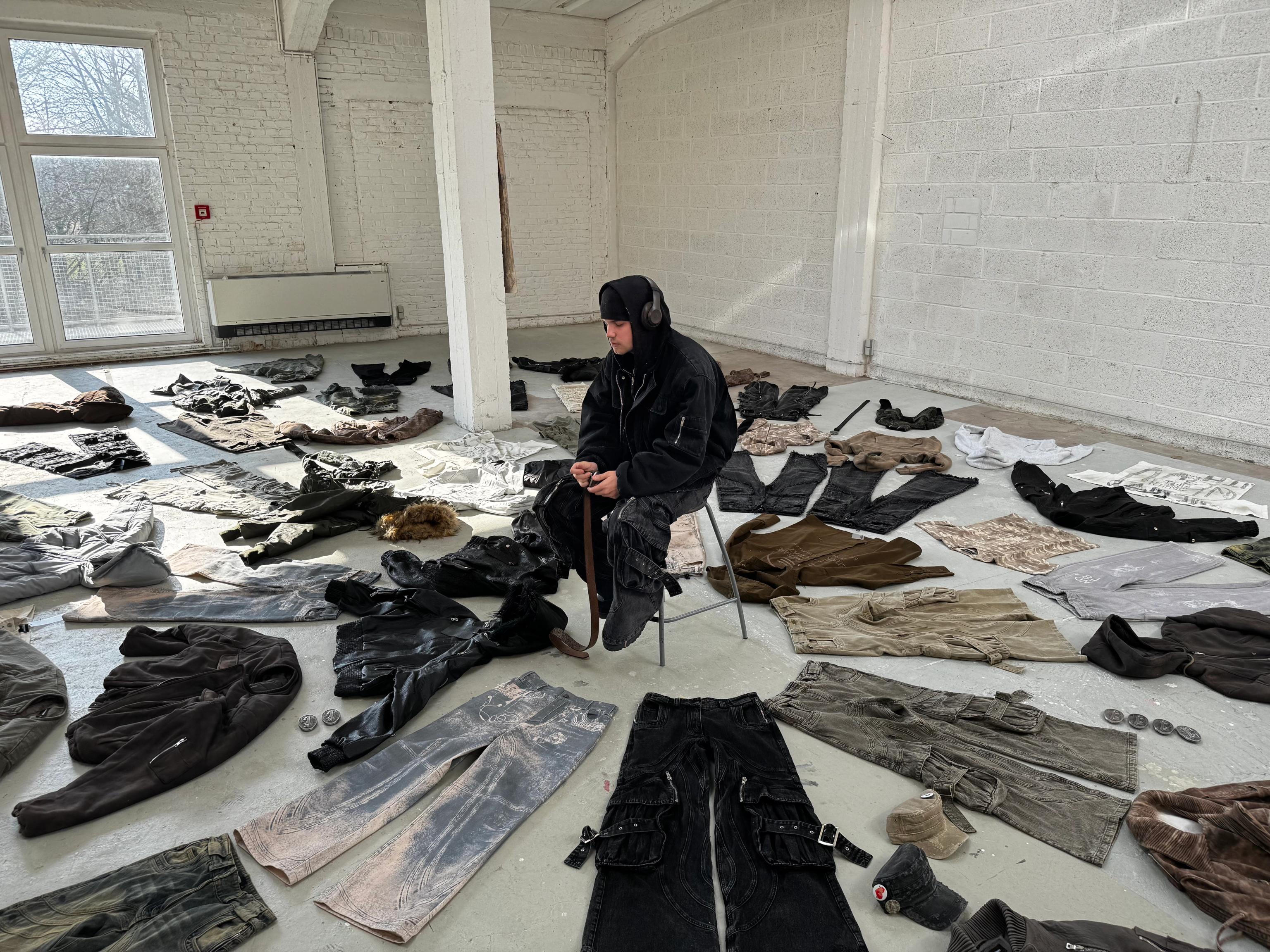
What separated the project early on was not scale, but consistency. While many young brands remained graphic-focused, NO/FAITH STUDIOS slowly developed into something more structured and design-oriented. Luis taught himself fabric sourcing, garment development, silhouette construction, and creative direction while building the brand almost entirely independently. The environment around him, industrial buildings, empty landscapes, concrete textures, workwear, and isolation, gradually became absorbed into the visual language of the label itself.

The Rise of a Visual World
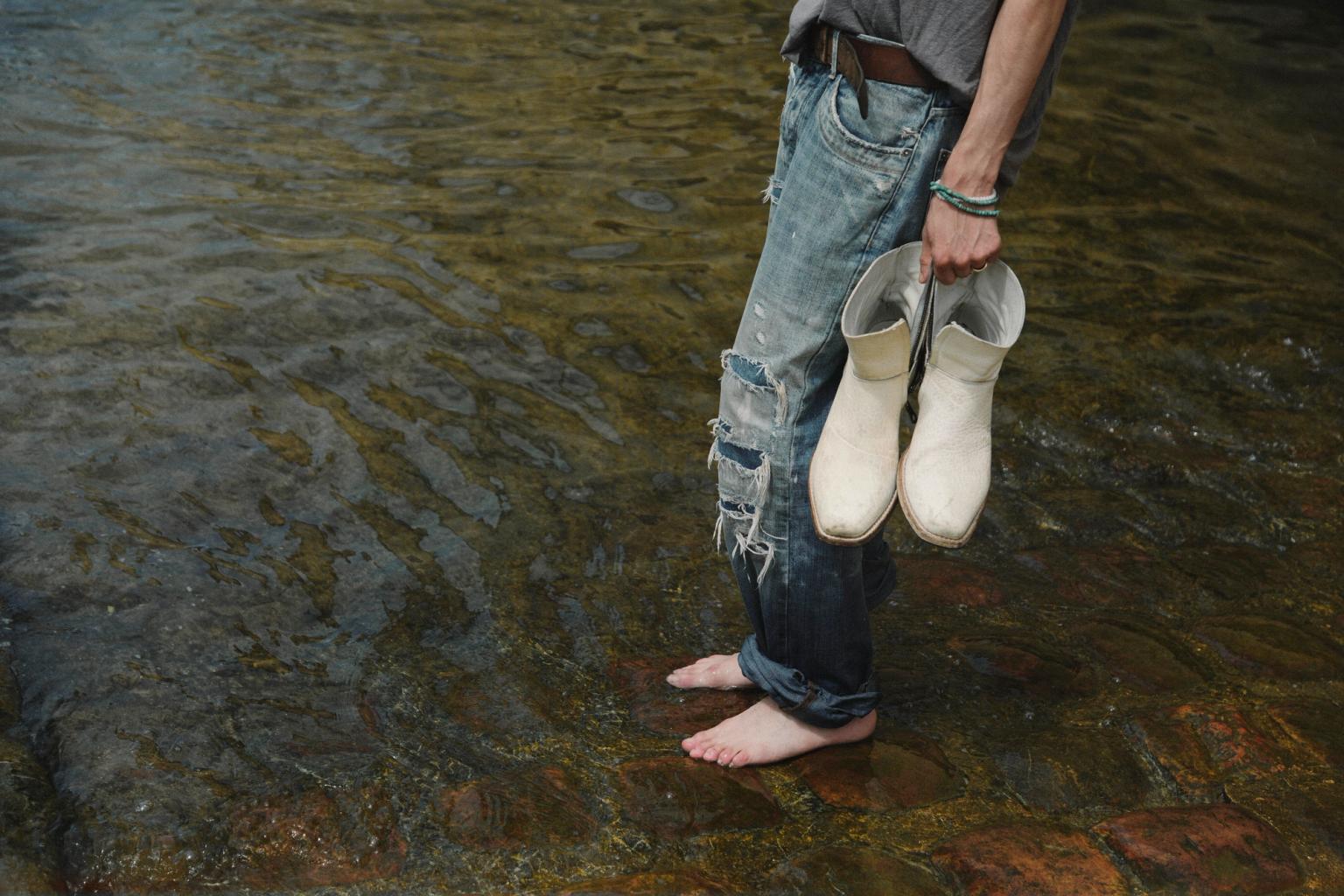
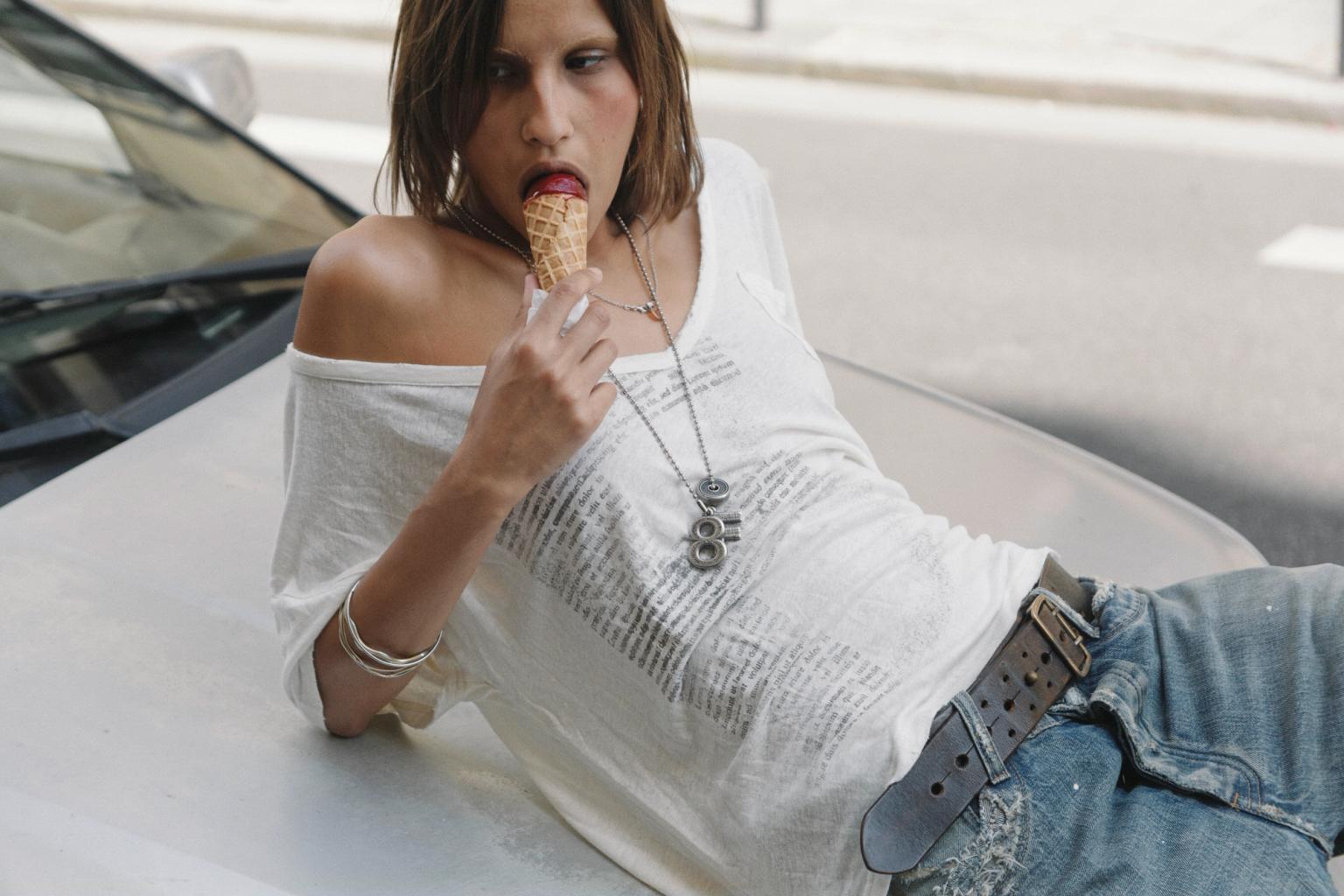
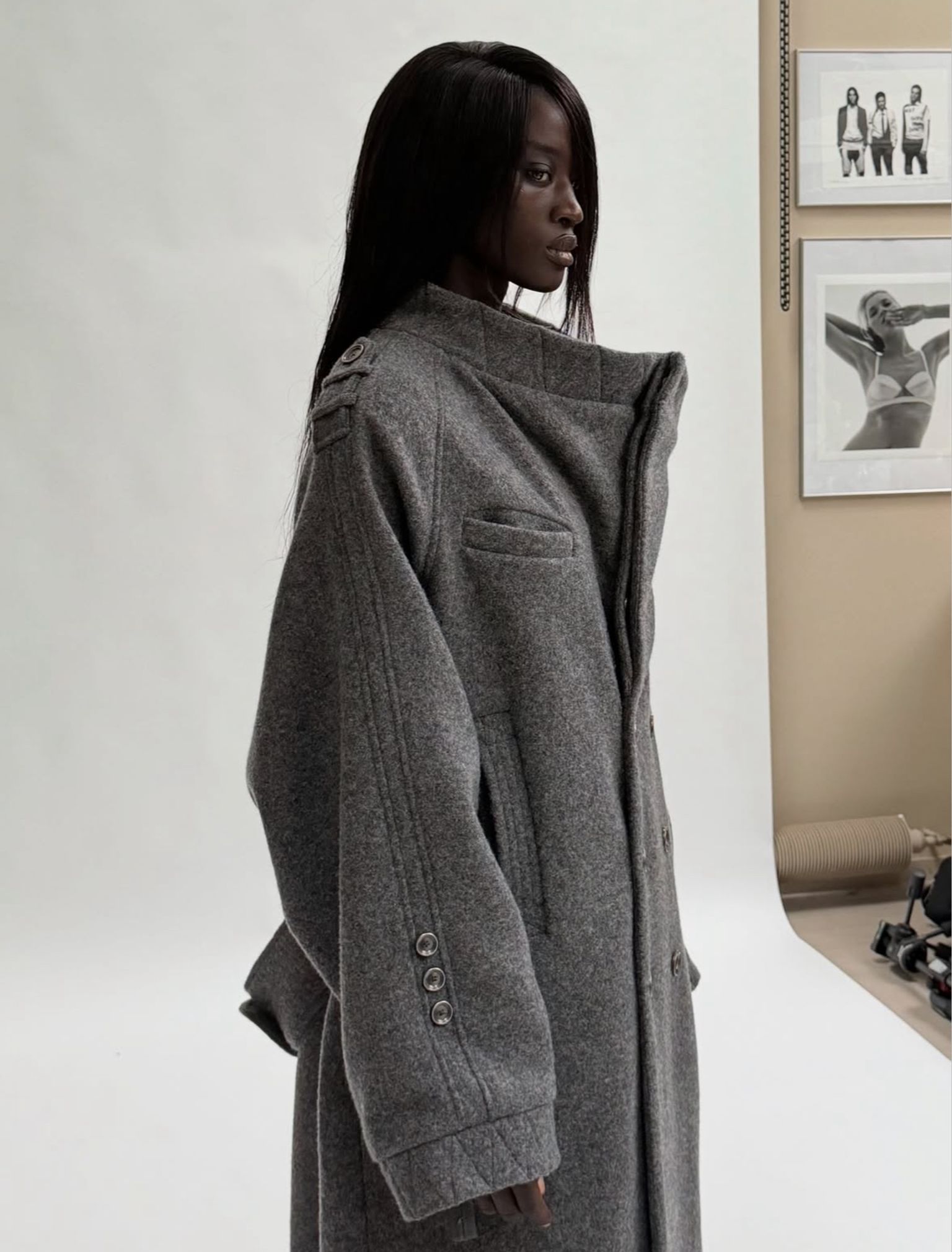
From the beginning, imagery played as important a role as the garments themselves. NO/FAITH STUDIOS grew through a highly recognizable visual identity built around raw photography, oversized silhouettes, distressed materials, and a dark atmospheric tone that moved somewhere between luxury fashion, underground music culture, and documentary realism. Campaigns photographed across rooftops in Paris or inside industrial spaces helped establish a universe that felt personal rather than commercial. Much of this imagery was created with close collaborators, giving the brand a sense of authenticity that separated it from more polished contemporary labels. At the same time, the visual identity never existed independently from the product.
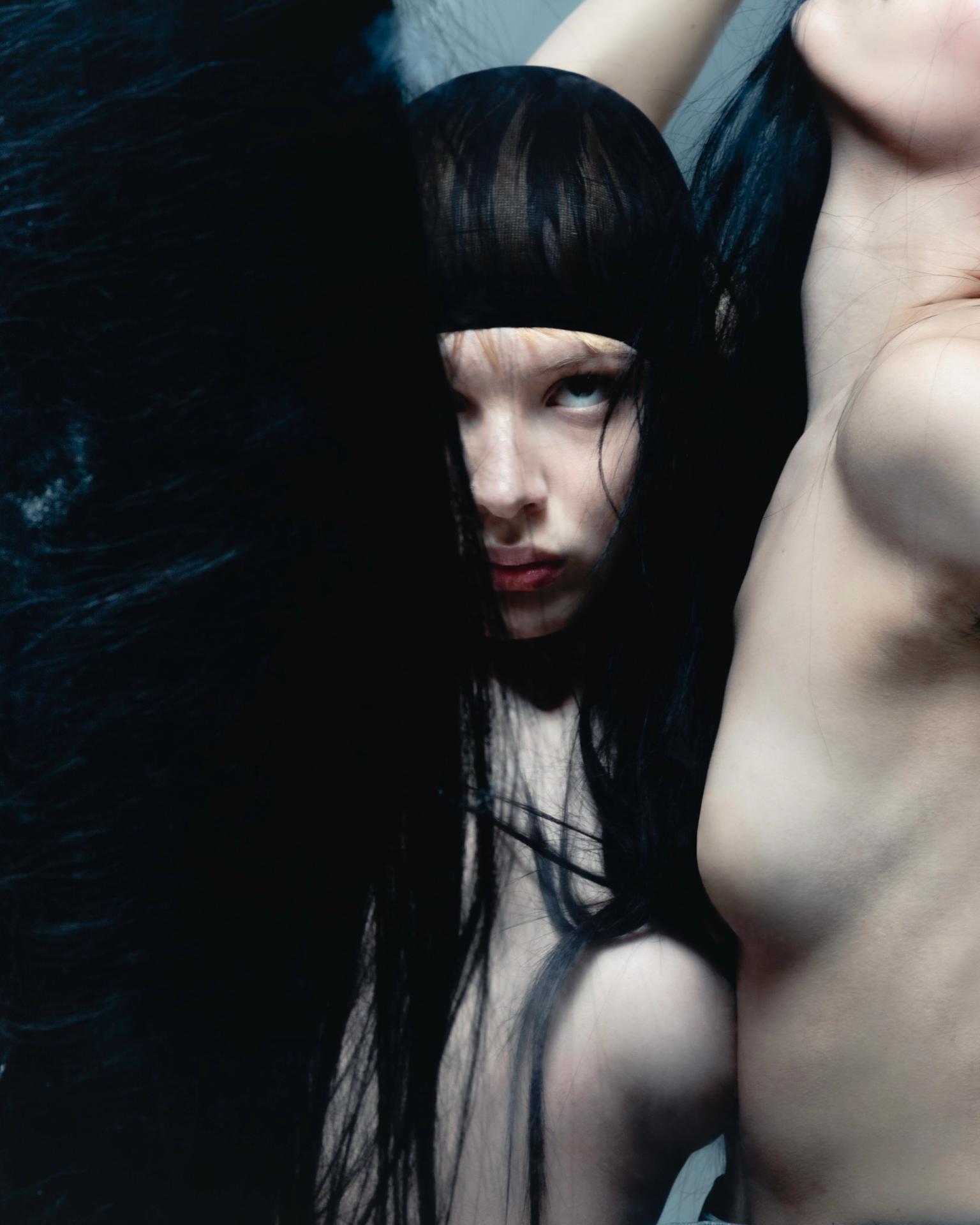

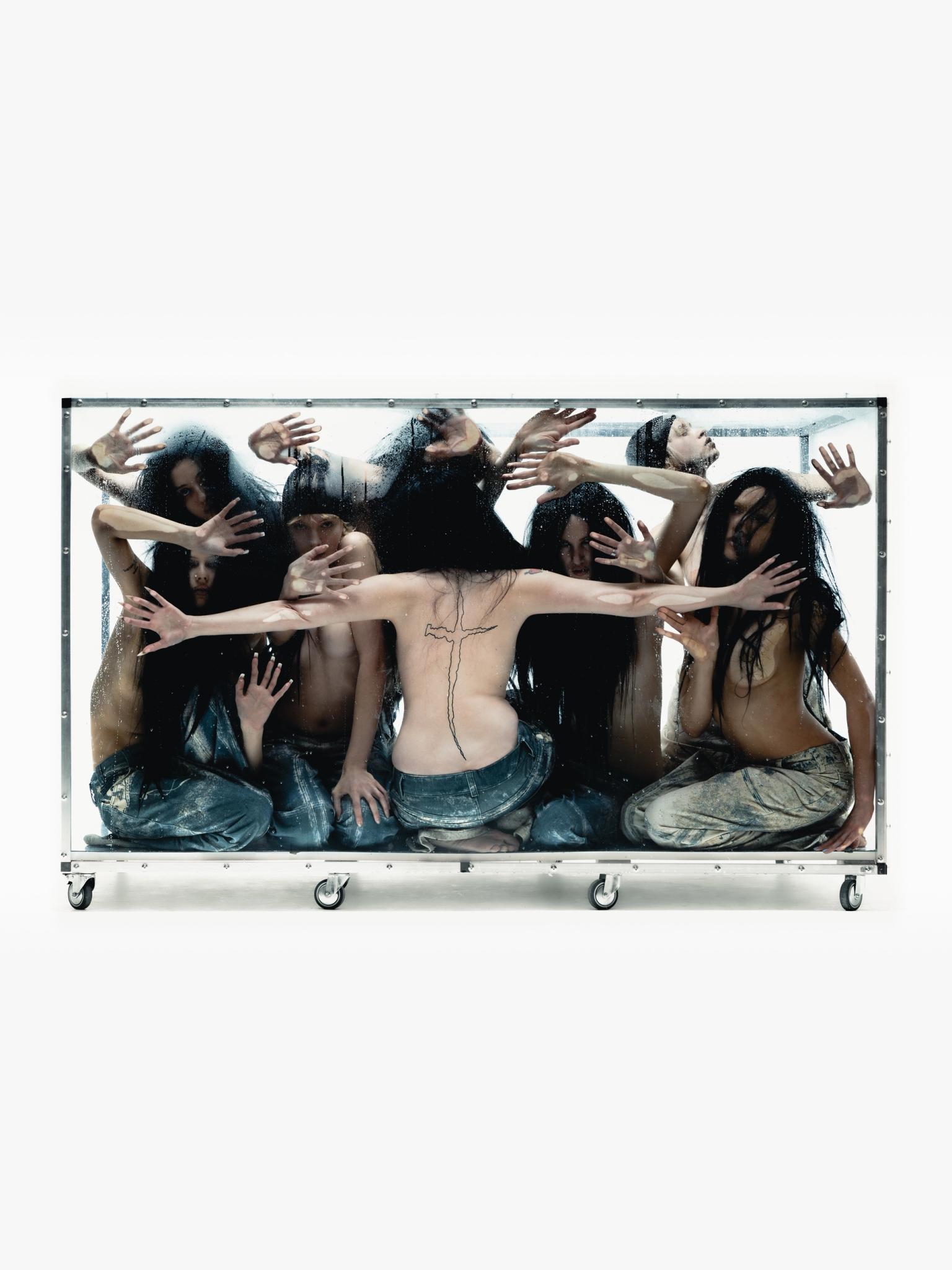

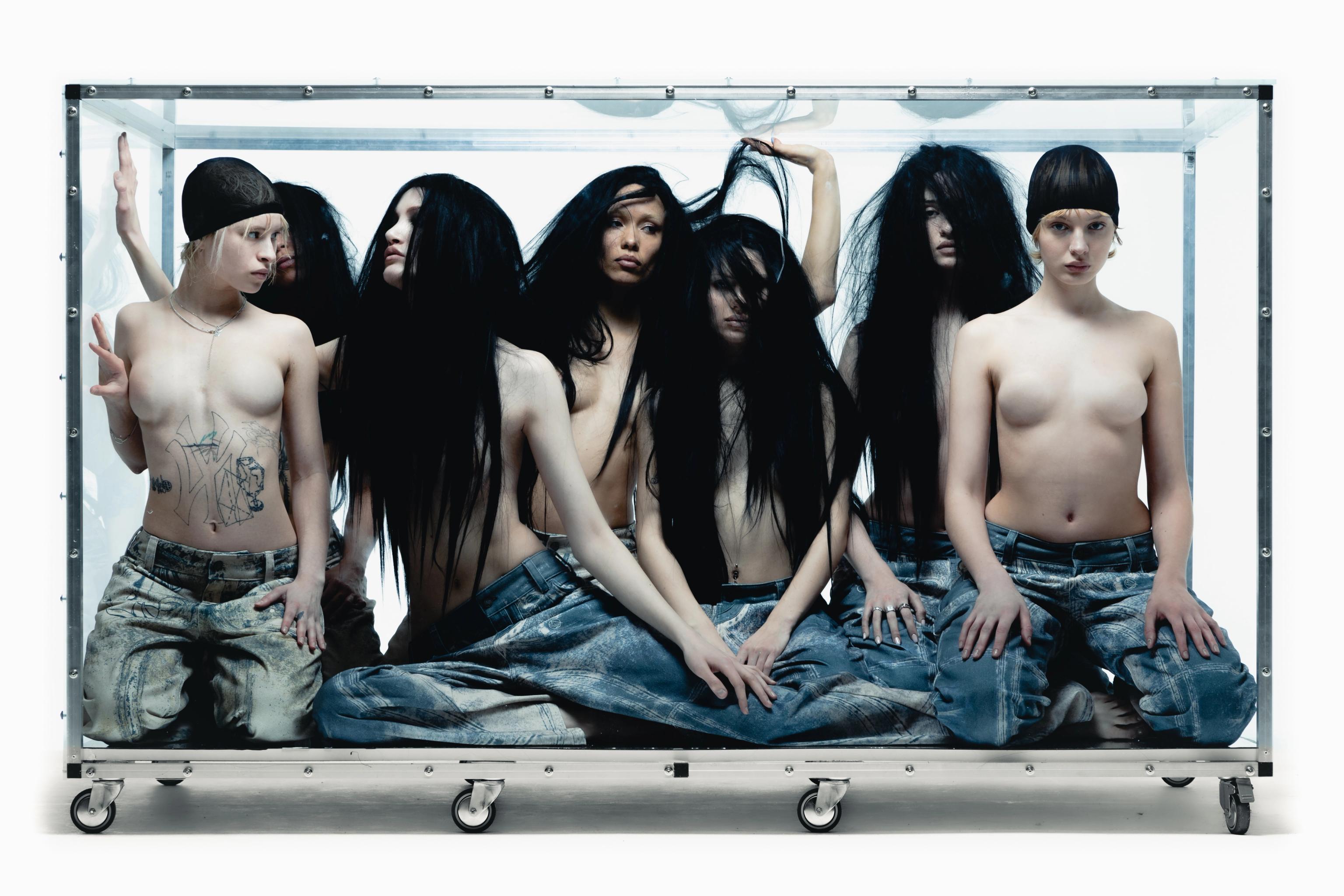
As the brand expanded, the clothing itself became increasingly technical, with advanced washes, custom fabrics, tailored proportions, and complex denim constructions that elevated NO/FAITH STUDIOS far beyond its early DIY origins. The internet amplified the project globally, but the longevity of the brand came from the fact that the garments themselves continued evolving alongside the imagery. This approach became especially visible in the NO/FAITH STUDIOS capsule shooting FW25, where enclosed staged environments and crowded compositions pushed the brand’s visual language further into something cinematic, tense, and almost performative.


Denim as the Core Language
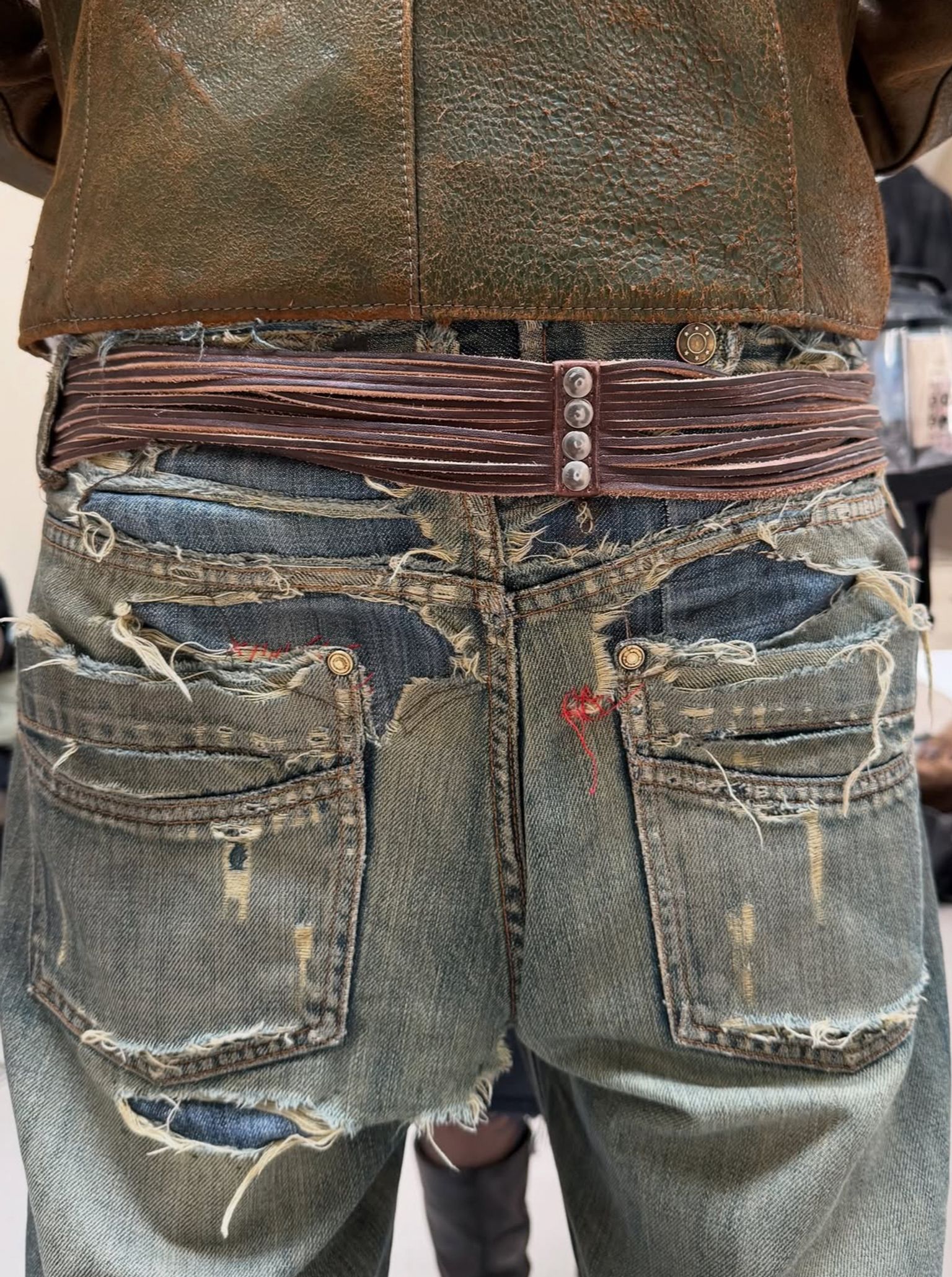
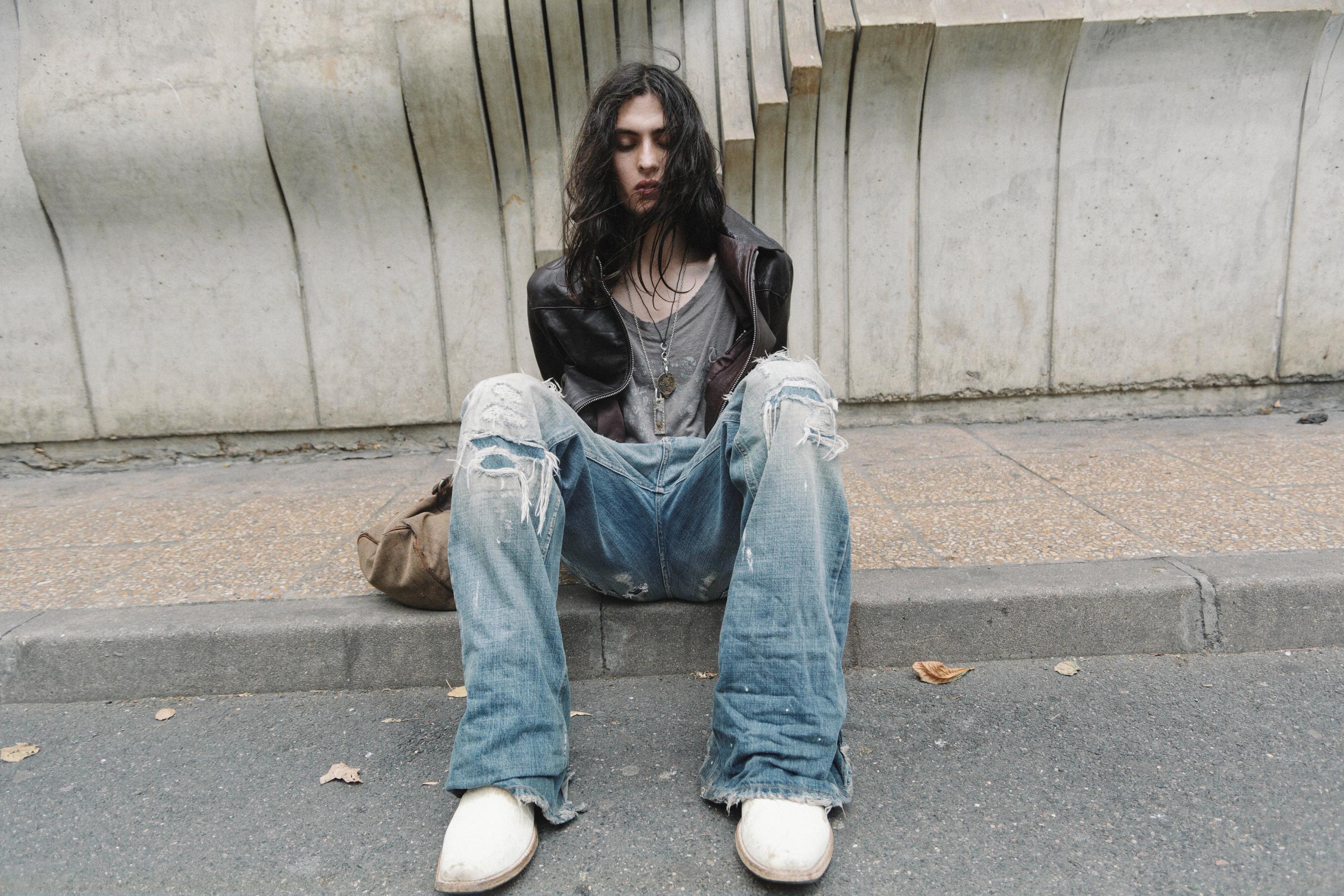
Denim remains the foundation of NO/FAITH STUDIOS and the clearest expression of its design philosophy. Rather than treating denim as a basic wardrobe staple, the brand approaches it as a material capable of carrying texture, aging, movement, and identity. The label became especially recognized for its flare denim silhouettes, oversized cuts, distressed surfaces, and heavily developed washes that appear naturally aged rather than artificially processed. Luis and the team became known for obsessively experimenting with garments in physical ways, dragging denim across asphalt, staining fabrics with coffee, overworking fades, and repeatedly testing treatments until the material achieved the exact texture they were searching for. Their approach focuses less on decoration and more on atmosphere: the feeling that a garment has already lived a life before reaching the wearer.


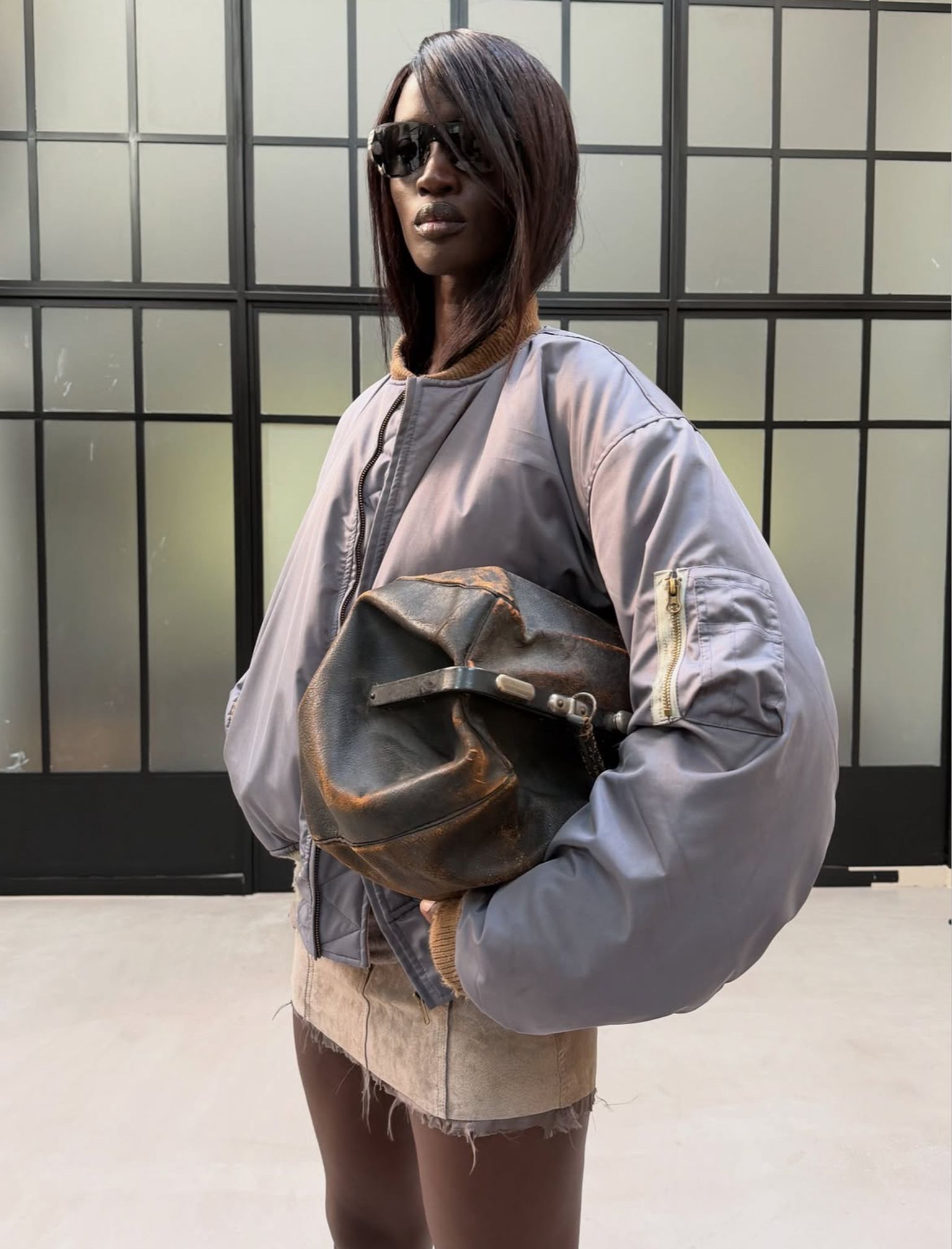
Alongside denim, leather gradually became another defining material within the collections. Production trips to Italy introduced the team to higher levels of craftsmanship and material development, particularly through collaborations with leather manufacturers also connected to established luxury houses. Through these processes, NO/FAITH STUDIOS evolved from a youth-driven denim project into a label increasingly positioned between experimental streetwear and contemporary luxury fashion.

A Creative Structure Built on Trust
Despite its rapid growth, NO/FAITH STUDIOS still operates through an unusually small and close creative structure. Womenswear designer Moritz Himmler became one of the brand’s key collaborators after meeting Luis through fashion circles, despite the two growing up only minutes apart. Their partnership developed into the central creative dialogue behind the collections, balancing Luis’ instinctive and highly intuitive process with a more developed collaborative structure. Later, Luis’ brother Leon Dobbelgarten joined to oversee operational and business responsibilities as the company expanded internationally.
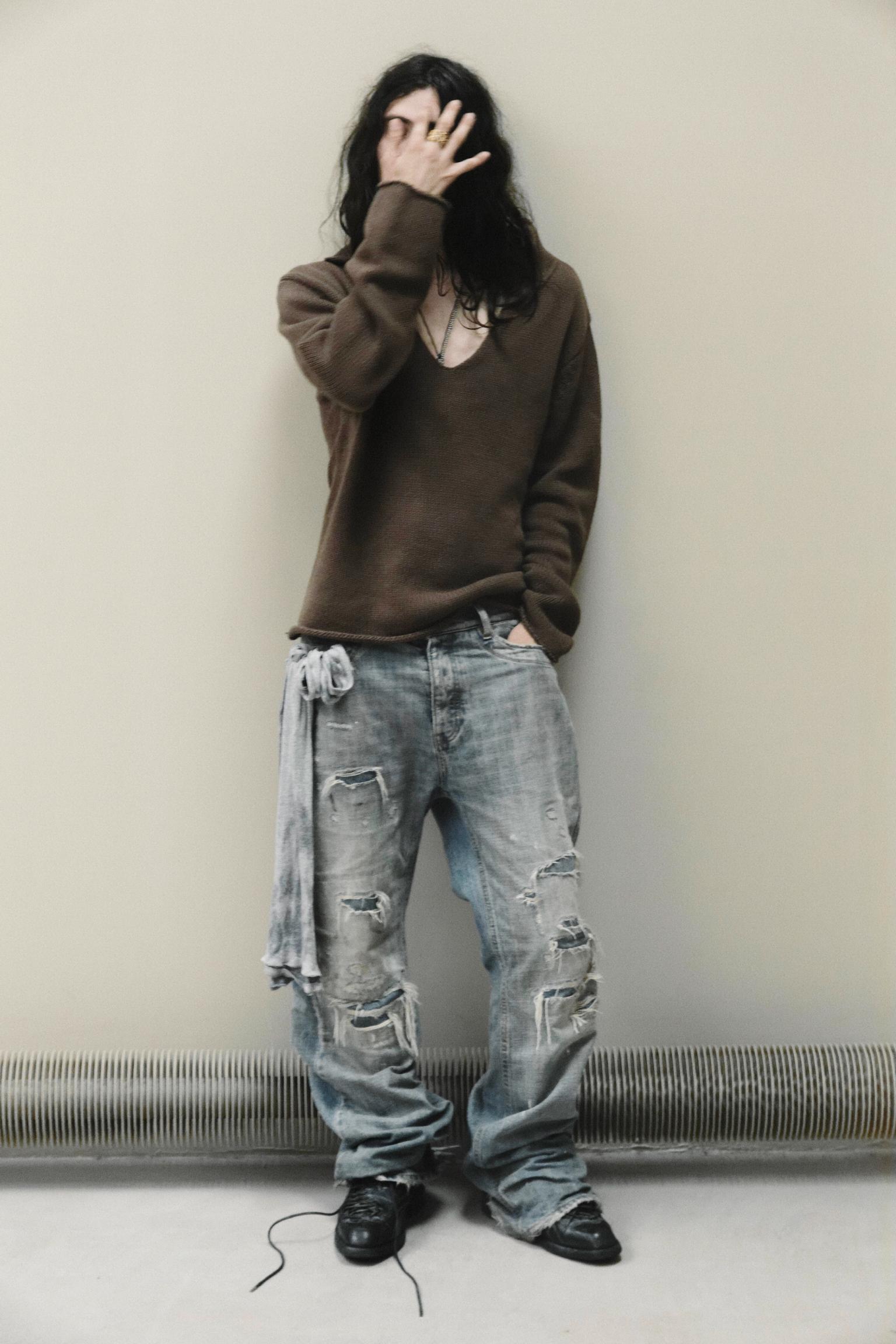

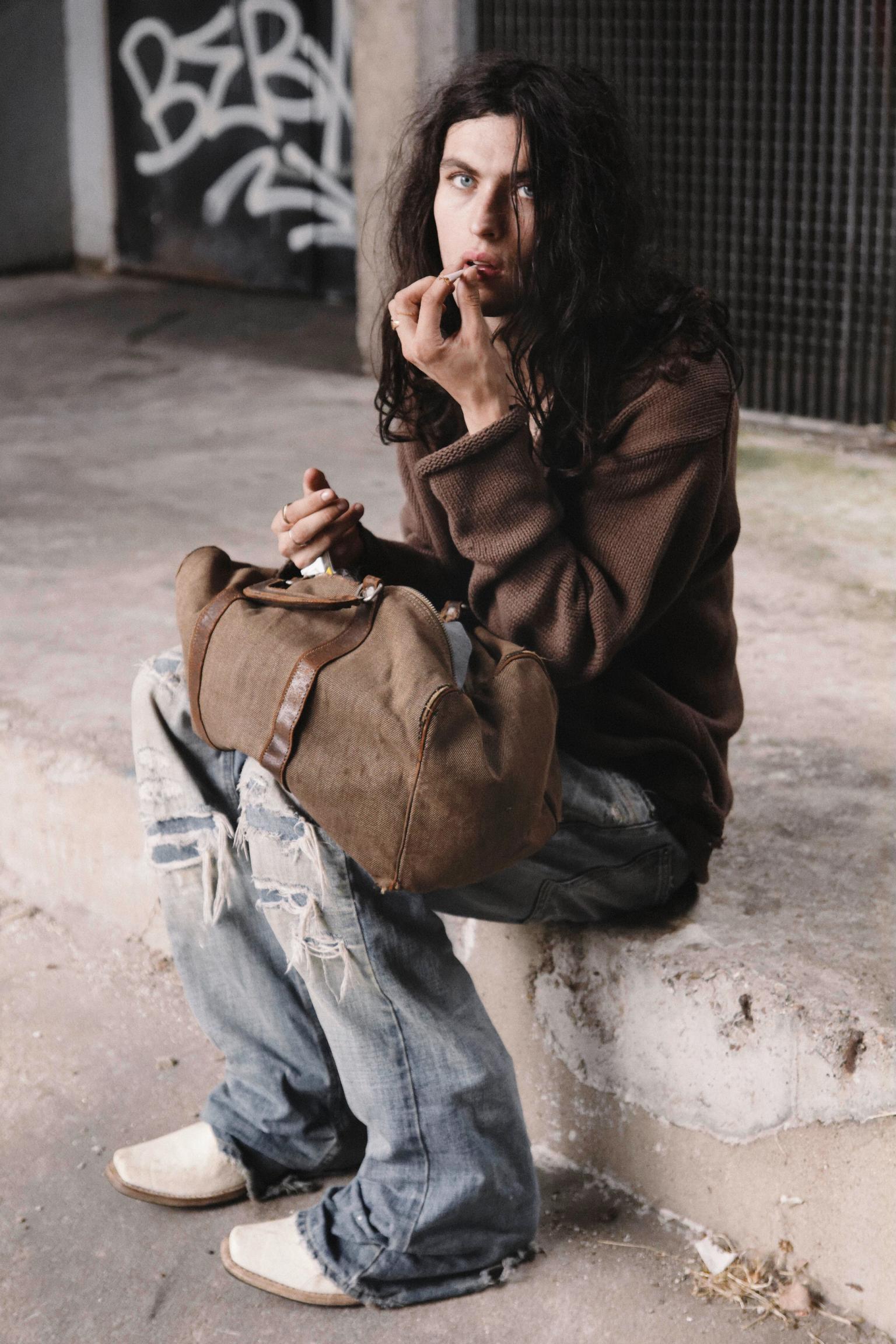

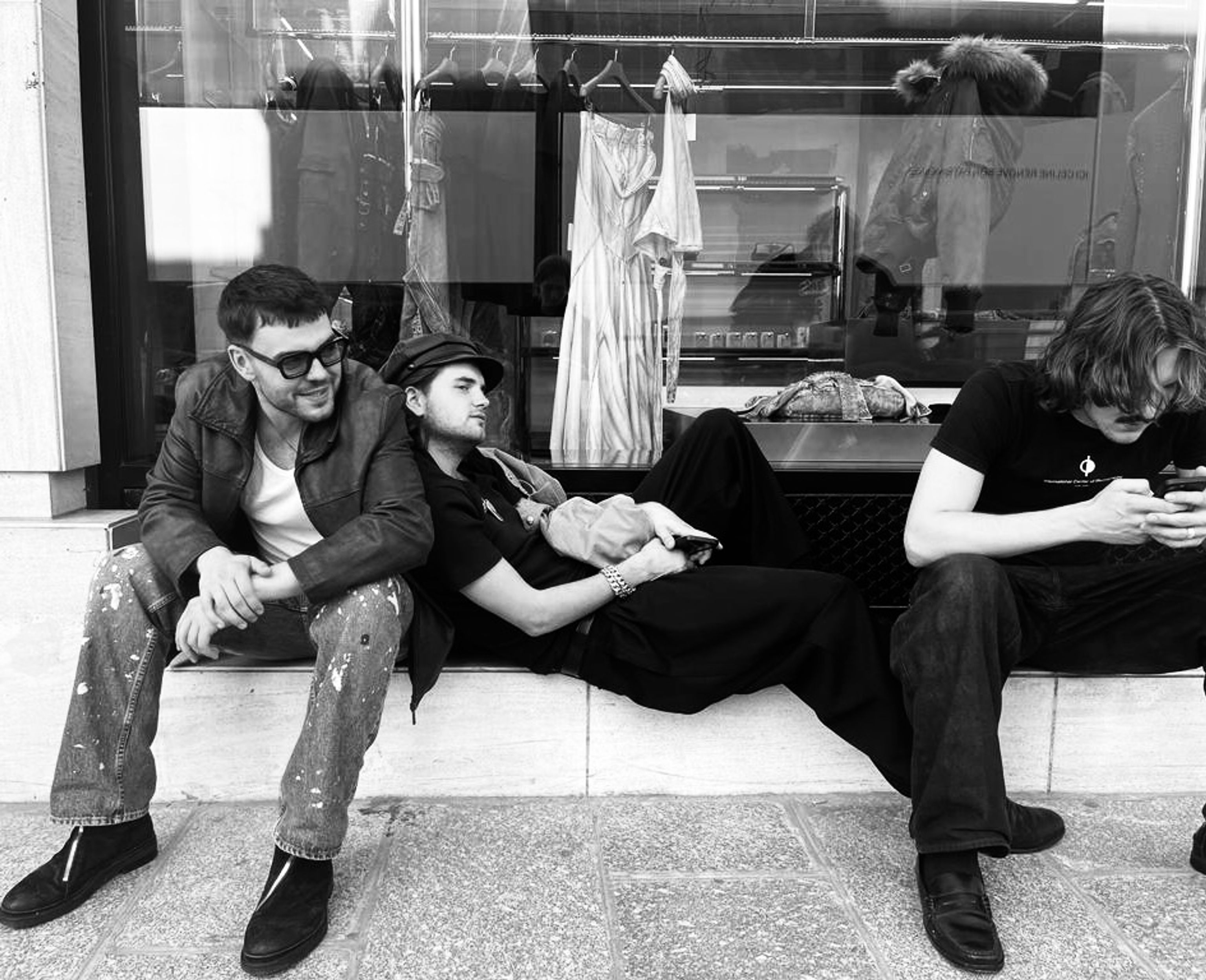
Even with growing global attention, the brand still functions more like a tightly connected creative collective than a traditional fashion company. Friends regularly appear as models in campaigns, long-term collaborators shape the visual identity, and much of the production process remains deeply personal. The collections maintain the energy of a project still built through relationships, shared references, and mutual trust.

From Germany to the Global Fashion Conversation
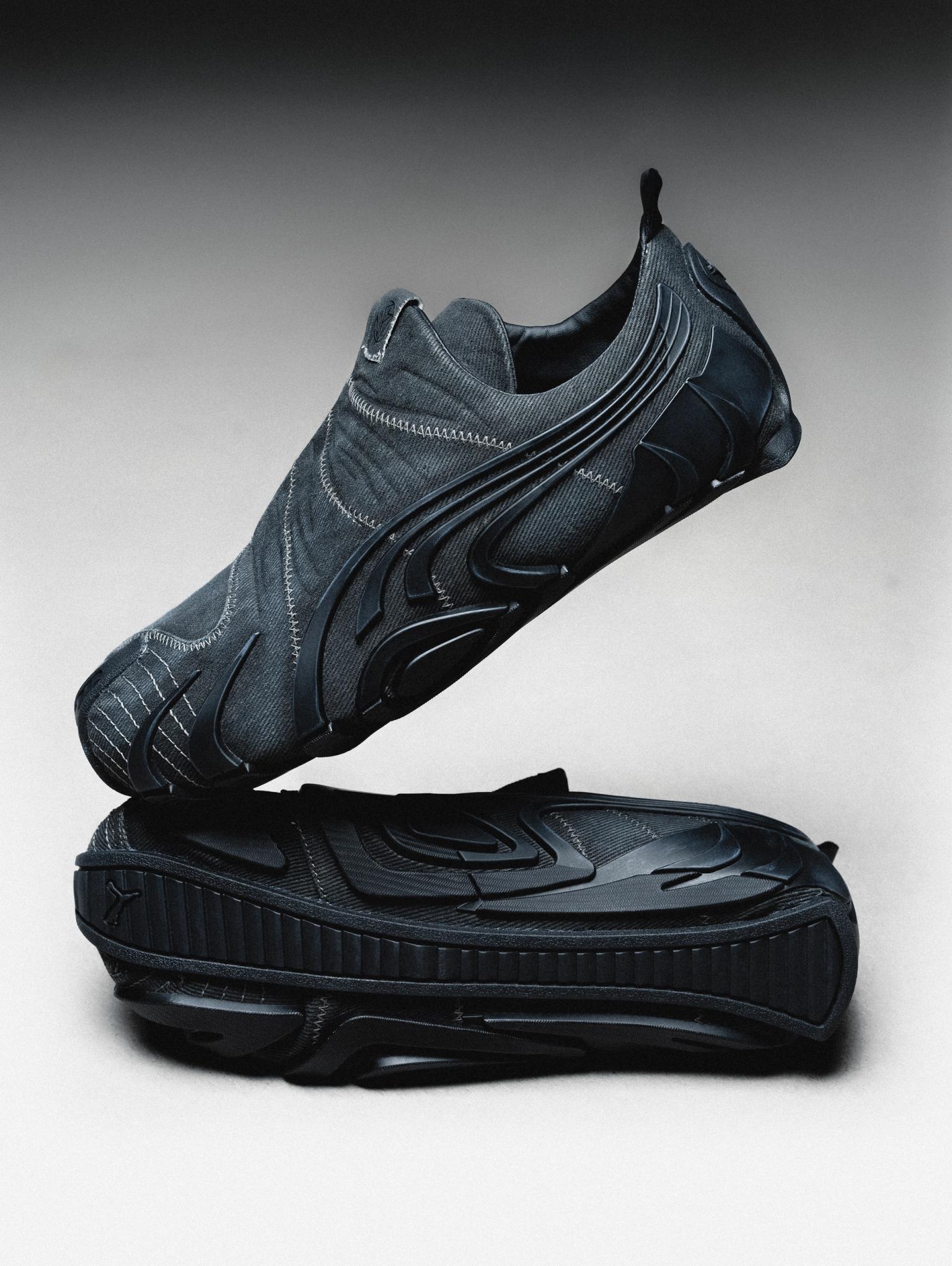
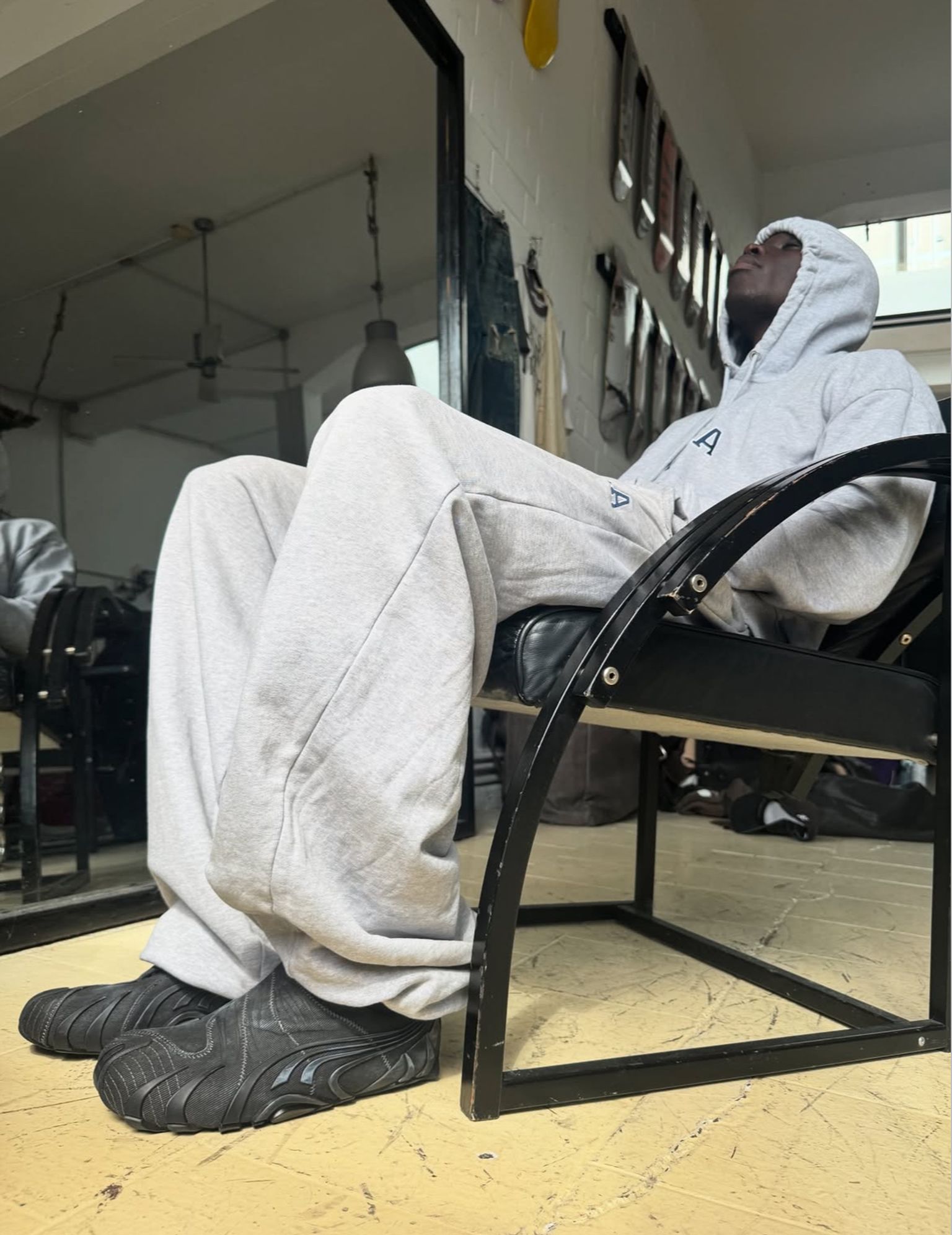
As the brand expanded, NO/FAITH STUDIOS increasingly entered an international fashion conversation through global stockists, pop-ups, and custom work for artists including Drake, Travis Scott, Ye, and Julia Fox. Collaborations also became part of this growth, particularly the project with PUMA, where the team maintained significant creative control over both the footwear design and campaign imagery. Even as the label continues growing internationally, its philosophy remains consistent: strong products, strong imagery, and an approach where identity matters more than scale.