Lionel Goldstein
Nissan Qashqai - Car Games
- DirectorLionel Goldstein
- AgencyTBWA\London
- ClientNissan
SALOMON LIGTHELM Lionel Goldstein have that rare gift of being able to make something feel graphic, playful, strange, and exact all at once. This spot is just pure lunacy. You just know they had an absolute joy making this — it stays alive, witty, and full of momentum. There’s a confidence to the concept that I really admire. It’s stylized naturalism work with real personality.

When Cars Played Like Athletes
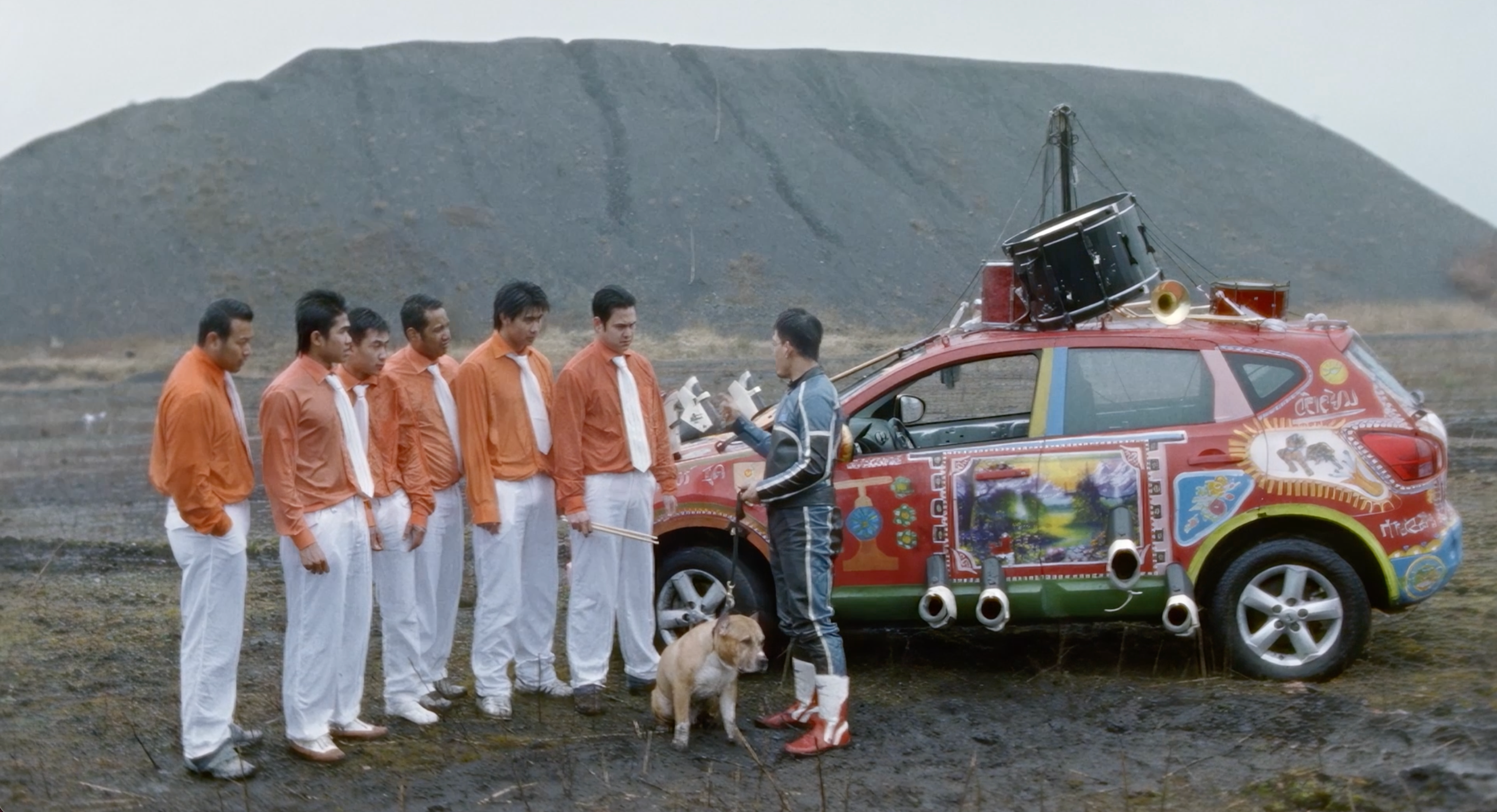
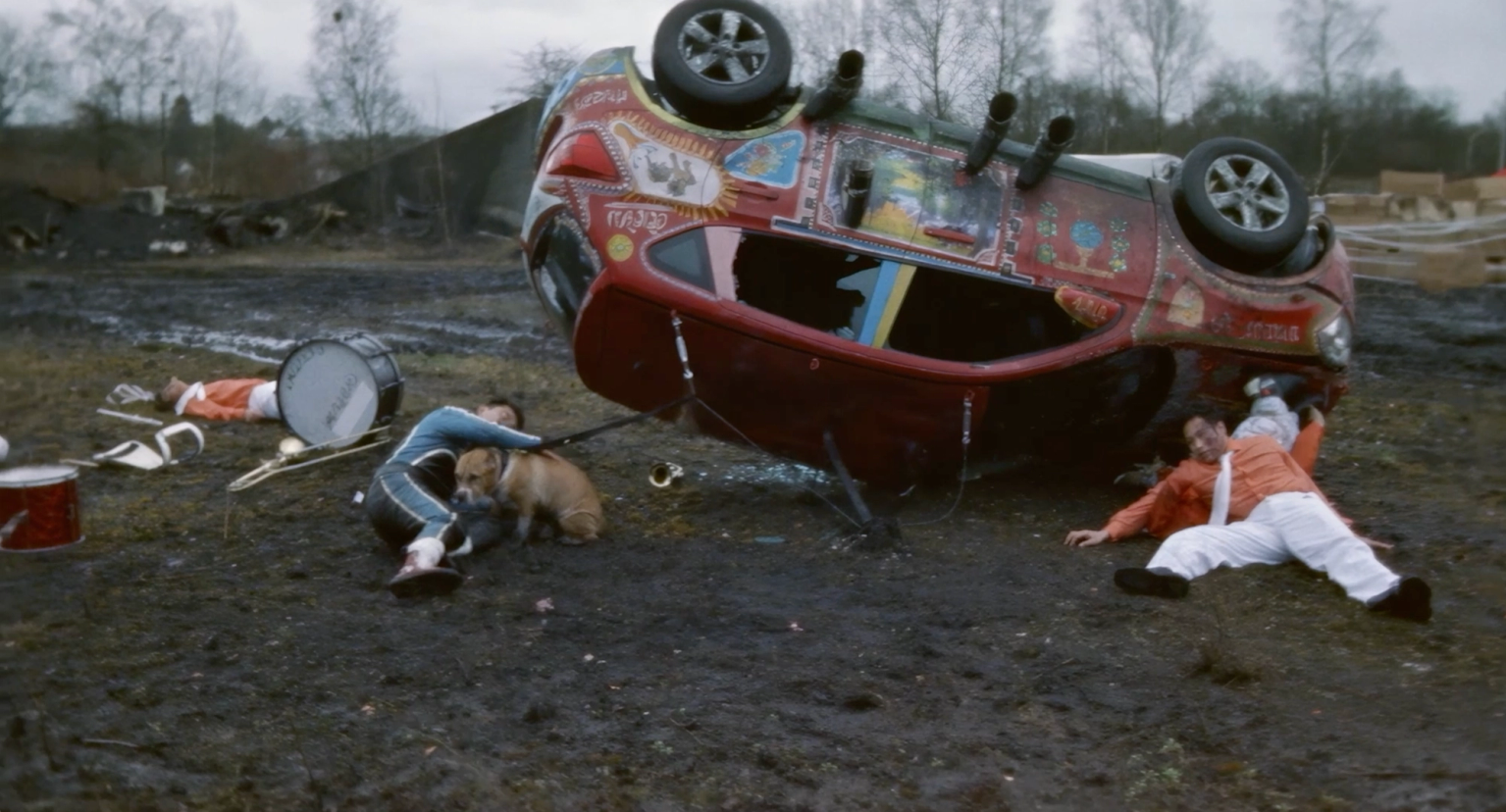
Before crossovers became the default language of urban driving, the Nissan Qashqai needed a launch idea that could cut through the noise of traditional car advertising. Instead of another polished city drive with dramatic voiceover, director Lionel Goldstein helped turn the campaign into something far stranger and far more memorable: a fictional sport called Qashqai Car Games.
Lionel Goldstein, the creative alias of Belgian duo Koen Mortier and Joe Vanhoutteghem, had already built a reputation for absurd yet believable storytelling. Their style mixed documentary realism with humor and emotional tension, often making the impossible feel strangely normal. That approach made them a perfect fit for a campaign that asked audiences to believe cars could compete like skateboarders.
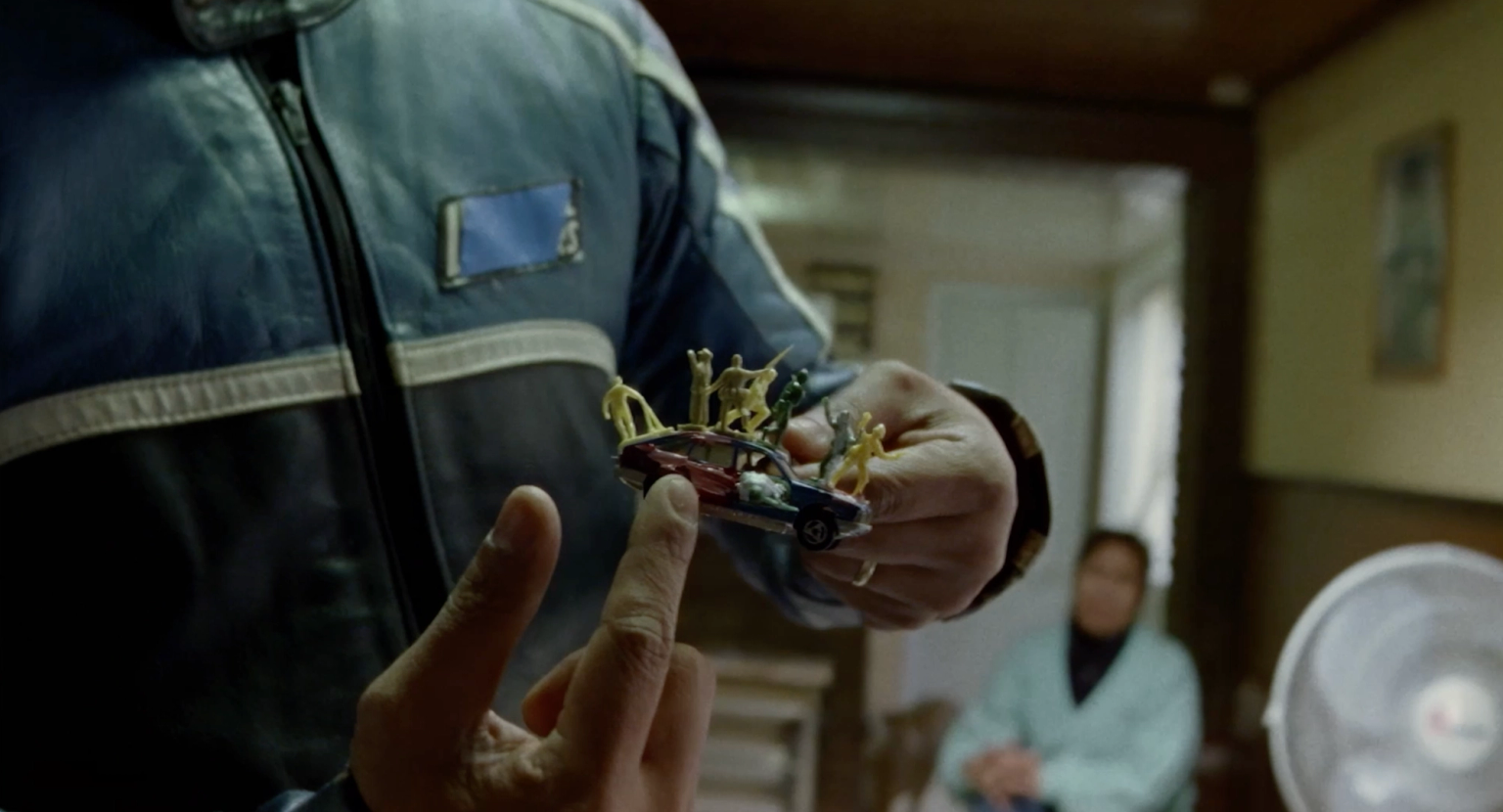
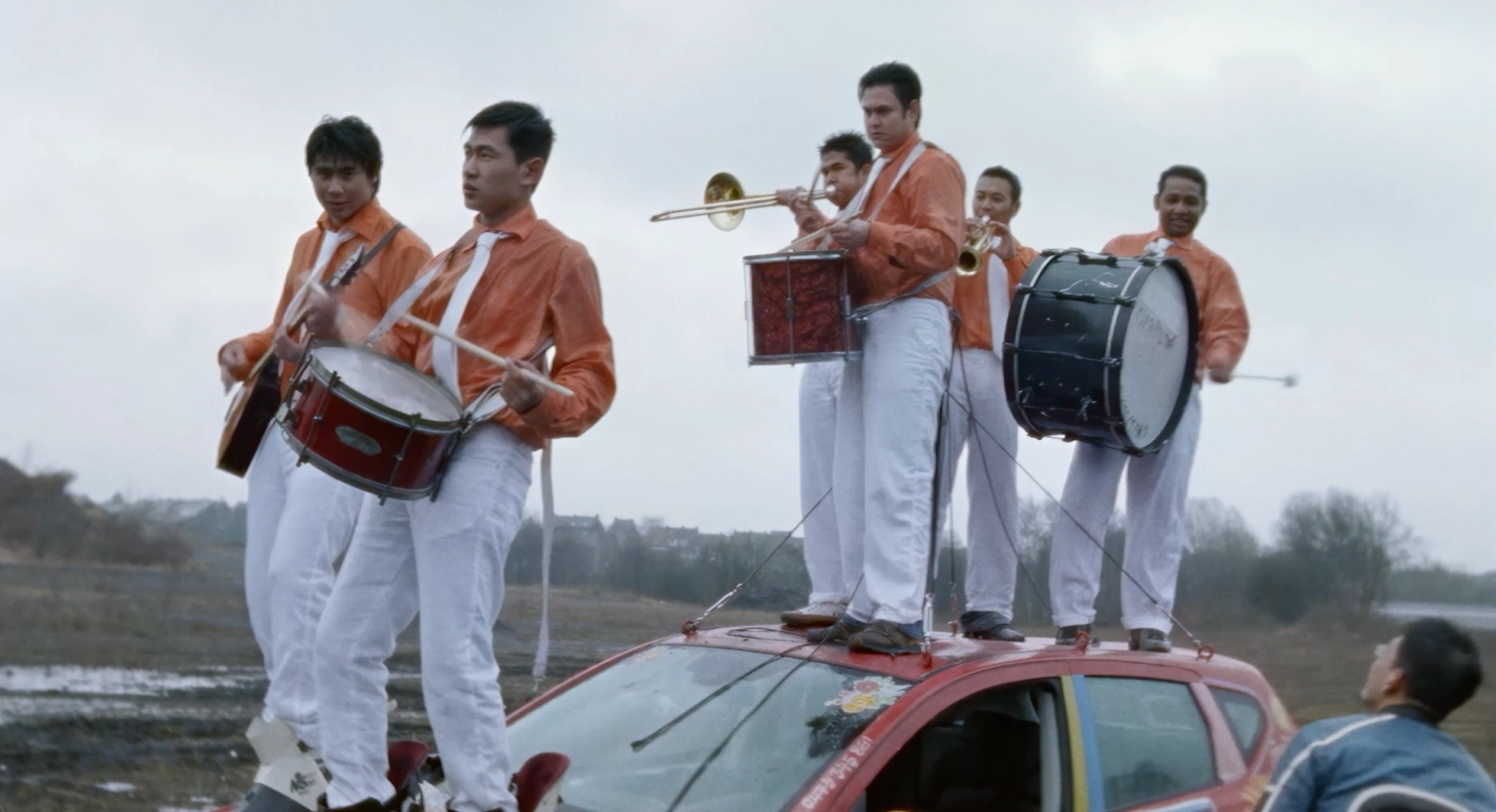
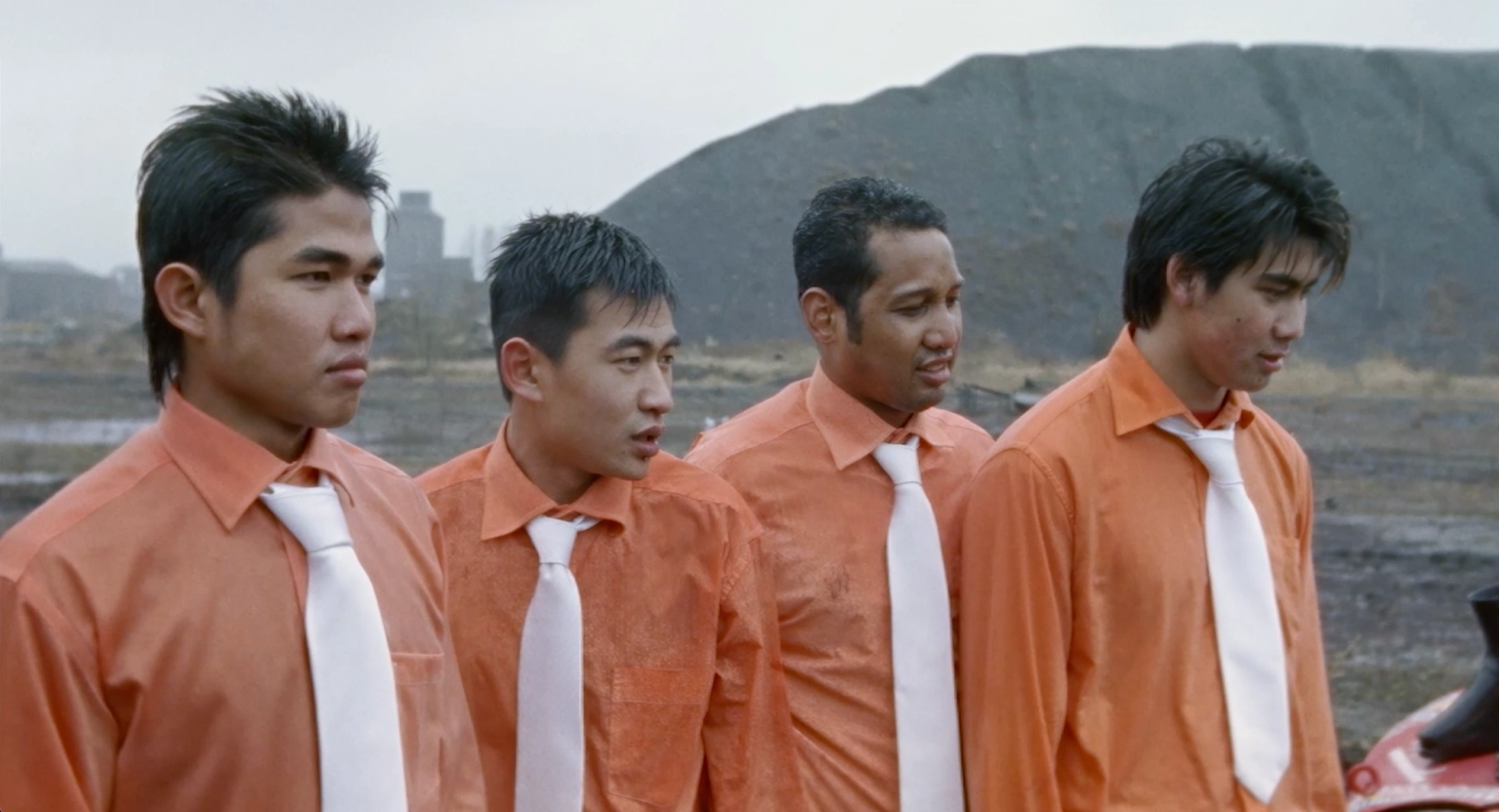
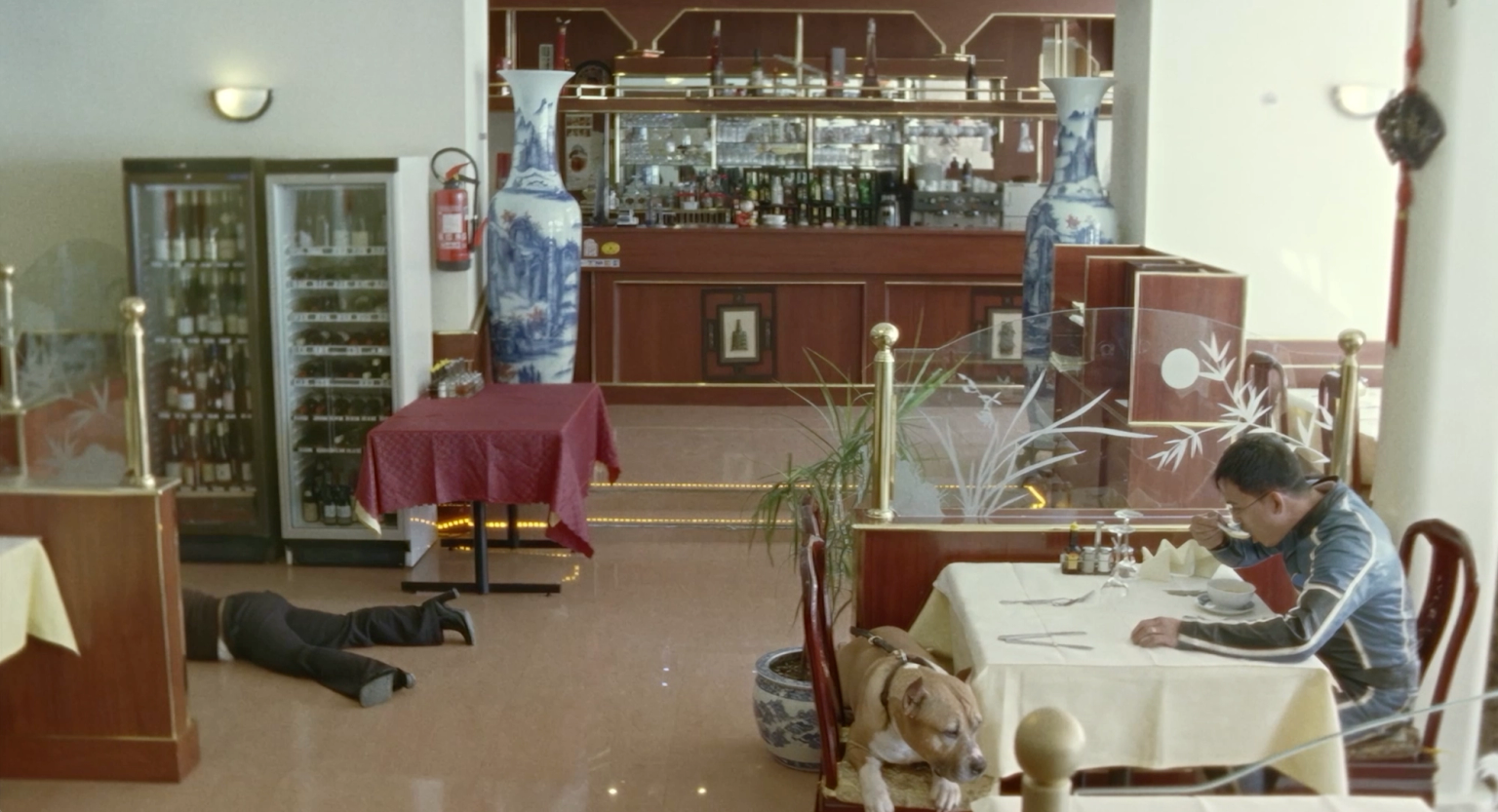
The concept was simple but bold. Instead of selling the Qashqai through specifications, the campaign imagined an underground motorsport where drivers performed high energy stunts in teams, almost like extreme sports athletes. It was described as “high octane skateboarding for cars,” with the vehicle itself becoming the hero of a new urban game. The campaign included teams, drivers, events, and even merchandise, all presented as if this sport had always existed. According to campaign notes, the idea was built to make the launch feel authentic enough that people would talk about it as a real phenomenon. It later earned industry recognition including silver and bronze at the Clio Awards.




Selling a Lifestyle, Not Just a Vehicle
What made Qashqai Car Games stand out was its refusal to behave like a normal automotive campaign. It was not simply about horsepower or fuel economy. It was about identity. Nissan wanted younger drivers across Europe to see the Qashqai as part of a lifestyle rather than just another practical family car.
To support that illusion, the campaign expanded beyond film. A dedicated sports style website introduced fictional teams and drivers, while influencers and car bloggers were used to fuel online discussion and curiosity. The line between advertising and entertainment was intentionally blurred. Audiences were invited to discover the world rather than be directly sold to.
This was very much in line with Lionel Goldstein’s signature method. Their work often rewrites the expected script, finding emotion and humor in strange setups. Their career had already produced cult campaigns like Xbox Ear Tennis and award winning work for major global brands, earning multiple Cannes Lions over the years. Qashqai Car Games fit naturally into that world: slightly absurd, visually sharp, and believable enough to make viewers pause and wonder if it was real.








A Campaign That Arrived Before Its Time
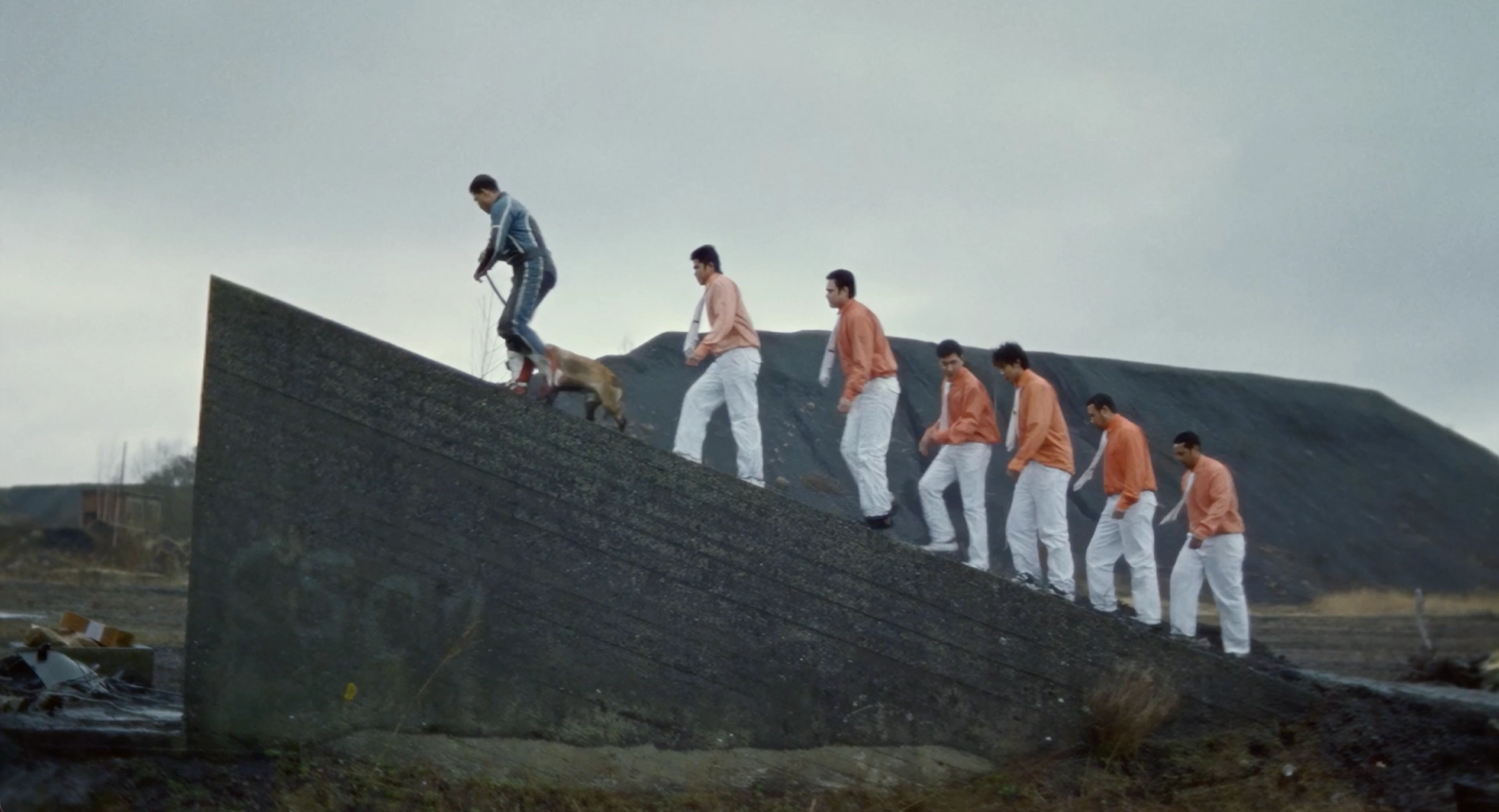
Looking back, Qashqai Car Games feels surprisingly modern. Today, brands regularly build fictional universes around products, but at the time this approach was far less common. Nissan and Lionel Goldstein were experimenting with what would later become standard branded storytelling.
The genius of the campaign was that it made the Qashqai feel culturally relevant before it even proved itself mechanically. It transformed a crossover SUV into something playful, competitive, and desirable. Rather than asking people to admire a car, it invited them to join a world.
That is why the campaign still gets remembered. It was never just about selling the Qashqai. It was about making people believe, even for a moment, that city streets could become an arena and that a family car could be the star of its own sport. In the hands of Lionel Goldstein, advertising became less like a sales pitch and more like a strange little piece of cinema.