Lance Acord
Nike - Dream Crazy
- ClientNike
- Advertising AgencyWieden+Kennedy (Portland)
- Production CompanyPark Pictures
- DirectorLance Acord
- NarratorColin Kaepernick
VERA PORTZ I just feel - specially today - this film is so much more then a spot - it is a statement and shows the power a brand can have. Guided by Colin Kaepernick’s voice, the film goes beyond motivation, becoming a bold statement about belief, sacrifice, and the cultural impact of sport.


Dream Crazy: The Risk That Redefined a Brand
In 2018, Nike released Dream Crazy, a campaign film directed by Lance Acord, and narrated by Colin Kaepernick. What might have been just another motivational sports ad quickly became one of the most culturally charged brand statements of the decade.
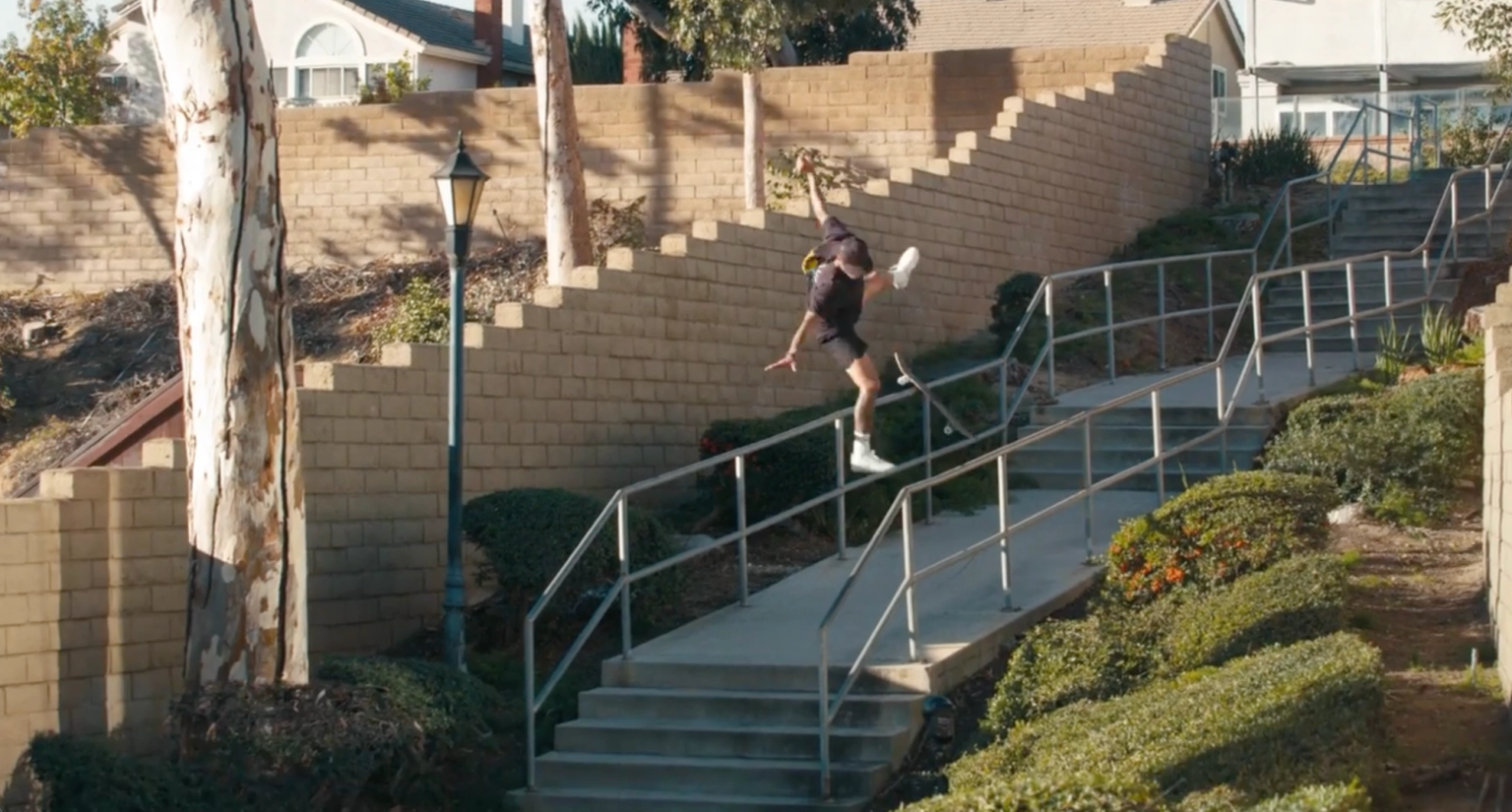
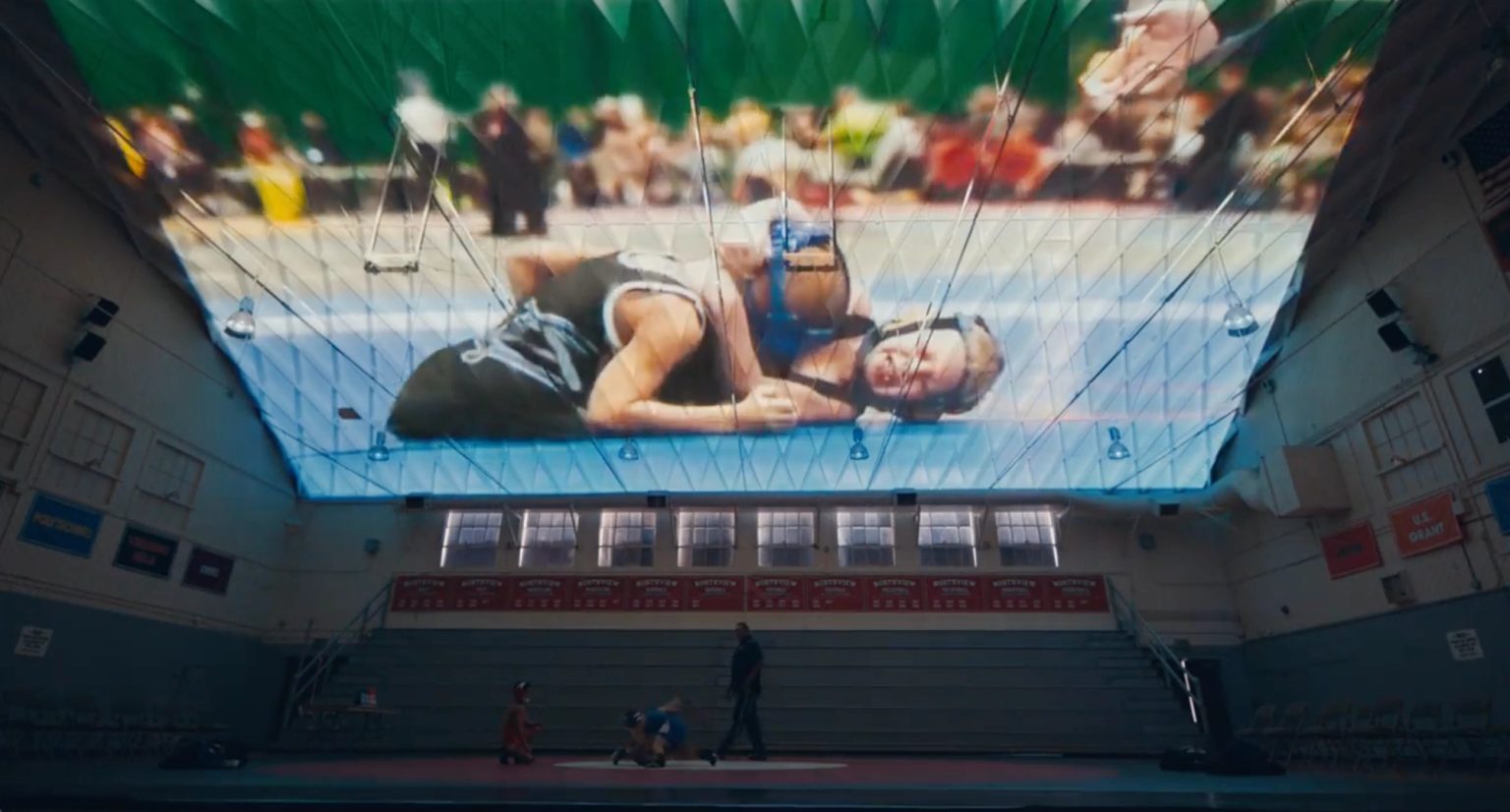
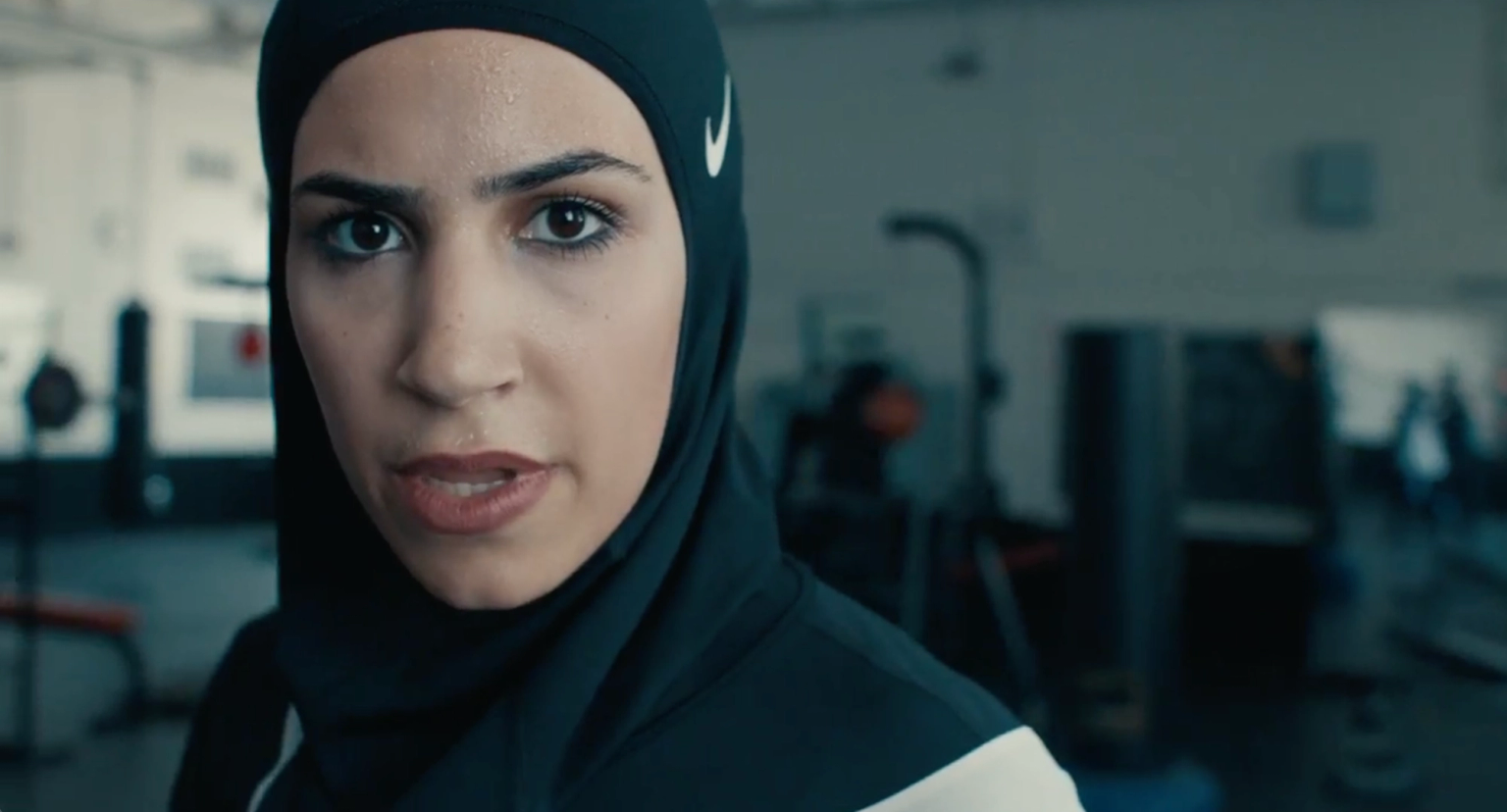
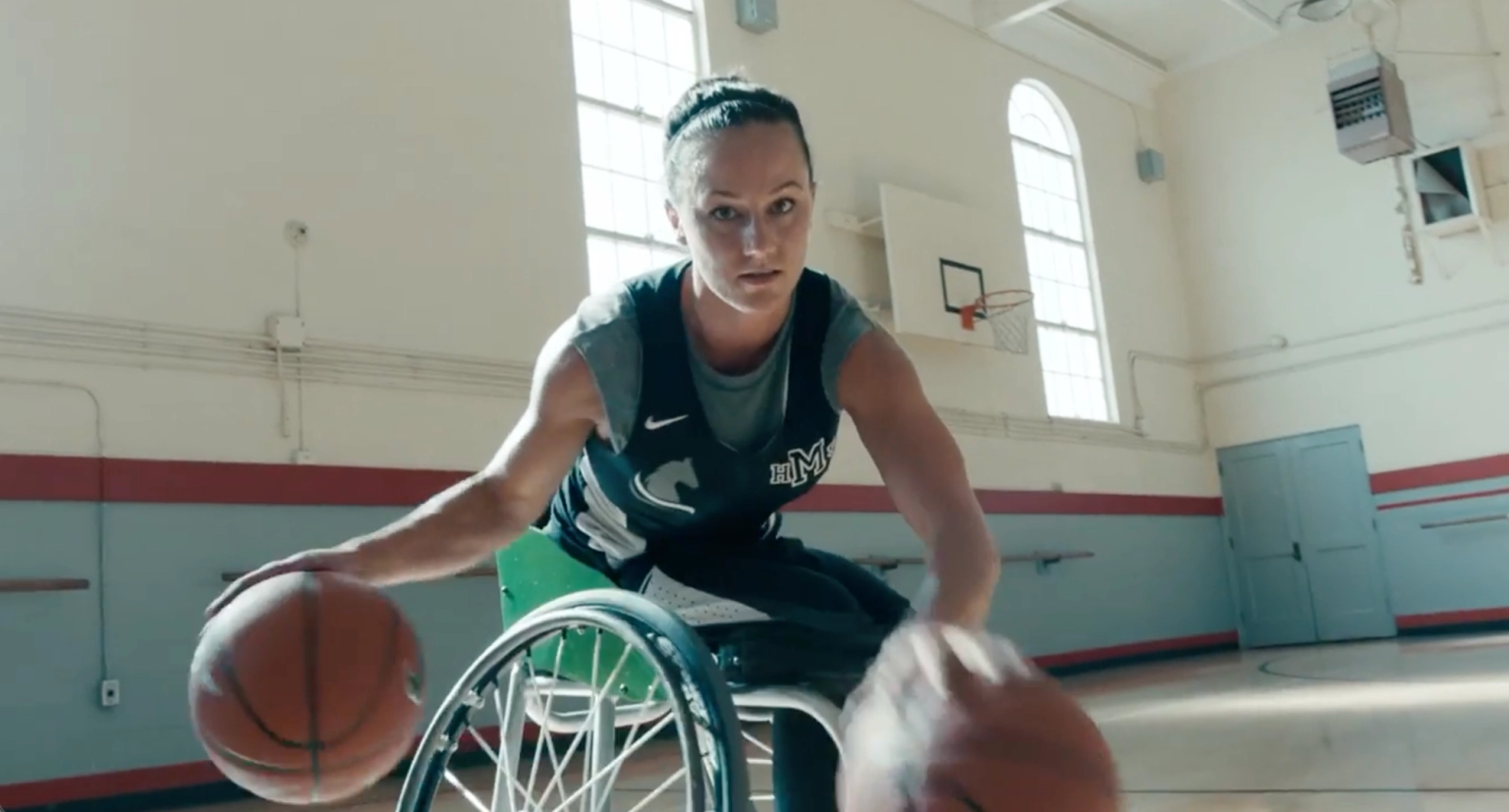
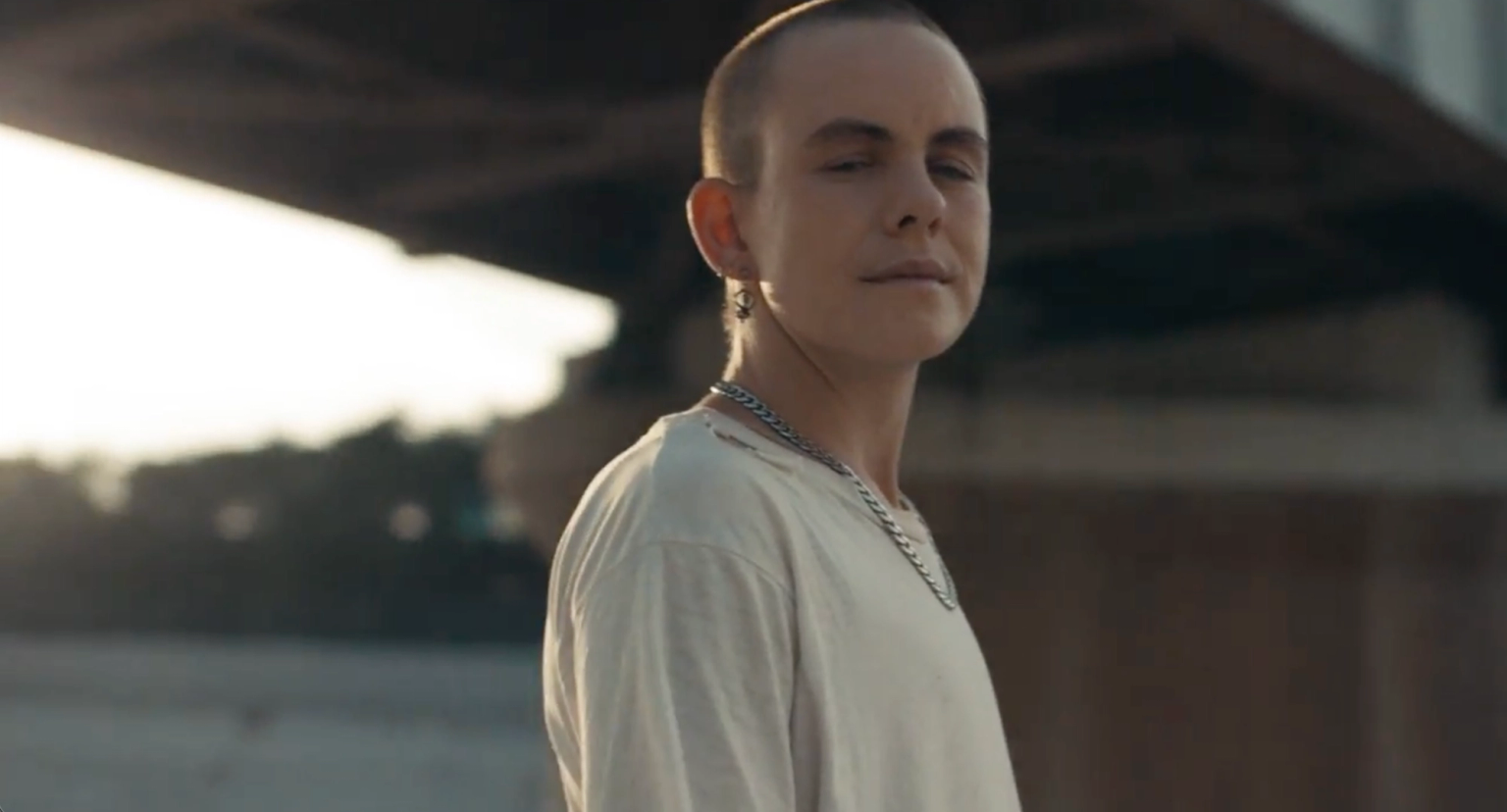
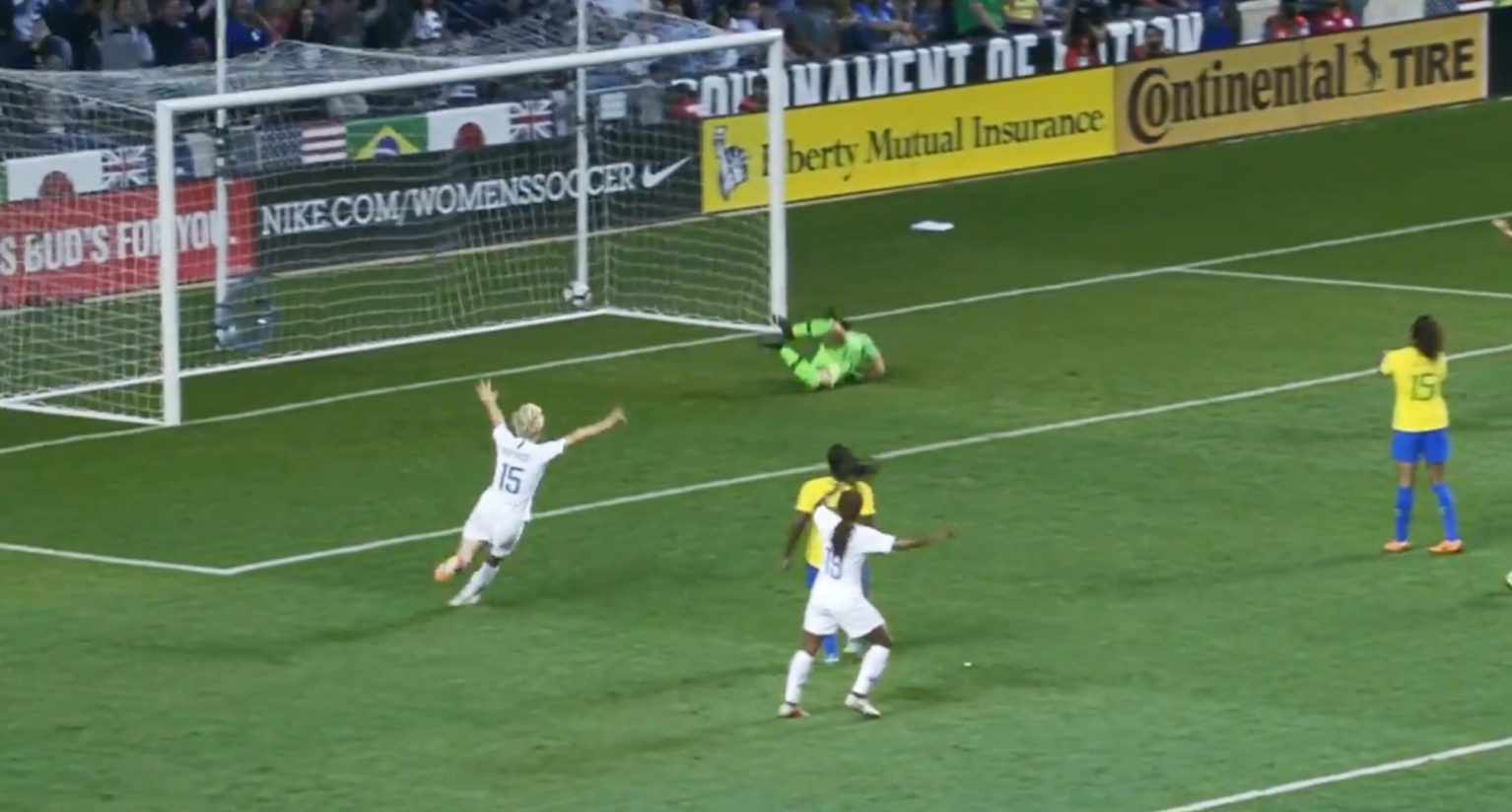
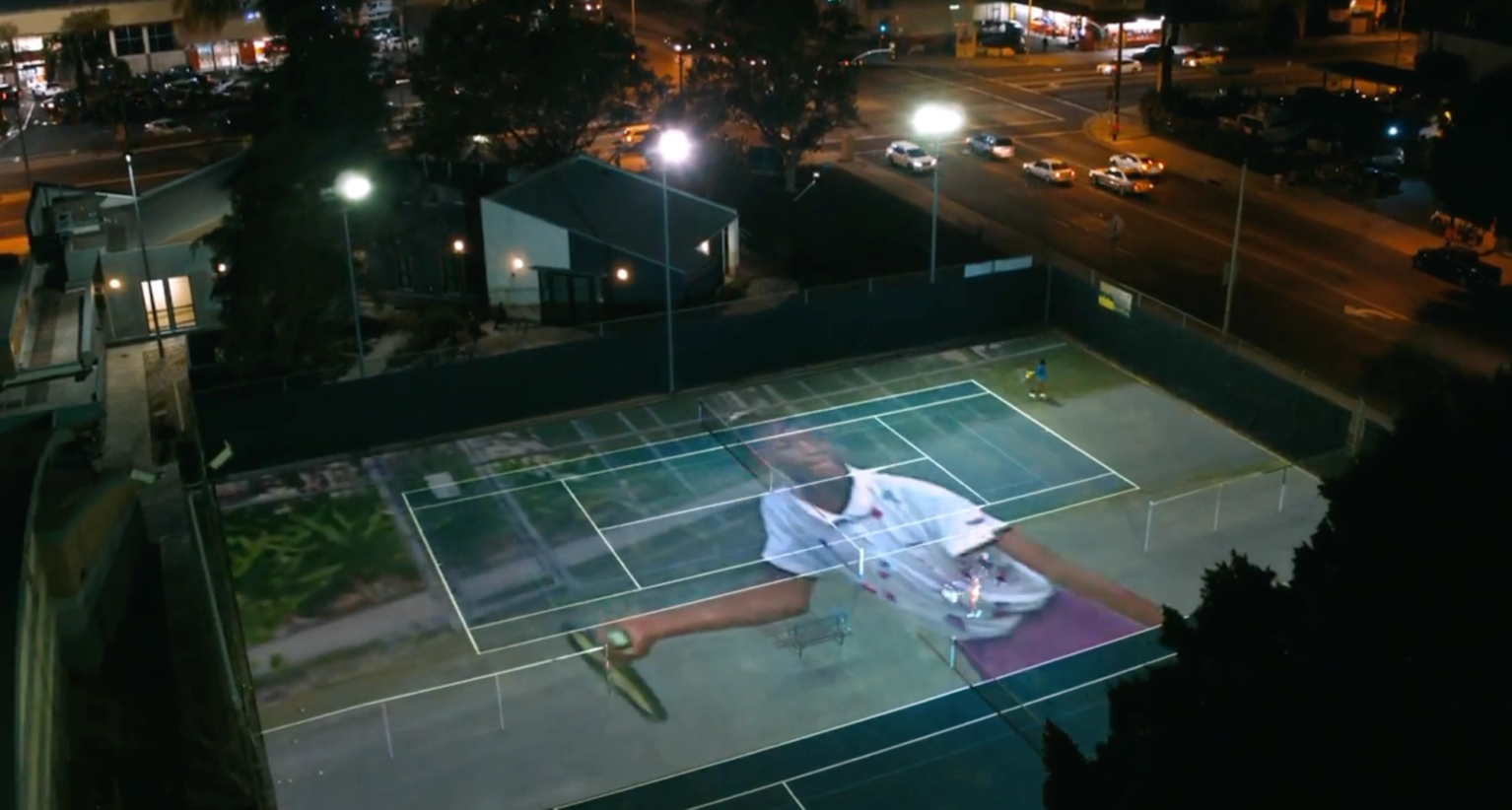
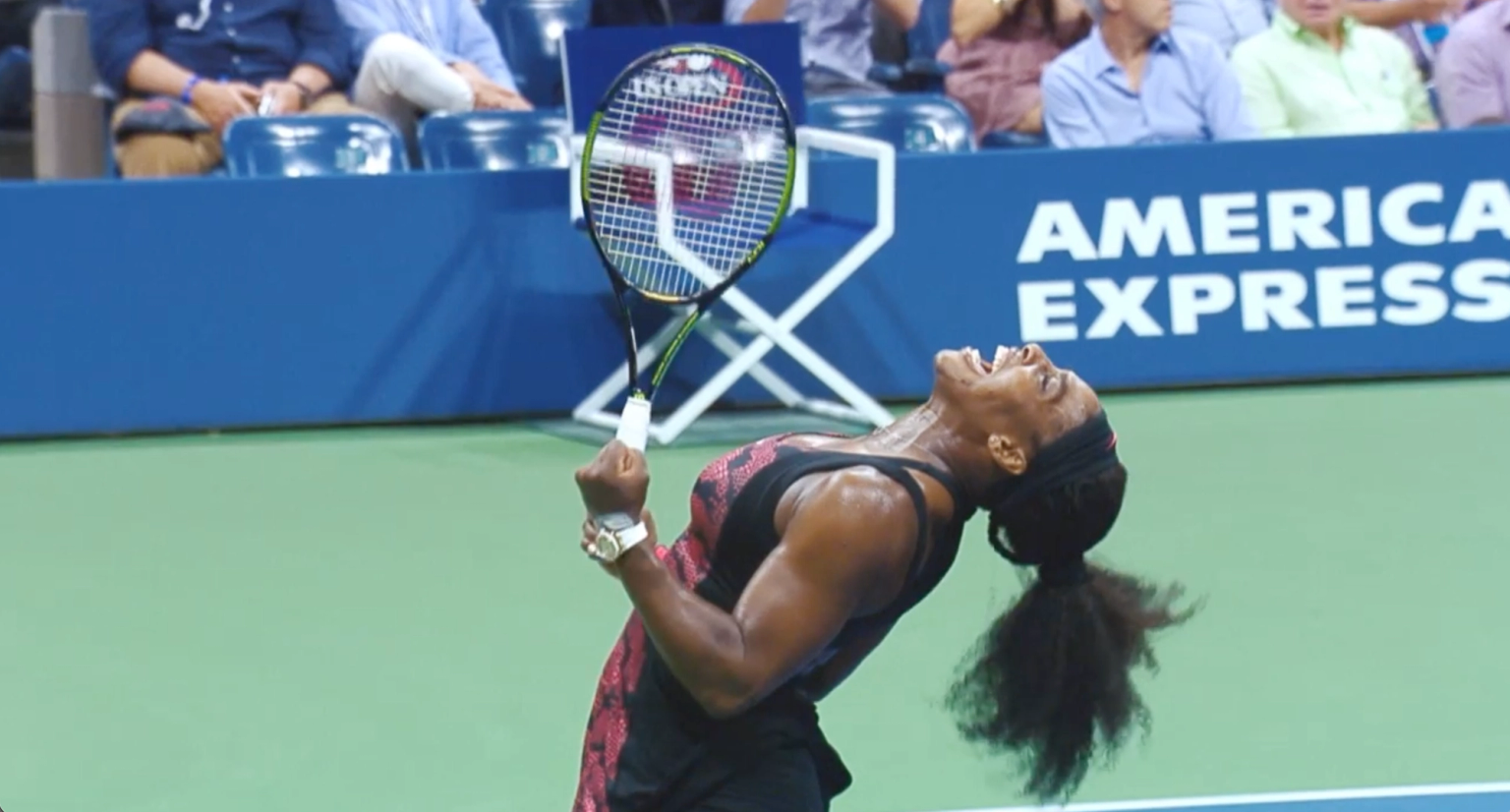
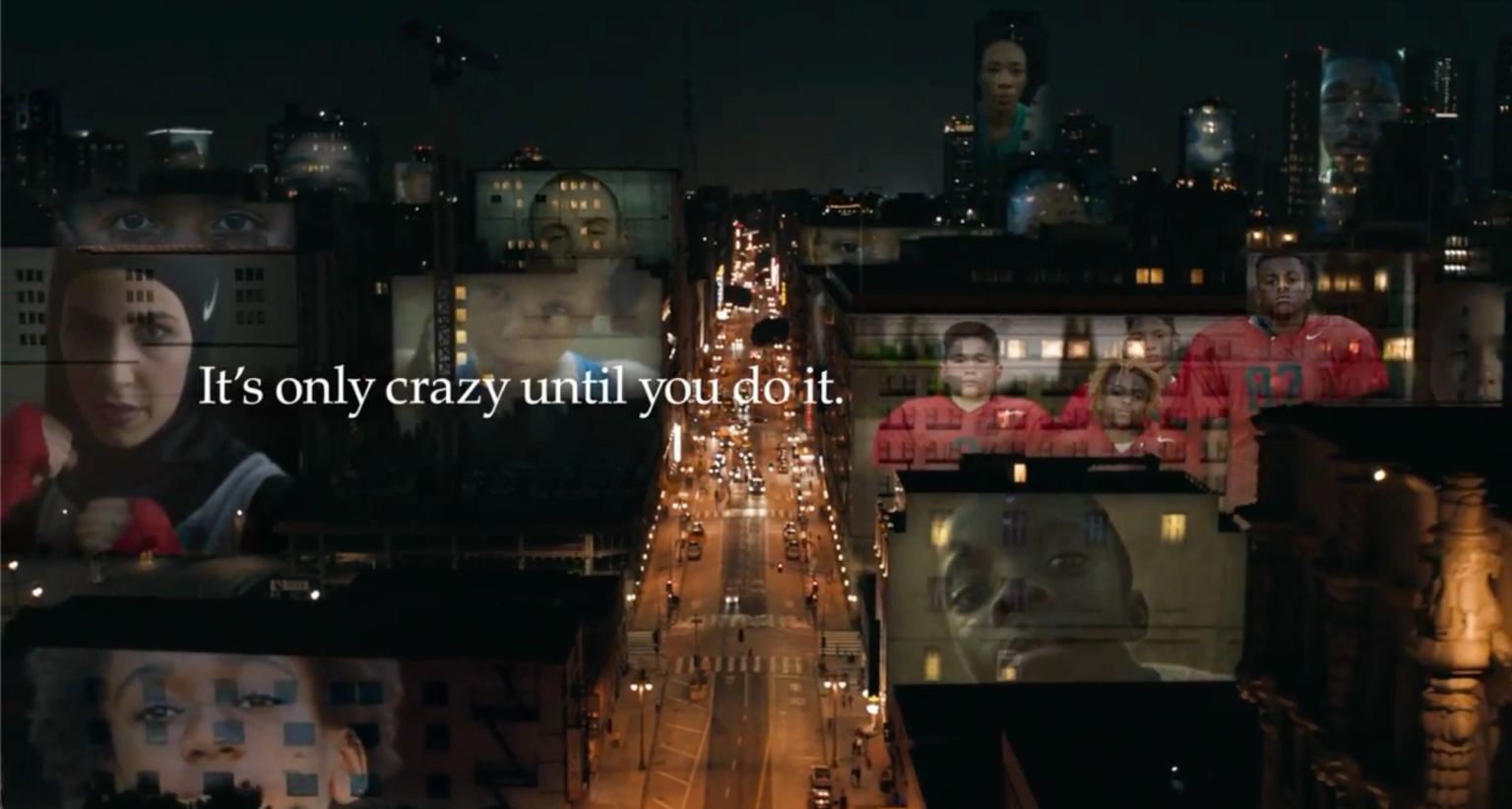
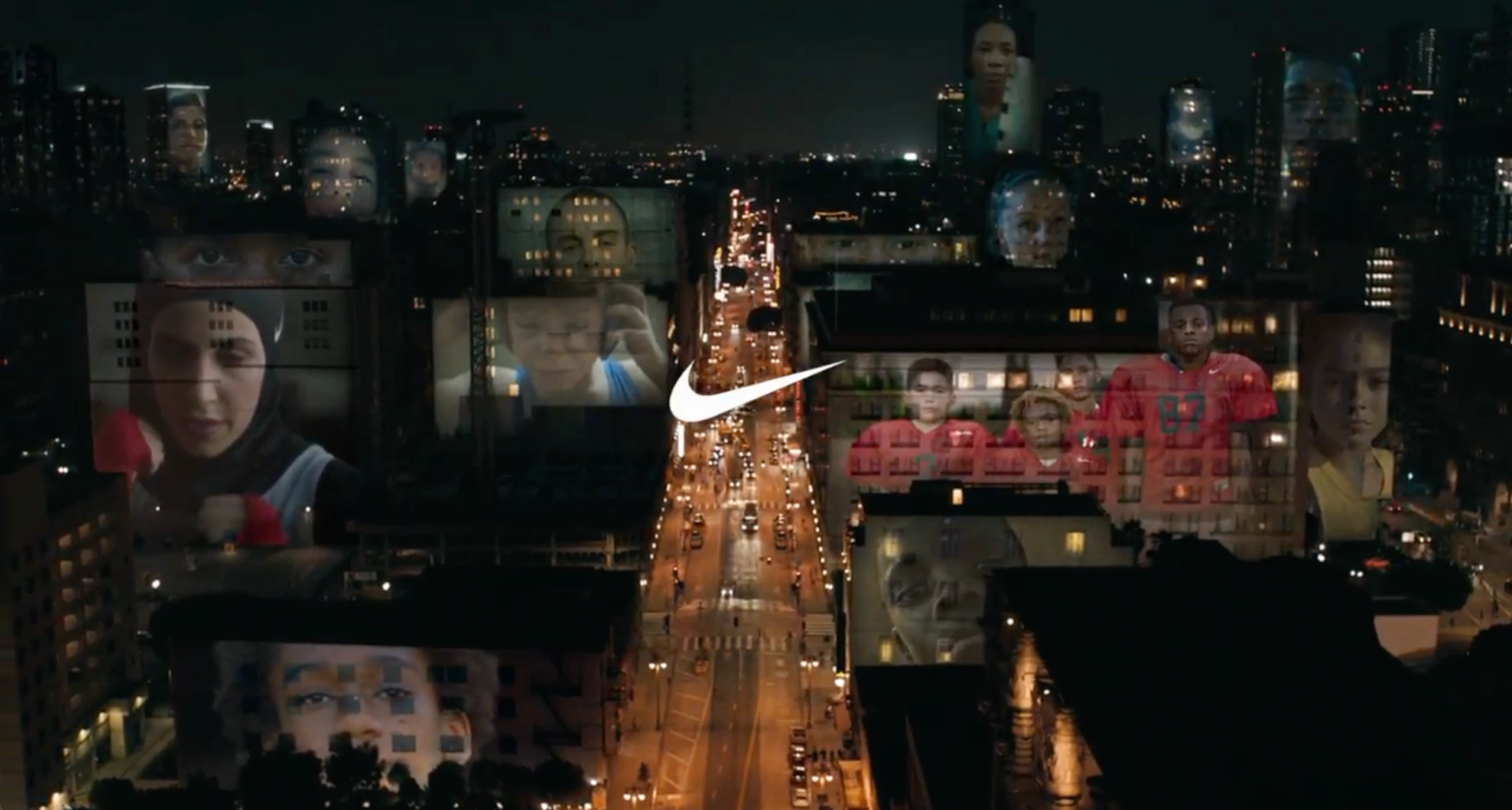
At its core, the film is a montage of athletes who defy expectations. From young wrestlers with disabilities to global icons like Serena Williams and LeBron James, the message builds steadily toward a simple but provocative line: believe in something, even if it means sacrificing everything. That line, delivered by Kaepernick, reframed the campaign as something far larger than sport.
A Director Known for Atmosphere
Lance Acord brought a distinct visual language to the piece. Known for his work in films like Lost in Translation, Acord has long specialized in blending intimacy with scale. In Dream Crazy, that sensibility shows in the way the camera moves between quiet, personal moments and sweeping, almost mythic imagery.
The film does not feel like a traditional commercial. It unfolds more like a short documentary poem. Faces linger. Voices overlap. The pacing resists urgency, allowing emotion to build naturally. Acord avoids spectacle for its own sake, instead grounding each story in human vulnerability before elevating it into something aspirational.
This approach helped the campaign stand apart in a crowded media landscape. Rather than selling shoes, it sold a worldview.






The Kaepernick Effect
The decision to center Colin Kaepernick was both deliberate and risky. At the time, he was one of the most polarizing figures in American culture due to his protests against racial injustice. By making him the narrator and face of the campaign, Nike aligned itself with a broader social conversation that extended far beyond sports.
The reaction was immediate and intense. Some consumers praised the brand for taking a stand. Others called for boycotts, even going so far as to publicly destroy Nike products. Yet the controversy only amplified the campaign’s reach. Within days, Dream Crazy had become a global talking point.
From a business perspective, the gamble paid off. Nike saw a surge in online sales and a significant increase in brand engagement. More importantly, it solidified its identity as a company willing to embrace cultural relevance over neutrality.


Advertising as Cultural Statement
Dream Crazy marked a turning point in how brands approached storytelling. It demonstrated that advertising could function not just as promotion, but as participation in societal dialogue. The campaign did not try to appeal to everyone. Instead, it chose a clear perspective and accepted the consequences.
In retrospect, the film’s power lies in its coherence. Acord’s direction, Kaepernick’s narration, and Nike’s brand philosophy all align around a single idea: greatness requires risk. That idea resonates not because it is new, but because it is presented with conviction.
Years later, Dream Crazy is still referenced as a benchmark for purpose driven marketing. It is studied not only for its message, but for its execution. The film reminds us that when storytelling, timing, and courage intersect, even a commercial can become a cultural artifact.