Traktor
MTV - Jukka Brothers
- DirectorTraktor
- Production CompanyPartizan
- AgencyFallon New York
- Creative DirectorJamie Barrett
- Art DirectorPaul Malmstrom
LIONEL GOLDSTEIN The hippest of them all, when we started out as Lionel, they were an example how humor and absurdity could at the same time be hip and cool. We always liked the dumb characters they created, using the old school and old fashioned European caricatural characters.
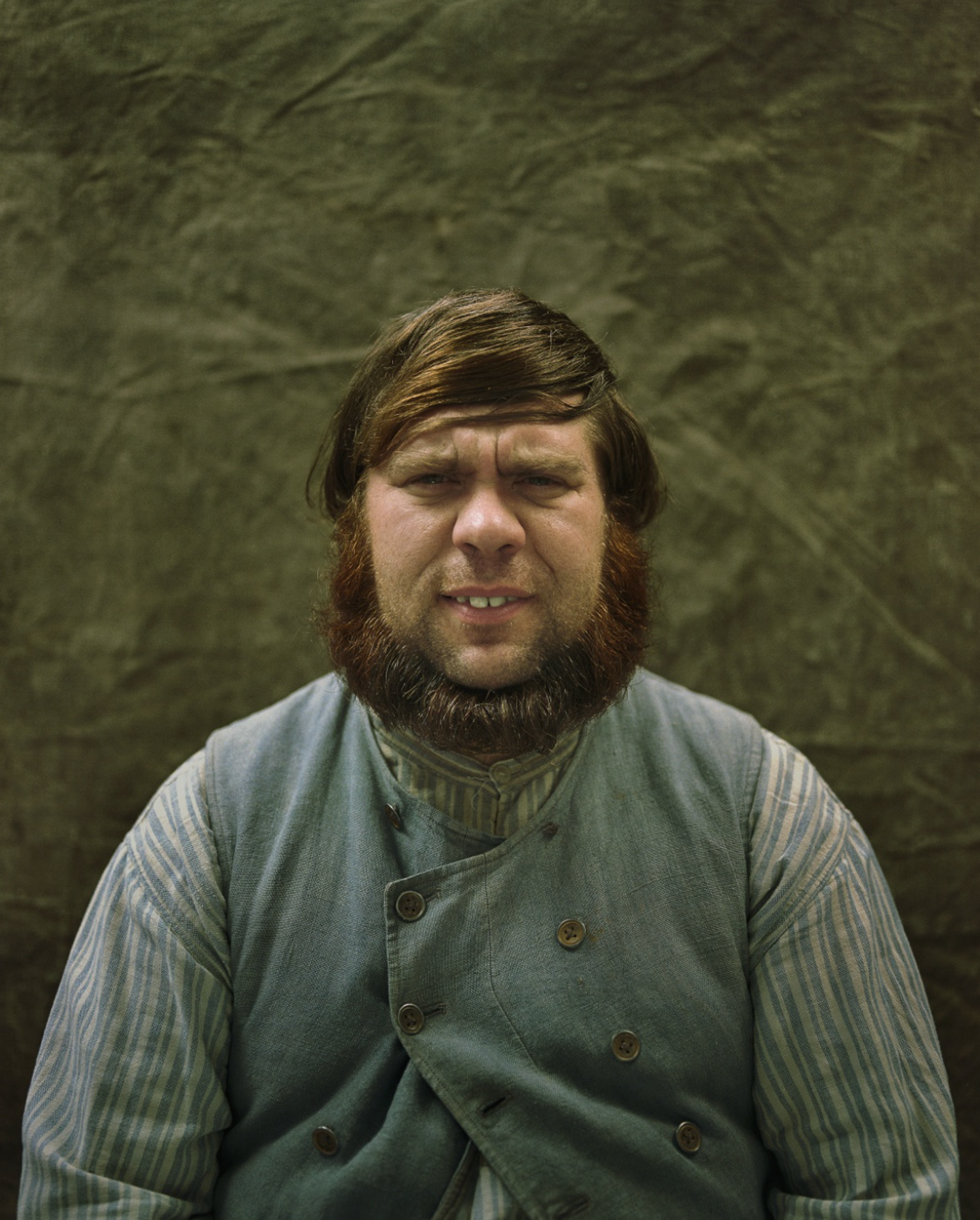

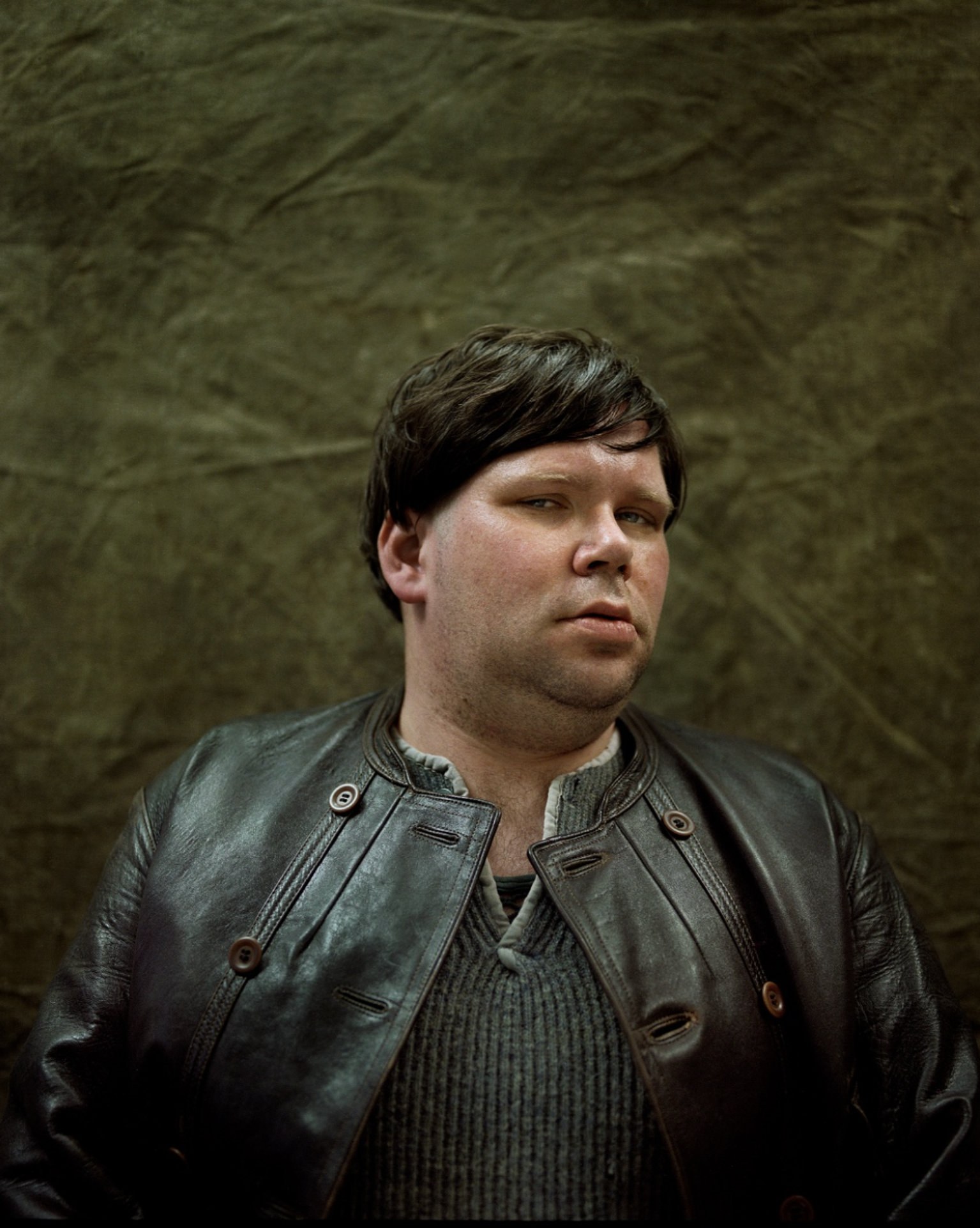

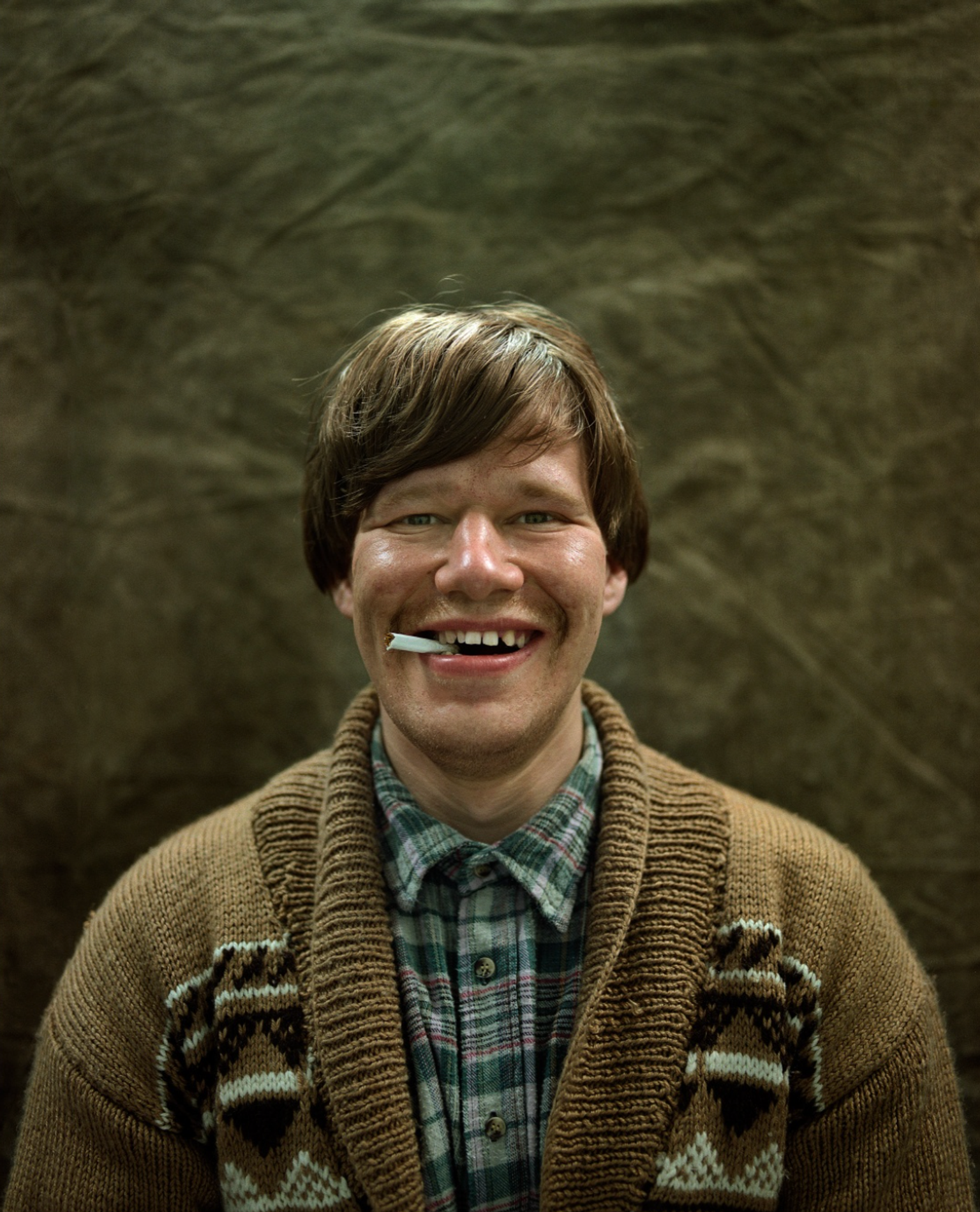



The story behind the MTV Jukka Brothers spot
The Jukka Brothers MTV spot by Traktor belongs to a brief but influential moment when MTV treated on-air graphics not as disposable branding, but as authored work. Directed by members of Traktor, the renowned Scandinavian directing collective known for innovative commercials and music videos, the piece stood out less for narrative or polish than for its insistence on presence.
When MTV Europe commissioned Traktor to produce the on-air ID, they were not looking for storytelling or slick finish. They wanted something that felt authored, strange, and unmistakably non-American. The result was deliberately anti-MTV-glam: a short-form work that resisted immediacy, clarity, and promotional logic. Rather than selling music or attitude, the spot simply occupied the screen, briefly and stubbornly.
Part of its impact came from timing. In the late 1990s, CGI was advancing rapidly toward ever-greater smoothness and realism. Traktor moved in the opposite direction. The characters appear awkward, the motion slightly “wrong,” the space vaguely empty. This was not a technical limitation but a clear aesthetic stance - an embrace of friction, ugliness, and refusal. The spot did not try to disappear into MTV’s visual flow; it interrupted it.
The credit and why it resonate
The credit was central to this gesture. MTV idents were typically anonymous, absorbed into the channel’s endlessly mutating brand. Here, authorship was made visible. By foregrounding the logo, the spot treated broadcast television as a legitimate site for creative signature rather than a neutral delivery system. That move aligned closely with Traktor’s broader practice, which consistently blurred the boundaries between commercial work, graphic experimentation, and authored film.
The meaning of the spot lies less in what it depicts than in what it asserts: that even a few seconds of airtime can carry intention, identity, and responsibility. It quietly challenged the idea that MTV’s visual culture was ownerless or purely corporate, suggesting instead that it could be shaped - and signed - by individual voices.
In retrospect, the spot anticipates later currents in visual culture: lo-fi digital nostalgia, post-internet aesthetics, and a renewed interest in visible construction over seamless illusion. More than a relic of 1990s broadcast design, it marks a moment when television briefly allowed experimental direction to sit in plain sight, credited and unapologetic.