
Mosque-Cathedral
of Córdoba
- ArchitectUmayyad Architects; Christian additions by Hernán Ruiz I, II & III. Commissioned by: Abd al-Rahman I
- PhotographerDan Perez
Melodie Leung An architectural and historical marvel, the extraordinary/exquisite spaces within have been defined over many centuries of contrasting/diverse architectural and cultural influences. Geometric wonders are visible across every axis and materialize as the result of structural innovations and masterful craftsmanship.

The Mosque–Cathedral of Córdoba
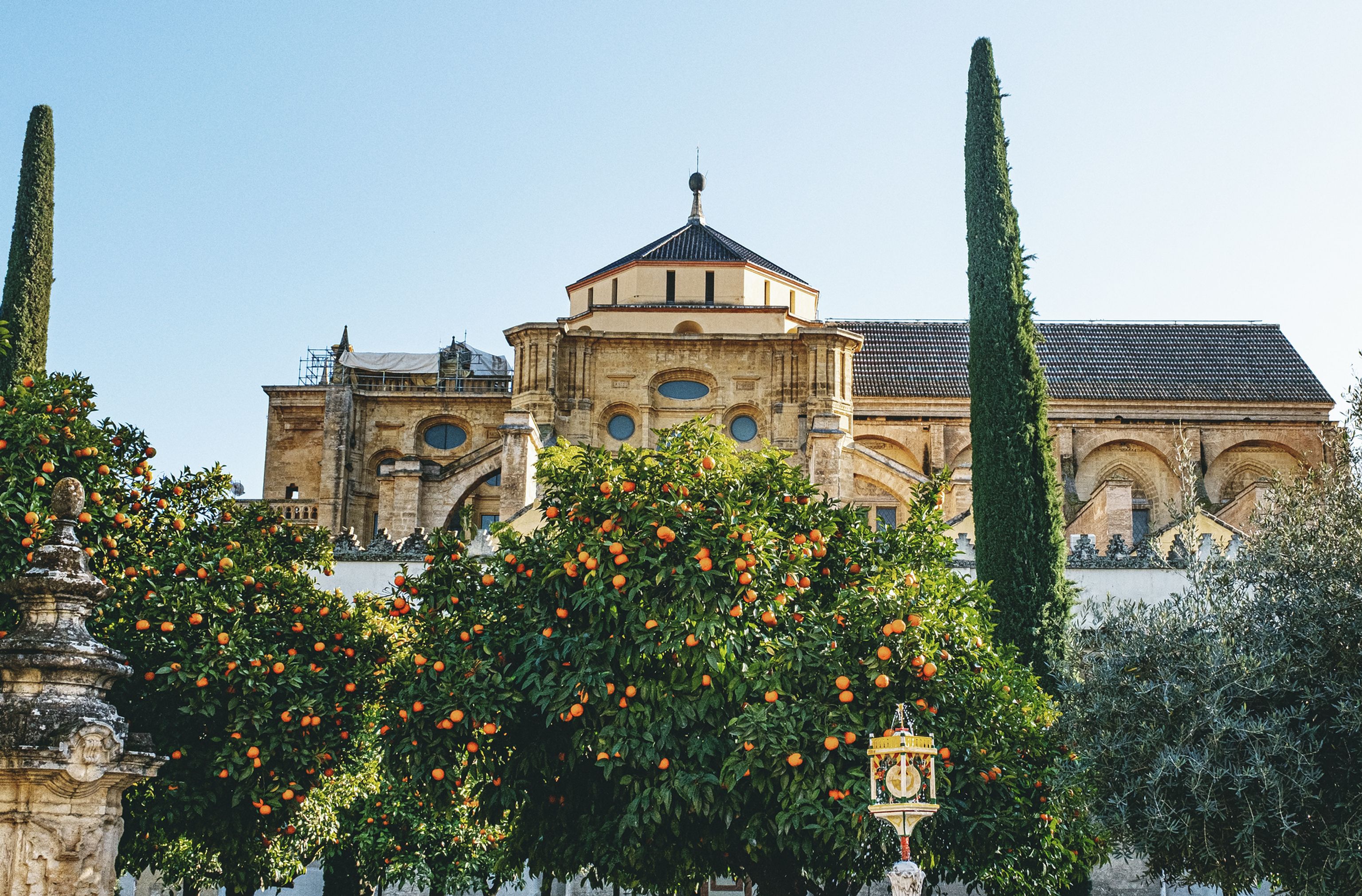
The Mosque–Cathedral of Córdoba is unlike any other religious building in the world. What began as the Great Mosque commissioned by Abd al-Rahman I in 785 CE gradually transformed into a cathedral without ever losing the architectural character that made it exceptional. Over more than twelve centuries, the building has evolved through expansion, adaptation and restoration, becoming one of the most extraordinary examples of layered architecture. Today, it stands as both a place of worship and a remarkable record of the many cultures that have shaped Córdoba's history.

Layers of Design
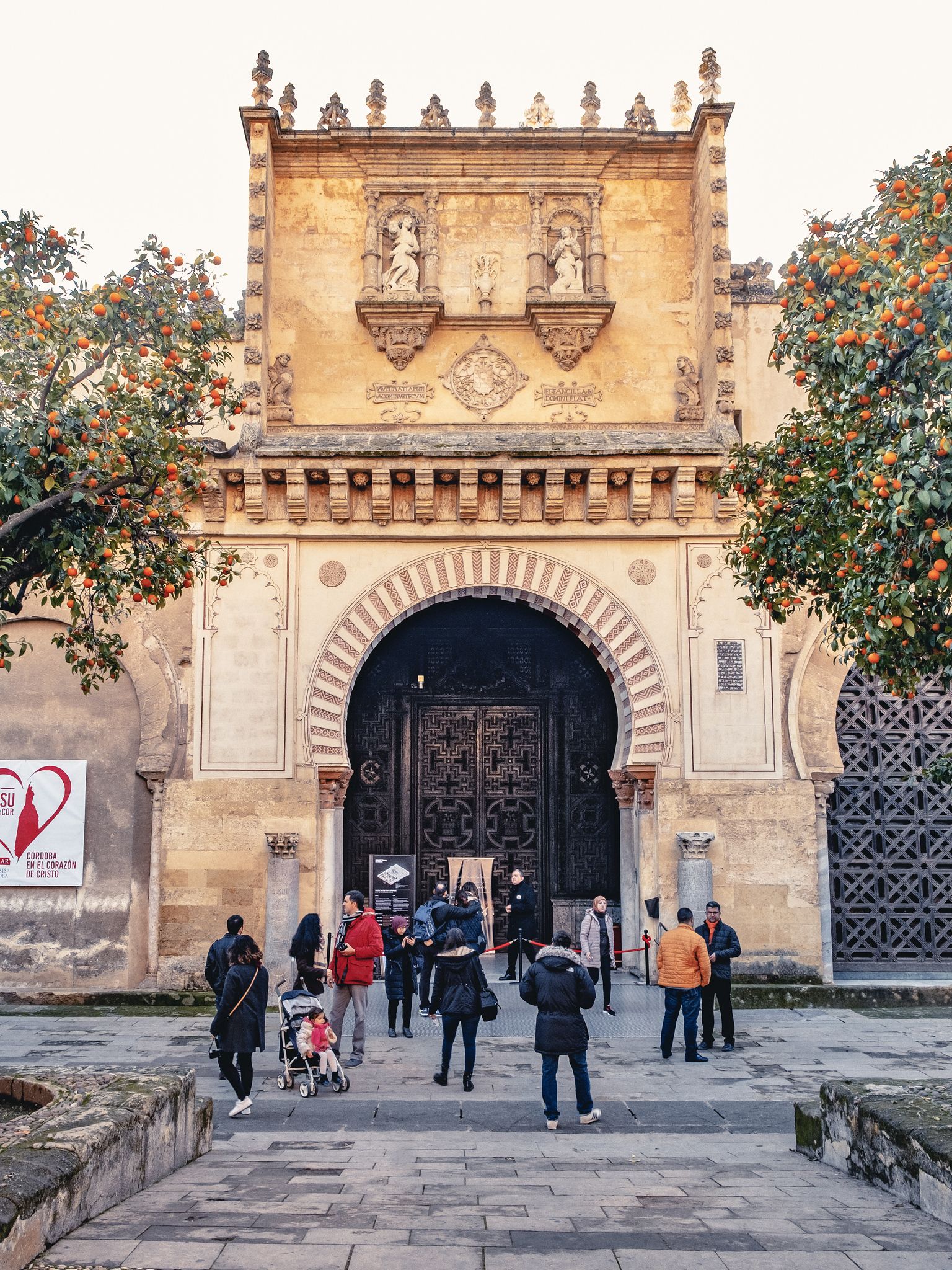
Unlike most architectural landmarks, The Mosque–Cathedral of Córdoba is the work of many architects rather than one. The original mosque was built by Umayyad craftsmen, who looked to the Great Mosque of Damascus for inspiration while reusing columns and capitals from the earlier Visigothic church that stood on the site.
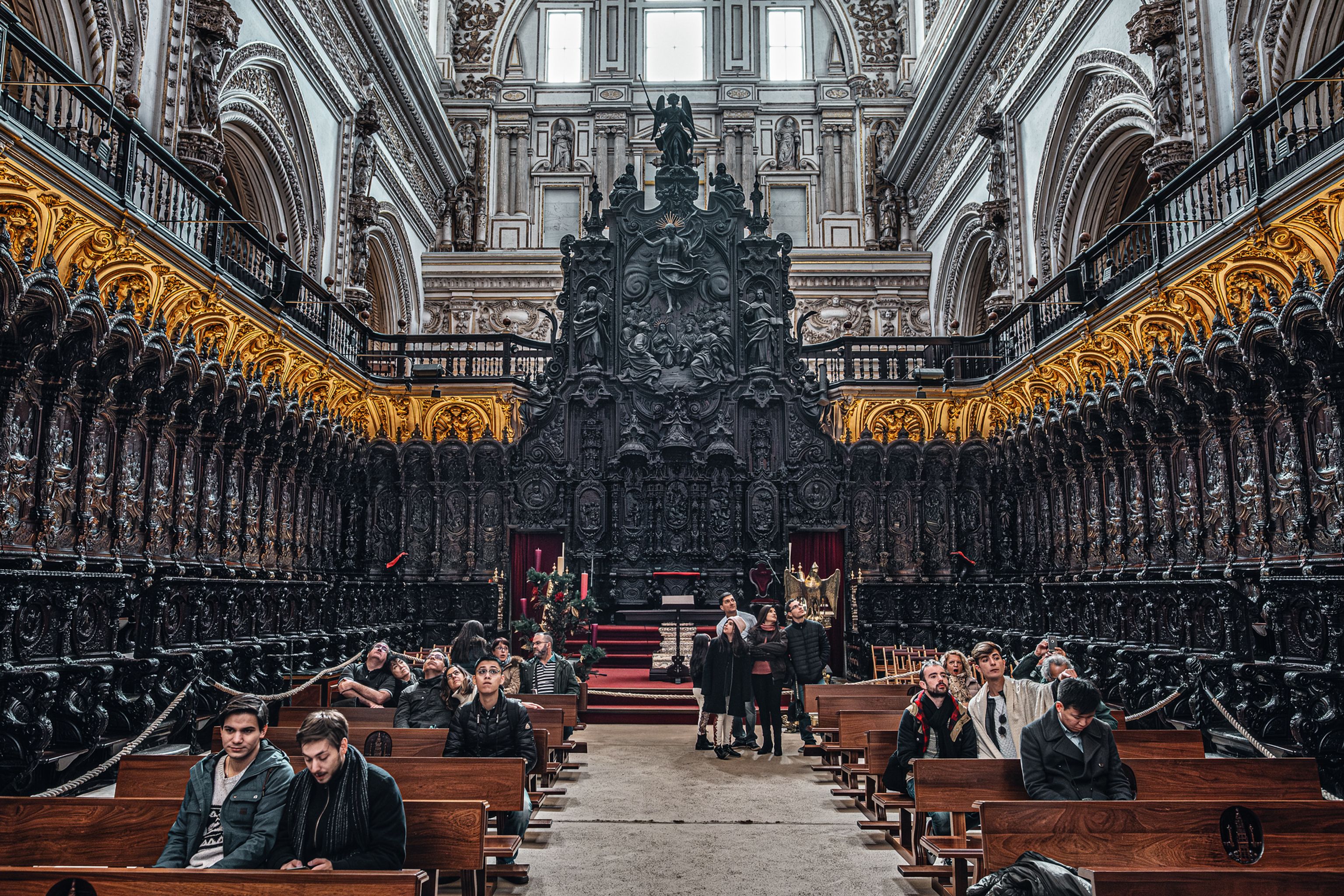

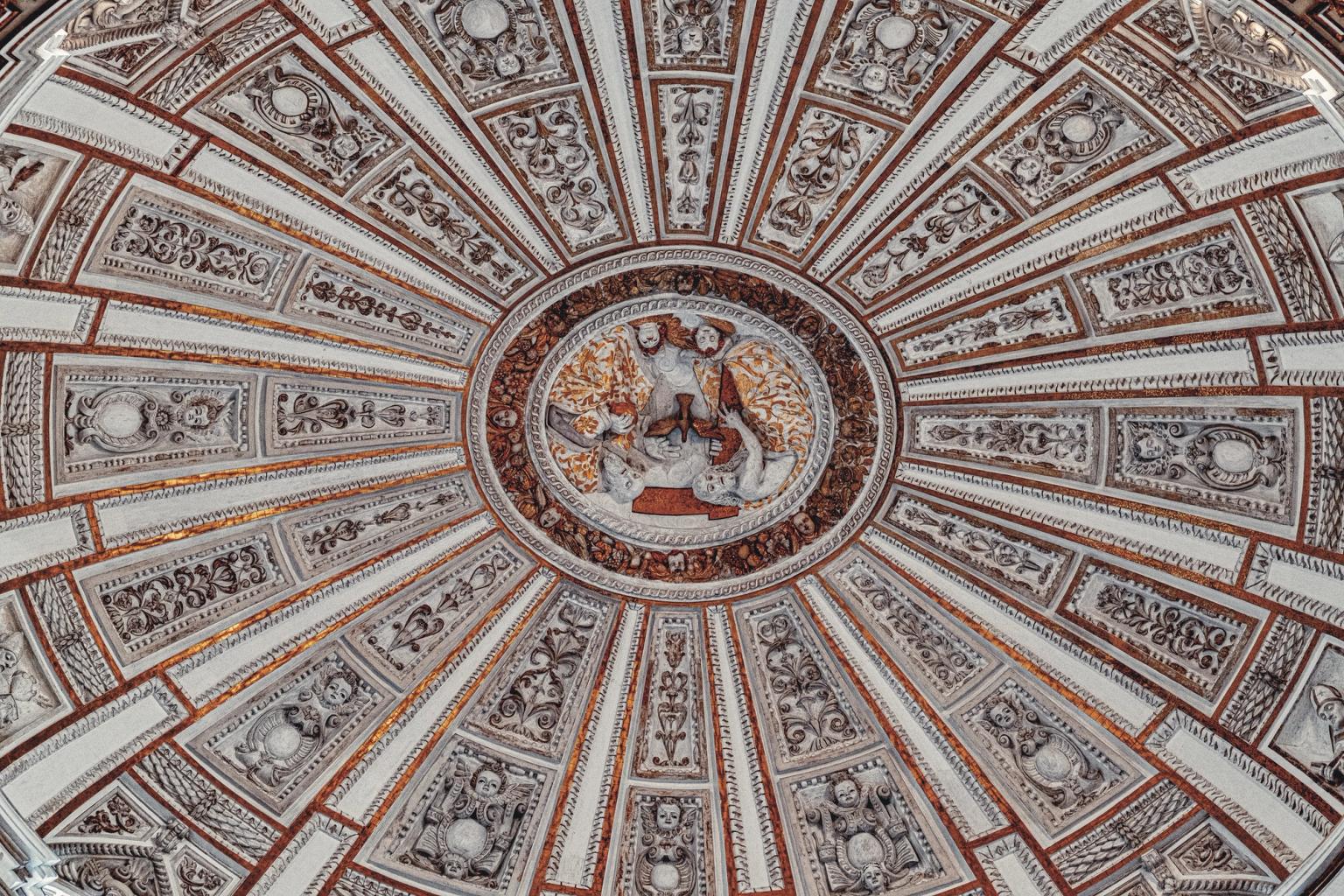
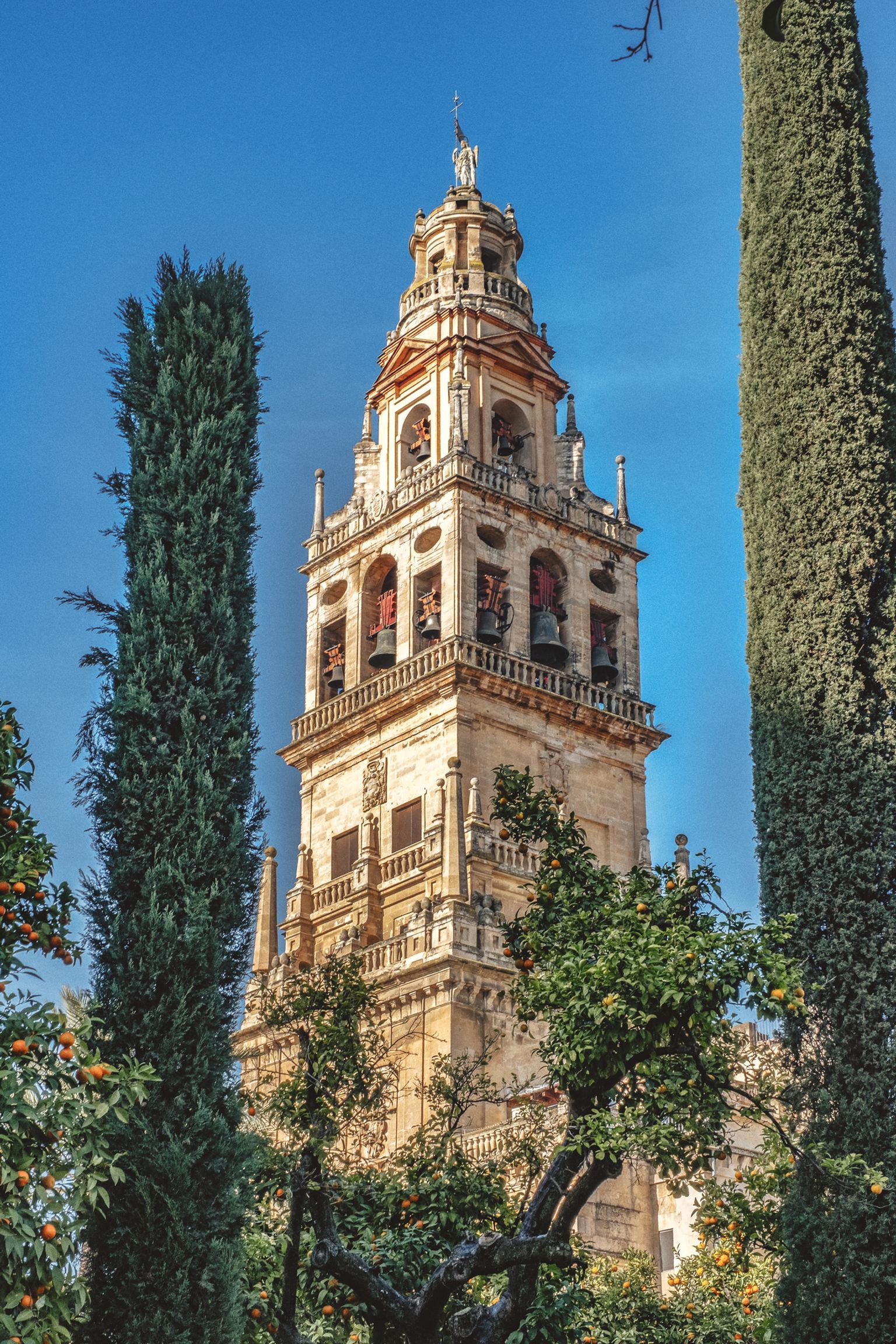
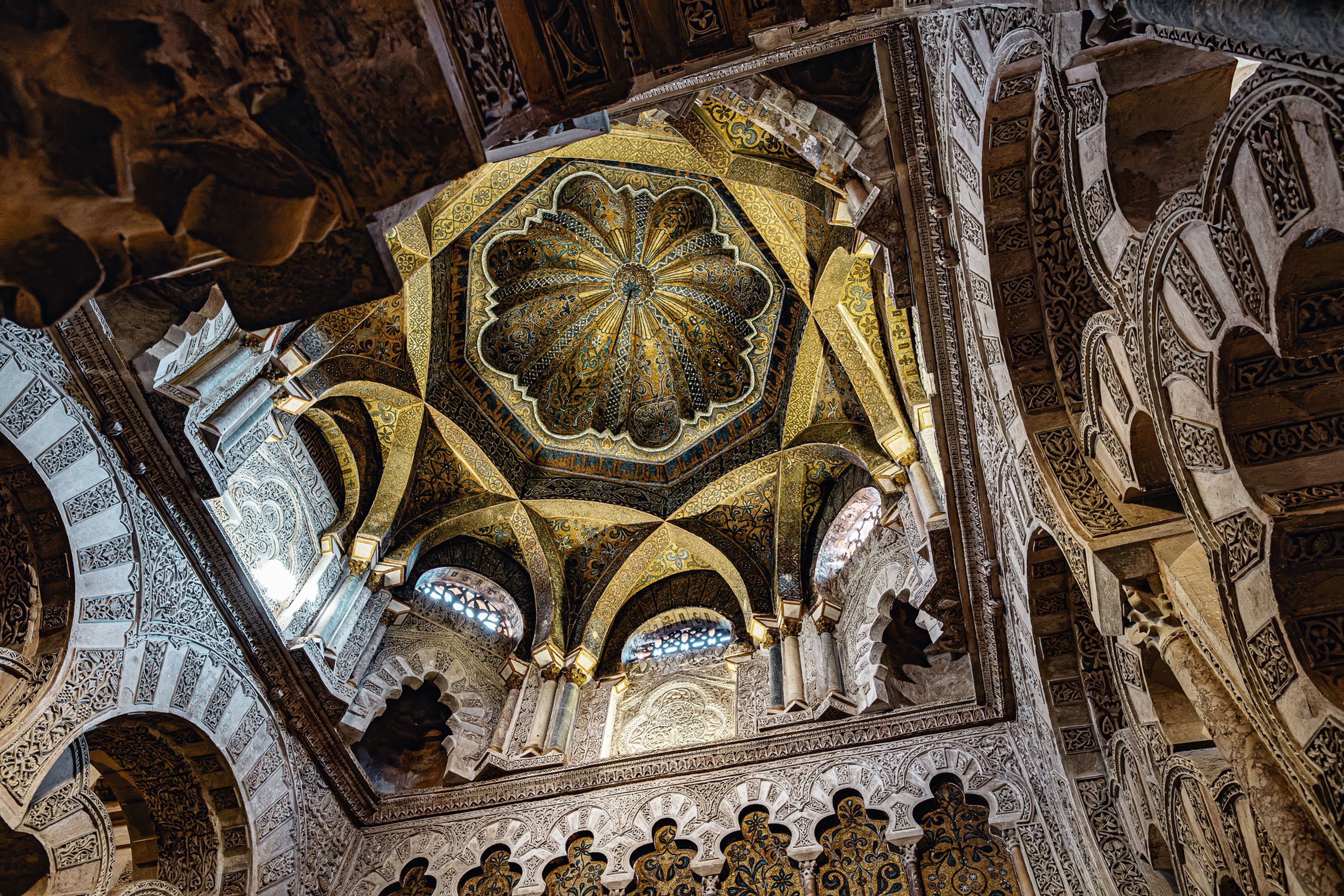
Successive rulers continued to enlarge the mosque throughout the 9th and 10th centuries, with Al-Hakam II introducing elaborate domes, intricate arches and richly detailed ornamentation that became defining features of the building. Following the Christian conquest of Córdoba in 1236, architects including Hernán Ruiz I, Hernán Ruiz II and Hernán Ruiz III added Gothic, Renaissance and Baroque elements, allowing each period to become part of the building's evolving identity.

A Forest of Arches
The heart of the building is its vast hypostyle hall, where hundreds of columns support the mosque's distinctive double-tiered horseshoe arches. Their alternating red and white stone creates a rhythm that appears almost endless, giving the interior an extraordinary sense of depth and movement. Rather than directing attention towards a single focal point, the architecture invites visitors to move freely through the space, discovering new perspectives with every step. This modular design also allowed the mosque to expand seamlessly over several centuries, preserving its remarkable sense of continuity as it grew.





Where Histories Meet
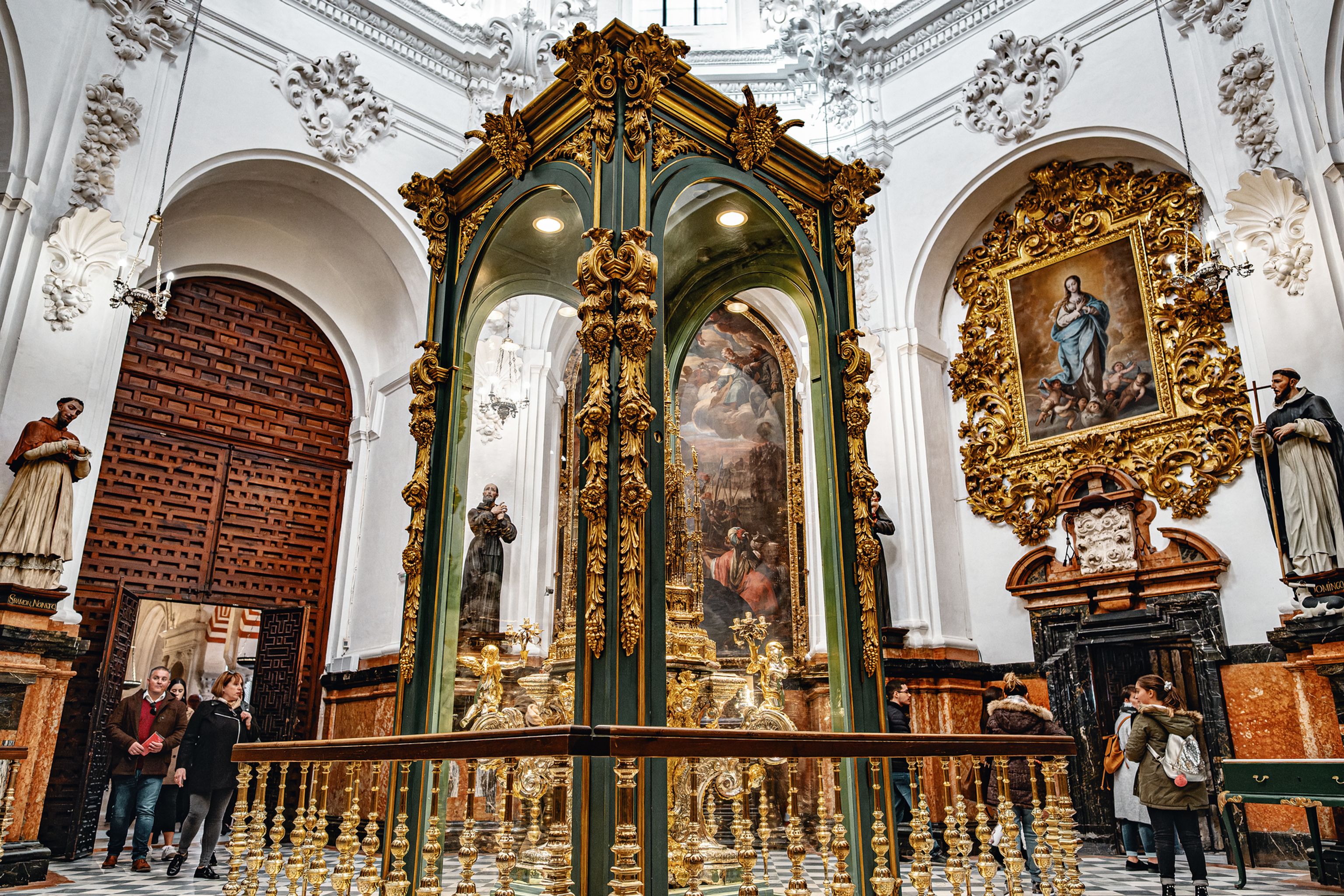
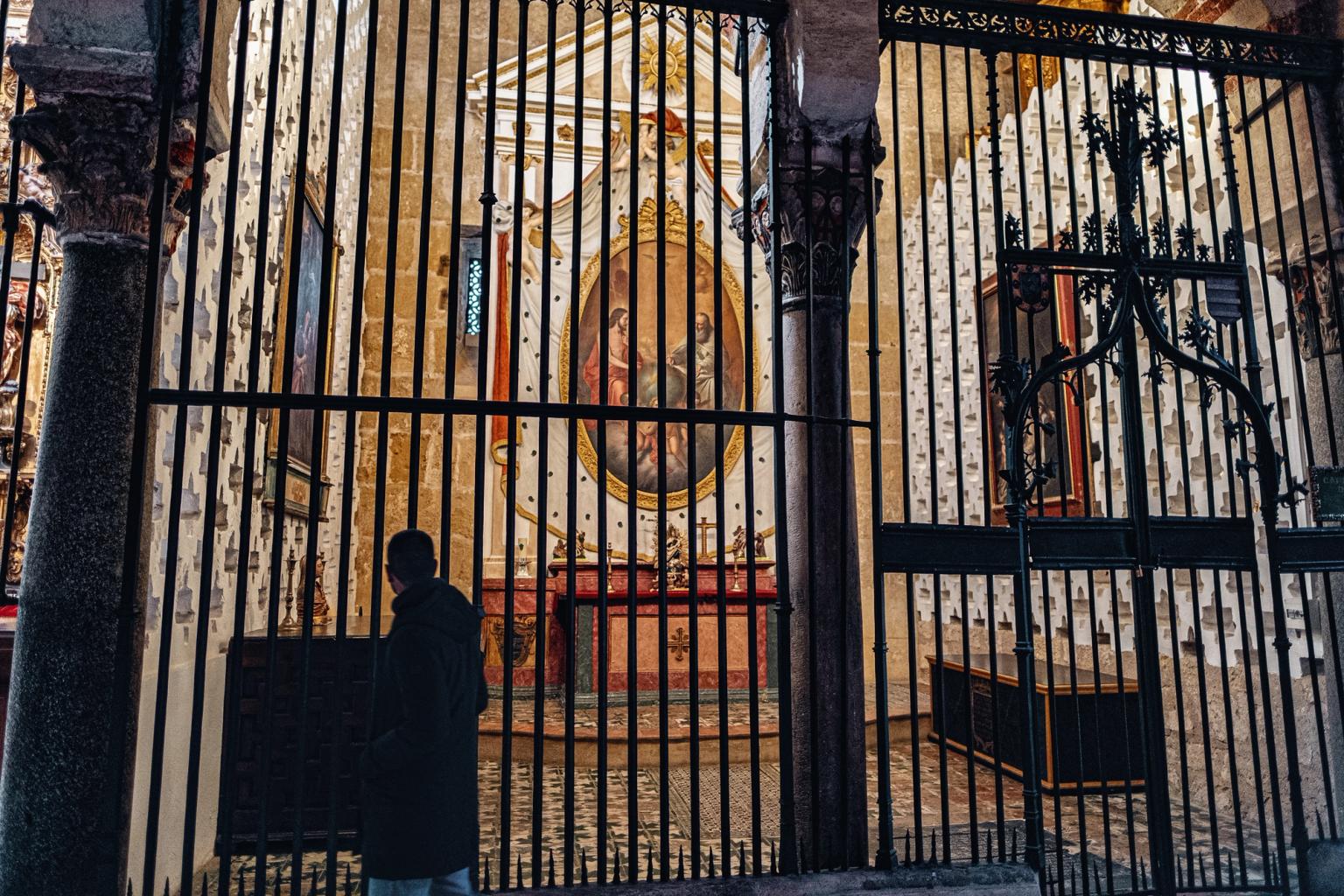
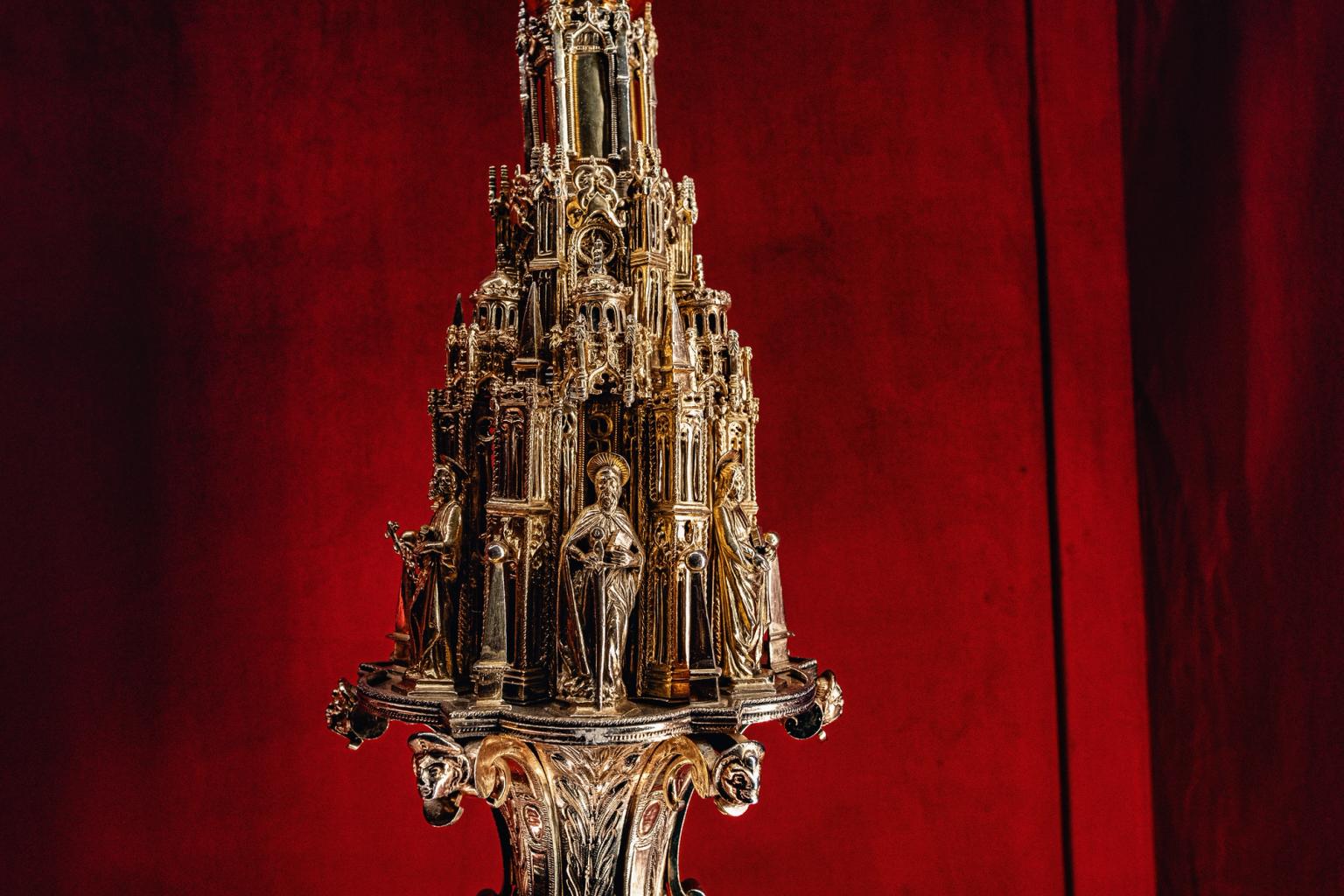
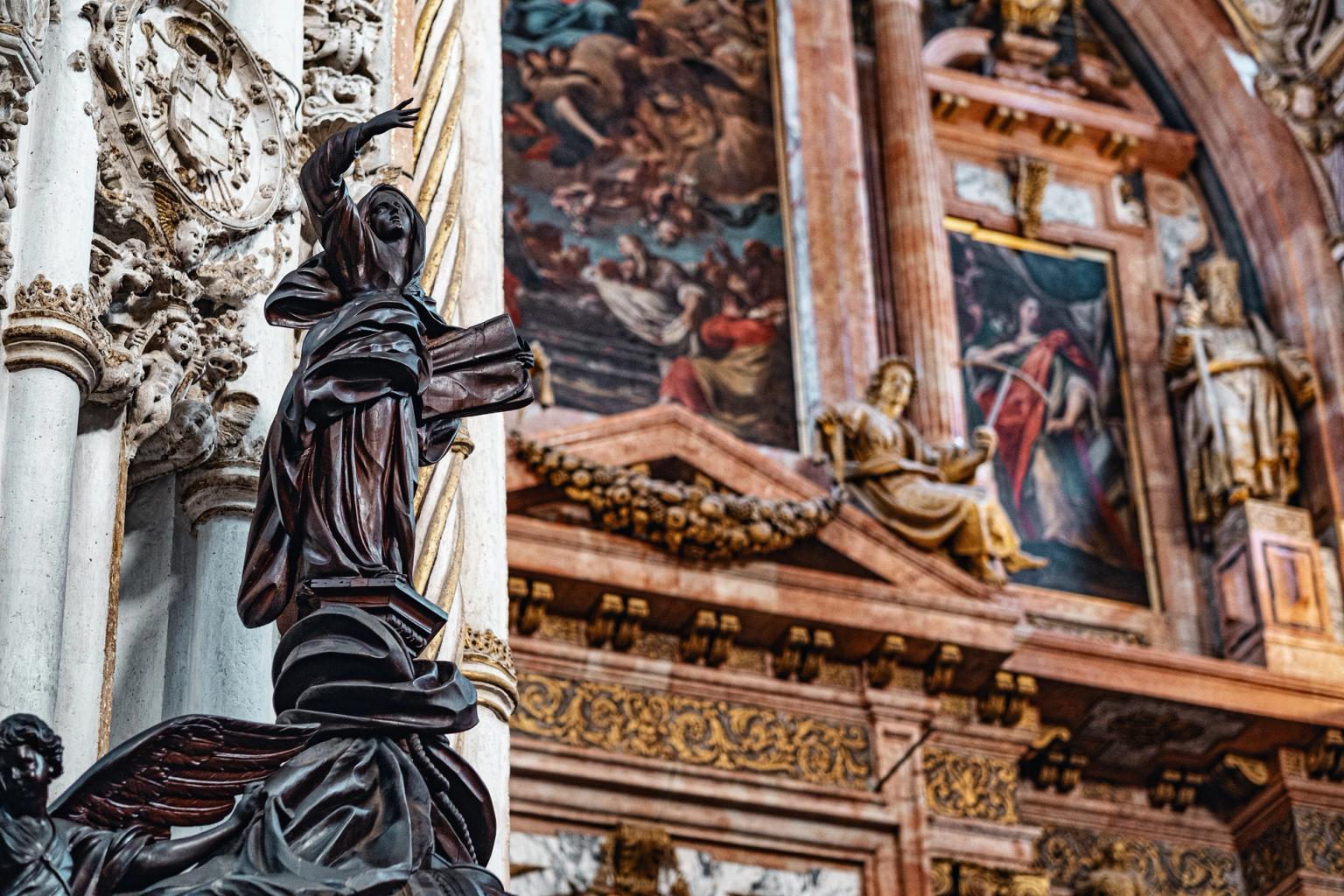
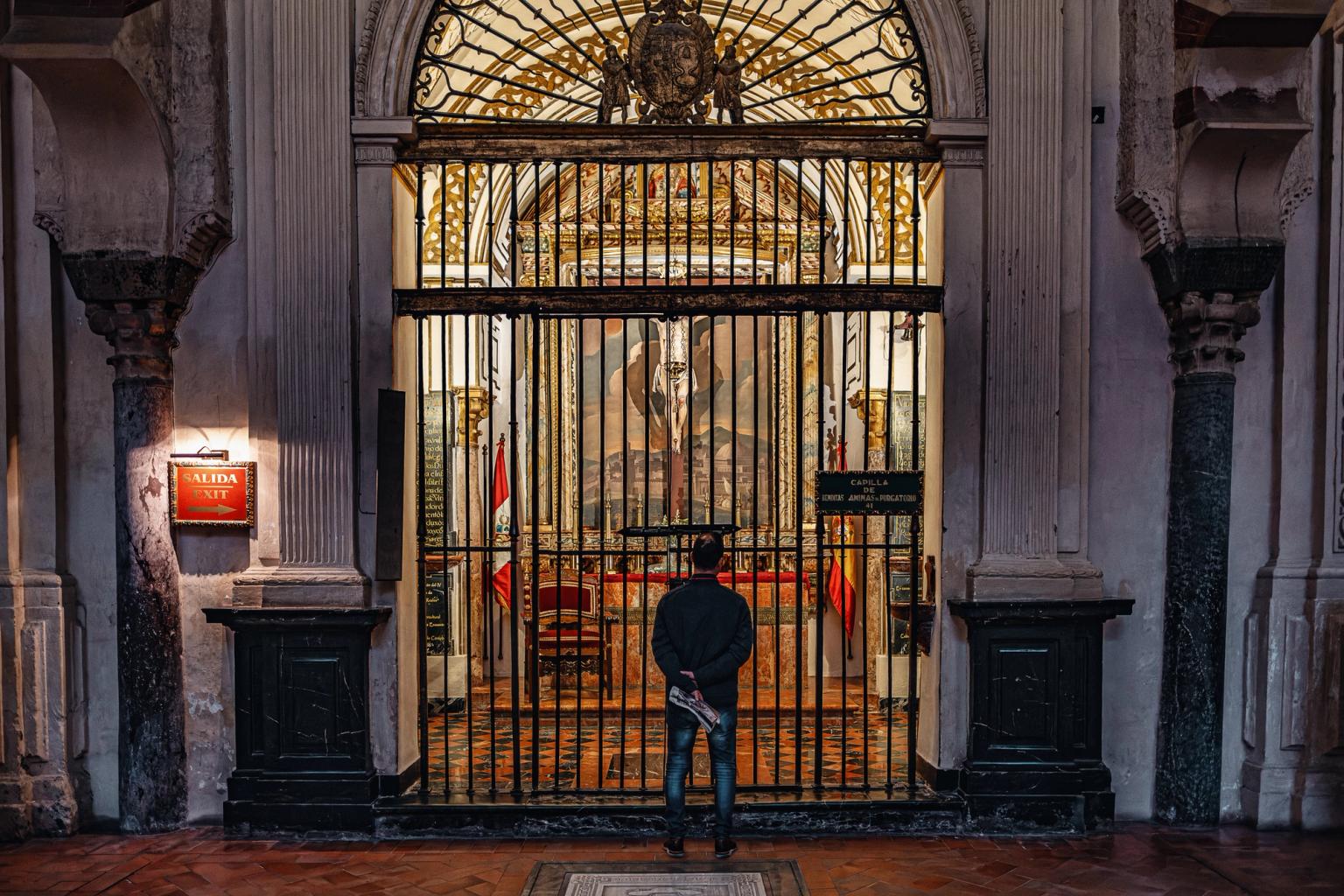
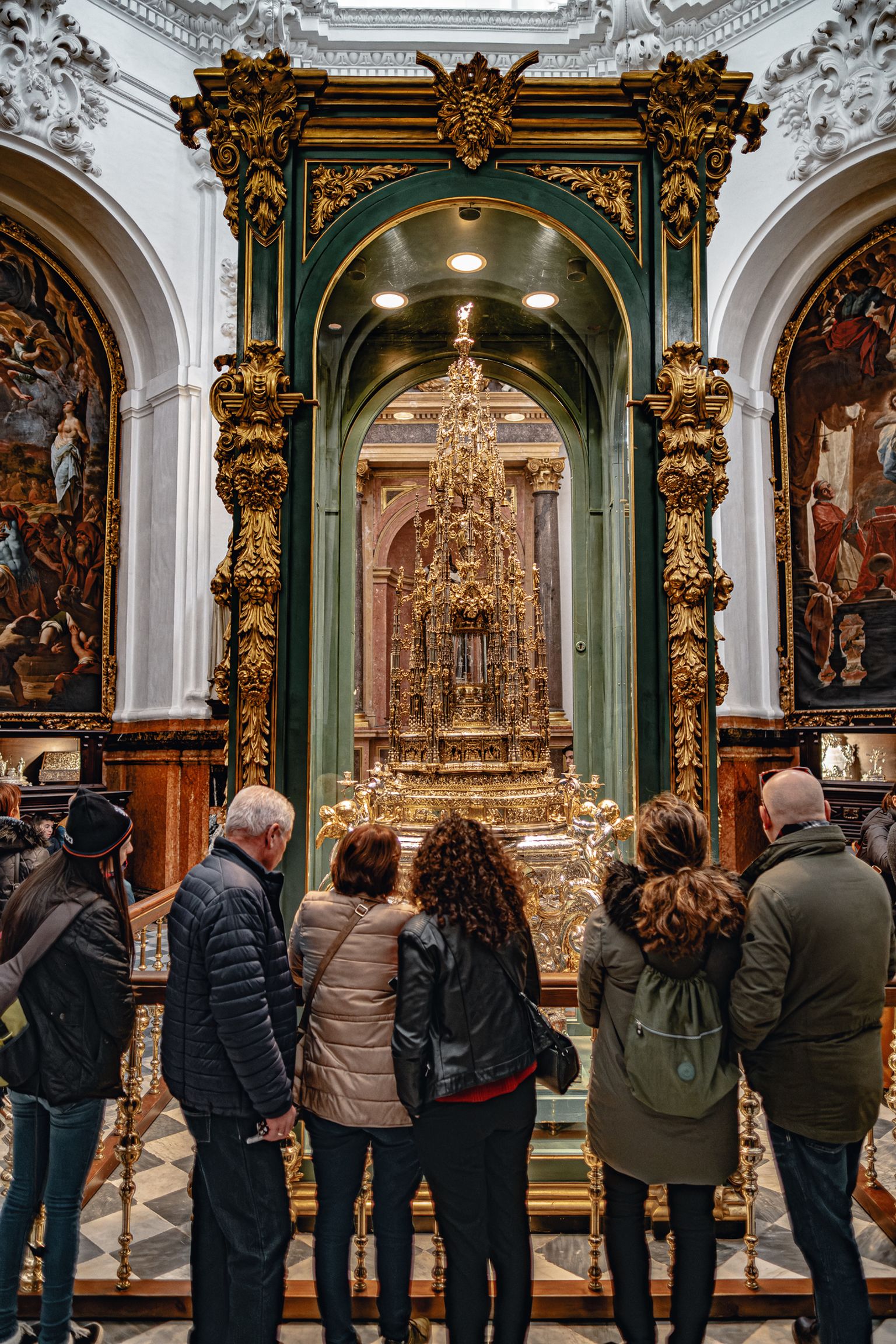
When Córdoba came under Christian rule in 1236, the mosque was consecrated as a cathedral, beginning a new chapter in its history. Chapels, altars and Christian artworks were gradually introduced before the most dramatic intervention arrived in the 16th century with the construction of a Renaissance nave at the centre of the prayer hall. Its soaring vertical form contrasts sharply with the mosque's low, horizontal landscape of arches, creating one of architecture's most compelling juxtapositions. Rather than concealing the past, the building reveals how different architectural traditions can exist within the same structure, each reflecting the values and ambitions of its own time.

Light, Pattern and Atmosphere
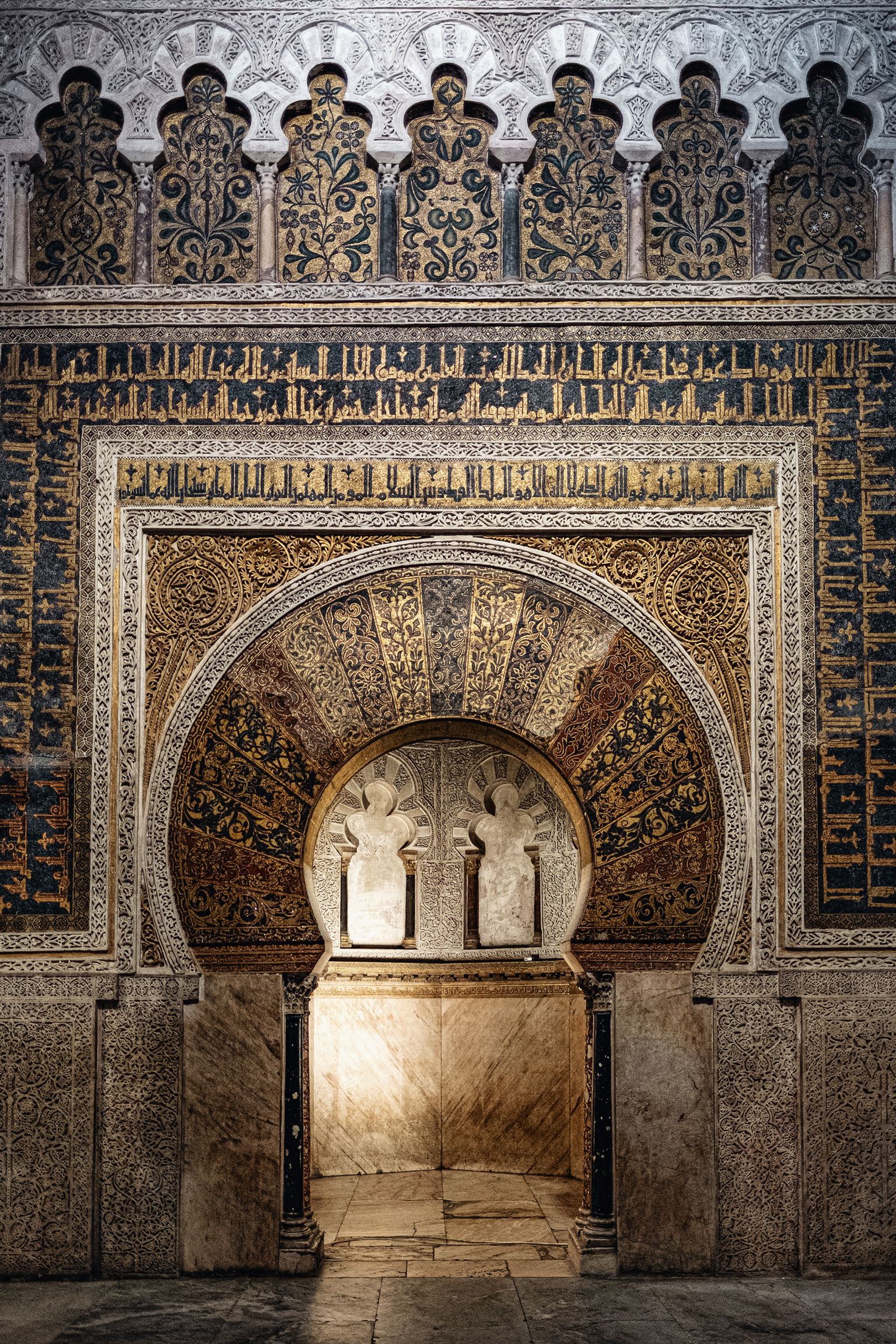
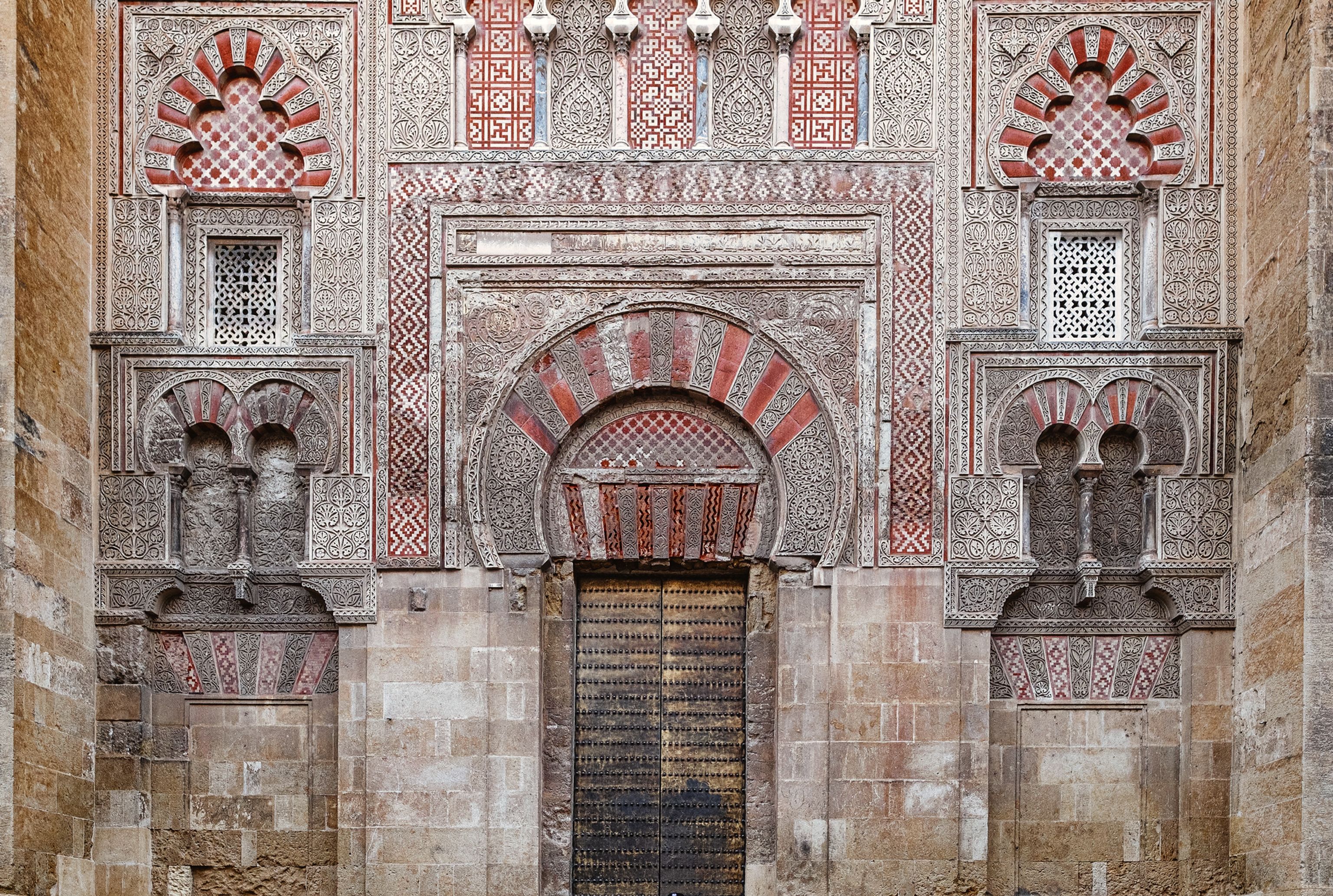
Much of the building's character comes from the careful relationship between light, material and ornament. Horseshoe and polylobed arches, geometric decoration and finely crafted details reflect the visual language of Islamic architecture, where pattern and abstraction take precedence over figurative imagery. Soft daylight filters through clerestory openings, casting shifting shadows across the columns and reinforcing the calm atmosphere of the prayer hall.

The later cathedral introduces a different spatial experience, using height and concentrated light to draw attention towards the altar. Together, these contrasting architectural languages create a rich sequence of spaces that continue to captivate visitors today.

A Lasting Landmark
More than twelve centuries after its construction began, The Mosque–Cathedral of Córdoba continues to be one of the world's most remarkable architectural landmarks. Its significance lies not only in its scale or craftsmanship, but in the way it brings together different periods of history within a single building. Every addition has become part of its identity, allowing visitors to experience Islamic and Christian architecture side by side. Rather than belonging to one moment in time, The Mosque–Cathedral of Córdoba remains a living record of how architecture can evolve while retaining the character that made it extraordinary in the first place.

Caption
Dan Perez
https://danperezphotography.com
@danperezphotography.com
Dan Perez Photography - https://www.facebook.com/DanPerezPhotography