
Marisol
Marisol at Louisiana
- ArtistMarisol
TROELS CARLSEN Her works look more fresh, cool, and modern than ever. Definitely the best Louisiana show in along time. Her exhibition could stay in the museum for 10 years and still look relevant.

A Long Overdue European Survey
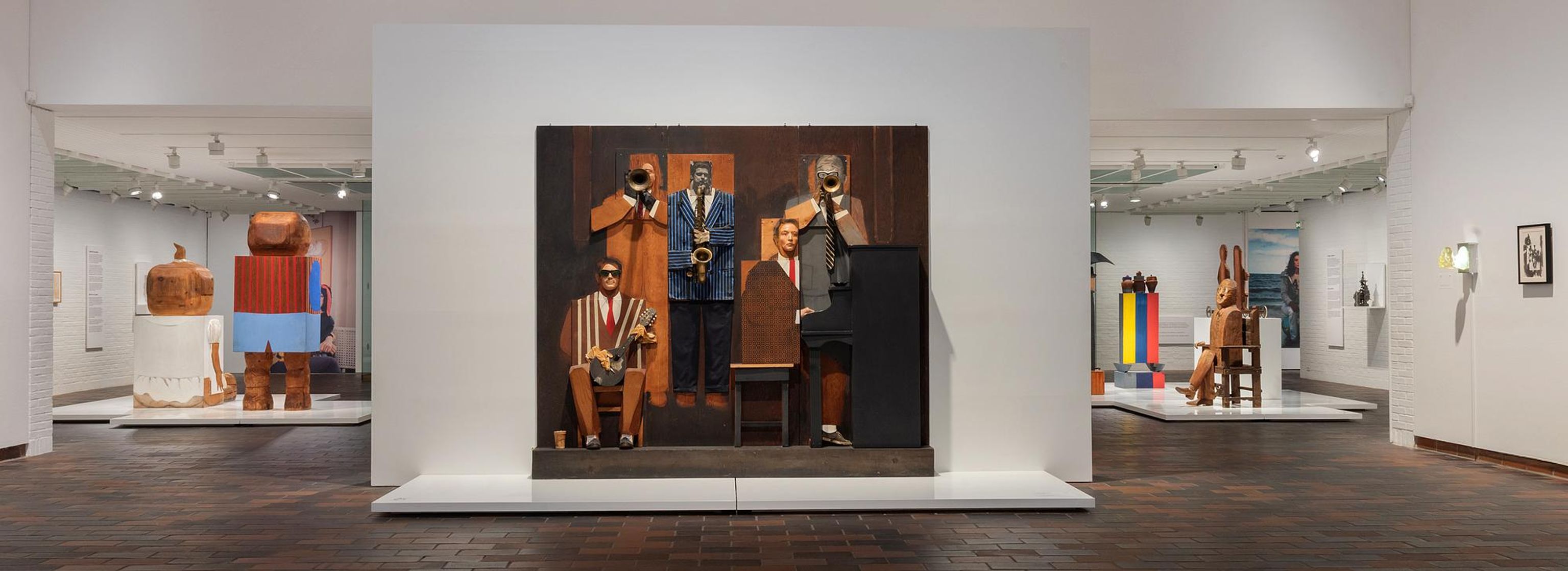
After five months on view, the landmark Marisol exhibition at Louisiana Museum of Modern Art has come to a close. The first comprehensive European survey of the artist’s work, presented from 1 October 2025 to 22 February 2026, marked a long overdue reintroduction of Marisol to audiences across the continent.
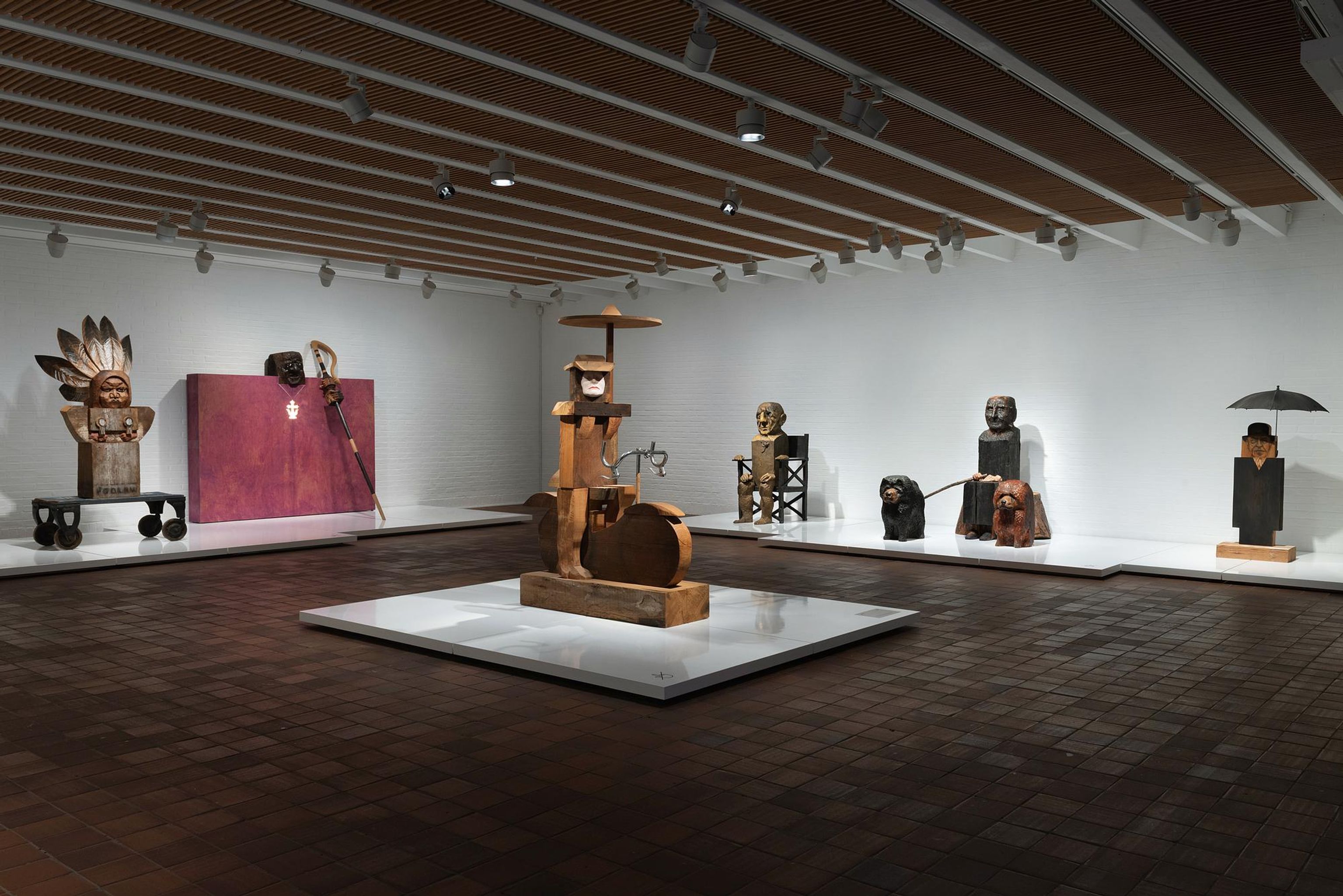
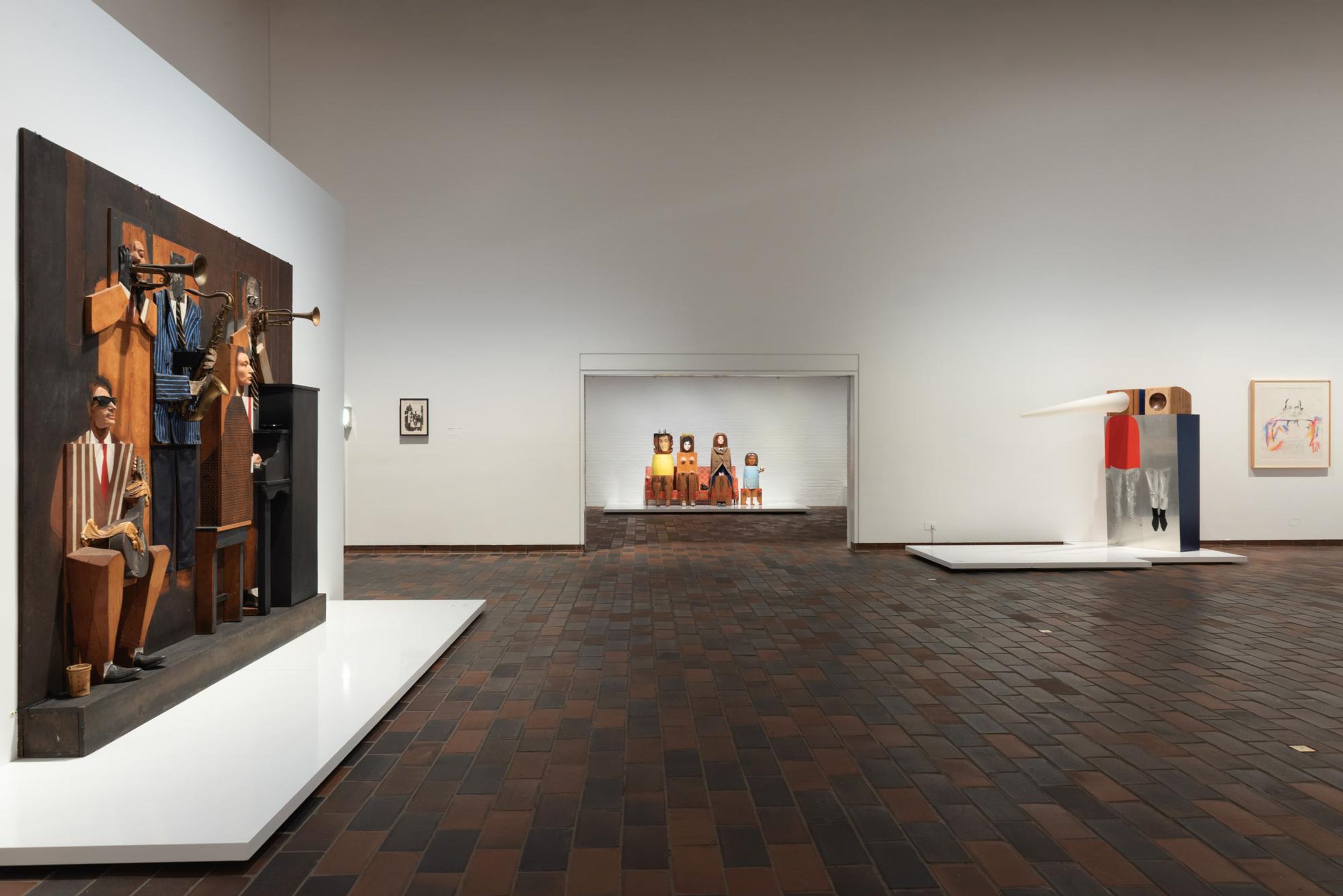
Bringing together one hundred works spanning five decades, the exhibition traced the full arc of her singular career. For many visitors, it was a first encounter with an artist who once stood at the very center of the experimental New York art scene yet remained largely absent from European collections.

Beyond the Pop Art Label
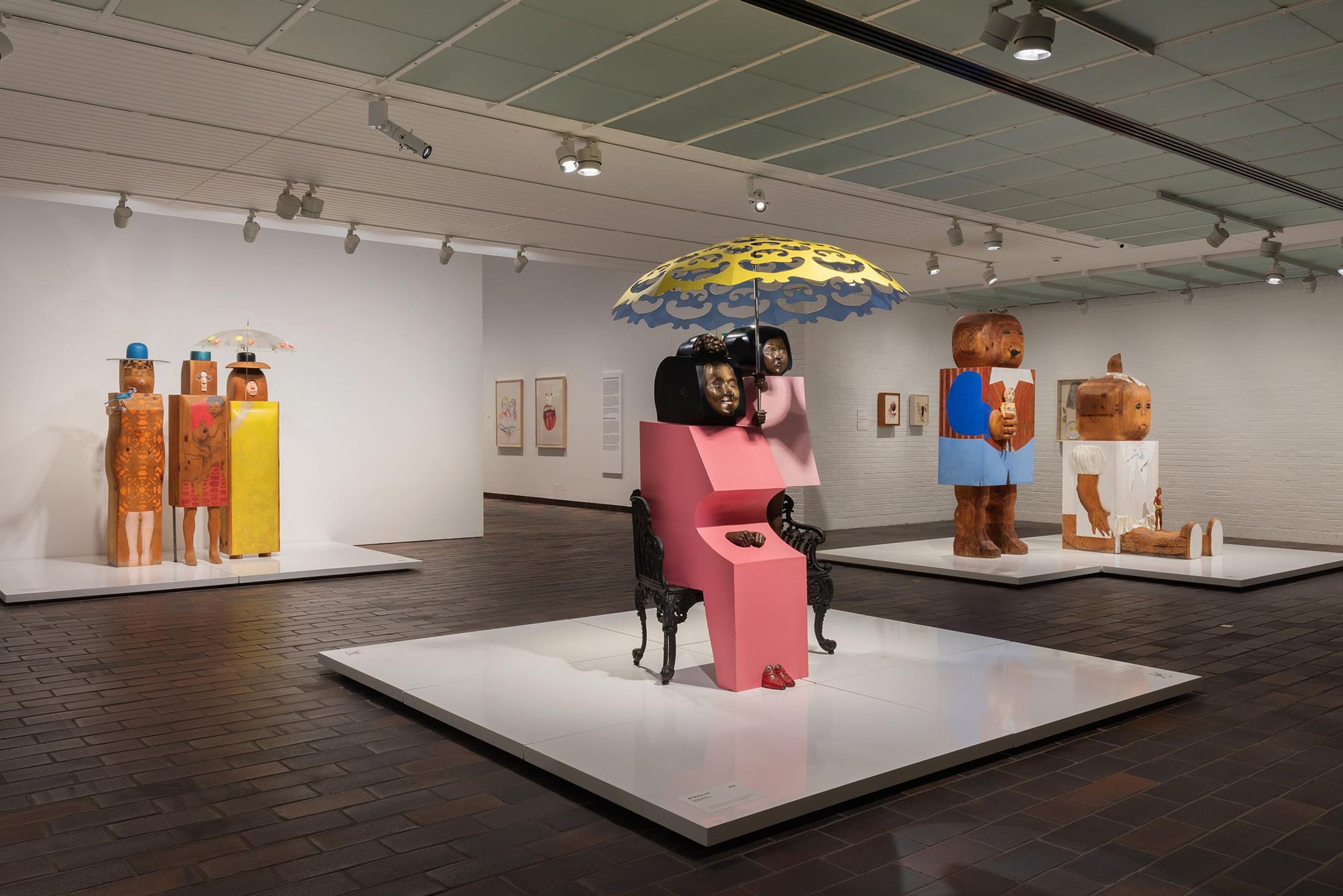
From her breakthrough in the early 1960s, Marisol became one of the most visible figures of her generation. Her carved and painted wooden sculptures of life sized figures drew huge crowds and critical attention. Blending Pop, Dada and folk art, she constructed theatrical tableaux that confronted consumer culture, celebrity worship and rigid gender roles with wit and precision.
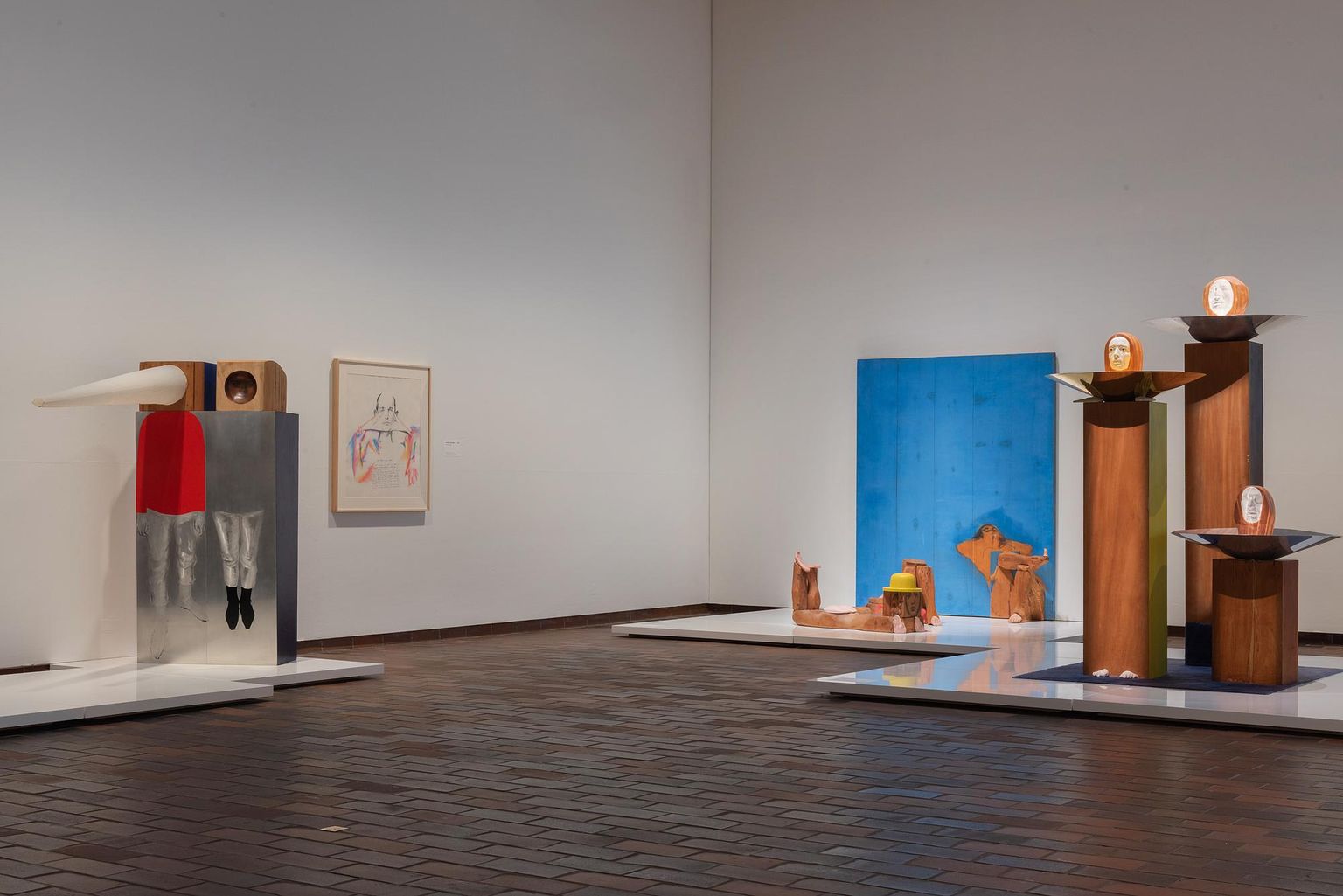
Yet the exhibition insisted on a broader narrative. Alongside the iconic sculptures were lesser known drawings and prints that revealed a more intimate and incisive side of her practice. These works deepened her exploration of the female body, family dynamics and social injustice, underscoring that she was far more than a Pop art phenomenon.

A Career Reconsidered
Born María Sol Escobar in Paris to Venezuelan parents in 1930, Marisol built her career largely in New York. She represented Venezuela at the Venice Biennale in 1968 and was one of only a handful of women included in that year’s Documenta, affirming her international standing at the height of her fame. When critical attention later shifted away from Pop art, she continued to work across sculpture, drawing, printmaking and public commissions, increasingly addressing political and existential themes.
Surveying her work from the 1950s to the 1990s, Louisiana’s exhibition offered an unprecedented opportunity to reassess her contribution to modern art. Now concluded, the show leaves behind a renewed recognition of Marisol as one of the most radical and visionary artists of her generation, whose reflections on identity, power and belonging resonate with striking clarity today.