
Hana Tsukamoto and Irene Chang
Maana Homes
- DesignerHana Tsukamoto and Irene Chang
- Photographer© Amy Tang, Ben Richards, Cieran Murphy, Gabriela Munera, Iker Zuniga and Mitsuru Wakabayashi, Renee Kemps. Courtesy of Maana
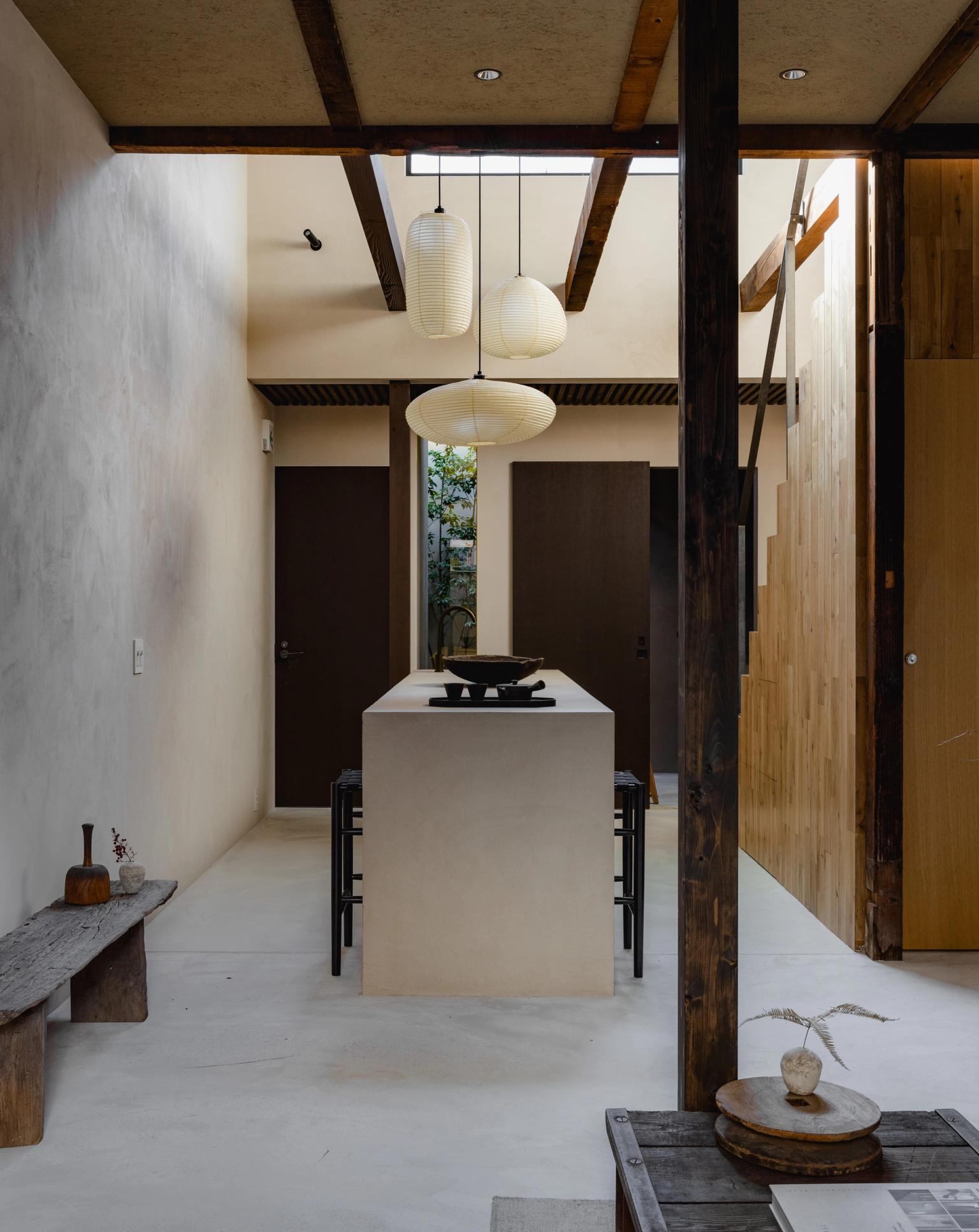
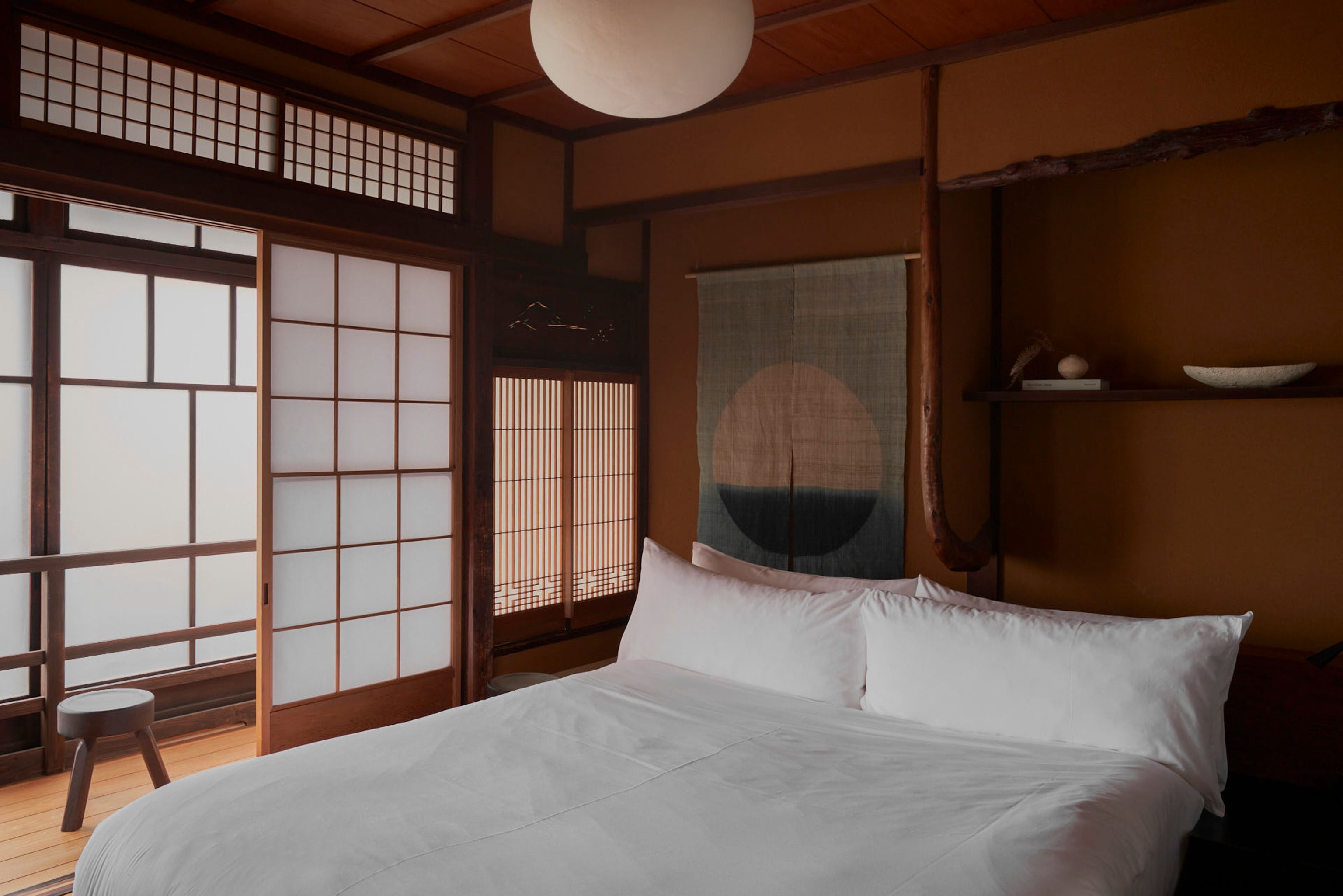
Desiree Groenendal I often find myself pulled between two sides of design. On the one hand, I love cool, sometimes almost brutal interiors and furniture with marble, metal and dark tones. On the other hand, I am drawn to places like Maana Homes, with their sense of calm, simplicity and earthy colours. Maana Homes is a collection of individual boutique stays across Kyoto. What I love here is the calm atmosphere and how natural materials, earthy walls, wood and antiques are balanced by clean lines and crisp white bed linen. Maana Homes brings together past and present, old and new, in a way that feels very natural and authentic to me.

A New Way of Experiencing Kyoto
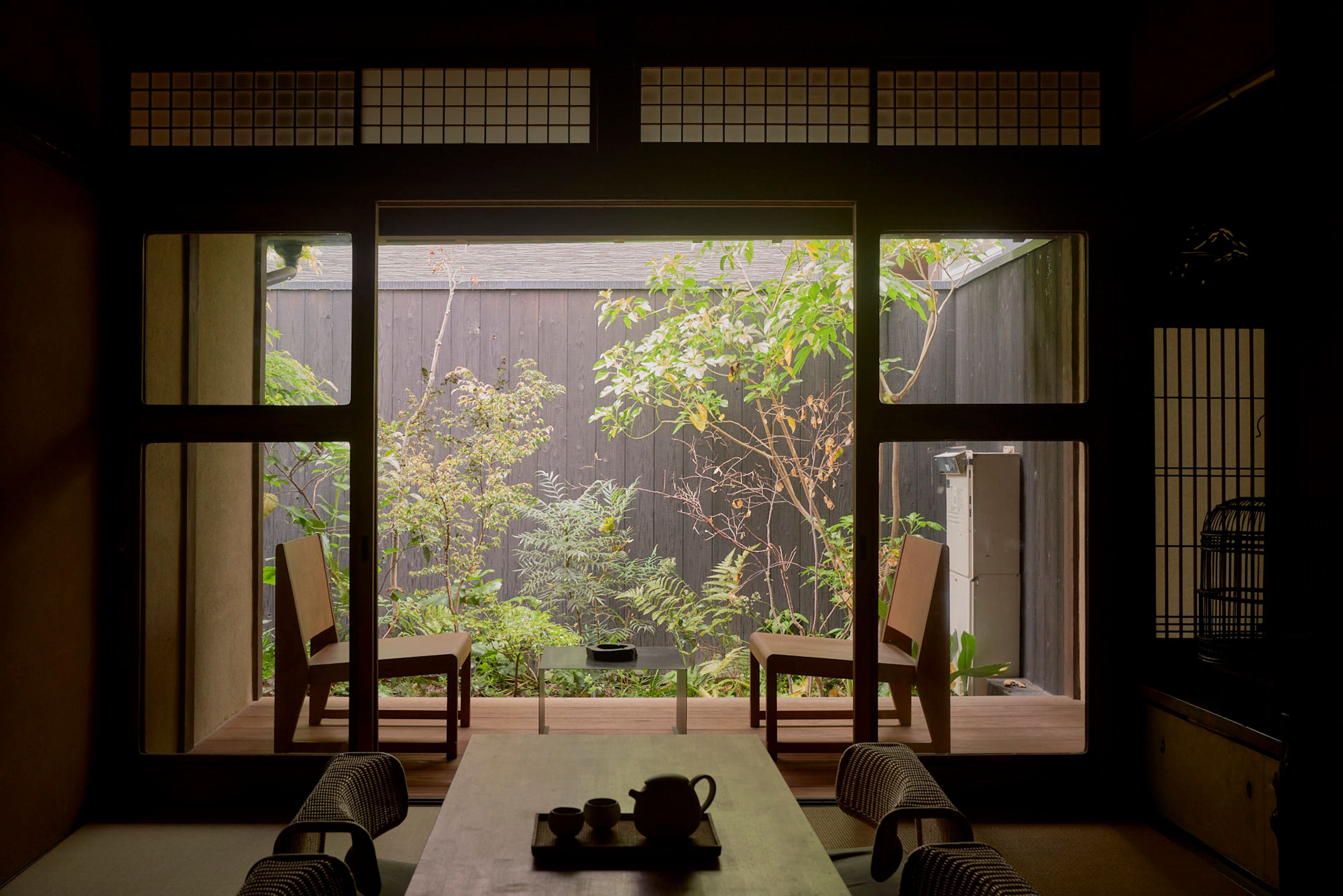
Tucked away in Kyoto’s quiet neighbourhoods, Maana Kyoto, Maana Kamo and Maana Kiyomizu offer a contemporary interpretation of the traditional Japanese machiya. Each home occupies a restored townhouse that is more than a century old, carefully preserved to retain its original character while introducing a calm, understated way of living. Conceived as places to slow down and reconnect with everyday rituals, the homes invite guests to experience Kyoto beyond sightseeing, through architecture, craftsmanship and a deeper understanding of Japanese culture. The name Maana, meaning "senses", reflects this philosophy, encouraging visitors to engage with their surroundings through light, texture, nature and quiet observation.


The Story Behind Maana
Maana was founded in 2018 by childhood friends Hana Tsukamoto and Irene Chang, whose backgrounds in hospitality, design and creative direction shaped a different vision of travel. After years of working on commercial hotel projects, they wanted to create places with greater warmth, intimacy and purpose, spaces that felt connected to their surroundings and the people who inhabited them. For Tsukamoto, design always follows purpose rather than style or trends, while Chang sought a form of hospitality that could communicate the stories, philosophies and everyday wisdom embedded within Japanese culture. Together they have built a brand that views luxury not as excess, but as a peaceful state of mind cultivated through thoughtful design, meaningful experiences and genuine human connection.

Preserving the Spirit of the Machiya
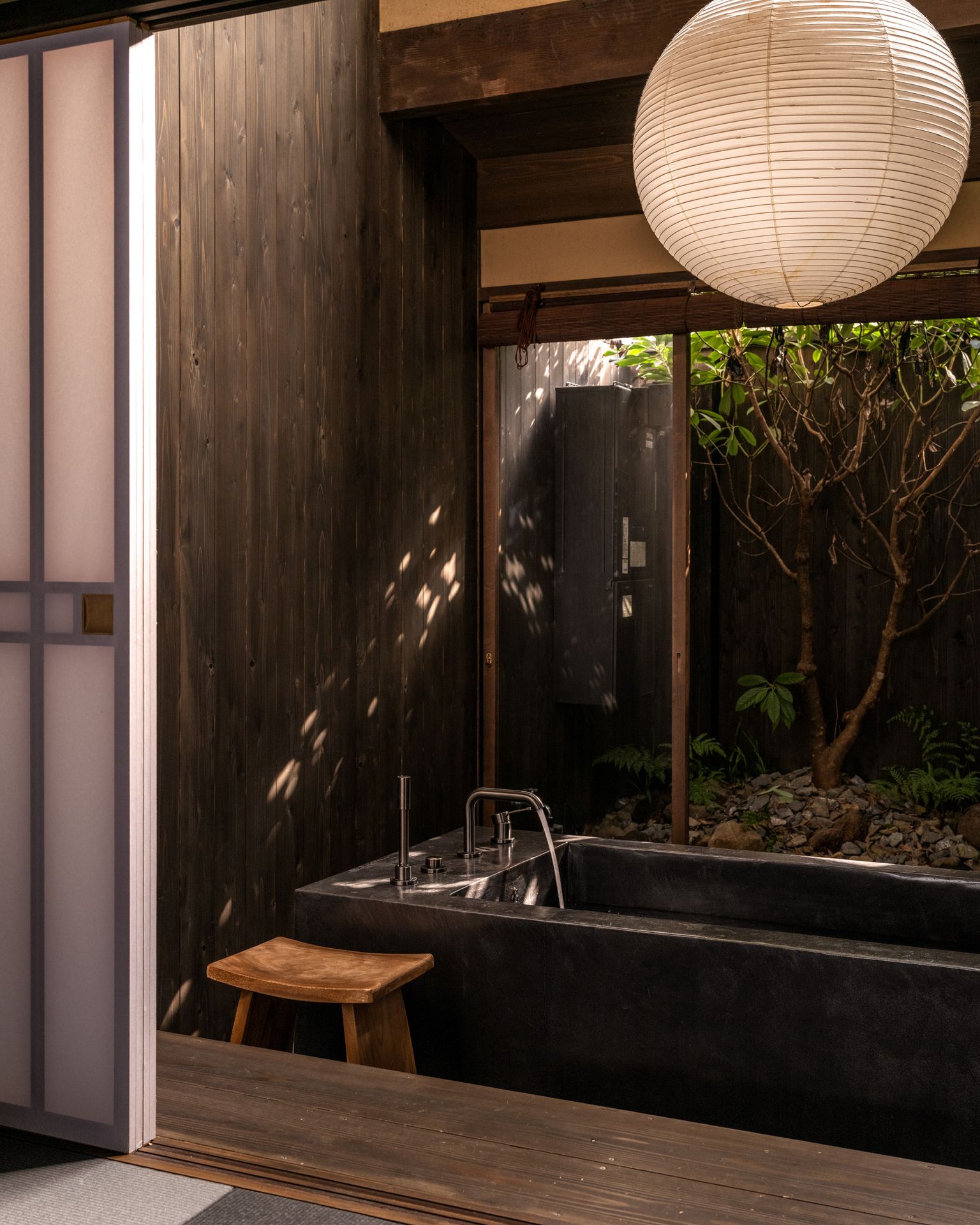
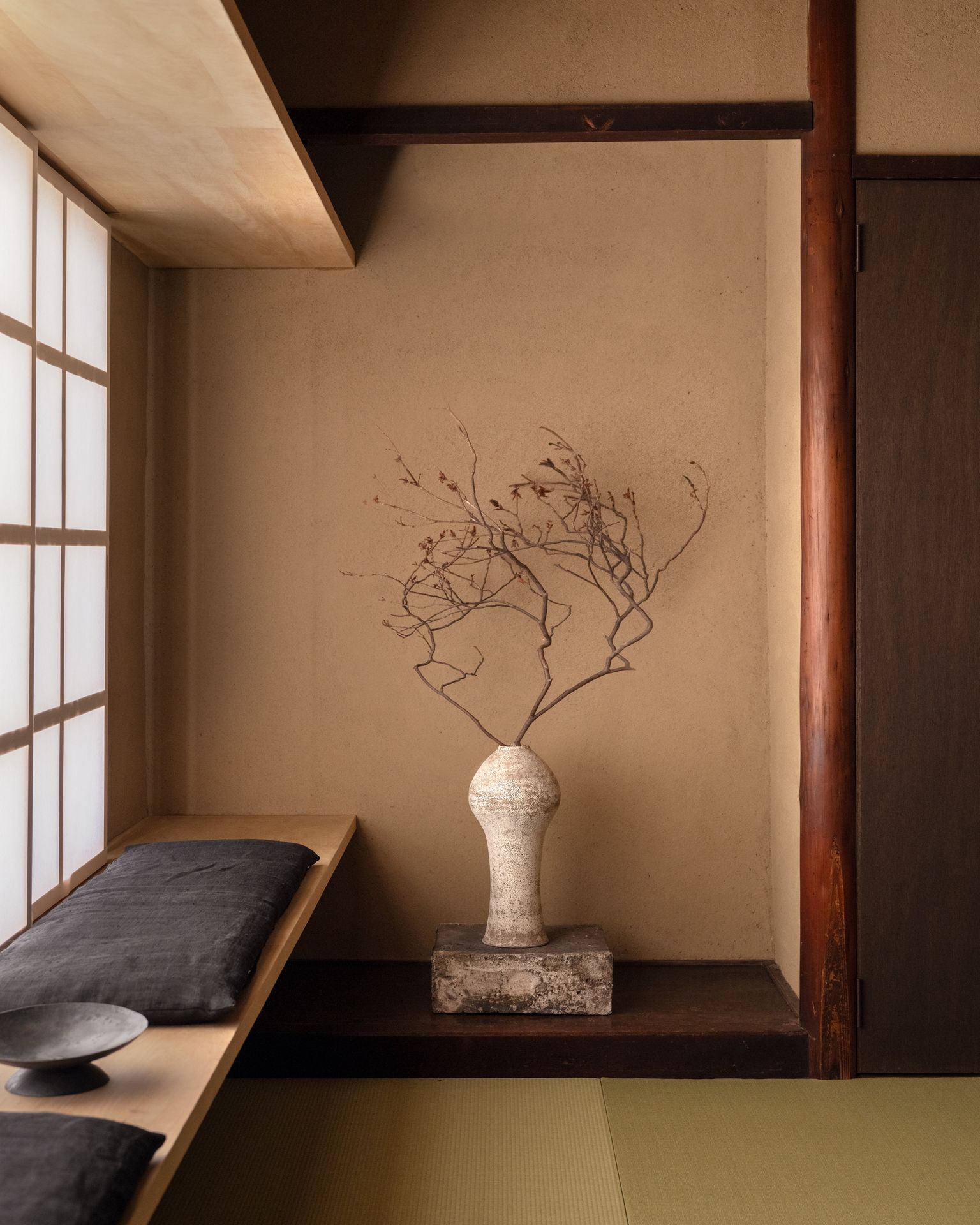
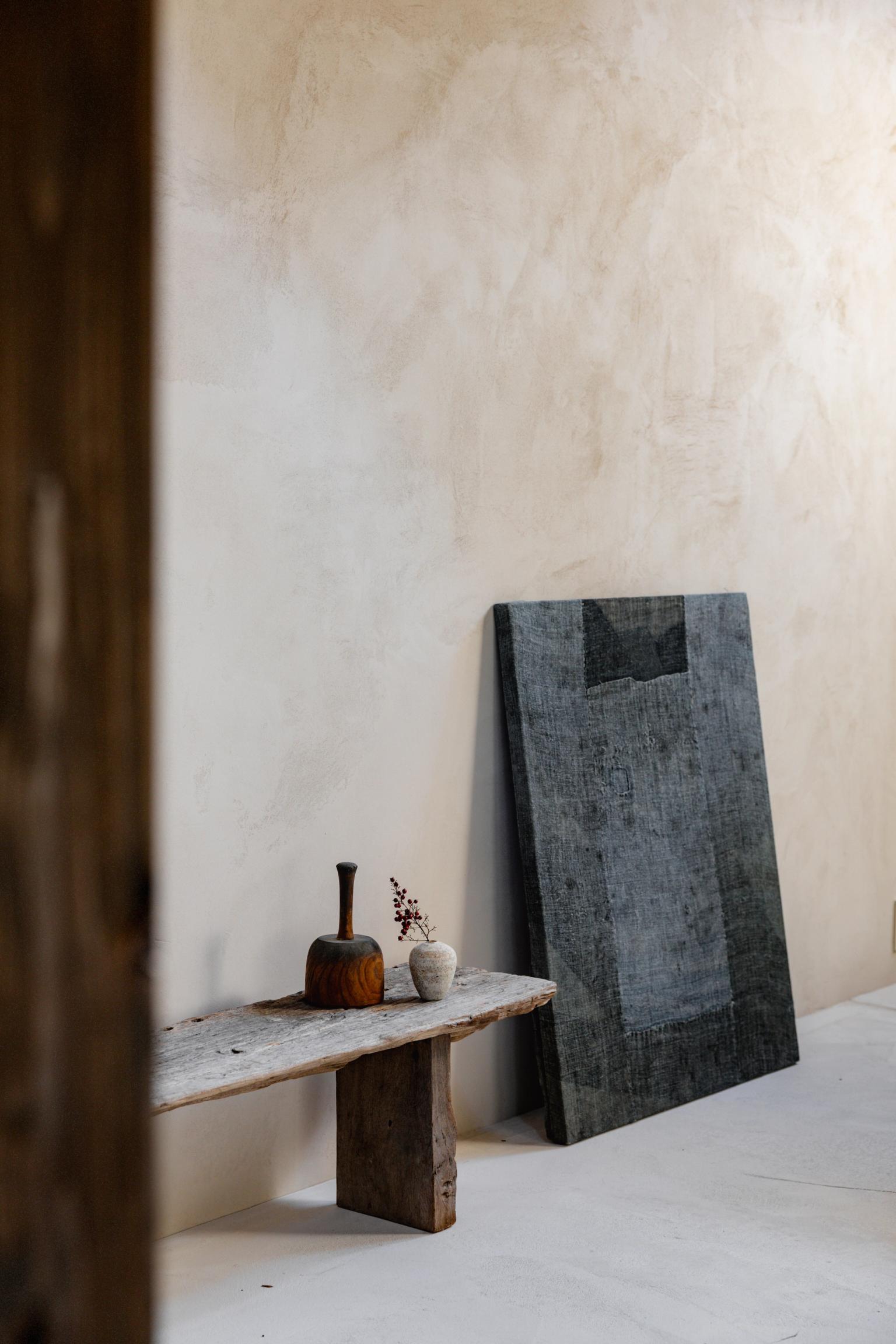
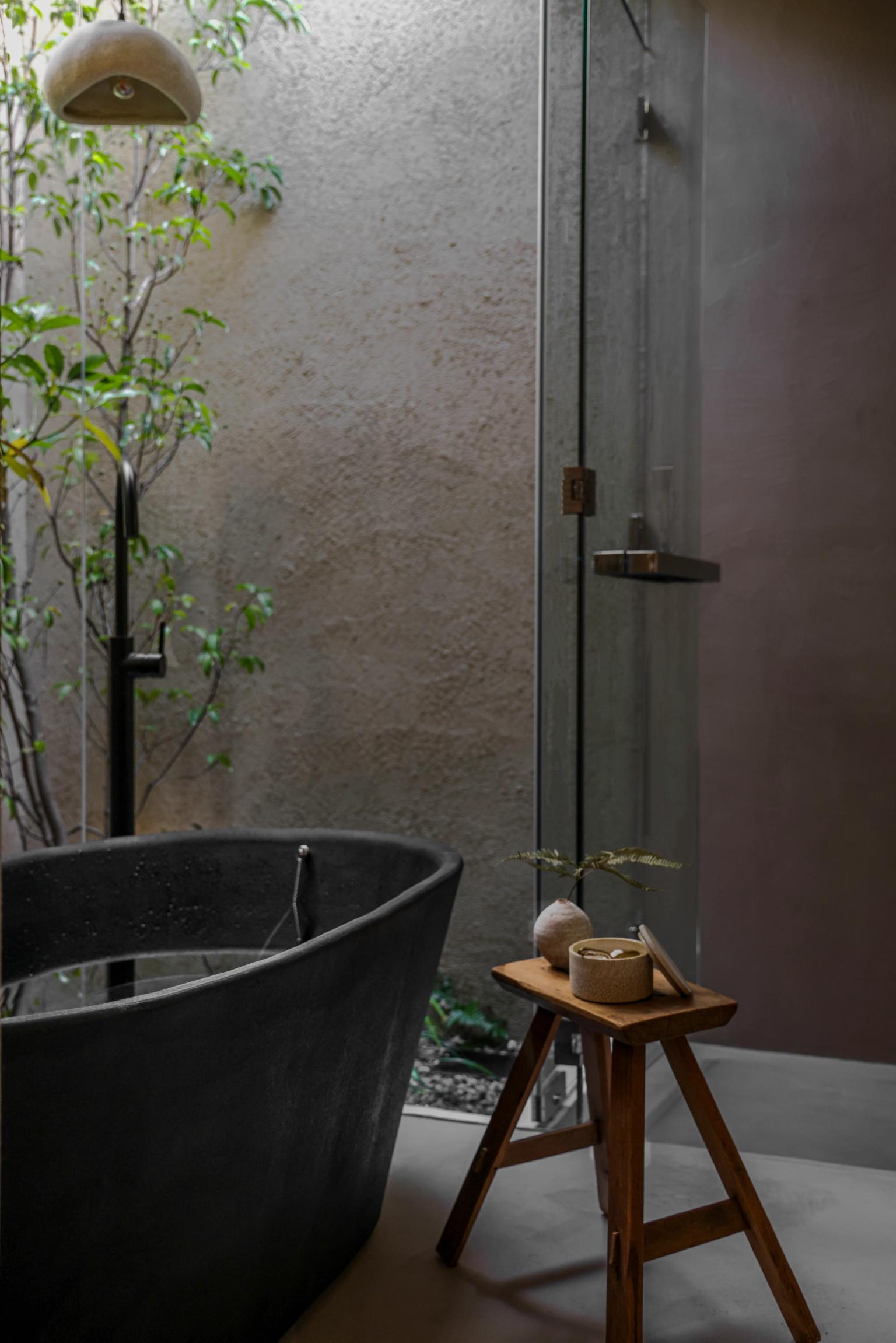
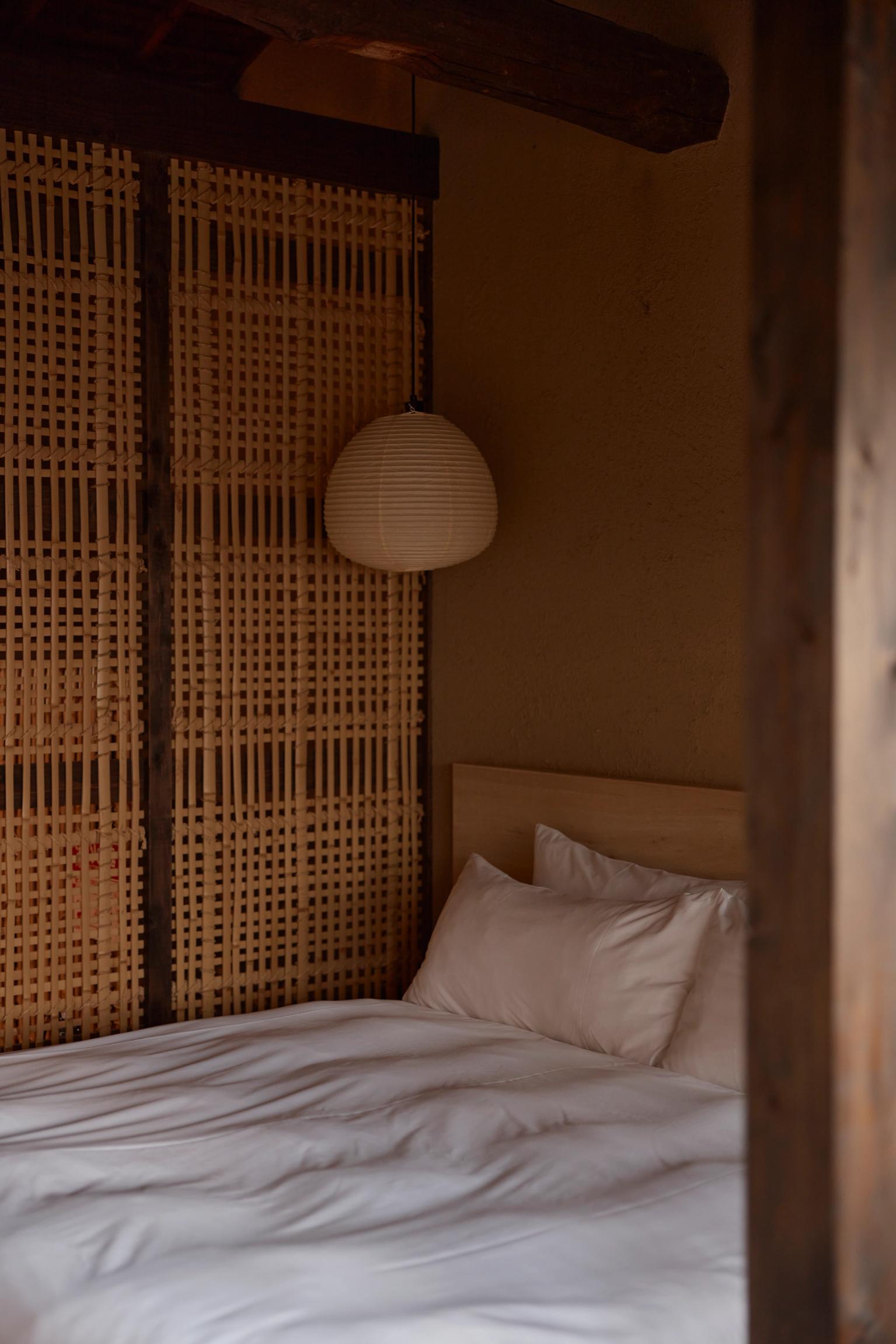
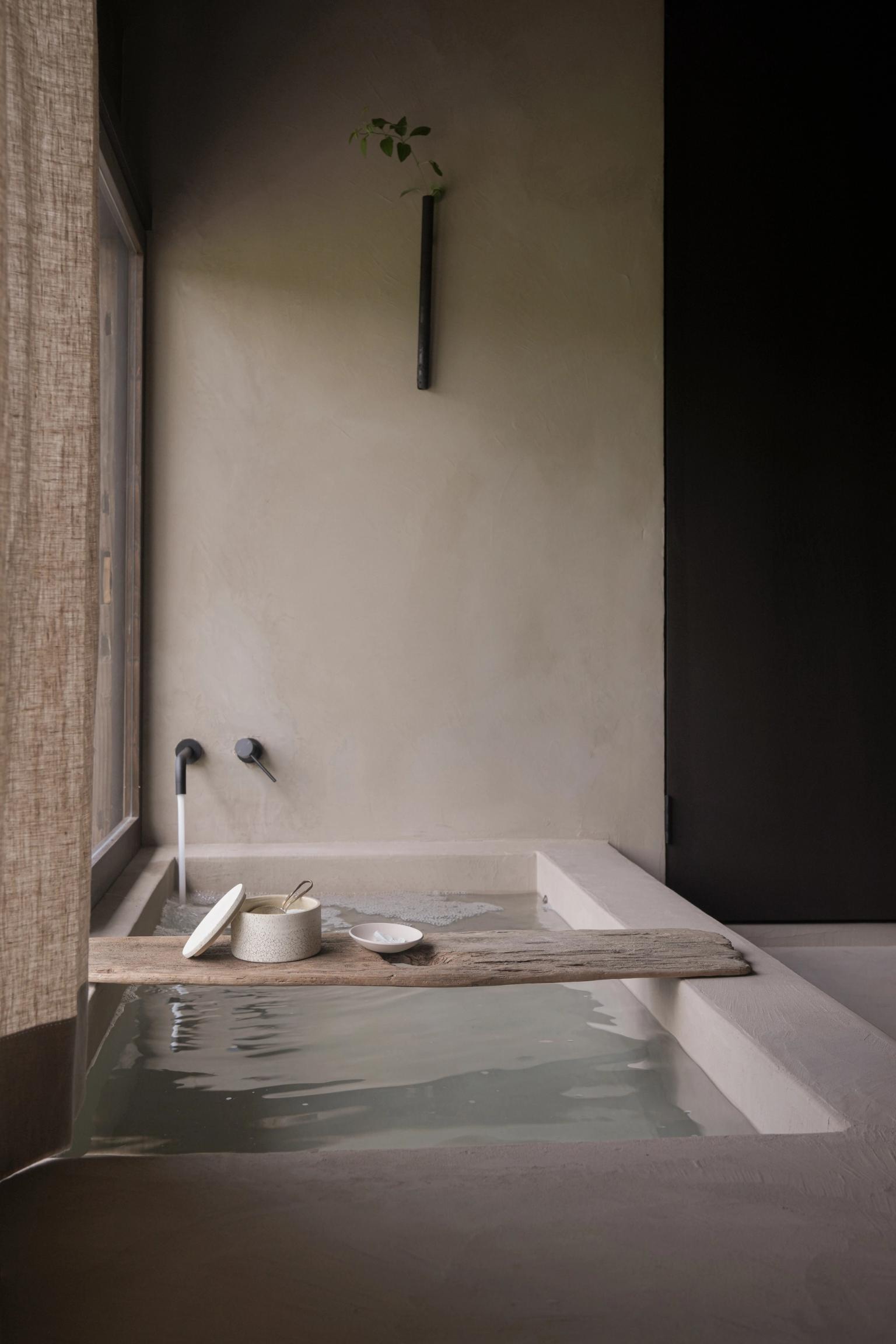
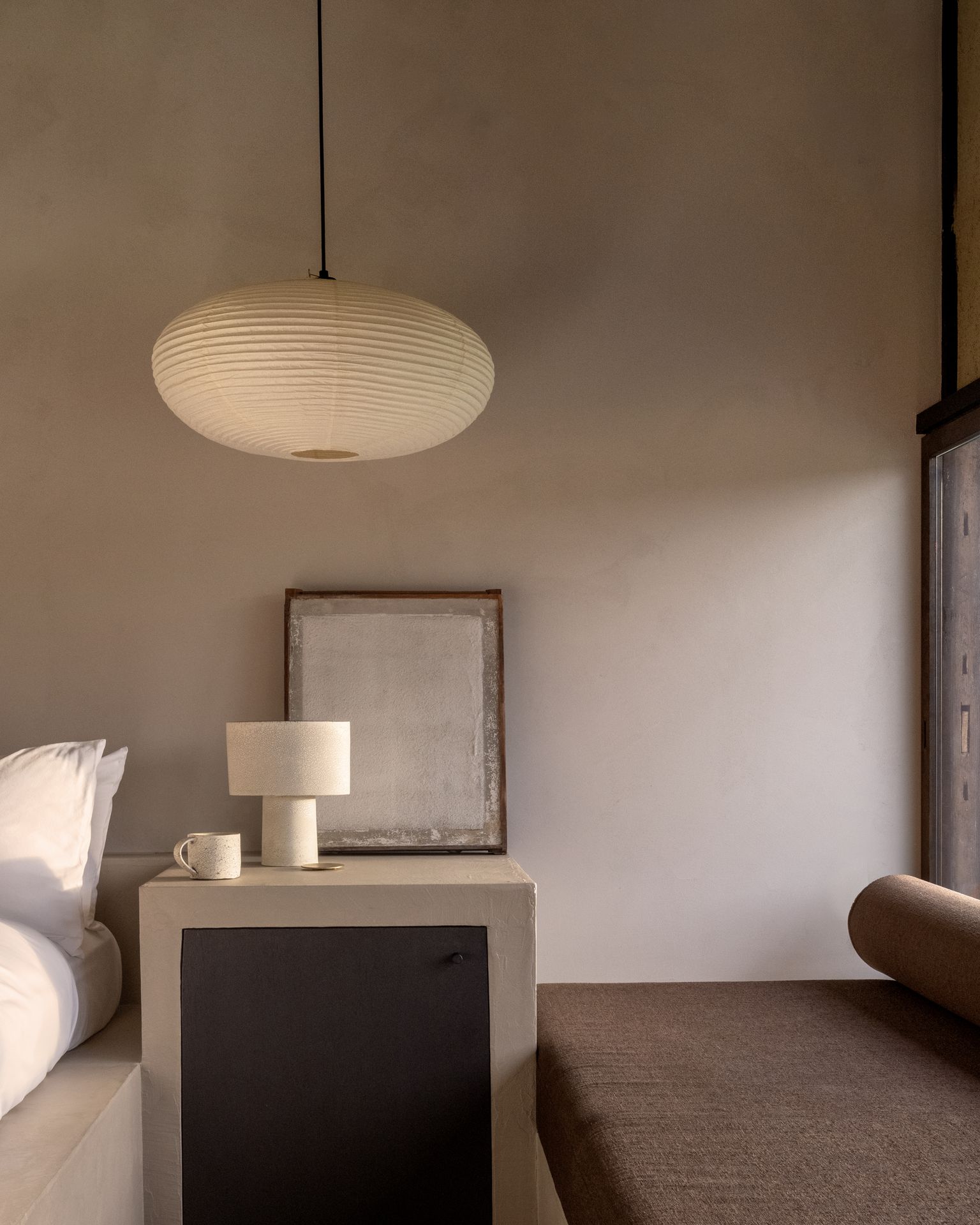
The restoration of the three homes is rooted in respect for Kyoto’s architectural heritage. Original timber structures, earthen walls, shoji screens, tatami flooring and traditional ceilings have been carefully preserved wherever possible, while local artisans contributed everything from woven bamboo screens and handcrafted door handles to restored tokonoma alcoves. Contemporary additions sit naturally alongside these historic elements, including custom-made furniture and a freestanding Shigaraki ceramic bathtub created specifically for Maana Kiyomizu, the first Western-style bathtub produced by artisans from the historic pottery region. Traditional materials such as tsuchikabe plaster are celebrated throughout the interiors, reflecting Maana’s ongoing research into local building techniques and its commitment to preserving knowledge that is increasingly rare.






Design Through the Senses
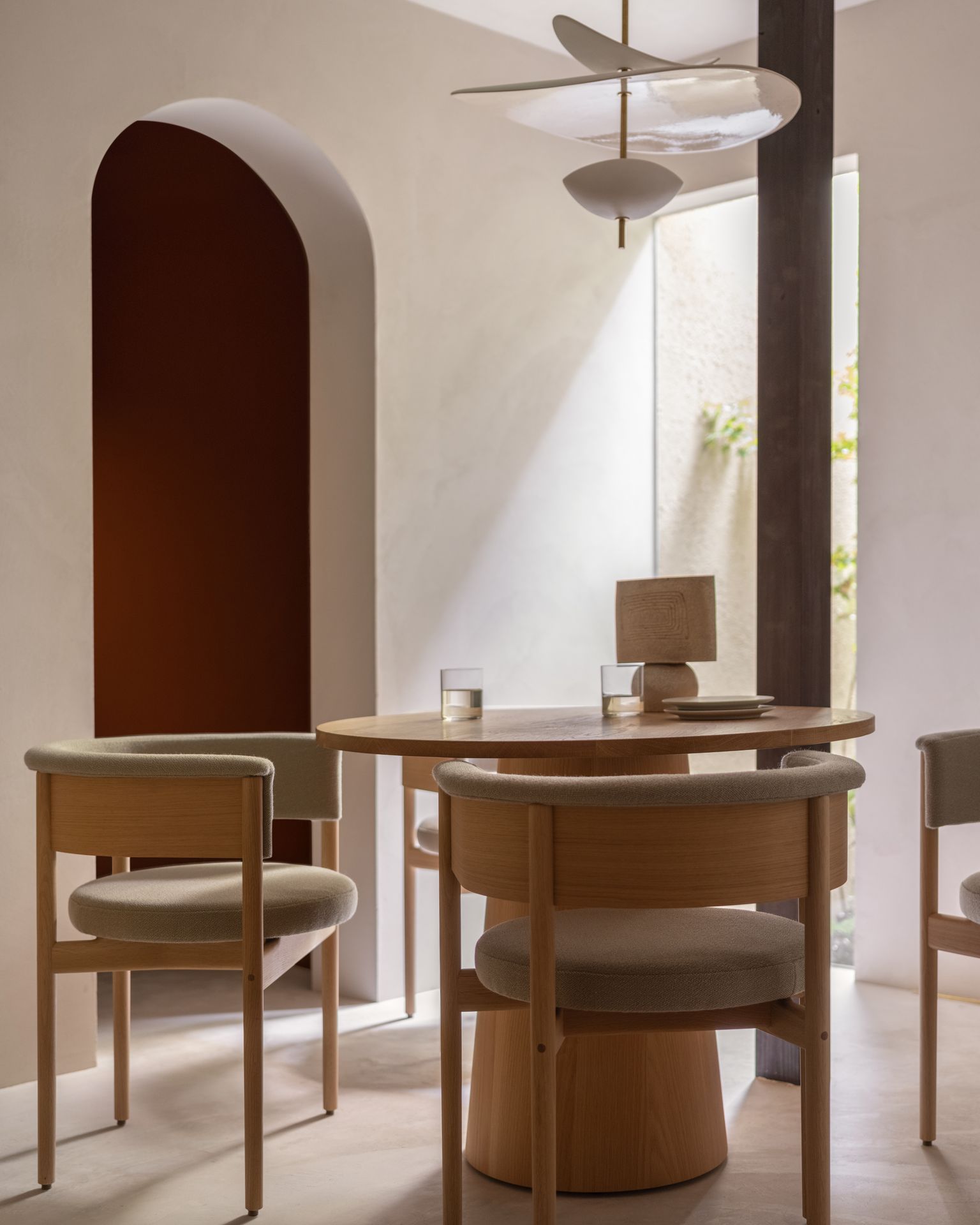
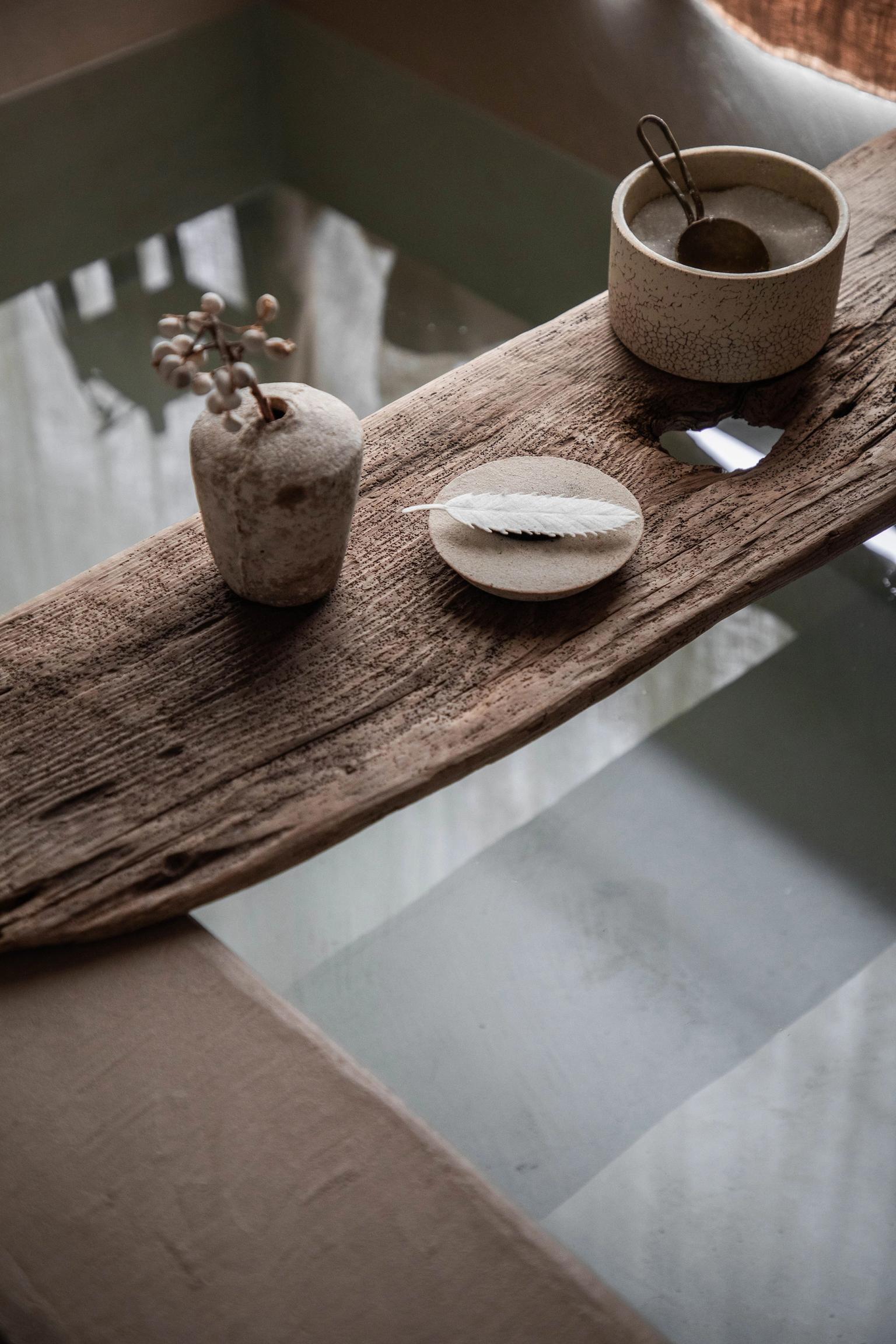
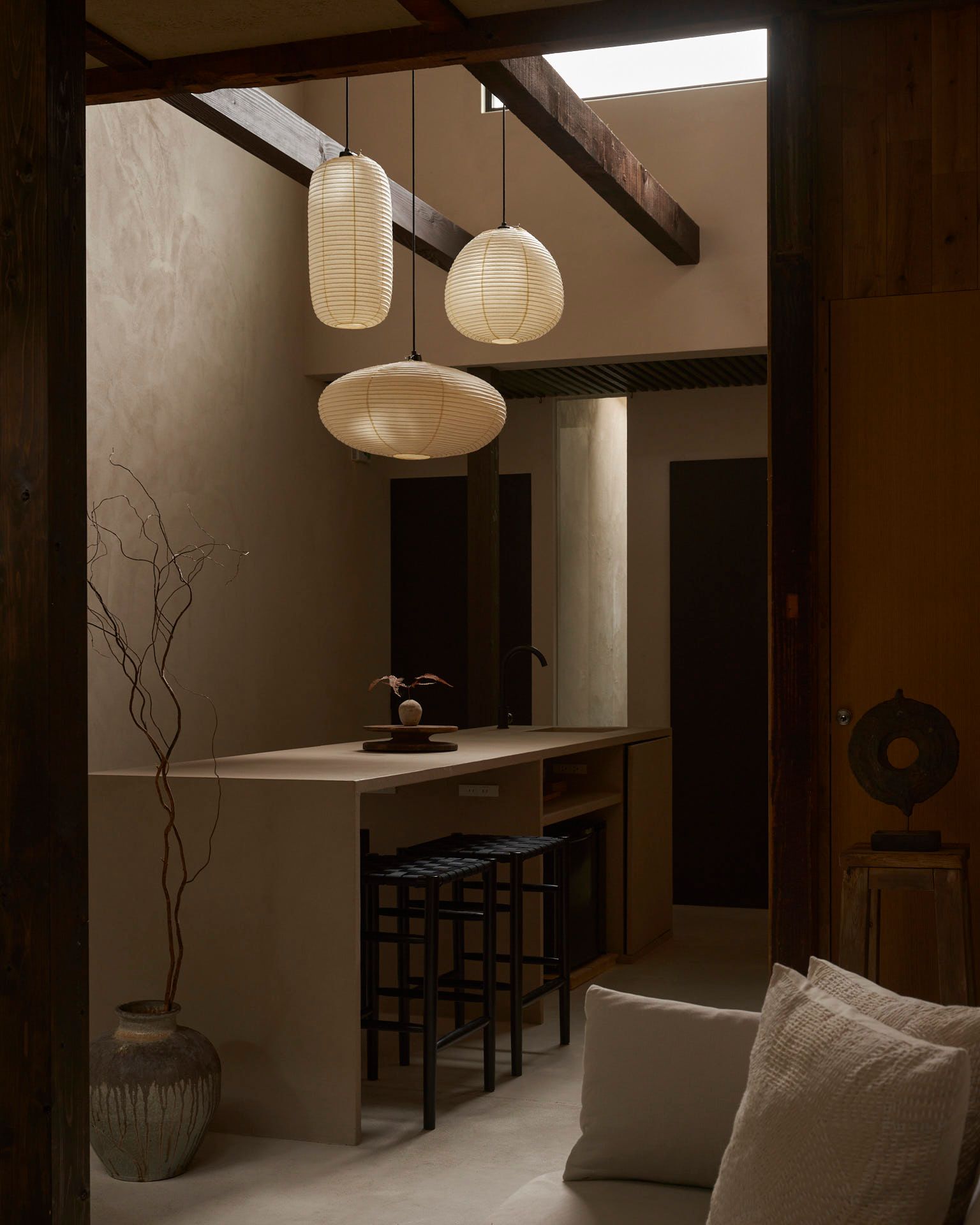
Across all three homes, the interiors are intentionally restrained, allowing space, light and material to shape the atmosphere. Inspired by concepts such as ma, the balance between form and emptiness, and shibui, the beauty of understated elegance, every room is designed to heighten awareness of subtle details. Sunlight filtering through garden foliage casts shifting shadows across tatami floors, natural materials reveal their texture over time, and carefully placed flowers and branches invite the changing seasons indoors. Handmade Japanese furniture, local ceramics, washi paper, timber and stone create a tactile environment that encourages guests to slow down, whether through bathing, preparing tea, reading, meditation or simply observing the quiet rhythm of the day. The homes demonstrate how thoughtful restraint can transform ordinary moments into meaningful experiences.

Beyond Hospitality
With the opening of Maana Kiyomizu in 2022, the project expanded beyond accommodation into a broader cultural destination. Set within four combined machiya in Kyoto's historic Higashiyama district, it includes Kissa Kishin, a café overlooking the gardens of Toyokuni Shrine, and the former physical home of POJ Studio, the design brand founded by Tsukamoto to celebrate Japanese craftsmanship through contemporary objects made by local artisans. The space is now occupied by Maana Living, Maana's own shop. Guests can browse handcrafted pieces, meet the team behind them and take part in experiences such as kintsugi workshops, exploring traditional techniques through direct participation.
This philosophy continues with Maana Atelier, where workshops, retreats and conversations centred on architecture, food, pottery, tea and traditional crafts create opportunities to engage more deeply with Japanese culture. Together, the homes, atelier and creative spaces form a growing ecosystem that celebrates heritage while showing how centuries-old knowledge can continue to enrich contemporary life.