Miles Jay
Leon Bridges "River"
- ArtistLeon Bridges
- DirectorMiles Jay
- Production CompanySmuggler & OPC
- CinematographerChayse Irvin
ROB CHIU I was introduced to this song by the video. Chayse Irvin’s gentle camera language is next level. The combination of real footage from the Baltimore protests, the live singing that begins the actual “music video”, the way the song pauses and goes into these cinematic moments… all just beautifully done. I could watch this all day.


AFTER THE RIOT
When Miles Jay made the video for Leon Bridges’ “River” in 2016, he was not interested in making another music video in the conventional sense. The seven minute film feels closer to a short story, unfolding slowly through a series of intimate scenes that move between private life, violence, faith and the possibility of redemption.
The starting point was Baltimore. Jay had visited the city in the aftermath of the 2015 protests following the death of Freddie Gray, a 25 year old Black man who died after being injured in police custody. What stayed with Jay was not simply the images of confrontation that dominated the news, but what happened afterwards. He became interested in the quieter moments that were largely absent from the media coverage: people returning home, families carrying on, parents looking after their children, and ordinary life continuing in the shadow of what had happened.
“I was much more interested in what people did when they left the riots,” Jay later explained.
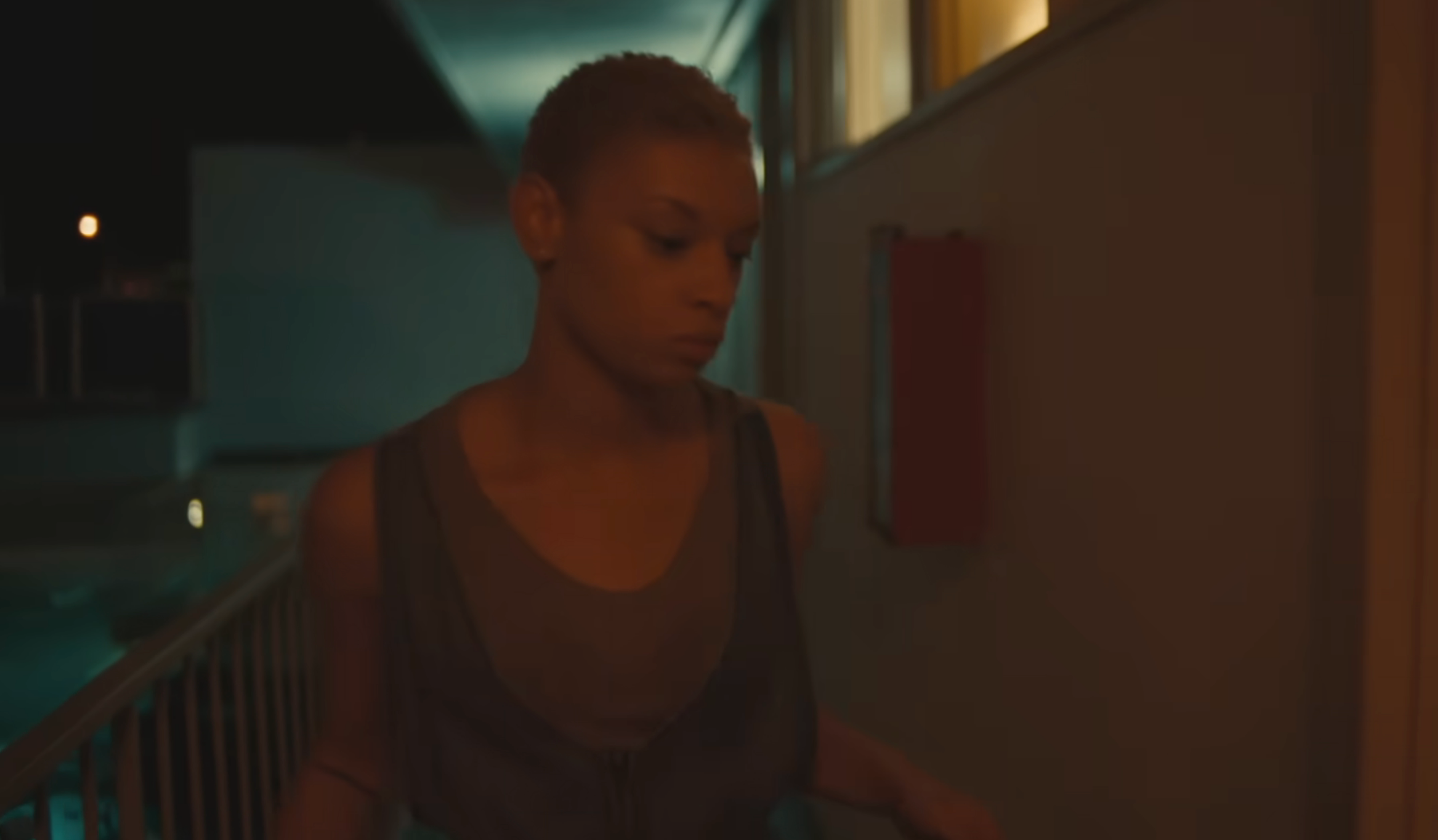
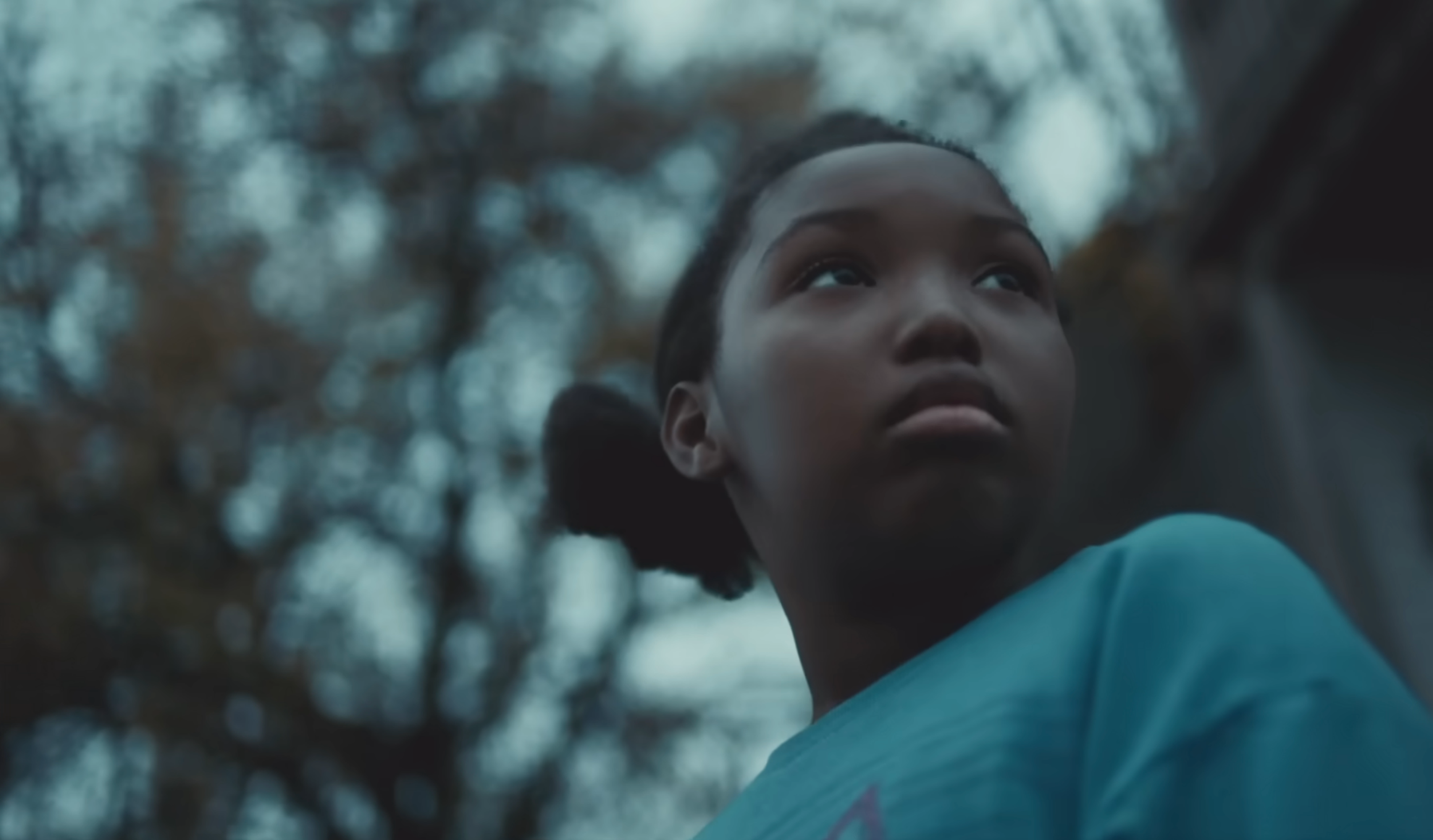
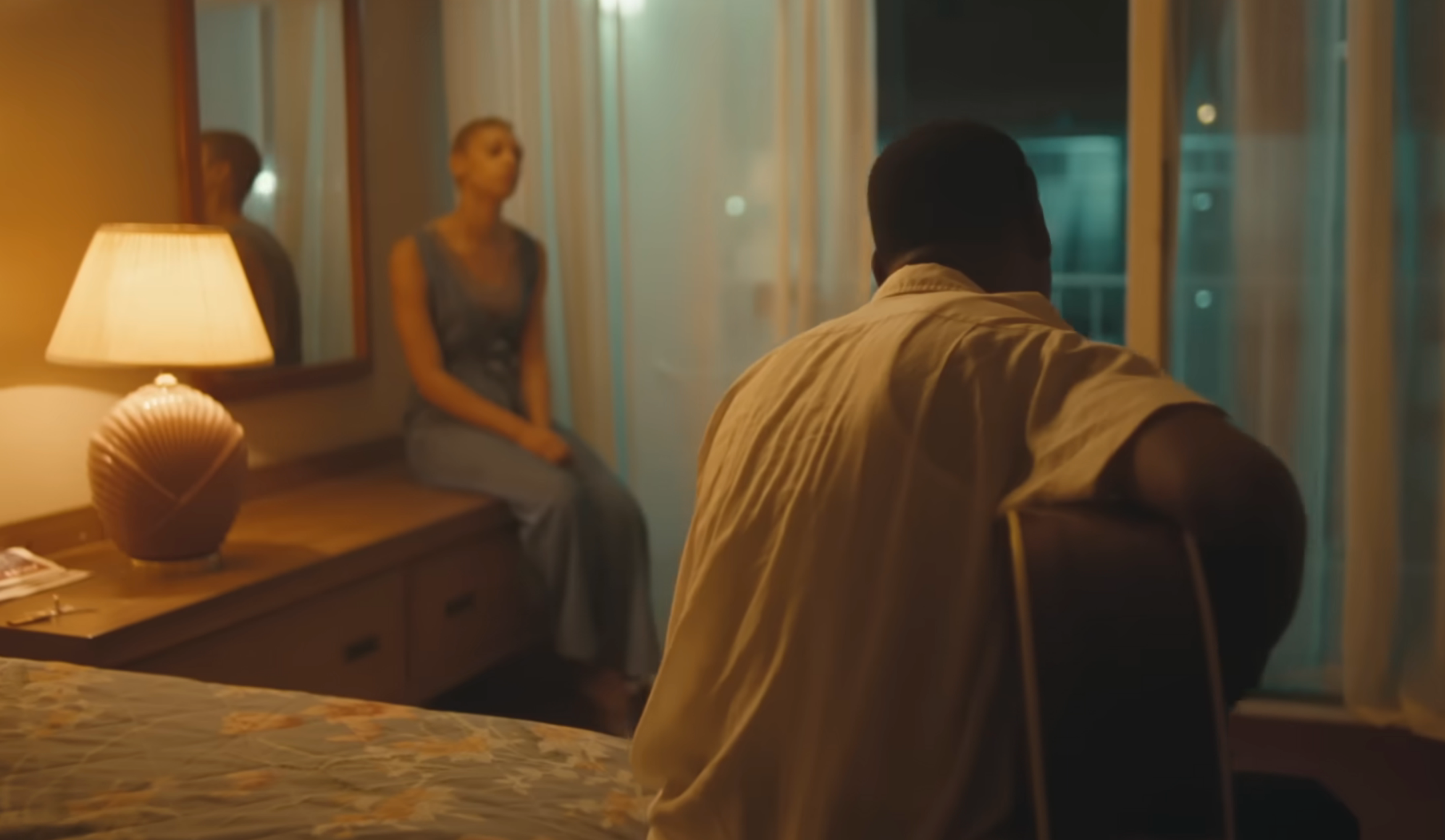
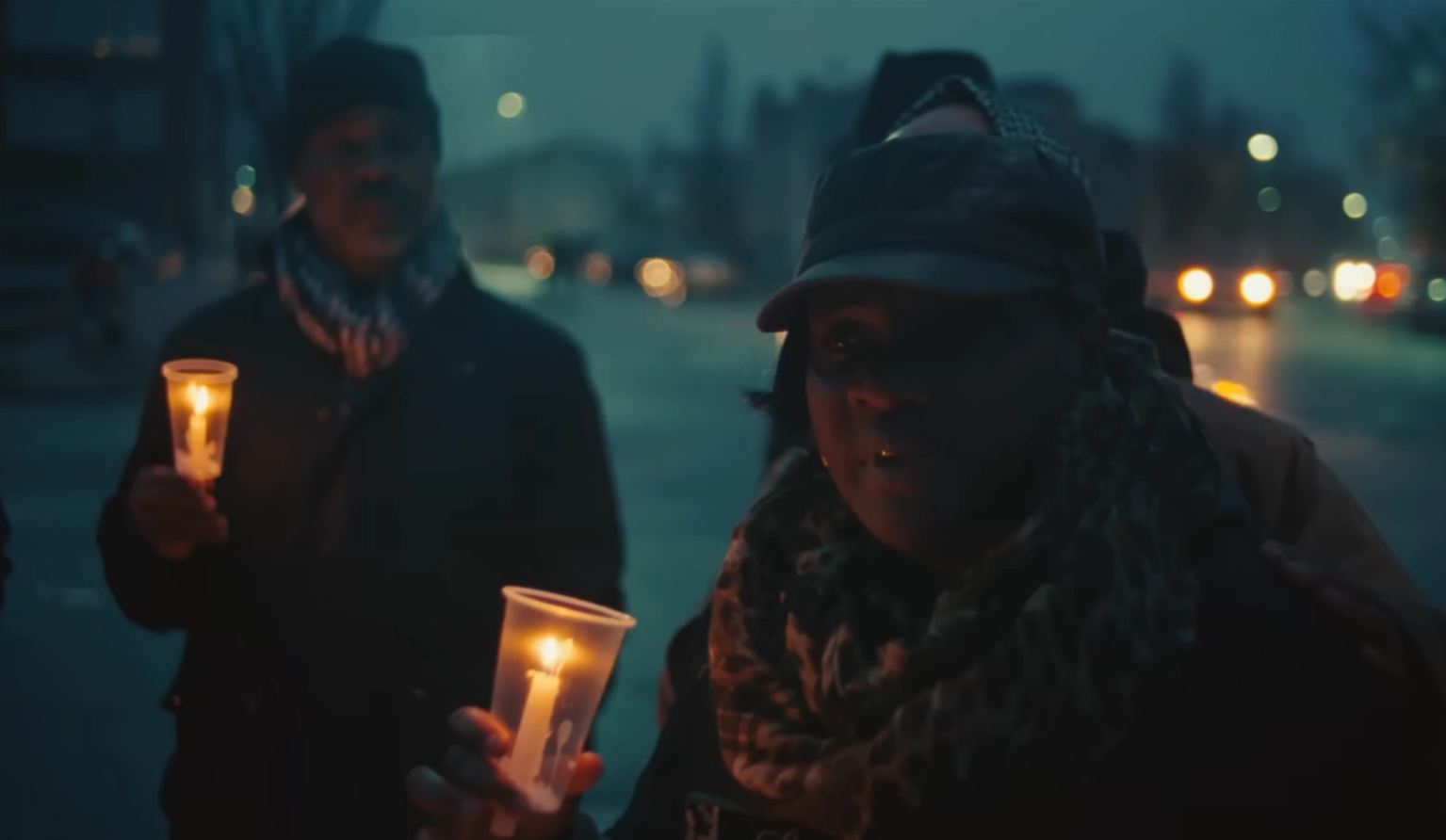
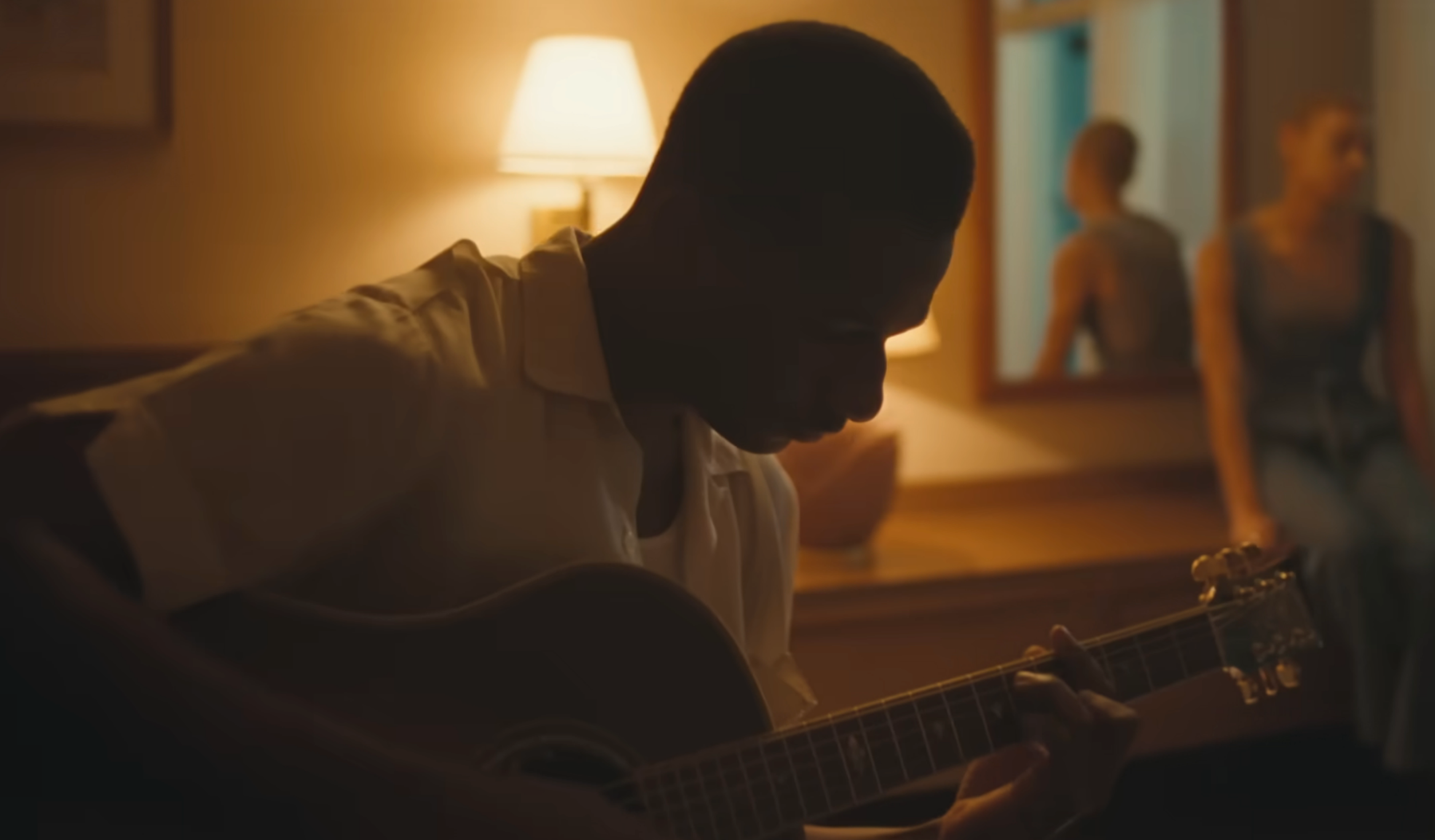
That became the central idea for “River”. Rather than recreate the protests, he imagined a fictional story about the people living through their aftermath. The video moves between Leon Bridges alone in a dim hotel room, playing guitar while television images of the Baltimore uprising flicker in the background, and a series of scenes involving a young Black family. A father returns home with blood on his shirt. A child waits for him. There is a candlelit gathering, an approaching storm and, eventually, a sense of release.

A SONG ABOUT REDEMPTION
The imagery works because “River” was already a deeply personal song for Bridges. He had written it during a period of depression, when he was working multiple jobs to support himself and his mother and felt trapped by his circumstances. The river became a spiritual image, drawing on the gospel tradition in which water represents baptism, transformation and redemption.
Jay took that symbolism and expanded it beyond Bridges’ personal experience. The river became something closer to a collective metaphor. The struggle in the film is both individual and social, suggesting that spiritual cleansing cannot easily be separated from the violence and injustice surrounding the characters.
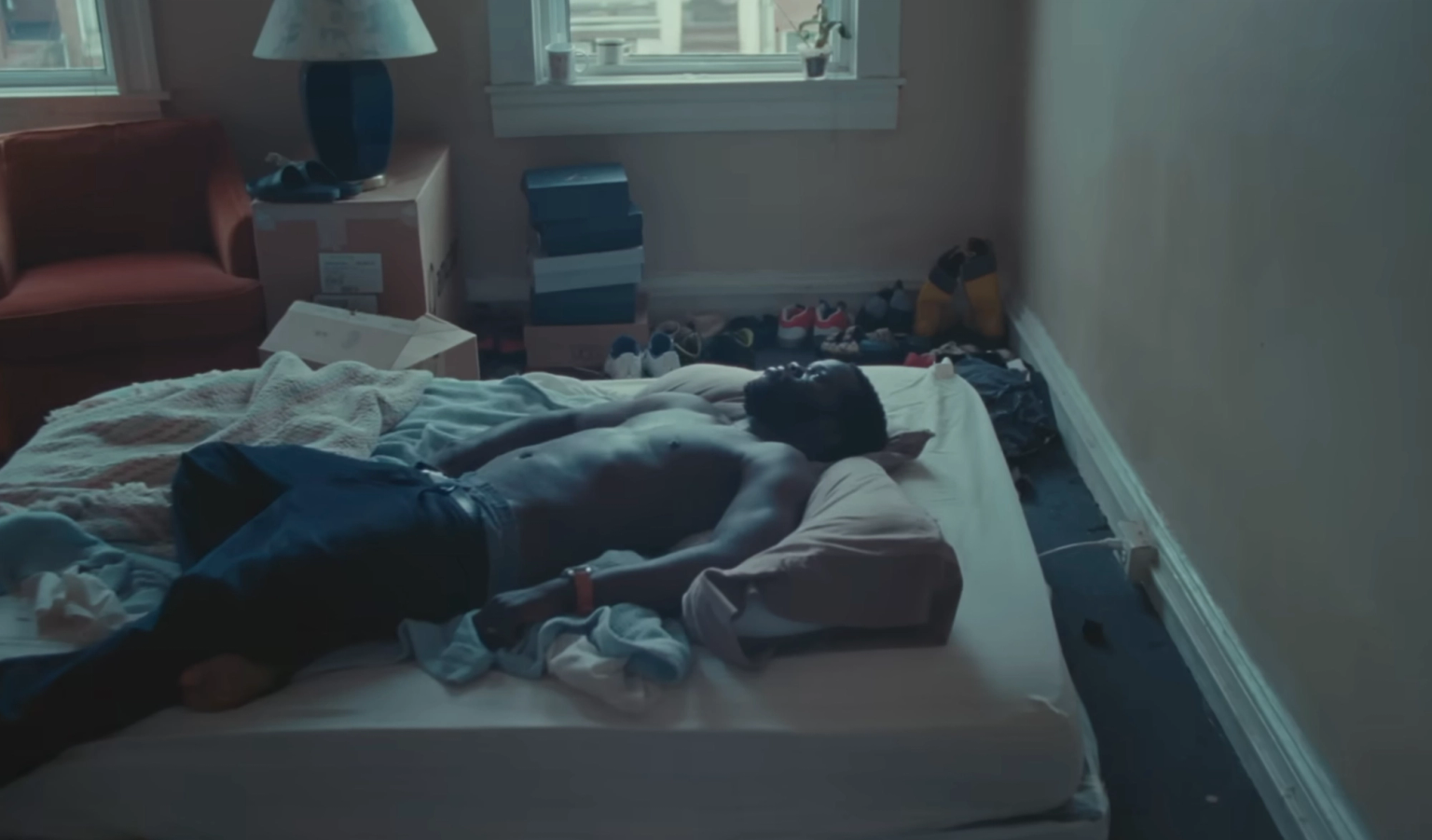

Bridges himself described the video as an attempt to show the unique struggles faced by Black communities in America while also resisting the way those communities are often represented through images of crisis alone. The film deliberately looks beyond the riot footage. Its most important scenes are domestic and quiet.
That distinction gives the film much of its emotional power. The news images are real, but the camera repeatedly returns to fictional lives that exist beyond them. A television can show a city burning, but the film asks what happens when the television is switched off.
TRUSTING THE INTUITION
For Jay, “River” also marked a turning point in his own career. The idea had grown out of research he had done for a feature film that he had unsuccessfully pitched. When the Leon Bridges project appeared, he realised that the research and ideas he had developed could find another form.
He later described it as the first project he made simply because he loved it. Rather than endlessly seeking approval or adjusting the idea according to other people's opinions, Jay followed his own instincts. That decision seems to be reflected in the film itself. It is remarkably patient for a music video, allowing images to linger and meaning to accumulate rather than explaining everything through narrative.
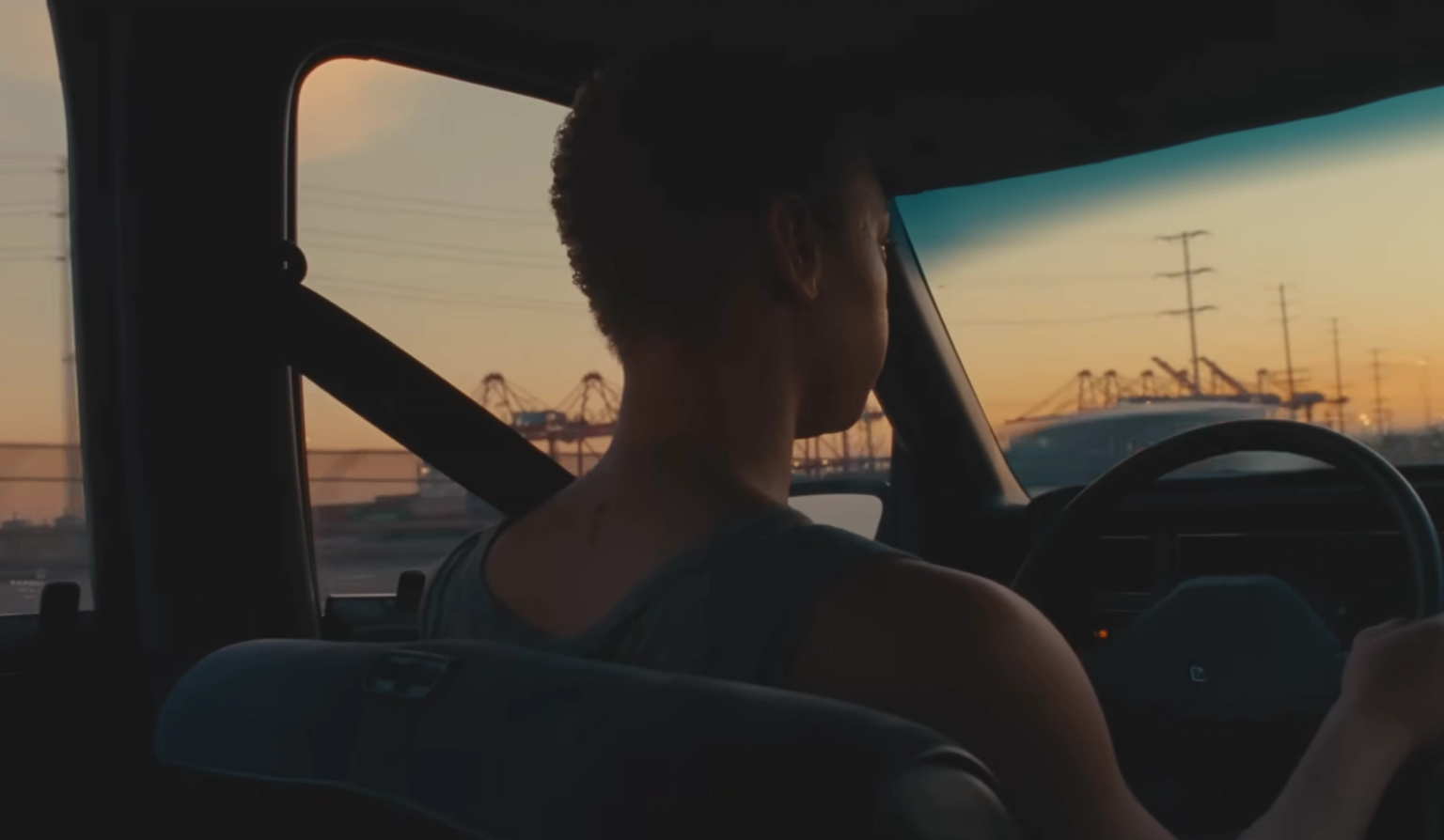
The result was a film that felt unusually cinematic for its format. Shot by cinematographer Chayse Irvin, with production design by Jade Healy and Erika Lobko, the video uses darkness, candlelight, television glow and storm light to create a world that feels suspended between realism and memory.
It was also a remarkable early collaboration for Jay with Irvin, who would later become one of the most distinctive cinematographers working in contemporary film and music. The restrained visual language they created together gives “River” an almost photographic quality, where gestures and faces become as important as the story itself.
The video went on to receive a Grammy nomination for Best Music Video and won the Best Music Video Jury Award at SXSW. But its lasting impact comes from something less measurable. “River” understands that a story about racial violence does not necessarily have to show the violence itself. Sometimes the more powerful image is the person who comes home afterwards, closes the door, and tries to carry on.
That was Jay’s insight. Instead of making another film about the riot, he made a film about the people left standing after it.