
Kunsten Museum of Modern Art Aalborg
Late Picasso
- PhotographerNiels Fabæk
OUTOFARTGALLERY Particularly interesting is when we delve into Picasso the man. The end is near, and Picasso knows it too. He fights to achieve as much as possible artistically, and this is expressed in a series of exceptional works.


The Wild Late Years of Picasso Come to Aalborg
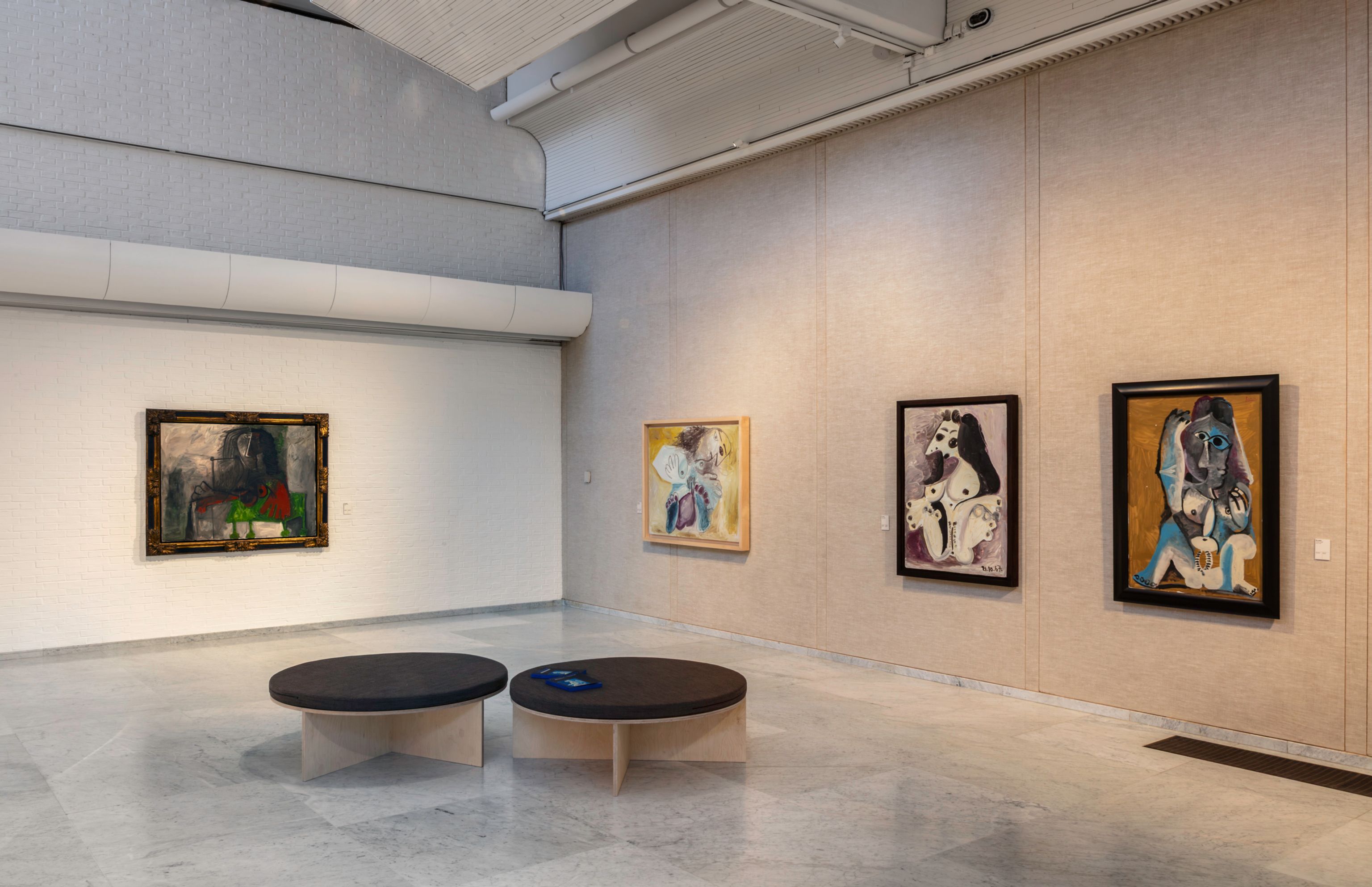
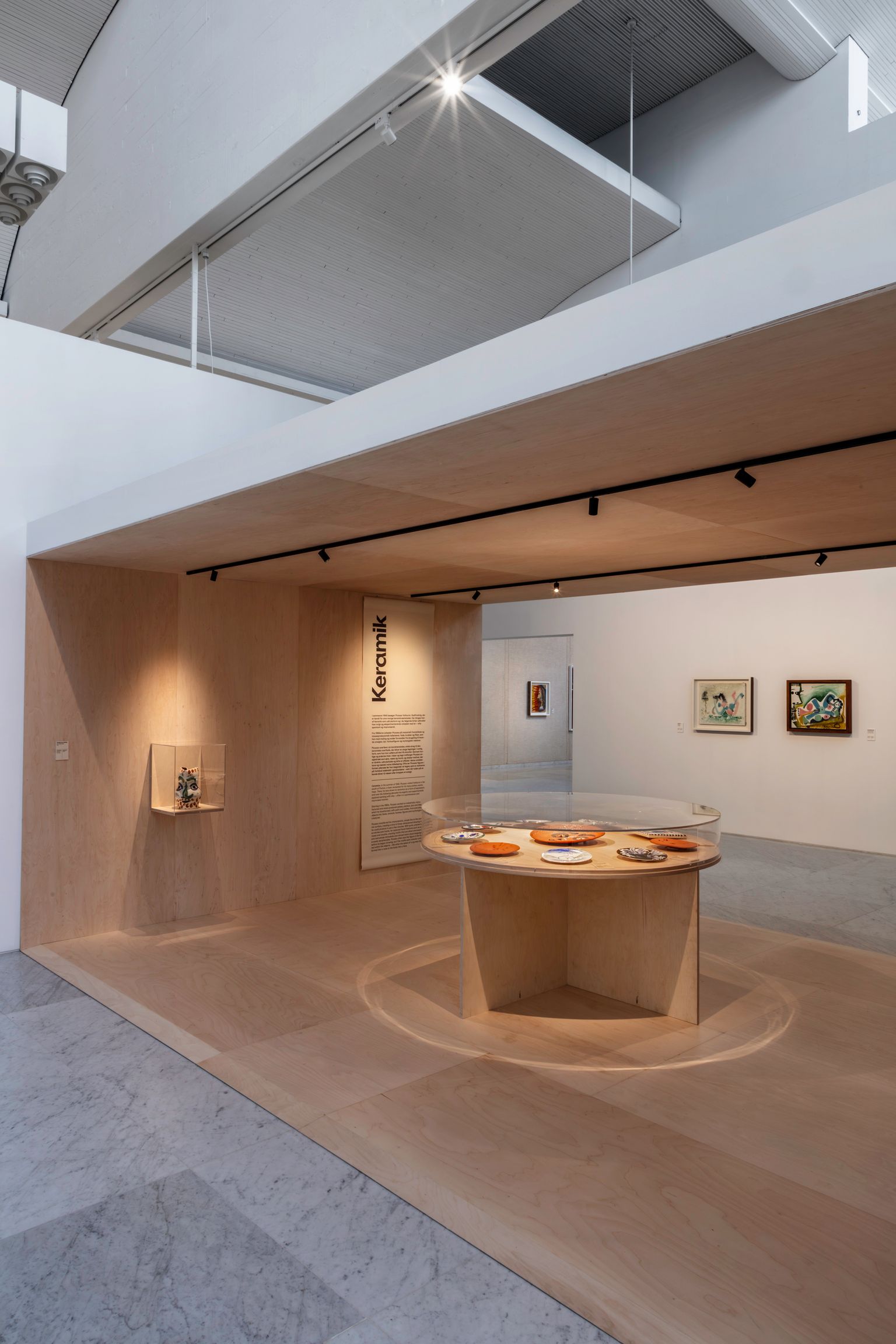
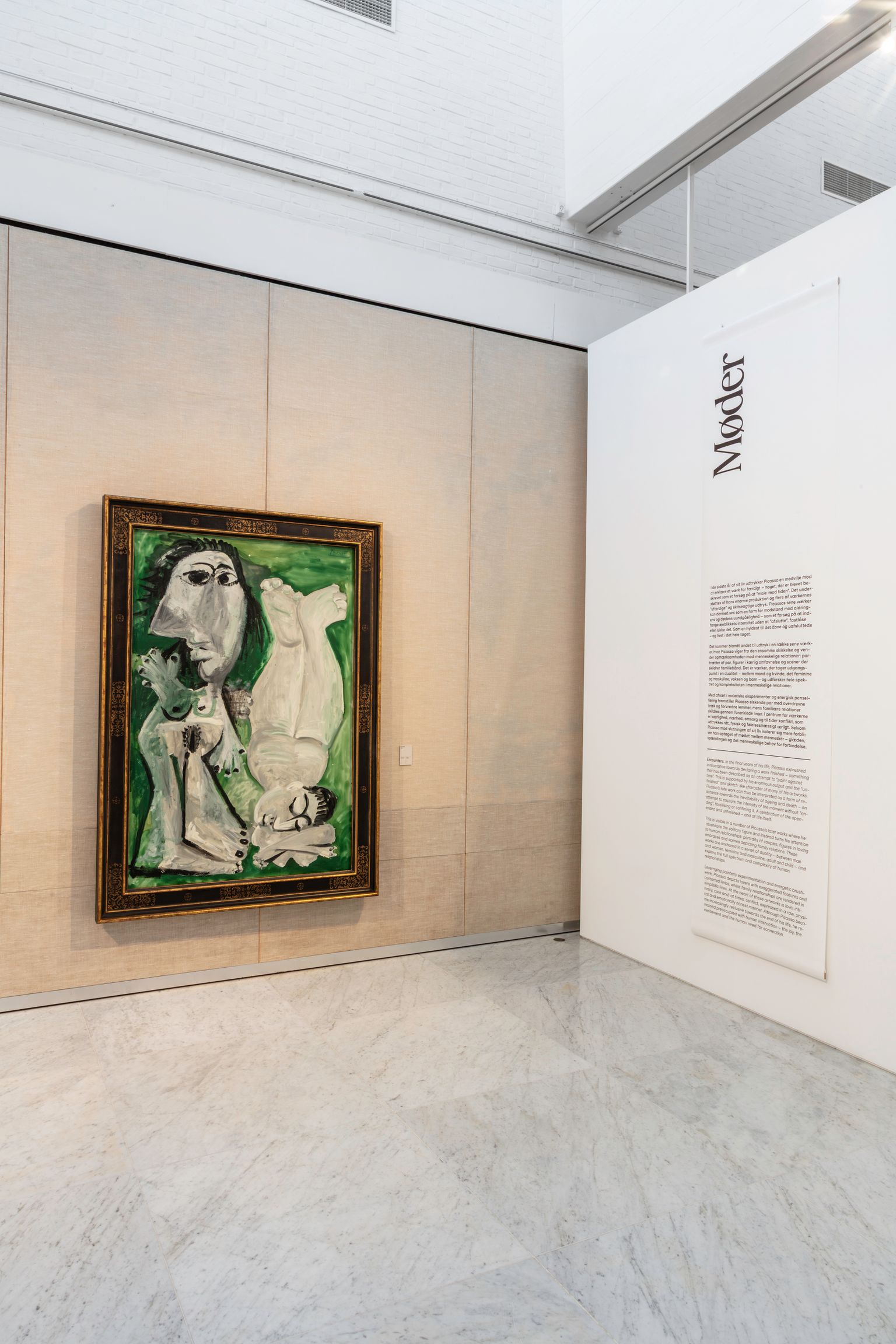
Well into his eighties, Pablo Picasso (1881 to 1973) was still working at a furious pace, producing an overwhelming body of work with an urgency that defied his age. That final, restless chapter of his career is now the subject of a major new exhibition, Late Picasso, opening at Kunsten Museum of Modern Art Aalborg.
The show gathers an extraordinary range of paintings, drawings and prints from the artist's last decade, a period long treated as a footnote to his more celebrated Cubist and Blue Period years. Seen today, curators argue, these late works look less like the tired output of an old man and more like a radical, almost reckless burst of freedom.
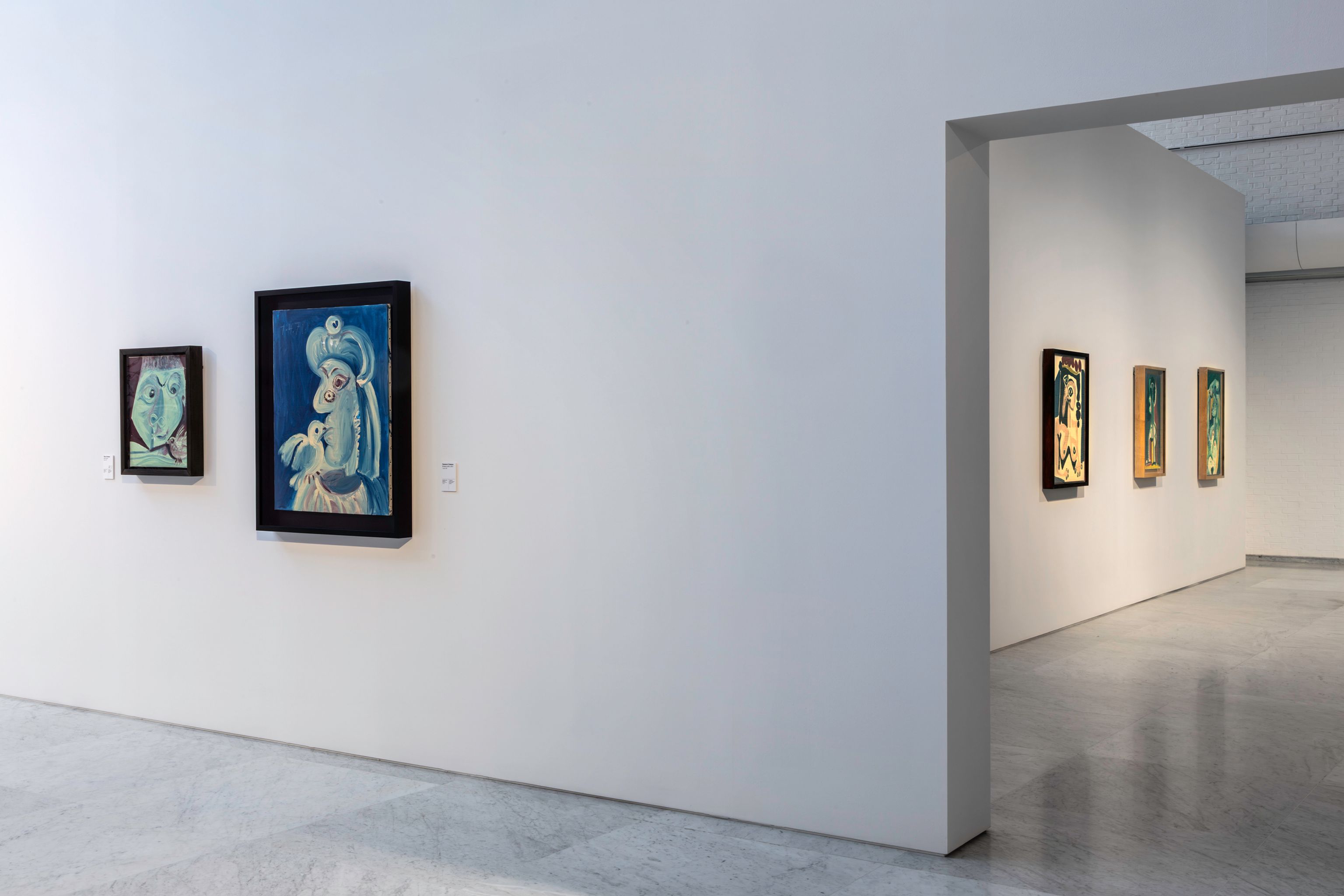

A raw and unfinished energy
According to Caroline Nymark Zachariassen, chief curator at Kunsten, Picasso's late work is in many ways wilder and bolder than anything he made before. Many of the paintings appear almost unfinished, with loose, nonchalant brushwork that mirrors both the breakneck speed at which they were made and the sheer creative drive behind them. Even five decades on, she notes, the works still speak directly to viewers, carrying a vitality and intensity that is hard to resist when standing in front of them.
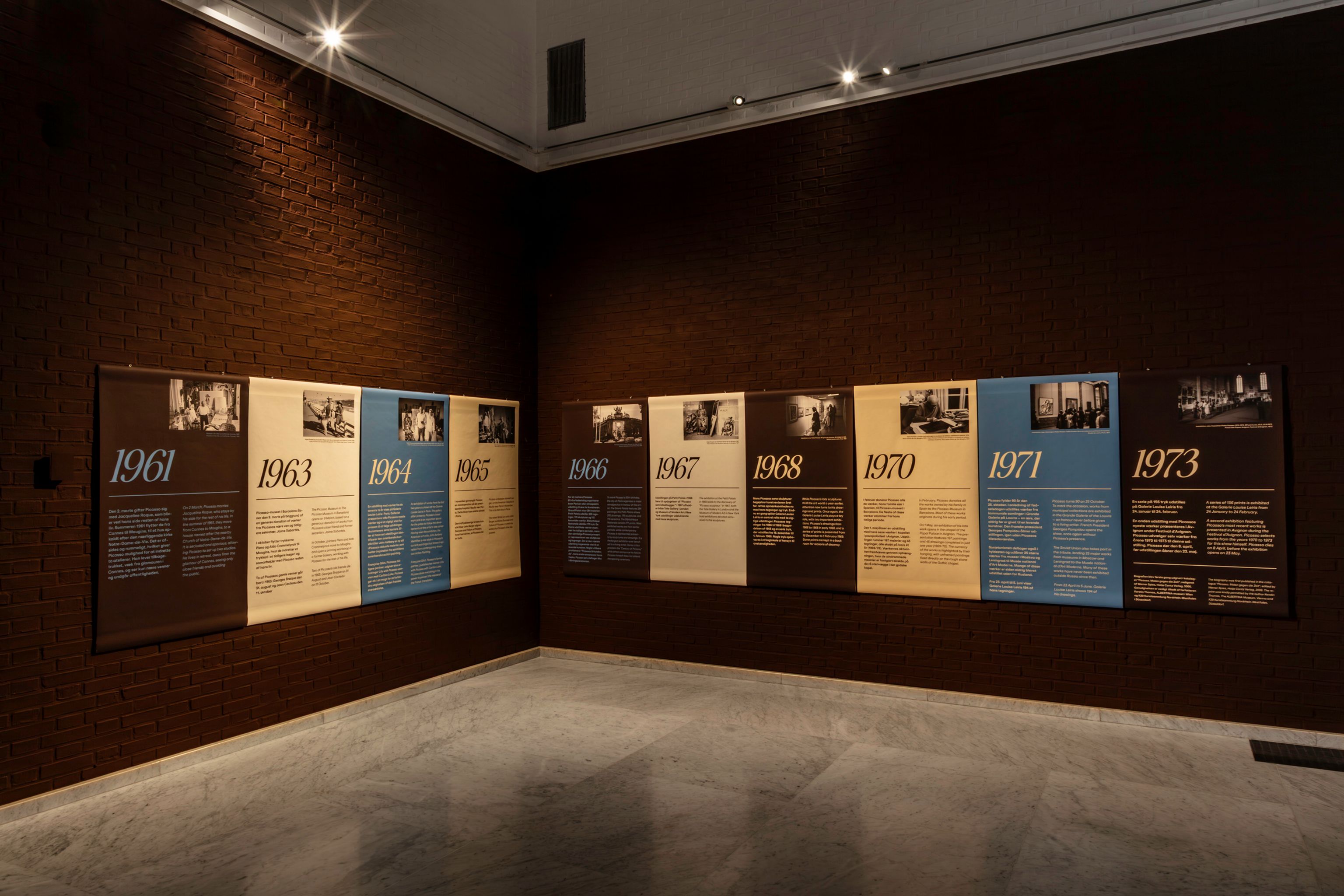
In the early 1960s, Picasso settled in the southern French town of Mougins, which became his home and creative base until his death in 1973. These were years of increasing isolation, during which he devoted almost all of his time to making art. Despite his advanced age and his already towering reputation as one of the most influential artists of the modern era, Picasso approached his own practice with striking curiosity, constantly circling back to revisit and reinvent it.
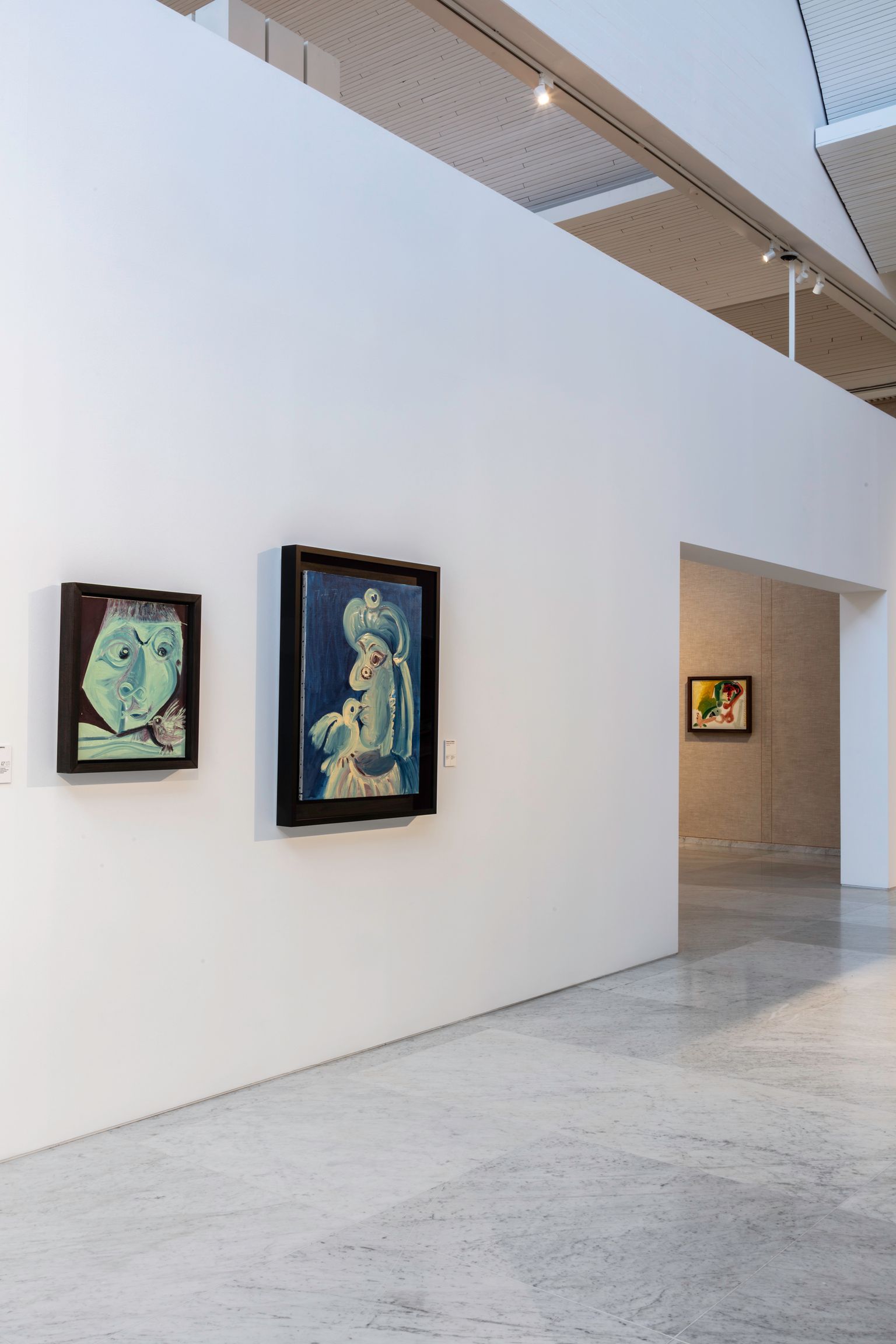

The human figure at the centre
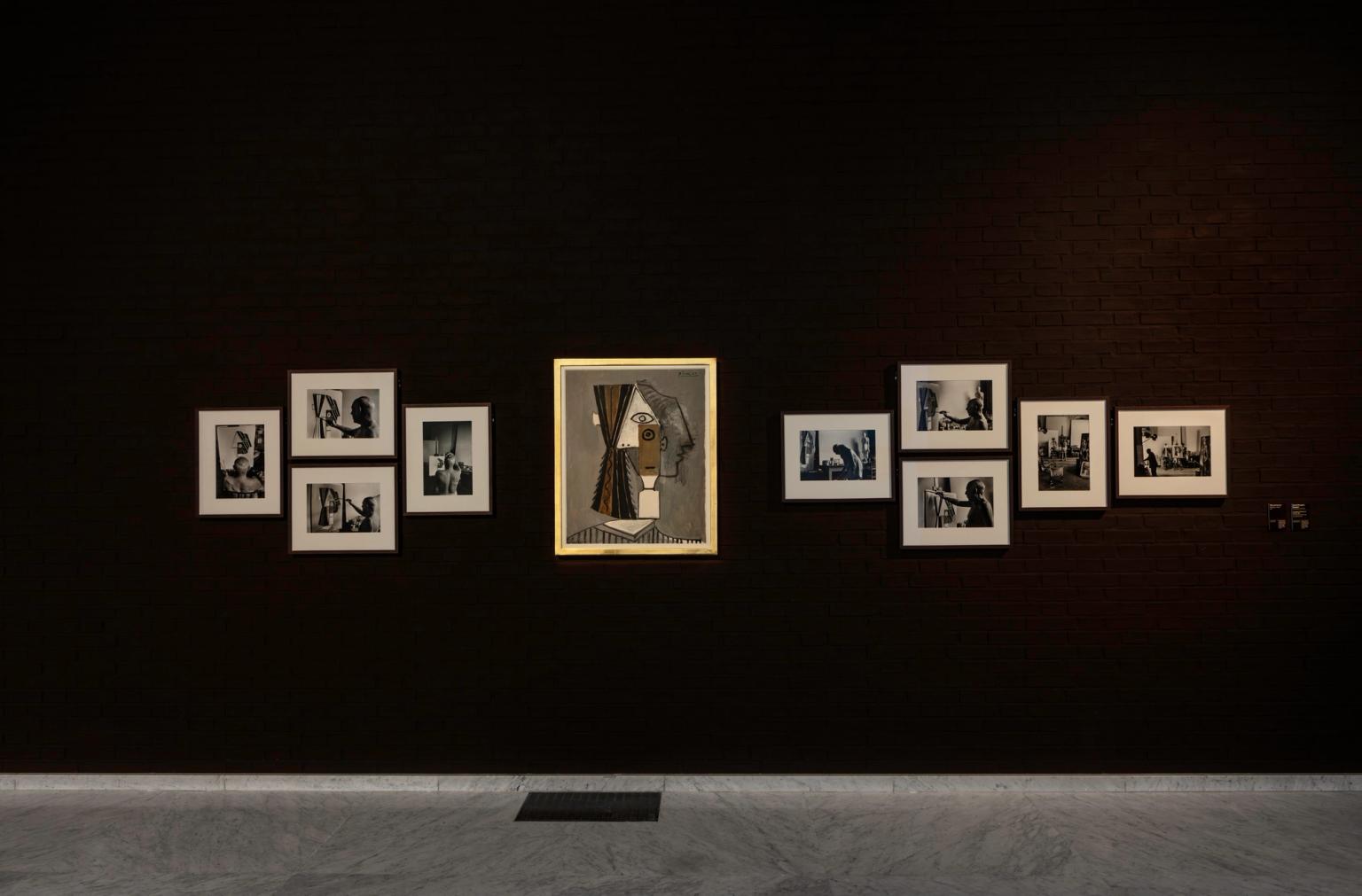
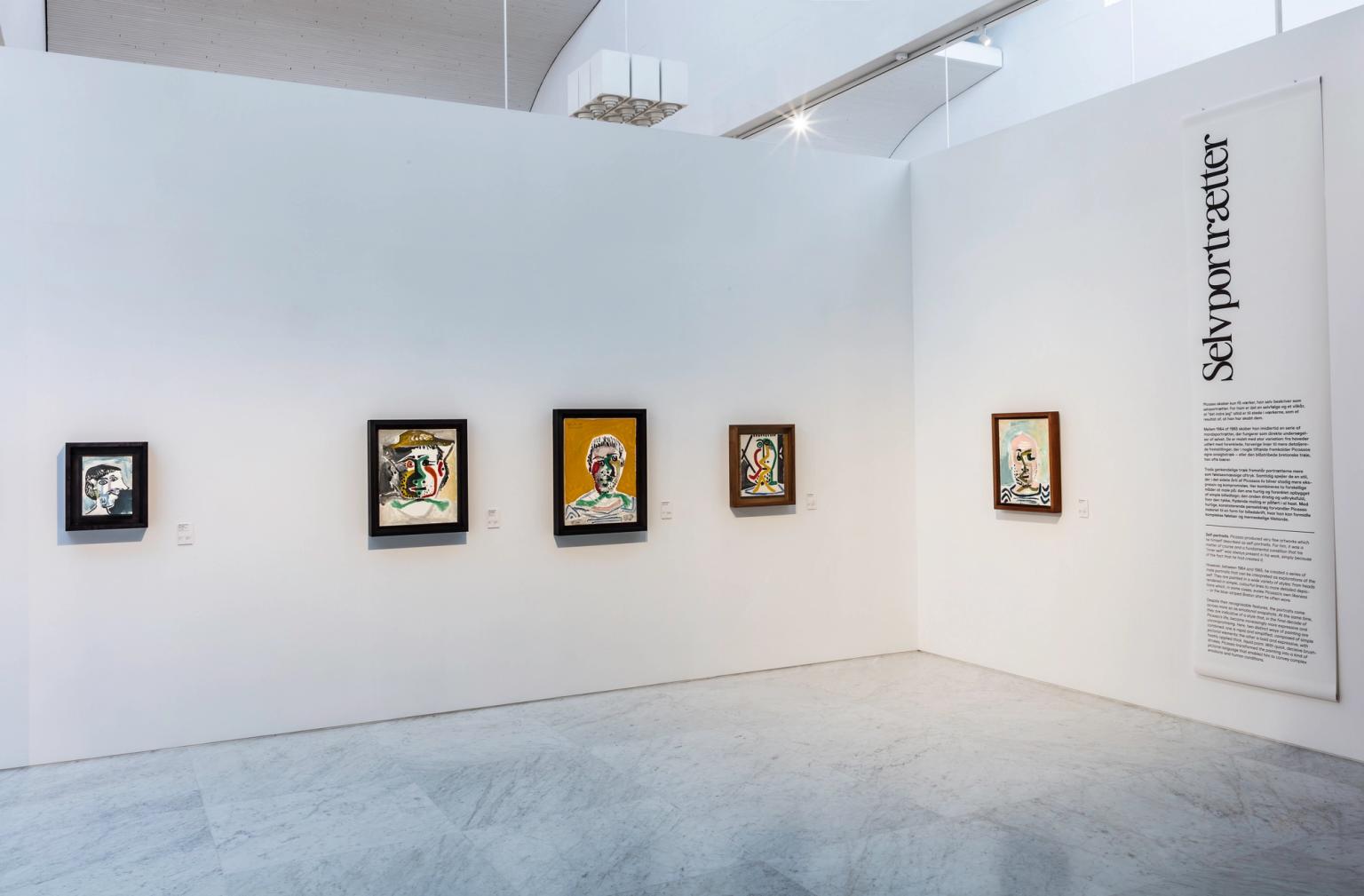
Across these final years, Picasso returned again and again to the themes and motifs that had defined his life's work: self portraits, swaggering musketeers, lovers entwined, and models charged with sensual presence. Through them he grappled with the big questions of existence, transience, old age, death, desire and love, always with his characteristic playful freedom and expressive force.
A quietly autobiographical and psychological thread runs through the work, offering a glimpse of how Picasso used painting to confront his own situation as an ageing man nearing the end of his life. Zachariassen points out that the human figure, and human experience more broadly, remained at the very heart of Picasso's imagery to the last. Even as much of the art world moved toward conceptual territory, he held firmly to the figurative and the painterly, turning it into a space for free experimentation outside the conventions of his time, and a way of confronting deep existential questions head on. In some of the works on show, she suggests, one can almost sense him coming face to face with his own mortality.
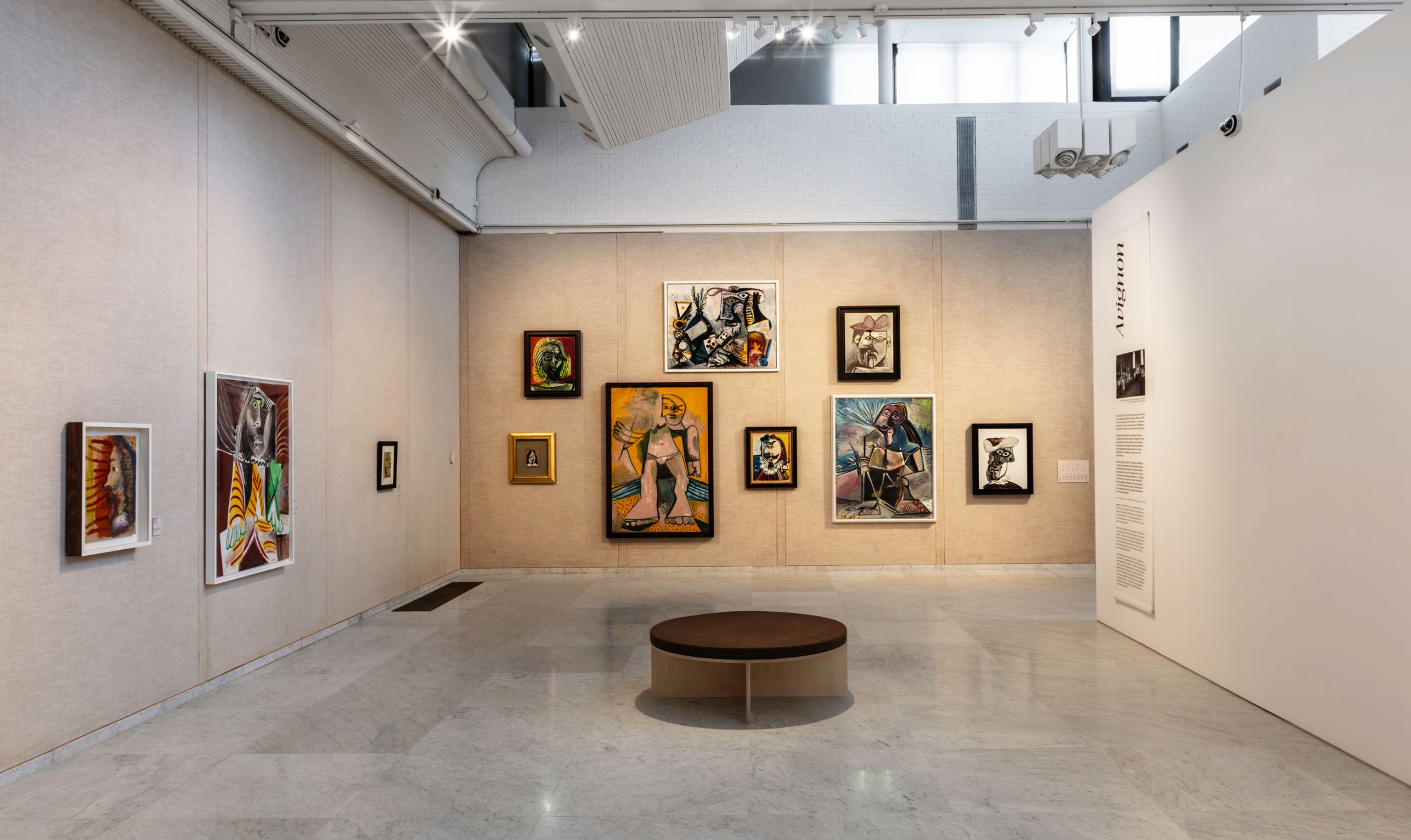

Overlooked no more
Although Picasso remains one of the most examined and celebrated figures in modern art history, his late period has often been sidelined in major retrospectives, and was for years met with scepticism, dismissed by some critics as unfinished or too rough around the edges. That view began to shift in the 1980s, when renewed interest in the paintings sparked a broader reassessment. Today this late body of work is regarded as genuinely groundbreaking, and it has gone on to influence a long line of contemporary artists.
Lasse Andersson, director of Kunsten Museum of Modern Art Aalborg, describes the exhibition as a rare chance to consider what we actually mean when we talk about "a Picasso." Viewed through contemporary eyes, he says, these late works feel fresh, unguarded and full of a wonderfully devil may care energy, creativity running at full throttle in its purest form. Picasso, he adds, reminds us that we have our whole lives to keep reinventing how we see the world, and ourselves.
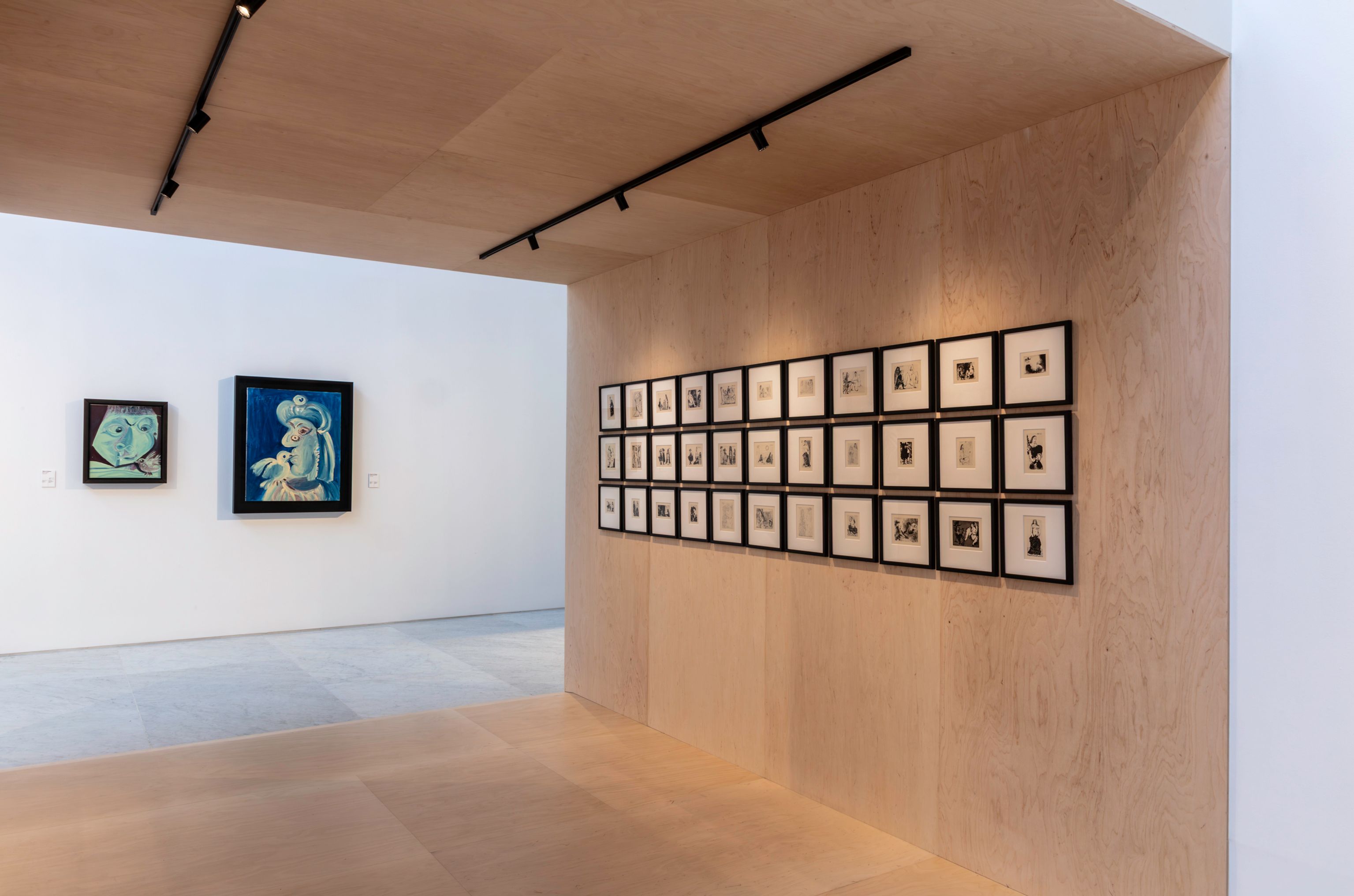

A Nordic collaboration
Late Picasso is the most comprehensive exhibition of the artist's late work to be shown in Denmark in more than 40 years. It is the result of a unique cross Nordic partnership between PoMo in Trondheim, Moderna Museet in Stockholm and Kunsten in Aalborg, developed in close collaboration with the Fundación Almine y Bernard Ruiz Picasso. Together with a number of museums and private lenders, the foundation has helped bring an exceptional selection of Picasso's late works to Denmark.
Andersson sees the show as proof of what Nordic art institutions can achieve when they pool their resources, sharing works, expertise and ambition to create exhibitions of genuinely international calibre, ones that both strengthen a shared cultural heritage and bring world class art close to audiences across the Nordic region and northern Jutland. Kunsten itself holds a handful of Picasso works in its own collection, including one of the very first international pieces acquired when the museum opened its doors in 1972.
The exhibition's curatorial concept was initiated by PoMo, Trondheim, and curated by Dr. Dieter Buchhart and Dr. Anna Karina Hofbauer, with the Aalborg presentation curated by Caroline Nymark Zachariassen.


About Kunsten Museum of Modern Art Aalborg
Kunsten is a modern art museum housing Danish and international art from the twentieth century to today. Its permanent collection numbers close to 4,000 works, shown alongside a rotating programme of special exhibitions. The museum's striking white marble building, completed in 1972, was designed by the world renowned Finnish architect Alvar Aalto, with Elissa Aalto and Jean Jacques Baruël. Each year Kunsten also hosts around 200 talks, concerts, family workshops and guided tours, alongside learning programmes for schools and nurseries run through Kunsten Kreativitarium, and a museum café and shop offering art books, design and craft.