Émile Aillaud
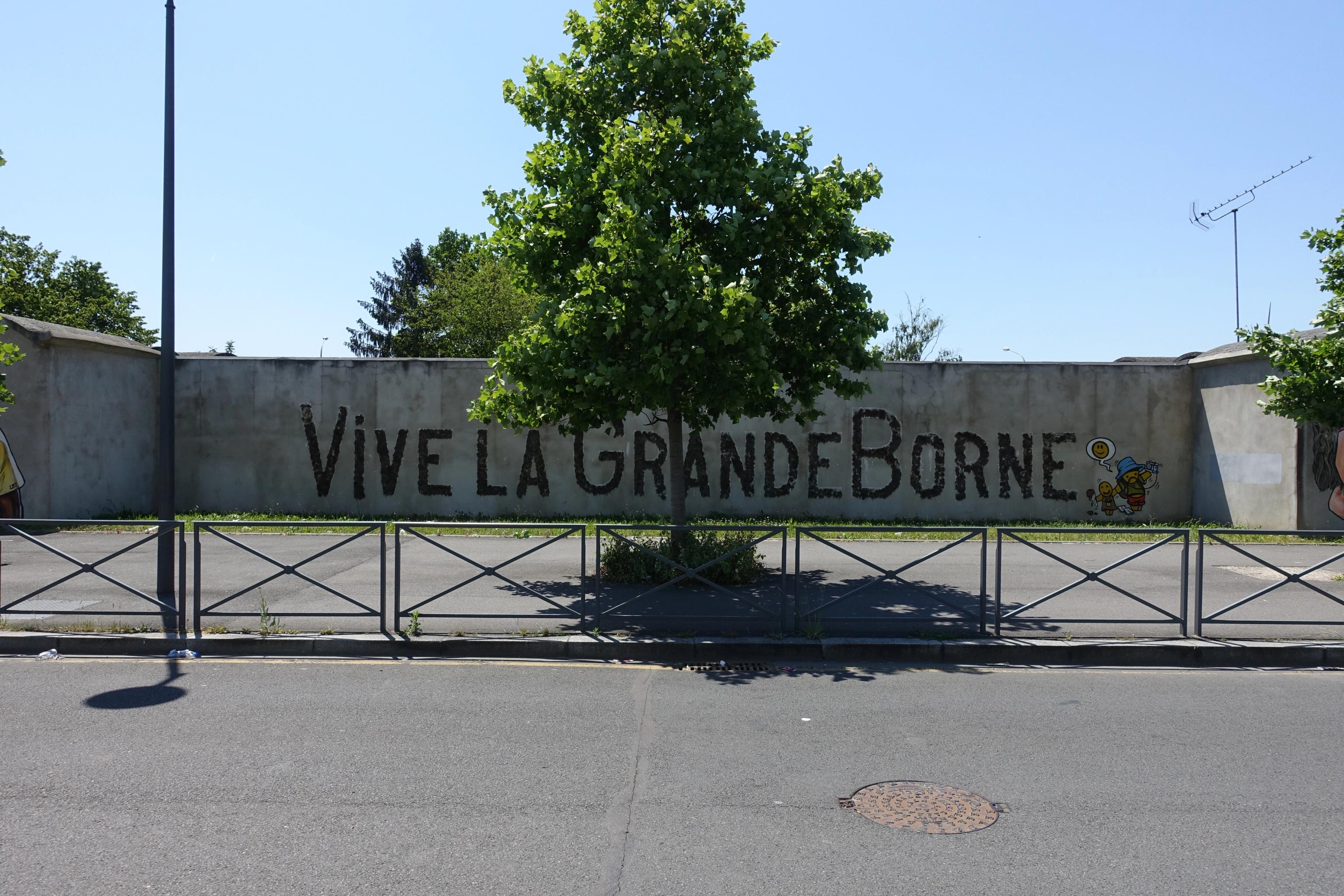
La Grande Borne
- ArchitectÉmile Aillaud
- CourtesyFavas.net – Empowerment of La Grande Borne research project
- PhotographerRob van der Bijl
Luna Paiva Émile Aillaud’s philosophy of social housing was a rebellion against the dehumanizing, mechanized uniformity of post-war modernist architecture. He believed that repetitive, sterile environments led to the "emptiness" of the human spirit.

La Grande Borne
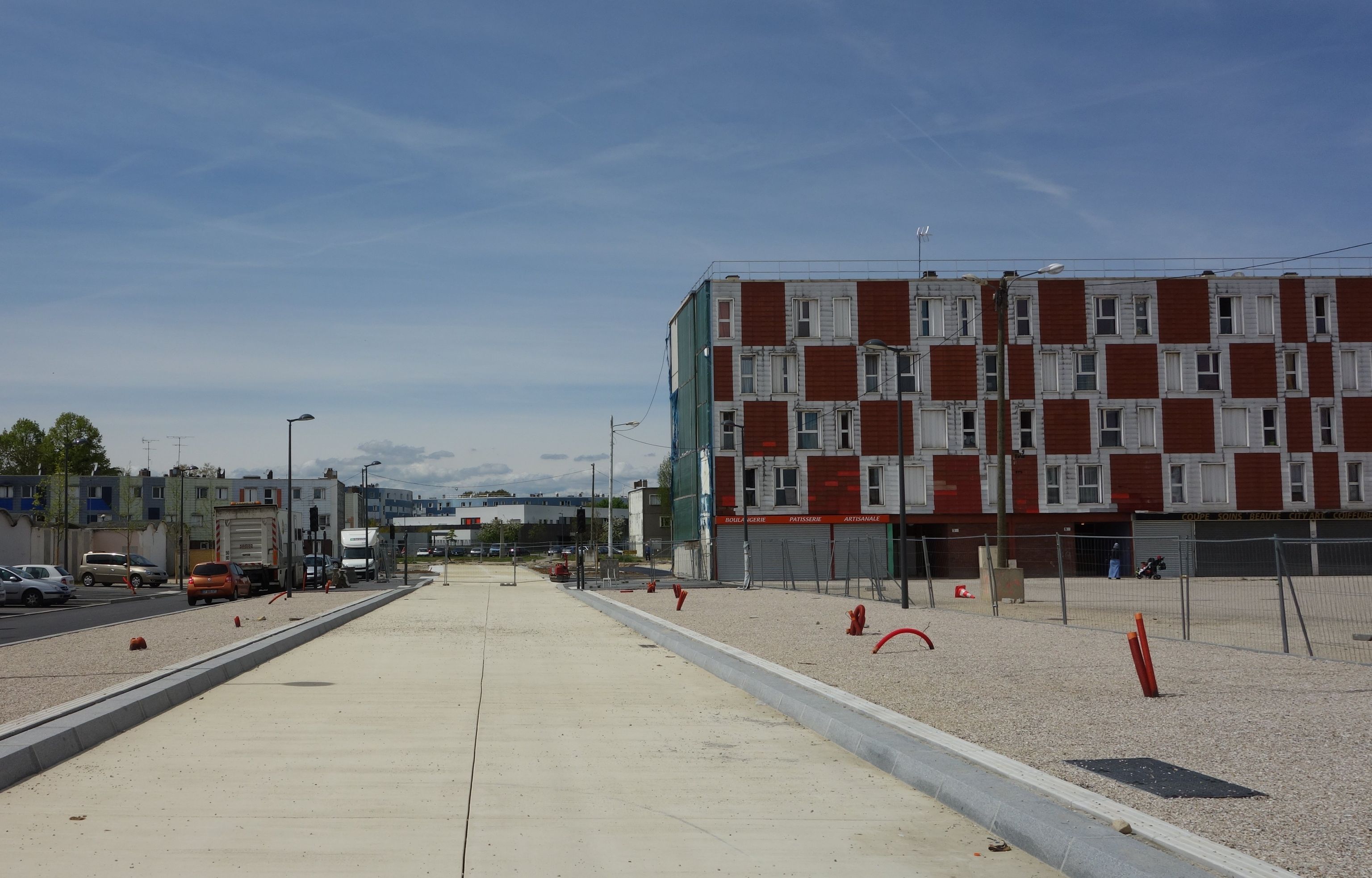
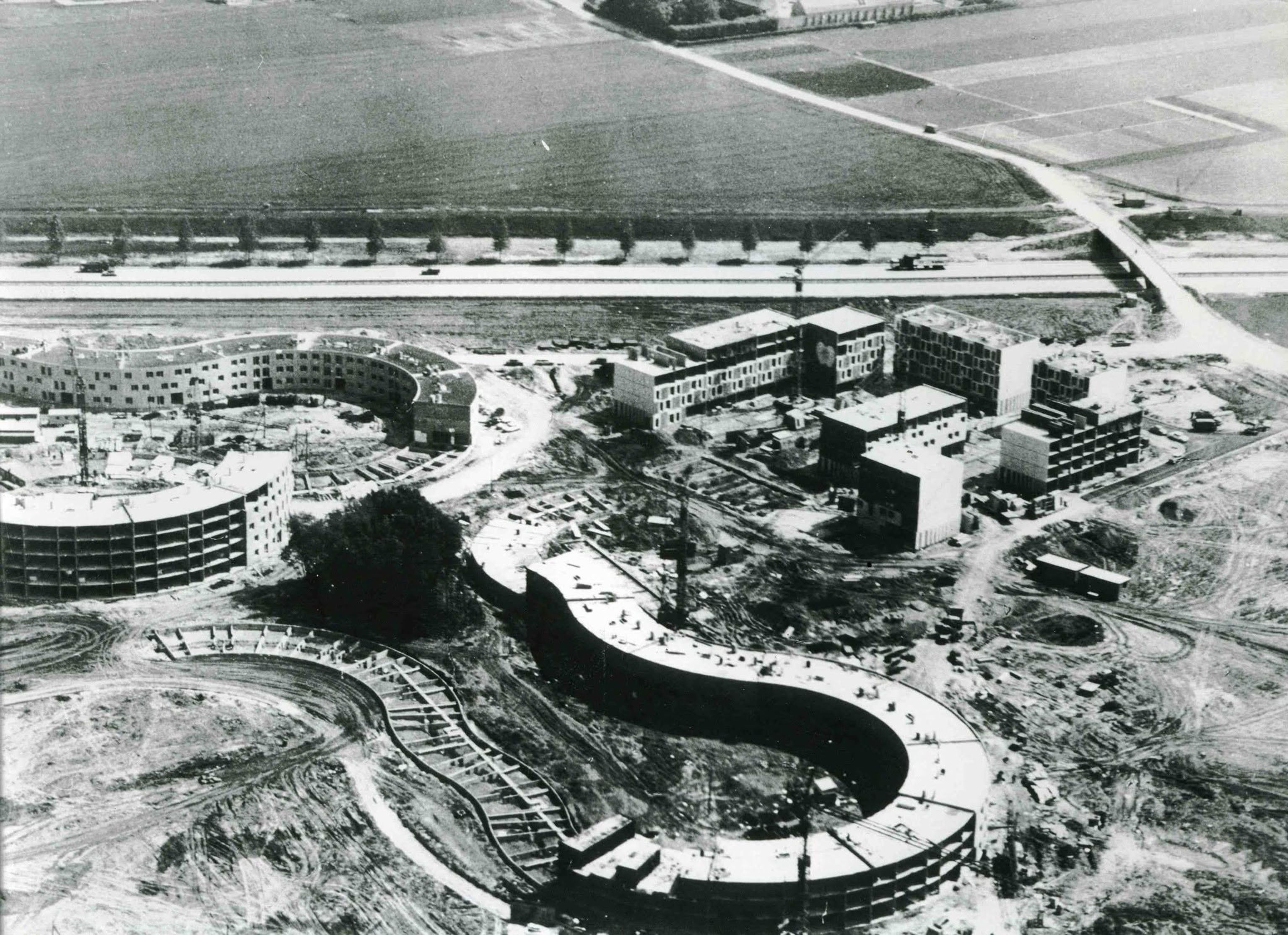
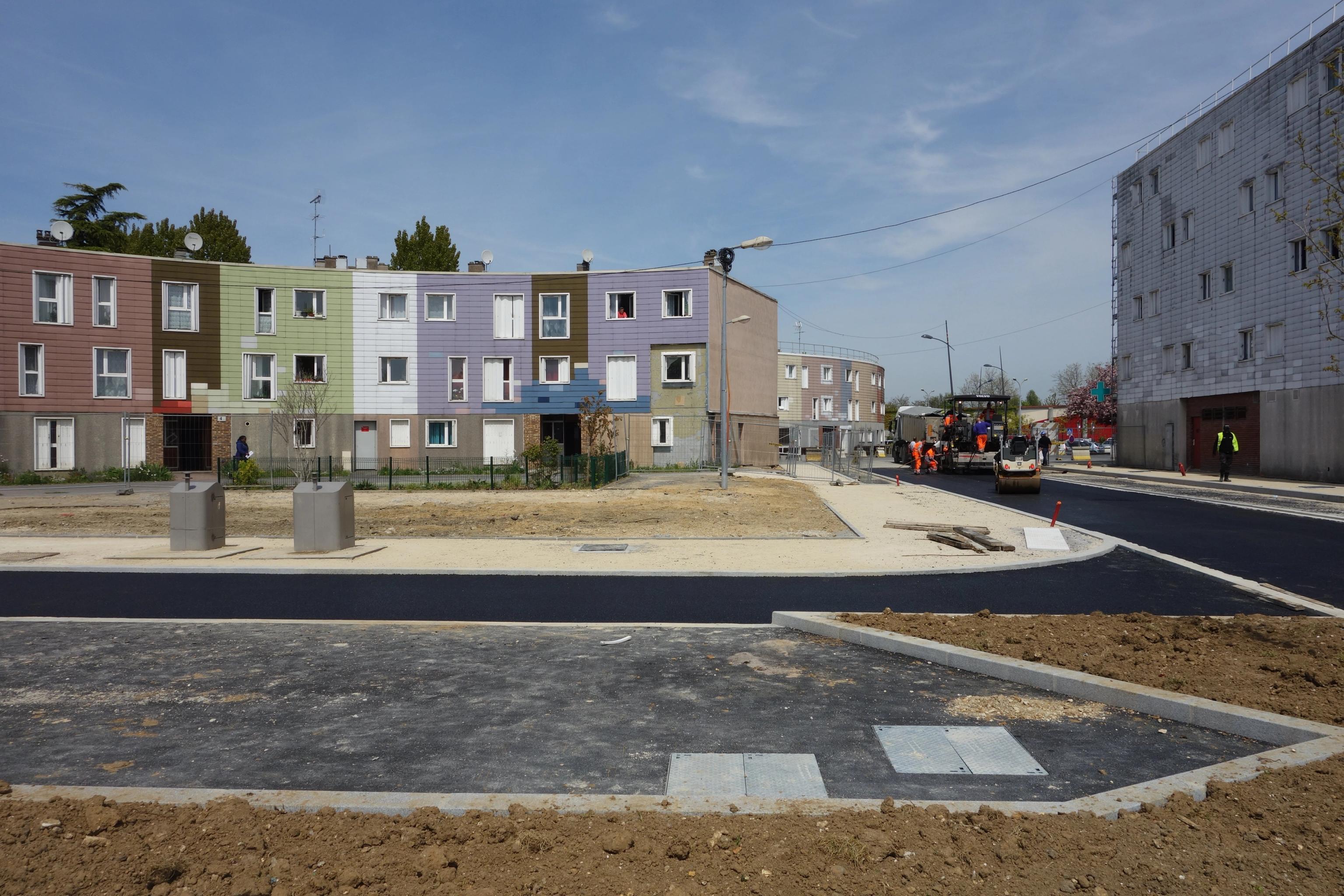
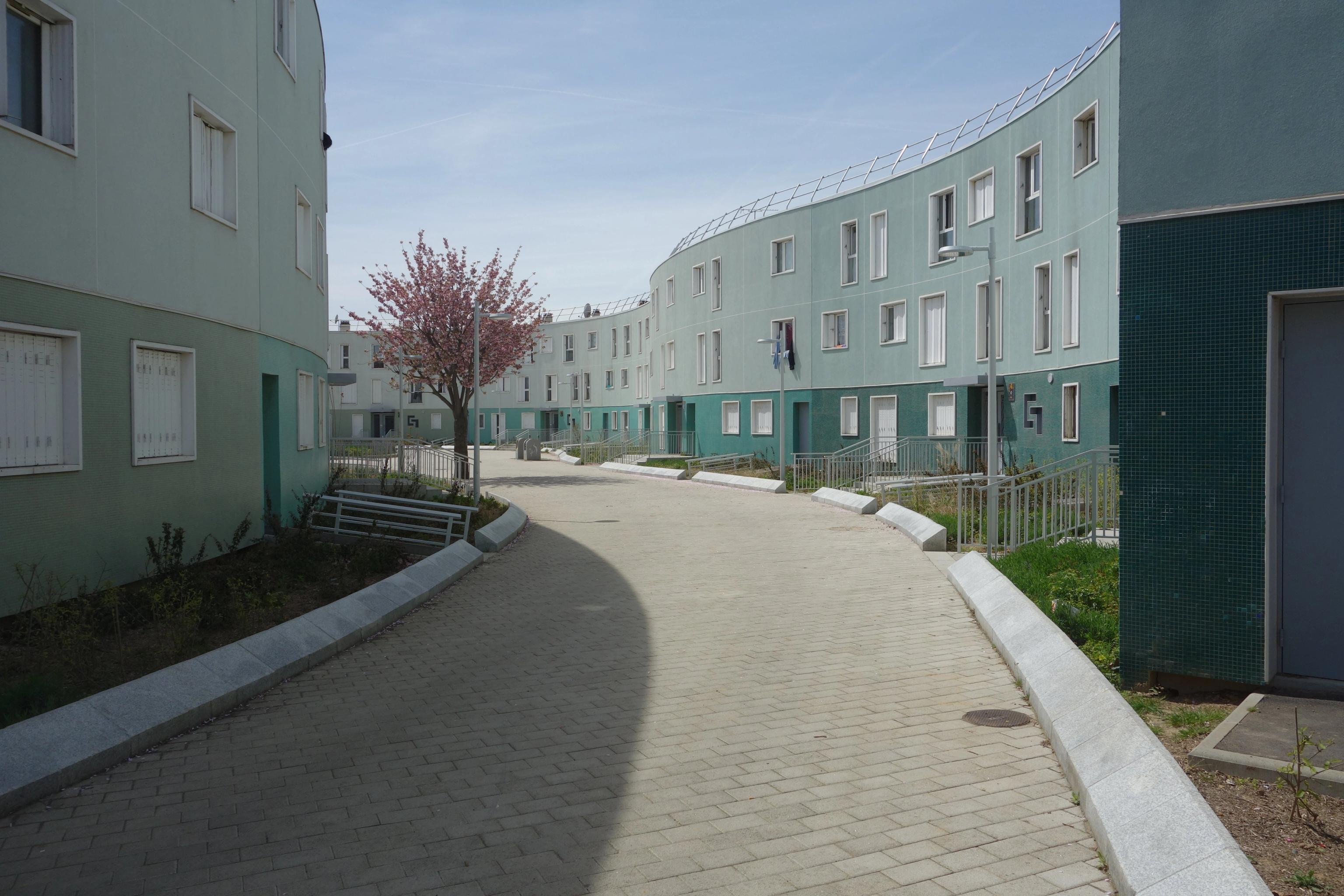
Designed by Émile Aillaud between 1964 and 1971, La Grande Borne is one of the most ambitious social housing projects of post-war France. Located in Grigny, on the southern outskirts of Paris, the vast estate was conceived as a direct challenge to the rigid urban planning that dominated the era. While many large-scale housing developments relied on repetitive concrete blocks and standardised layouts, Aillaud envisioned a neighbourhood shaped by colour, movement and human experience. Curved buildings, public artworks and pedestrian pathways replaced the monotony of the modernist grid, creating an environment that felt more like a landscape than a housing estate. His aim was not simply to provide homes, but to create a place where architecture could support community, imagination and everyday life.

Émile Aillaud
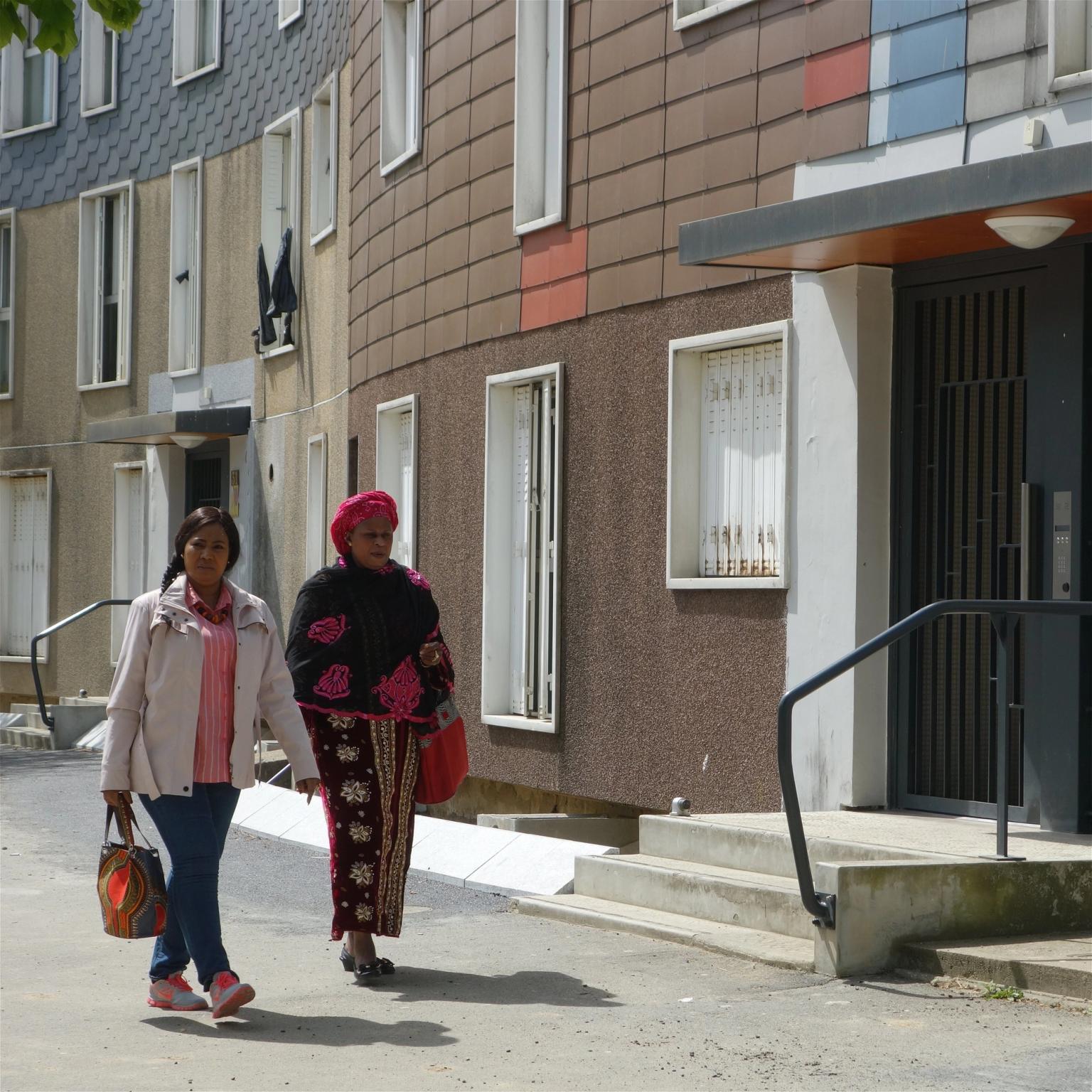
Émile Aillaud was one of the most distinctive figures in twentieth-century French architecture. Throughout his career, he resisted the mechanised uniformity that defined much of post-war housing construction, arguing that repetitive environments could lead to a sense of alienation and emotional detachment. Instead, he sought to create places that encouraged individuality, social interaction and a deeper connection to one's surroundings. His projects combined architecture, landscape and art in ways that were highly unusual for their time. At La Grande Borne, these ideas found their fullest expression, resulting in a neighbourhood that challenged conventional notions of social housing and reflected Aillaud’s belief that the built environment should nurture, rather than diminish, the human spirit.


A City for Children
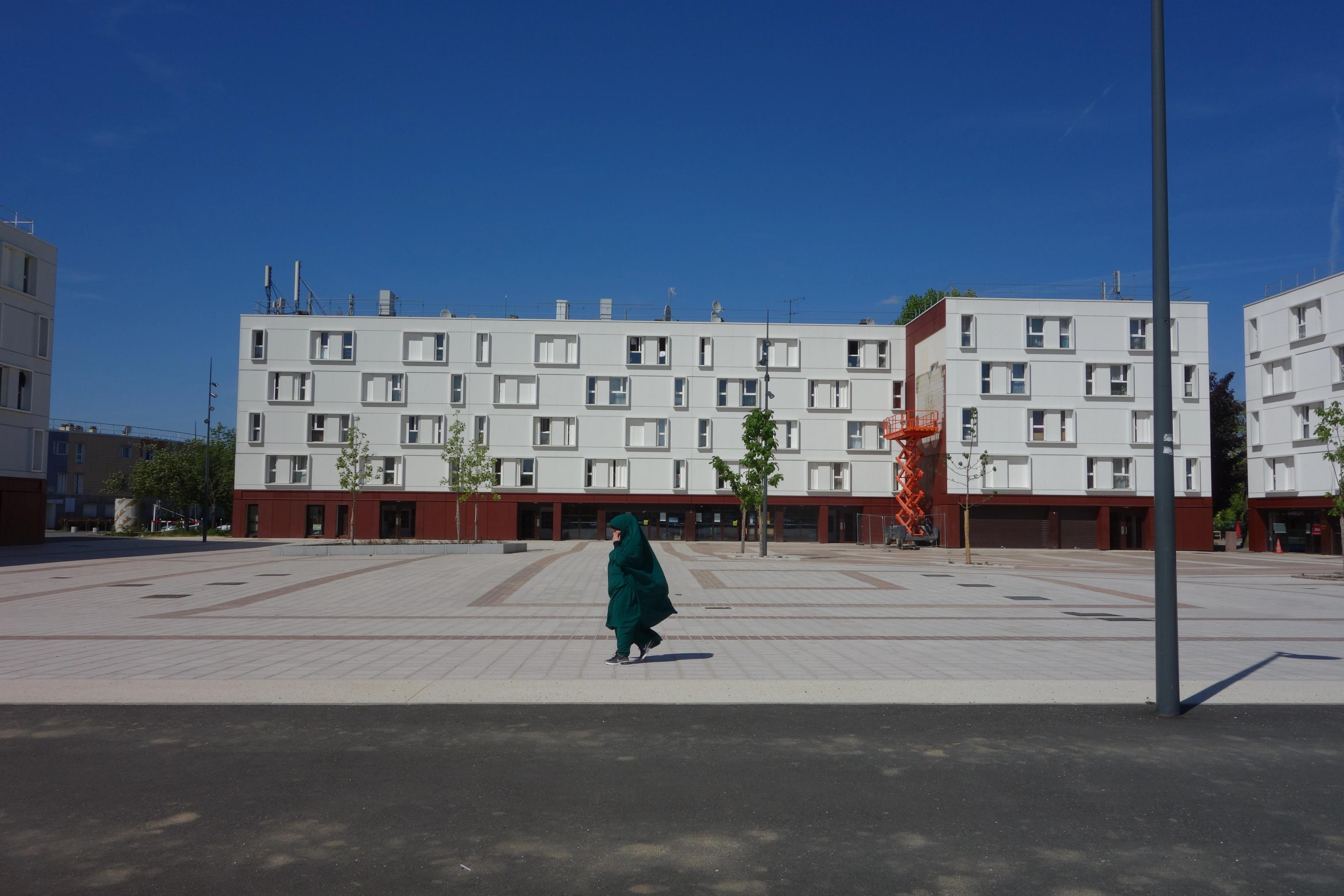
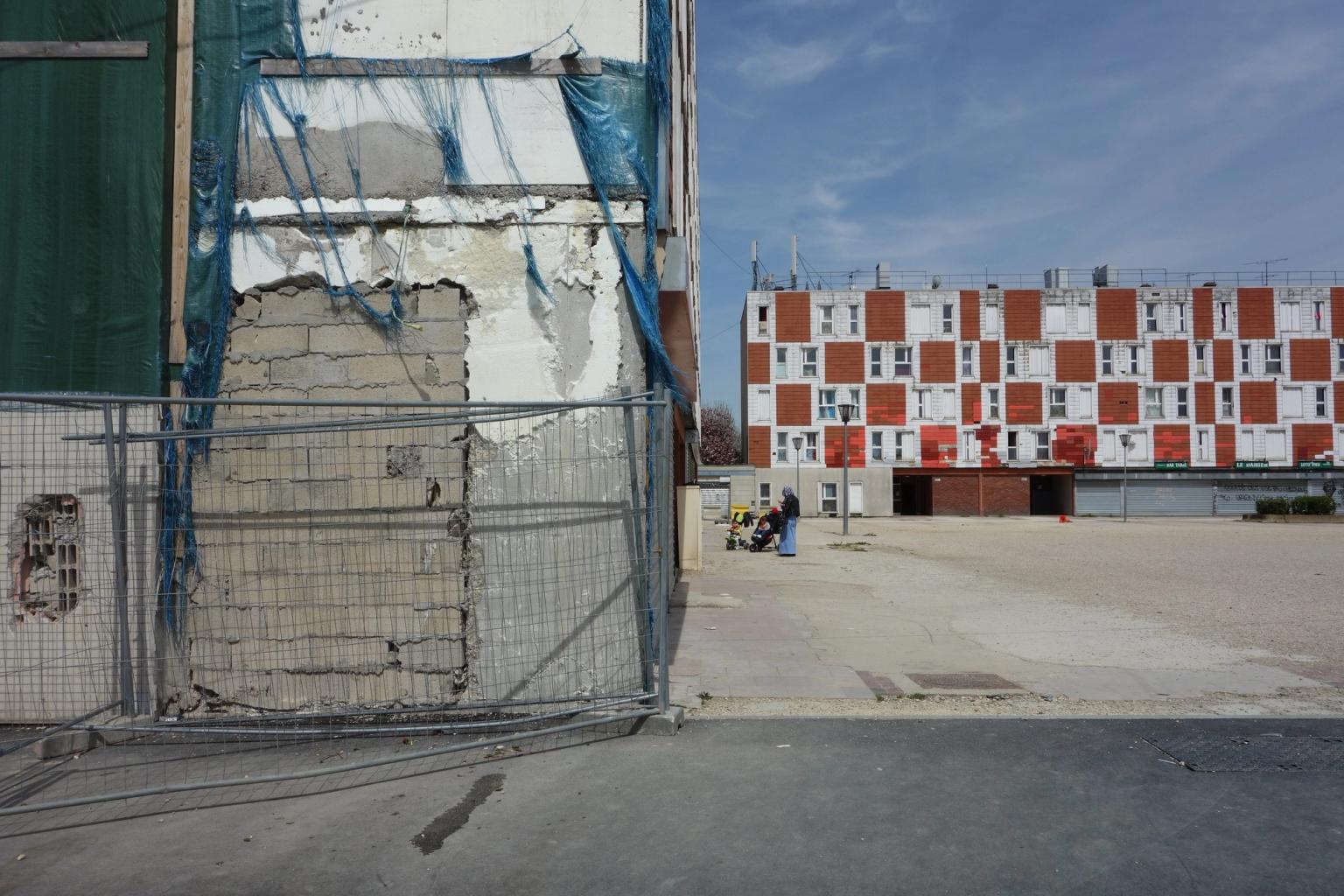
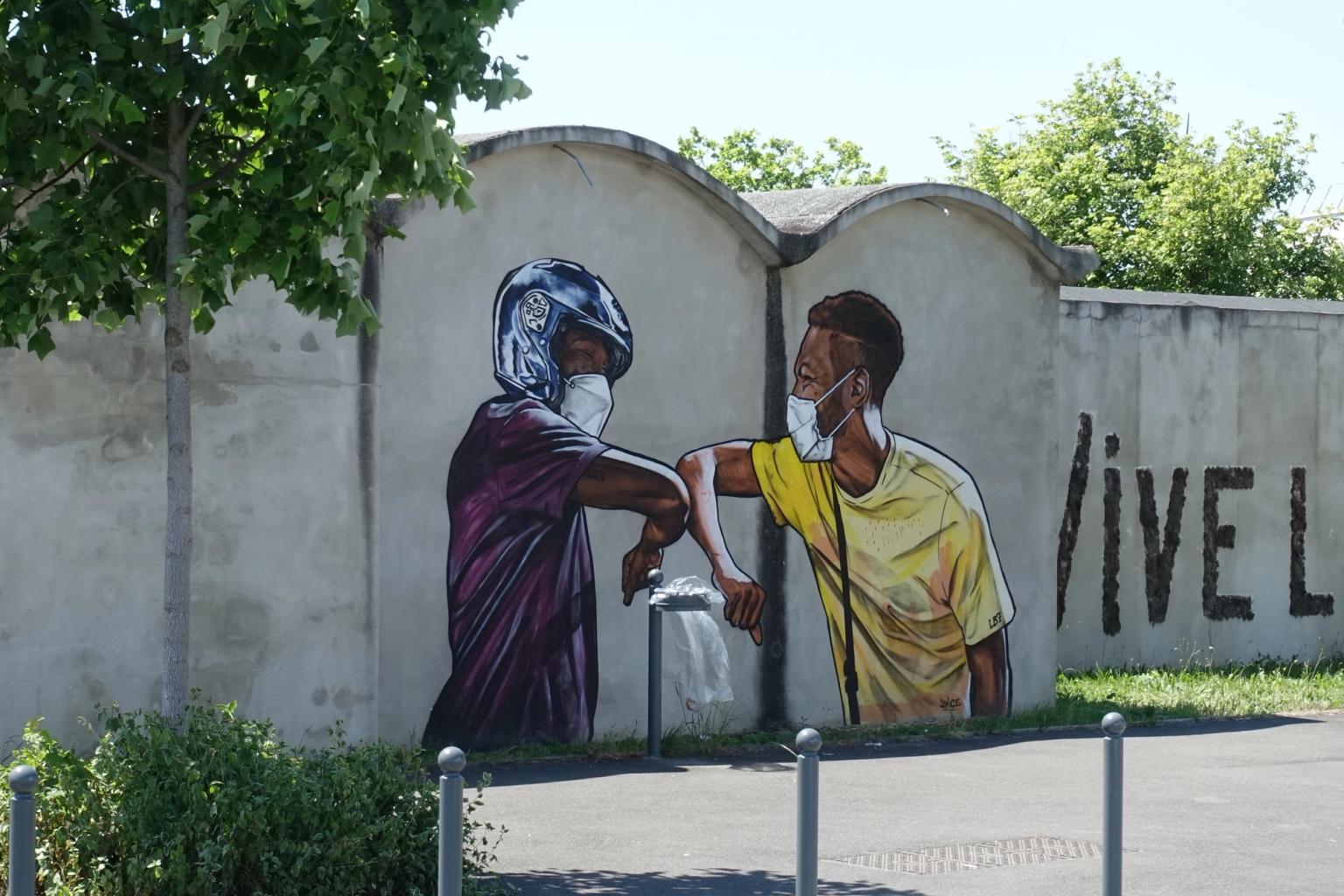
Often referred to as the “Cité des Enfants,” or City of Children, La Grande Borne was designed around the experience of its residents rather than the movement of cars. Safe pedestrian routes, playgrounds and open public spaces formed the heart of the neighbourhood, allowing children to move freely through an environment designed for exploration and social life. The estate’s colourful mosaics, murals and sculptural forms introduced a sense of playfulness rarely seen in housing developments of the period. Buildings curve and unfold across the landscape, creating a sequence of unexpected views and gathering spaces. For Aillaud, beauty and imagination were not luxuries but essential elements of everyday living, regardless of social background.

Reclaiming the Narrative
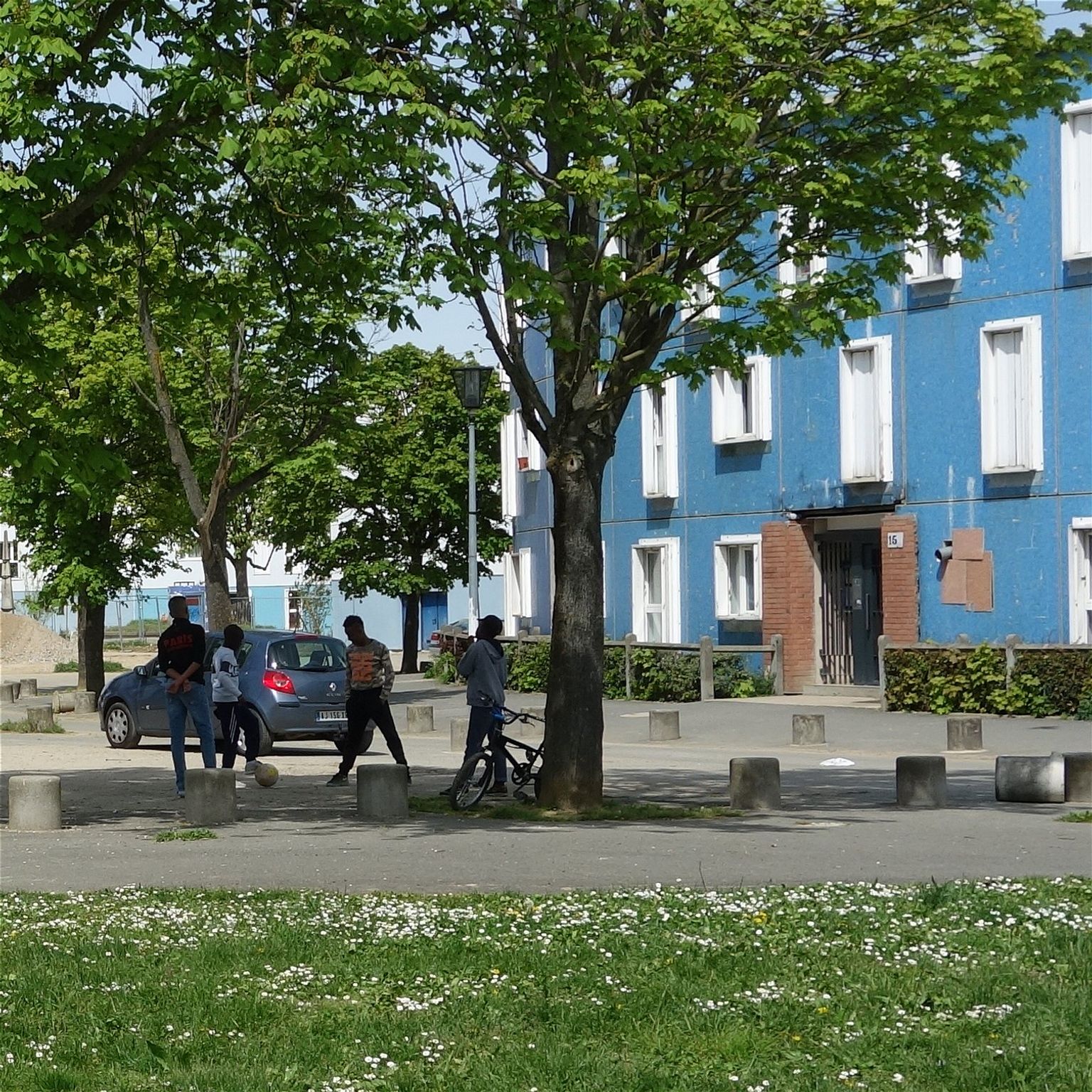
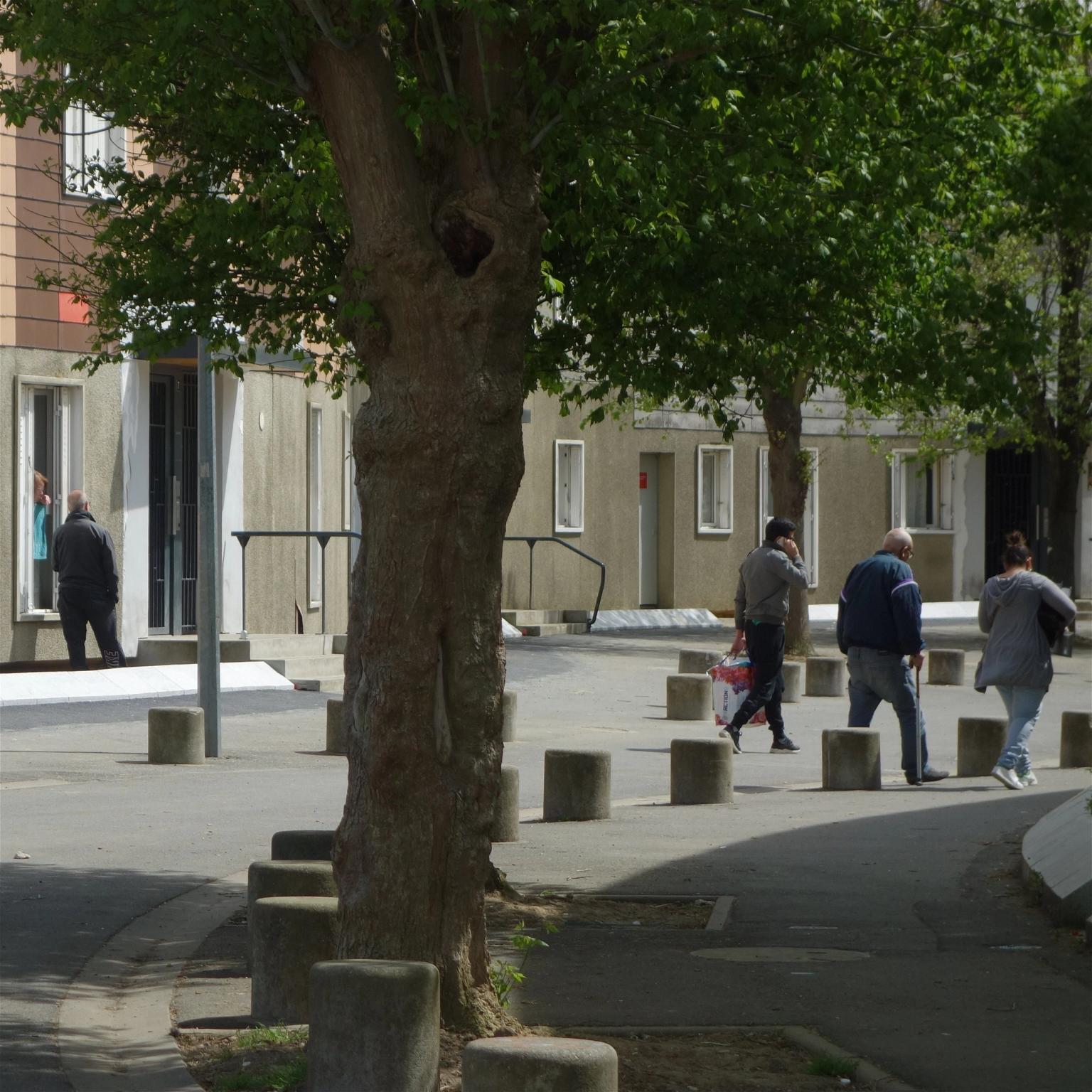
Over the decades, La Grande Borne became associated with many of the social and economic challenges facing the French banlieues, including unemployment, poverty and urban neglect. Yet these familiar narratives often overshadow the complexity of the neighbourhood and the experiences of the people who live there. In response, a growing number of researchers, architects and cultural initiatives have sought to revisit the estate through a different lens. Among them is Empowerment of La Grande Borne, an ongoing research and documentary project developed by Favas, an independent platform focused on urbanism, landscape, mobility and social development.
Since 2016, the project has explored how La Grande Borne might be understood beyond the stereotypes that have long defined it, examining the relationship between architecture, community life and local culture. Through fieldwork, interviews and long-term observation, it highlights the knowledge, creativity and resilience that exist within the neighbourhood, while proposing alternative ways of thinking about urban renewal and social development.


Legacy and Renewal
More than fifty years after its construction, La Grande Borne remains both an architectural landmark and a living community. Extensive renovation programmes have improved housing conditions and restored many of the estate’s distinctive features while preserving the qualities that made Aillaud’s vision unique. At the same time, renewed interest from architects, historians and urban researchers has repositioned the project as an important chapter in the history of social housing. Its story reflects both the ambitions and the shortcomings of post-war urban planning, but it also demonstrates the enduring relevance of Aillaud’s belief that successful neighbourhoods are built around people rather than systems. Today, La Grande Borne stands as a reminder that architecture is never only about buildings; it is equally about identity, belonging and the communities that continue to shape a place long after its construction is complete.