
Peter Märkli
La Congiunta Museum
- ArchitectPeter Märkli
- Photographer© Aldo Amoretti
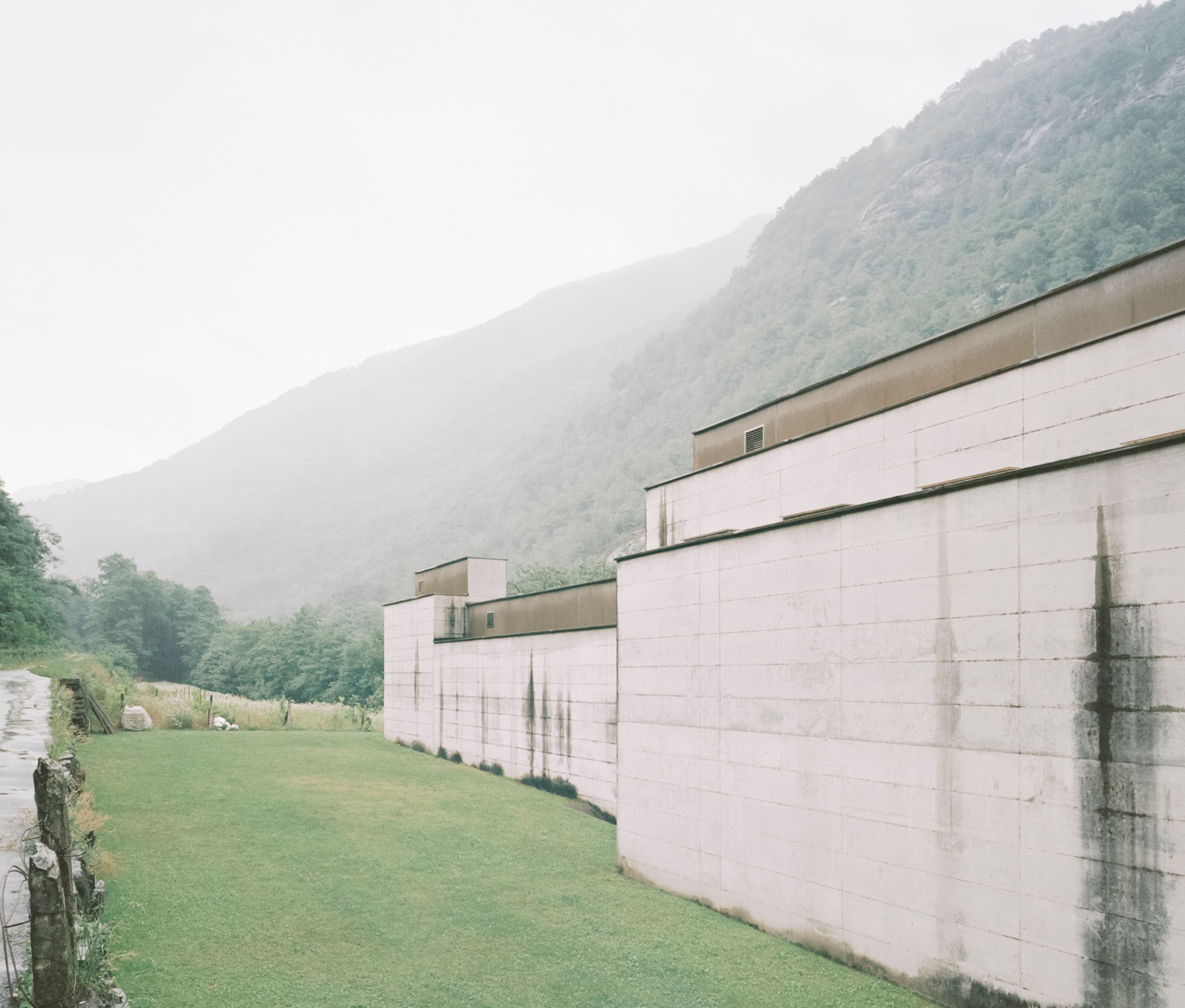
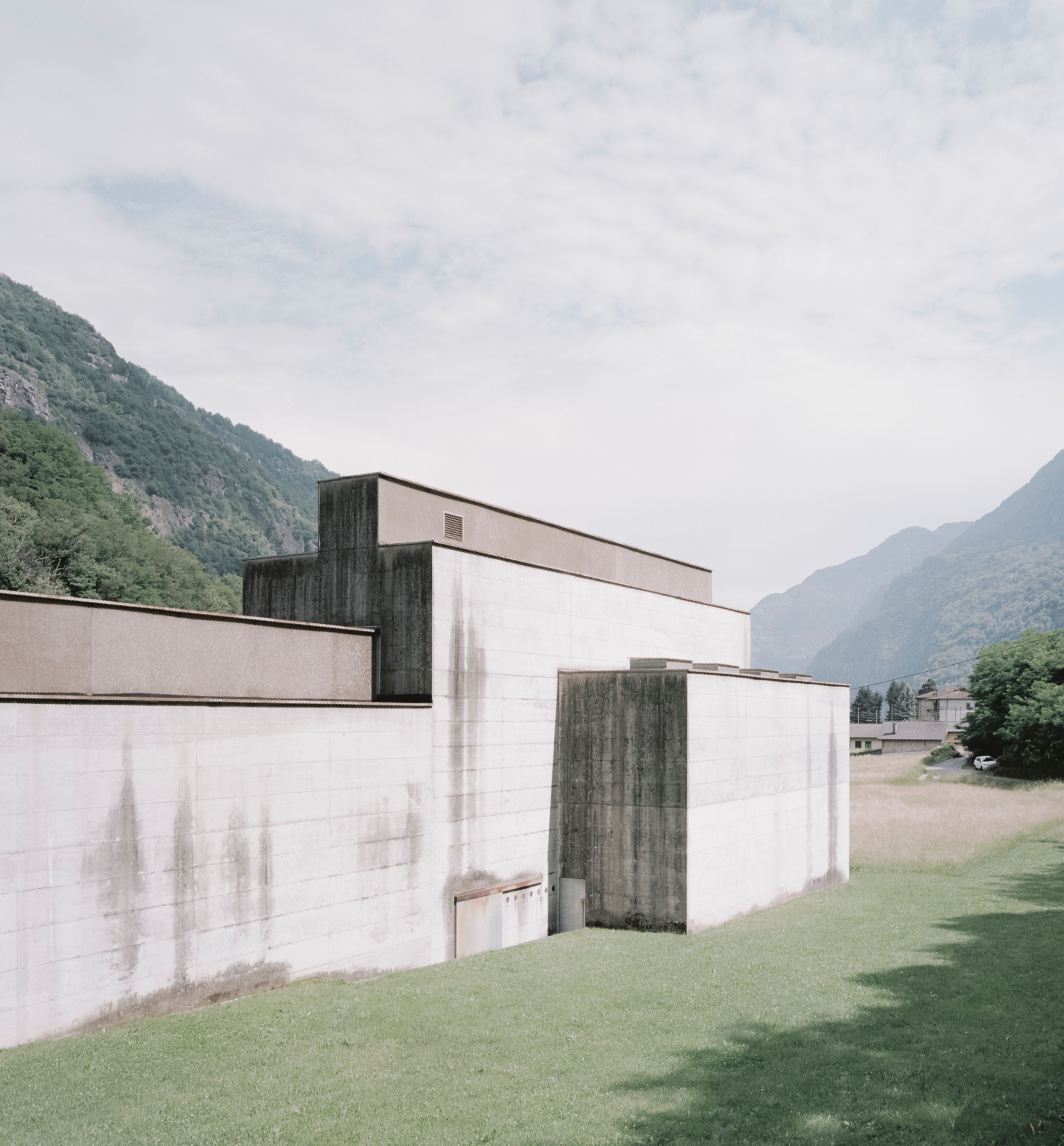
Atelier Axo La Congiunta Museum is a sculptural and minimal work where architecture serves as a quiet container for art. Built in raw concrete, the building emphasizes mass, light, and sequence, allowing space and material to shape the experience rather than overt architectural expression.

La Congiunta - A Concrete Manifesto
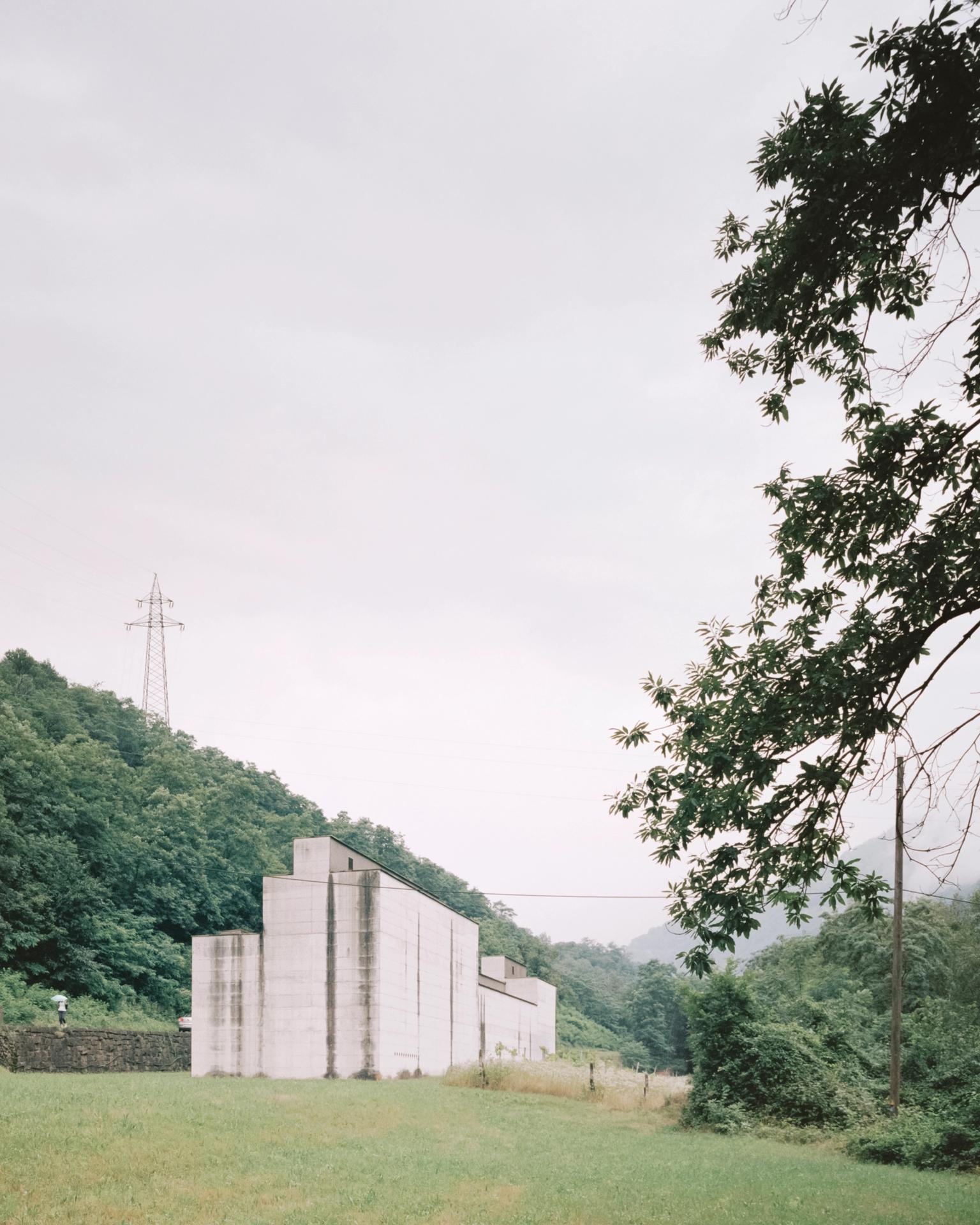
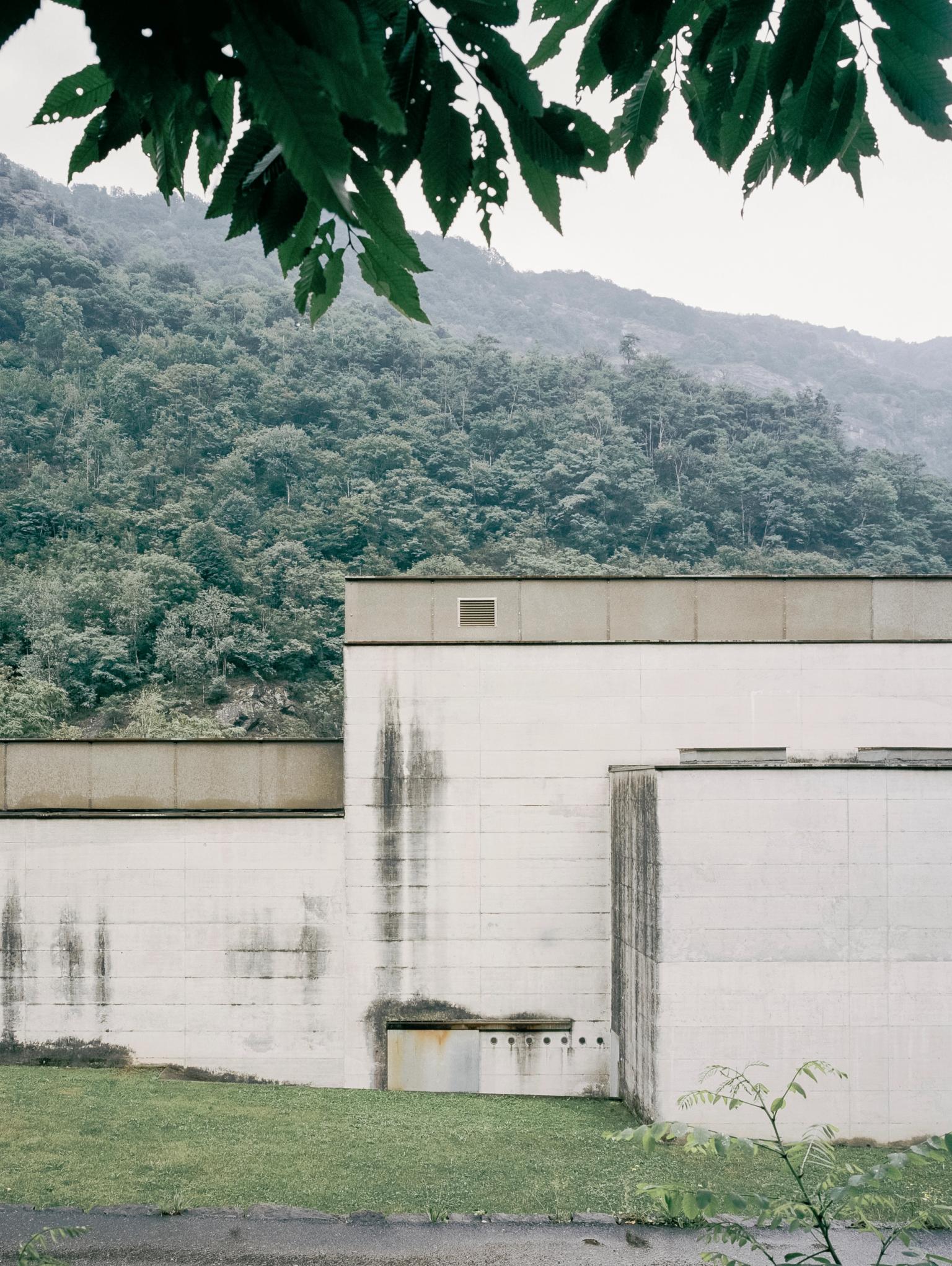
In the secluded Alpine valley of Giornico stands La Congiunta, completed in 1992 by Swiss architect Peter Märkli. Conceived as a permanent home for the sculptures of Hans Josephsohn, the project is not simply a museum but a radical proposition about what architecture can be. It rejects spectacle, signage, comfort, and institutional framing. There is no foyer, no shop, no climate control - only space, mass, and light. The building operates as an instrument for concentrated perception, a closed and silent box designed to protect art while intensifying the encounter with it.


Märkli, educated at ETH Zurich and long regarded as an unusual and independent figure within Swiss architecture, works from a deeply personal discipline. Running a small, almost analogue practice in Zurich, he draws by hand, studies proportion obsessively, and approaches buildings with the sensibility of a painter balancing composition. Influenced early on by Josephsohn and by architect Rudolf Olgiati, Märkli developed a body of work grounded in clarity, autonomy, and formal rigor. La Congiunta remains one of the purest expressions of his architectural position.

Grammar, Proportion, and Autonomy
“Our profession is an old language and it has a grammar,” Märkli states. For him, architecture is rooted in proportion, informed by the Golden Section, the Triangulum, and Le Corbusier’s Modulor, yet transformed into his own system. Proportion alone cannot guarantee a good building, he argues, but it is a vital tool.
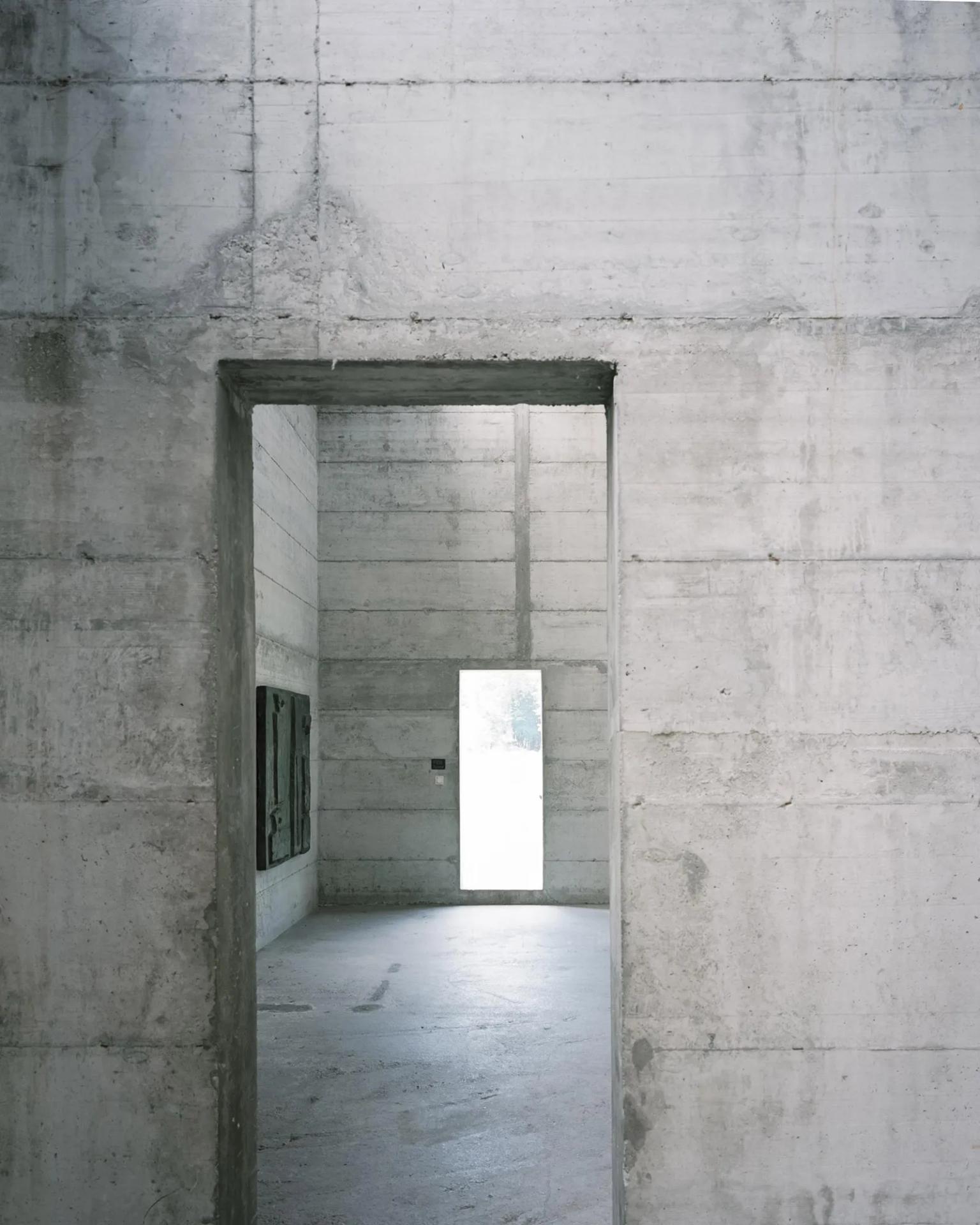
In La Congiunta, this grammar materializes as an elongated, introverted concrete volume positioned between the Ticino River and the railway north of the village. Rather than imitate the Romanesque churches and stone structures of the region, Märkli distilled their mass and permanence into a severe modern abstraction. Thick reinforced concrete walls, untreated and imprinted with wooden formwork, give the building a physical gravitas that feels both ancient and uncompromisingly contemporary. The material transcends its technical role; it acquires presence, weight, and silence.

A Choreography of Light and Space
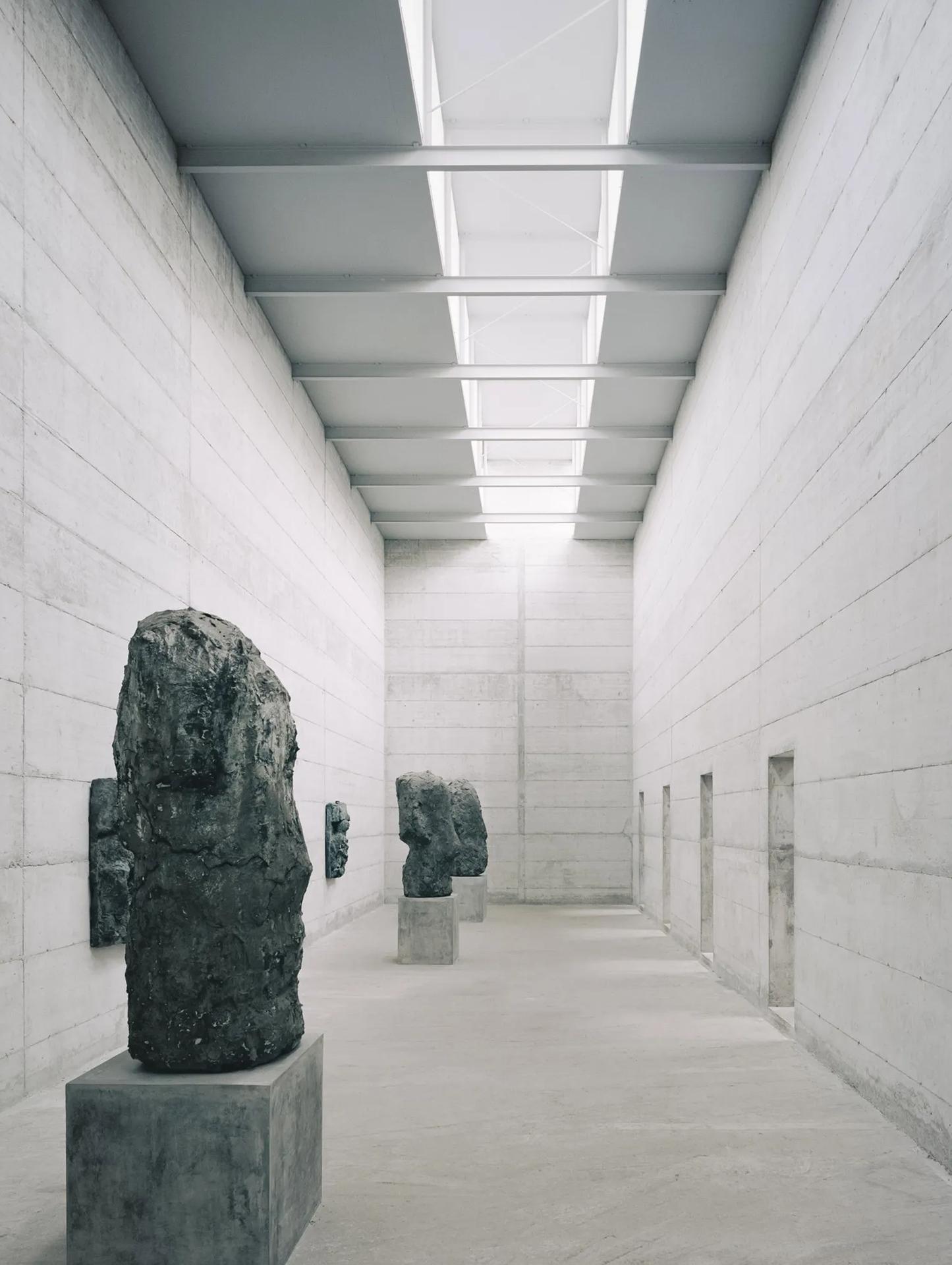
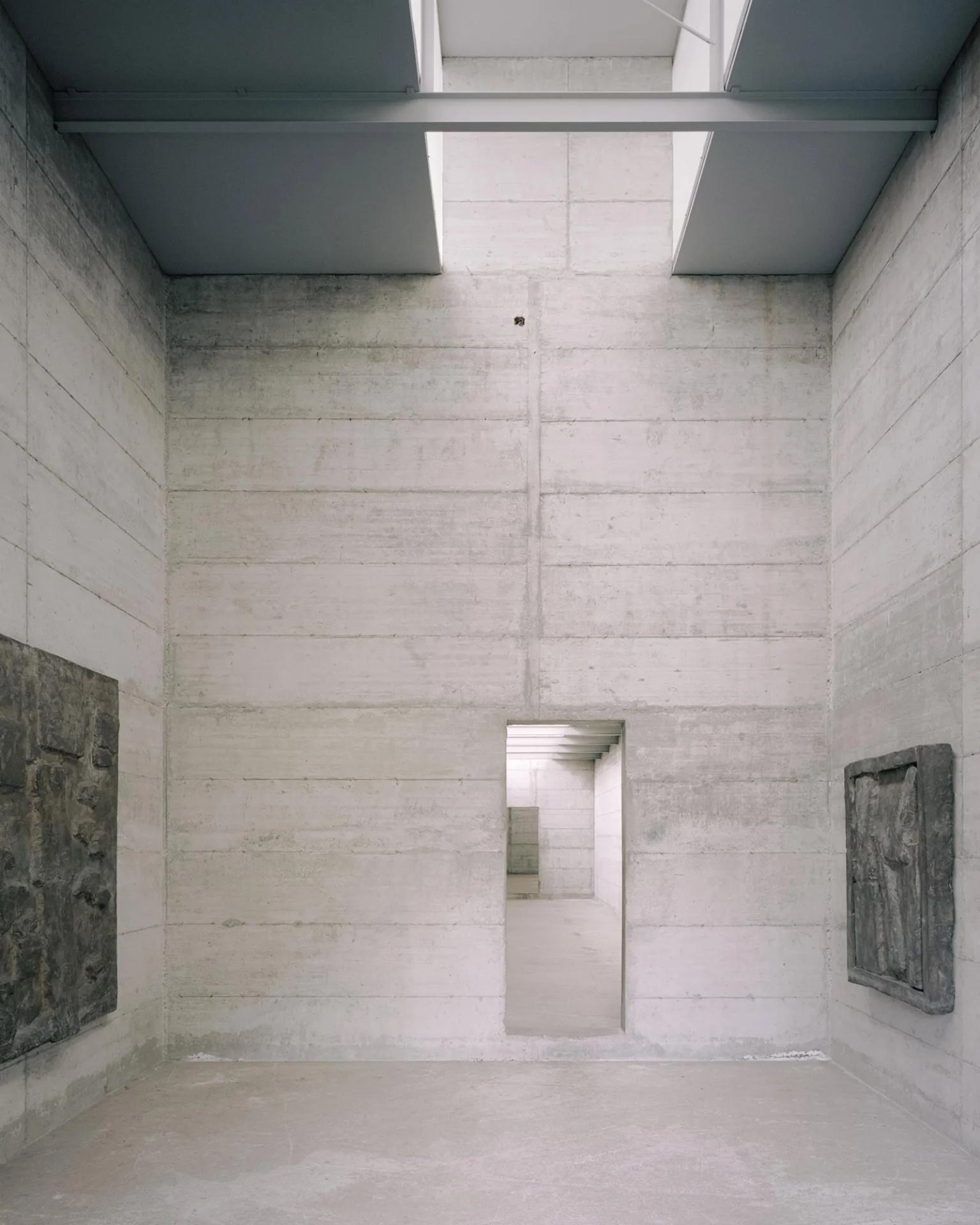
Entry is discreet - through a small door into a longitudinal sequence of three large interconnected rooms and four side cells aligned along a central axis. There is no introductory gesture. Instead, the visitor moves through calibrated compressions and expansions, a spatial narrative that oscillates between tension and release.
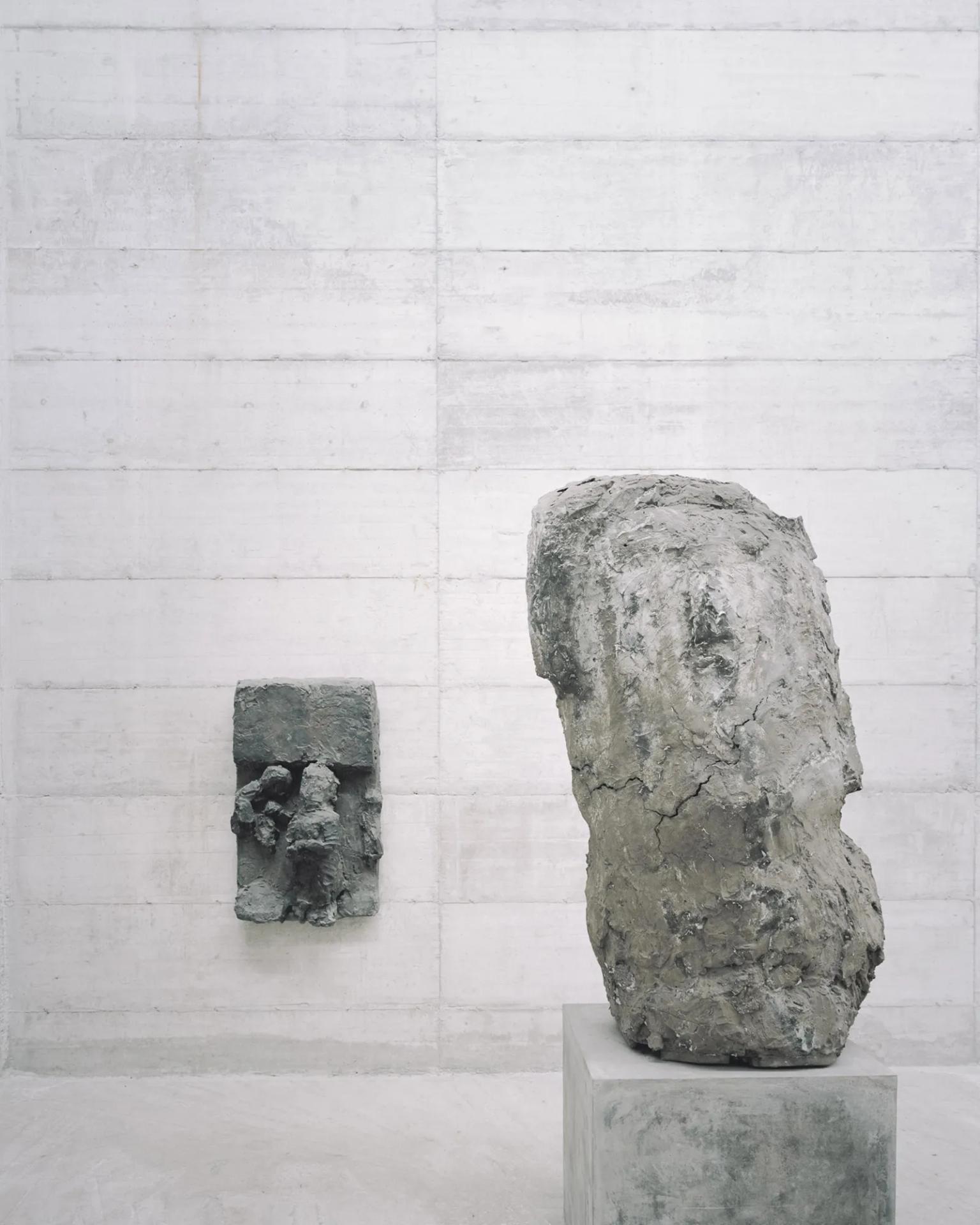
Natural light enters from above through roof openings and narrow slits. It falls vertically, washing the concrete walls before dissolving onto the floor. This immaterial light activates the rough surfaces and gives the interior a timeless atmosphere. From this subdued brightness, Josephsohn’s dark bronze and plaster figures emerge with remarkable intensity, as if simultaneously sheltered and revealed. The absence of artificial lighting, heating, and ventilation heightens sensory awareness; nothing distracts from the dialogue between body, sculpture, and space.


Two Sovereign Works
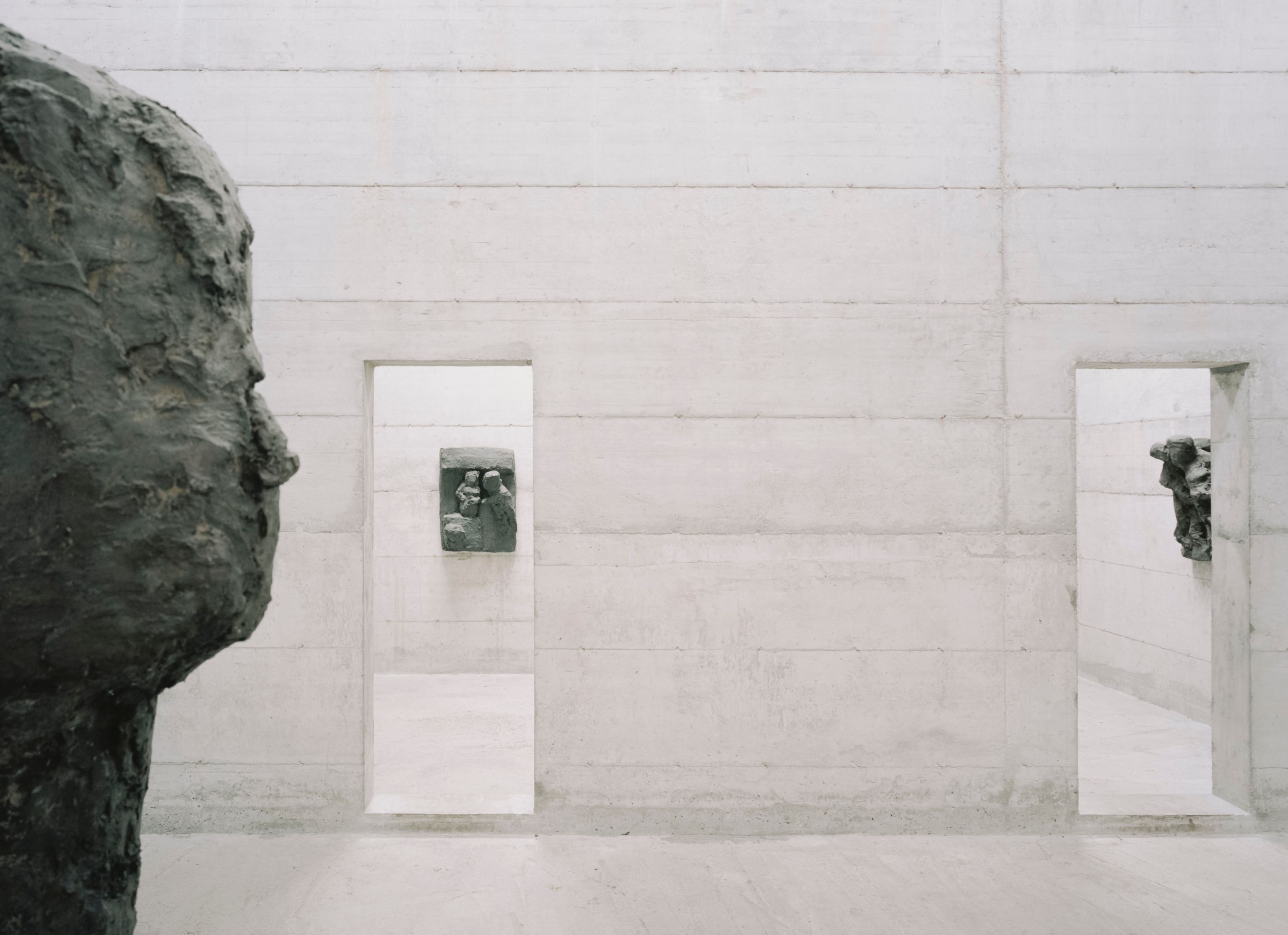
La Congiunta is not conceived as a total work of art. Rather, it reflects on how sculpture and architecture might define one another without collapsing into each other. Since the Renaissance, the two disciplines have remained distinct; here, Märkli proposes a meeting based on mutual autonomy. Architecture does not dominate the sculptures, nor does it dissolve into neutrality. Instead, two sovereign works encounter each other and achieve correspondence through a shared stance of restraint and gravity.
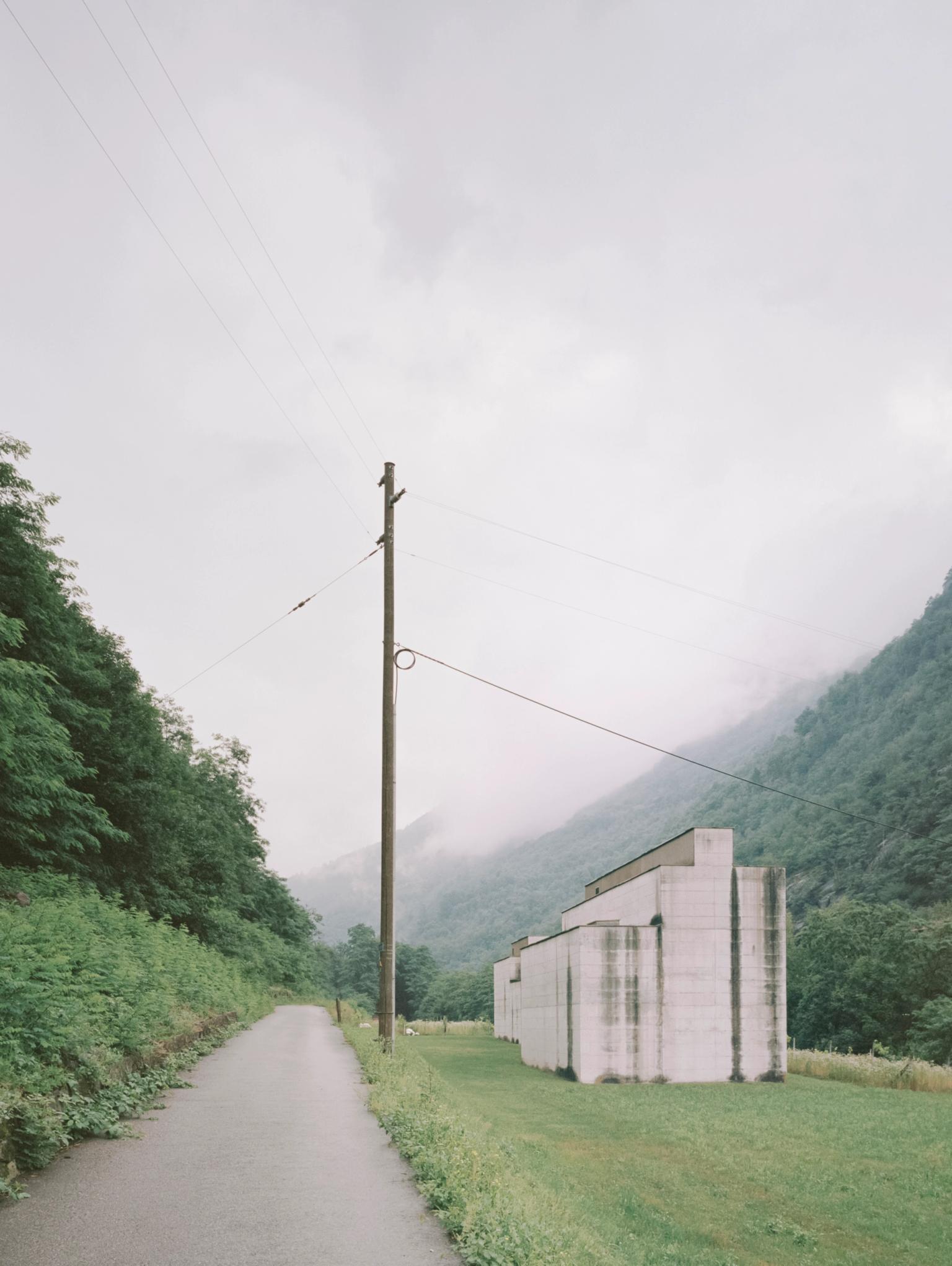

Though relatively unknown outside specialist circles, La Congiunta has become a touchstone within architectural discourse, a paradigm of phenomenological architecture and a counterpoint to spectacle-driven design. In Märkli’s oeuvre, it stands unmatched in its quiet radicalism: a rigorous meditation on mass, proportion, light, and the enduring relationship between art, landscape, and the self.