
Schultes Frank Architeckten
Krematorium Baumschulenweg
- ArchitectSchultes Frank Architeckten - Axel Schultes and Charlotte Frank
- PhotographerReinhard Görner
Linda Korndal I first encountered Krematorium Baumschulweg as a young architect; in retrospect, it has come to embody the path I ultimately pursued in my own career. From the moment one enters, the building instinctively shapes the emotional experience - subtly moving, quiet, and, in a wondrous way, still uplifting.

Krematorium Baumschulenweg - A Space For Silence
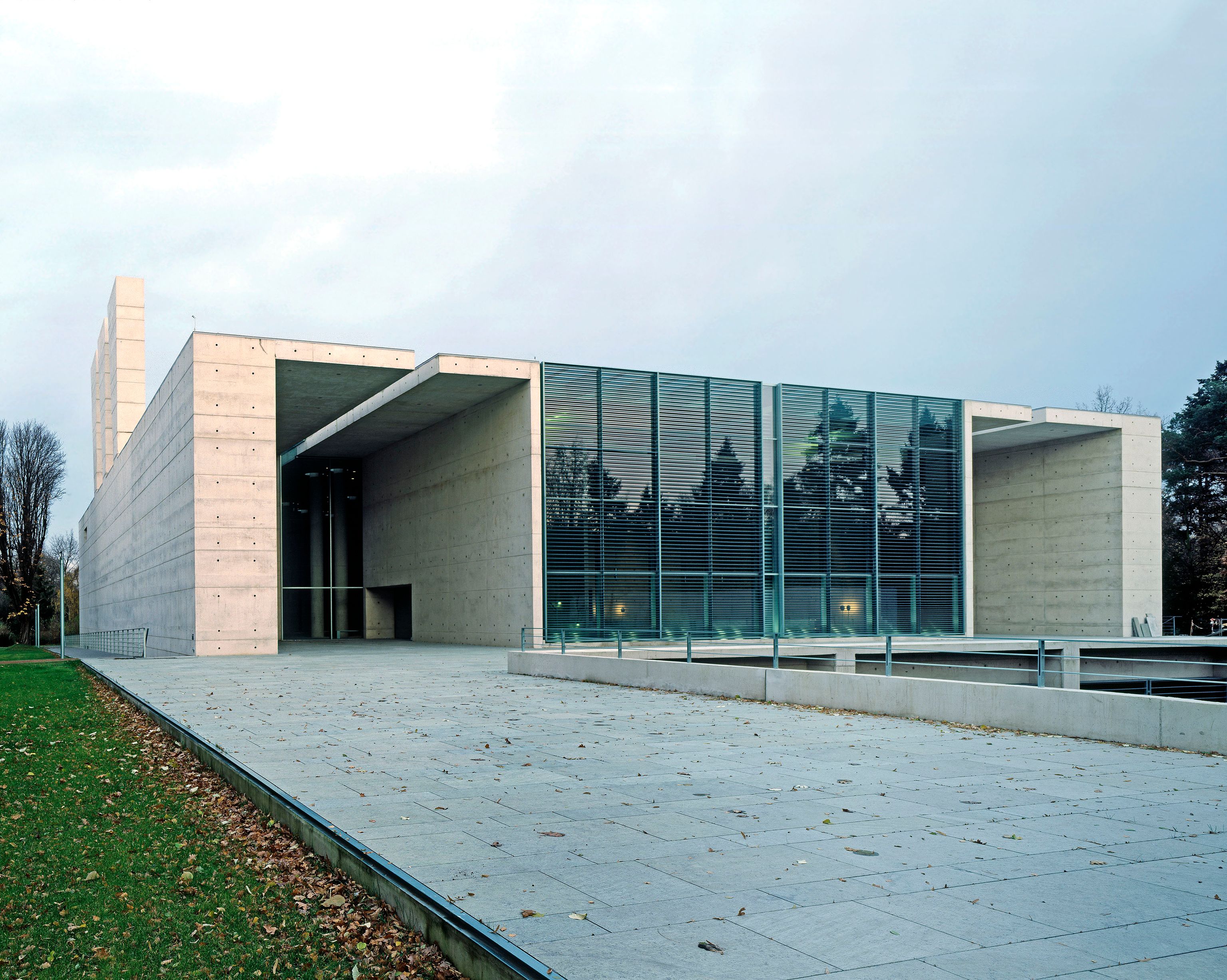
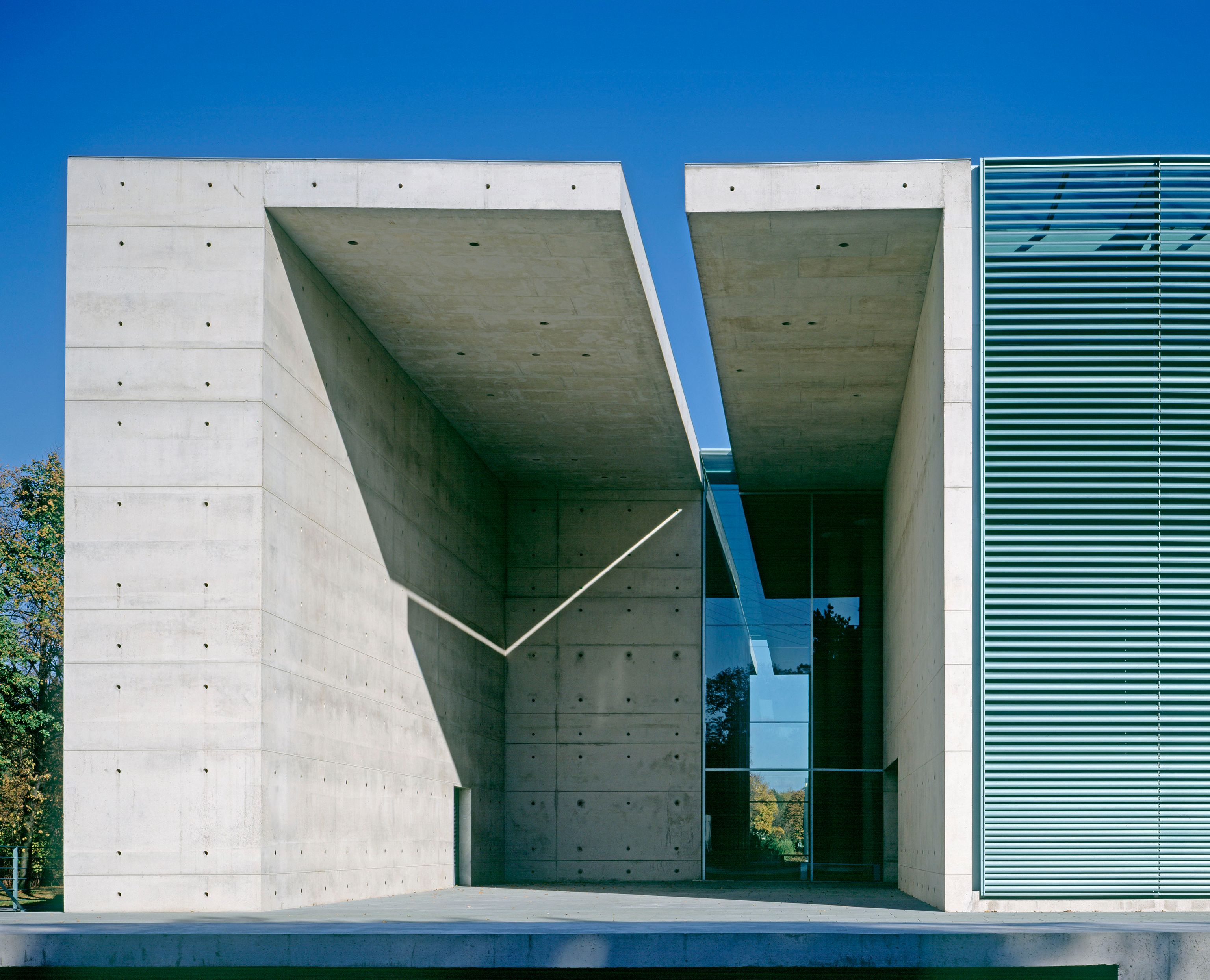
Krematorium Baumschulenweg, located in Berlin-Treptow, is a profound meditation on mortality and architectural restraint. Designed by Axel Schultes and Charlotte Frank, the crematorium offers visitors a place of rest and reflection, a sanctuary where silence and light dominate. The architects intentionally avoided overt ornamentation, creating spaces that are elemental yet deeply expressive. Here, the weight of death is acknowledged without theatrics: massive concrete walls, precise shadow lines, and monumental volumes form a restrained stage for grief, consolation, and contemplation.
Visitors encounter a balance between heaviness and relief, permanence and transience, a harmony that evokes both ancient tombs and modern sensibilities.

Architecture and Form
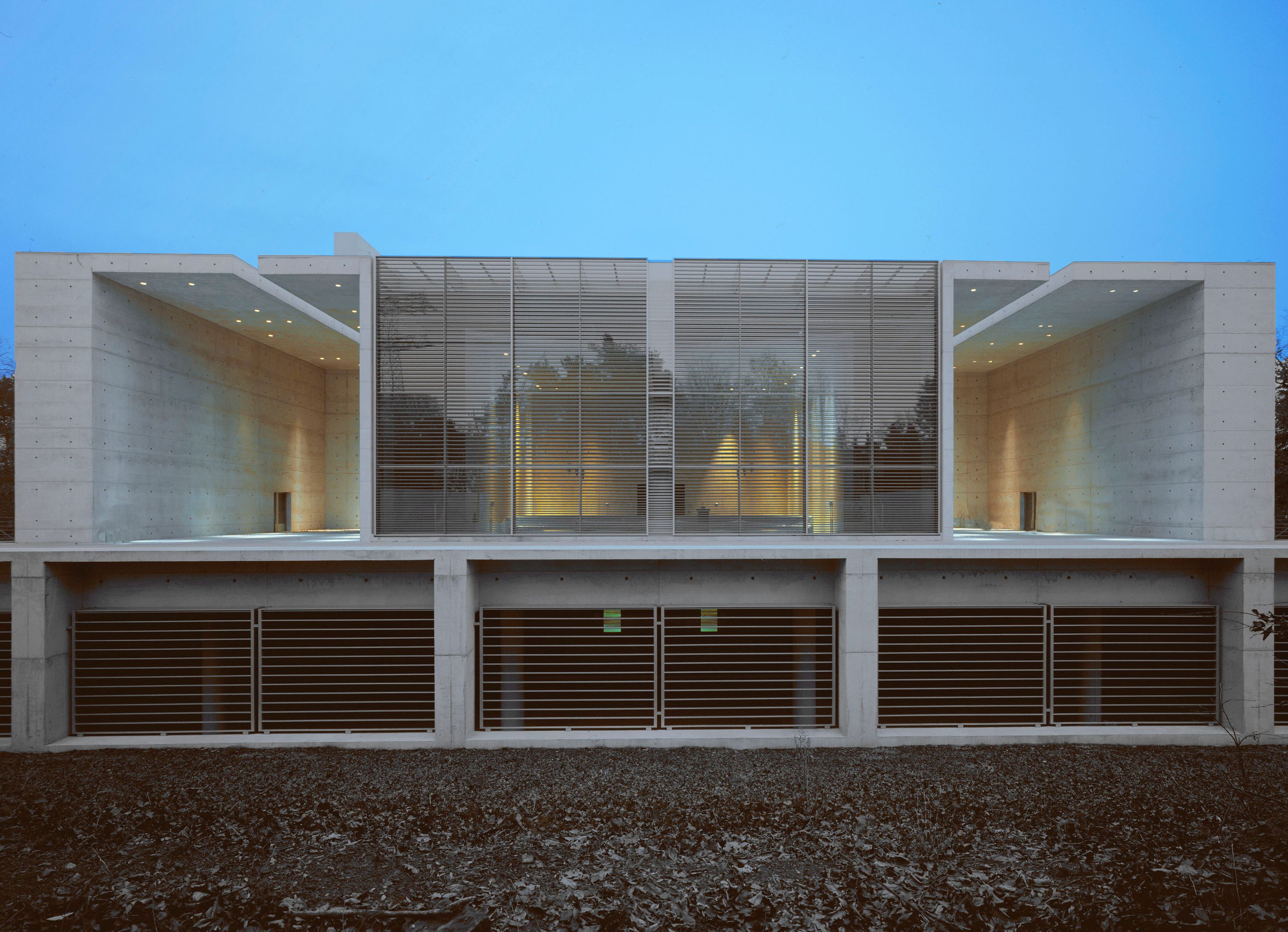
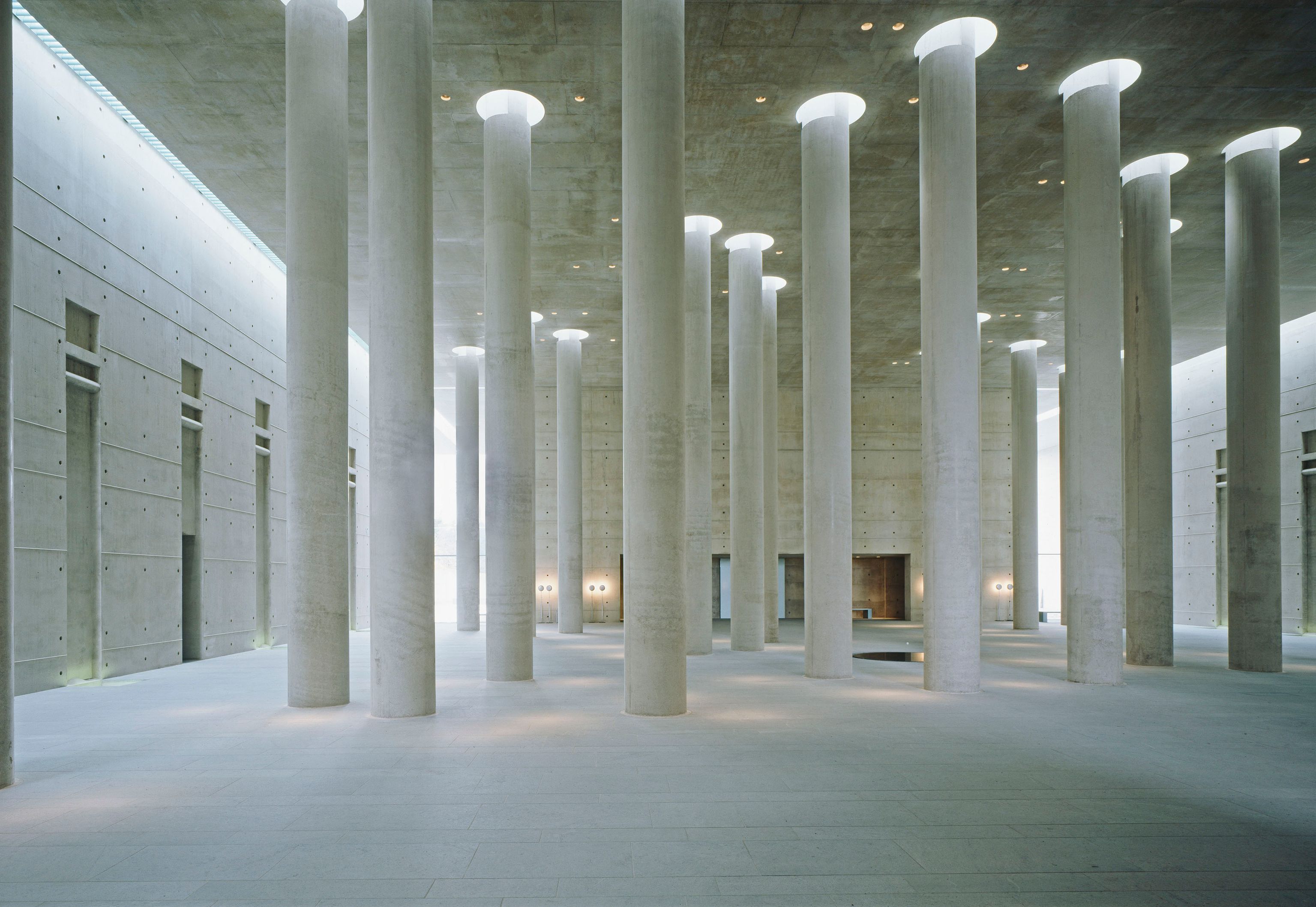
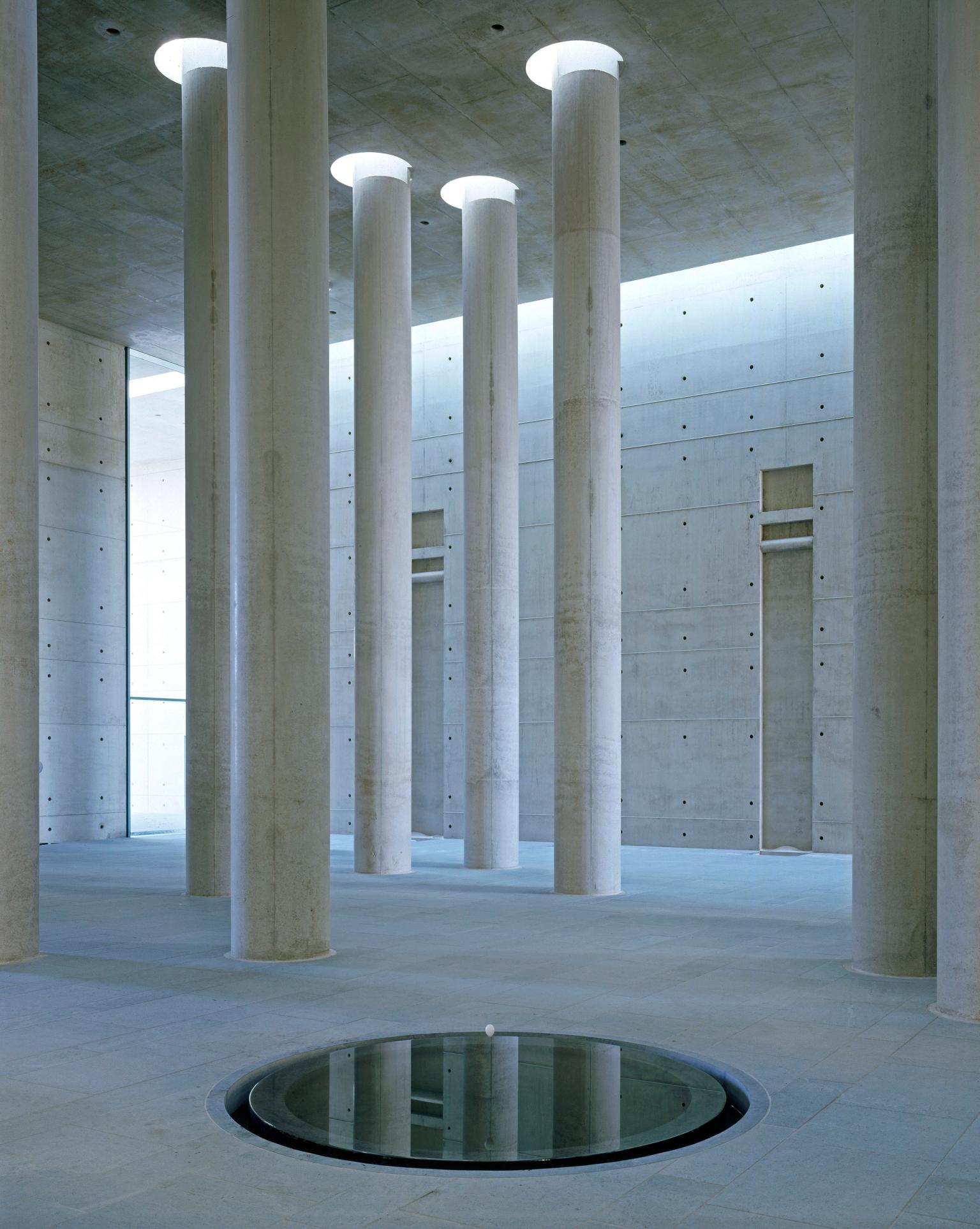
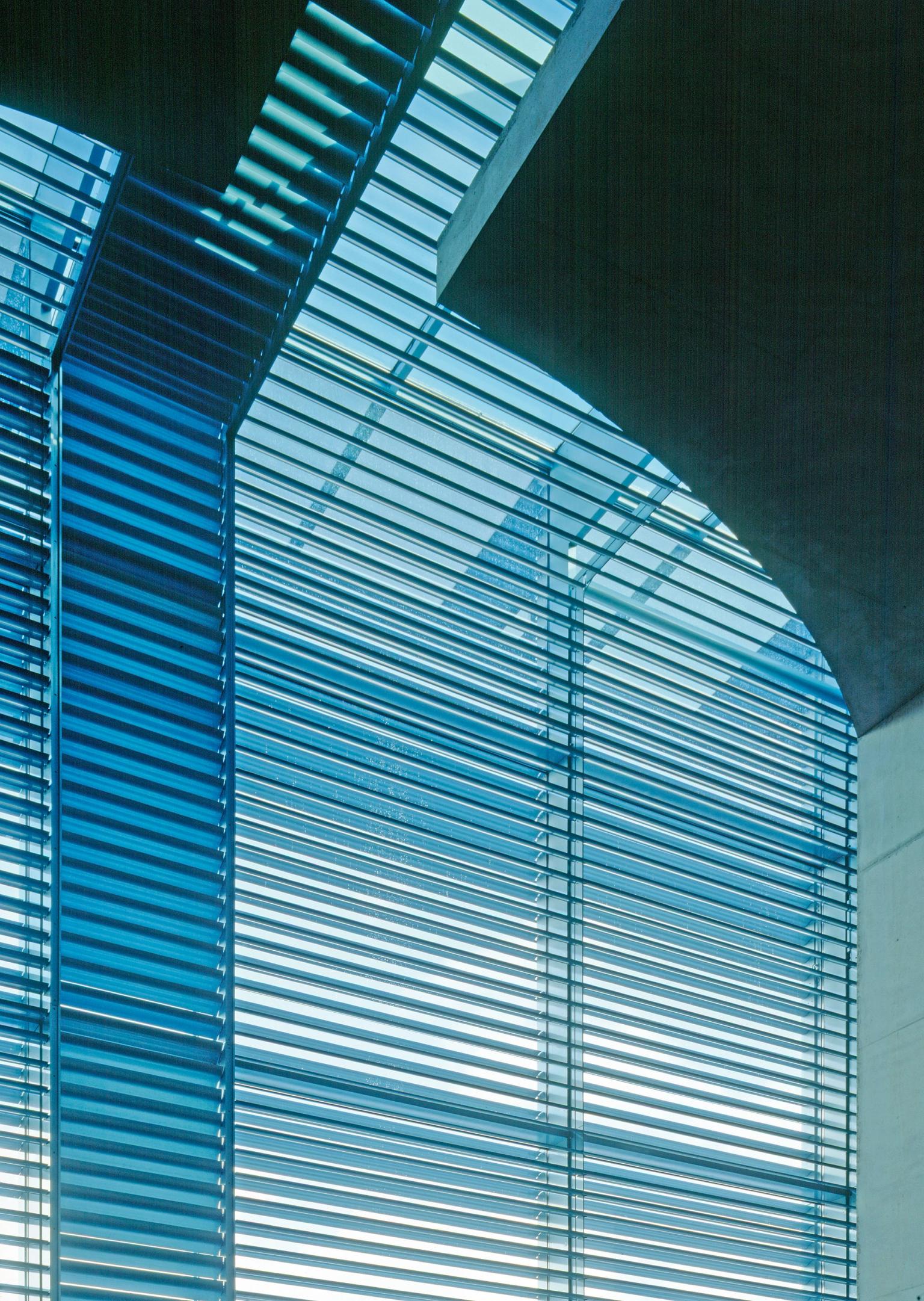
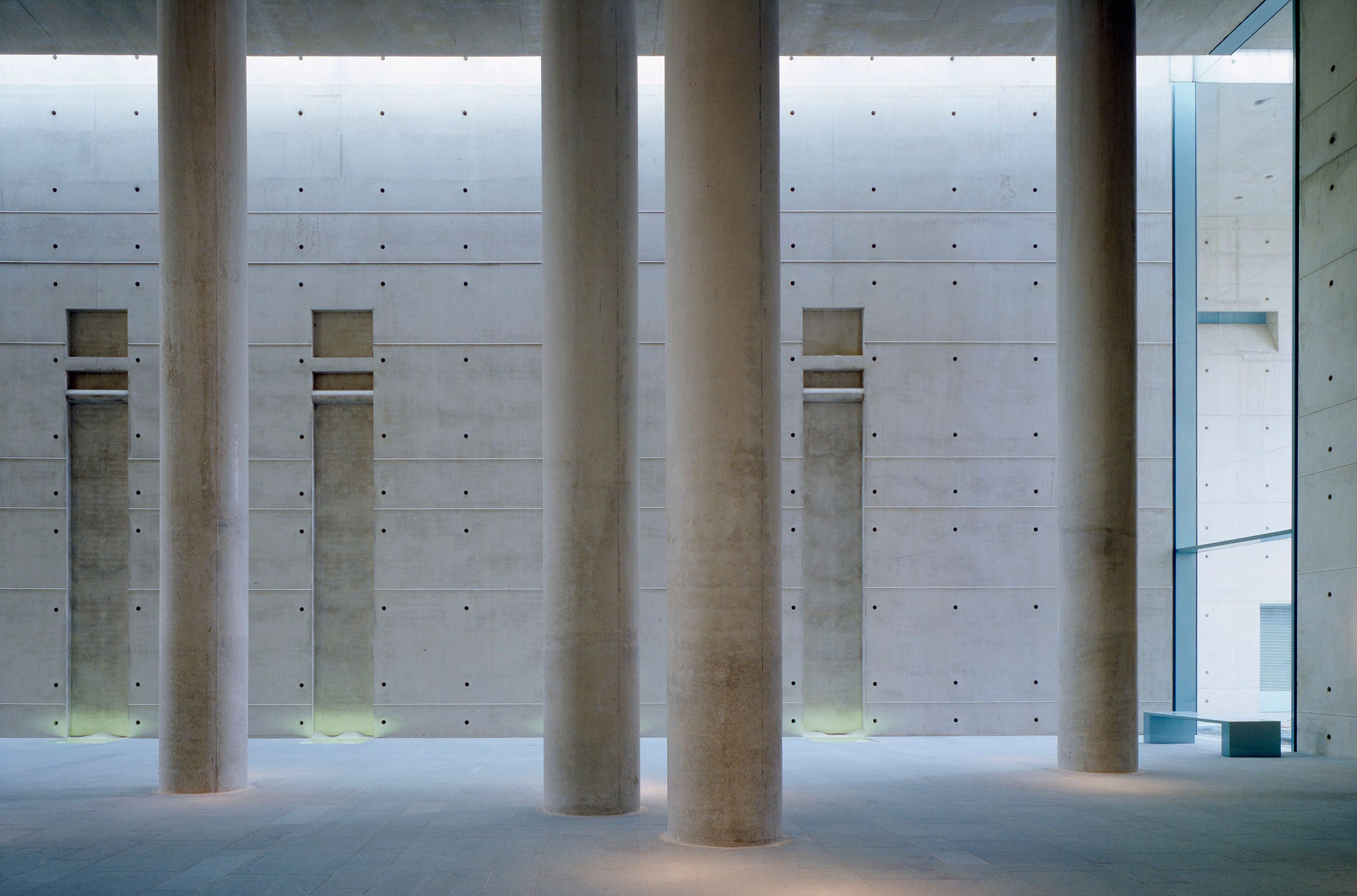
The building is a hollow, fugenless block measuring 50 by 70 meters, extending ten meters below and above ground. Its sculptural presence is defined by robust concrete walls, tall vertical columns, and carefully calibrated openings that channel daylight into interior spaces. The main hall is organized around a grid of 29 slender supports, grouped or spaced to create a dynamic rhythm, with circular apertures above that allow shafts of sunlight to animate the room. The exterior presents a simple, articulated concrete façade punctuated by recessed areas and green-metal lamellae that filter light, creating a subtle tension between inside and out. This interplay of mass, light, and material cultivates a sense of calm and awe, guiding visitors through the ceremonial experience.

Materiality and Atmosphere
Concrete is both medium and message in the crematorium. Smooth, light-grey surfaces convey permanence and serenity, while irregular panel heights and visible joints suggest natural stone, linking modern construction to ancient monumentality. Interior niches, sand-filled or illuminated, and carefully proportioned voids evoke timeless spaces, akin to classical burial chambers. The architects’ meticulous attention to texture, proportion, and light produces an environment where even silence is tangible. Daylight is not merely illumination but a participant in the ceremony, accentuating vertical forms, reflecting from water surfaces, and imbuing each ritual with a quiet, almost spiritual presence.

Ceremony and Spatial Experience
The crematorium houses multiple ceremonial halls accommodating 50 to 250 guests. Each hall is designed for solemnity and intimacy, with open glass façades and controlled light creating a dialogue between shadow and hope. The deceased, represented symbolically through coffin and urn, are already oriented toward the sky, linking the interior rituals to the natural world outside. The layout encourages both communal mourning and private reflection, allowing visitors to navigate the space according to personal and shared needs. The building also supports public cultural activities, including concerts and commemorative events, extending its function beyond ceremony into ongoing engagement with life, memory, and civic space.

Architectural Legacy
Completed in 1999, Krematorium Baumschulenweg exemplifies Schultes and Frank’s commitment to clarity, material integrity, and spatial rigor. Both architects are recognized for their influential works in Berlin, including the Bundeskanzleramt and Spreebogen, and this crematorium foreshadows their approach to monumental civic architecture. With its austere yet humane forms, mastery of light, and meticulous detailing, the building stands as a testament to modern funerary architecture – one that neither dramatizes death nor diminishes its gravity, but instead provides a framework for contemplation, dignity, and the subtle poetry of built space.