Charles Burnett
Killer of Sheep
- DirectorCharles Burnett
- CinematographerCharles Burnett
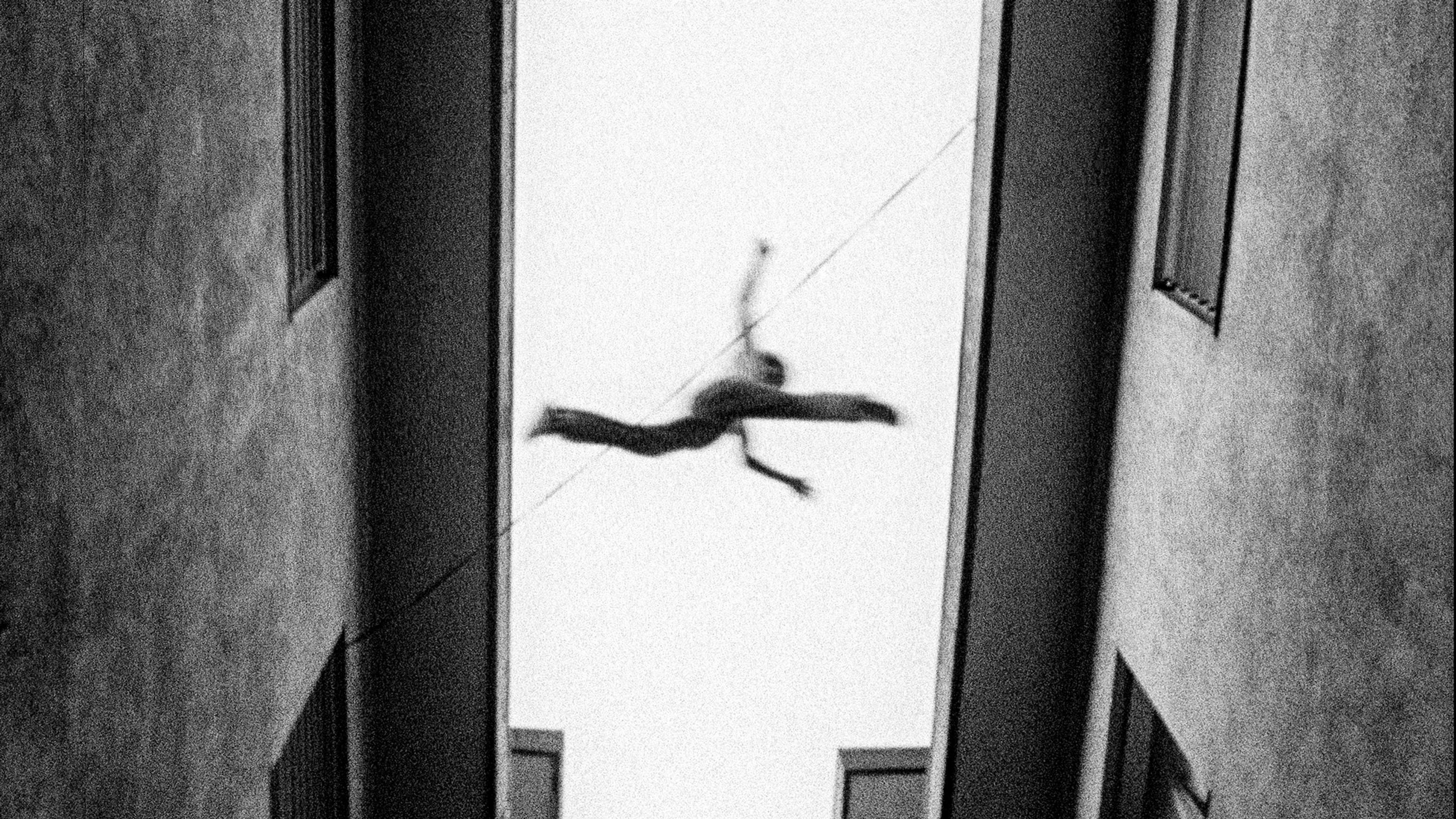
JASON EVANS I’d heard about Charles Burnett's Killer of Sheep long before I saw it. Plagued by music-clearance issues (and what a soundtrack it is), this tender 1978 masterpiece didn’t receive a commercial release until 2007. A cinematic counter-narrative that feels unassuming, yet grand, in its authentic exploration of resilience and beauty found within the everyday lives of Black working-class families in Los Angeles' Watts neighborhood. The film is so embedded in a documentary-like realism, that when asked how he made this masterpiece of neorealism, Burnett responded, “I don’t know, I just got raw stock and shot the film”.


Charles Burnett’s Killer of Sheep: The Quiet Power of Everyday Survival
When Killer of Sheep first appeared in 1978, it didn’t announce itself as a revolution. There was no dramatic plot, no heroic arc, no grand statement. Instead, Charles Burnett offered something far rarer in American cinema: a patient, intimate look at Black working-class life as it is lived day to day. Made as Burnett’s UCLA thesis film, Killer of Sheep would later be recognized as one of the most important independent films in U.S. history - but its power lies in how quietly it speaks.
A Film Born from Watts, Not Hollywood
Burnett grew up in Watts, Los Angeles, and the film draws directly from his own memories and surroundings. Created within the context of the LA Rebellion, a movement of Black filmmakers rejecting Hollywood stereotypes, Killer of Sheep focuses on ordinary people rather than sensational narratives of crime or triumph. Burnett wanted to show life as it felt: fragmented, repetitive, tender, and heavy all at once.
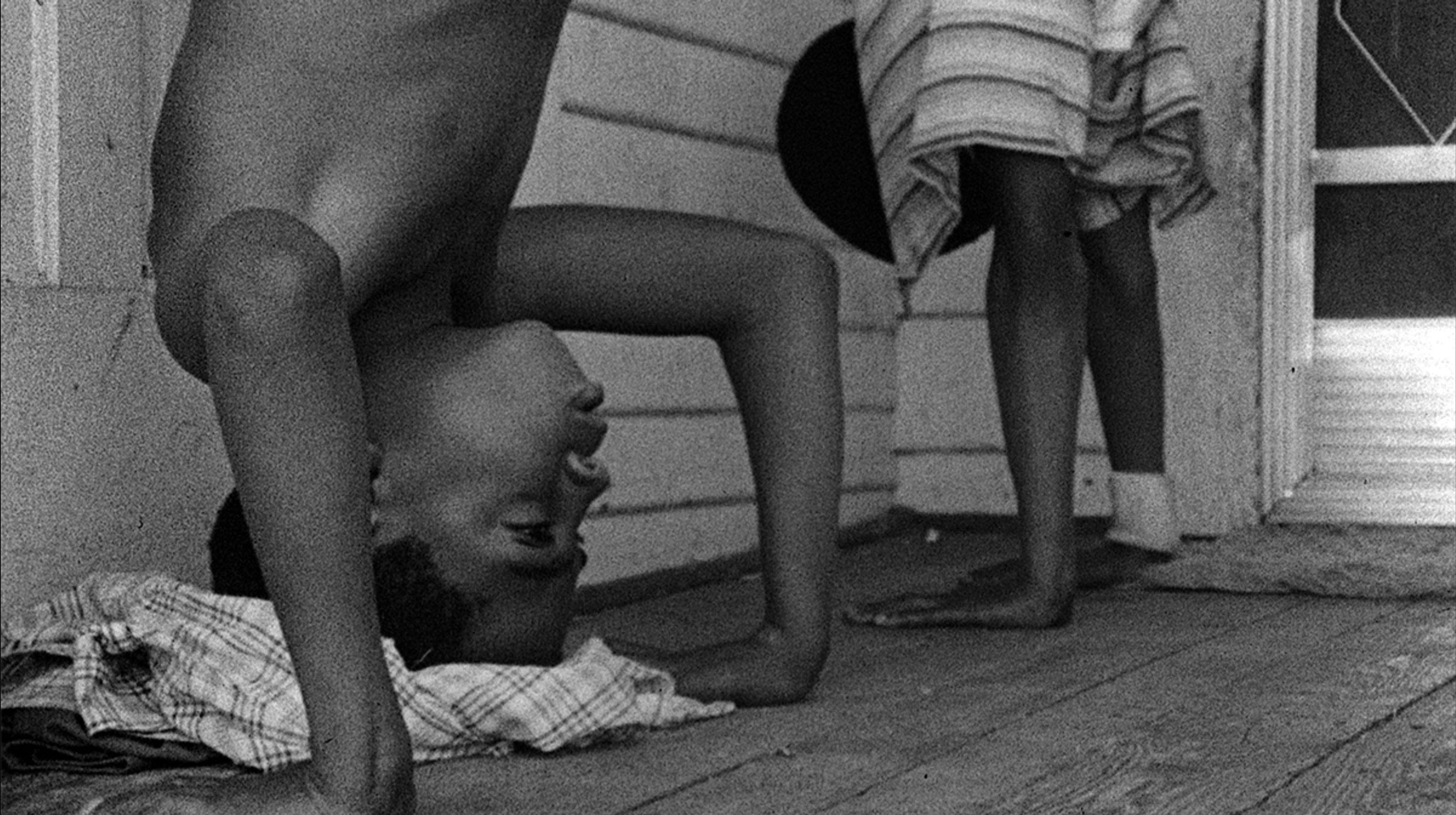
Shot in black and white on a minimal budget, the film uses nonprofessional actors - friends, neighbors, family members - giving it a texture closer to lived experience than performance. The result feels less like a scripted drama and more like a collection of observed moments.

Work, Weariness, and the Meaning of the Title
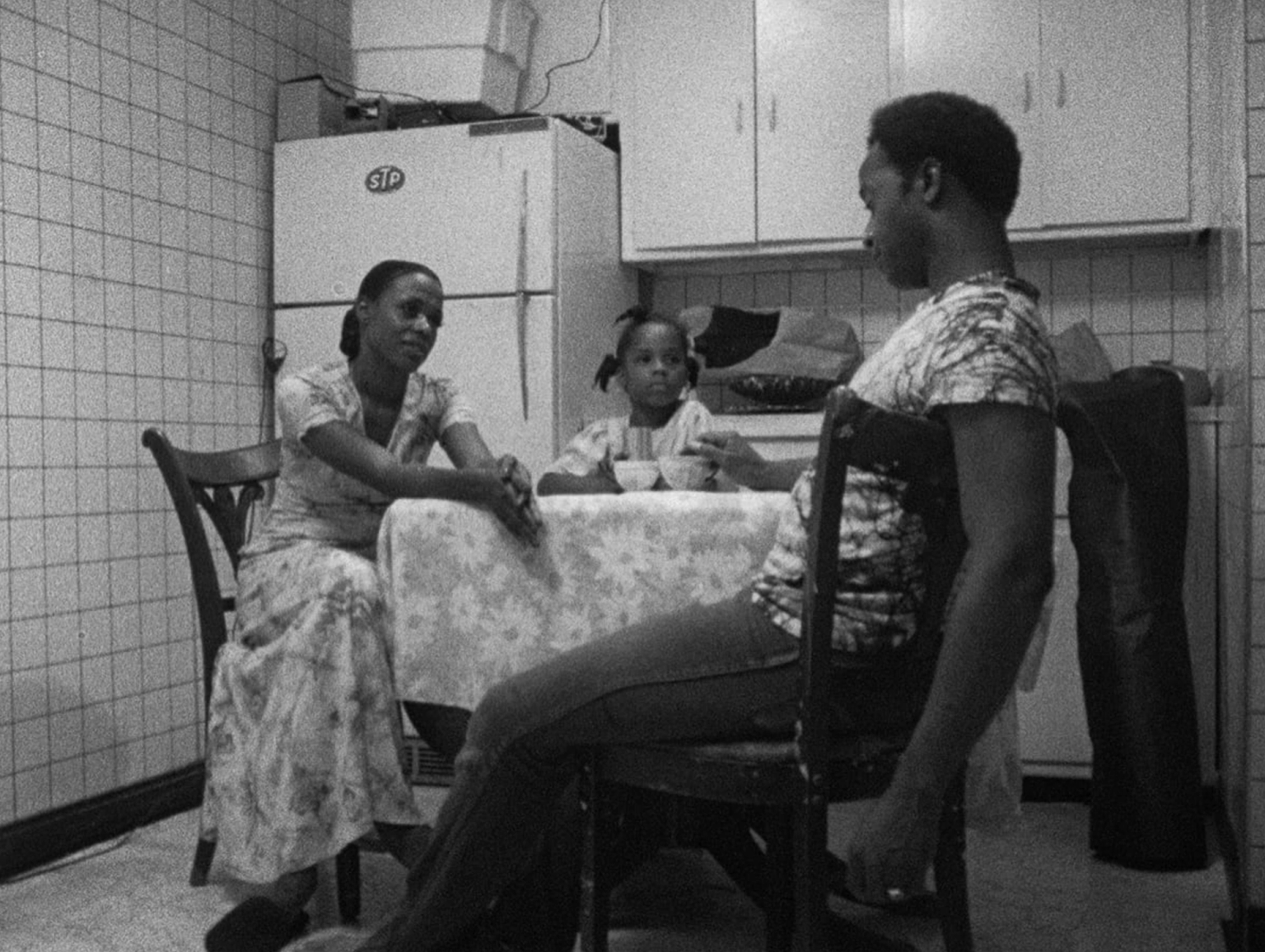
The story centers loosely on Stan, a slaughterhouse worker whose job is killing sheep. He is not violent by nature; he is quiet, thoughtful, and emotionally worn down. Burnett uses Stan’s work as a metaphor rather than a plot device. The sheep represent people trapped in systems that drain them slowly - economic pressure, limited opportunity, and emotional fatigue.
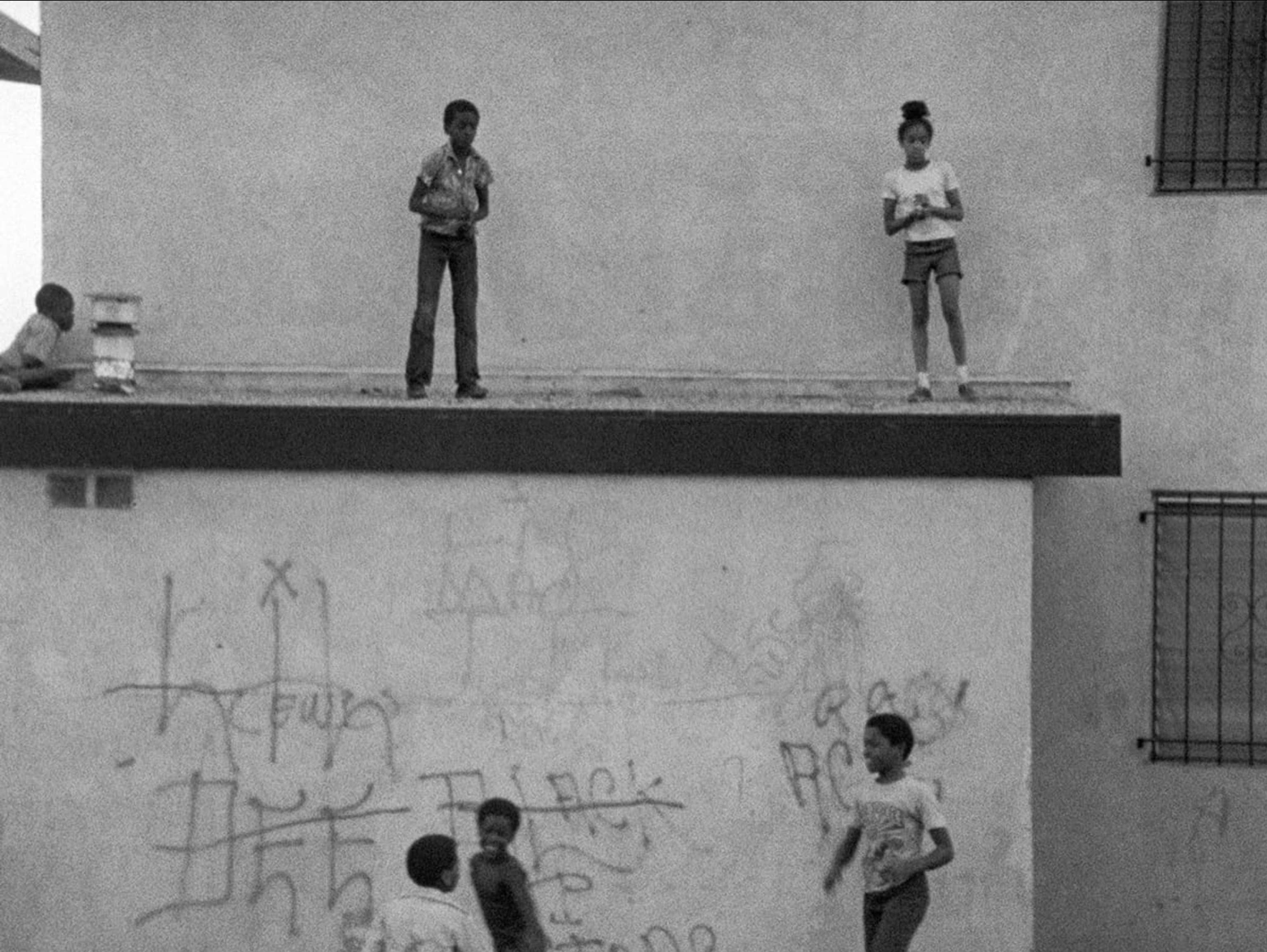
There is no conventional narrative arc. Instead, the film unfolds through vignettes: Stan’s strained marriage, his moments of silence, children turning abandoned lots into playgrounds. Burnett is less interested in escape than endurance - how people continue living when hope feels distant but life insists on going on.
Poetry in the Ordinary
Stylistically, Killer of Sheep draws from Italian neorealism, especially filmmakers like Vittorio De Sica, but Burnett’s voice is distinctly his own. Music - blues, jazz, gospel - flows through the film, functioning as emotional memory rather than soundtrack. These songs connect personal struggle to a longer cultural history, giving depth to moments that might otherwise seem small.
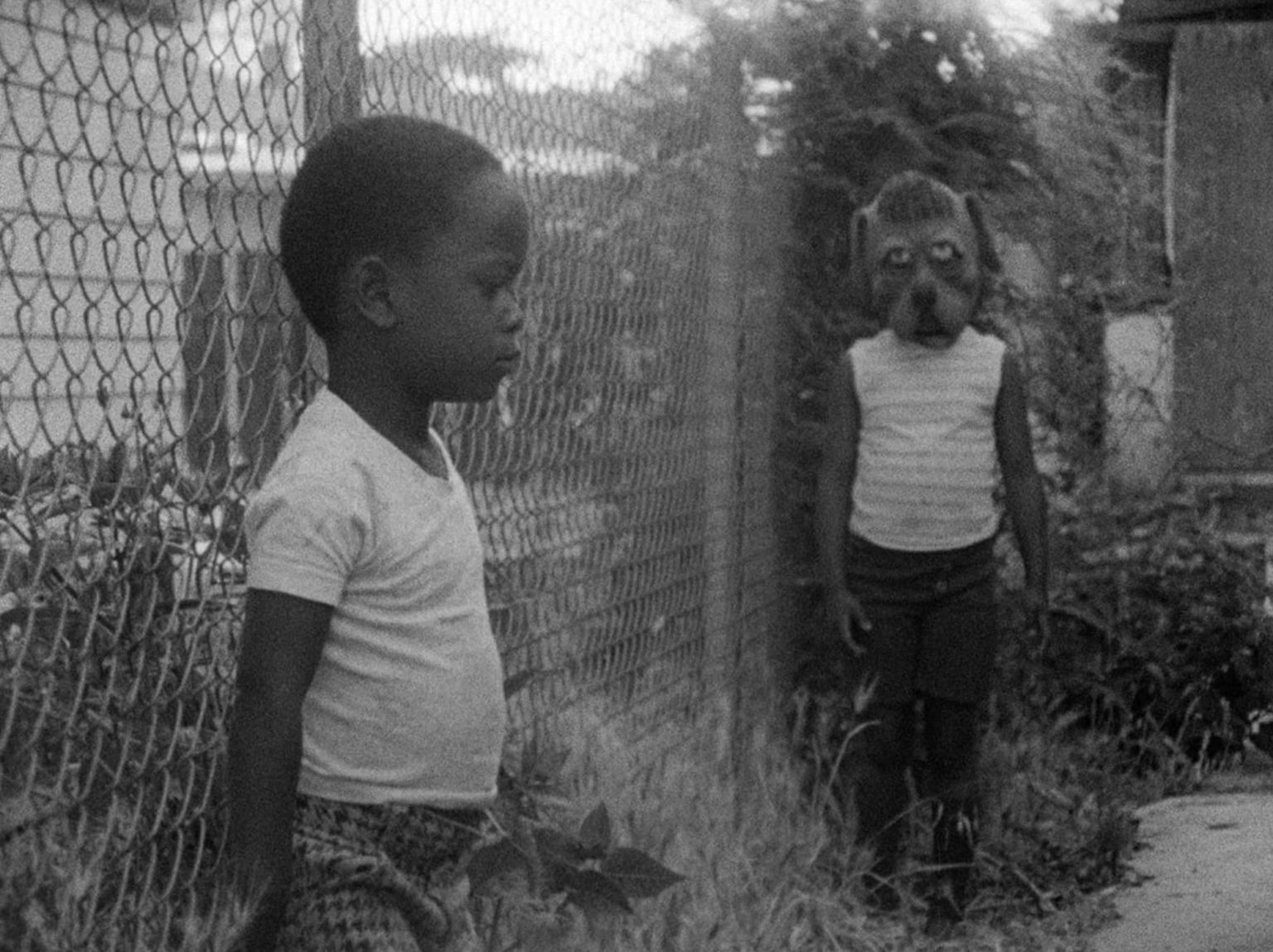
The children in the film are especially crucial. Their laughter, games, and curiosity stand in contrast to the adults’ exhaustion, suggesting resilience without romanticizing hardship. Burnett neither condemns nor sentimentalizes poverty; he observes it with clarity and compassion.
Decades after its creation - delayed in recognition due to unresolved music rights - Killer of Sheep remains profoundly relevant. It reminds us that cinema doesn’t need spectacle to be political, and that simply paying attention to lives often ignored can be a radical act.