
Kawai Kanjiro
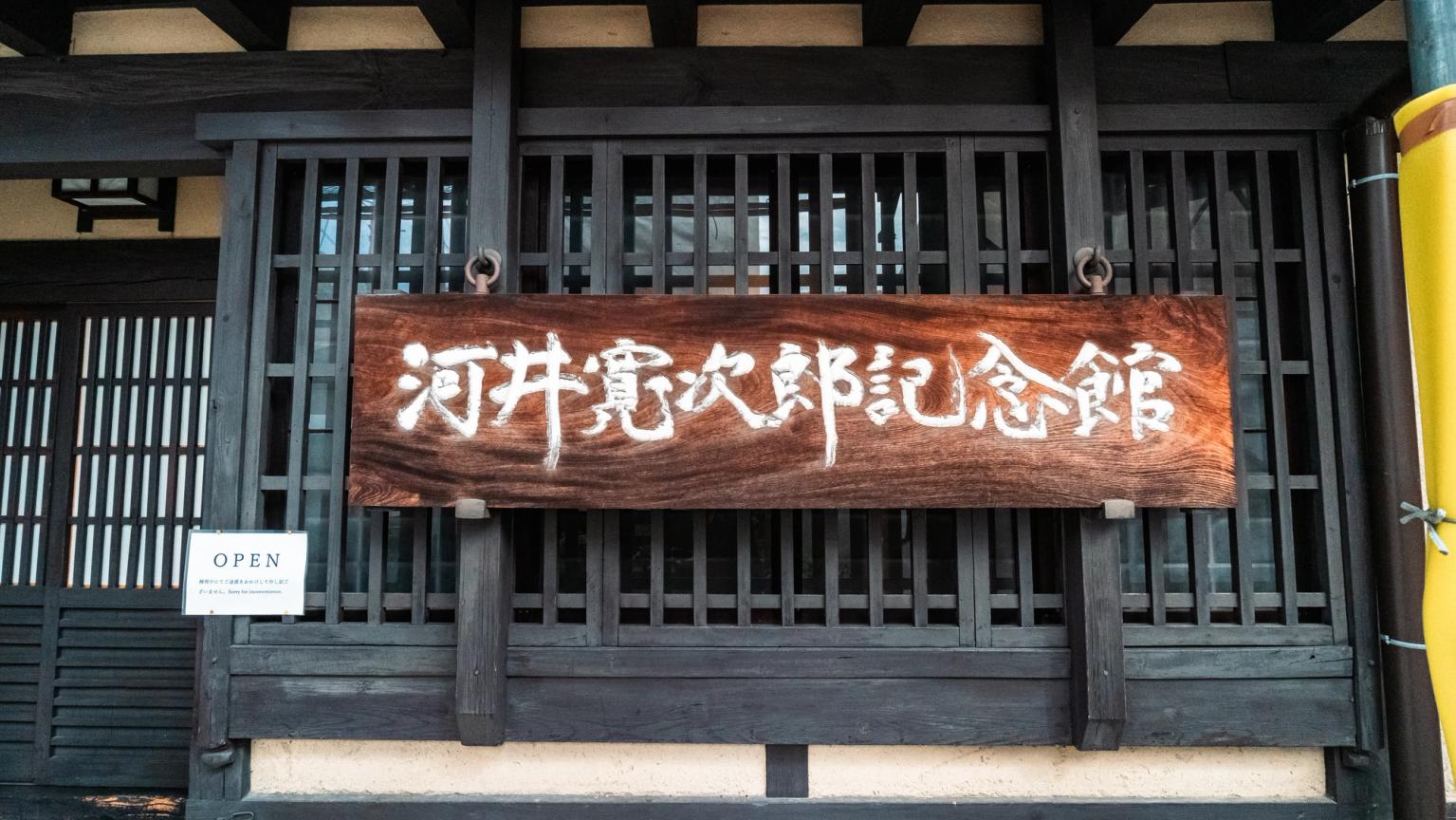
Kawai Kanjiro's House
- ArchitectKanjiro Kawai
- CreditGenji Kyoto
Thomas Lykke If you’re into Japanese aesthetics, the House of Kanjiro Kawai is almost like a pilgrimage for architecture and design lovers. One of the fathers of the Mingei movement, Kawai created a space that continues to inspire. We been there three times and keep coming back, to learn and to open our minds to a philosophy from the past that feels more relevant than ever.

An Artist’s Home, A World of Craft
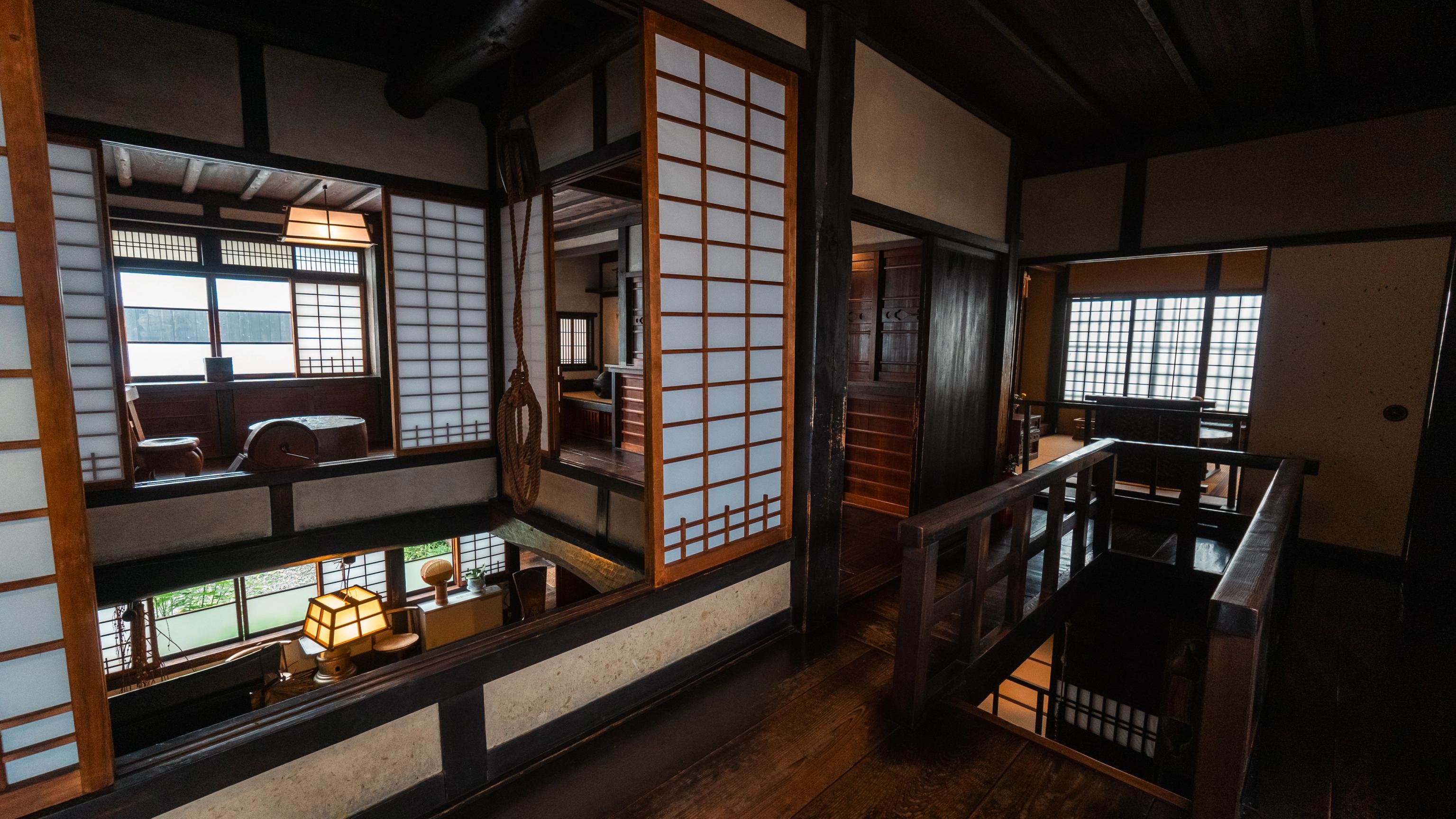
Kawai Kanjiro’s House in Kyoto is not a typical museum, but a preserved lived-in environment that still carries the rhythm of its original owner’s life. Built in the 1930s by Kawai Kanjiro (1890–1966), the house was both his residence and working studio, designed by the artist himself as an extension of his philosophy. Kanjiro was a central figure in the Japanese Mingei movement, alongside thinkers like Sōetsu Yanagi and potter Shoji Hamada, which elevated everyday craft and anonymous makers as a counterpoint to industrial production and elite fine art.
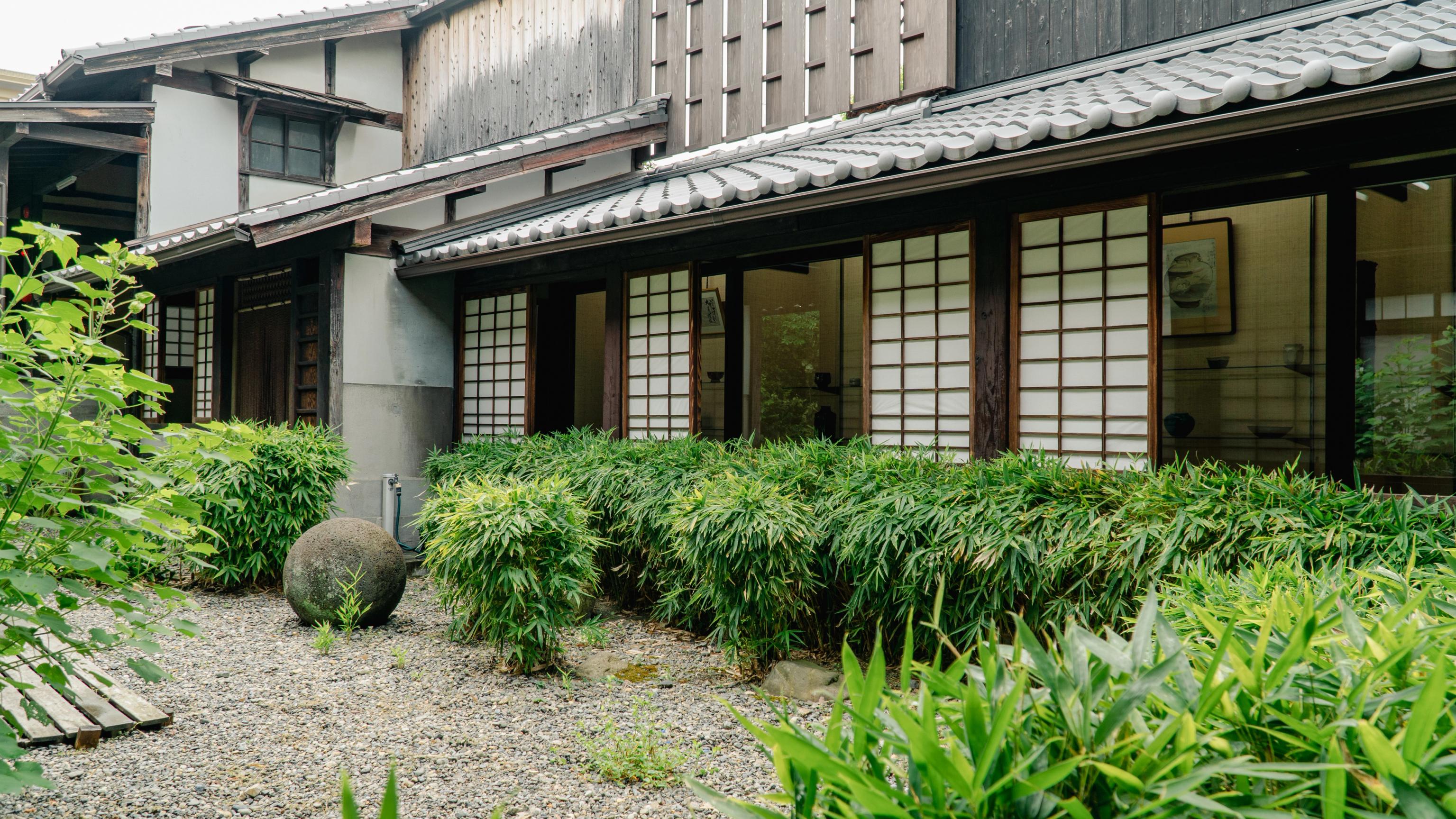

The house reflects this worldview in its very structure: part Kyoto machiya townhouse, part rural home, blending traditional Japanese architecture with subtle Western influences. Rather than presenting objects behind glass, the house itself becomes the artwork, an immersive expression of how Kanjiro believed life and making should be inseparable.
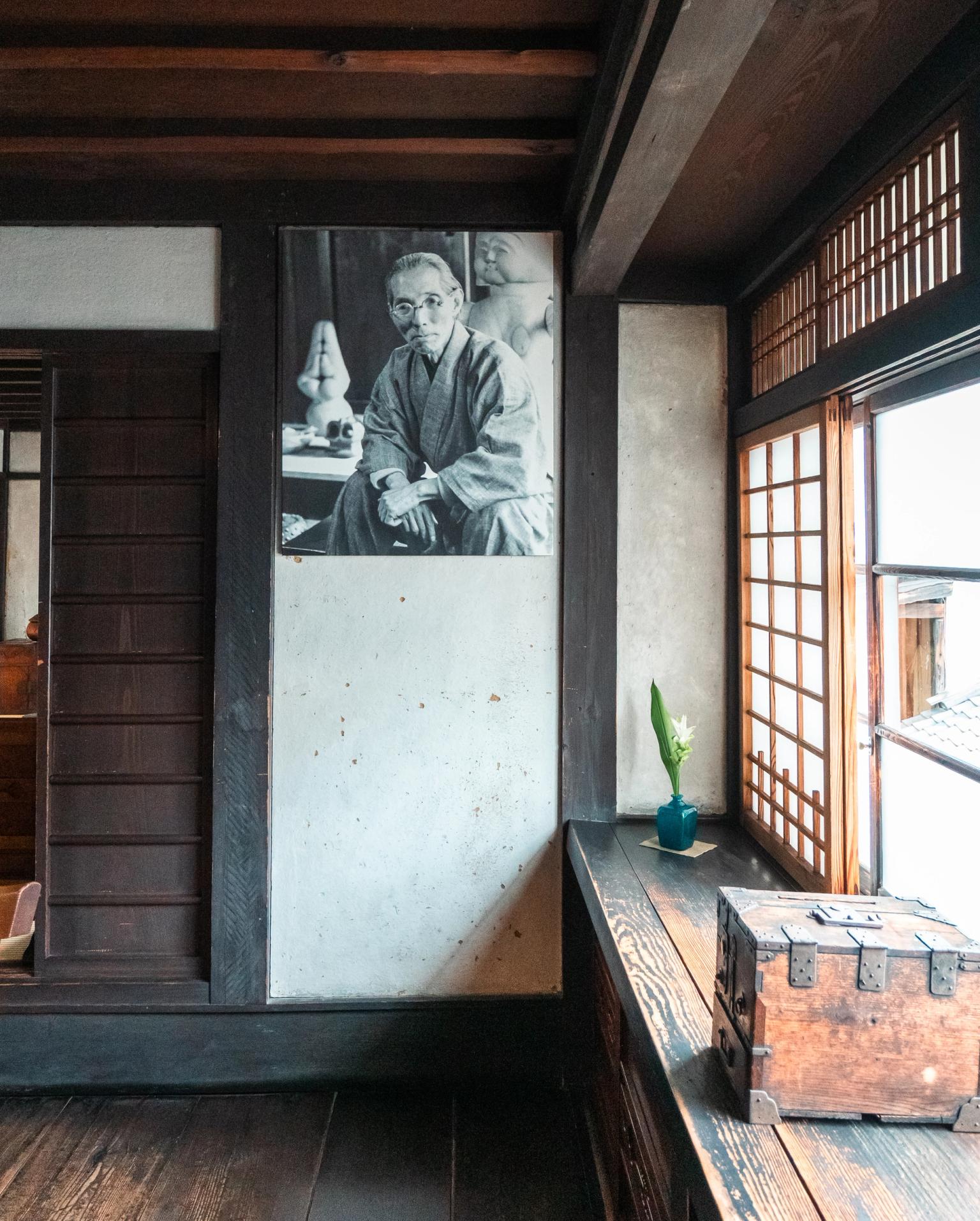

Kawai Kanjiro
Kawai Kanjiro was a potter, sculptor, calligrapher, and philosopher whose influence reached far beyond ceramics. He rejected hierarchy in art and famously declined official honours, including being named a Living National Treasure, insisting instead that his work should stand without signature. His philosophy was grounded in humility and direct engagement with materials, clay, wood, fire, and with the people who made everyday objects.
As his granddaughter Sagi Tamae later described him, he had “the eyes of a scientist and the heart of a poet,” a balance that defined both his practice and his home. His life was deeply connected to community-based kiln culture in Kyoto, where shared climbing kilns (noborigama) were fired collectively at extreme temperatures, producing unpredictable yet deeply human results. When those kilns were later shut down in the city, it marked the end of an era that had shaped Kanjiro’s entire creative environment.
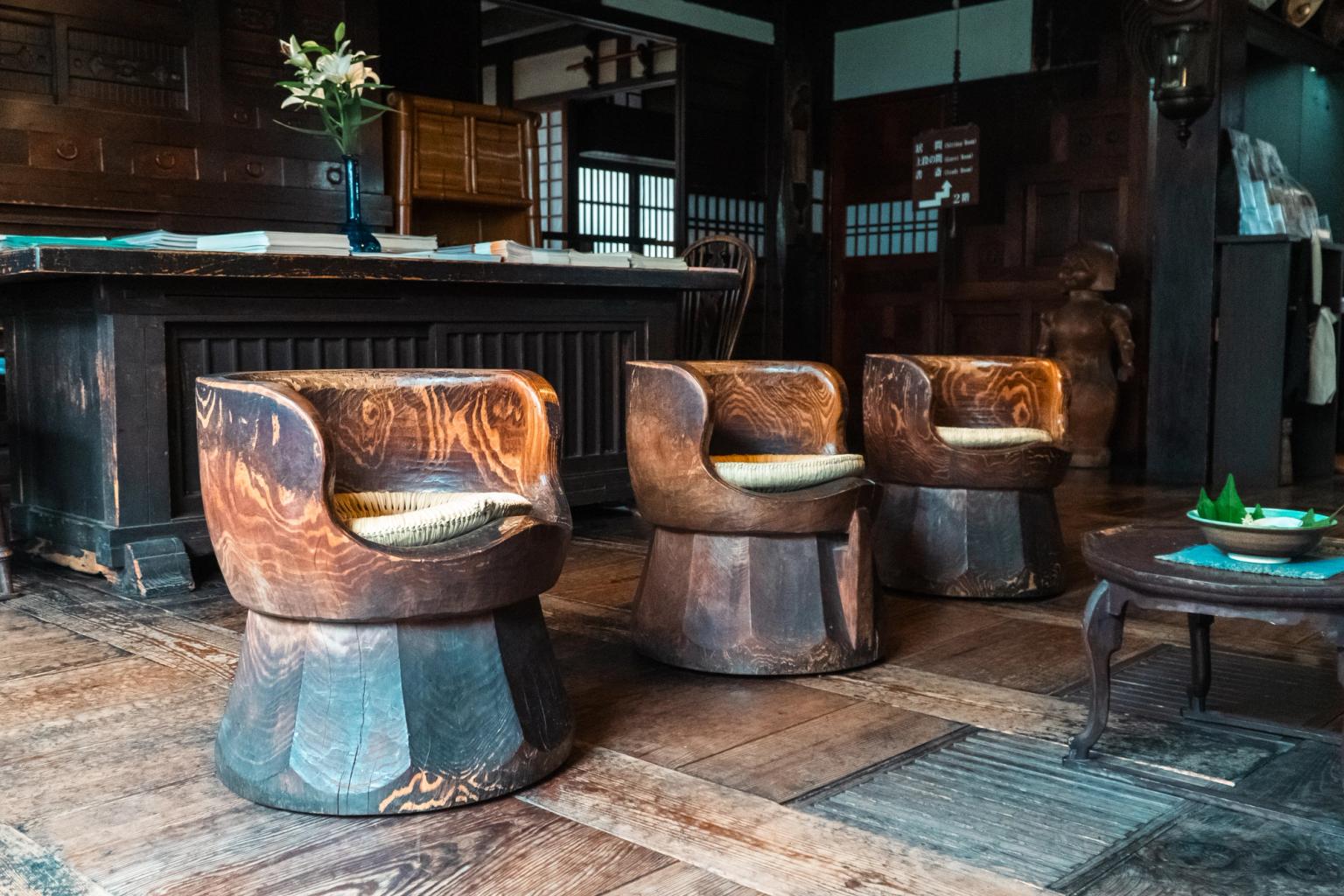

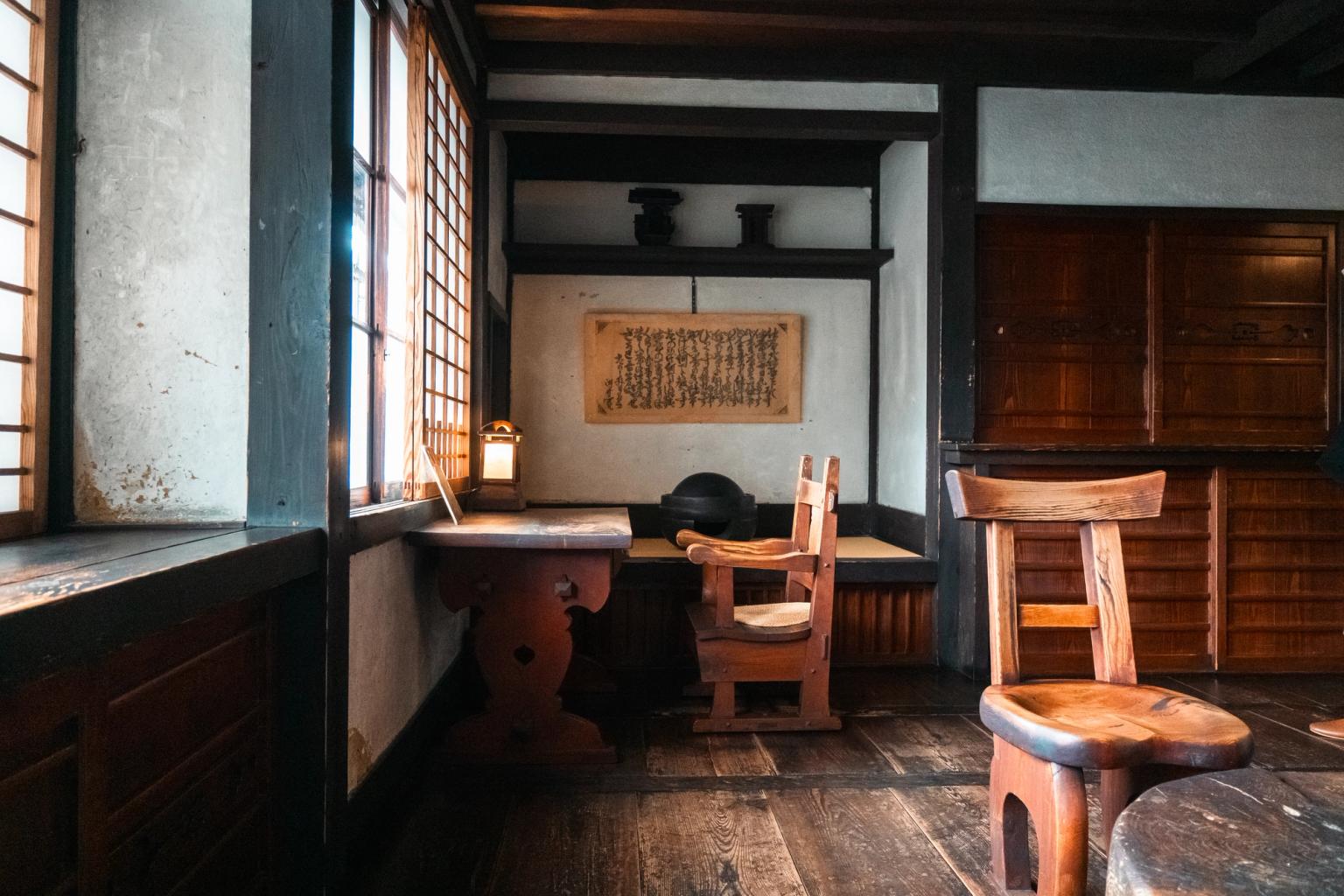

Architecture as a Living Philosophy
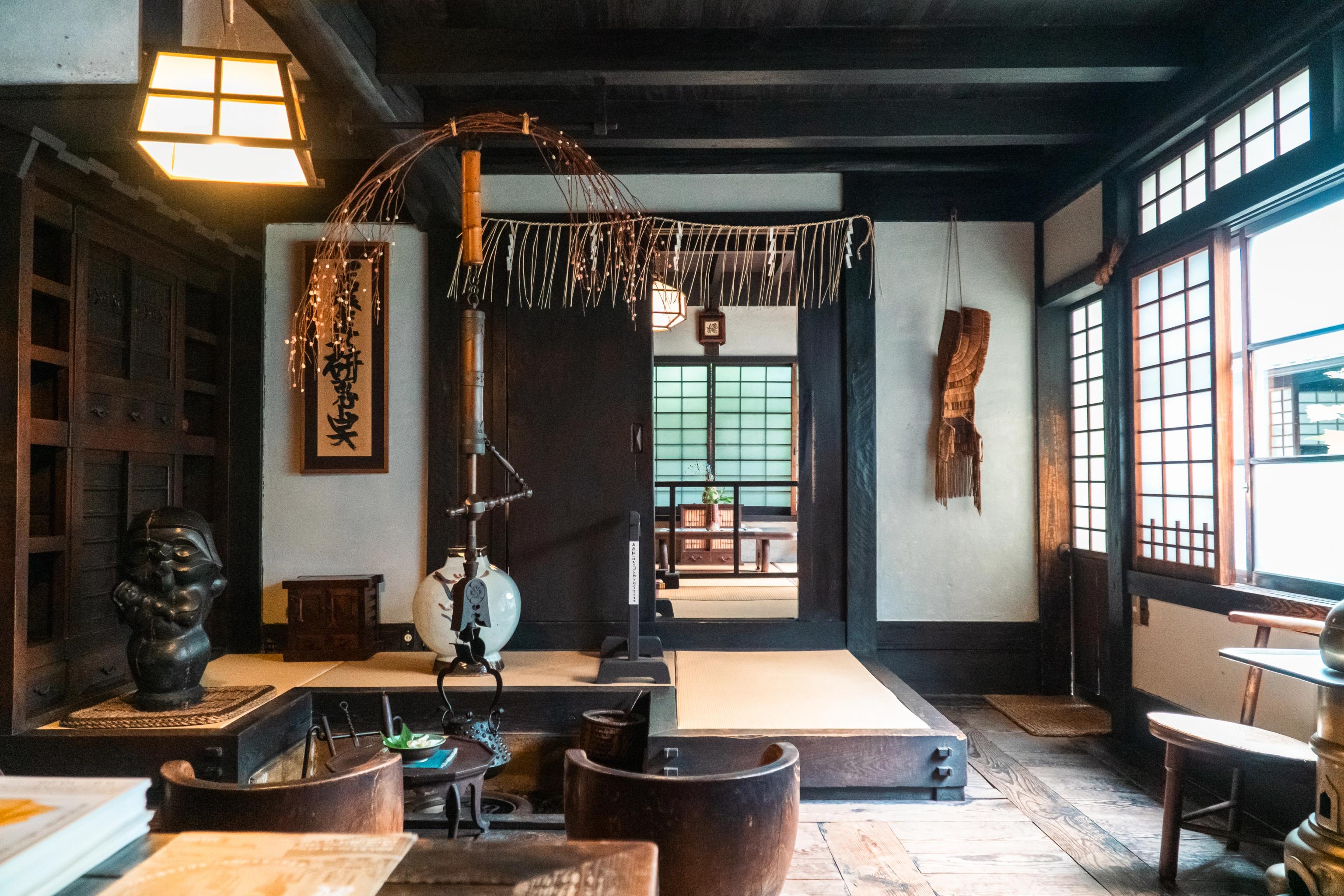
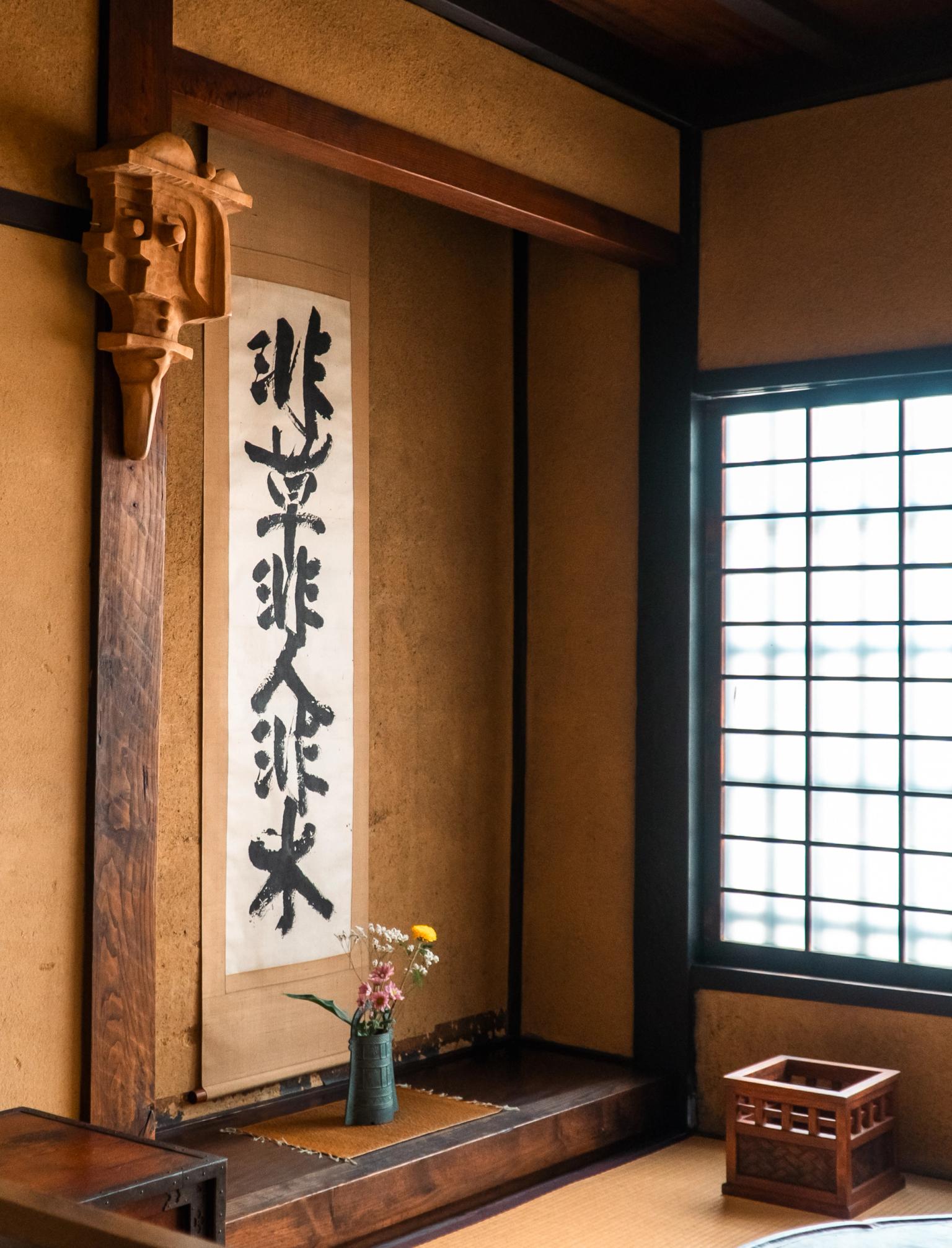
Walking through the house today feels less like visiting a preserved site and more like entering an ongoing conversation between space, light, and material. Wooden lattices filter daylight into shifting patterns across aged floorboards, while shoji panels soften the boundary between interior and exterior. Western-style furniture sits comfortably alongside traditional Japanese hearths, reflecting Kanjiro’s openness to cultural exchange rather than strict tradition.



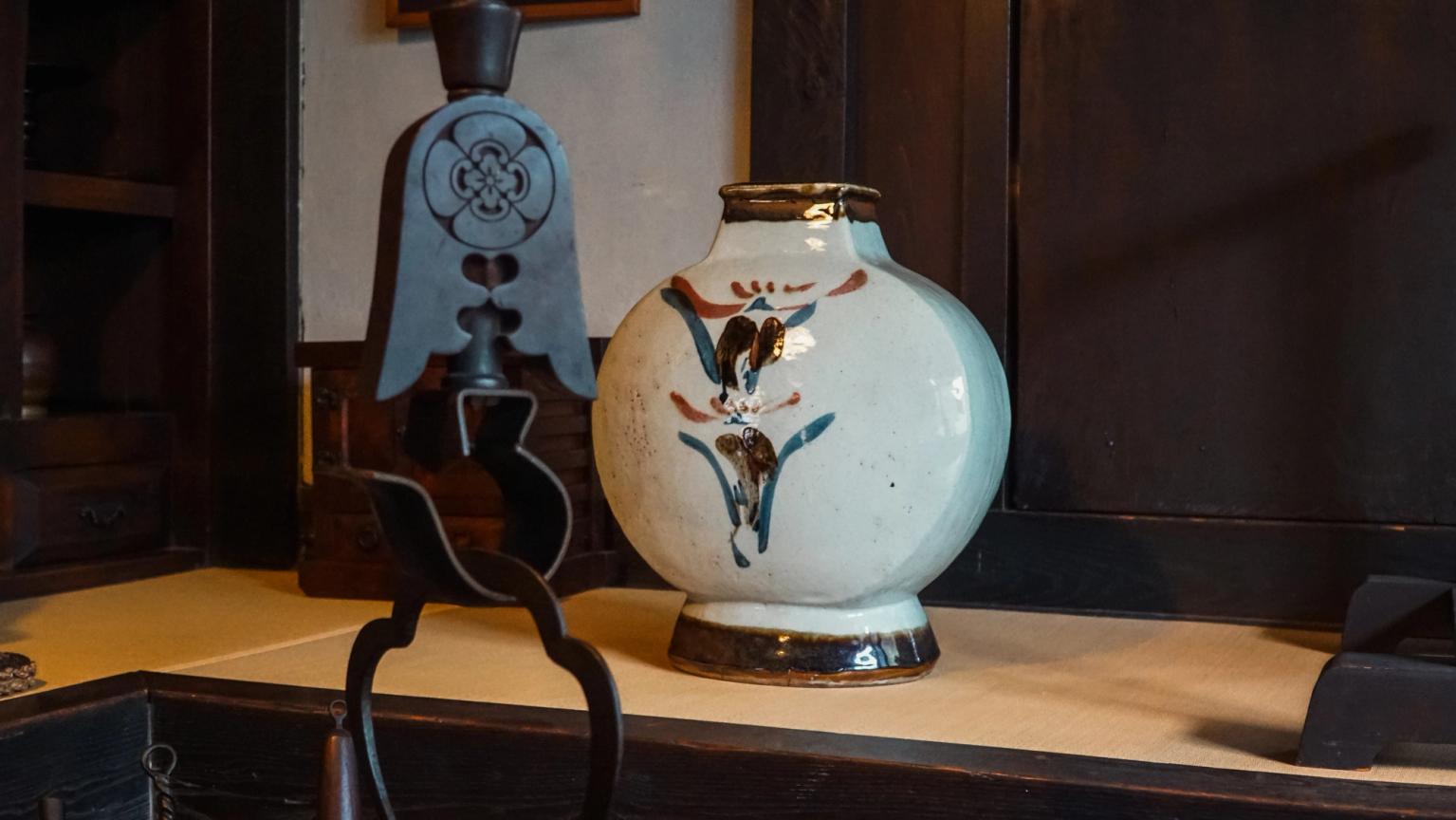


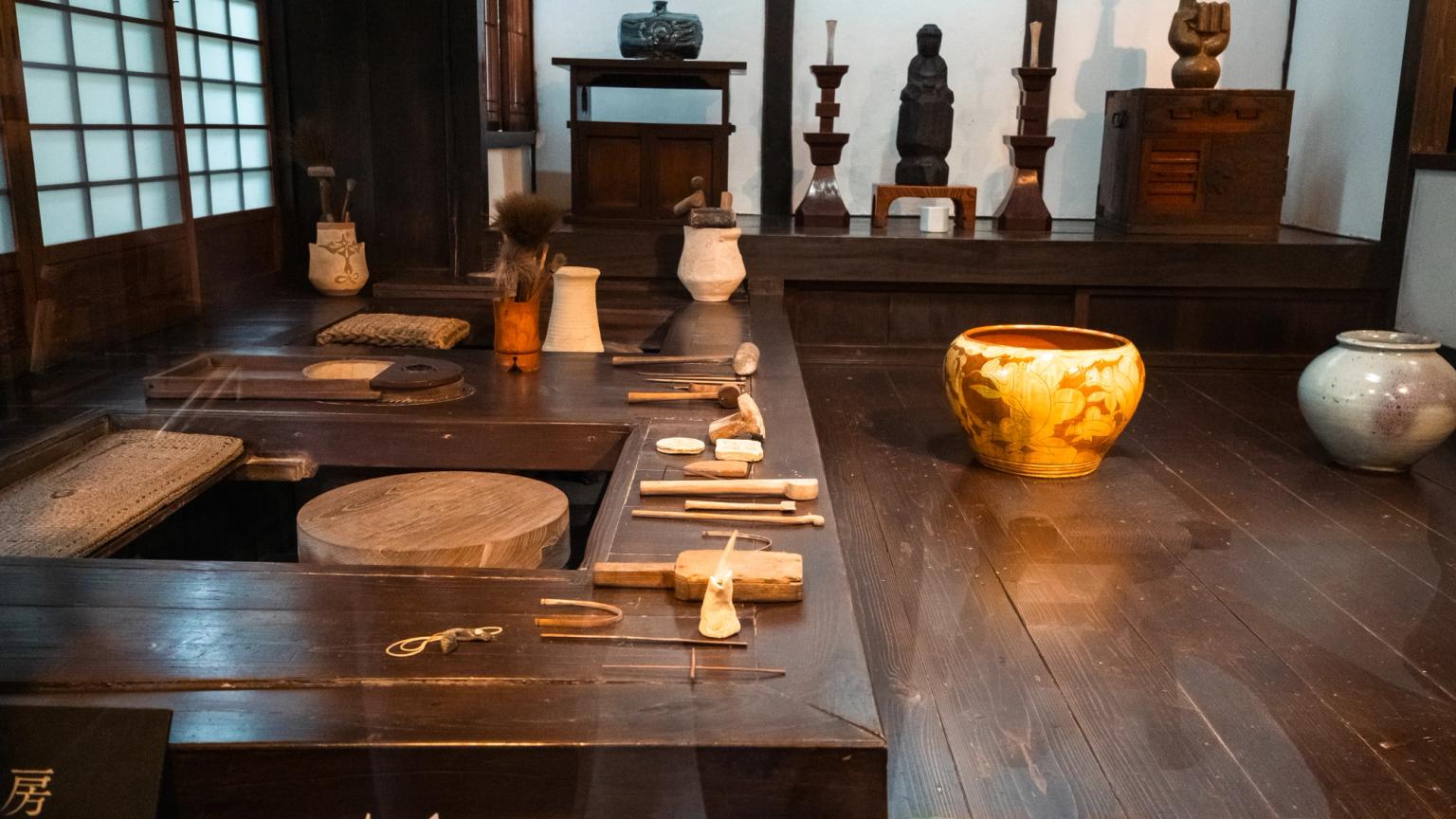

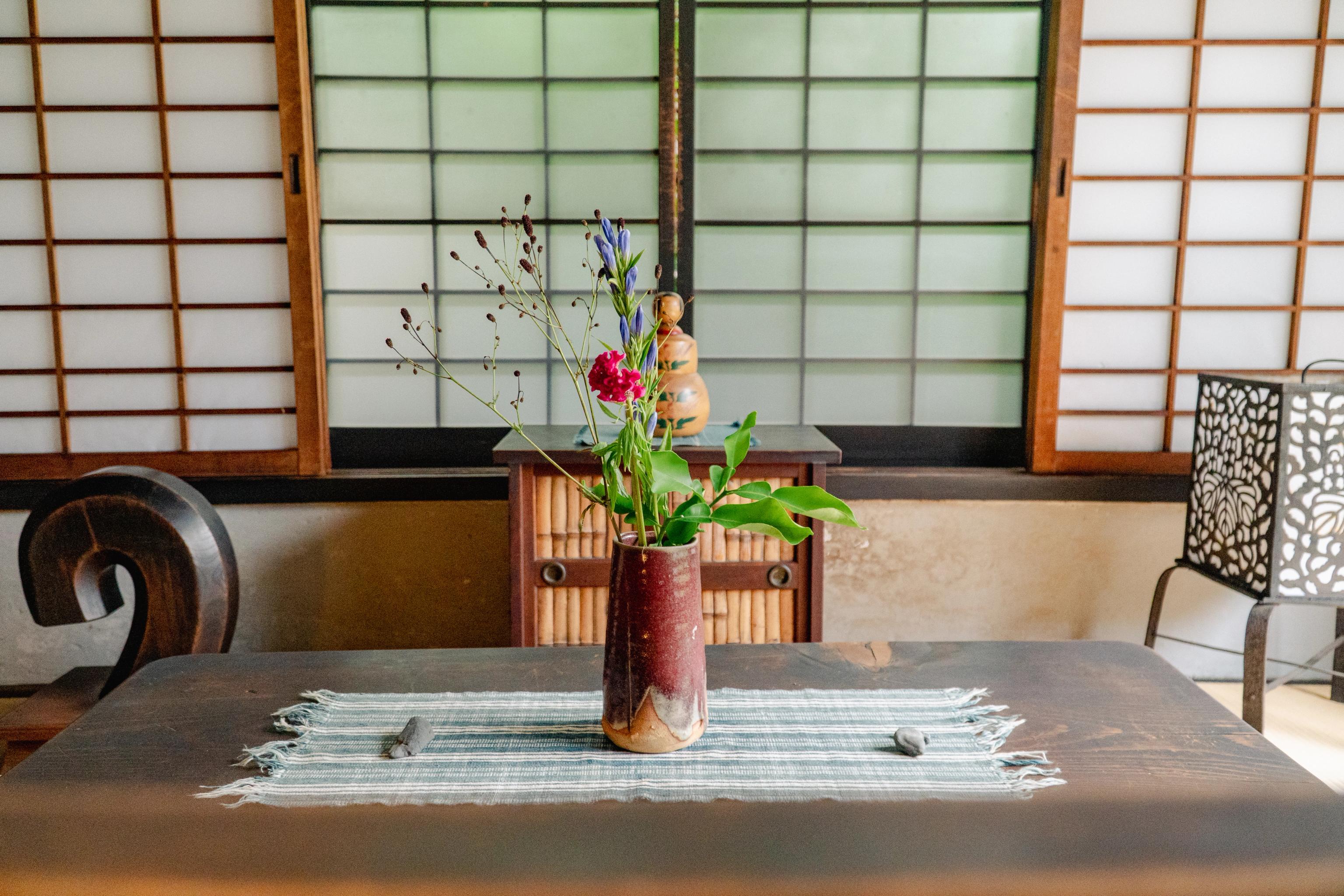
Nothing feels overly staged; instead, the house carries a sense of lived spontaneity, flowers placed casually in handmade vases, stools and chairs designed for comfort and experimentation, and workspaces that still suggest recent use. The architecture is not separate from the objects inside it. Everything is integrated, forming a unified environment where function and beauty are indistinguishable.
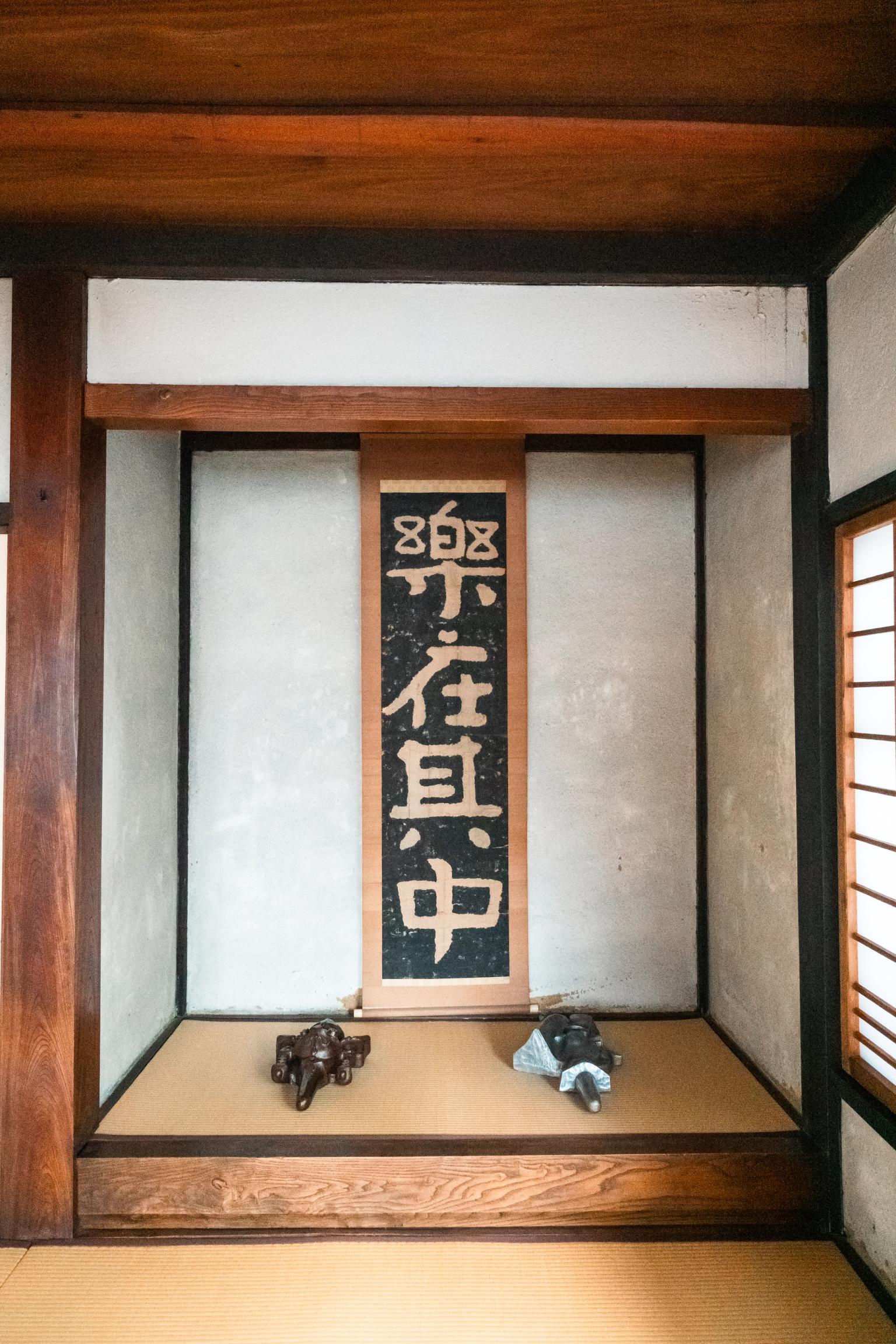

The Mingei Vision in Practice
At the core of the house is the Mingei philosophy, which values “folk craft” as the highest form of beauty because it emerges from necessity, not ego. Kanjiro collected works made by unknown artisans alongside his own ceramics, placing them side by side without distinction. This reflects a radical idea for its time: that beauty is not created by rare genius alone, but is embedded in everyday life and collective tradition.
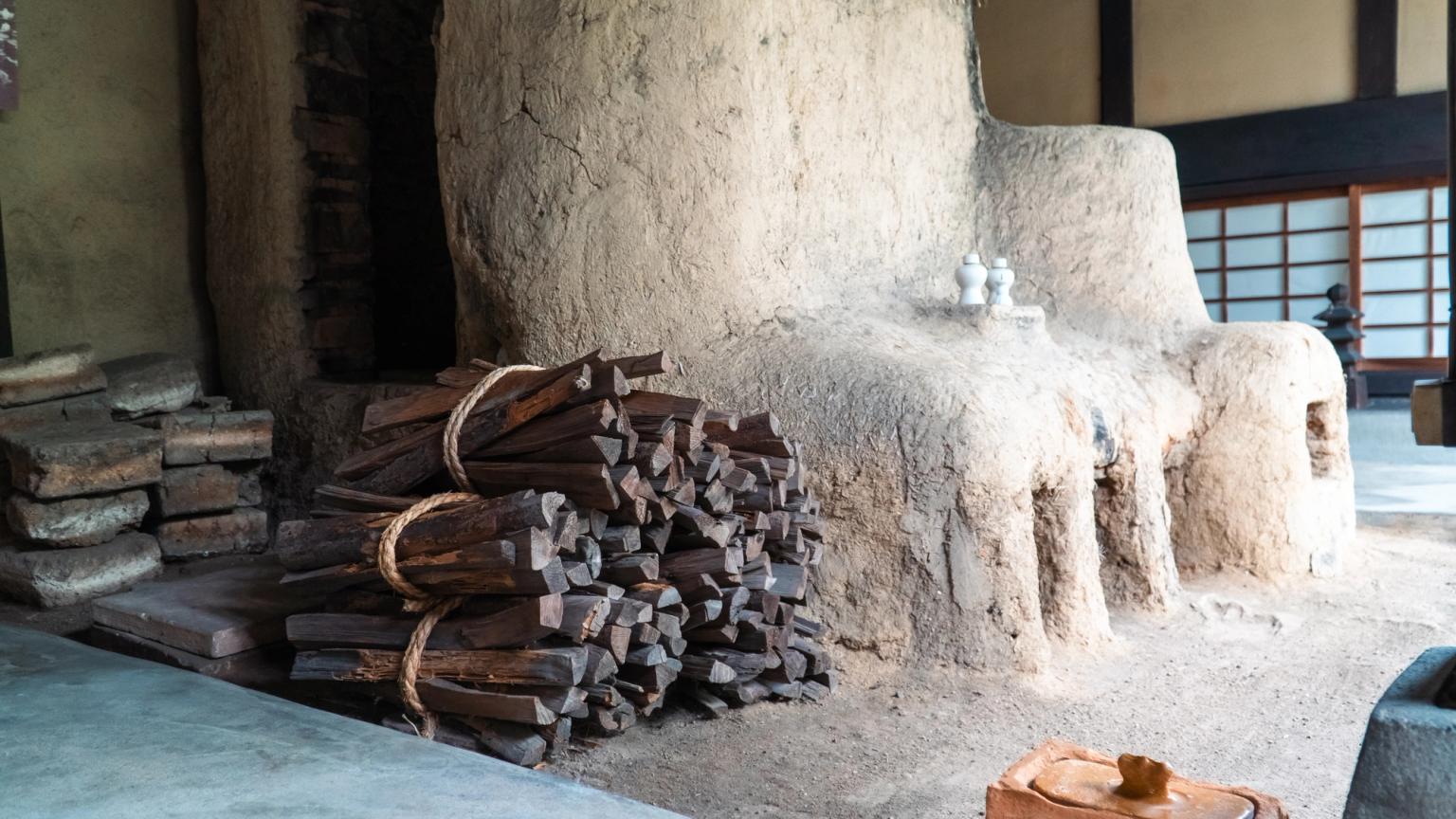
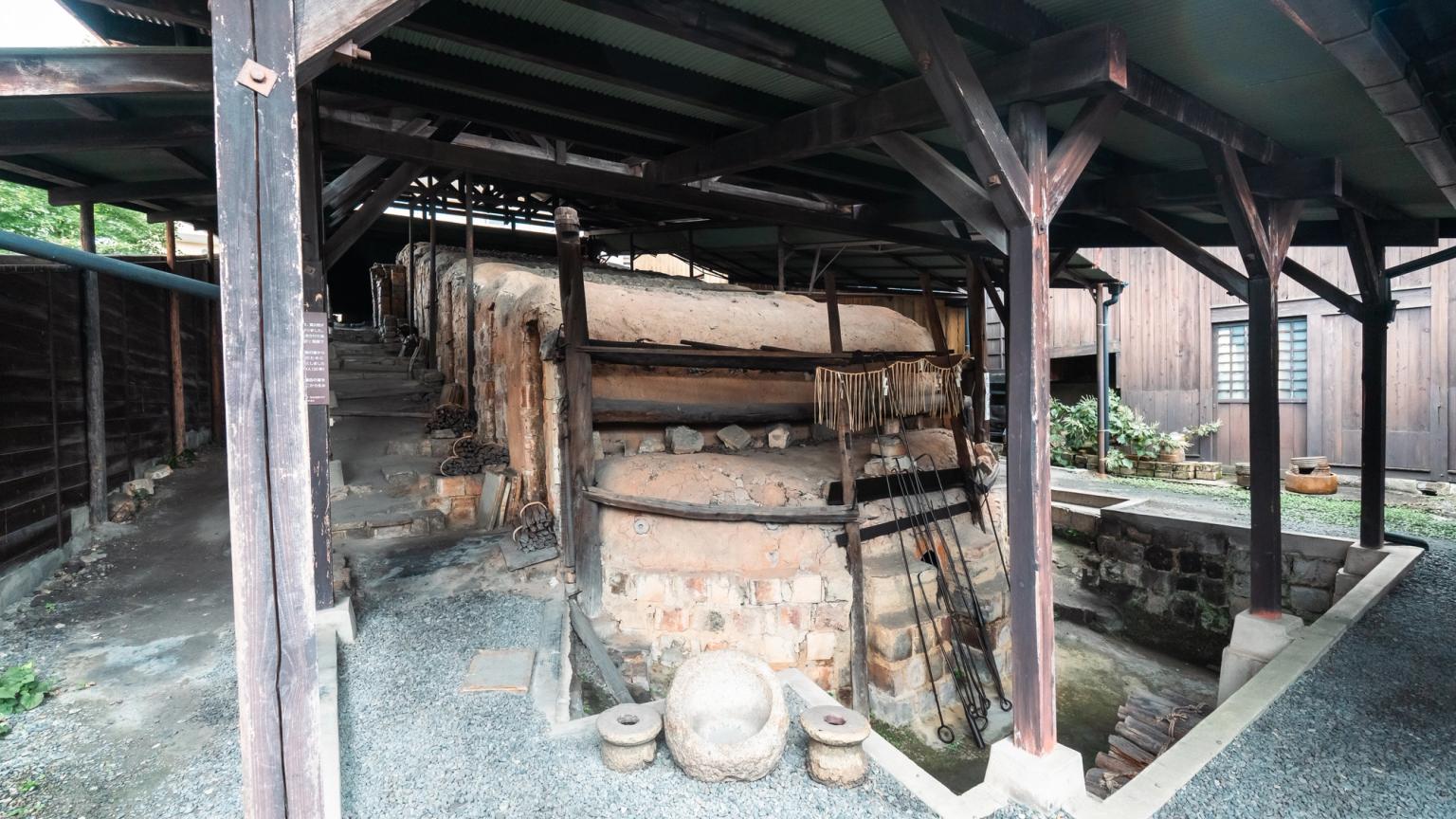
His home studio and climbing kiln, once shared with multiple local families, reinforced this communal understanding of making. The kiln itself, an eight-chamber structure built into the landscape, was not just a tool but a social space, where heat, labour, and anticipation were shared experiences. Through this lens, the house becomes an extension of Mingei thinking: a place where art is not isolated, but lived, handled, and continuously reshaped by use.
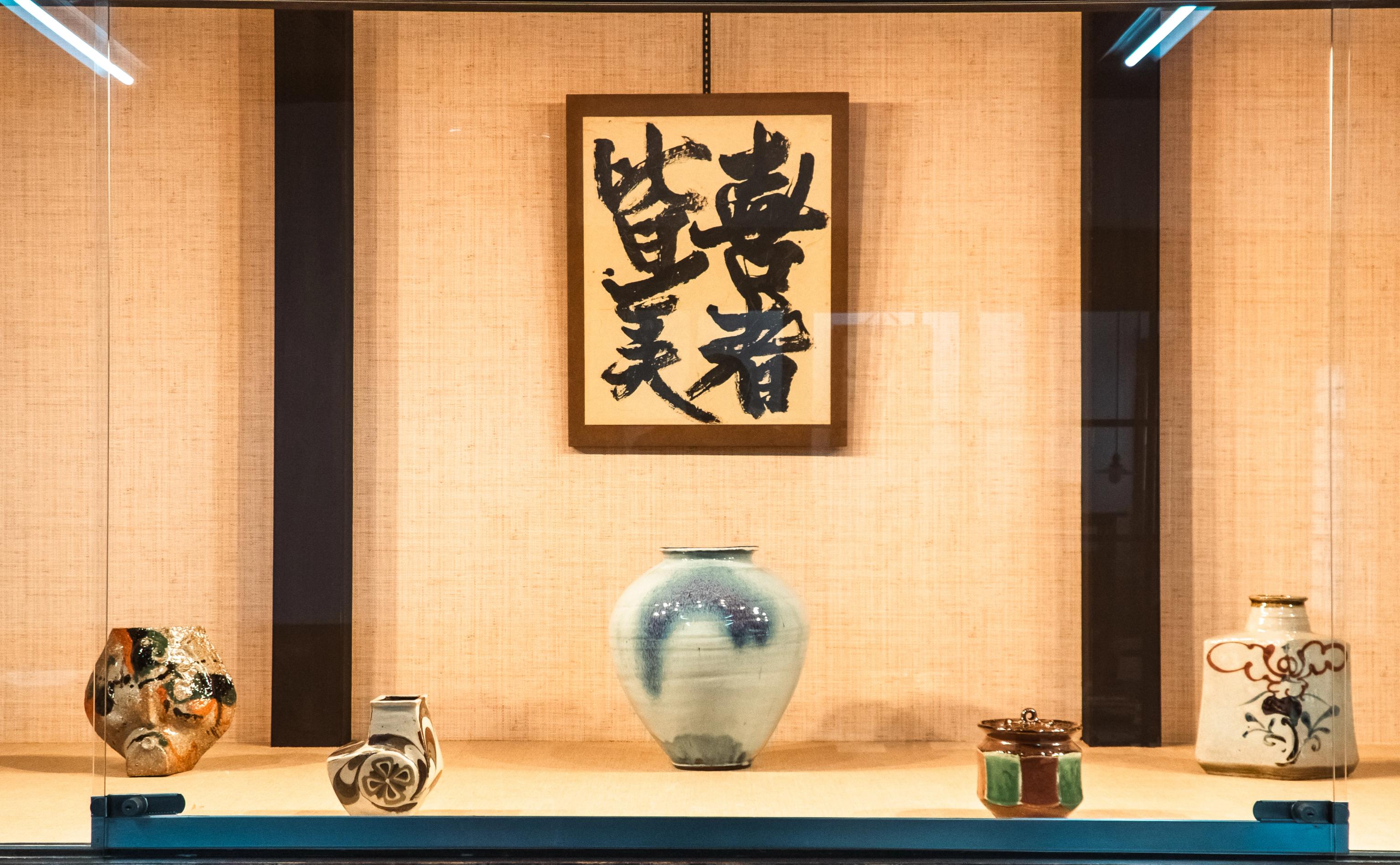

Objects, Memory, and the Act of Living
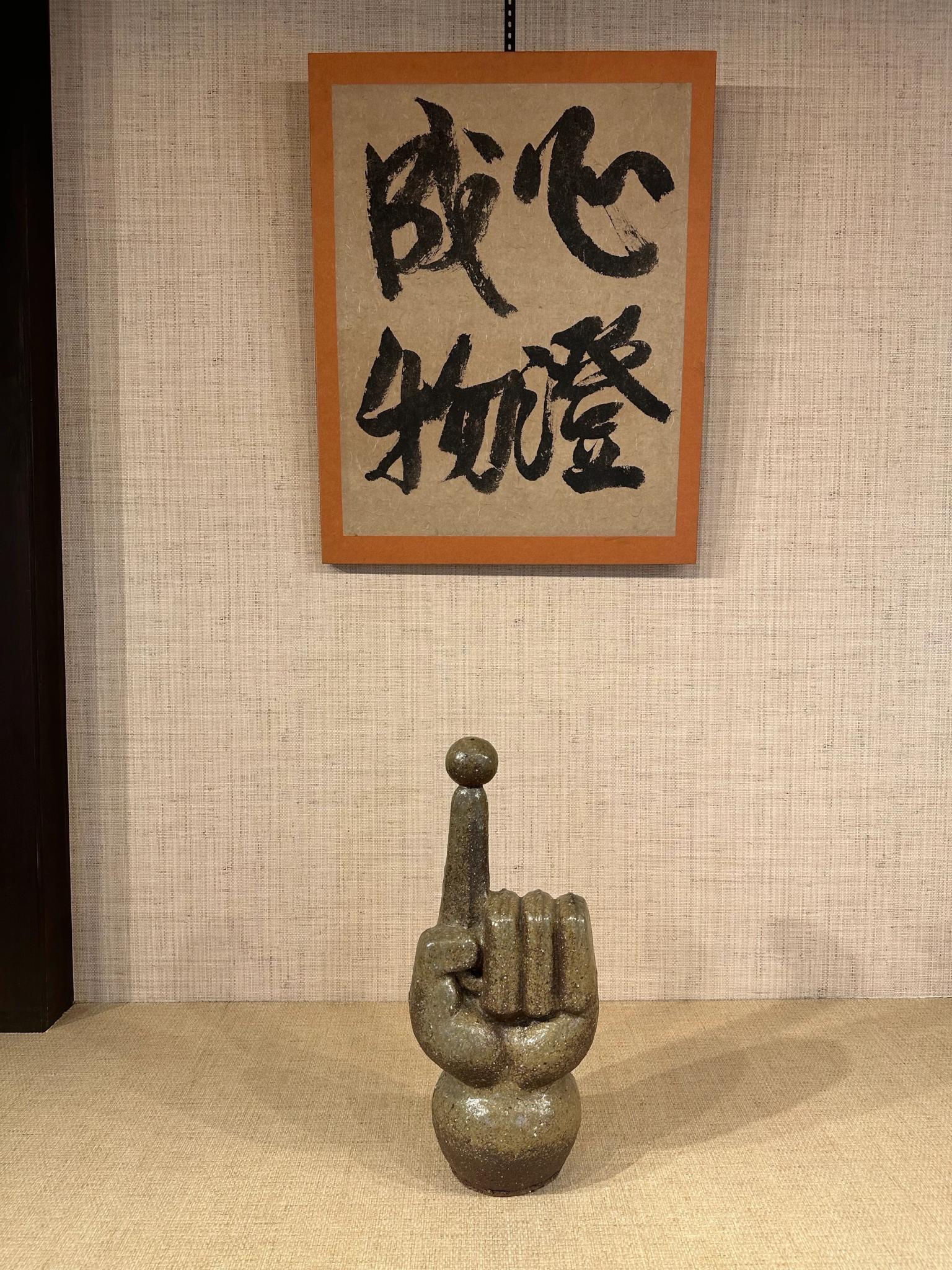
Every object inside the house carries the imprint of use and intention. Kanjiro’s ceramics are not displayed as untouchable artefacts but as functional forms that once held food, water, and daily life. Wooden carvings, calligraphy pieces, and furniture all reveal a consistency of hand, direct, honest, and unpolished. This refusal of perfection is essential to understanding the space: Kanjiro believed that beauty emerges through imperfection, wear, and change.
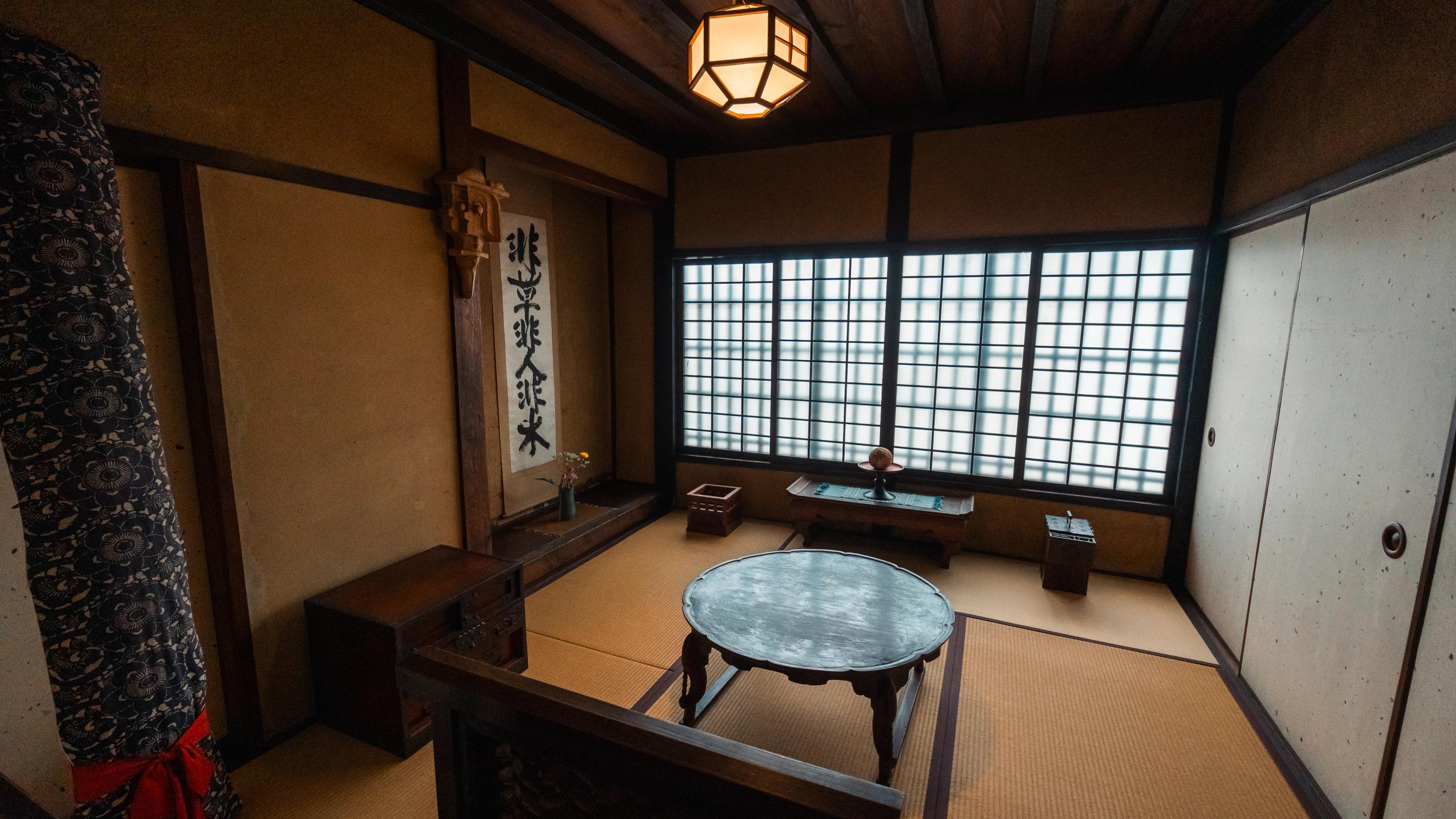

The house itself reflects this philosophy, as nothing appears frozen in time despite being preserved. Instead, it suggests continuity, as if life could easily resume within it. Even the act of walking through the rooms becomes part of the work, where visitors are not observers but temporary participants in an ongoing story of making and living.

A House That Still Thinks
Kawai Kanjiro’s House ultimately operates as more than preservation, it functions as a way of thinking about design, memory, and creativity. It challenges the idea of the museum as a static container and instead presents architecture as something responsive and human. The house does not separate past from present; instead, it allows both to exist simultaneously through material presence and atmosphere. Kanjiro’s legacy is not confined to objects or historical narrative, but embedded in the way the space encourages attention, slowness, and tactile awareness. In a contemporary world increasingly defined by distance from making, the house quietly insists on the value of touch, imperfection, and direct engagement with materials.