
the work of
Jake Walker
- ArtistJake Walker
- PhotographerCourtesy the artist and STATION
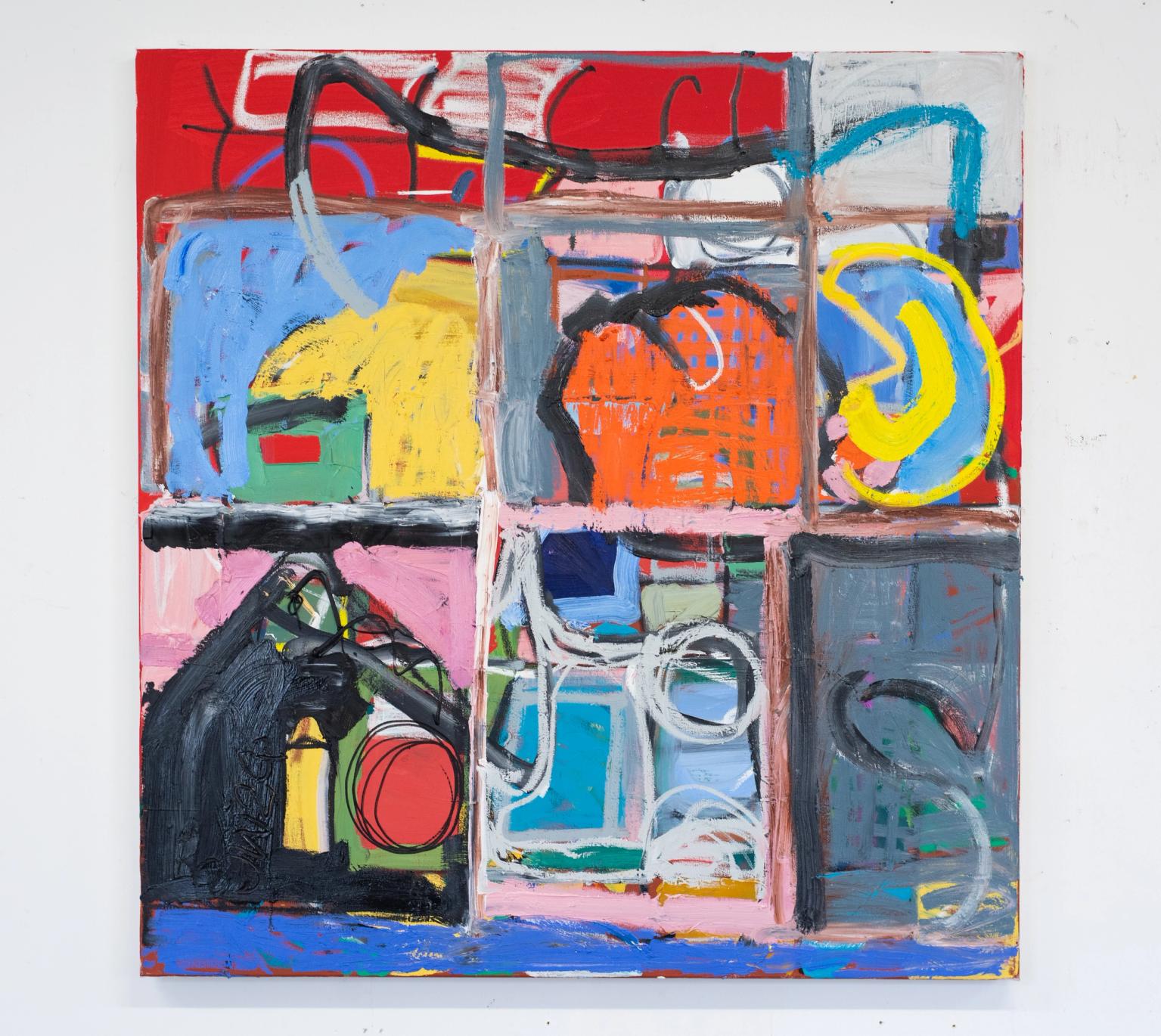
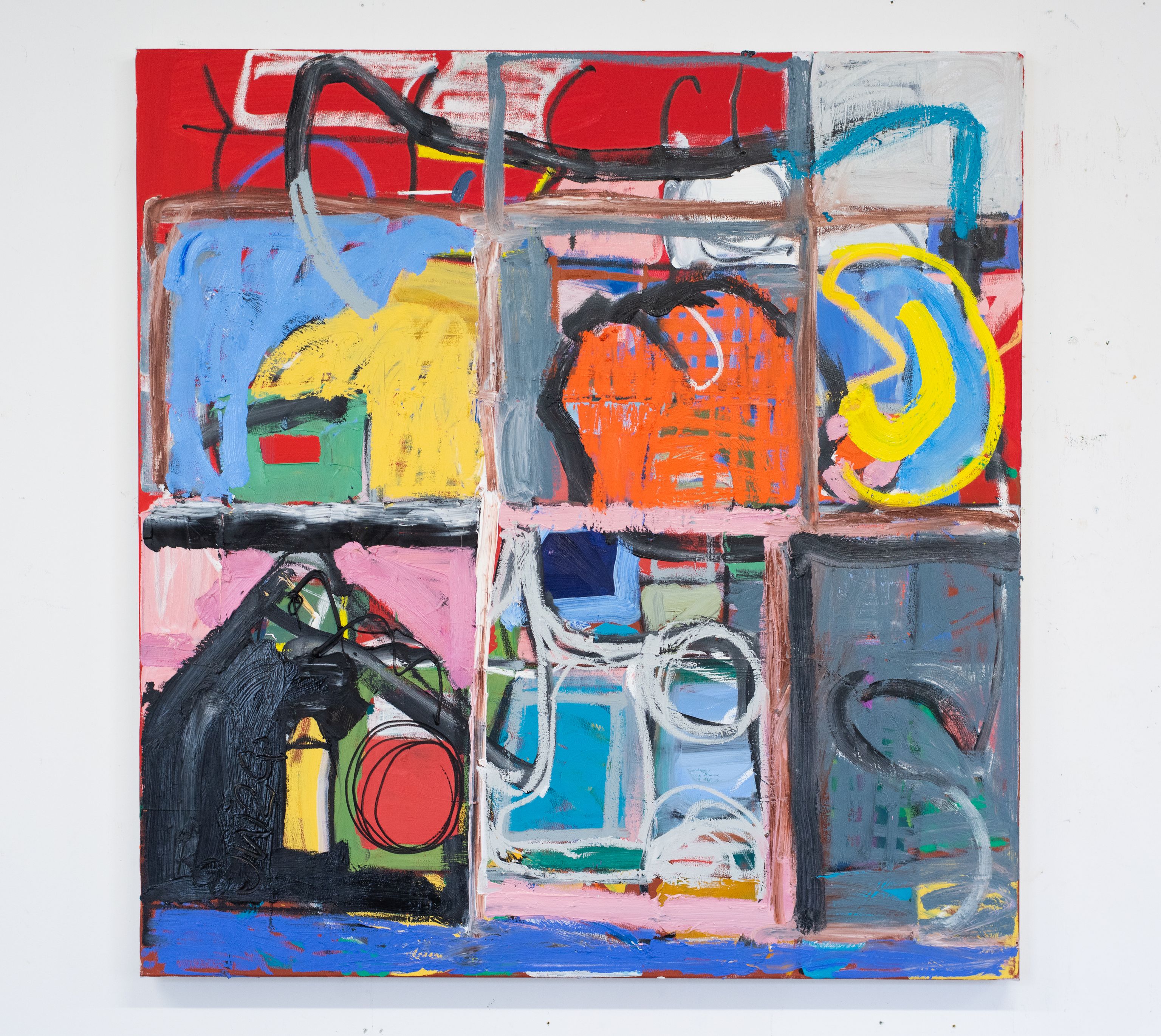
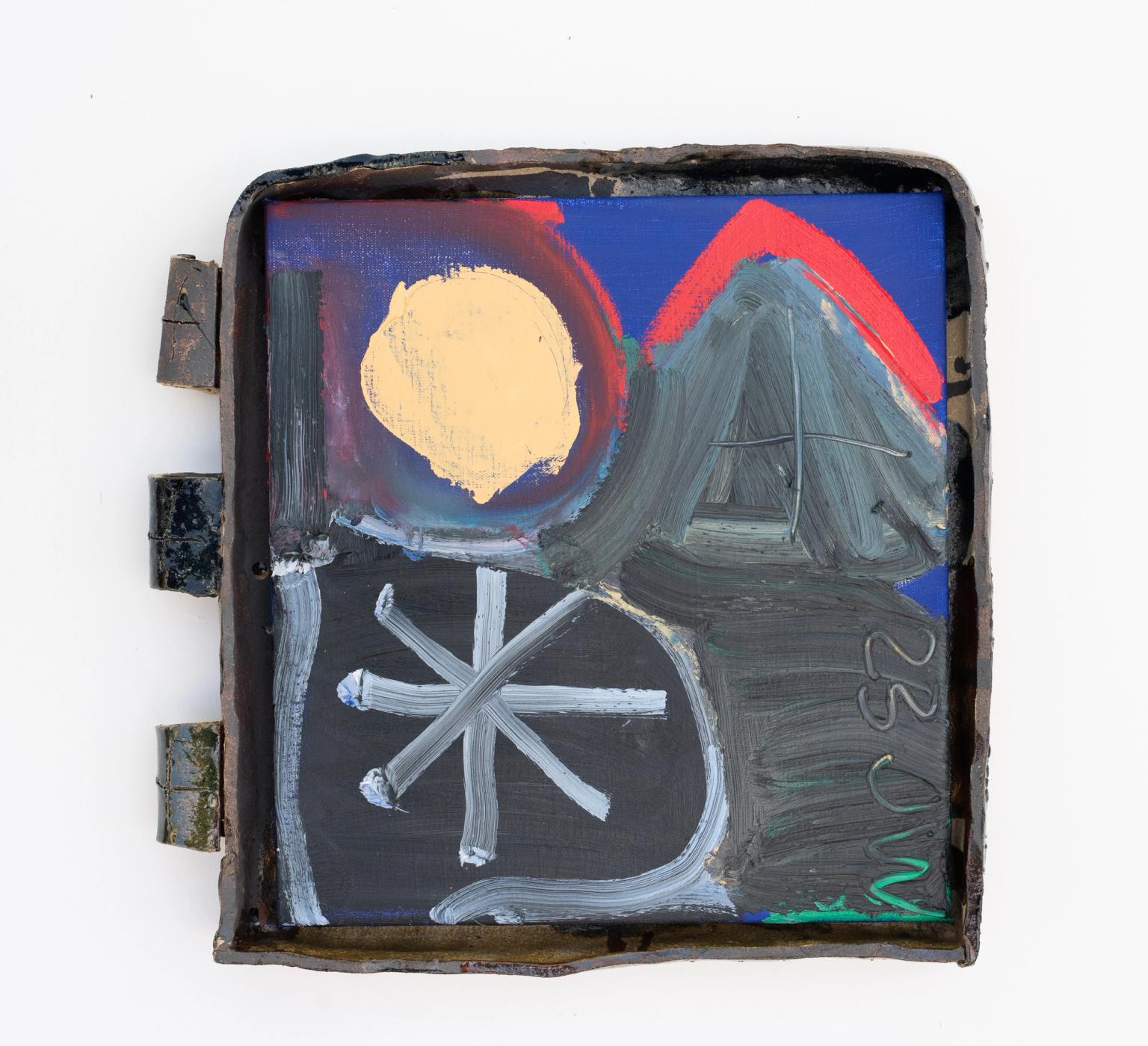
Derek Henderson Jake’s painting often reference architecture. But there its an ambiguity to his work that leaves you asking whats going on here? His mixture of materials is interesting as well. Sculptural but paintings.

A Practice in Progress
For artist Jake Walker, painting is an ongoing process of making, reworking and discovering. Based in Hobart, Tasmania, and originally from Wellington, New Zealand, Walker creates intimately scaled abstract works that embrace the character of the handmade. Built through layers of paint, found materials and carefully considered interventions, his paintings resist the idea of a fixed or perfect outcome. Instead, they retain a sense of personality and independence, shaped by the decisions, accidents and revisions that emerge in the studio.


Painting Beyond the Canvas
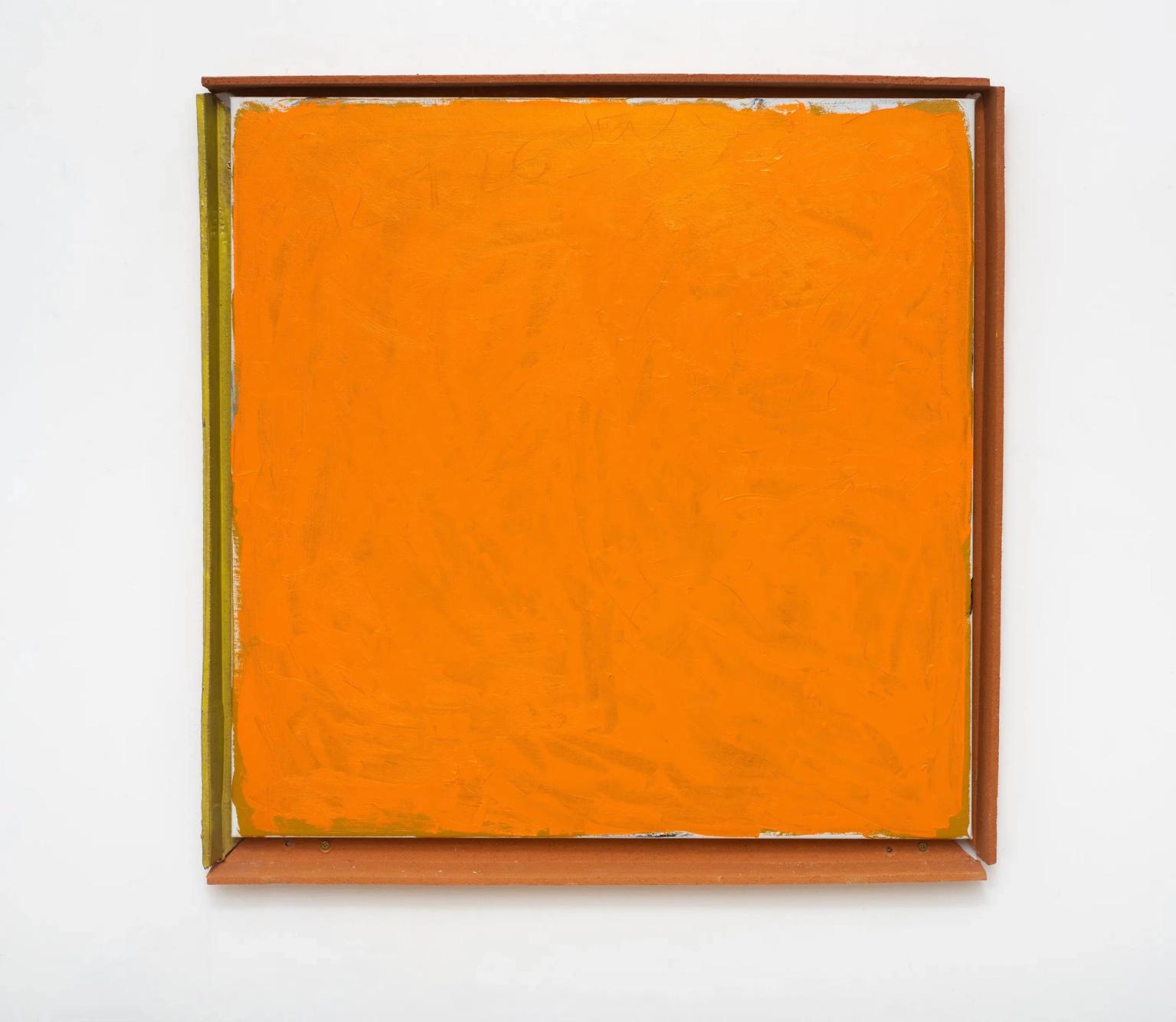
Walker’s work draws on the histories of abstract painting, post-war readymades and assemblage, while remaining grounded in everyday materials. He often paints on found canvases or salvaged boards, building up thick layers of oil and acrylic into textured surfaces. Marks may be added, covered over or partially erased as the painting develops. His approach also reflects an interest in graffiti and the traces left behind when images are painted over. Rather than concealing these changes, Walker allows them to remain visible, giving each work a sense of accumulated time and activity.

The Frame Becomes Part of the Work
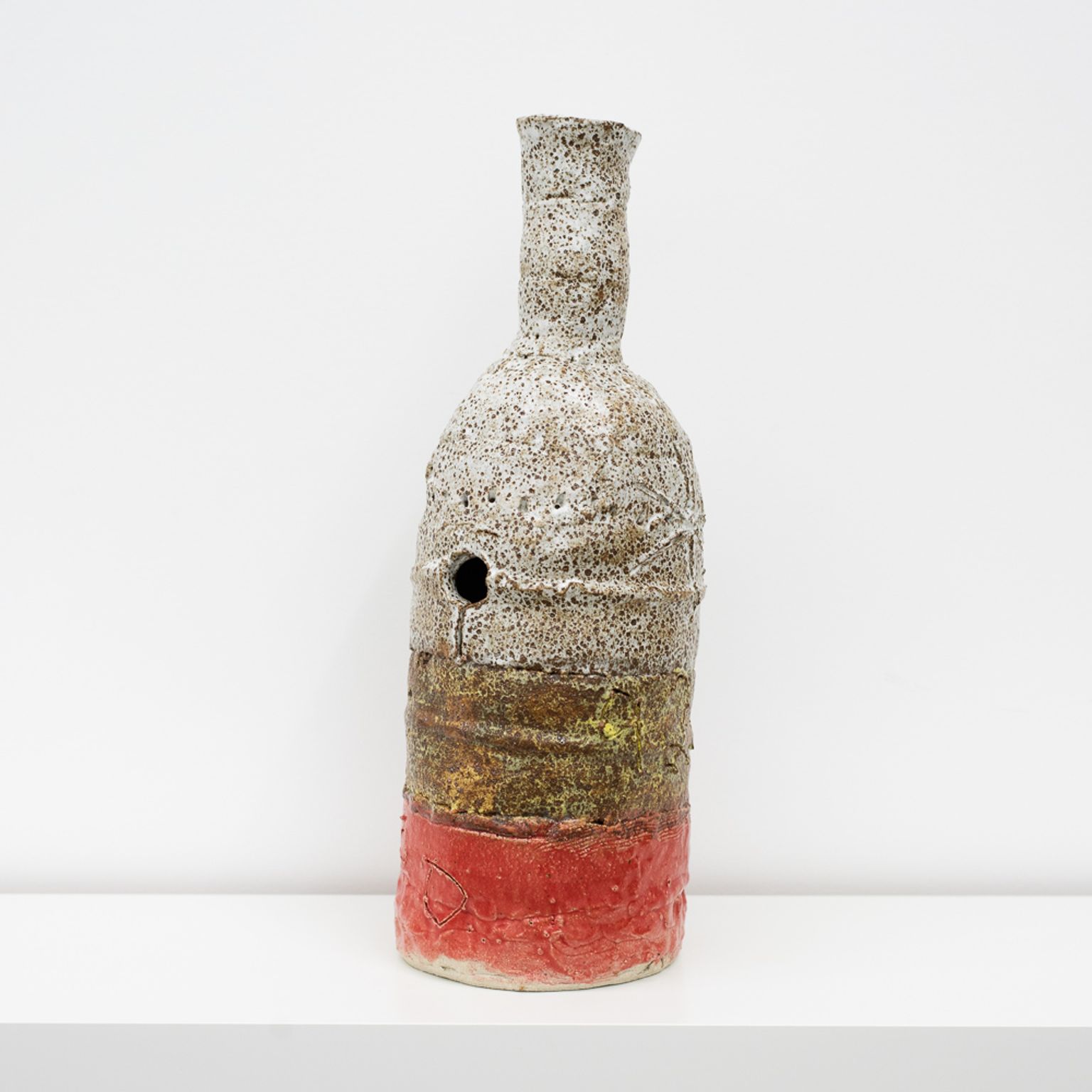
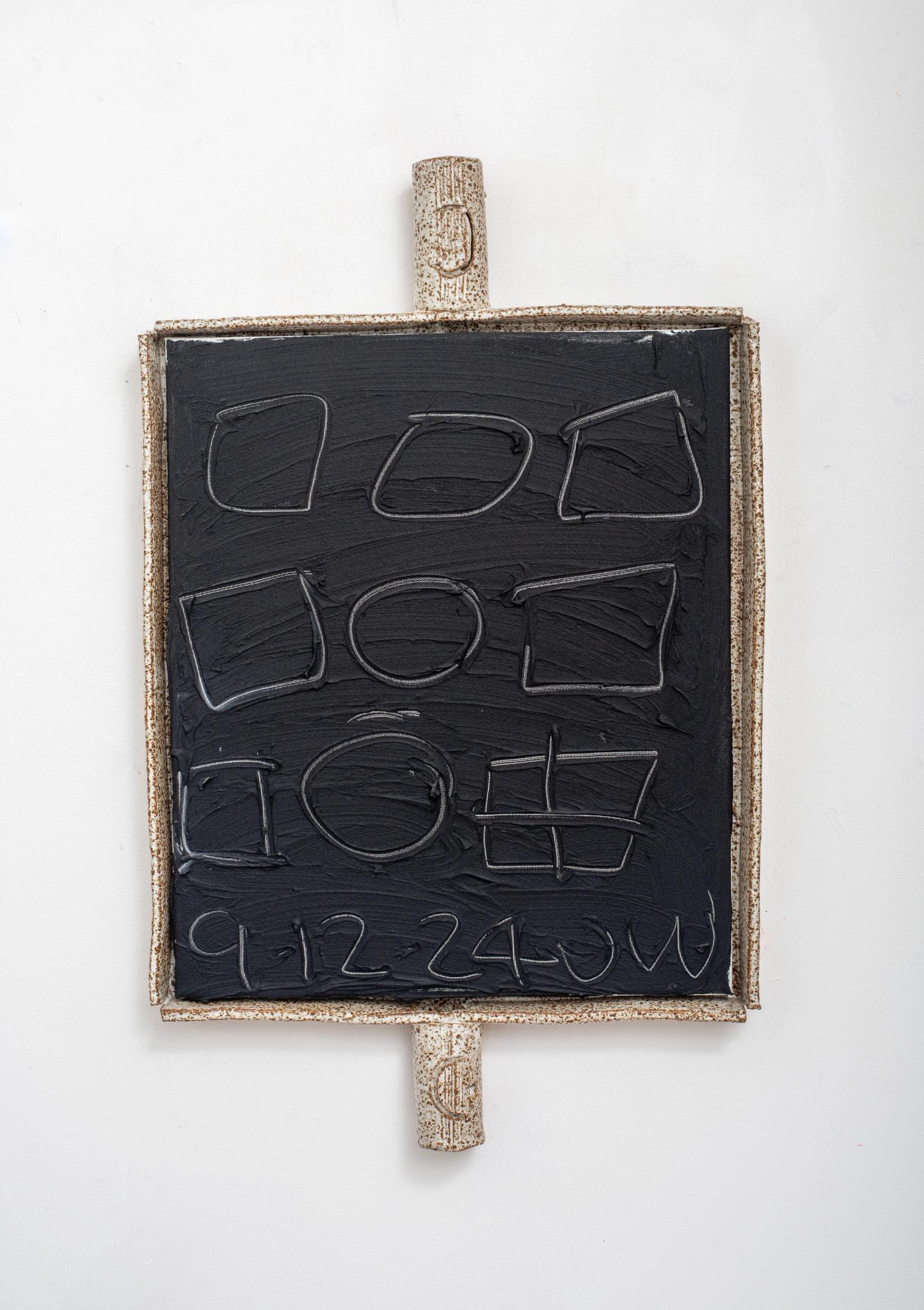
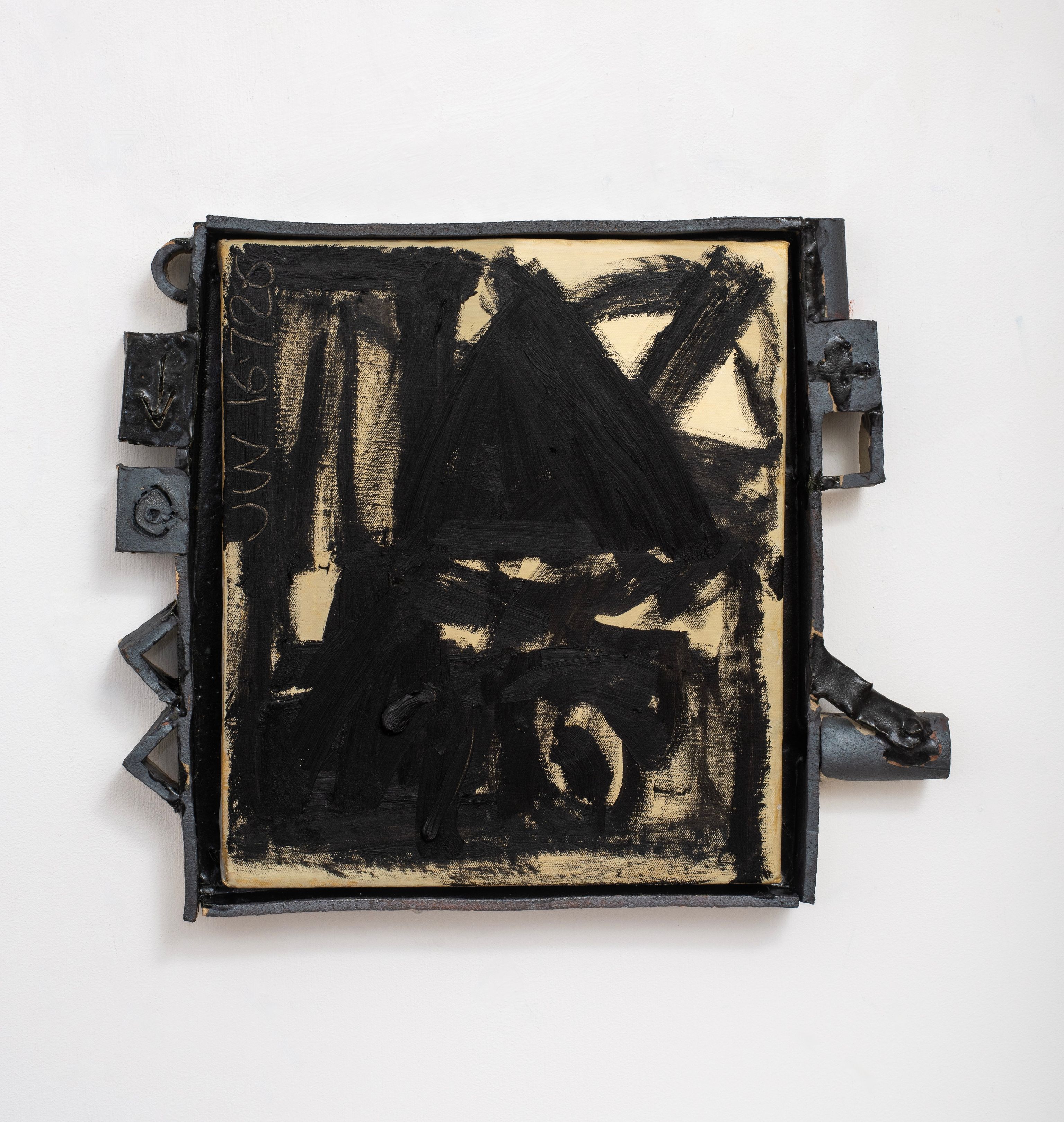
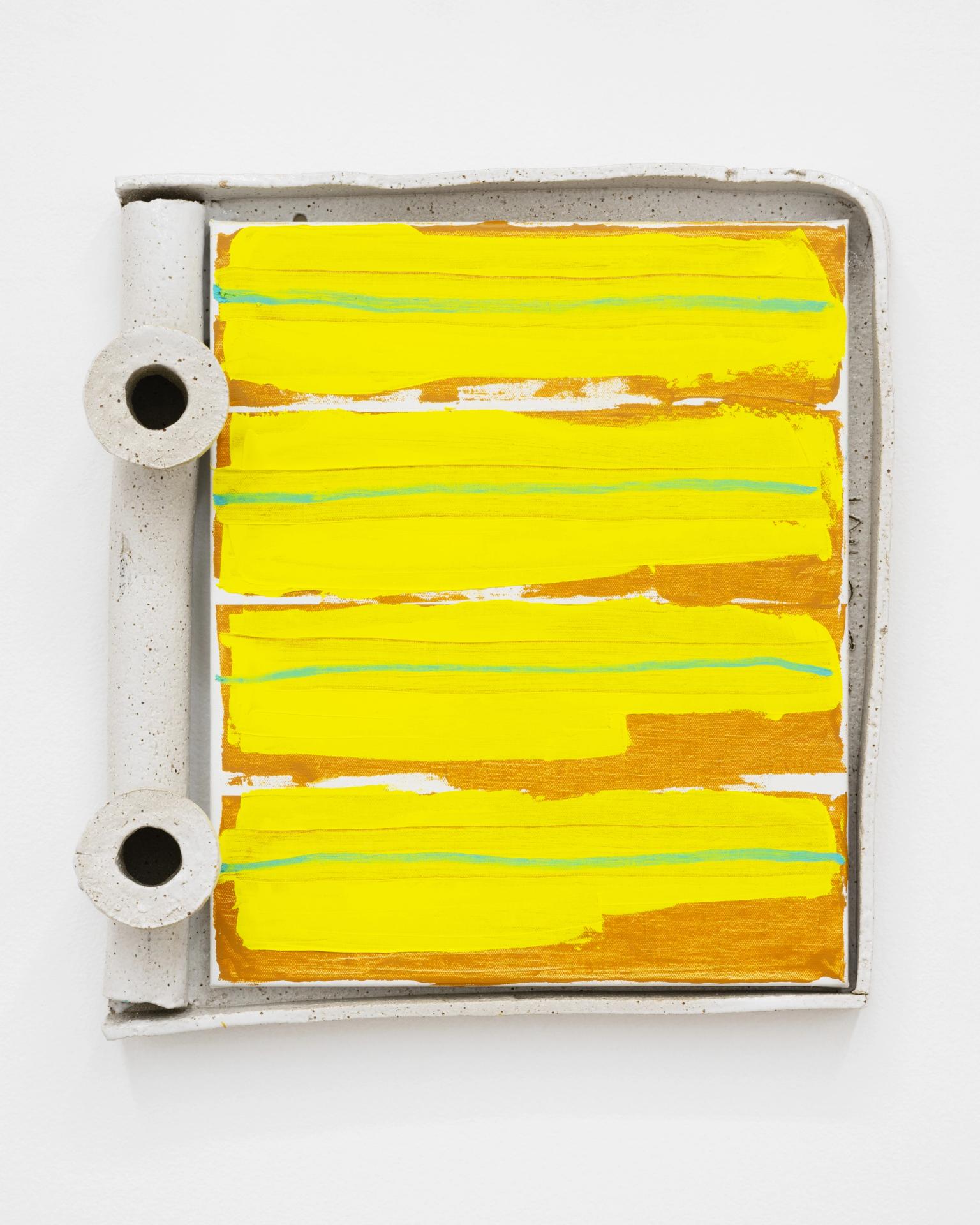
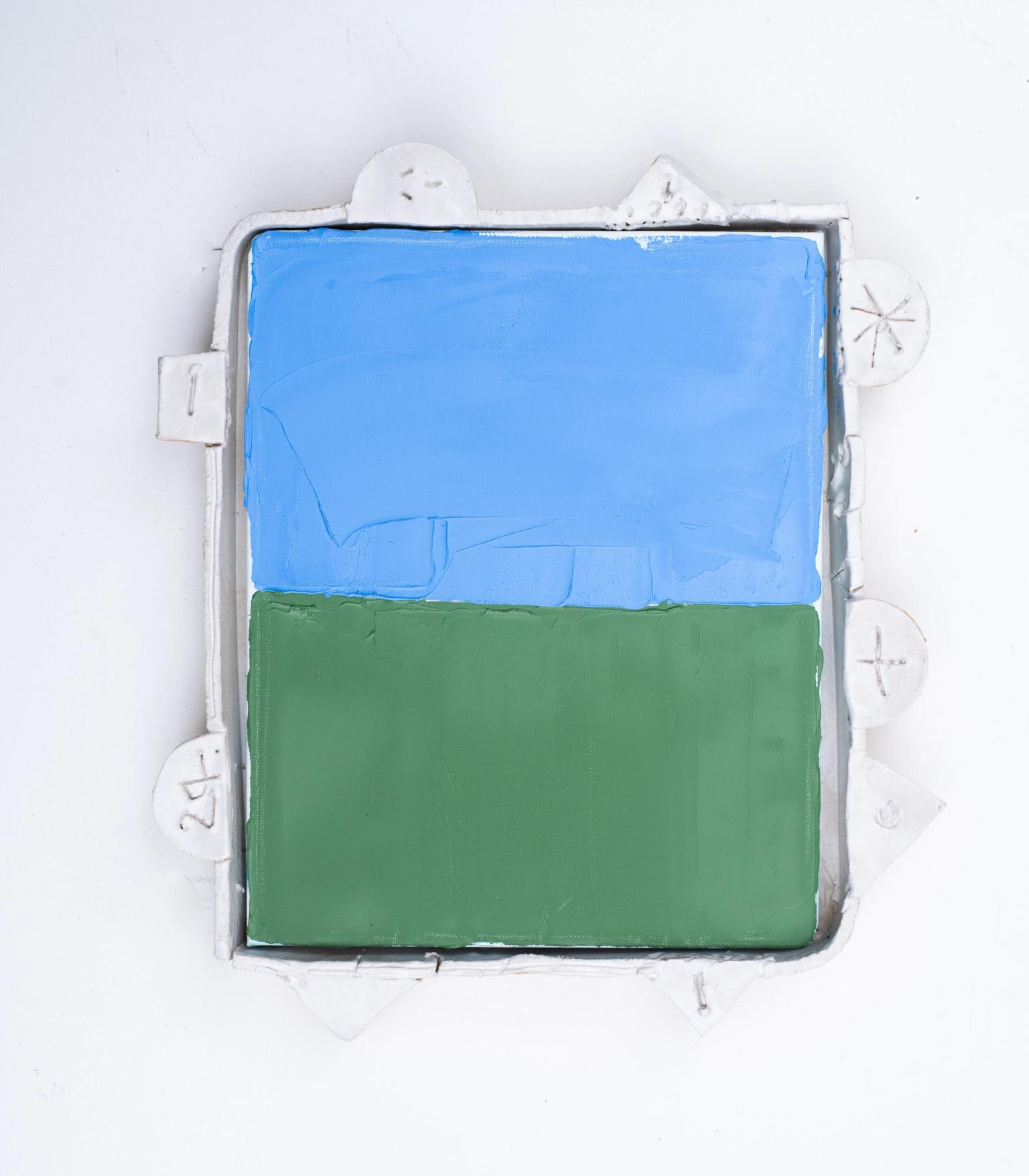
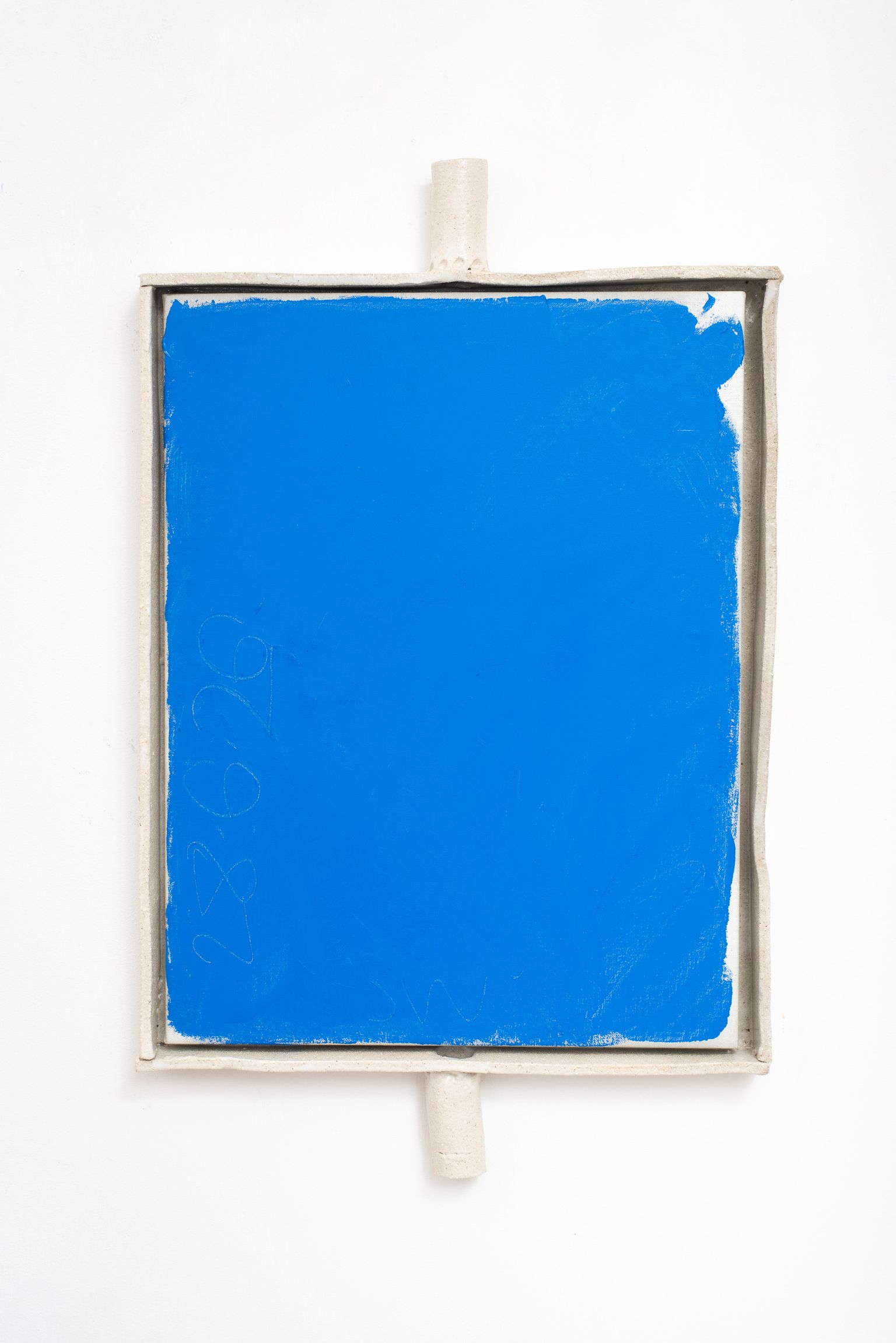
Since around 2011, ceramics have become an important part of Walker’s practice. He makes rough, organic frames from clay, bringing painting and sculpture together in a single object. These frames are not simply decorative borders: their irregular forms and raw surfaces create a contrast with the painted image they contain. The clay must be shaped before it dries, while the painting continues to evolve within its boundaries. Walker works towards a relationship between the two, allowing the materials to influence one another as the piece takes shape. Dates and initials, sometimes etched into the paint, further reveal the artist’s hand and the time invested in each work.


Influences Close to Home
Walker’s work is also shaped by his personal history and the places he has lived. The modernist architecture of New Zealand architects Ian Athfield and Neville Porteous has been an enduring influence, particularly their buildings that were continually adapted and added to rather than treated as finished objects. Walker’s own paintings share this open-ended quality.
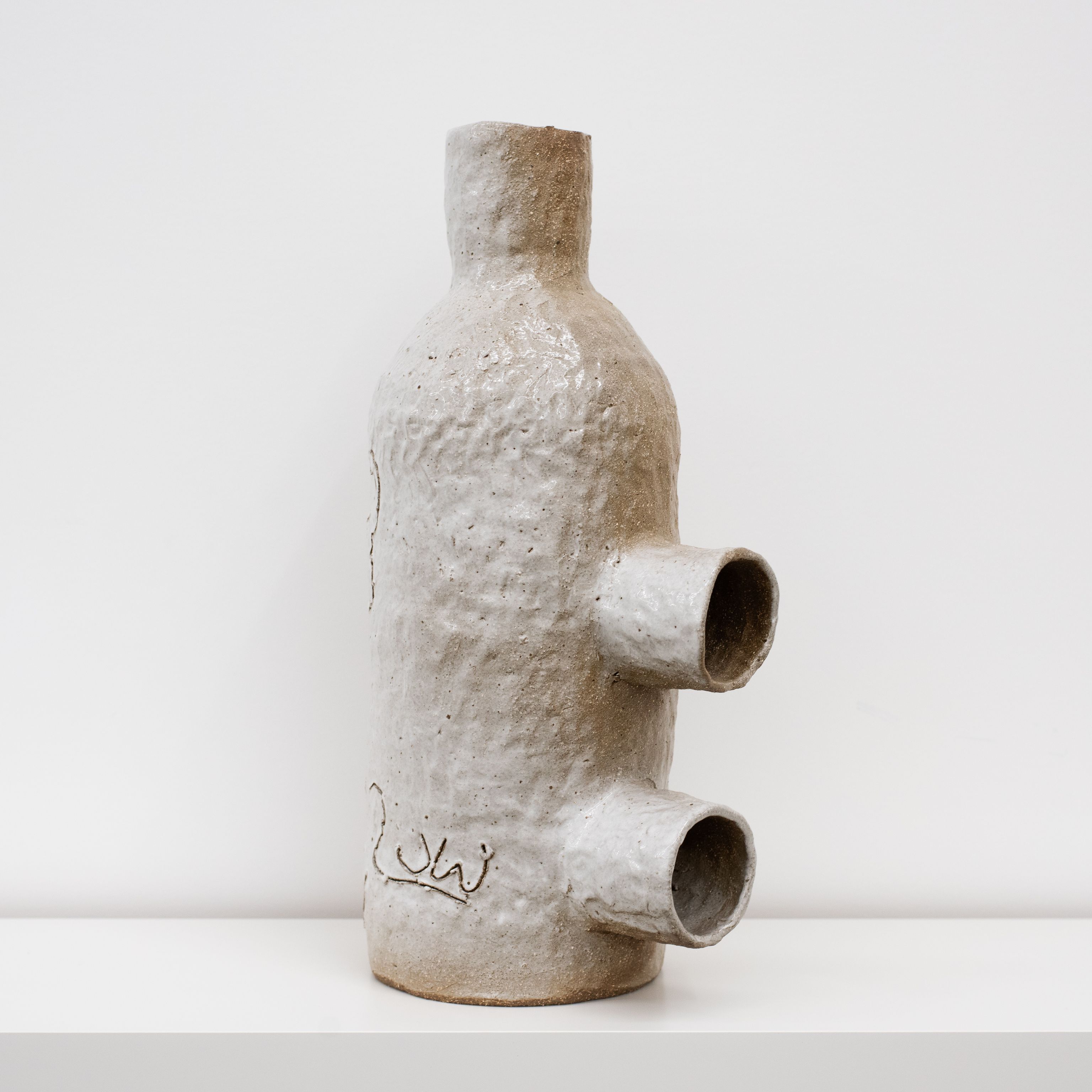

His earlier landscape-inspired works gradually developed into more abstract compositions, while later pieces have drawn on the colours and geometries of houses designed by architects around him. These references are transformed rather than directly depicted, becoming part of an evolving visual language.

Leaving Room for the Viewer
Walker’s paintings are characterised by layered surfaces and a process of building up and altering the image. The works reward close inspection, but do not necessarily reveal everything they contain. He often works towards a point of resolution without fully closing down the possibilities within a painting, leaving traces of what has been covered or changed. His more recent works also explore ways of breaking away from the ceramic frame, including canvases that curl or scroll at the edges. Across these variations, Walker’s practice remains an investigation of how a painting can keep changing, and how much can be communicated through the marks, materials and decisions left behind.