
Yellow Nose Studio
INDERGARTEN
- DesignerYellow Nose Studio
- PhotographerClemens Poloczek and Licht Gallery
Lara Joy The Indergarten series stayed with me as an inspiration for design grounded in everyday life, drawing from children’s playful approach to learning. The furniture explores stacking, adding, and removing bold geometric forms, allowing simple elements to be continuously rearranged. Through this process, the pieces take on a sculptural quality while remaining intuitive and open-ended in use.

Indergarten, A Shift From Kindergarten To Open Form
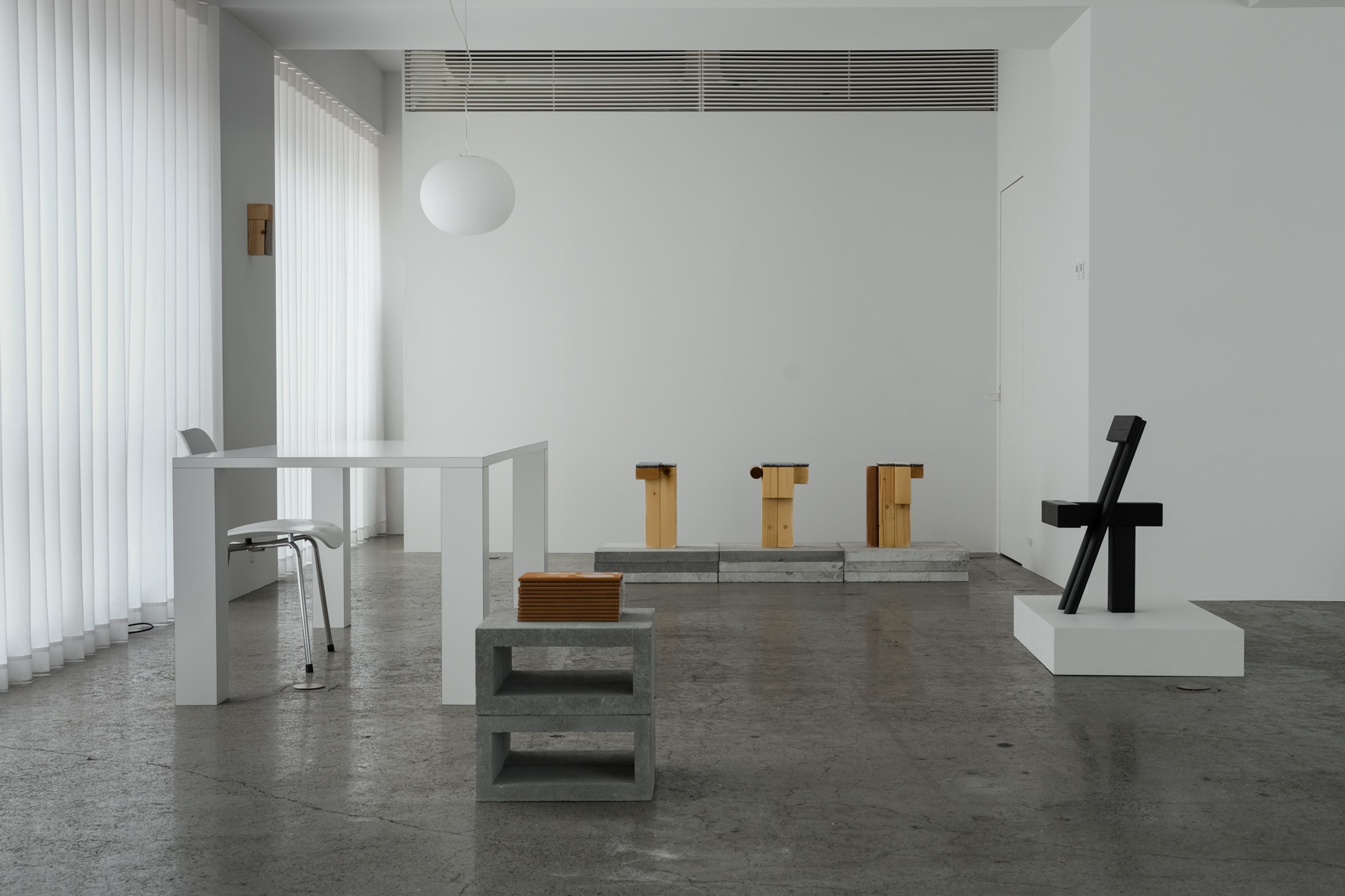
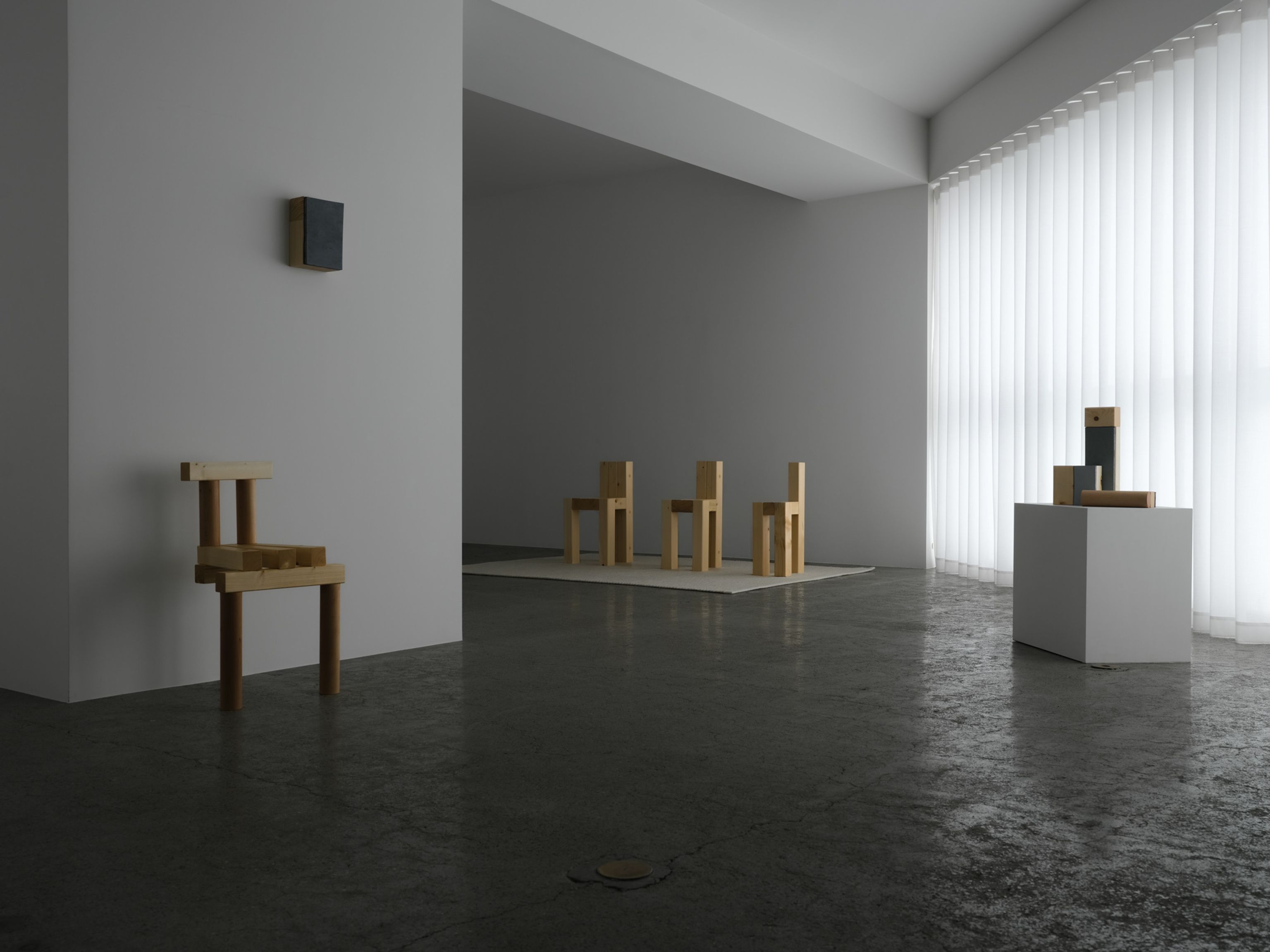
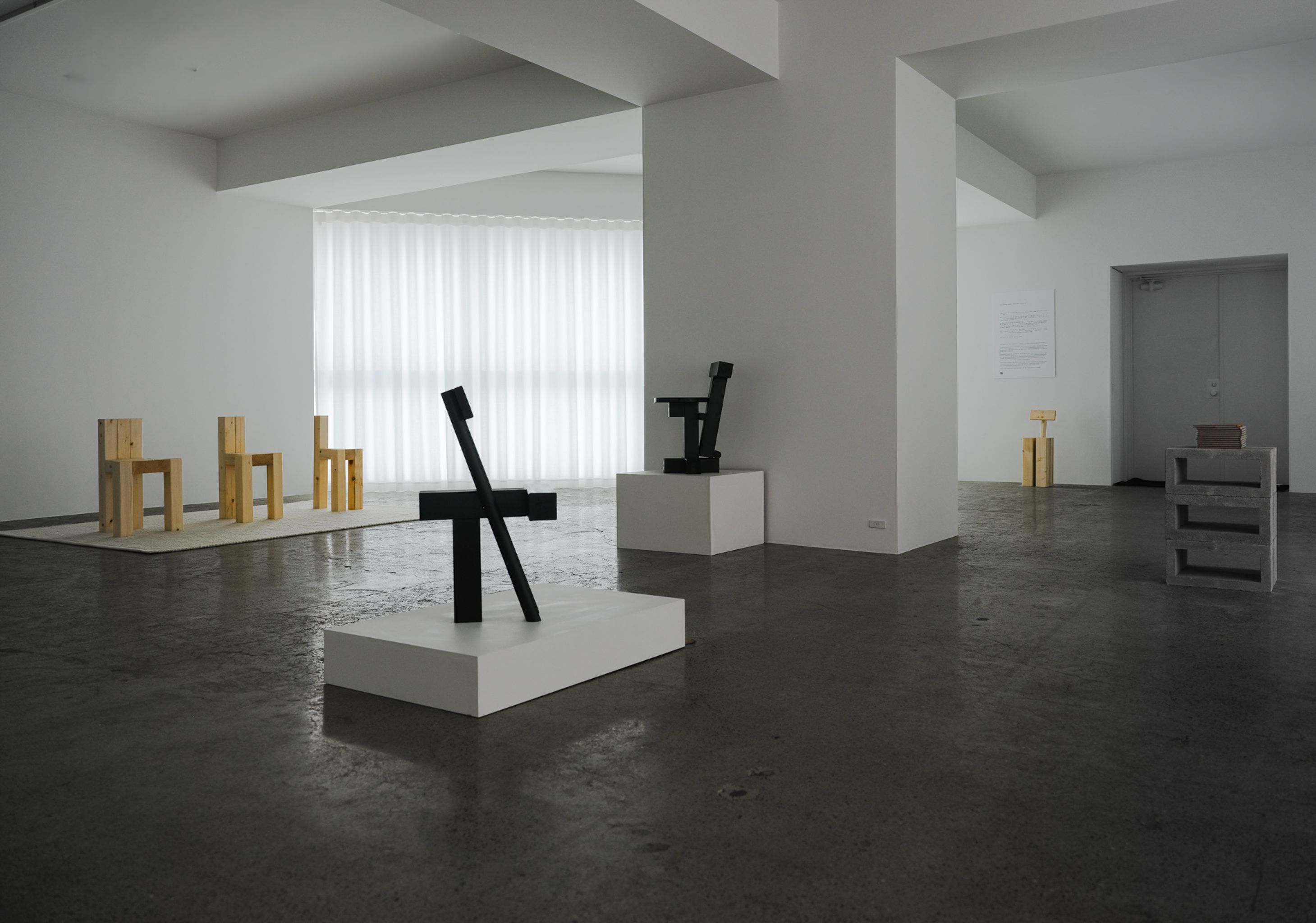
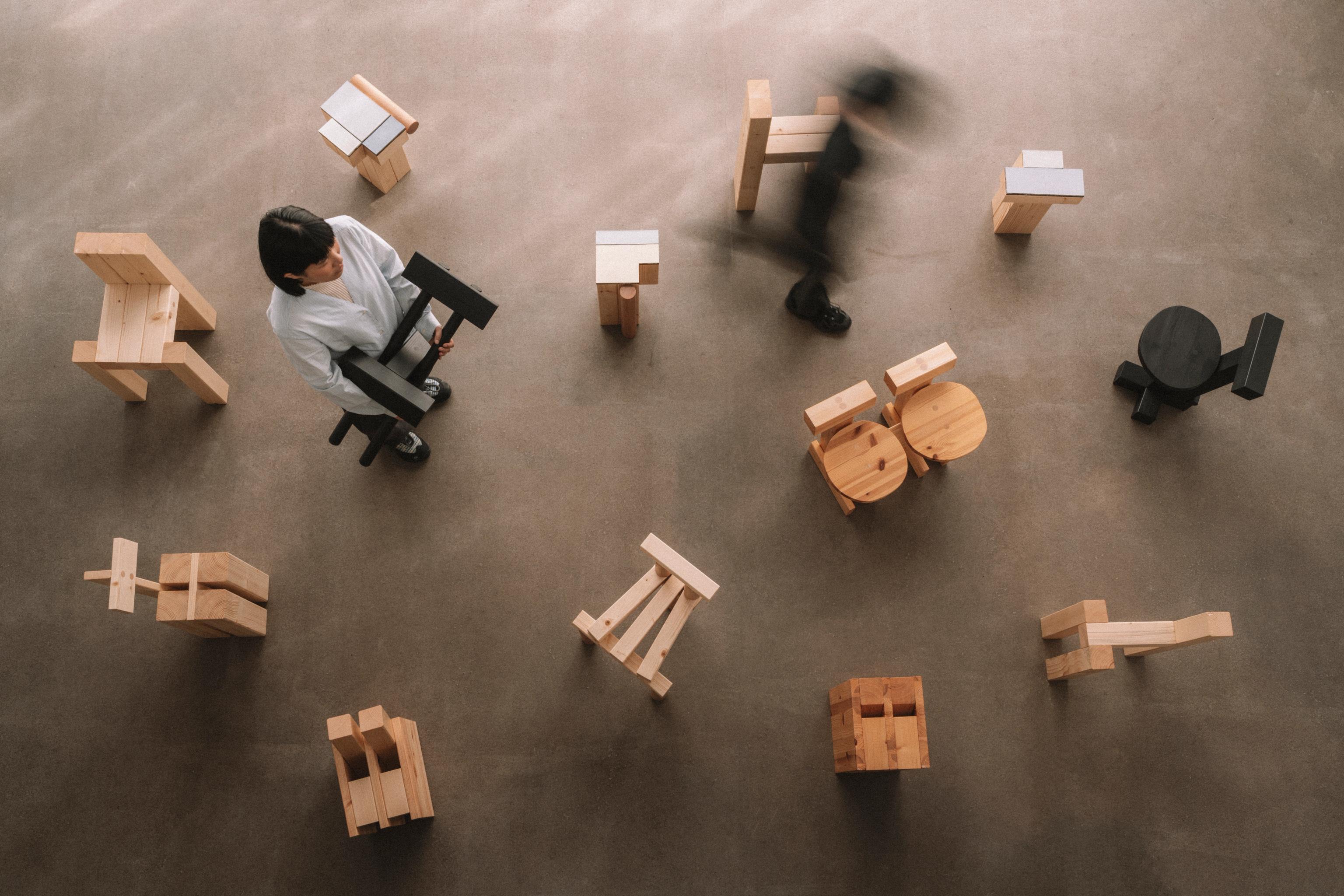
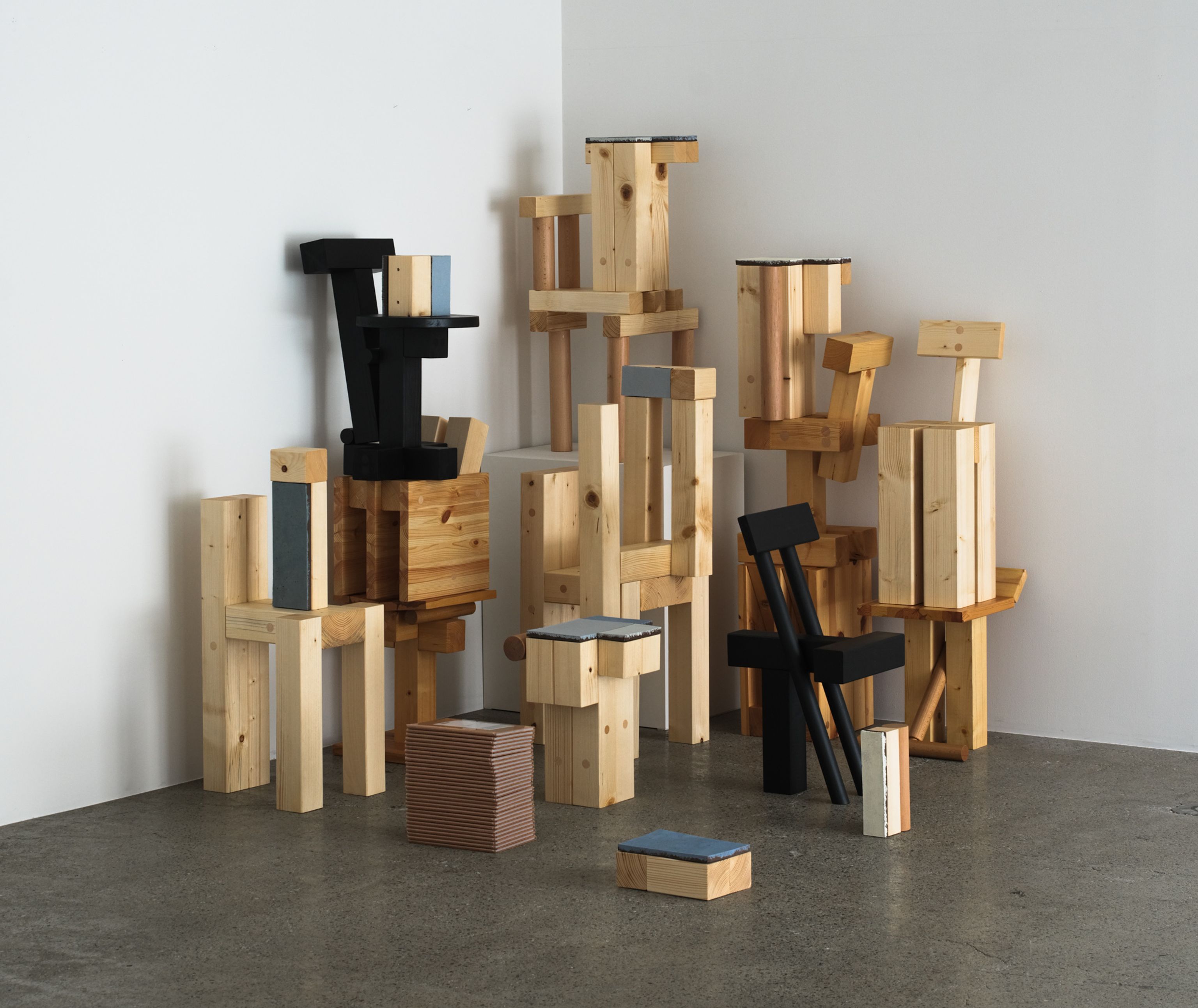
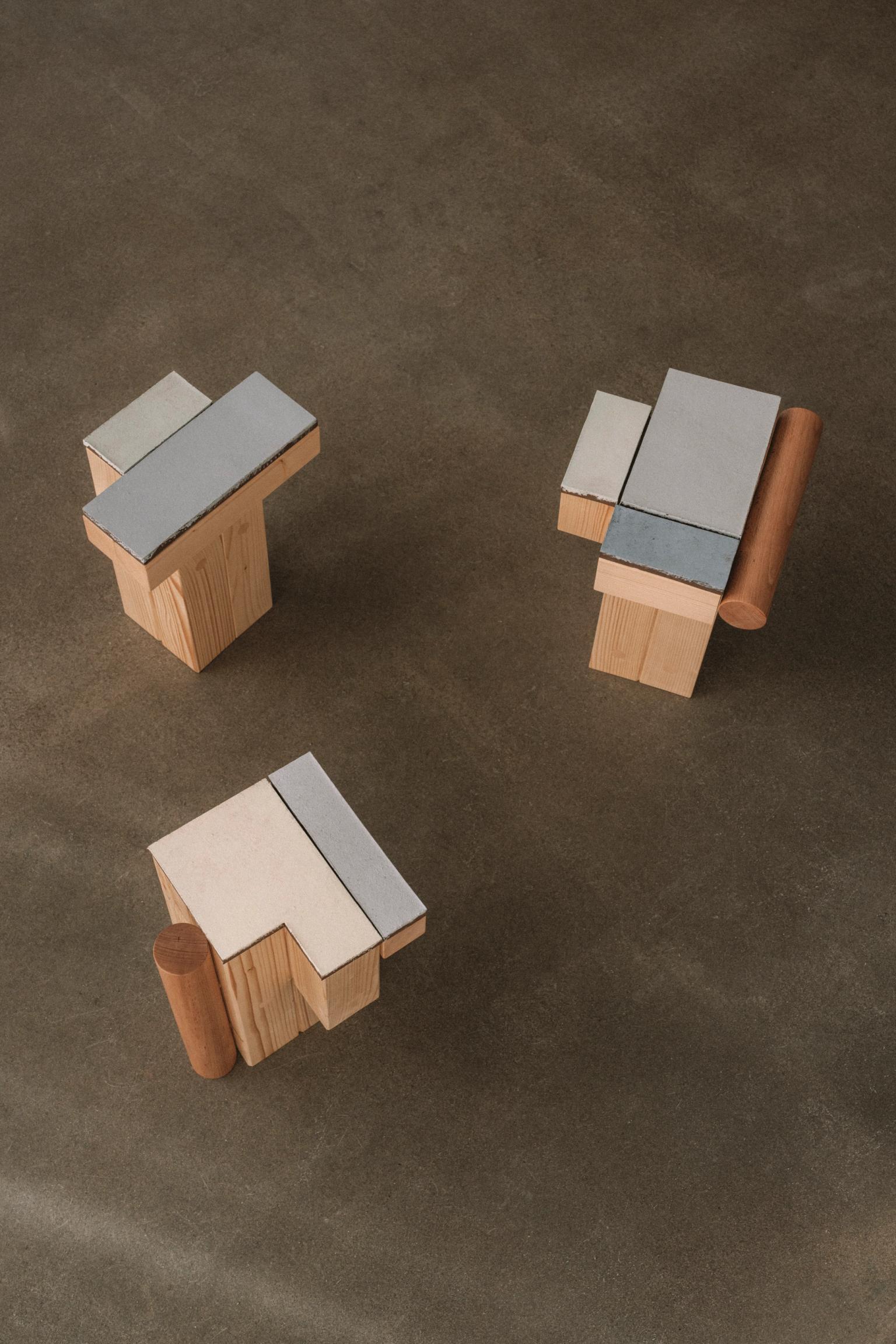
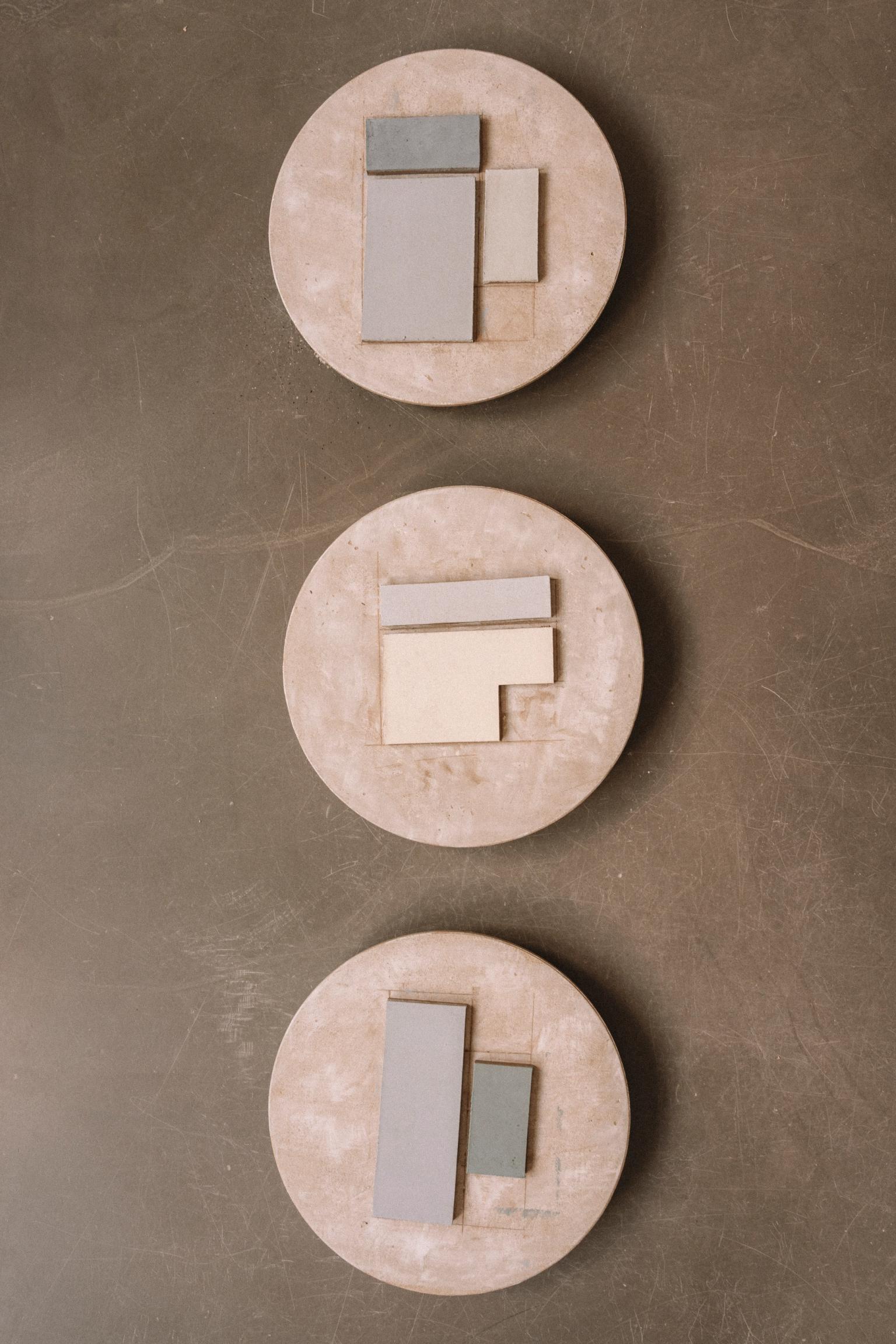
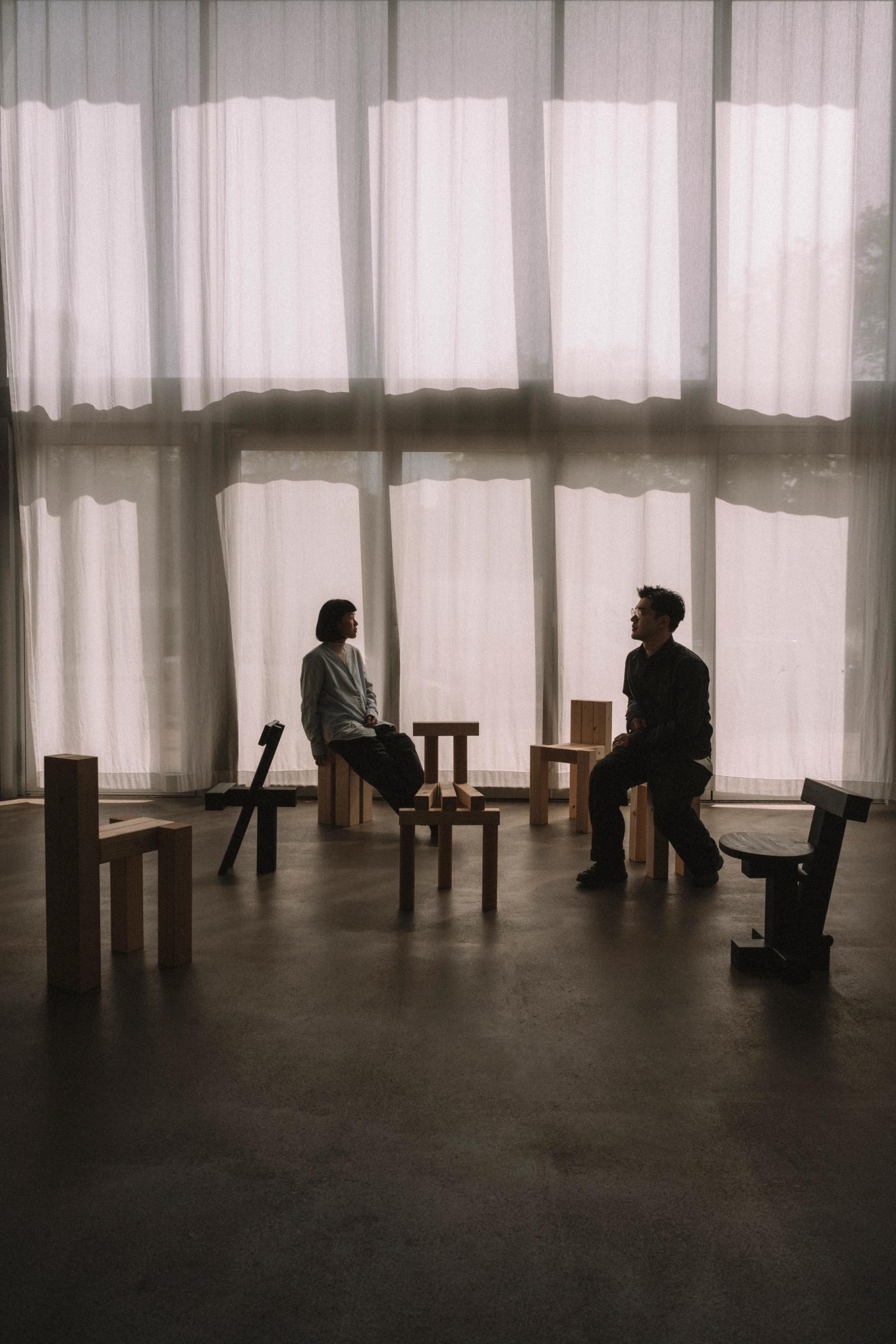
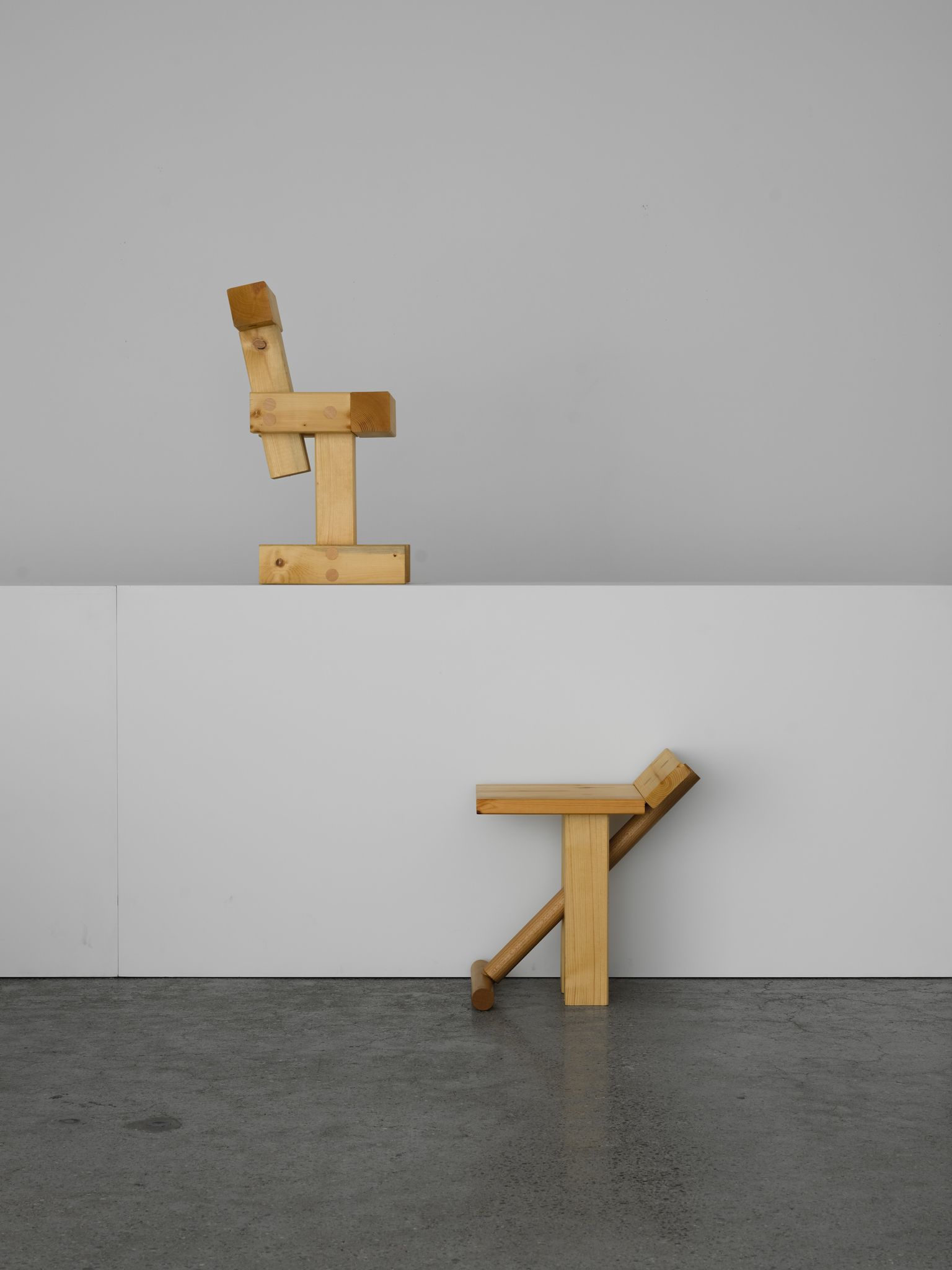
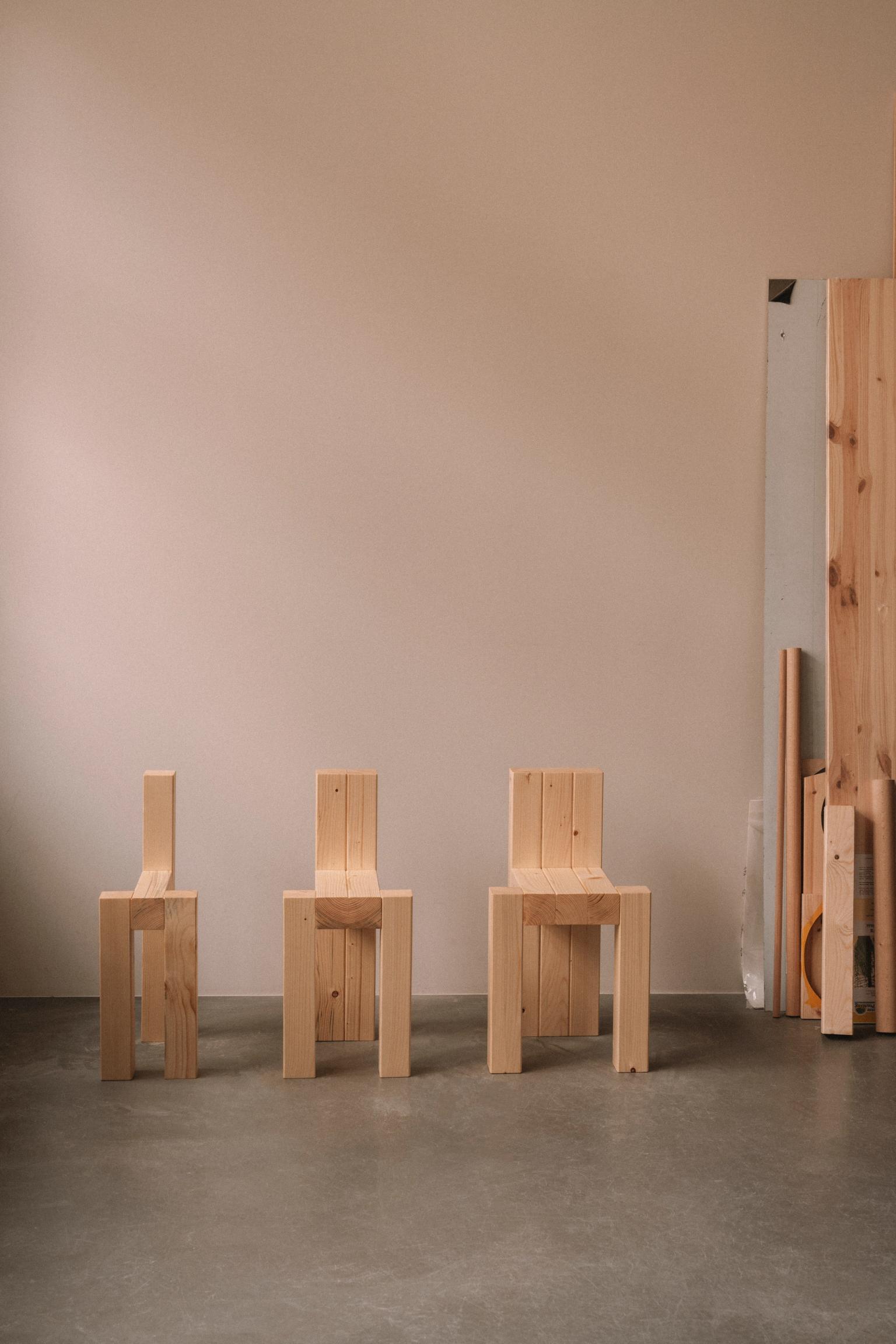
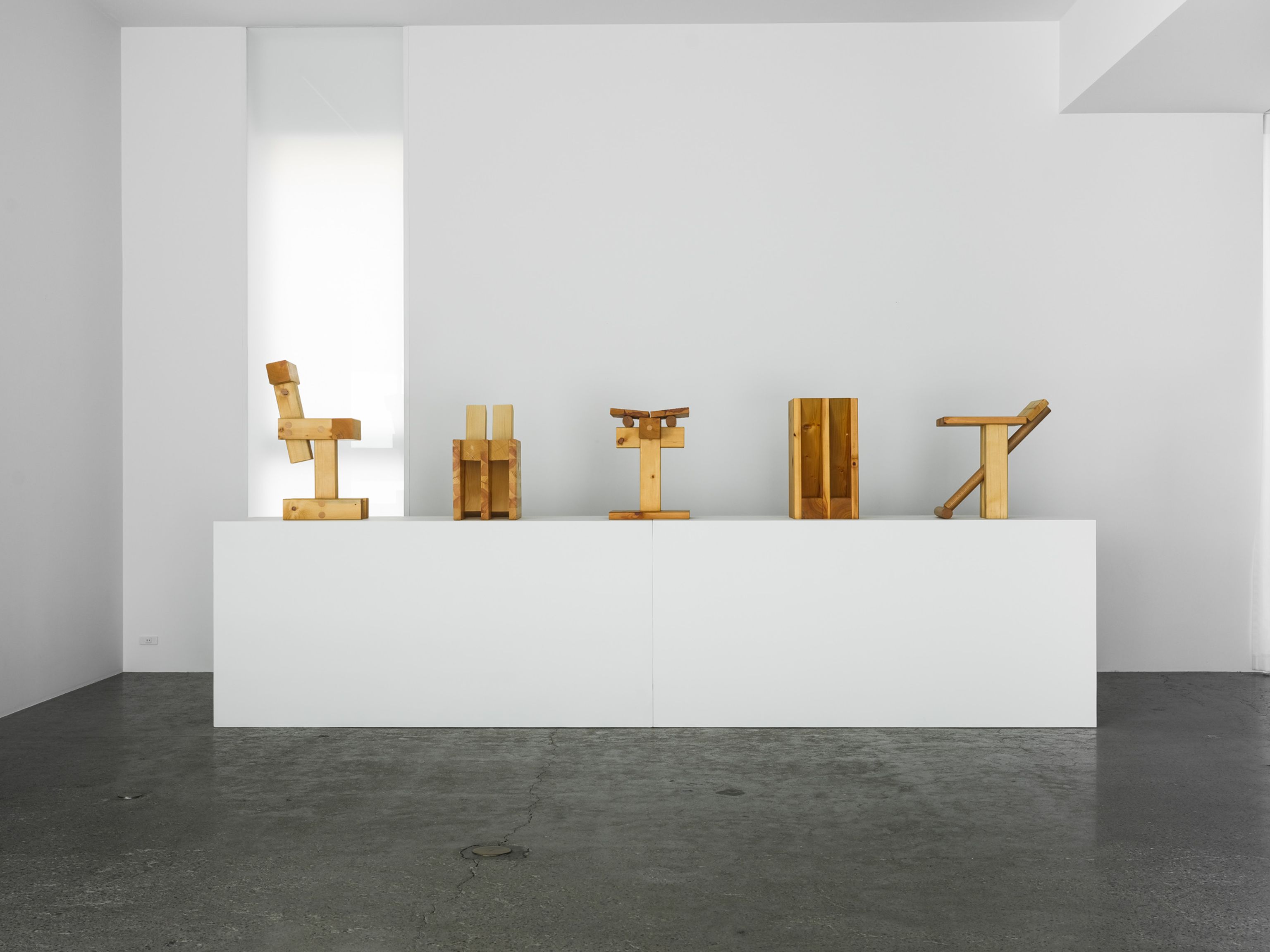
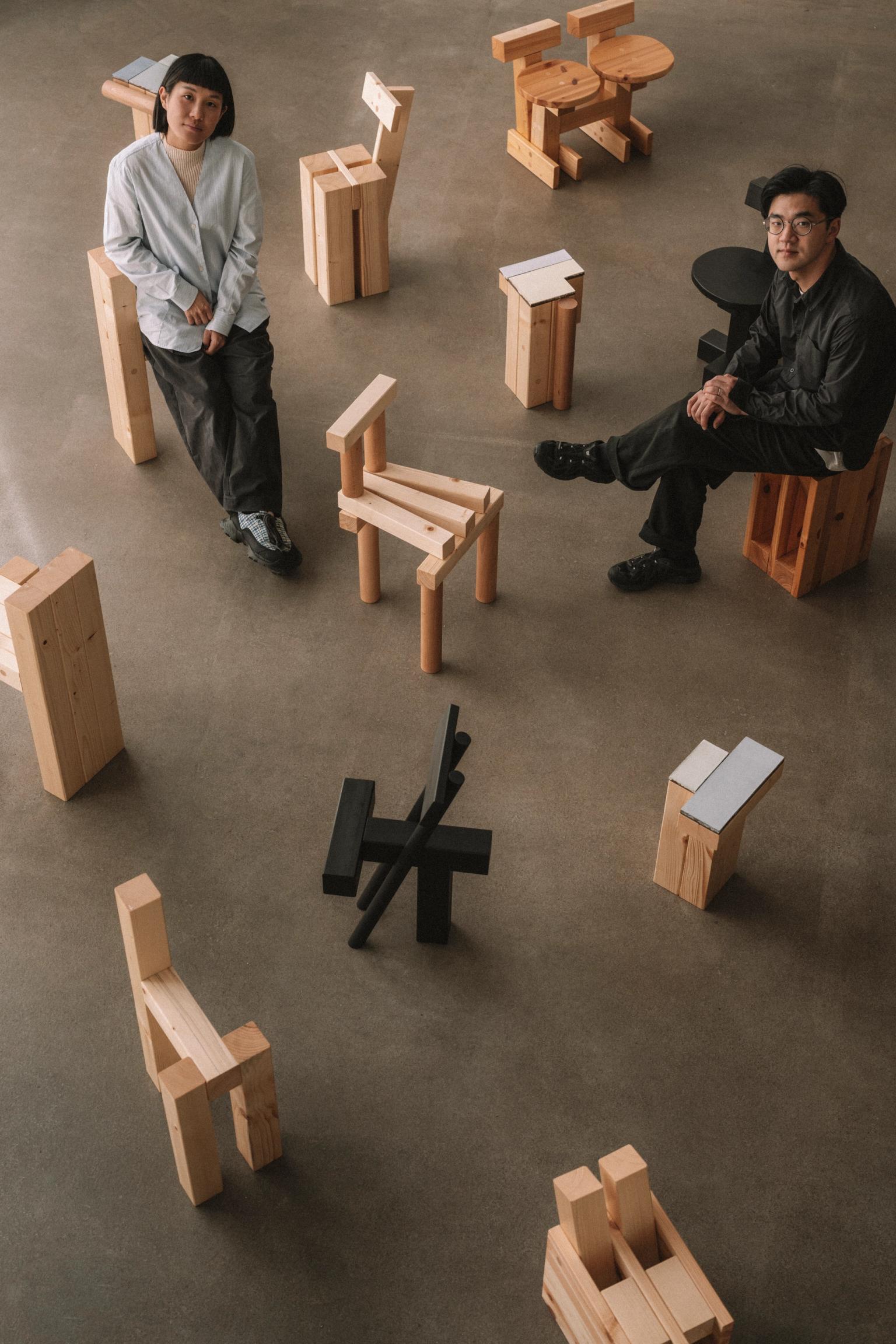
INDERGARTEN by Yellow Nose Studio is a collection of ten variations built from only three basic wooden shapes: a circle, a square, and a rectangle. The starting point is deliberately reduced, almost elementary, but used as a framework for expansion rather than limitation. By removing the “K” from “Kindergarten”, the Berlin-based studio, founded by Taiwanese designers Hsin-Ying Ho and Kai-Ming Tung, opens the idea into something less defined: a field of making guided by curiosity, repetition, and play rather than fixed function or system.

Fröbel’s Garden
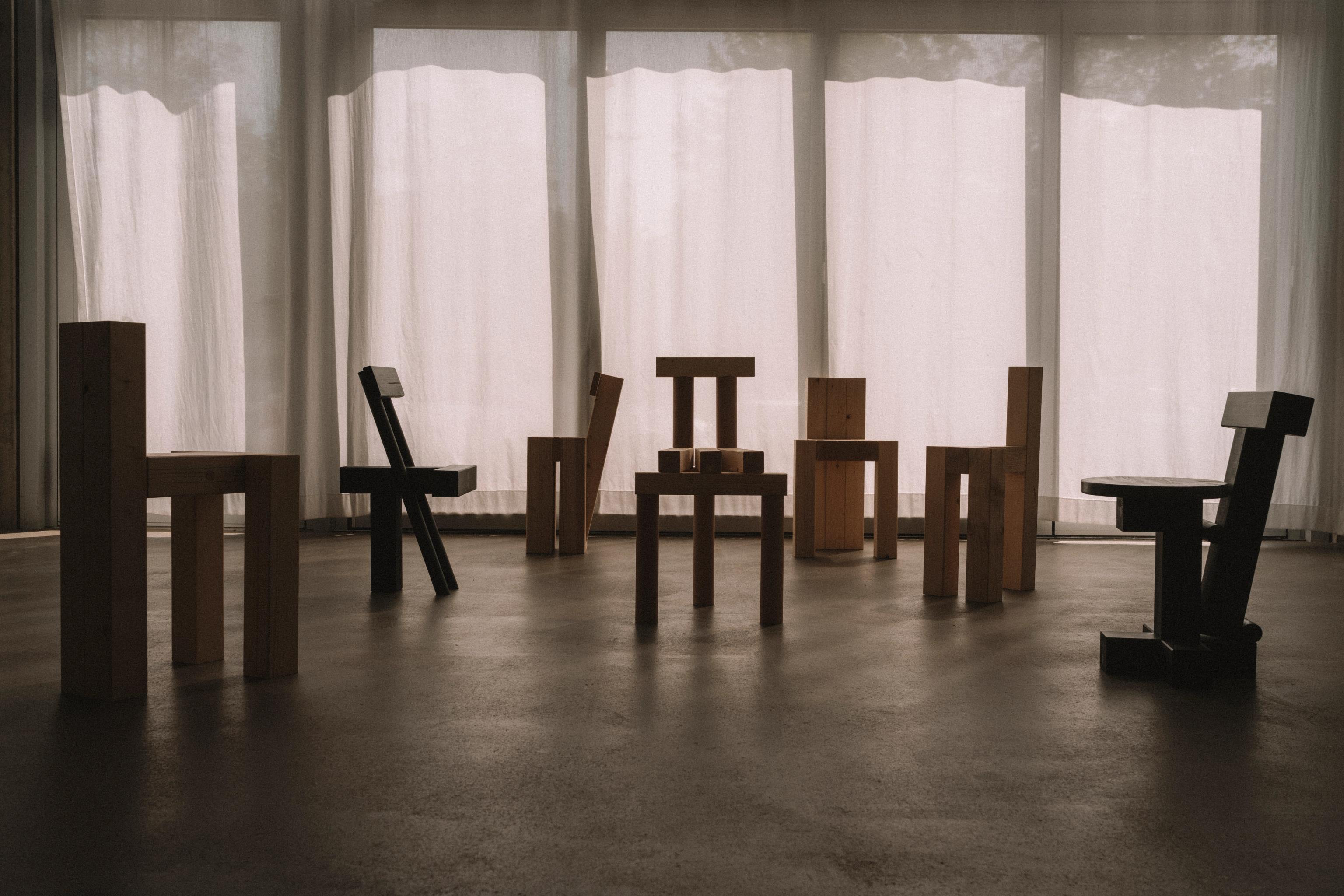
The project directly references Friedrich Fröbel’s kindergarten philosophy from 1840, where the “children’s garden” was understood as a space for learning through observation, tactile exploration, and simple construction.
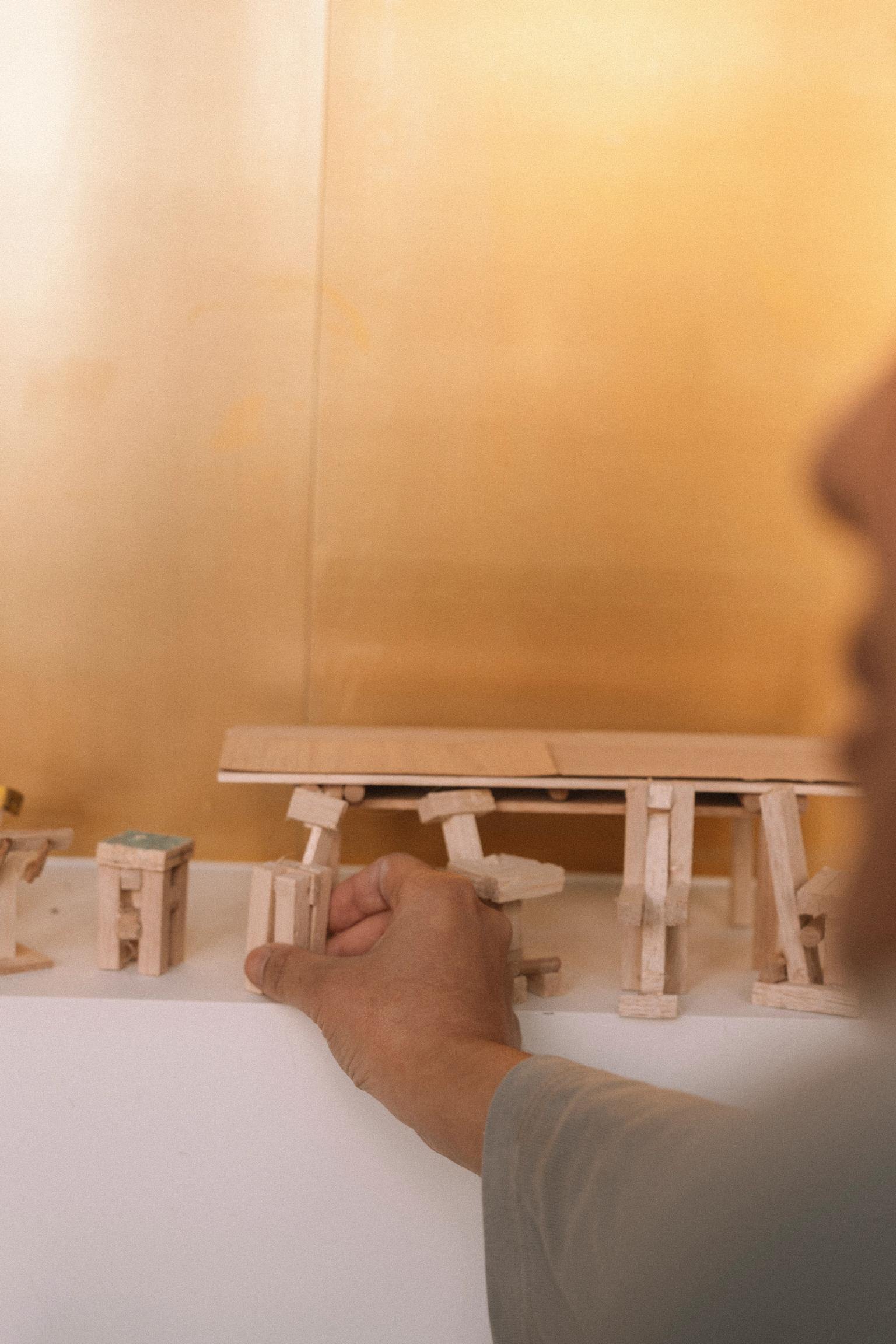
INDERGARTEN translates this idea into a contemporary design process, where stacking, removing, and recombining become the main tools of production. Like wooden blocks, each element is part of a larger logic that does not aim to resolve into one final form, but instead stays open to variation. The idea of learning is embedded in the act of arranging itself.







Ten Variations, Between Object And Prototype
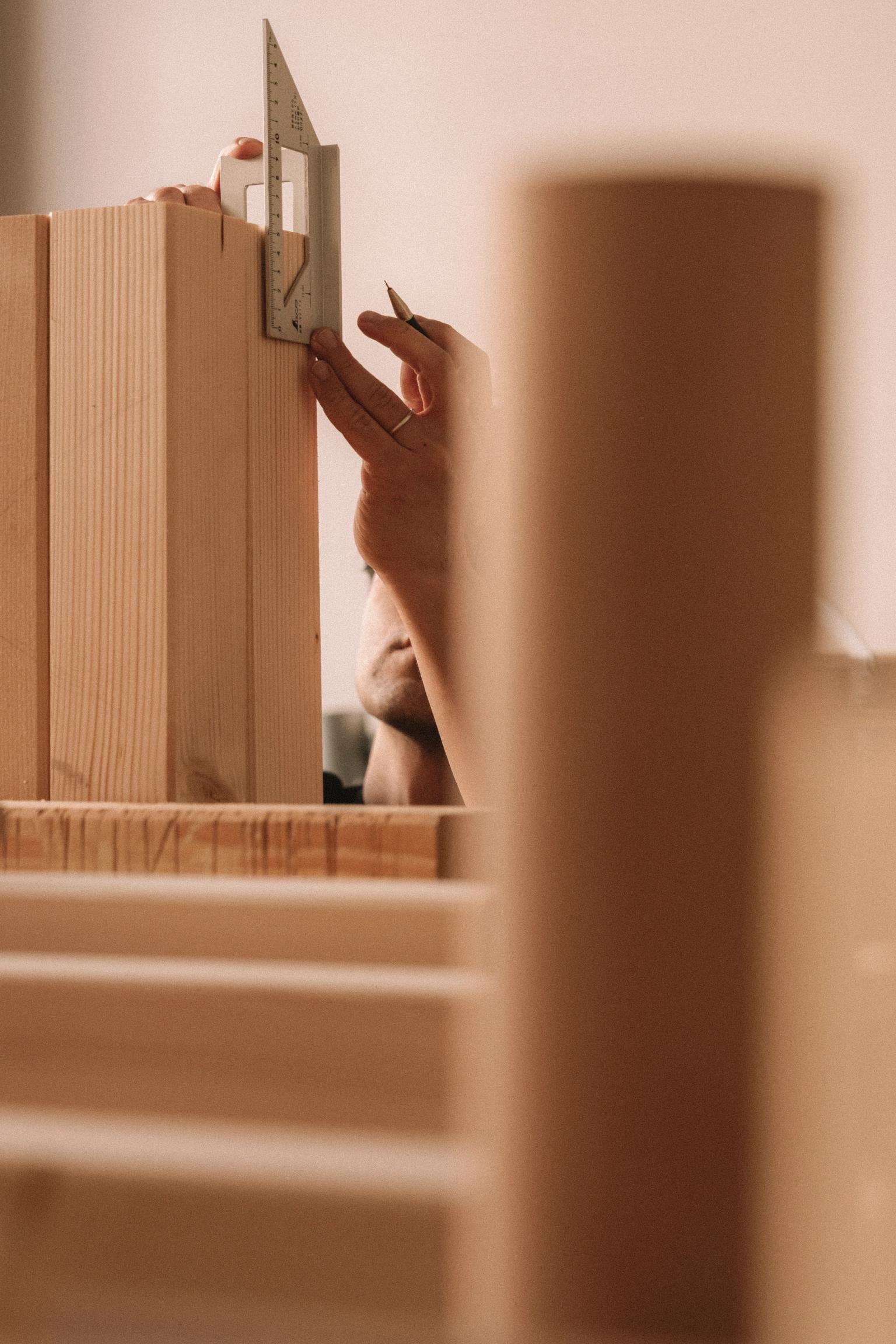
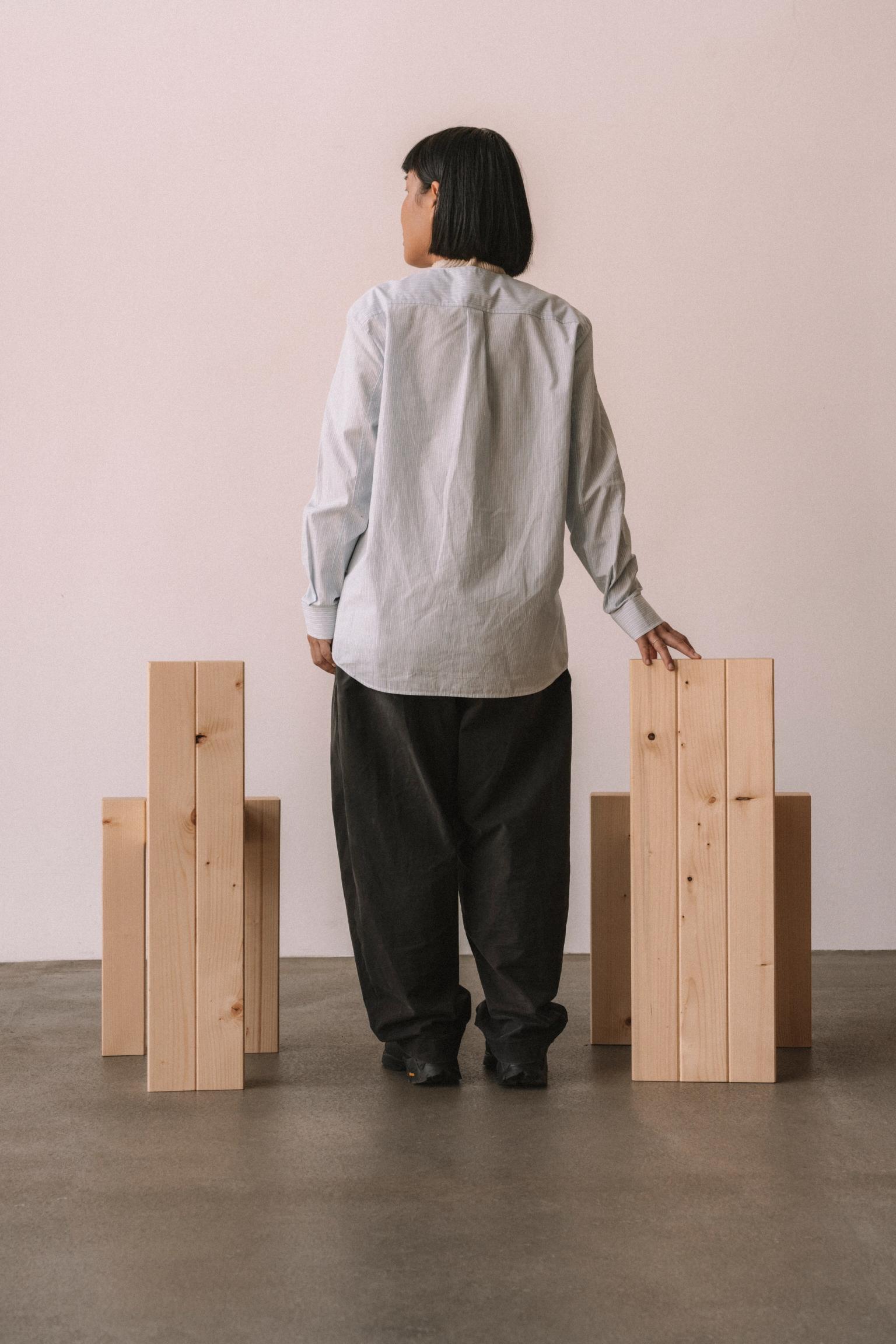
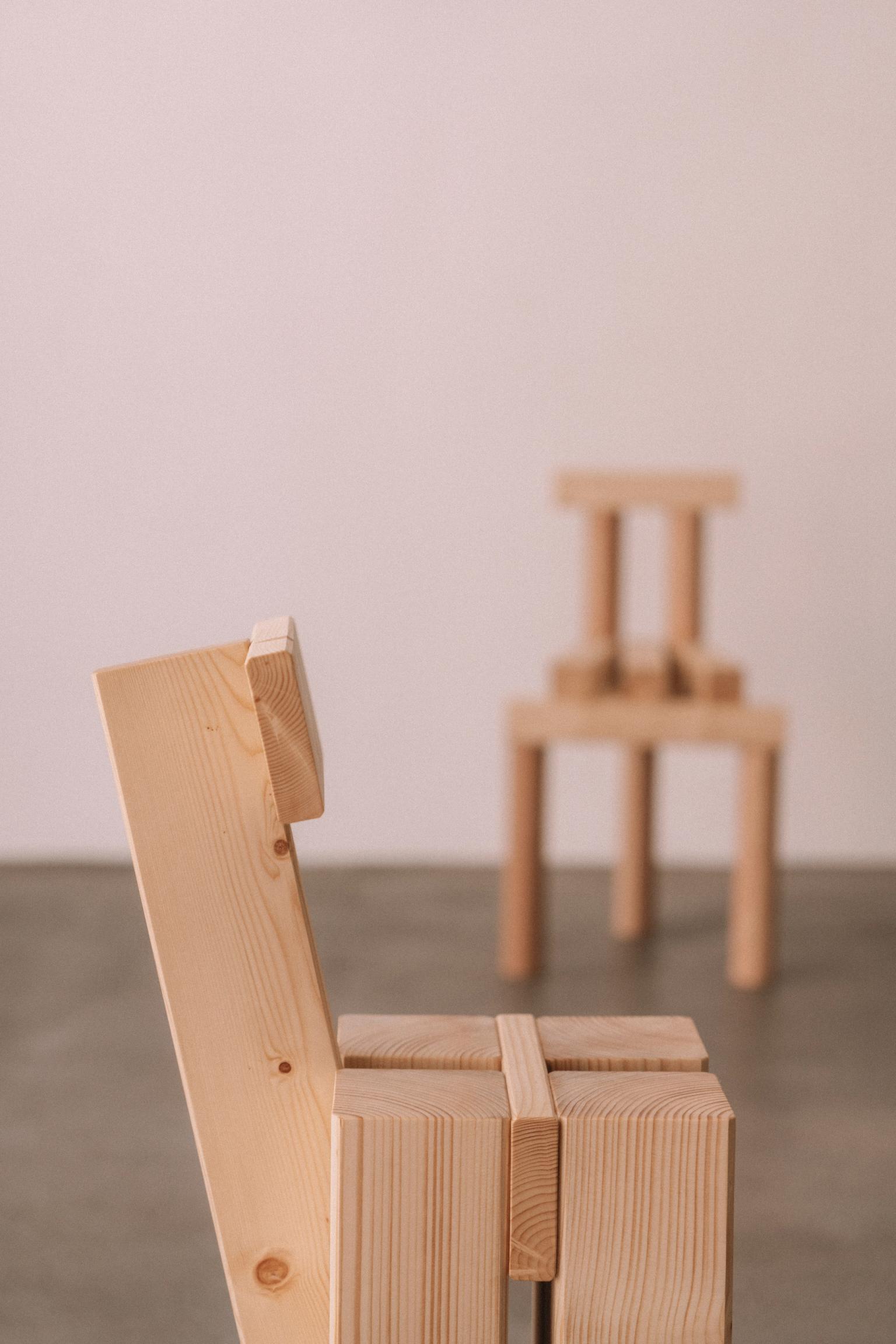
The collection consists of seating objects and vases, but the categories remain intentionally fluid. Each piece is handmade in Berlin and developed through direct interaction with raw wooden elements, where proportion, balance, and instability are constantly tested. Surfaces are left honest, carrying marks of touch and production rather than being refined into uniform perfection. Small shifts in alignment or geometry are not corrected but kept as part of the visual language, giving each object a slightly different character while still belonging to the same system.


Process As Repetition, Adjustment And Play
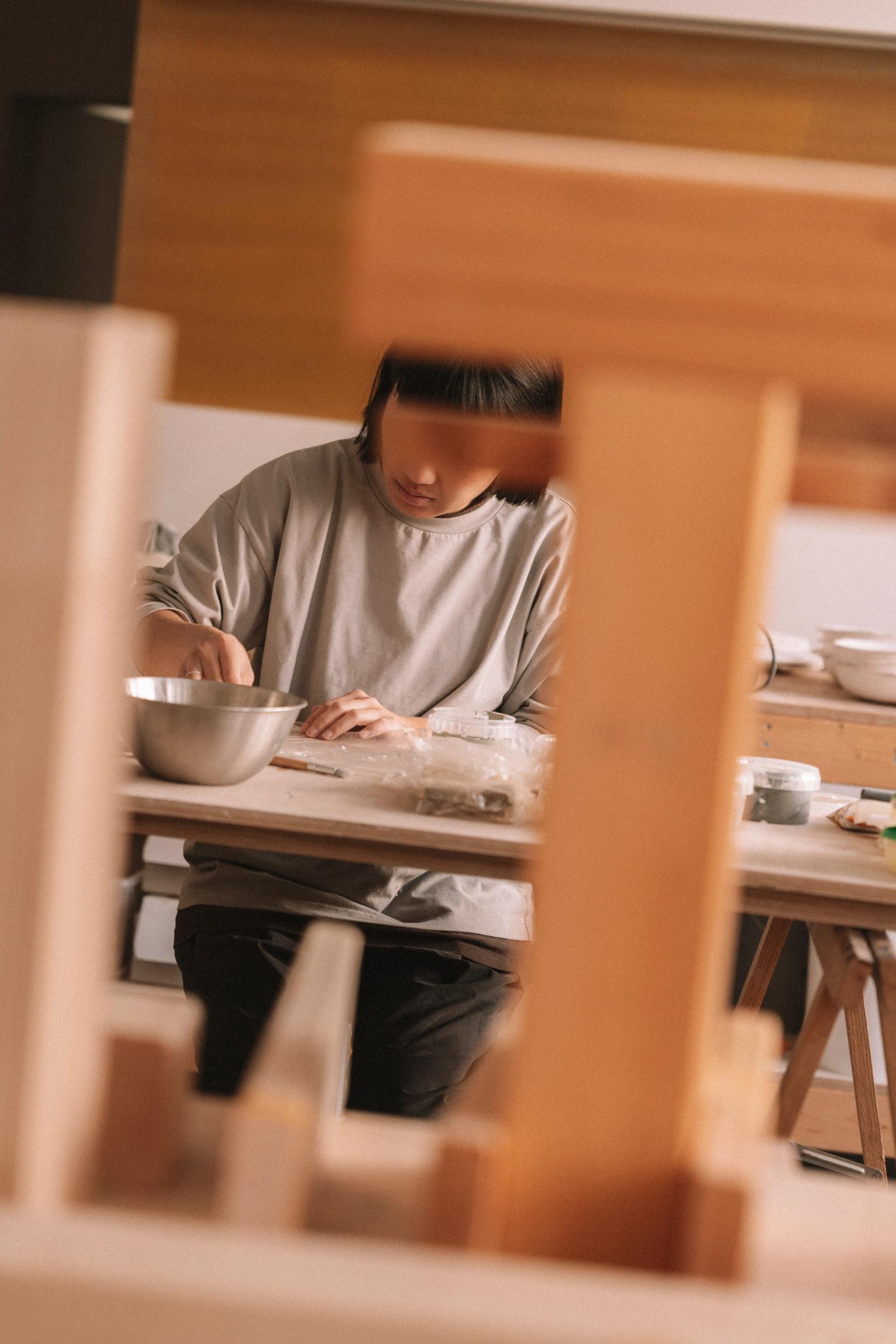
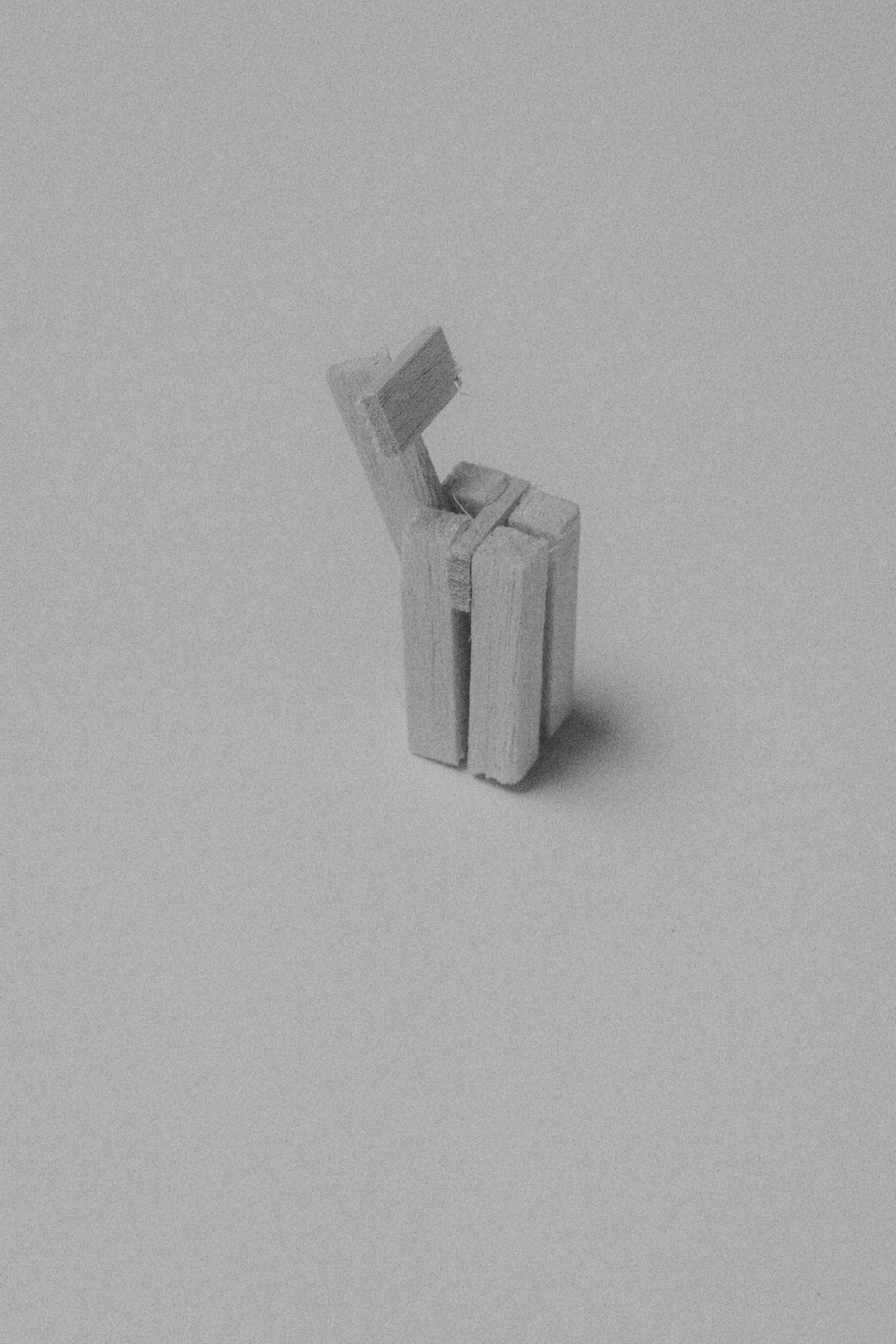
At the core of INDERGARTEN is a repetitive working method that resembles play more than traditional design development. Ho and Tung often use offcut wood as building blocks, stacking and breaking down forms again and again in a daily process that can take hours. Through this rhythm, ideas are not fixed in advance but discovered gradually through physical trial and error. When something falls, shifts, or feels unexpectedly right, that moment becomes part of the decision-making. The process is intentionally intuitive, allowing accident and instability to shape the final outcome.

Yellow Nose Studio
Founded in 2017, Yellow Nose Studio works across objects, spatial thinking, and material experimentation, with a focus on raw materials and handmade processes. Based in Berlin, the studio combines architectural thinking with a more emotional and tactile approach to design, where logic is often revealed through making rather than planning.

INDERGARTEN sits within a wider practice that explores slow living through everyday objects, tools for inhabiting space more attentively. Here, design becomes less about defining objects and more about creating conditions where form can continuously shift, respond, and remain open over time.