
Dana Lixenberg
Imperial Courts
- PhotographerDana Lixenberg
Ingvar Kenne A year after Rodney King’s death by police and the riots that followed Dana was sent by the Dutch magazine Vrij Nederland, to cover the aftermath and reconstruction of the area.
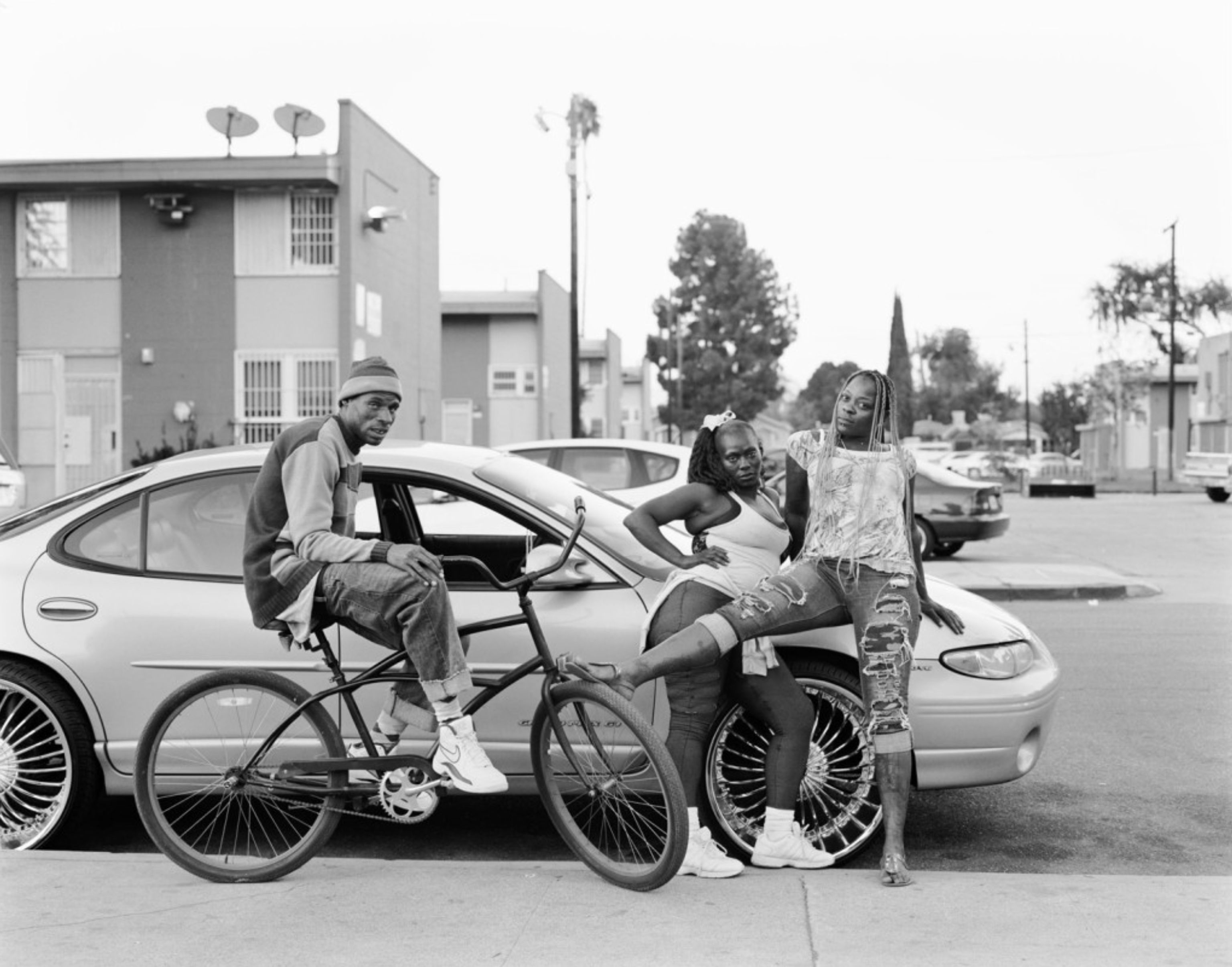
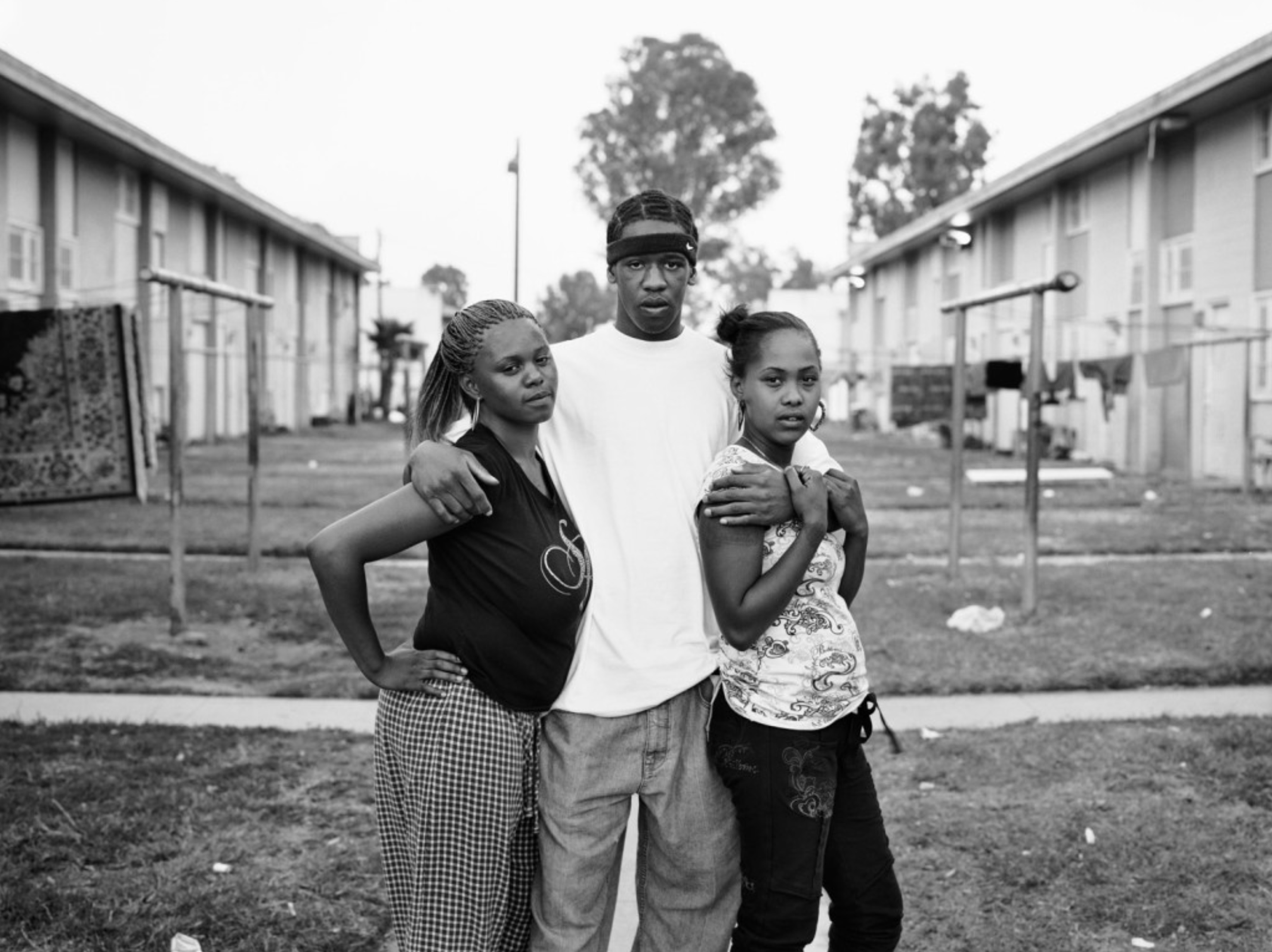
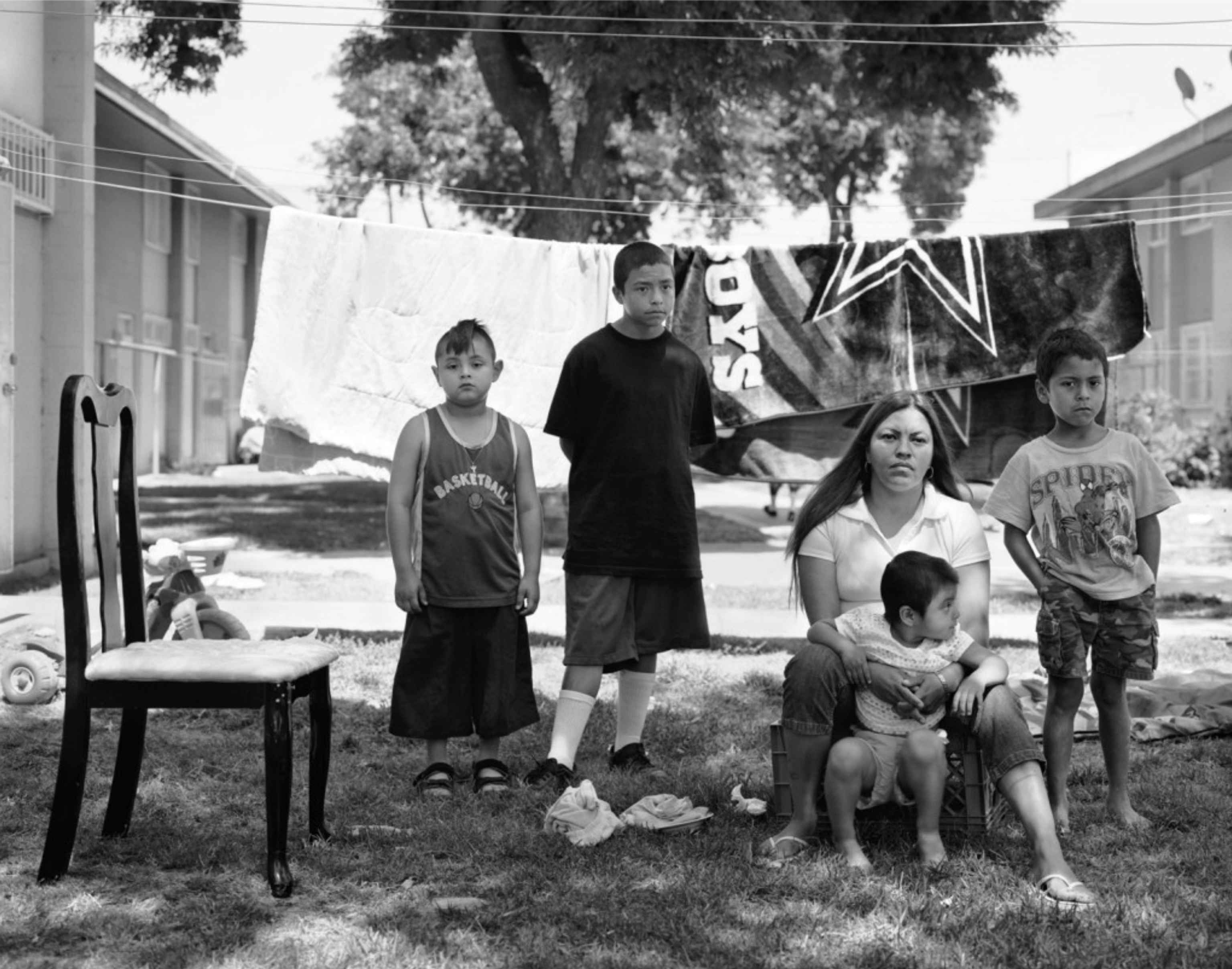
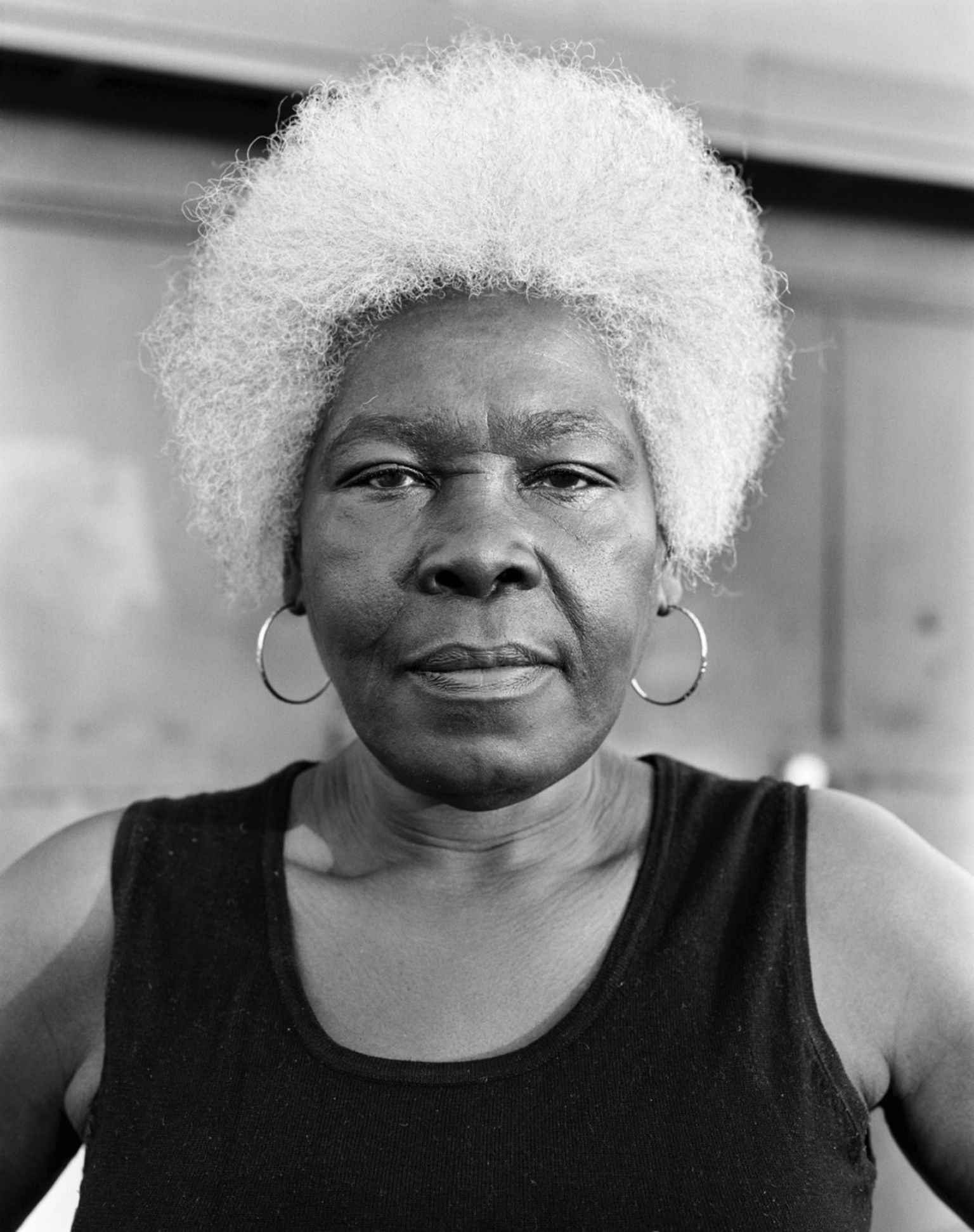
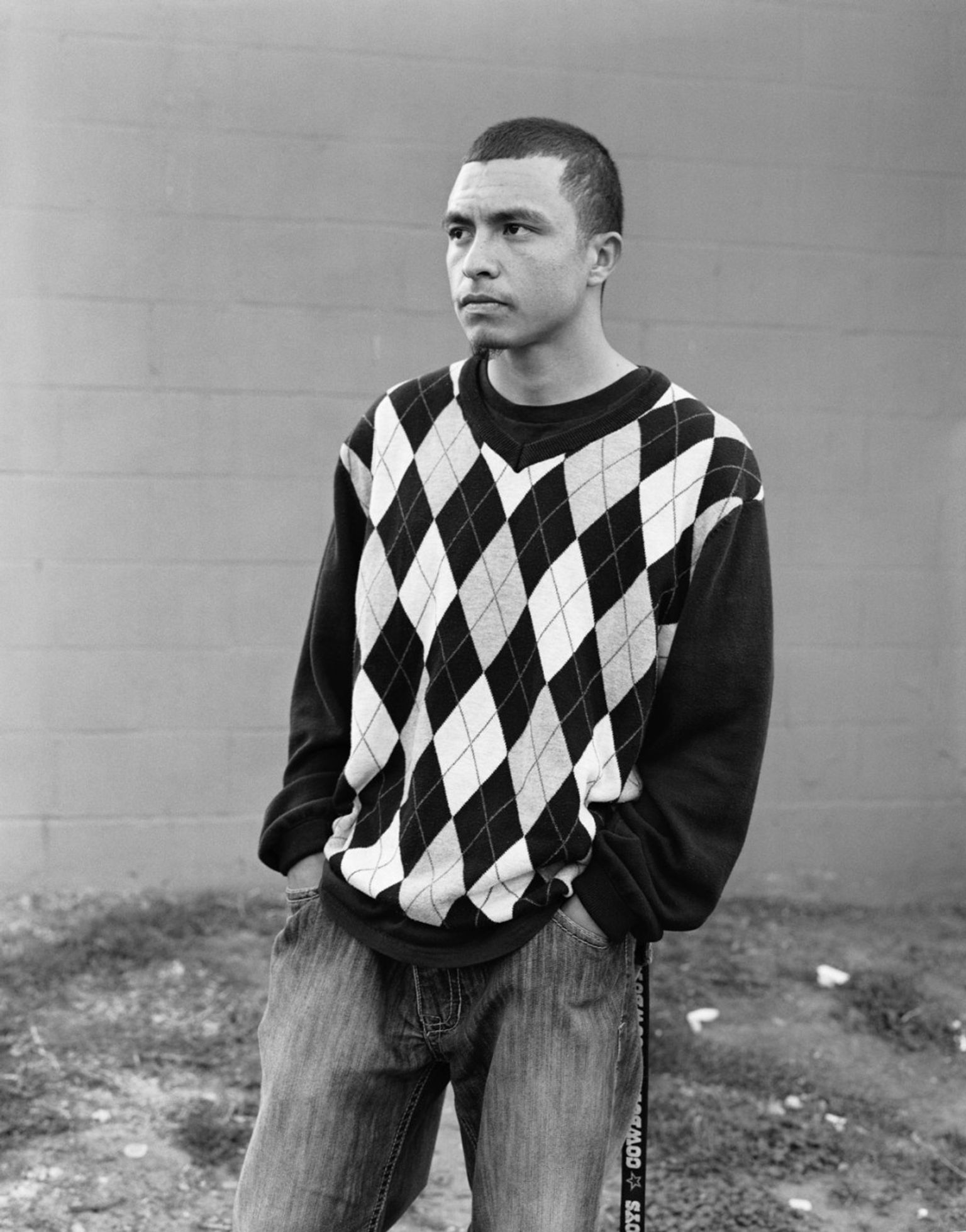
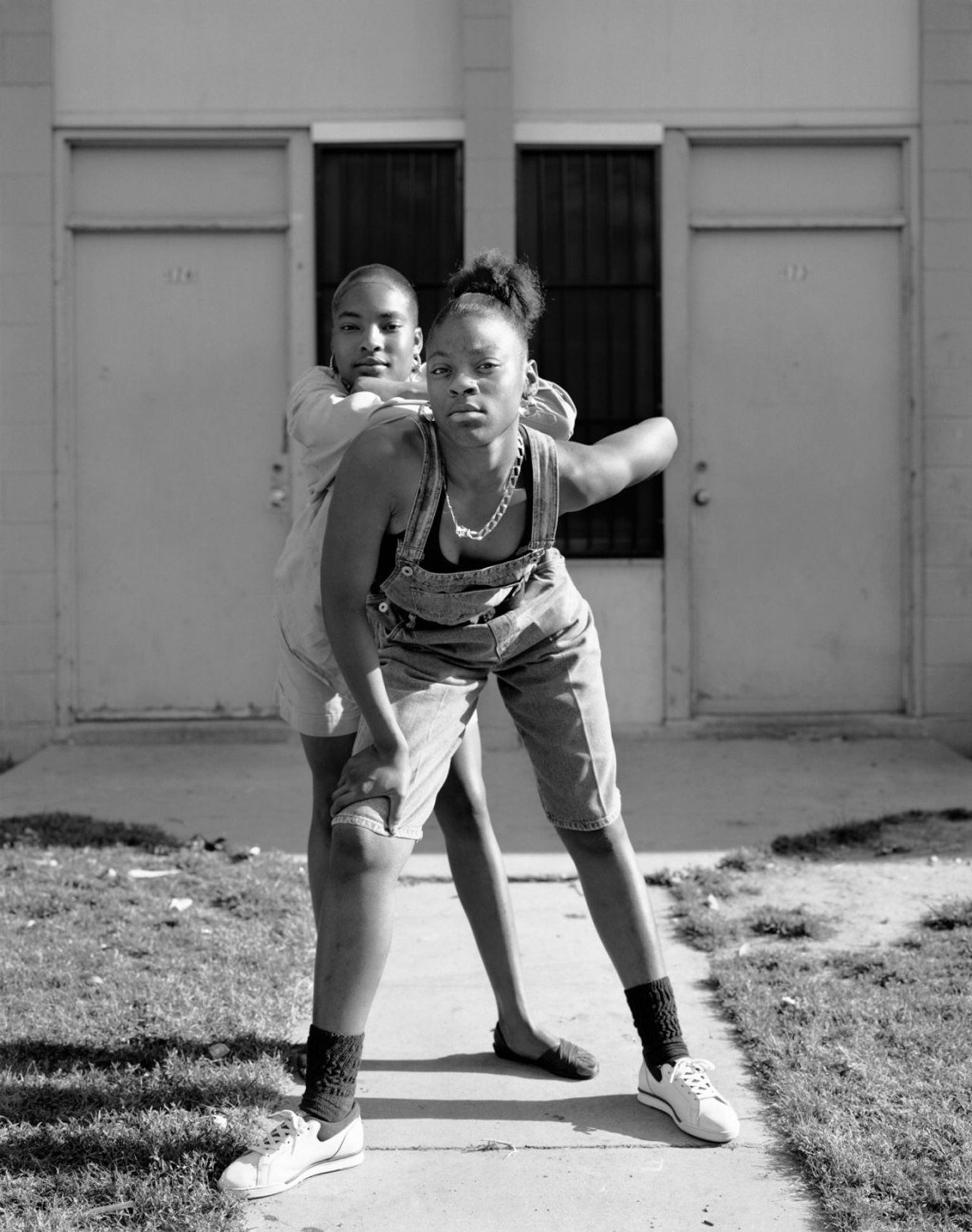
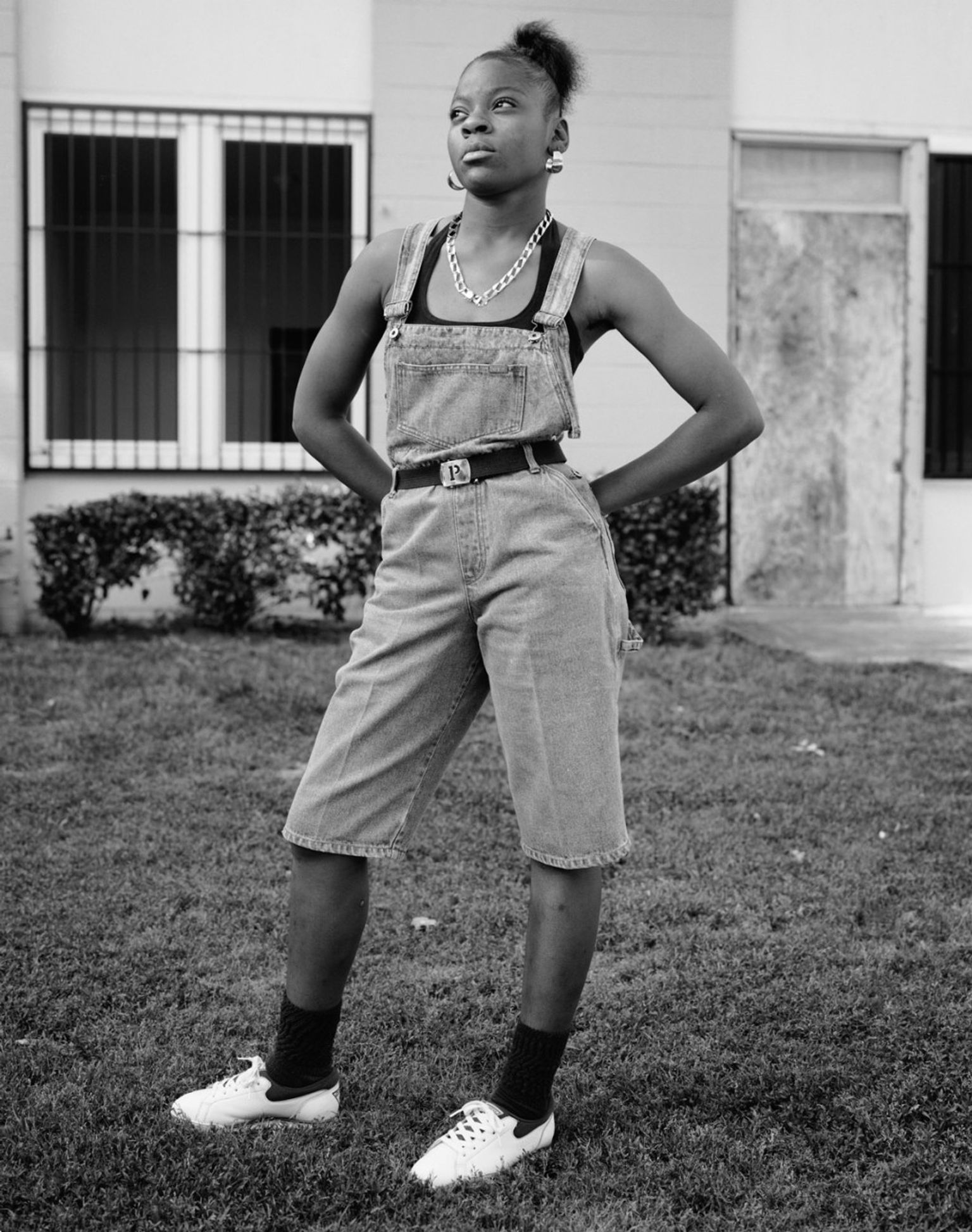
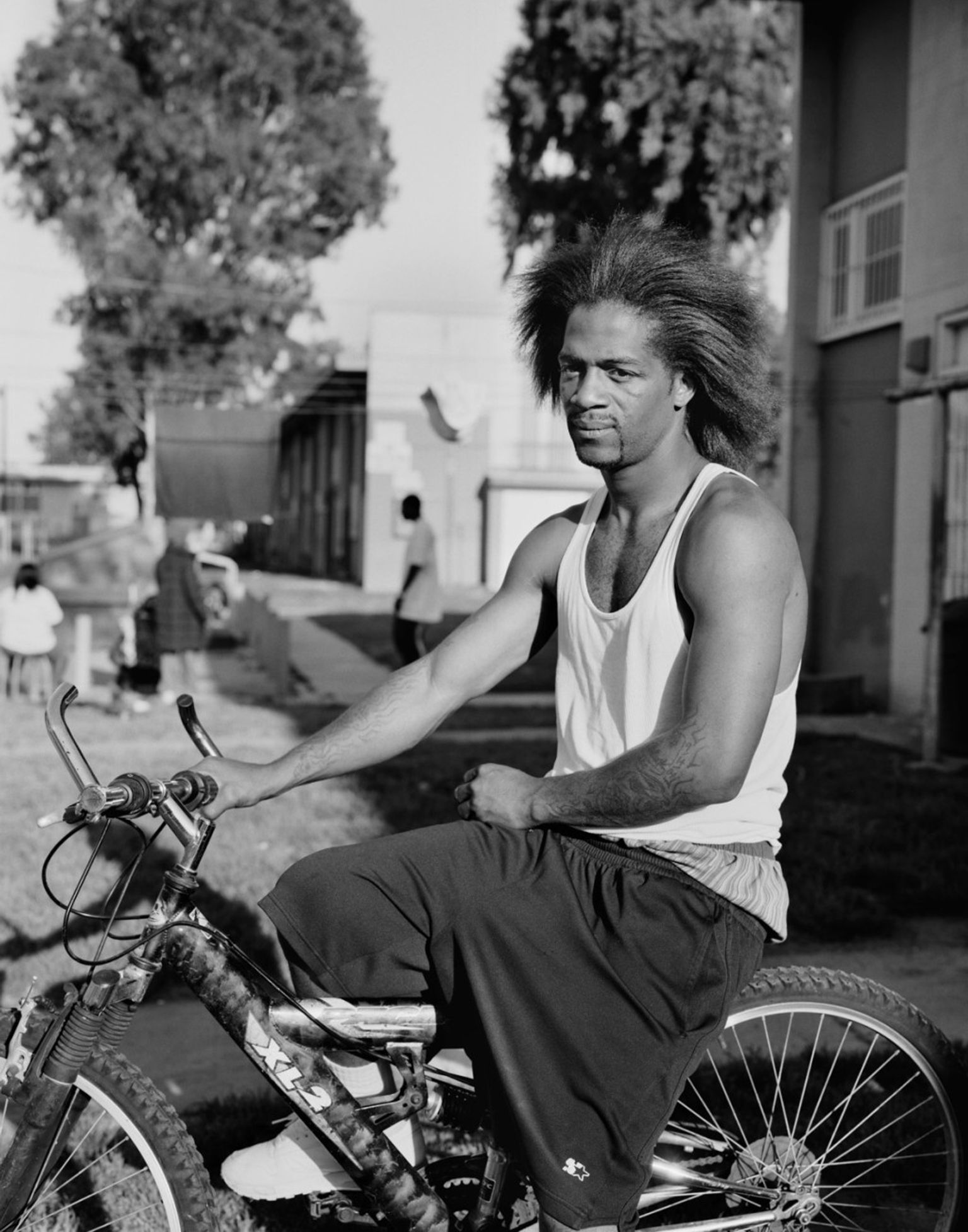
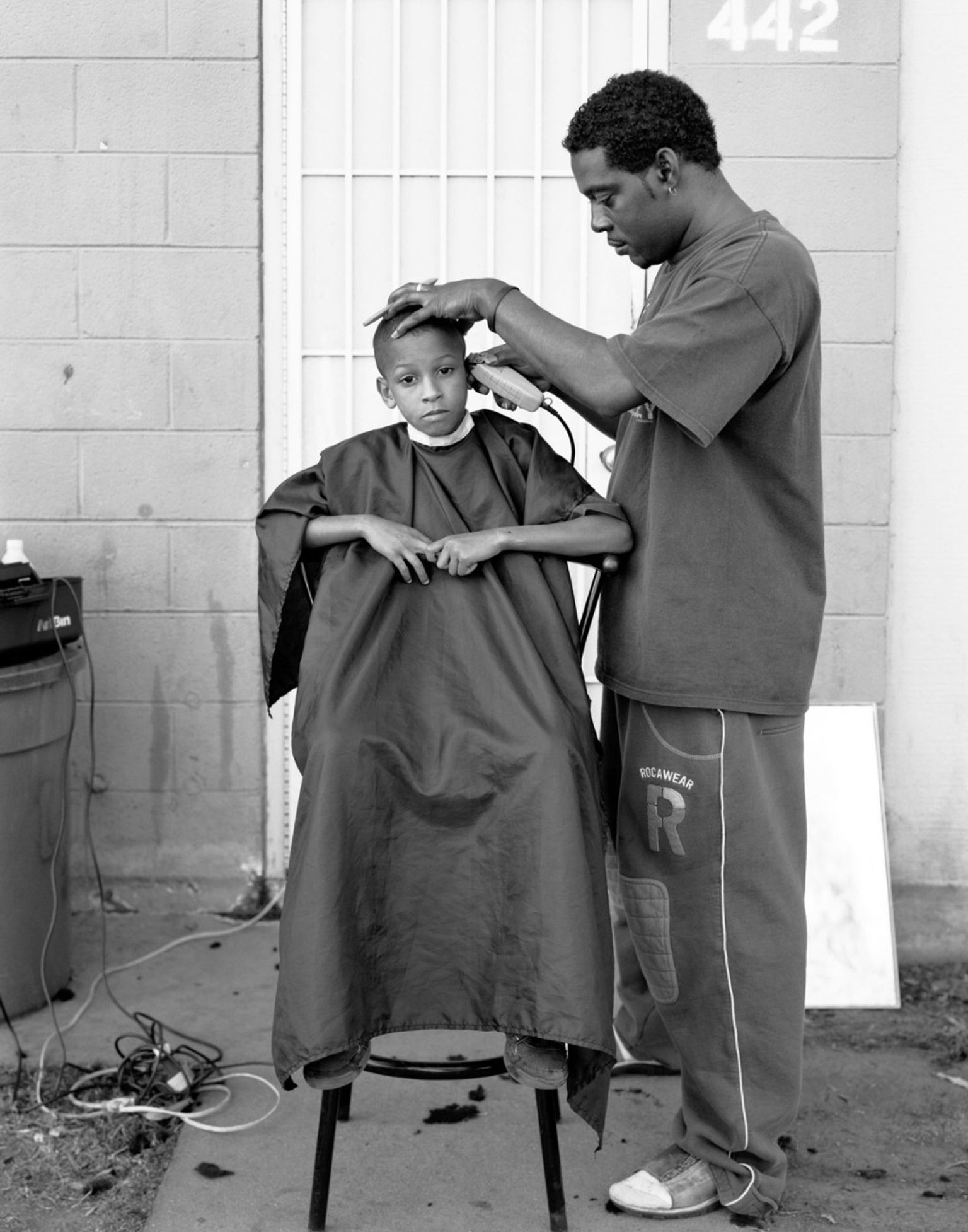
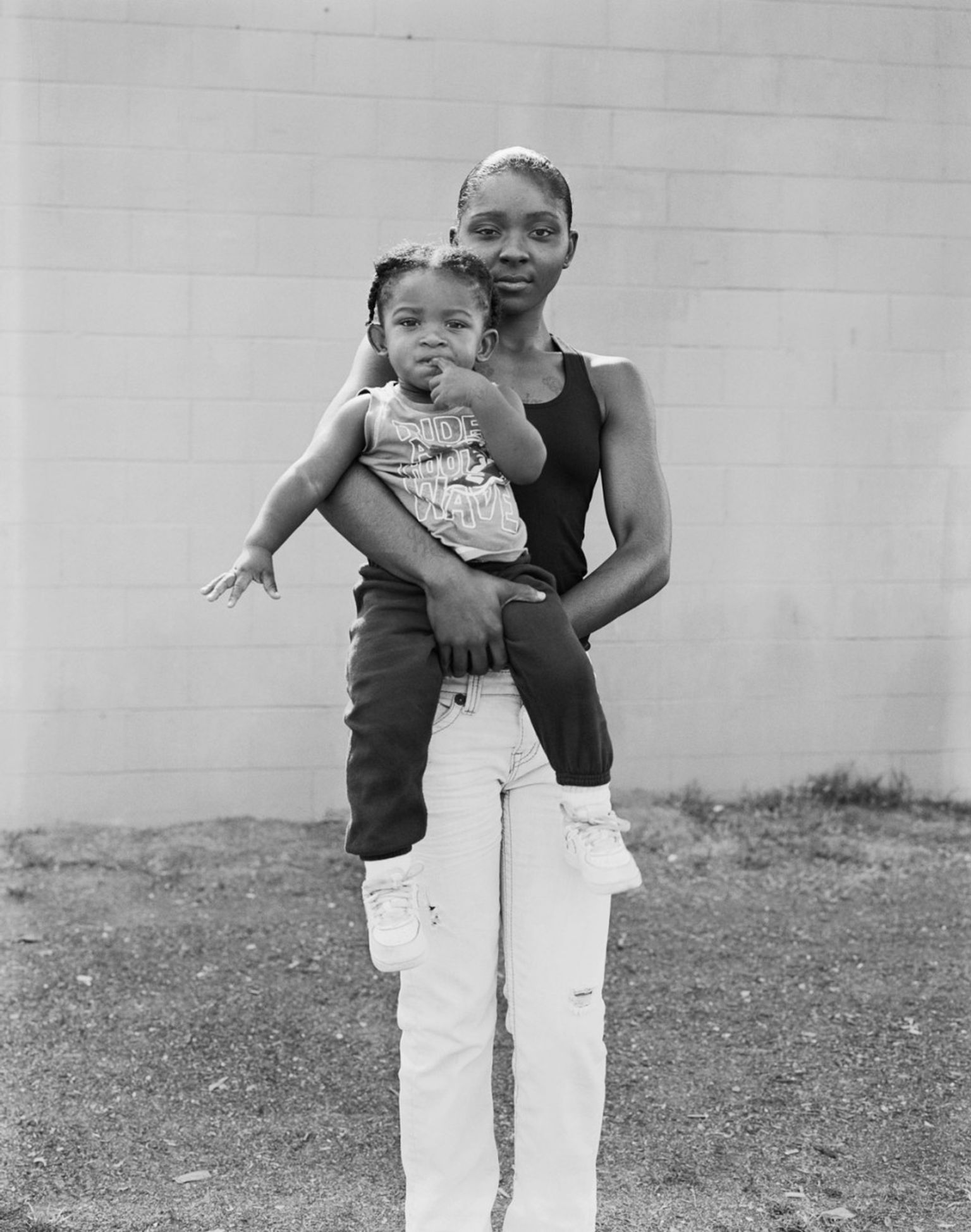
She decided to photograph on a 4x5 inch camera using a tripod to slow things down and gifting the test polaroid’s to her subjects. Slowly trust was built. The work was exhibited later that year in Amsterdam, but Dana decided to keep going back to the housing estate of Imperial Courts and documenting. It ended up being 22 years of photographing (and later adding video and sound recordings) before the book Imperial Courts was published. Many of the subjects appear multiple times, images of them decade apart. You see one as a child, later with a child of her own. It becomes anything but sensational, yet death and fragility of life is tapping at the edge of frame. In Dana’s words:
“I want each image to be its own self-contained story, and then together, as a body, they present the community in a certain way. It’s not the wild west with people shooting each other, but people do live with a lot of loss and death.” – Dana Lixenberg

Ingvar Kenne's Perspective on Dana Lixenberg
…I myself have spent my whole life being interested in the “other”, finding the camera the tool that drives my exploration towards the things I want to understand better, rather than looking in the rear view. I think that is what I relate to most in all of Dana’s work. Her insatiably quest to get to know and understand rather than move in familiar loops around memory. Yet for the people involved, the end result of a two-decade project is just that – a chance to remember and using photography as one of the means to understand the complexities of the past.
Dana’s whole catalogue, whether her own projects or commercial assignments, is near indistinguishable from one another. You enter Dana’s world. Beyond their story telling powers, the images are also objects of sheer beauty and shot by a photographer who excels in craft.


A Community Over Time
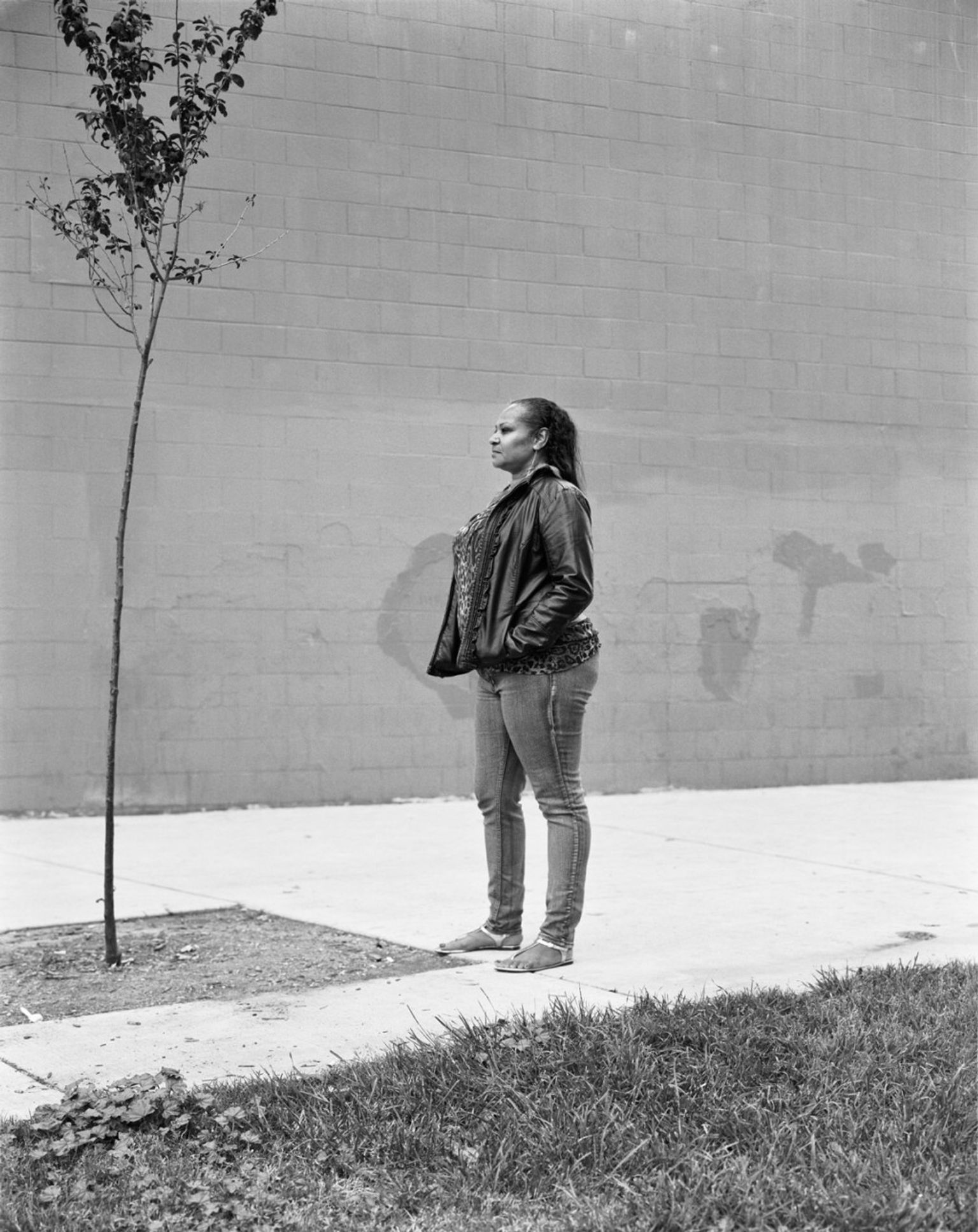
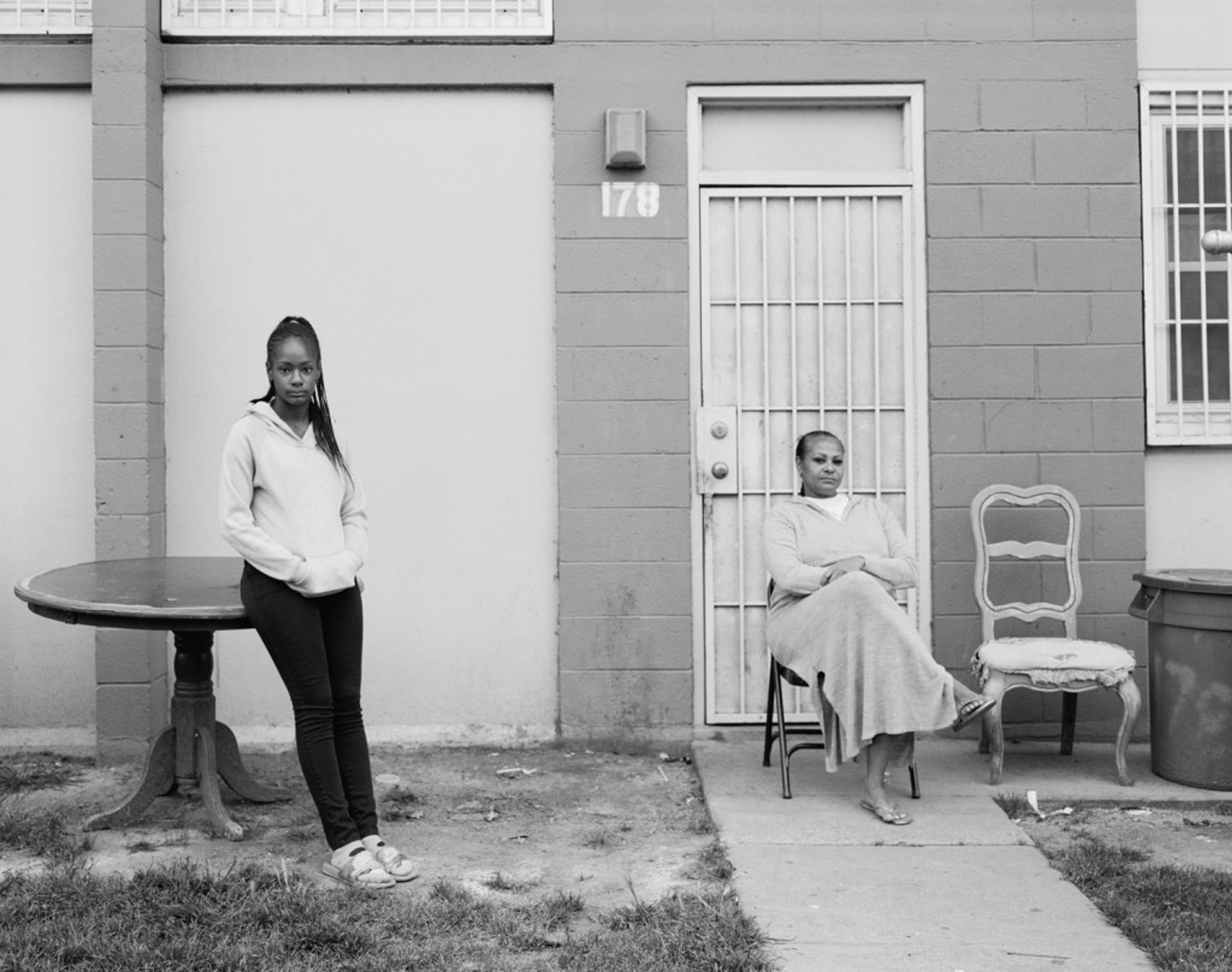
For more than two decades, Dutch photographer Dana Lixenberg returned to Imperial Courts, a public housing project in Watts, South Los Angeles, to photograph the people who live there. What began as a magazine assignment in 1993 gradually developed into an extensive portrait of a community, spanning 22 years and several generations. The project follows residents as they grow older, form families, experience loss and move through changing circumstances. Some people appear in photographs taken decades apart, allowing us to see children become adults and families grow across generations. Others are no longer there. Through these recurring encounters, Imperial Courts becomes more than a collection of individual portraits: it is a record of time, memory and the relationships that connect a community.

The History of Watts
To understand the project, it helps to know something about the place itself. Imperial Courts was built in 1944 as part of a major public housing development in Watts, an area of Los Angeles that became home to many African-American families who had migrated from the southern United States in search of better opportunities. Racial segregation and discrimination restricted where Black residents could live, work and move freely, leaving communities such as Watts socially and economically isolated. This history contributed to the Watts uprising of 1965, which followed years of racial tension and police violence. In 1992, the neighbourhood was once again at the centre of national attention after four white police officers were acquitted in the beating of Rodney King, an assault captured on video. The verdict triggered widespread unrest across Los Angeles. Lixenberg first travelled to South Central Los Angeles in the aftermath, commissioned by the Dutch magazine Vrij Nederland to photograph the area's reconstruction. Her encounter with Imperial Courts, however, led her to return long after the headlines had faded. As media attention moved elsewhere, the everyday lives of the residents continued – and it was these lives she wanted to document.


Building Trust
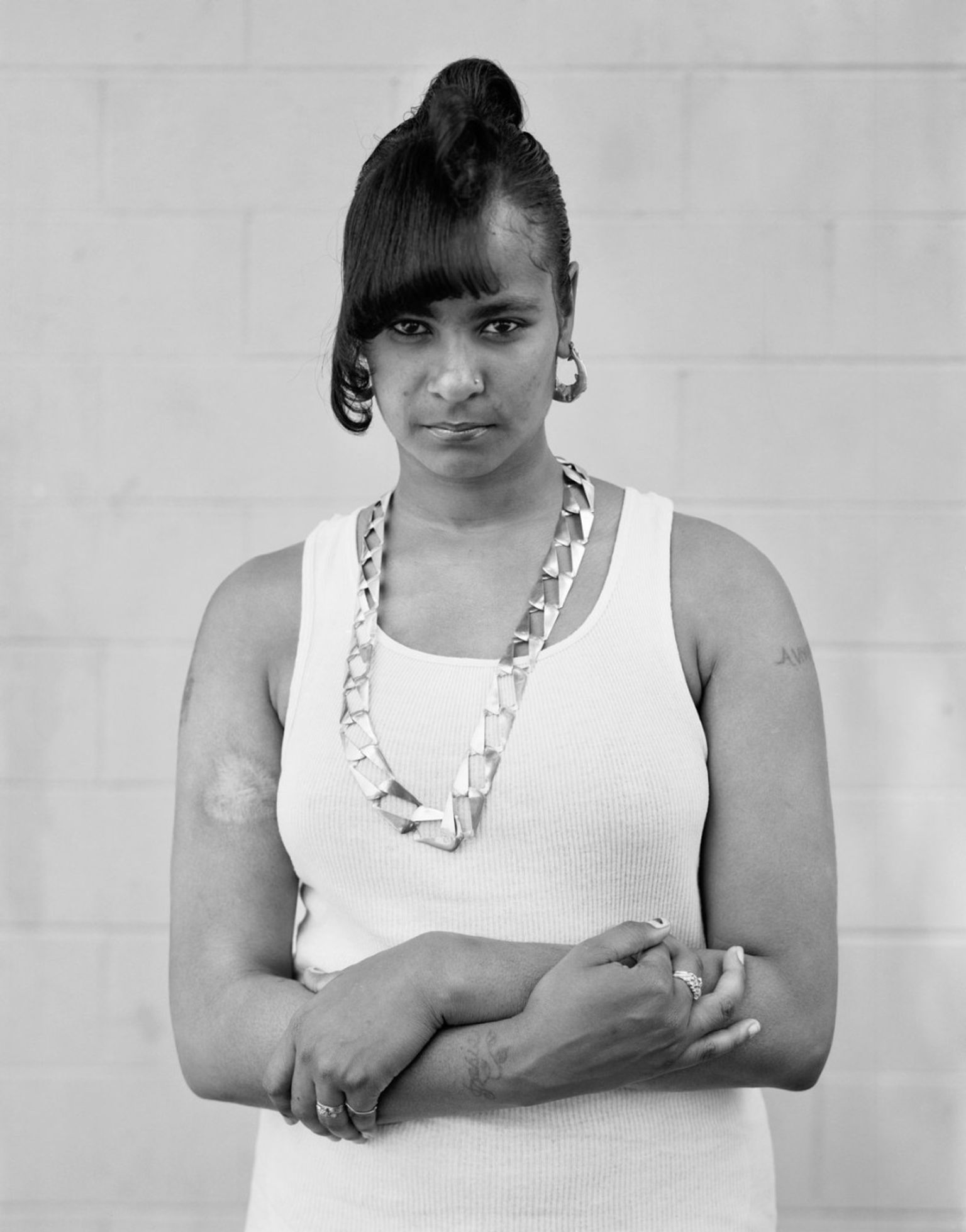
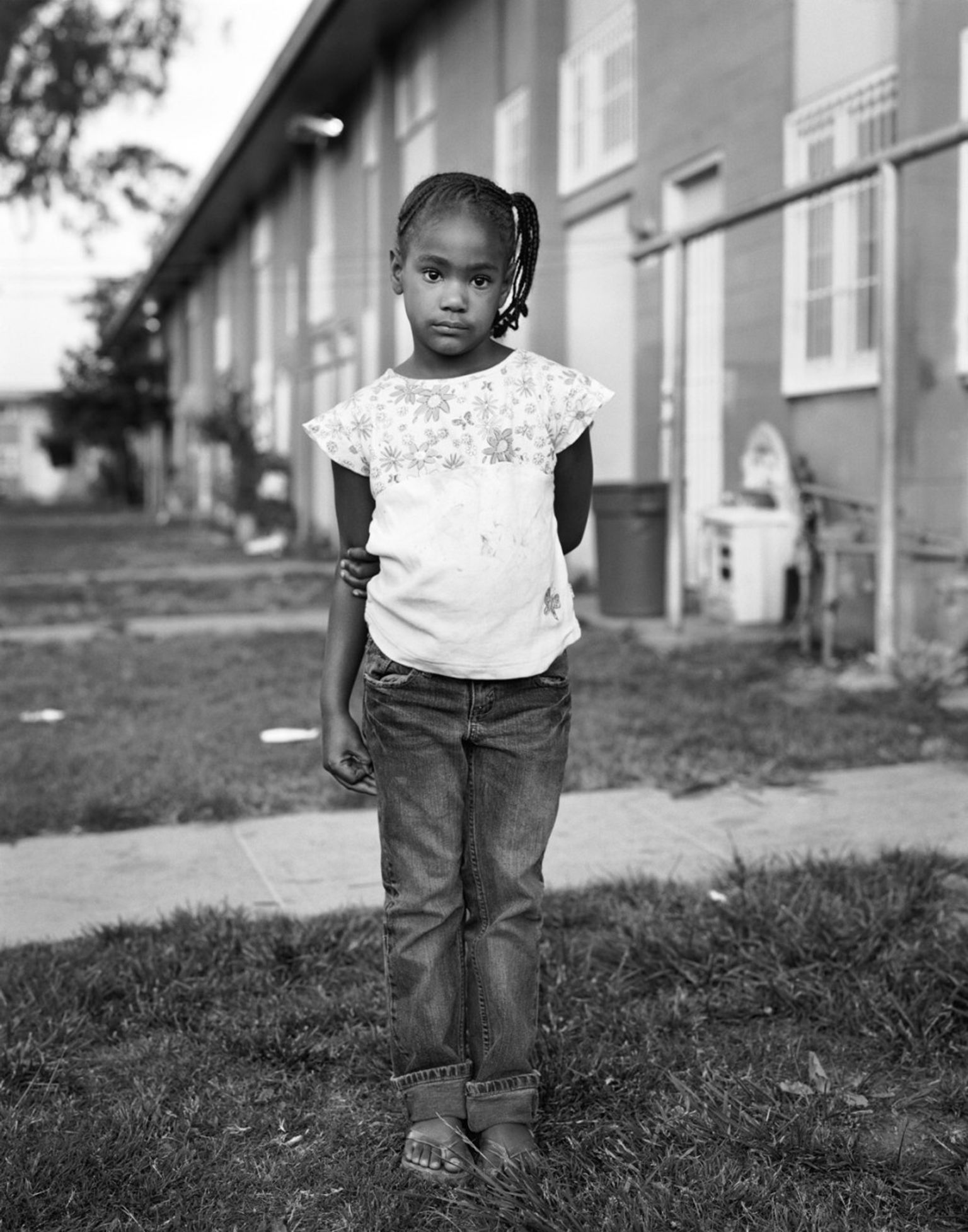
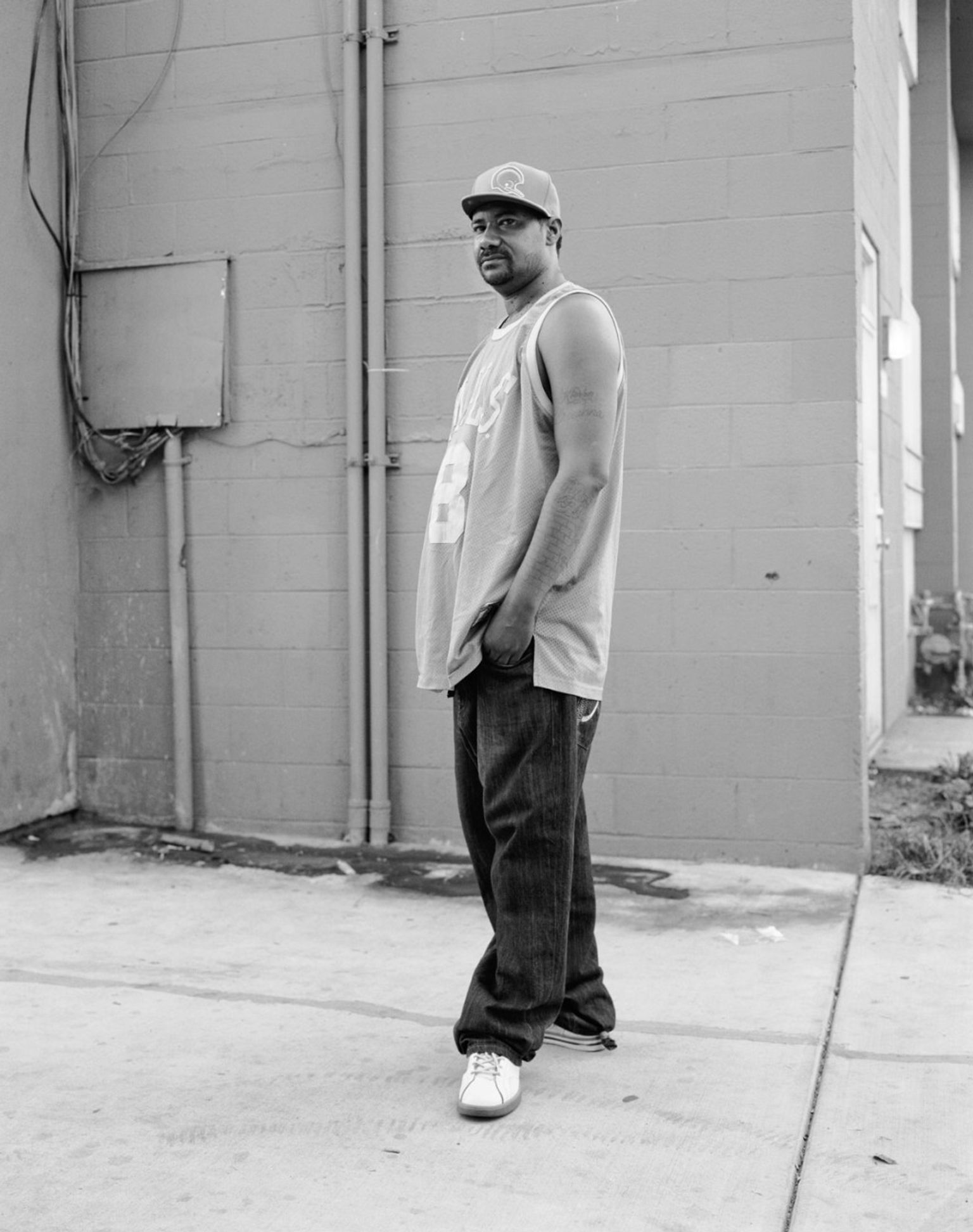
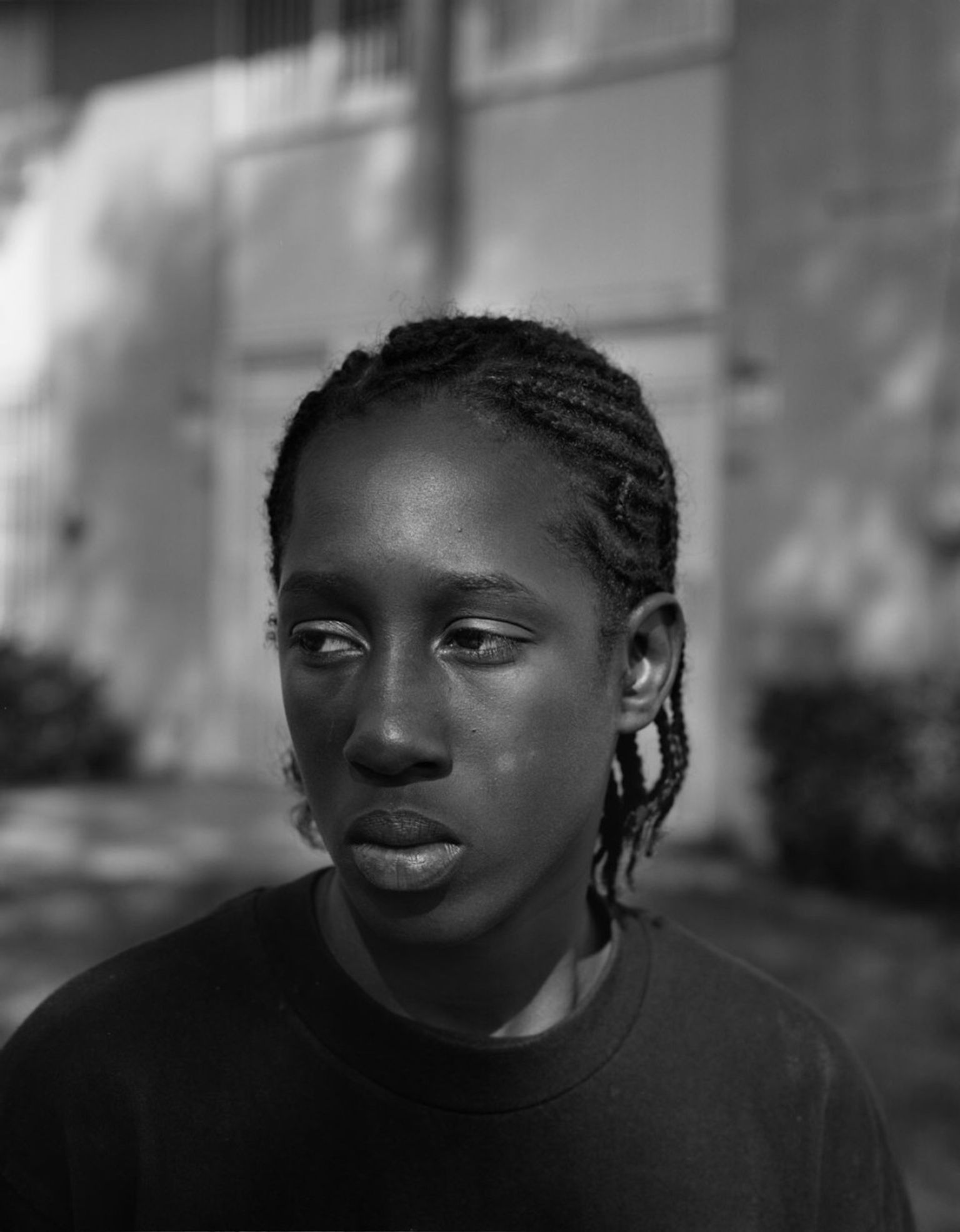
Lixenberg's approach was deliberately different from much of the media coverage of the area at the time. Rather than focusing on gang violence, poverty or the aftermath of the riots, she turned her attention to the individuals who made up the community. Gaining access was not immediate. Residents were understandably cautious about an unfamiliar photographer arriving with a large camera, particularly in the wake of the intense media attention surrounding the neighbourhood. One of the people she had to approach was Tony Bogard, a prominent local gang leader, who asked what the community would get out of her project. Lixenberg could not offer an easy answer, but gradually built relationships with residents. Working with a 4×5 large-format camera, she made carefully composed portraits and often gave people Polaroids of the photographs. Over time, residents began asking when she would return. Her images are direct and unembellished, giving people space to present themselves through their expressions, clothes, posture and presence. The portraits do not explain their subjects through the circumstances surrounding them; instead, they allow each person to occupy the frame on their own terms.







Beyond the Portrait
When Lixenberg returned in 2008, she began expanding the project beyond still photography, incorporating video, sound recordings and conversations with residents. She also started photographing the surroundings more extensively, creating a fuller picture of the physical environment in which these lives unfold. One of the most striking aspects of the series emerges when images from different years are viewed alongside one another: hairstyles, clothes and faces change, children grow up, and families evolve, while much of the housing estate remains recognisably the same. The passage of time is visible in the people, but less so in the conditions around them. The resulting web documentary brings together three elements: portraits made between 1993 and 2015, short stories combining photography with audio, video and text, and contributions from Imperial Courts residents themselves. Conceived with documentary producer Eefje Blankevoort, the website was designed as an evolving record in which residents could contribute their own memories and histories. They are not simply the subjects of the project, but participants in shaping how their community is remembered.

A Living Archive
Born in 1964, Dana Lixenberg studied photography at the London College of Printing and the Gerrit Rietveld Academie in Amsterdam. Throughout her career, she has pursued long-term projects exploring individuals and communities that are often overlooked, including the homeless population of Jeffersonville, Indiana, and the Inupiaq community of Shishmaref, Alaska. Her work is distinguished by its patient, sustained engagement with the people she photographs, rather than the quick observation of a passing moment. Imperial Courts reached its first comprehensive presentation in 2015, when the project was exhibited at Huis Marseille in Amsterdam alongside the publication of a substantial book by Roma Publications. Bringing together 393 black-and-white photographs, the book includes an extensive index identifying the people pictured, making it possible to follow individuals and families through the years.
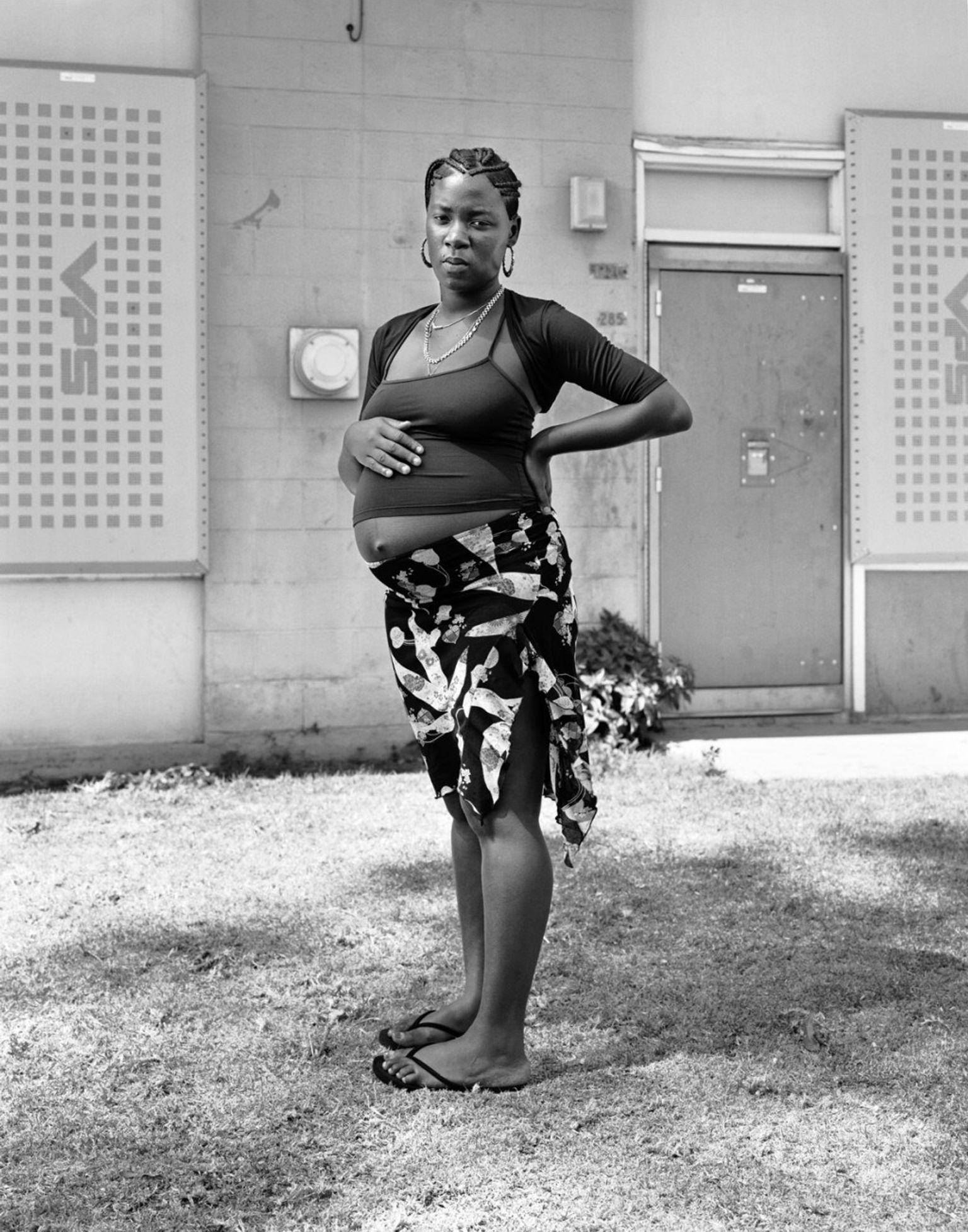

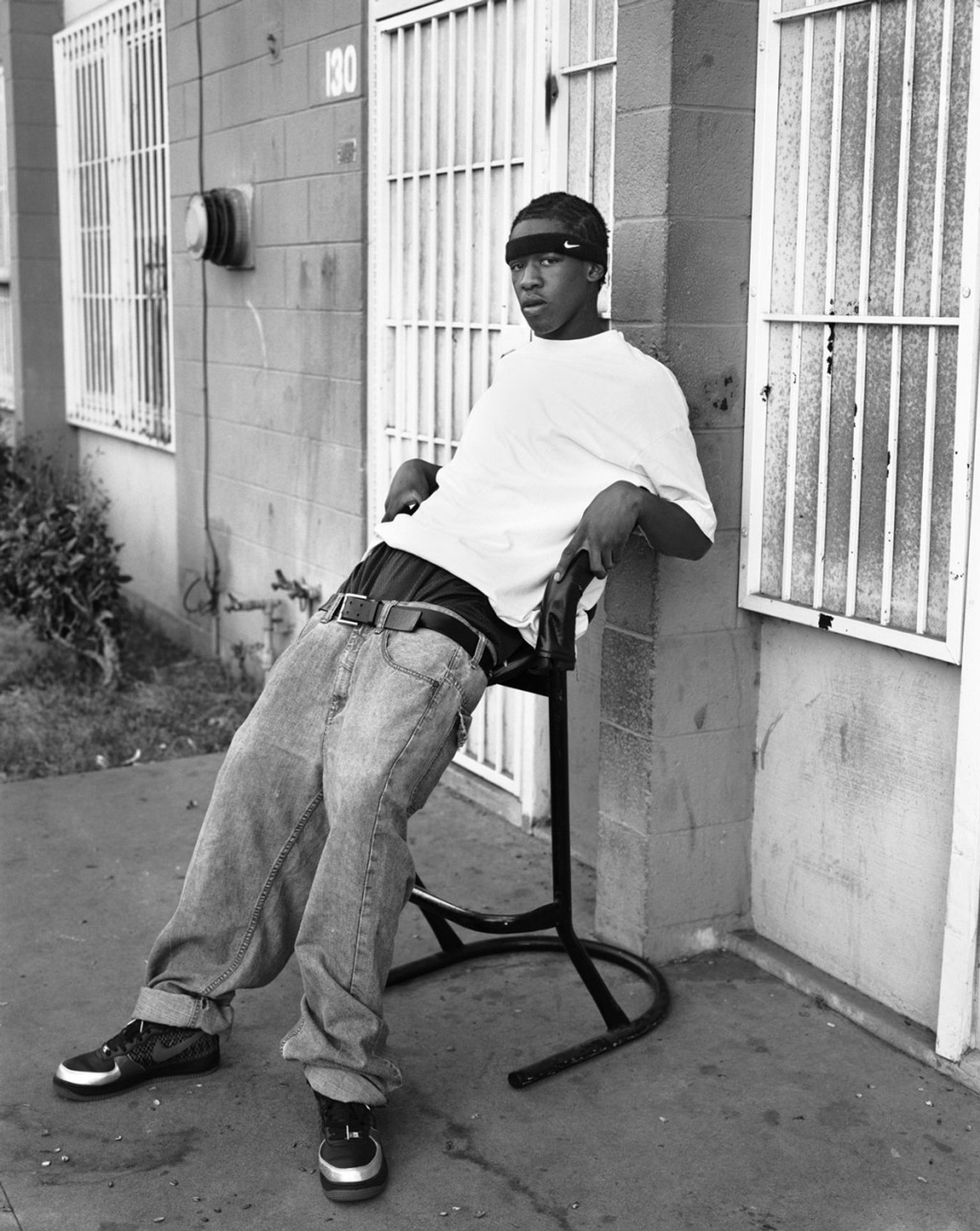

In 2017, it received the Deutsche Börse Photography Prize. Lixenberg also made a special edition of the book for Imperial Courts, distributing copies to the residents whose lives and families fill its pages. This gesture brought the work back to the place where it began, giving the community its own photographic record. What started as an assignment in the aftermath of public unrest had become a shared archive – one that preserves not only a history of a neighbourhood, but the individual lives that make it.