
Enric Miralles and Carme Pinos
Igualada Cemetery
- ArchitectEnric Miralles and Carme Pinos
- PhotographerLluc Miralles
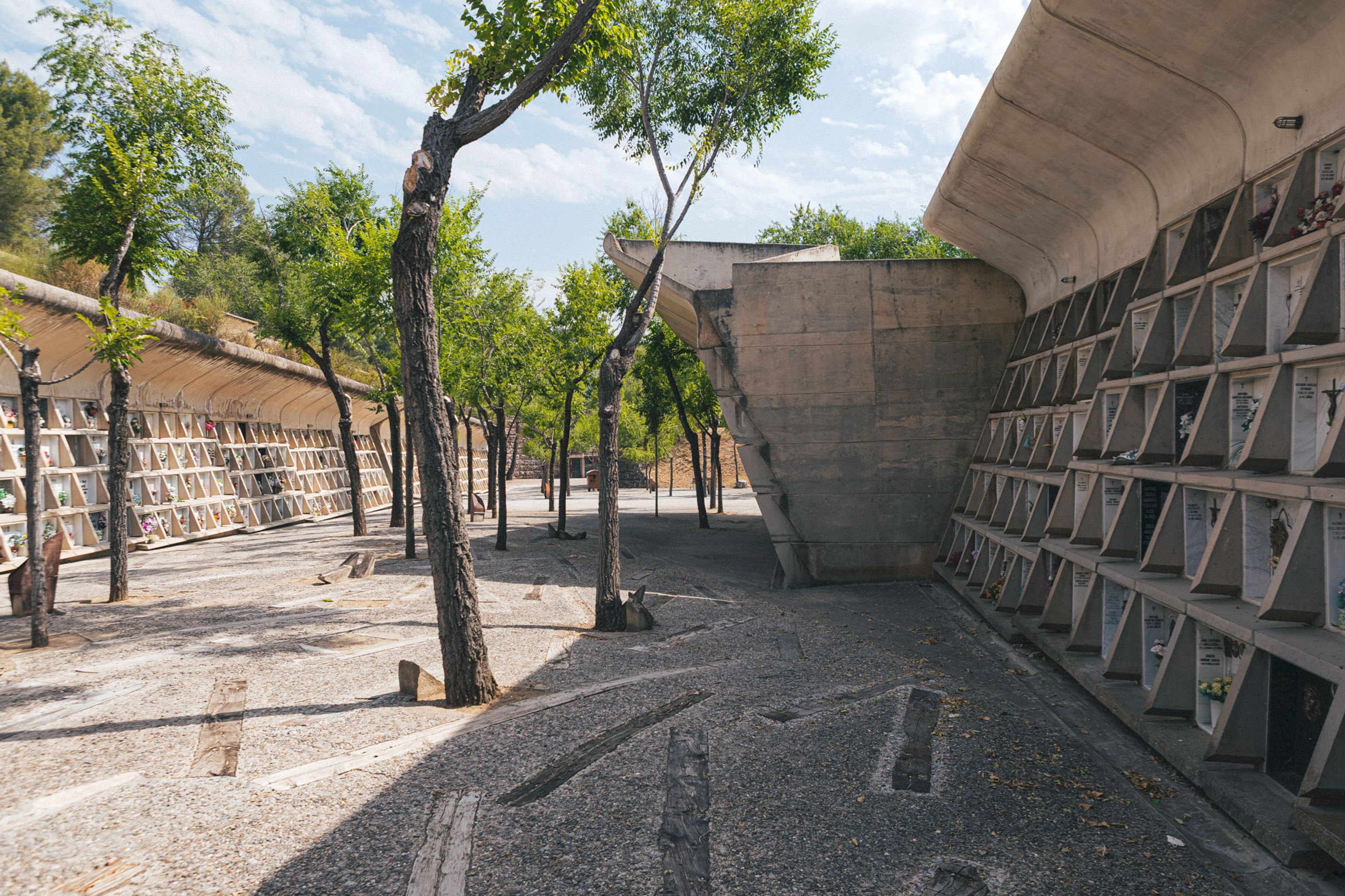
Raquel Font Miralles and Pinós did not want to build a cemetery, but a place where people could continue walking. The project is excavated into a former quarry to the point that it feels as though it had always existed before the intervention, constructing a landscape that embraces the passage of time. There is something profoundly reflective and spiritual about this journey, inviting us into a slow descent through a landscape suspended between presence and absence.

A New Vision for the Cemetery
Designed by Enric Miralles and Carme Pinós after winning an architectural competition in 1984, Igualada Cemetery was conceived as far more than a place of burial. Completed in 1994 after nearly ten years of construction, the project reimagined the cemetery as a place where the living and the dead could exist in quiet dialogue. Located in the hills outside Barcelona, it was designed as a "city of the dead" that encourages visitors to reflect on the continuity between past, present and future. Rather than creating a monumental object, Miralles and Pinós conceived the cemetery as an emotional landscape, one where architecture becomes a vehicle for memory, contemplation and the acceptance of life's inevitable cycle.


Architecture Carved into the Landscape
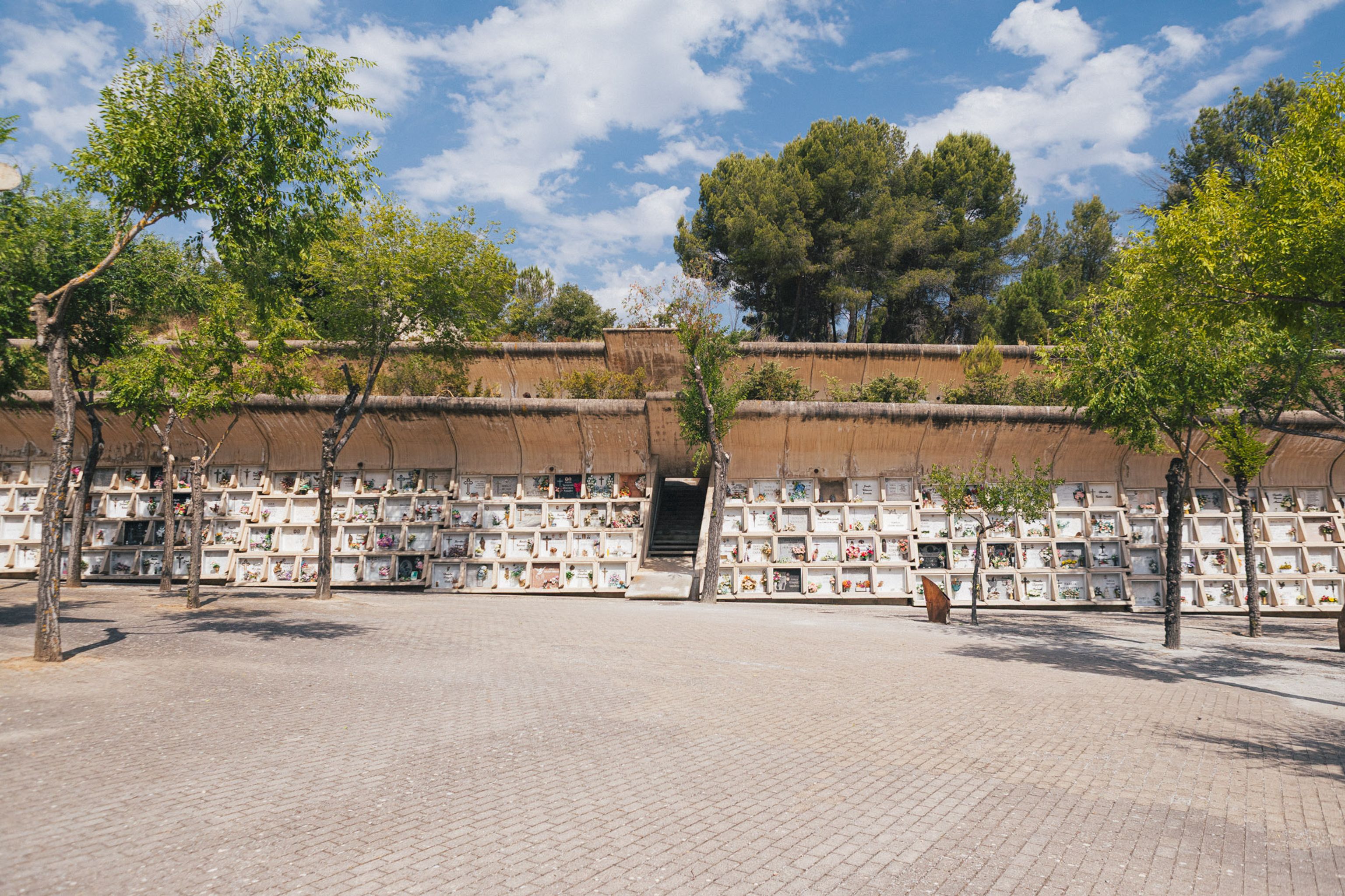
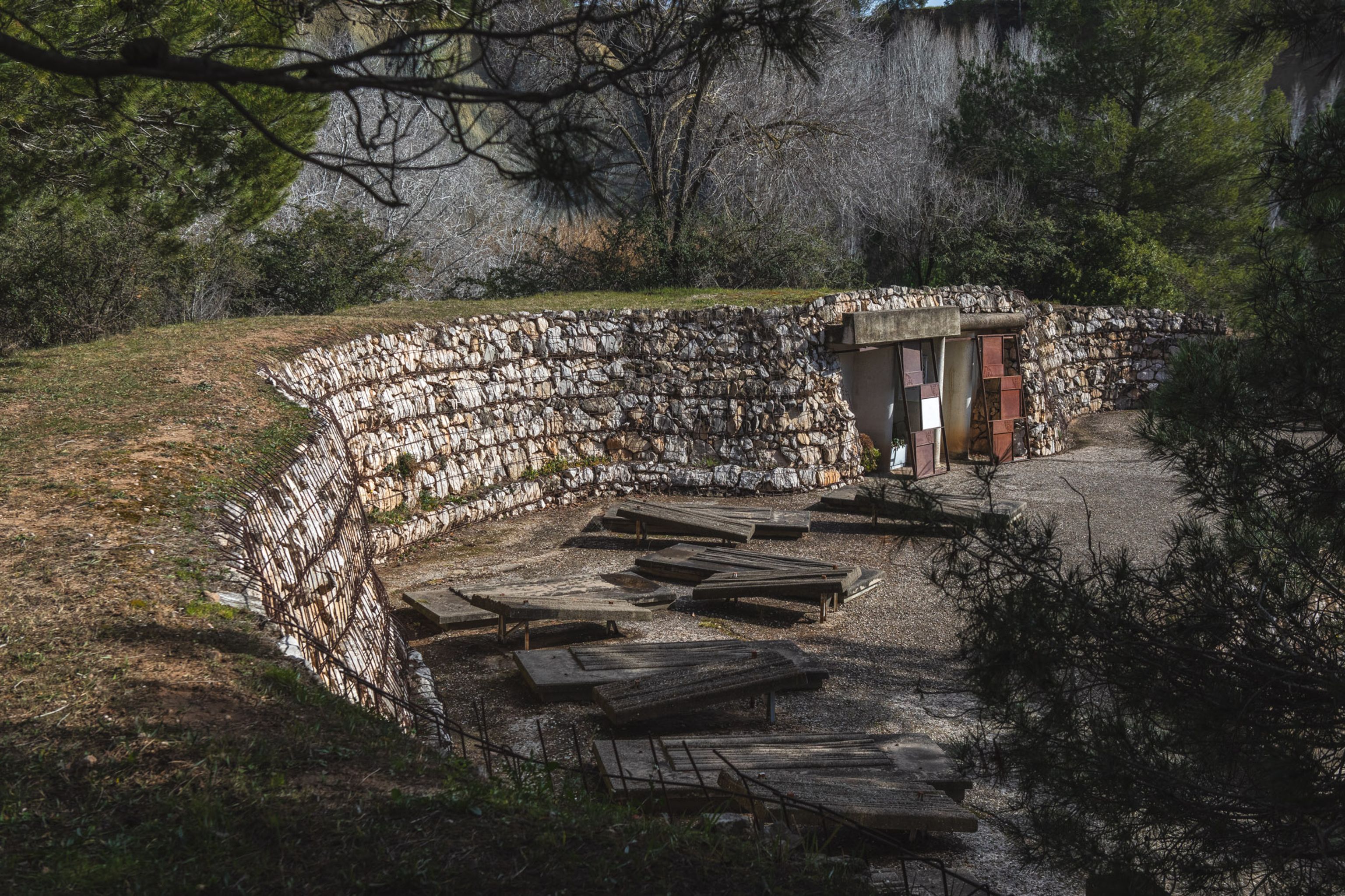
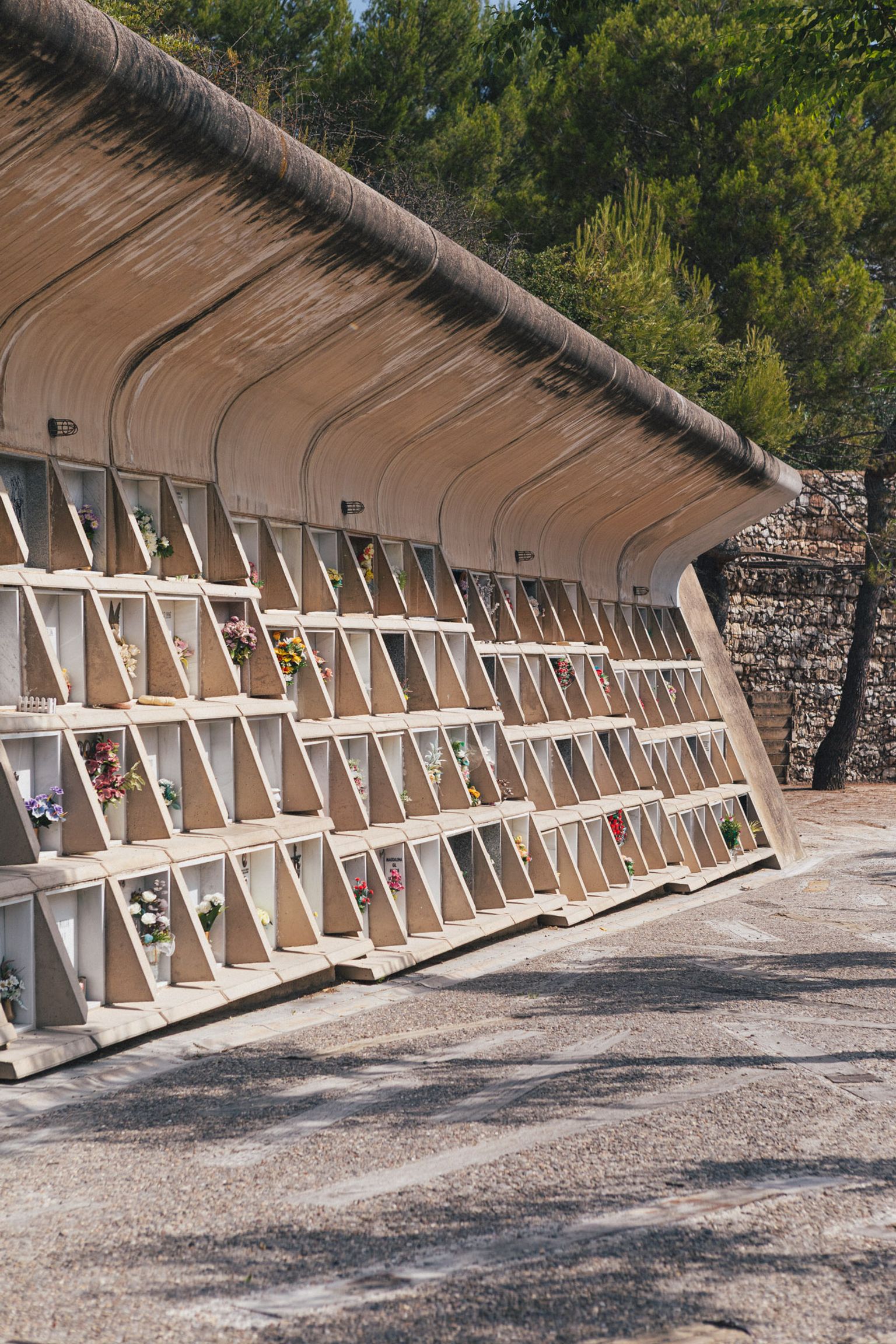
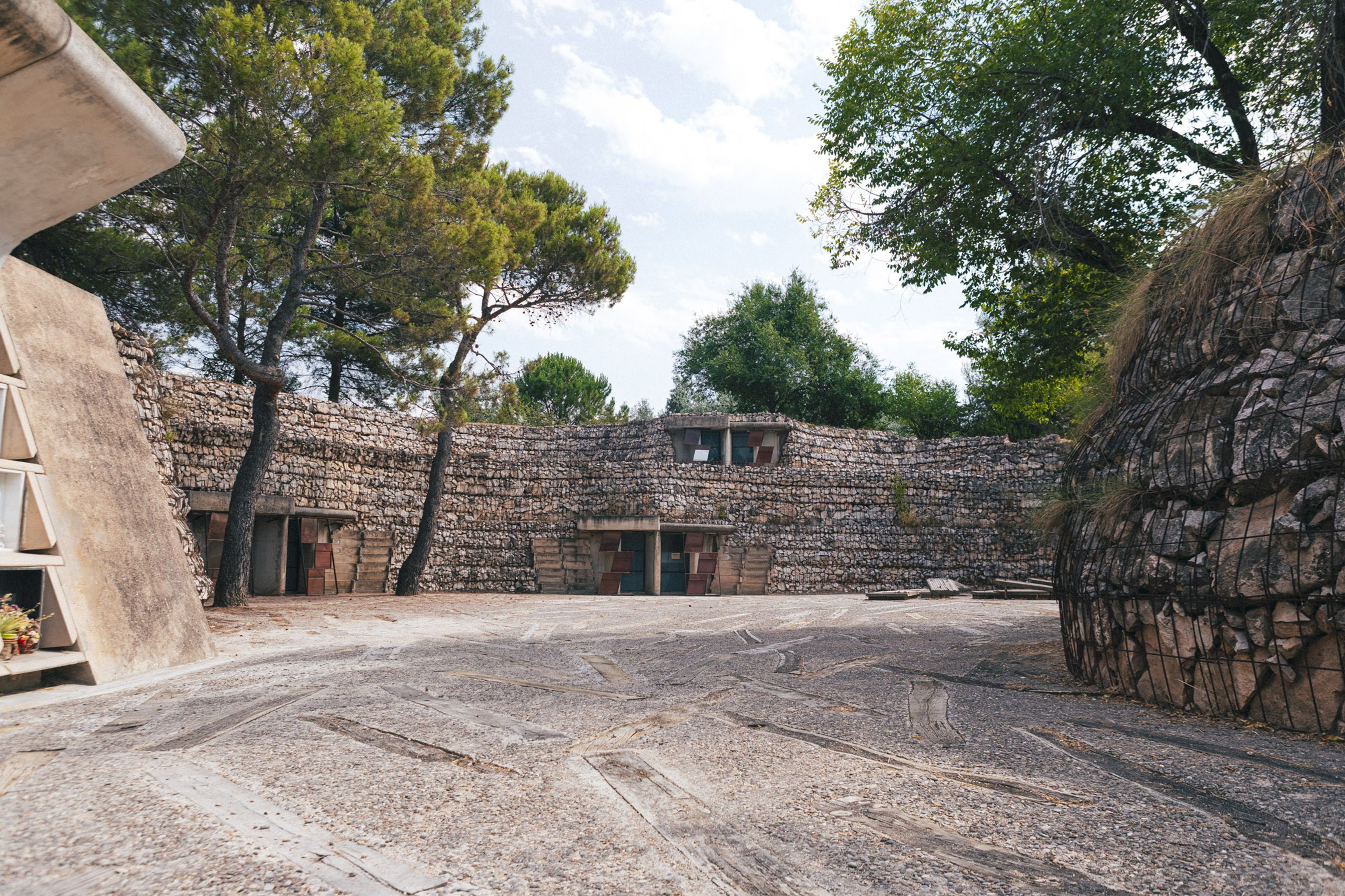
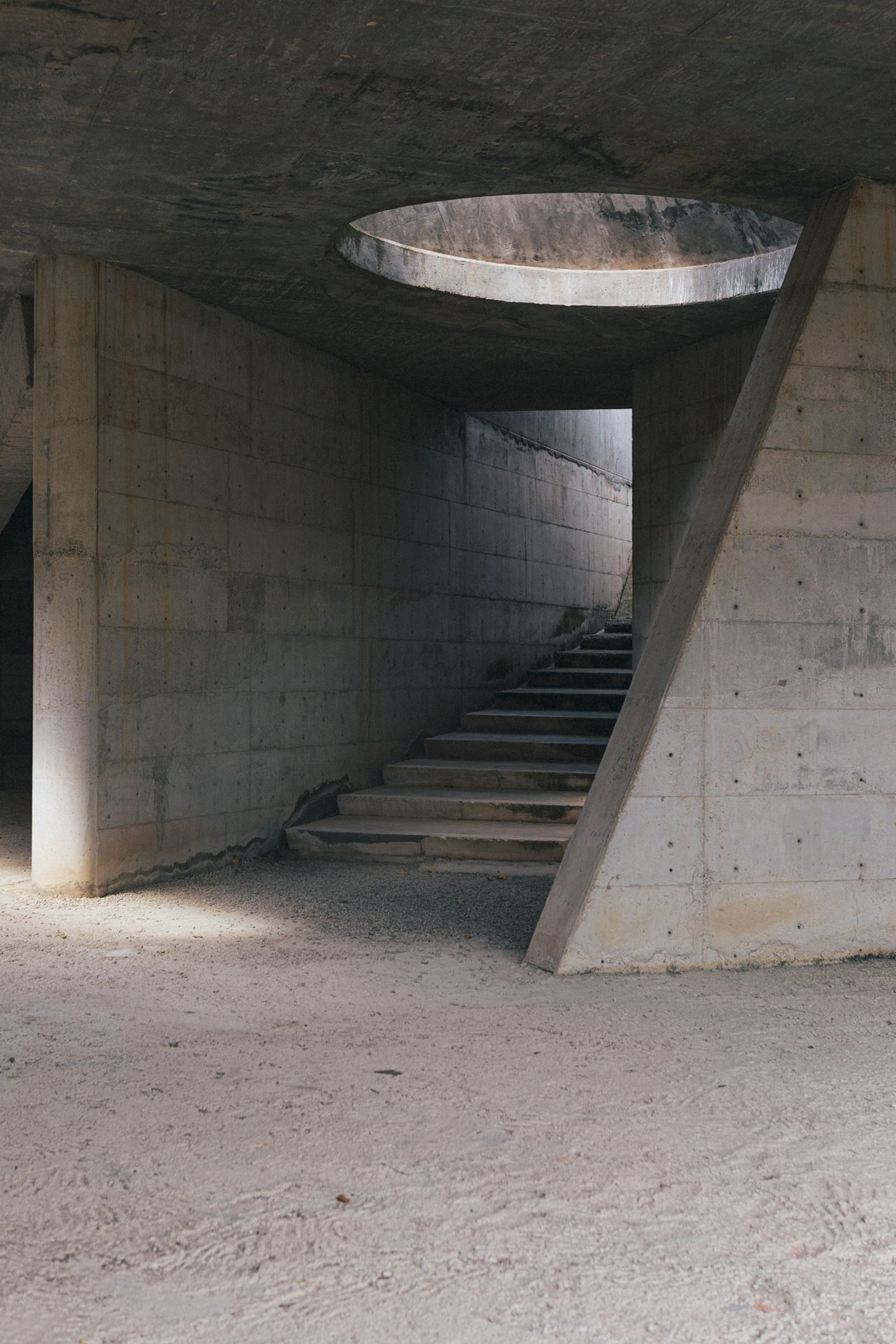
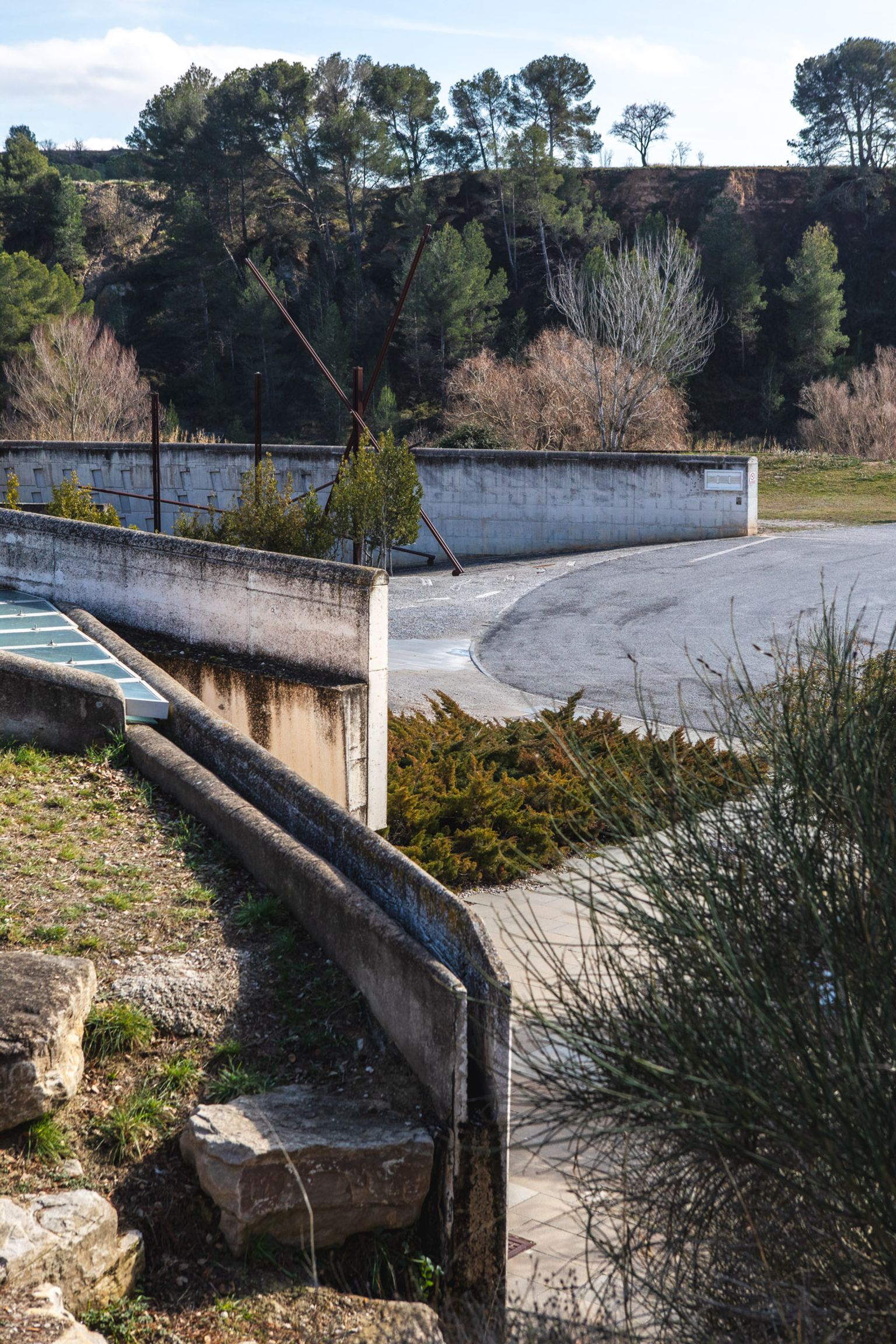
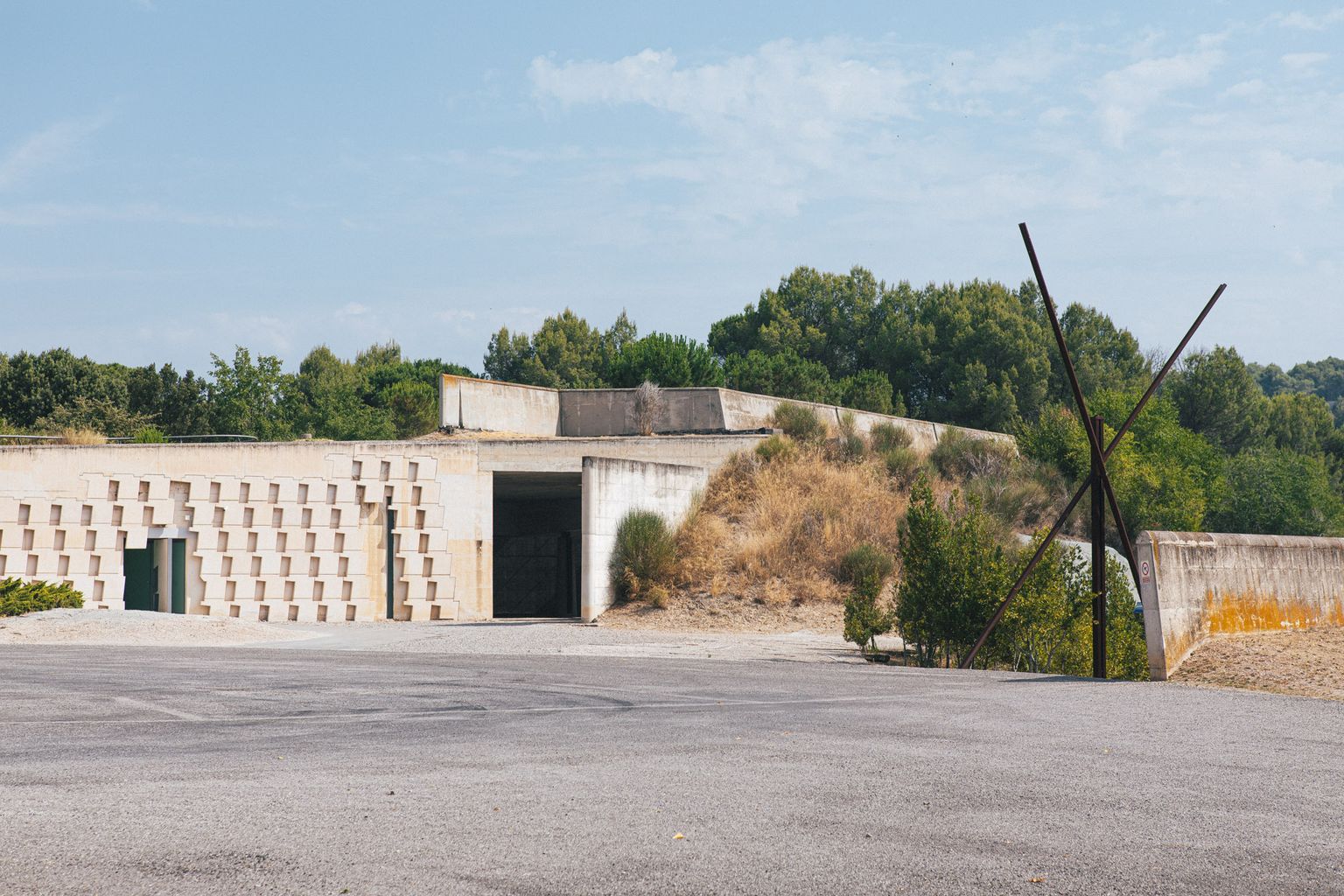
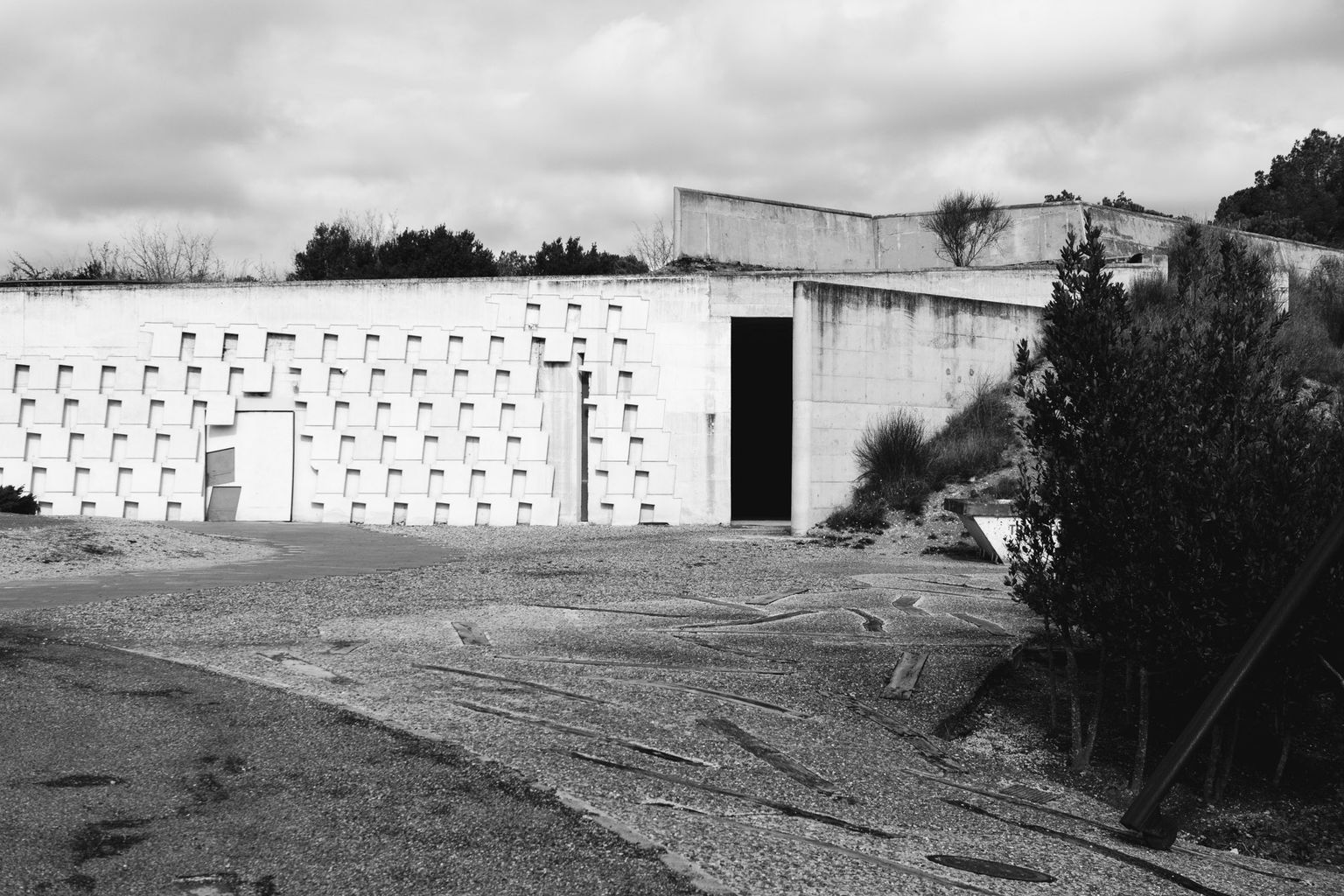
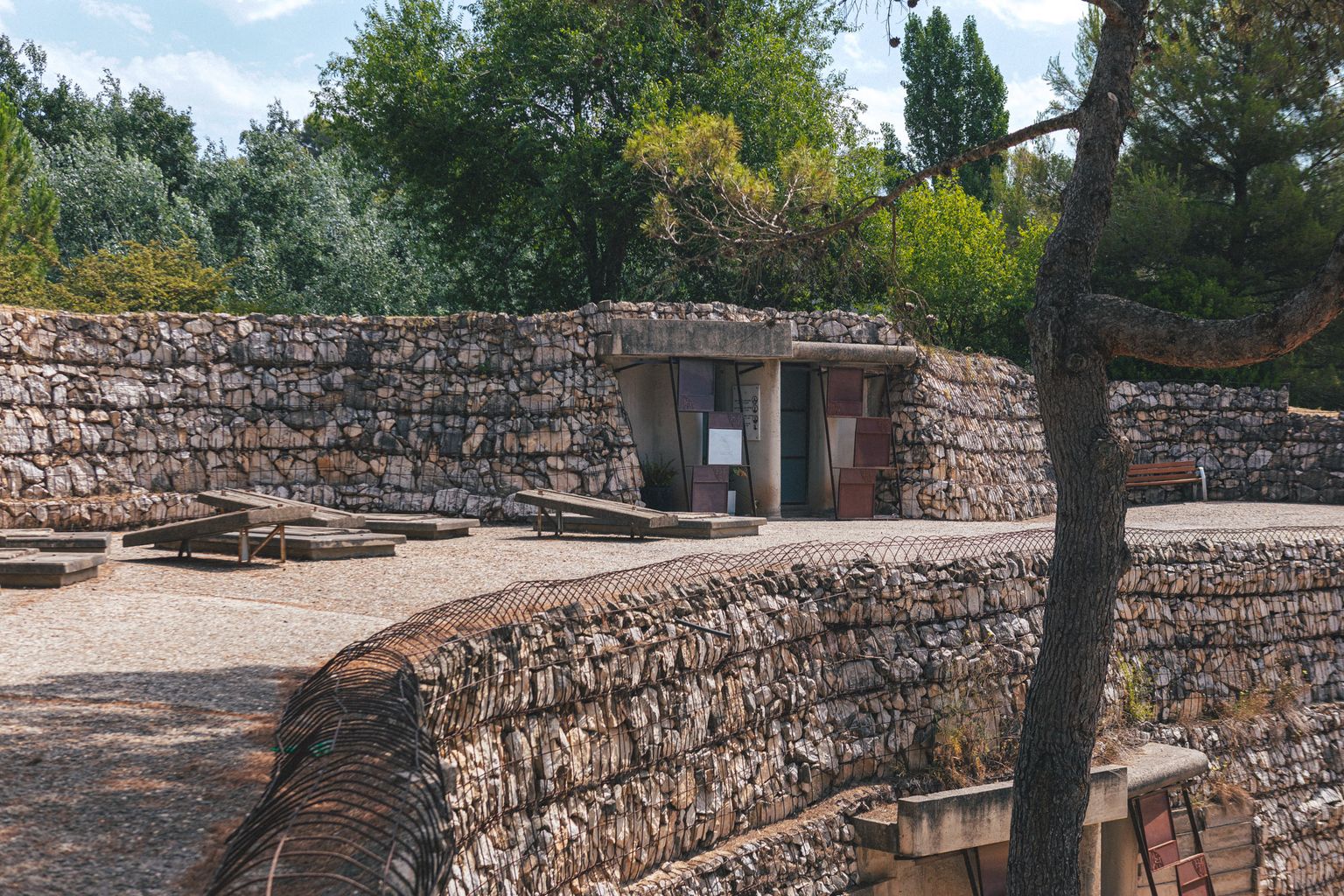
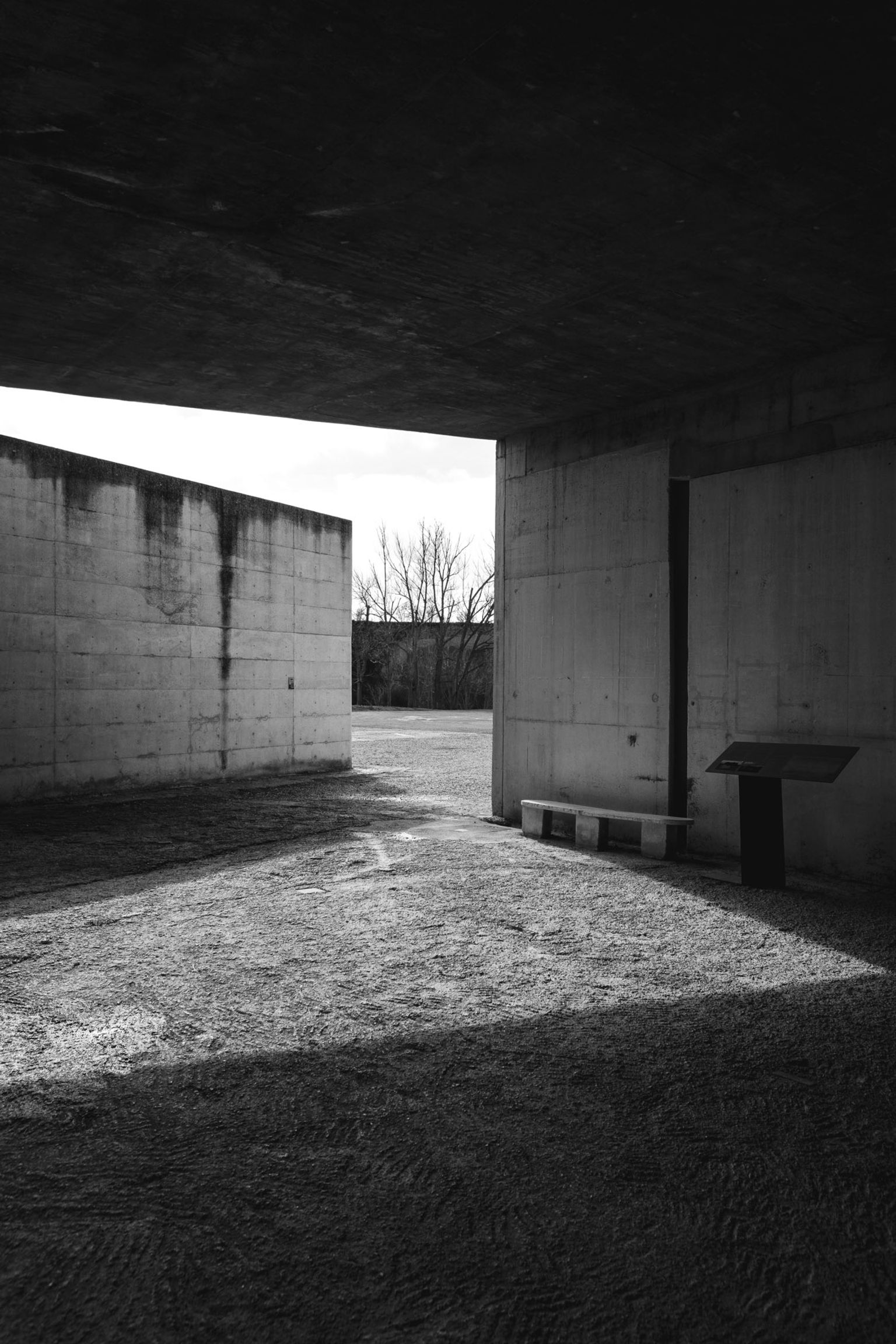
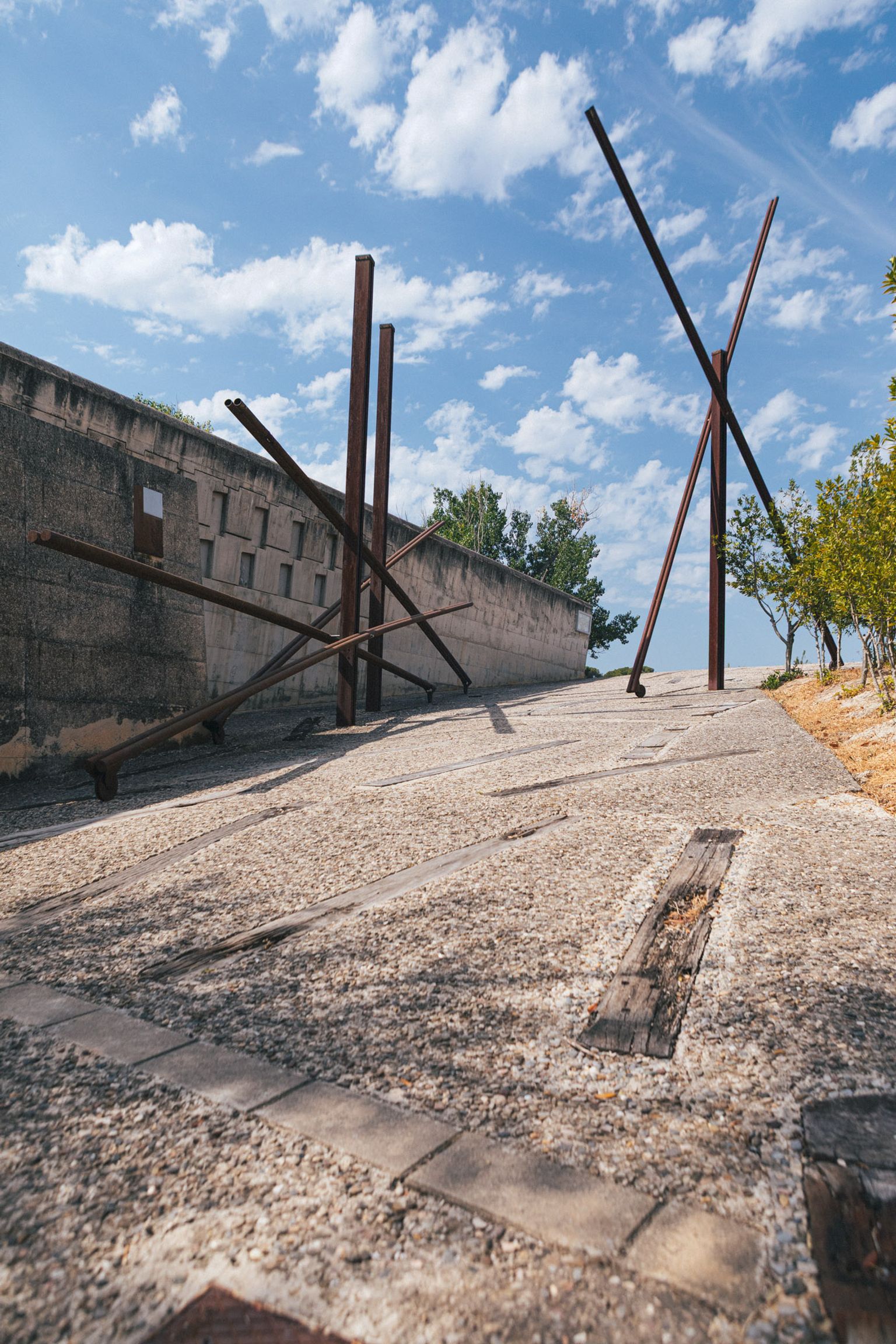
Instead of imposing architecture onto the site, Miralles and Pinós allowed the landscape itself to become the architecture. The cemetery is carved into the Catalan hillside as a continuous earthwork that gradually descends below the natural horizon. From the entrance, visitors pass through a series of rusted cor-ten steel poles, often interpreted as references to the crosses of Calvary, before following a winding processional route into the burial grounds. Lined with concrete loculi that simultaneously act as retaining walls, the path leads visitors deeper into the earth until the surrounding landscape disappears from view. Within the main burial space, only the stone walls, the tombs and the open sky remain visible, creating an intimate environment where movement through the site becomes an essential part of the architectural experience.

Time, Memory and the Journey of Life
The project is rooted in Miralles and Pinós’ belief that architecture can express the passing of time. The descending pathway has often been described as a metaphor for the river of life, carrying visitors from the open landscape into a secluded place of remembrance. Every spatial sequence reinforces this idea, encouraging reflection rather than directing attention to individual graves.


Even the unfinished chapel and monastery contribute to the experience. Rather than feeling incomplete, their undefined forms leave space for silence, imagination and personal interpretation, allowing the architecture to remain open-ended. Throughout the cemetery, themes of memory, absence and continuity are embedded into the landscape rather than expressed through symbolism alone.





Materiality and the Passage of Time
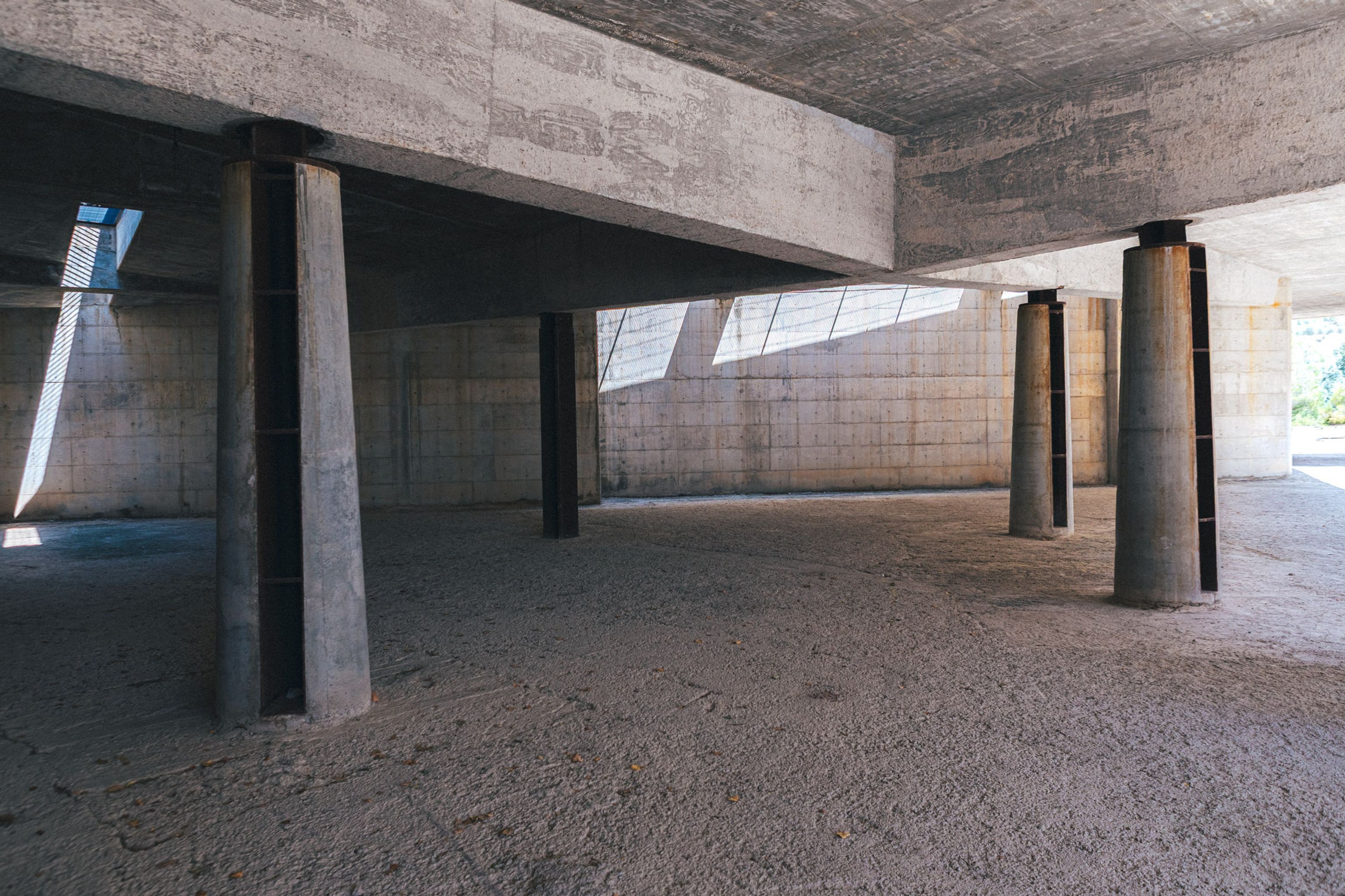
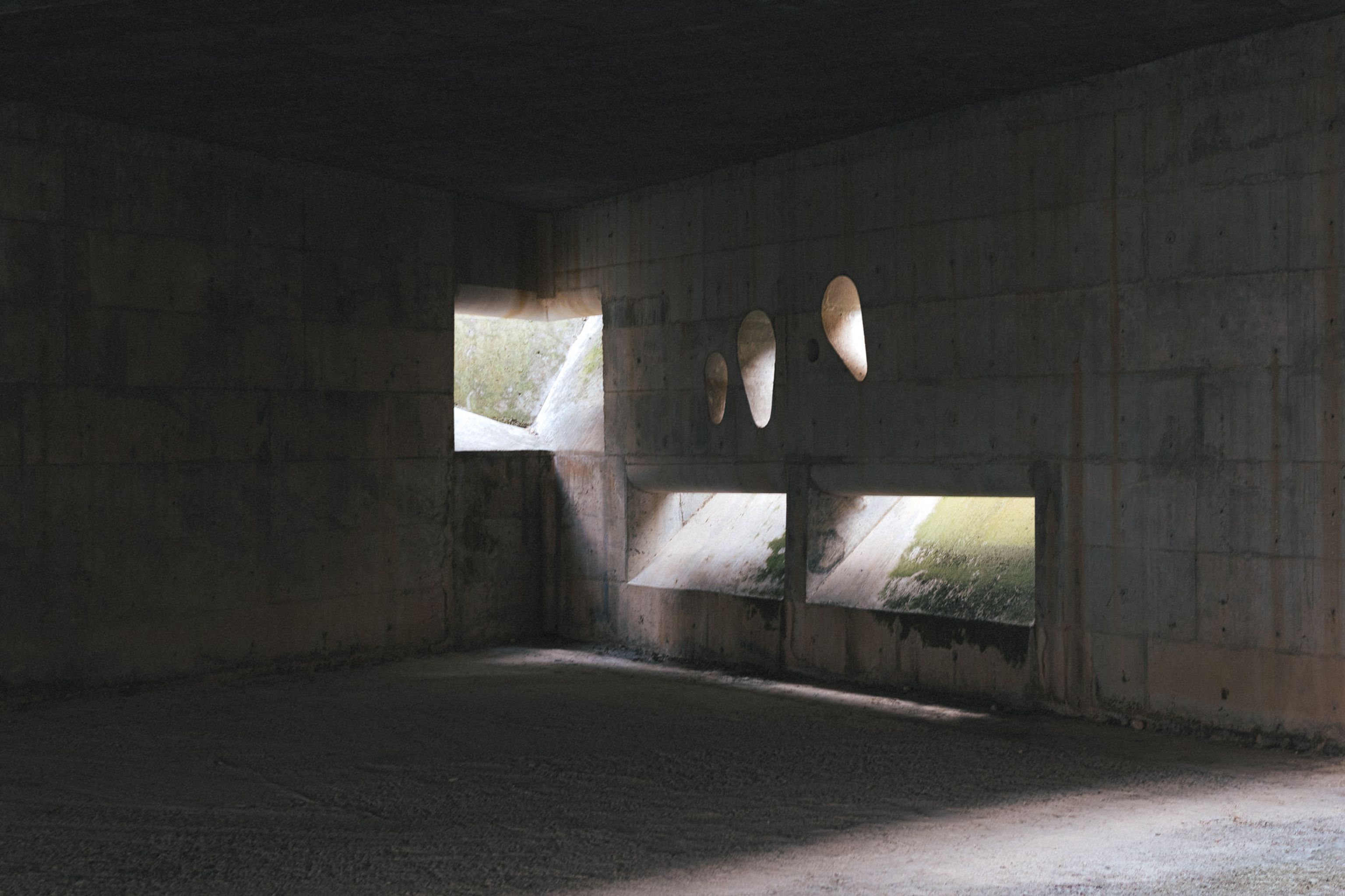
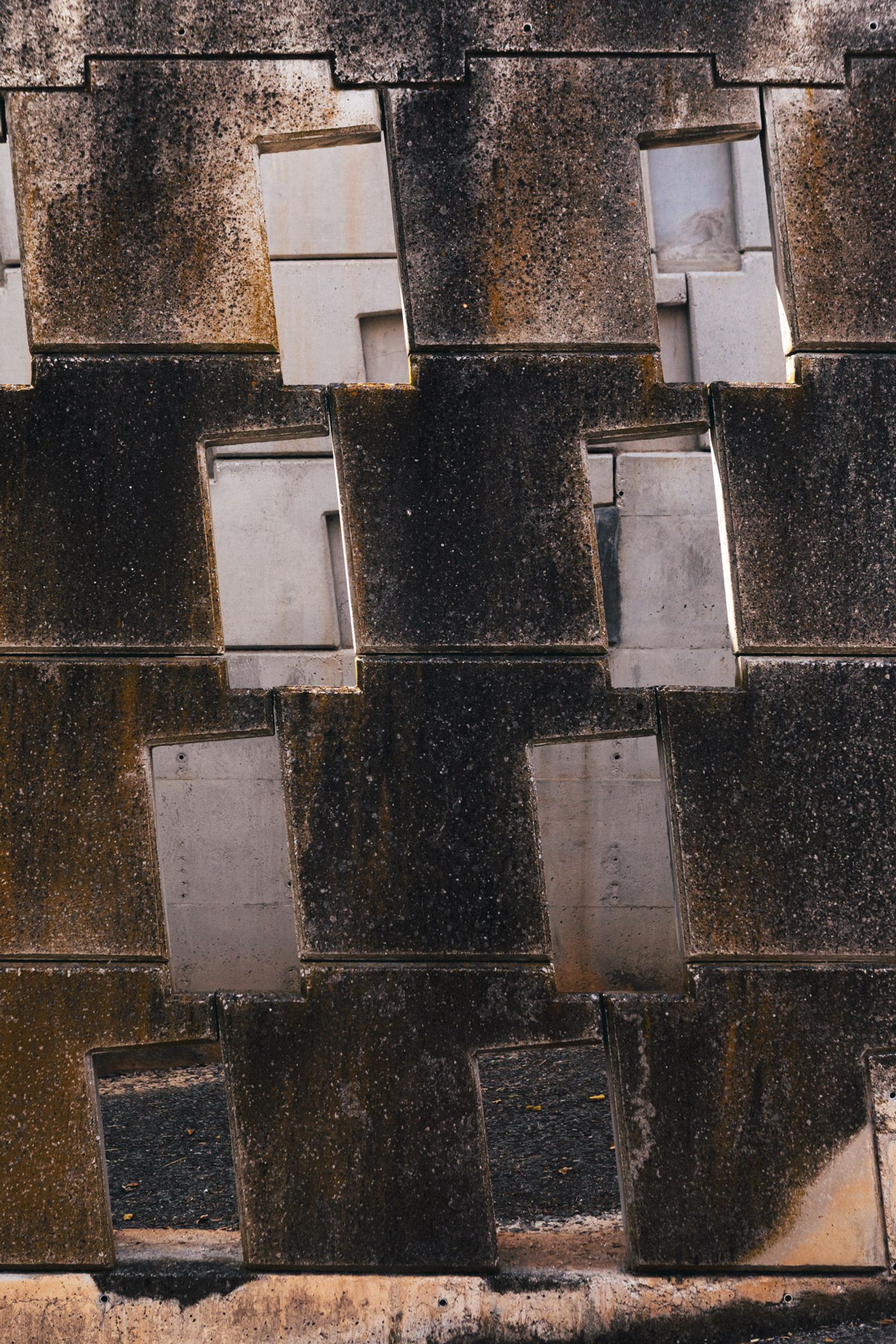
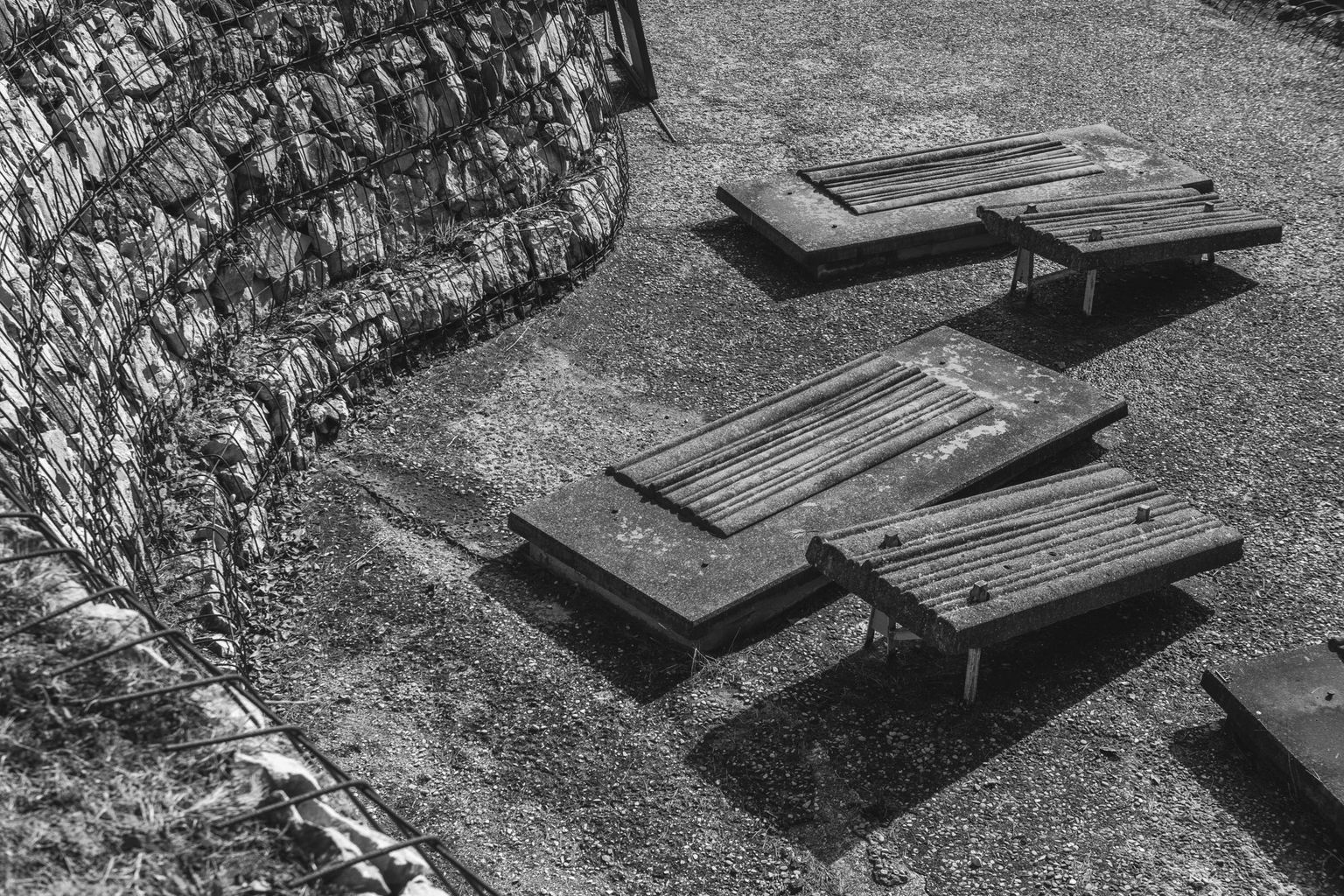
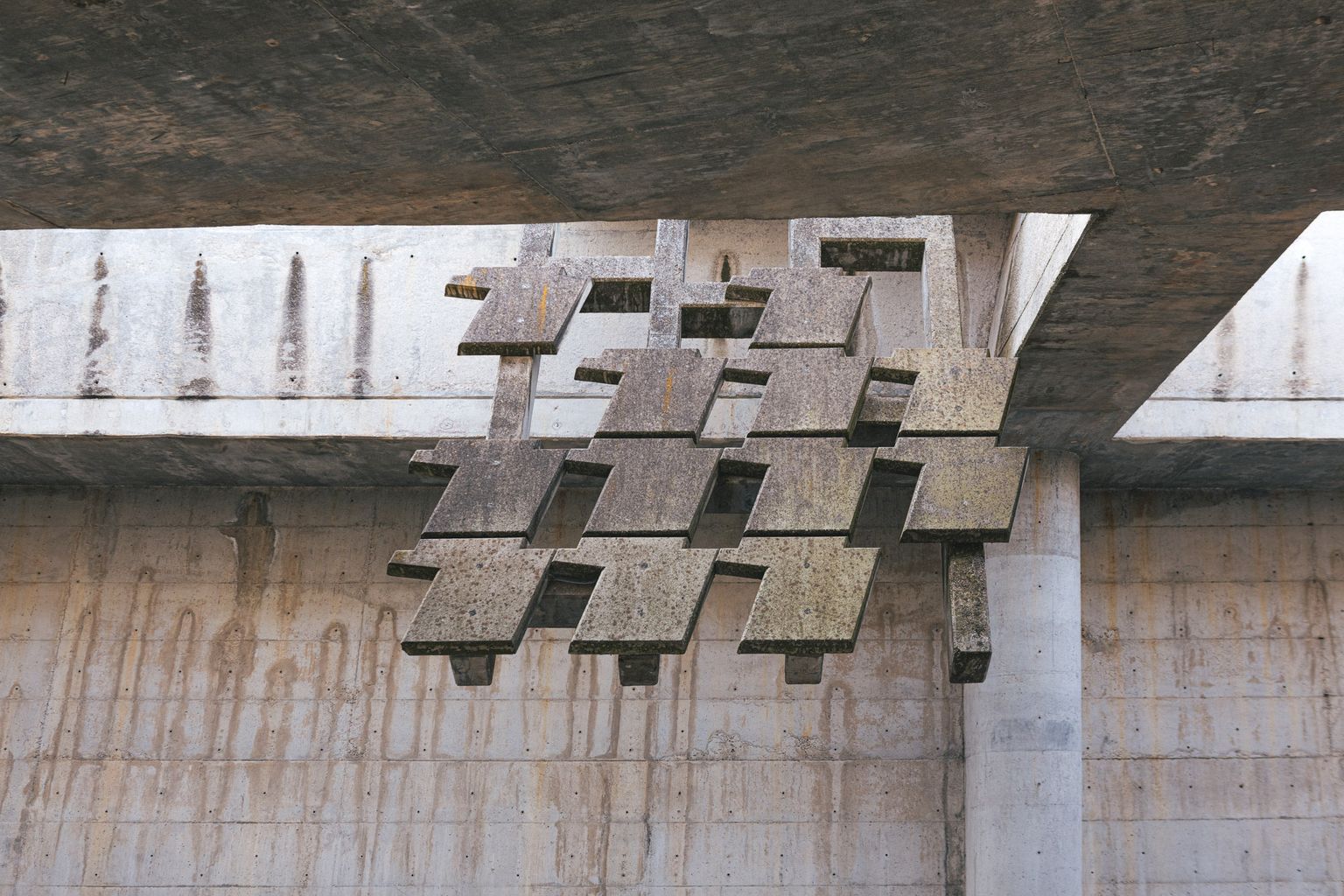
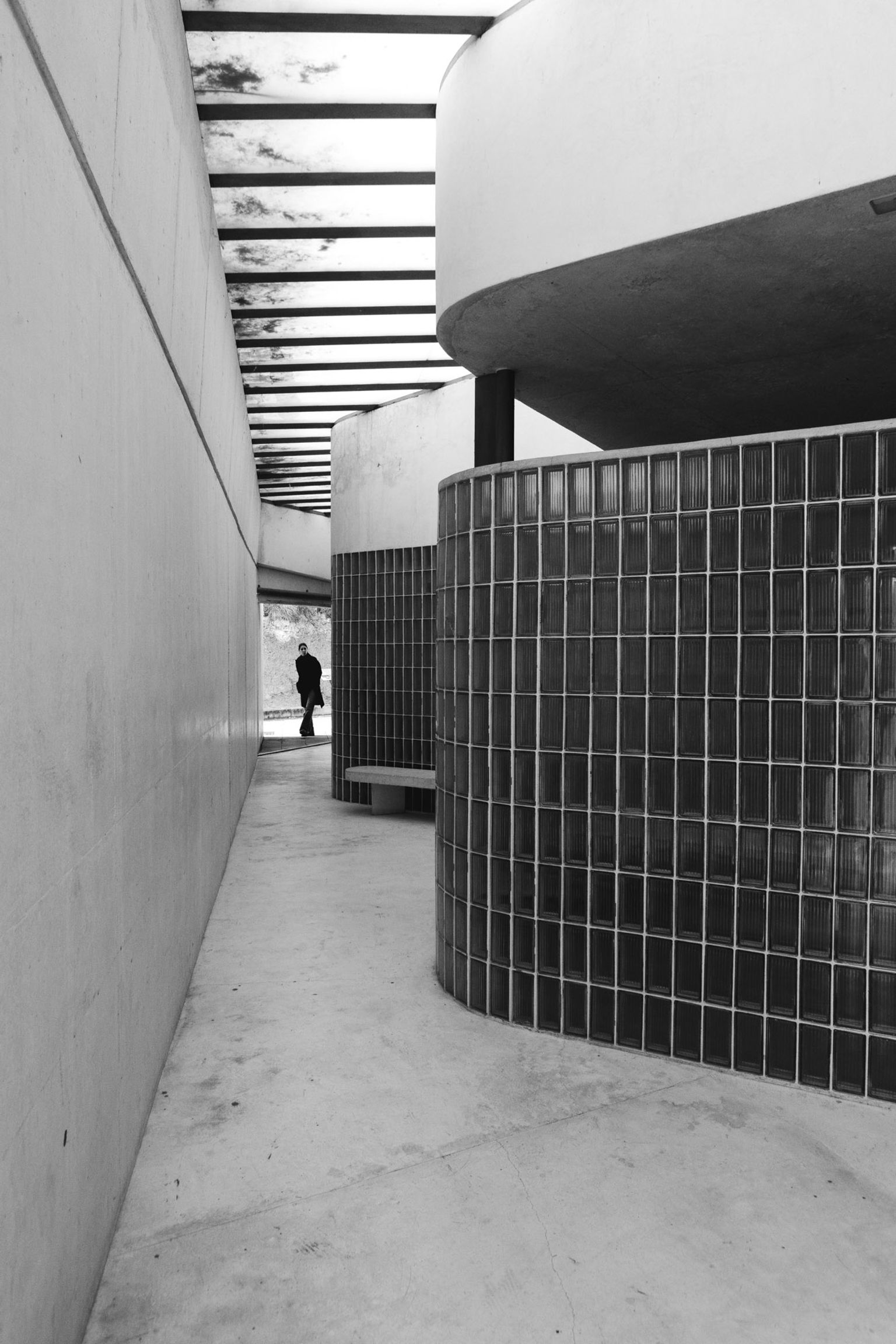
The cemetery's powerful atmosphere is reinforced by a restrained palette of raw materials chosen to weather naturally over time. Concrete, stone, timber and cor-ten steel blend seamlessly with the surrounding terrain, while gabion walls echo the rocky Catalan landscape. Railway sleepers embedded within the pathways reinforce the sense of movement through the site, while rust, cracks and the gradual patina of the materials become visible markers of time itself. Rather than resisting ageing, the architecture embraces it, allowing the cemetery to feel as though it has always belonged to the landscape, gradually becoming more deeply rooted with every passing year.


Enric Miralles and Carme Pinós' Enduring Legacy
Created during the celebrated partnership of Enric Miralles and Carme Pinós, Igualada Cemetery is widely regarded as one of the defining works of twentieth-century Catalan architecture and remains one of the most influential landscape-based architectural projects of its generation. The project exemplifies the architects' ability to merge expressive forms, complex spatial sequences and a profound sensitivity to place, creating architecture that is inseparable from its cultural and natural context.

Following Miralles' sudden death in 2000, he was buried within the cemetery he helped create, adding an intensely personal layer to a project that continues to attract architects, students and visitors from around the world. More than three decades after its completion, Igualada Cemetery remains a remarkable example of architecture's ability to transform landscape into an experience of remembrance, emotion and time.