Pedro Pinho
I Only Rest In The Storm
- DirectorPedro Pinho
Luis Rojo Can cinema be political? Can cinema not be political? What a shared space – and how hard it is to portray a polyhedral, complex reality without flattening it into the banal, the digestible, the kind of thing that fits into 90 minutes.
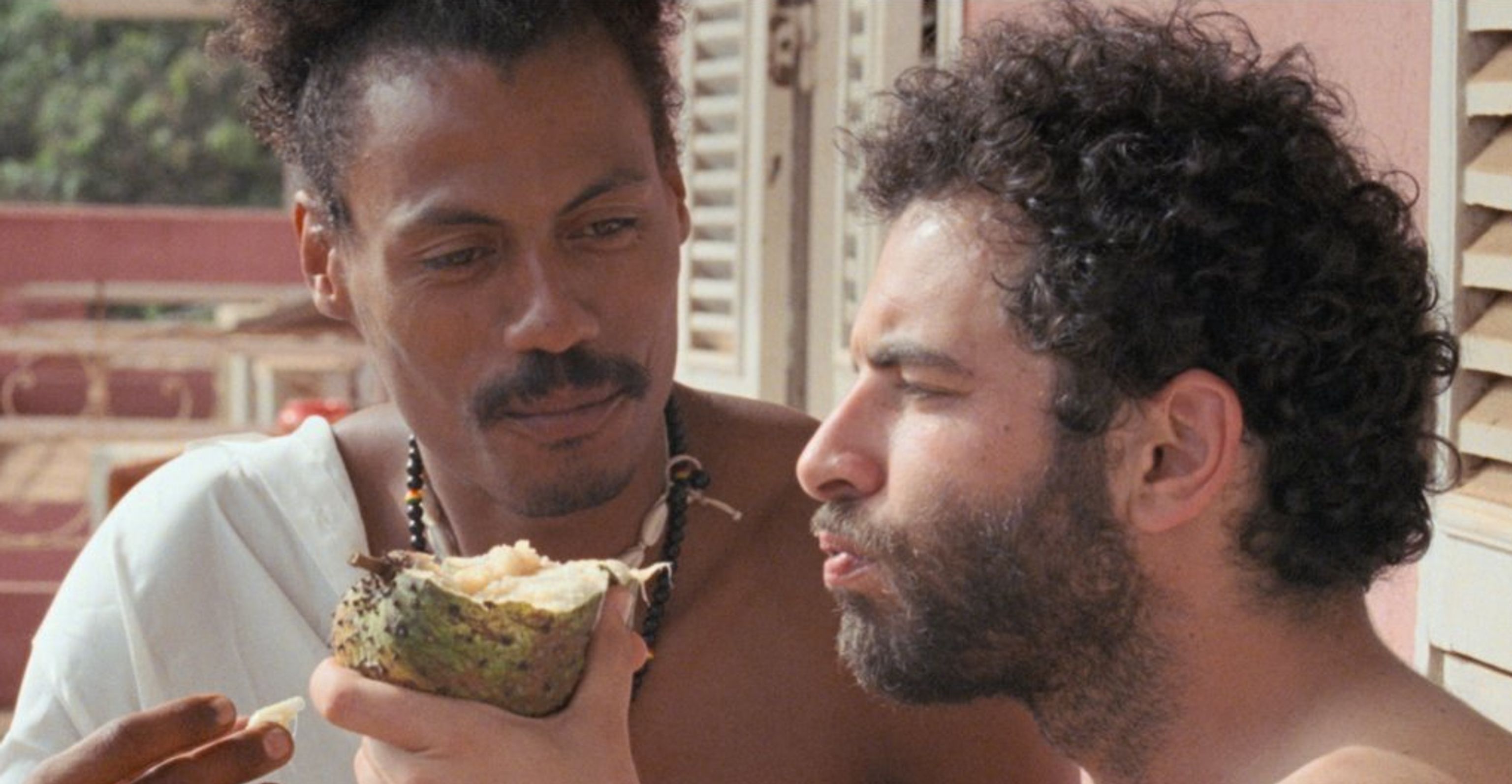

O Riso e a Faca
Pedro Pinho’s I Only Rest in the Storm (Portuguese: O Riso e a Faca) is a 2025 drama that traverses both geography and conscience. Following Sérgio, a Portuguese environmental engineer, as he arrives in Guinea-Bissau to assess a road-building project, the film examines the collision of European ambitions with the lived realities of a West African city. Sérgio becomes entangled with Diára, a free-spirited local woman, and Gui, a queer Brazilian man navigating a marginalized community. Through this intimate triangle, the narrative lays bare the neocolonial dynamics of expatriate presence, exploring how identity, power, and desire intersect within a post-colonial landscape.
Pinho’s film is unafraid of complexity, stretching over three-and-a-half hours with a polyphonic narrative that alternates between documentary-like immediacy and fiction, creating a layered meditation on global inequality and human fragility.
Cinematography as Presence
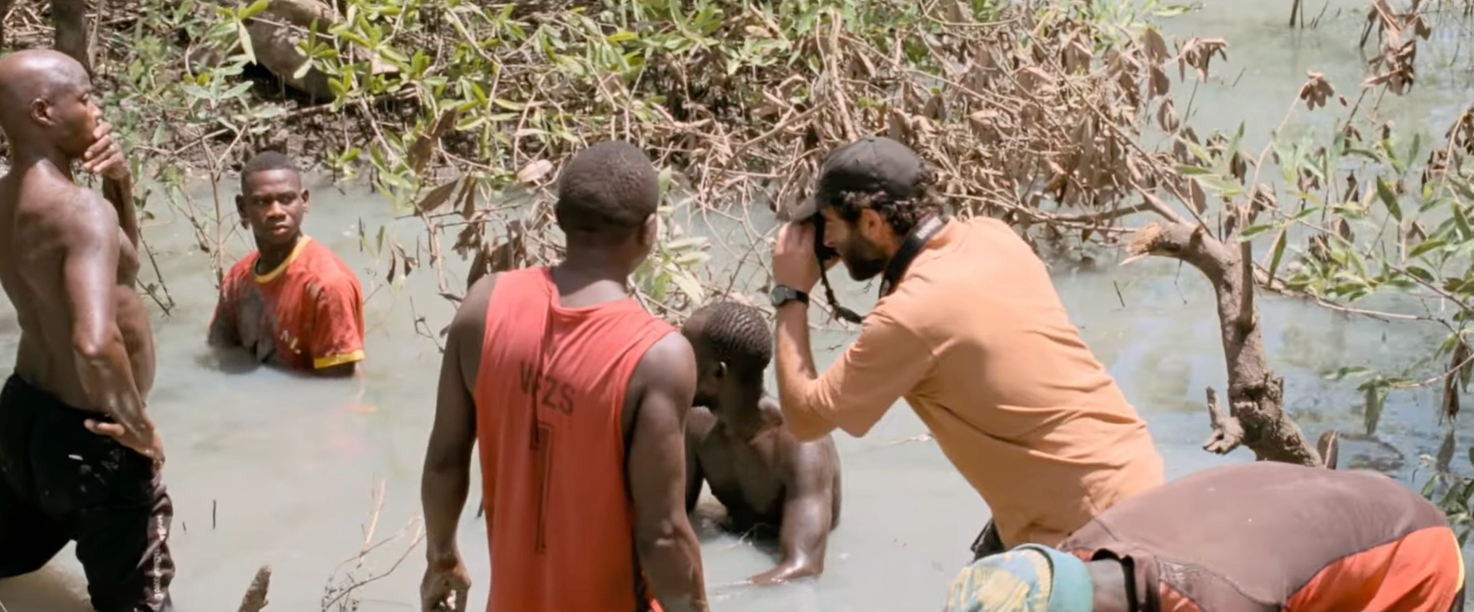
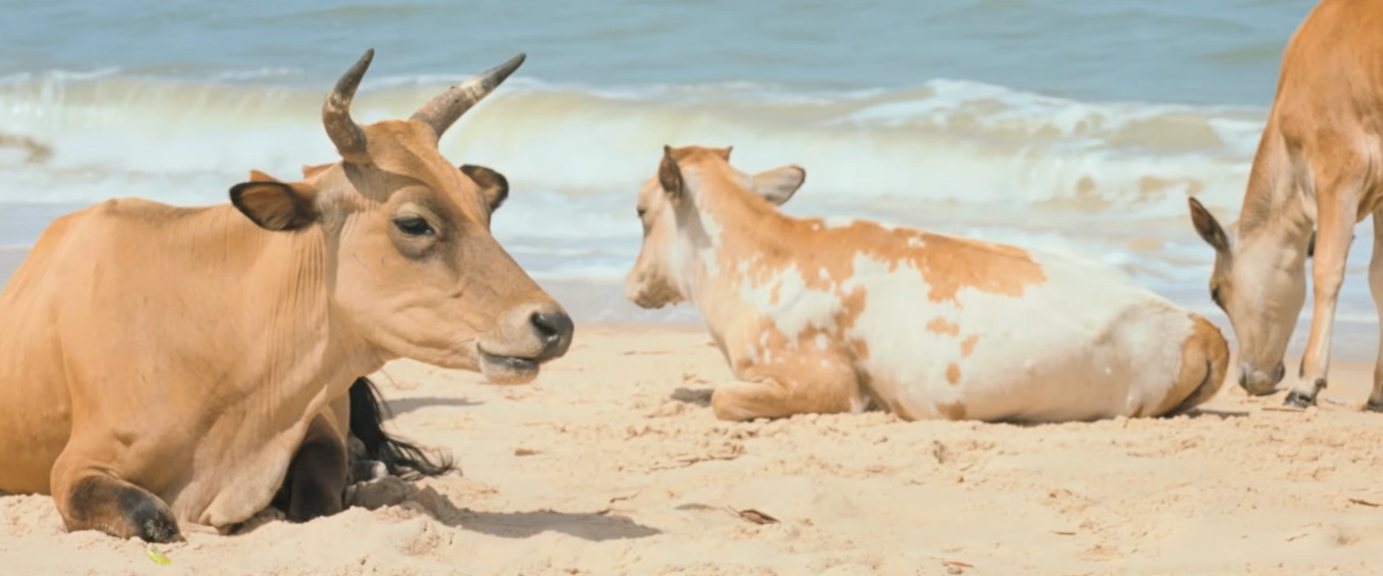
Cinematographer Ivo Lopes Araújo captures Guinea-Bissau with a meticulous yet unrestrained gaze, allowing the natural environment to shape the film’s rhythm. The camera follows gestures, pauses, and the intimate spatial relationships of the characters, often unprepared and reactive rather than predetermined. Light, dust, and the textures of streets, interiors, and public spaces are integral to the storytelling, emphasizing both the beauty and the precariousness of daily life.
Pinho’s approach – inviting actors to improvise within structured anchors – means every frame carries spontaneity, producing a cinematic choreography where human unpredictability becomes a visual principle. The result is a tactile, almost sensual experience that immerses viewers in the sights, sounds, and ethical tensions of a place rarely seen on screen.


Actors and Improvisation
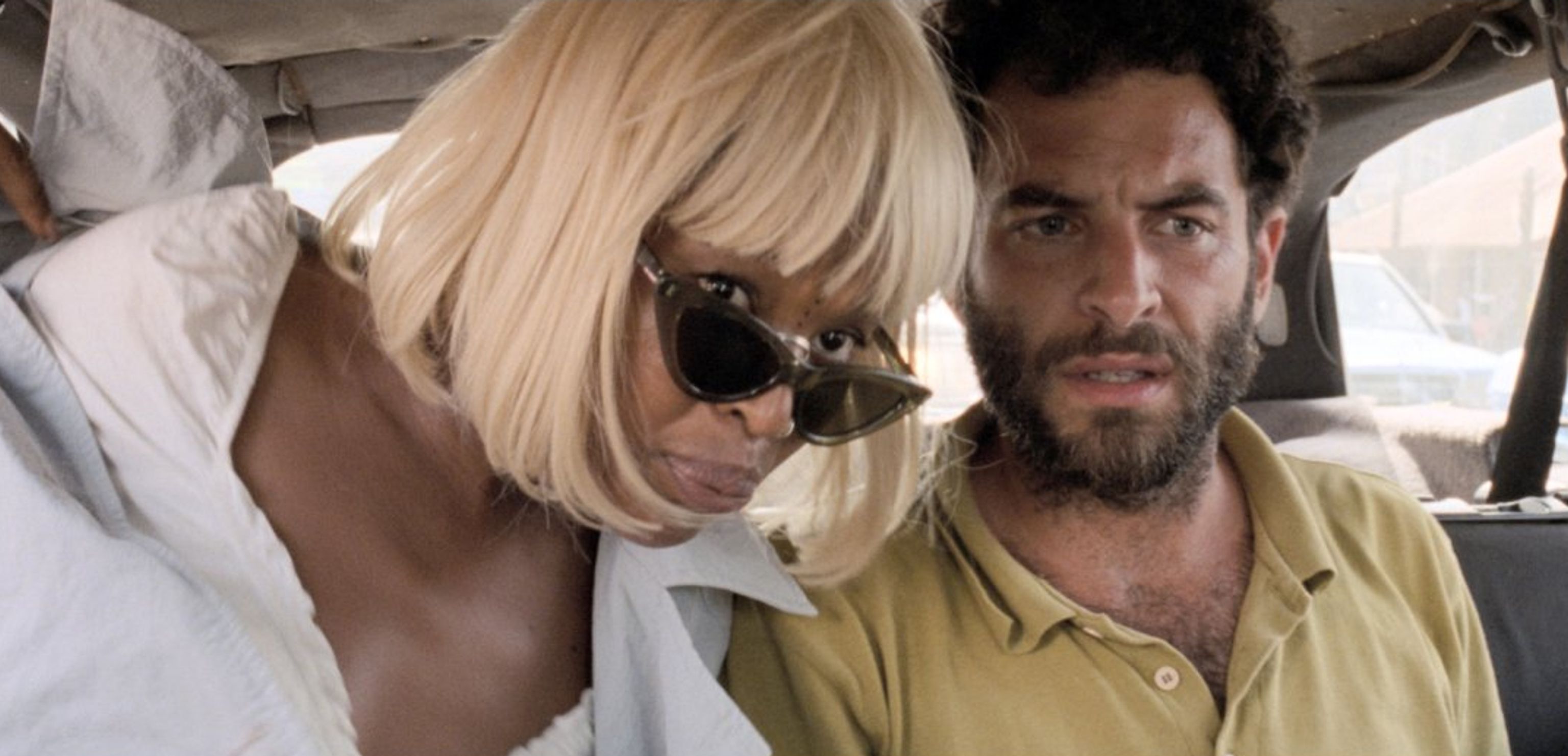
The film’s emotional resonance emerges from the courage and subjectivity of its cast. Sérgio Coragem, Cleo Diára, and Jonathan Guilherme were chosen not solely for their on-screen presence but for the inner life they bring to their characters. Scenes unfold through improvisation: actors know the dramatic intention but not the exact lines, allowing dialogue and interactions to breathe organically. This method encourages moments of vulnerability, contradiction, and surprise – qualities that mirror the ethical and emotional ambiguities at the heart of the narrative. Cleo Diára’s performance, recognized with Best Actress at Cannes’ Un Certain Regard, exemplifies the raw vitality and depth that define the film.

Legacy and Critical Impact
As both a cinematic work and a reflection on postcolonial power, I Only Rest in the Storm cements Pedro Pinho’s status as a socially engaged filmmaker of international significance. Following his acclaimed debut The Nothing Factory, Pinho continues to interrogate capitalism, development, and the invisible hierarchies that shape global interactions. The film’s reception, 78% positive reviews on Rotten Tomatoes and critical acclaim for its experimental approach to NGO and expatriate dynamics, underscores its ability to provoke debate while maintaining formal beauty.
Its premiere at Cannes, Queer Palm nomination, and Diára’s award signal not just artistic achievement but a continuing commitment to exploring the ethical and aesthetic possibilities of cinema in dialogue with history, identity, and human desire.


Rhythm, Space, and Cinema Without Hierarchy
Frammartino’s cinematic method is defined by subtraction, duration, and attentive orchestration of natural and human rhythms. The camera lingers in long, static takes, sometimes watching the slow birth of a goat or the meticulous layering of charcoal in the kiln, refusing to privilege human action over animal or vegetal existence. Silence predominates; ambient sound - bells ringing across hills, wind rustling through fir needles, goats bleating, the scrape of a shovel, or the crackle of embers - functions as both score and architectural material, shaping space and time with the precision of a cathedral’s acoustics. Camera placement often emphasizes distance, creating a flat visual hierarchy where the shepherd, the dog, the goats, the trees, and even piles of snails inhabit the same plane of significance. Interior and exterior, sacred and mundane, labor and ritual, life and decomposition coexist seamlessly, reflecting Frammartino’s architecturally informed sensitivity to porous, permeable spaces.
Through these methods, Le quattro volte radicalizes cinematic perspective: human life is fleeting, yet inseparable from a broader ecology of movement, growth, decay, and recurrence. The soul, passing from shepherd to goat to tree to ash, resonates in every frame, and the viewer experiences a meditation on temporality and the poetry of matter itself.